4D: stem cells
 Call Kai
 Learn
Learn Practice Test
 Spaced Repetition
 Match
Match Flashcards
 Knowt Play
1/10

There's no tags or description
Looks like no tags are added yet.
Name | Mastery | Learn | Test | Matching | Spaced | Call with Kai |
|---|
No analytics yet
Send a link to your students to track their progress
11 Terms
stem cells
undifferentiated cells with the capability of differentiating into specialised cell with a particular function
types of stem cells are distinguished in terms of their…
potency to produce different cell types
totipotent
embryonic stem cells
differentiate into any cell
pluripotent
embryonic stem cells, iPSCs (induced pluripotent stem cells)
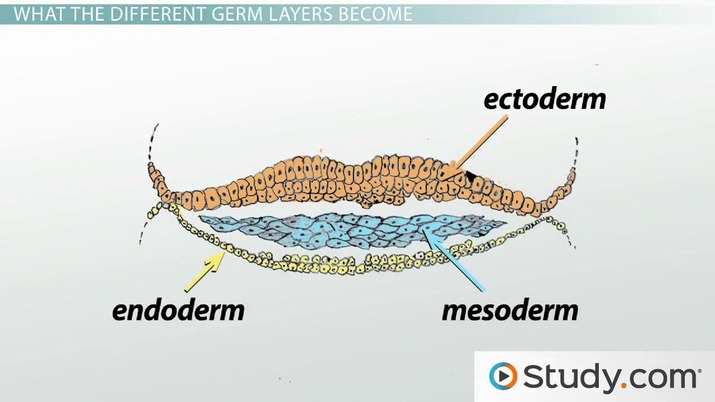
any 3 germ layers
multipotent
adult stem cells
limited, related family of specialised cells within a specific tissue / organ lineage
stem cells locations
zygote
human embryos (early stage)
some adult somatic cells
e.g. bone marrow
umbilical cord blood
pluripotent
after multiple rounds of cell division, the cells of the embryo lose their ability to give rise to cells of the placenta, and become more restricted in what type of cell they can become
blastocyst
zygote undergoes many mitotic divisions
inner cell mass of blastocyst wil form the tissues of the embryo while the cells of the outer layer will become the embrionic contribution to the placenta
embryo
early developmental stage of multicellular organism
embryo development = first 8 weeks of fertilisation
week 3: primary germ layers = present
stem cells use
stem cells = unique ability to regenerate damage tissue
e.g. Parkinson’s disease and other human diseases
potential usage = cell based therapies
field of research = regeneration medicine
other targeted diseases = type 1 diabetes, heart disease, spinal cord injuries
therapeutic cloning
produce stem cells for treatment