IPR 1) Research Methods and Statistics in Psychology (Semester 1)
 Call Kai
 Learn
Learn Practice Test
 Spaced Repetition
 Match
Match Flashcards
 Knowt Play
1/35

Earn XP
Description and Tags
This set of flashcards covers key vocabulary and definitions related to research methods and statistics in psychology, as discussed in the lecture notes.
Name | Mastery | Learn | Test | Matching | Spaced | Call with Kai | Chat |
|---|
No analytics yet
Send a link to your students to track their progress
36 Terms
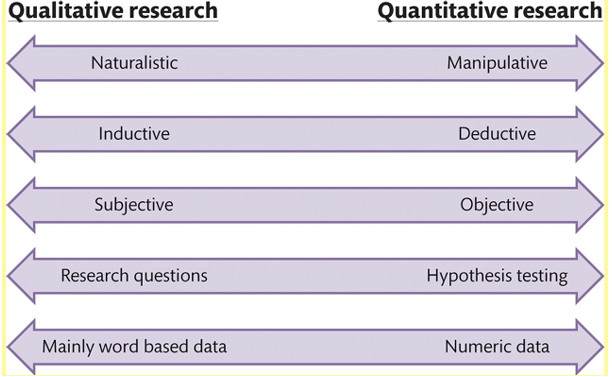
Quantitative research
Research that focuses on quantifying data and often involves statistical analysis.
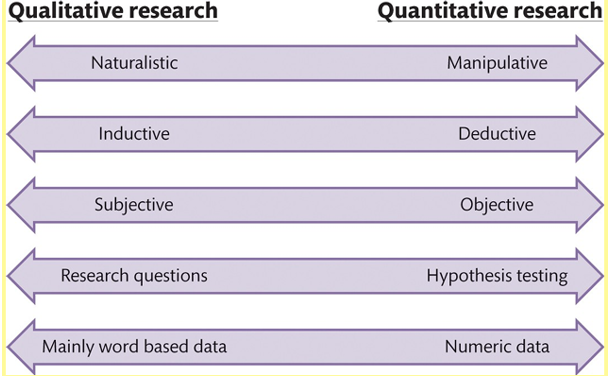
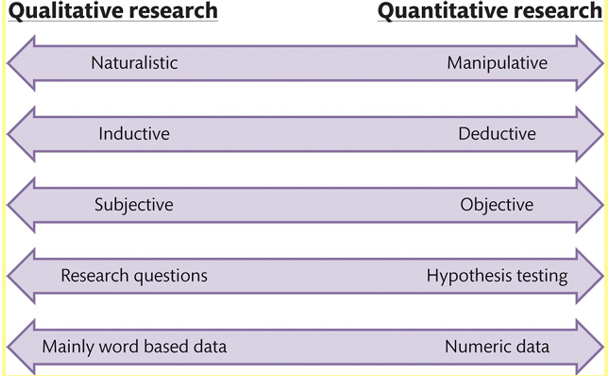
Qualitative research
Research that explores attitudes, behaviours, and experiences in a non-numerical form.
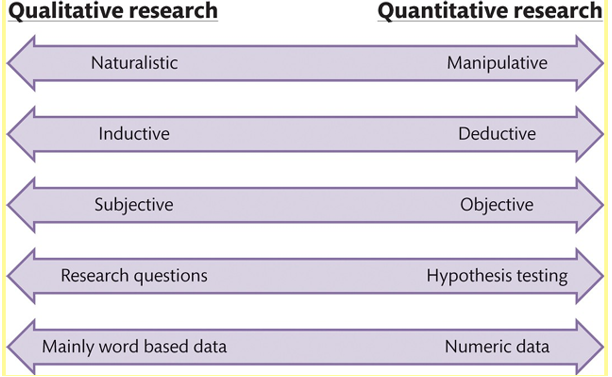
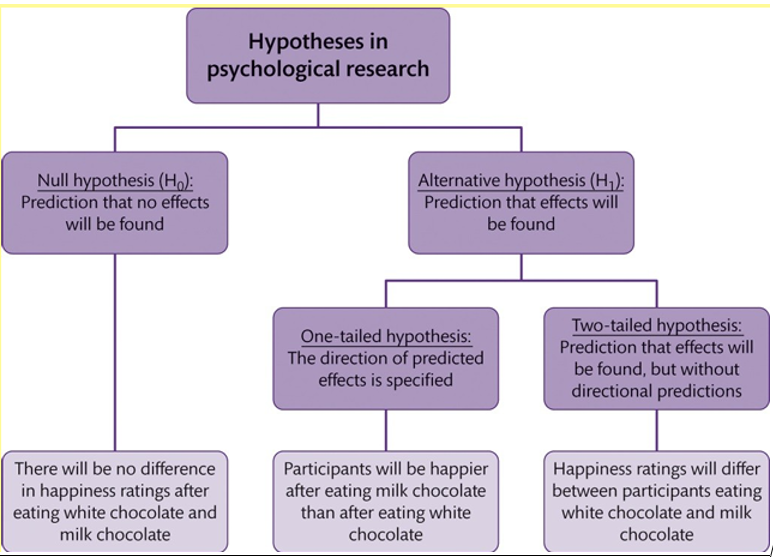
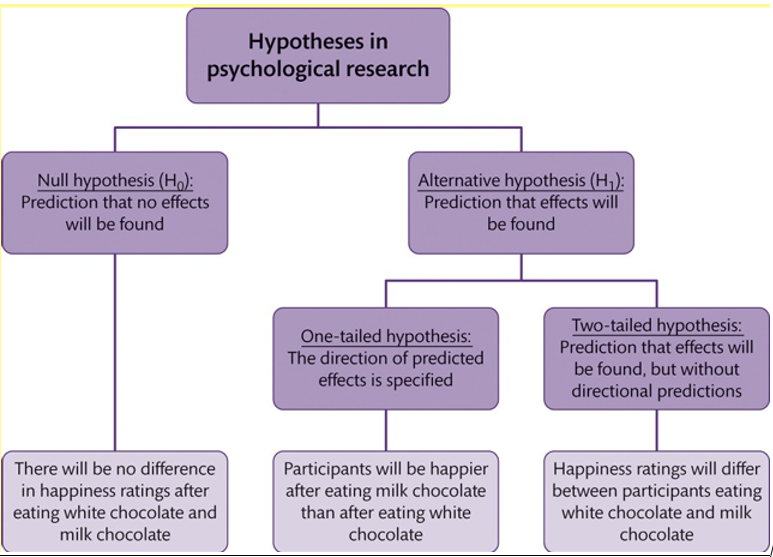
Hypothesis
A testable prediction about the relationship between two or more variables.
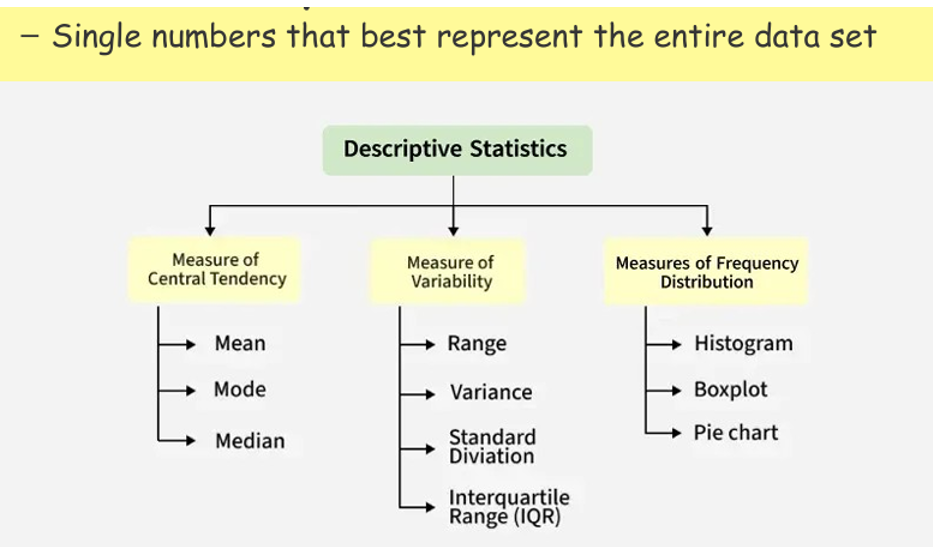
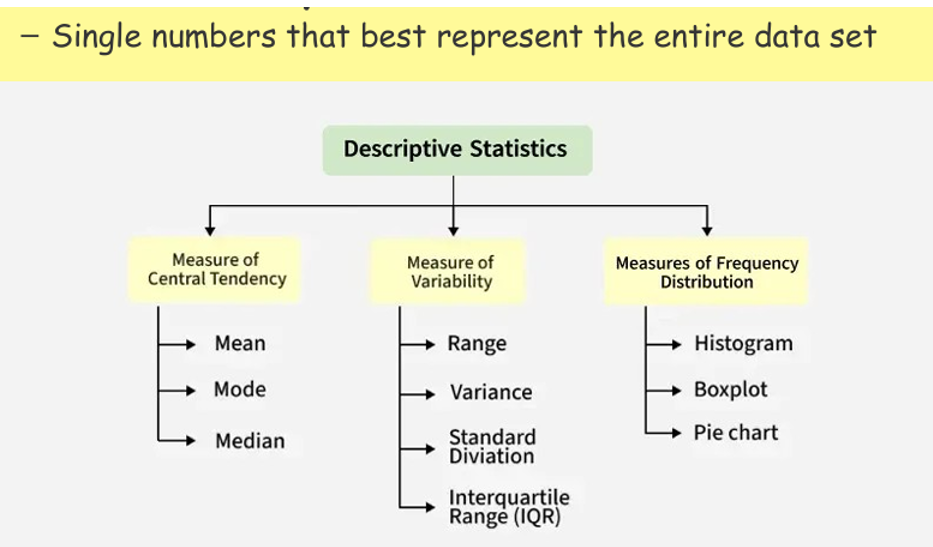
Descriptive statistics
Statistics that summarize the data collected in a study.
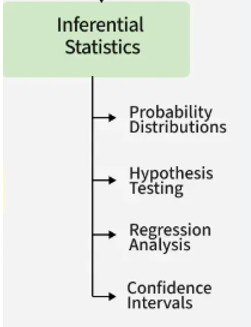
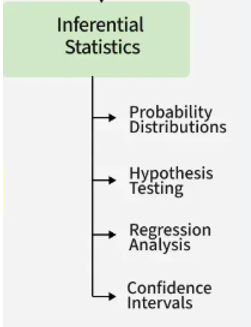
Inferential statistics
Statistics that allow researchers to make inferences and predictions about a population based on sample data.
Validity
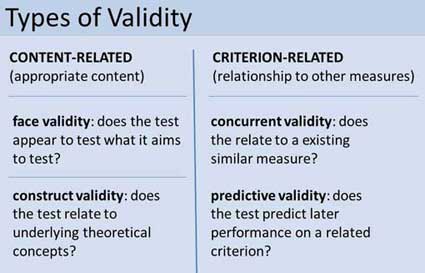
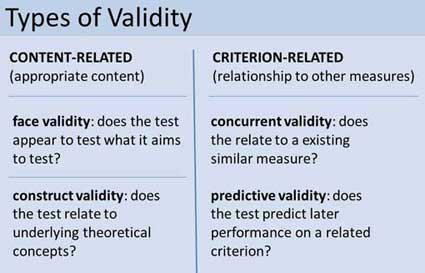
The degree to which a test measures what it claims to measure.
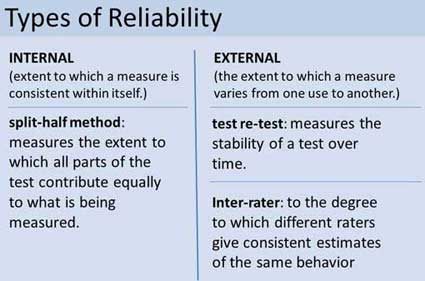
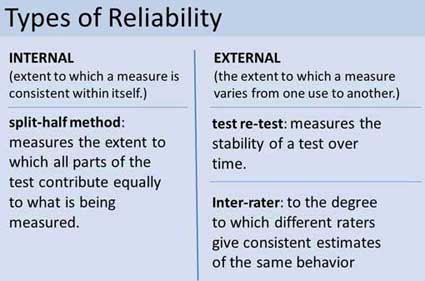
Reliability
The consistency of a research study or measuring test.
Independent variable (IV)
The variable that is manipulated in an experiment to observe its effect on the dependent variable.
Dependent Variable (DV)
The variable that is measured in an experiment.
Generalisability
The extent to which findings from a study can be applied to broader contexts.
Ethical approval
Formal permission from organisations (BPS, APA) was obtained to conduct research involving human participants.
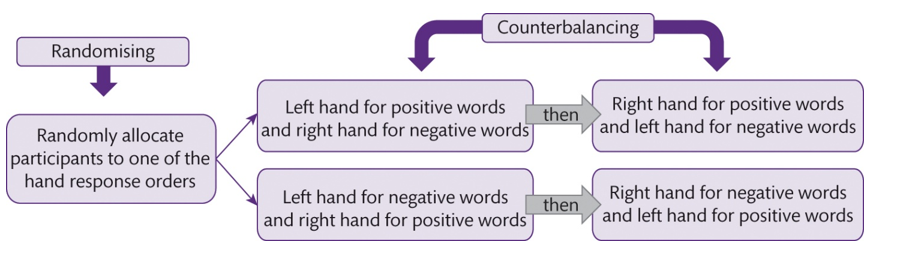
Randomisation
The process of assigning participants to different conditions in a random manner to enhance the validity of the results.
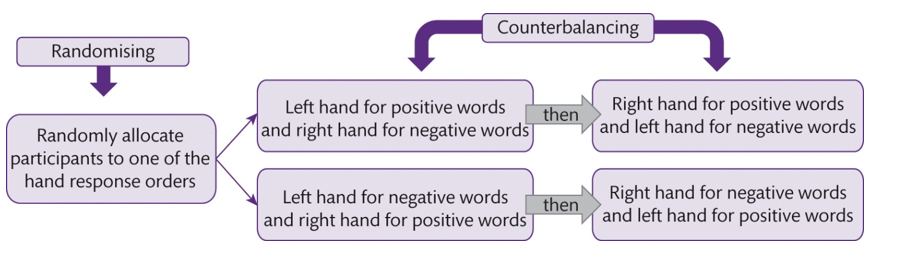
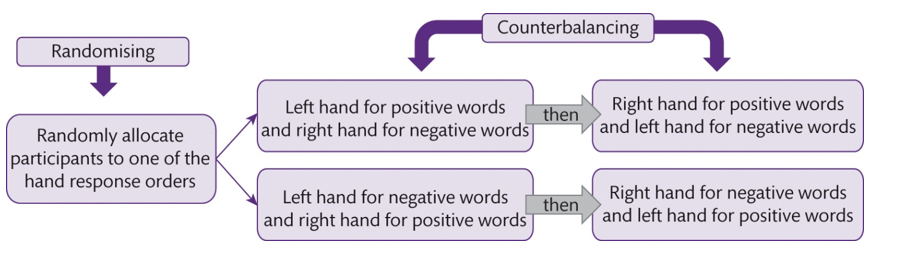
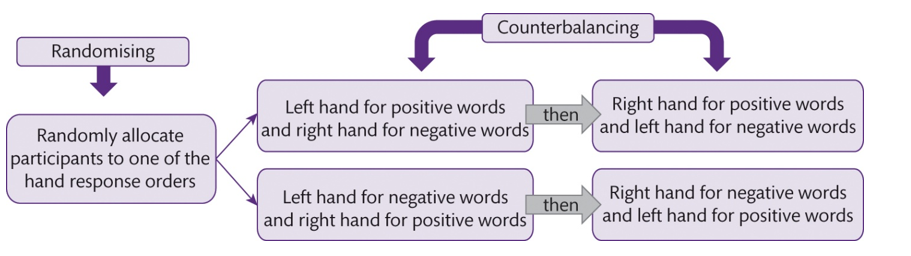
Counterbalancing
A technique used to control order effects by varying the order of conditions across participants.
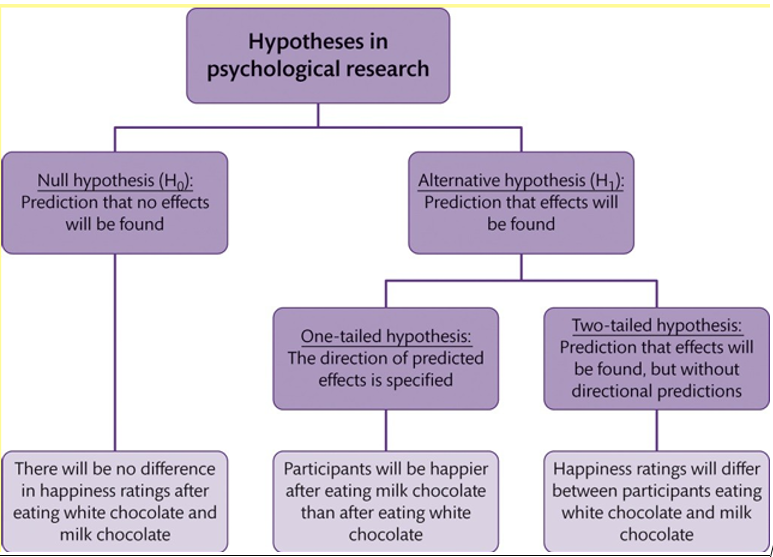
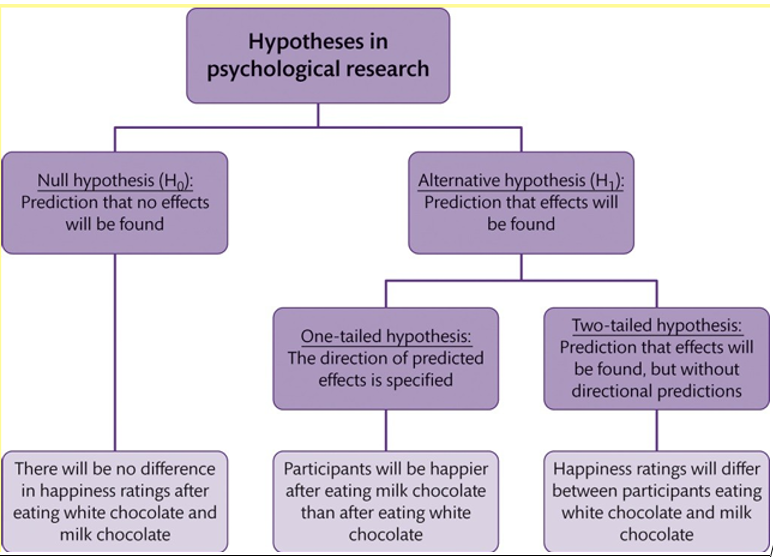
Null Hypothesis
A prediction proposing no effect or no relationship between variables.
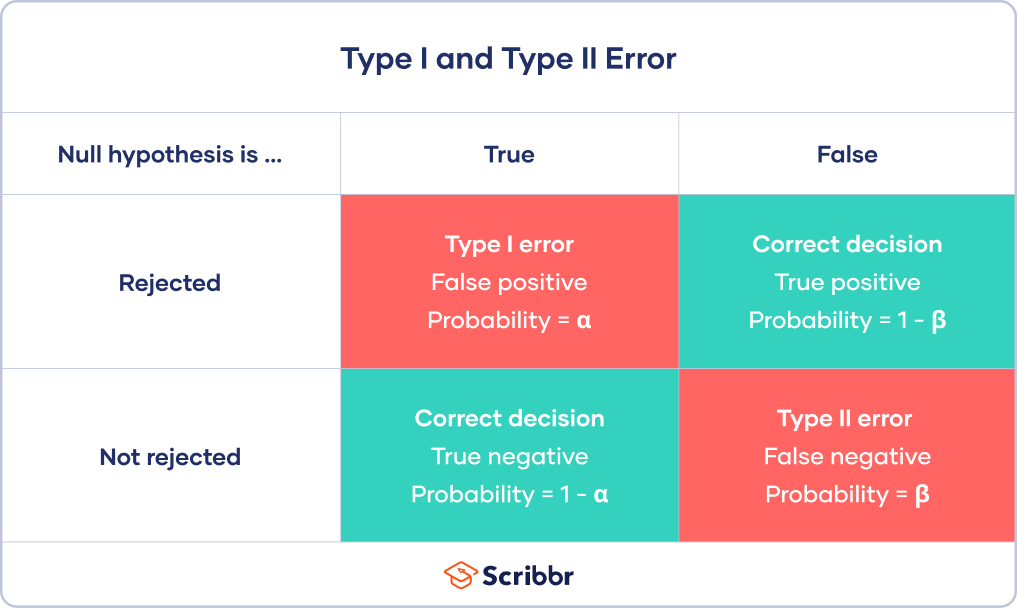
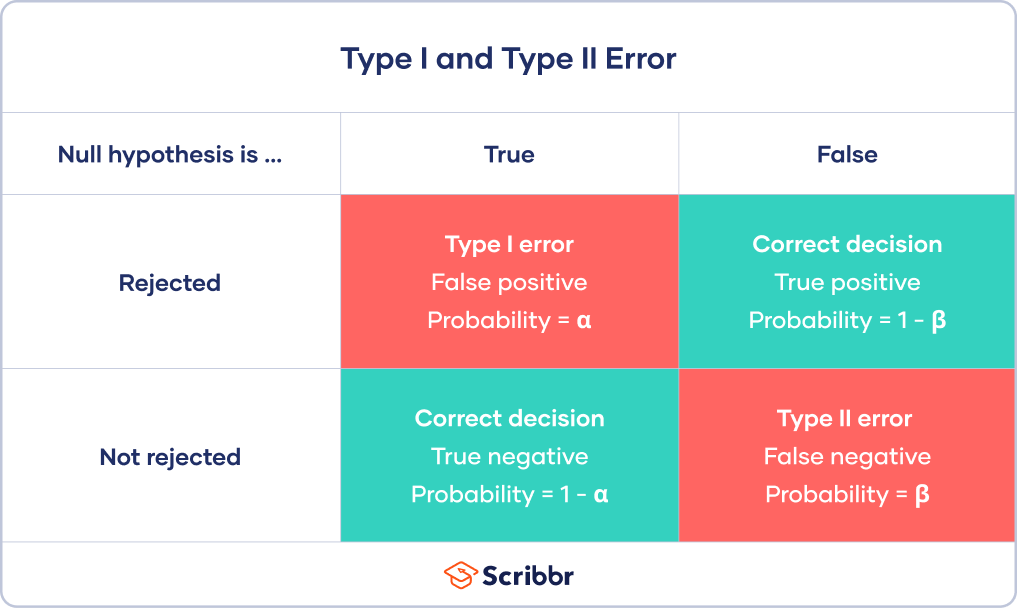
Type 1 error
The error of rejecting a true null hypothesis (false positive).
p-value
Measures how strongly the data contradicts the null hypothesis.
Sampling distribution
The distribution of a statistic obtained from a larger number of samples drawn from a specific population.
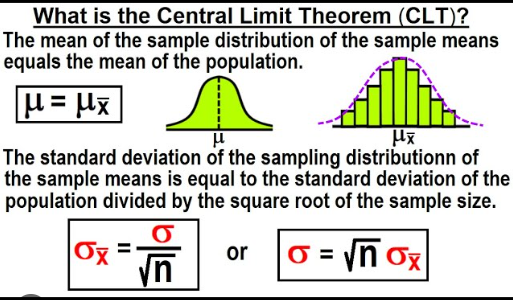
Central Limit Theorem
If you take enough sufficiently large, random samples from any population, the averages of those samples will form a normal (bell-shaped) curve.
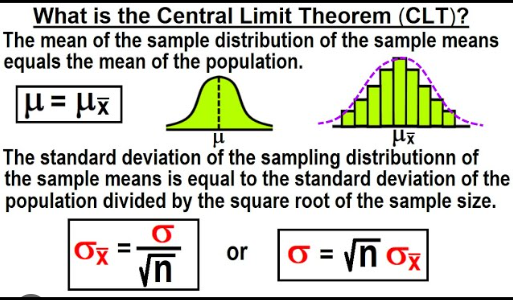
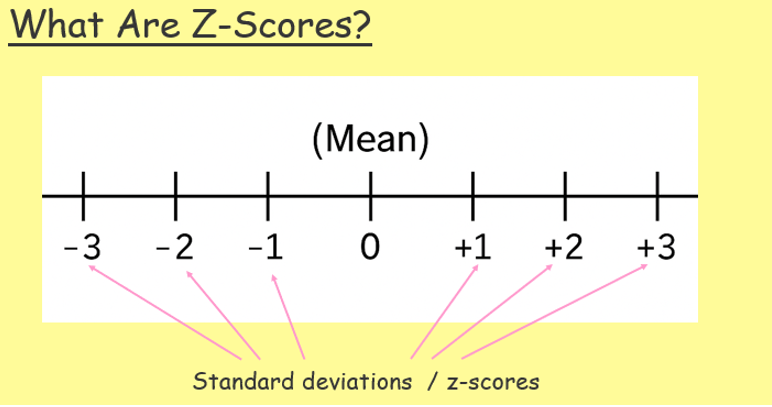
Z-score
A statistical measurement that describes a specific value's relationship to the mean of a group of values. It measures how many standard deviations a data point is above or below the population mean.
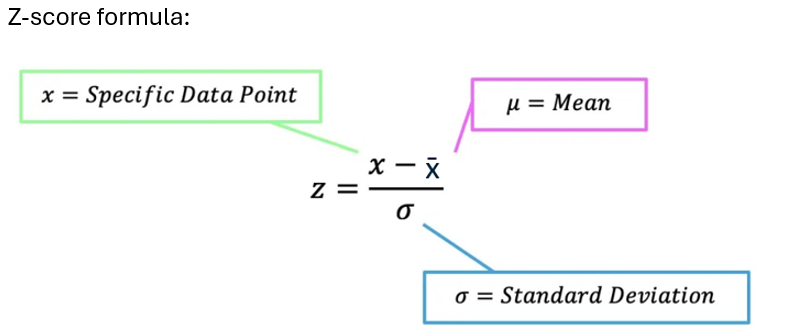
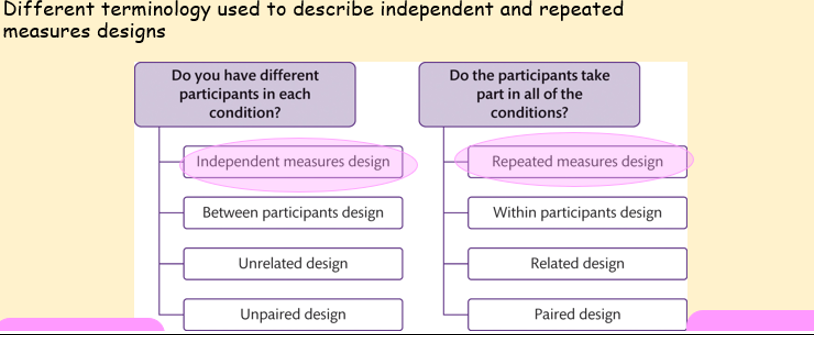
Experimental design
The plan for how to conduct an experiment, including how to manipulate the IV and measure the DV.
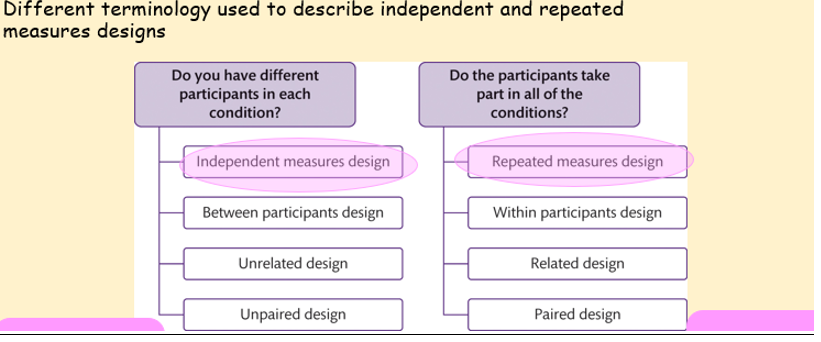
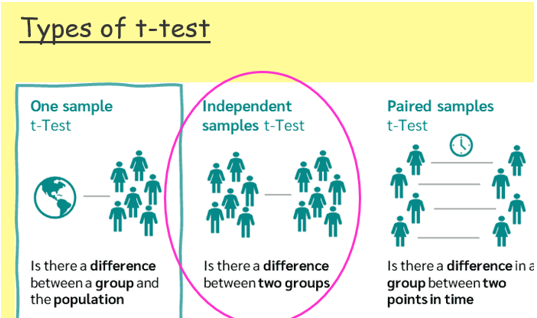
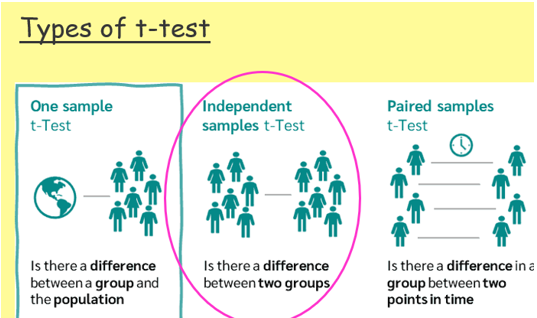
T-test
A statistical test used to determine if there is a significant difference between the means of two groups.
Confound Variable (CV)
An unwanted variable that varies with the independent variable (IV), influencing the dependent variable (DV) and making it impossible to determine a true cause-and-effect relationship. Examples include participant characteristics (age, personality) and researcher bias (tone, expectations).
Ethics in research
The principles guiding researchers to conduct their studies responsibly and transparently.
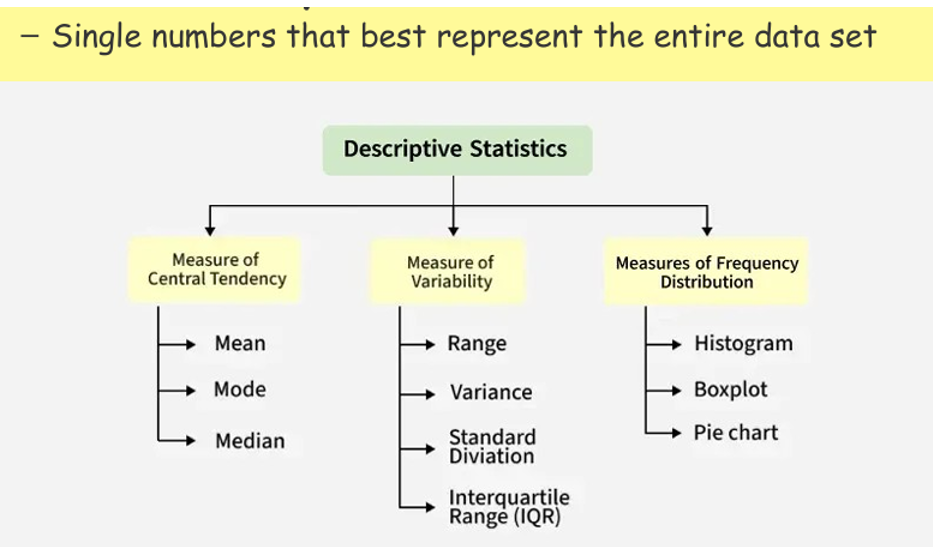
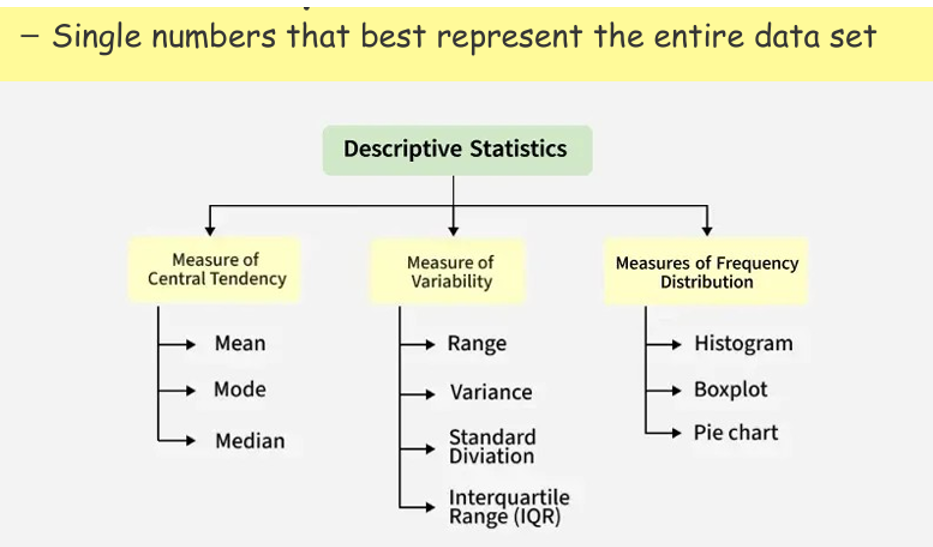
Descriptive statistics examples
Mean, median, mode, and standard deviation.
Statistical power
The probability that a test will correctly reject a false null hypothesis.
Sampling technique
The method used to select individuals from the population for a study.
Continuous variable
A variable that can take an infinite number of values within a range.
Nominal variable
A variable is a type of categorical variable used to group data into distinct, mutually exclusive labels
Ordinal variable
A categorical variable with a clear ordered sequence.

Parametric tests
Statistical tests that assume data follows a specific distribution.


Non-parametric tests
Statistical tests that do not assume a specific distribution.

Covariance
A measure of how much two random variables vary together.
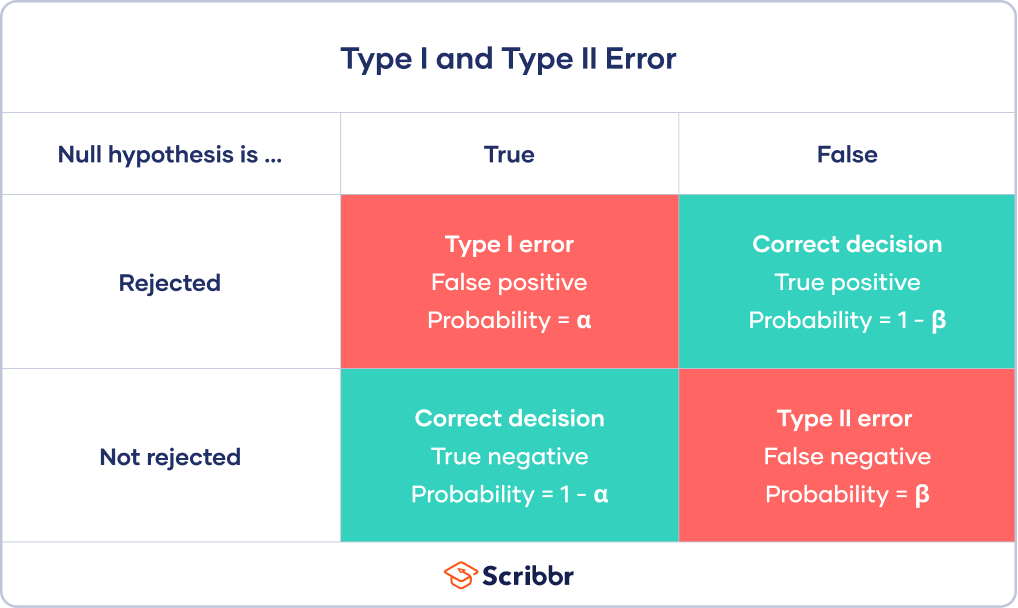
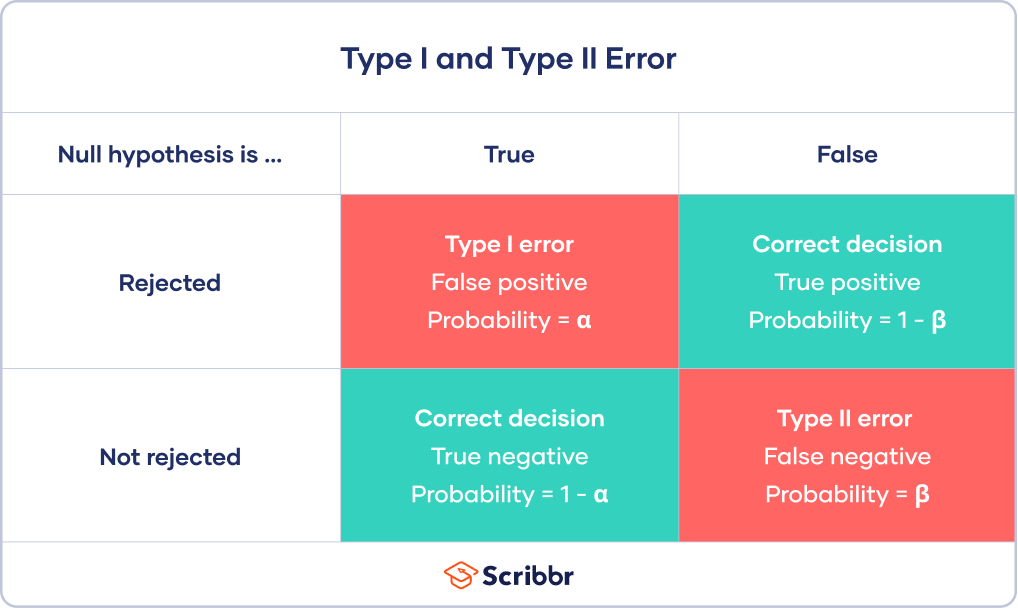
type II error
It is where you accept the null hypothesis when it is false
Extraneous variables
Factors other than the independent variable (IV) that may unintentionally impact the dependent variable (DV) and the results in a study, such as noise, time of day and distractions.

Standard deviation
A statistical measurement that indicates how far, on average, individual data points in a dataset lie from the mean (average).


Research Process
A systematic series of steps that researchers follow to conduct investigations and gather information to enhance understanding of a topic or phenomenon.
