bsci160 - global abiotic conditions / distribution of ecological systems
 Call Kai
 Learn
Learn Practice Test
 Spaced Repetition
 Match
Match Flashcards
 Knowt Play
1/23

There's no tags or description
Looks like no tags are added yet.
Name | Mastery | Learn | Test | Matching | Spaced | Call with Kai |
|---|
No analytics yet
Send a link to your students to track their progress
24 Terms
biome challenges
tundra
cold, ↓ plants, ↑ temp △, unpredictable
desert
↓ plant life, ↓ rain
chaparral
wildfires, unpredictable
forest
limited sunlight under canopy, ↑ varied animals, ↑ predation, ↑ competition
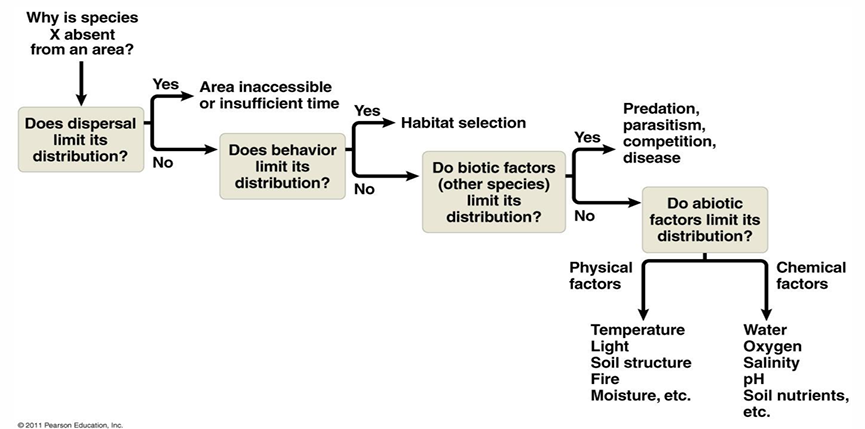
distribution limiting factors
physical
temp
light
soil structure
fire
moisture
chemical
water
O2
salinity
pH
soil nutrients
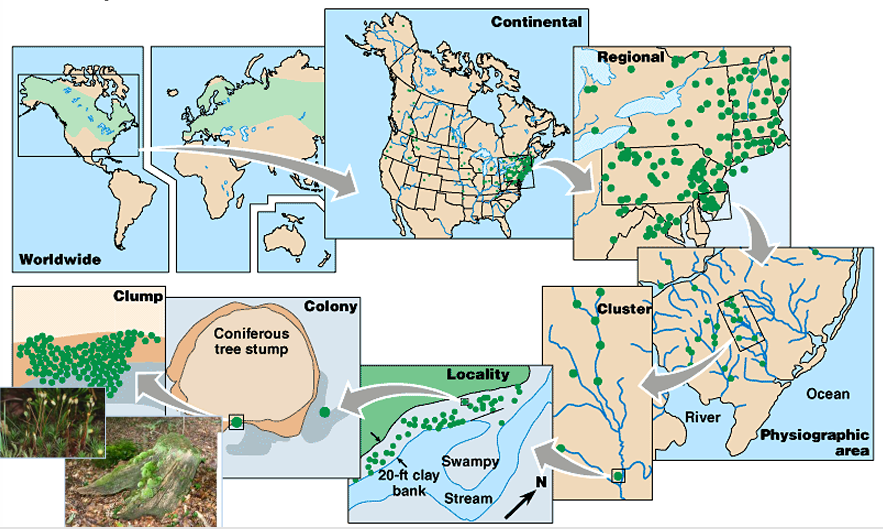
scale
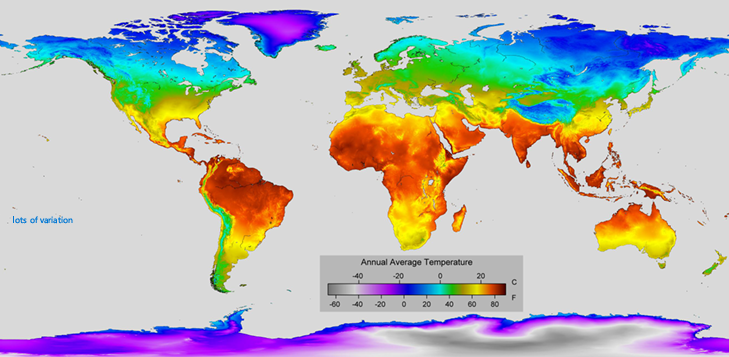
temperature trends
warmer near equator
colder near poles
abiotic relations
temp → precipitation
sunlight → temp
soil pH → mineral content
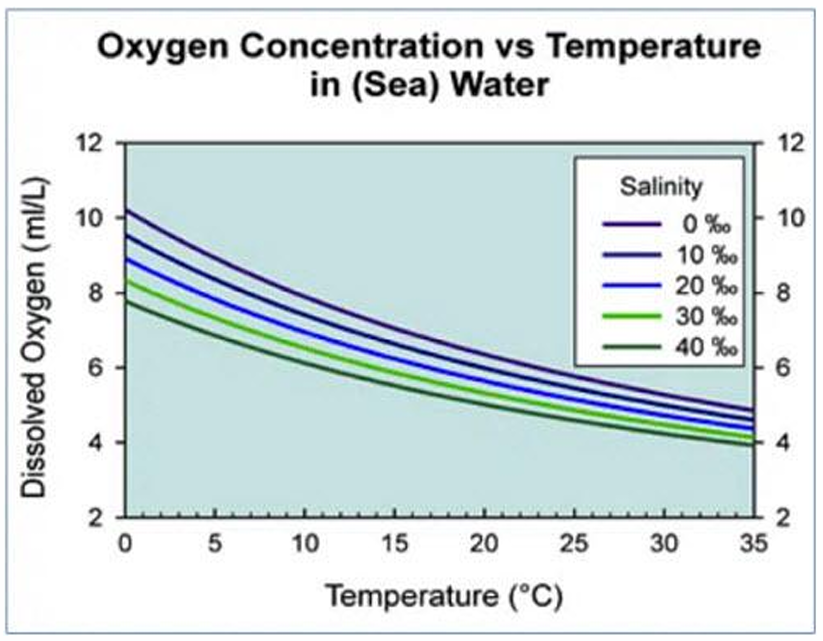
water temp → O2 lvls
elevation → temp
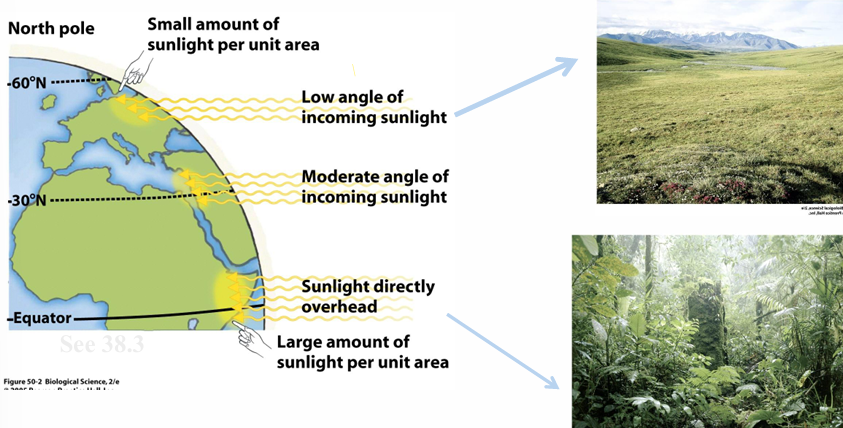
sunlight equator
tropics get more direct UV radiation (sun light)
↑ sun → ↑ temp
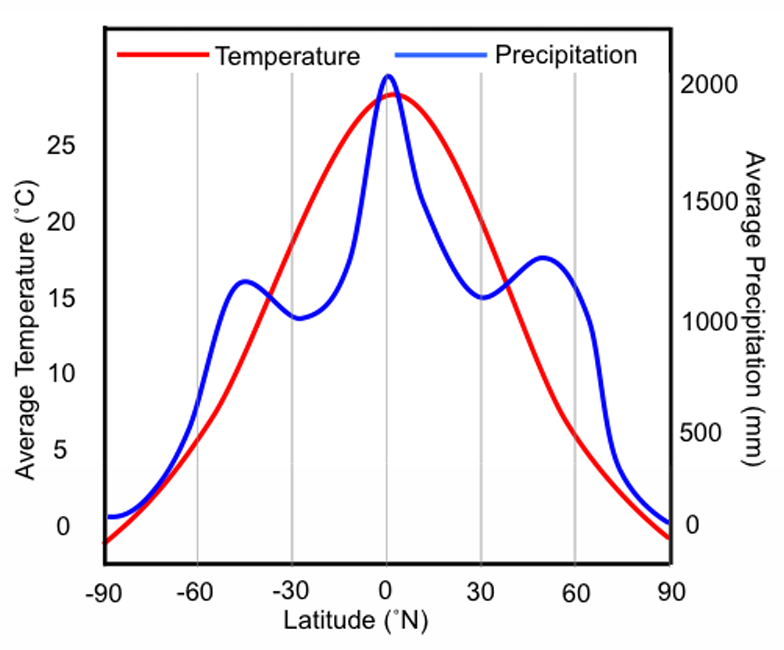
temp, rain, latitude
temp peaks @ equator
dips @ poles
rain dips N & S ~30°
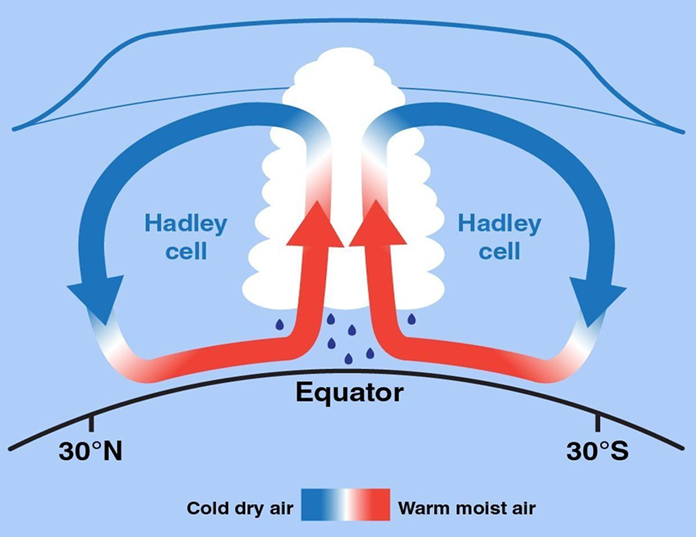
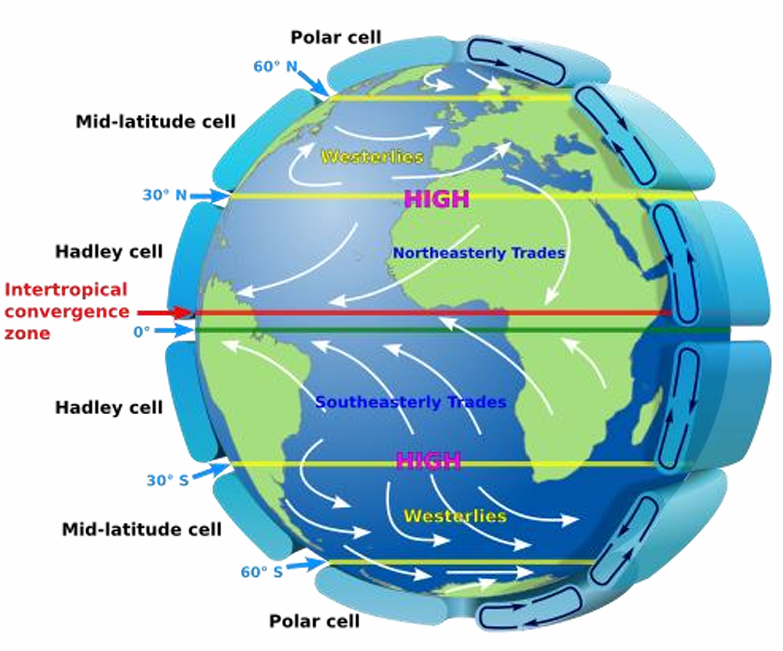
hadley cells
hadley cells
air pick up heat from warm ground → ↑ & cools → rains
collisions of air currents → ↑ air
rising air → cools air
cool air → rainfall
warm air holds ↑ water vapor
temp & elevation
↑ elevation → ↓ temp
atmosphere get thinner & farther away from warm surface
hadley cell
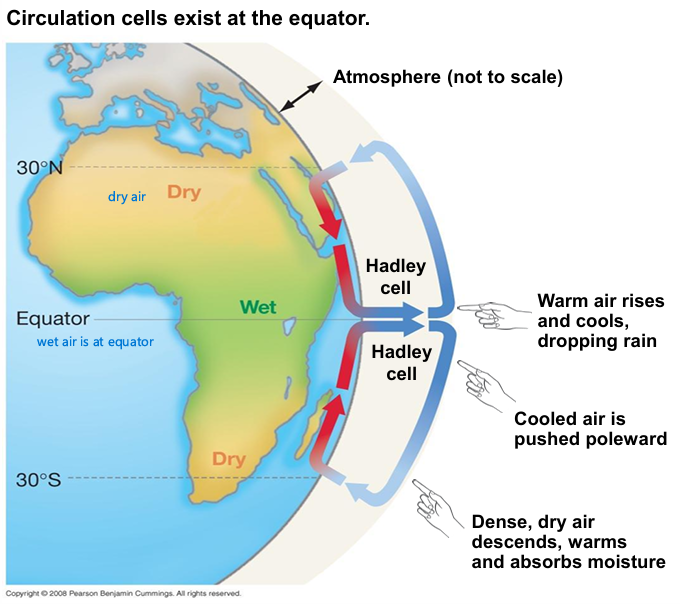
air currents
many “circulation cells” across globe
caused by major air circulation patterns
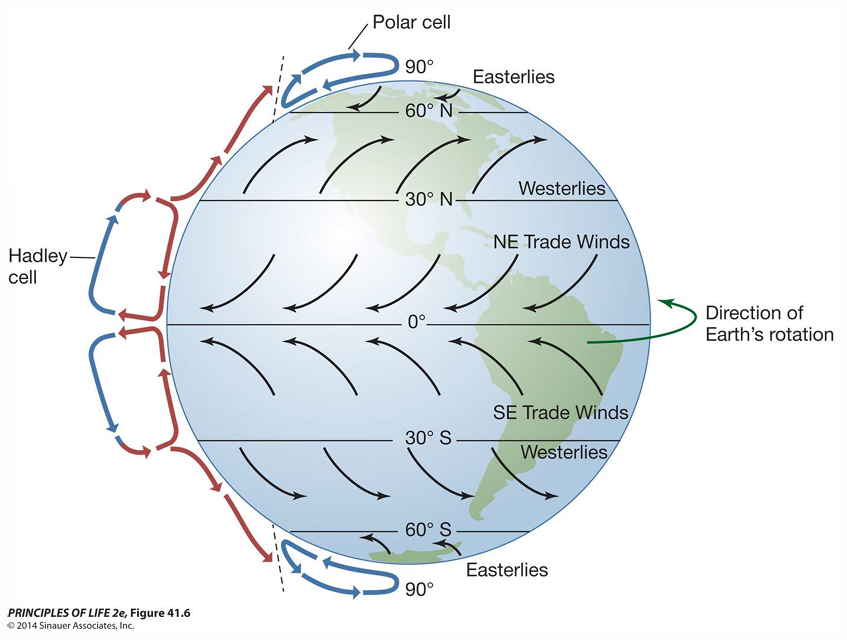
air currents come from planet rotation
faster @ equator
Coriolis effect
explains patterns of prevailing surface winds
earth rotates faster @ equator
air moves opposite direction of earth’s rotation
explain wind patterns
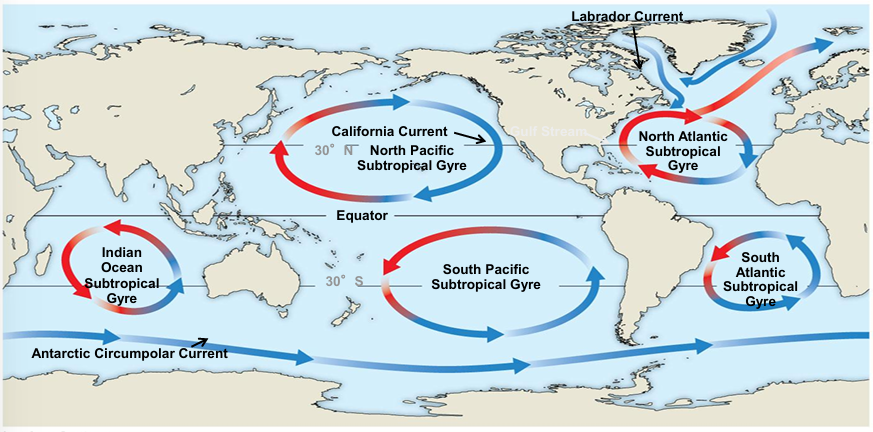
explain how water moves
water circulation cells
global circulation of surface water affects climate patterns on land
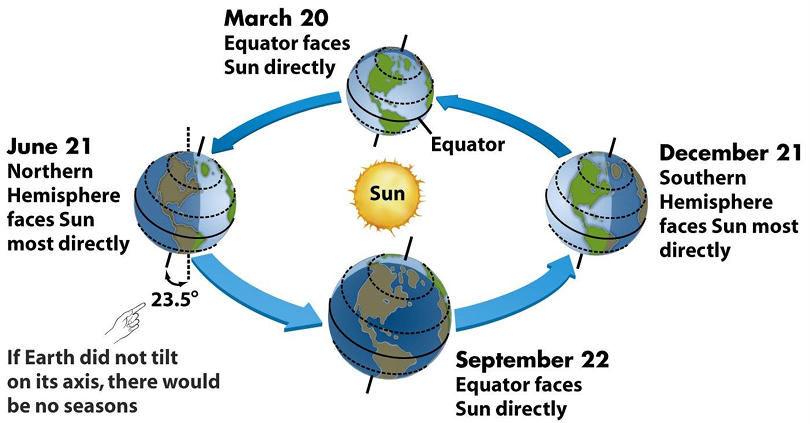
seasonality
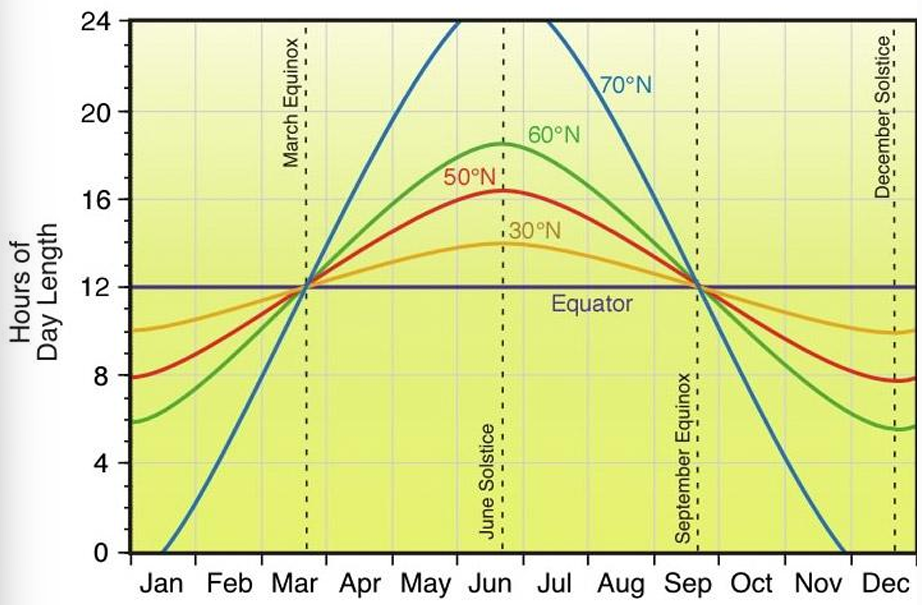
tilt of earth’s axis of rotation → seasons
N & S hemisphere experience seasons @ diff times
migratory birds track “summer” temps
spend winter in S. hemisphere
temp & day length
temp & day length → ↑ consistent near equator
less environmental stress to deal with
rain shadows
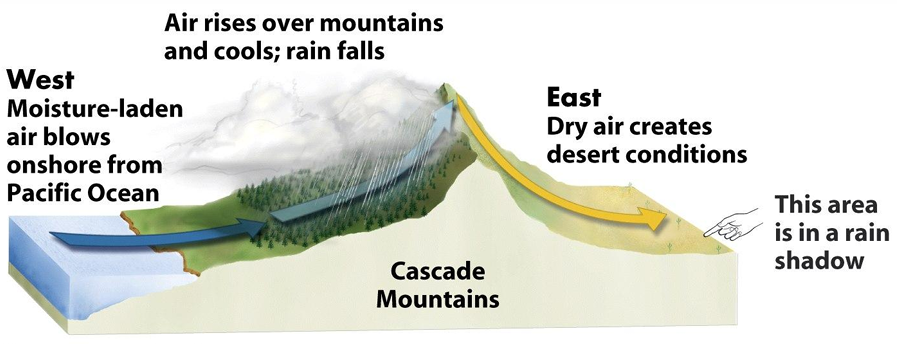
mountains & oceans cause regional effects on climate
rain gets “trapped” on 1 side of mountain b/c as air ↑ → cools → rain
rain doesn’t make to other side of mountain
ENSO
El Niño & La Niña
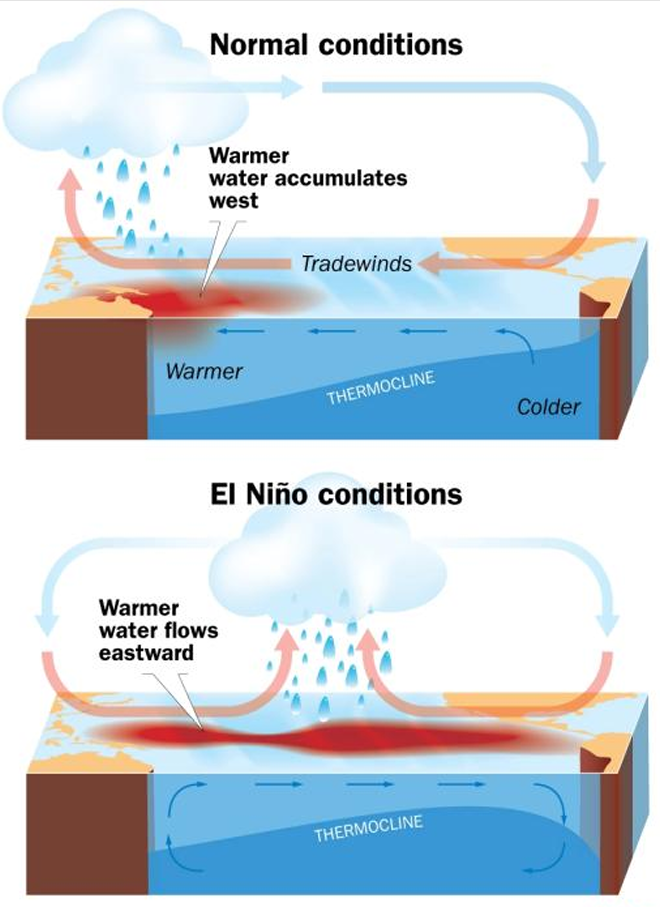
△ sea temp, air pressure, air temp → Pacific Ocean
varies between neutral, el nino, & la nina conditions
△ air pressure, water temp, air temp
unpredictable, irregular patters every 2-7 yrs
El Niño
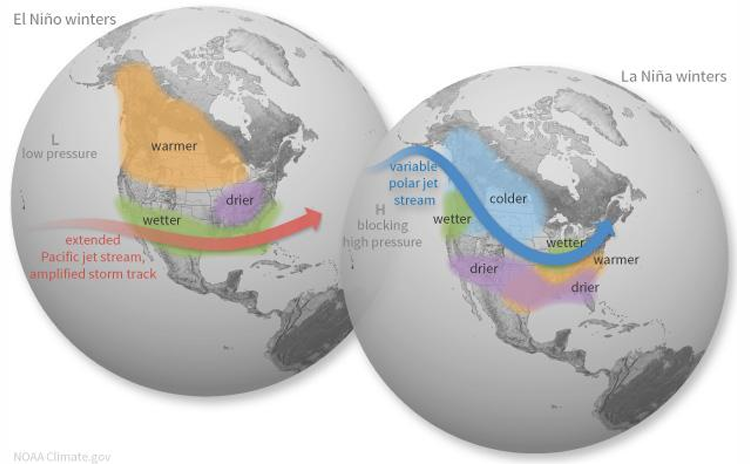
ENSO air currents
warmer
La Niña
ENSO air currents
cooler
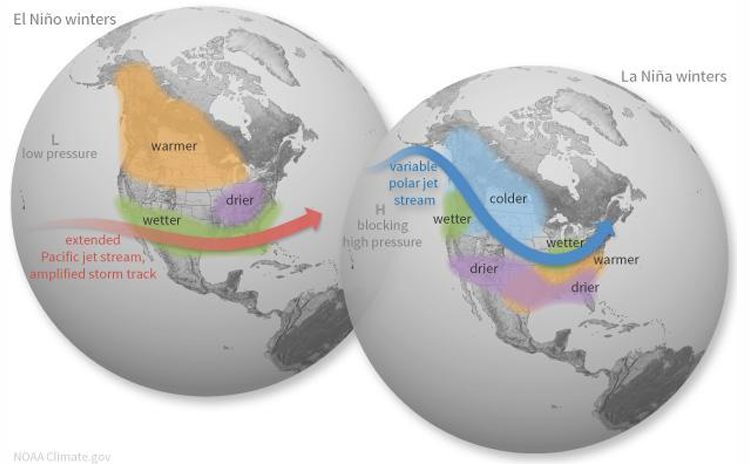
ENSO soil effects
warm, humid → ↑ acidic soils
diff plants tolerate diff pH soils
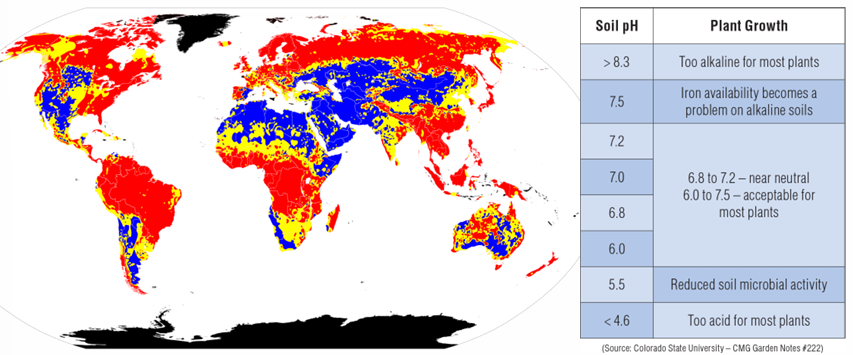
soil pH
depn on parent material (rock) & other processes
affects soil nutrient availability
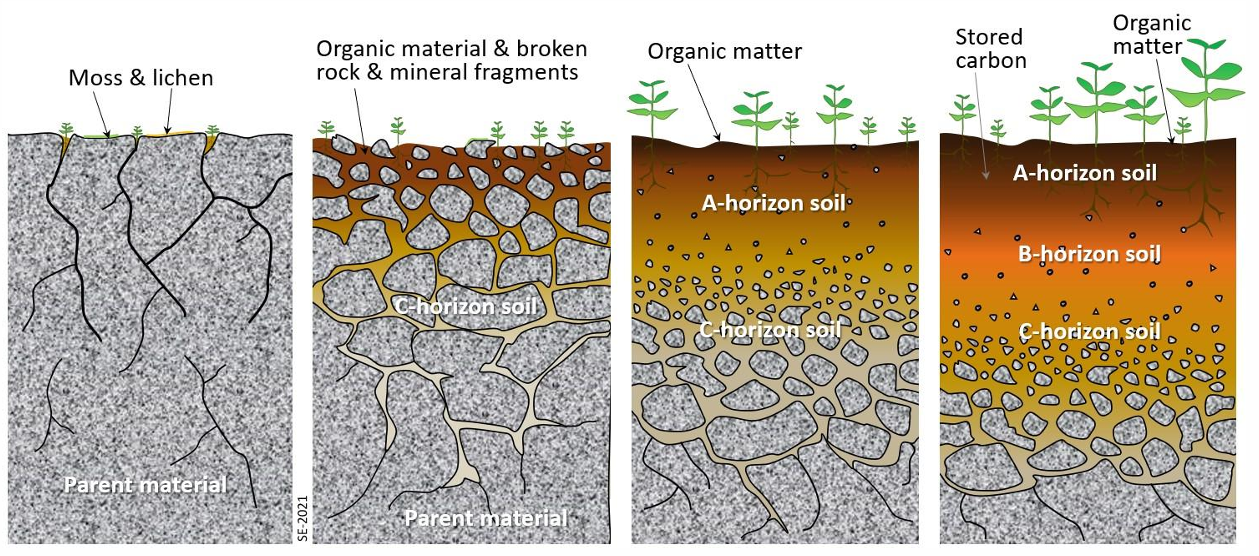
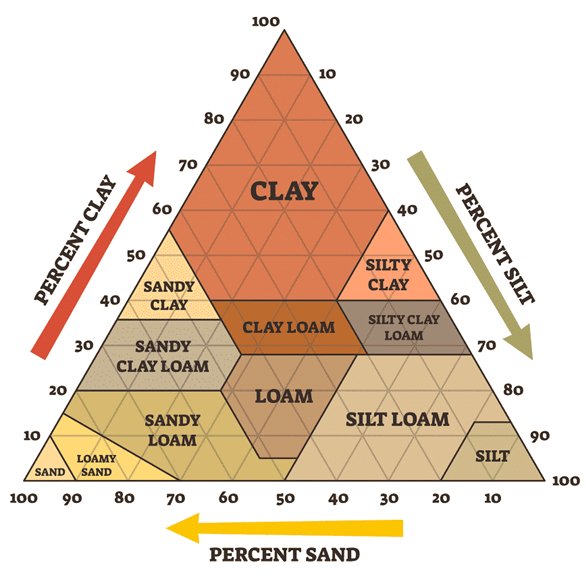
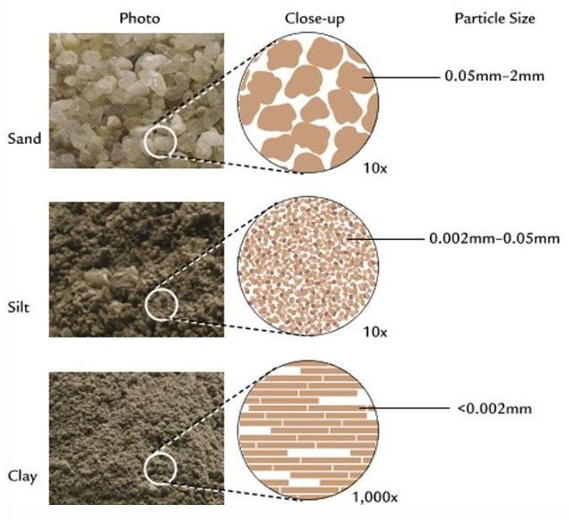
soil
classified by amt of sand, silt, & clay
main diff is particle size
sand > silt > clay
↑ particles let ↑ water pass through
↓ particles hold ↑ water
soil has microbes
decaying organic matter adds nutrients
↓ nutrients in sand b/c ↓ microbes
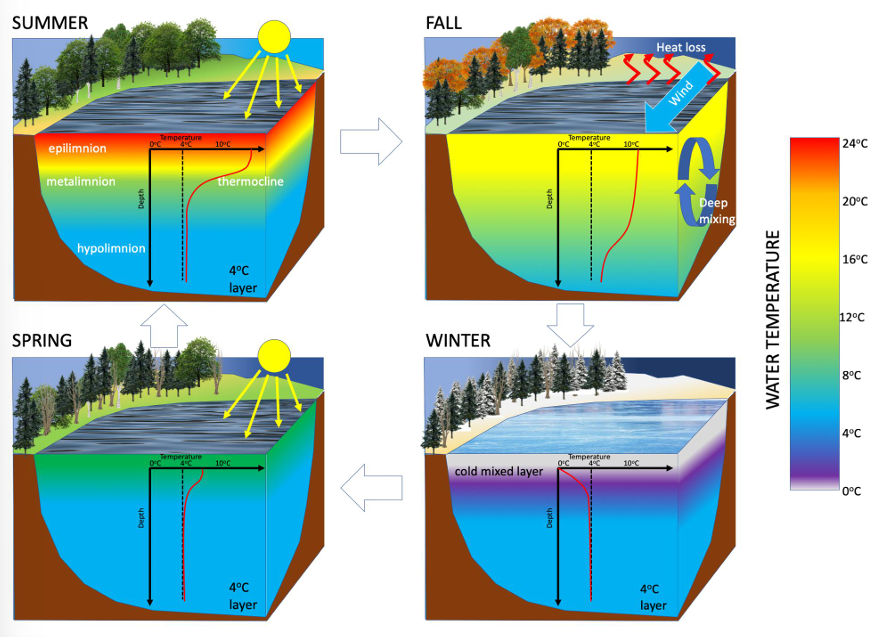
aquatic habitats
“buffered” from terrestrial changes
further ↓ → warmer
frost line
water conditions vary across seasons
dpn on geography
oxygen content
temp can’t affect O2 content
turbidity - mvmt of water
flower water → ↑ O2
most important → temp & rain