three dimensional figures, objects solid unit 6 math vocabulary three dimensional figures, objects solid
 Call Kai
 Learn
Learn Practice Test
 Spaced Repetition
 Match
Match Flashcards
 Knowt Play
1/52

There's no tags or description
Looks like no tags are added yet.
Name | Mastery | Learn | Test | Matching | Spaced | Call with Kai |
|---|
No analytics yet
Send a link to your students to track their progress
53 Terms
What is volume?
The space inside a 3D figure.
What makes a shape 3D?
It must have height.
Volume vs Area
Volume is for 3D shapes
Area is for 2D shapes
Exponents for volume vs area
Volume → exponent of 3 (cubed)
Area → exponent of 2 (squared)
General volume formula
Volume = B × H
B = area of the base
H = height
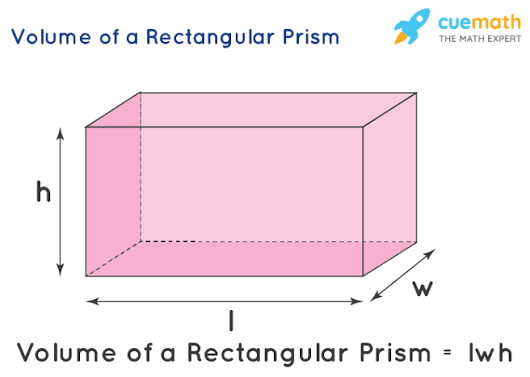
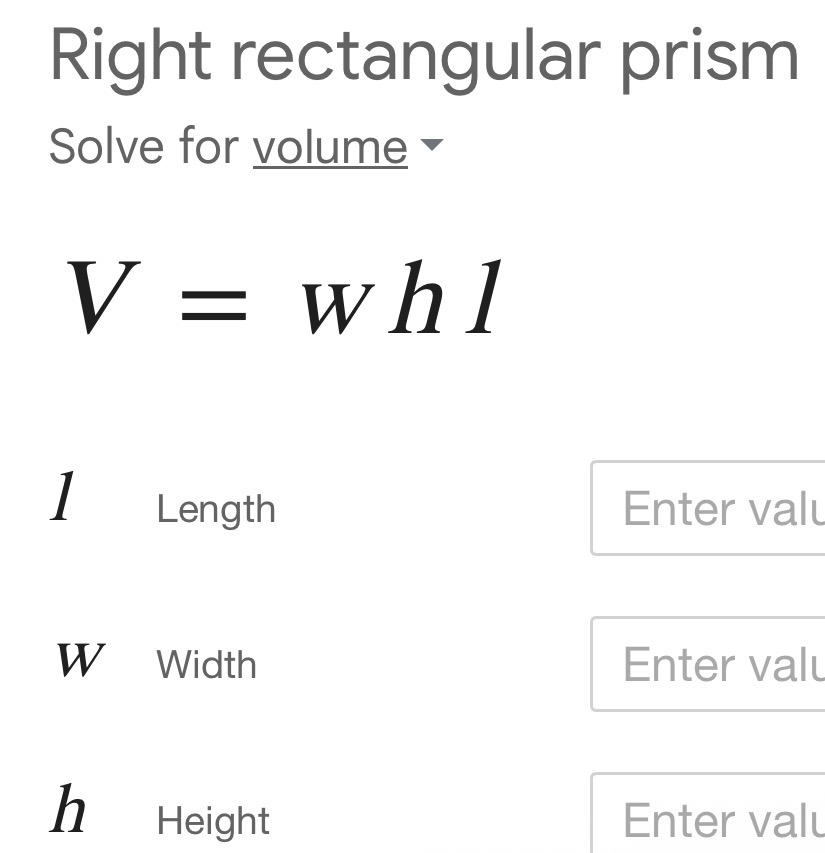
Rectangular prism formula
V = length × width × height
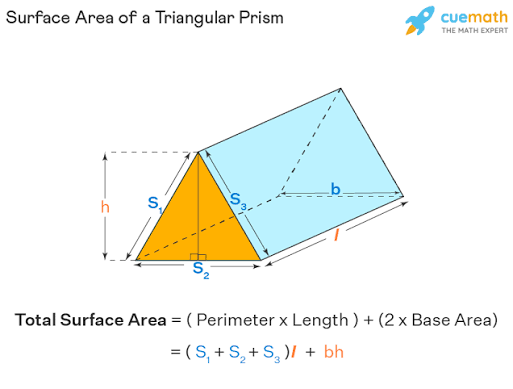
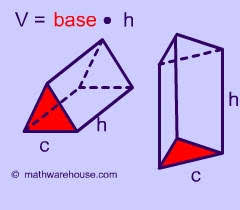
Triangular prism formula
V = 1/2 × base × height × height
(one height for triangle, one for prism)
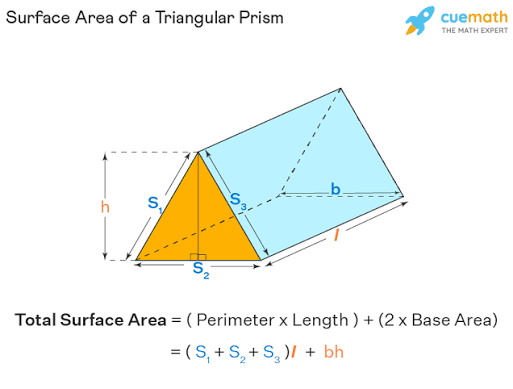
Triangular prism has two height
Cube formula
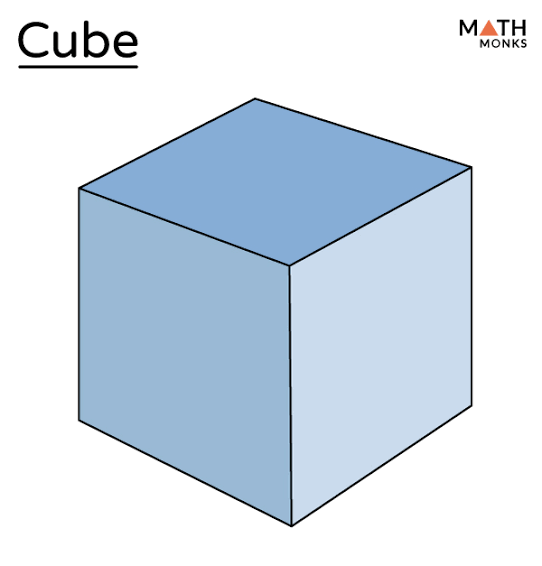
V = side × side × side Or
(s³) or
S x s x h
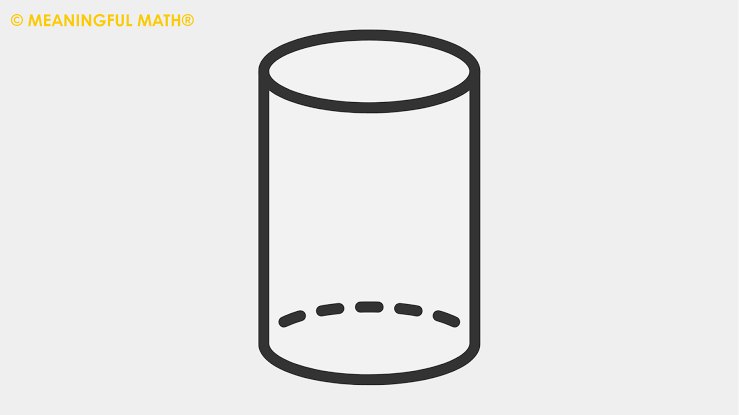
Cylinder formula
V = π × r² × h
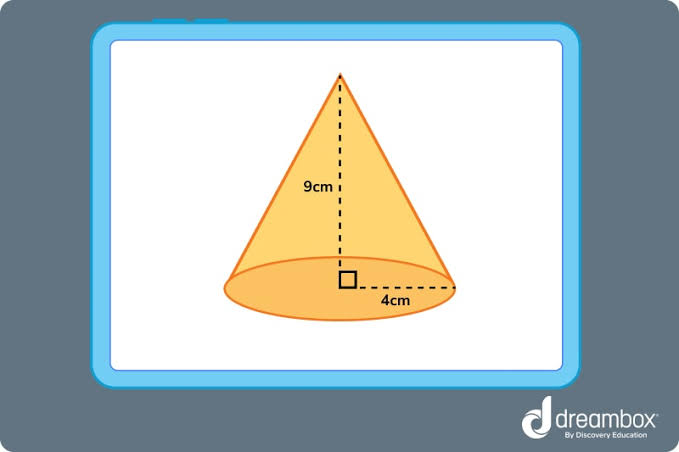
Cone formula
V = 1/3 × π × r² × h
What do all pointy shapes have in common with there volume formula ?
They start with 1/3 in the formula
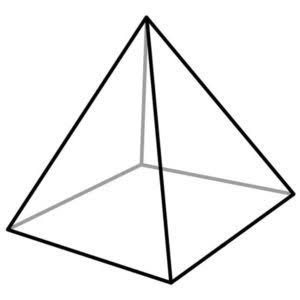
Square pyramid formula
V = 1/3 × side × side × height
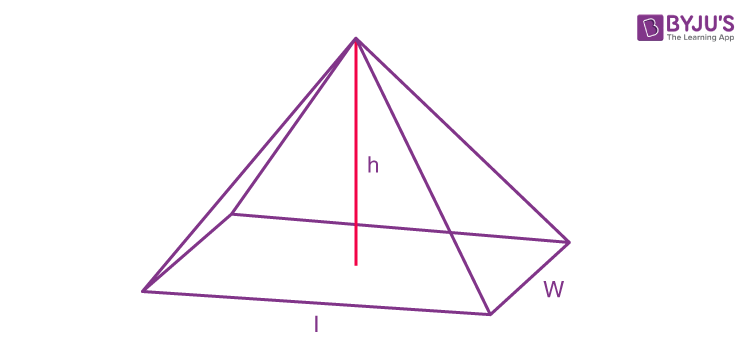
Rectangular pyramid formula
V = 1/3 × length × width × height
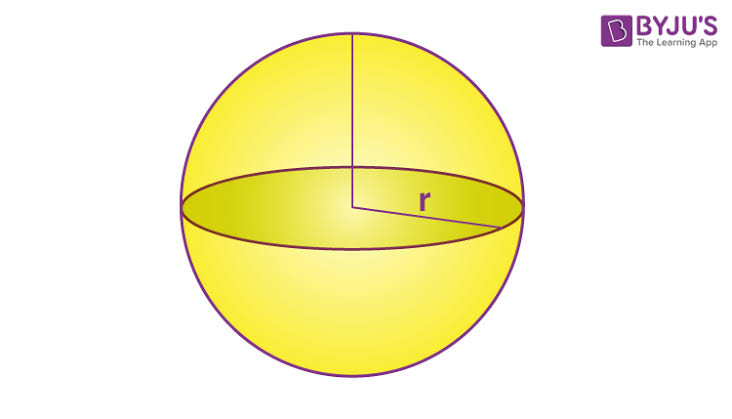
Sphere formula
V = 4/3 × π × r³
Hemisphere formula
Take sphere formula and divide by 2
What is radius?
Half of the circle
What is diameter?
The whole distance across the circle
What must you know before solving density and mass problems?
You must know volume.
What is mass?
The amount of matter in an object.
What is density?
How tightly matter is packed in a substance.
Mass formula
Mass = Density × Volume
Density formula
Density = Mass ÷ Volume
What does g/cm³ mean
Grams per cubic centimeter
It is a unit of density
What is a 2D figure?
A flat shape with length and width only.
What is a 3D figure?
A solid shape with length, width, and height.
What 3D shape is formed when a rectangle is revolved?
: A cylinder
What 3D shape is formed when a triangle is revolved?
A cone

What 3D shape is formed when a semicircle touching the axis is revolved?
A sphere
What 3D shape is formed when a circle not touching the axis is revolved?
A torus (doughnut shape).
What is a cross section?
A 2D shape formed by slicing a 3D object.
Are cross sections 2D or 3D?
2D
What does perpendicular mean?
Two lines that meet at a 90° angle.
What cross section can a cylinder have?
Circle, rectangle, or ellipse (oval).

What cross section can a sphere have?
Circle
What cross section can a pyramid have?
Square
What cross section can a rectangular prism have?
Triangle, parallelogram, pentagon, hexagon, or rectangle.
What is an ellipse?
An oval-shaped cross section.
What theorem helps find the largest possible cross section?
The maximum number of sides of a cross section equals the maximum number of faces of the solid.
A rectangular prism has 6 faces. What is the largest possible cross section?
A hexagon (6 sides).
Can a rectangular prism have an octagon cross section?
No, because an octagon has 8 sides and the prism only has 6 faces.
What cross section of a cylinder looks like a circle?
A slice parallel to the base.
What cross section of a cylinder looks like a rectangle?
A vertical slice through the cylinder.
What cross section of a cylinder looks like an ellipse?
A slanted slice through the cylinder.
What is Cavalieri’s Principle?
If two solids have the same height and identical cross sections at every level, they have equal volumes.
What two things must be the same for Cavalieri’s Principle to work?
Height and cross-sectional area.
If two solids have the same height and the same cross sections, what can you conclude?
Their volumes are equal.
True or False: Two solids can look different but still have the same volume.
True
Why can differently shaped solids have the same volume?
Because they have the same height and identical cross sections.
If two solids have the same base area and the same height, what is often true according to Cavalieri’s Principle?
They have the same volume.
True or False: If the heights are different, Cavalieri’s Principle cannot be used to prove equal volumes.
True
What should you check first when using Cavalieri’s Principle?
Whether the solids have the same height.
What should you check after comparing heights?
Whether the cross-sectional areas are equal.