Materials T1 - Atomic Structure
 Call Kai
 Learn
Learn Practice Test
 Spaced Repetition
 Match
Match Flashcards
 Knowt Play
1/57

There's no tags or description
Looks like no tags are added yet.
Name | Mastery | Learn | Test | Matching | Spaced | Call with Kai |
|---|
No analytics yet
Send a link to your students to track their progress
58 Terms
4 Classes of Materials
Metal, ceramic, polymer, composite
Isotopes
Atoms of same element with different number of neutrons
Atomic Weight
Weighted average of atomic masses of the atom’s naturally occuring isotopes
Bohr Atomic Model
Electrons revolve around nucleus in discrete orbitals, position defined by 1 quantum number
Wave-Mechanic Model
Electrons have wave and particle properties and are in orbits defined by probability, position defined by 4 quantum numbers
Principle Shell
n, energy shell level
Subshells, l
s, p, d, f
2
Number of e- in s subshell
6
Number of e- in p subshell
10
Number of e- in d subshell
14
Number of e- in f subshell
Magnetic
ml, defines no. of energy state from -l to +l
Spin
ms, defines electron orientation (+1/2, -1/2)
Valence Electrons
Electrons in outer-most shell
Group
Columns, same no. of valence electrons
Period
Rows, same no. of electron shells
Total Interatomic Force
FNet = FAttractive + FRepulsive
Energy Required for Atom Separation
ENet = EAttractive + ERepulsive
Higher Bonding Energy
Higher melting temperature
Ionic Bonds
Electron tranfer between atoms with dissimilar electronegativity, between metals and nonmetals
Covalent Bonds
Electron sharing between atoms with similar electronegativity, between nonmetals
Metallic Bonds
Free electrons in crystalline metal structure adhere positively charged ions, between metals
Mixed Bonds
Colvalent and ionic bonding, greater electronegativity difference means more ionic
Secondary Bonding
Interactions between dipoles
Fluctuating Dipole Interaction
Instantaneous secondary bond caused by unequal distribution of electrons
Permanent Dipole Interaction
Permanent secondary bond between polar molecules
Hydrogen Bonding
Occurs between covalent-bonded hydrogen with fluorine, oxygen or nitrogen
Atomic Radius
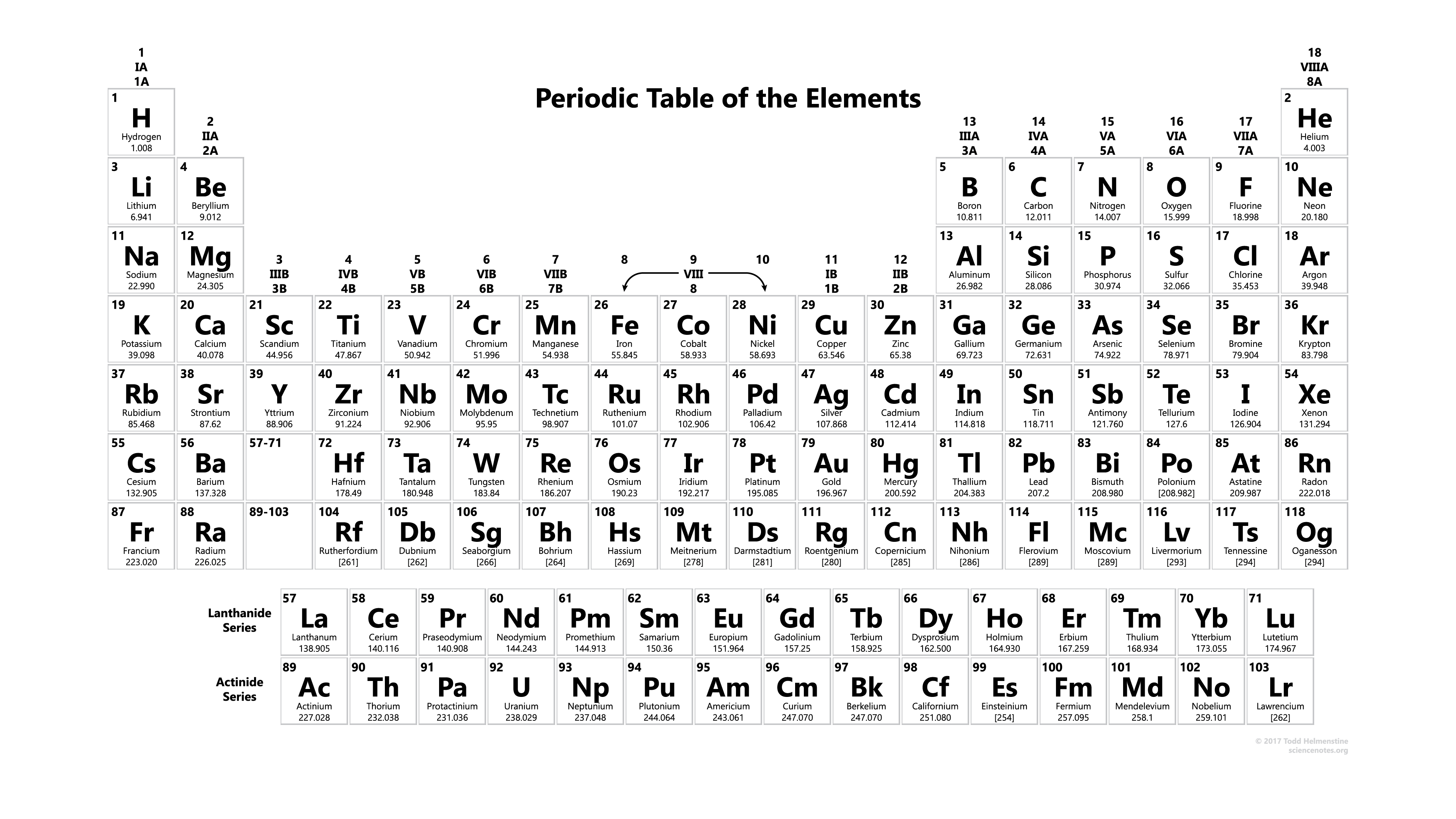
Largest at bottom left of table, smallest at top right of table
Ionisation Energy, Electron Affinity, Electronegativity
Greatest at top right of table, lowest at bottom left of table
Crystalline
An orderly array of atoms that have a repeating unit
Amorphous
Non-crystalline
Unit Cell
Smallest repetitive entity in crystal
Lattice Parametres
Size and shape of unit cell
Simple Cubic
Coordination Number = 6
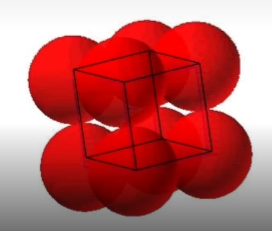
Body Centred Cubic
Coordination Number = 8
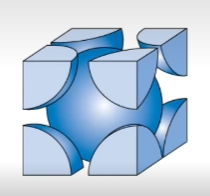
Face Centred Cubic
Coordination Number = 12
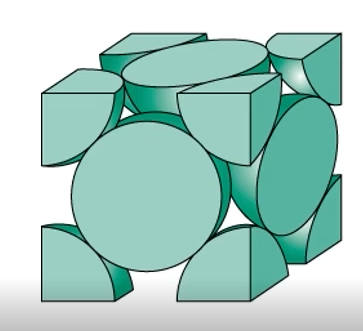
Hexagonal Close Packed
Coordination Number = 12
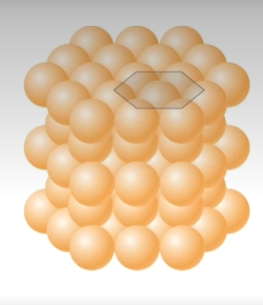
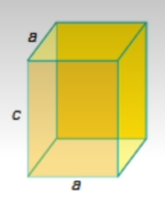
Tetragonal
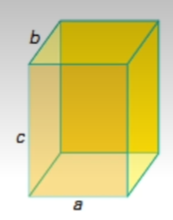
Orthorhombic
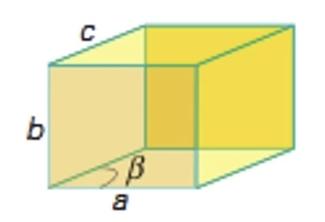
Monoclinic
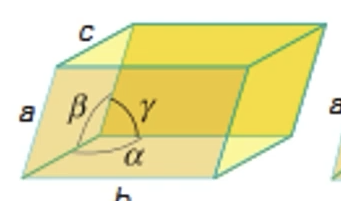
Triclinic
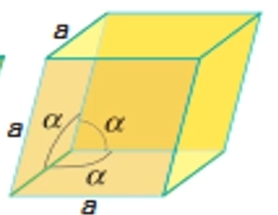
Rhombohedral (Trigonal)
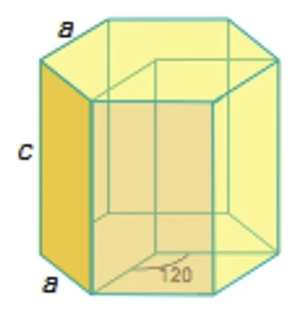
Hexagonal
Isotropic
Material properties are same in all directions
Anisotropipc
Material properties are dependent on direction
Vacancy
Point defect where atom is missing, common in metals
Self Interstitial
Point deffect where atom is inserted into interstitial space between structure
Edge Dislocation
Line defect where edge terminates, causes dislocation line
Screw Dislocation
Line defect where upper front region is shifted one atomic distance to right
Grain Boundaries
Plane defect, regions between crystals
Halogens
Group 17
Noble Gas (nonreactive)
Group 18
Transition Metals
Groups 3-12
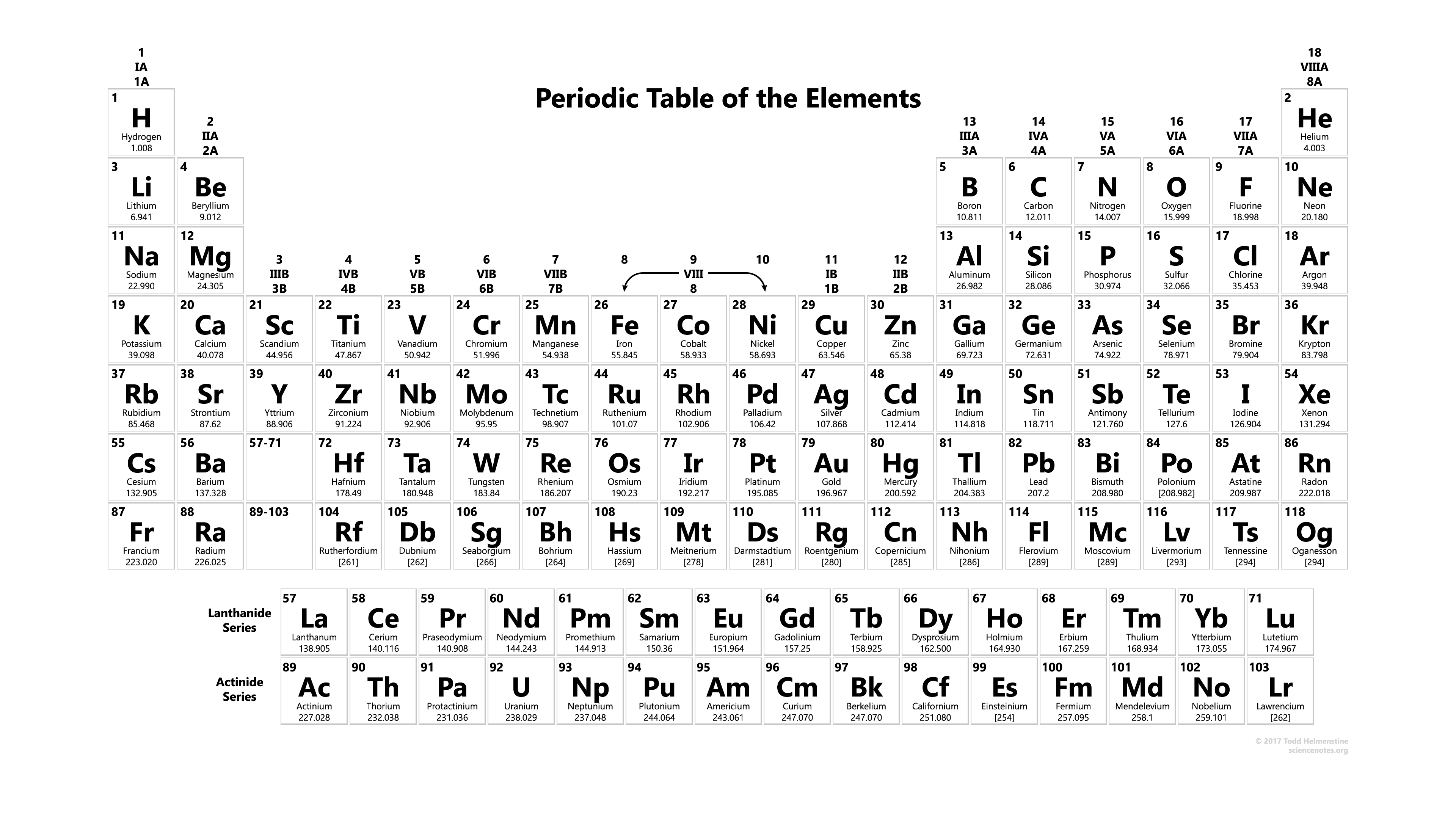
Alkali Metals (highly reactive)
Group 1
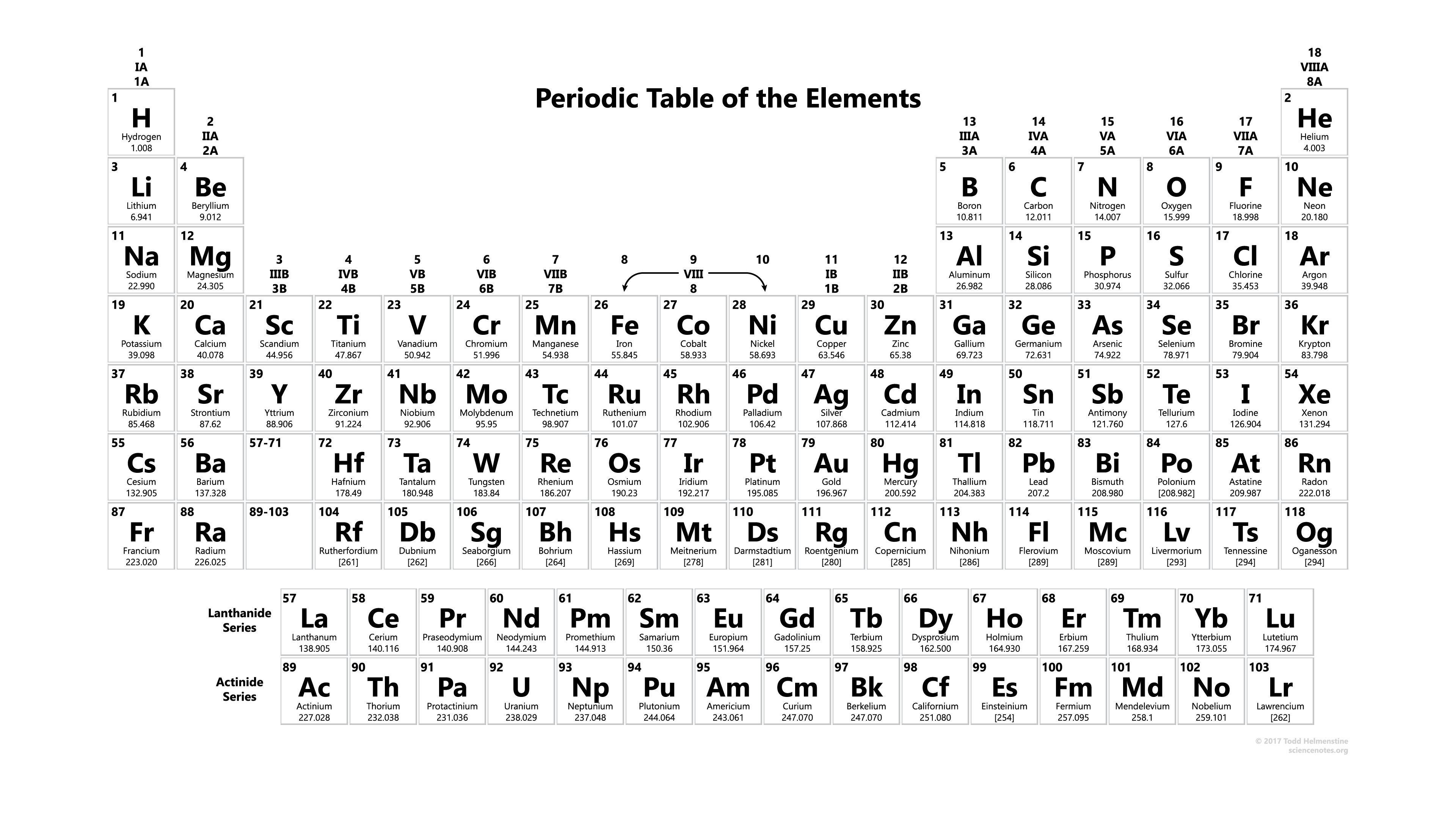
Halogen (missing one e-)
Periodic group of 1𝑠22𝑠22𝑝5
Noble Gas (full outer shell)
Periodic group of 1𝑠22𝑠22𝑝63𝑠23𝑝6
Transition Metal (partially filled d shell)
Periodic group of 1𝑠22𝑠22𝑝63𝑠23𝑝64𝑠23𝑑8
Alkali Metal (one extra e-)
Periodic group of 1𝑠22𝑠1