Biol201 Lab 1 Exam
 Call Kai
 Learn
Learn Practice Test
 Spaced Repetition
 Match
Match Flashcards
 Knowt Play
1/41

There's no tags or description
Looks like no tags are added yet.
Name | Mastery | Learn | Test | Matching | Spaced | Call with Kai |
|---|
No analytics yet
Send a link to your students to track their progress
42 Terms
ubiquity
present or found everywhere
what are considered ubiquitous?
microorganisms: organisms too small to be seen with the naked eye
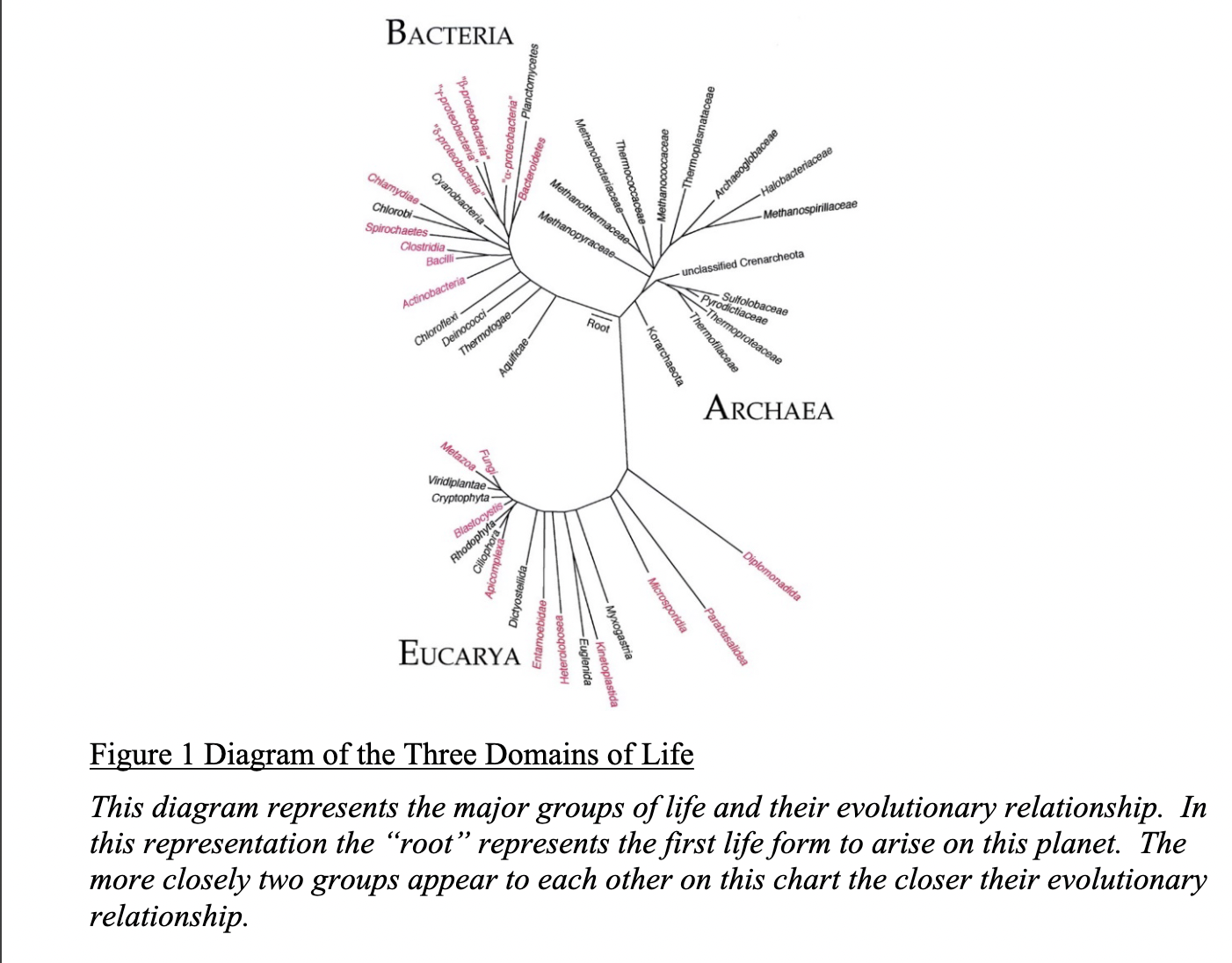
What are the three domains?
Bacteria, Archaea, Eukarya
Which domains are prokaryotic?
Bacteria and Archaea
Eukaryotic cells have nucleus and membrane bound organelles. Prokaryotic cells don't have a nucleus
the only organisms that are multicellular and are made up of enough cells to make them visible to the naked eye
fungi (mushrooms, yeast, mold), metazoan (animals), and viridiplantae (green algae and land plants)
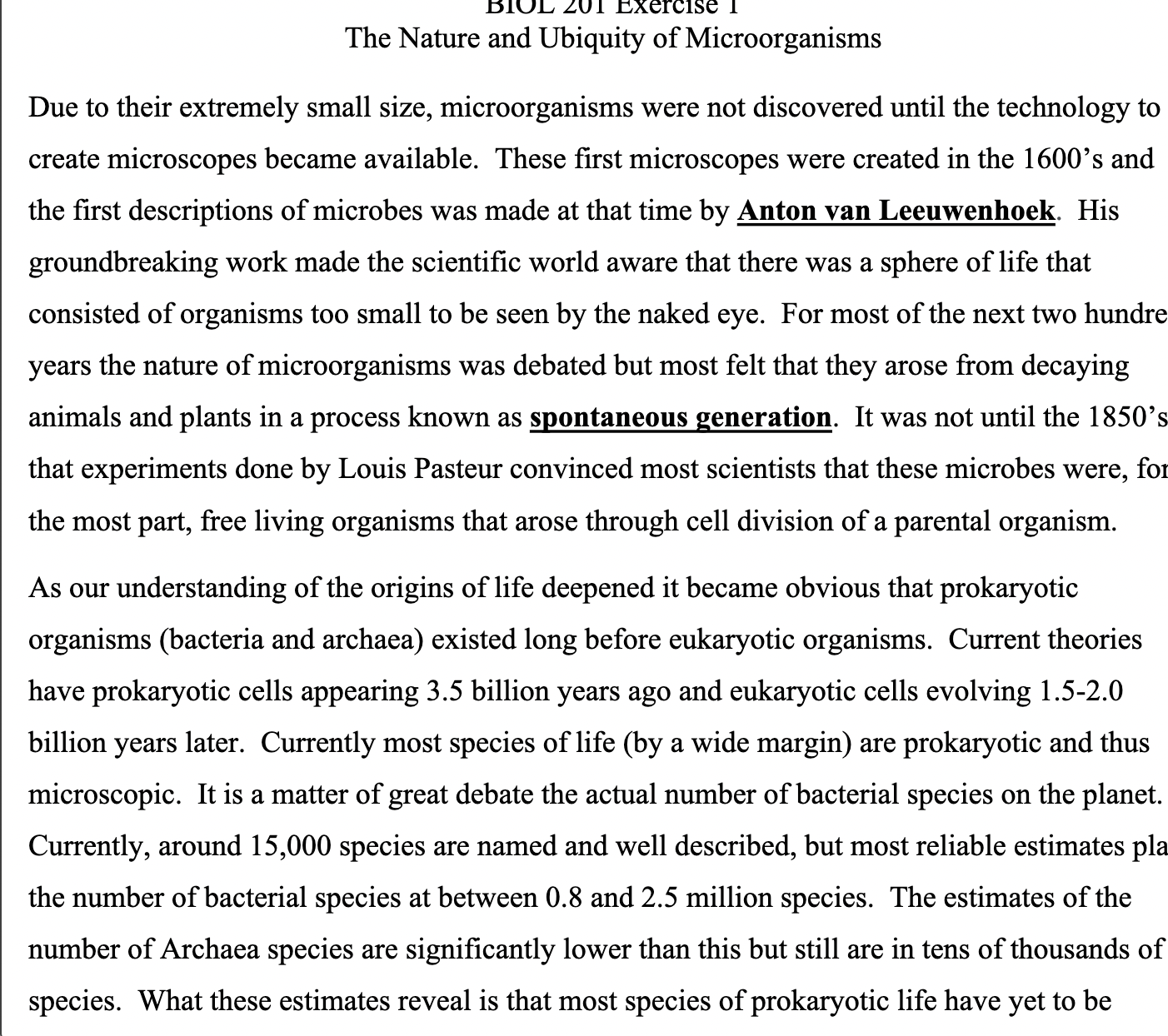
what was disproved in the 1850s
spontaneous generation (Pasteur)
where do most bacteria and archaea live?
free living in soil, water, and sediment at bottom of bodies of water
Symbiosis
two or more organisms living closely together (prokaryotic and eukaryotic)
can be beneficial to both, beneficial to one and not the other or beneficial to one and harmful to other
normal flora or resident flora
Microorganisms that reside in or on the body without causing disease
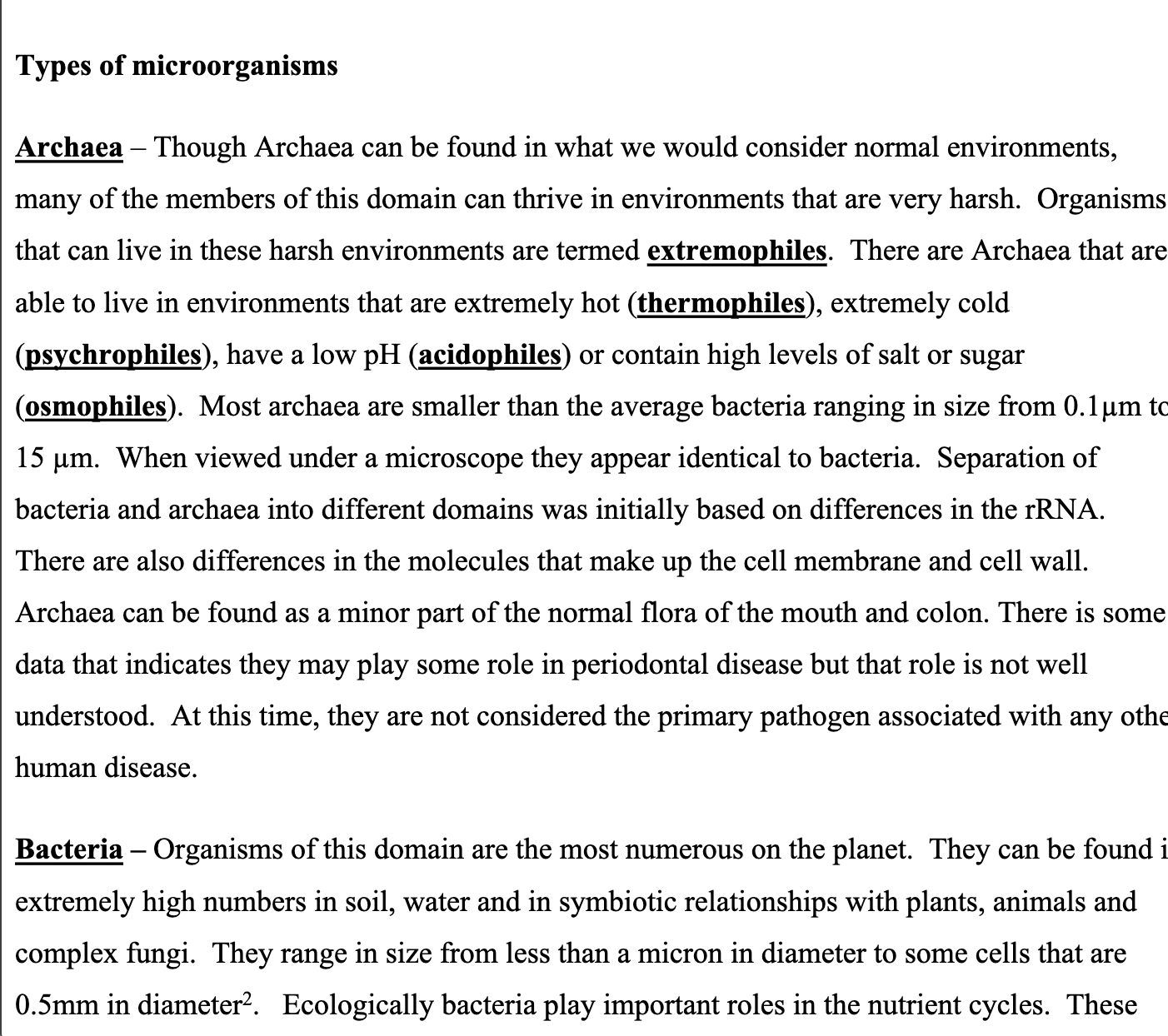
Type of microorganisms
extremophiles: Archaea that live in extreme environments
thermophiles: Archaea that thrive in very hot environments, such as volcanic springs
psychophiles: cold-loving microbes
acidophiles: grow in acidic environments (low pH) ex: found in GI tract
osmophiles: organisms that live in environments high in salt or sugar
what is the difference between bacteria and archaea?
rRNA, cell wall and cell membrane
all bacteria have peptidoglycan(sugar polymer and polypeptide) in their cell walls and bacteria is the most numerous organism
where can archaea be found in humans
mouth and colon
Fungi
A kingdom made up of nongreen, eukaryotic organisms that have no means of movement, reproduce by using spores, and get food by breaking down substances in their surroundings and absorbing the nutrients
Chitin
Polysaccharide found in fungal cell walls.
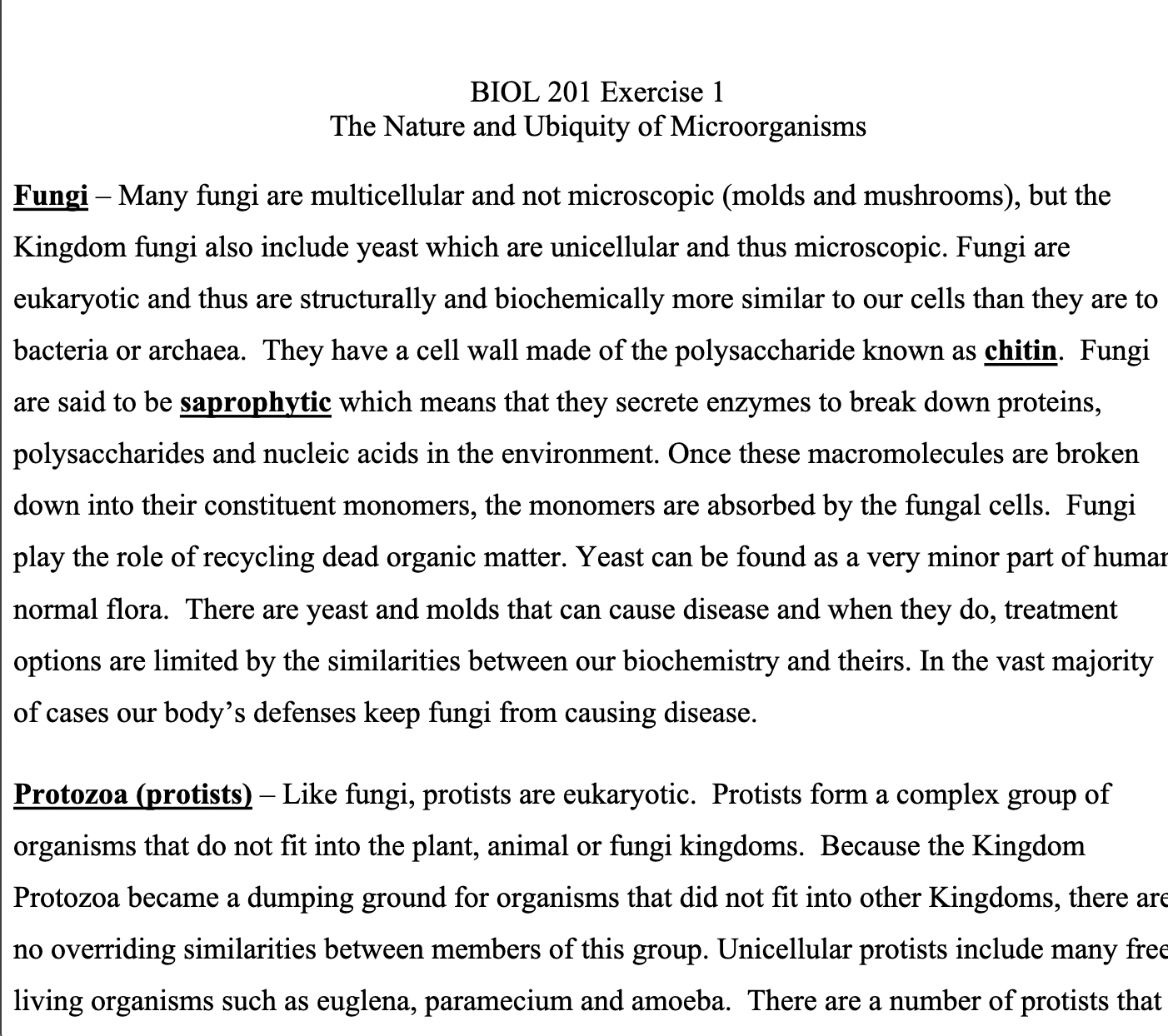
Saprophytic
fungi that secrete enzymes to break down proteins, polysaccharides and nucleic acids in the environment
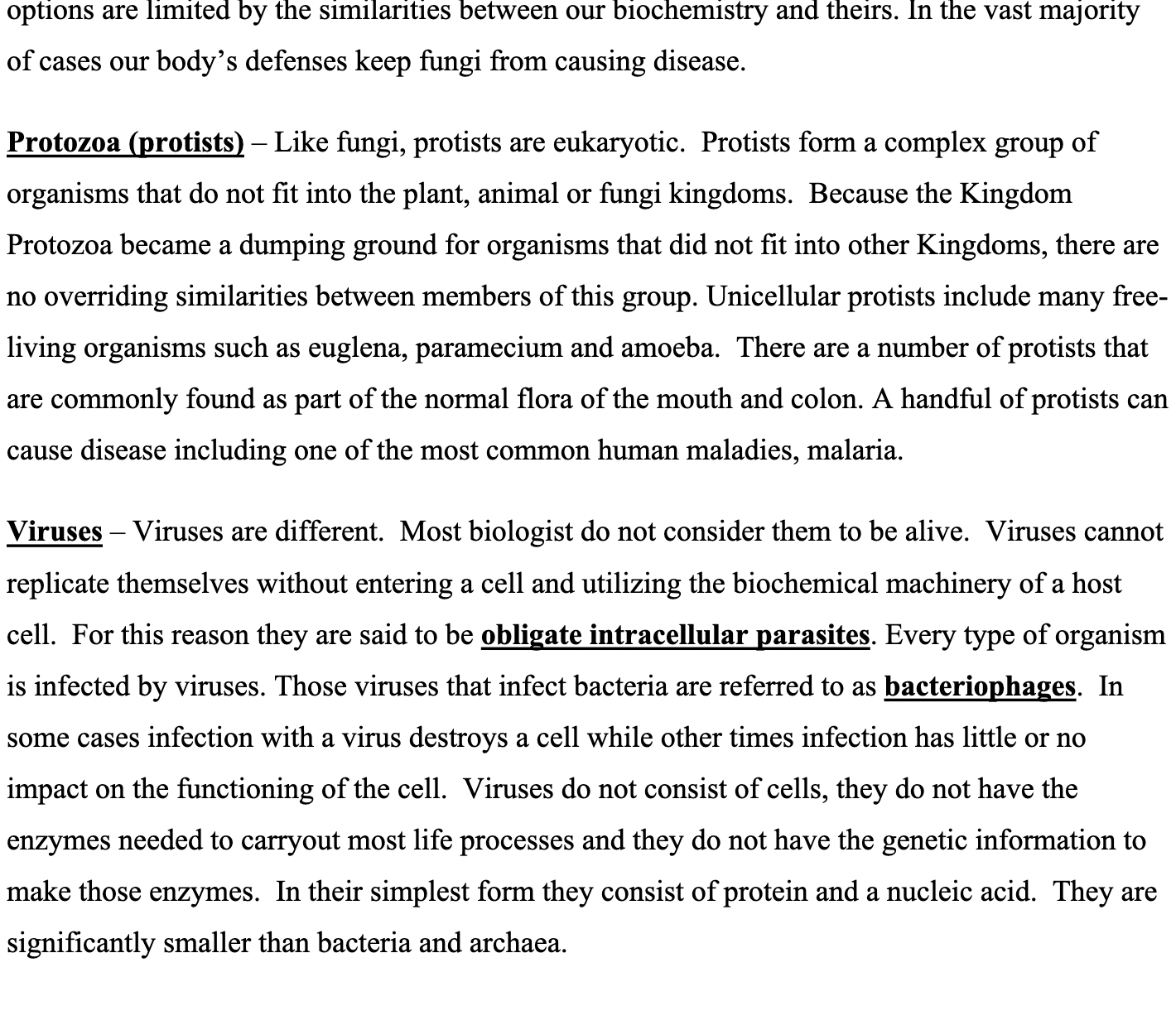
Protozoa (protists)
eukaryotic, form organisms that do not fit in plant, animal or fungi kingdoms
protists can cause malaria
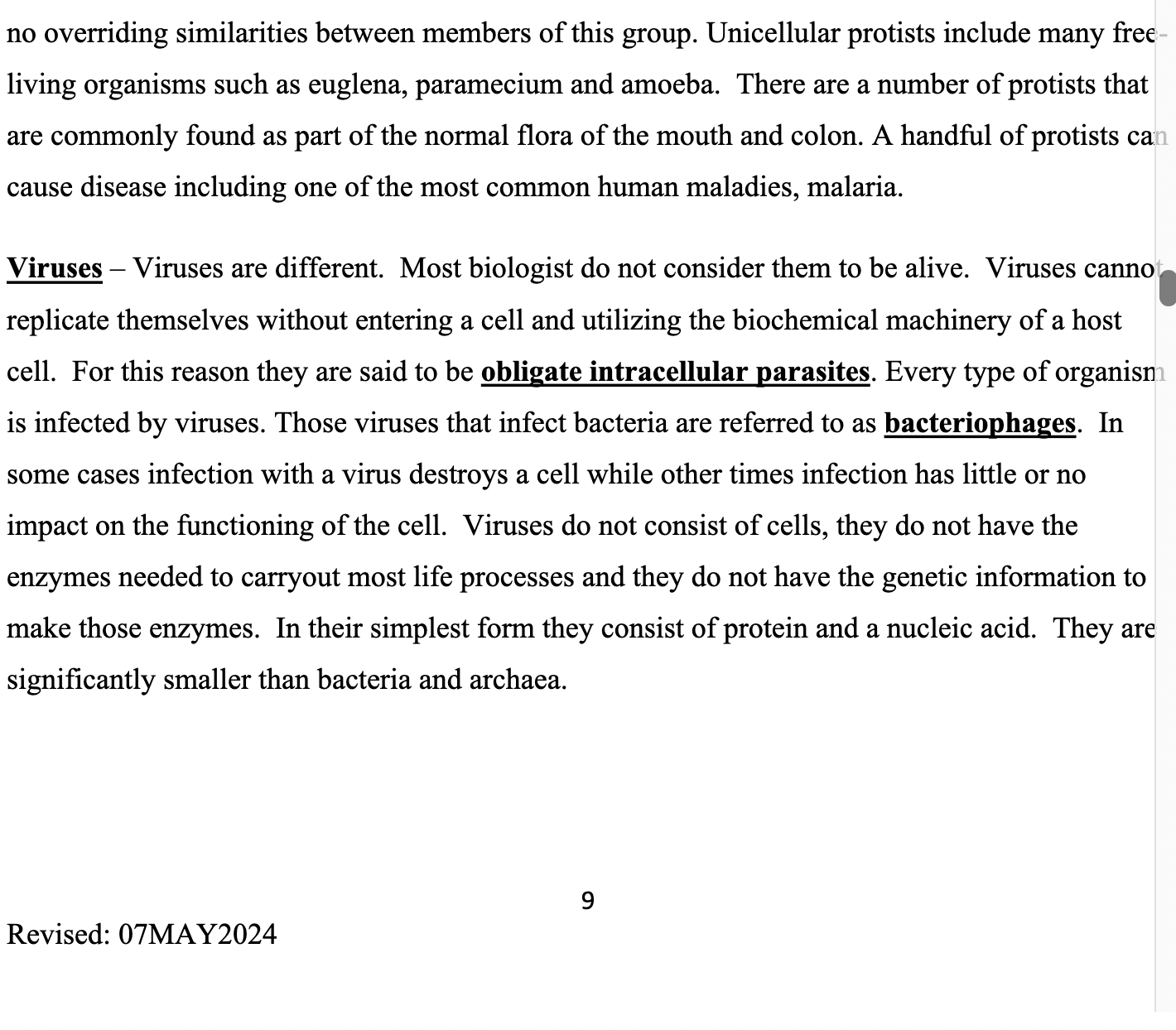
Viruses
Viruses can only reproduce inside host cells, and they damage the cell when they do this
VIRUSES GET INTO CELL
said to be obligate intracellular parasites
bacteriophage - a virus that infects bacteria
Volume of a sphere and relative volume
V=4/3πr³
volume of first cell (or virus)/volume of second cell (or virus)
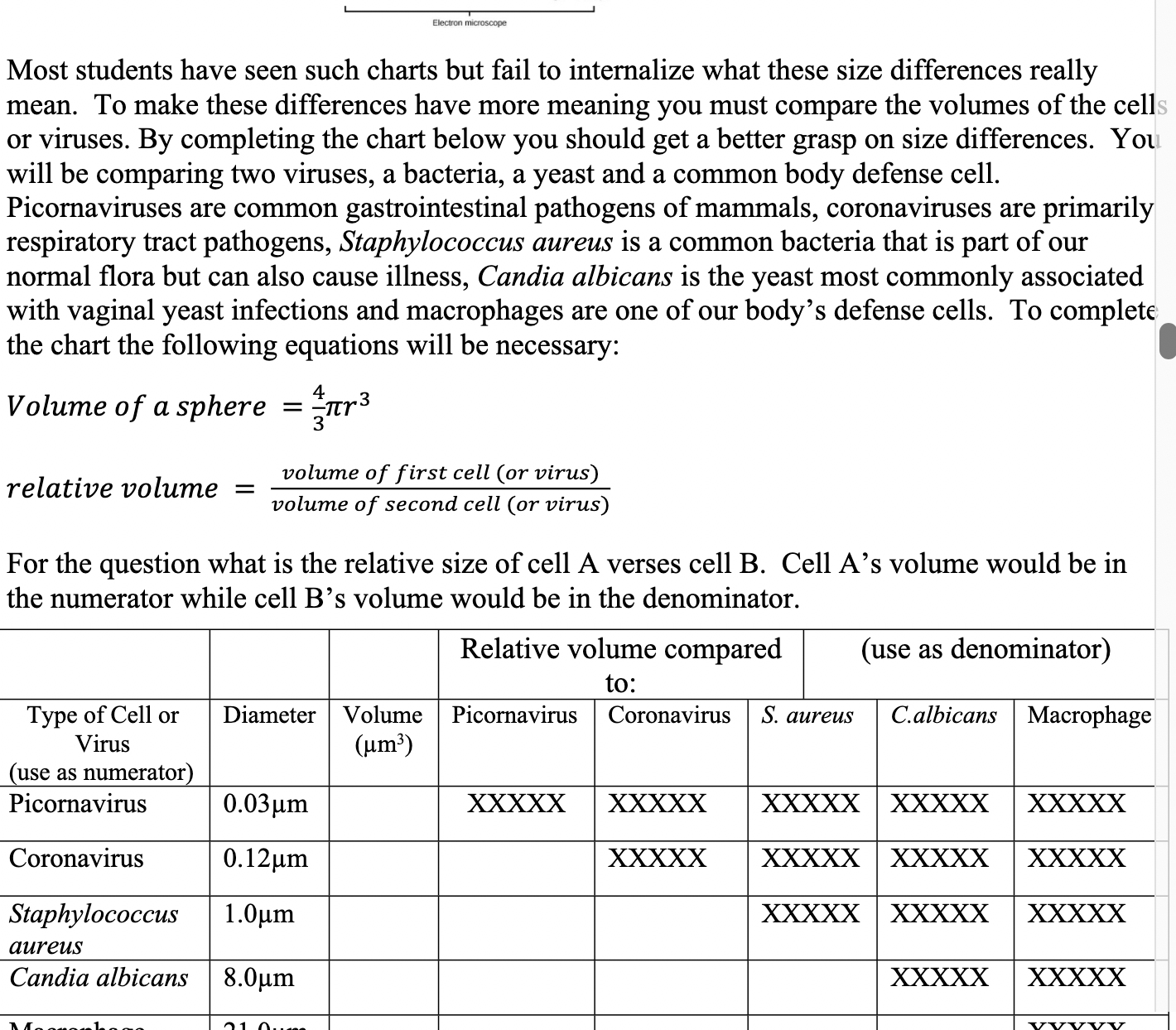
Picornovirus
common GI pathogens
Staphylococcus aureus
common bacteria in normal flora but can cause illness
Candida albicans
yeast
colony morphology
the properties and characteristics of colonies such as shape, margin, and the elevation
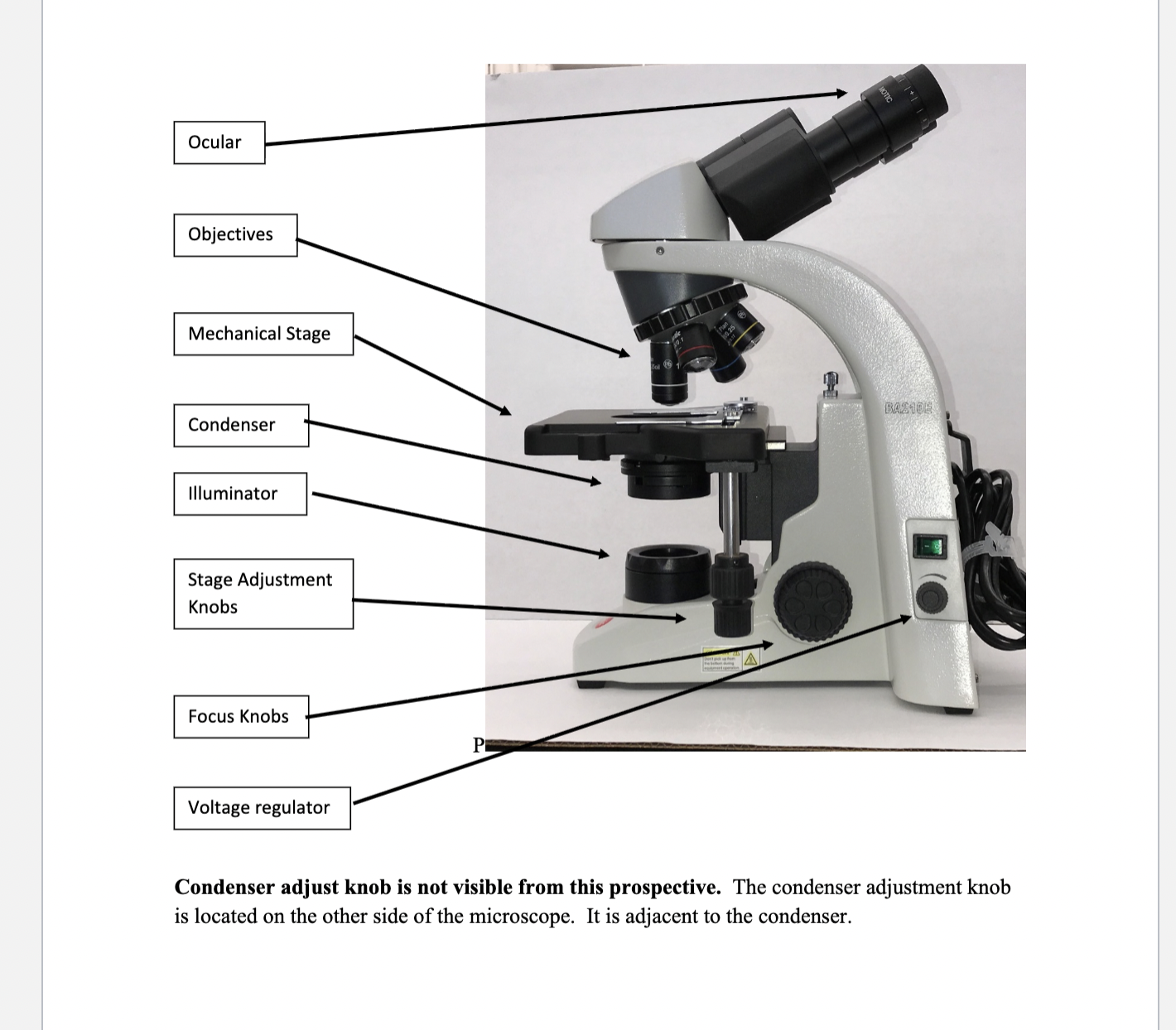
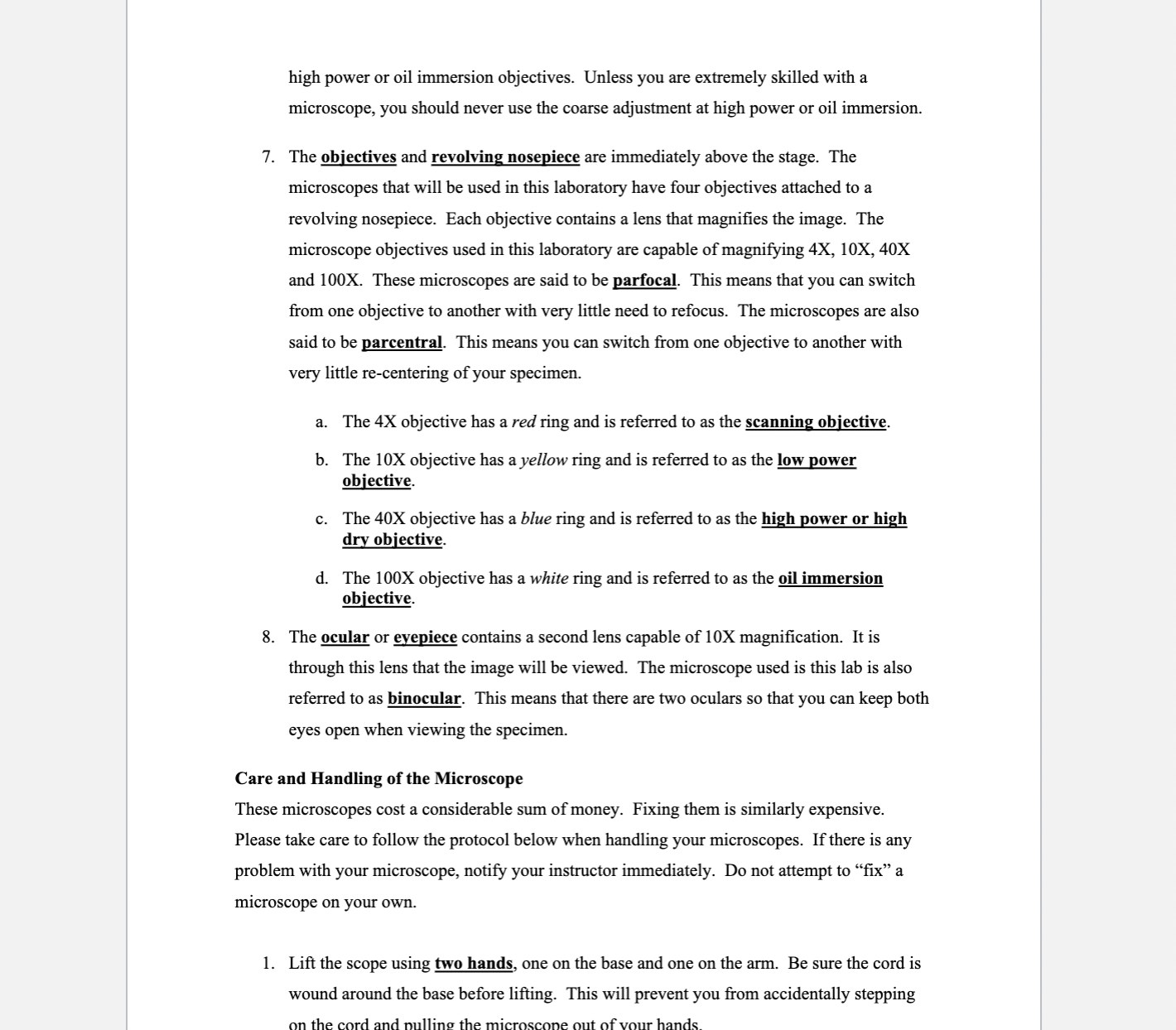
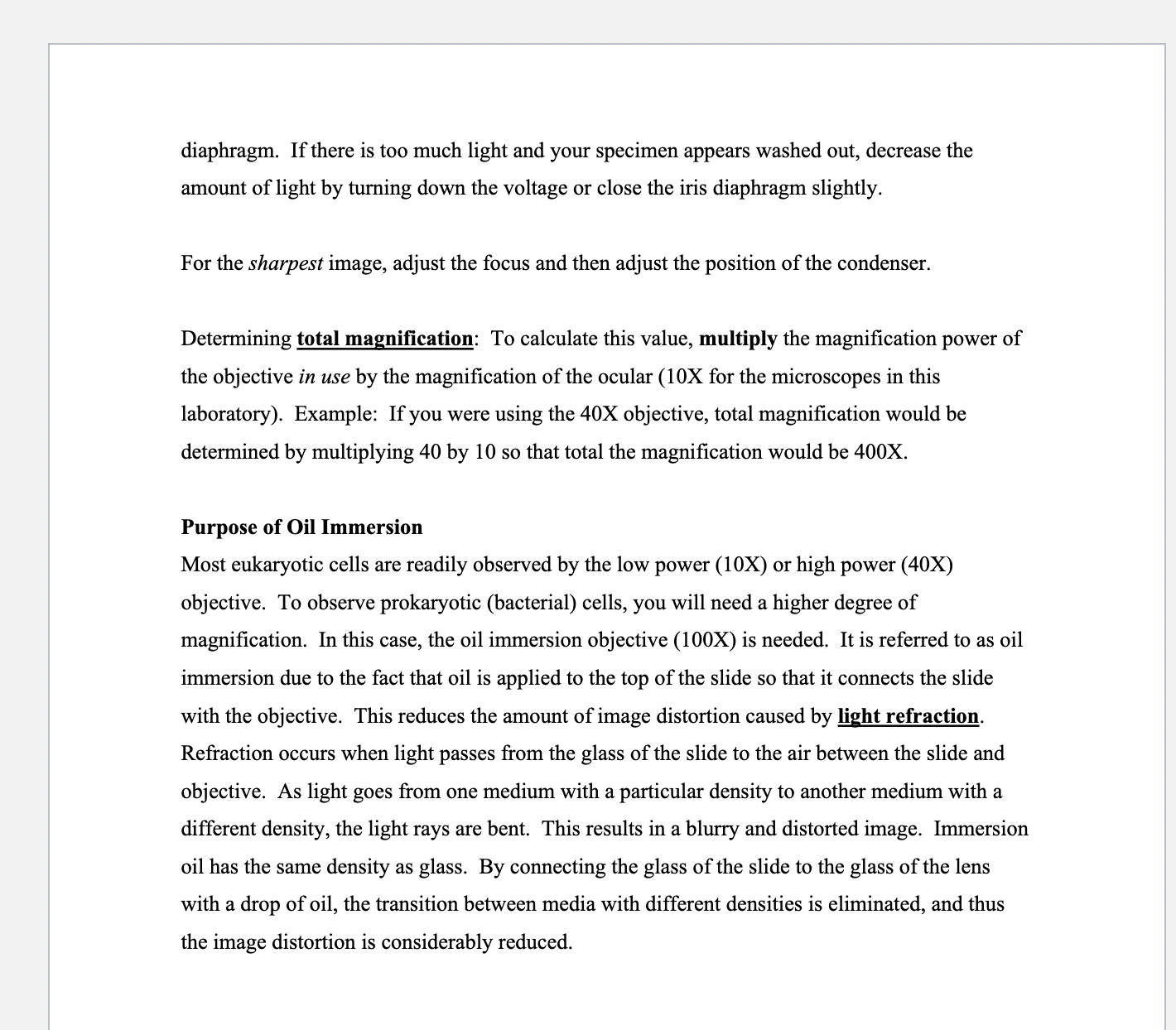
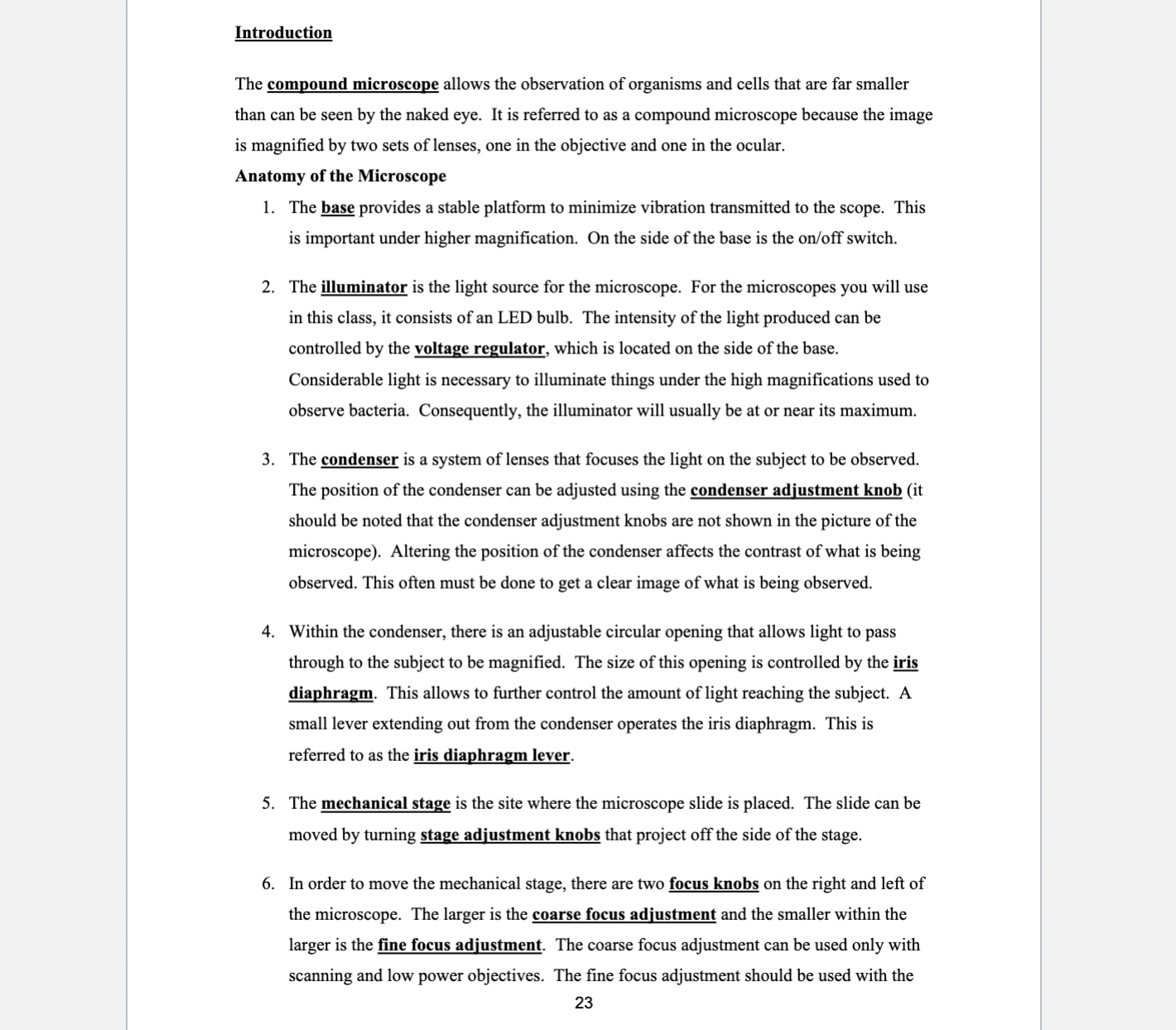
Microscope parts
Plemorphic bacteria
have the genetic capcity to take on diff shapes
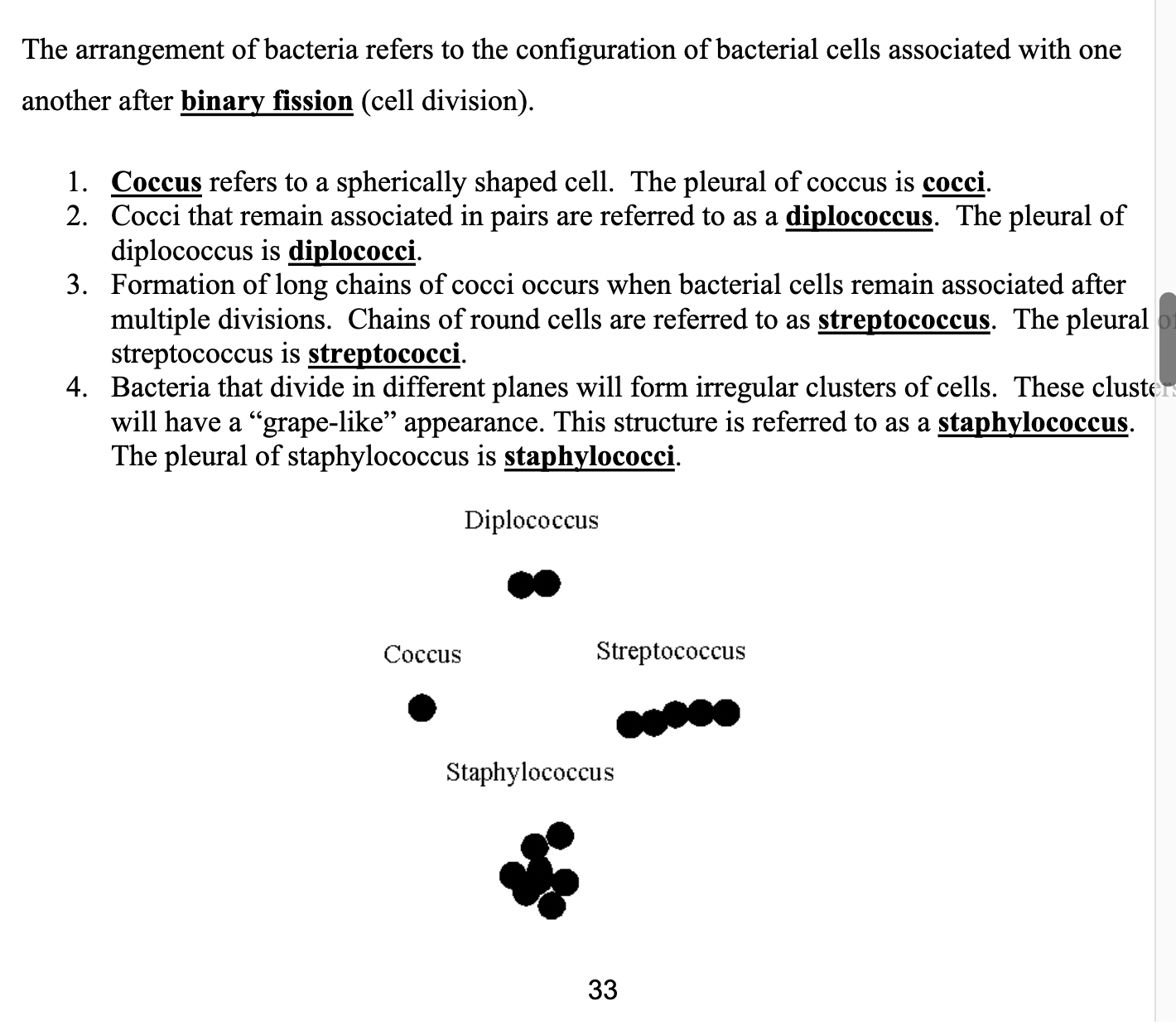
Binary fission (cell division)
arrangement of bacteria refers to the configuration of bacterial cells associated with one another after cell division
cocus;cocci: spherically shaped cell
diplococcus;diplococci: cocci that remains in pairs
streptococcus;streptococci: chains of round cells
staphylococcus;staphylococci: irregular clusters of cells that have a grape-like appearance
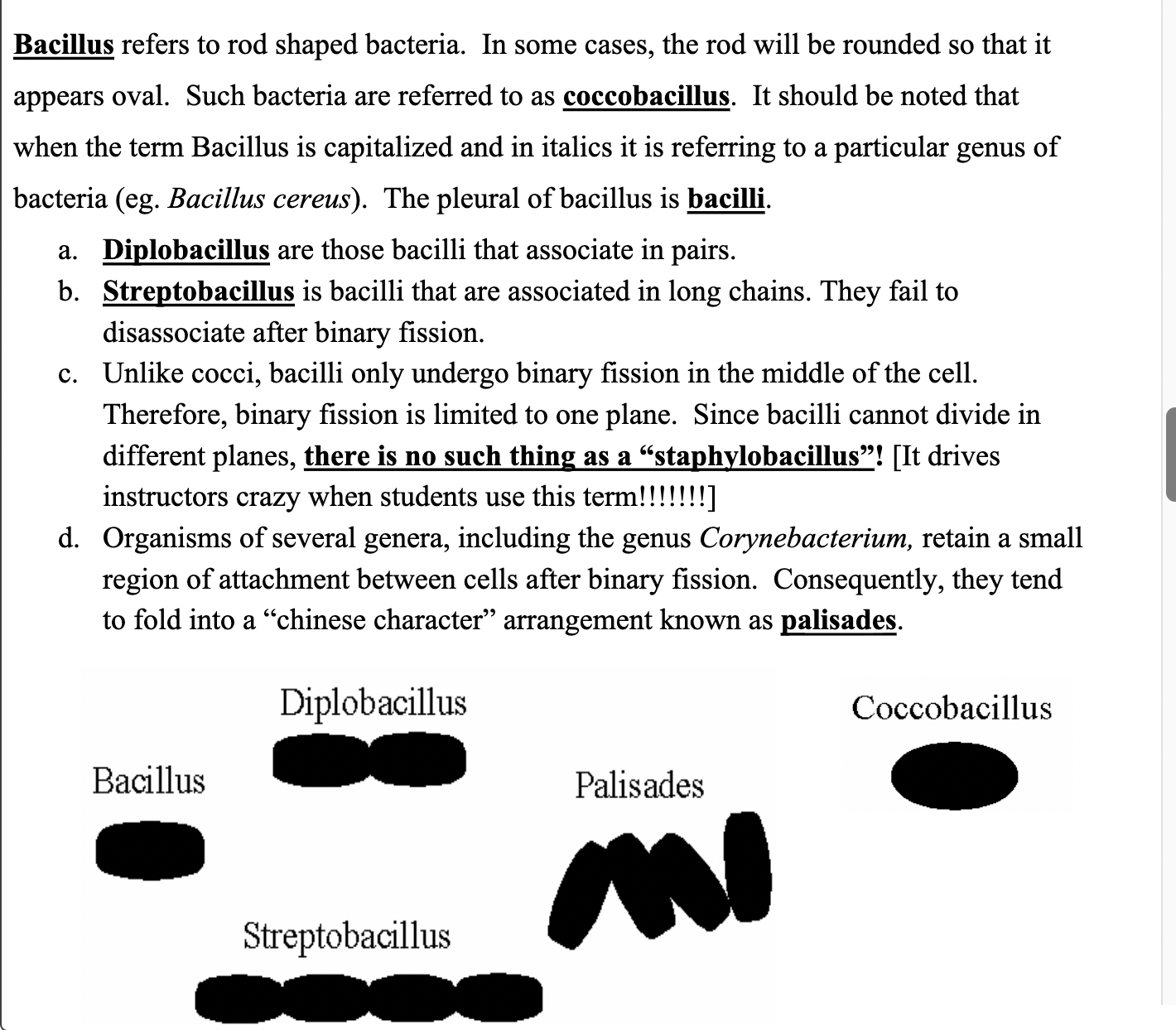
Rod shaped bacteria
bacillus;bacilli: rod shaped bacteria
coccobacillus: rounded rod shaped bacteria that appears in an oval shape
diplobacillus: those bacilli that associate in pairs
streptobacillus: bacilli that are associated in long chains, they fail to disassociate after binary fission
palisades: organisms of several genera retain a small region of attachment between cells after binary fission. Consequently, they tend to fold into a “chinese character” arrangement
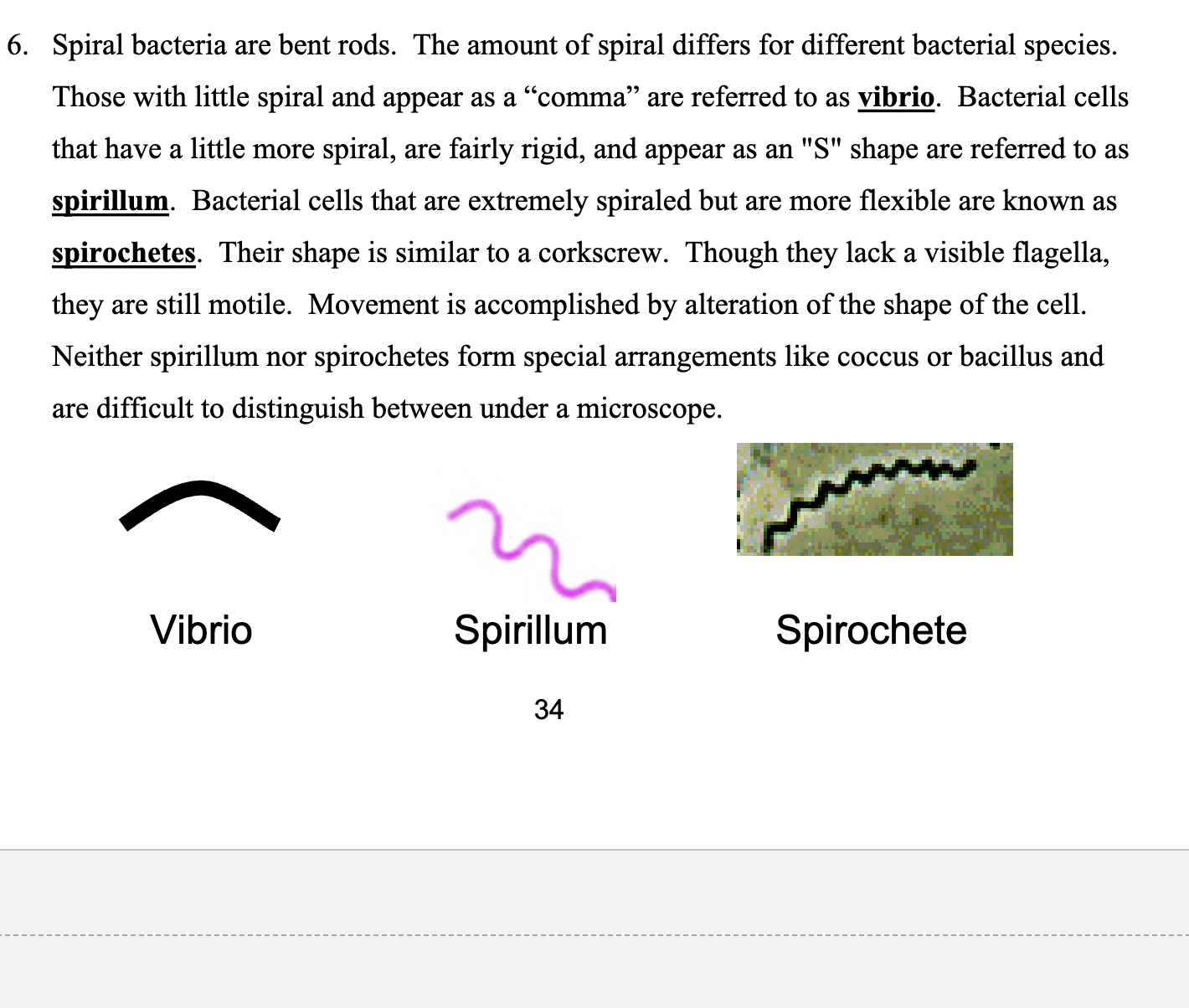
Spiral Bacteria
spiral bacteria are bent rods
Vibrio: little spiral and appear as a comma
Spirillum: little more spiral, rigid, and S shaped
Spirochetes: extremely spiraled but are more flexible