Biology: Final Study Guide
 Call Kai
 Learn
Learn Practice Test
 Spaced Repetition
 Match
Match Flashcards
 Knowt Play
1/278

There's no tags or description
Looks like no tags are added yet.
Name | Mastery | Learn | Test | Matching | Spaced | Call with Kai |
|---|
No analytics yet
Send a link to your students to track their progress
279 Terms
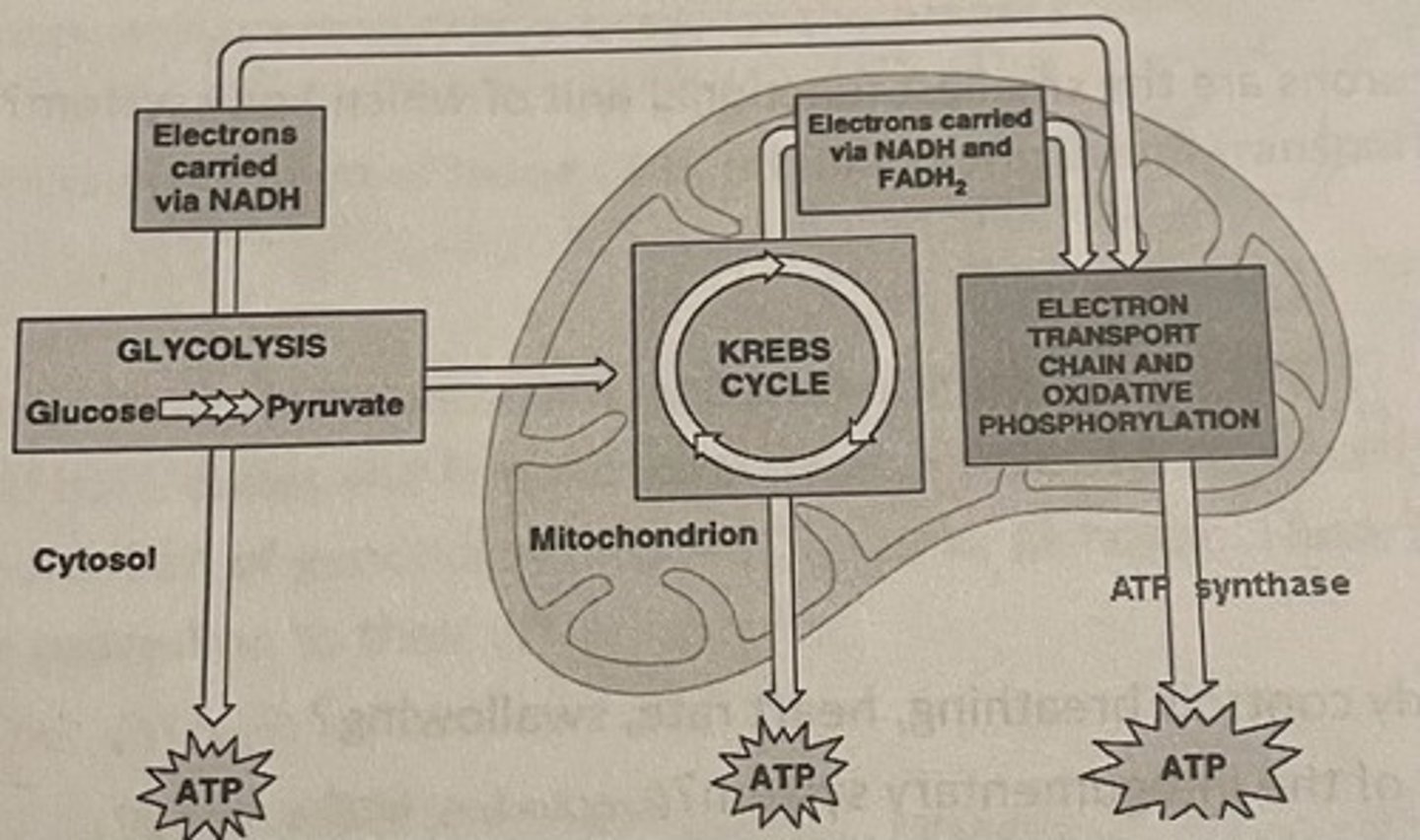
Cellular Respiraton
process which uses nutrients (glucose) to make useful energy (ATP)
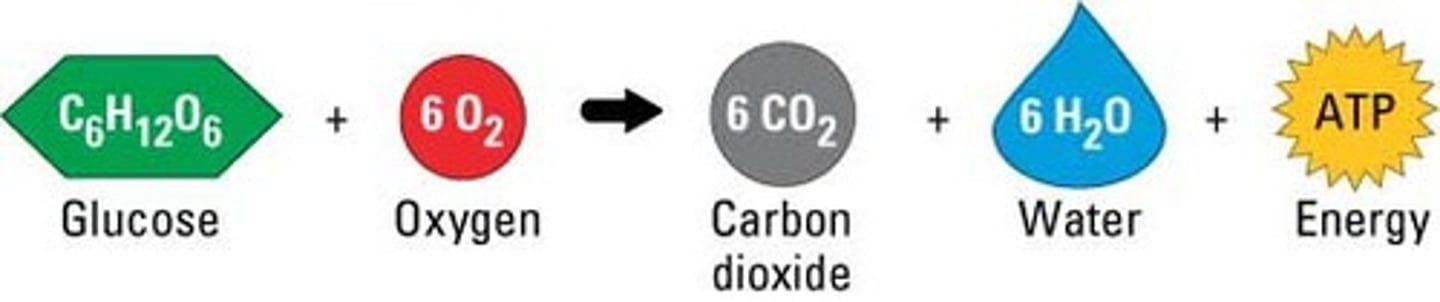
Cellular Respiration Equation
C6H12O6 + 6O2 --> 6CO2 + 6H2O + ATP
What are the reactants of cellular respiration (Hint 2 things)
1. glucose
2. oxygen
What are the products of cellular respiration (Hint 3 things)
1. carbon dioxide
2. water
3. ATP
What are the 2 types of cellular respiration
1. aerobic respiration
2. anaerobic respiration
Aerobic Respiration
need oxygen
What are the steps of aerobic respiration (Hint 3 steps)
1. glycolysis
2. kreb's cycle (citric acid cycle)
3. electron transport chain
Where does glycolysis take place
in cytoplasm
What are the steps of glycolysis (Hint 3 steps)
1. use 2 ATP (already have) to split glucose into 2 pyruvate
2. splitting glucose = releases 4 ATP (net ATP = 2 --> 4-2)
3. splitting glucose = releases electrons --> allows hydrogen ions to attach to NAD+ --> make 2 NADH
What is the end product of glycolysis (Hint 3 things)
1. 2 net ATP
2. 2 NADH
3. 2 pryuvate
What does ATP do after it is made
used as energy for the body to help cell function
What does NADH do after it is made during glycolysis
always go to electron transport chain
What does pyruvate do after glycolysis
always goes to Kreb cycle
Where does kreb's cycle take place
in mitochondria (matrix)
What are the steps to the Krebs' Cycle (Hint 5 steps)
1. 1 pyruvate = enter matrix + oxidized --> making CO2 + 2 carbon molecule
2. 2 carbons attach to coenzyme A (COA) + froms acetyl-CoA (used in cycle)
3. acetyl-CoA enters Kreb Cycle--> becomes citric acid
4. series of intermediate reactions occurs + release 4 NADH, 1 FADH2 + 1 ATP
5. cycle repeats (for other pyruvate --> bc two enter)
What is the end product of Kreb's Cycle (Hint 4 things)
1. 8 NADH
2. 2 FADH2
3. 2 ATP
4. 2 carbon dioxide
Where does electron transport chain take place
in mitochondria (inner membrane)
What are the steps of electron transport chain (Hint 4 steps)
1. NADH + FADH2 = enter ETC (inner membrane) + give ETC their electrons (e-)
2. NADH --> NAD+ / FADH2 --> FAD = hydrogens move into intermembrane space (form hydrogen gradient)
3. oxygen = acts as final electron acceptor + makes 2 H20
4. H+ ions = move down concentration gradient (through ATP synthase) --> forming 34 ATP
What are the end products of electron transport chain (Hint 2 things)
1. 34 ATP
2. 6 water molecules
True or False: Electron Transport Chain makes most ATP
True --> ETC = makes about 34 ATP while other stages make only 2 each
Which step is glucose used in
Glycolysis --> broken down into smaller molecules + release energy + start process of making ATP
Which step is oxygen used in
Electron Transport Chain --> accepts electrons at end of ETC to make water
Which step is carbon dioxide made
Kreb's Cycle --> when pyruvate oxidized becomes carbon dioxide
Which step is water made
Electron Transport Chain --> oxygen joins w/ electrons + hydrogen ions --> making water (H2O)
Anaerobic Respiration
DON'T NEED oxygen
What are the steps of anaerobic respiration (Hint 2 steps)
1. glycolysis
2. fermentation
What happens when there is no oxygen present
no oxygen = can't do last 2 stages of aerobic respiration --> starts to do fermentation
Fermentation
used to break down pyruvate (NOT MAKE ATP) + make NAD+
What are the 2 types of fermentation
1. lactic acid fermentation
2. alcohol fermentation
Lactic Acid Fermentation
occurs in animal muscle cells --> converting pyruvate into lactic acid
Alcohol Fermentation
occur in yeast --> converting pyruvate to ethanol (alcohol) + carbon dioxide
What is the goal of fermentation
regenerate NADH --> NAD+ under anaerobic conditions, allowing glycolysis to continue (making limited amount of ATP)
What are carbohydrates role in cellular respiration
broken down during digestion (into glucose) --> glucose = used in glycolysis + main fuel cells use to make ATP (used to start whole process)
What are lipids role in cellular respiration
broken down into fatty acids + glycerol --> used for long term energy source + can enter cellular respiration to help make ATP when glucose is low
What are proteins role in cellular respiration
broken down into amino acids --> when body needs extra energy amino ecids enter cellular respiration + used to help make ATP (enzymes help w/ reactions + speed up process)
Element
pure substance made of only one kind of atom
Compound
substance made up of atoms of two or more different elements (joined by chemical bonds)
What is the difference between elements + compounds
Element --> made up of 1 type of atom
Compound --> made up of 2 or more types of atoms/elements
What are the subatomic particles (Hint 3 things)
1. protons
2. neutrons
3. electrons
Protons (Hint 4 things)
1. positive
2. located in nucleus
3. 1 amu
4. # of protons defines element
True or False: All elements have different number of protons
True --> element = determined by number of protons
Neutrons (Hint 4 things)
1. neutral
2. located in nucleus
3. 1 amu
4. can have different number of neutrons (isotopes)
Electrons (Hint 4 things)
1. negative
2. located in orbitals
3. 1/2000 of 1 amu (very small)
4. most of atom = empty space
Which part of periodic table reads left/right
periods/rows
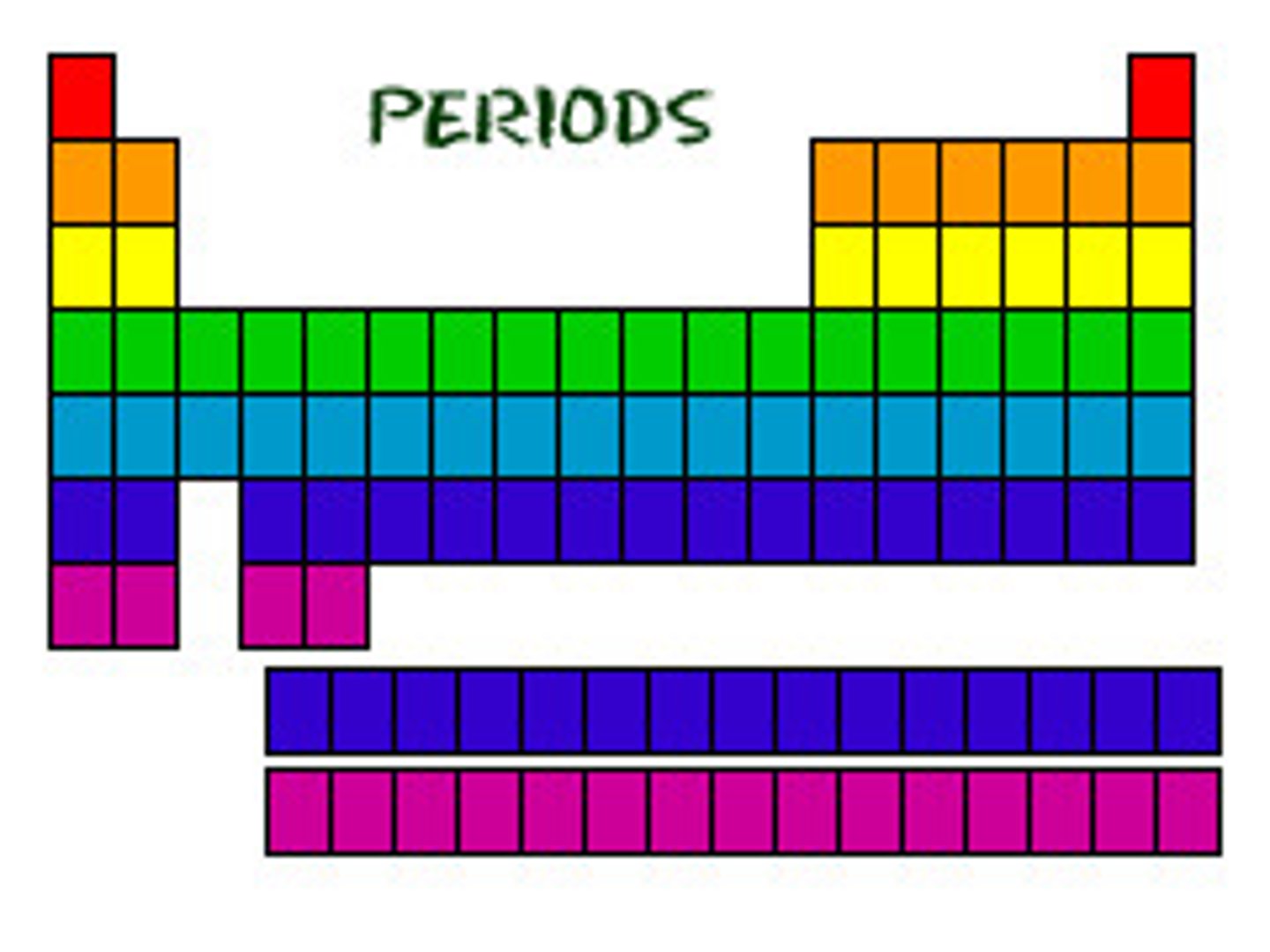
What do periods/rows determine
number of orbitals element has
Which part of periodic table reads up/down
columns/groups
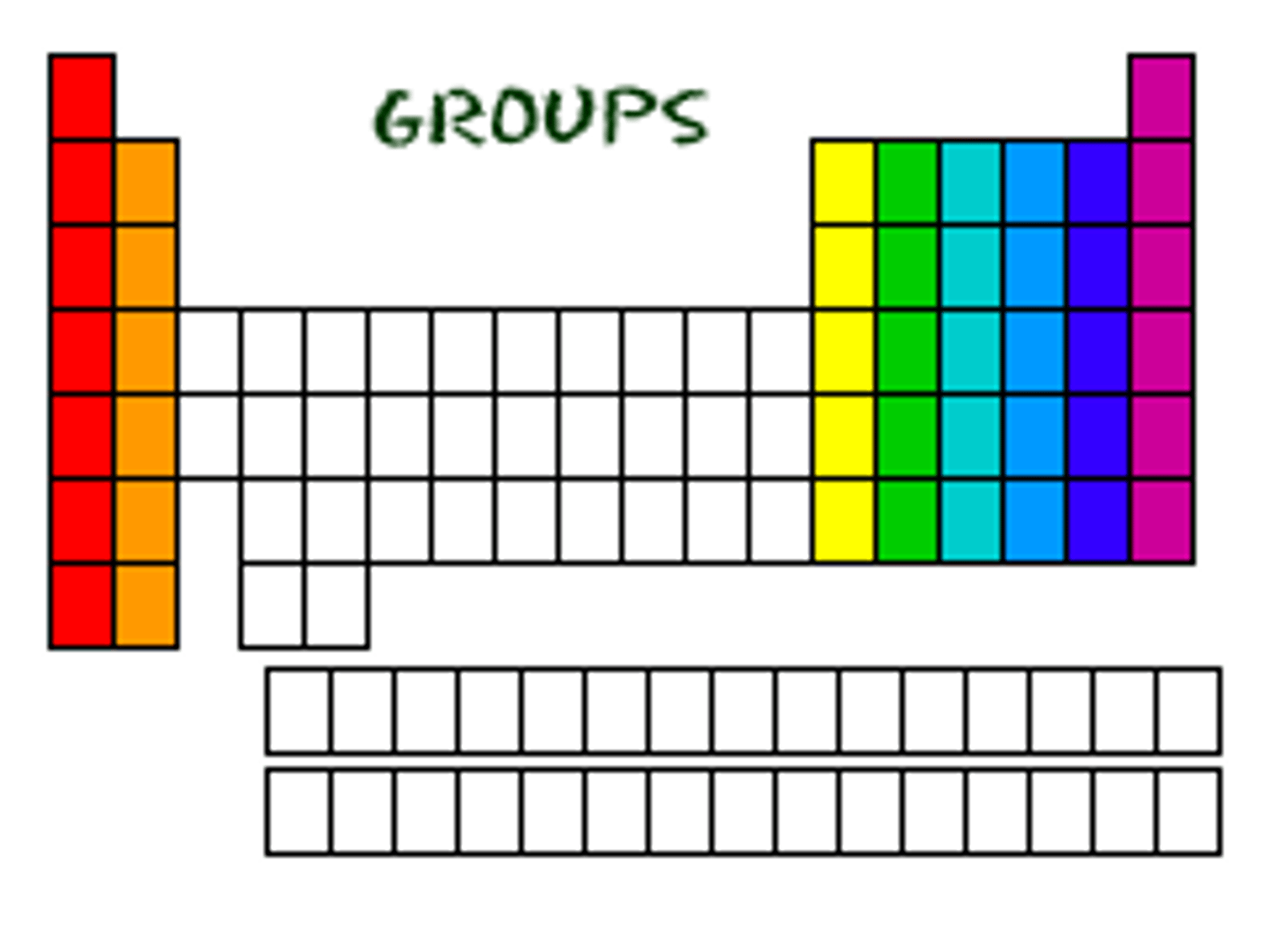
What do columns/groups determine
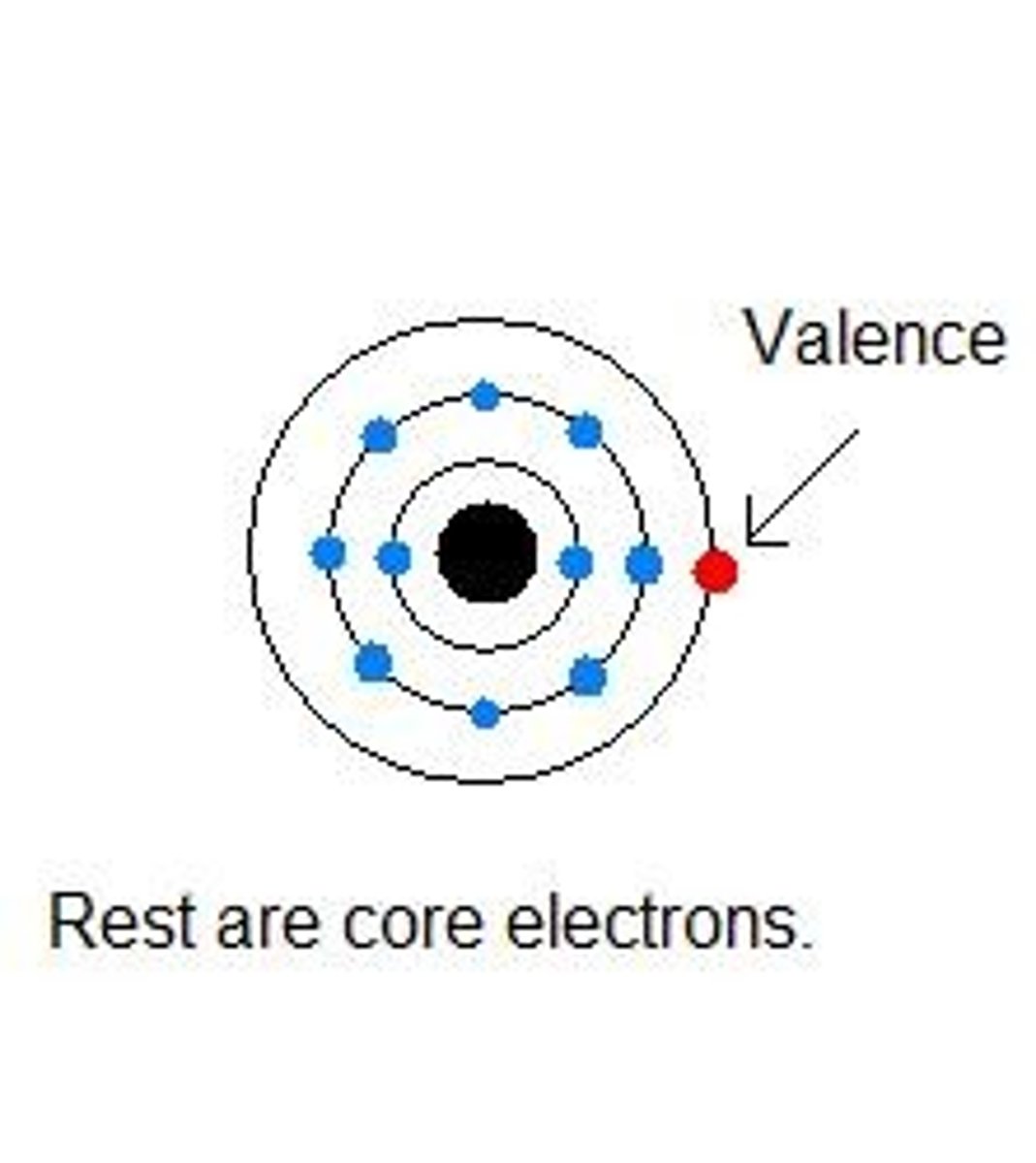
number of valence electrons
Valence Electrons
number of electrons on outmost layer of element
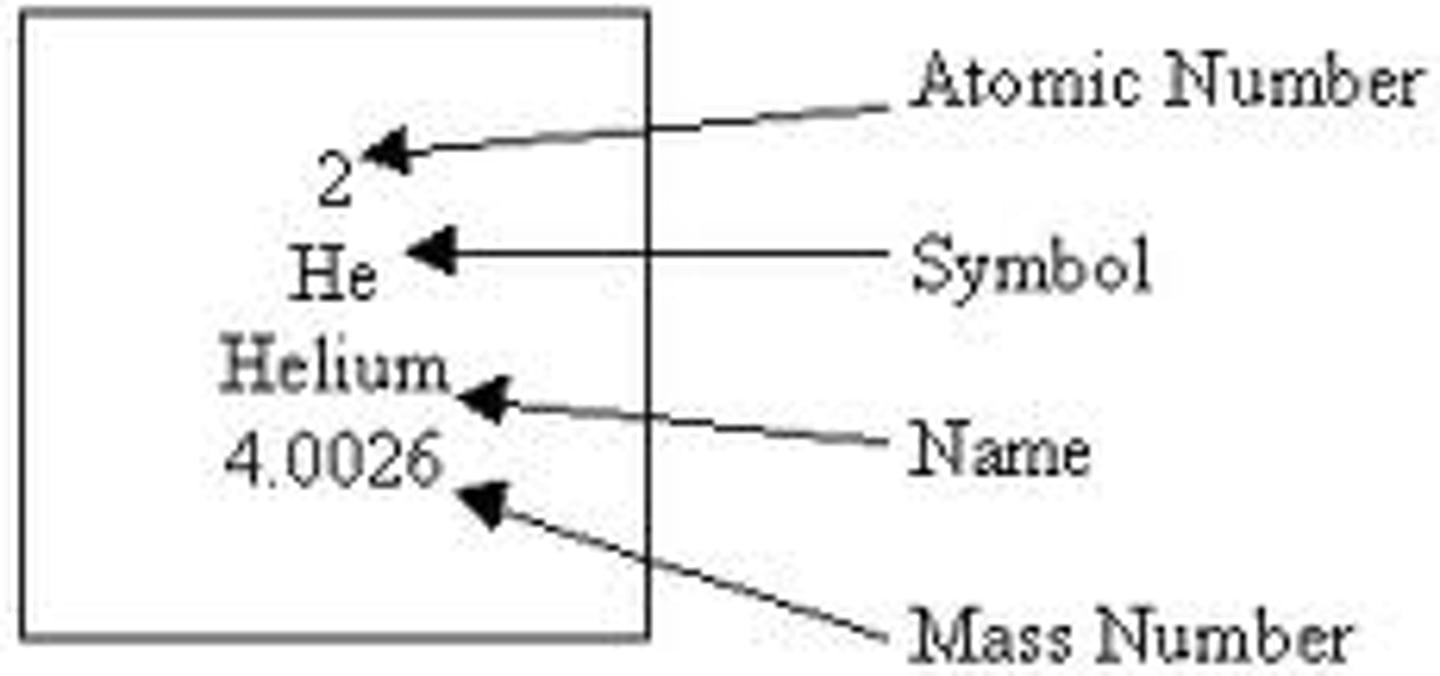
How to read element on period table (Hint 4 things)
1. atomic number
2. symbol
3. element name
4. relative atomic mass
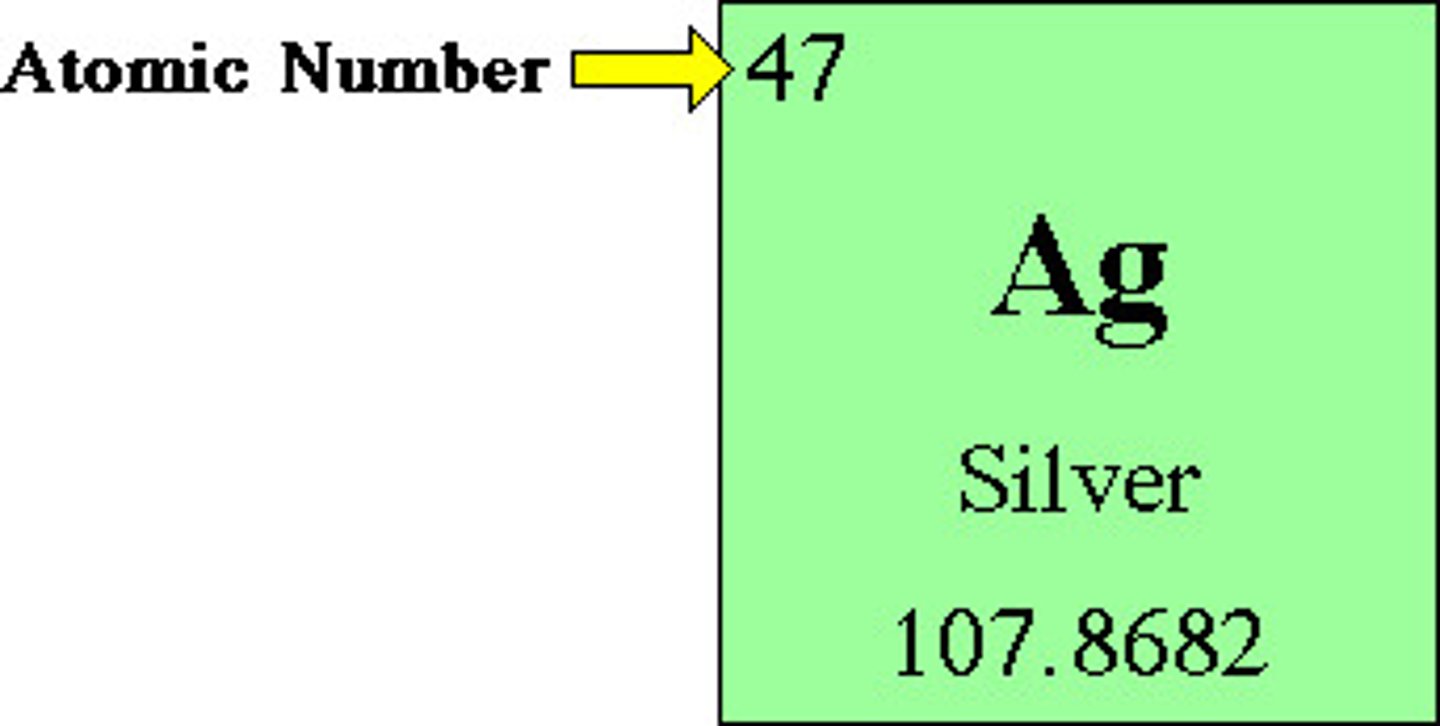
Atomic Number
number of protons
Mass Number
sum of protons + neutrons
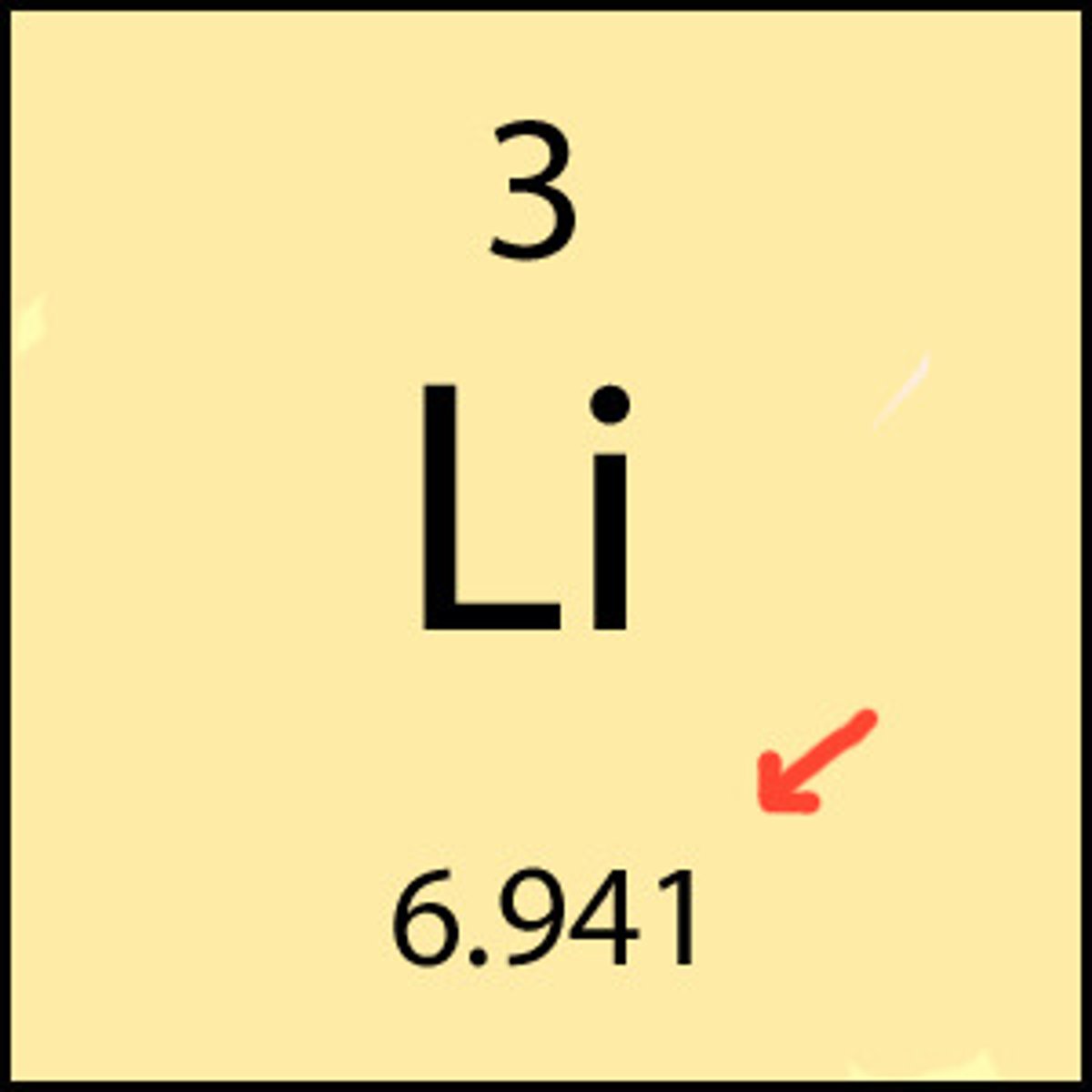
Relative Atomic Mass
% abundance of each isotope of element on earth
How to find the number of protons
atomic number (same number)
How to find the number of neutrons
mass number - atomic number (protons)
How to find the number of electrons
same as the number of protons (in neutral element)
How to calculate relative atomic mass (Hint 3 steps)
1. isotope mass x (% aundance/100)
2. repeat for all isotopes
3. add all the totals
Isotope
same element with different number of neutrons
Why are electrons important
determines how atoms will act w/ each other
True or False: Electrons determine what type of bonds elements form
True
True or False: Electrons determine how these interactions affect element's properties
True
How is an element most stable
when outmost layer is full
True or False: Elements bond to fill electron levels
True --> electrons are exchanged or shared to fill outer energy levels
How to draw valence electron diagram (Hint 2 steps)
1. write element symbol
2. add number of dots (as valence electrons) around symbol
Bonding
electrons are exchanged or shared to fill outer energy levels
What are the types of bonds (Hint 4 types)
1. ionic bonds
2. covalent bonds
3. hydrogen bonds
4. Van Der Waals forces
Which bonds are associated with bonding between elements (Hint 2 types)
1. ionic bonds
2. covalent bonds
Which bonds are associated with bonding between molecules (Hint 2 types)
1. hydrogen bonds
2. Van Der Waals forces
What is the difference between ionic + covalent bonding
ionic --> electrons transferred
covalent --> electrons shared
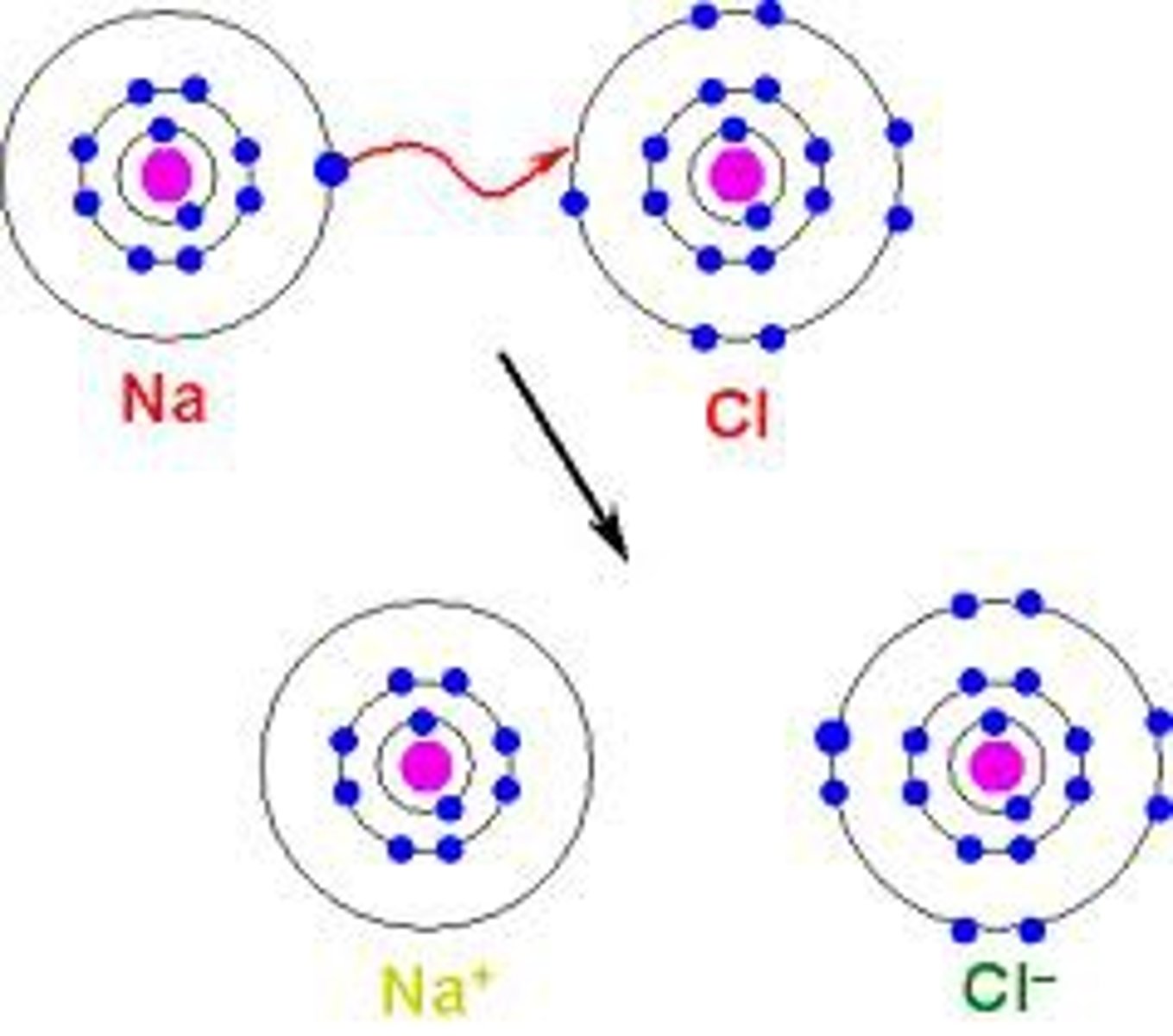
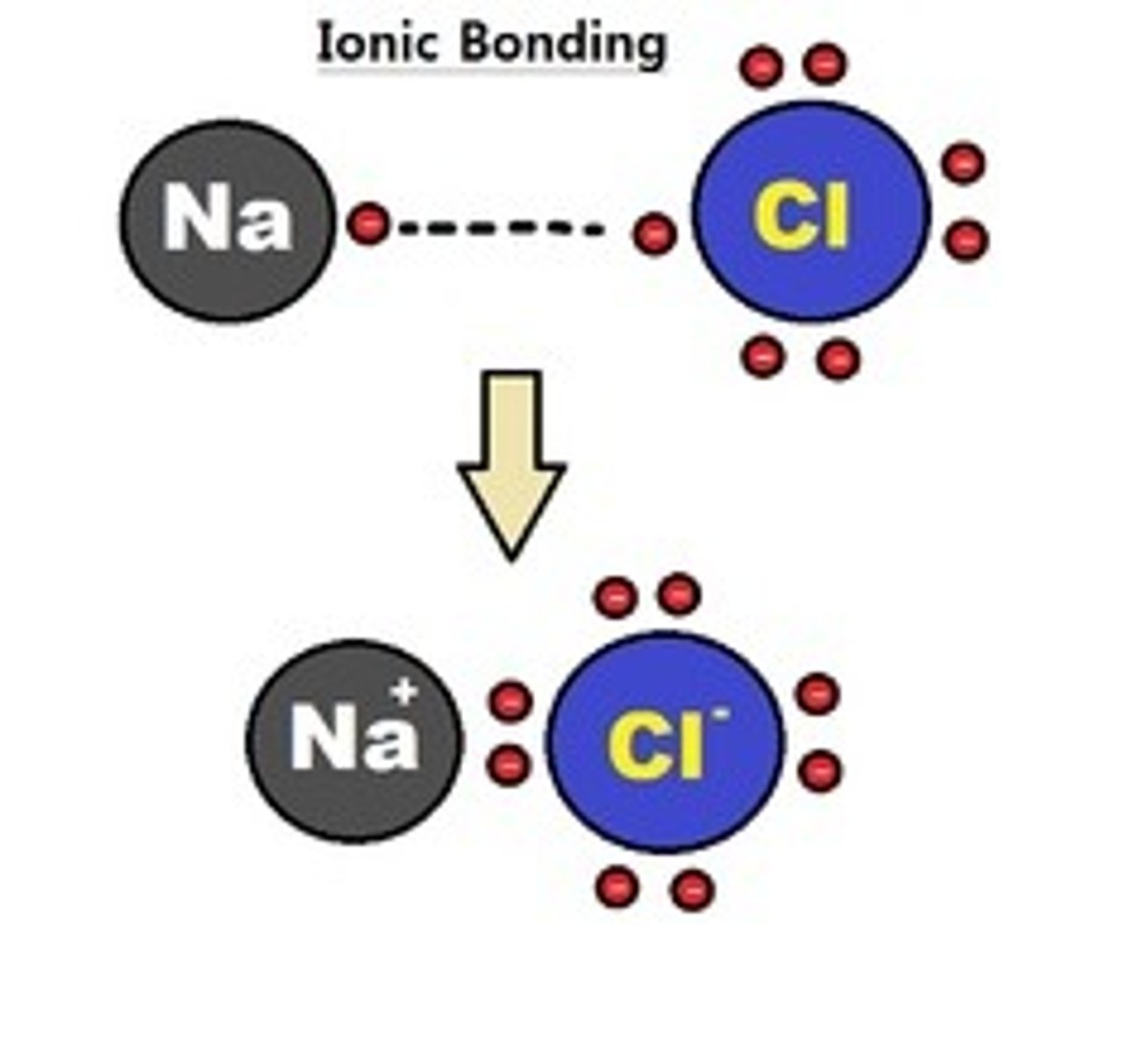
Ionic Bonding
bonding where elements transfer their electrons
Ions
form when atoms gain or lose electrons (charged elements)
What are the 2 types of ions
1. cation --> positive
2. anion --> negative
Cation
loses electrons = positive ion
Anion
gains electron = negative ion
Which types of elements usually bond through ionic bonding (Hint 2 pairs)
1. metals + nonmetals
2. metaloids + nonmetals
Is salt (NaCl) an ionic or covalent bond
ionic bond --> sodium (Na) = metal + chlorine (Cl) = nonmetal
Covalent Bonding
bonding where elements share electrons
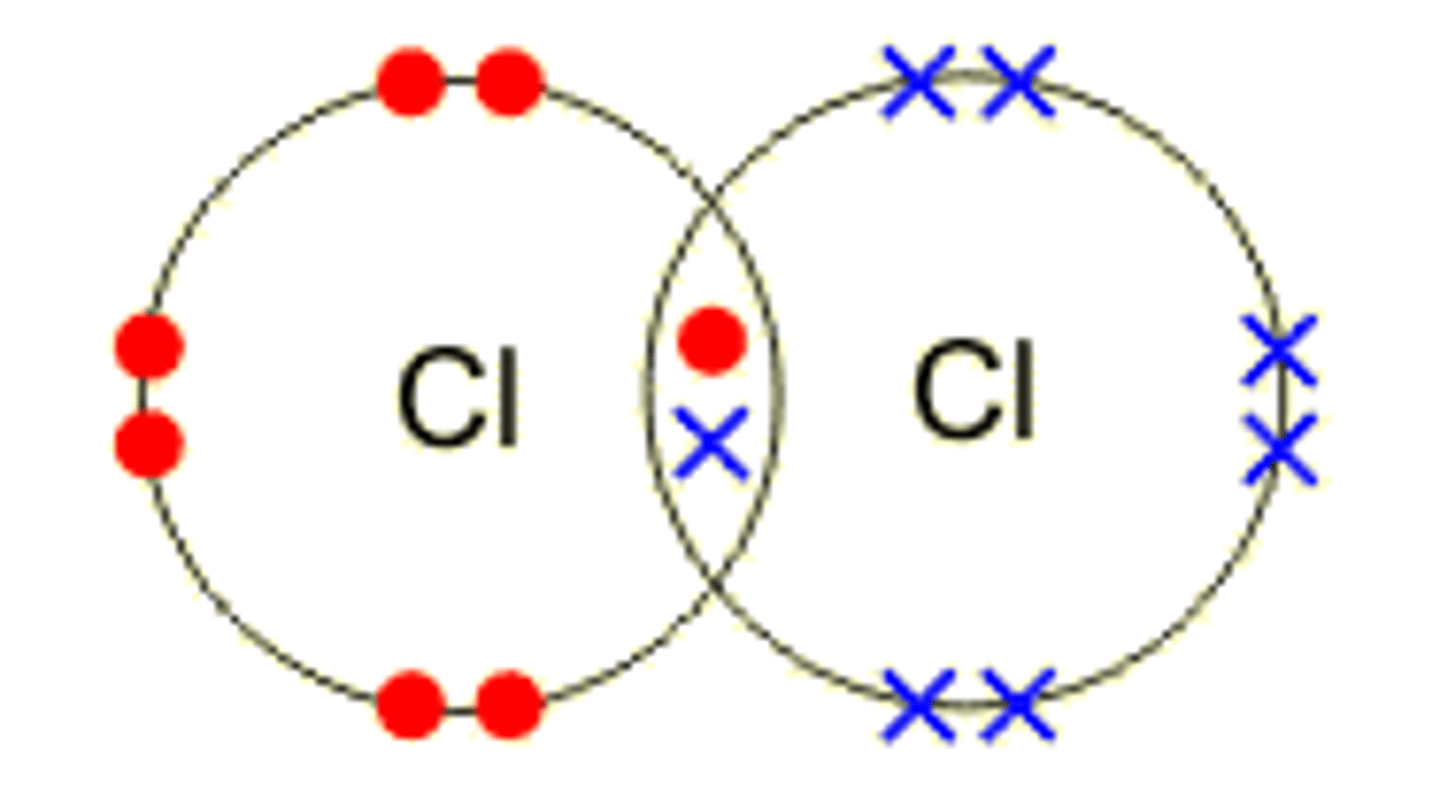
Which types of elements usually bond through covalent bonding (Hint 1 pair)
1. nonmetals + nonmetals
What are the 2 types of covalent bonds
1. polar covalent
2. nonpolar covalent
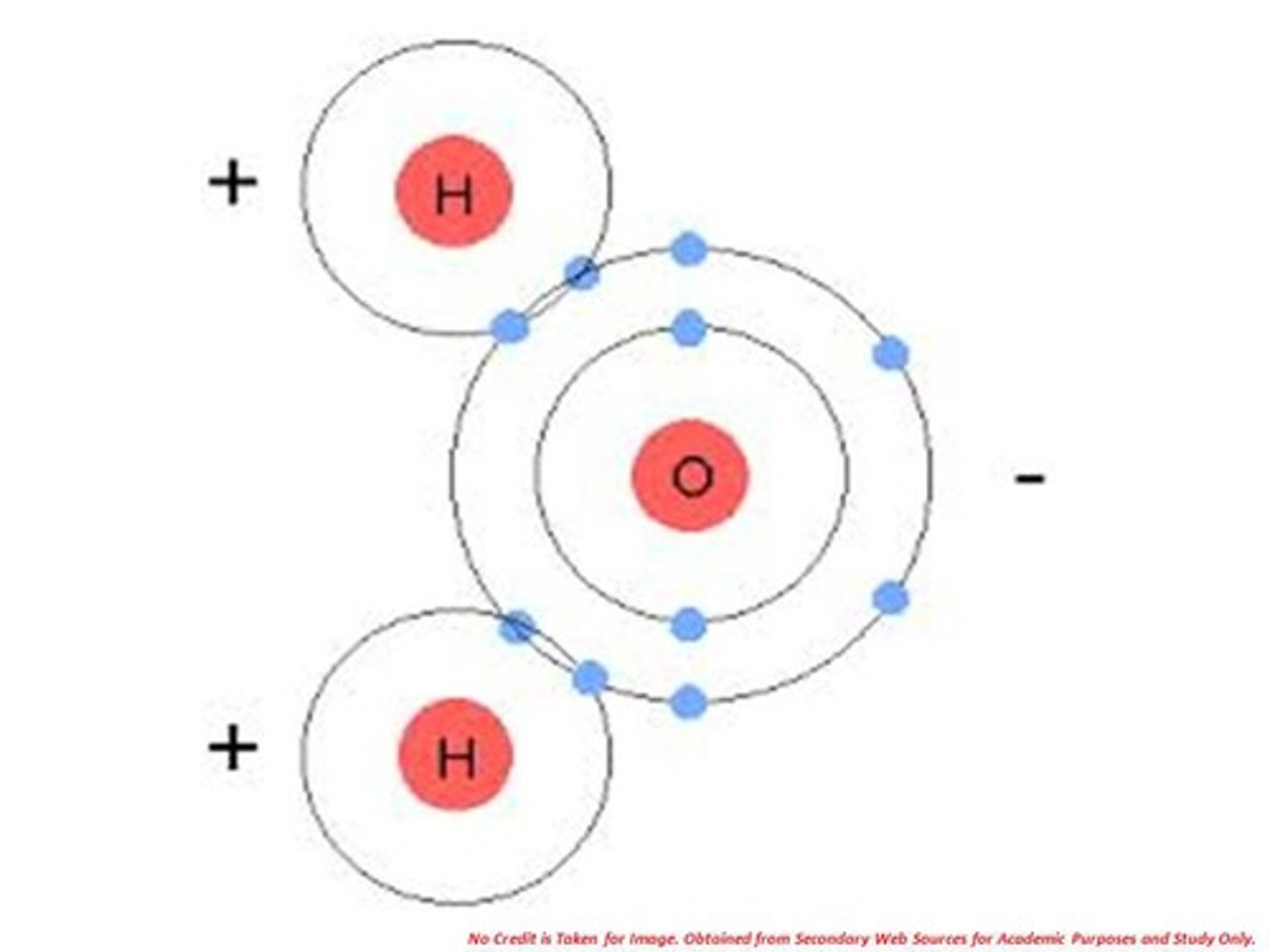
Polar Covalent Bond
unequal sharing of electrons
True or False: Water is an example of polar covalent
True --> bc has a slightly negative charge on oxygen + slightly positive charge on hydrogens
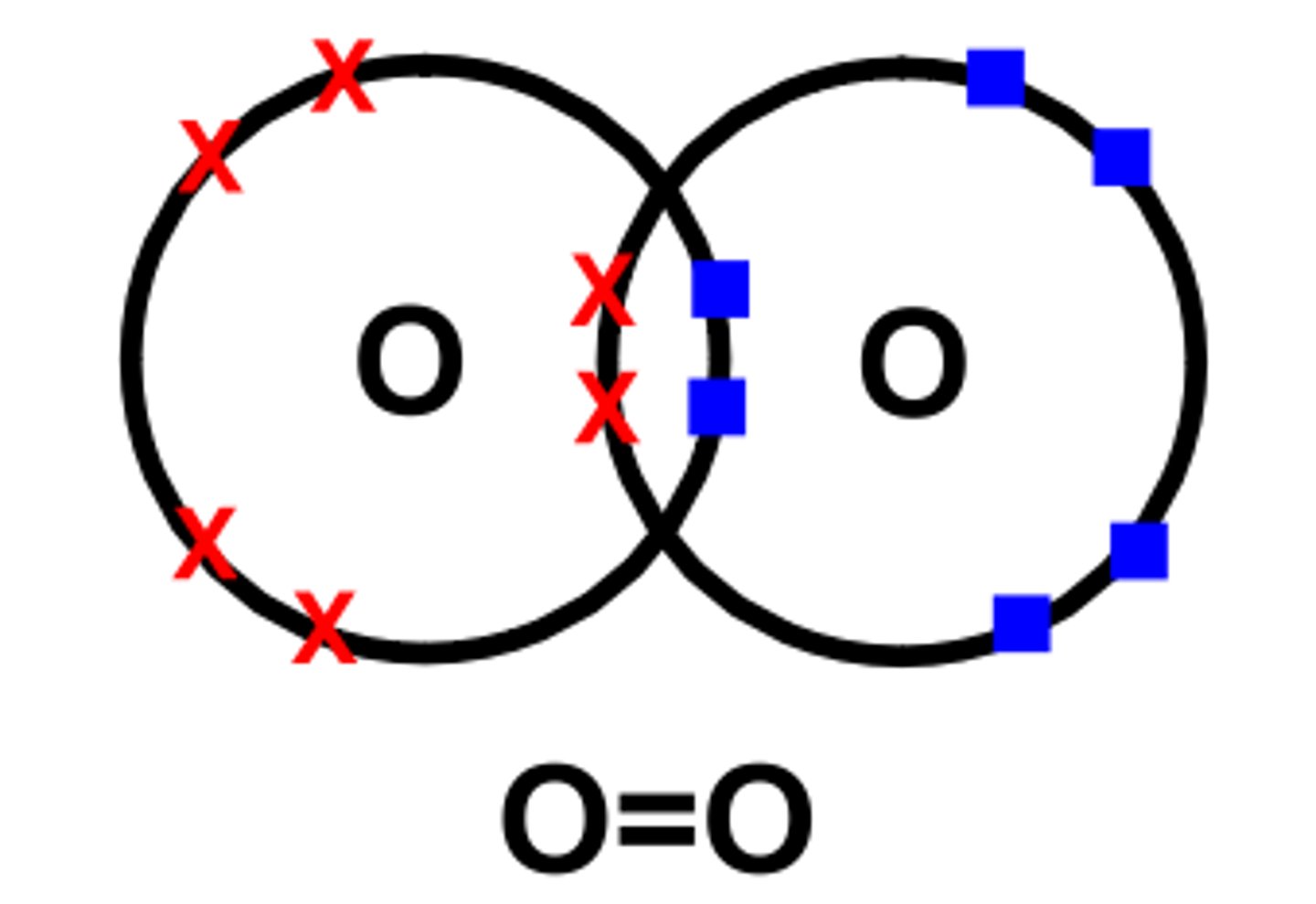
Nonpolar Covalent Bond
equal sharing of electrons
True or False: Oxygen is an example of nonpolar charge
True --> oxygen is shared evenly
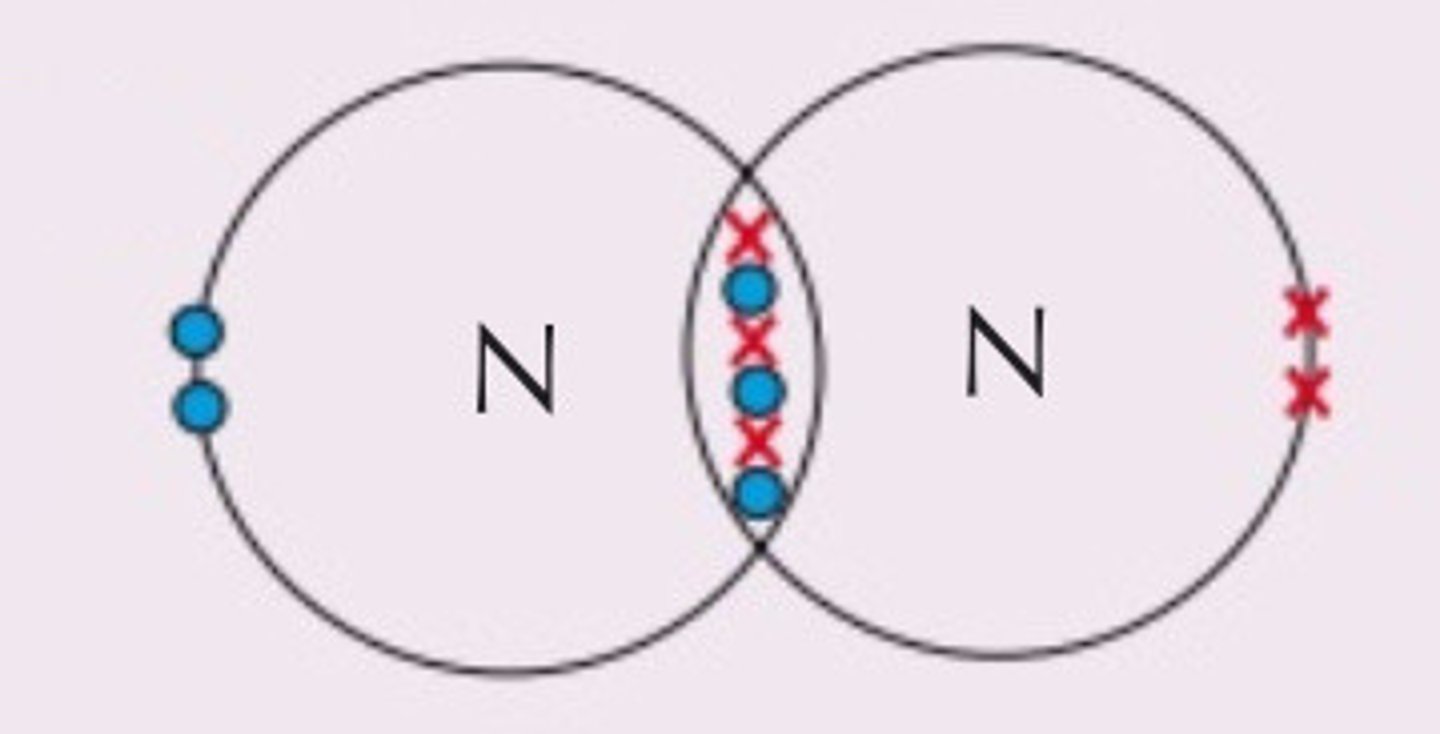
Is nitrogen (N2) an ionic or covalent bond
covalent bond --> nitrogen = nonmetal (
Van Der Waals forces
intermolecular attractions between 1 molecule + another molecule
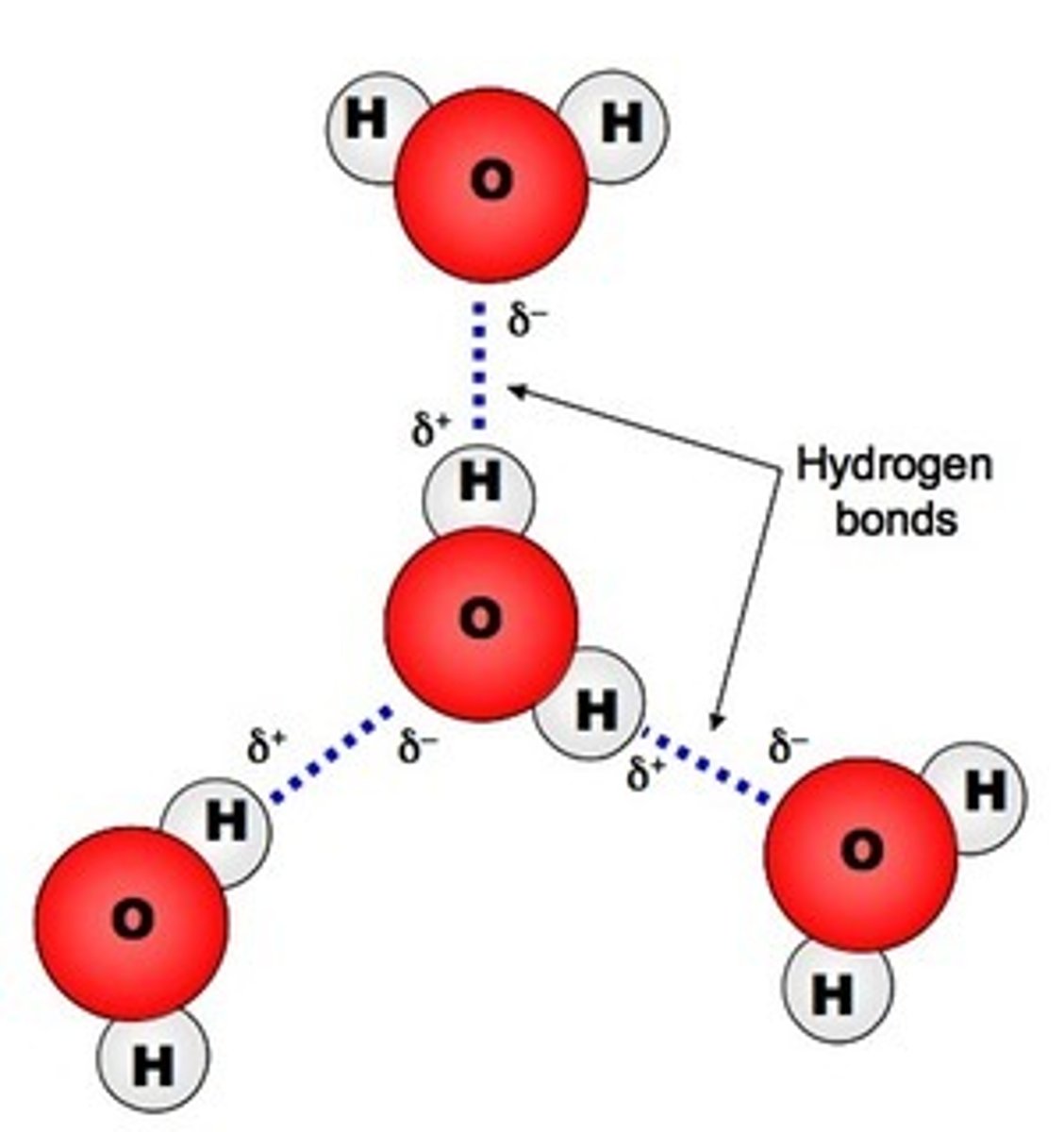
Hydrogen Bonding
bonding between 2 water molecules
Explain the structure and bonding of a water molecule (Hint 2 things)
1. between 1 oxygen + 2 hydrogens
2. bonding = polar covalent
Electronegativity
measure of tendency of atom to attract shared pair of electrons in chemical bond
Explain why water is polar covalent (Hint 2 main things)
1. hydrogens = more postivie bc have less electronegativity (don't hold on to electrons as long --> more positive)
2. oxygen = more negative bc has more electronegativity (holds on to electrons longer --> more negative)
What type of bonding does water have with other molecules
hydrogen bond
Be able to draw water molecule (Hint 2 water molecules)
1. oxygen = slight negative charge + hydrogens = slight postive charge (attached by polar covalent)
2. hydrogen bond = connects negative oxygen + postive hydrogen
Properties of water (Hint 6 things)
1. universal solvent
2. specific heat capacity
3. adhesion
4. cohesion
5. surface tension
6. capillary action
Universal Solvent
Water's ability to dissolve more substances than any other liquid
Why is water a universal solvent
1. water = polar + has charge
2. able to dissolve like bases (dissolve other polar/charged substances)
Explain "like" dissolves "like"
polar dissolves polar
nonpolar dissolves nonpolar
(Like in math when you combine lile terms)
Is water able to dissolve sugar, explain (Hint 1 thing)
1. both substances are polar solvents
Is water able to dissolve salt (NaCl), explain (Hint 4 things)
both substances are polar solvents
1. sodium = positive + chloine = negative
2. oxygen = negative + hydrogens = positive
3. opposites attract + breaks bond between sodium + chlorine
Is water able to dissovle oil, explain (Hint 2 things)
1. water = polar + oil = nonpolar
2. not like bases --> can't combine
Specific Heat Capacity
amount of heat energy needed to raise temp of one gram of a substance by one degree Celsius
What does it mean if something has a low specific heat capacity
substance needs less energy to change its temperature (heats up faster)
What does it mean if something has a high specific heat capacity
substance needs more energy to change its temp (heats up slower)