10. Sustainable packaging
 Call Kai
 Learn
Learn Practice Test
 Spaced Repetition
 Match
Match Flashcards
 Knowt Play
1/27

There's no tags or description
Looks like no tags are added yet.
Name | Mastery | Learn | Test | Matching | Spaced | Call with Kai |
|---|
No analytics yet
Send a link to your students to track their progress
28 Terms
Overshoot day
Earth Overshoot Day marks the date when humanity’s demand for ecological resources in a given year exceeds what Earth can regenerate that year
After this date, we consume more plastic than there is available
What is the main source of our carbon footprint?
Food and drink (!!)
Transport
Energy
Stuff and clothes
Flying
Therefore we can help consumers by making the right choices in their food
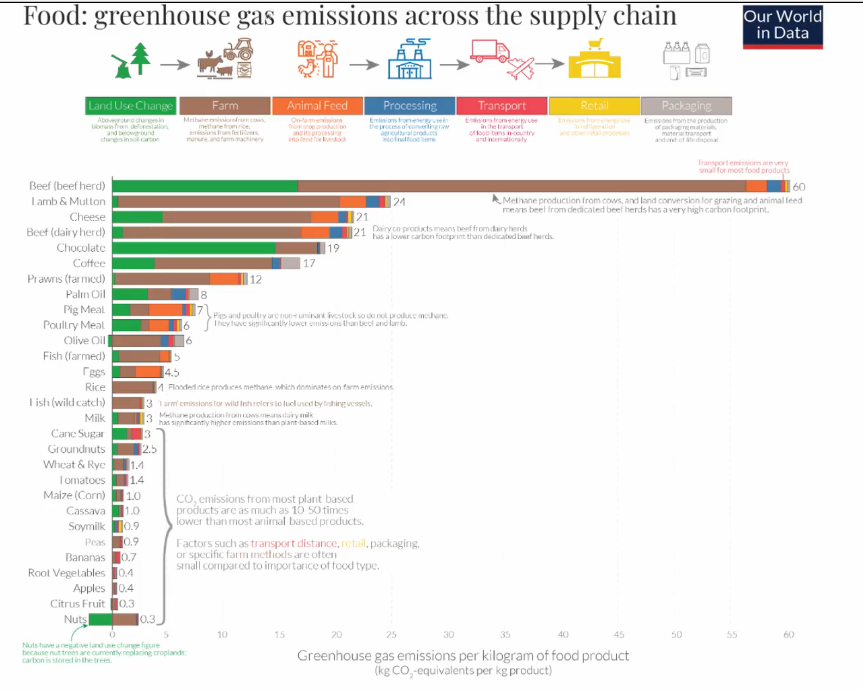
Even the type of food we eat has effect on CO2 footprint (see picture)
As a producer, you can choose what you put in your food strategically to reduce footprint
Additionally choosing the right packaging to prevent waste
Morphology PE
HDPE: few or no side branches → compact
LDPE: long sidebranches → more space
Effect of polypropylene
Much thicker plastic
Gives impression of freshness as plastic sounds crunchy
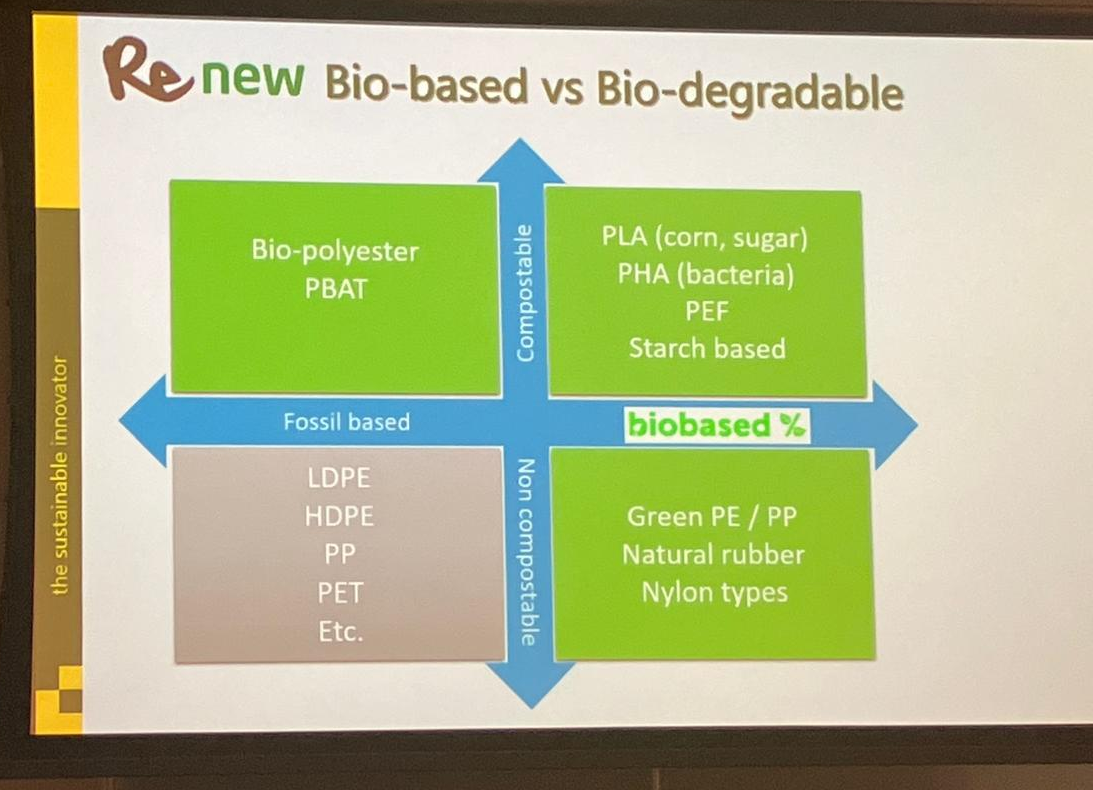
Bio-based vs. bio-degradable plastics
Most plastics (LDPE, HDPE, etc) tend to be fossil based and non-compostable
Green PE can be molecularly exactly the same as normal PE however these are not biodegradable
Compostable = often poorly recyclable
Putting PLA or PHA in recyling bag, will mess up the recycling process
All green = bioplastics
All of these choices make it difficult to make a choice between plastics
Also makes it hard to decide in which bin to throw it (compost, plastic?)
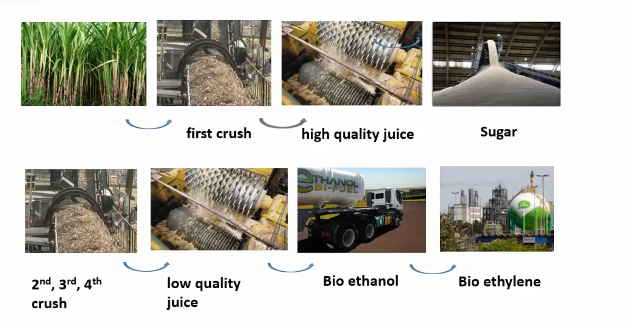
How is bio ethylene made?
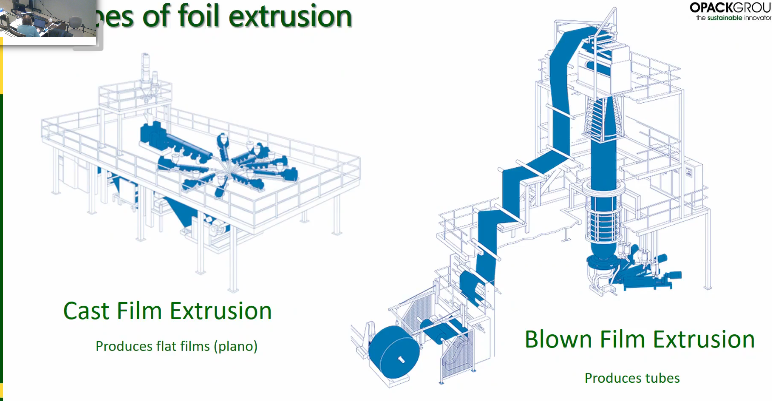
Types of foil extrusion
Cast film extrusion
Produces flat films (plano)
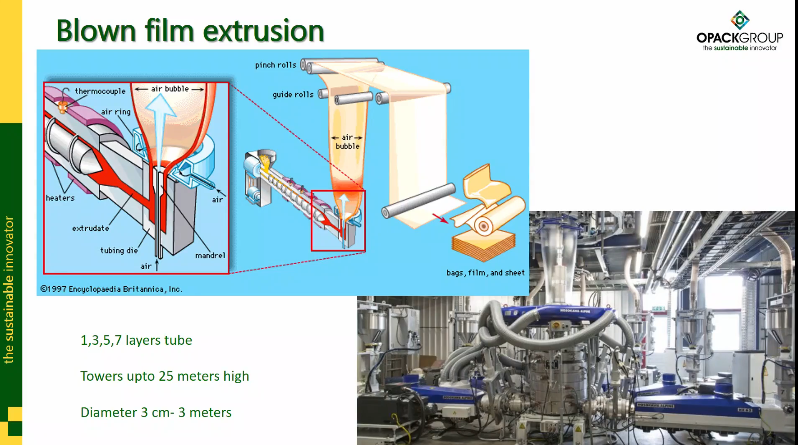
Blown film extrusion
Produces tubes
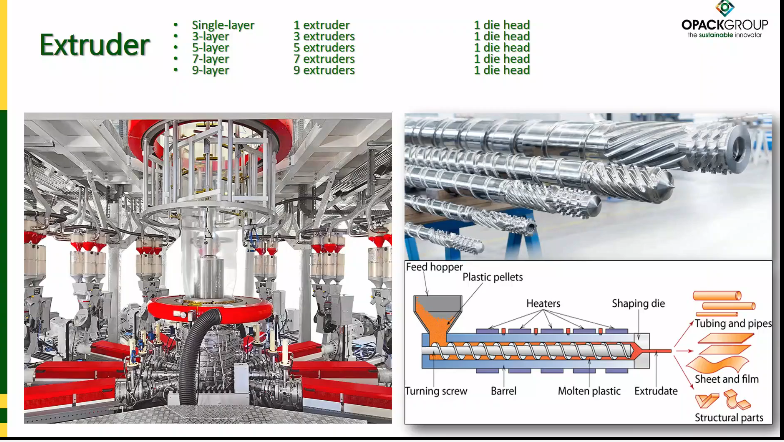
Correlation layers of plastic and number of extruders
The screws are heated
Blown film extrusion
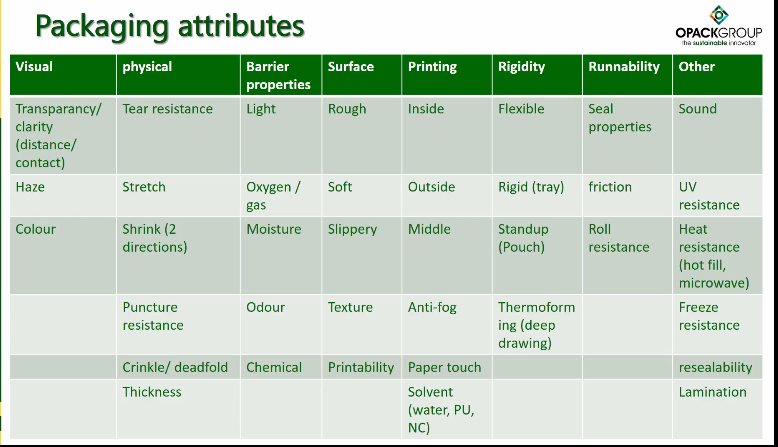
Packaging attributes that help determine the type of plastic you should choose
Visuals: clear or not? Haze? Color?
Physical: stretch, tear resistance, shrink, puncture resistance, crinkle (sound), thickness
Barrier properties: light, oxygen, moisture, odor, chemical (e.g. putting chocolate next to mint, chocolate will taste like mint?)
Surface: rought, soft, slippery, texture, printability
Printing: inside, outside, middle, anti-fog, paper touch (PE/PP can not be printed on and need to be sparked)
Rigidity: flexible, rigid, standup pouch, thermoforming
Runnability: seal properties, friction, roll resistance (important
Other: sound, UV resistance, heat resistance, freeze resistance
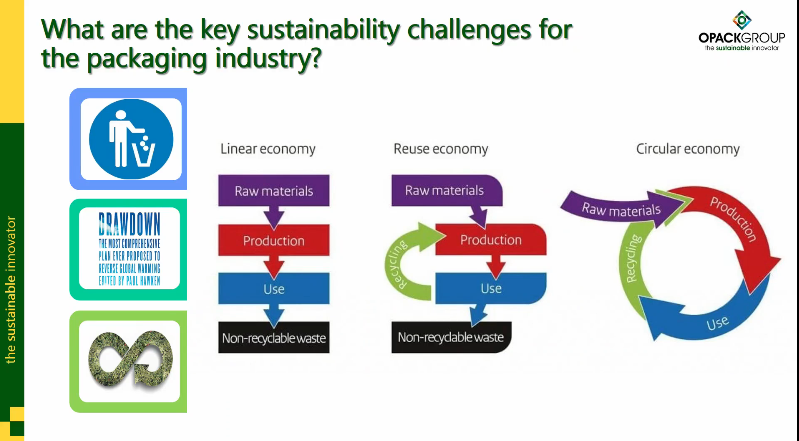
What are the key sustainability challenges for the packaging industry?
Waste
Waste management → Re-duce, Re-design & Re-cycle
Littering & behavior change
CO2 emissions
Paris agreement & global warming
Re-duce & Re-duce food waste
Re-design, Re-new
Overconsumption of raw materials
Re-duce our footprint
Re-design & Re-new
Linear economy, reuse economy vs circular economy
Linear: no recycling
Reuse: still some non-recyclable waste
Circular: no non-recyclable waste (not realistic, there will always be waste)
Packaging dossier 1994
This foundational legislation aimed to harmonize national measures concerning the management of packaging and packaging waste to prevent or reduce its environmental impact while ensuring the proper functioning of the EU internal market.
It includes:
Packaging is safe
REACH
Food contact materials
During recycling, landfill or incineration
Minimise packaging material use
Volume & weight limited to the minimum adequate amount
packaging has minimal environmental impact
Reuse
Recovery incl recycling
Last two could be ignored for a valid marketing reason
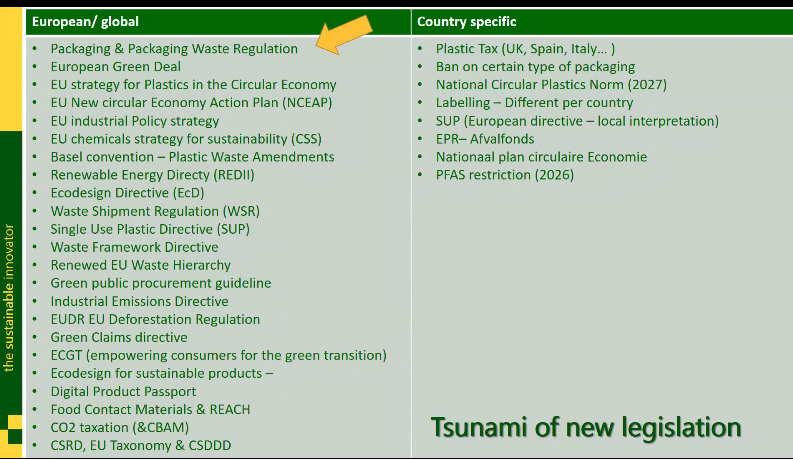
Current packaging dossier
Focus of this lecture is on packaging & packaging waste regulation
Ambitions EU packaging
More recycling and design for recycling
Rules on compostable packaging
Harmonization of labels
More reuse
More use of recyled material
Less packaging waste
Reduction of negative effects of packaging and packaging waste
Who is responsible for more sustainable packaging? (packaging & packaging waste regulation legislation)
Supplier of packaging material
Supplies information and documentation to manufacturers
Manufacturer (of packaged products) importers/distrubtions
Conformity assessment, labeling, and reporting
EU memberstates
Reporting of all data (normally through extended producer responsibility)
Reporting pakaging & packaging waste
Reporting reuse and recycling
What is packaging? (packaging & packaging waste regulation legislation)
Packaging means items of any materials that are intended to be used for the containment, protection, handling, delivery or presentation of products and that can be differentiated into packaging formats based on their function, material and design
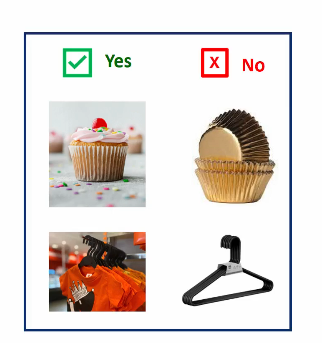
What are the five pillars of PPWR (packaging & packaging waste regulation legislation)
Recyclability by design
Mandating material
Driving re-use & re-fill
Waste minimization
Harmonized regulation
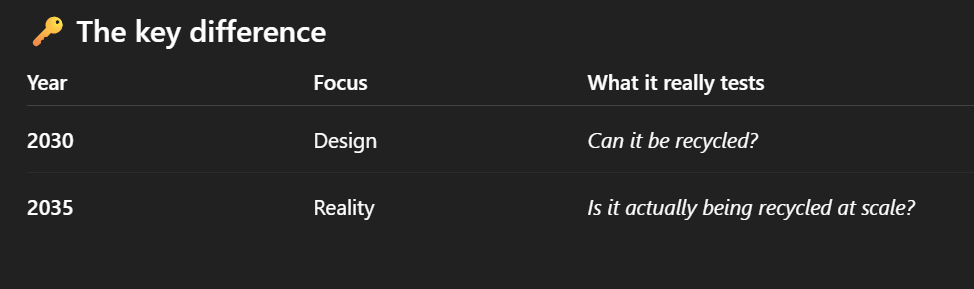
Recyclability by design (PPWR)
2030: EU market access only for recyclable packaging
2035: Onwards, packaging must be recycled at scale
Mandating material (PPWR)
There will be a minimum recycled content for plastics starting 2030
Further focus on safety e.g. PFAS restriction
Compostable only in some formats
e.g. stickers for fruits and vegetables, tea bags, things that go in gft not allowed in other packages
Exceptions to 2. mandating material
Exceptions exist for: Farmaceutic products, medical products, dangerous goods
Contact sensitive packaging for food and drink for infants and toddlers
Plastic packaging for food products when the recycled contact is posing a health risk and when the packaging therefore is not compliant with rules
Plastic parts that constitute less than 5% of the total weight of the total packaging
1 januari 2028 all exceptions will be reviewed
If recycled materials are ‘not available at scale’ or ‘extremely expensive’ the commision can review legislation
Driving re-use & re-fill
Re-use targets on E-commerce, transport, takeaway food and beverage
The packages used in this area should be reusable
Waste minimization (PPWR)
Packaging minimisation (weight/headspace)
Reduce packaging waste: 5% total packaging reduction by weight in 2030 vs 2018. (10% 2035 and 15% 2040)
Proposed bans for certain packaging formats
Restrictions:
No single-use plastic grouped packaging (Shrink wrap around a 6-pack of water bottles)
No Single-use plastic packaging for unprocessed fruit & vegetables under 1.5 kg
No single-use plastic for dining except for takeout.
No single-use plastic packaging in restaurants for jam, sugar, coffee creamer etc except if its takeout
No single-use for cosmetics, hygiene & toilet articles in hotels for examplels
No lightweight carrier bags except for hygiene or if it prevents food waste
Harmonized regulation (PPWR)
under PPWR:
The same requirements apply in all EU Member States
Companies don’t have to deal with 27 different national systems
Enforcement and definitions become more consistent
Waste reduction by going from tray to bag
70% reduction
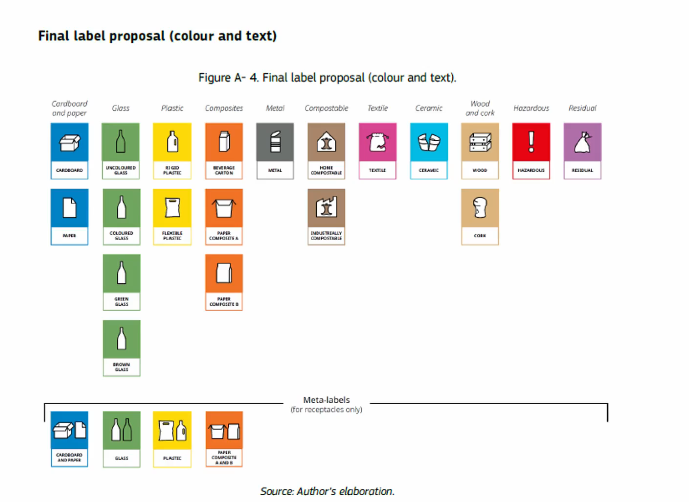
New label proposal to see where things have to be thrown away
Conformity assessment data needs to be online with QR code
Extended producer responsibility (EPR)
You are as a producer accountable for the waste management of the products you put on the market.
In the Netherlands we have EPR’s for:
Car tyres
Cars
Batteries
Electronic equipment
Textile
Packaging
Roadside litter
Under special agreements:
Window glass
Paper and carton
Mattresses
Lightbulbs
In the making are:
Building materials
Horti and agricultural
What are the costs for well recyclable vs poorly recyclable materials?
Standard costs from verpact is: 1,22 euros
You can get a discount when:
You put recycled content in the packaging (-20 cents)
The packaging is colorless or white (-10 cents)
The packaging is monomaterial (at least 90%) (-10 cents)
Correct labelling (-10 cents)
If the package is VERY well recyclable (-10 cents)