BT Part 2.3 - Wood Floor Framing. Floor Finishes. Wood Wall Finishes. Roofs. Rafter Framing. Trusses
 Call Kai
 Learn
Learn Practice Test
 Spaced Repetition
 Match
Match Flashcards
 Knowt Play
1/144

There's no tags or description
Looks like no tags are added yet.
Name | Mastery | Learn | Test | Matching | Spaced | Call with Kai |
|---|
No analytics yet
Send a link to your students to track their progress
145 Terms
Wood floor framing system
Consists of the common floor joists, cross bridging, solid bridging, and other members which provide support for the flooring
Floor Joist
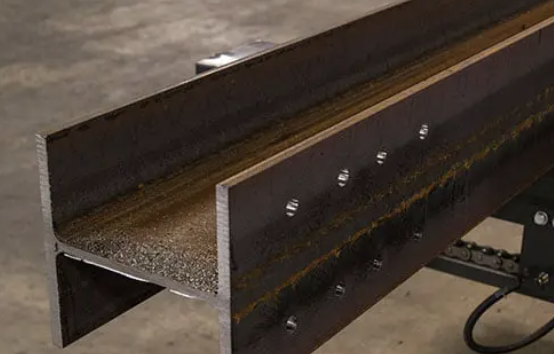
One of a series of parallel beams of timber, reinforced concrete, or steel used to support floor and ceiling loads, and supported in turn by larger beams, girders or bearing walls
Solid Lumber
What type of Floor Joist? - Continuous boards usually made from old-growth trees
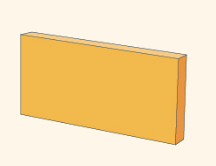
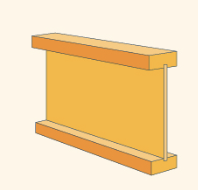
I-Joist
What type of Floor Joist? - Center plywood or OSB is framed by 2 horizontal wood or laminated veneer pcs.
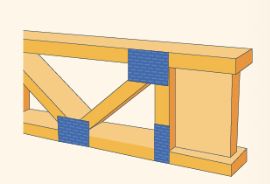
Open-Web Trusses
What type of Floor Joist? - Made of Lumber, metal connectors hold diagonal and vertical pcs. to the 2 horizontal wood pcs. that frame them
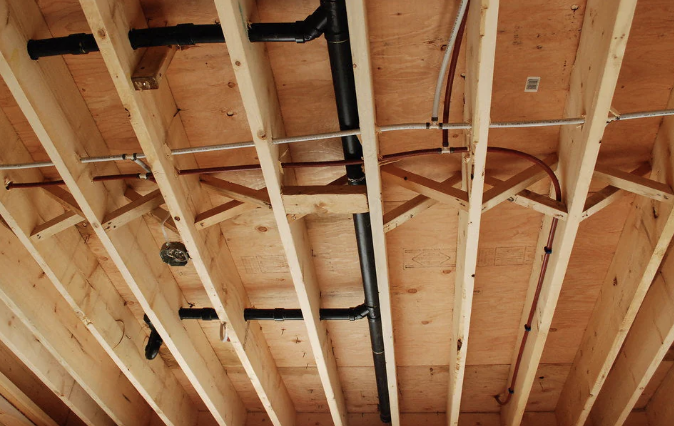
Common Joist, Bridging Joist
A beam which supports the common joists of a wood floor above and the ceiling joists below; commonly joins two vertical posts.
Girder
A large or principal beam of steel, reinforced concrete, or timber; used to support concentrated loads at isolated points along its length.
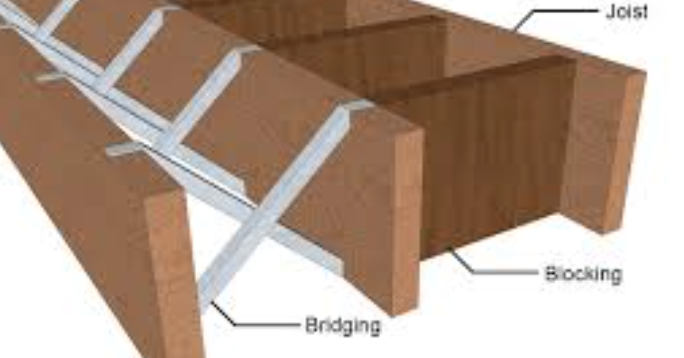
Bridging
A brace, or a system of braces, placed between joists to stiffen them, to hold them in place, and to help distribute the load.
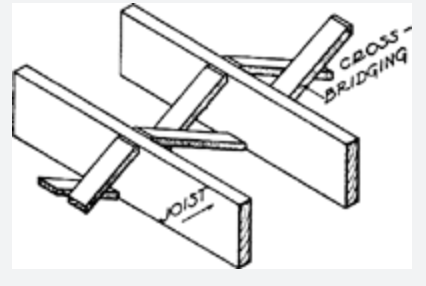
Cross Bridging, Diagonal Bridging, Herringbone Strutting
Diagonal bracing, in pairs, between adjacent floor joists to prevent the joists from twisting.
Block Bridging, Solid Bridging, Solid Strutting
Short members (boards) which are fixed vertically between floor joists to stiffen the joists.
Bridging Floor
A floor supported by common joists, without girders
Sleeper Joist
Any joist resting directly on sleepers
Ledger, Ribbon or Ribband
A horizontal member which is housed in the studs of balloon framing and carries joists.
Ledger Strip, Ribbon Strip
On a beam which carries joists flush with the upper edge of the beam (or girder), a strip of lumber which is nailed to the side of the beam (along its bottom edge), forming a seat for the joists and helping to support them.
Sill
A horizontal timber, at the bottom of the frame of a wood structure, which rests on the foundation.
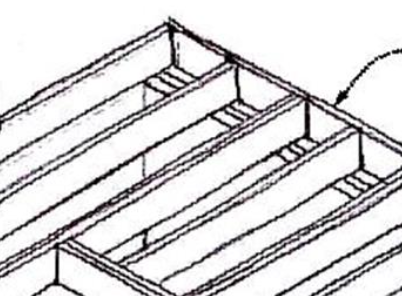
Rim joist or header
What does the arrow pointing at?
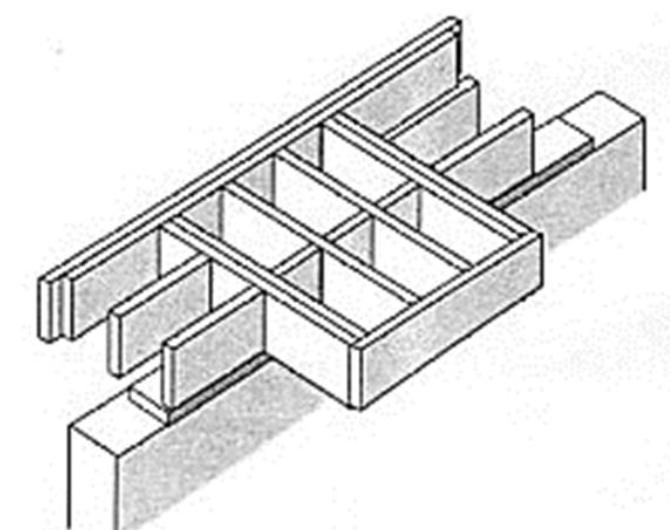
Floor extension: Perpendicular to Joists
What type of wood floor extension?
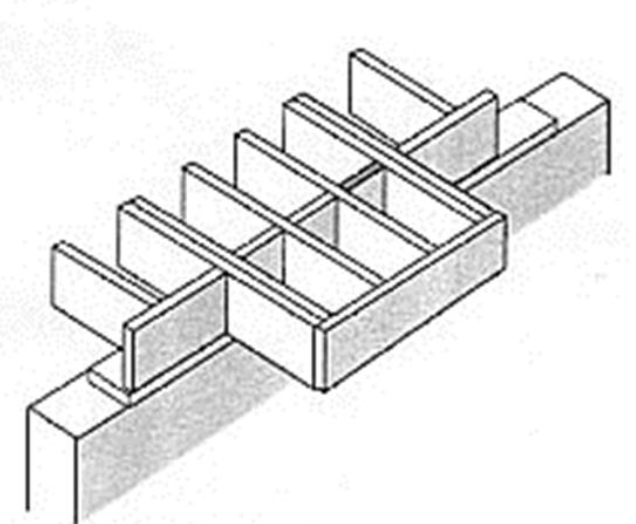
Floor extension: Parallel to Joists
What type of wood floor extension?
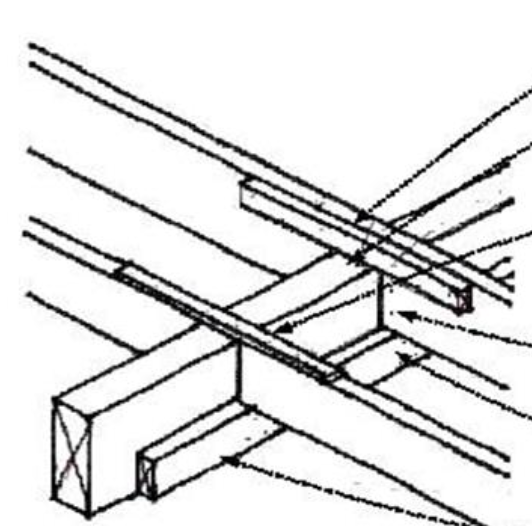
Wood Beam with Ledger
What type of wood beam?
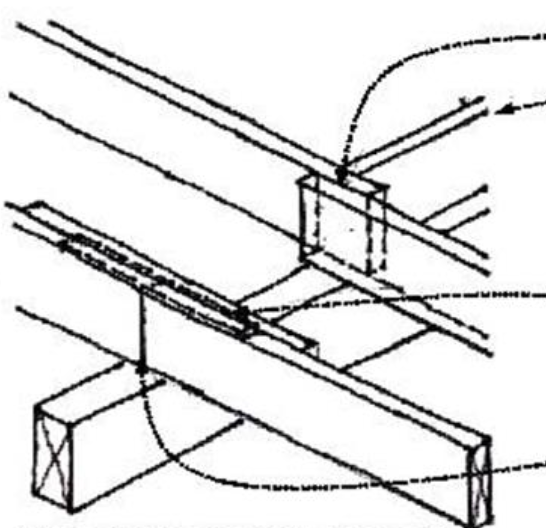
Wood Beam with Lapped or Spliced Joists
What type of wood beam?
Steel beam with ledger
What type of steel beam?
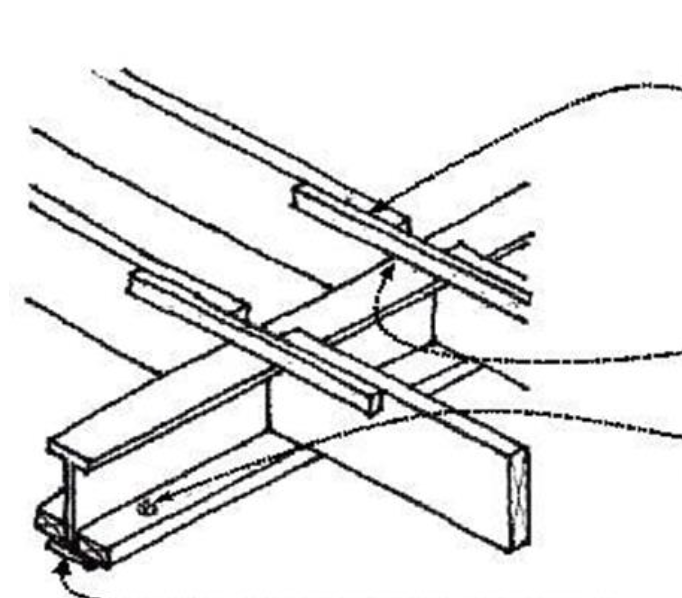
Stell beam under joists
What type of steel beam?
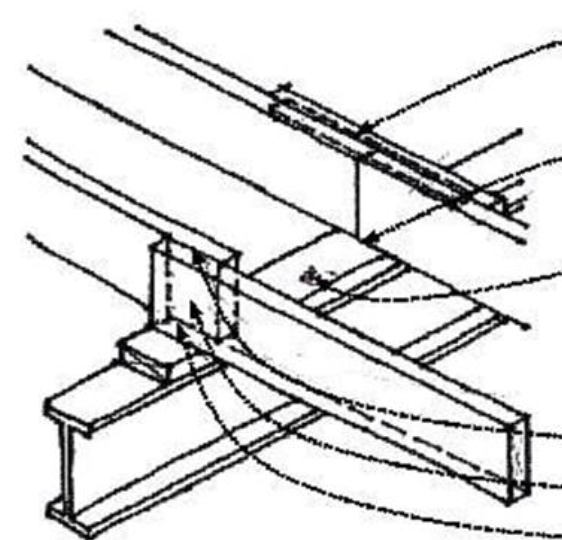
Strip Flooring
Hardwood finish flooring; narrow tongue-and-groove strips; commonly maple, mahogany, oak, etc.
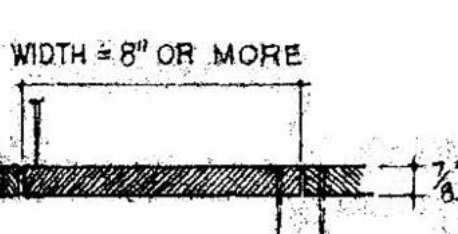
Plank Flooring
Flooring made of long, wide, square-sawn thick piece of timber; the specifications vary, but often the minimum width is 8” (200 mm), and the minimum thickness is 2” to 4” (50 to 100 mm) for softwood and 1” (25 mm) for hardwood.
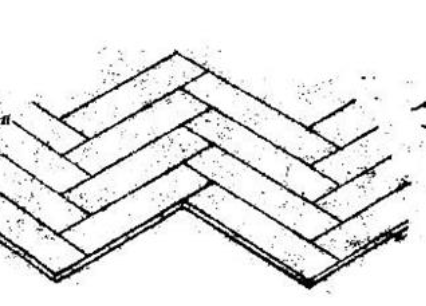
Parquet Flooring
Inlaid wood flooring usually set in simple geometric patterns.
Parquet Tile Flooring
The tiles are glued to the cement floor face down; when dry, paper is wet and stripped off the tile surface; sanded and primed to finish.
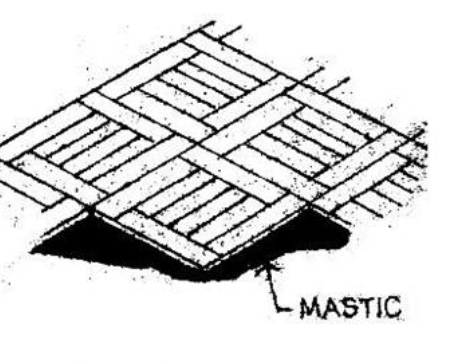
On concrete subfloor
What type of subfloor is this?
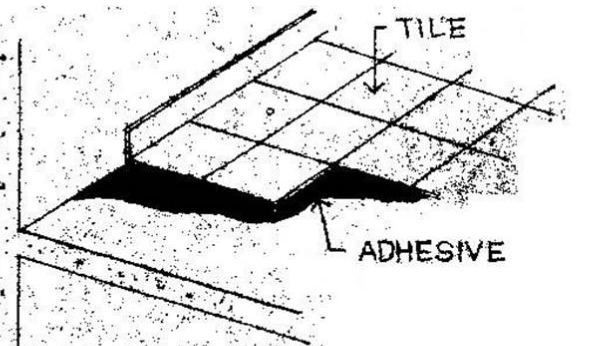
On wood subfloor
What type of subfloor is this?
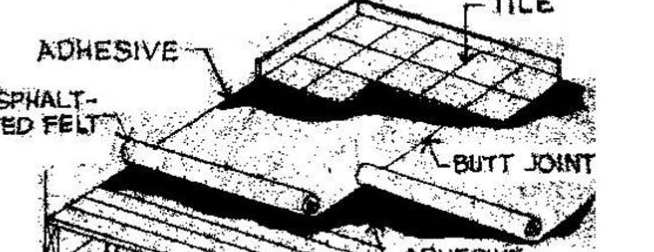
Bullnose
What type of ceramic tile?
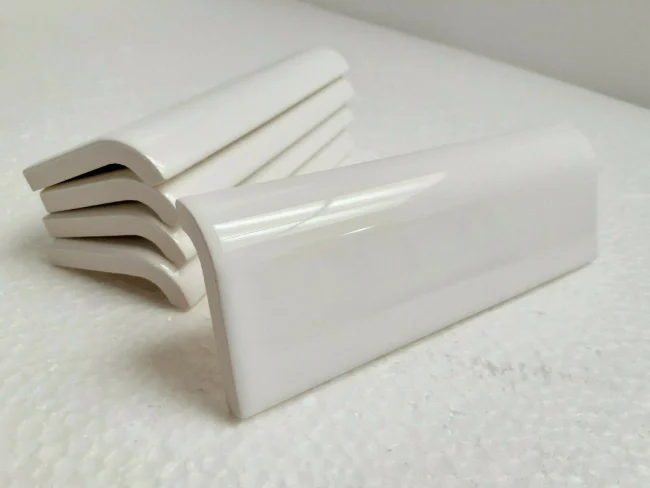
Bead
What type of ceramic tile?
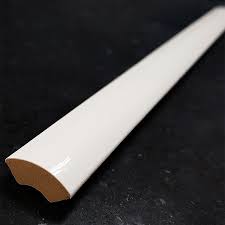
Cove
What type of ceramic tile?
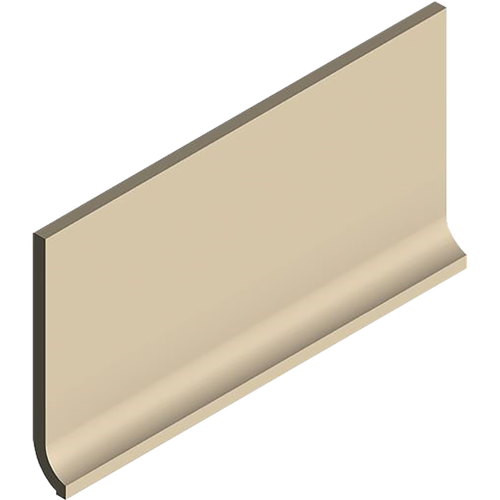
V-Caps
What type of ceramic tile?
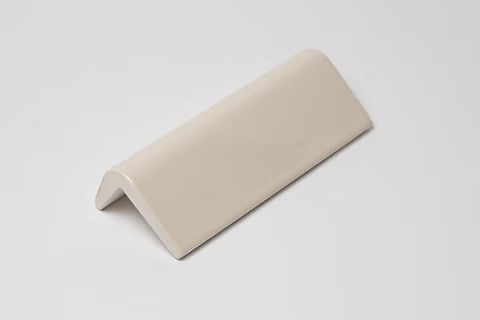
Box cap
What type of ceramic tile?
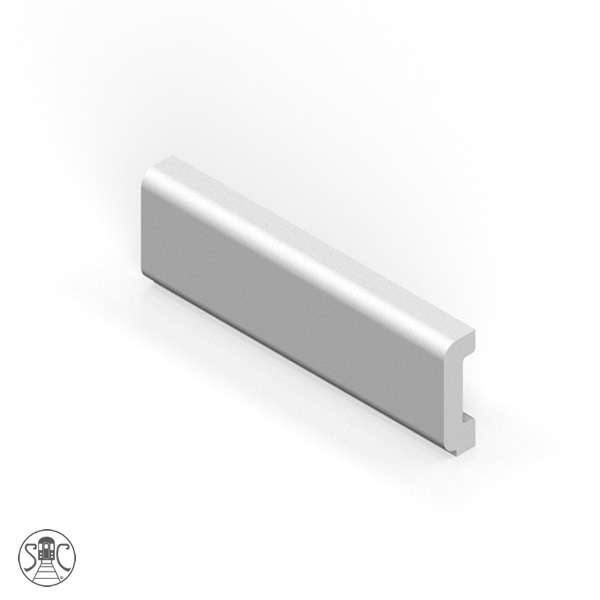
Ogee Cap
What type of ceramic tile?
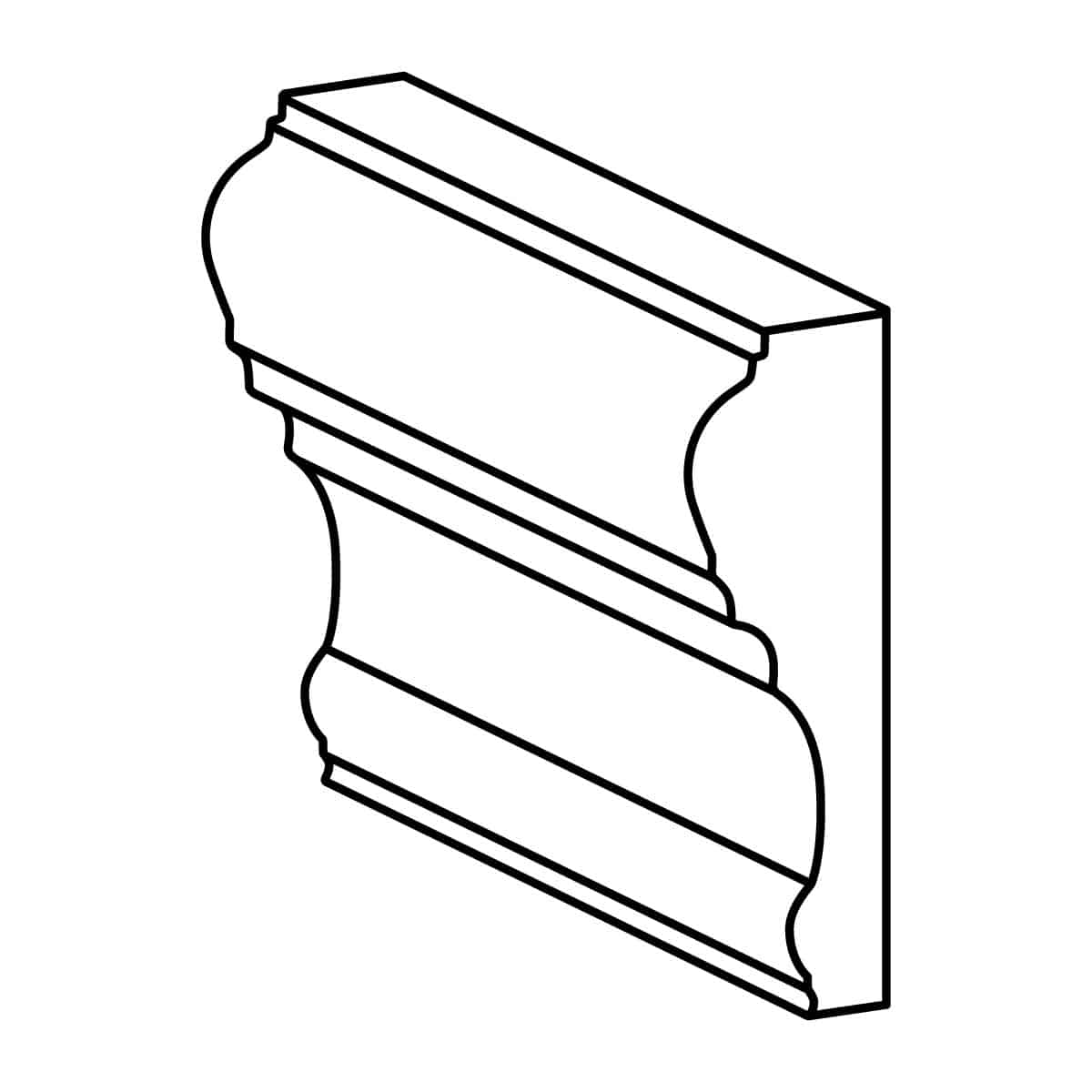
Reeded Cap
What type of ceramic tile?
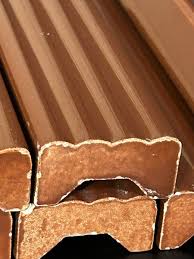
Sink Trim
What type of ceramic tile?
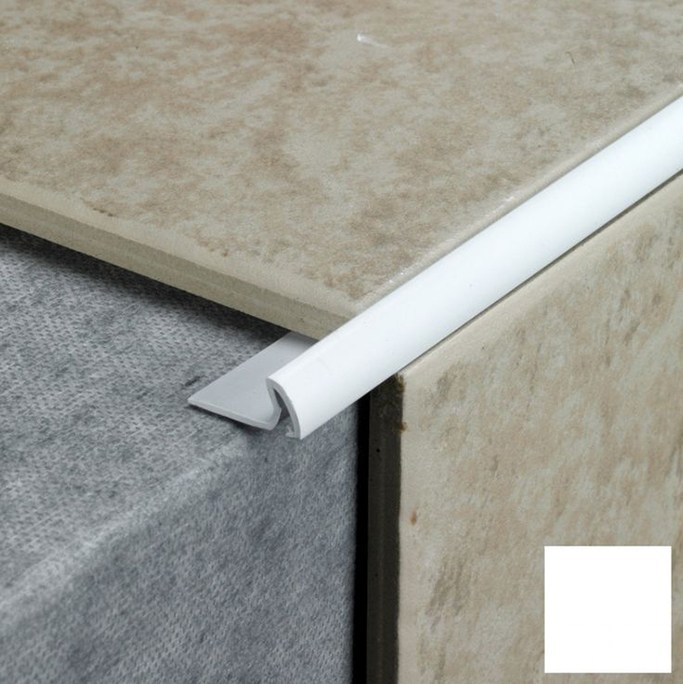
Curb
What type of ceramic tile?
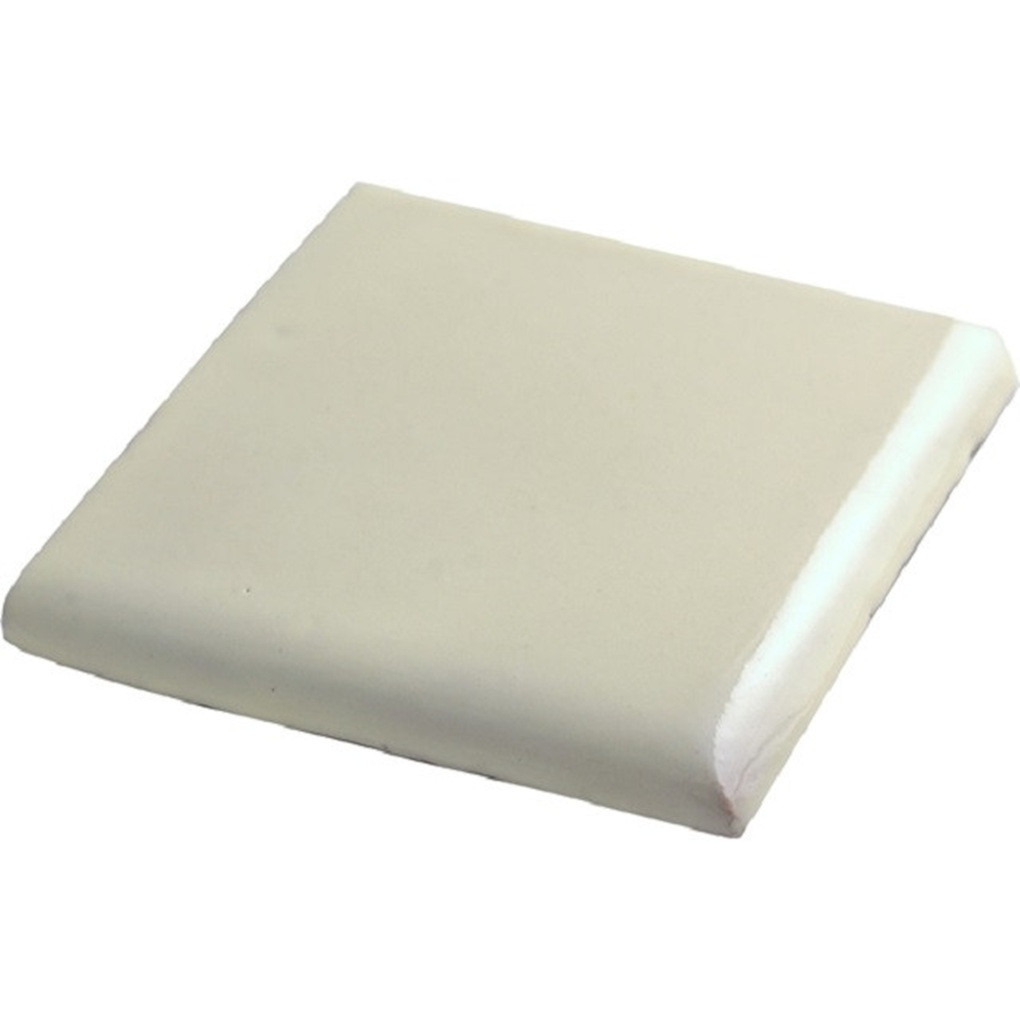
Double Bullnose
What type of ceramic tile?
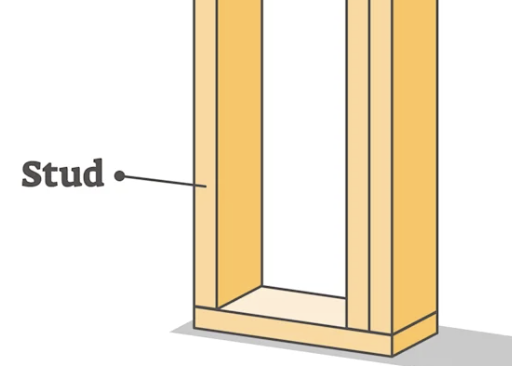
Stud
An upright post or support, esp. one of a series of vertical structural members which act as the supporting elements in a wall or partition.
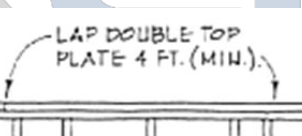
Partition cap, head, plate
The uppermost horizontal member of a partition; the top plate of a partition on which the joists rests.
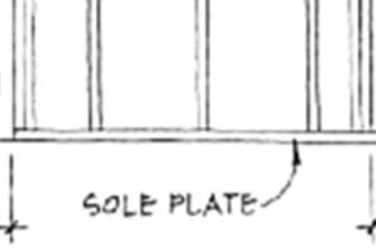
Soleplate
A horizontal timber which serves as a base for the studs in a stud partition.
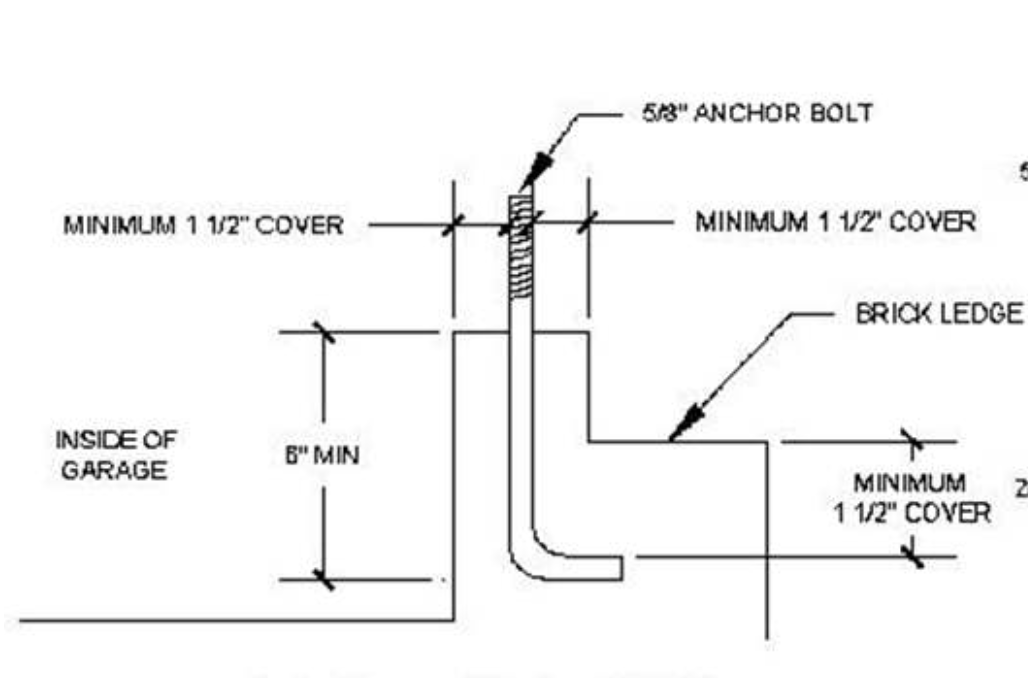
Embedment of Anchor Bolt ALong Raised Curb of Garage
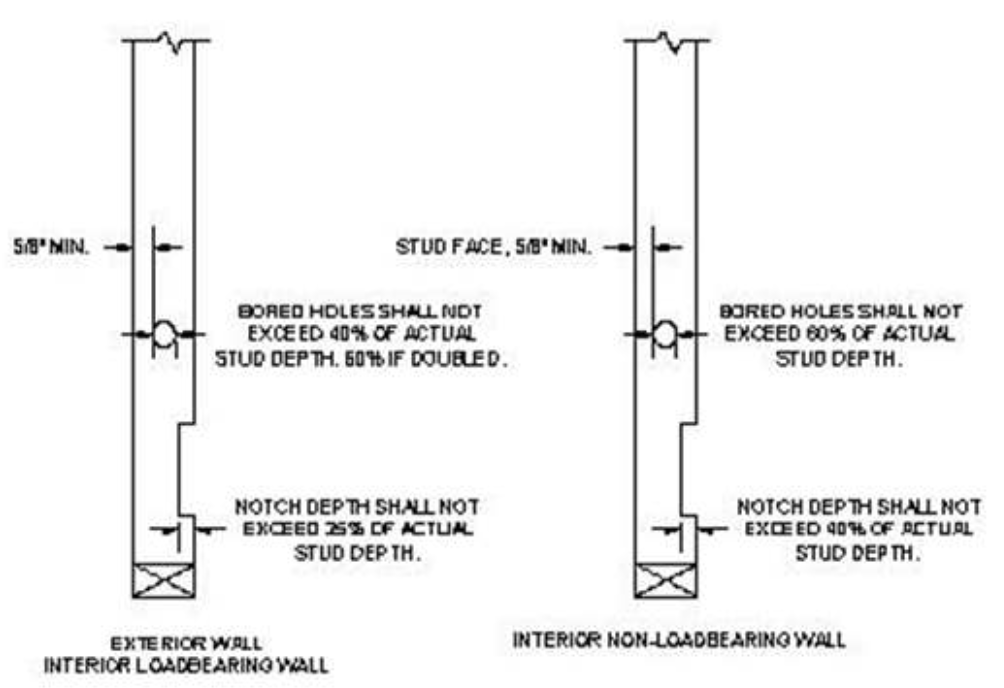
Allowances for the Notching and Boring of Wall Studes
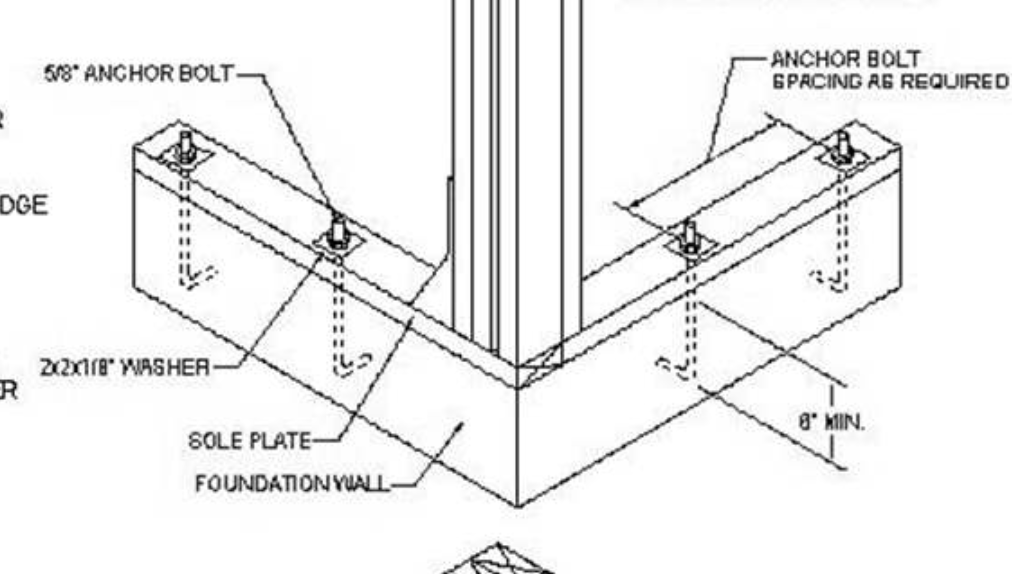
Sole Plate Anchorage
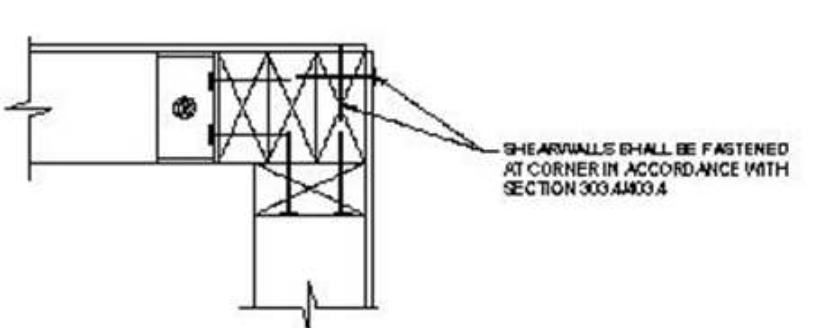
Corner Stud Detail
Roof Framing
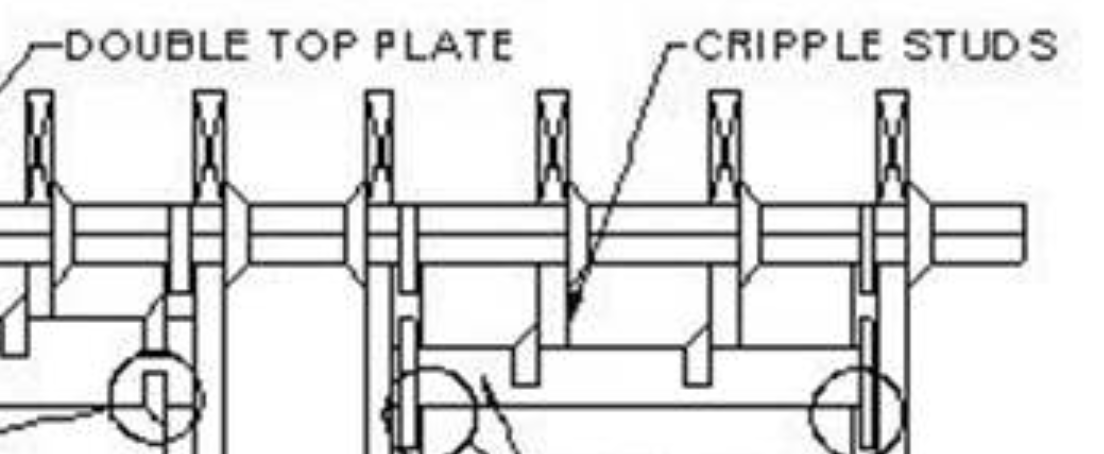
Double Top Plate
Cripple Studs
Header
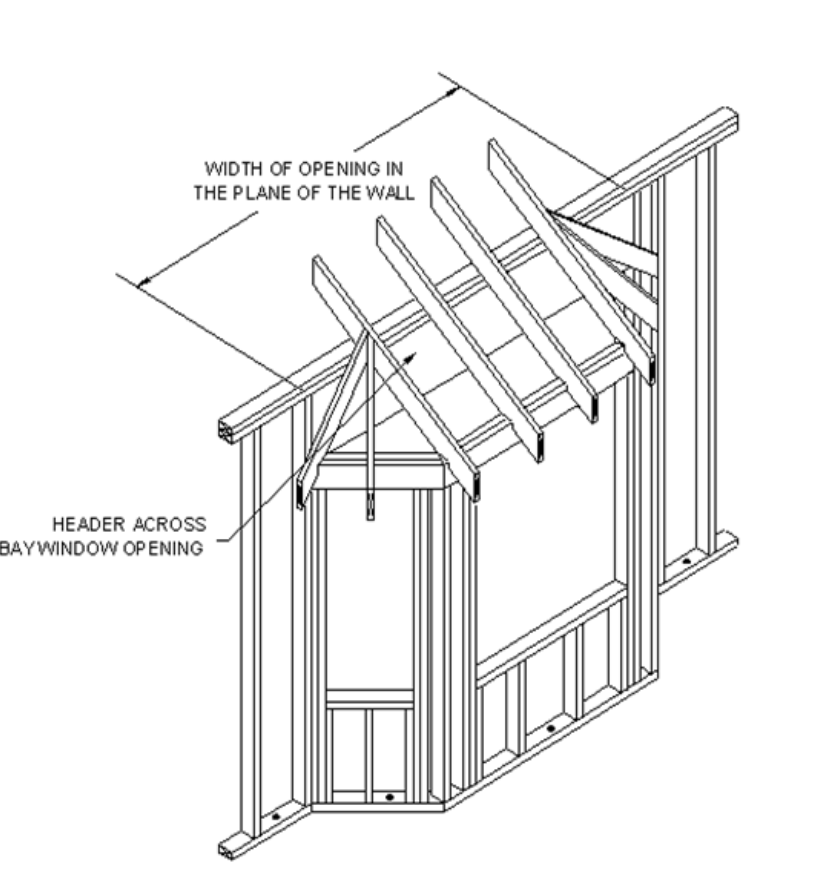
Bay Window with Top Plate & Header Extending Across the Opening
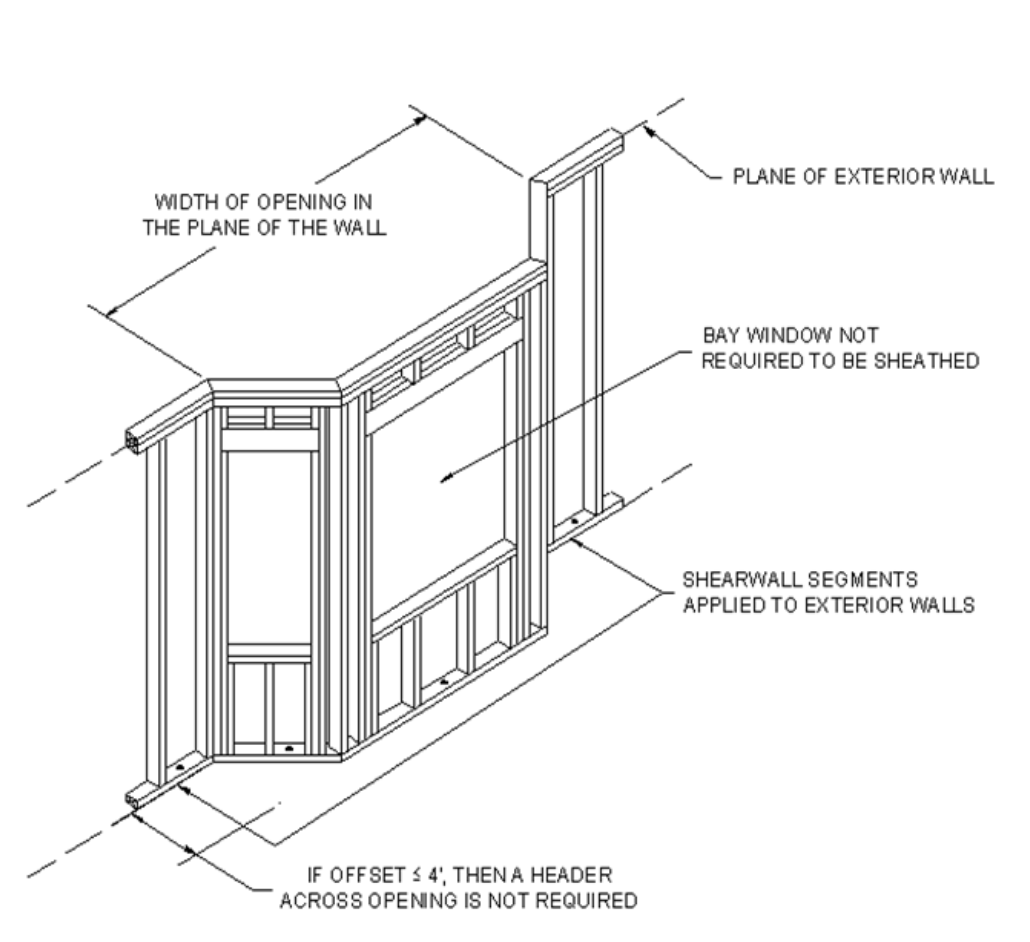
Exterior Walls Constructed in the Shape of Bay Window
Wood Boards
Lumber less than 2” (5 cm) thick and between 4” (10 cm) to 12” (30 cm) in width, used as horizontal and vertical board siding.
2” (5 cm)
Lumber less than _____ thick and between 4” (10 cm) to 12” (30 cm) in width, used as horizontal and vertical board siding.
Clapboard, Bevel siding, Lap siding
A wood siding commonly used as an exterior covering on a building of frame construction; applied horizontally and overlapped, with the grain running lengthwise; thicker along the lower edge than along the upper.
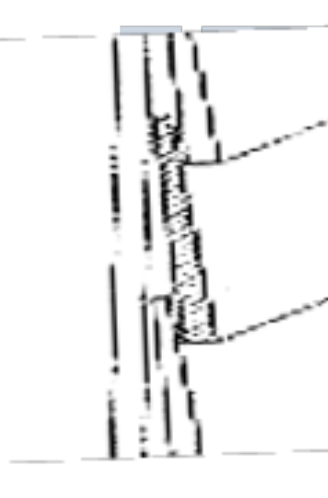
Dolly Varden Siding
Bevel siding rabbeted along the lower edge to receive the upper edge of the board below it.
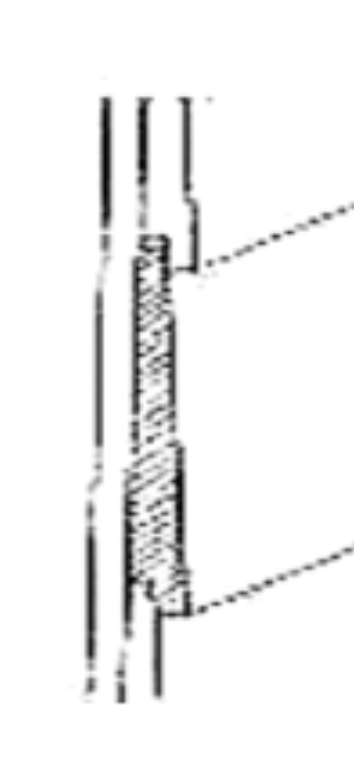
Shiplap siding
Wood sheathing whose edges are rabbeted to make an overlapping joint. Examples are v-cut, rustic, stone-cut, and corrugated sidings.
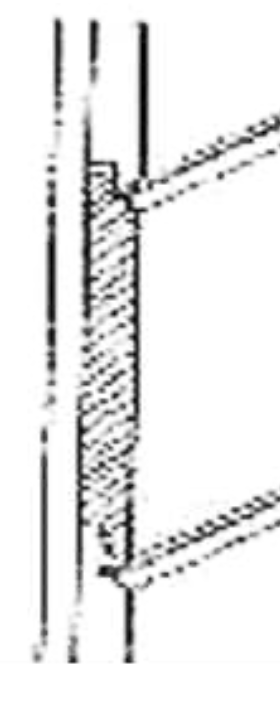
Rustic siding also called “drop siding” or “novelty siding”
An exterior wall cladding of wooden boards (or strips of other material such as aluminum or vinyl), which are tongued and grooved or rabbeted and overlapped
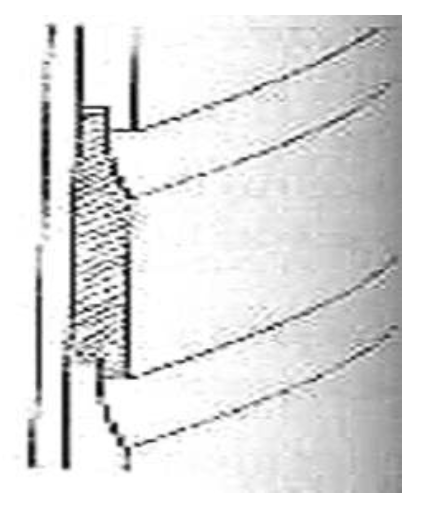
Matched Boards
Boards that interlap or interlock and have flush, v-sgroove, or beaded joints.
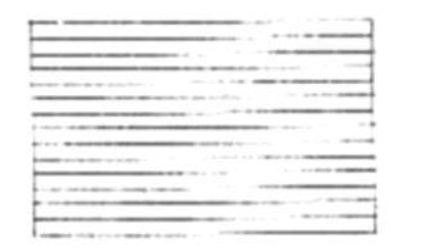
T&G siding - “Tongue and groove” boards, also called “dressed and matched” boards
Boards or lumber that has been planed smooth; cut so that a tongue along one edge fits into a groove cut along the edge of the adjacent piece.
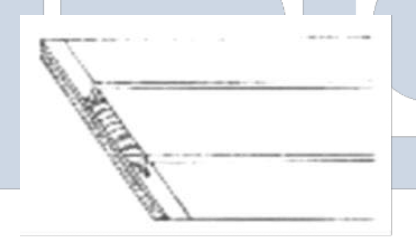
V-cut siding
Any saw cut or cut in wood whose rabbeted joint is v-shaped.
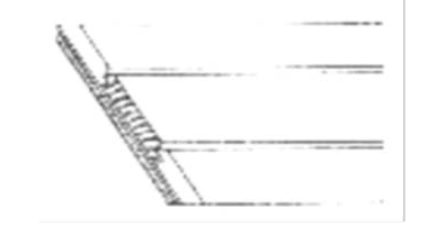
Corrugated siding
Scalloped wood sheathing with the convex forms visible.
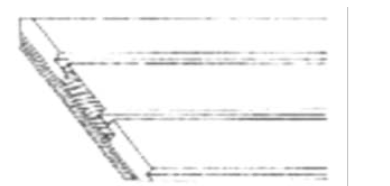
Square-Edge Boards
Used with other boards and battens to protect and enhance the vertical joints and form board-and-board
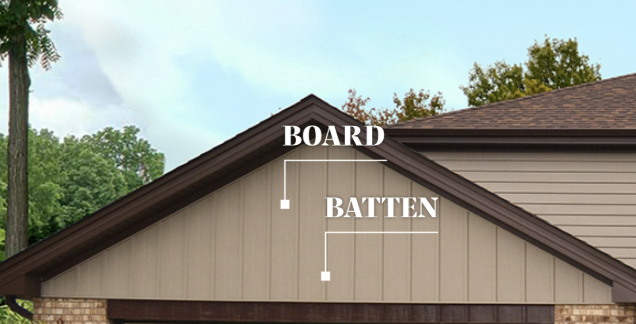
“Board and Batten” or “Batten” siding
Narrow battens or wood strips attached to the joints of T&G sheathing. Wood strips are lumber less than 4” (10 cm) wide.
4” (10 cm)
Batten Boards - Narrow battens or wood strips attached to the joints of T&G sheathing. Wood strips are lumber less than ____ wide.
Batten and Board
Board emphasized, battens at back.
Board and Board Siding or Stone-cut siding
Visible equal sized board and batte
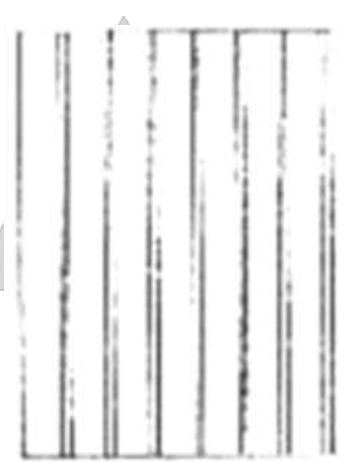
Batten on a Board
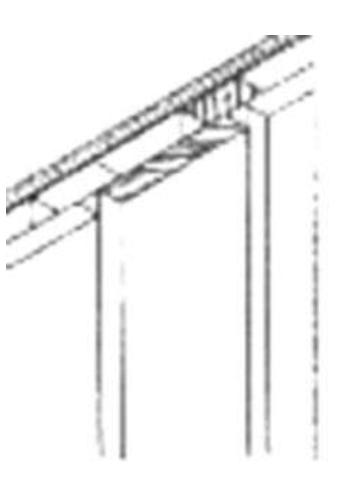
Board and Beams
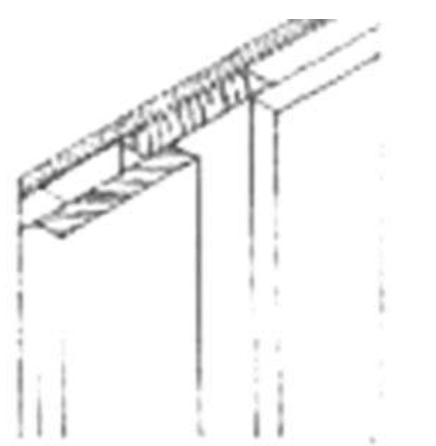
Wood Manufactured Boards
Panels made of wood but do not appear in their natural state
Plywood
Made of an odd number of veneer sheets glued together with the grains running at right angles to each other
16” (405 mm)
Use ____ stud spacing for 10 mm plywood
24” (610 mm)
_____ stud spacing for 12 mm plywood
Soft Plywood
Used for form lumber
Hardwood Plywood
Used for paneling and finishing work where usually one face is hard-finished.
Marine Plywood or Exterior Grade Plywood
Used for exterior use where waterproof glue is used
Hardboard and/or Plyboard
Made from wood chips which are exploded into fibers under a stream of high pressure.
Fiberboard
Are finishing materials made from vegetable fibers such as corn or sugarcane stalks pressed into sheets
Gypsum Board
A non-combustible building board with a gypsum core enclosed in tough, smooth paper.
It is extensively used in “dry wall” construction, where plaster is eliminated.
Fiber Cement Boards
Fiber-reinforced cement board is composed of 72% Portland cement, 20% mineralized cellulose fibers derived from recycled materials, and 8% calcium carbonate.
Particle Board
Manufactured from wood. Equal strength in all directions in a given cross sectional area, are not brittle and can resist warping.
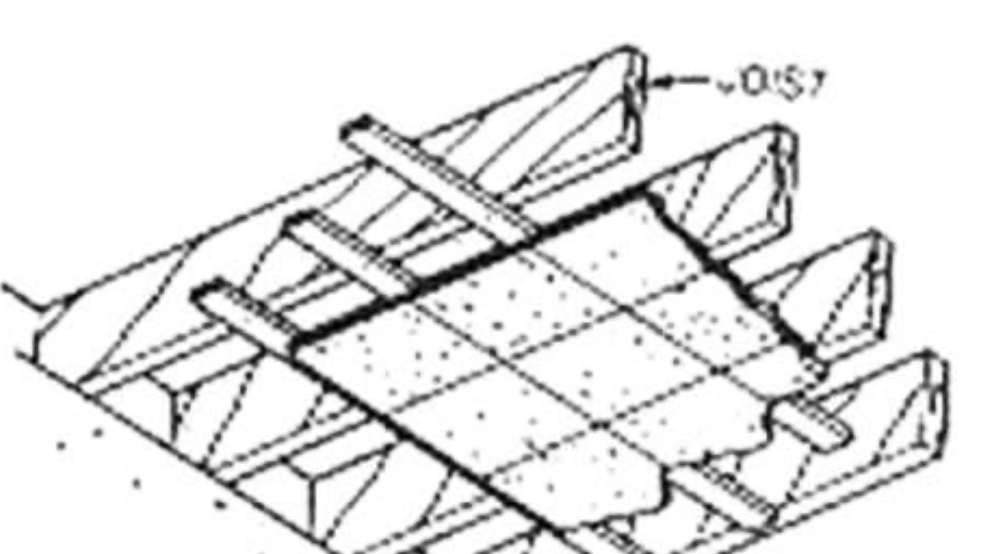
Wood ceiling framing system
A framework of joists composed of the ceiling joists, the binding joist or binder, the plate joist and the ceiling strap.
Binding joist or binder
A beam which supports the common joists of a wood floor above and the ceiling joists below; commonly joins two vertical posts.
Plate joist
A horizontal board which connects and terminates the ceiling joists. Line and rigidity at the ends of the joists and connects the suspended ceiling to the walls.
Ceiling strap
A strip of wood, nailed to the underside of floor joists or rafters, from which a ceiling is suspended or fastened
Ridge
The horizontal line of intersection at the top between two sloping planes of a roof.
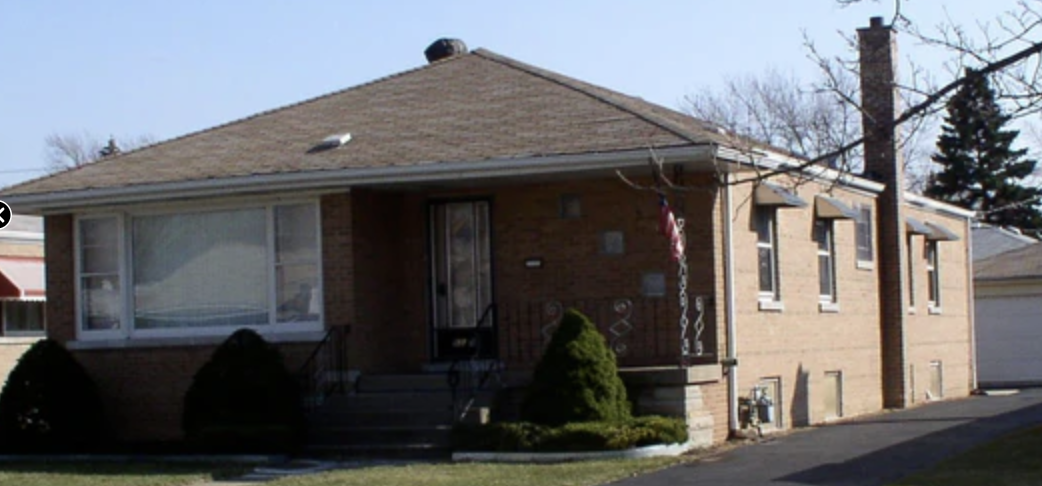
Hip
The inclined projecting angle formed by the junction of two adjacent sloping sides of a roof.
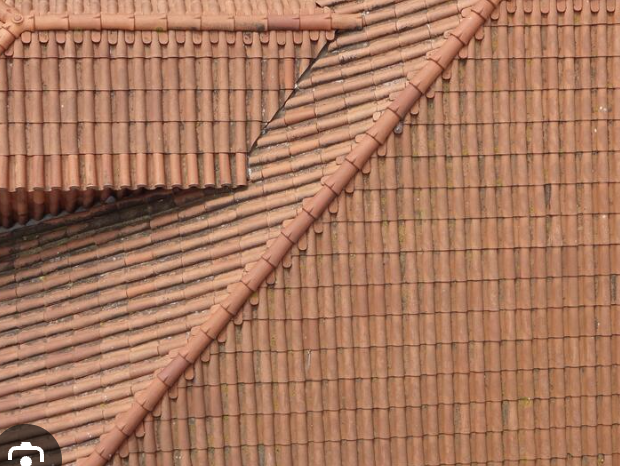
Valley
An intersection of two inclined roof surfaces toward which rainwater flows.
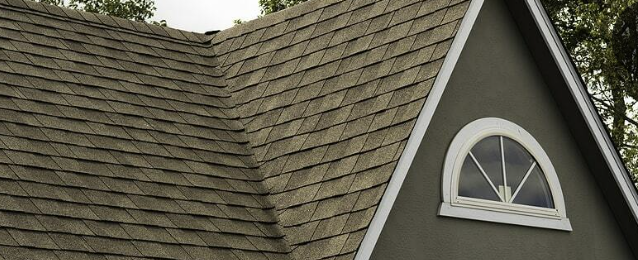
Gable
The triangular portion of wall enclosing the end of a pitched roof from ridge to eaves.
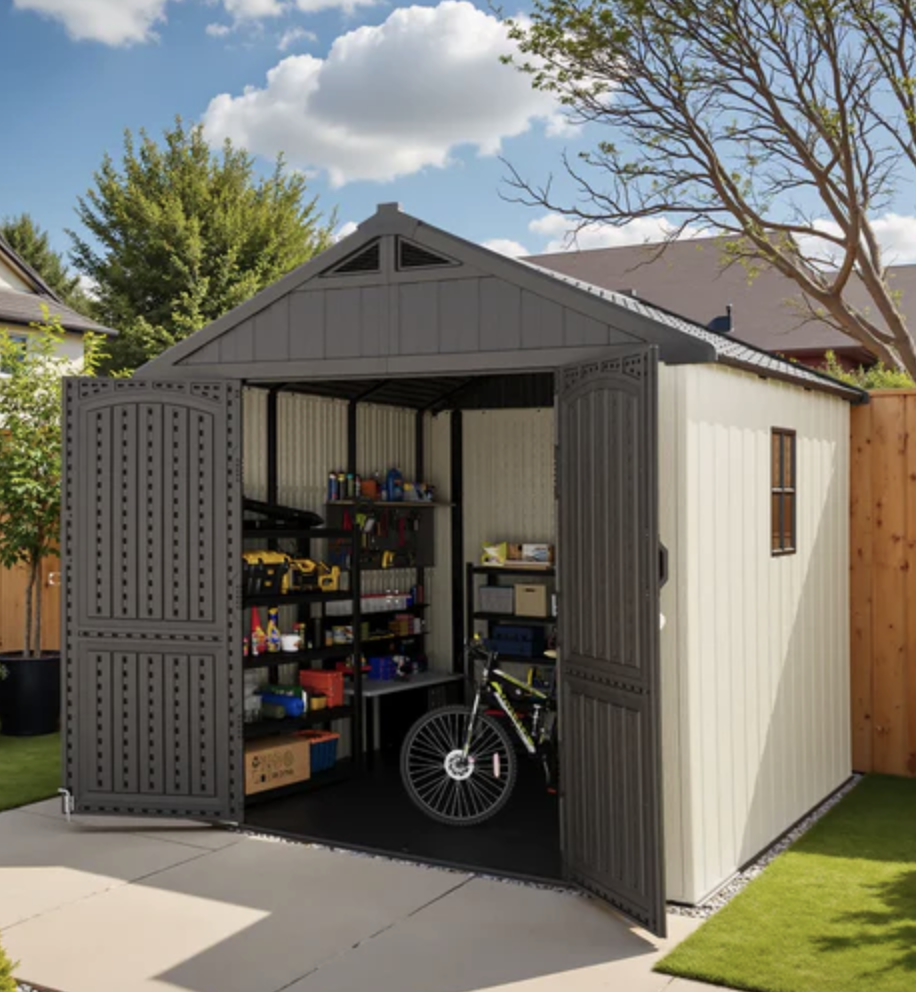
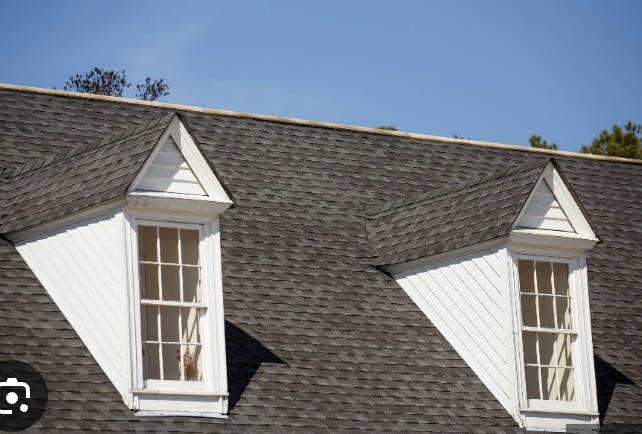
Dormers
Projecting structures built out from a sloping roof and housing a vertical window or ventilating louver.
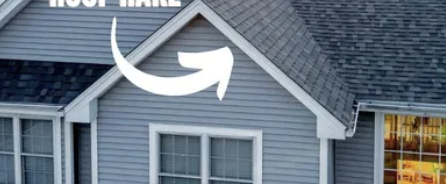
Rake
The inclined usually projecting edge of a sloping roof.
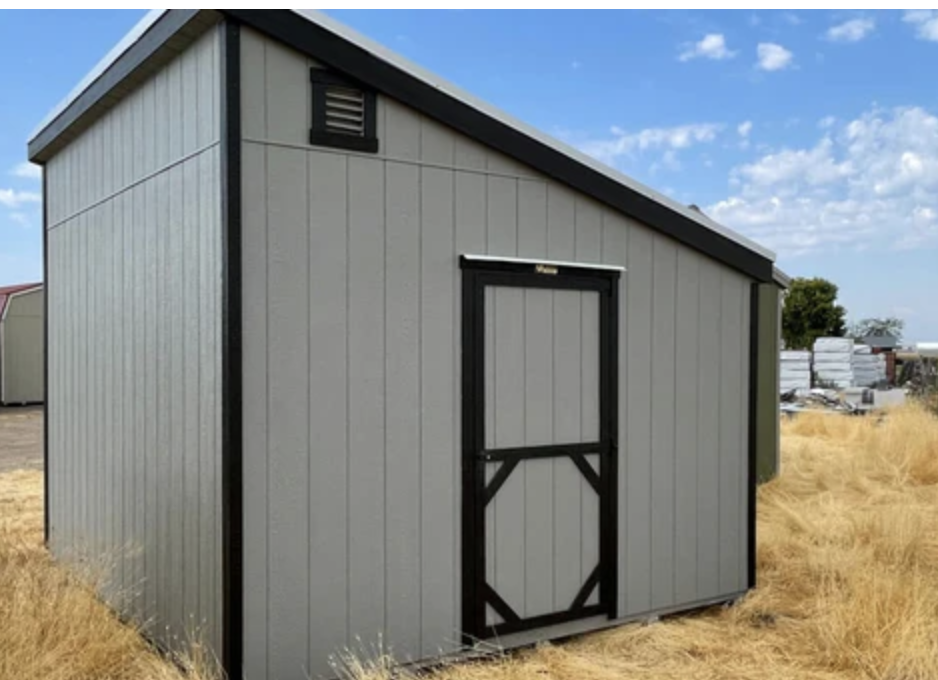
Shed
A roof having a single slope
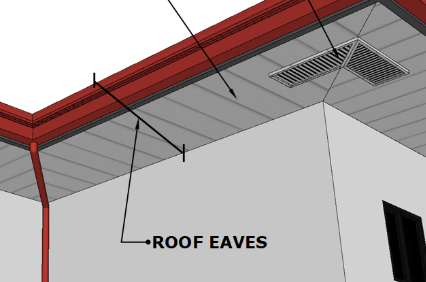
Eave
The overhanging lower edge of a roof.
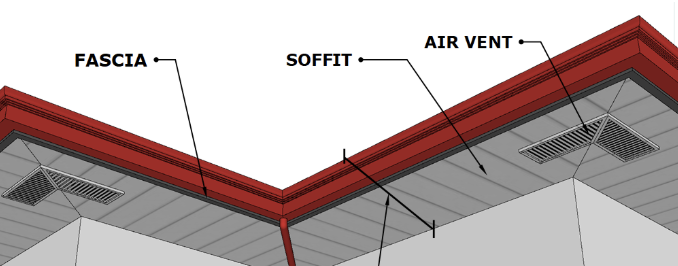
Soffit
The underside of an overhanging roof eave.
Shed Roof, Lean-to Roof or Pent Roof
A. roof shape having only one sloping plane.
Gable Roof or Pitch Roof
A roof having a single slope on each side of a central ridge; usually with a gable at one or both ends.
Hip Roof or Hip and Valley Roof
A roof which slopes upward from all four sides of a building, requiring a hip rafter at each corner.
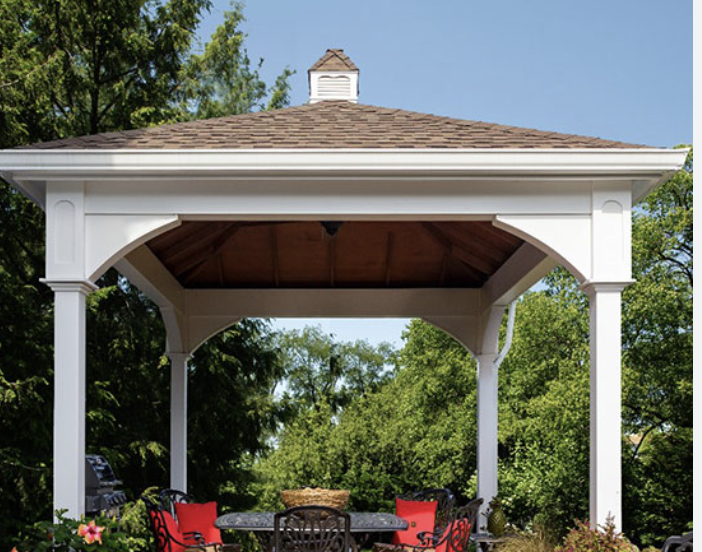
Pyramidal Roof
A hipped roof that usually has four to six sloping surfaces, terminating in a peak.
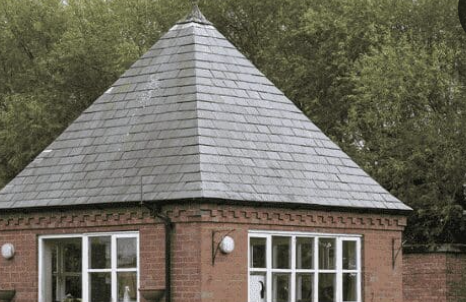
Pavilion Roof
A roof hipped equally on all sides, so as to have a pyramidal form; a pyramidal hipped roof.
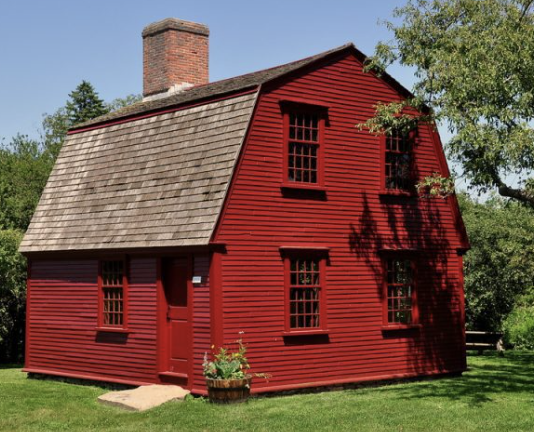
Gambrel Roof
A roof which has two pitches on each side (U.S.); in Great Britain called a Mansard Roof.
Sawtooth Roof
A development of the shed roof made into a series of lean-to roofs covering one building.