Art Final
 Call Kai
 Learn
Learn Practice Test
 Spaced Repetition
 Match
Match Flashcards
 Knowt Play
1/53

There's no tags or description
Looks like no tags are added yet.
Name | Mastery | Learn | Test | Matching | Spaced | Call with Kai |
|---|
No analytics yet
Send a link to your students to track their progress
54 Terms
Paleolithic
the old stone age period that predates agriculture or animal herding
Neolithic
The new stone age period, which incorporates agriculture but precedes the invention if bronze. This period first arose in what is now Iraq between roughly 9000-6000 BCE
Bronze age
Copper in plentiful in Europe but too soft to use for functional objects, ( stronger alloy than copper and tin)
Ziggurat
A rectangular or square stepped pyramid, often with a temple at its top
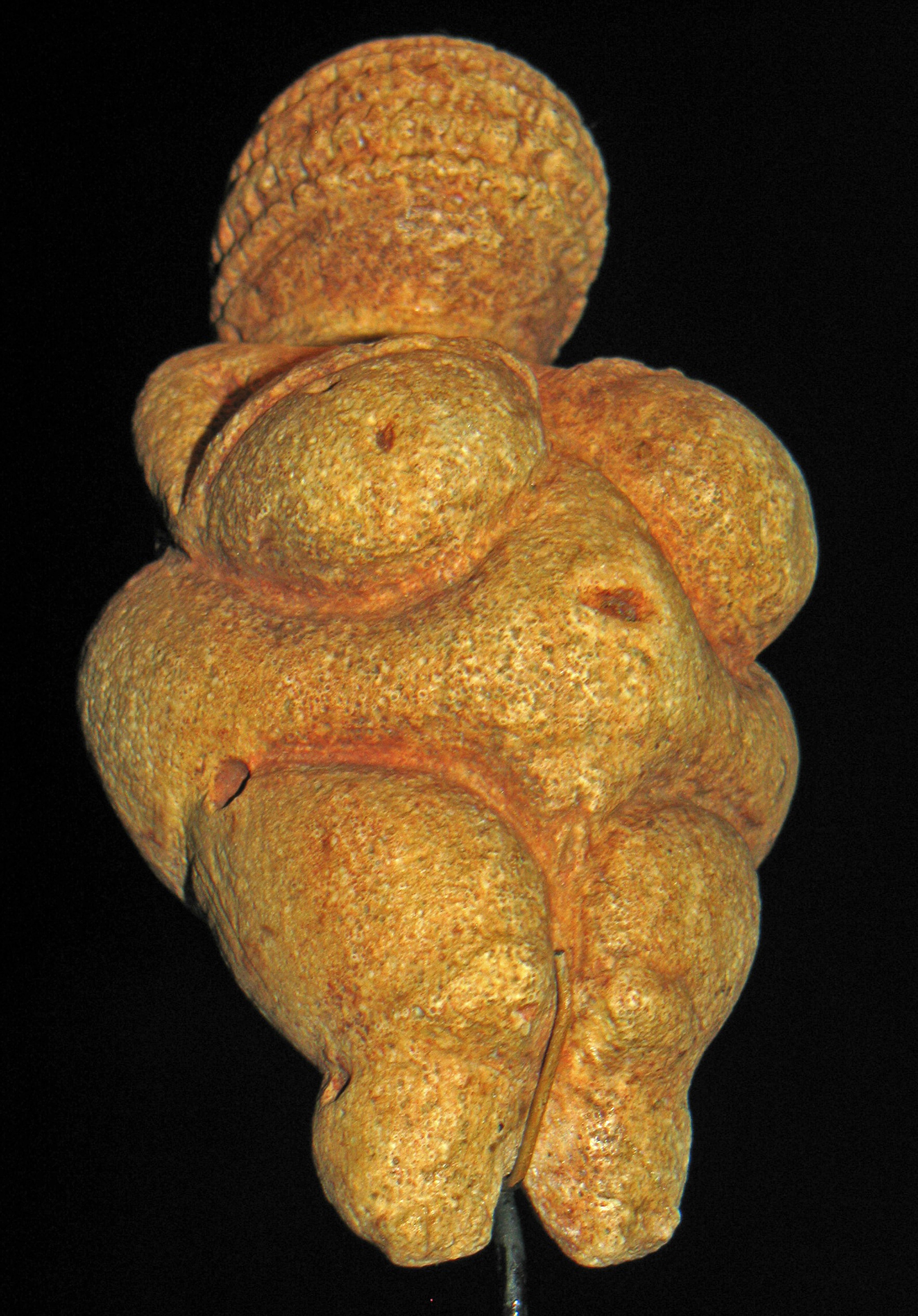
Woman of Willendorf
female figurine found in 1908 at Austria The fertility goddess statue is considered a piece of Upper Paleolithic art
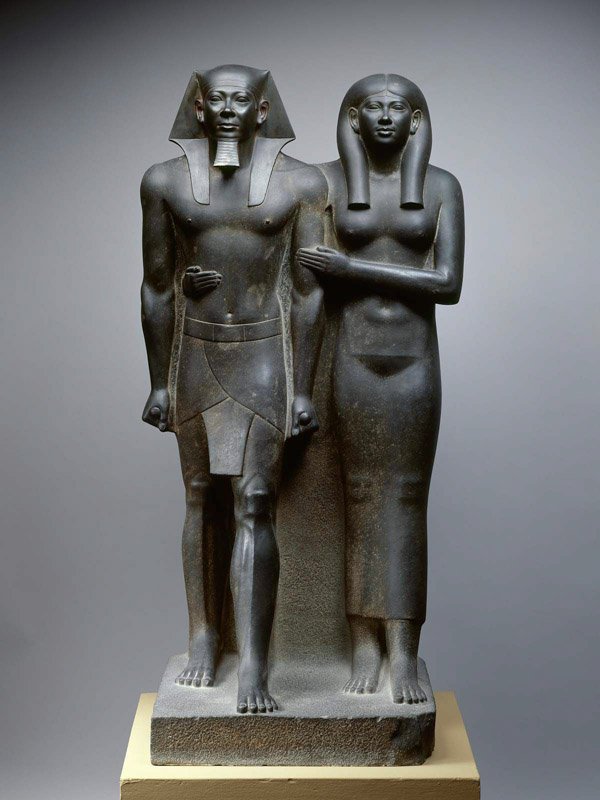
king Menkaure and queen khamerernebty
masterpiece from the Old Kingdom of ancient Egypt, stands as a testament to the artistry and symbolism of the period.
What is the order of the periods?
Prehistoric, → Ancient →Classical, → Medieval, →Renaissance, Baroque →, Neoclassicism, →Romanticism, → Impressionism, →Modernism, → Contemporary Art
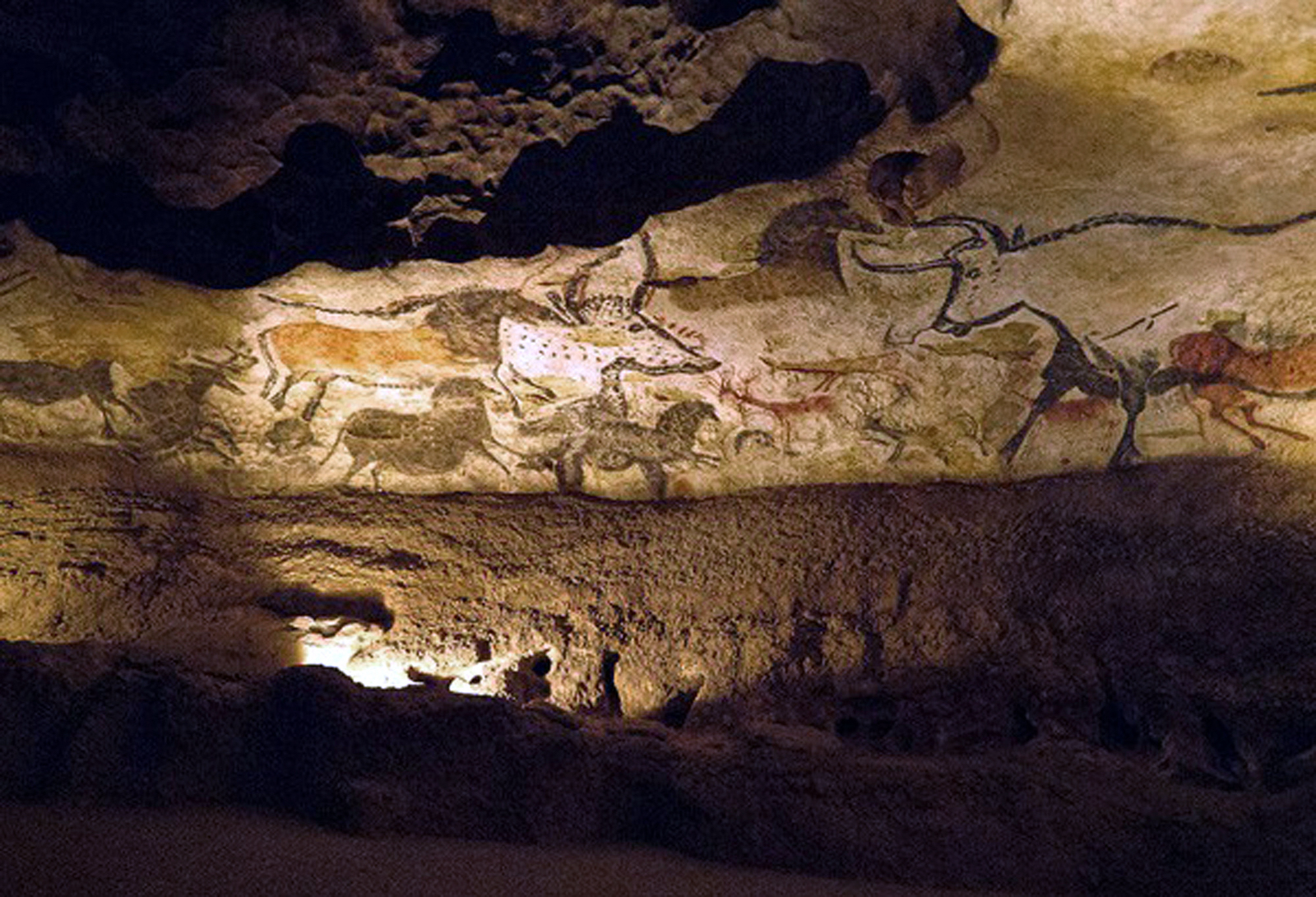
Prehistoric Art
(c. 40,000 BCE - c. 3000 BCE): Includes cave paintings and megalithic structures.
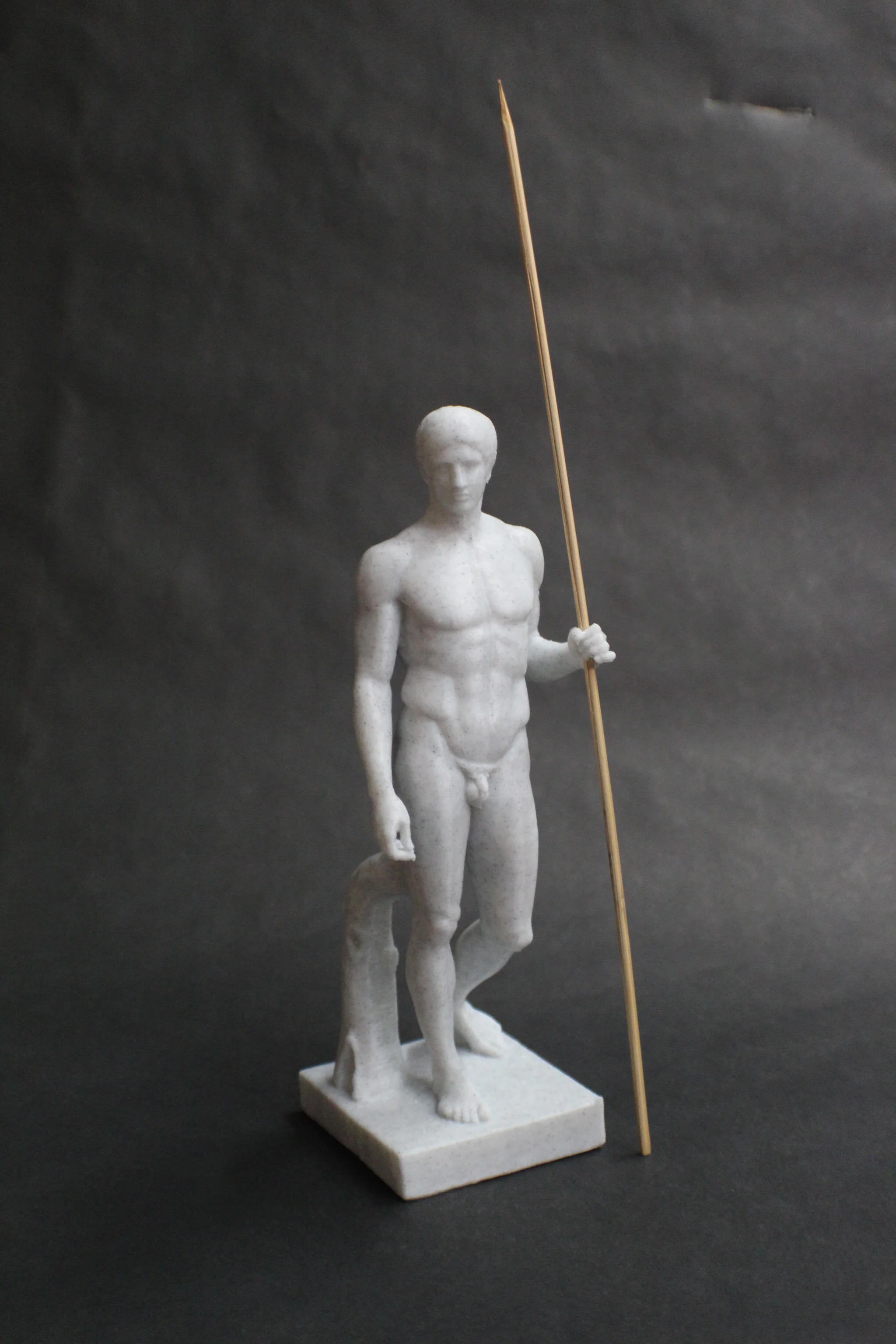
Classical Art
(c. 500 BCE - c. 400 CE): Focuses on the art of Ancient Greece and Rome, emphasizing proportion and harmony.
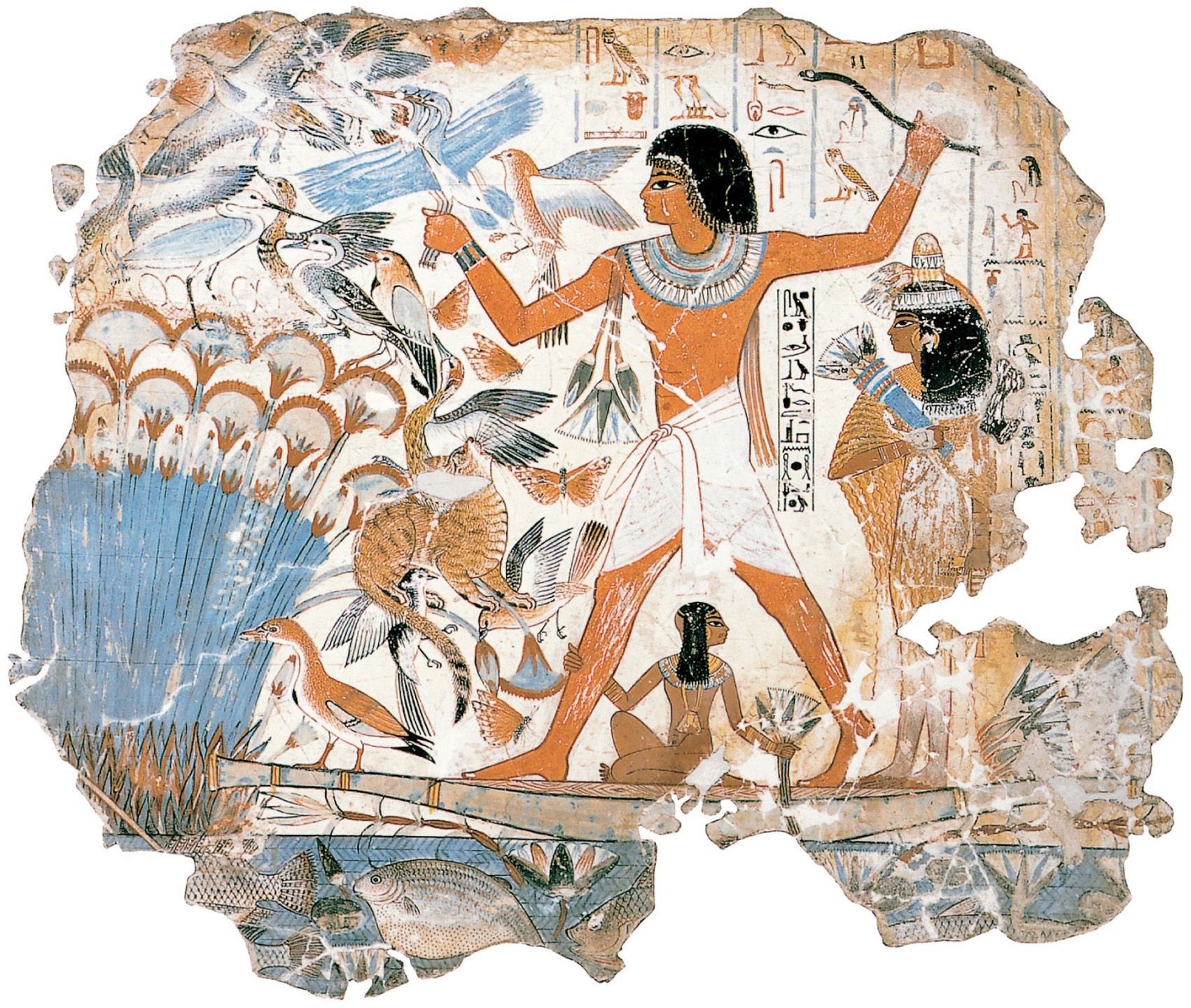
Ancient Art
(c. 3000 BCE - c. 500 CE): Encompasses Egyptian, Mesopotamian, and early Greek art.
Medieval Art
(c. 500 - c. 1400): Includes Byzantine, Romanesque, and Gothic art, characterized by religious themes and symbolism.
Renaissance
(c. 1400 - c. 1600): A revival of classical learning and wisdom, marked by humanism and advancements in perspective and anatomy.
Baroque
(c. 1600 - c. 1750): Known for its dramatic use of light and shadow, emotional intensity, and grandeur.
Neoclassicism
(c. 1750 - c. 1850): A return to classical ideals, emphasizing simplicity and symmetry.
Romanticism
(c. 1800 - c. 1850): Focused on emotion, nature, and individualism, often reacting against the rationalism of the Enlightenment.
Impressionism
(c. 1860 - c. 1900): Characterized by a focus on light and color, capturing moments in time with loose brushwork.
Modernism
(c. 1900 - c. 1970): Encompasses various movements, including Cubism, Surrealism, and Abstract Expressionism, challenging traditional forms and perspectives.
Contemporary Art (c. 1970 - present): Reflects current issues and ideas, often incorporating new media and technology.
(c. 1970 - present): Reflects current issues and ideas, often incorporating new media and technology.
Contrapposto
The counter positioning some parts of the human body where weight is placed on one foot causing hip and shoulder lines to counterbalance each other, often in S-curve
Krater
Ancient Greece vase used for dilatuting wine
the capital of the Roman Empire is moved to
Byzantium and renamed ??
Constantinople (present day Istanbul) ; Medieval west period
Romanesque
Revived the roman principles of stone construction, especially the round arch and the barrel vault
The classical and Medieval west consist of (in chronological order)
Ancient Greece→ Hellenistic period→ Roman empire → The Middle Ages → Romanesque period →Gothic
Prehistoric order
Paleolithic → Neolithic → Bronze Age
Gothic
Point arch and flying buttress would replace the Romanesque (Part of medieval west); (right before the renaissance) BUILDINGS WITH POINTED TOPS
Caryatid
A sculpture of a draped female figure as a column
Iconoclast
one who opposes the creation of pictures of holy person (image breaker) DOES NOT LIKE ART OF JESUS OR OTHER RELGIOUS FIGURES
Flying Buttress
a strut or segment of an arch carrying the thrust of a vault to
a vertical pier positioned away from the main portion of the
building
Chartres Cathedral
Generally ranked as one of the three chief examples of Gothic French architecture (stained glass of mary)
Neoplatonism
A revived Greek philosophy of the Florentine Renaissance
in which it was believed that all sources of inspiration or
revelation, be it the Bible or classical mythology lead to
mystical union with the divine
Renaissance (late 14th-16th century)
Renewed interest in classical art and naturalism, Focus on individuality, reason, science, Considered with capabilities and accomplishments of individuals (humanism)
More artists names survive from the 15th c than the
preceding 1400 years combined
Genre Painting