World Civilization Final
 Call Kai
 Learn
Learn Practice Test
 Spaced Repetition
 Match
Match Flashcards
 Knowt Play
1/31

There's no tags or description
Looks like no tags are added yet.
Name | Mastery | Learn | Test | Matching | Spaced | Call with Kai |
|---|
No analytics yet
Send a link to your students to track their progress
32 Terms
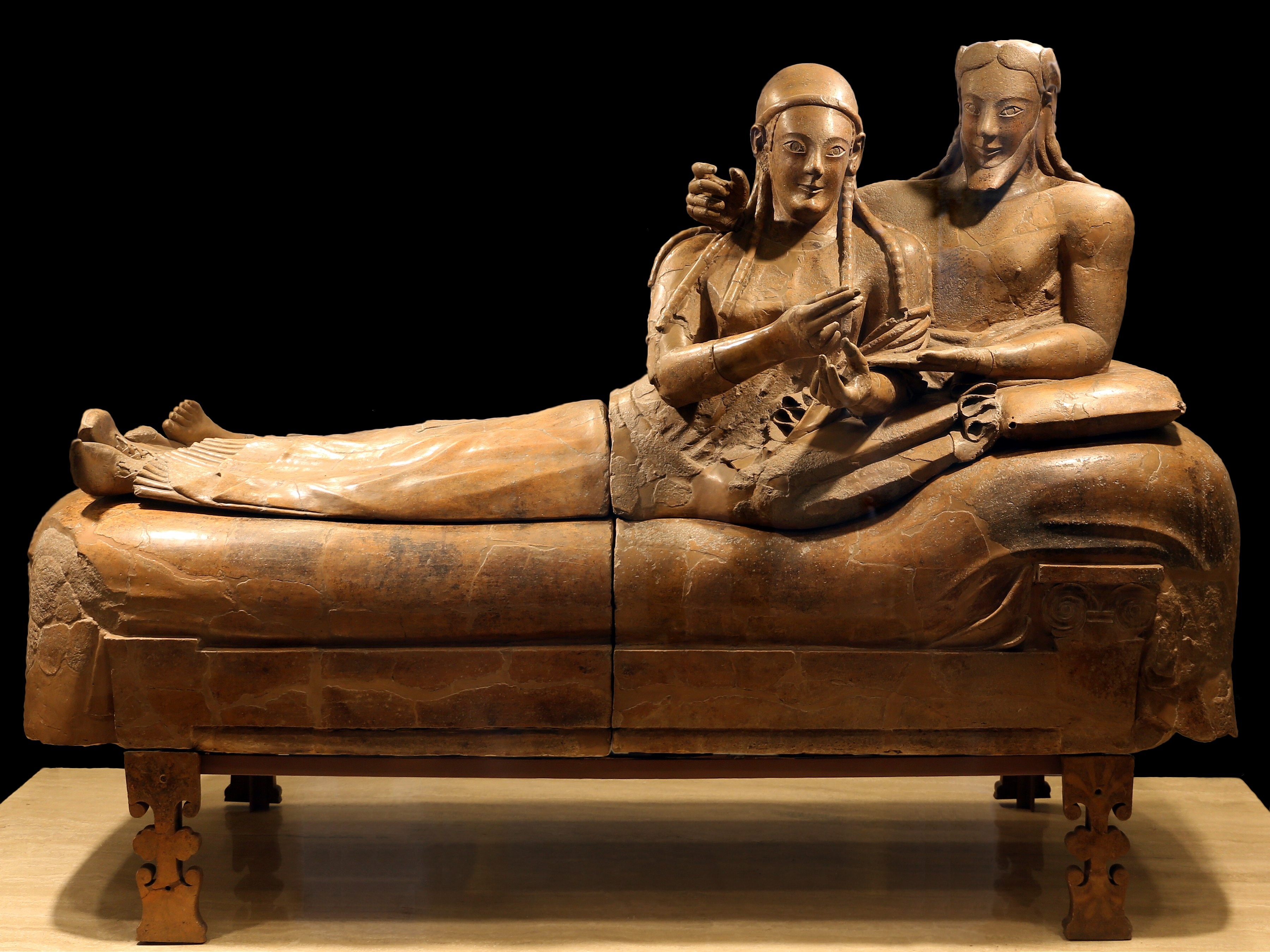
Sarcophagus with a Reclining Couple
Period: Etruscan
Material: Terracotta
Big Idea: Celebration of life + marriage
Key Features:
Reclining (like a dinner party)
Stylized bodies, animated faces
Why it matters:
Women shown equally → unusual for ancient cultures
“Happy, alive, equal”
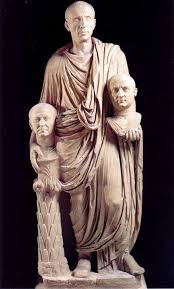
Patrician with Portraits (Barberini Togatus)
Period: Roman Republican
Material: Marble
Big Idea: Power comes from ancestry
Key Features:
Verism (wrinkles, age)
Holding ancestor busts
Why it matters:
Romans valued age and family lineage
“Wrinkles = respect”
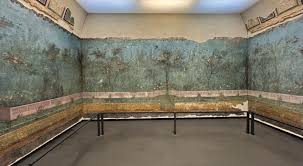
Garden Scene, Villa of Livia
Period: Late Republican / Early Imperial
Material: Fresco
Big Idea: Illusion of peaceful nature indoors
Key Features:
Second Style illusionism
Depth and space
Why it matters:
Early attempt at perspective
“Painted window to a garden”
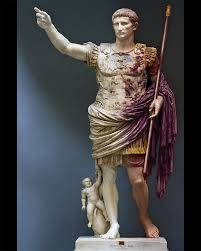
Augustus of Primaporta
Period: Early Imperial
Material: Marble
Big Idea: Ideal ruler and divine lineage
Key Features:
Perfect youthful body
Cupid at feet, raised arm
Why it matters:
Political propaganda in sculpture
“Perfect emperor, not real”
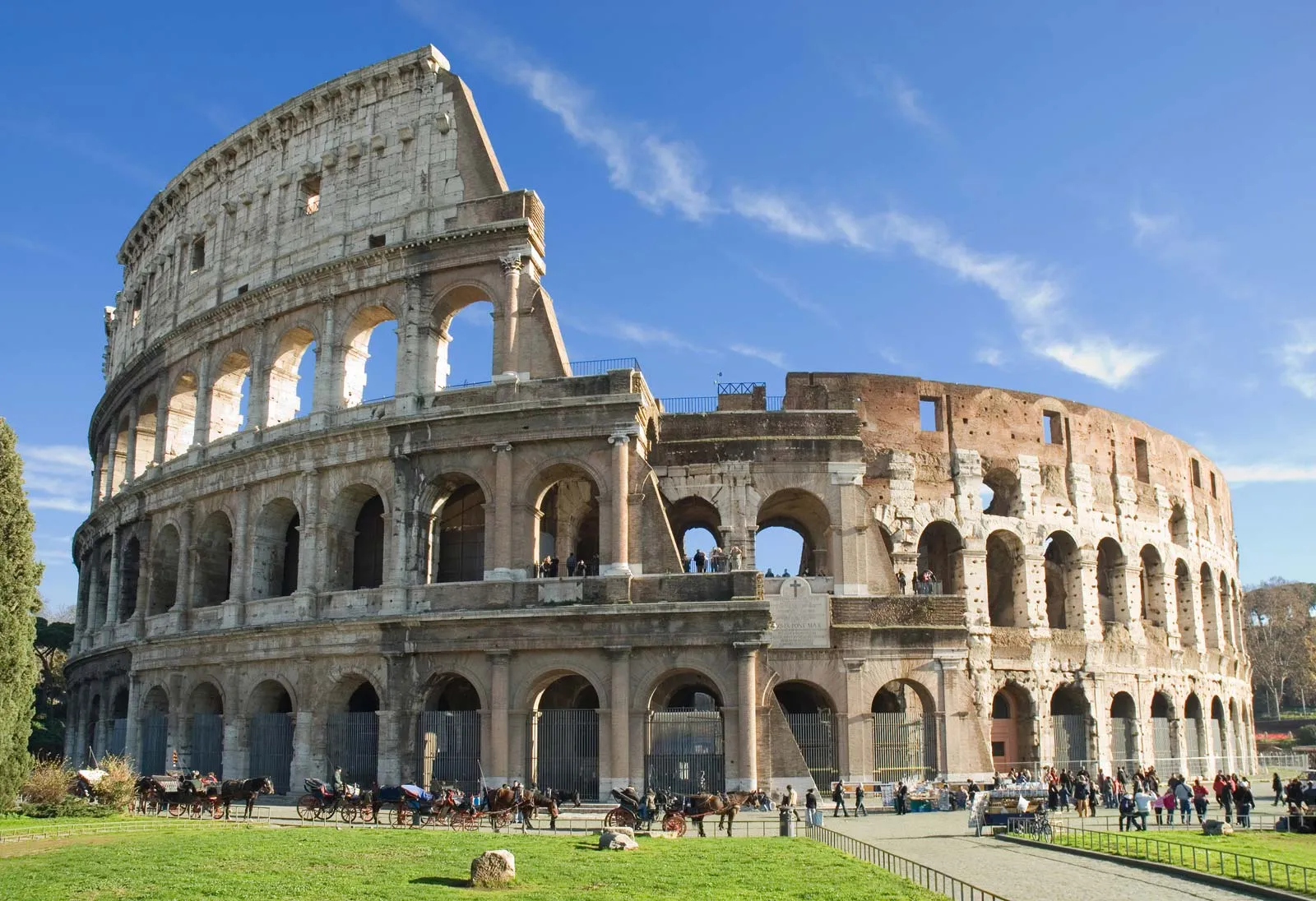
Colosseum (Flavian Amphitheater)
Period: Early Imperial
Material: Concrete, stone
Big Idea: Public entertainment shows power of Rome
Key Features:
Arches, barrel & groin vaults
Massive scale
Why it matters:
Roman engineering mastery
“Arches + crowds = Rome”
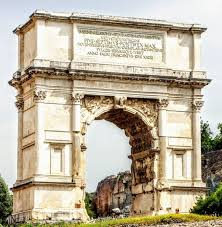
Arch of Titus
Period: Early Imperial
Material: Marble
Big Idea: Celebration of military victory
Key Features:
Triumphal arch
Relief of spoils from Jerusalem
Why it matters:
Visual propaganda of conquest
“Victory gate”
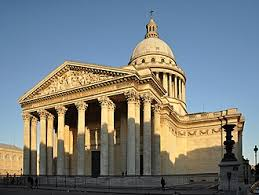
Pantheon
Period: Early Imperial
Material: Concrete, marble
Big Idea: Temple to all gods; cosmos symbolized
Key Features:
Dome, oculus, coffering
Why it matters:
Most influential dome in history
“Circle + light = universe”
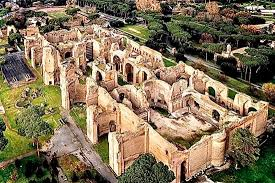
Baths of Caracalla
Period: Late Imperial
Material: Concrete, brick, marble
Big Idea: Public bathing as social life
Key Features:
Caldarium, tepidarium, frigidarium
Vaulting
Why it matters:
Shows complexity of Roman daily life
“Giant Roman spa”
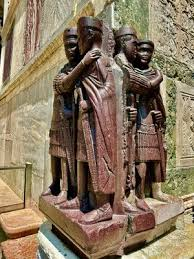
Tetrarchs
Period: Late Imperial
Material: Porphyry
Big Idea: Unity (Concordia), not individuality
Key Features:
Blocky, identical figures
Why it matters:
Shift from realism to symbolism
“System over person”
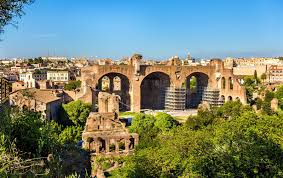
Basilica Nova (of Constantine)
Period: Late Imperial
Material: Concrete, brick
Big Idea: Government hall becomes church model
Key Features:
Groin vaults, apse
Why it matters:
Blueprint for Christian basilicas
“Roman court → church”
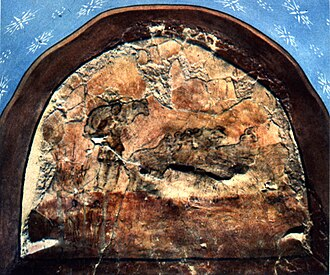
Good Shepherd — Dura Europos
Period: Early Christian
Material: Fresco
Big Idea: Christ as protector
Key Features:
Simple, symbolic
Why it matters:
House church worship
“Jesus the shepherd”
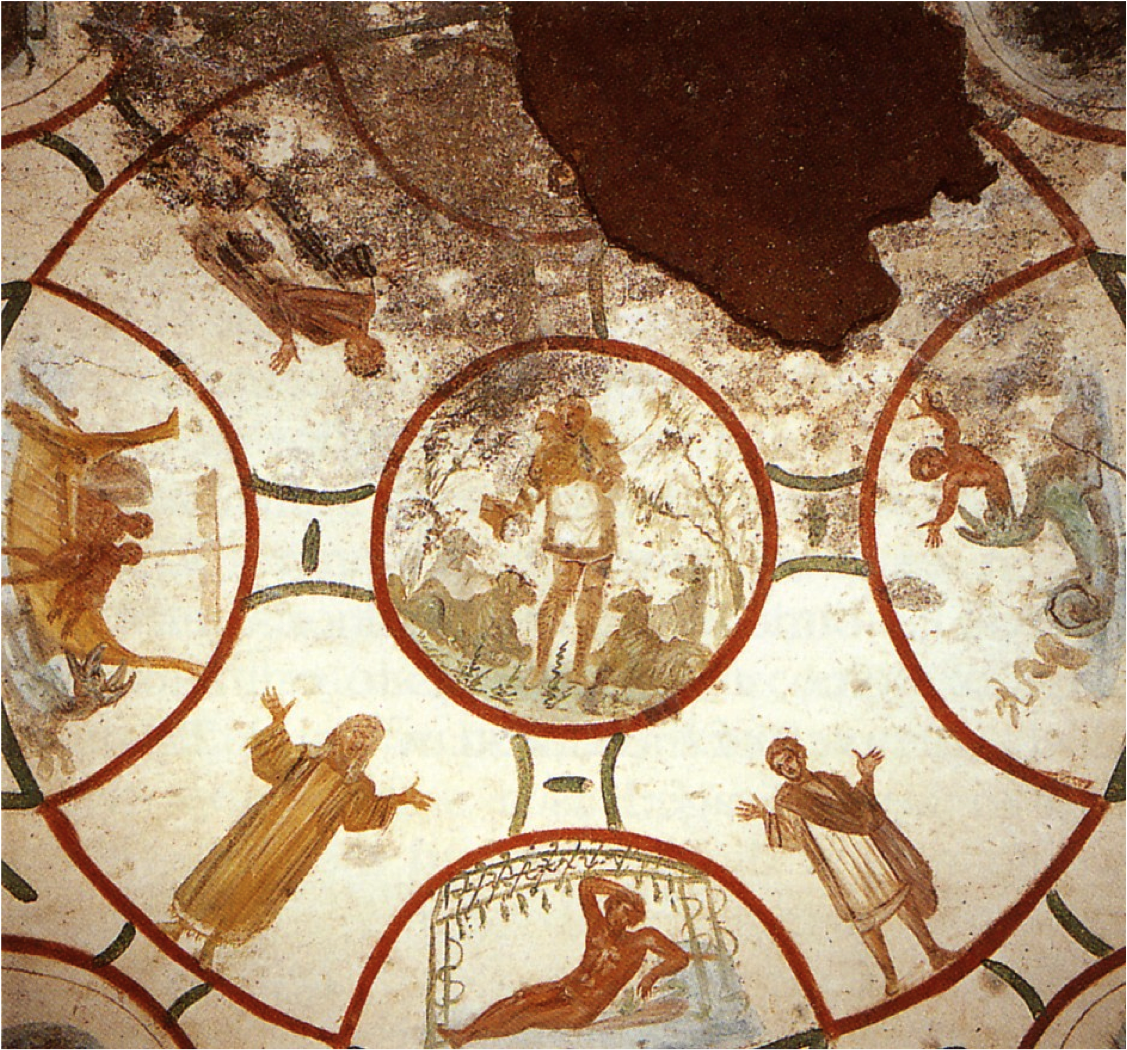
Good Shepherd and Jonah — Catacomb
Period: Early Christian
Material: Fresco
Big Idea: Salvation and resurrection
Key Features:
Ceiling imagery in burial space
Why it matters:
Hidden worship underground
“Faith underground”
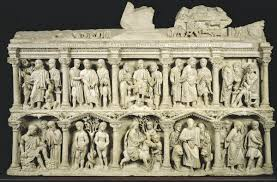
Sarcophagus of Junius Bassus
Period: Early Christian
Material: Marble
Big Idea: Christianity becomes elite
Key Features:
Biblical scenes in Roman niches
Why it matters:
Mix of Roman and Christian styles
“Bible in Roman frame”
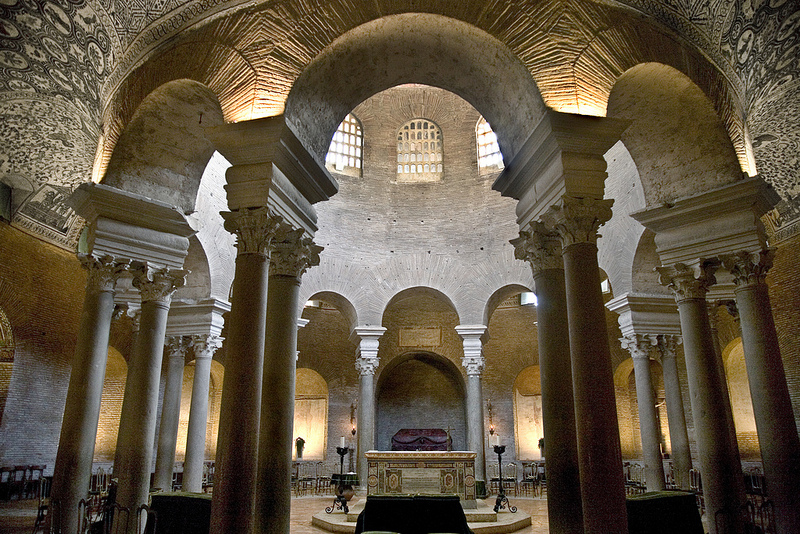
Santa Costanza
Period: Early Christian
Material: Brick, concrete, mosaic
Big Idea: Mausoleum with central plan
Key Features:
Ambulatory, mosaics
Why it matters:
Influences church design
“Round tomb → church plan”
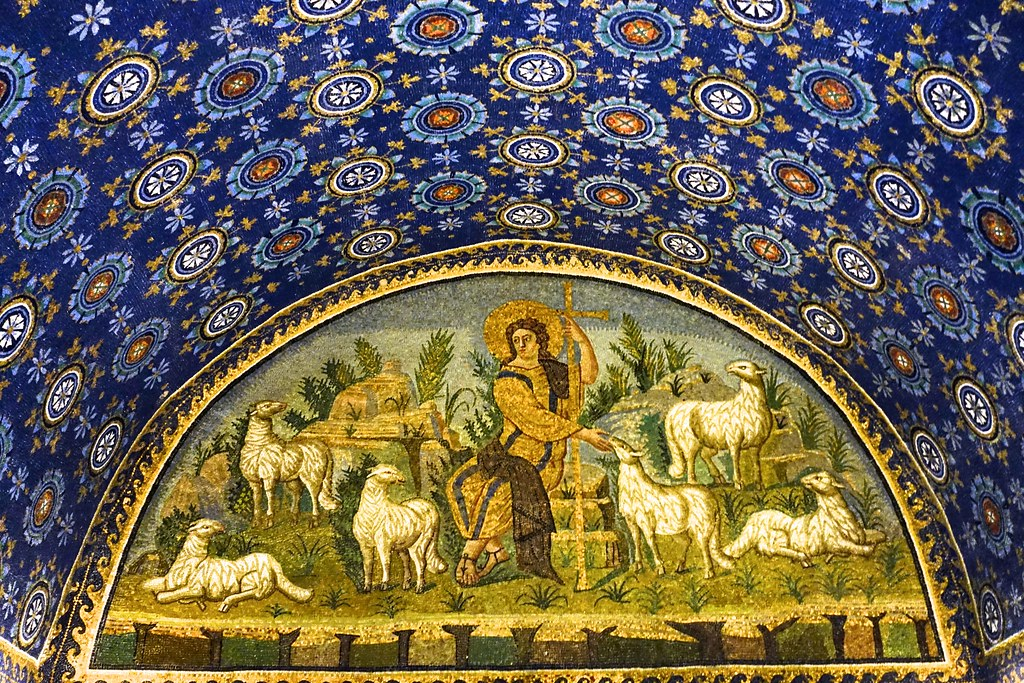
Christ as the Good Shepherd — Galla Placidia
Period: Early Christian
Material: Mosaic
Big Idea: Heavenly paradise
Key Features:
Gold background, youthful Christ
Why it matters:
Early use of glowing mosaics
“Gold heaven”
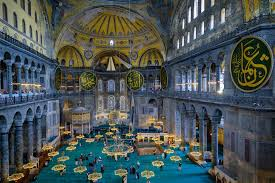
Hagia Sophia
Period: Byzantine
Material: Brick, marble, concrete
Big Idea: Heaven on earth
Key Features:
Dome on pendentives
Light-filled space
Why it matters:
Engineering + spirituality combined
“Floating dome”
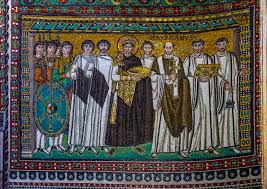
Justinian Mosaic — San Vitale
Period: Byzantine
Material: Mosaic
Big Idea: Emperor chosen by God
Key Features:
Gold background, flat figures
Why it matters:
Politics and religion fused
Emperor in heaven”
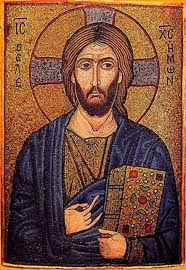
Pantokrator Icon — Mt. Sinai
Period: Byzantine
Material: Encaustic on wood
Big Idea: Christ as judge
Key Features:
Intense stare, symmetry
Why it matters:
Central to icon worship
“Christ watching you”
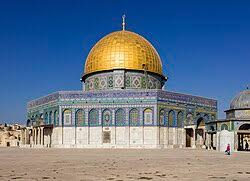
Dome of the Rock
Period: Islamic
Material: Stone, tile, mosaic
Big Idea: Holy shrine, not a mosque
Key Features:
Central plan, geometric decoration
Why it matters:
Early masterpiece of Islamic architecture
“Patterned jewel”
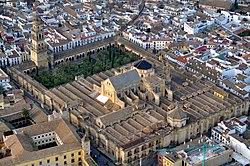
Great Mosque of Córdoba
Period: Islamic
Material: Stone, brick
Big Idea: Communal prayer space
Key Features:
Horseshoe arches, hypostyle hall
Why it matters:
Iconic Islamic arches
“Striped arches forever”
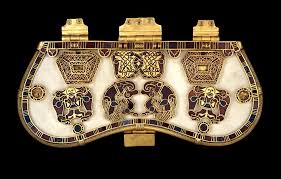
Sutton Hoo Purse Cover
Period: Migration
Material: Gold, cloisonné, garnet
Big Idea: Status in burial
Key Features:
Animal interlace
Why it matters:
Incredible metalwork
“Animal puzzle gold”
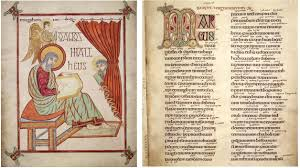
Lindisfarne Gospels
Period: Insular
Material: Ink on vellum
Big Idea: Decoration as devotion
Key Features:
Carpet pages, interlace
Why it matters:
Beauty as worship
“Bible as art”
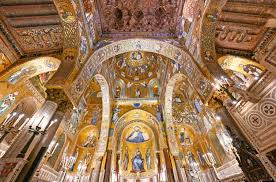
Palatine Chapel
Period: Carolingian
Material: Stone, marble
Big Idea: Charlemagne revives Rome
Key Features:
Octagonal plan, westwork
“New Rome”
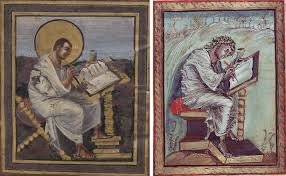
Ebbo Gospels vs Coronation Gospels
Period: Carolingian
Material: Ink on vellum
Key Features:
Ebbo = energetic
Coronation = calm/classical
“Crazy vs calm Matthew”
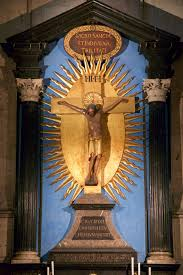
Crucifix of Gero
Period: Ottonian
Material: Wood, paint
Big Idea: Suffering Christ
“First painful Jesus”
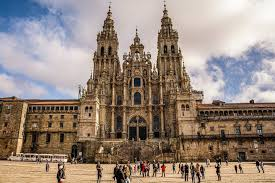
Santiago de Compostela
Period: Romanesque
Material: Stone
Key Features: Barrel vault, thick walls
“Pilgrim highway church”
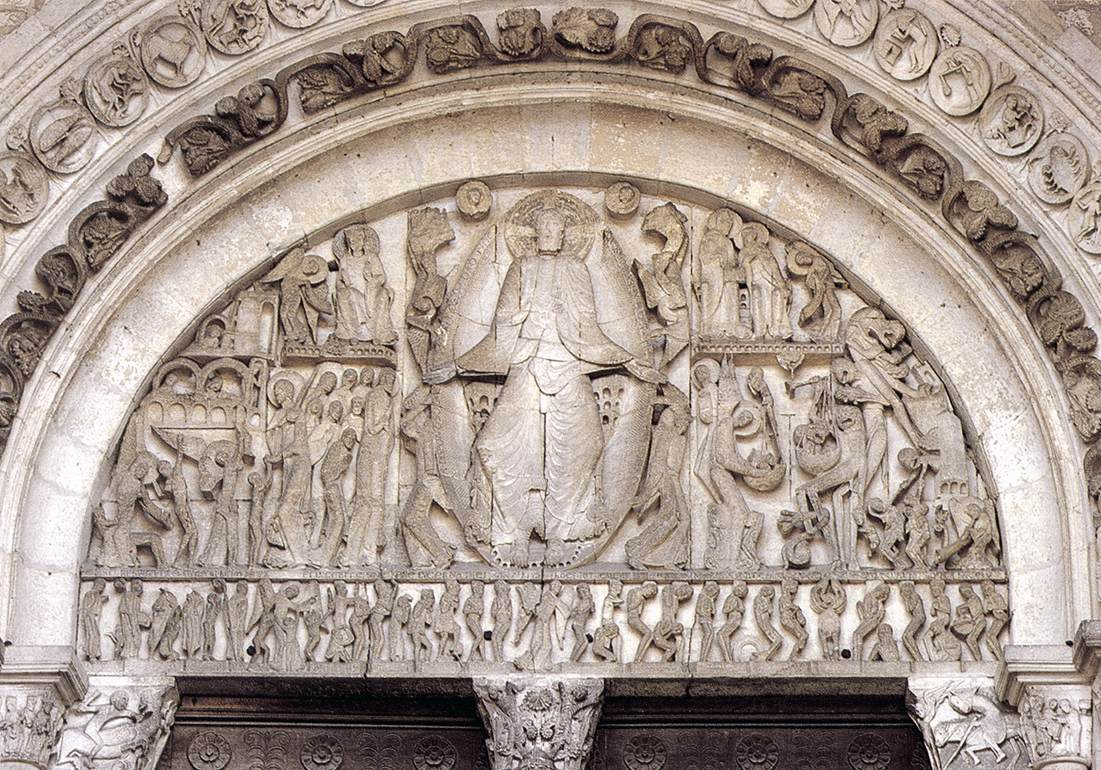
Tympanum — St. Lazare (Gislebertus)
Period: Romanesque
Material: Stone
Big Idea: Last Judgment warning
“Scare them into heaven”
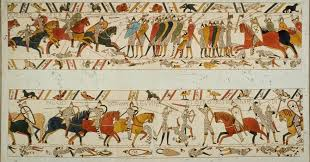
Bayeux Tapestry
Period: Romanesque
Material: Embroidery
Big Idea: Story of Battle of Hastings
“Medieval comic strip”
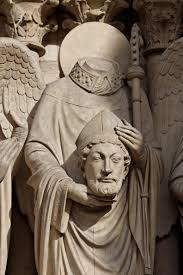
Period: Gothic
Material: Stone, stained glass
Big Idea: Light = God
“Birth of Gothic light”
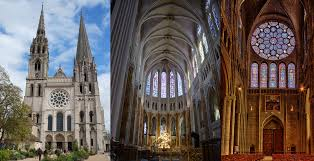
Chartres Cathedral
Period: Gothic
Material: Stone, stained glass
Key Features: Flying buttresses, rose windows
“Glass walls church”
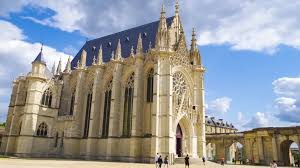
Sainte-Chapelle
Period: Gothic
Material: Stone, stained glass
“Walls disappear”
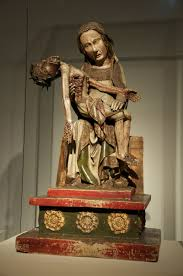
Röttgen Pietà
Period: Gothic
Material: Wood, paint
Big Idea: Emotional devotion
“Feel the pain”