Exam #3: CH 10 (Helping others)
 Call Kai
 Learn
Learn Practice Test
 Spaced Repetition
 Match
Match Flashcards
 Knowt Play
1/24

There's no tags or description
Looks like no tags are added yet.
Name | Mastery | Learn | Test | Matching | Spaced | Call with Kai |
|---|
No analytics yet
Send a link to your students to track their progress
25 Terms
Prosocial behavior
a behavior performed with the goal of benefiting another person
Motivational factors: Evolution
helping behavior is genetically adaptive
Kinship selection
preferential helping of genetic relatives, so that genes held in common survive; increasing your own genetic fitness
Reciprocal altruism
helping others increases the likelihood that they will help you
Social exchange
helping behaviors motivated by maximizing rewards and minimizing costs (not just genetic)
Egoism
helping others because it helps us somehow
Personal influences: Who helps?
1) Altruistic personality
2) High self-confidence increases helping when there is danger
3) Men are slightly more likely to help in heroic ways
4) Women are slightly more likely to help in ways that require nurturance and commitment
Interpersonal influences: Who do we help?
1) Attractiveness: attractive people are more likely to get help
2) Similarity: more likely to help similar others, including racial in group members
3) Responsibility: victims not personally responsible for circumstances are more likely to be helped
What evidence is there that those who model helping behavior increase helping behavior in others?
parents who are prosocial have prosocial children
Model of Bystander Intervention
1)Noticing circumstances that may require help
2)Interpreting that help is needed
3)Assuming responsibility
4)Decoding how to help
5)Helping behavior
1) Noticing circumstances that may require help
- Good Samaritan study (Darley & Batson, 1973)
- participants passed a confederate slumped in a doorway, individuals who had time were more likely to notice and help the confederate
2) Interpreting that help is needed
- Latane & Darley (1968)
- participants were more likely to respond to the fake smoke when alone than they were in a group
- pluralistic ignorance
Pluralistic ignorance
mistakenly believing that your own thoughts and feeling are different from those of others, even though everyone's behavior is the same
Darley and Latane's (1968), what do these results tell us about helping when others might help as well?
when groups of people get larger there is a bigger diffusion of responsibility that had individuals not accepting the responsibility to help someone else because they assume someone else will do it
3)Assuming responsibility
- Kitty Genovese: a woman stabbed to death outside of her apartment, no one helped her
- bystander effect
- diffusion of responsibility
Bystander effect
the presence of others inhibits helping behavior
Diffusion of responsibility
beliefs that others should or will take responsibility for helping; provides an explanation for the bystander effect
Example of diffusion of responsibility
Kitty Genoese case, seizure study (Latane & Darley, 1968)
What costs are there to helping?
1)Embarrassment of misinterpreting
2)Getting sued
3)Physical danger
4)Audience inhibition: fear of looking stupid in front of others, self-presentational concerns
If your boat is sinking and you can only save either your brother or his friend, why do you save your brother?
we are more likely to save the person who can reproduce and pass on our genes
Explain how it could be to your evolutionary advantage to help people, even if they are not your biological relation?
- Reciprocal altruism: helping others increases the likelihood that they will help you.
- Egoism: helping others because it helps us somehow
What type of people tend to help more?
empathetic people help more
What type of help do men, as opposed to women, tend to provide?
- men do more heroic saving
- women do more nurturing saving
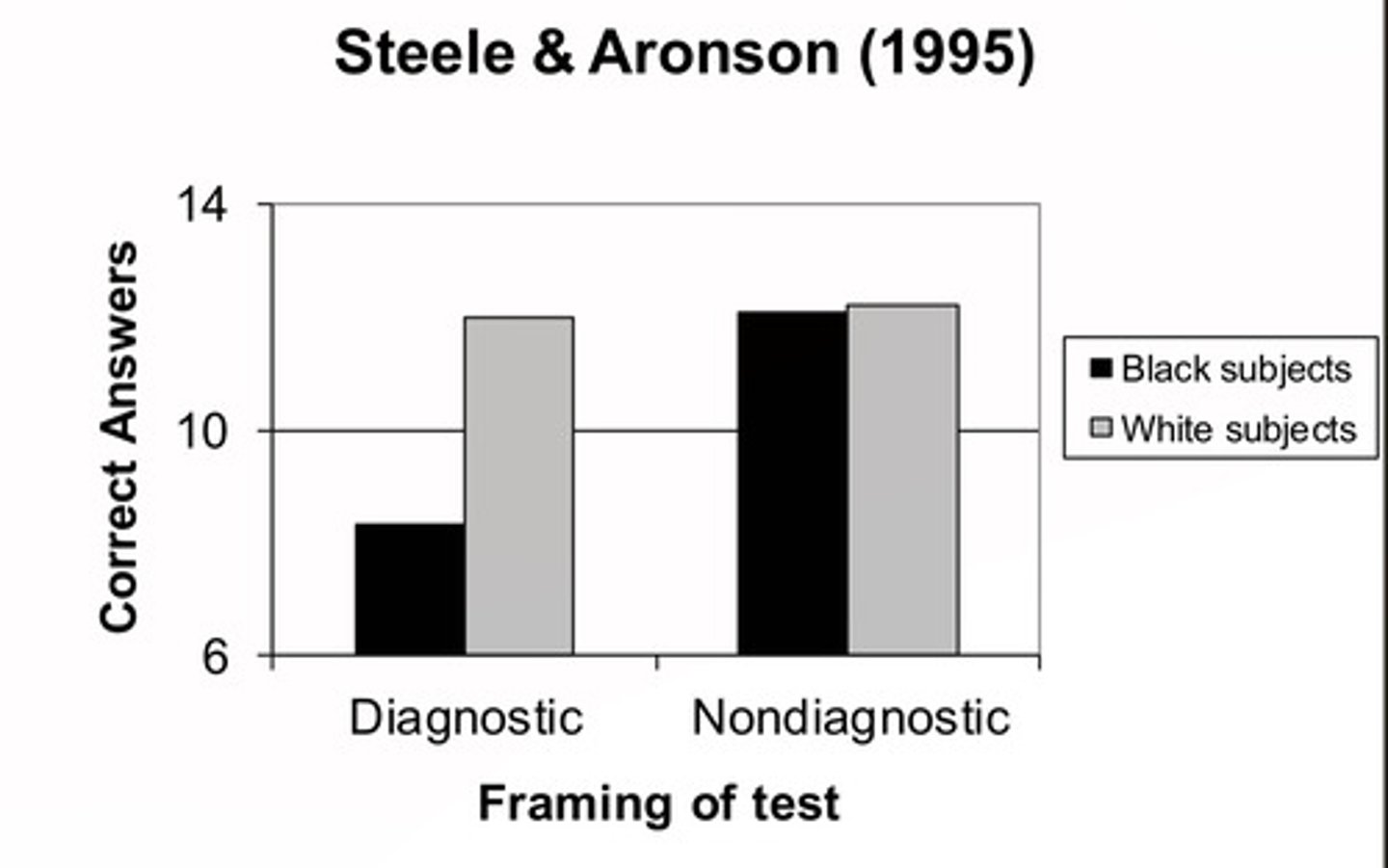
What does the following graph explain about the empathy altruism hypothesis?
Those with high empathy are more likely to help someone even if it means going out of their own way to help someone else, while those who are more focused on social exchange will most
likely only help if it is convenient to them and the drawbacks do not supersede the rewards
If you needed help, what could you do to increase the likelihood that a bystander would help you?
1) A victim can make it clear they need help by yelling
2) Call out to a group of people to make sure they know the victim needs help
3) Focus on a singular person so as to reduce pluralistic ignorance
4) Specify what type of help the victim needs
5) Claim to have a reward for someone to help so as to allow the reciprocity norm to encourage others to help