vertebrate zoology chapter 2 terms
 Call Kai
 Learn
Learn Practice Test
 Spaced Repetition
 Match
Match Flashcards
 Knowt Play
1/60

There's no tags or description
Looks like no tags are added yet.
Name | Mastery | Learn | Test | Matching | Spaced | Call with Kai |
|---|
No analytics yet
Send a link to your students to track their progress
61 Terms
taxonomy of vertebrates
- Domain: Eukarya
- Kingdom: Animalia
- Phylum: Chordata
subphyla of invertebrates
- Urochordata
- cephalochordata
subphylum of vertebrates
Craniata
features leading up to Chordata
- bilateria (has 2 halves)
- coelomata (has a body cavity/coelom)
- deuterostomata
cephalization
development of a head
dorsal and ventral sides (bilateral symmetry)
top and bottom
anterior and posterior (bilateral symmetry)
front and back
coelom
space around the gut
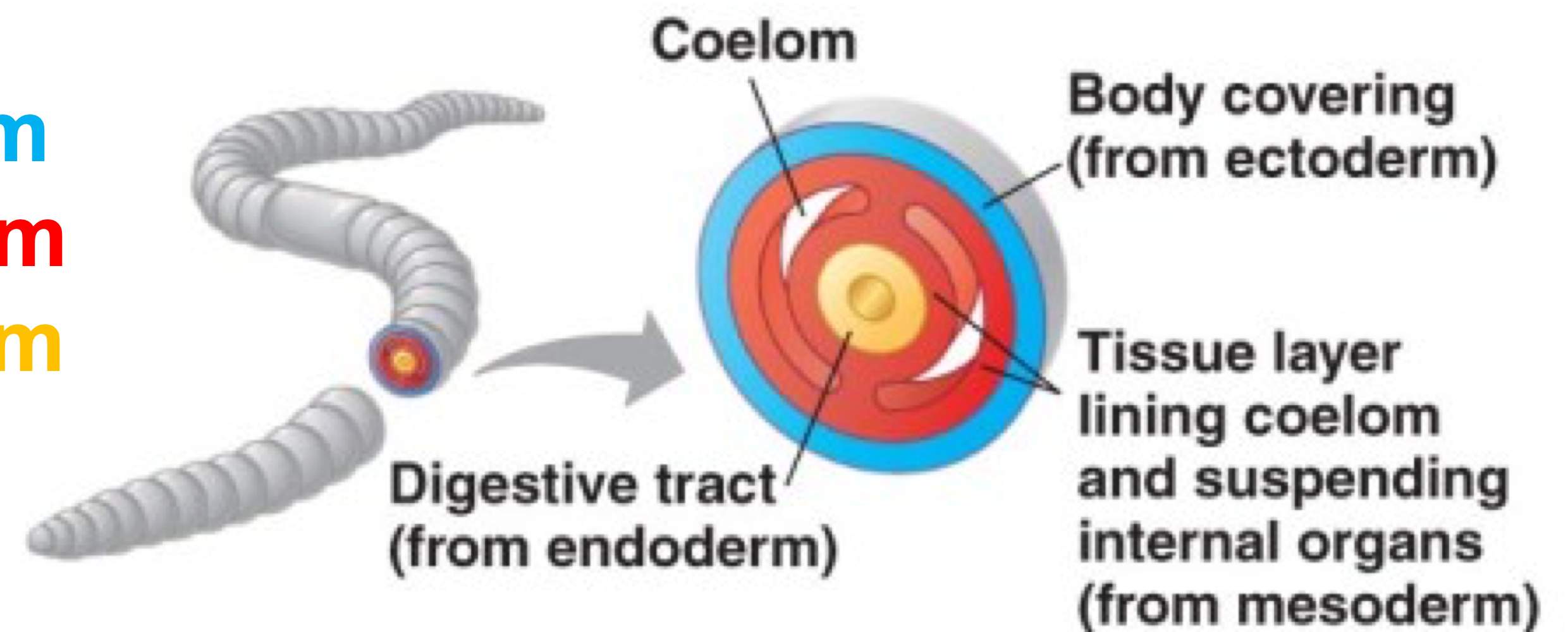
eucoelom (coelomate)
“true” coelom
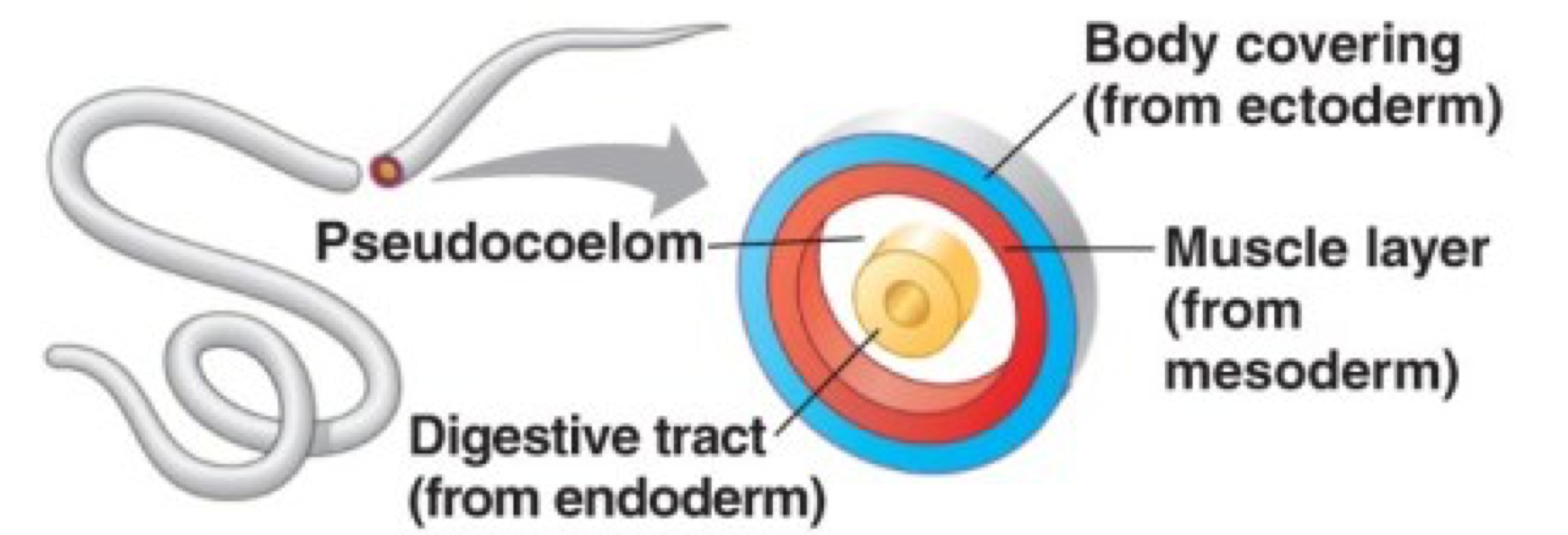
pseudocoelom (psuedocoelomate)
body cavity derived from the mesoderm and the endoderm
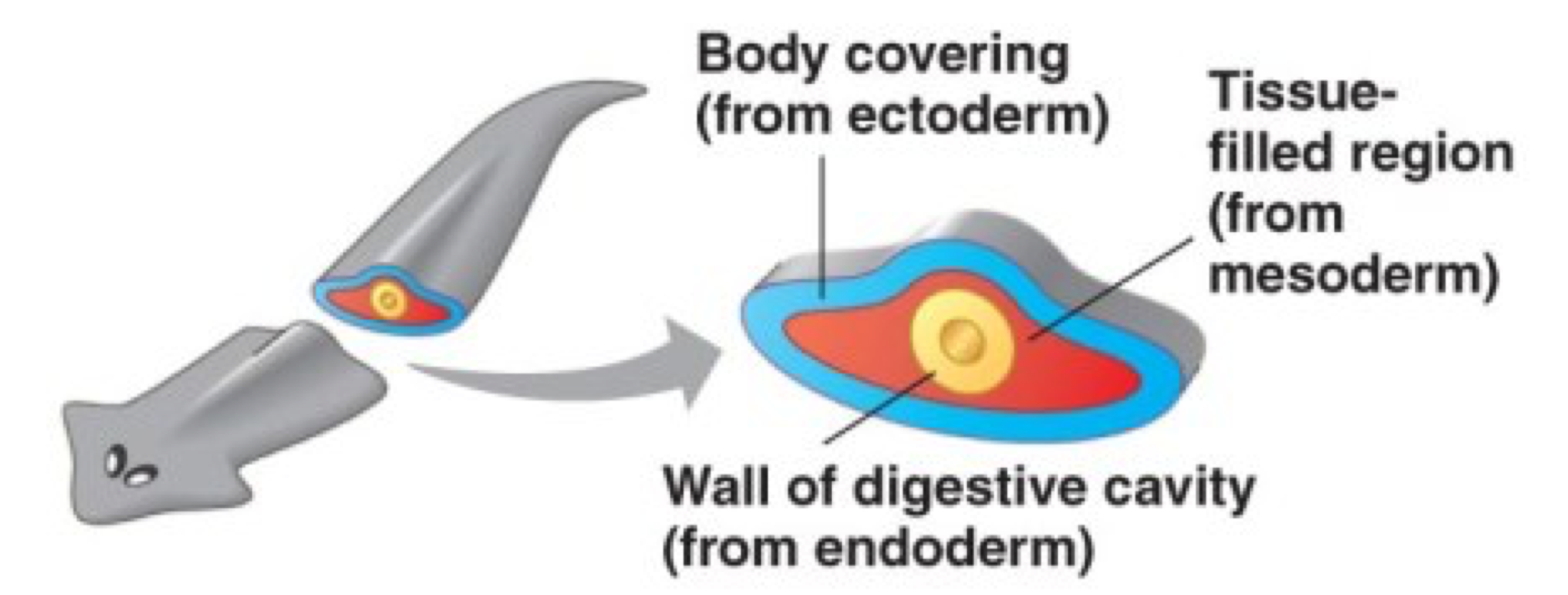
no coelom (acoelomate)
- simplest form
- has no gaps
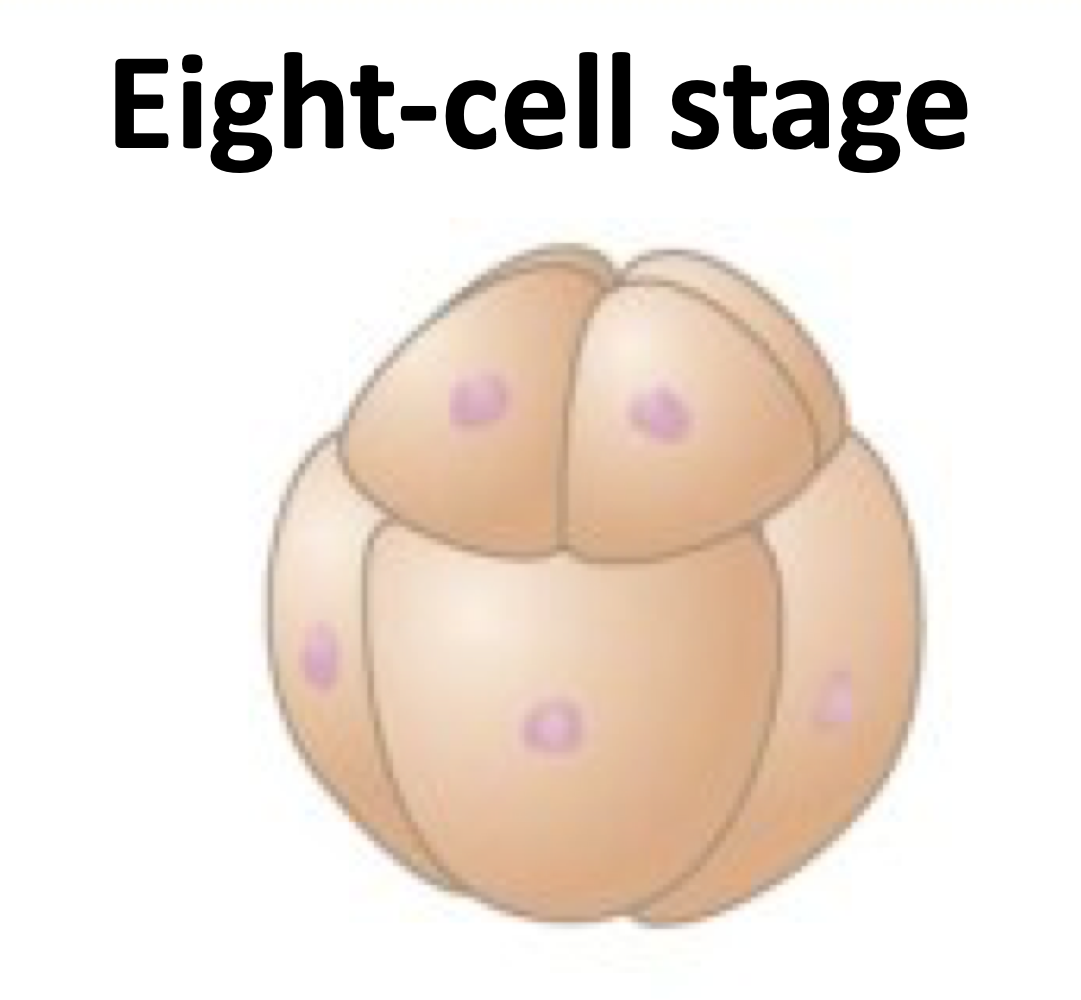
cleavage
zygote undergoes rapid cell division after fertilization
blastula
cleavage leads to formation of hollow ball
gastrulation
blastula forms a gastrula (digestive tract) with different layers of embryonic tissues: endo-, ecto-, and mesoderm (triploblastic)
protostome
- blastopore becomes mouth
- cleavage is spiral and determinate (fate of each cell is already determined)
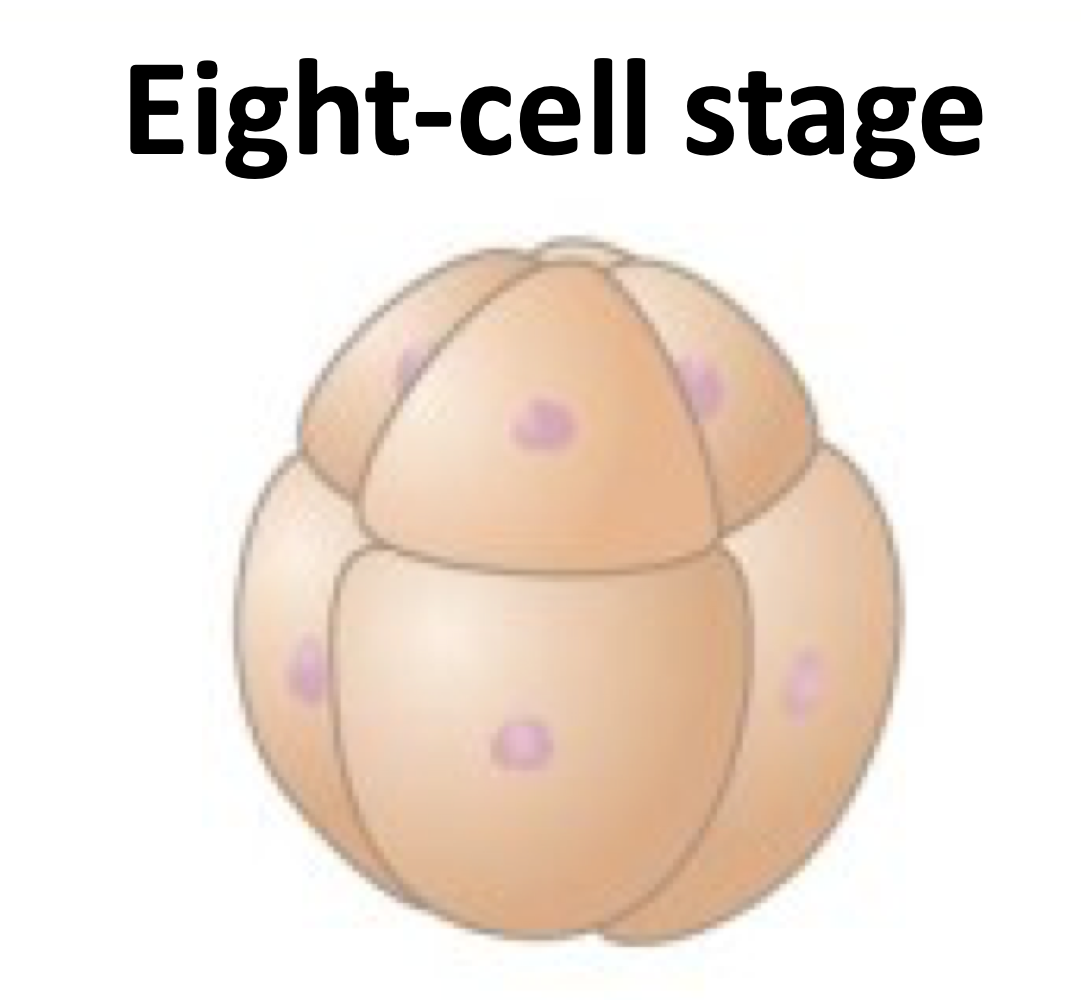
deuterostome
- blastopore becomes anus
- cleavage is radial and indeterminate (allows for cloning)
characteristics that define phylum Chordata
- pharyngeal slits or clefts
- notochord
- dorsal, hollow nerve cord
- muscular, post-anal tail with segmented muscles
- endostyle
pharyngeal slits or clefts
functions in suspension-feeding, gas exchange, develop into parts of the ear, head, and neck in tetrapods
notochord
- skeletal support
- adult often retains only remnants
dorsal, hollow nerve cord
develops into CNS
muscular, post-anal tail with segemented muscles
many lose this during embryonic development
endostyle
- glandular groove of the pharynx
- hormone producing gland
- precursor to the thyroid gland
cephalochordates
- marine, fishlike
- common = lancelets or amphioxus (sharp at both ends
- have myomeres
- have cerebral vesicle
- retain chordate features in adults (similar circulatory features, podocytes with chordates)
myomeres
- striated muscle fibers covered with connective tissue along side of body
- appear in clusters
cerebral vesicle
- thickening at anterior end of spinal cord
- have genes that code for vertebrate brain
podocytes
cells specialized in getting rid of waste
urochordates
- tunicates
- undergo metamorphosis
- free-living larvae “tadpoles” with all 4 chordate features
- adults lose most of tail, notochord, nerve cord but retain pharyngeal gill slits
- tunic is made primarily from cellulose
tunicates
marine, filter feeders as adults
cellulose in animals
thought to be a result of horizontal gene transfer from ancient bacteria
Cambrian Chordates
- fossil evidence from Haikouella in China
- large brain
- clearly defined eyes
- thickened branchial bars (“gills”)
- no skull or ears
what distinguishes a vertebrate
- all vertebrates have cranium (skull) that surrounds brain
- head usually with complex sense organs, segmented brain
- endocrine glands: thyroid (endostyle), pituitary gland
- muscular gut tube
- multi-chambered heart
- mineralized tissues to create rigid support structures or surfaces (ex: teeth)
- gills
pituitary gland
produces and regulates hormones
hox gene duplication
- regulate expression of other genes that control development along length of organism
- generate more complex animals
neural crest cells
- “4th germ layer” in addition to endo-, ecto-, mesoderm
- embryonic tissue that forms many structures
placodes
patches of thickened ectoderm
neurogenic placodes
- specialized regions of embryonic ectoderm that are central to the development of the cranial sensory systems
- olfactory, optic, lateral lines, trigeminal (facial nerves), and epibranchial (peripheral nerves)
number of sets of hox genes in invertebrates and amphioxus
1 set
number of sets of hox genes in living jawless vertebrates
2 sets
number of sets of hox genes in all jawed vertebrates
4 sets
4 types of tissues
- epithelial
- connective
- muscle
- nervous
epithelial tissue
covers body surfaces and lines organs
connective tissue
supports and connects body parts (bone, blood, fat)
muscle tissue
contracts to create movement
nervous tissue
sends electrical signals throughout the body
cartilage
- firm but flexible tissue
- softer than bone (think ear or nose)
bone
hard, rigid tissue that forms the skeleton
perichondral bone
bone that forms around cartilage
cementum
thin layer anchoring a tooth to the jaw
enamel
the hard outer coating of a tooth
dentine
the softer layer just beneath enamel, makes up most of the tooth
cloaca
- a single opening used for waste, urine, and reproduction
- common in fish, amphibians, birds
nephrons
tiny filtering units inside the kidney that clean the blood
oviduct
the tube that carries eggs from the ovary (like a fallopian tube)
diencephalon
- the middle part of the brain
- controls hormones and senses
telencephalon
- the front part of the brain
- handles thinking and behavior
cerebrum
the large, wrinkled brain region responsible for thought and movement
cerebellum
the smaller region at the back of the brain that controls balance and coordination
pineal gland
a small brain gland that detects light and regulates sleep cycles
rods/cones
- light-detecting cells in the eye
- rods detect dim light, cones detect color
neuromast organs
sensory cells (mainly in fish) that detect water movement
cochlea
the spiral structure in the inner ear that converts sound vibrations into nerve signals