Chapter 12 and 14 - Blood, Lymphatic, and Immunity System
 Call Kai
 Learn
Learn Practice Test
 Spaced Repetition
 Match
Match Flashcards
 Knowt Play
1/44

There's no tags or description
Looks like no tags are added yet.
Name | Mastery | Learn | Test | Matching | Spaced | Call with Kai |
|---|
No analytics yet
Send a link to your students to track their progress
45 Terms
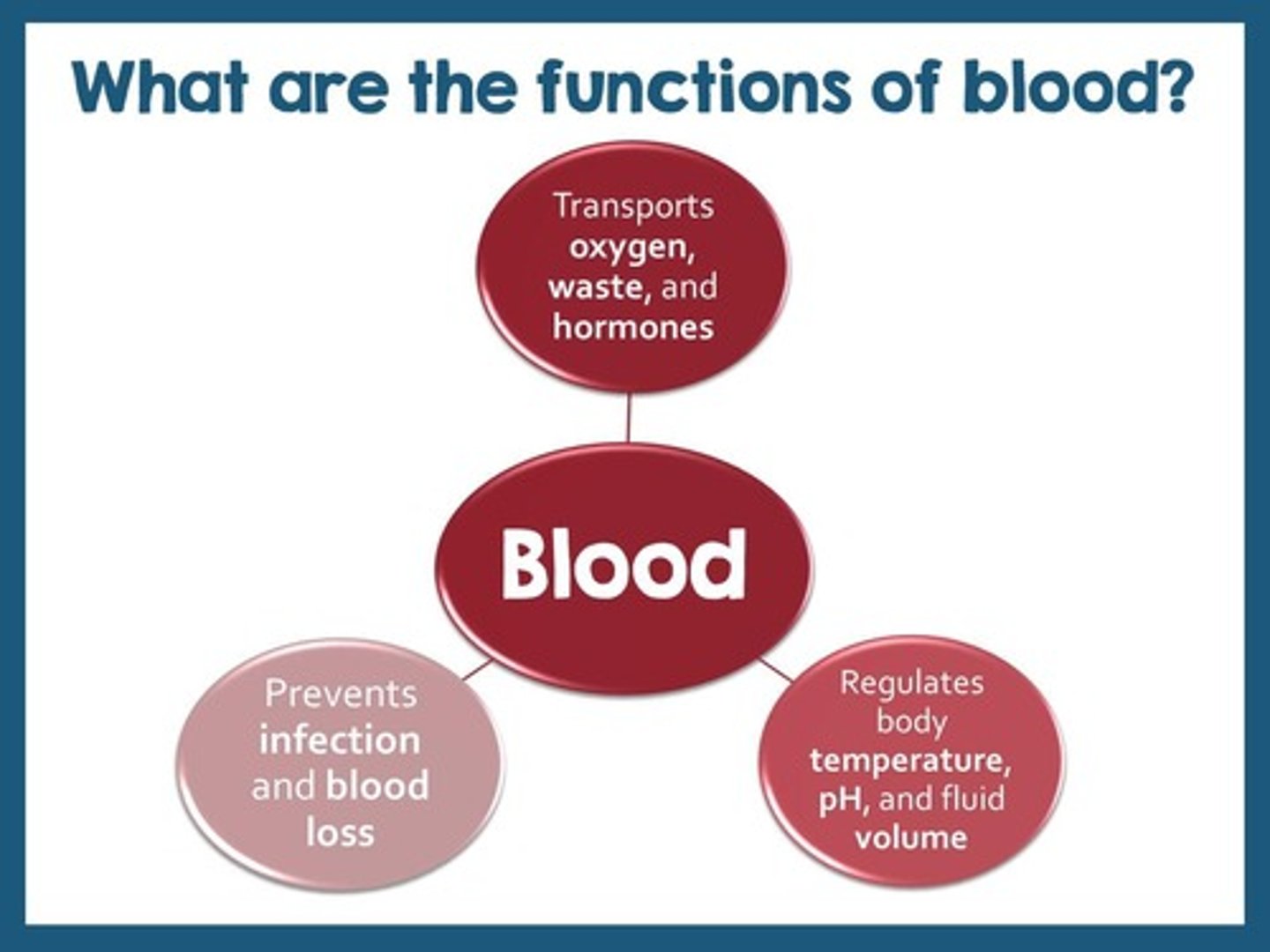
function of blood
Transport (O2, CO2, nutrients, metabolic waste, hormones, cells), Protection (WBC, antibodies, inflammation, platelets), and regulation (fluid balance, pH, body temp)
properties of blood
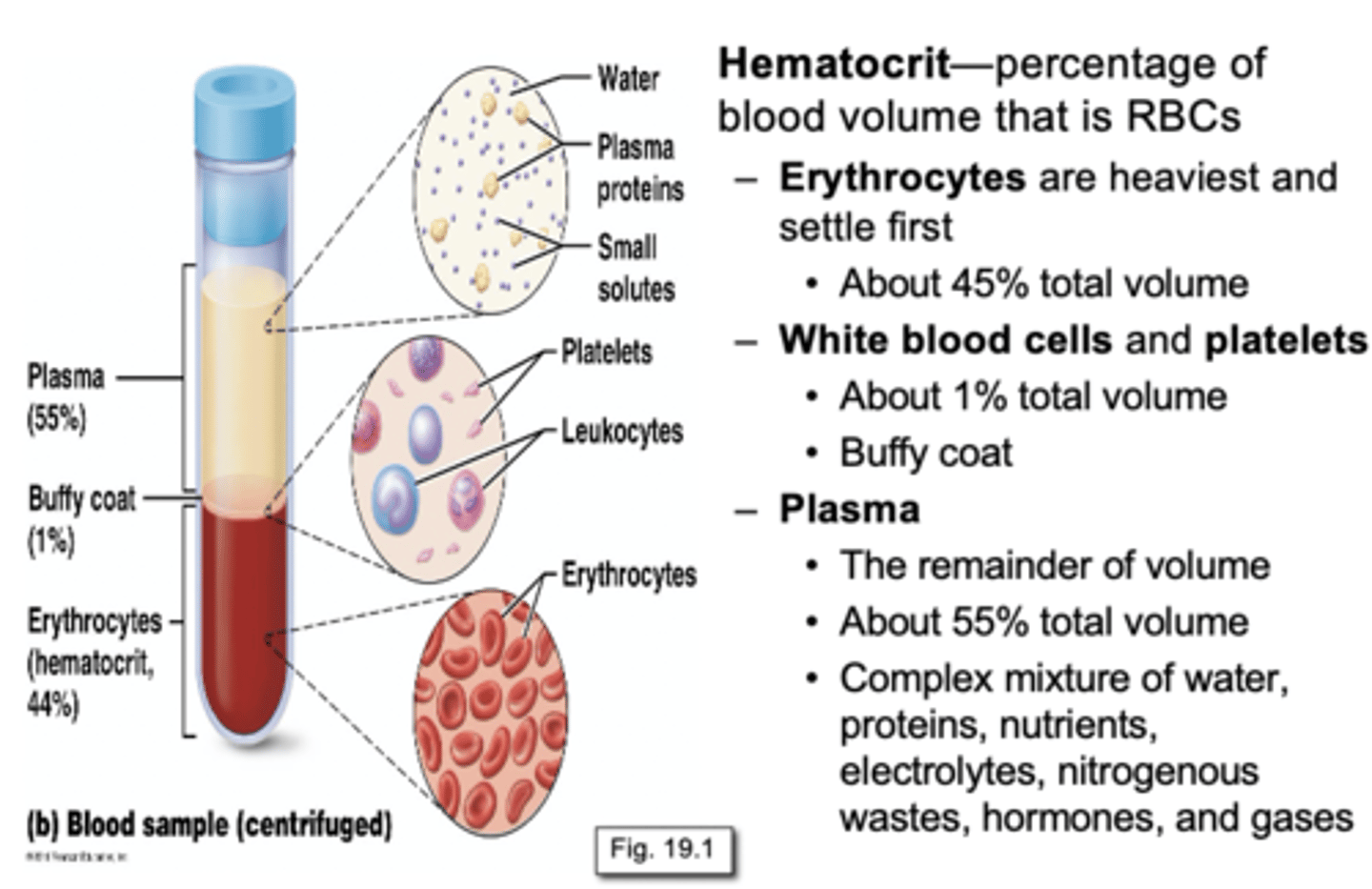
liquid connective tissue, bright red when oxygenated, dark red when deoxygenated, temp slightly higher than body temp, male 5-6 L, female 4-5 L, 7.35-7.45 pH
components of plasma
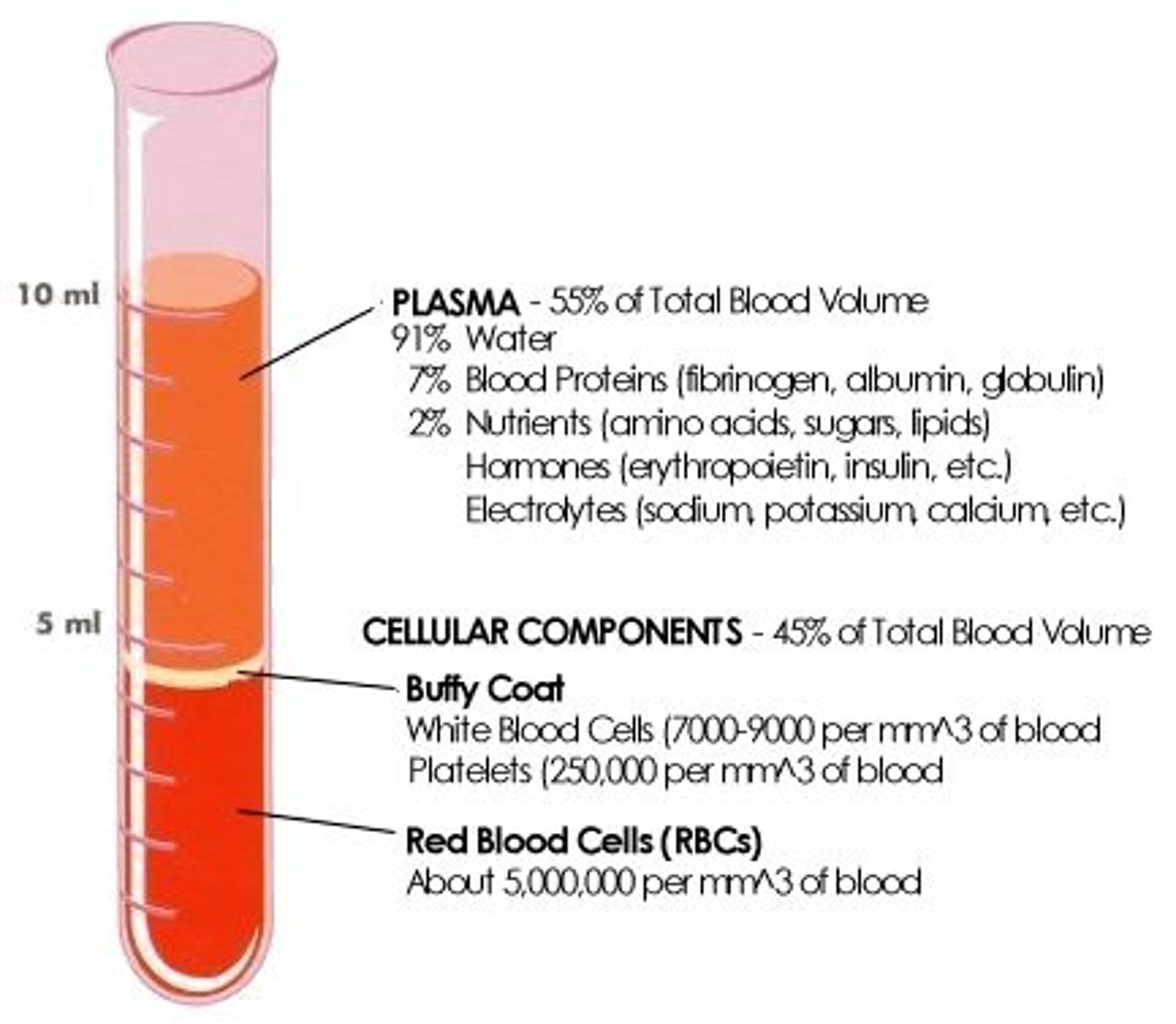
92% water, 7% proteins, 2% other
2 characteristics of plasma and their function
most abundant component of blood (55%)
- 92 % water, 7% protiens, 2% other
- Plasma's main function is to transport blood cells, nutrients, hormones, proteins, and waste throughout the body. It also plays a crucial role in blood clotting, immune response, and maintaining blood pressure and body temperature.
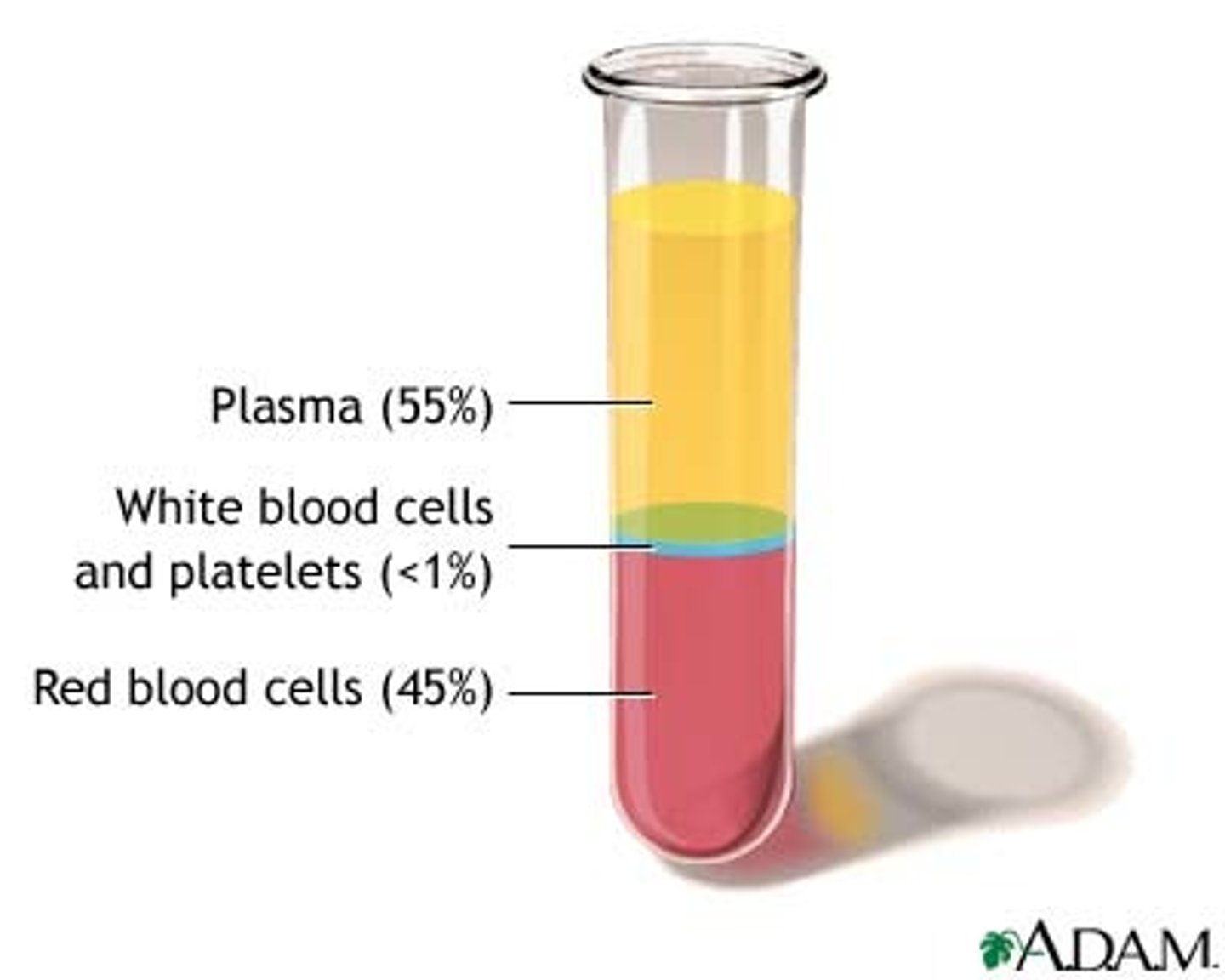
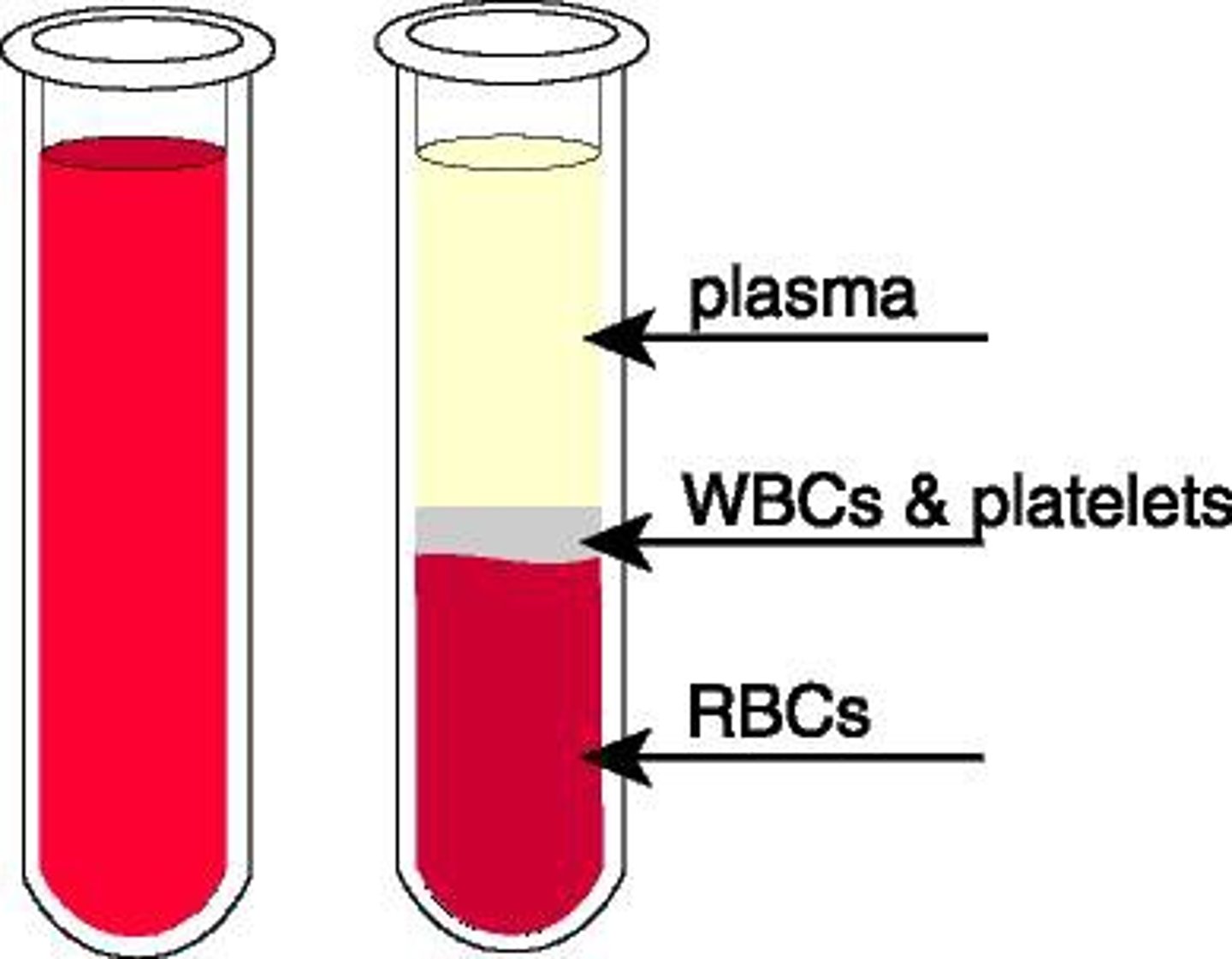
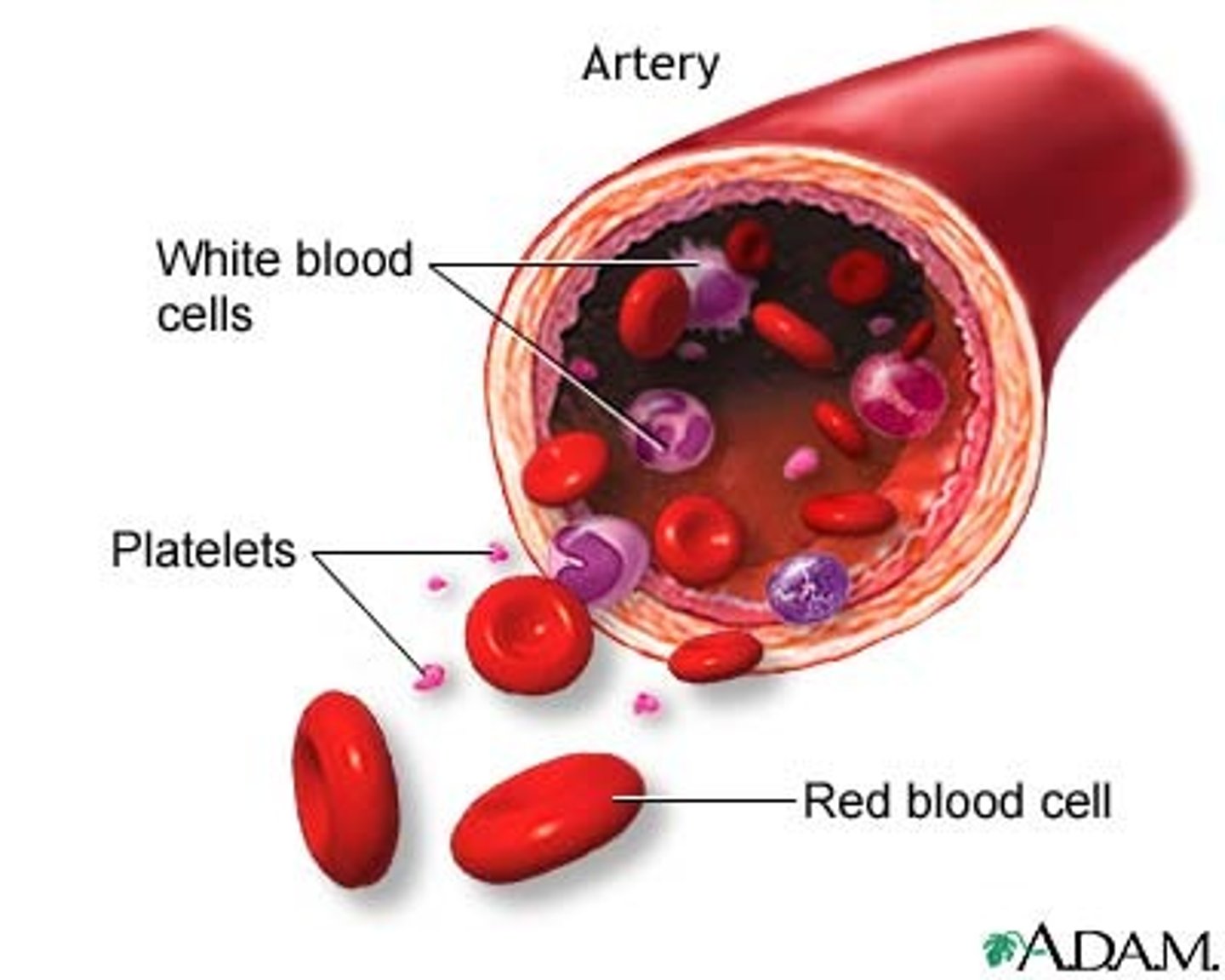
Formed elements and exaples
cells and cell fragments
- Red blood cells (erythrocytes)
- White blood cells (leukocytes)
- Platelets
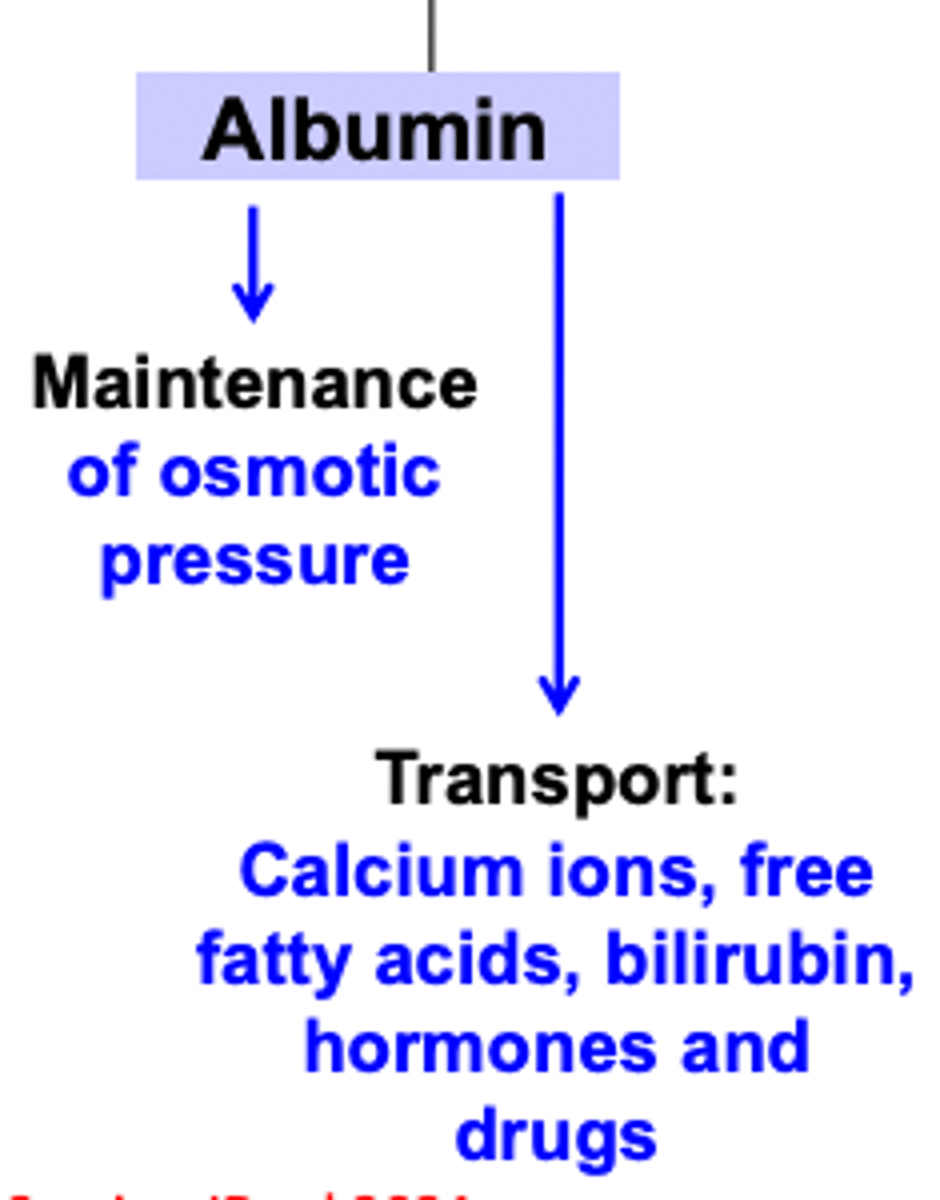
function of albumin
helps maintain water balance and blood viscosity (highest amount)
function of globulin
helps immunity, clotting and transport (moderate amount)
function of fibrinogen
helps in clot formation (lowest amount)
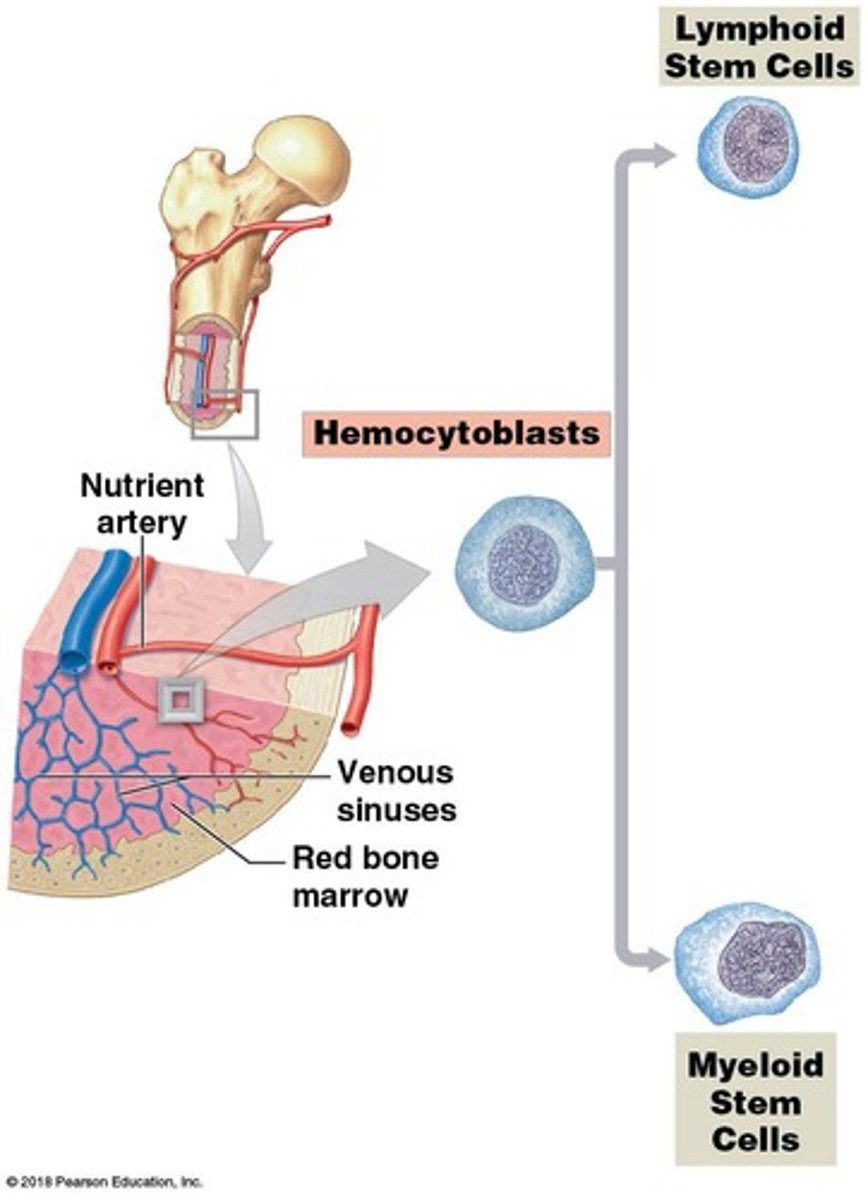
Hematopoiesis and where it occurs in adults and infants
production of blood in red bone marrow in adults
- In infants, it occurs in liver, thymus gland, spleen, lymph nodes
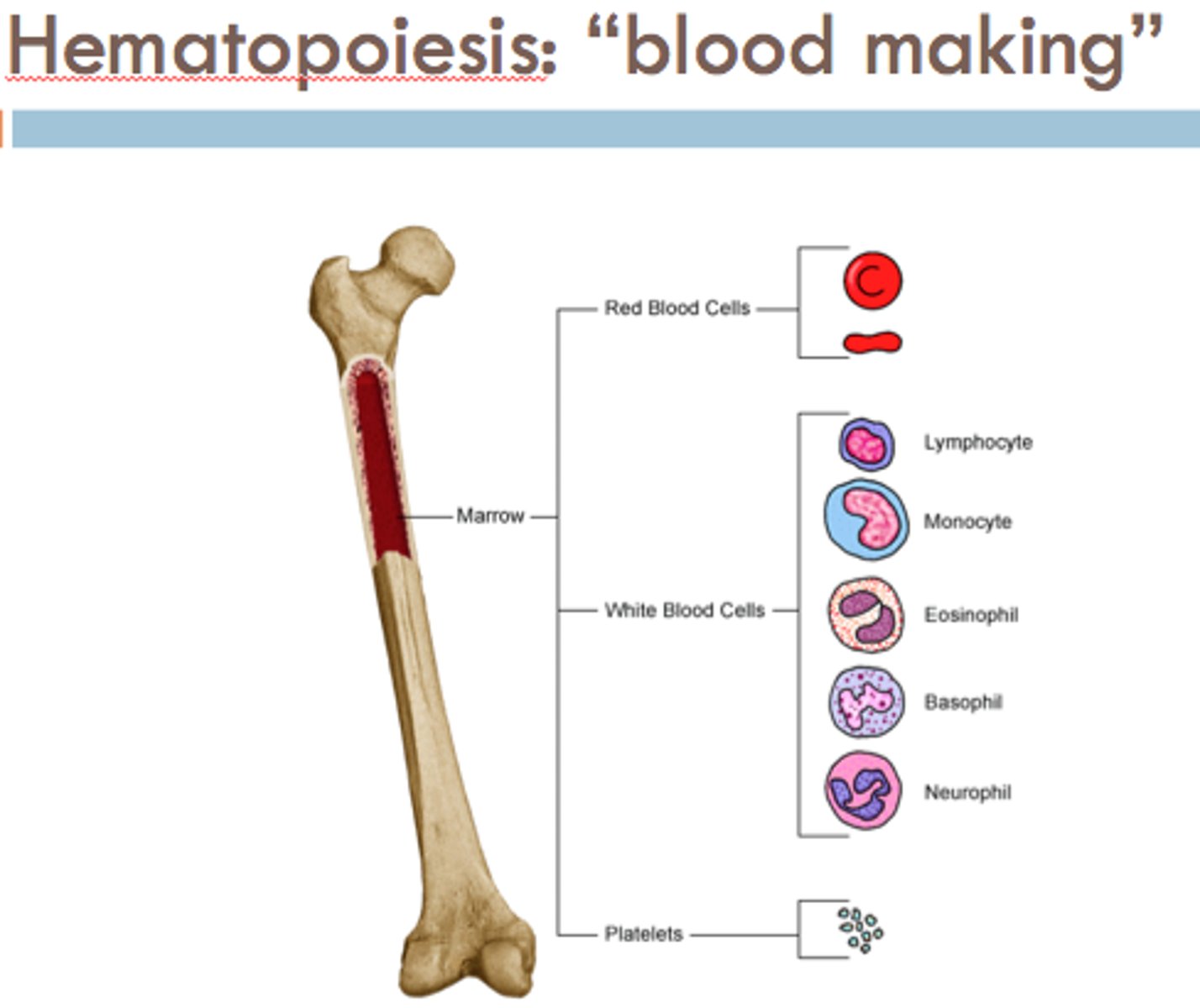
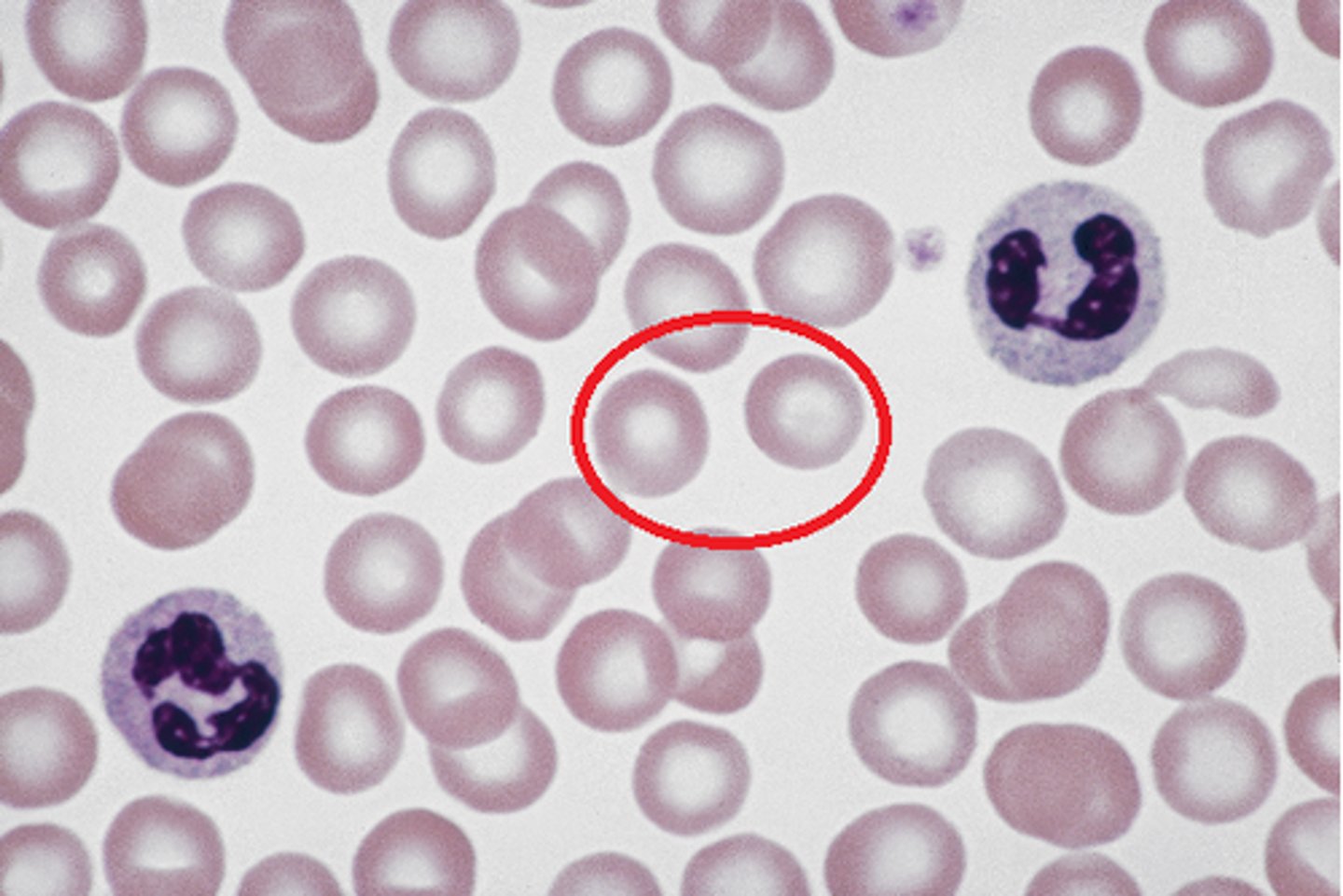
Erythrocytes (red blood cells) (characteristics, function, chemical make-up)
Characteristics: disk-shaped, flexible, lack a nucleus and most organelles, red in color due to hemoglobin.
Function: transport O2 on CO2, regulates pH and body temp
Chemical make-up: Mostly hemoglobin (iron-containing protein), water, and small amounts of enzymes and lipids.
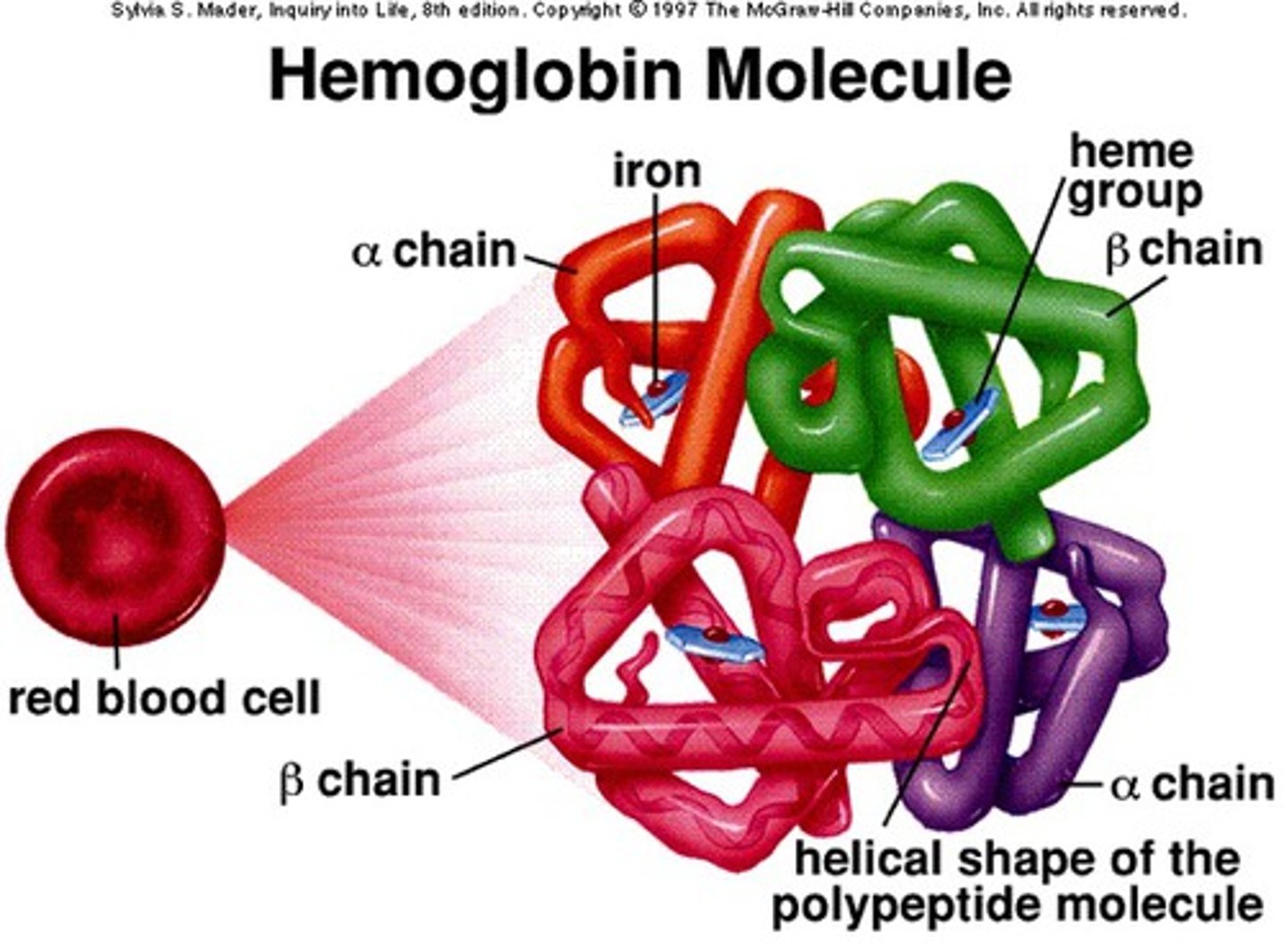
structure and function of hemoglobin
Structure: A protein made of four subunits (2 alpha and 2 beta chains), each containing a heme group with iron that binds oxygen.
Function: Carries oxygen from the lungs to tissues and transports carbon dioxide from tissues to the lungs.
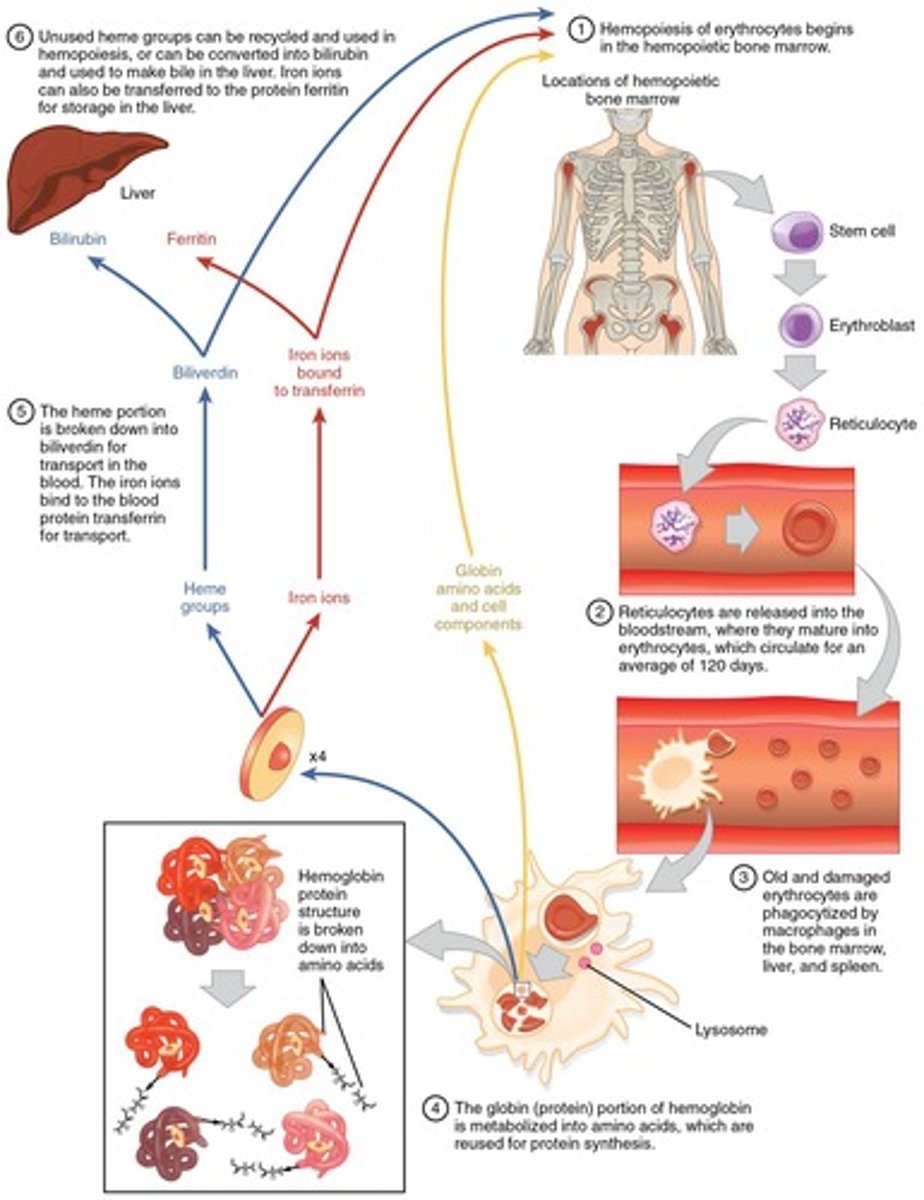
lifecycle of the erythrocyte
Erythrocytes are produced in the bone marrow (erythropoiesis), circulate in the blood for about 120 days, then are broken down by the spleen and liver. Iron and hemoglobin components are recycled, while the heme is converted into bilirubin and excreted in bile.
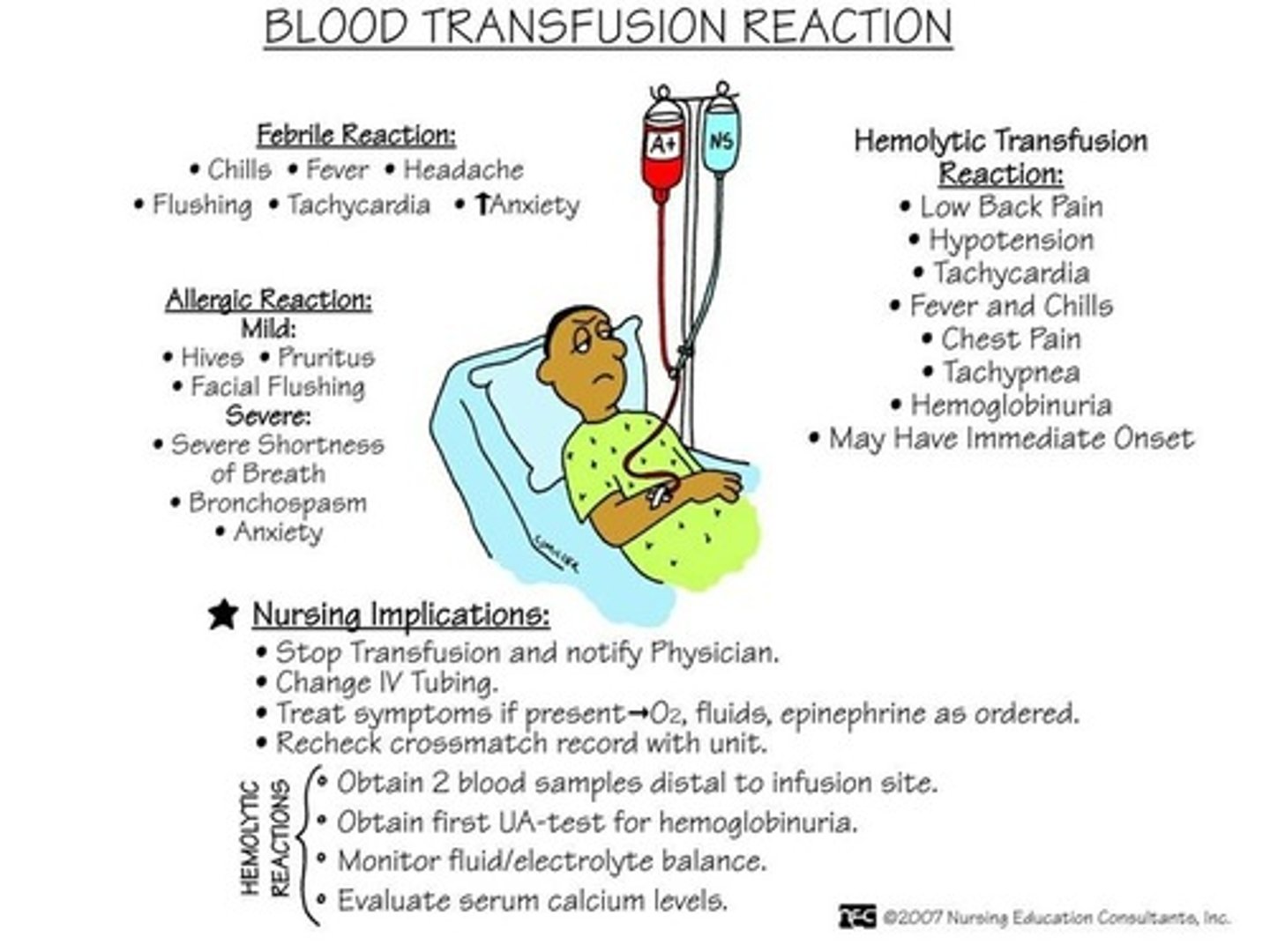
Transfusion reaction
a serious, and potentially fatal, complication of a blood transfusion in which a severe immune response occurs because the patient's blood and the donated blood do not match
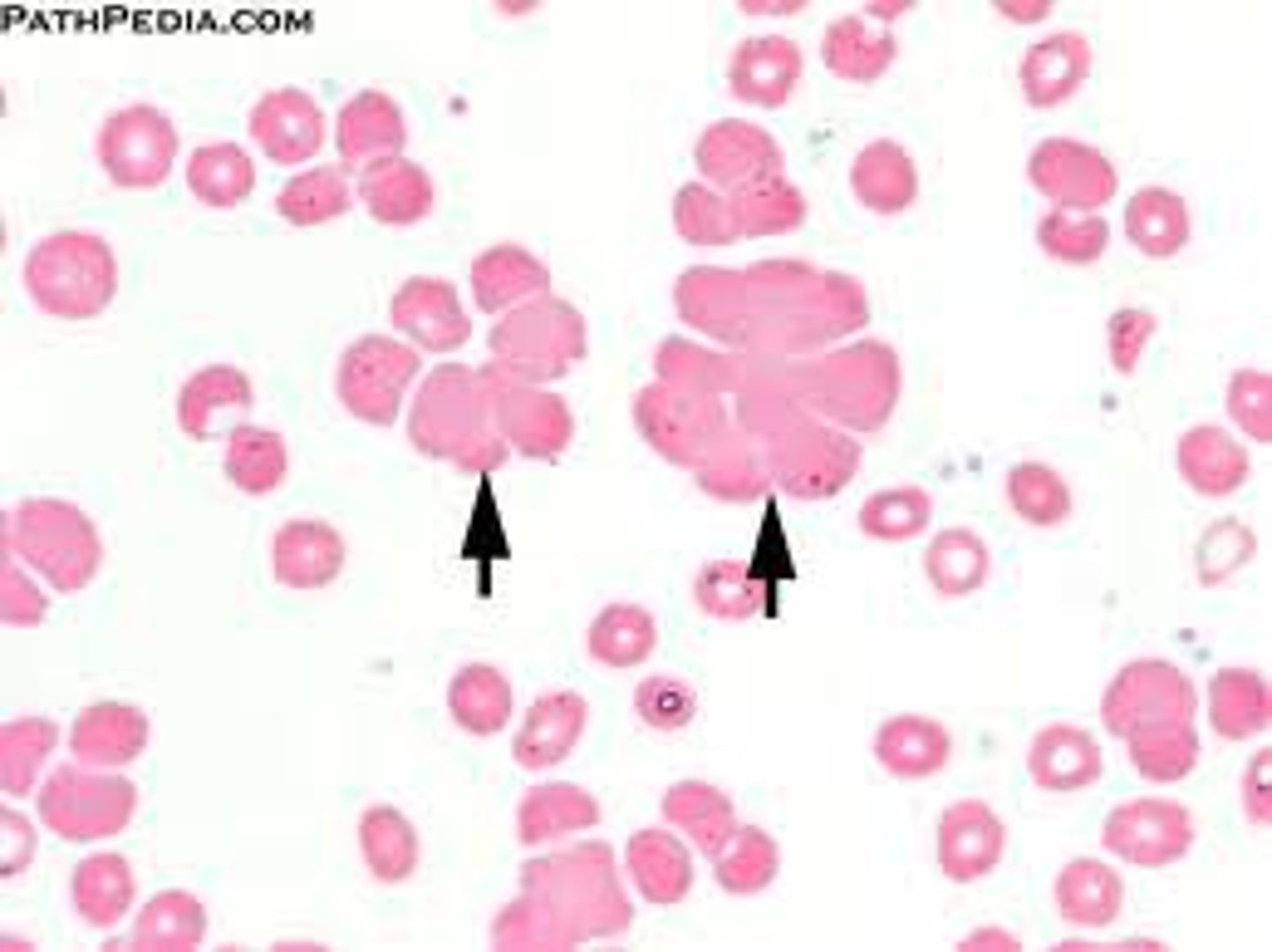
agglutination
clumping of red blood cells
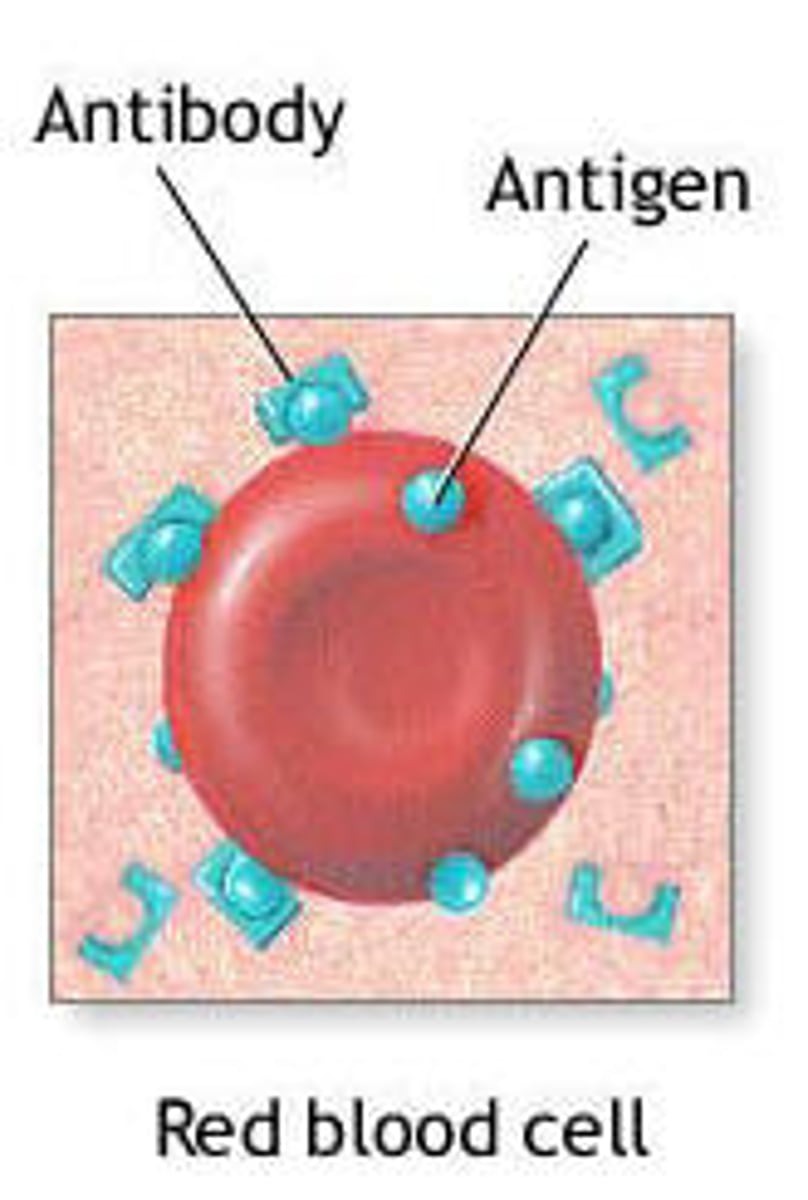
antigen
A protein that, when introduced in the blood, triggers the production of an antibody (blood type determination)
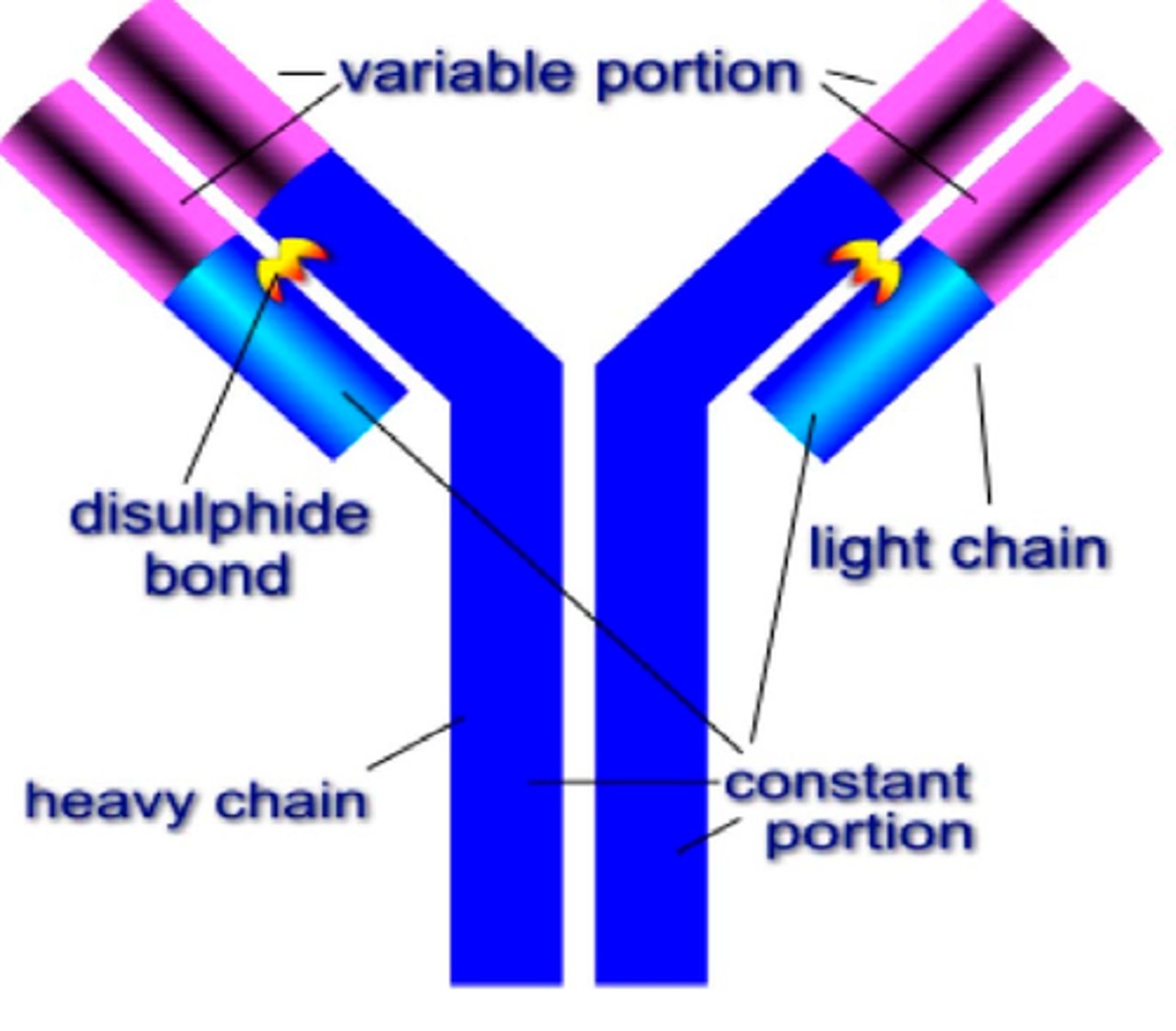
antibodies and their shape
Shape: Y-shaped proteins made of two heavy chains and two light chains, with variable regions at the tips that bind antigens.
Function: Recognize and bind to specific antigens, marking them for destruction or neutralization by the immune system.
blood groups
any of the various types of human blood whose antigen characteristics determine compatibility in transfusion. The best known blood groups are those of the ABO system.
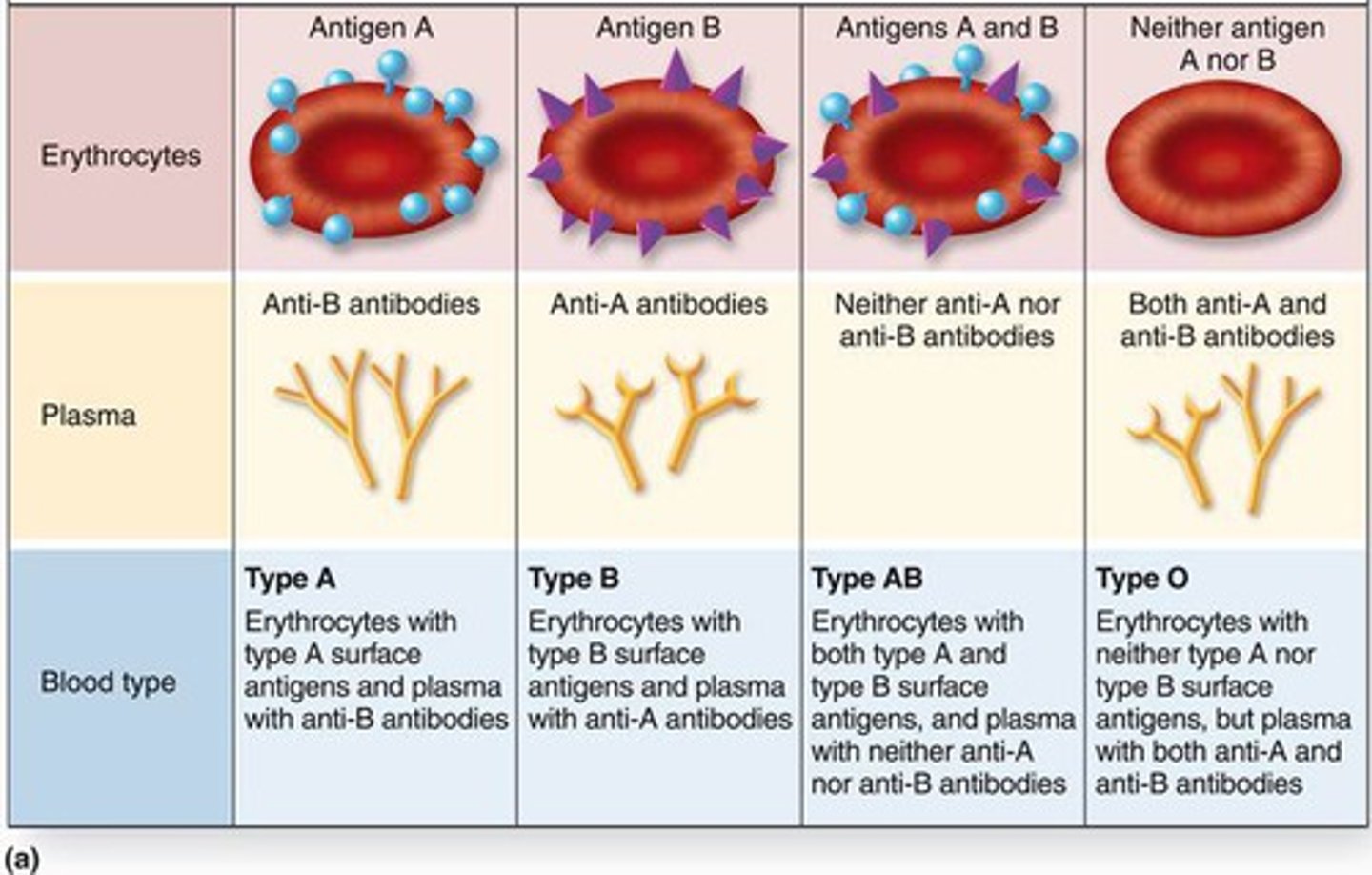
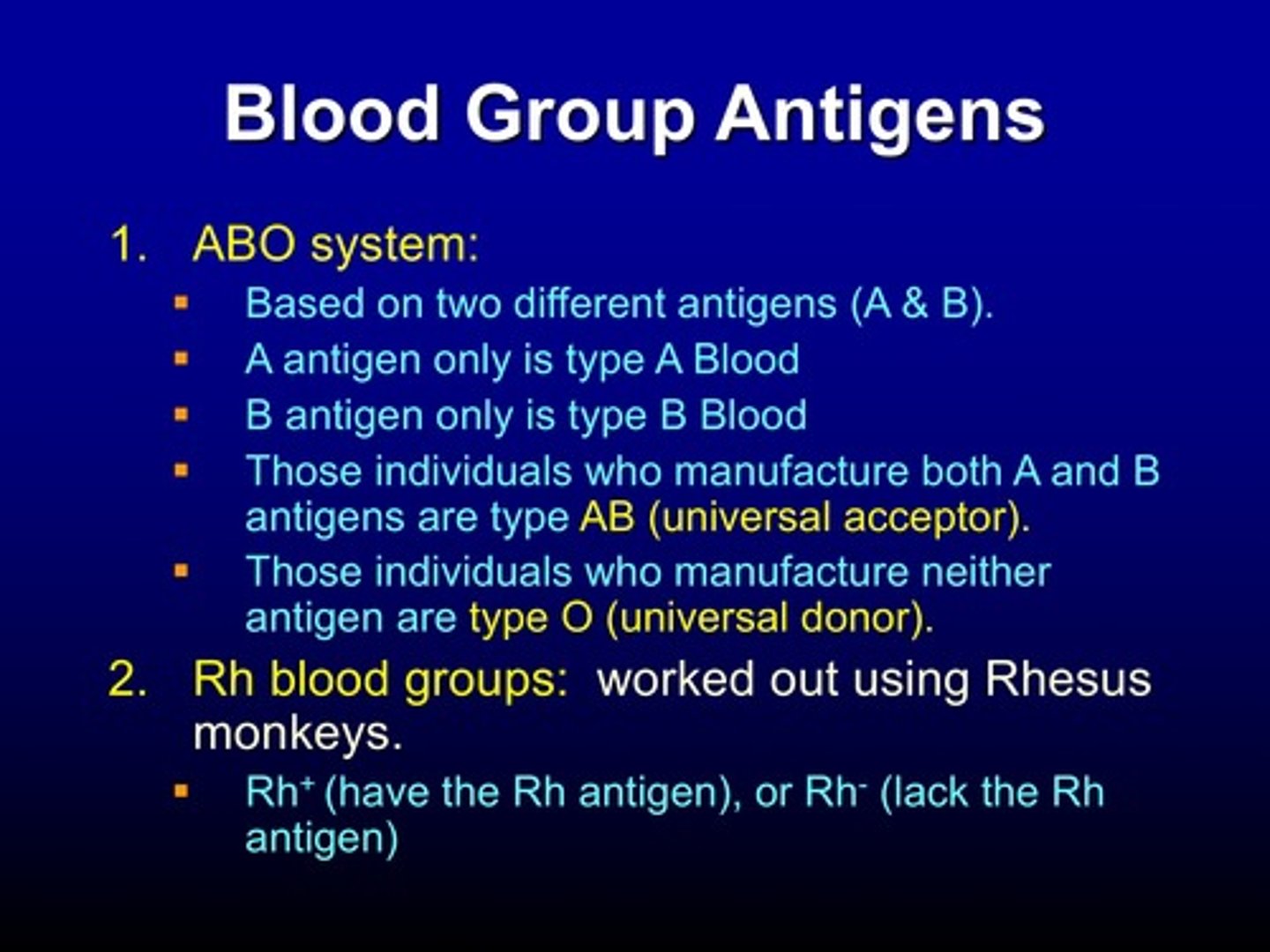
ABO and Rh Blood groups
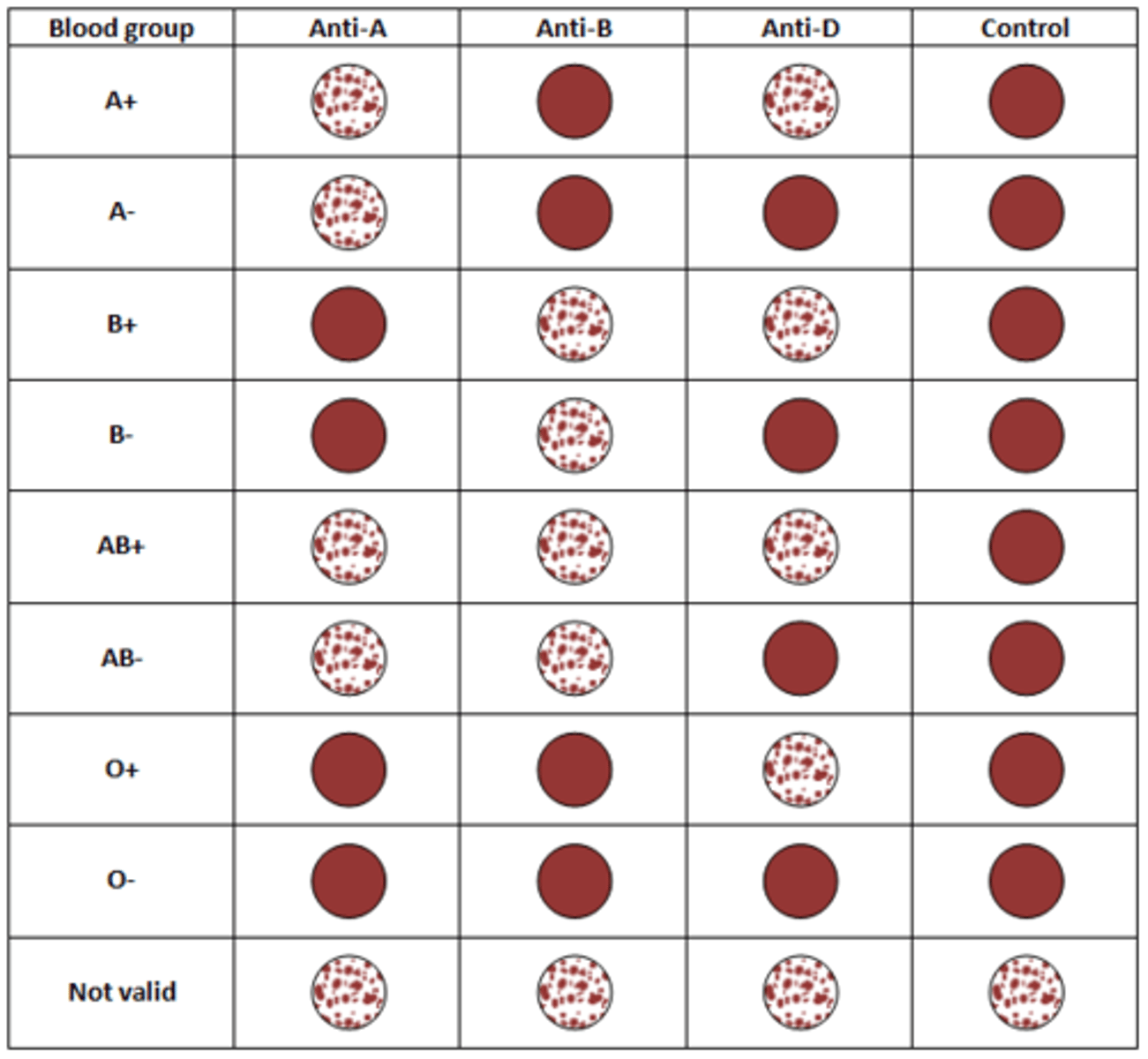
ABO system: Blood type is determined by A and B antigens on red blood cells. Type A has A antigen, B has B antigen, AB has both, and O has neither.
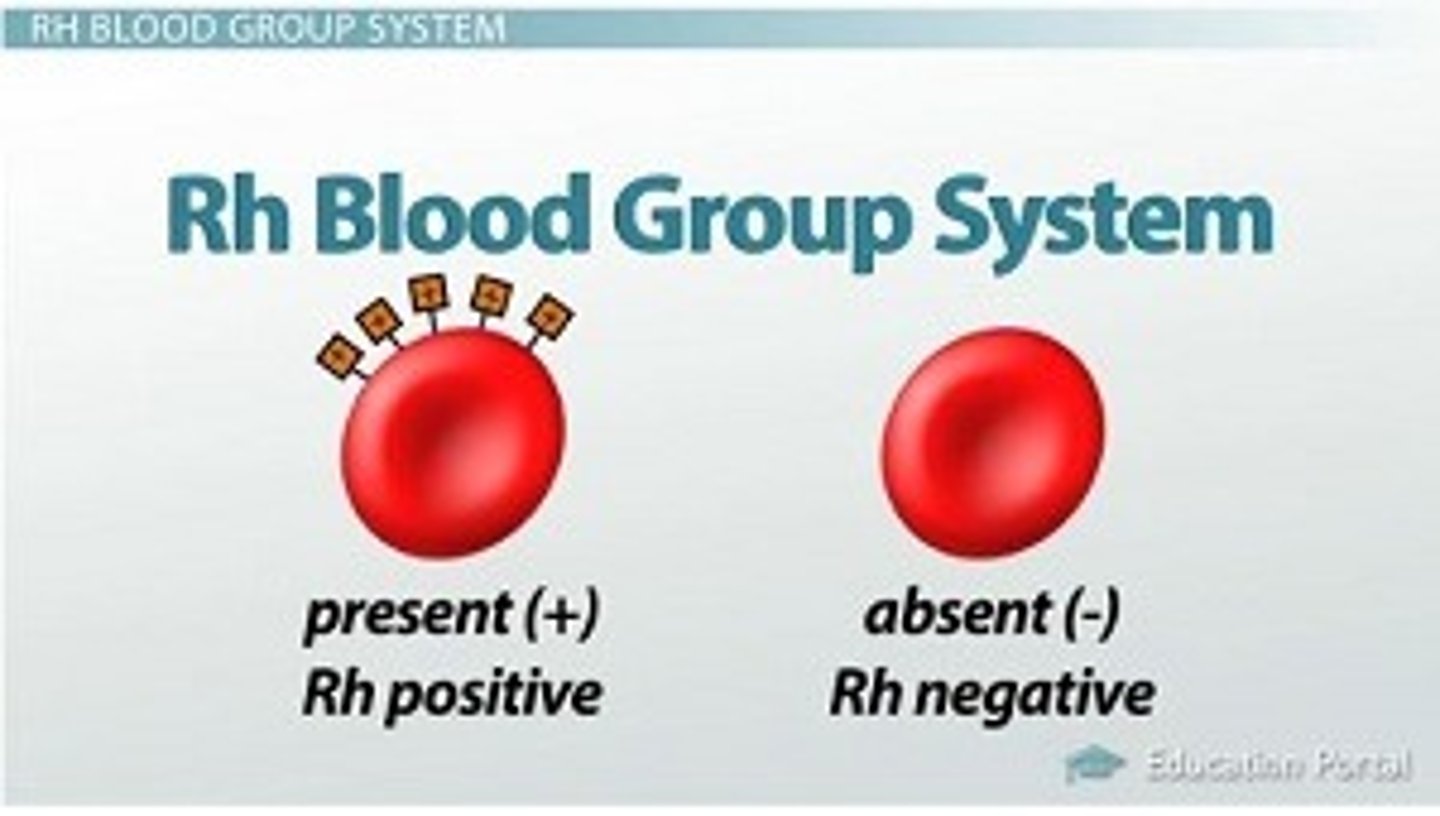
Rh system: Blood is Rh-positive if the D antigen is present, and Rh-negative if it is absent.
Function: Determines compatibility for blood transfusions and can affect pregnancy risk (Rh incompatibility).
Leukocytes (white blood cells) (characteristics, function, chemical make-up)
Characteristics: Nucleated, larger than red blood cells, can move out of blood vessels (diapedesis), and vary in shape depending on type.
Function: fight infections, remove dead cells and debris by phagocytosis
Chemical make-up: Contain nucleus, cytoplasm with granules (in some types), enzymes, and proteins involved in immune response.
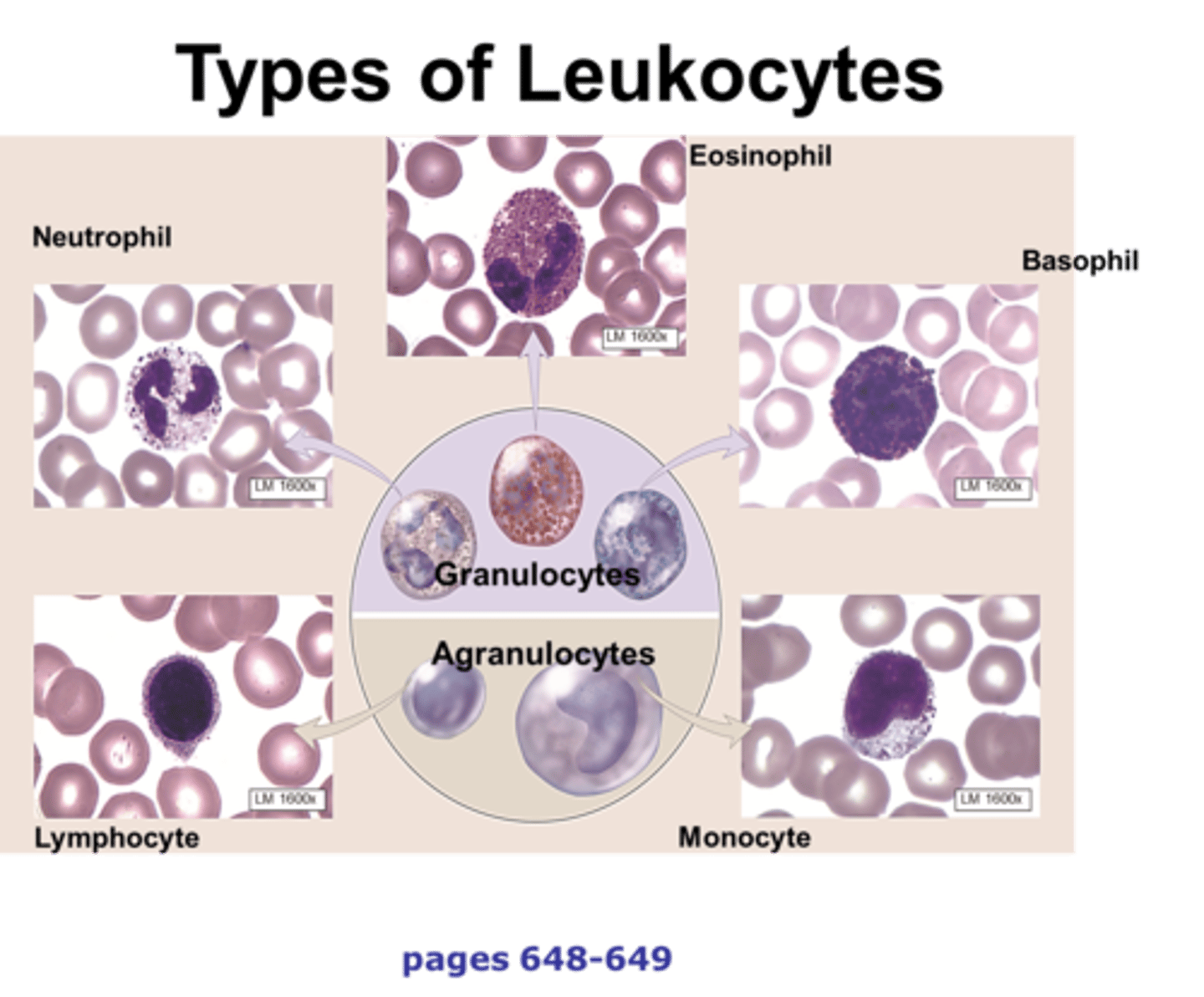
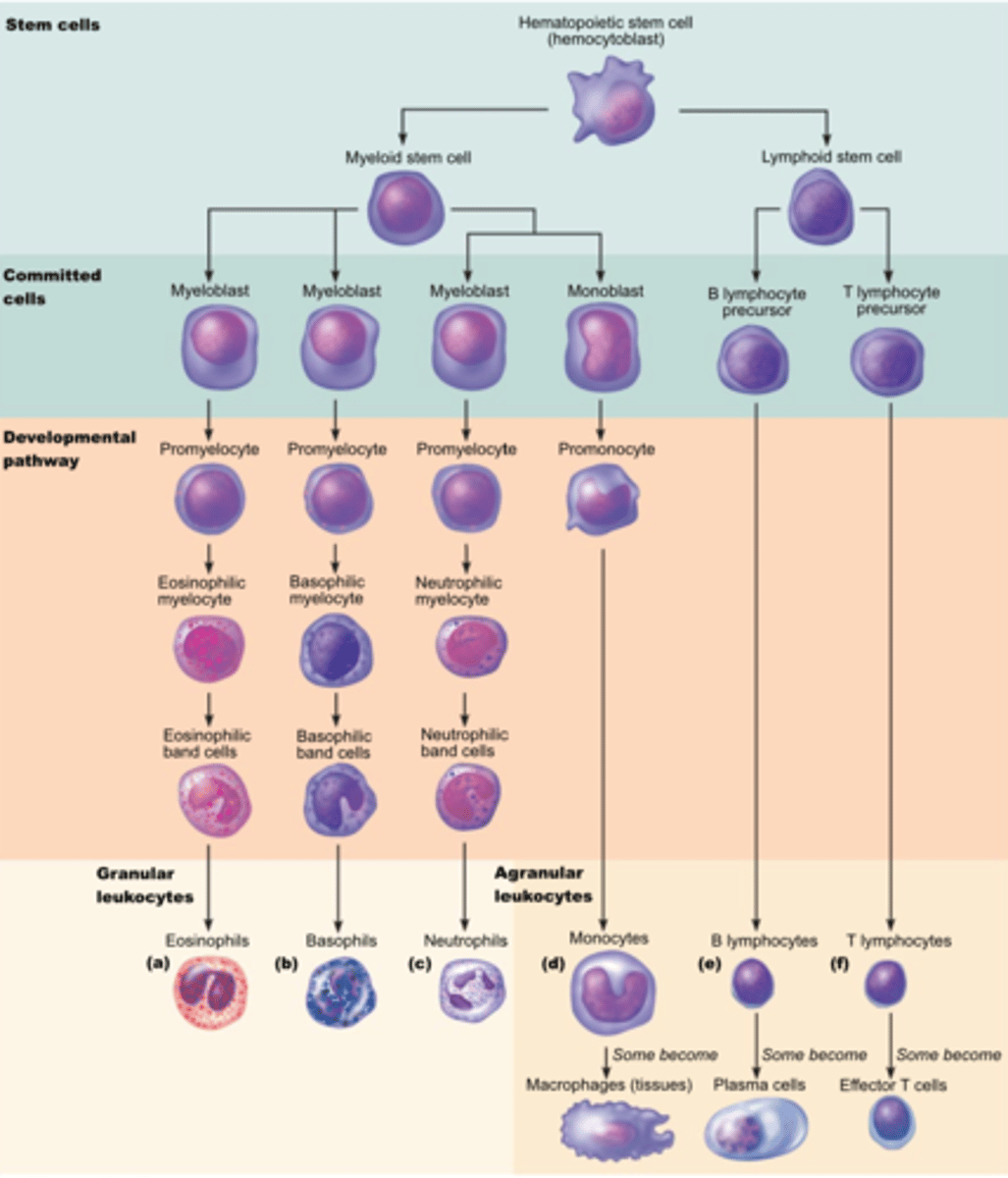
what are the 5 types of leukocytes?
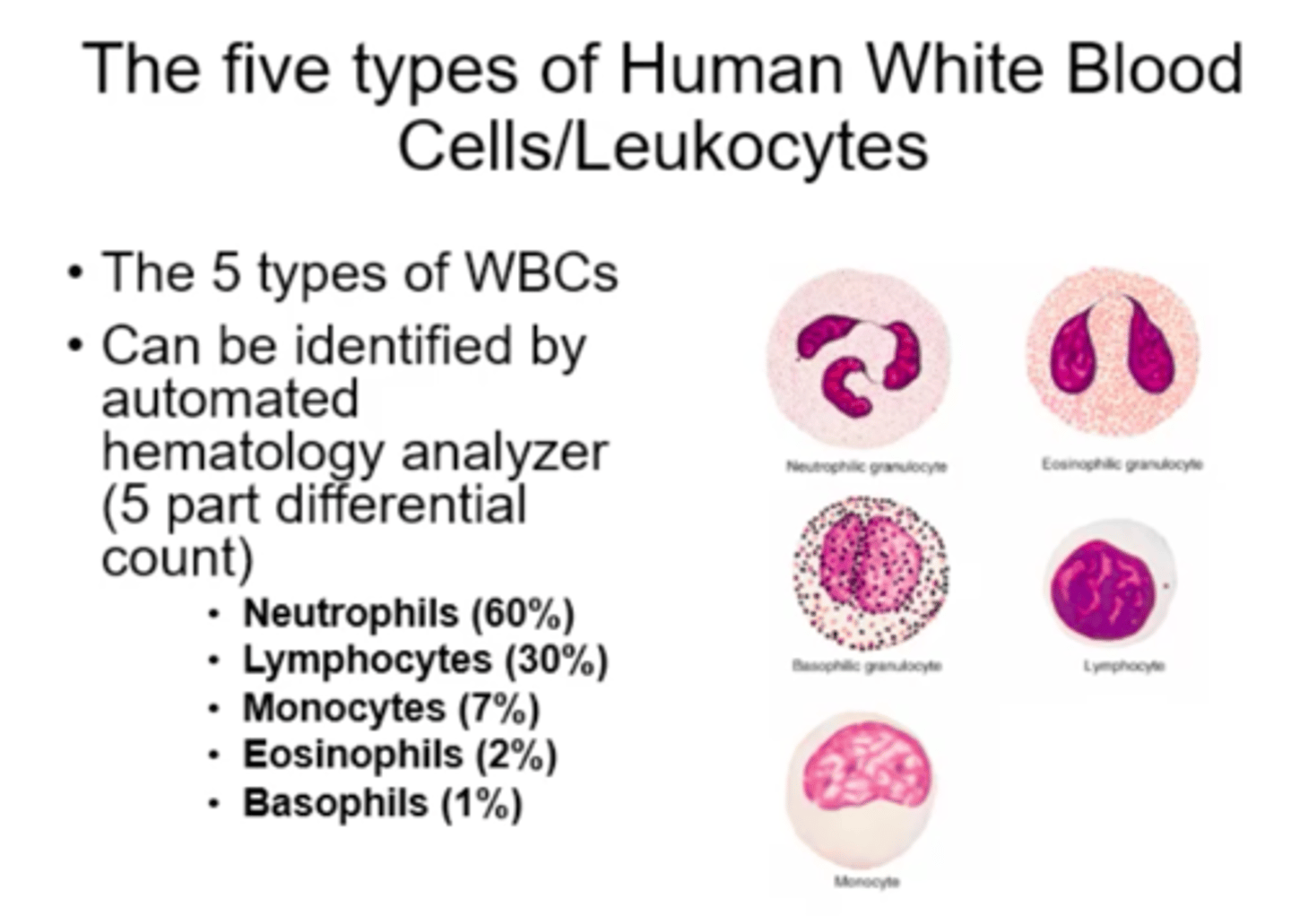
neutrophils, eosinophils, basophils, monocytes, lymphocytes
function of neutrophils
respond to tissue damage
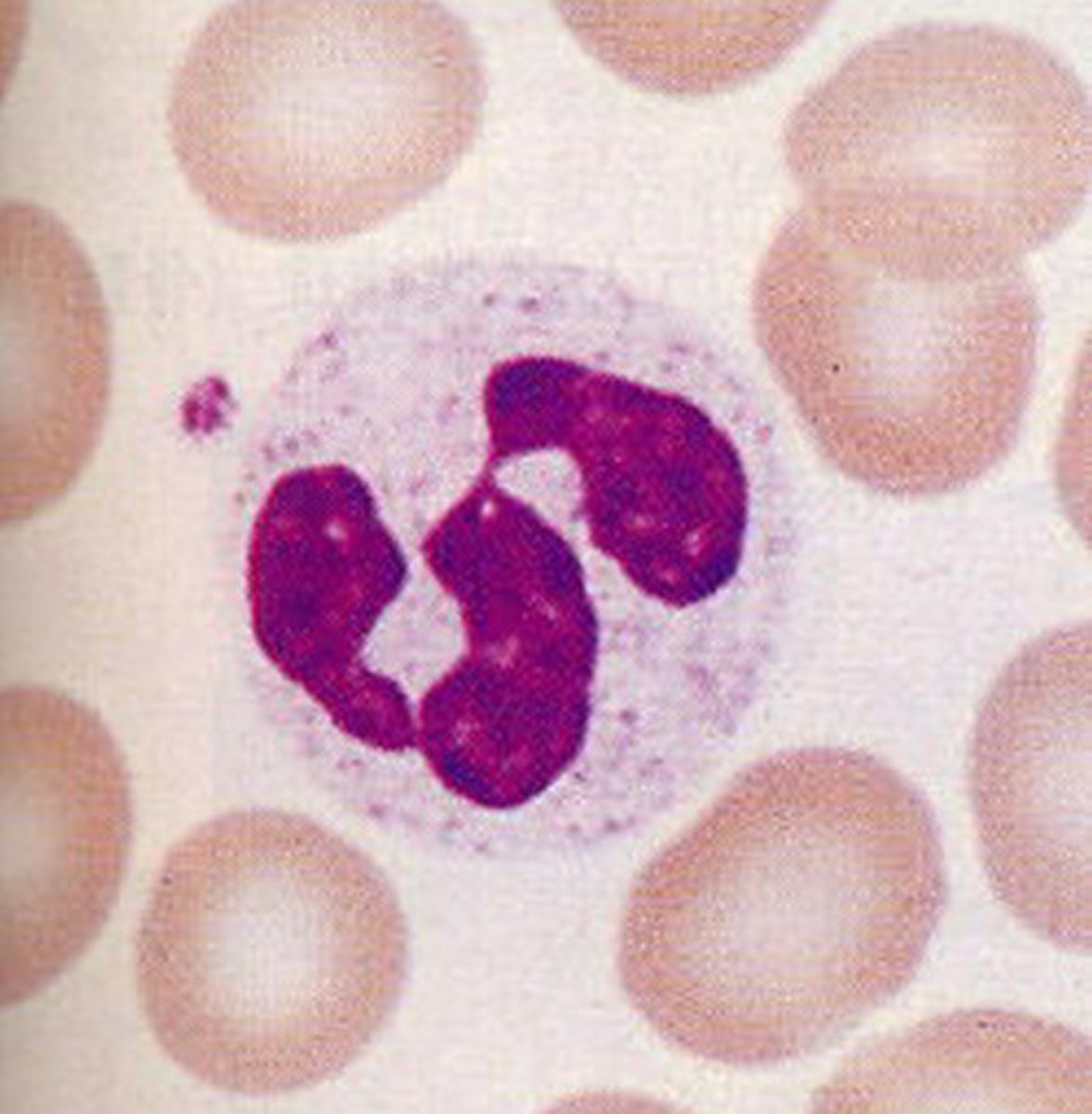
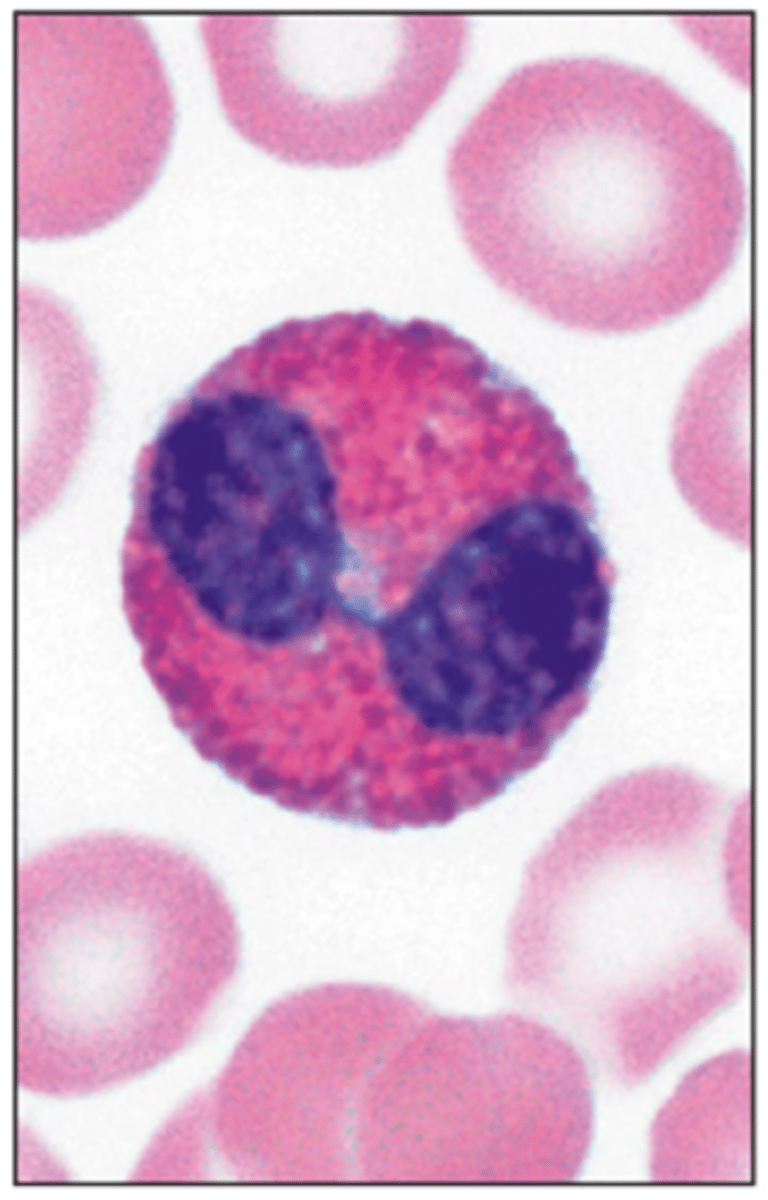
Function of esinophils
reduce inflammation and assist during an asthma attack
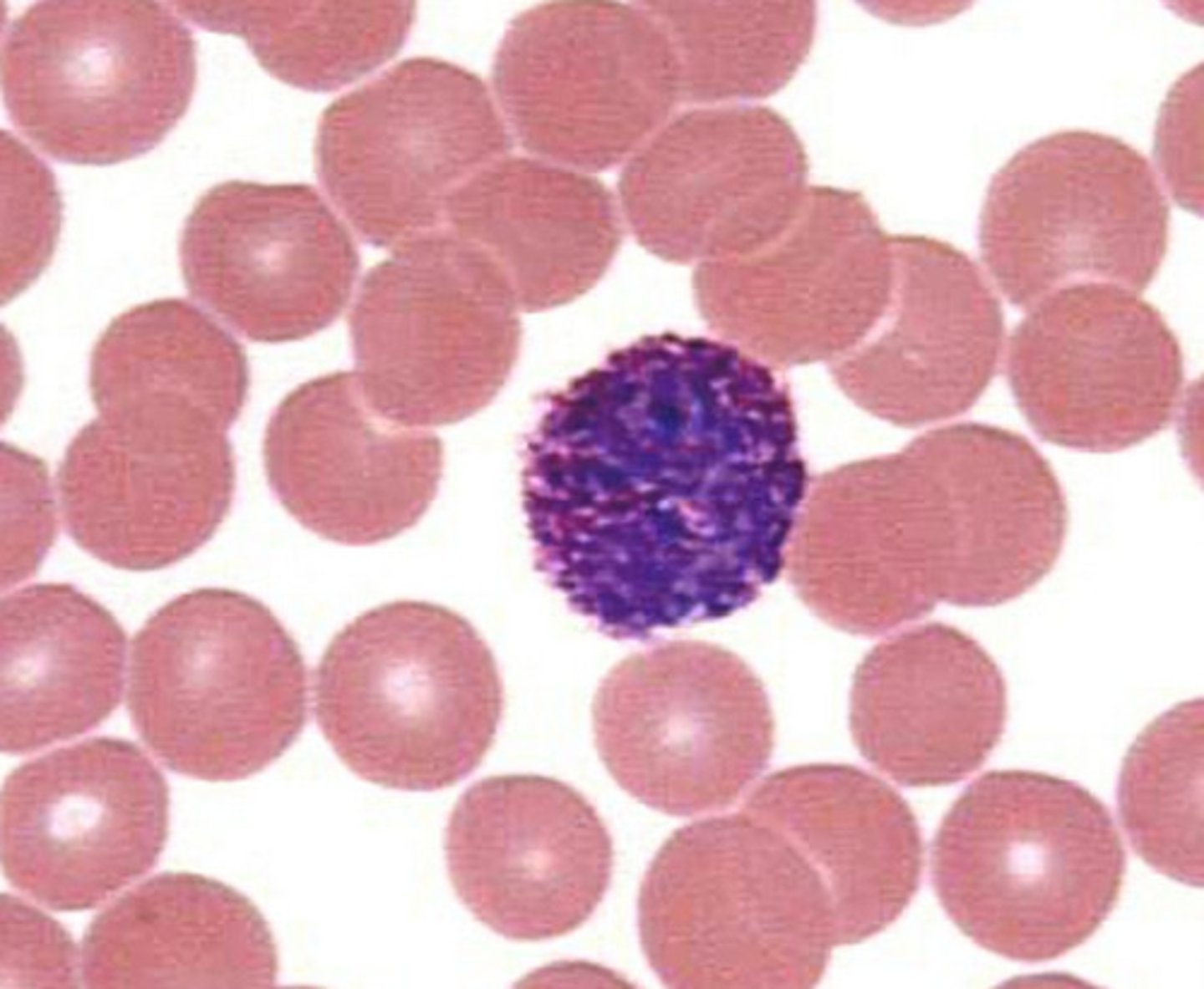
Function of basophils
release histamine and heparin
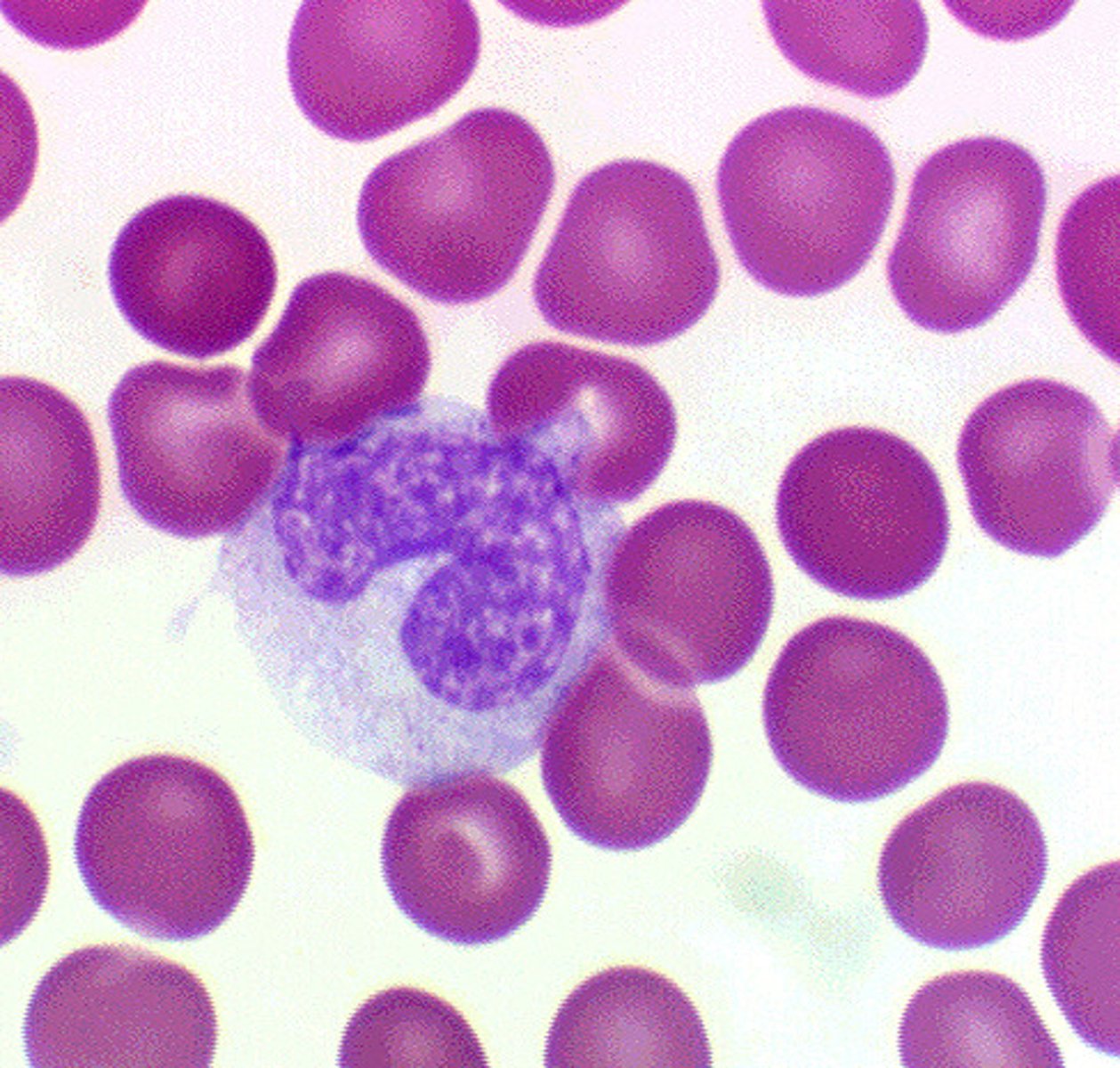
Function of monocytes
produce macrophages and participate in phagocytosis
Function of lymphoctes
part of the specific immune response (T cells and a cells), leading to antibody production
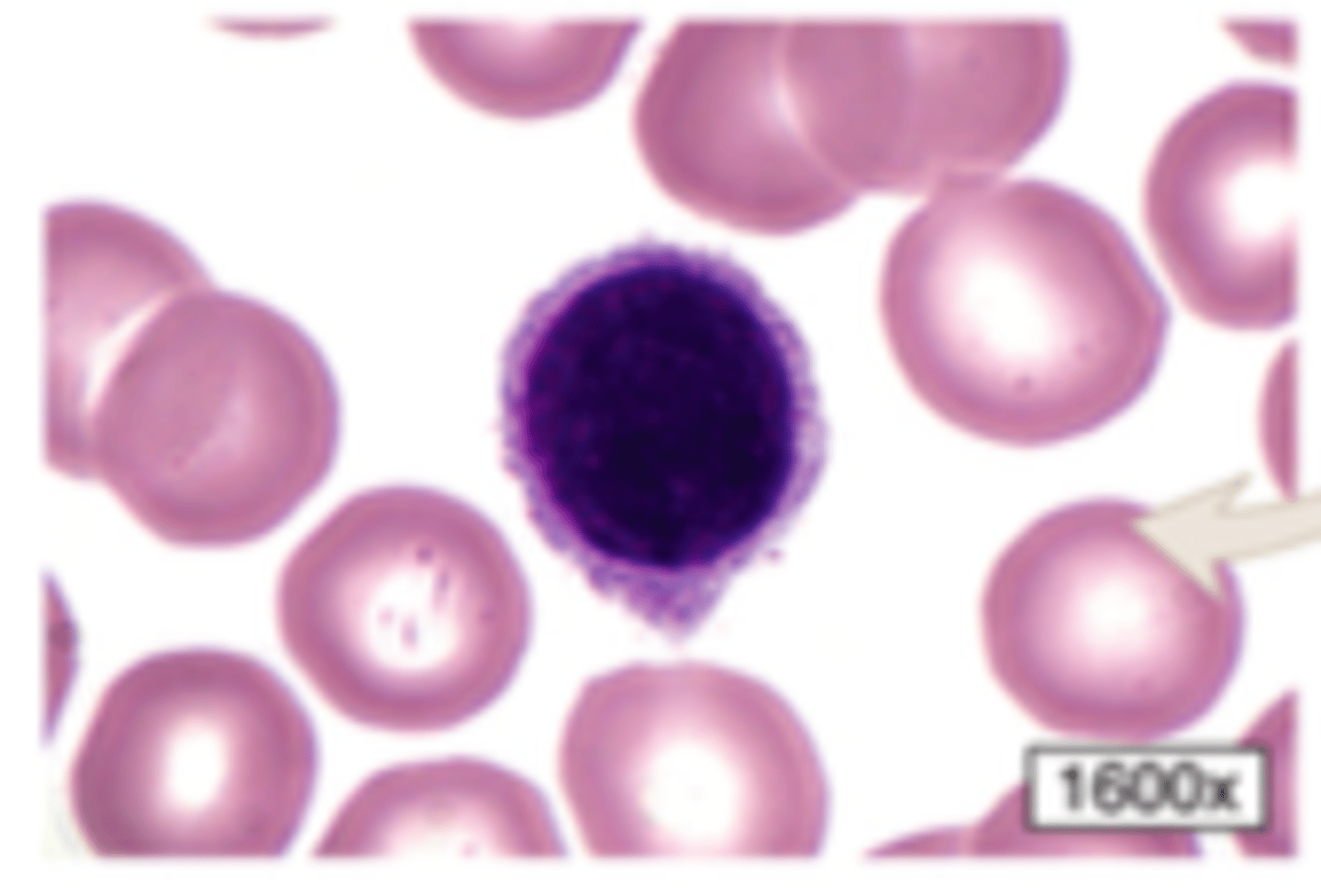
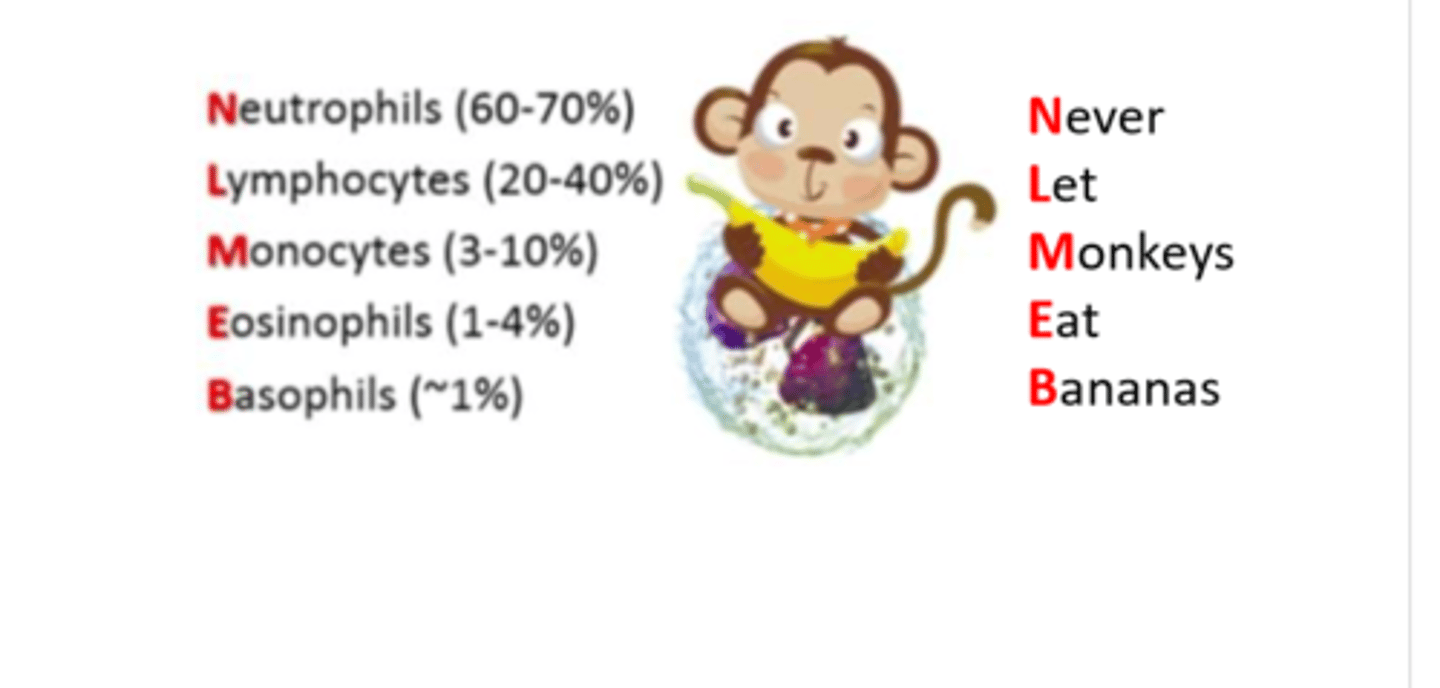
List the order of leukocytes from most abundant to least abundant
Never Let Monkeys Eat Bananas
Neutrophils: 60-70%
Lymphocytes: 20-25%
Monocytes: 3-8%
Eosinophils: 2-4%
Basophils: 0.5-1%
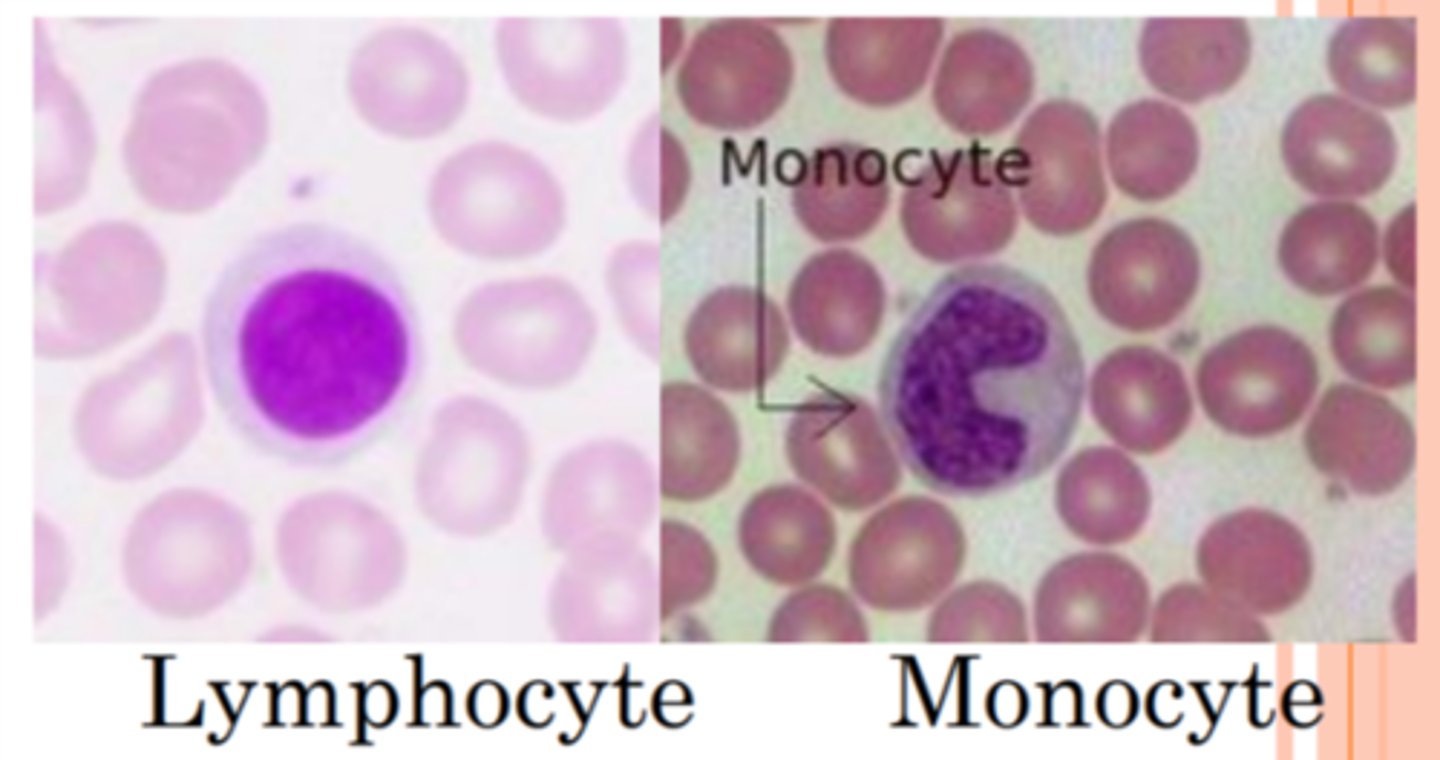
examples of agranulocytes
monocytes and lymphocytes
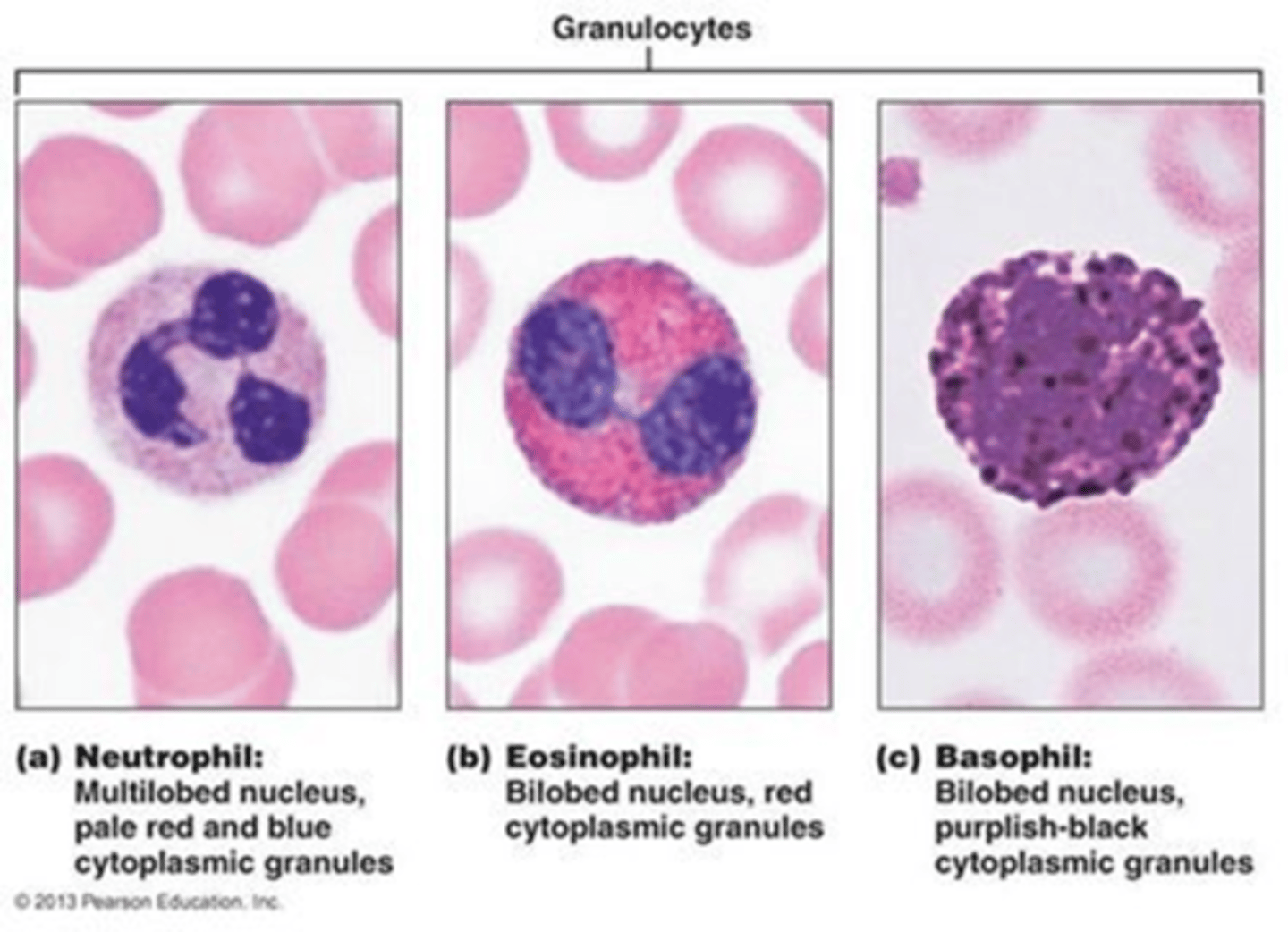
examples of granulocytes
neutrophils, eosinophils, basophils
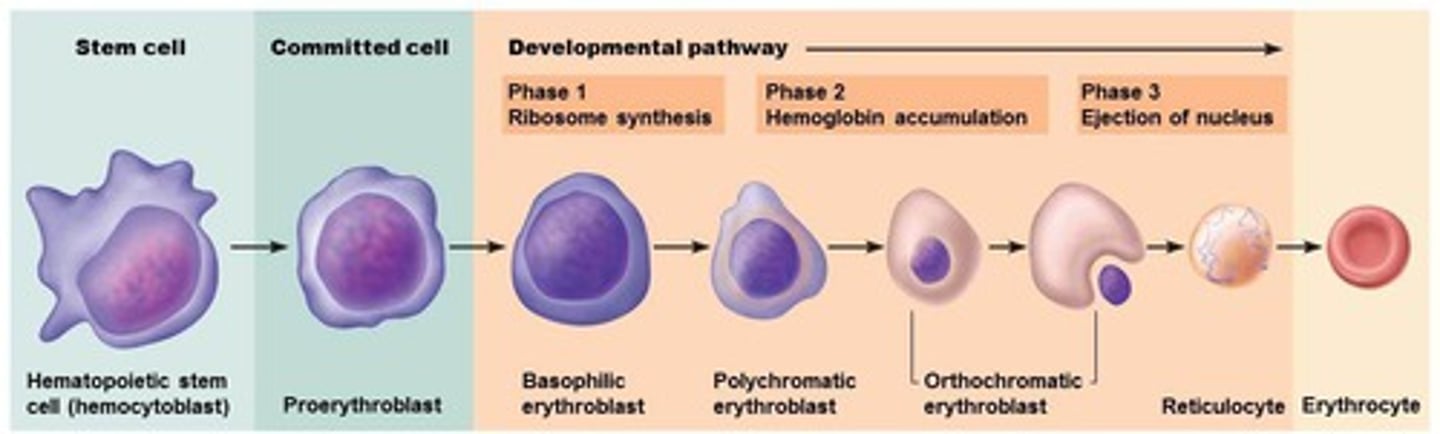
erythropoiesis
production of red blood cells
leukopoiesis
production of white blood cells
Platelets (characteristics, function)
Characteristics: Small, irregularly-shaped cell fragments without a nucleus, derived from megakaryocytes in the bone marrow.
Function: secrete clotting factors involved in hemostasis, cessation of bleeding
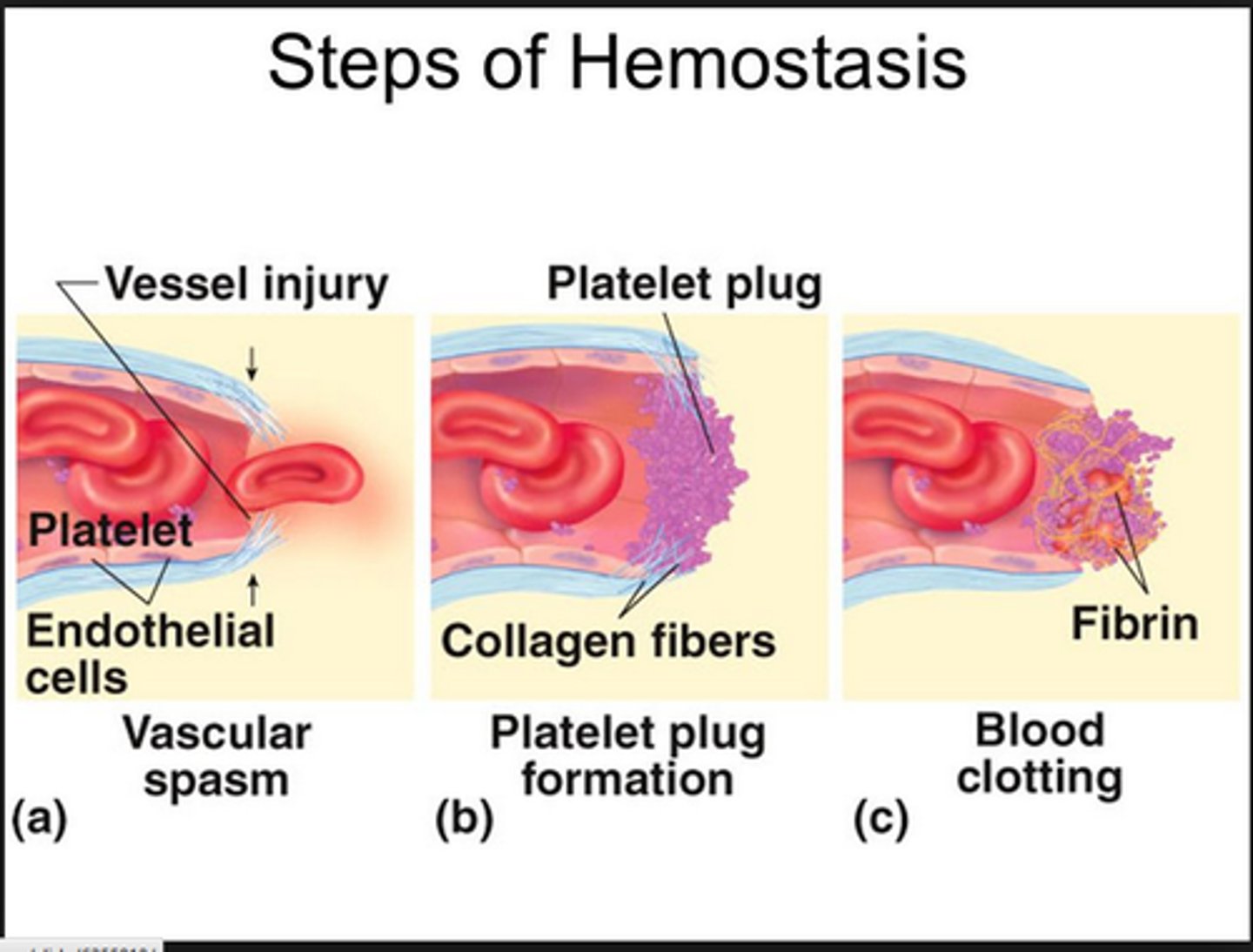
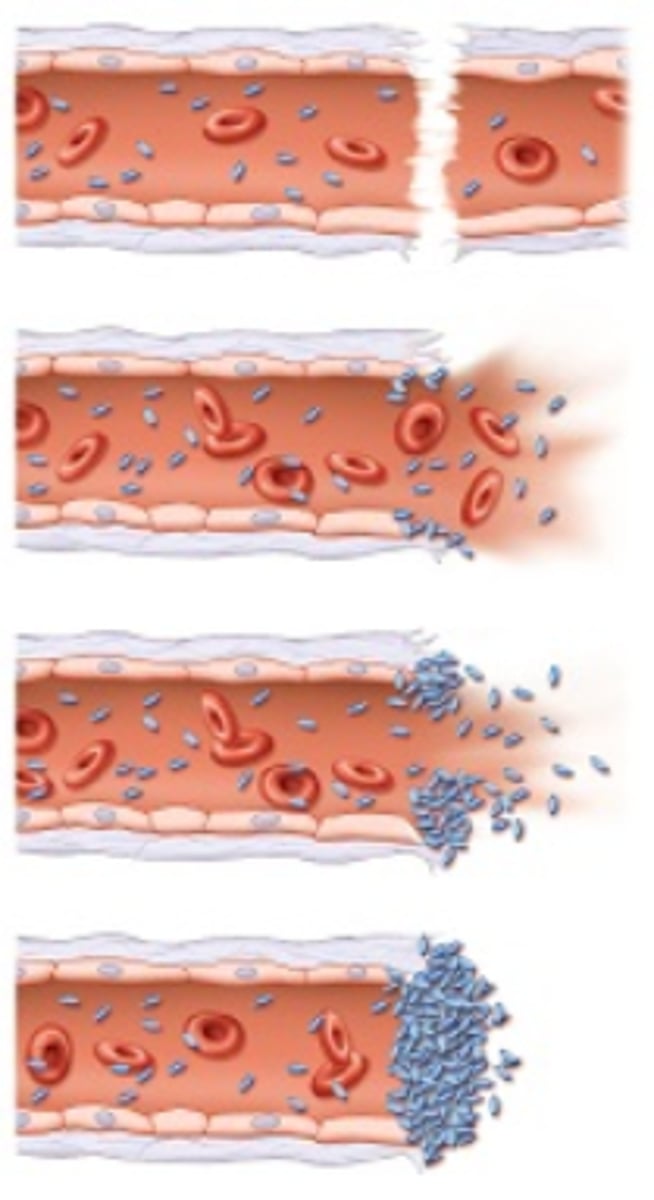
process of hemostasis
1. vascular spasm
2. platelet plug formation
3. coagulation
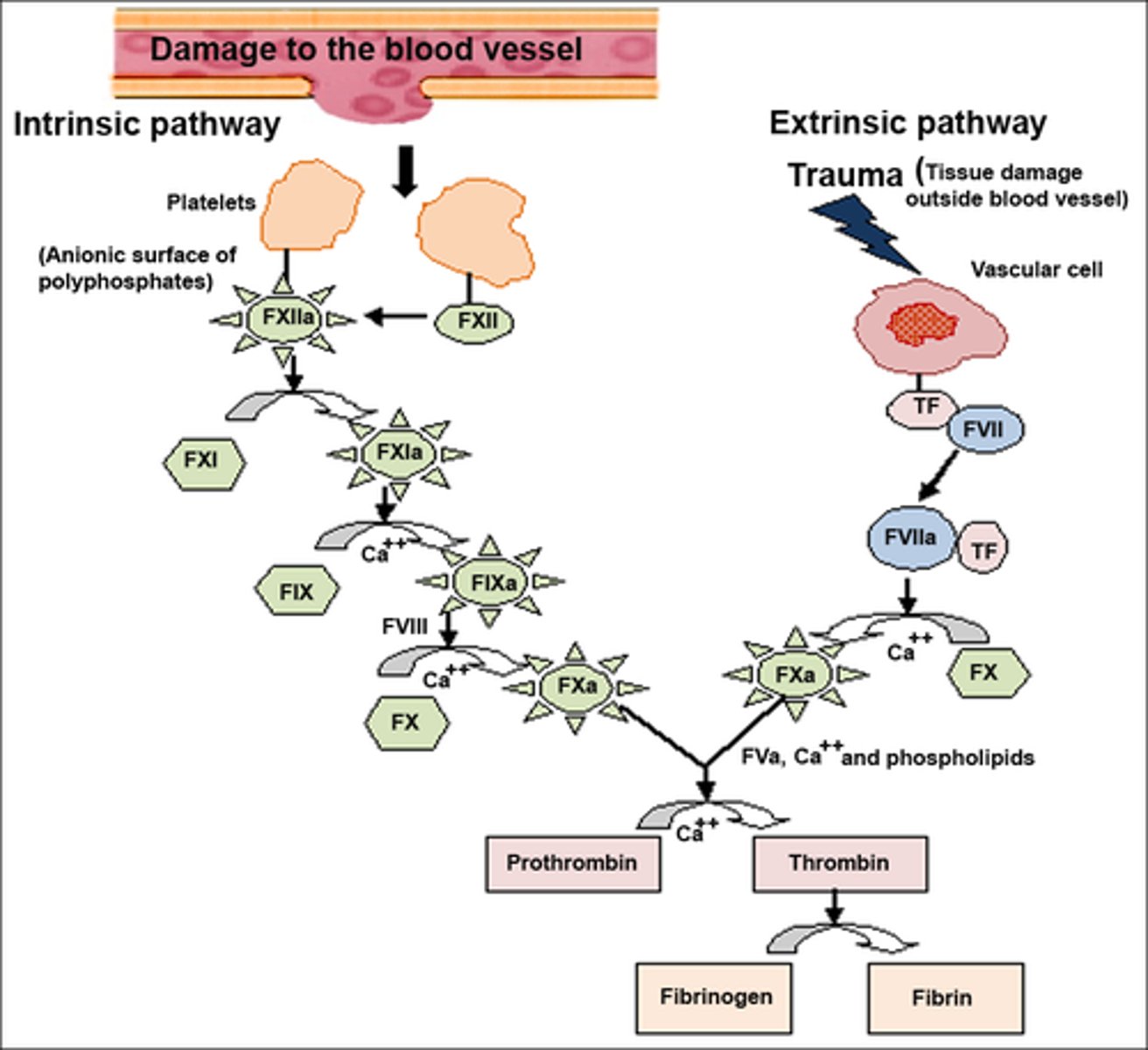
steps in blood clot formation
1. Injury to a blood vessel triggers the release of clotting factors.
2. Clotting factors activate prothrombinase.
3. Prothrombinase converts prothrombin into thrombin.
4. Thrombin converts fibrinogen into fibrin, which forms a mesh to create a stable blood clot.
Why can a Rh- person only recieve + blood once?
body will build antibodies
where are formed elements produced in the body?
red bone marrow
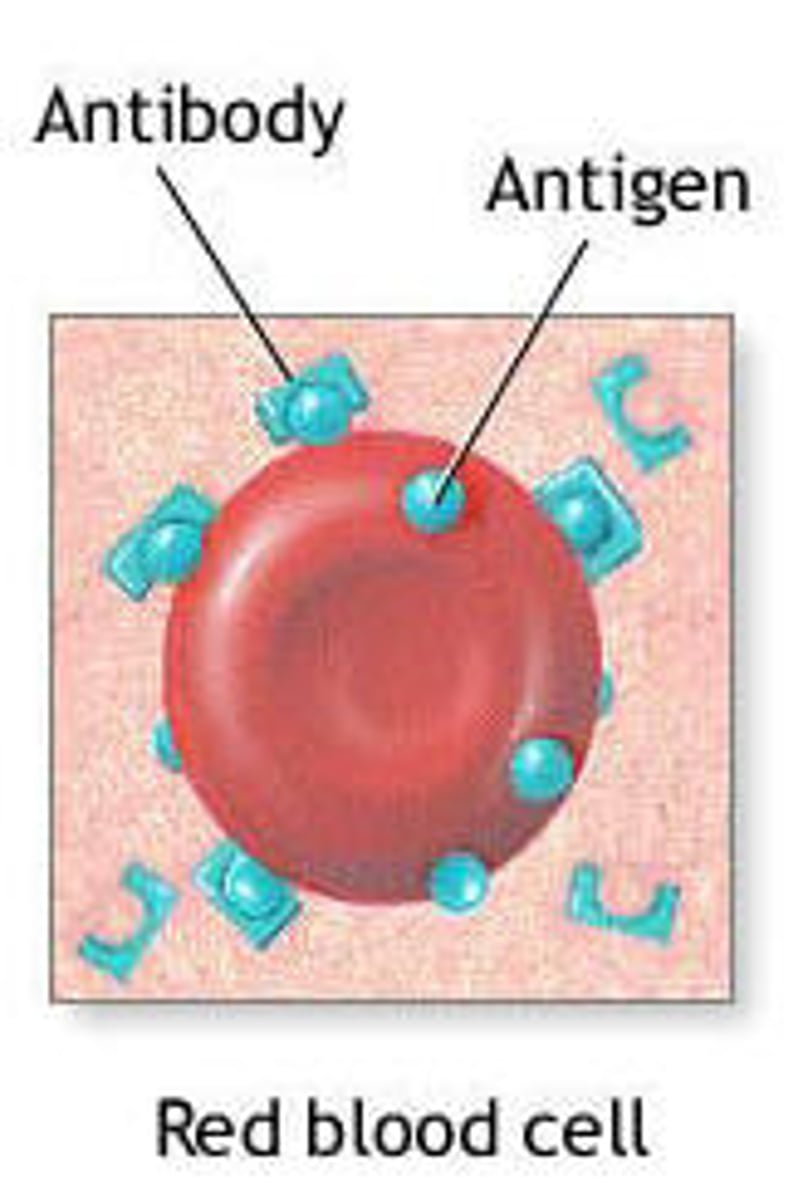
Locations of ABO antigens and antibody proteins
- ABO antigens are on the surface of red blood cells
- anti-A and anti-B antibodies are in the blood plasma
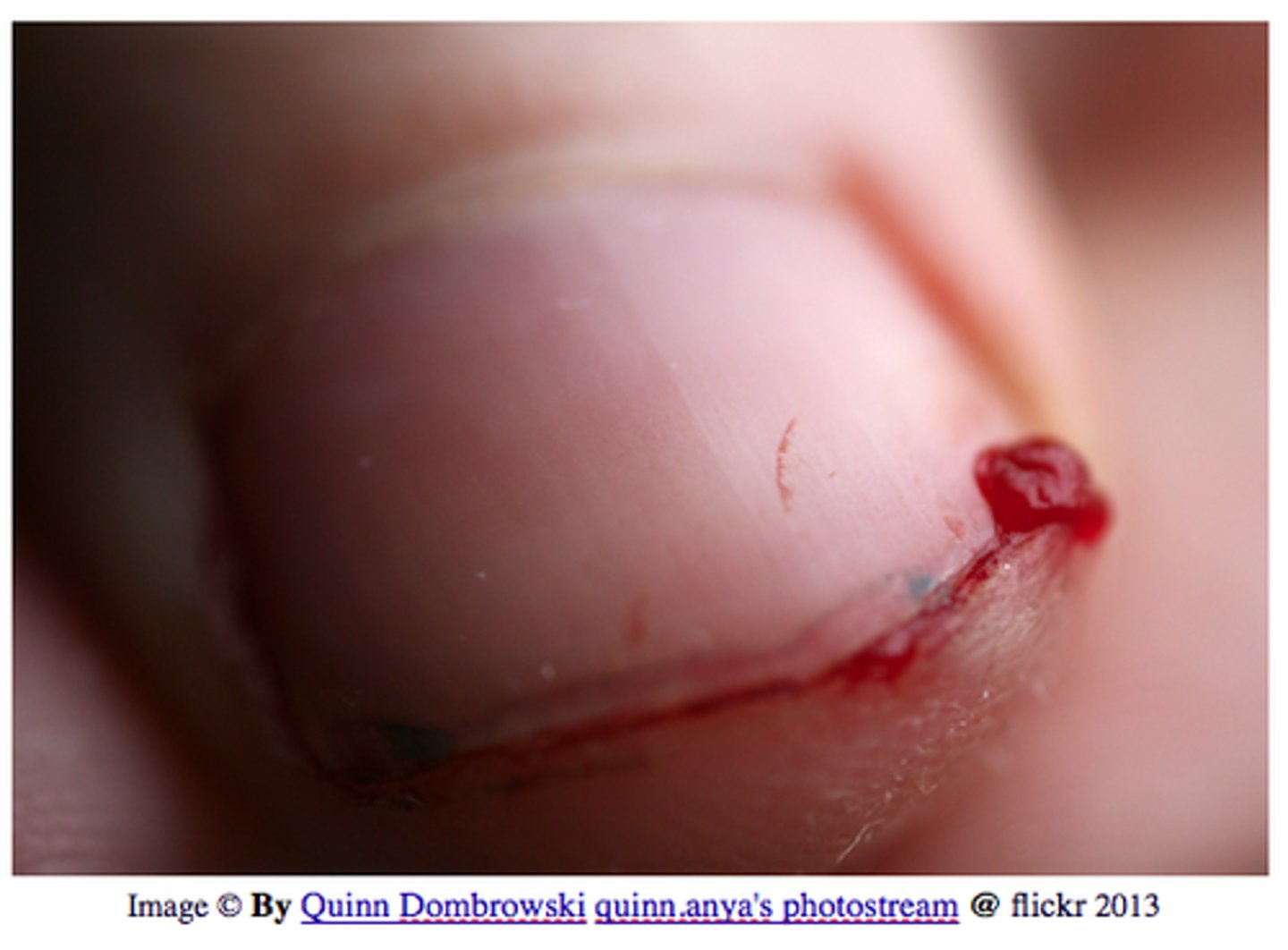
coagulation
blood clotting to stop bleeding by forming a physical barrier over a wound
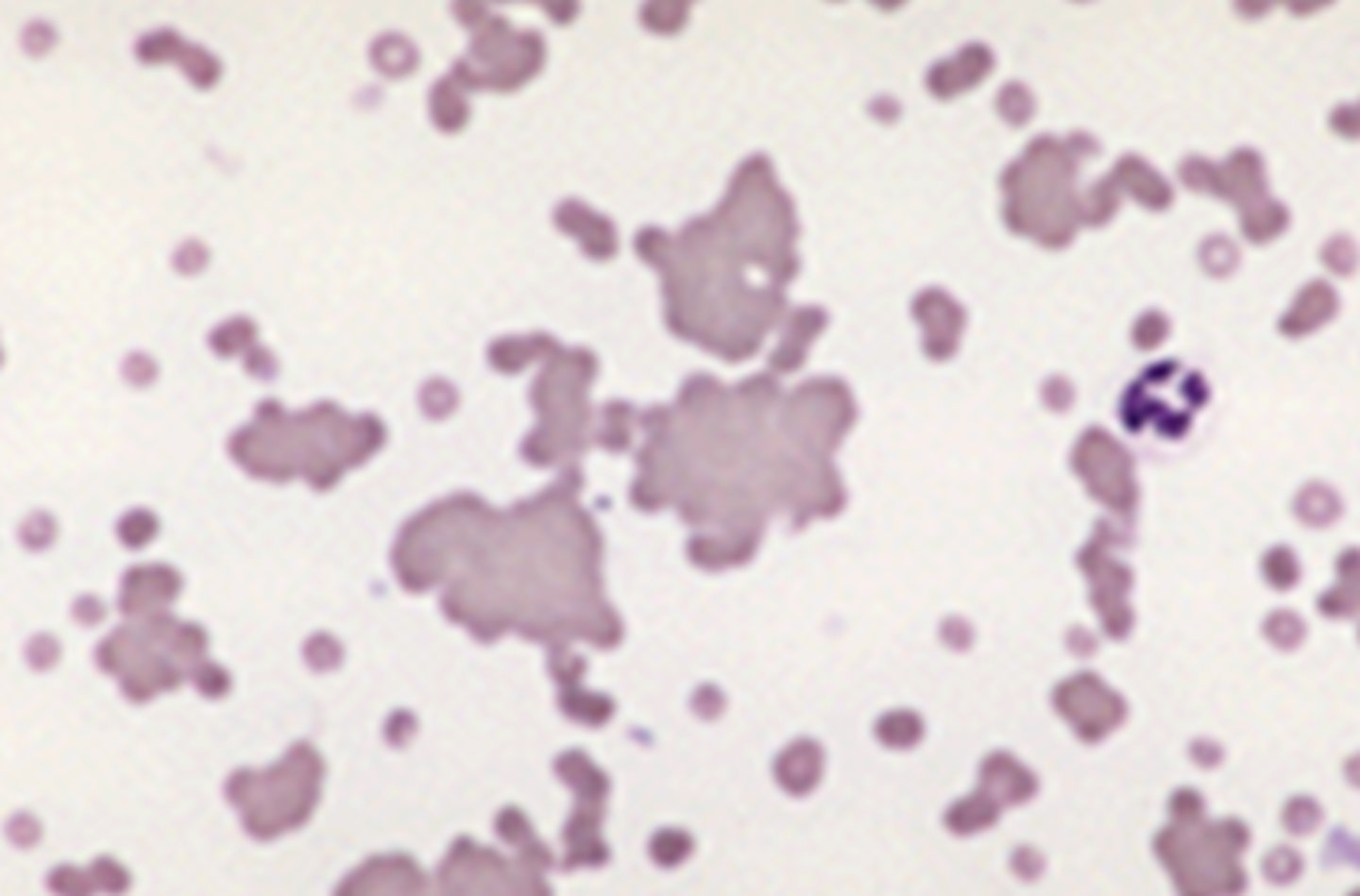
aggulation
clumping of red blood cells used in diagnostic tests to detect antibodies or antigens, such as in blood typing
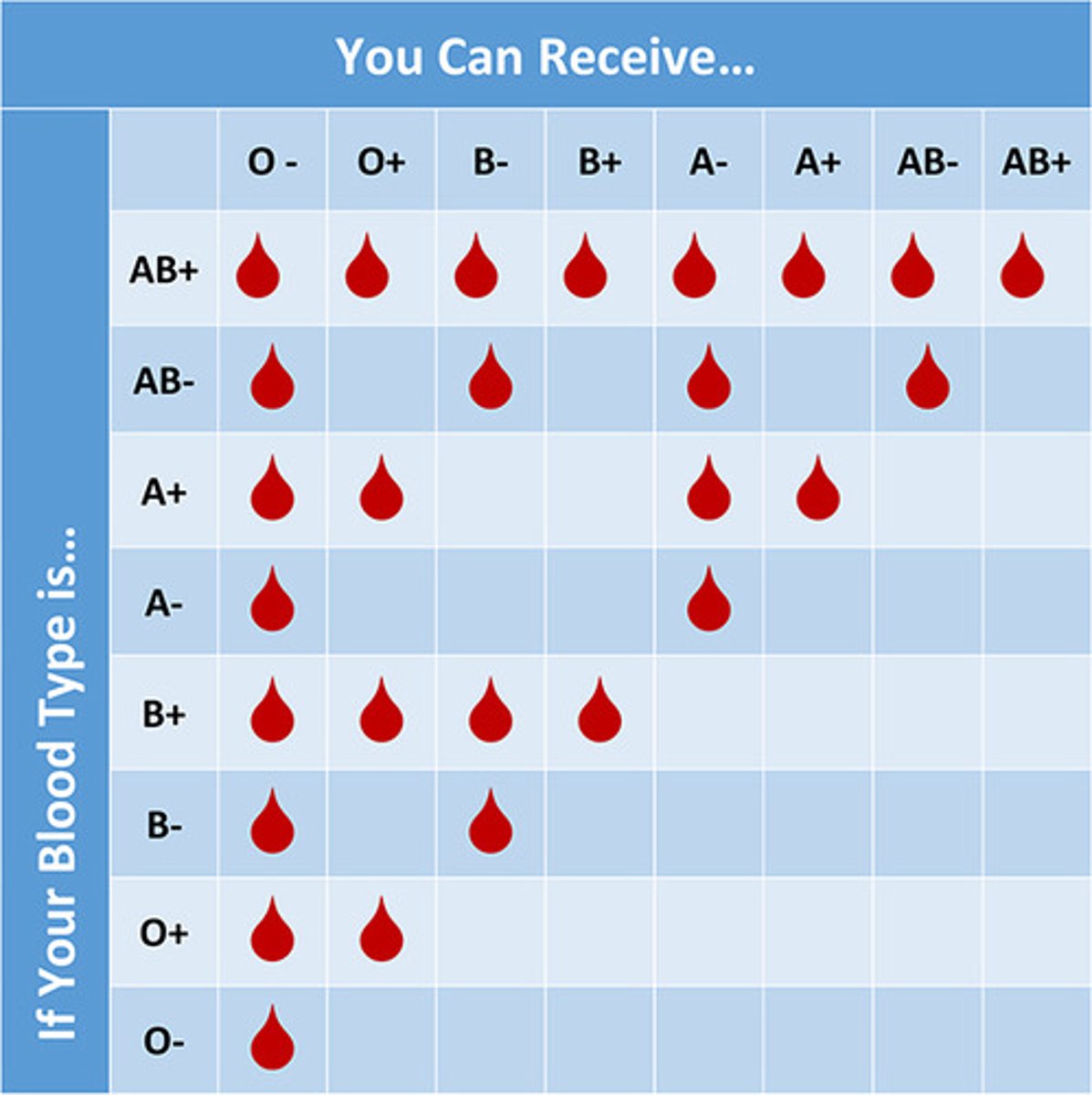
which type of blood a person could receive and not have a transfusion reaction
determine a person's blood type from ABO blood typing tray, including + or -
Pathogen and examples
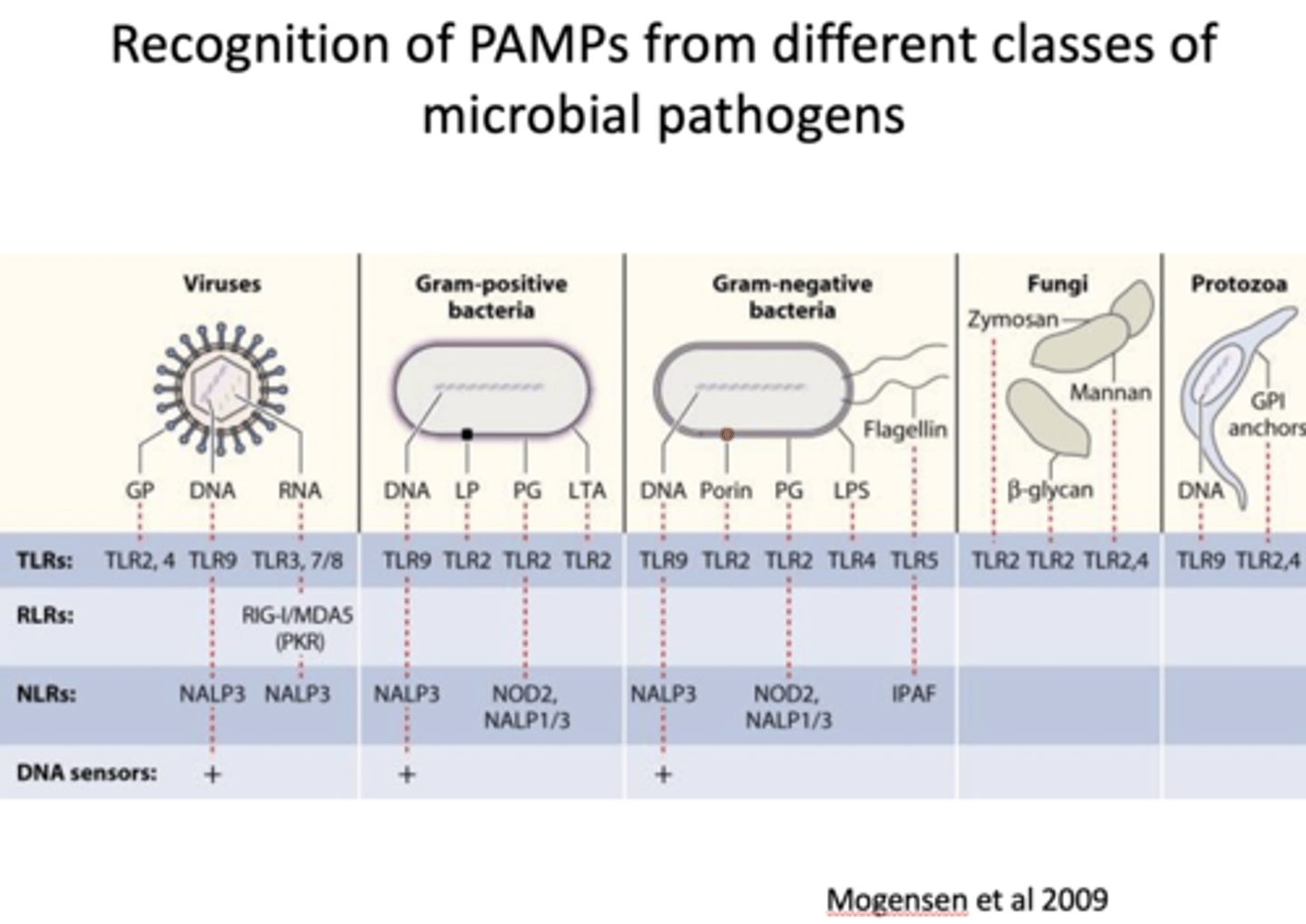
microbes (bacteria, viruses, fungi, etc) that can cause disease
components of the lymphatic system
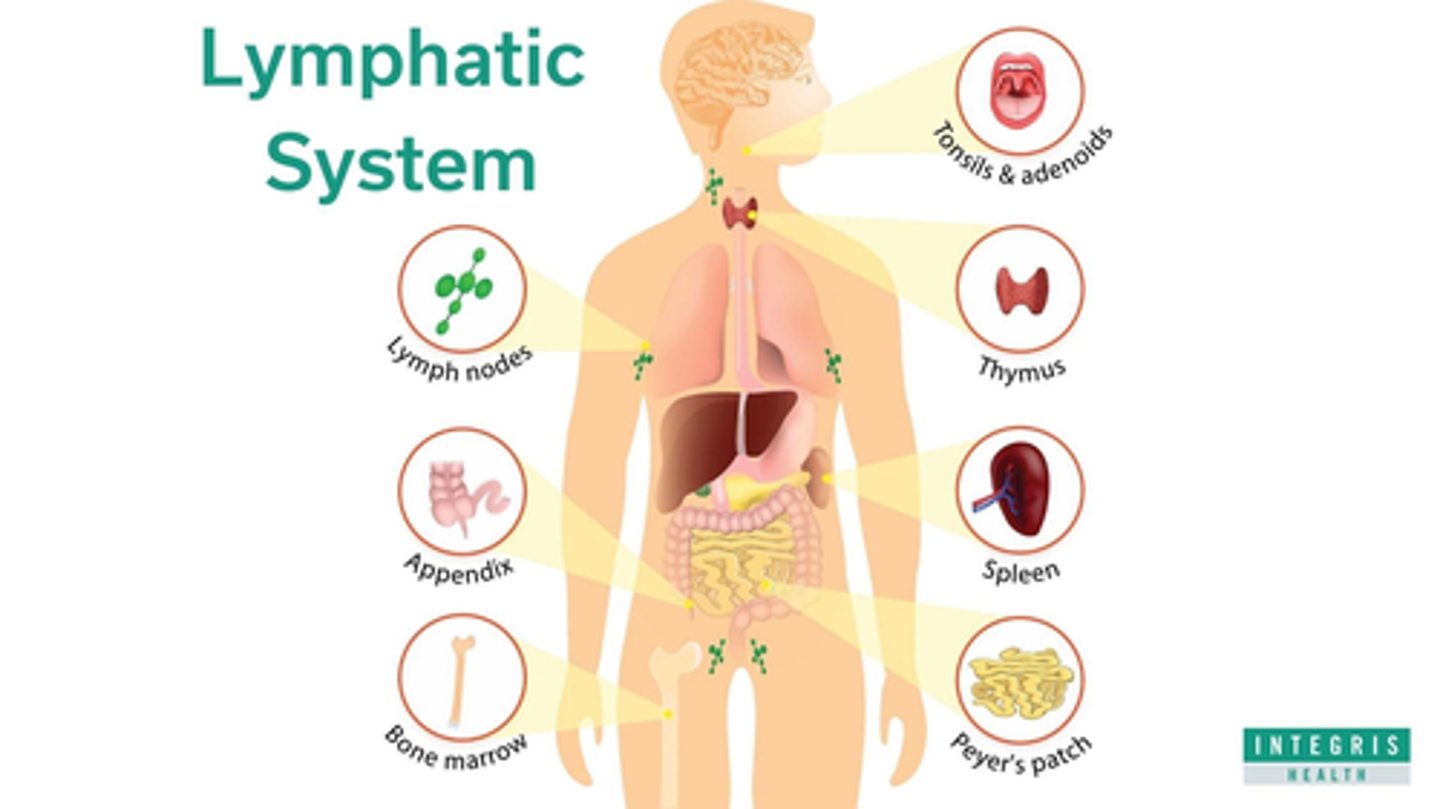
lymph, lymph vessels, lymphatic tissues, lymphatic organs, thymus gland
innate immunity
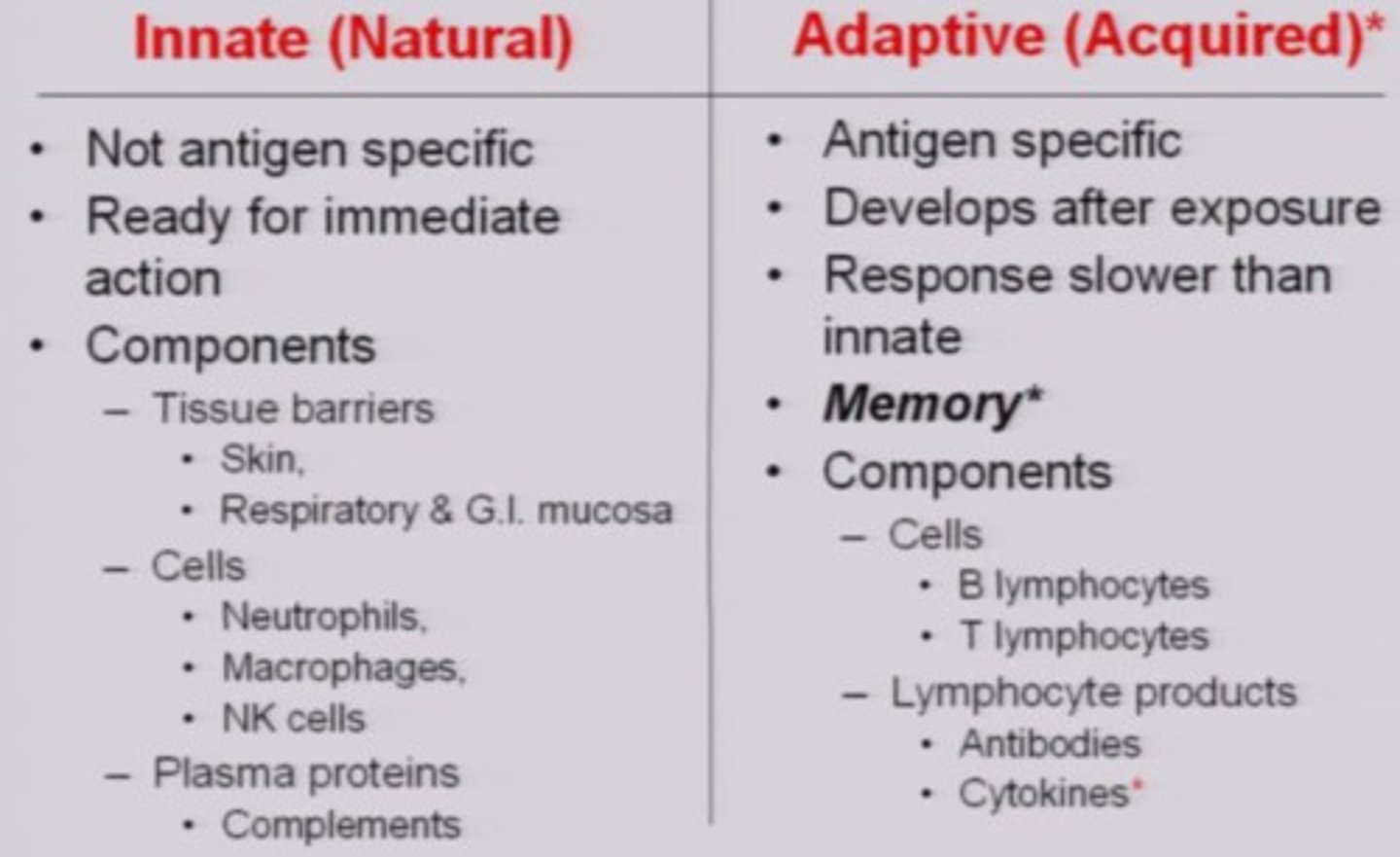
Immunity that is present before exposure and effective from birth. Responds to a broad range of pathogens.
Adaptive Immunity
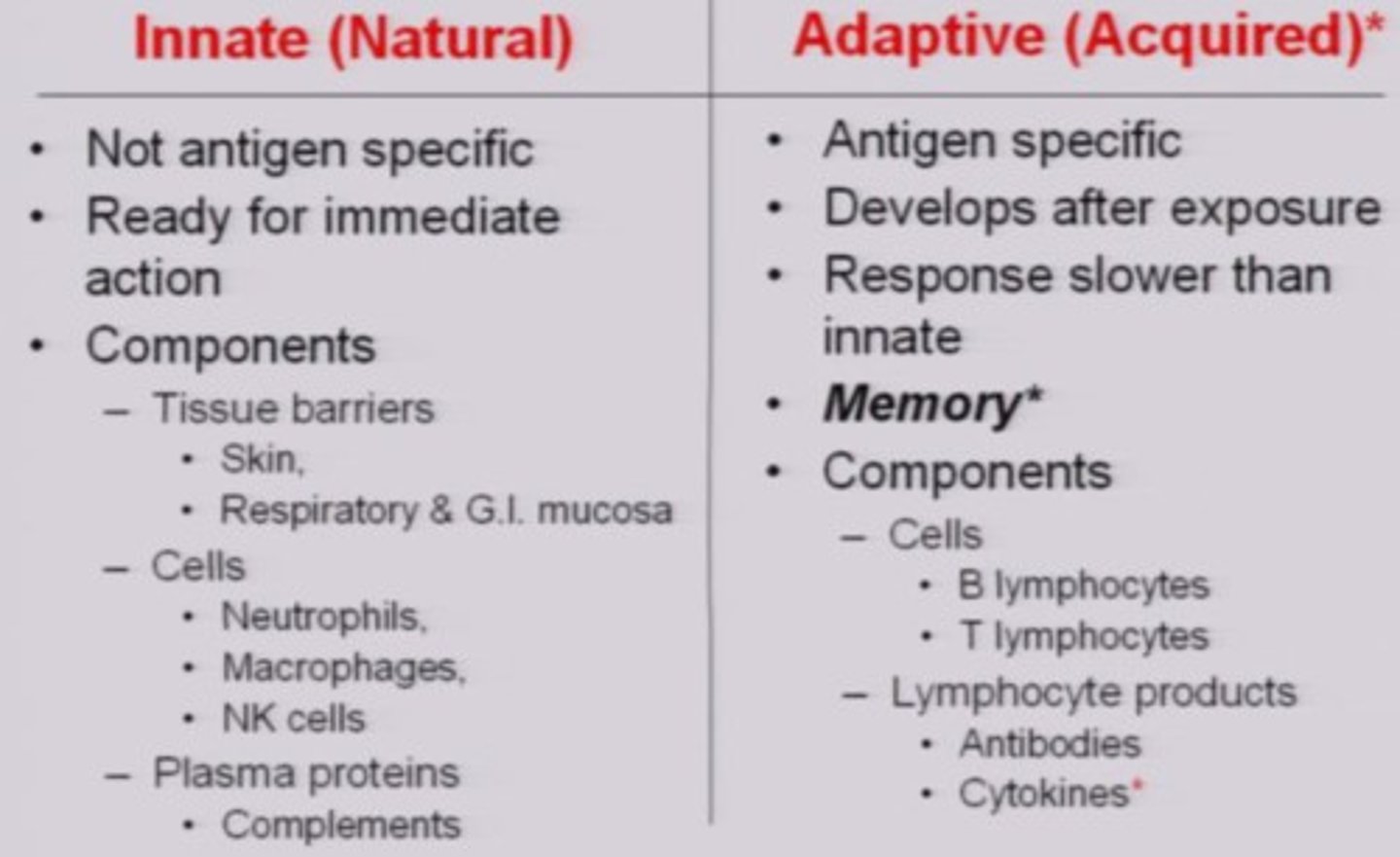
the ability to recognize and remember specific antigens and mount an attack on them
Examples of physical barriers that protect the body from invaders
Physical barriers protect the body by blocking pathogens from entering.
Examples: Skin, mucous membranes, hair, cilia in the respiratory tract, eyelashes, and tears.