Paleo 419 Lab 8
 Call Kai
 Learn
Learn Practice Test
 Spaced Repetition
 Match
Match Flashcards
 Knowt Play
1/41

There's no tags or description
Looks like no tags are added yet.
Name | Mastery | Learn | Test | Matching | Spaced | Call with Kai |
|---|
No analytics yet
Send a link to your students to track their progress
42 Terms
Clade Saurischia Synapomorphies
Includes Sauropodomorpha and Theropoda
pubis is directed anteriorly
narial fossa is expanded in the anteroventral corner of the naris
lacrimal overhangs the posterior or posterodorsal part of the antorbital fenestra
distal end of the pubis is expanded relative to the shaft
Clade Sauropodomorpha (Clade Saurischia) Groups
Plateosauridae and Sauropoda (includes Diplodocoidea and Macronaria)
first dinosaurs to exceed a ton in weight
include the largest land animals
Herbivorous
Clade Sauropodomorpha (Clade Saurischia) synapomorphies
skull length less than 50% of the length of femur
small, high-crowned teeth
10+ cervical vertebrae; mid and posterior cervicals are longer than the dorsal vertebrae
at least 3 sacral and 25 pre-sacral vertebrae
ungual 1 of manus and pes are greatly enlarged
large obturator foramen in the pubis
large anterior process of ilium
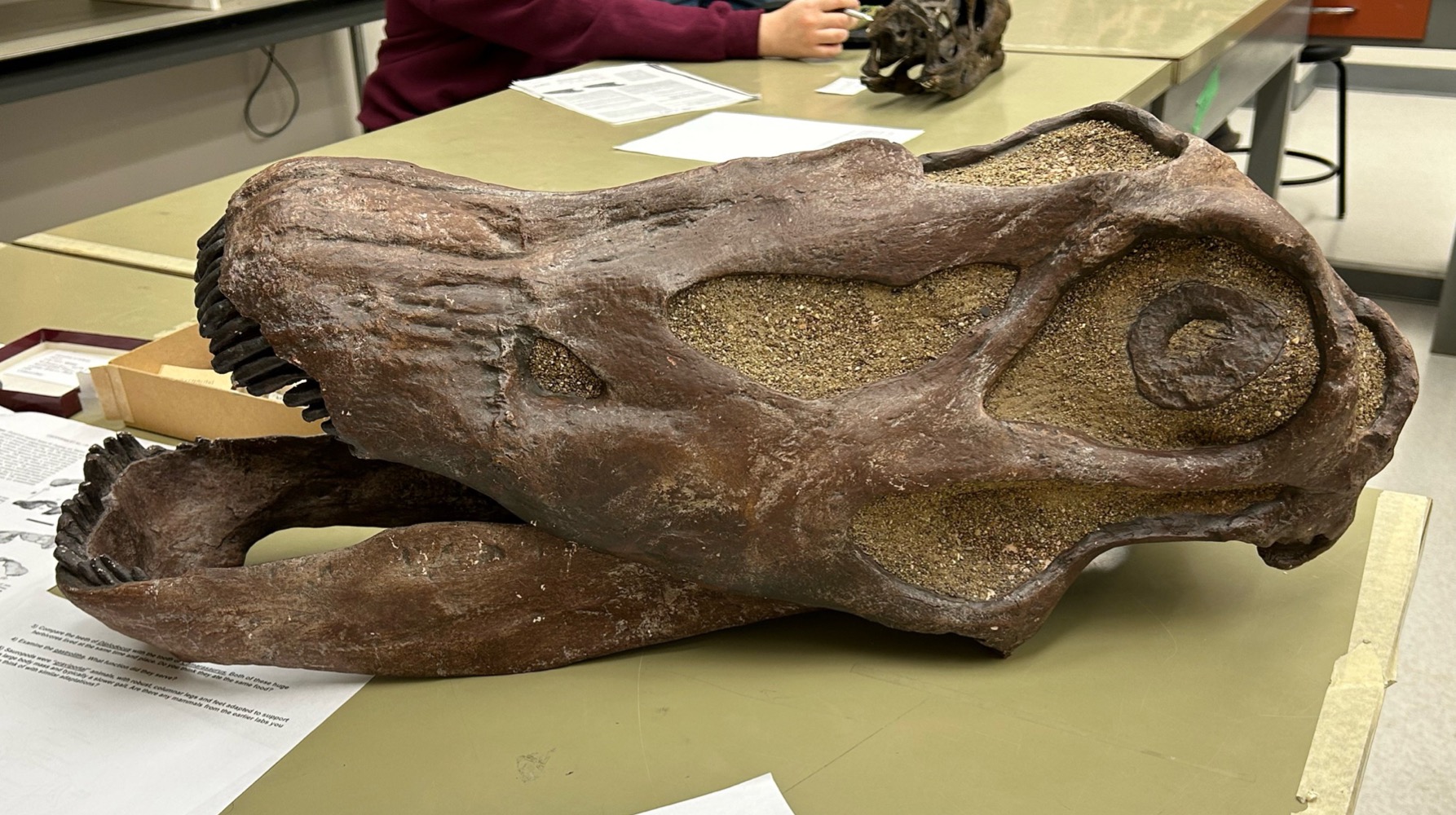
?
Diplodocus (Clade Sauropodomorpha, Clade Saurischia)
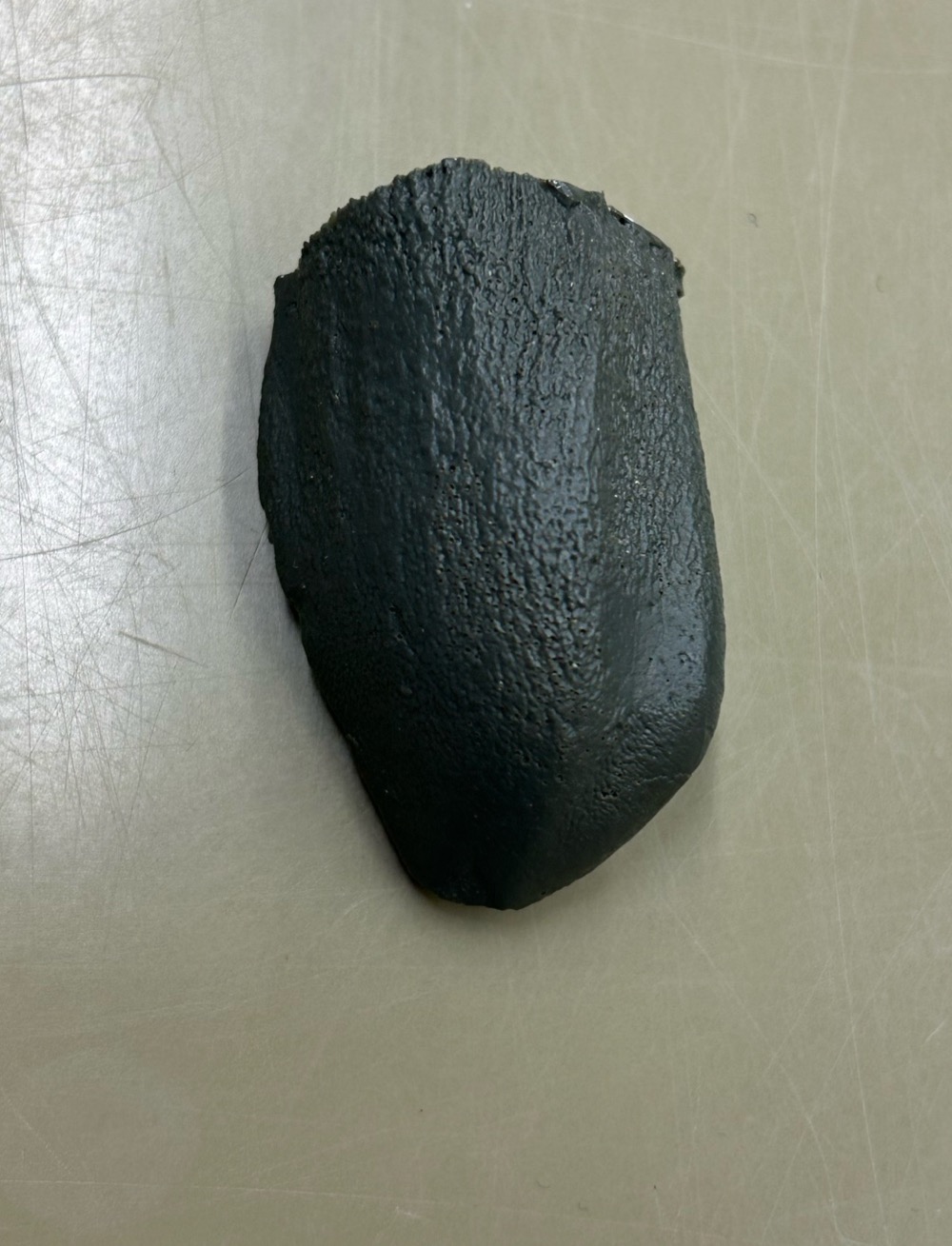
?
Brachiosaurus teeth (Clade Sauropodomorpha, Clade Saurischia)
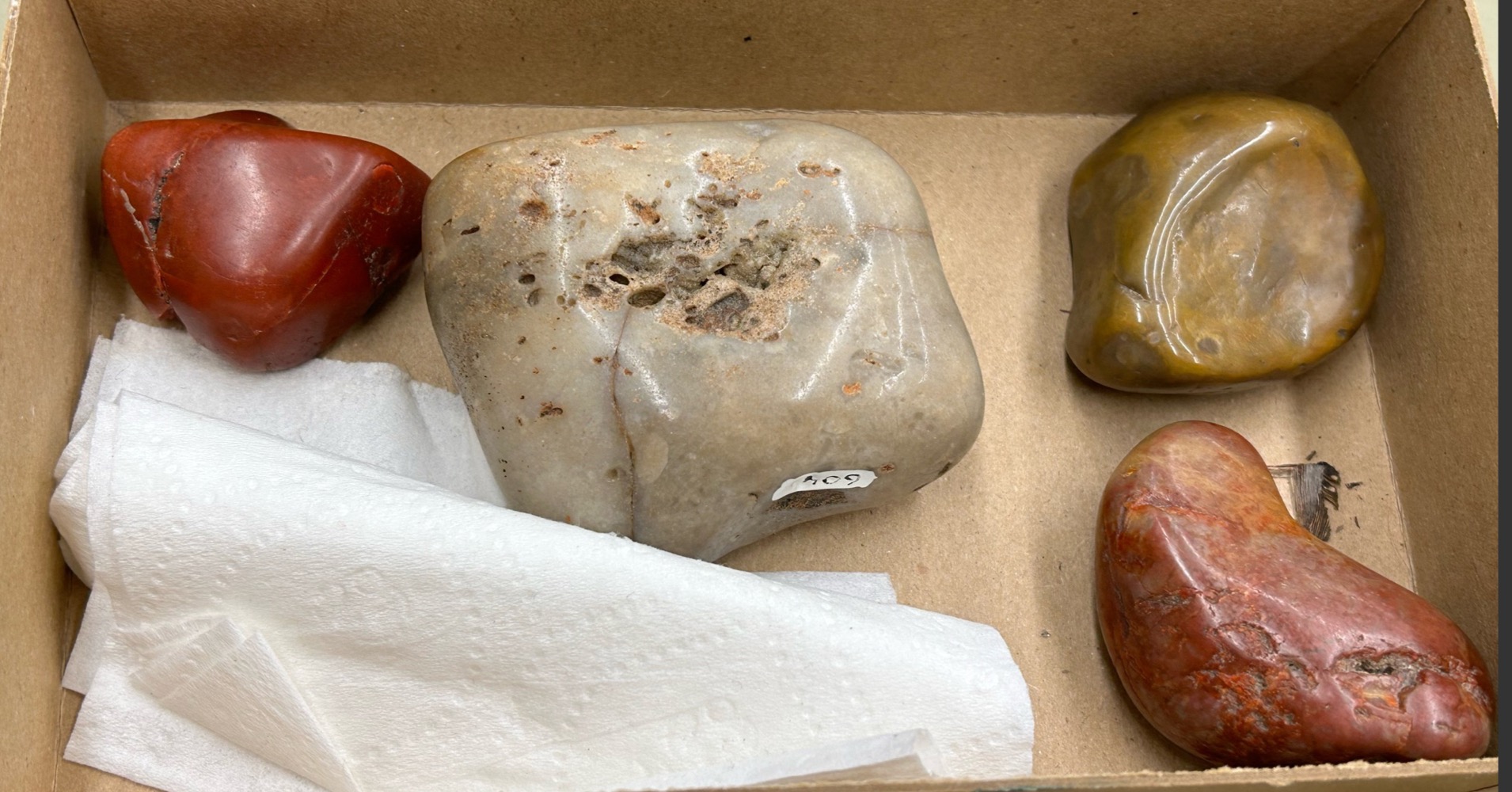
What are these?
Gastroliths common in Clade Sauropodomorpha (Clade Saurischia)
Clade Theropoda (Clade Saurischia) synapomorphies
obligate bipeds
reduced overlap of dentary and postdentary bones in mandible
intramandibular joint
compact, narrow metatarsus
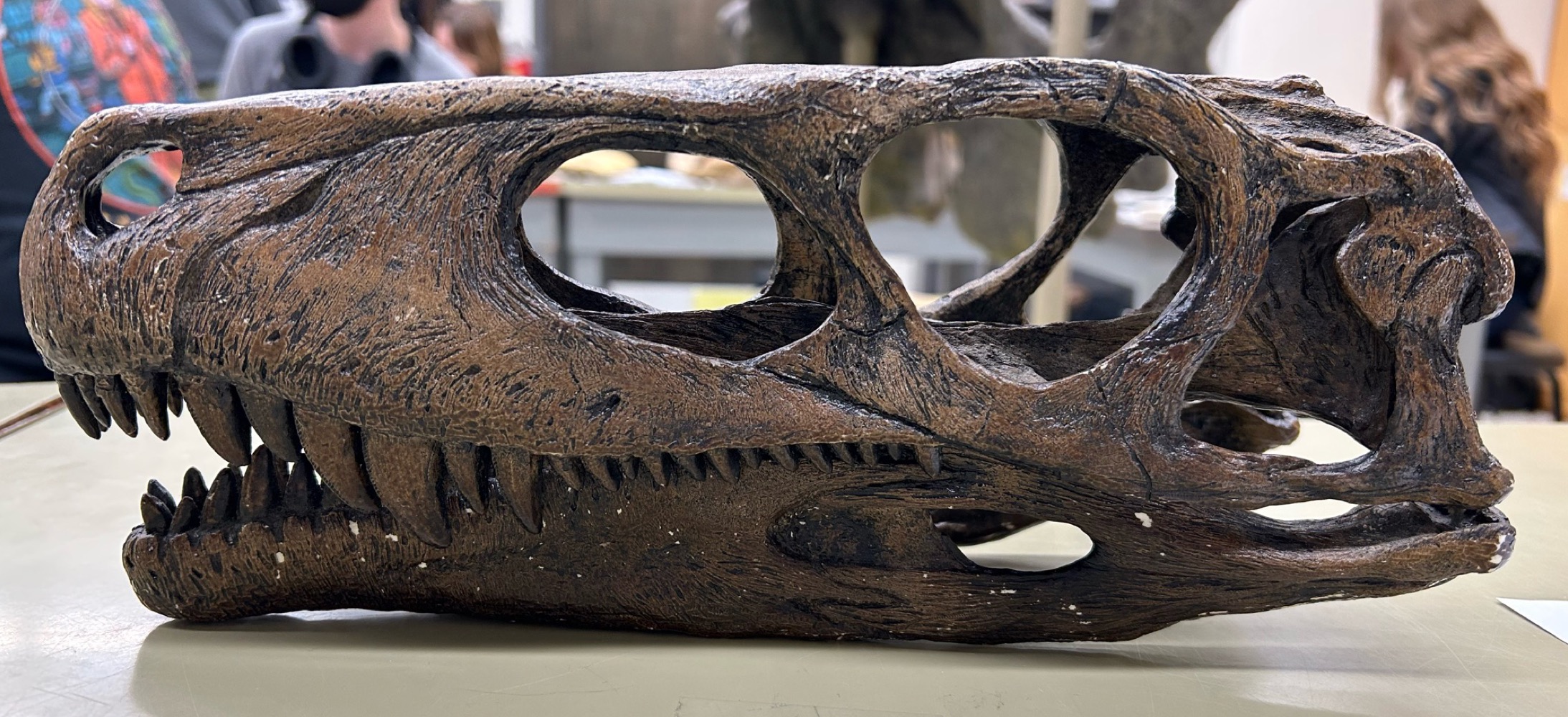
?
Herrerasaurus (Clade Theropoda, Clade Saurischia)
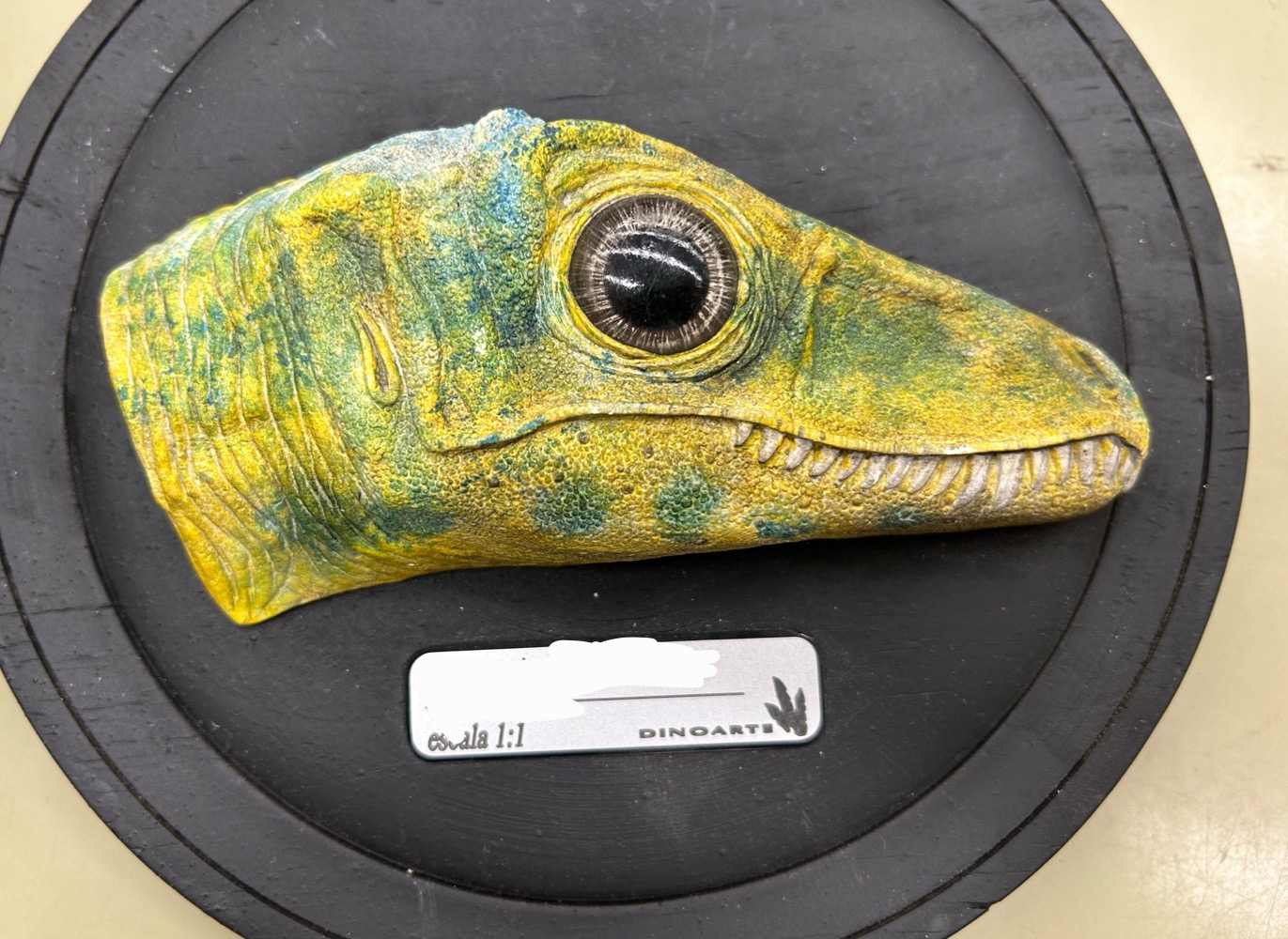
?
Eoraptor (Clade Theropoda, Clade Saurischia)
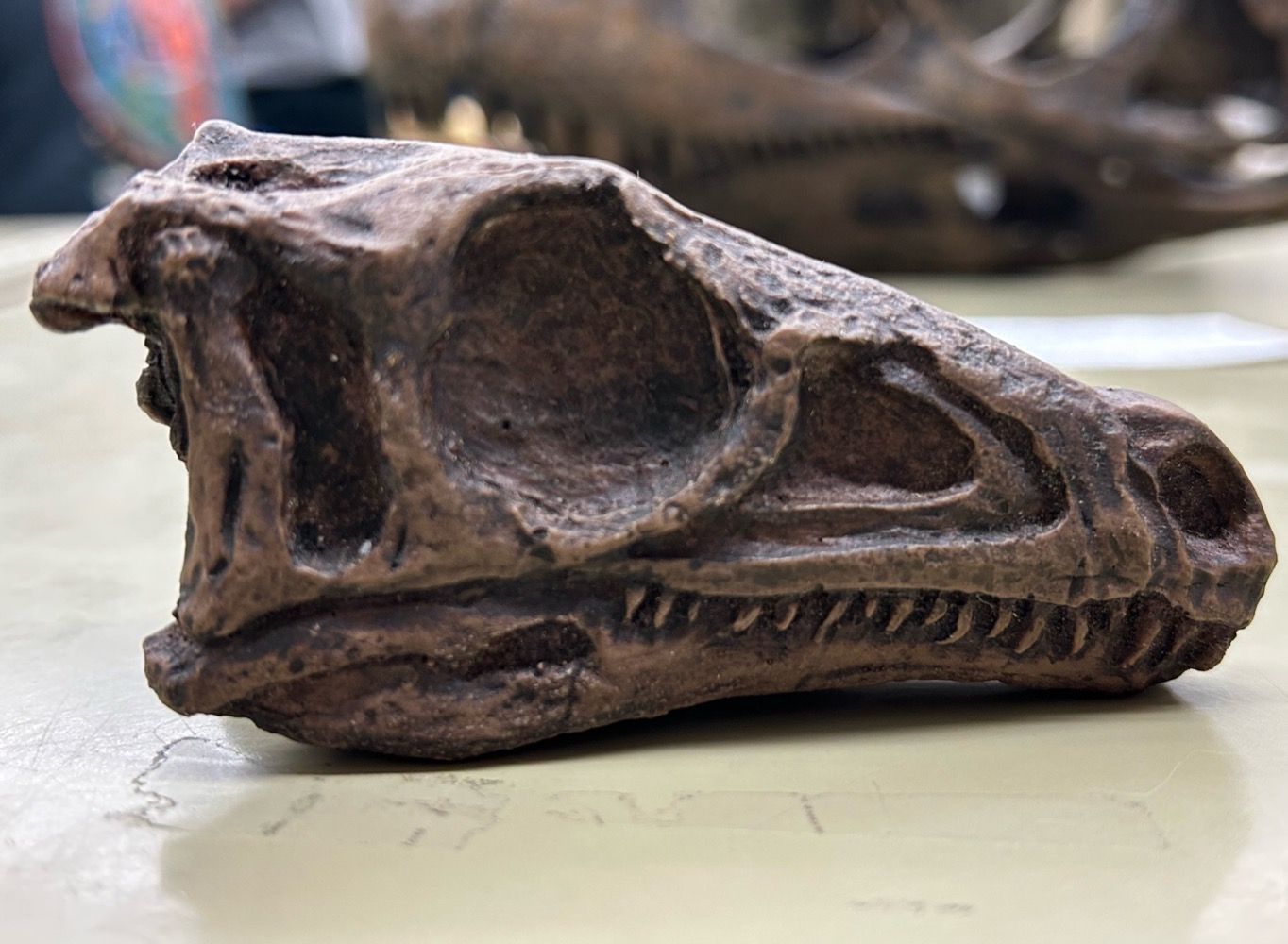
?
Eoraptor (Clade Theropoda, Clade Saurischia)
Superfamily Coelophysoidea (Clade Theropoda) traits
long, narrow skulls that were lightened by very large fenestrae
subnarial diastema
premaxillary teeth that do not extend beneath the external naris
Family Dilophosauridae (Clade Theropoda) traits
one of the first large carnivorous theropods
slender bodies with a narrower skull
premaxillary posterodorsal process contributing to a blade-like nasal crest
antorbital fossa extending onto the lateroventral face of the nasal
nasolacrimal crest
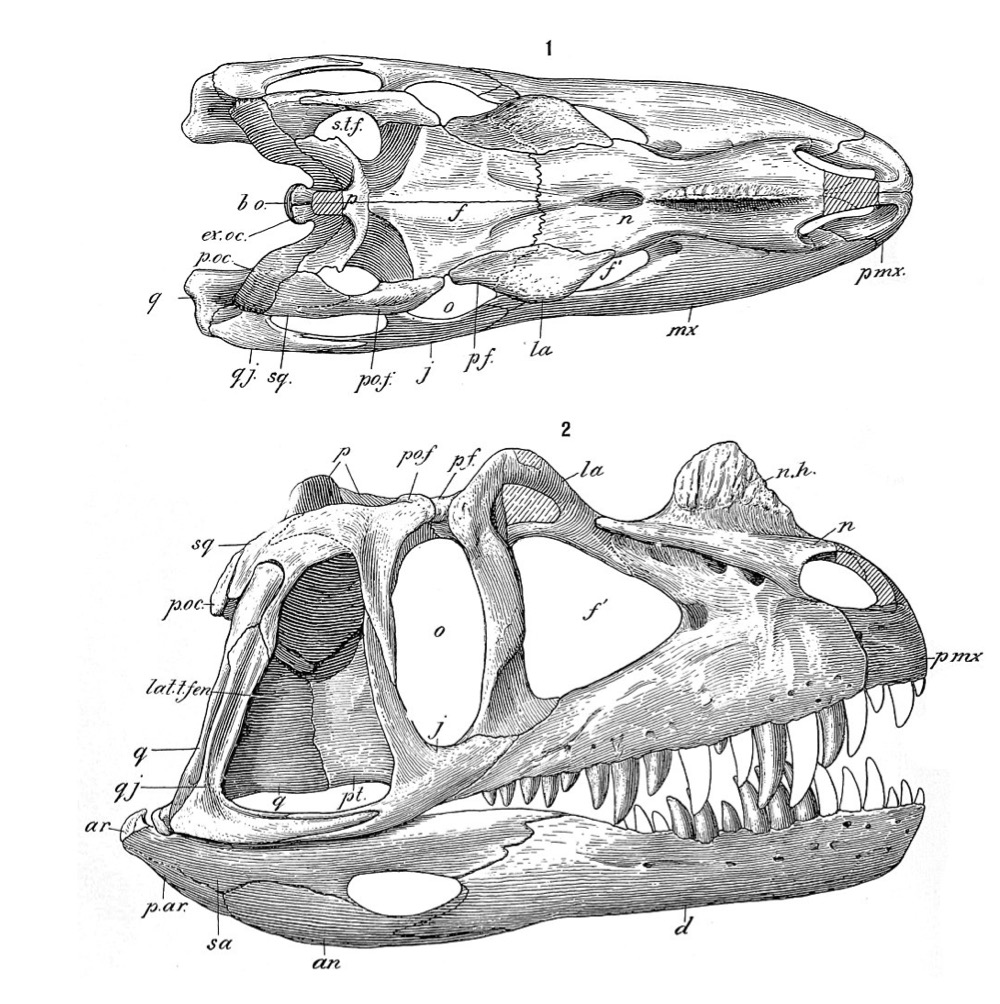
?
Ceratosaurus (Family Dilophosauridae, Clade Theropoda)
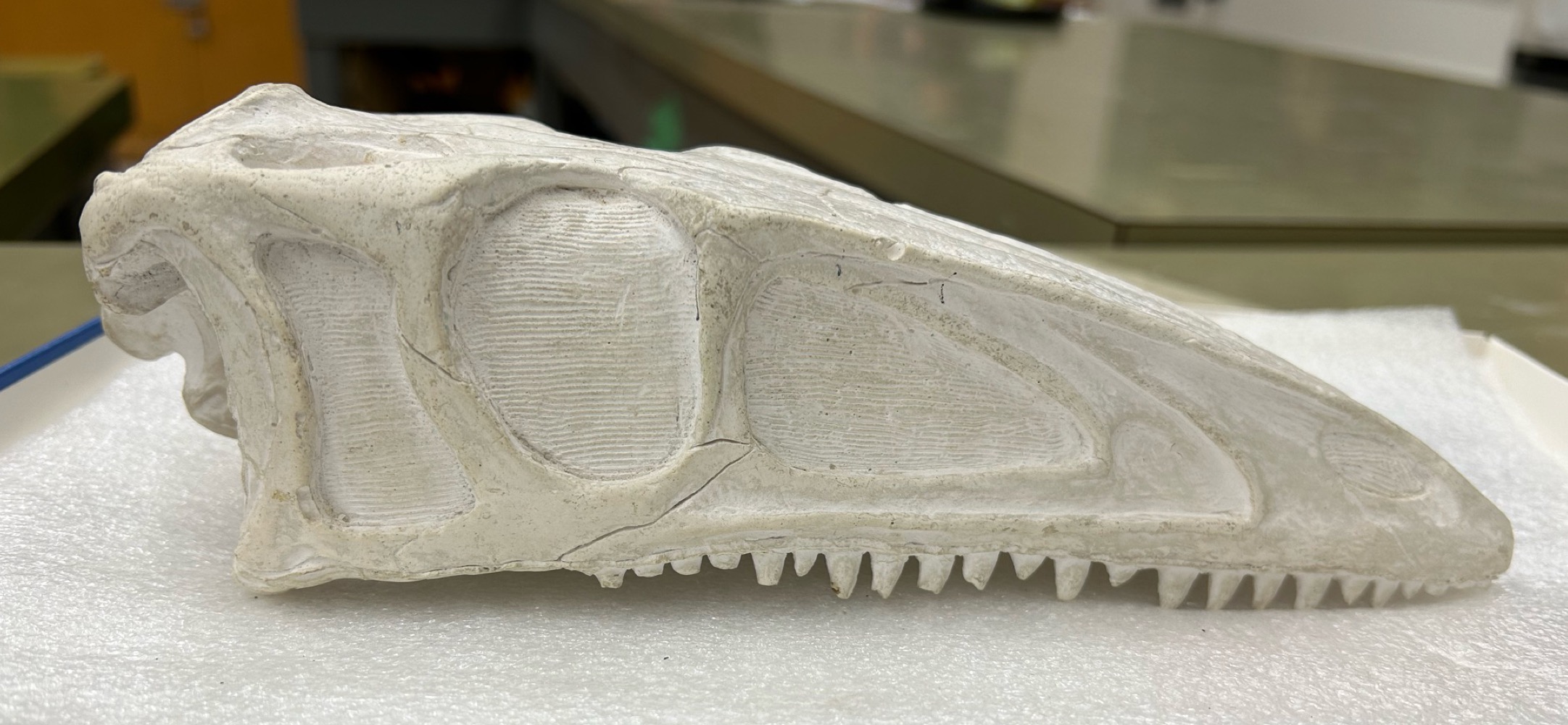
?
Coelophysis (Superfamily Coelophysoidea, Clade Theropoda)
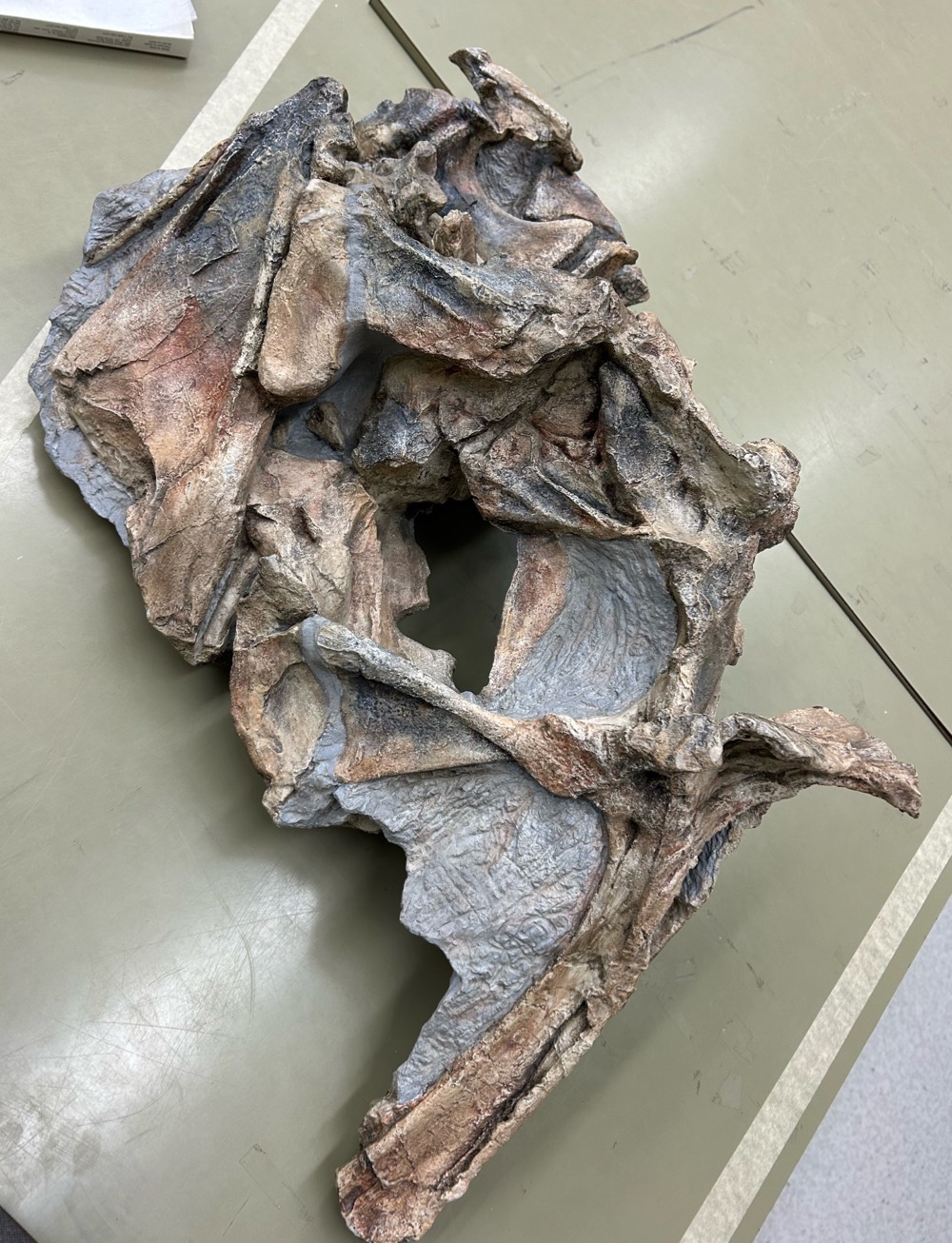
?
Cryolophosaurus (Family Dilophosauridae, Clade Theropoda)
Clade Tetanurae (Clade Theropoda) synapomorphies
closely related to birds
maxillary fenestra
maxillary teeth always anterior to orbit
large manus
manual digits 4 and 5 lost
stiff posterior region of tails
Groups in Clade Tetanurae (Clade Theropoda)
Megalosauroidea (including Spinosaurus)
Allosauroidea (including Allosaurus, Carcharodontosaurus, Sinraptor, and Megaraptor)
Coelurosauria
Superfamily Megalosauroidea (Clade Tetanurae, Clade Theropoda) traits
Includes spinosaurids
semi-aquatic and fed largely on fish
elongate, crocodile-like skulls
External nares retracted further than any of other theropods
Sails on backs
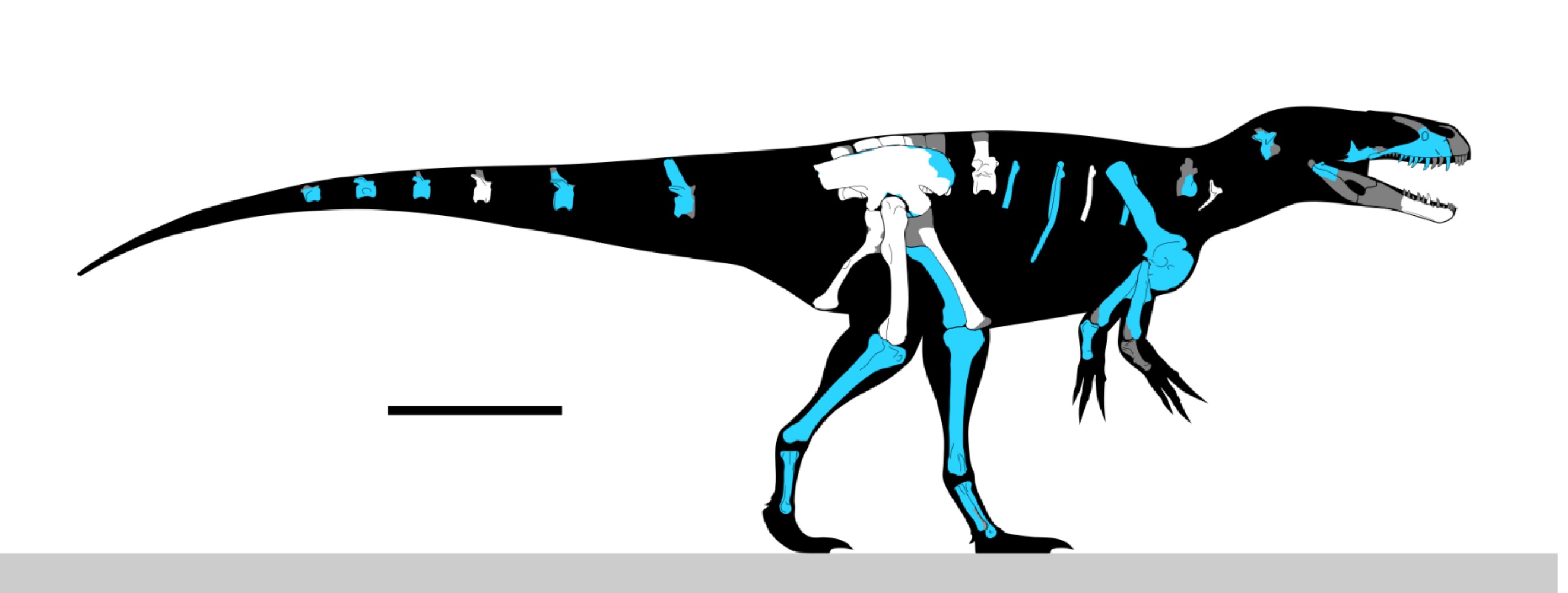
?
Megalosaurus (Superfamily Megalosauroidea, Clade Tetanurae)
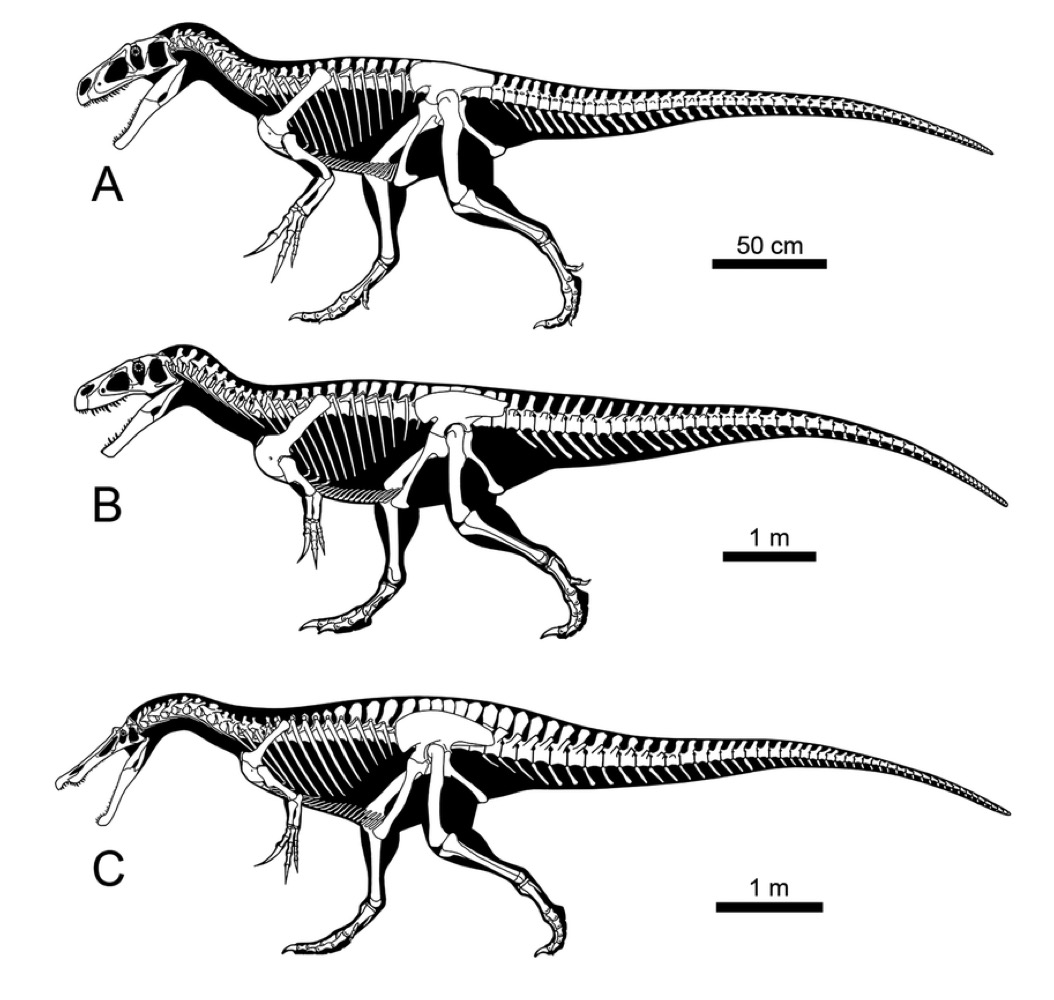
A
Marshosaurus (Superfamily Megalosauroidea, Clade Tetanurae)
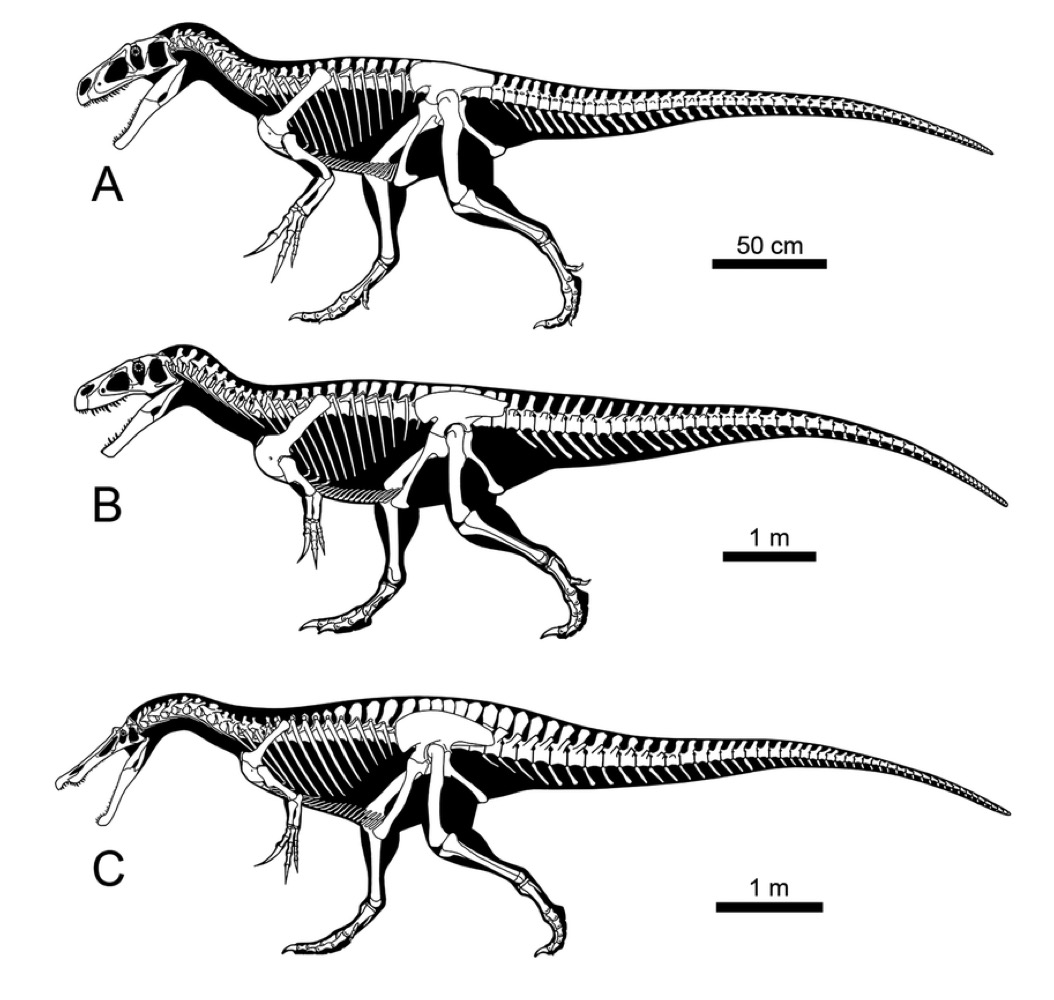
B
Megalosaurus (Superfamily Megalosauroidea, Clade Tetanurae)
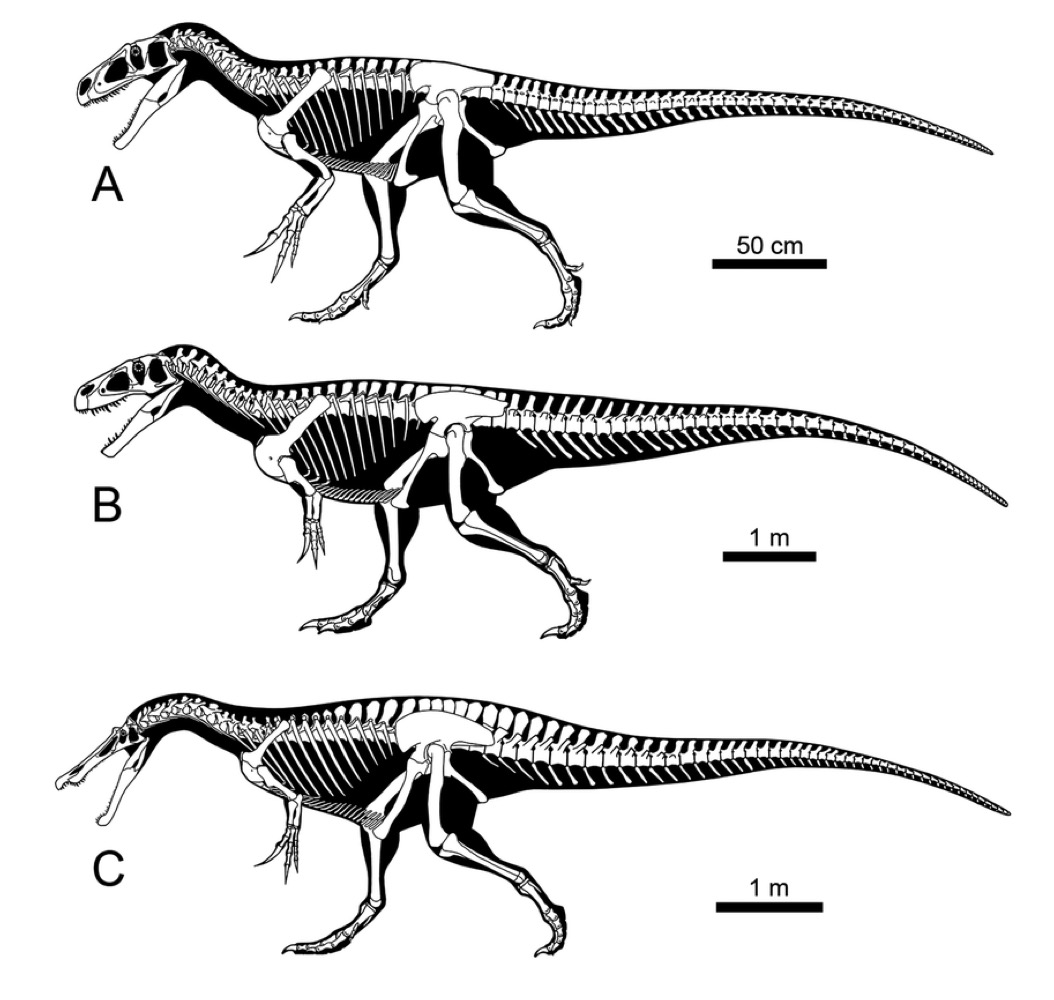
C
Baryonyx (Superfamily Megalosauroidea, Clade Tetanurae)
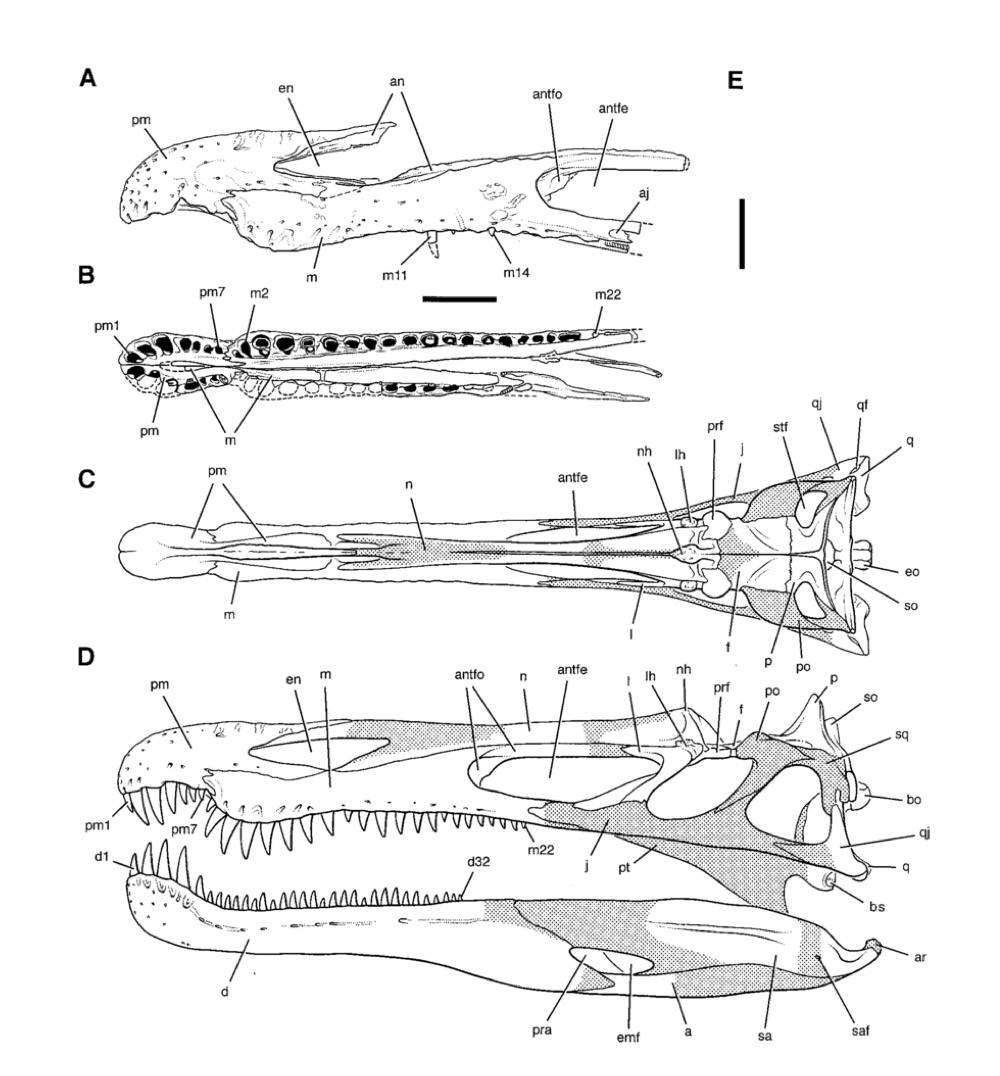
?
Suchomimus (Superfamily Megalosauroidea, Clade Tetanurae)
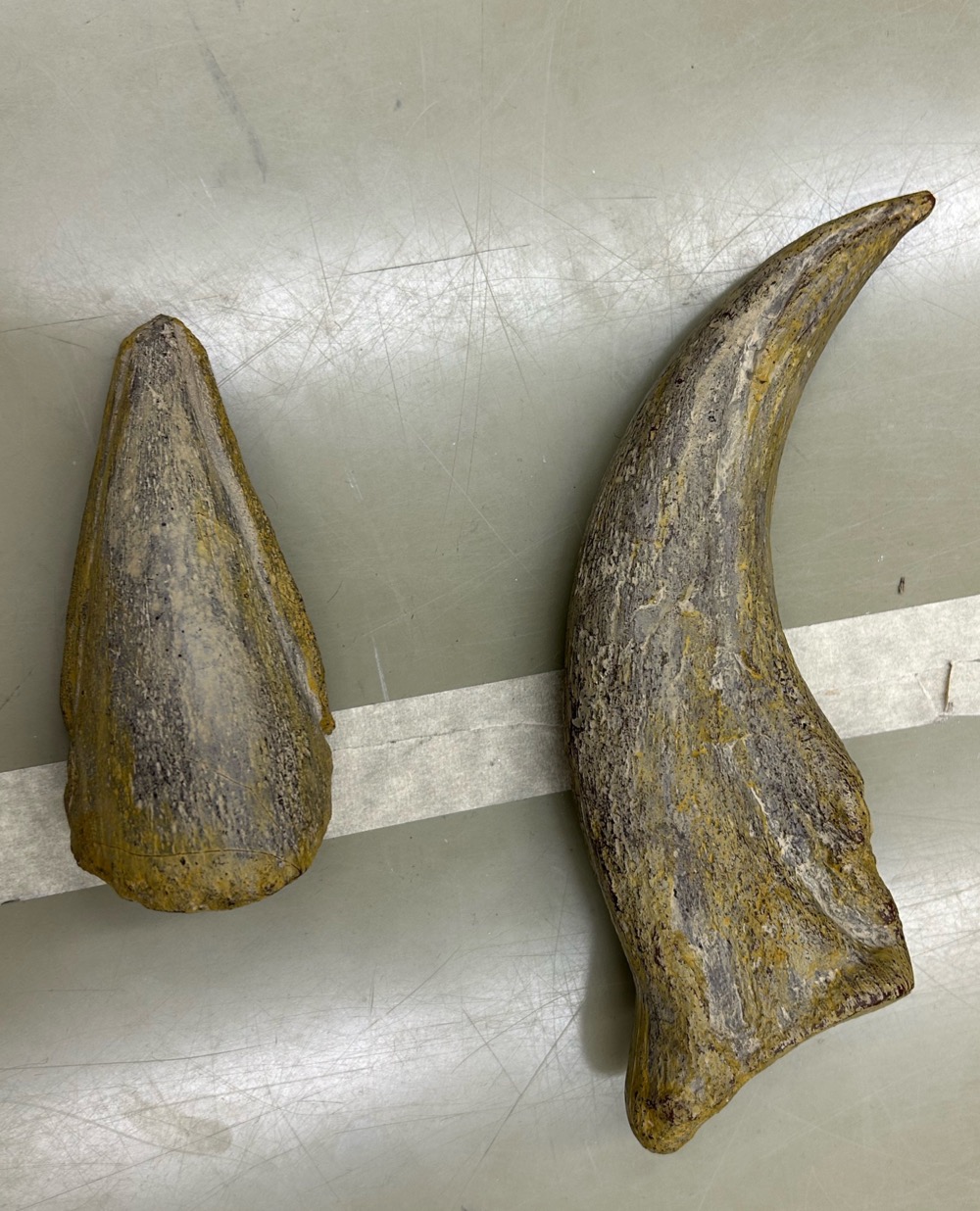
?
Superfamily Megalosauroidea (Clade Tetanurae)
Superfamily Allosauroidea (Clade Tetanurae) traits
pneumatic nasal recesses
long axis of naris more than half the length of the long axis of the orbit
lateral surface of nasal participates in edge of antorbital fossa
prefrontal is excluded from lateral margin of orbit in lateral view
supraorbital notch between prefrontal and postorbital
Large orbits
Crests cranial ornamentation
What bone forms the crest in Monolophosaurus and Dilophosaurus
Nasal bones
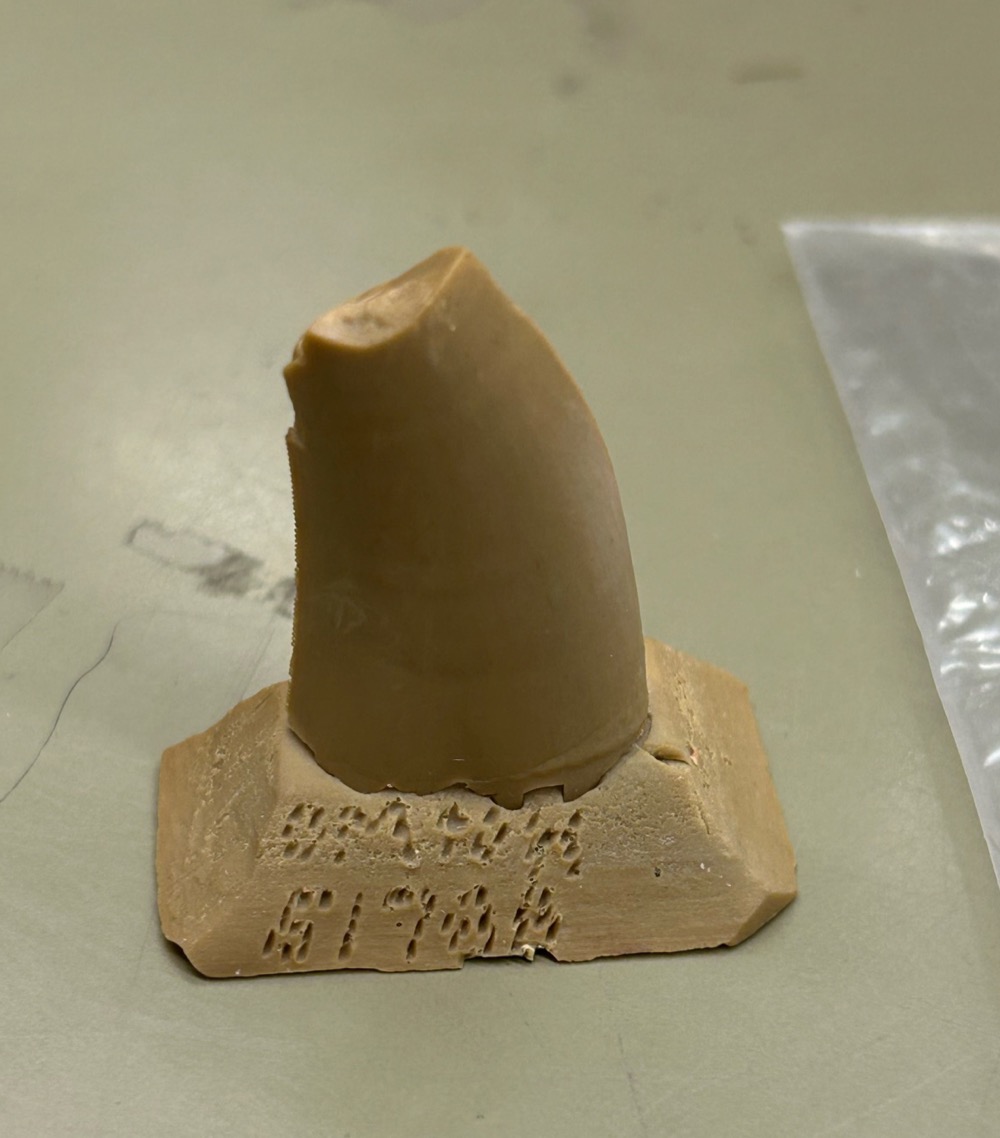
?
Acrocanthosaurus (Carcharodontosaurids, Superfamily Allosauroidea)
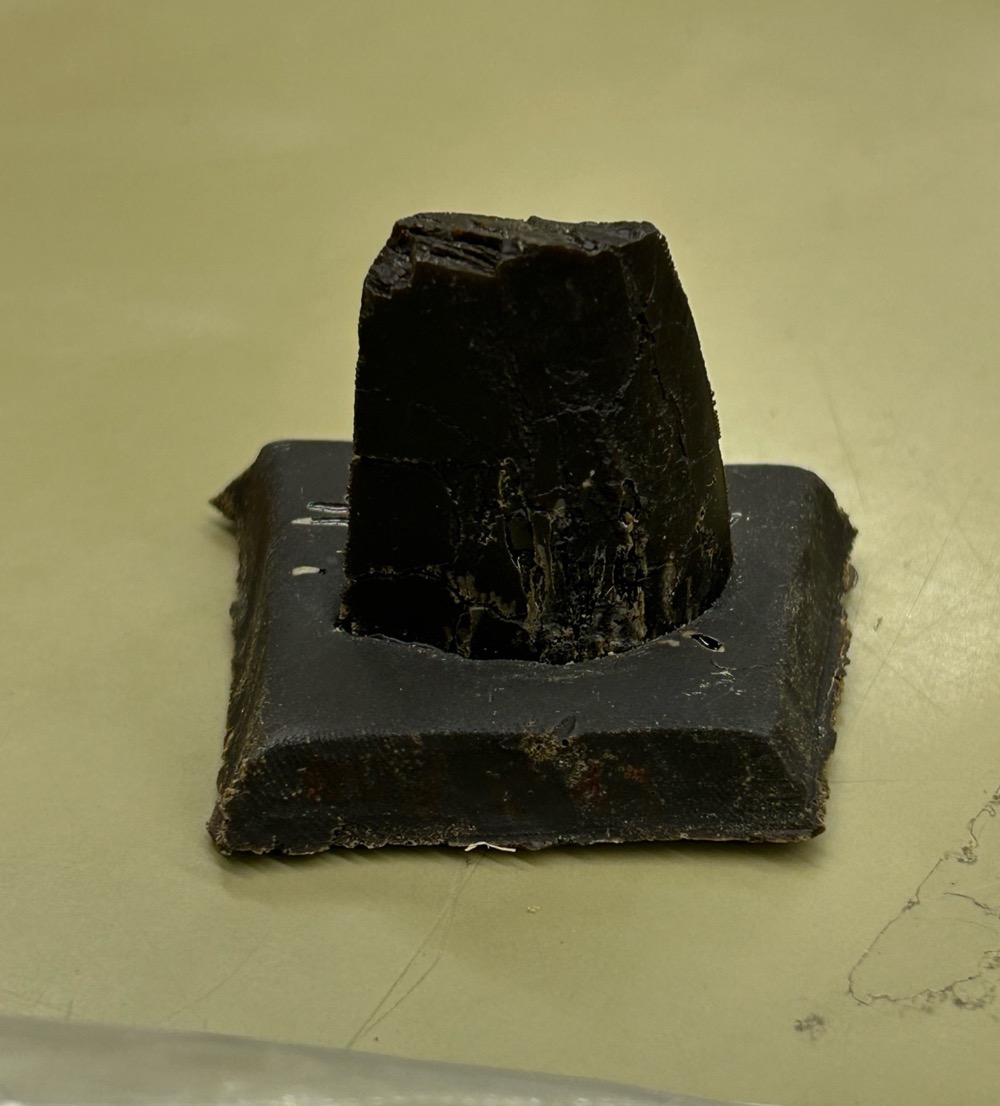
?
Acrocanthosaurus (Carcharodontosaurids, Superfamily Allosauroidea)
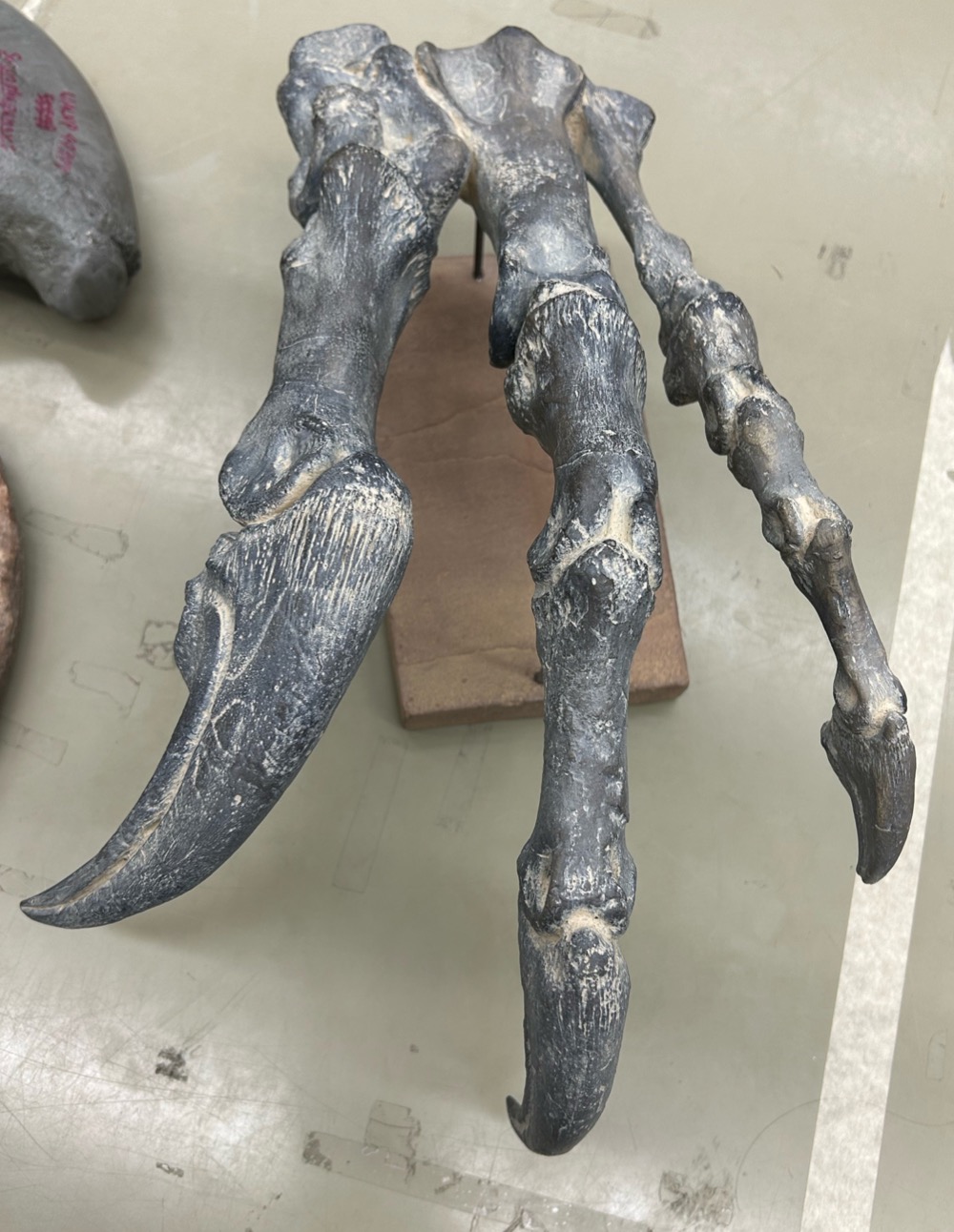
?
Allosaurus (Allosauridae, Superfamily Allosauroidea)
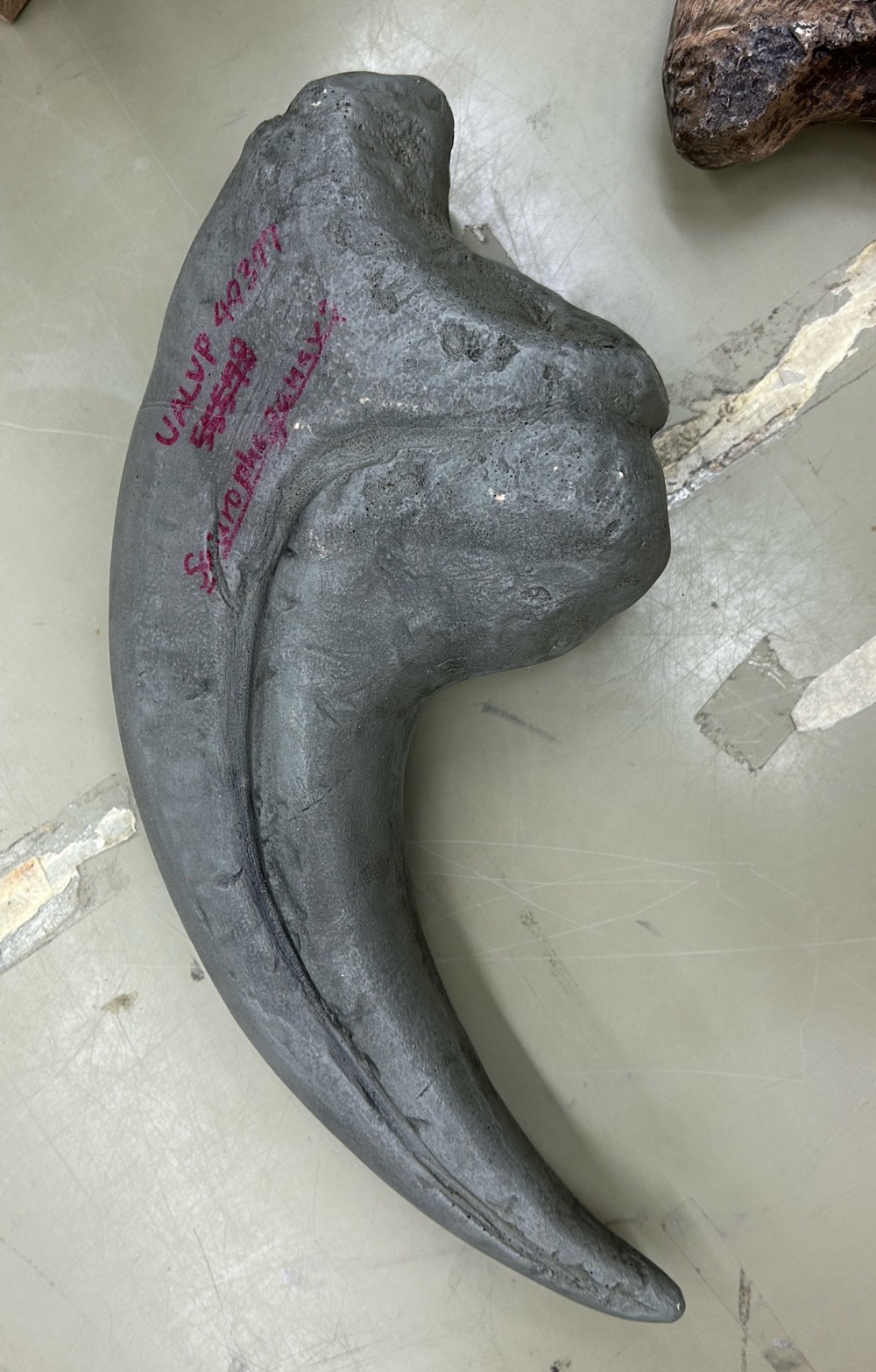
?
Saurophaganax (Allosauridae, Superfamily Allosauroidea)
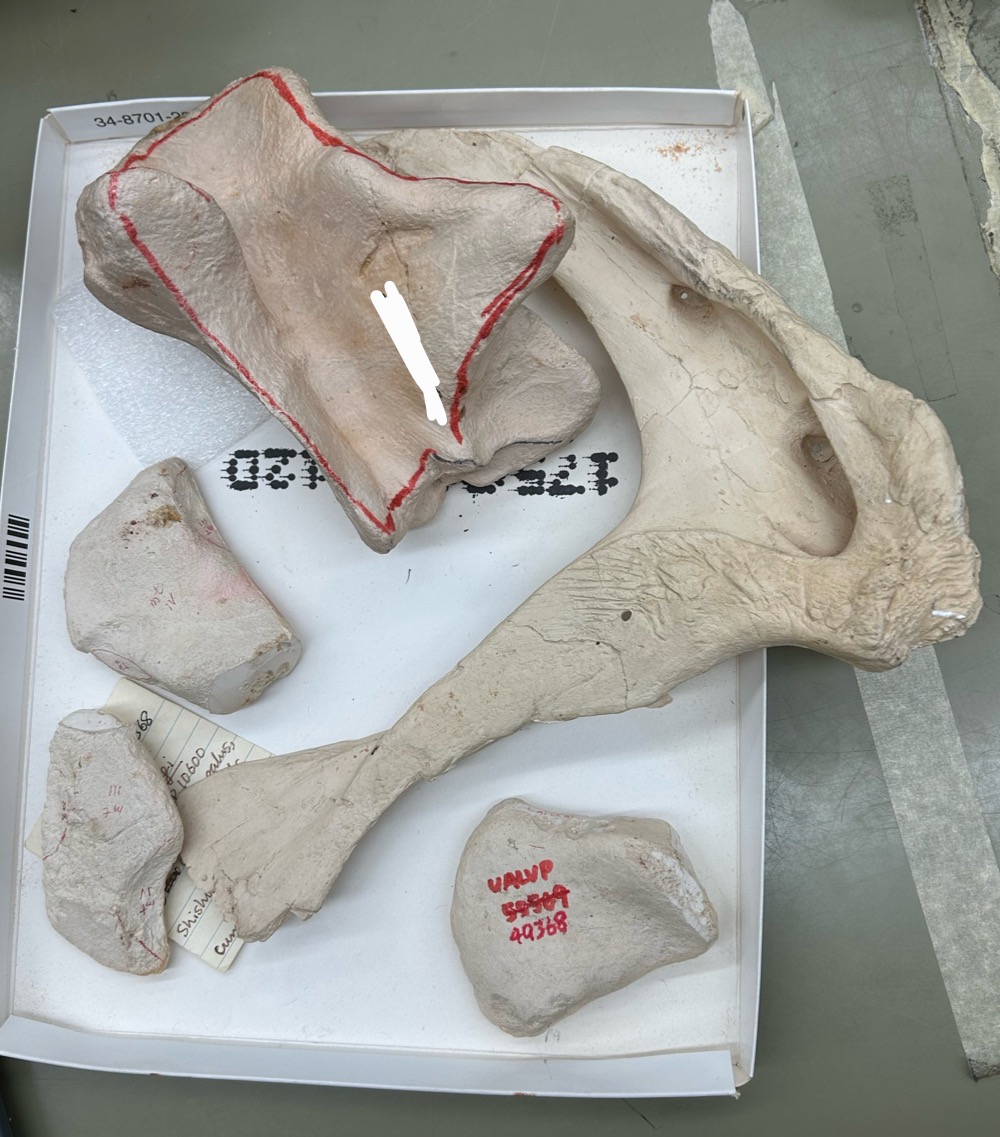
?
Sinraptor (Superfamily Allosauroidea, Clade Tetanurae)
Clade Coelurosauria (Clade Tetanurae) synapomorphies
Includes birds
ischium 2/3 the length of the pubis
triangular obturator process on ischium
loss of ischial foot
elongate prezygapophyses on mid to posterior caudal vertebrae
metacarpal III smaller than Metacarpal II
Family Compsognathidae (Clade Coelurosauria, Clade Tetanurae) traits
Includes Compsognathus and Archaeopteryx
fan-shaped dorsal spines
more than 60 caudal vertebrae
manual ungual of digit I more than 2/3 length of radius
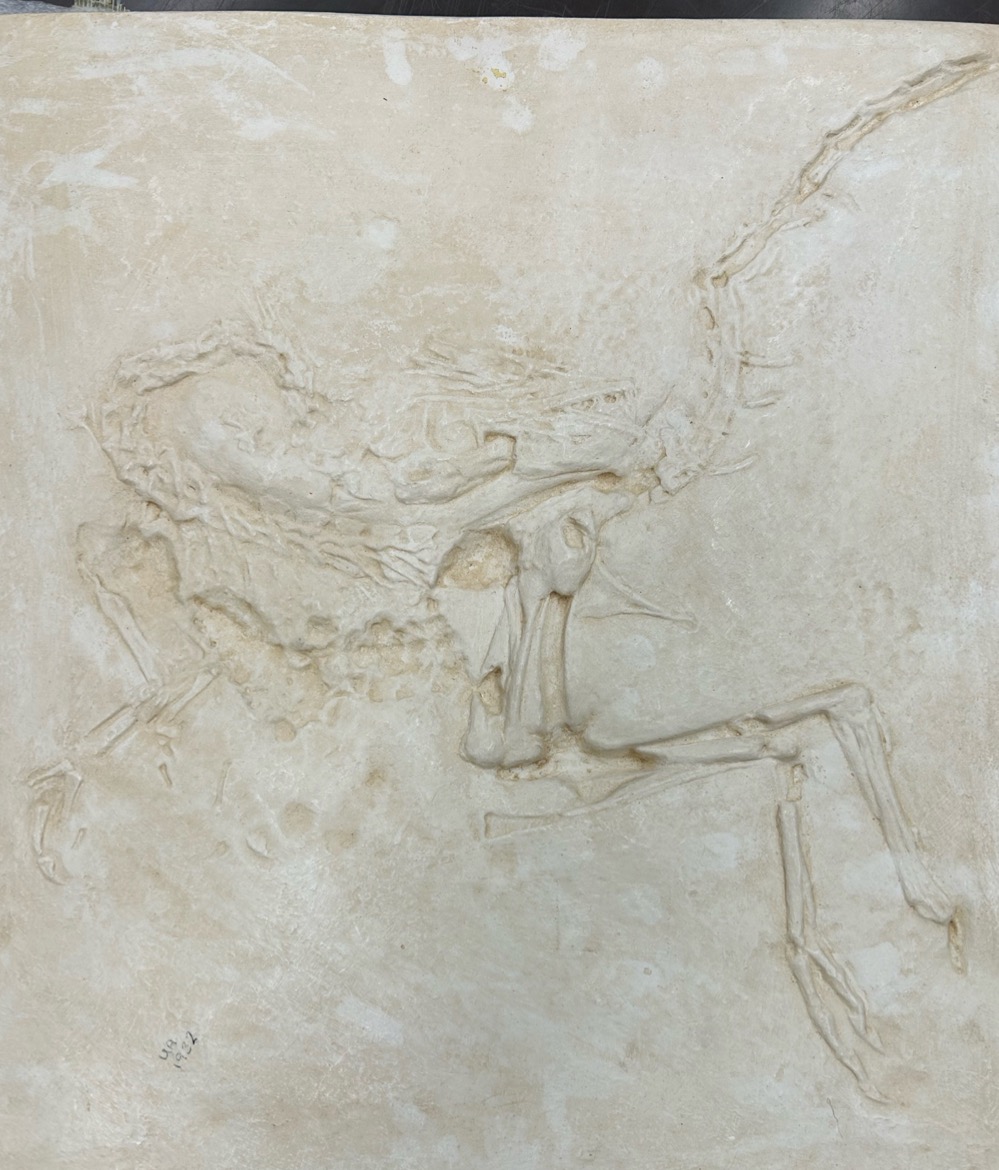
?
Compsognathus (Family Compsognathidae, Clade Coelurosauria)
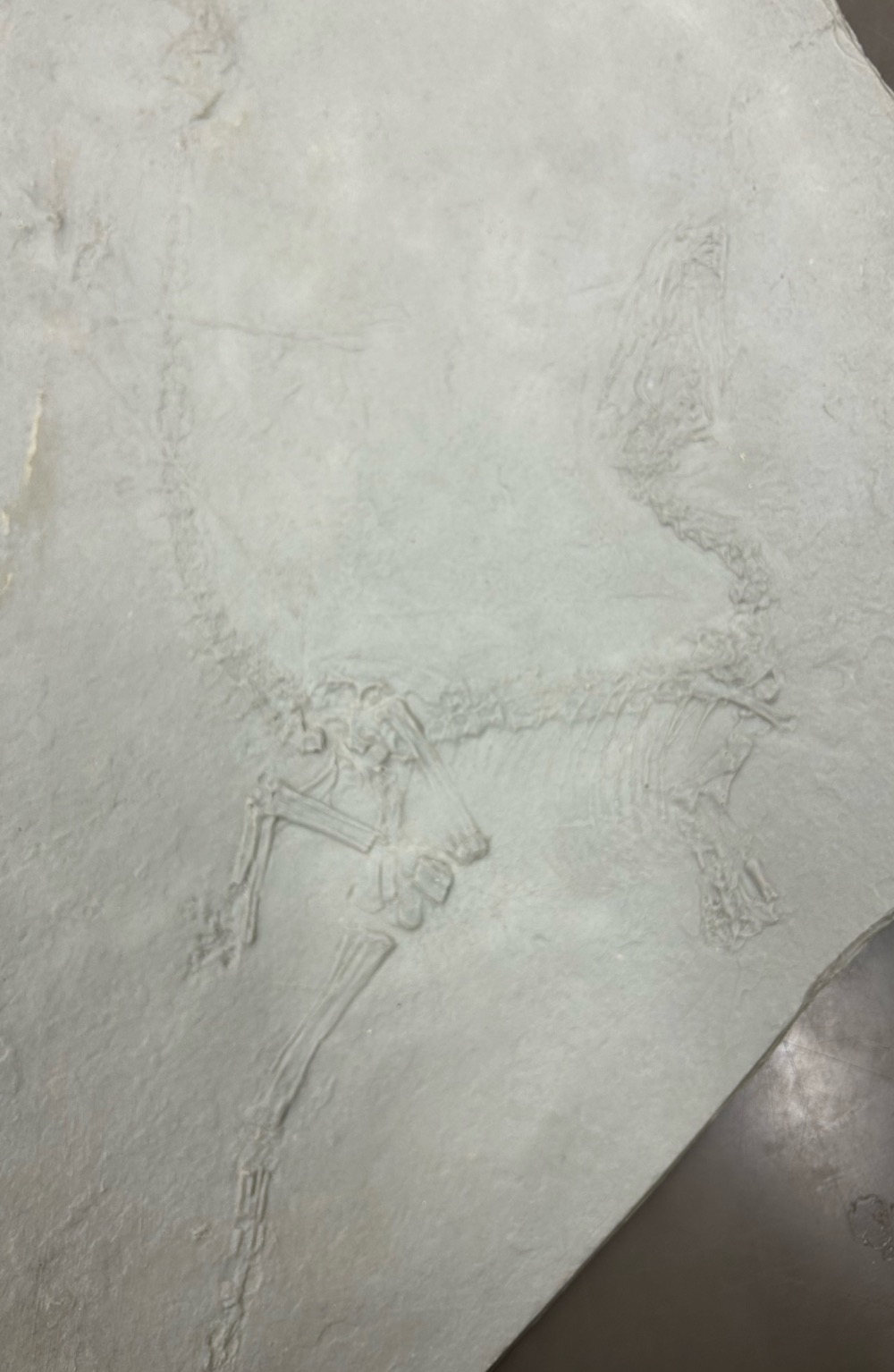
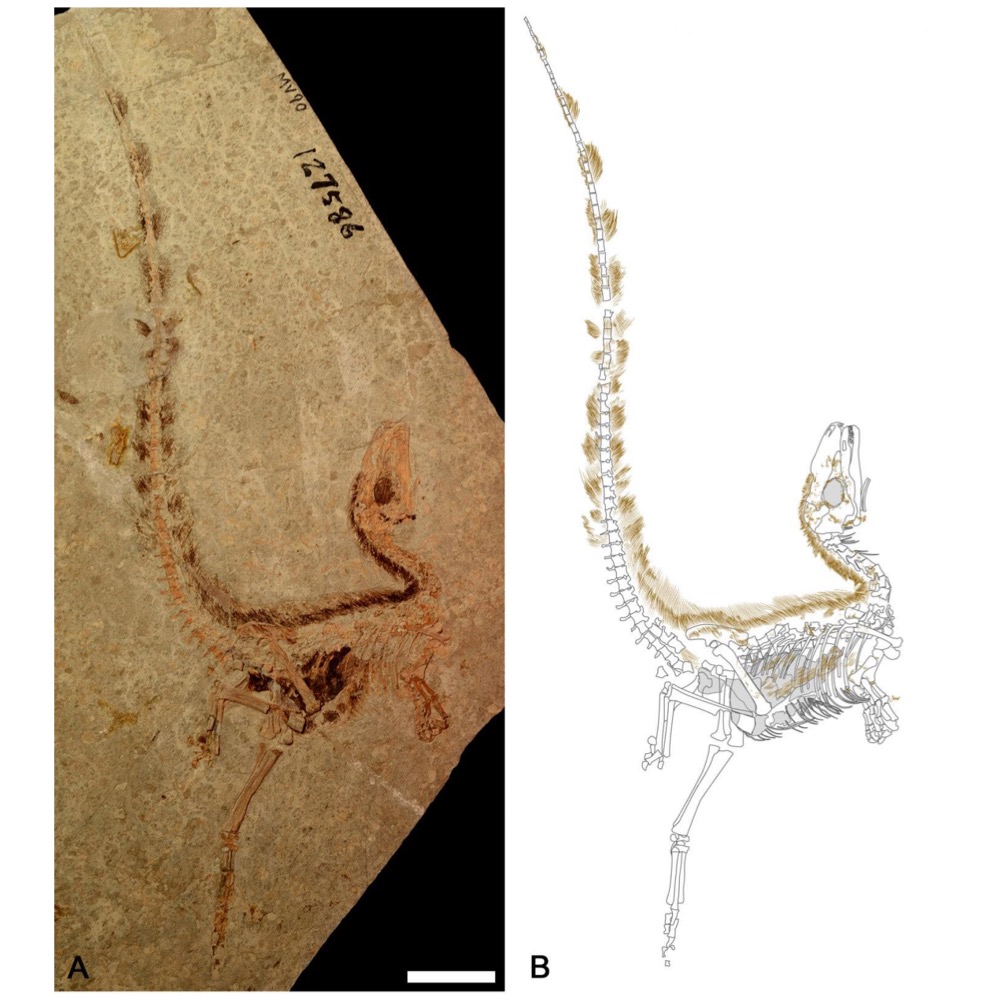
?
Sinosauropteryx (Family Compsognathidae, Clade Coelurosauria)
Superfamily Tyrannosauroidea (Clade Coelurosauria, Clade Tetanurae) traits
Tall skulls
weakly heterodont teeth
elongate metatarsus (arctometatarsalian pes in derived tyrannosaurids)
D-shaped premaxillary teeth in cross-sectional view
body of premaxilla taller than long anteroposteriorly
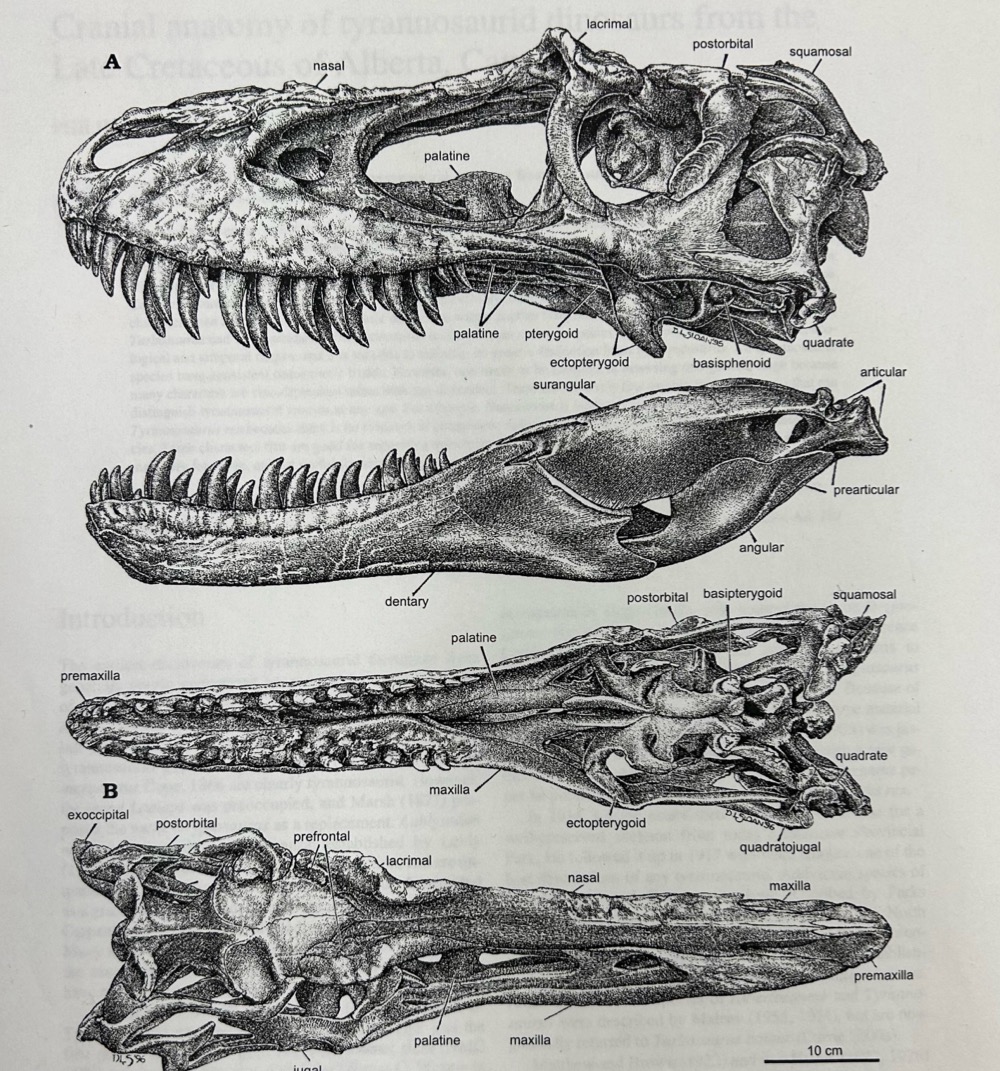
?
Gorgosaurus (Superfamily Tyrannosauroidea, Clade Coelurosauria)
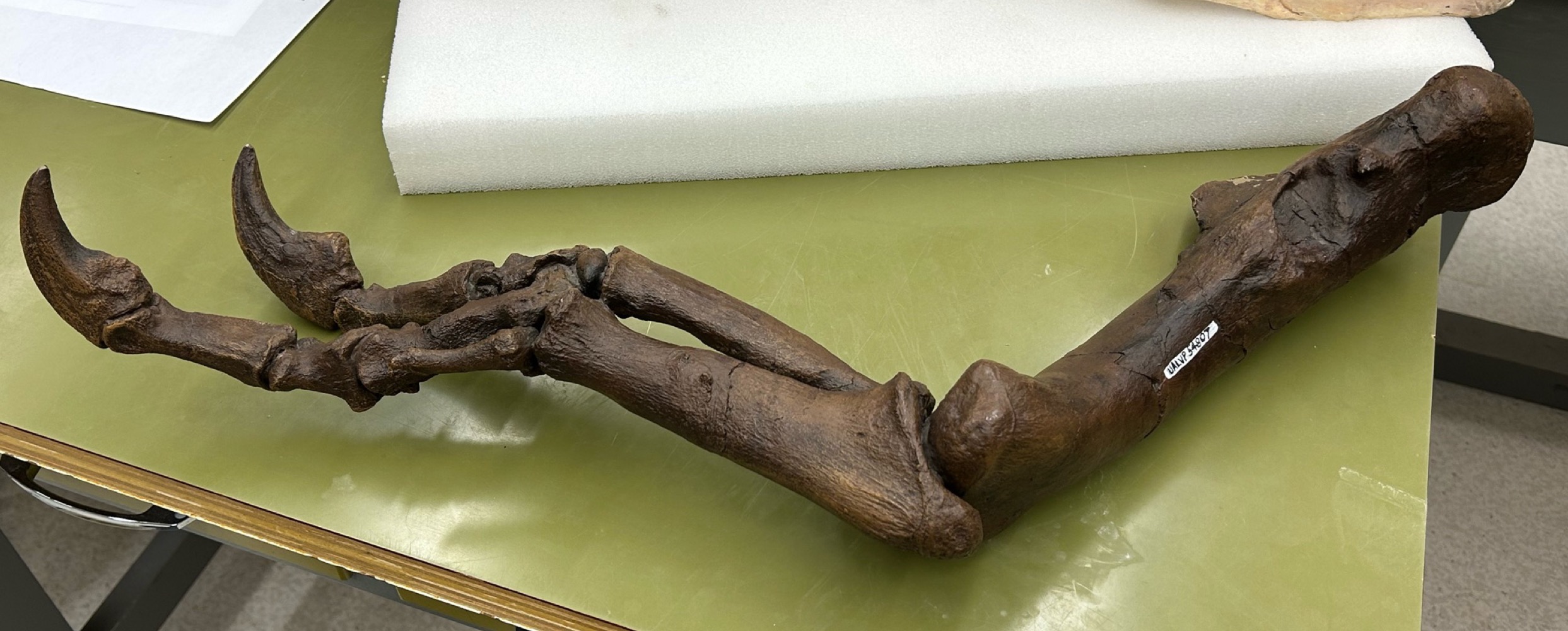
?
Tyrannosaurus arm (Superfamily Tyrannosauroidea, Clade Coelurosauria)
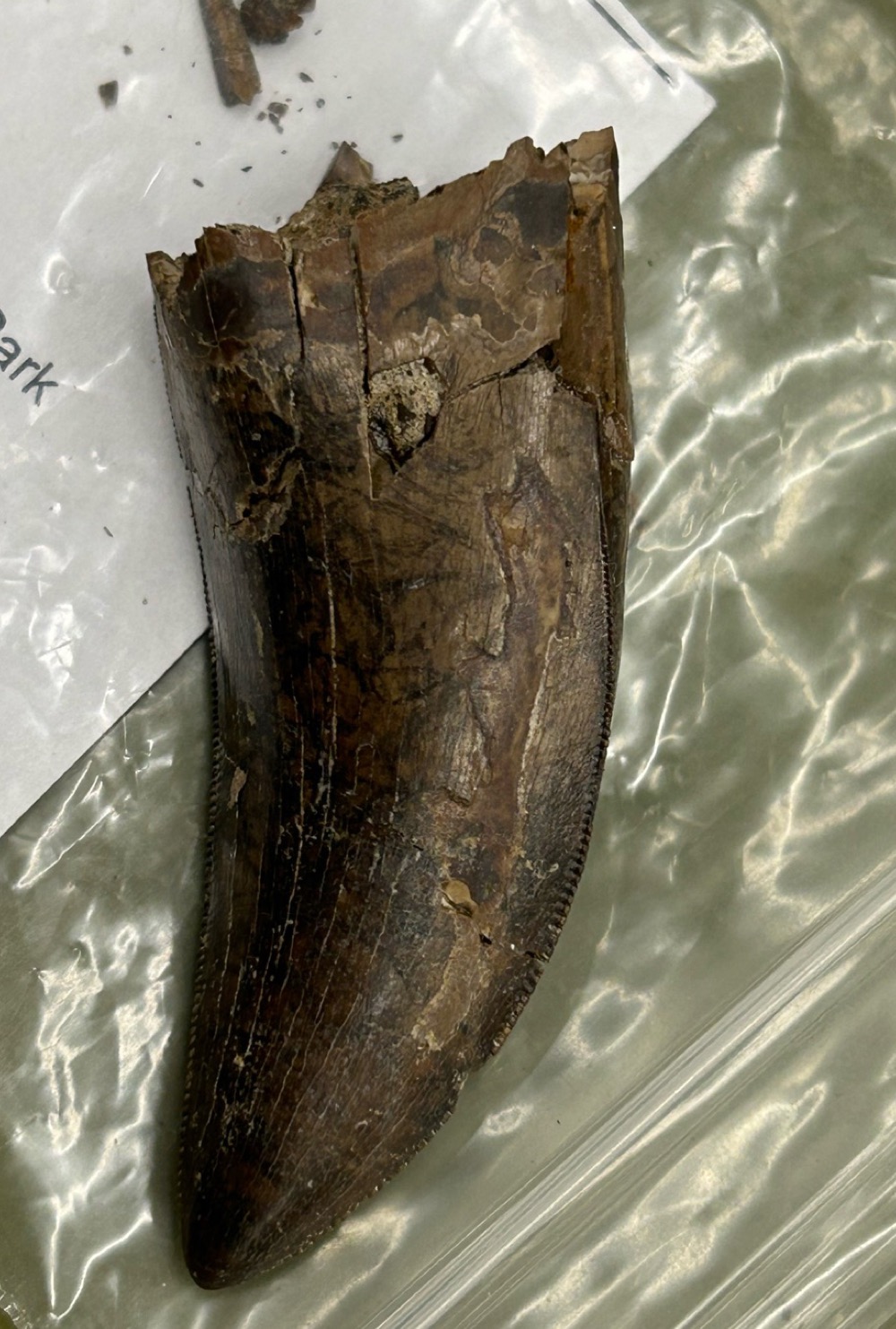
?
Superfamily Tyrannosauroidea (Clade Coelurosauria)
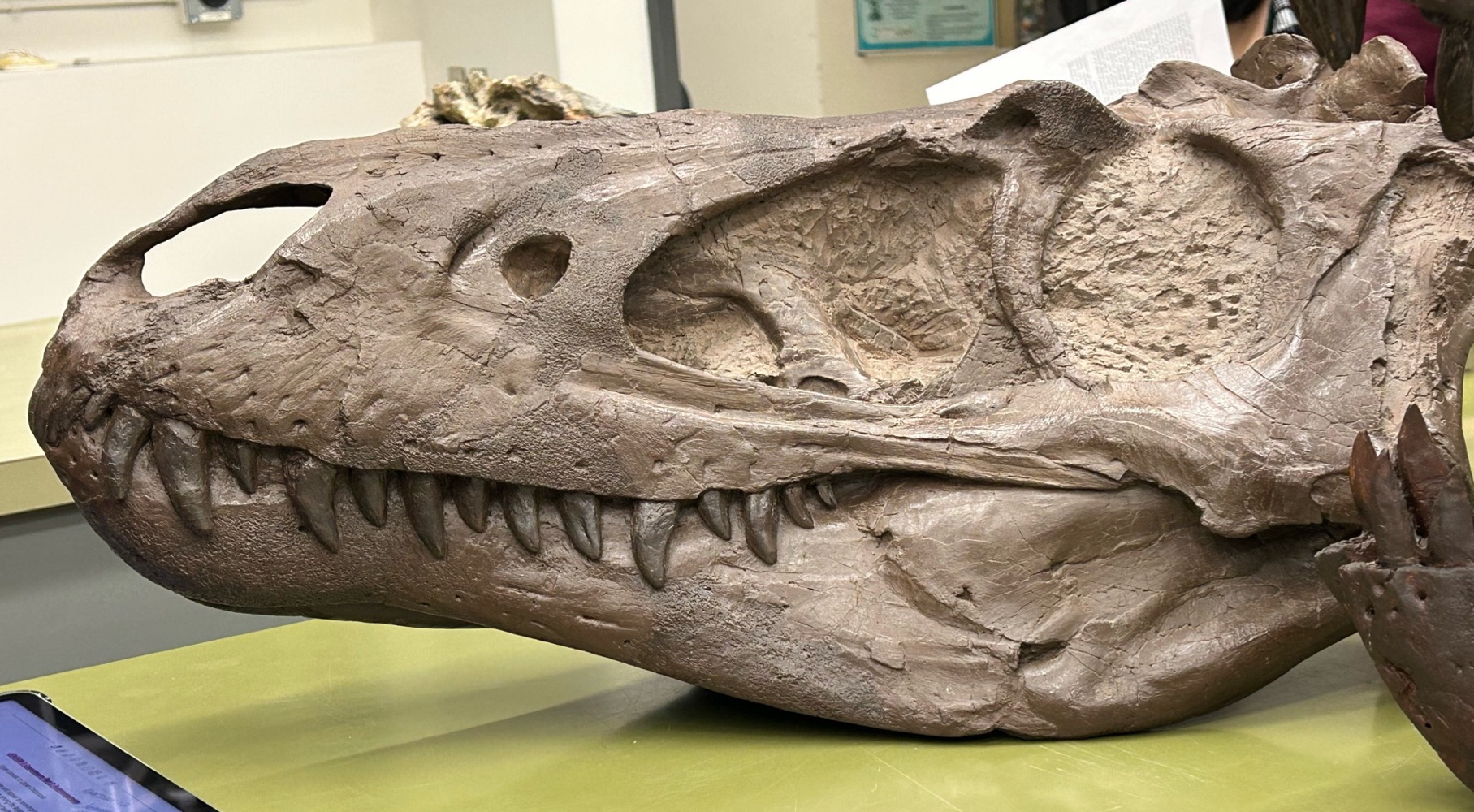
?
Nanotyrannus (Superfamily Tyrannosauroidea, Clade Coelurosauria)
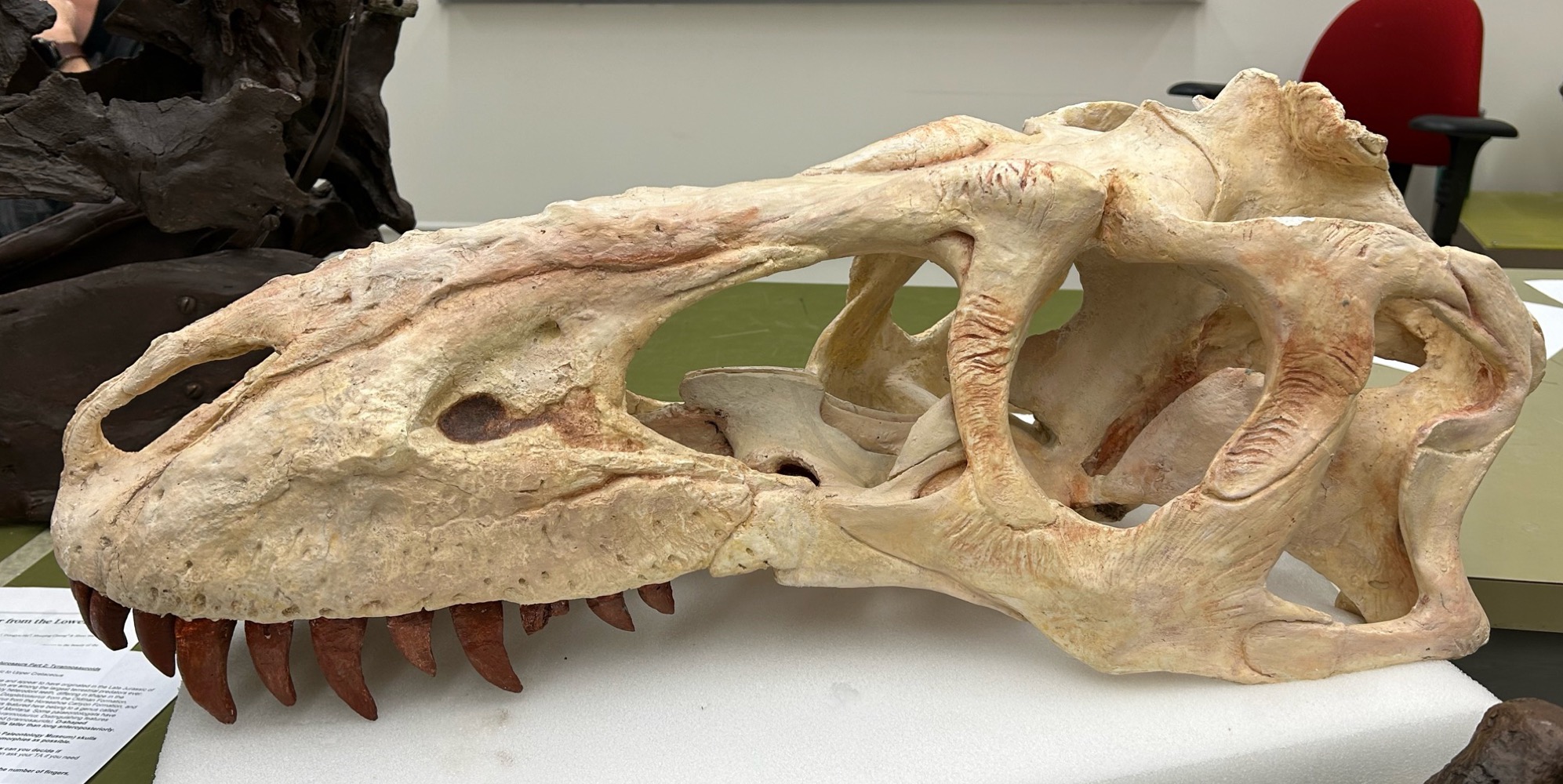
?
Tarposaurus (Superfamily Tyrannosauroidea, Clade Coelurosauria)
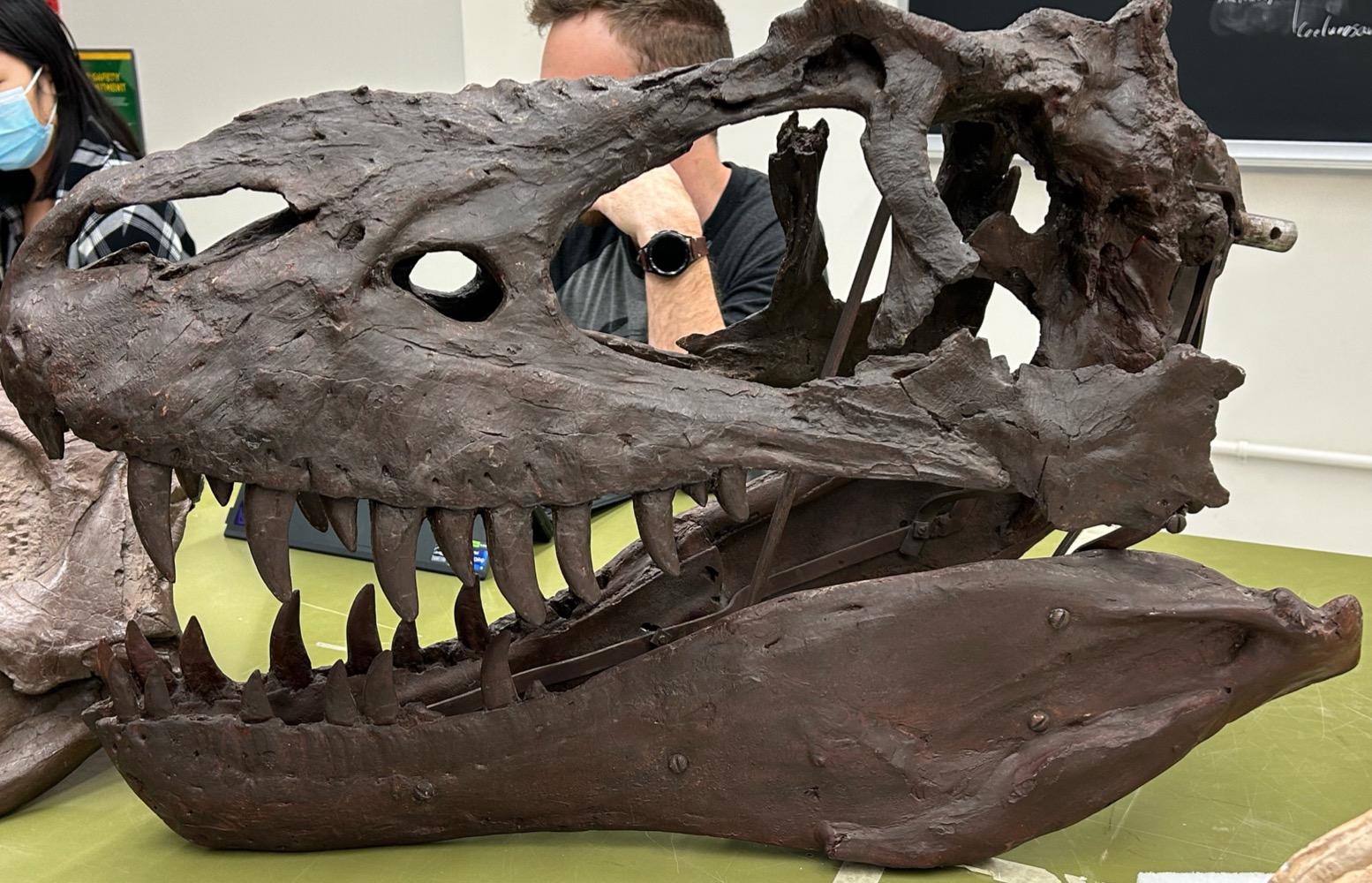
?
Albertosaurus (Superfamily Tyrannosauroidea, Clade Coelurosauria)