Anatomy exam 3, joints and muscles
 Call Kai
 Learn
Learn Practice Test
 Spaced Repetition
 Match
Match Flashcards
 Knowt Play
1/56

There's no tags or description
Looks like no tags are added yet.
Name | Mastery | Learn | Test | Matching | Spaced | Call with Kai |
|---|
No analytics yet
Send a link to your students to track their progress
57 Terms
synnarthrotic
ampiarthrotic
diarthrotic
1) immovable
2) slightly moveable
3) freely moveable
symphysis of vertebrae (synnarthrotic, ampiarthrotic, or diarthrotic)?
ampiarthrotic
fiberous joint
held together w/ dense CT containing many collagen fibers
found in bones in close contact (practically touching, seperated by thin layer of fiberous tissue)
3 types of fiberous joints
1) syndesmosis
2) suture
3) gomphosis
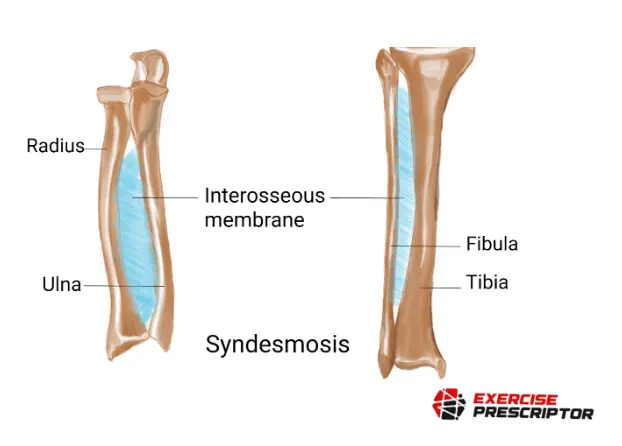
syndesmosis
bones bound by a sheet of dense CT (intraosseus membrane) or a bundle of dense CT (interosseous ligament)
ampiarthrotic: slightly moveable
suture
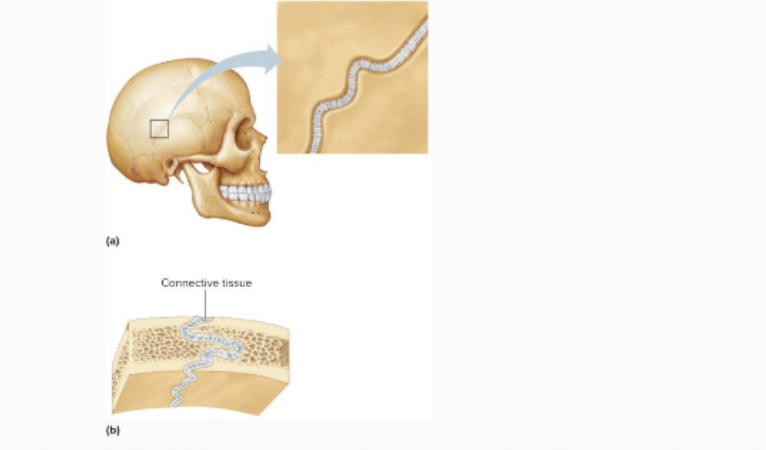
only between flat bones of skull
thin layer of dense CT (sutural ligament) connects bones
synnarthrotic- immovable after development, ampiarthrotic in developing skill
cartilagenous joint
connected by hyaline cartilage or fibrocartilage
slightly moveable
types of cartilagenous joints
syndchondrosis
symphysis
symphysis
pads of fibrocartilage between bones
articular surfaces covered by hyaline cartilge
ex: pubic symphysis (allow maternal pelvic bones to shift as a result of hormone changes affecting fibrocartilage pad)
ex: intervertebral discs- each disc is composed of a band of fibrocartilage that surrouinds gelatinous core
ampiarthrotic (limited movement)
bursae
fluid filled sacs
when inflamed = bursitus
sprain definition
overstretched ligament or tendon
rhumetoid arthritis vs osteoarthritis
RA- autoimmune, chronic inflammation in joints
osteo - from wear and tear, bones start rubbing on each other
arthrocentesis
process of aspiration (removing) fluid from joint (commonly knee)
if the fluid in knee is blood it indicates…
injury
if the fluid in knee is crystals it indicates..
gout
if the fluid in knee is pus it indicates…
infection
flexion vs extension
flexion: close the angle
ex: bringing forearm closer to shoulder
extension: increase angle
ex:
abduction vs adduction
abduction: “take away”, moving away from midline or axial limb
ex: holding arm out, in t motion
adduction: moving toward midline or axial limb
dorsiflexion vs plantar flexion
dorsiflexion: movement at ankle that brings foot toward shin (moves closer)
plantar flexion: movement at ankle that brings foot away from shin (moves further)
glenohumoral ligament
glenoid cavity in scapula, humerous is bone of the arm —> ligament joins them
in shoulder
glenoid labrum
ring of tissue that lines the glenoid cavity
origin
less moveable part where muscle fits
insertion
more movable part
muscle contraction (steps) you will be putting in order on test
1) ACh released in synaptic cleft
2) ACh binds to receptors on motor end plate
3) electrical impulse travels across sarcolemma and into transverse tubules
4) impulse causes calcium channels to open in the sacroplasmic recticulum
5) calcium ions diffuse out of sarcoplasmic recticulum and bind to troponin
6) tropomyosin molecules move to expose binding sites on actin
7) thin filaments pulled toward the center of sarcomere by myosin
muslce fibers shorten as contraction occurs
role of creatine phosphate
adds a phosphate to ADP
ATP= energy , after you use energy it turns into ADP, creatine can give an extra phosphate to turn ADP into ATP
acetylcholine (ACh)
-neurotransmitter that binds to receptor on muscle fiber, released at neuromuscular junction, initiates release of calcium, and ultimately muscle contraction
actylcholinesterase
enzyme thats takes awway remaining ACh from neuromuscular junction
neuromuscular junction
where ntm are released
oxygen debt
when respiratory and cardiovascular system cannot keep up with muscles
muscles need oxygen
more we work muscles = more out of breath
result= losing ATP
ex: running, muscles start cramping = lack of ATP
types of contractions
isometric
ecenntric
concentric
isometric contraction
muscle contracts but does not change length
ex: yoga plank
concentric contraction
lifting something up, flexion, shortening muscle
ex: picking up a weight
eccentric contraction
lengthening muscle
ex: putting weight down
magnesium
important post workout
blocks binding of calcium
when calcium cant bind to troponin then actin and myosin cant bind, and muscle contraction will stop
essential amino acids
need because it makes up a complete protein (needs to build muslce)
9 amino acids our body cant make on our own , must get from supplements and food
myoglobin
oxygen carrying protein in muscles, to make ATP
muslce= highly metabolic, can help supply muscles w oxygen
botox
clostridium botulinum is a bacteria that causes botuilism
a) paralyzes muscles
b) botox paralyzes muscles, inhibits muscle from contracting
c) botulism can cause flacid paralysis as a poison
what is the functional unit of a muscle contraction?
a sarcomere
tendons vs ligaments
ligaments connect bone to bone
tendons connect muscle to bone
made out of dense reegular CT
myofibrils
consist of actin and myosin
thick and thin fibers
whey protein
protein build muscle
repair actin and myosin (muscle tears) after tearing
inguinal hernia
overstrethcing in abdominal fascia
straining in abdominal area —> fascia tear, form hernia
more often in males
from lifting something very heavy, constipation
dimples form by…
a genetic defect in zygomaticus muscle
muscle is shorter than normal
myasthenia gravis
autoimmune condition where antibodies attack ACh receptors, muscle does not get stimulated
one of the major functions of msucles
heat production
peristalsis is found in…
smooth muscle
muscle contraction that only happens in smooth muscle
largest most complex synnovial joint?
found in knee
ACL
anterior cruciate ligament
athletic injury
TMJ
temporomandibular joint syndrorm
tightness of joint between mandible and temporal muscle
flexors and extensors example
flexor: biceps brachii
extensor: triceps brachii
supraspinatous muscle
on posterior of scapula
above spine of scapula
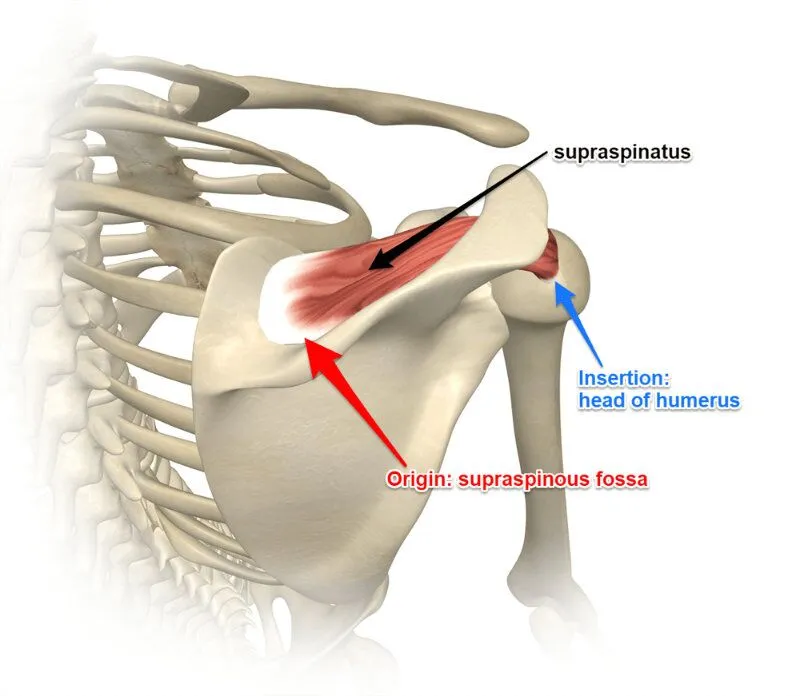
muscles that mkae up rotator cuff
supraspinatous
infraspinatous
teres minor
teres major
muscles that make up hamstrings
biceps femoris
semitendinosus
semimembranosus
muscles that make up quadriceps
1) rectus femoris
2) vastus lateralis
3) vastus medialus
4) vastus intermedius
biceps femoris vs rectus femoris
hamstrings vs quadriceps
calf muscles
gastrocnemius
soleus
sartorius
flexes knee and hip
adducts thigh, rotate thigh laterally
longest muscle in body