Exam 3 Advanced Anatomy
 Call Kai
 Learn
Learn Practice Test
 Spaced Repetition
 Match
Match Flashcards
 Knowt Play
1/100

There's no tags or description
Looks like no tags are added yet.
Name | Mastery | Learn | Test | Matching | Spaced | Call with Kai |
|---|
No analytics yet
Send a link to your students to track their progress
101 Terms
Which structure would most likely be damaged if an animal loses eyesight due to a cranial nerve injury?
Optic canal
Damage to which structure would result in loss of facial expression?
Stylomastoid foramen
Which cranial nerve is responsible for motor innervation to most masticatory muscles?
Trigeminal CN V
Which cranial nerve is primarily responsible for taste in the body (rostral 2/3) of the tongue?
Facial CN VII
Which cranial nerve provides taste to the caudal 1/3 of the tongue?
Glossopharyngeal CN IX
Which cranial nerve provides both sensory and taste to the root of the tongue?
Glossopharyngeal CN IX
Which cranial nerve is responsible for taste near the epiglottis?
Vagus CN X
Loss of innervation to the larynx is most likely due to damage to?
Vagus CN X
Which cranial nerves pass through the orbital fissure?
Oculomotor CN III, Trochlear CN IV, Trigeminal CN V, Abducens CN VI
Which cranial nerves pass through the tympano-occipital fissure?
Glossopharyngeal CN IX, Vagus CN X, Accessory CN XI
Which structures are part of the maxillary nerve (V2) pathway?
Round foramen, Alar canal, Infraorbital canal
Which cranial nerve controls most masticatory muscles?
Trigeminal CN V
Which cranial nerve innervates the larynx?
Vagus CN X
What is the main nerve involved in hearing?
Vestibulocochlear CN VIII
What are the two functions of CN VIII (vestibulocochlear)?
Balance and hearing
What nerve goes through the Stylomastoid foramen?
Facial CN VII
What nerve goes through the Tympano-occipital fissure?
Vagus CN X
What nerve goes through the Mandibular foramen?
Mandibular CN V3
What nerve goes through the Round foramen?
Maxillary
The two cranial nerves that provide motor function to the masticatory muscles are what?
Mandibular CN V3 and Facial CN VII
This cranial nerve is found in the caudal portion of the nasal cavity?
Olfactory CN I
An animal loses its sense of taste. What nerve(s) is (are) effected?
Vagus CN X, Facial CN VII, Glossopharyngeal CN IX
Dogs have a narrow space between the mandible and skull, what is it called and what animal is missing it?
Alar canal, cars are missing it
What passes through the alar canal?
Maxillary artery
Palpebral reflex is controlled by what cranial nerve?
Facial CN VII
Corneal reflex is controlled by what cranial nerve?
CN V, VII
Swallowing reflex is controlled by what cranial nerve?
CN IX, X, XI
When does the first incisor erupt?
6 days / 2.5 years
When does the second incisor erupt?
6 weeks / 3.5 years
When does the third incisor erupt?
6 months / 4.5 years
What nerve sends sensory information to teeth?
Trigeminal CN V
What structure is only found in horses that promotes rapid cooling of blood?
Guttural pouch
What are the two main parts of the roof of the oral cavity and where are they?
Hard palate- bony region from maxilla and palatine bone Soft palate- muscular region caudal to hard palate
Difference between heterodont and diphyodont?
Heterodont refers to having differentiated teeth types (incisors, canines, premolars, molars) for various functions, while diphyodont refers to having two successive sets of teeth (milk and permanent) in a lifetime
An animal eats some food. What structure helps make sure that it goes to the esophagus and what nerve controls it?
Epiglottis, Vagus CN X
What are the two different classifications of teeth that dogs have?
Deciduous and permanent teeth
What number tooth is a horse's wolf tooth?
105
What is the function of the anticlinal vertebra (T11 in dogs)?
Reference point for the thoracic boundaries
What ligament dorsal to the spine is not found in cats?
Nuchal ligament
What mammals do not have 7 cervical vertebrae?
Sloths and Manatees
Match the vertebral formula to its specific animal?
C7, T18, L6, S5, Cd~18 (Horse)
Match the vertebral formula to its specific animal?
C7, T13, L7, S3, Cd~20 (Cow)
Match the vertebral formula to its specific animal?
C7, T13, L6, S5, Cd~19 (Dog)
An animal cannot move its eye laterally. Which nerve is most likely damaged?
Abducens CN VI
Loss of outward rotation of the eye is most likely due to damage of?
Ventral oblique and Oculomotor CN III
The inability to depress the eye (look down) is most associated with damage to?
Oculomotor CN III
If the eye cannot move but vision is intact, what structure is affected?
Orbital fissure
What nerve controls lateral movement of the eye?
Abducens CN VI
If the mammal eye is unable to focus on objects, which cranial nerve might be damaged?
Oculomotor CN III
What two inner ear structures were covered?
Vestibule and Cochlea
Communication between left and right hemispheres is through?
Commissural fibers
Auditory reflexes are through?
Caudal colliculi
The separation between the brain and spinal cord?
Decussation of pyramids
Which structure is associated with loss of facial tone?
Stylomastoid foramen
Which structure is associated with loss of eyesight due to cranial nerve damage?
Optic canal
What is the correct order of CSF flow?
Choroid plexus, Lateral ventricle, Third ventricle, Mesencephalic aqueduct, Fourth ventricle, Subarachnoid space, Arachnoid space, Venous sinus
What type of fibers connect the same side of the brain?
Association fibers
What heart-related structure is unique to reptiles?
Sinus venosus
What structure can you find in reptiles that delay electrical activation of the heart?
Sinuatrial junction
Name a skull type that is not seen in reptiles?
Synapsid
What is name of the process in which lizards lose their tails?
Autotomy
What is the function of Jacobson’s organ in reptiles?
Chemical detection
What is the largest visceral organ in reptiles?
Liver
What is the purpose of a turtle's outer shell?
Source of calcium and regulates pH
Which structure is unique to reptiles and helps regulate venous blood return to the heart?
Sinus venosus
What skull type has two temporal openings, seen in non-turtle reptiles?
Diapsida
What skull type has no temporal openings, seen in turtles?
Anapsid
What tissue allows for gas exchange in turtles?
Cloaca
Why is a three chambered heart acceptable in reptiles?
Lower metabolism to tolerate mixed blood
What are the digestive structures in birds?
Crop, proventriculus, and ventriculus
Which structure is critical for avian flight mechanics?
Triosseal canal
Digital flexor tendons in birds are responsible for the what in the hindlimbs?
Perching reflex
What flight muscle attaches to the dorsal side of the humerus in birds?
Supracoracoideus
The aorta descends on what side in birds?
Right
Instead of a diaphragm, birds have what?
Horizontal septum
How many cranial nerves do fish have, and what extra nerve do they possess?
11 cranial nerves, lateral line
How do fish/amphibian eyes focus compared to mammals?
They move the lens back and forth, they do not change shape
Describe at least 3 unique anatomical structures in fish that were not discussed in other taxa?
Swim bladders, olfactory rosette, gills
Amphibians have what respiration method?
Buccal, pulmonary, and aquatic
How does the blood flow through a fish?
Single circuit circulatory system
What is the function of the lateral line?
Detect vibration and pressure changes
What is the function of spiracles in insects?
Breathing, air entry
What unique “cranial nerve-like” structure is found in invertebrates but not mammals?
Antenna nerve
What are the key functions of antennae?
Dimorphic patterns, smell, taste, hearing
What are four common key anatomical traits seen in invertebrates covered in the lecture?
Exoskeleton, segmented bodies, specialized appendages, asynchronous muscles
What type of circulatory system do most invertebrates like worms have?
Closed system
What type of circulatory system do most invertebrates like grasshoppers have?
Open system
What is the function of malpighian tubules?
Waste removal
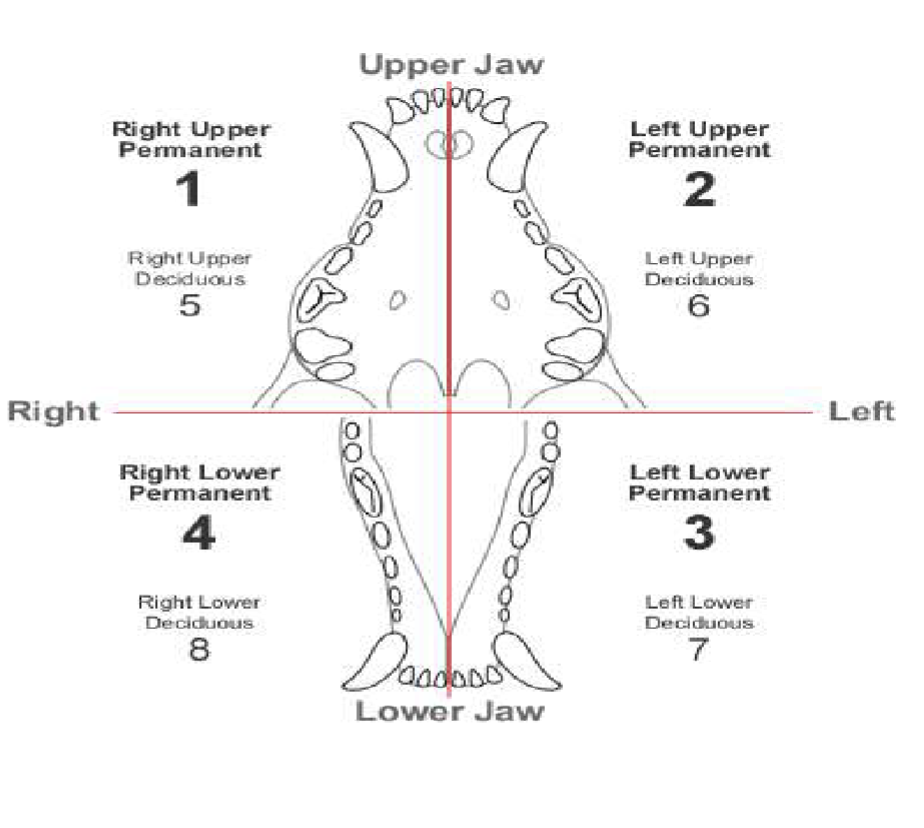
Label them?
Start top left box (Right upper) at the incisor and its 101 then go to top right then bottom right and end bottom left
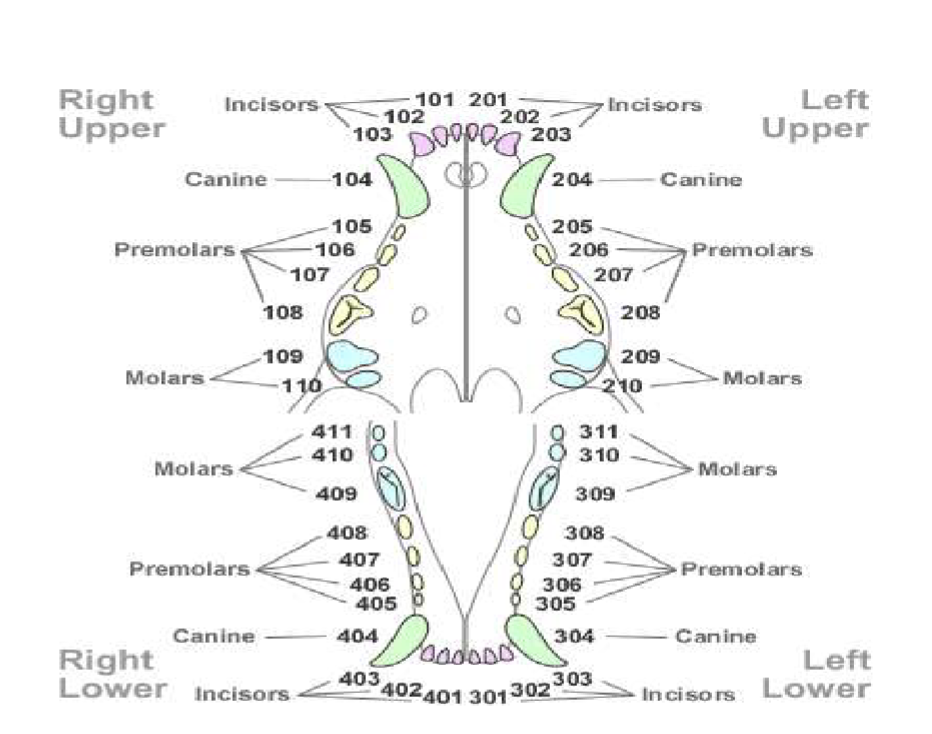
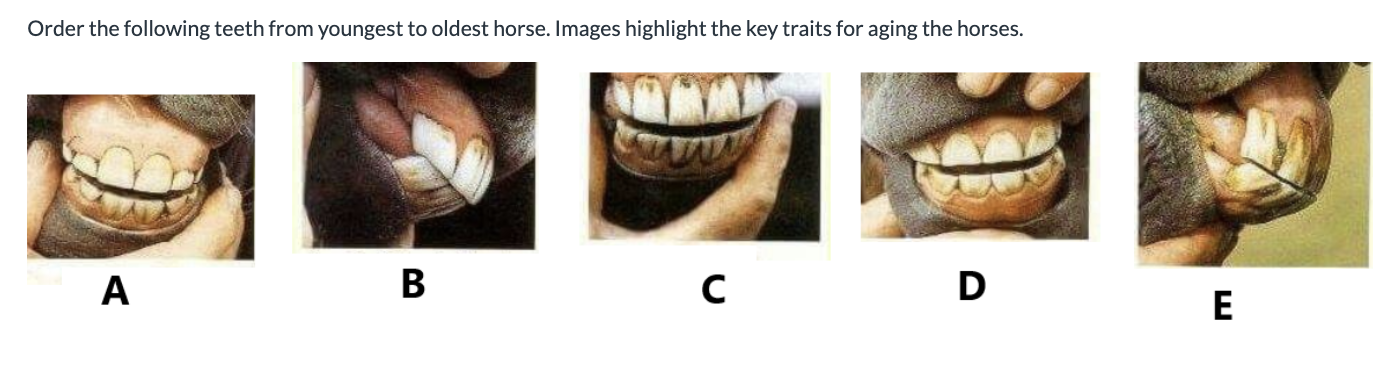
Label them youngest to oldest?
A, D, C, B, E
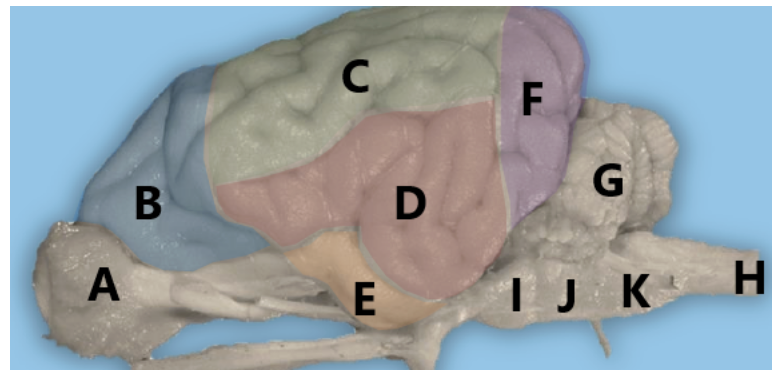
Label this?
A: Olfactory bulb
B: Frontal lobe
C: Parietal lobe
D: Temporal lobe
E: Piriform lobe
F: Occipital lobe
G: Cerebellum
H: Spinal cord
I: Mesencophalon
J: Metencephalon
K: Myelencephalon
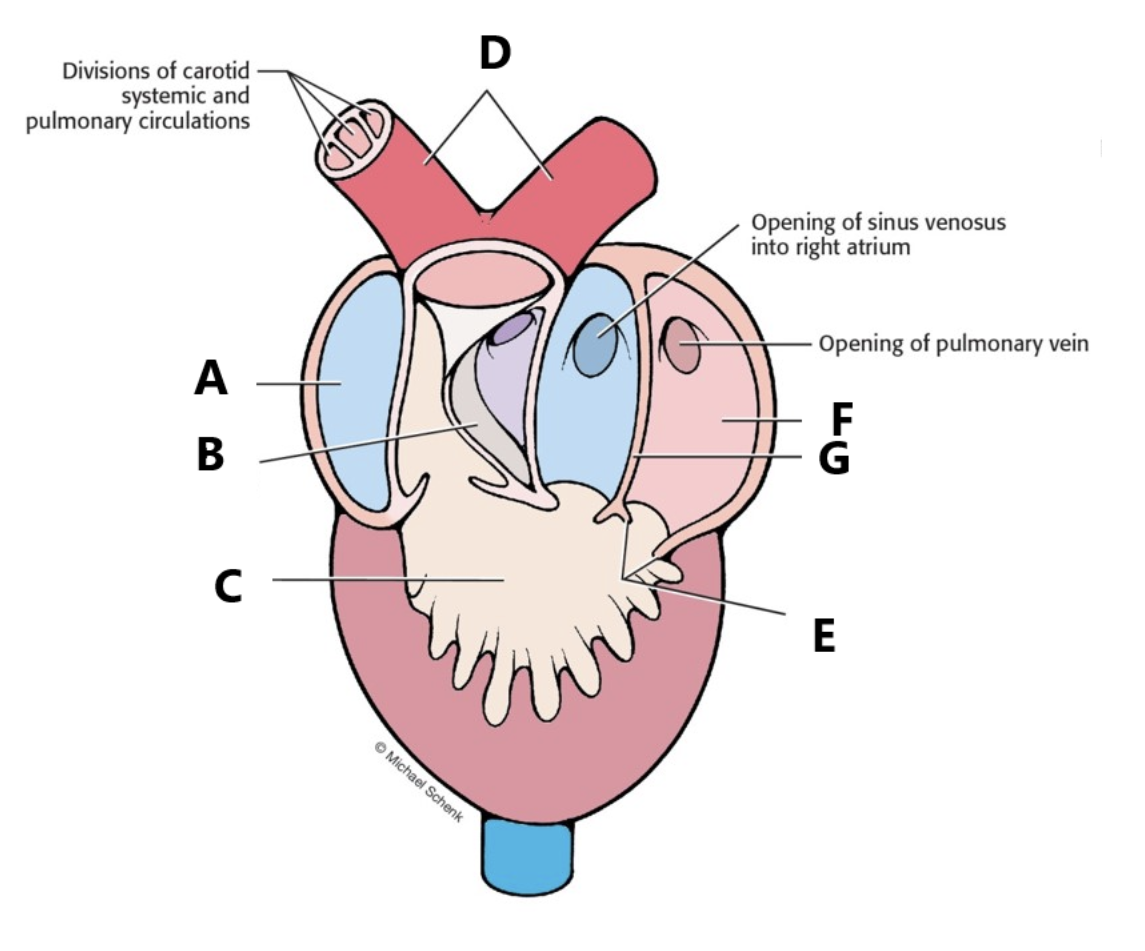
Label this?
A: Right atrium
B: Spiral valve
C: Ventricule
D: Pulmocutaneous arch
E: Atrial septum
F: Left atrium
G: Internal septum
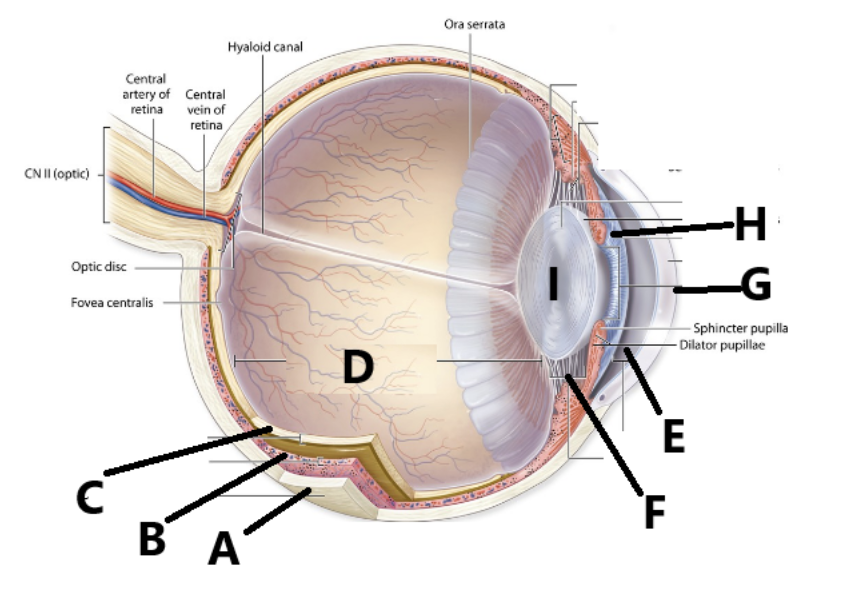
Label them?
A: Sclera
B: Choroid
C: Retina
D: Vitreous chamber
E: Anterior chamber
F: Posterior chamber
G: Cornea
H: Iris
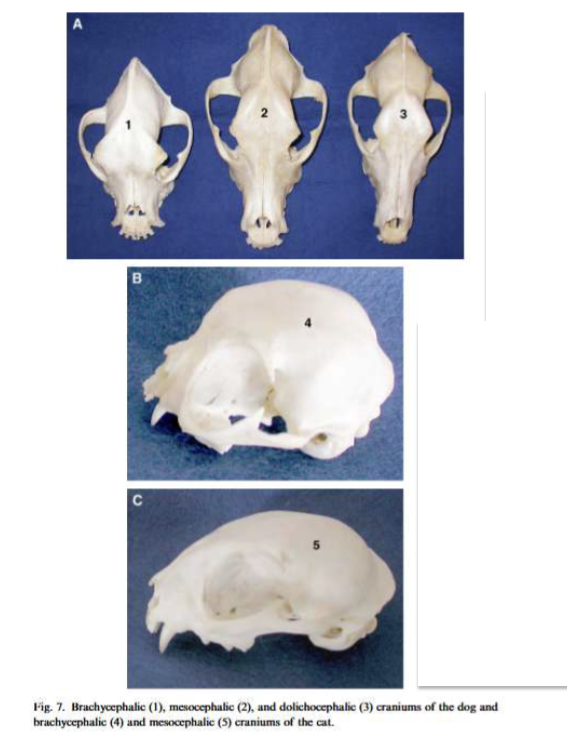
Label the dog skulls?
A: Dolichocephalic
B: Mesocephalic
C: Brachycephalic
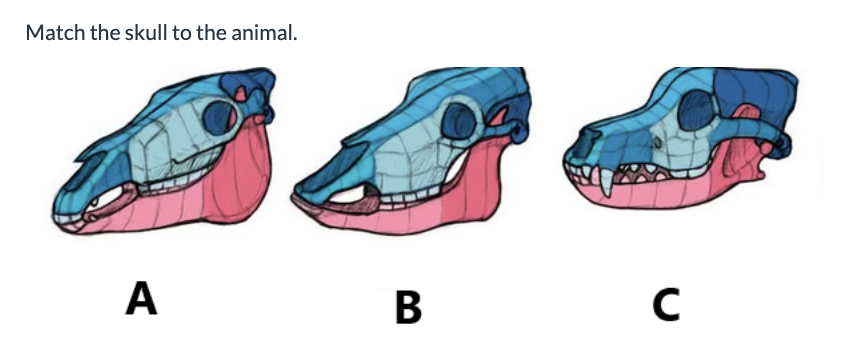
Label the skulls?
A: Horse
B: Cow
C: Dog
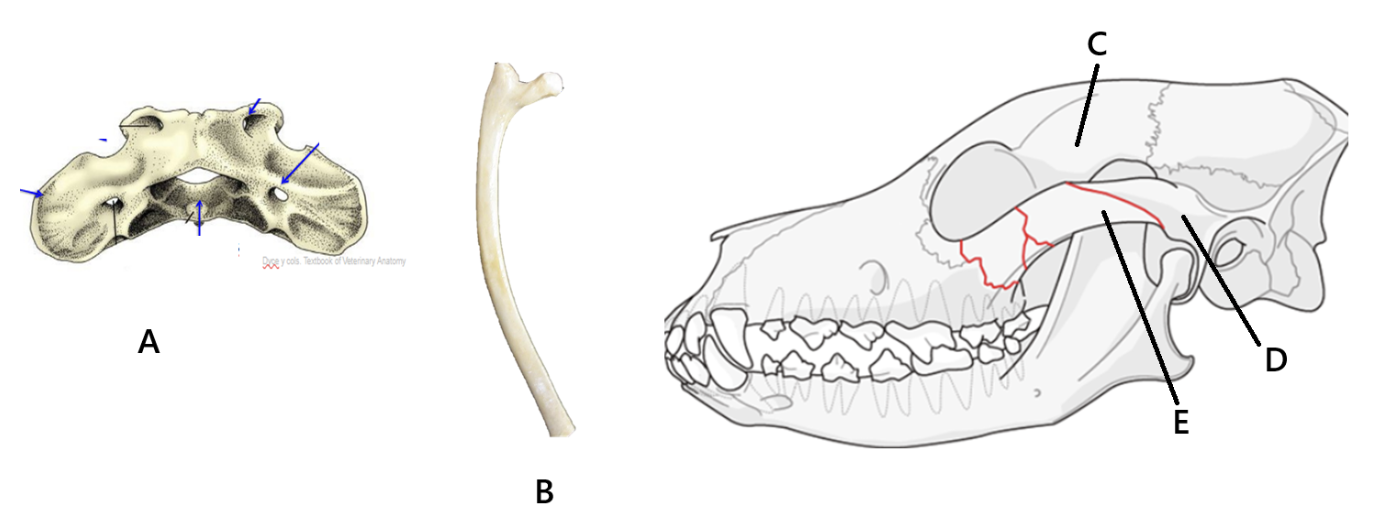
Label them?
A: Atlas (c1)
B: Ribs
C: Zygomatic process
D: Zygomatic process
E: Temporal process
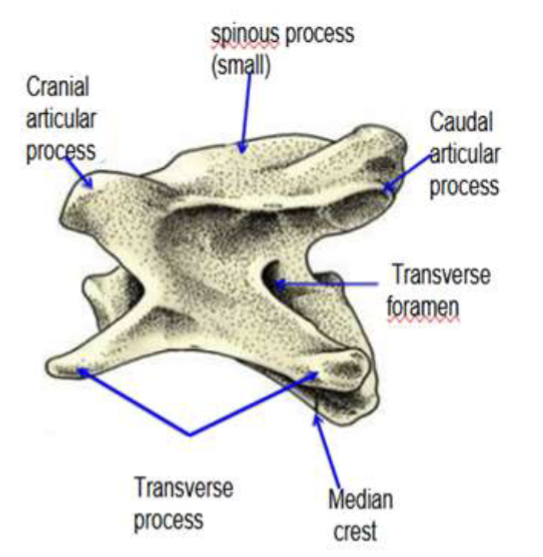
What type of spine bone is this?
Axis (c2)
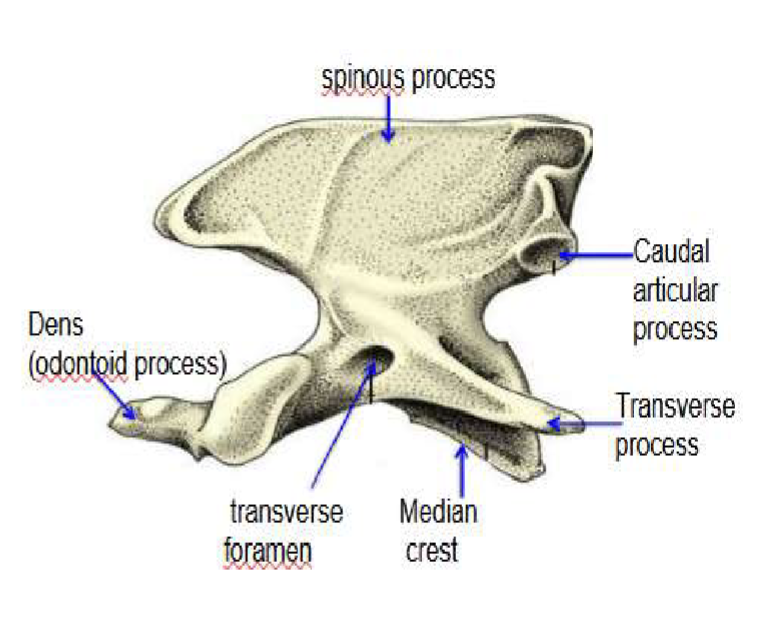
What type of spine bone is this?
Cervical vertabrae
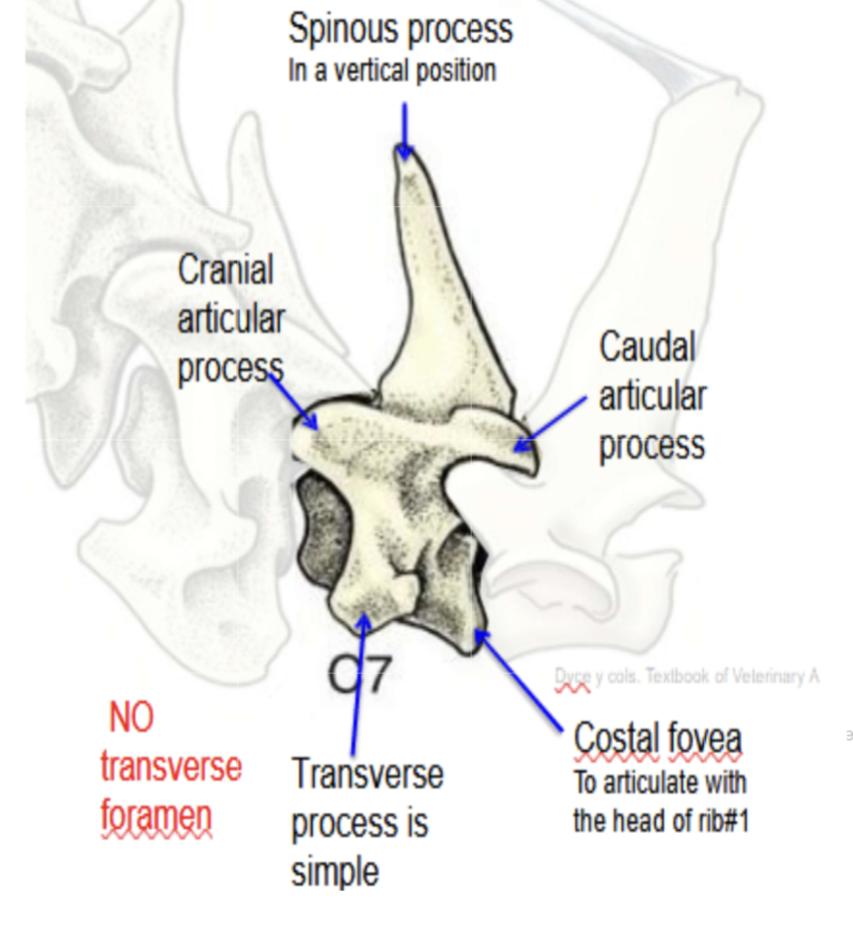
What type of spine bone is this?
c7
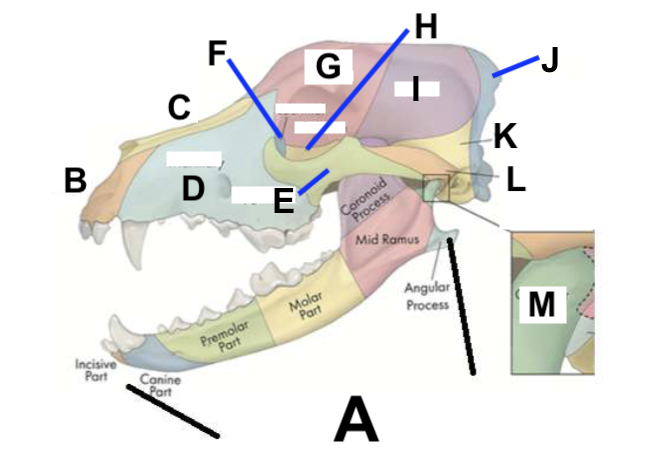
Label this
A: Mandible
B: Incisive
C: Nasal
D: Maxillary
E: Zygomatic
F: Lacrimal
G: Frontal
H: Palatine
I: Parietal
J: Occipital
K: Temporal
L: Zygomatic process
M: Condylar process