Practical Exam
 Call Kai
 Learn
Learn Practice Test
 Spaced Repetition
 Match
Match Flashcards
 Knowt Play
1/75

There's no tags or description
Looks like no tags are added yet.
Name | Mastery | Learn | Test | Matching | Spaced | Call with Kai |
|---|
No analytics yet
Send a link to your students to track their progress
76 Terms
What is the temp of the human body in C
37 degrees c
What is the boiling point of water
100 degrees
What is the freezing point of water in C
0 degrees
Which metric base unit is used to measure length?
Meter
Which metric base unit is used to measure mass?
Grams
Which metric base unit is used to measure volume ?
liters
What are the steps of the scientific method in order ?
Make an observation 2. Ask a question 3. Conduct background research 4. Form a hypothesis 5. test the hypothesis with a controlled experiment by making observations and gathering data 6. Reject or accept your hypothesis. 7. Form a conclusion
Independent variable
What is manipulated or changed
Dependent variable
What is being measured or the outcome
Standardized variables
What stays the same for each group
Experimental group
Receives the specific treatment or variable being tested
Control group
The group that does not receive the variable being tested; gets placebo
How to write a hypothesis?
If ___________ then_______ because________
What are enzymes?
proteins that perform chemical reactions
Enzyme specificity
Enzyme will only bind to one substrate And catalyze 1 chemical reaction
Enzyme denaturation
The process where an enzyme loses its shape
Enzyme optimum
The specific environmental conditions primarily temperature and PH where the enzyme operates at its highest activity
What is the effect of PH, temperature, and concentration on enzyme activity?
Dictates how efficiently enzymes facilitate reactions; Drastic increases or decreases in a temperature or PH can denature proteins
What substrate did we use in our lab enzyme experiment?
Hydrogen Peroxide H2O2, Naoh Sodium hydroxide, HCl Hydrochloric acid
Substrate
The specific reactant molecule that an enzyme acts upon
What is potato water?
Catalase
Catalase
An enzyme produced by all eukaryotic cells in order to breakdown hydrogen peroxide produced in the mitochondria during aerobic cellular respiration
What are the products of catalase
water H2O and Oxygen O2
Are plant cells, animal cells, both or neither eukaryotic?
Both eukaryotic
What three organelles will you find in a plant cell but not in an animal cell?
Central vacuole, Chloroplasts, and the cell wall
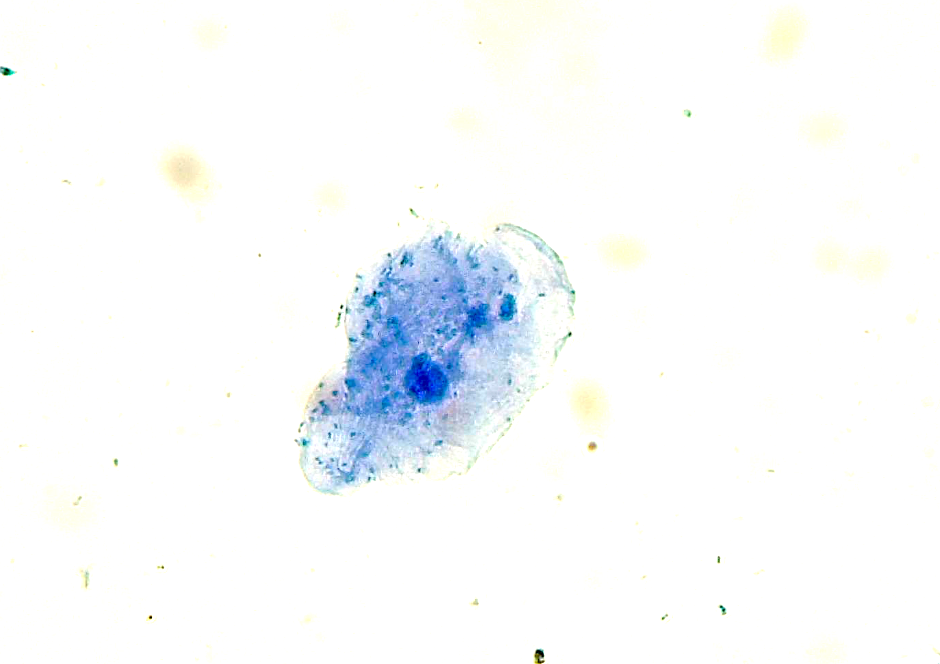
Label the three main parts that we discussed on the cheek cell
Nucleus, Plasma membrane, cytoplasm
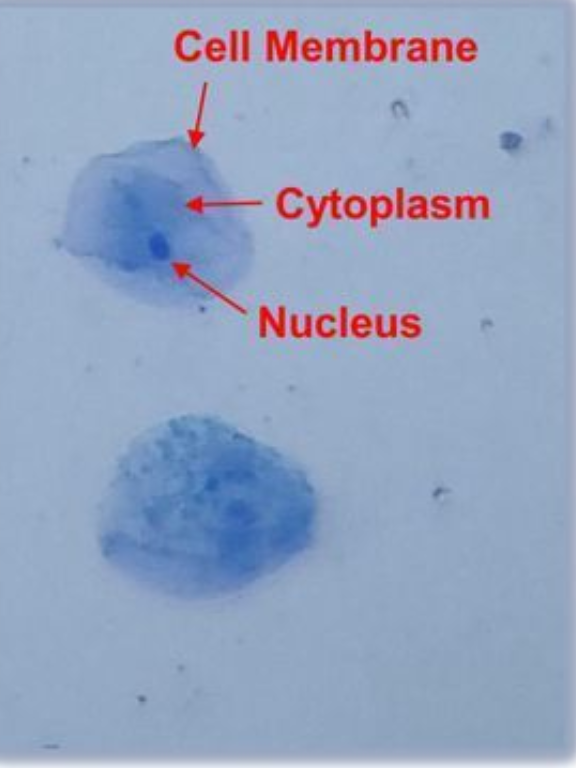
Are cheek cells eukaryotic or prokaryotic cells and how do we know?
eukaryotic because it has a central nucleus
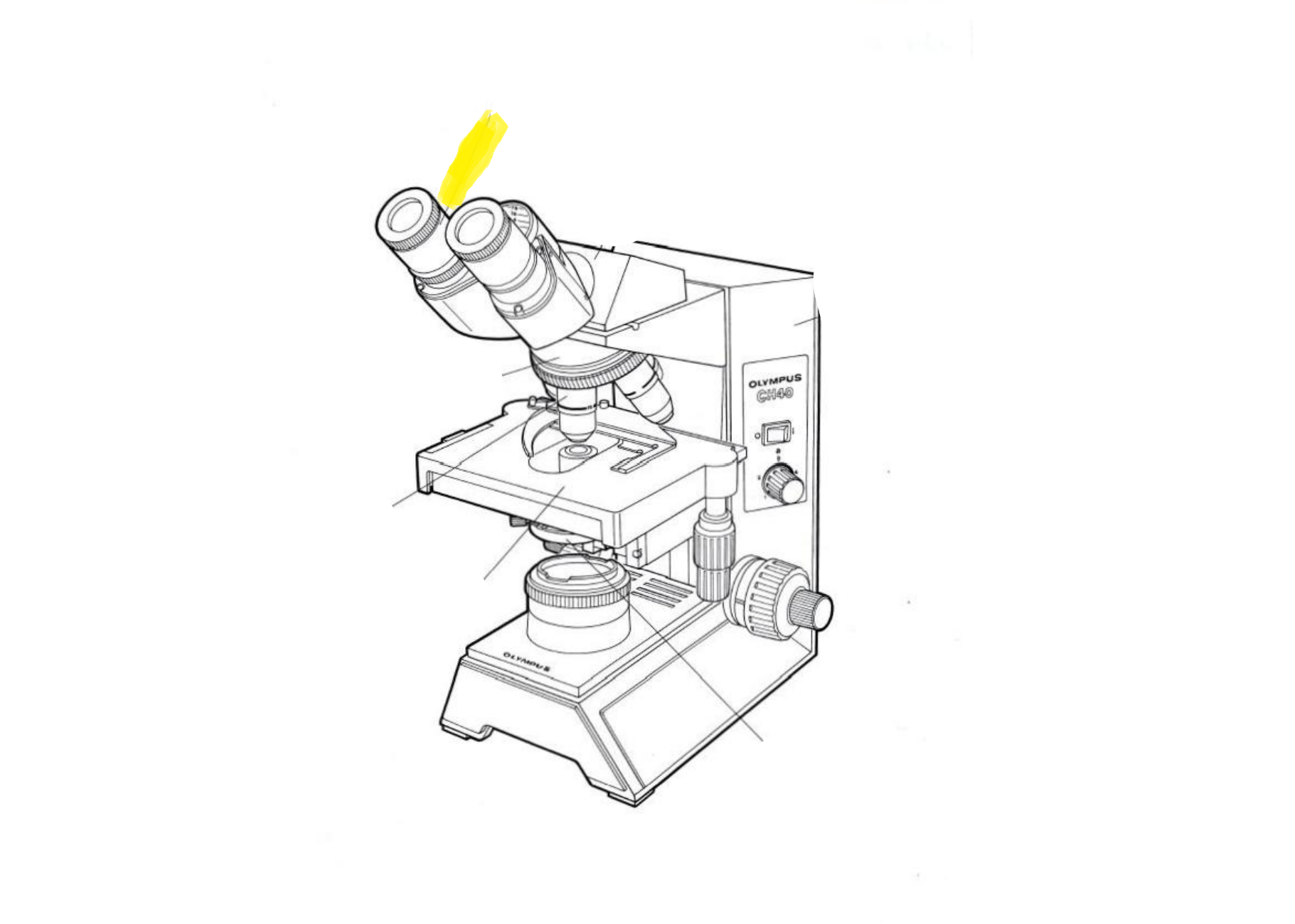
Label the part of the microscope highlighted in yellow
Eyepiece
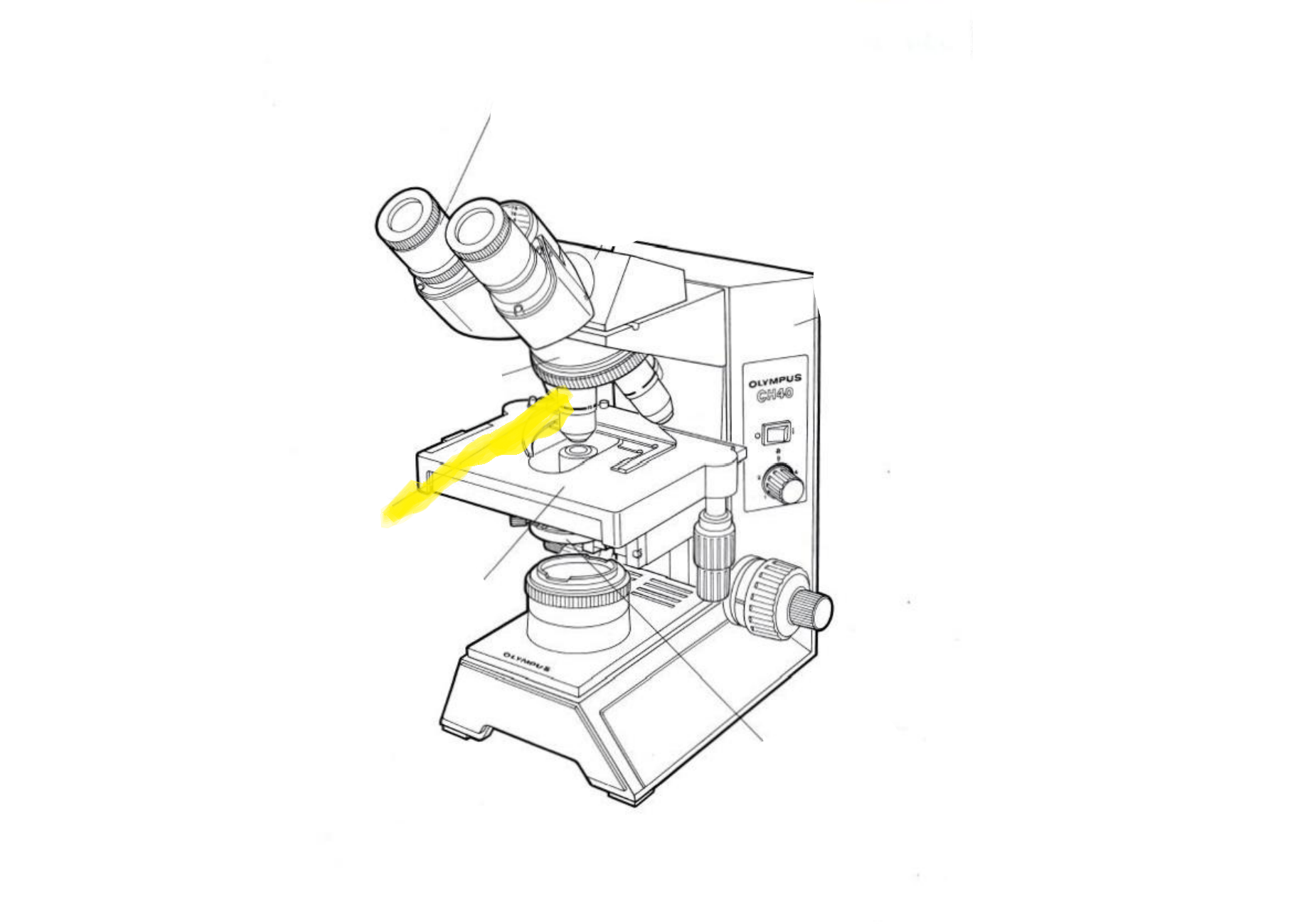
Label the part of the microscope highlighted in yellow
Objective
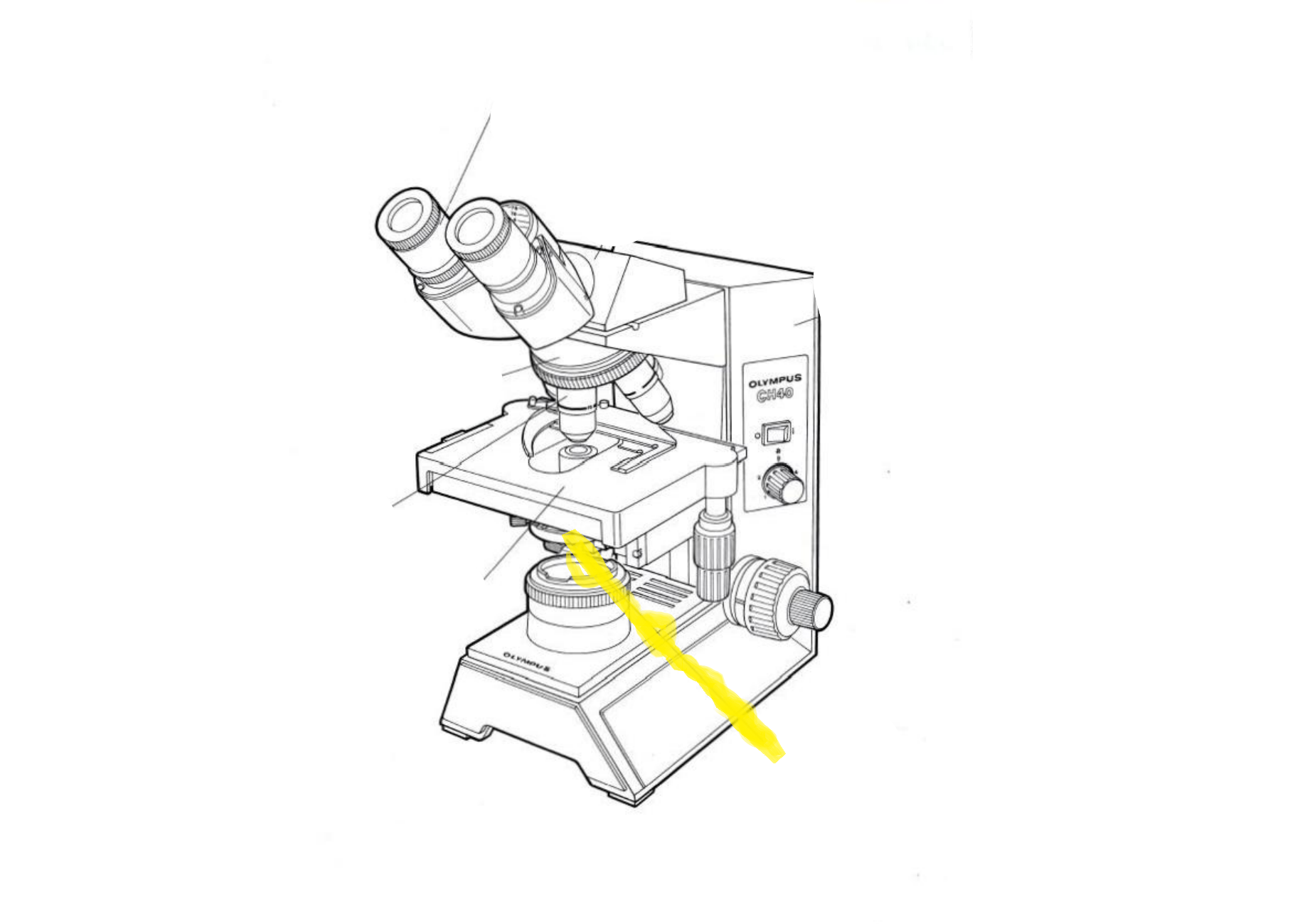
Label the part of the microscope highlighted in yellow
Iris diaphragm
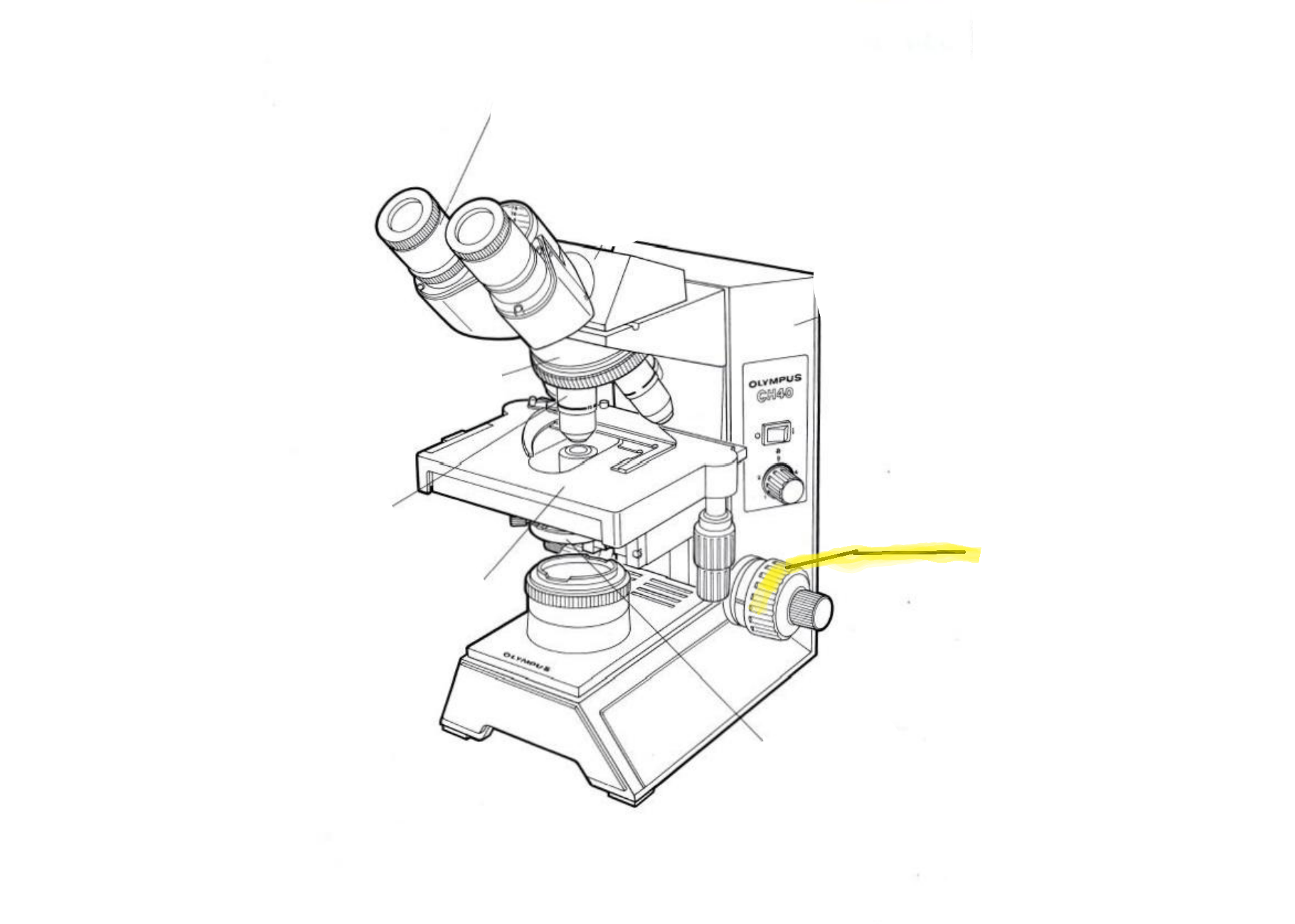
Label the part of the microscope highlighted in yellow
Course focus
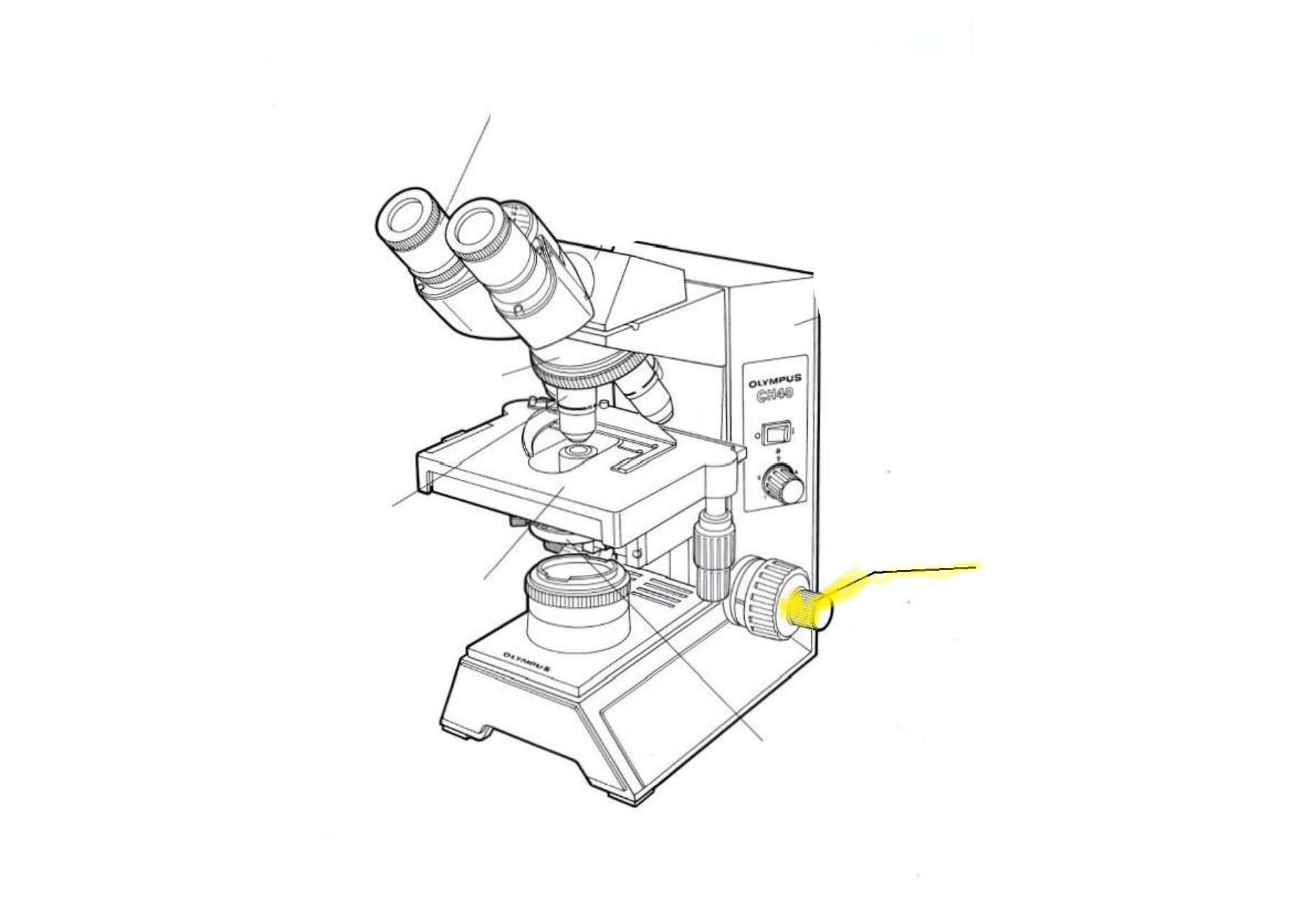
Label the part of the microscope highlighted in yellow
Fine focus
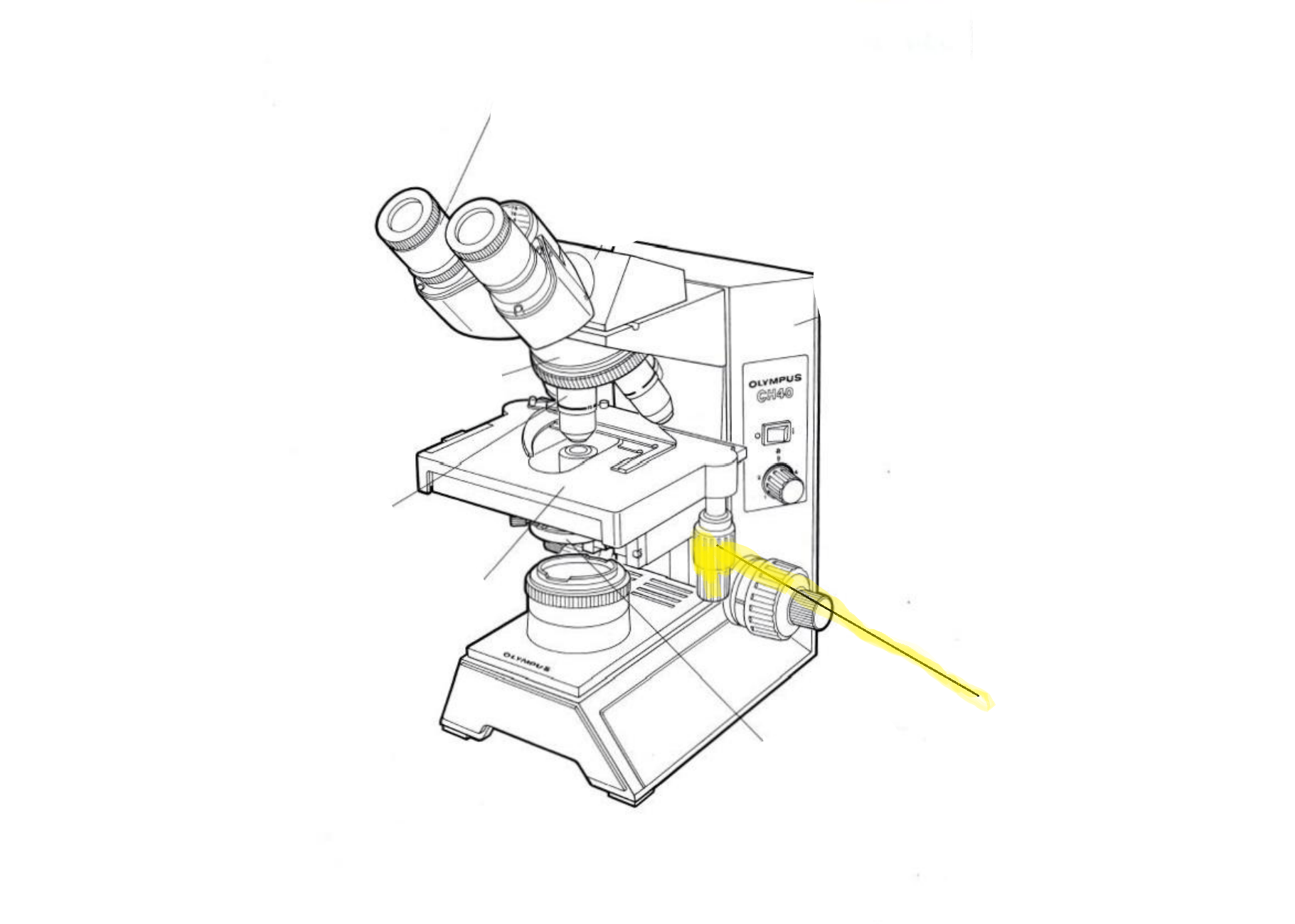
Label the part of the microscope highlighted in yellow
Stage control knob
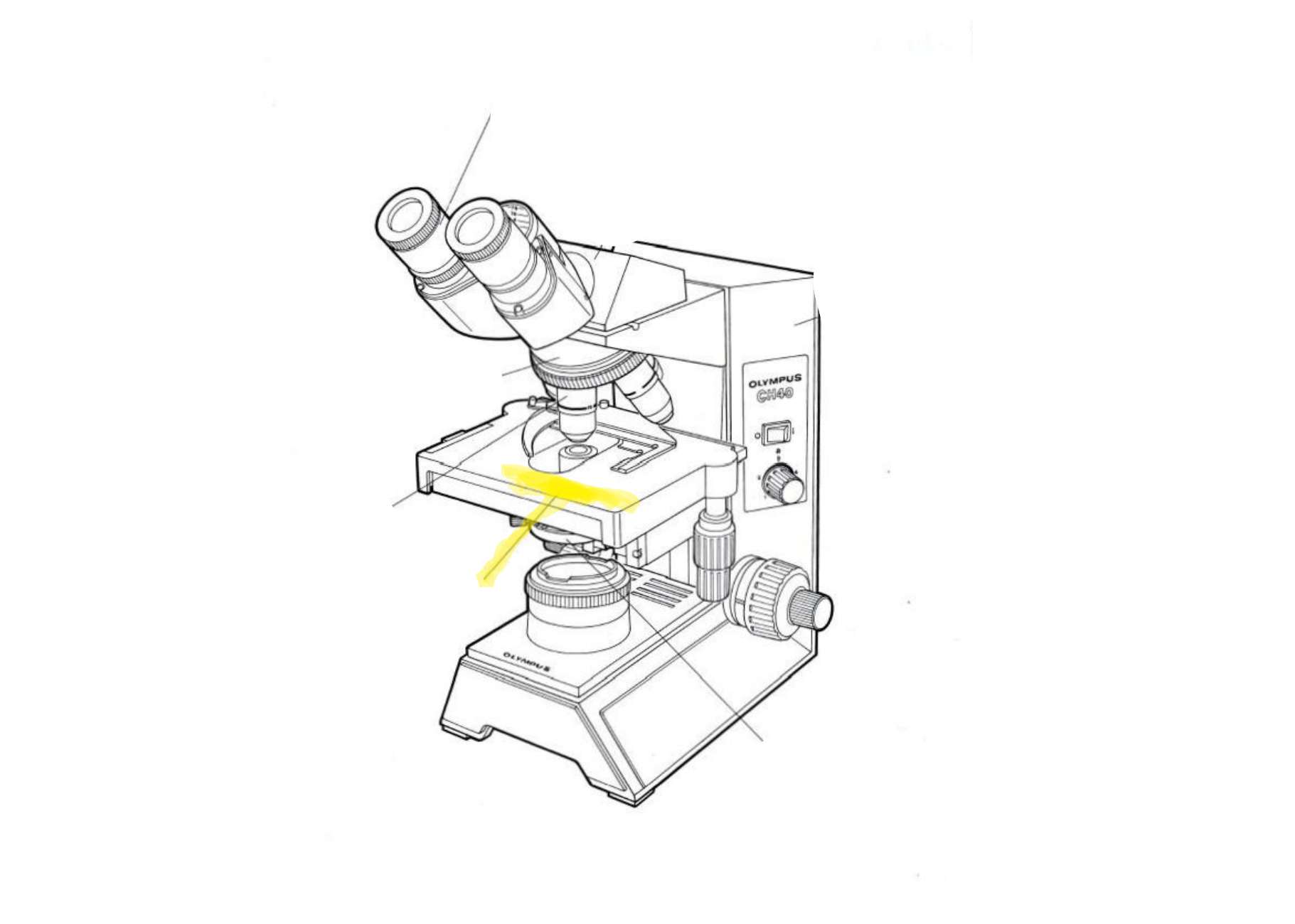
Label the part of the microscope highlighted in yellow
Stage
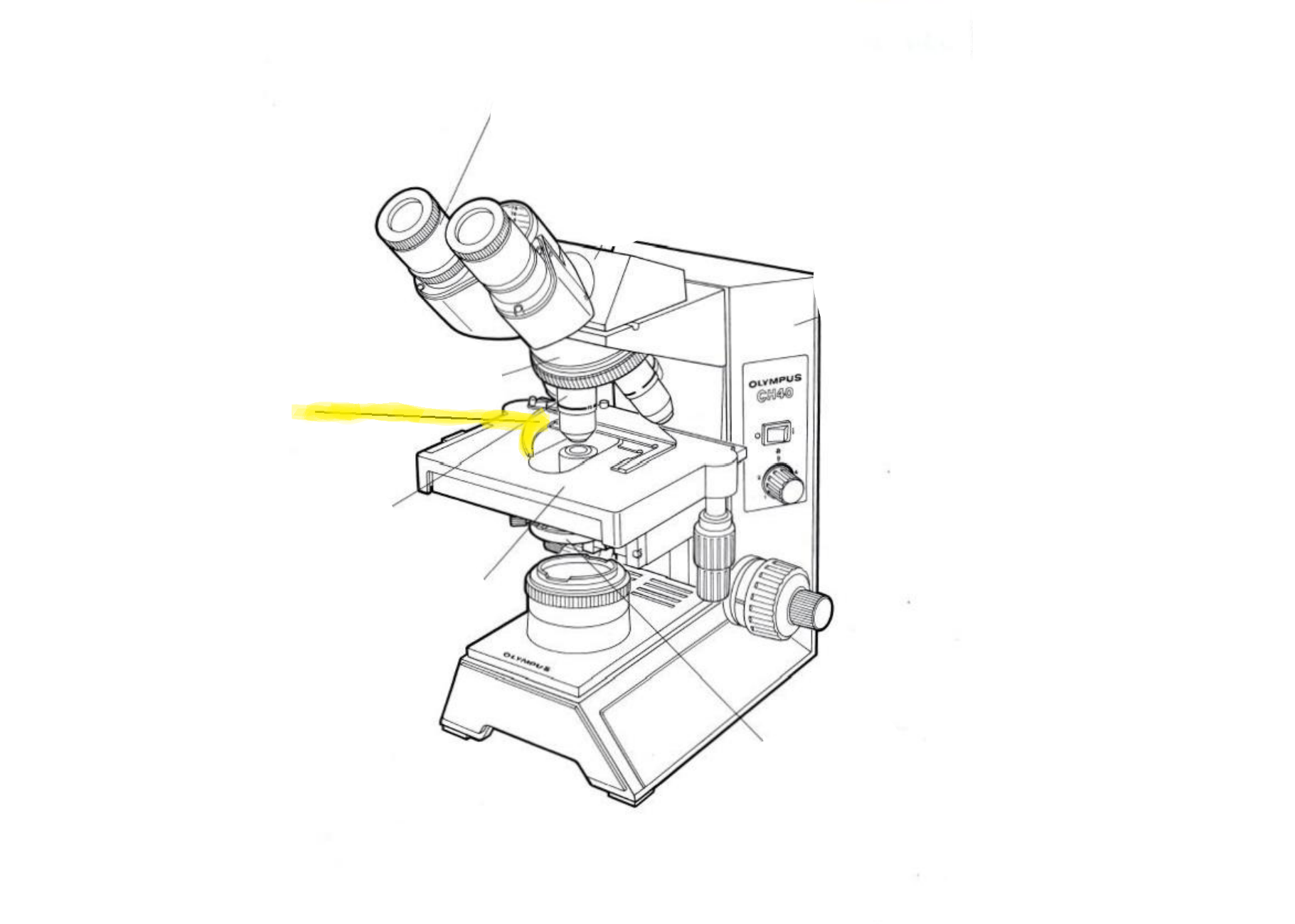
Label the part of the microscope highlighted in yellow
Stage Clip
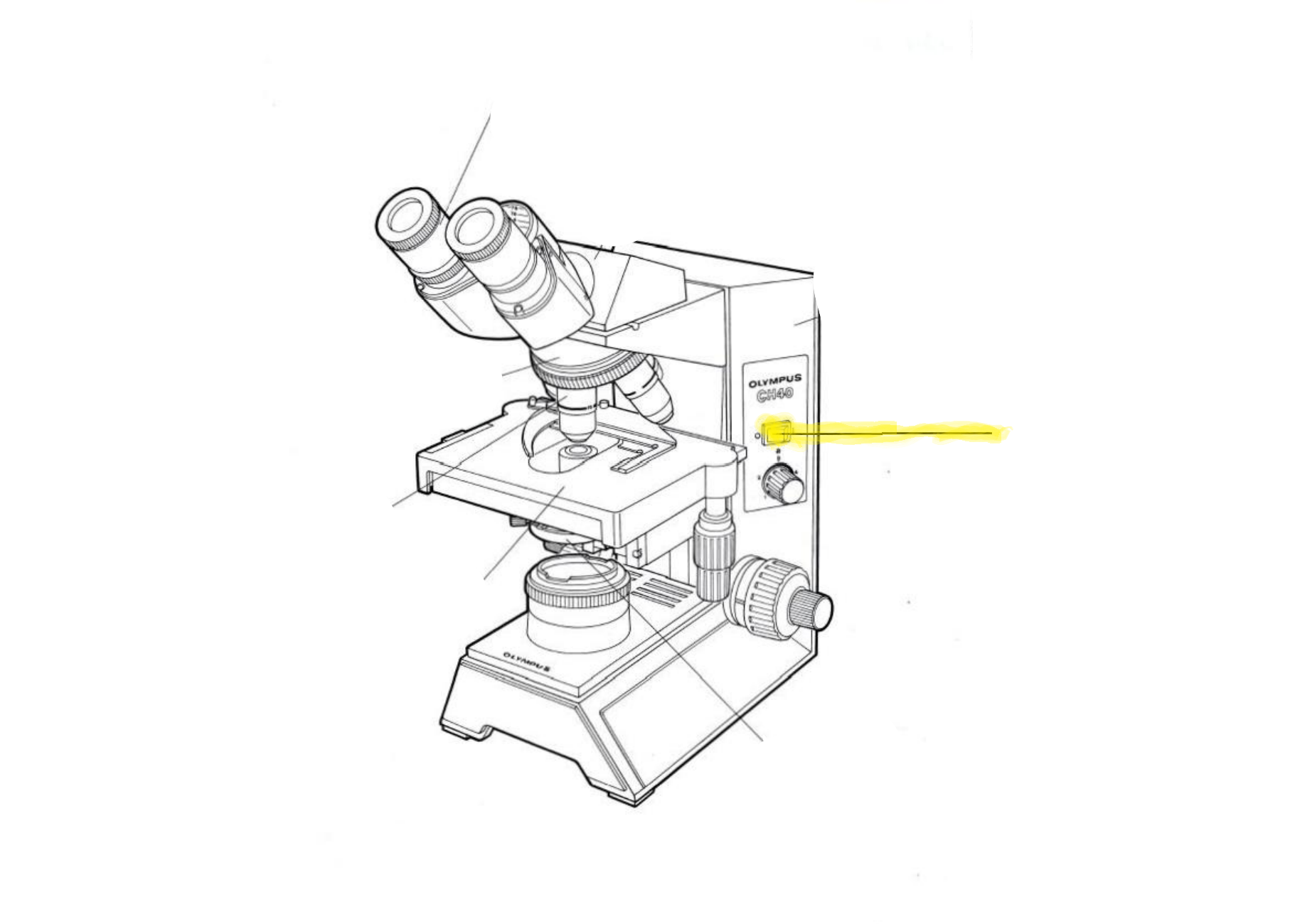
Label the part of the microscope highlighted in yellow
Main Power Switch
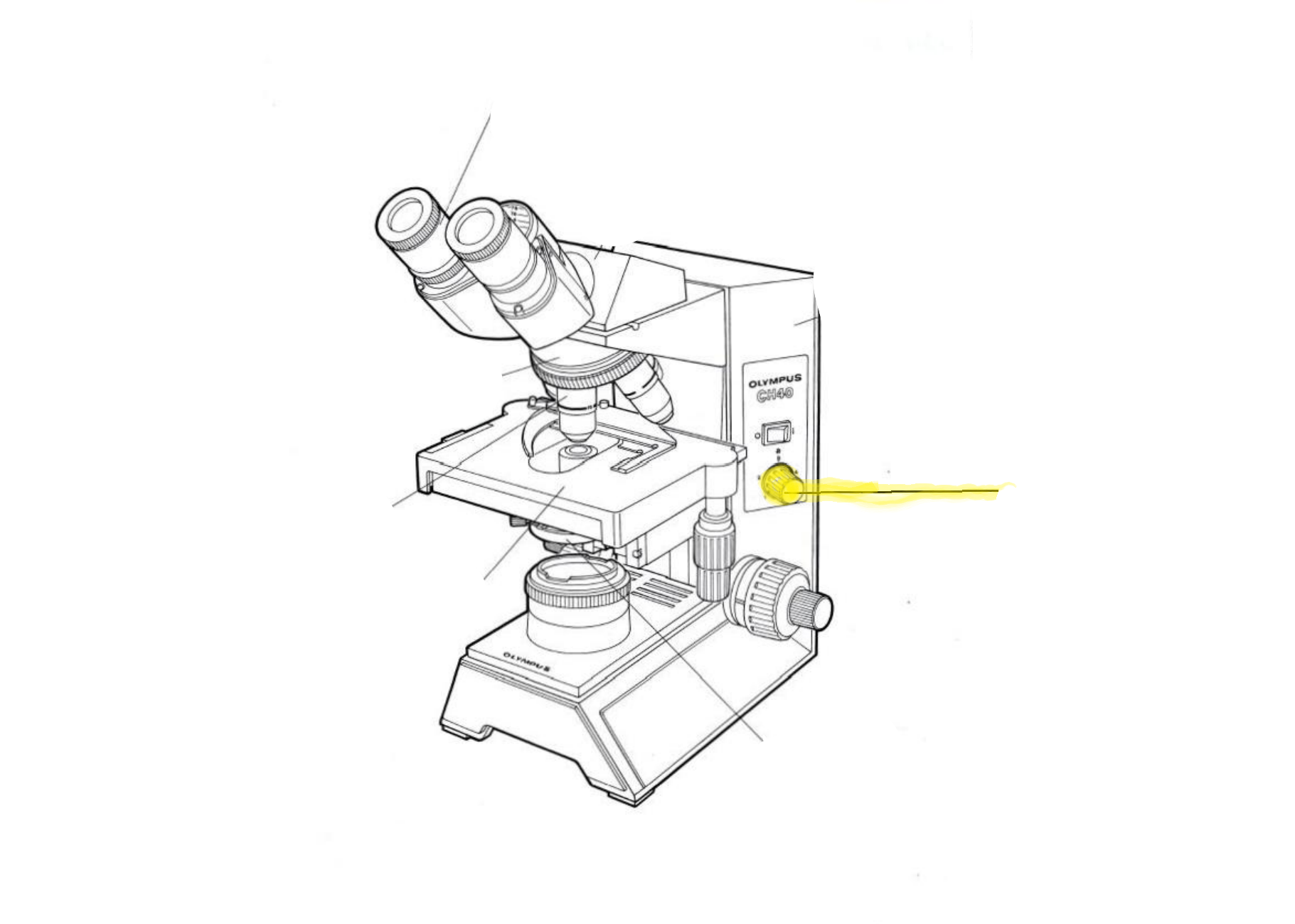
Label the part of the microscope highlighted in yellow
Rheostat/ Light Intensity Knob
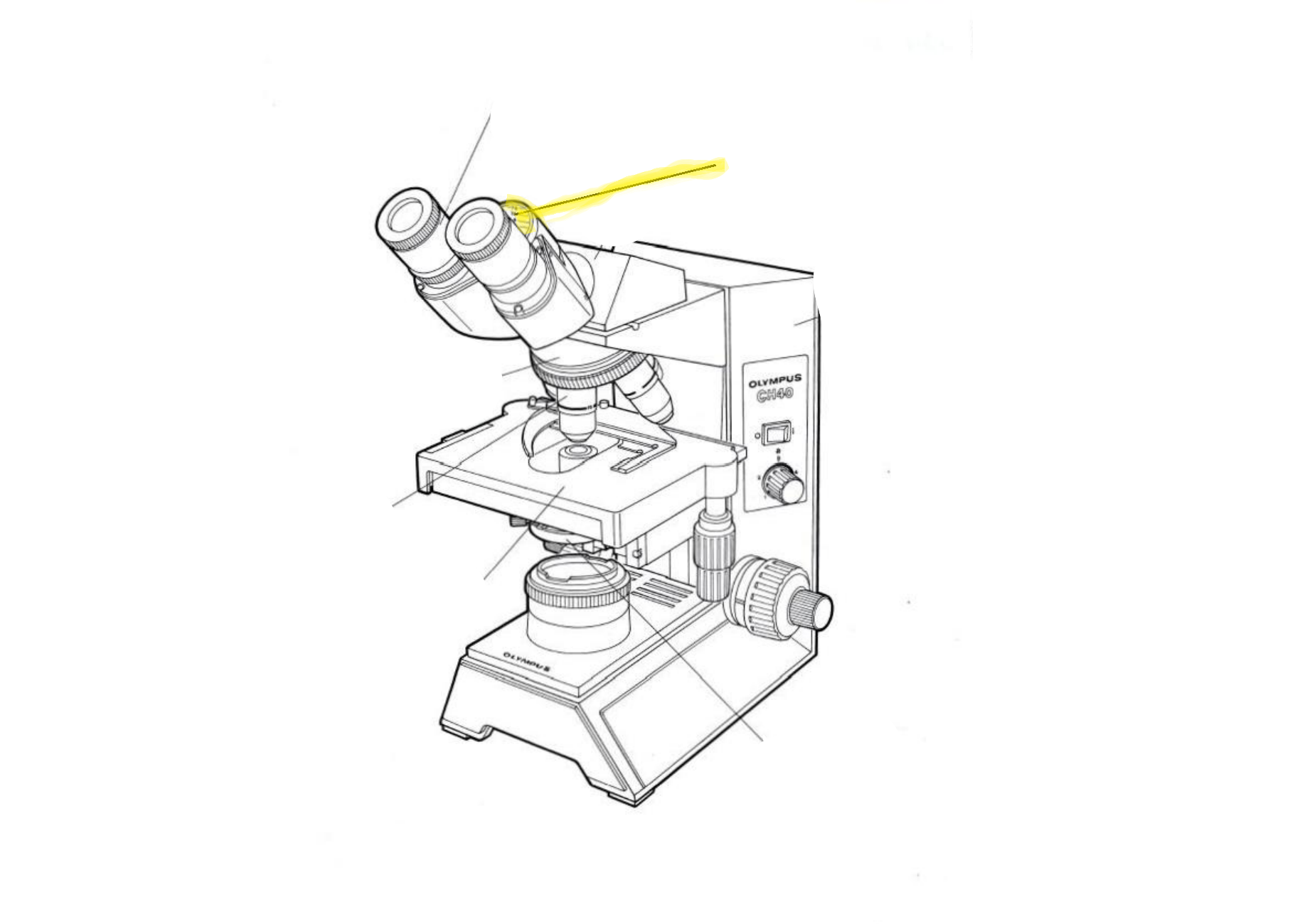
Label the part of the microscope highlighted in yellow
Distance adjustment scale
On a microscope as you go up in magnification your blank will get smaller which is why it's important to use the pointer
Field of view
Your specimen will appear to move in the opposite direction from how you move your stage due to blank
Inversion
What are the three magnifications of the objectives on our microscopes
4X, 10X, 40X
What was the total magnification of each objective when looking through the ocular lens
40X, 100X, 400X
Diffusion
The movement of molecules down a concentration gradient
Osmosis
The diffusion of water across a membrane
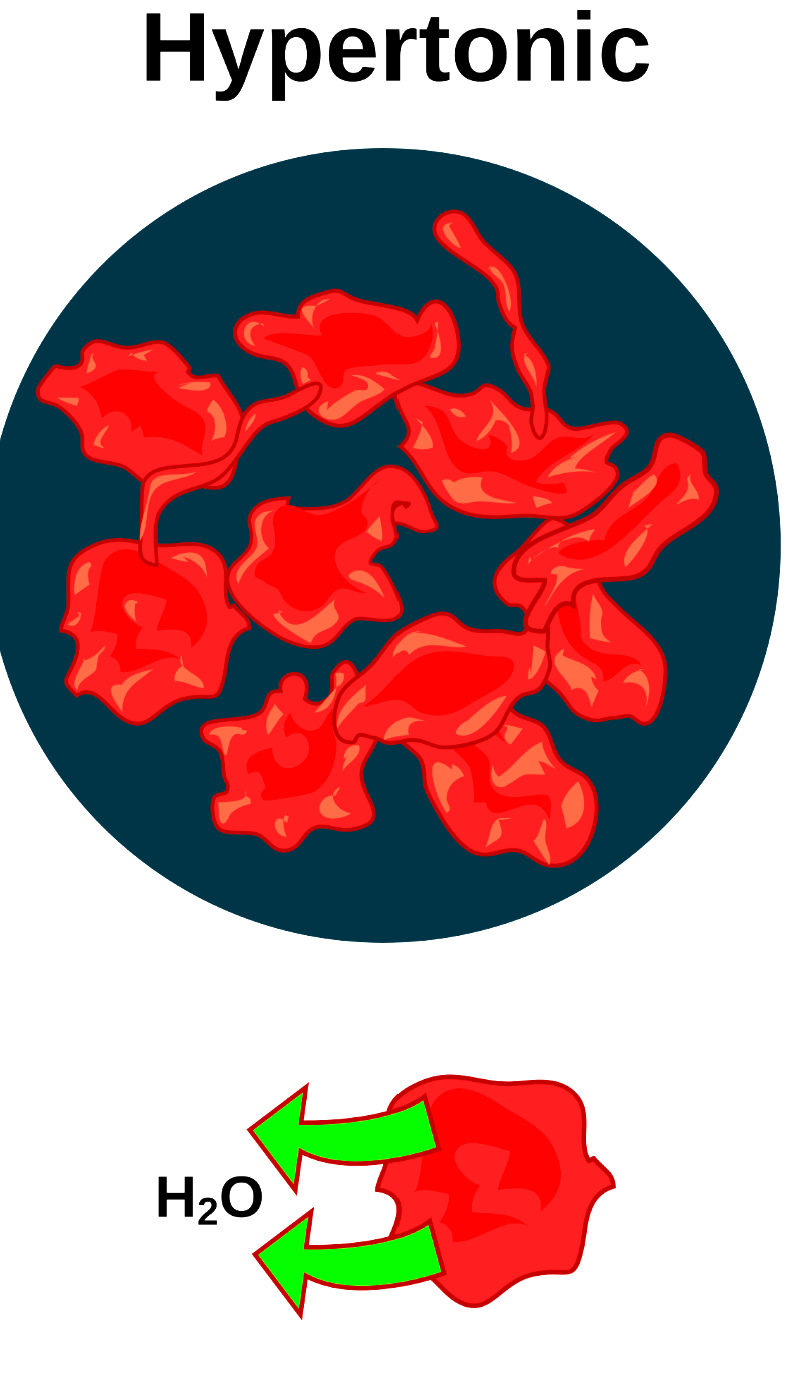
Hypertonic
The concentration of solutes on the outside of the cell is higher than inside the cell
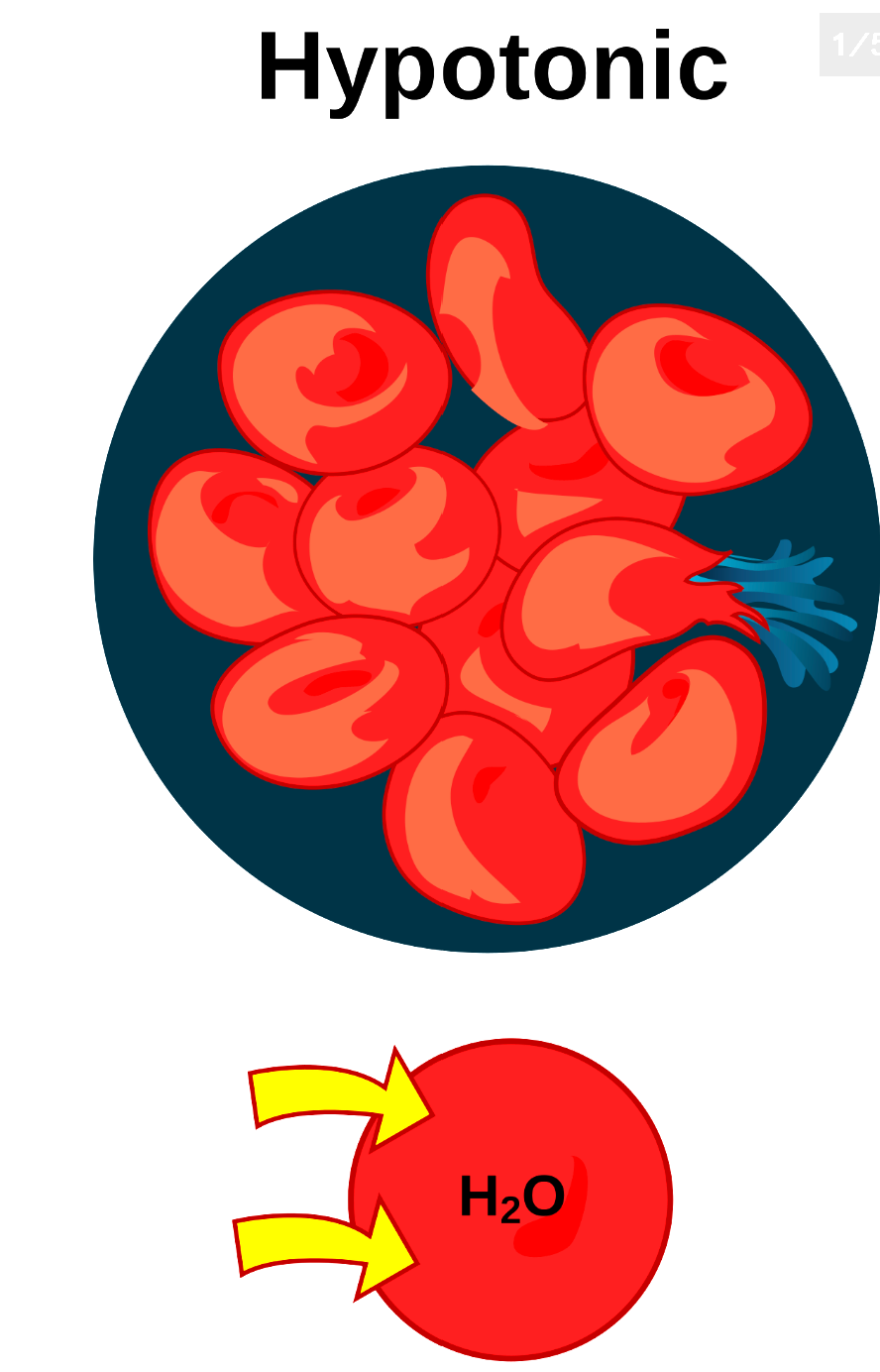
Hypotonic
The concentration of solutes on the outside of the cell is lower than inside the cell
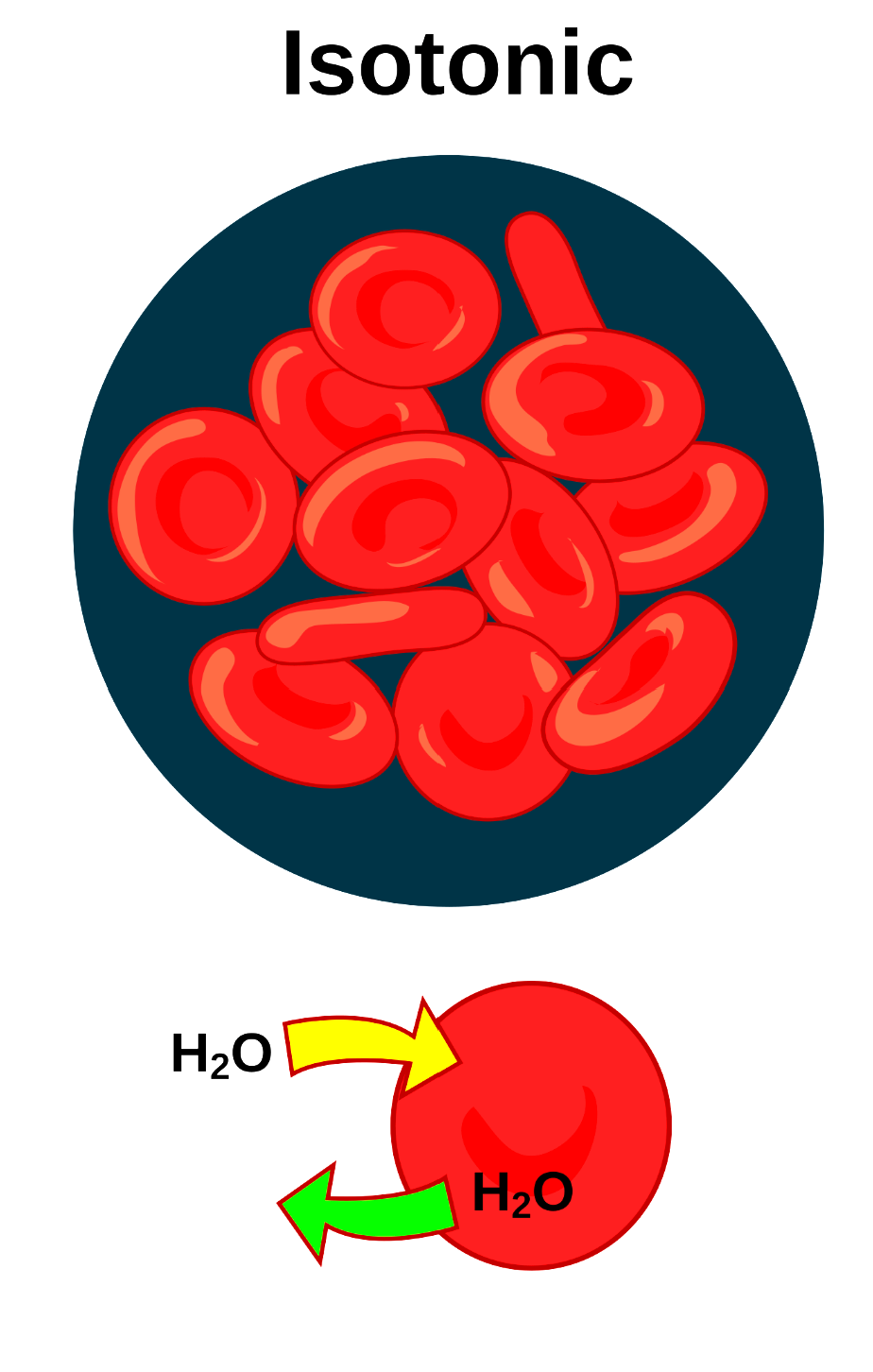
Isotonic
The concentration of solutes on the outside of the cell is the same as inside the cell
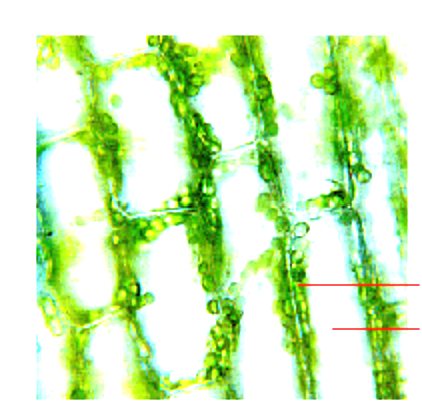
Is the cell pictured hypotonic or hypertonic and was it exposed in lab to DI water or salt water.
Hypotonic 2. DI Water
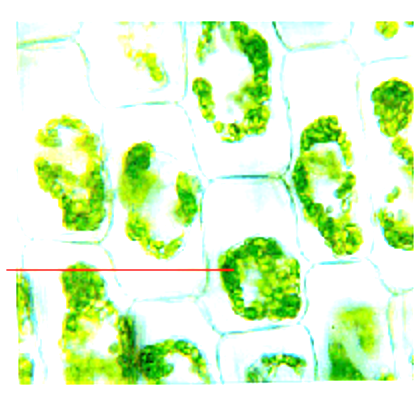
Is the cell pictured hypotonic or hypertonic and was it exposed in lab to DI water or salt water.
1. Hypertonic 2. Salt water
If you place an animal cell in a hypotonic solution it would behave differently than a plant cell what is different and why
Animal cell may burst Plant cell walls prevent this
When we made a cell using dialysis tubing we put starch and sugar inside the cell and placed it in a solution of water and iodine the liquid inside the cell started to turn black why?
The dialysis tubing acted as a permeable membrane that allowed the iodine to diffuse into the cell and react with the starch turning black inside the cell.
Why was the glucose able to diffuse out of the bag while the starch was not able to make sure to be specific?
Glucose is a monomer and was small enough to diffuse through the permeable membrane the starch is a polymer and was too large to diffuse through the membrane.
What is the name of the enzyme that was present in the potato juice?
Catalase
What is the substrate of catalase?
Hydrogen peroxide
What do you call the area where the substrate fits into the enzyme where the reaction will occur?
Active site
What are the two products created in the reaction we did in lab?
Oxygen and water
Explain why the sucrose mixed with the enzyme did not create bubbles?
The shape of the enzyme did not fit because of enzyme specificity
How does an increase in temperature and or a change in PH away from the optimal effect an enzyme reaction?
It denatures the protein so it no longer fits in its substrate