Paper 1 - Conflict and Tension
 Call Kai
 Learn
Learn Practice Test
 Spaced Repetition
 Match
Match Flashcards
 Knowt Play
1/15

Earn XP
Description and Tags
History, Paper 1 - Conflict and Tension: The Inter-War Years, 1918–1939
Name | Mastery | Learn | Test | Matching | Spaced | Call with Kai |
|---|
No analytics yet
Send a link to your students to track their progress
16 Terms
What is BRAT?
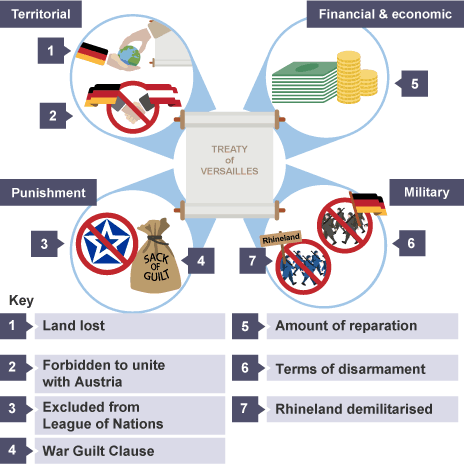
Blame, Reparations, Armed Forces and Territory.
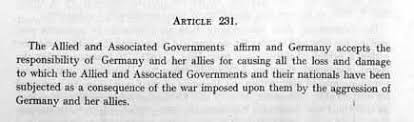
What is Article 231?
The guilt clause which meant that Germany and it’s allies had to accept full responsibility for starting the war.
What does R in BRAT mean?
Germany had to pay £6.6 billion to France, and had to give their African colonies to France and Britain.
What does the R in BRAT mean?
Germany limitations in army (limited to 100,000), navy (limited to 15,000) and battleships (limited to 6 used battleships).
What does the T in BRAT mean?
Germany lost 13.5% of land and the Rhineland was demilitarised.
Who were the Peacemakes/The Big Three?
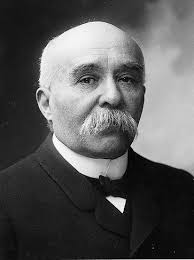
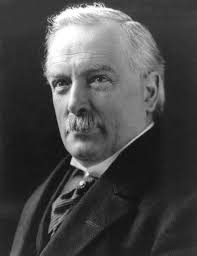
George Clemenceau (France), David Lloyd George (Britain) and Woodrow Wilson (USA).
What problems did George Clemenceau face?
He wanted to destroy Germany and felt that the TOV wasn’t harsh enough. He wanted more money.
What problems did David Lloyd George face?
He was elected by promising to punish Germany but he wanted them strong enough to trade with, and felt that the TOV was too harsh.
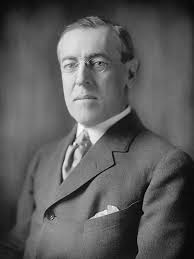
What problems did Woodrow Wilson face?
He wanted world peace and followed his 14 points, which pursued isolationism away from European conflicts. He also felt that the TOV was too harsh.
Who were the permanent members in the LON?
Britain, France, Italy and Japan.
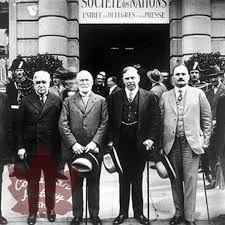
What were the main aims of the LON?
Encourage disarmament, improve working conditions, tackle deadly diseases and prevent war.
What were the failures of the LON?
No army, no USA, the great depression, ambitious aims, complicated structure and self-interested members.
What was Hitler’s Foreign Policy?
To gain lebensruam (living space), destroy communism, reunite volksdeutsche (German speakers), destroy the TOV and anschluss (unite Austria).
What is SCRASMCUP?
Saar, Conscription, Rhineland, Anschluss, Sudetenland, Munich, Czechslovakia, USSR and Poland.
What was the Locarno Treaty?
The Locarno Treaties were a series of seven agreements signed in October 1925 in Locarno, Switzerland, aiming to secure peace in Europe by securing post-WWI borders
What was the Kellogg-Briand?
65 countries met in Paris to pledge to settling disputes instead of starting war.