step 1 helpppp
 Call Kai
 Learn
Learn Practice Test
 Spaced Repetition
 Match
Match Flashcards
 Knowt Play
1/3127

There's no tags or description
Looks like no tags are added yet.
Name | Mastery | Learn | Test | Matching | Spaced | Call with Kai |
|---|
No analytics yet
Send a link to your students to track their progress
3128 Terms
total vs absolute erythrocytosis
An increased total RBC mass indicates an absolute erythrocytosis; a normal RBC mass indicates a relative erythrocytosis
goiter assoc w
most commonly associated imbalance is hypothyroidism
thyroid
placenta
PTU and methimazole cross
TSH does not
aging effects on lung:
____ elastin
____ chest wall stiffness
____ FVC
____ TLC
____ total system compliance
____ WOB
____ physiologic dead space
____ A-a gradient
____ VQ mismatch
____ PaO2
____ PaCO2
dec elastin
inc chest wall stiffness
dec FVC
normal TLC
dec total system compliance
inc WOB
inc physiologic dead space
inc A-a gradient
inc VQ mismatch
dec PaO2
no change PaCO2
In response to LV pressure overload (eg, prolonged systemic hypertension), there is upregulation of genes encoding for
contractile proteins of the cardiac sarcomere, including beta-myosin heavy chain
additional contractile fibers are added in parallel to increase the contractile strength of the LV wall
LV pressure overload (eg, prolonged systemic hypertension)
additional contractile fibers are added in
parallel to increase the contractile strength of the LV wall
When ADH levels are high (eg, dehydration), the ____ is highly permeable to water
collecting duct
prox tubule mech
water is passively reabsorbed along with active transport of solutes into the interstitium
PCT osm
isoosmotic with plasma
abs electrolytes and water passively
desc LOH mech
permeable to water, but not solutes
water moves down its concentration gradient from the lumen into the highly osmotic medulla
fluid in the lumen becomes hypertonic
tubular fluid will be the most concentrated at the
bottom of the loop of Henle where interstitial osmolality is the greatest
asc LOH mech
impermeable to water
electrolytes are actively resorbed by the Na+/K+/2Cl- cotransporter, causing the osmolarity of the tubular fluid to decrease and become hypotonic
asc LOH osm
hypotonic
dct mech
Reabsorption of solutes continues to occur in the distal convoluted tubule through the action of the NaCl symporter
early distal convoluted tubule is impermeable to water
tubular fluid increases in hypotonicity
dct mech
inc hypotonicity
collecting ducts mech
water permeability of the collecting ducts depends on the presence of ADH
+ADH —> collecting ducts are impermeable to water, solutes continue to be removed —> very dilute urine
where does water permeability of the collecting ducts depends on the presence of ADH
collecting duct
aging
____ RV
____ TLC
____ FVC
____ FEV1
____ diffusing capacity
inc RV
norm TLC
dec FVC
dec FEV1
dec diffusing capacity
cardiac cycle graph
AL, PL, SV on graph??

Although lactogenesis may begin during the second trimester, lactation is suppressed due to the high
progesterone levels inhibiting the binding of prolactin to receptors on breast alveolar cells
Ventilation is lowest in the
apex and highest in the base
same as perf
Perfusion is lowest in the
apex and highest in the base
same as vent
V/Q ratio is lowest at the
base and highest at the apex
Intrapleural negative pressure peaks at
maximal inspiration at a value of approximately -8 cm H2O. During passive expiration the chest wall relaxes and the respiratory system returns to its equilibrium position, in which intrapleural pressure is approximately -5 cm H2O
preg
____ CO
____ BV
____ RBF
____ GFR
____ GBM perm
____ renal protein resorption
inc CO
inc BV
inc RBF
inc GFR
inc GBM perm
dec renal protein resorption
Cardiac tissue conduction velocity

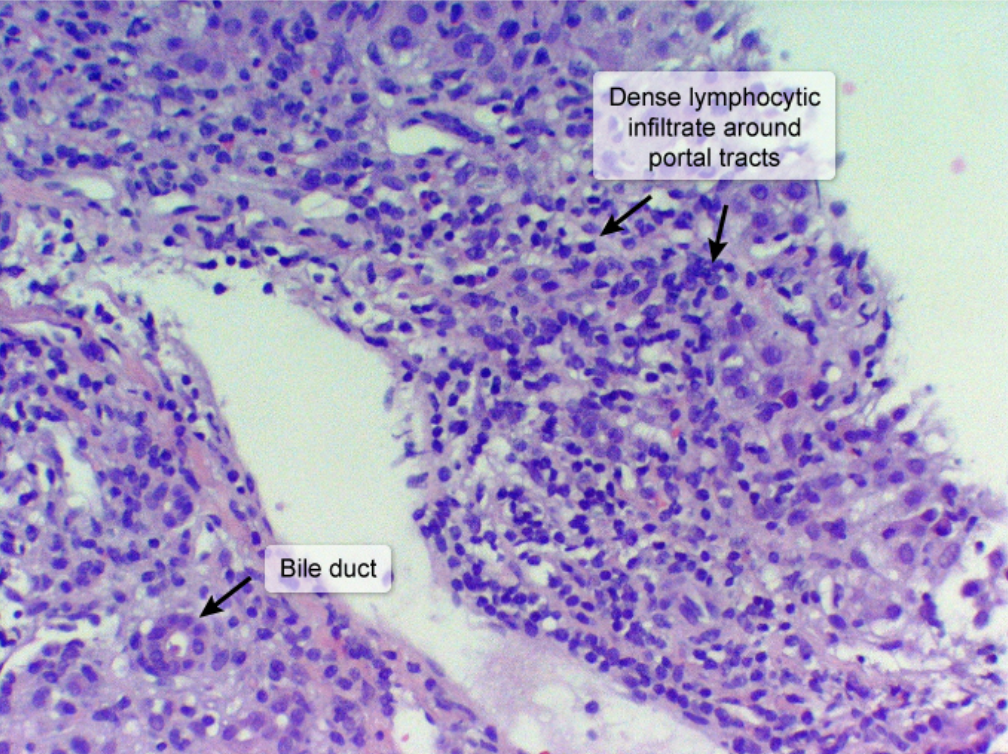
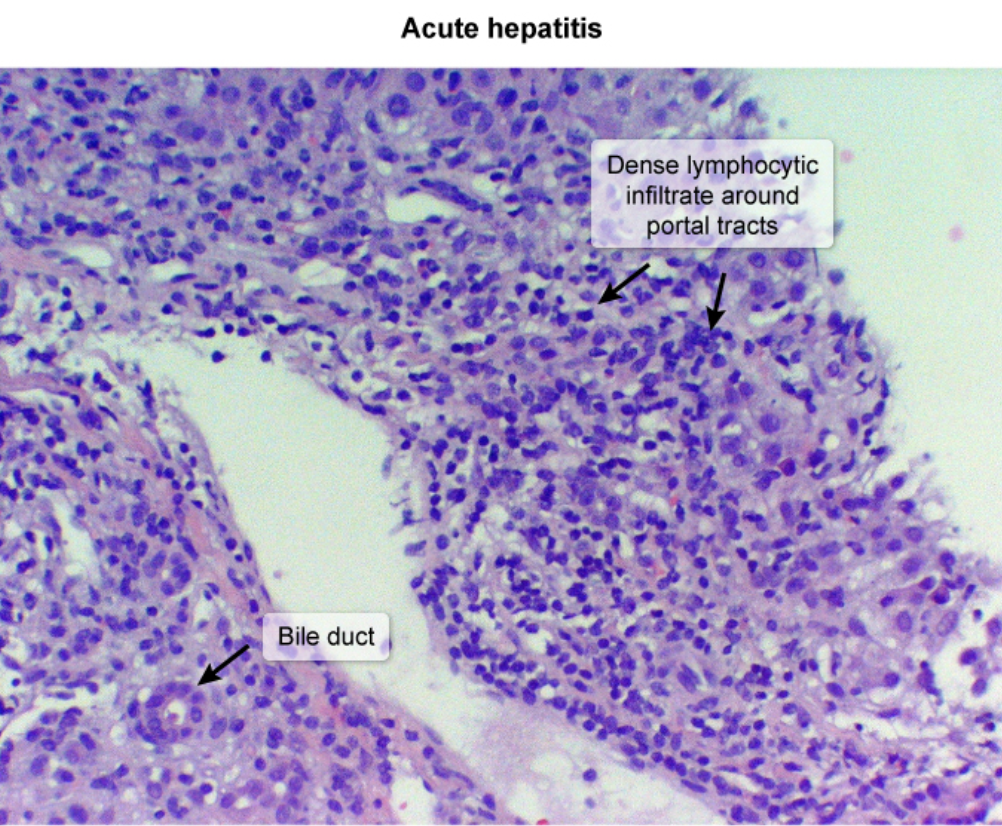
hep A
cellular rxn
CD8+ lymphocytes & NK cell response; upregulation of IFN-γ
Microscopic: mononuclear periportal infiltrates, ballooning degeneration of hepatocytes, focal necrosis
hep a
microscopic
mononuclear periportal infiltrates, ballooning degeneration of hepatocytes, focal necrosis
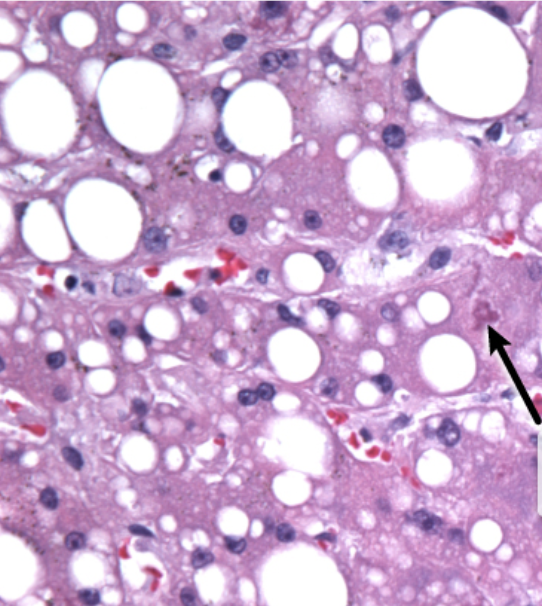
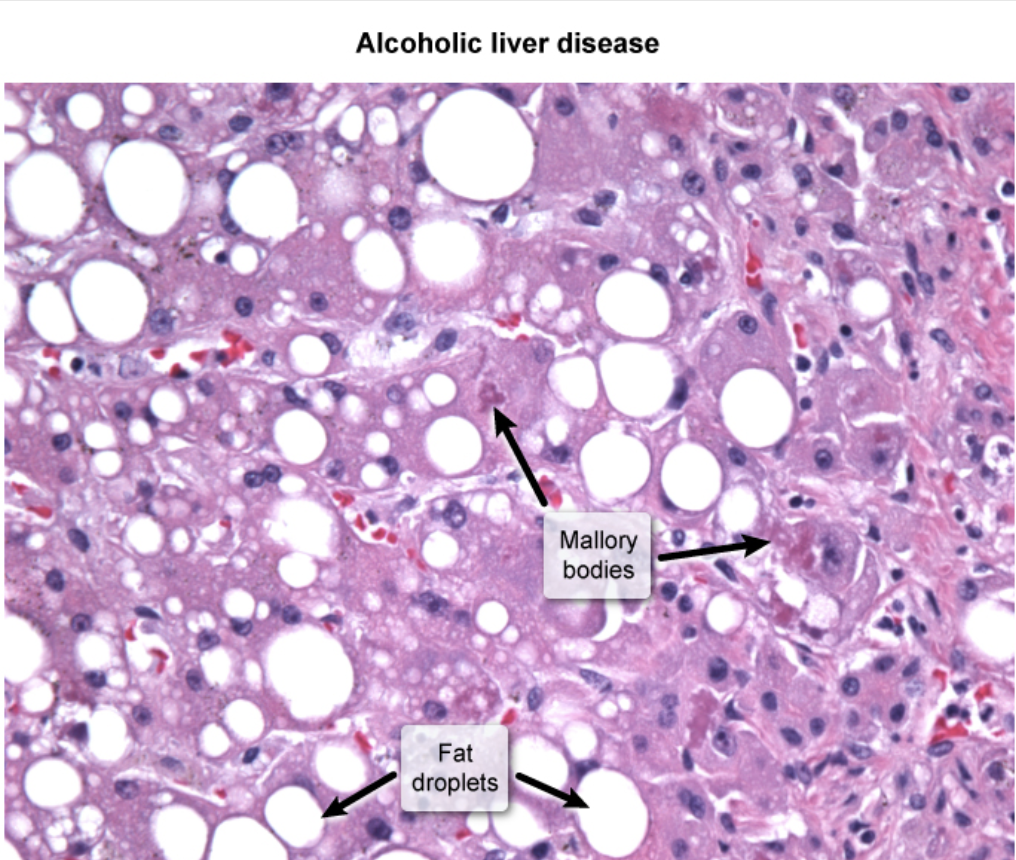
mallory bodies
ALD
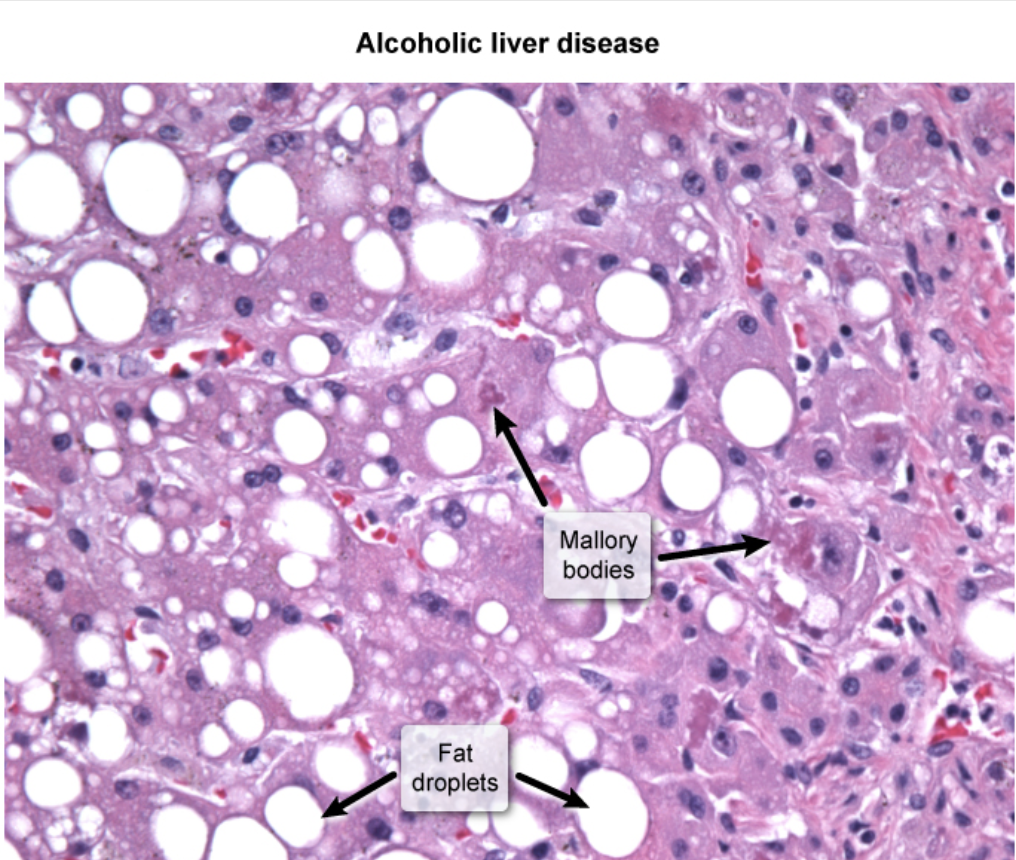
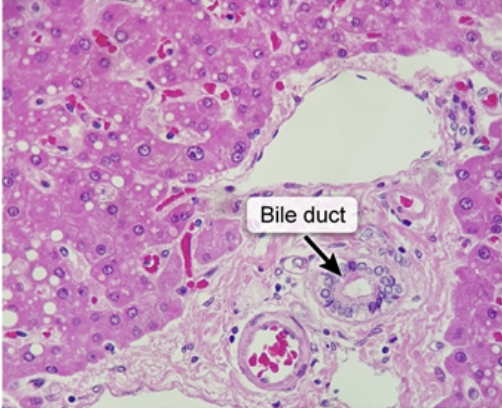
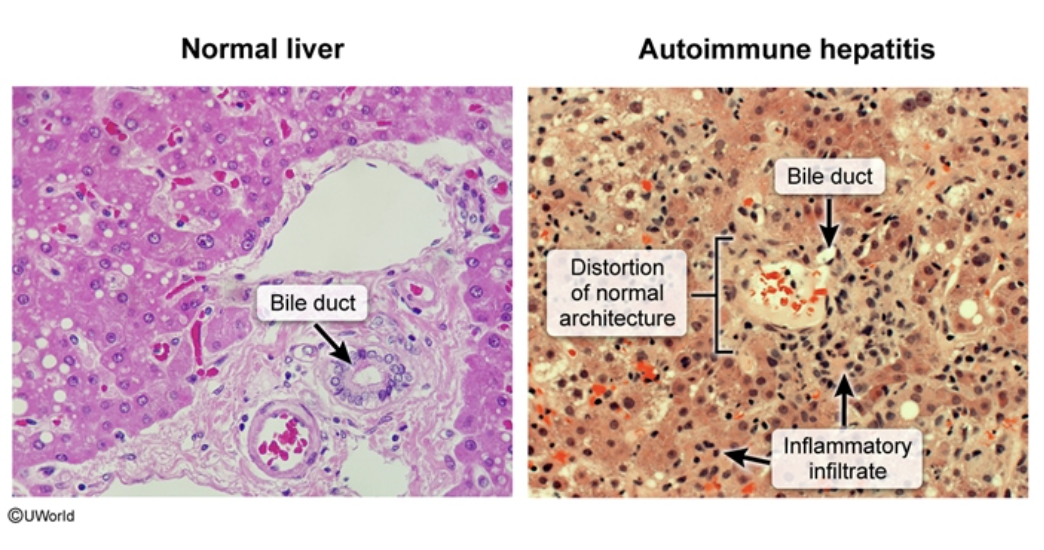
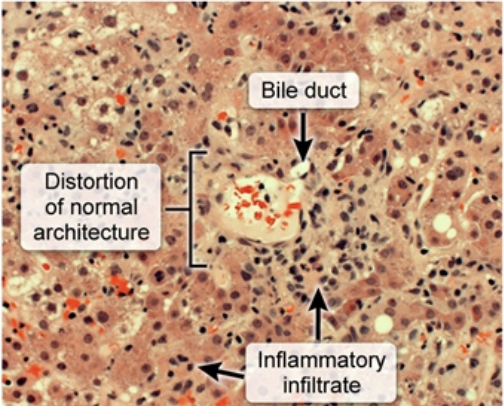
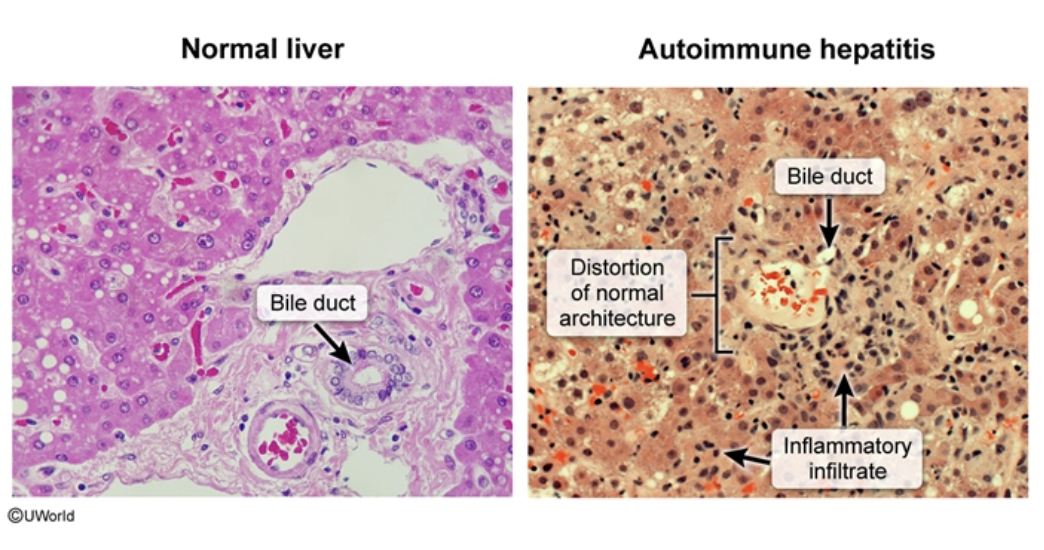
____ infiltration is characteristic of autoimmune hepatitis
Lymphoplasmacytic
COX inhibitor constrict aff or eff arteriole
aff
Time after myocardial infarction
0-4 hrs
minimal change
Time after myocardial infarction
4-12 hrs
early coagulation necrosis, edema, hemorrhage, wavy fibers
Time after myocardial infarction
12-24 hrs
coagulation necrosis and marginal contraction band necrosis
Time after myocardial infarction
1 to 5 days
coagulation necrosis and neutrophilic infiltrate
Time after myocardial infarction
5 to 10 days
macrophage phagocytosis of dead cells
Time after myocardial infarction
10 to 14 days
granulation tissue and neovascularization
Time after myocardial infarction
2 weeks to 2 months
collagen deposition / scar formation
portal htn effect on spleen
splenic vein is part of the portal circulation, any condition that causes portal hypertension can lead to splenomegaly with congestive hypersplenism.
Venous congestion causes apparent expansion of the red pulp of the spleen, which is composed of blood-filled sinuses and cords lined by reticuloendothelial-type cells
Venous congestion causes apparent expansion of the _____ of the spleen, which is composed of blood-filled sinuses and cords lined by reticuloendothelial-type cells
red pulp
VHL
mutation
Mutation in the VHL tumor suppressor gene on chromosome 3
Autosomal dominant inheritance
VHL gene is a
tumor suppressor
VHL
triad
Cerebellar & retinal hemangioblastomas
Pheochromocytoma
Renal cell carcinoma (clear cell subtype)
AD
deposition of
Beta-amyloid plaques: excess beta amyloid forms insoluble fibrils that accumulate into extracellular amyloid plaques
Neurofibrillary tangles: aggregates of hyperphosphorylated tau protein form intracellular tangled clumps
Tau is a protein associated with neuronal
microtubules
The formation of a platelet plug (primary hemostasis) is essential for preventing bleeding after damage to vascular endothelium; it occurs in 3 steps:
Platelet adhesion takes place via von Willebrand factor acting as a connector that binds platelets to underlying collagen
Platelets become activated and secrete multiple substances, including adenosine diphosphate, ionized calcium, and fibrinogen, from their alpha and delta (dense) granules.
Thromboxane A2 is released and acts as a vasoconstrictor and potent stimulator of platelet aggregation. Adenosine diphosphate also stimulates platelet aggregation
Thromboxane A2 is released and acts as a
vasoconstrictor and potent stimulator of platelet aggregation. Adenosine diphosphate also stimulates platelet aggregation
prostacyclin acts locally to
inhibit platelet aggregation and adhesion to the vascular endothelium and to cause vasodilation
Jervell and Lange-Nielsen syndrome
inher
AR
Jervell and Lange-Nielsen syndrome
characterized by
profound bilateral sensorineural hearing loss and congenital long QT syndrome, which predisposes individuals to syncope and sudden cardiac death
Jervell and Lange-Nielsen syndrome
occurs secondary to mutations in genes (eg, KCNQ1, KCNE1) that encode the
alpha and beta subunits of voltage-gated potassium channels
Activation of the renin-angiotensin-aldosterone system (RAAS) leads to elevated levels of angiotensin II (ATII), a potent vasoconstrictor that stimulates the release of aldosterone and
endothelin 1
Vasopressin (antidiuretic hormone) is released by the
posterior pituitary
Glutamate-induced excitotoxicity
steps:
Ischemic glutamate release: Within minutes of focal cerebral ischemia, neurons depolarize because of ATP depletion —> exocytosis of glutamate-containing vesicles
NMDA receptor activation: Glutamate NMDA receptor is activated, increasing the conductance of cations and causing depolarization (and additional glutamate release)
Intracellular calcium overload: Opening of the NMDA receptors —> calcium influx into the cell —> mitochondrial dysfunction, free radical formation, and calcium-dependent protease activation.
Neuron death: The neuron suffers energetic failure (mitochondrial dysfunction) and macromolecule damage (eg, membrane lipid peroxidation, DNA cleavage). The neuron ultimately dies, ruptures, and releases more glutamate
eggshell calcification") containing fluid and budding cells that will eventually become daughter cysts
echinococcal
When infection occurs, echinococcal larvae implant within the
capillaries, triggering an inflammatory reaction involving monocytes and eosinophils
echinococcal cyst
mgmt
Depending on the size of the cyst, surgery and adjunctive chemotherapy (eg, albendazole) are the treatment of choice for symptomatic patients. Cyst manipulation (eg, surgery, aspiration) should be performed with caution, as spilling of cyst contents can cause anaphylactic shock
hepatic cyst —> anaphylactic shock
echinococcal
CRC
cancer w/i mucosa
stage 0 (polyp)
CRC
cancer infiltrates submucosa
stage i
CRC
infiltrates muscularis
stage II
CRC
infiltrates serosa
stage III
CRC
spread to lymph and other organs
stage IV
single most important risk factor for the development of intimal tears leading to aortic dissection
htn
Reye syndrome
pathophys
mitochondrial toxicity
In the liver, impaired fatty acid oxidation by mitochondria leads to fat deposition in hepatocytes (ie, hepatic steatosis), hepatomegaly, and acute liver failure. In turn, excess ammonia accumulates due to hepatic dysfunction (eg, reduced urea cycle activity), causing diffuse astrocyte swelling and cerebral edema (eg, vomiting, confusion, lethargy)
Reye syndrome
what accumulates
ammonia
Prolonged elevation of systemic blood pressure causes the renal arterioles to undergo compensatory
medial hypertrophy and fibrointimal proliferation. Endothelial damage leads to deposition of plasma proteins and basement membrane material in the arteriolar walls (hyaline arteriolosclerosis)
The classic presentation of an acute pulmonary embolism is
acute-onset chest pain and shortness of breath that may be accompanied by syncope or near-syncope. Patients usually have tachycardia, tachypnea, jugular venous distension, and clear lungs
PEEP helps treat ARDS by
opening collapsed alveoli to reduce intrapulmonary shunting and increase FRC back to near-normal levels
ARDS + PEEP
Increasing FRC minimizes the time spent below closing capacity and in doing so decreases
ventilation-perfusion mismatching
how is prostate cancer graded
Gleason
lowest Gleason grade of 1 is assigned to well-differentiated tumors; these tumors resemble normal prostatic tissue and are generally arranged into small, well-formed, closely packed glands. In contrast, the highest Gleason grade of 5 is assigned to poorly differentiated tumors; these tumors do not resemble normal prostatic tissue and are generally arranged into sheets of invasive cells with no glandular elements
higher the Gleason score, the higher the risk of spread outside of the prostate
hereditary hemochromatosis
skin
hyperpig
hereditary hemochromatosis
msk
Arthritis (particularly 2nd & 3rd MCP joints)
Chondrocalcinosis
hereditary hemochromatosis
GI
Elevated liver enzymes, hepatomegaly (early)
Cirrhosis & hepatocellular carcinoma (late)
hereditary hemochromatosis
endocrine
Diabetes mellitus
Hypopituitarism (eg, secondary hypogonadism, hypothyroidism)
hereditary hemochromatosis
cardiac
Restrictive or dilated cardiomyopathy
Conduction abnormalities
hereditary hemochromatosis
neuro
none

Patients with advanced heart failure may exhibit Cheyne-Stokes breathing, a cyclic breathing pattern in which apnea is followed by gradually increasing then decreasing tidal volumes (crescendo-decrescendo) until the next apneic period
17a-hydroxylase
fcn
pregnenolone —> 17-hydroxypregnenolone
progesterone —> 17-hydroxyprogesterone
21a-hydroxylase
fcn
progesterone —> 11-deoxycorticosterone
17-hydroxyprogesterone —> 11-deoxycortisol
17a-hydroxy def —>
inc mineralocorticoids
dec glucocorticoids
dec androgens
21a def —>
dec mineralo
dec gluco
inc androgens
buildup 17-OHP
CREST vs sys sclerosis abs
Anti-centromere: CREST
Anti-DNA topoisomerase I (Scl-70): sys scler
____ involving the breast, axilla, or upper extremity classically occur after treatment of breast cancer due to either radiation exposure (resulting in lymph node sclerosis) or extensive lymph node dissection causing chronic lymphedema
Angiosarcomas
10 years after breast cancer treatment, with the lymphatic arm or axilla developing firm, purple nodules or a poorly healing eschar that rapidly enlarges and coalesces
Angiosarcomas
respiratory mucosa vs sweat ducts
intestinal and respiratory epithelia:
CFTR channel secretes chloride ions into the lumen
tonic inhibitory effect on the opening of the ENaC, which decreases sodium reabsorption into the cell
keep mucosa hydrated
sweat ducts:
CFTR channel functioning is reversed in sweat ducts
CFTR reduces the salt content of sweat by reabsorbing luminal chloride
stimulating ENaC to increase sodium absorption from the lumen into the cells
produce sweat concentrated in sodium and chloride
nasal transepithelial potential difference test
saline solution is applied to the nose
patients with CF have increased sodium absorption via the ENaC, sodium is absorbed intracellularly but chloride in the saline solution is retained in the lumen
higher relative amounts of negatively charged chloride on the epithelial surface result in a more negative transepithelial voltage difference
Aschoff body
interstitial myocardial granuloma
pathognomonic for ARF-related myocarditis
replaced by fibrous scar tissue, leading to chronic mitral valve stenosis and regurgitation

_____ myocarditis produces a predominantly lymphocytic interstitial infiltrate with focal necrosis of myocytes
no aschoff bodies
viral
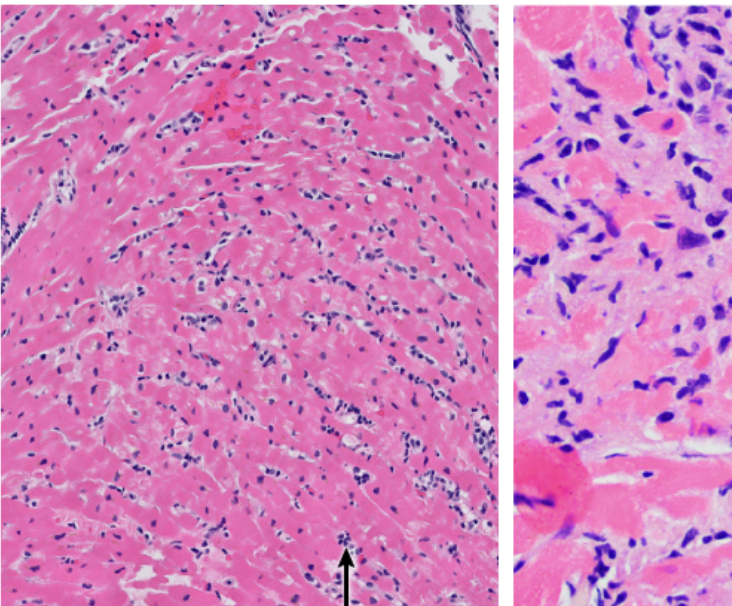

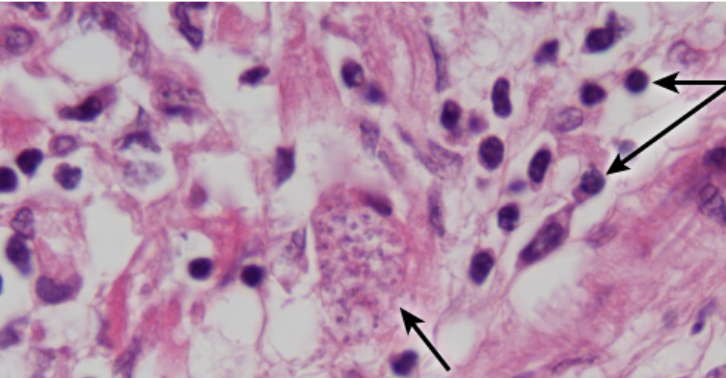
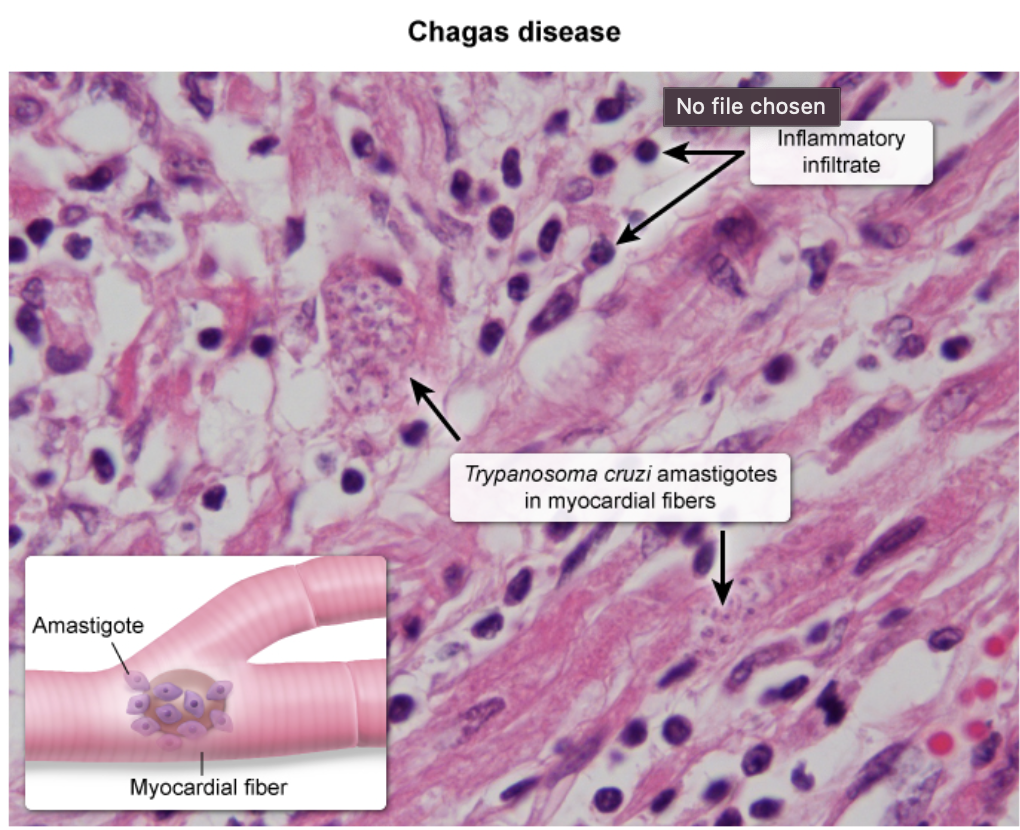
amastigotes in myocardial fibers
chagas
Patients with AVNRT have 2 distinct AV nodal conduction pathways:
a fast pathway with a long refractory period and a slow pathway with a short refractory period
impulse may travel back up the fast pathway, creating a reentrant circuit with rapid conduction of impulses to the ventricles
mean corpuscular volume (MCV) is generally _____ in hereditary spherocytosis
normal to low
abruptio placentae
pain___
painFUL
struvite stone
made of
Mg ammonium phos