Chapter 18 Benzene Mechanisms
 Call Kai
 Learn
 Practice Test
 Spaced Repetition
 Match
 Flashcards
 Knowt Play
1/19

Earn XP
Description and Tags
Benzenes & synthesis
20 Terms
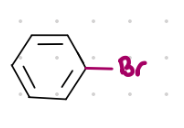
Bromination
Reagent:
Br2 & AlBr3
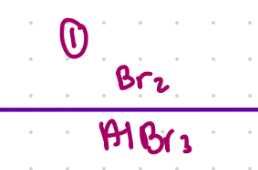
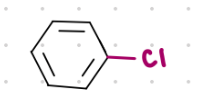
chlorination
Reagent:
Cl2 & AlCl3

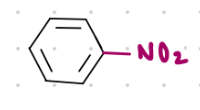
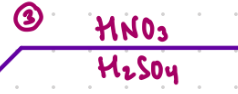
nitration
Reagent:
HNO3 & H2SO4
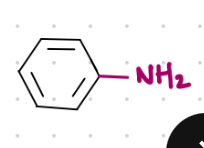
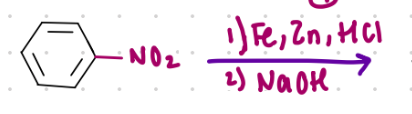
Reduction
Reagent:
1.) Fe, Zn, HCl & 2.) NaOH
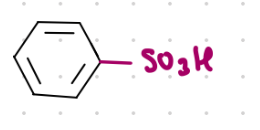
sulfonation
fuming H2SO4

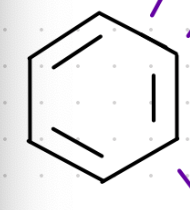
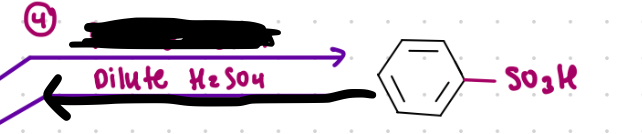
Desulfination
Starting product: benzene w/ SO3H
Dilute H2SO4
product: normal benzene
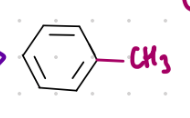
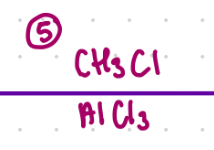
Friedel craft alkylation
Reagent:
CH3Cl & AlCl3
The Cl will get picked up by AlCl3
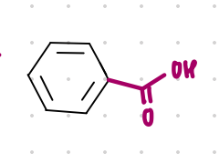
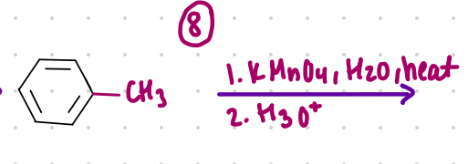
Oxidation
Reagent:
1.) KMnO4, H2O, Heat & 2.) H3O+
will produce COOH directly onto ring!
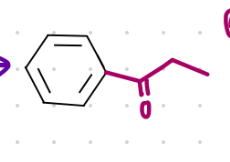
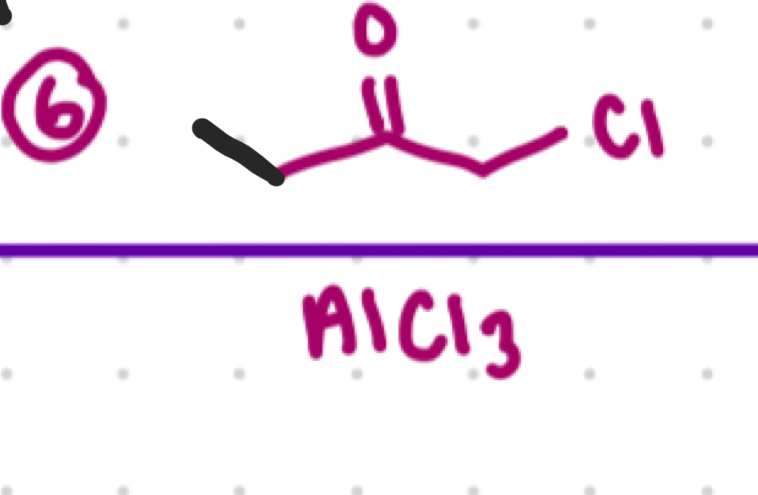
Friedel craft acylation
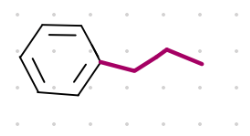
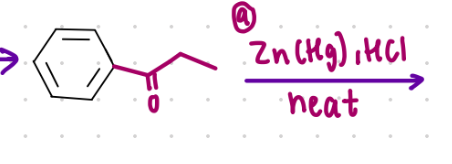
Clemmensen reduction
Reagent:
Zn(Hg), HCl & heat
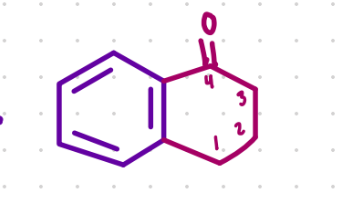
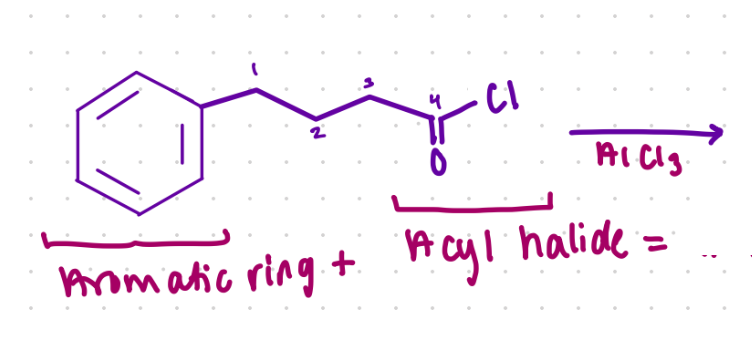
intramolecular attack; form a ring
When the starting product contains an aromatic ring and an acyl halide, what is this called? What do we form?
Reagent: AlCl3
Strong activating groups
more than capable of donating electrons to ring instead of elsewhere
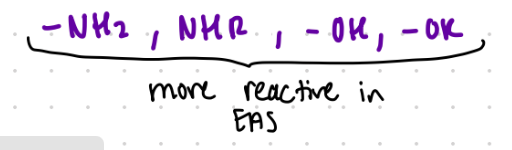
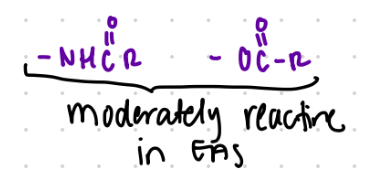
Moderate activating groups
less likely to donate electrons to the ring, but still can do so
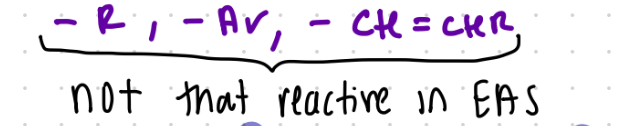
Weak activating groups
can only donate electrons by inductive effect
Weak deactivating groups
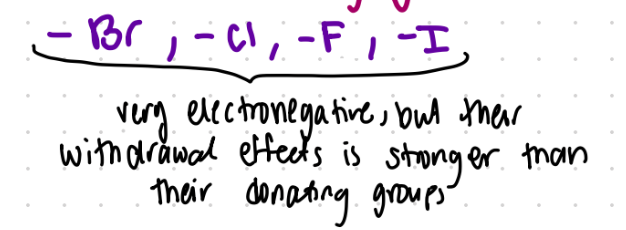
ortho / para
Halides are considered deactivating groups, but they are _______ directors.
Moderately deactivating groups
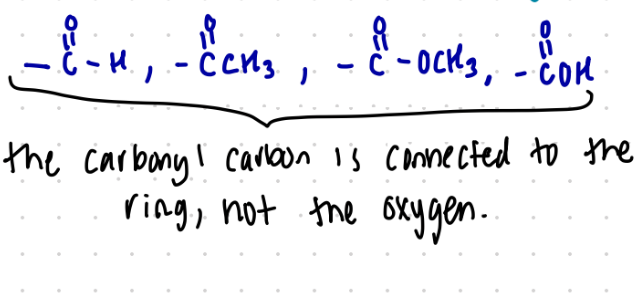
strong deactivating groups
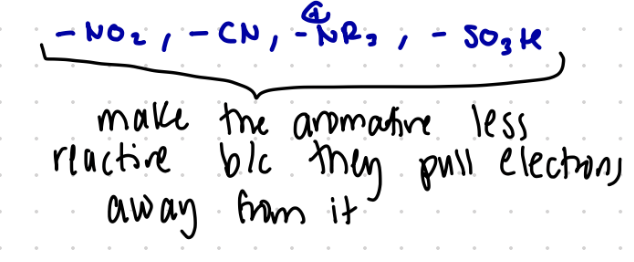
Activating groups
Which groups have para & ortho directors?
Deactivating groups
Which groups have meta directors?