Lab 4: Volcanos and Volcanic Hazards
 Call Kai
 Learn
Learn Practice Test
 Spaced Repetition
 Match
Match Flashcards
 Knowt Play
1/23

There's no tags or description
Looks like no tags are added yet.
Name | Mastery | Learn | Test | Matching | Spaced | Call with Kai |
|---|
No analytics yet
Send a link to your students to track their progress
24 Terms
Magma
Molten rock beneath the Earth's surface.
Lava
Molten rock that has erupted onto the Earth's surface.
Viscosity
Resistance to flow (how "thick" or "sticky" a liquid is).
High Silica Content
Leads to high viscosity and less flow; typically lighter-colored rocks.
Low Silica Content
Leads to low viscosity and more flow (runny); typically darker-colored rocks.
Shield Volcano
Broad, low-profile volcano formed by fluid mafic lava (Example: Big Island, Hawaii).
Composite Volcano
Tall, cone-shaped volcano formed by viscous magma and explosive eruptions.
Pyroclastic Flow
A fast-moving, "scary" cloud of extremely hot ash and air.
Aphanitic
Igneous texture with microscopic crystals; cooled quickly at the surface.
Phaneritic
Igneous texture with visible crystals; cooled slowly underground.
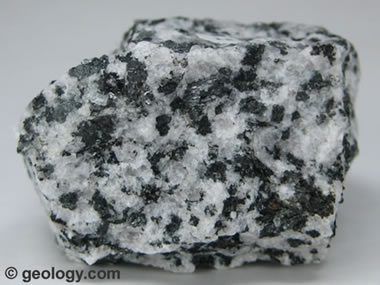
Diorite
An intermediate igneous rock that is speckled "black and white" (salt and pepper appearance).
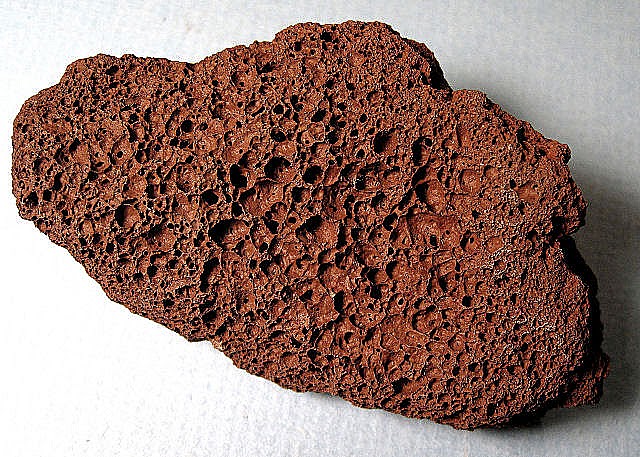
Scoria
A dark, vesicular (holy) rock that looks "scorched" or burnt.
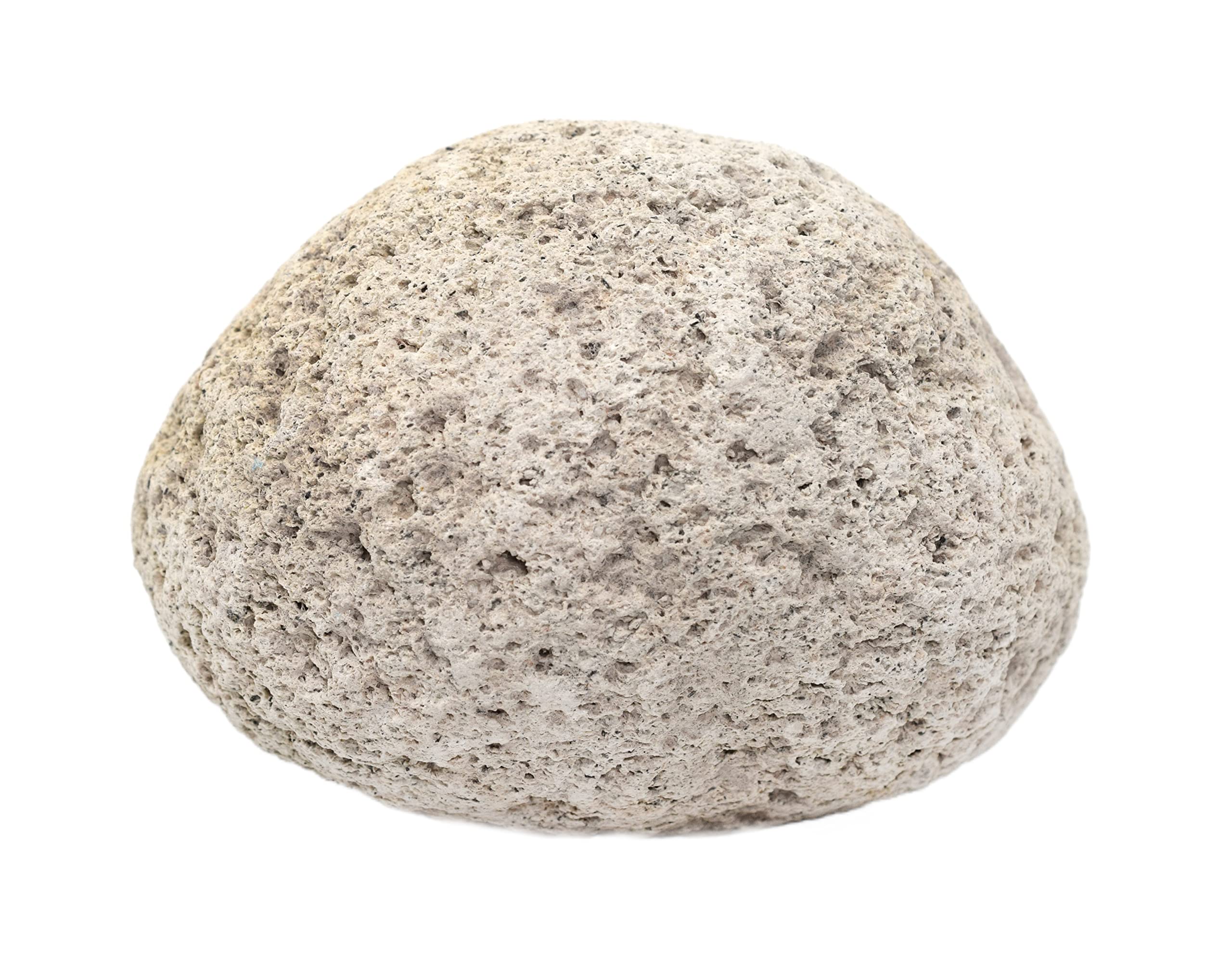
Pumice
A light-colored, frothy volcanic rock that often floats in water.
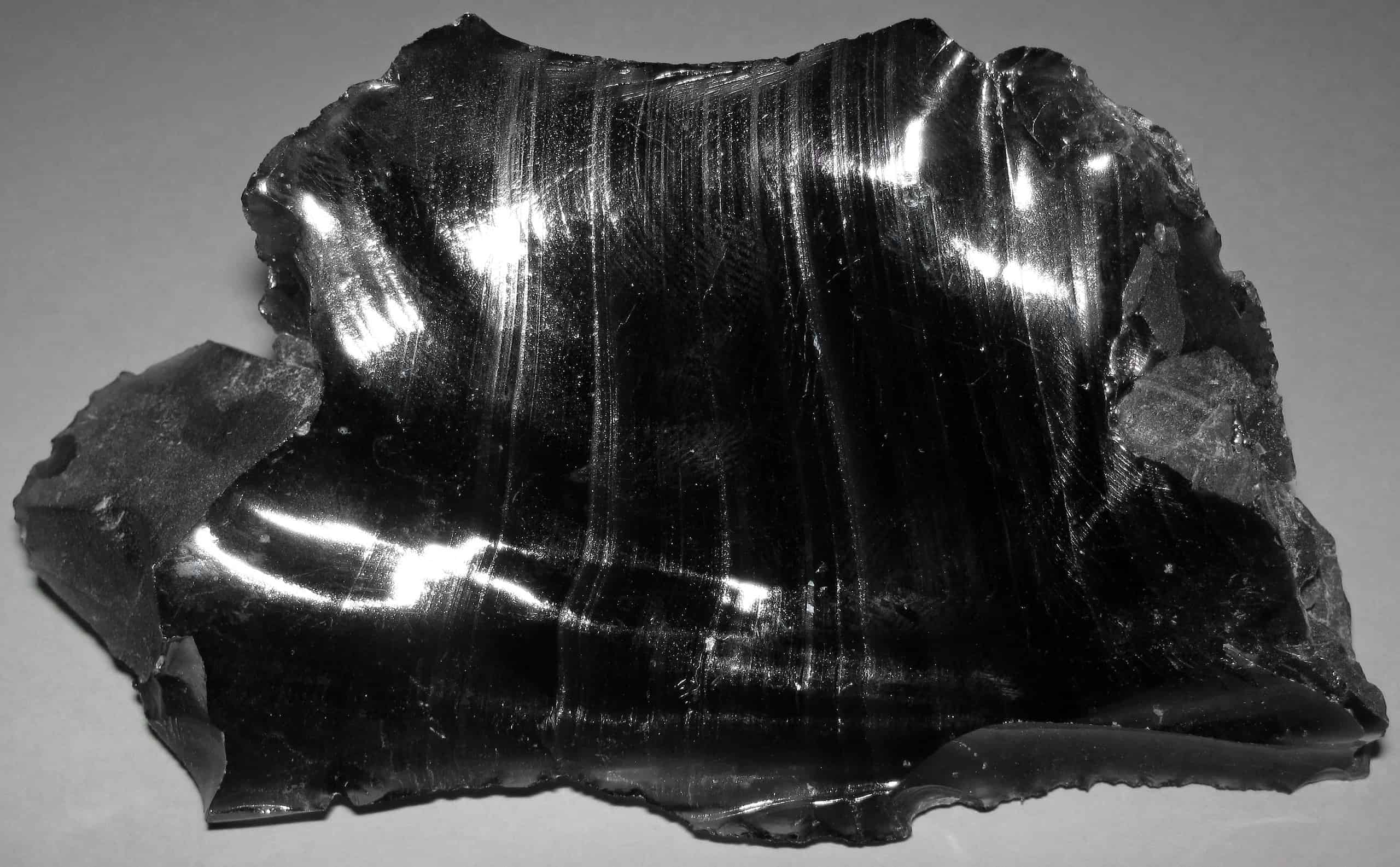
Obsidian
Volcanic glass formed by extremely rapid cooling.
Basalt
A dark, fine-grained (aphanitic) mafic volcanic rock.
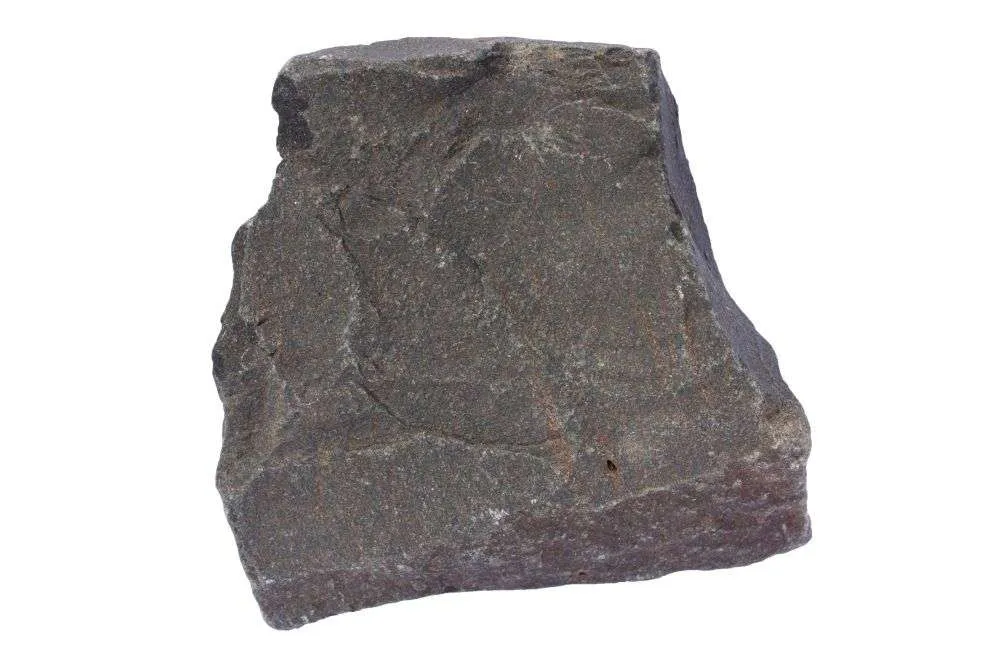
Granite
A light-colored, coarse-grained (phaneritic) felsic plutonic rock.
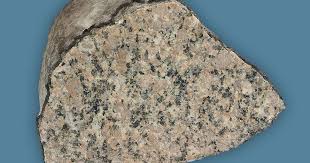
Gabbro
Mafic rock with phaneritic (visible) crystals; did not erupt
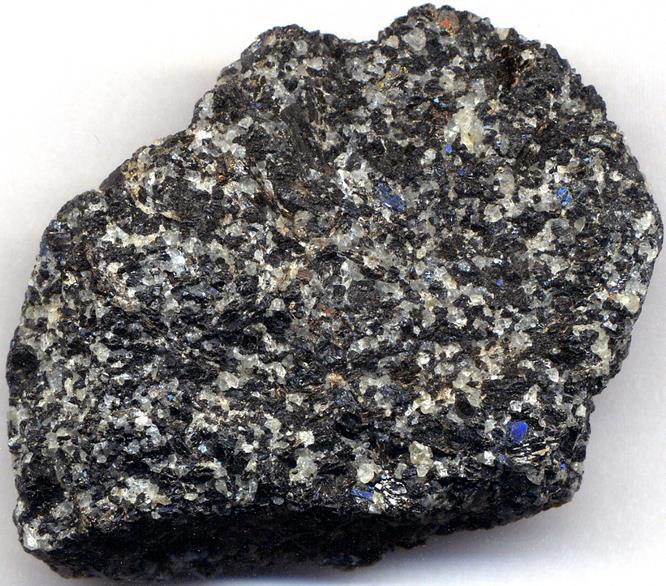
Rhyolite
Felsic rock with aphanitic (microscopic) crystals; erupted from a volcano
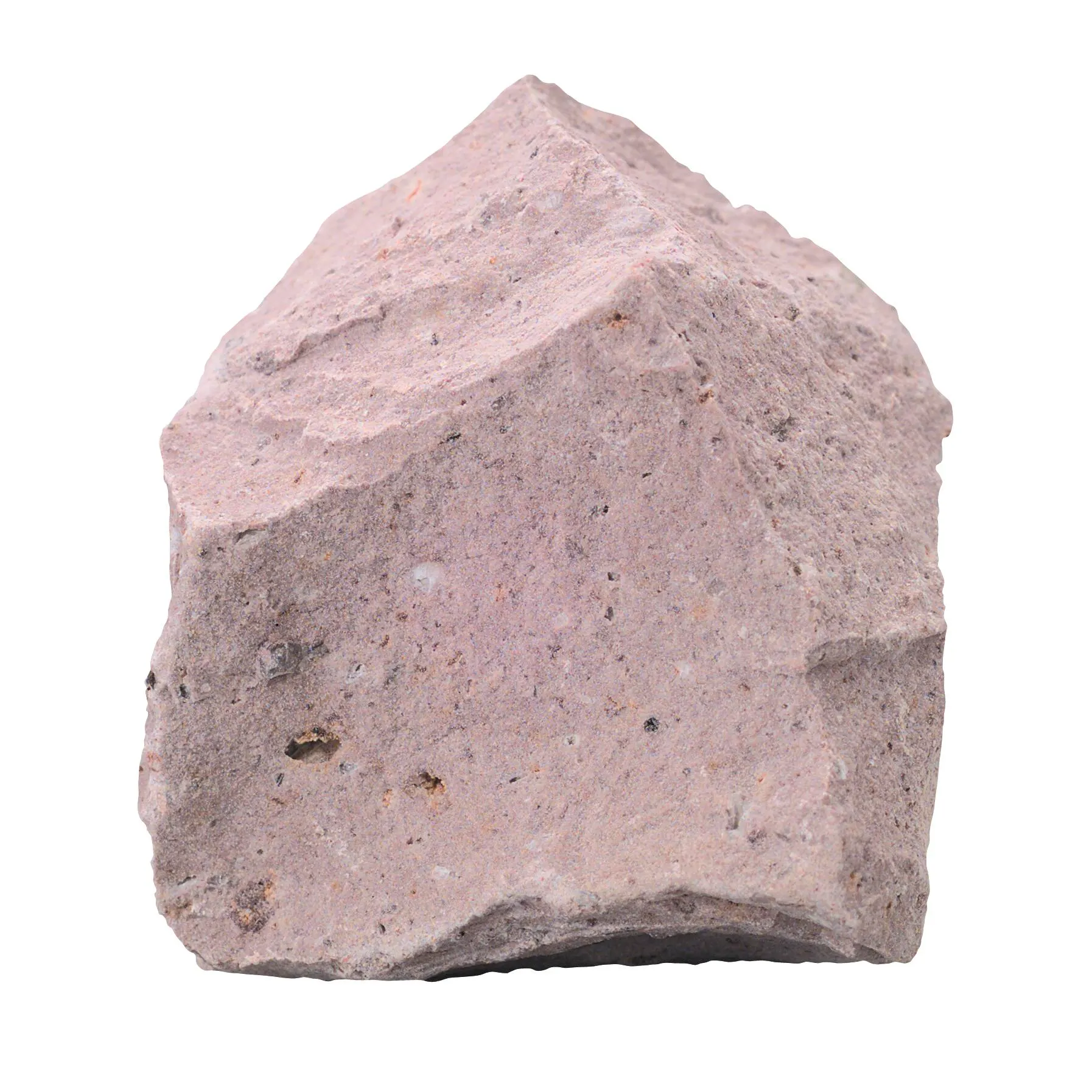
Andesite
Intermediate rock with aphanitic crystals; erupted from a volcano.
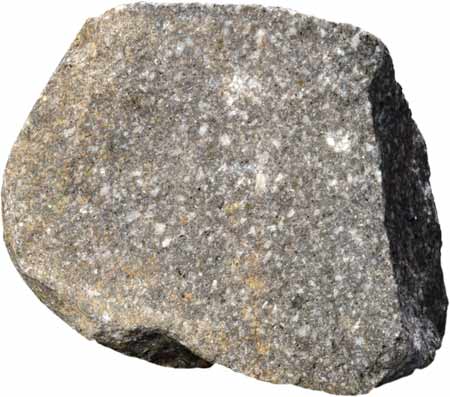
Felsic Composition
High silica, high viscosity, light-colored (pink/light) minerals
Intermediate Composition
Medium silica, "salt and pepper" or gray coloration
Mafic Composition
Low silica, low viscosity, dark gray or black minerals
Viscosity Rule: more, more, less
More silica = More viscous = Less flow
Viscosity Rule: less, less, more
Less silica = Less viscous = More flow