chp 14: stress and heatlh
 Call Kai
 Learn
Learn Practice Test
 Spaced Repetition
 Match
Match Flashcards
 Knowt Play
1/58

Earn XP
Description and Tags
- stress sources, stress rxns, managment, psych of illness, psych of heatlh
Name | Mastery | Learn | Test | Matching | Spaced | Call with Kai |
|---|
No analytics yet
Send a link to your students to track their progress
59 Terms
CUSS
College Undergraduate Stress Scale
assesses college student life events
chronic stressors
source of stress that occur continuously
ex: social rs
effect can accumulate
linked to env sometimes
distributed dif based on race
perceived control
belief that one can influence their environment, behavior, or future outcomes, reducing stress and improving well-being
lack of control gives more stress
higher lvls of discrimination related stress are linked to more maladaptive coping behaviours such as
drinking, smoking, overeating
difficulties interacting w healthcare workers (bc History of discrimination by health care providers against equity-seeking groups)
life expectancy for Indigenous people is how much shorter than other Canadians
5-10 years
fight or flight response
Emotional and physiological reaction to an emergency that increases readiness for action
ACTH travels through the bloodstream to activate the adrenal glands to release catecholamines and cortisol
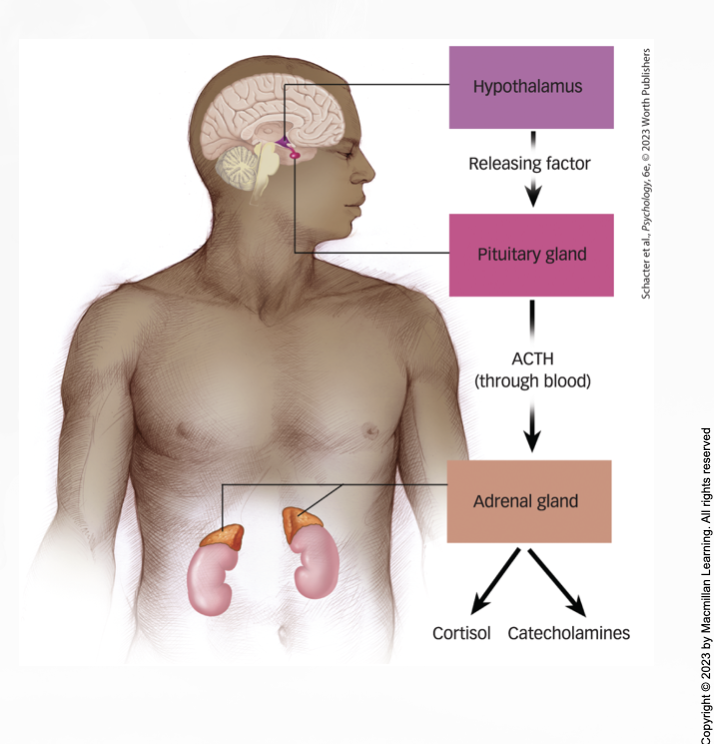
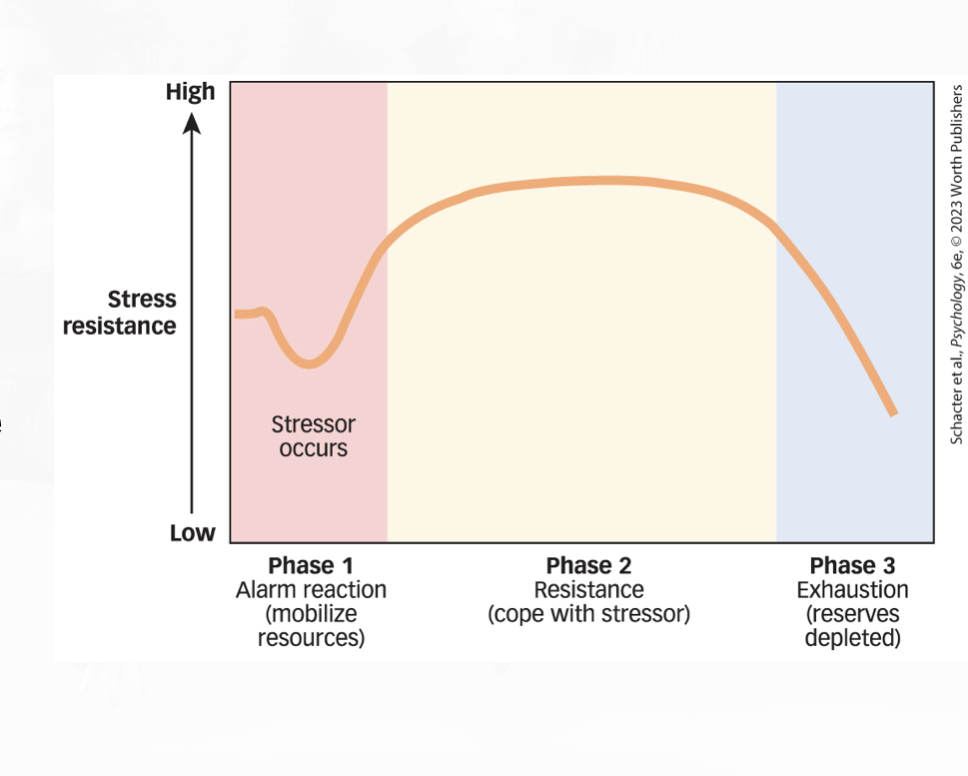
general adaption syndrome (GAS) and 3 phases
3 stage physiological response regardless of stressors
nonspecific
alarm
- immediate rxn. activates SNS
- adrenaline and cortisol released
- increase bp and heart rateresistance
- body tires to repair and adapt
- want homeostasis
- intial panic gone but still high cortisolexhaustion
prolonged stress = body gets tried from using up energy
adaptability slows
severe fatigue, weak immune system, burnout depression rates higher
Selye’s three pahses of stress response
resistance to stress builds over time but can last only so long before exhausation kicks in
telomeres
protective, repetitive DNA sequences (TTAGGG) capped with proteins at the ends of eukaryotic chromosomes, acting like plastic tips on shoelaces to prevent fraying and fusion. They shorten with each cell division, acting as a molecular clock that dictates cellular aging and senescence, ultimately limiting a cell's lifespan
telomerase
specialized enzyme (reverse transcriptase) that adds TTAGGG sequences to lengthen telomeres, preventing damage and enabling cell immortality, primarily in stem cells and cancer cells
stressors can cause what hormone to flood the brain, wearing down the immune system
glucocorticoids
lymphocytes
crucial type of white blood cell
drive the adaptive immune system by identifying, attacking, and remembering pathogens
primarily of T cells (kill infected cells, manage immune response) and B cells (produce antibodies), alongside Natural Killer (NK) cells that destroy abnormal or cancerous cells
Psychoneuroimmunology
(PNI)
bidirectional communication between the central nervous system (brain) and the immune system
revealing that thoughts, emotions, and stress directly modulate immune responses
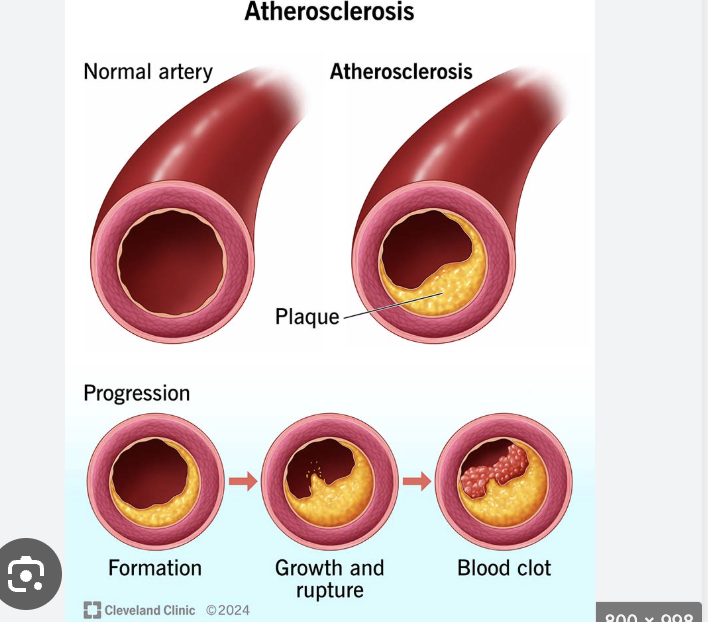
atherosclerosis
sensitive to stress
an underlying process for diseases
chronic, progressive disease where plaque—comprised of fat, cholesterol, and calcium—builds up inside artery walls, restricting blood flow and reducing arterial elasticity
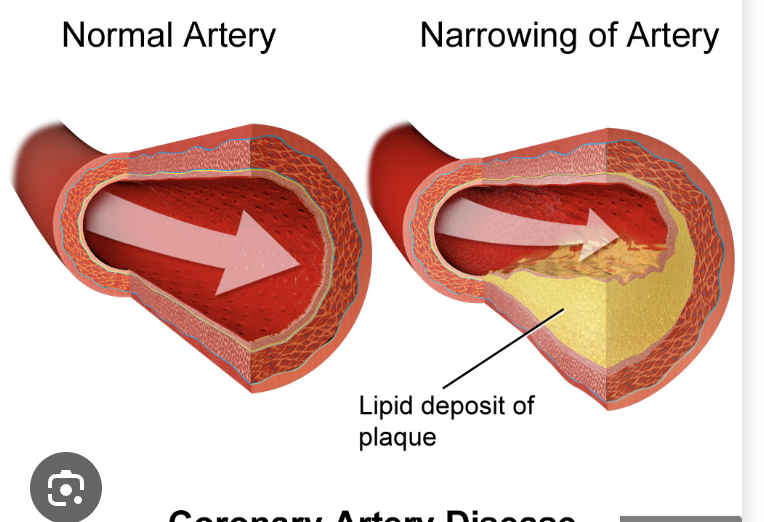
Coronary heart disease (CHD)
a condition where plaque builds up in the arteries supplying blood to the heart, reducing blood flow and oxygen.
sensitive to stress
specific disease
things that increase rates of heart disease (7)
smoking
sedentary lifestyle
poor diet
intensity
drive
anger
hostility
lazarus and folkman discovered what about emotional and behavioral response to stress
primary appraisal
initial, automatic evaluation of a situation as threat or challenge
secondary appraisal
assess coping strategies to manage the stressor
Together, determine the emotional and behavioral response to stress
threat into challenge
negative appraisal
threat
positive appraisal
challenge
social unfamiliarity
burnout
State of physical, emotional, and mental exhaustion created by long-term involvement in an emotionally demanding situation
Accompanied by lowered performance and motivation
Particular problem in helping professions
burnout is most common in what jobs
helping professions
ex: teachers, doctors, nurses etc.
Burnout causes
Gauging your self-worth by success at work alone
Emotionally stressful jobs
Kahneman and Deaton showed what about self-reported happiness
self-reported happiness and stress decrease as income increases
Childhood years spent in nicer neighbourhoods associated with
increased adult earnings
monetary housing vouchers
government-funded subsidies provided to low-income individuals or families to help cover a portion of their monthly rent
antipoverty programs
a government or organizational initiative designed to reduce, alleviate, or eliminate poverty
providing financial aid, services, or opportunities to individuals with low incomes
3 ways to think of stressors (3R’s)
repression
avoiding feelings, thoughts, or situations that are reminders of a stressor and maintaining an artificially positive viewpoint
rationalization
acing a stressor and working to overcome it. This strategy is the opposite of repressive coping
3 steps
reframing
finding a new or creative way to think about a stressor that reduces its threat
3 steps of rationalization
acceptance
coming to realize that the stressor exists and cannot be wished away
exposure
attending to the stressor, thinking about it, and even seeking it out
understanding
working to find the meaning of the stressor in your life
prolonged exposure
relive the traumatic event in their imaginations by recording a verbal account of the event and then listening to the recording daily
stress inoculation training (SIT)
Reframing technique that helps people cope with stressful situations by developing positive ways to think about situations
bodily techniques useful in stress management (4)
meditation
relaxation
biofeedback
aerobic exercise
meditation
intentional contemplation
clear mind, breathing, restful, lengthens telomeres
electromyography (EMG)
Technique used to measure the subtle activity of muscles
relaxation therapy
reduce tension by consciously relaxing muscles of the body
relaxation response
condition of reduce muscle tension, cortical activity, heart rate, bp, breathing
biofeedback
external monitoring device to obtain information about a bodily function ad possibly gain control over that function
aerobic exercise
increase heart rate and oxygen intake
increase serotonin and endorphins
situation management
involves changing ur life to reduce stress through
social support: aid gained through interactingw others
religious
humour
avoid procrastination
the dif social supports for men and women
male: fight or flight
women: tend and befriend
Religiosity
Affiliation with or engagement in the practices of a particular religion
spirituality
Having a belief in and engagement with some higher power, not necessarily linked to any particular religion
how humour helps w stress (2 + 1)
Reduces sensitivity to pain and stress
Reduces time needed to calm down after stressful event
Cumulative effects not found
procrastinating reasons
Boring
Difficult or unpleasant
Requires too much effort and more
sickness response
Coordinated, adaptive set of reactions to illness organized by brain; can be prompted through stress without infection
Person withdraws from activity and eating to conserve energy to fight illness.
Immune response begins activation of white cells.
Cytokines released: Proteins that activate vagus nerve and induce “I am sick” message
depression
the connection between sickness response, immune reaction
white blood cells and ____ else are activated and communicate the sickness response to the brain?
cytokines
prompted by illness or stress
linked to depressive symptoms
sick role
Socially recognized set of rights and obligations linked with illness; provides exemptions and obligations
malingering
Feigning medical or psychological symptoms to achieve something one wants
keys to effective medical care (2)
Physician empathy and understanding of patient’s physical and psychological state
Physical ability to motivate patient to comply with prescribed regimen of care
compliance of patients decreases if treamtent is (4)
Frequent
Inconvenient
Painful
or if the number of treatments increases
placebos work because
patients believe in the nature of medicine
true or false. knowledge of receiving a placebo can be even more effective
true
how do placebos work
trigger the release of endorphins and lower brain activation in areas associated with pain
2 kinds of psych factors influence personal health
health-relavent personality traits
OCEAN
health behaviour
optimism (2 factors)
Aids in maintenance of psychological health in the face of physical problems
Is healthier than pessimism
hardiness and 3 traits
hardy people are stress-resistant
sense of commitment
belief in control
acceptance of challenge
handles stress better than others and r healthier he
3 health promoting behaviours
healthy eating
safe sex
not smoking
self-regulation and 3 factors
exercise of voluntary control over the slef to bring the slef into line w standards aka willpower
Often involves delay of instant gratification for longer-term gains
Self-control may be limited.
May be an issue of strategy