DIET & CANCER
 Call Kai
 Learn
Learn Practice Test
 Spaced Repetition
 Match
Match Flashcards
 Knowt Play
1/41

There's no tags or description
Looks like no tags are added yet.
Name | Mastery | Learn | Test | Matching | Spaced | Call with Kai |
|---|
No analytics yet
Send a link to your students to track their progress
42 Terms
what is cancer
uncontrolled cell division
cells fail to differentiate
tumours develop
outline causes of cancer
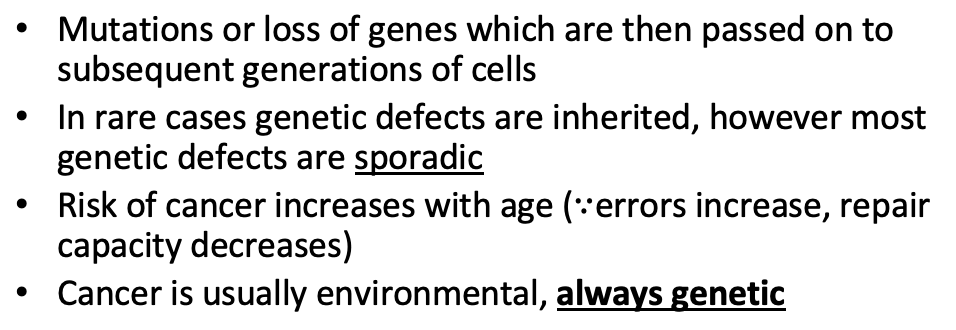
usually multiple accumulations of mutations that cause cancer, not a single one
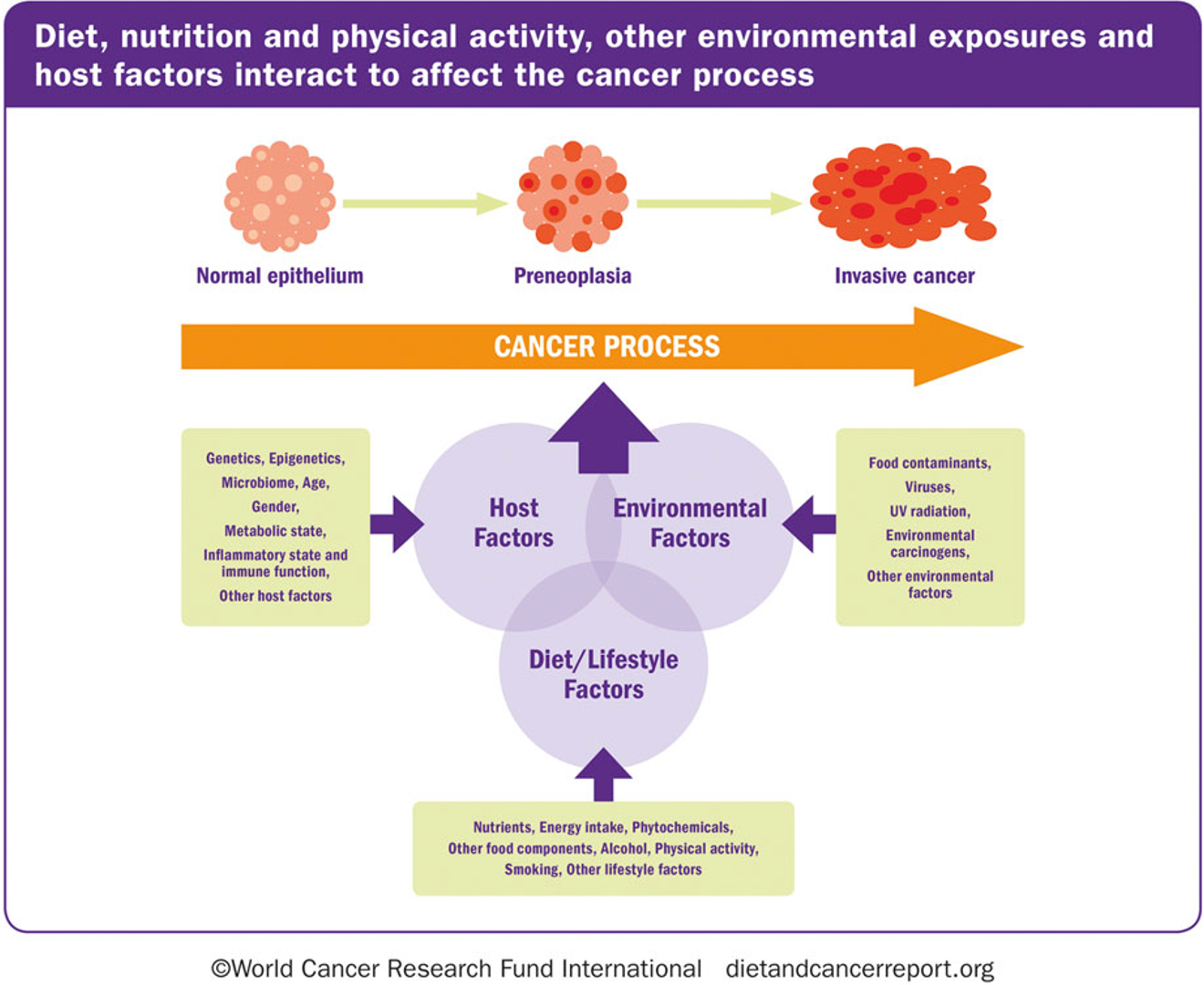
hallmarks of cancer and enabling characteristics
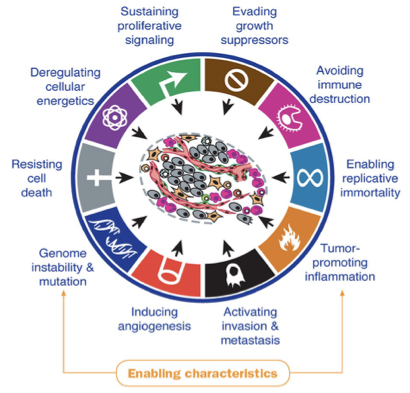
outline genome instability and mutation
= genes are more unstable so these do not replicate as effectively
outline tumour-promoting inflammation
= chronic inflammation synthesises cells to proliferate
_______ is associated with chronic inflammation
obesity
cancer is a leading cause of?
premature mortality
in which countries do cancers occur more in and how does this compare to the death rates
cancers are occurring more in HICs but there is still a greater mortality in the LICs - greater survival of cancers in HICs
what are reasons for a higher survival of cancers in HICs (3)
better screening
better treatments
vaccination availability
what are methods that can be used to study cancer
cellular models
animal studies
human studies
outline the methods to study cancer
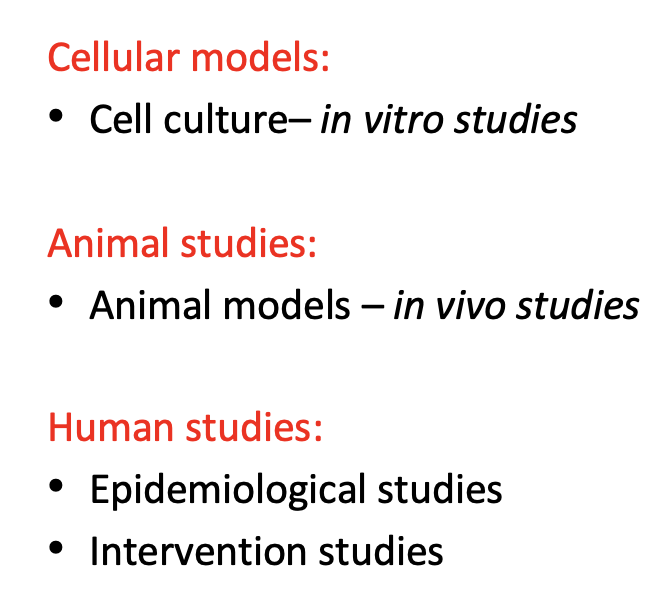
what cells can be used in cell cultures
primary cell lines
immortalised cell lines
what are primary cell lines
primary cell lines: cells isolated directly from humans then exposed to different nutrients
(limited number of cell divisions and so used for short term experiments)
what are immortalised cell lines
immortalised cell lines: cells derived from cancerous tumours
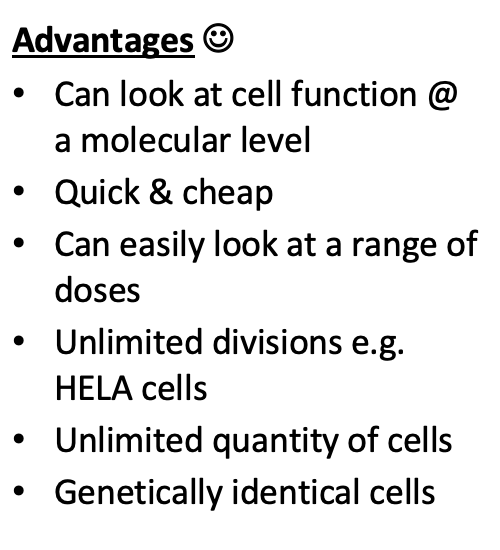
what are advantages of the cell culture of immortalised cells (6)
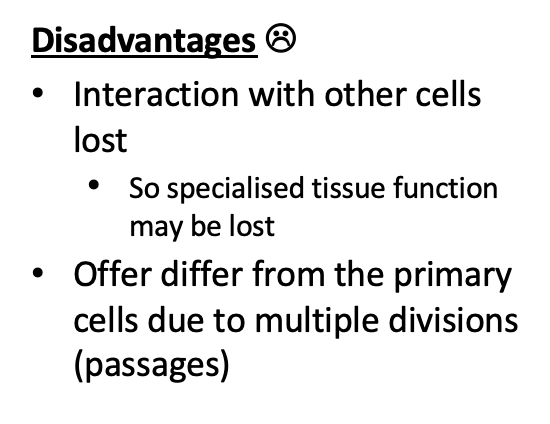
what are disadvantages of the cell culture of immortalised cells (2)
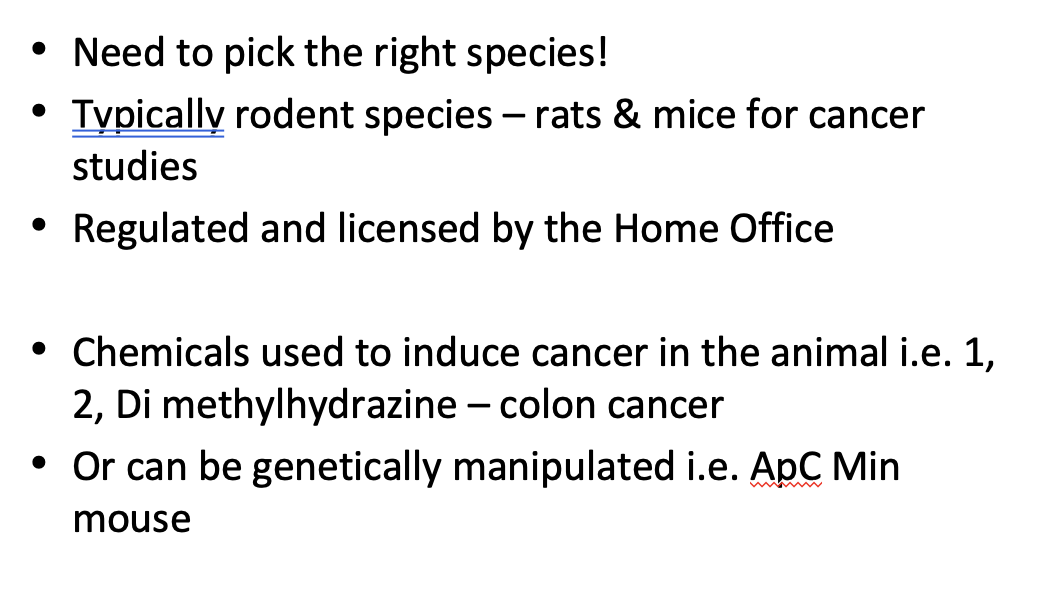
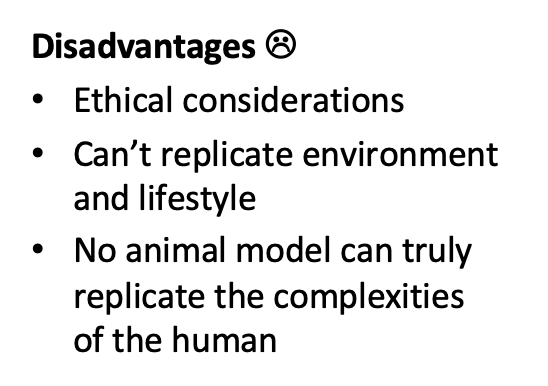
outline animal studies
what are advantages of animal studies (4)
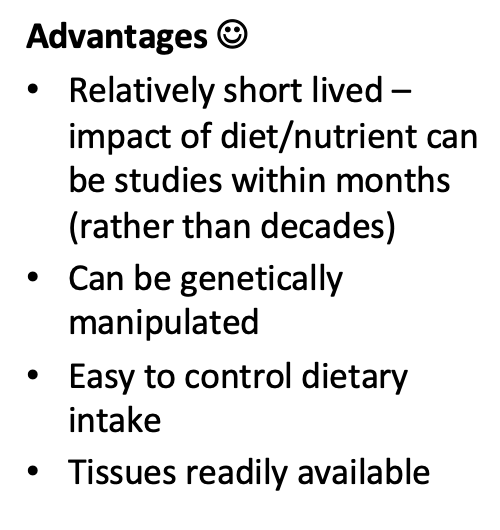
what are disadvantages of animal studies (3)
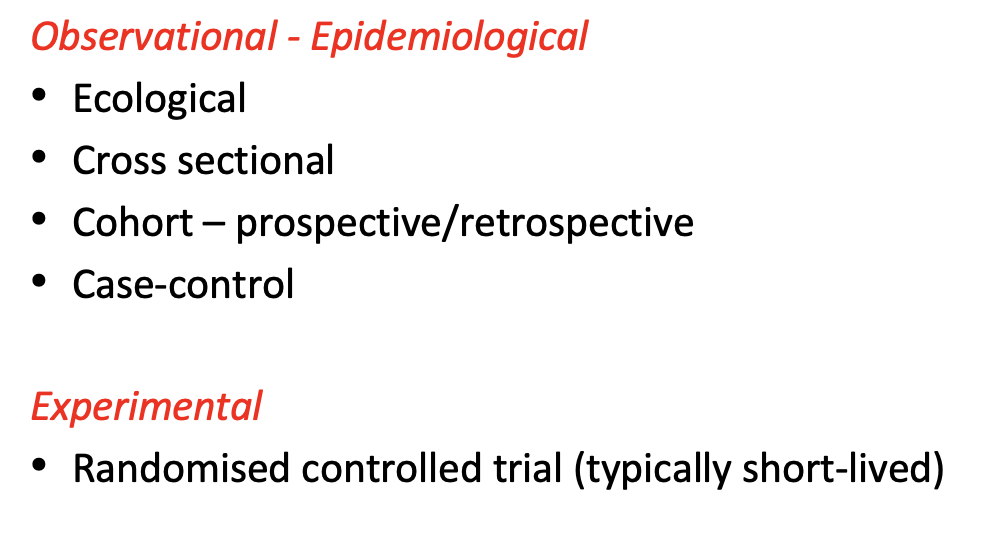
what are the types of human study designs and their subtypes
what do epidemiological studies provide
evidence of an association between two variables
what does nutritional epidemiology focus on
associations between diet and disease or risk factors for a disease
which study types are useful for diet and cancer research
ecological
experimental
cohort
case control (some use)
which study types are not useful for diet and cancer research
cross-sectional
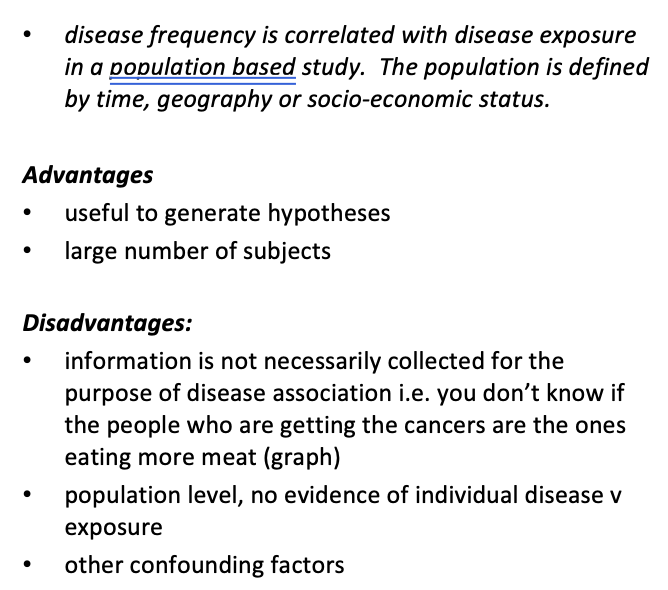
ecological studies + advantages/ disadvantages
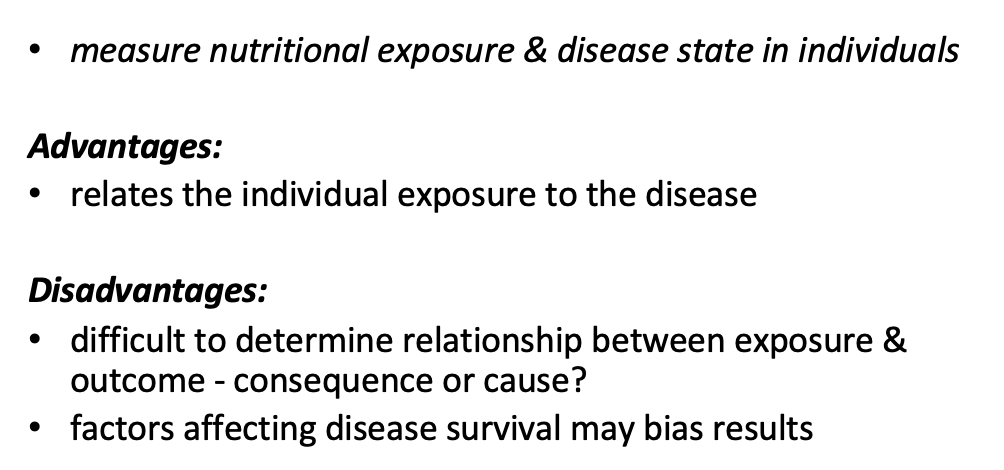
cross-sectional studies + advantages/ disadvantages
analyses data from population at a single point in time
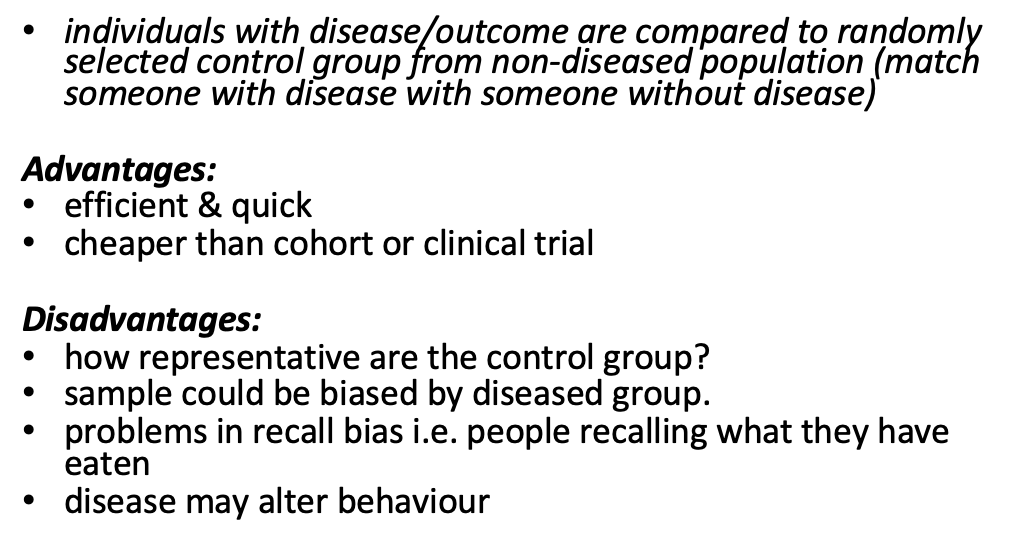
case control studies + advantages/ disadvantages
retrospective study to identify potential risk factors
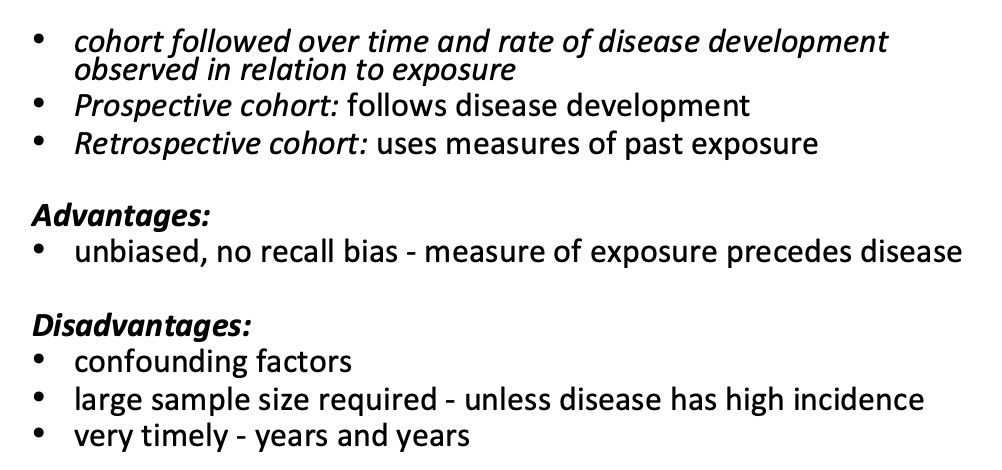
cohort studies + advantages/ disadvantages
observing people before they actually have the cancer
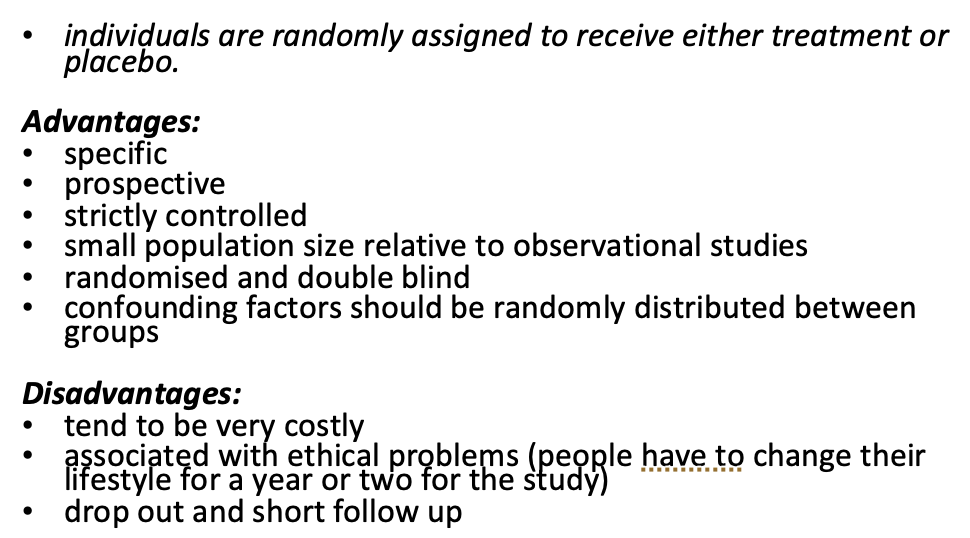
experimental studies + advantages/ disadvantages
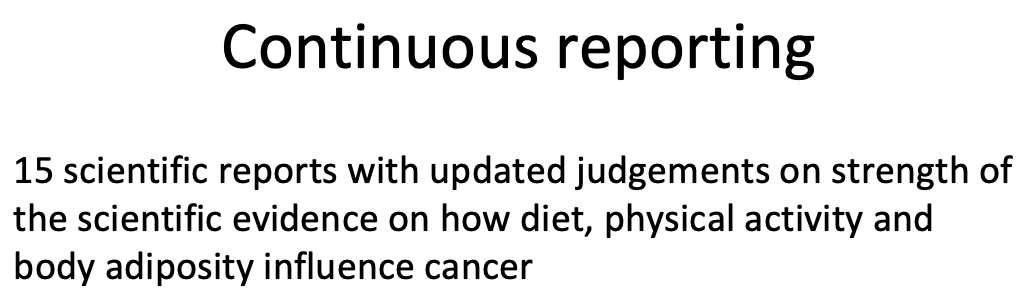
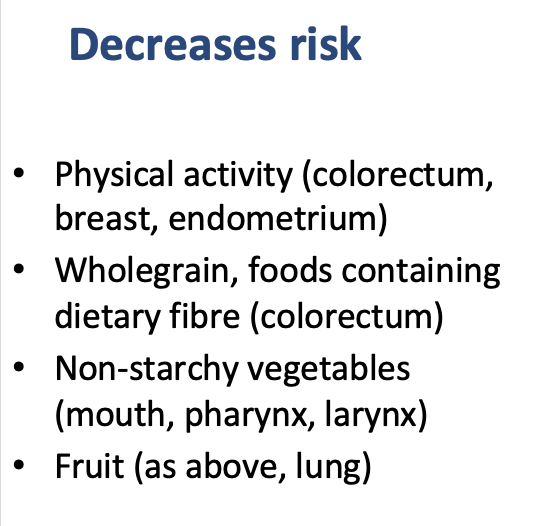
key findings of continuous reporting studies (things that decrease risk)
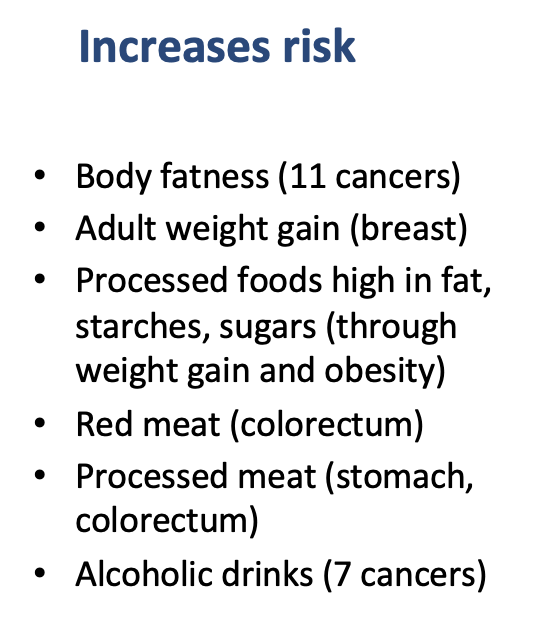
key findings of continuous reporting studies (things that increase risk)
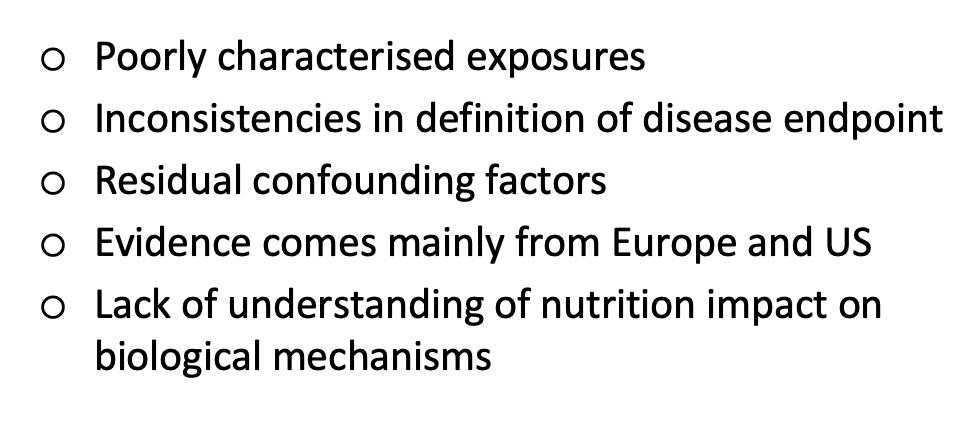
what are limitations of continuous reporting (5)
dairy products/ calcium and cancer association
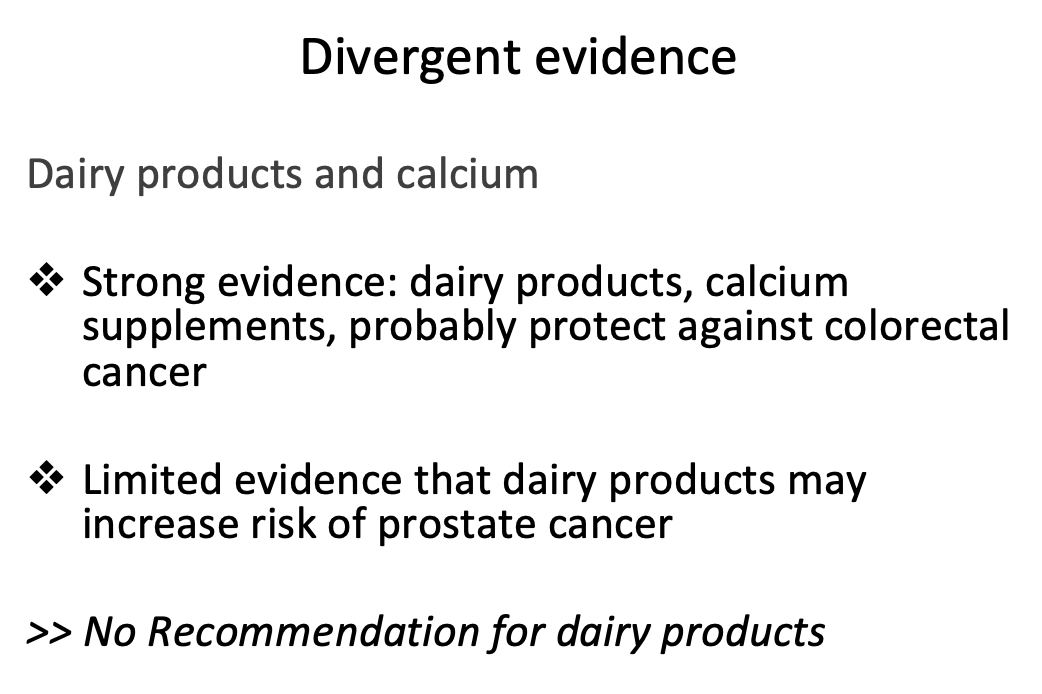
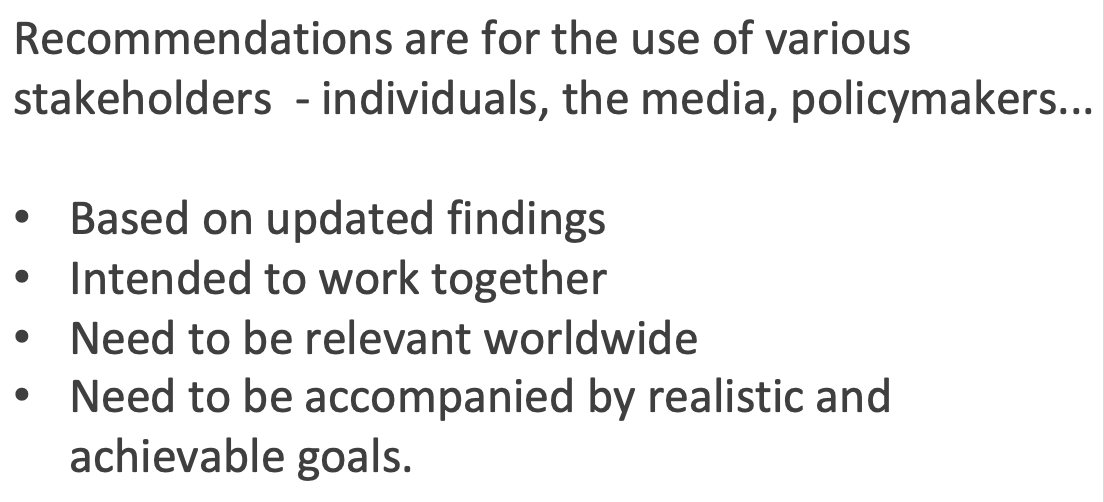
translating findings into recommendations
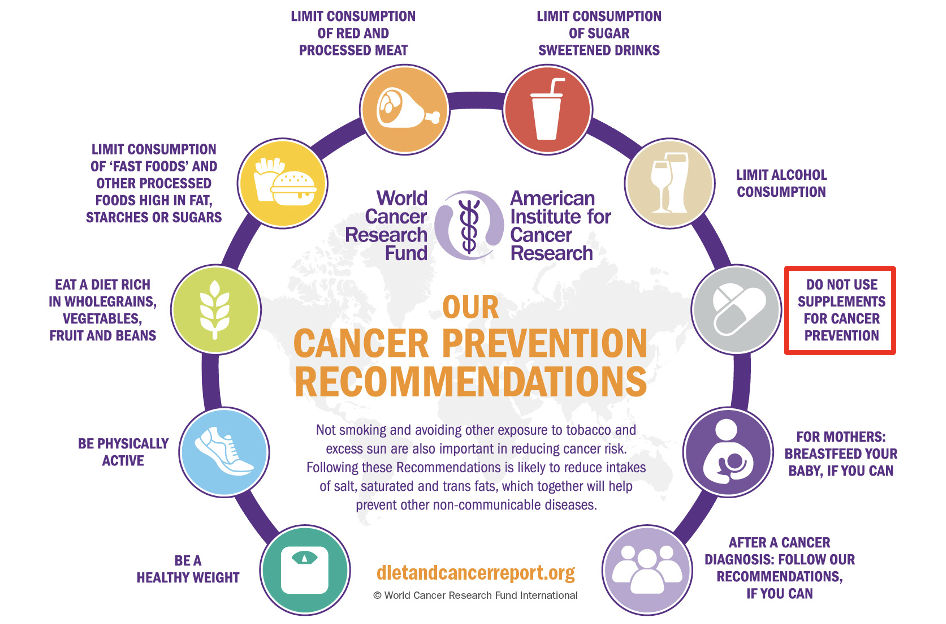
cancer prevention recommendations
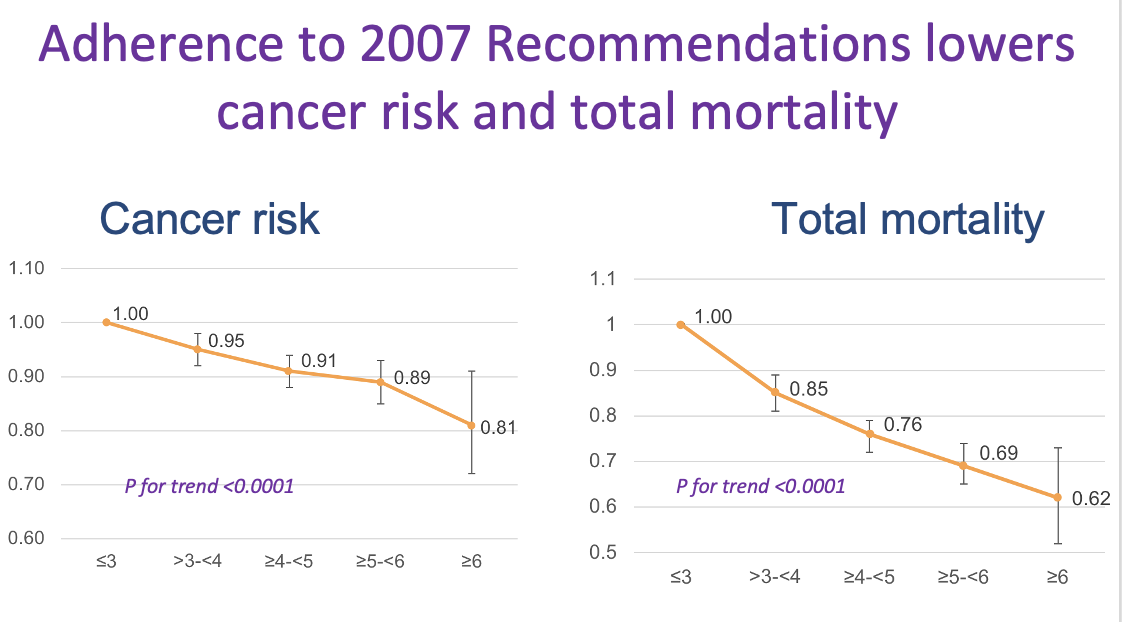
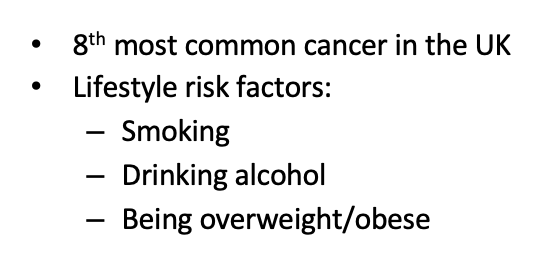
what are lifestyle risk factors of cancers of the mouth, pharynx and larynx (3)
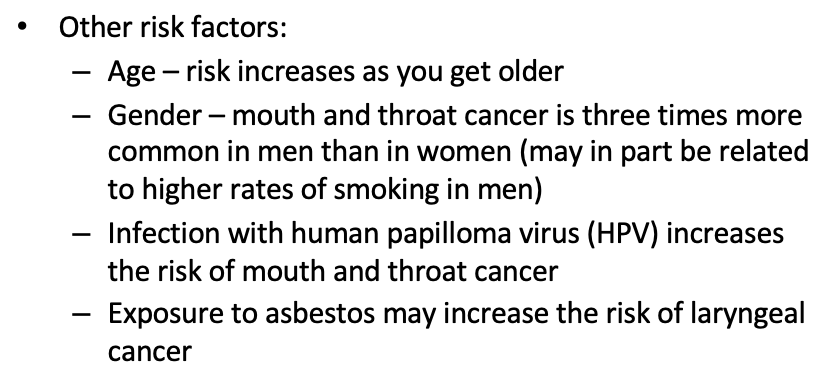
what are other risk factors of cancer of the mouth, pharynx and larynx
ultra processed foods (UPFs)
UPFs associated with an increased risk of cancer
average UK adult eats >50% of daily energy intake from UPFs
key summary points