3.6 CELL RECOGNITION AND THE IMMUNE SYSTEM
 Call Kai
 Learn
Learn Practice Test
 Spaced Repetition
 Match
Match Flashcards
 Knowt Play
1/9

There's no tags or description
Looks like no tags are added yet.
Name | Mastery | Learn | Test | Matching | Spaced | Call with Kai |
|---|
No analytics yet
Send a link to your students to track their progress
10 Terms
Identifying self and non-self cells
Immune system has cells (lymphocytes) to identify pathogens/potentially harmful foreign substances in body & then destroy or neutralise them
How do lymphocytes distinguish between self and non-self cells
Each cell has specific molecules on its surface to identify it
Molecules are usually proteins as their 3D- tertiary structure enable unique/identifyable shapes to be made
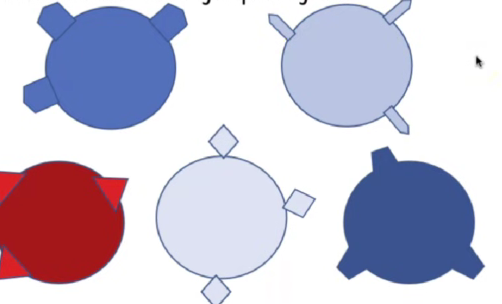
What happens to a non-self cell?
If non-self cell is identified, response will be triggered to destroy it
Different surface molecules enable lymphocytes to identify:
Pathogen (bacteria, fungi, or virus such as HIV)
Cells from other organisms of the same species (can be harmful for those with organ transplants)
Abnormal body cells (such as cancer cells)
Toxins (eg. Cholera)
Antigens
Foreign proteins that generate an immune response by lymphocyte cells when detected in the body
Located on cell surface
Antigen Variability
Pathogens DNA can mutate frequently
If a mutation occurs in the gene which codes for the antigen, the shape of the antigen will change
Any previous immunity to this antigen (naturally via previous infection or artificially via vaccination) is obsolete/no longer effective as the memory cells stored are of the old shape of the antigen
This happens in influenza, antigen mutates frequently/quickly and you need a new vaccine each year
Immune response
If a pathogen gets past chemical and physical barriers of the body, (stomach acid/skin) & enters the blood, then white blood cells are the second line of defense
WBCs have a specific response (lymphocytes) and a non-specific response (phagocytes)
Phagocytosis (non-specific response)
Phagocyte is a macrophage (type of WBC) that carries out phagocytosis
Found in blood and in tissues
Phagocytosis is a non specific immune response. Any type of non-self cell detected will trigger the same response
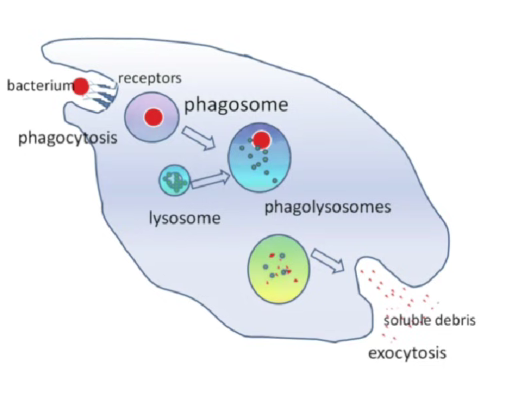
Phagocytosis process (8 steps)
Pathogens/abnormal cells in blood attract phagocyte and they will move towards these cells
Many receptor binding points on the cell surface of phagocytes. Will attach to chemicals/antigens on the pathogen via these receptors
Phagocyte changes shape to move around and engulf the pathogen
Once engulfed, pathogen is contained within cell in a phagosome vesicle
A lysosome within the phagocyte will fuse with the phagosome and release its own contents
Lysosome releases lysozyme enzyme into the phagosome. This is a lytic enzyme which hydrolyses the pathogen
This destroys the pathogen
Soluble products used and absorbed by the phagocyte
T lymphocytes (T cells)
Lymphocytes are white blood cells involved in the specific immune response
All lymphocytes are made in the bone marrow, but T cells mature in the thymus
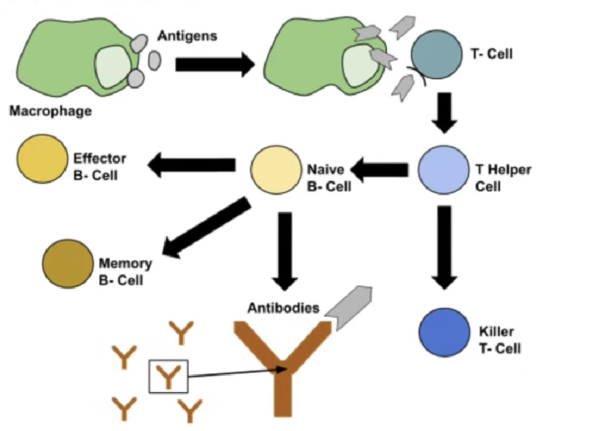
Cell-mediated response is the response involving t-cells and body cells
Cellular response