Pure Edexcel a level maths
 Call Kai
 Learn
Learn Practice Test
 Spaced Repetition
 Match
Match Flashcards
 Knowt Play
1/122

Earn XP
Description and Tags
Name | Mastery | Learn | Test | Matching | Spaced | Call with Kai | Chat |
|---|
No analytics yet
Send a link to your students to track their progress
123 Terms
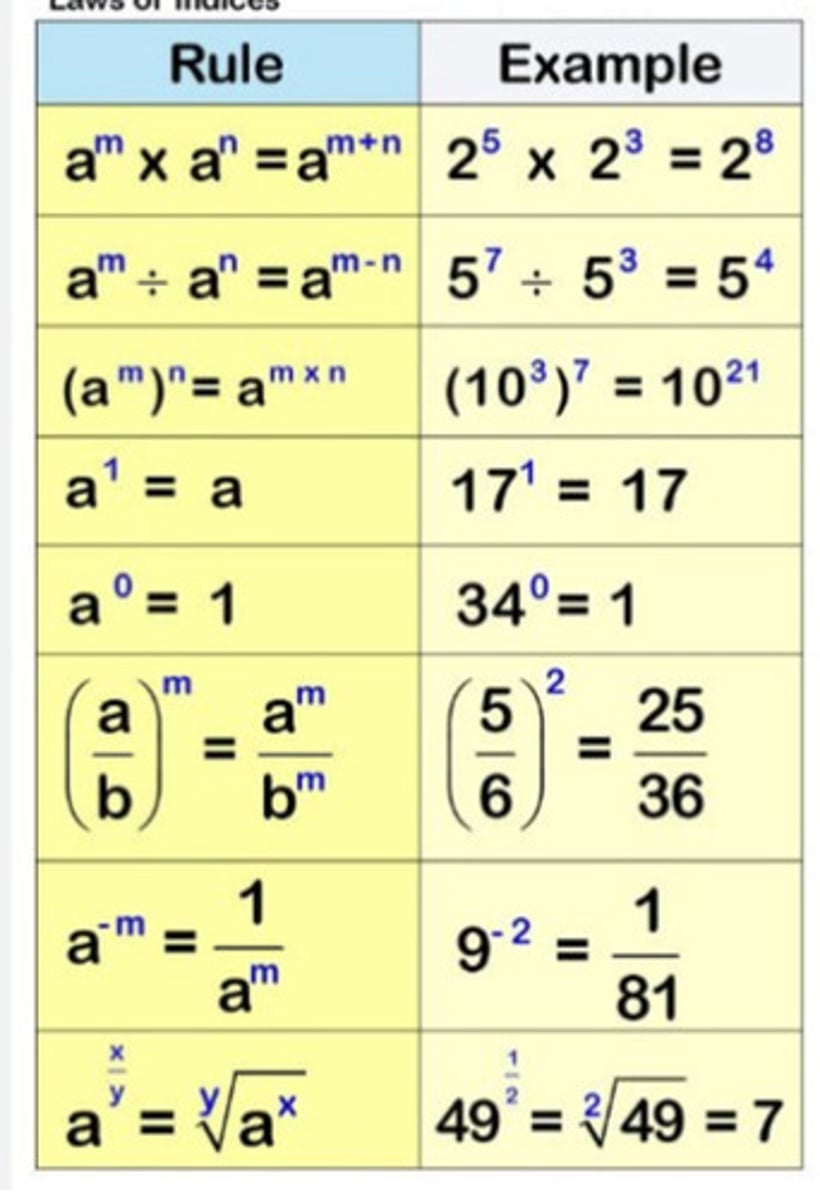
Laws of indices
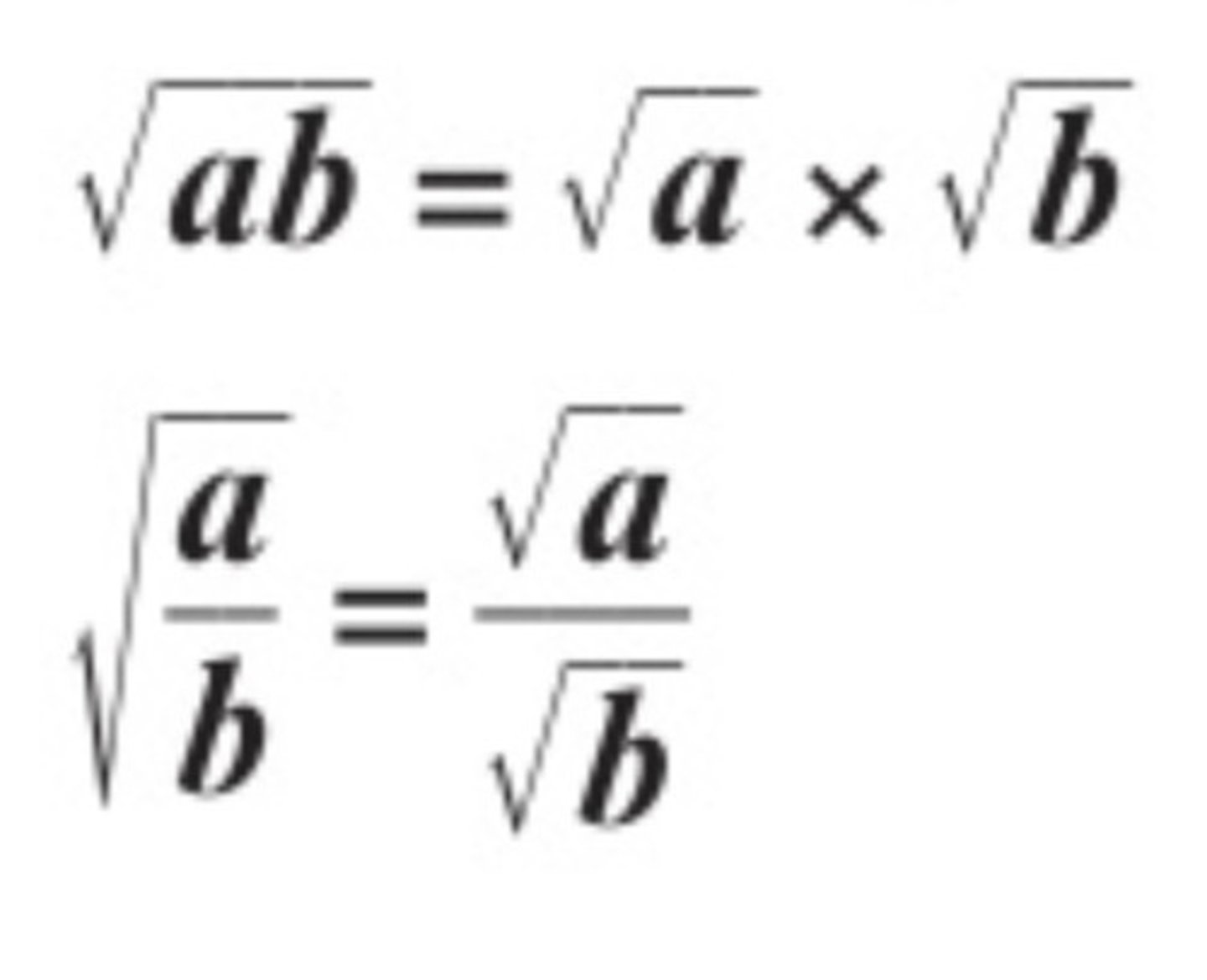
Manipulating surds
Rationalising denominators

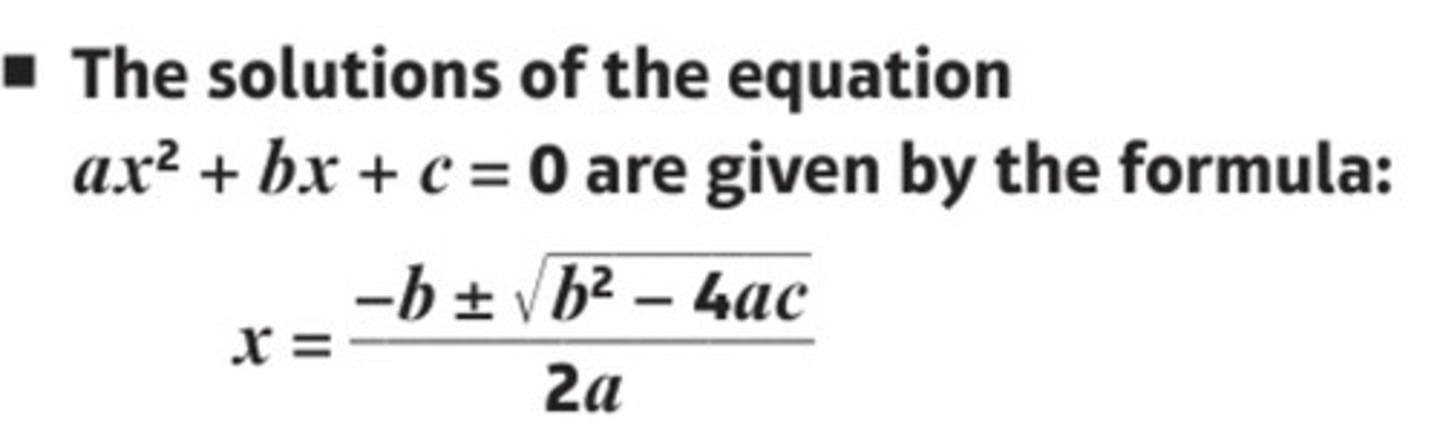
Quadratic formula
Completing the square

Name of inputs and outputs for a function
Inputs = domain
Outputs = range
Turning point coordinates from completing the square

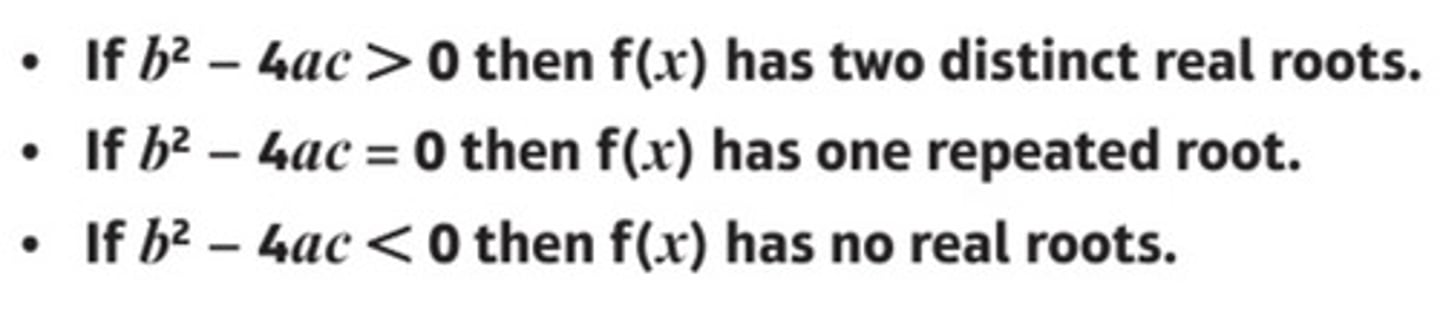
Discriminant - how many roots?
Number line circle notation

Regions line notation

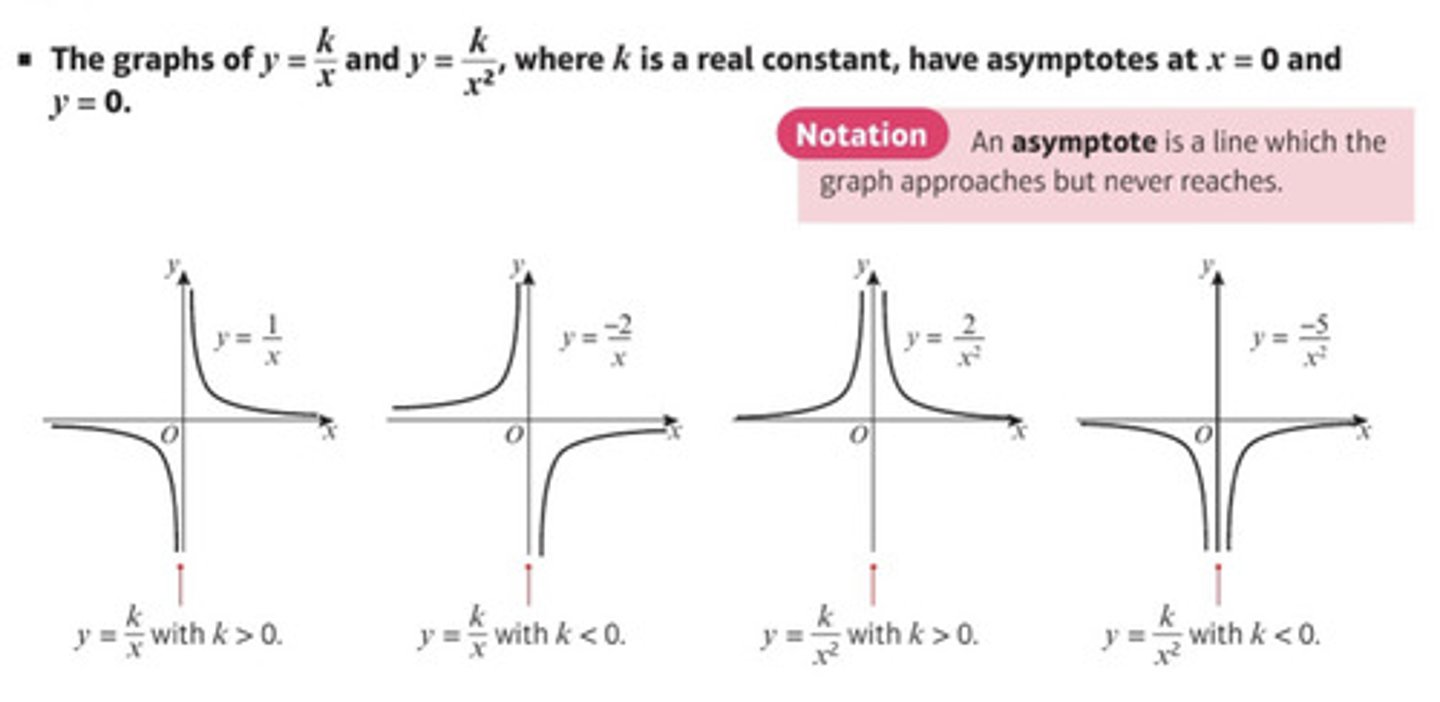
Reciprocal graphs
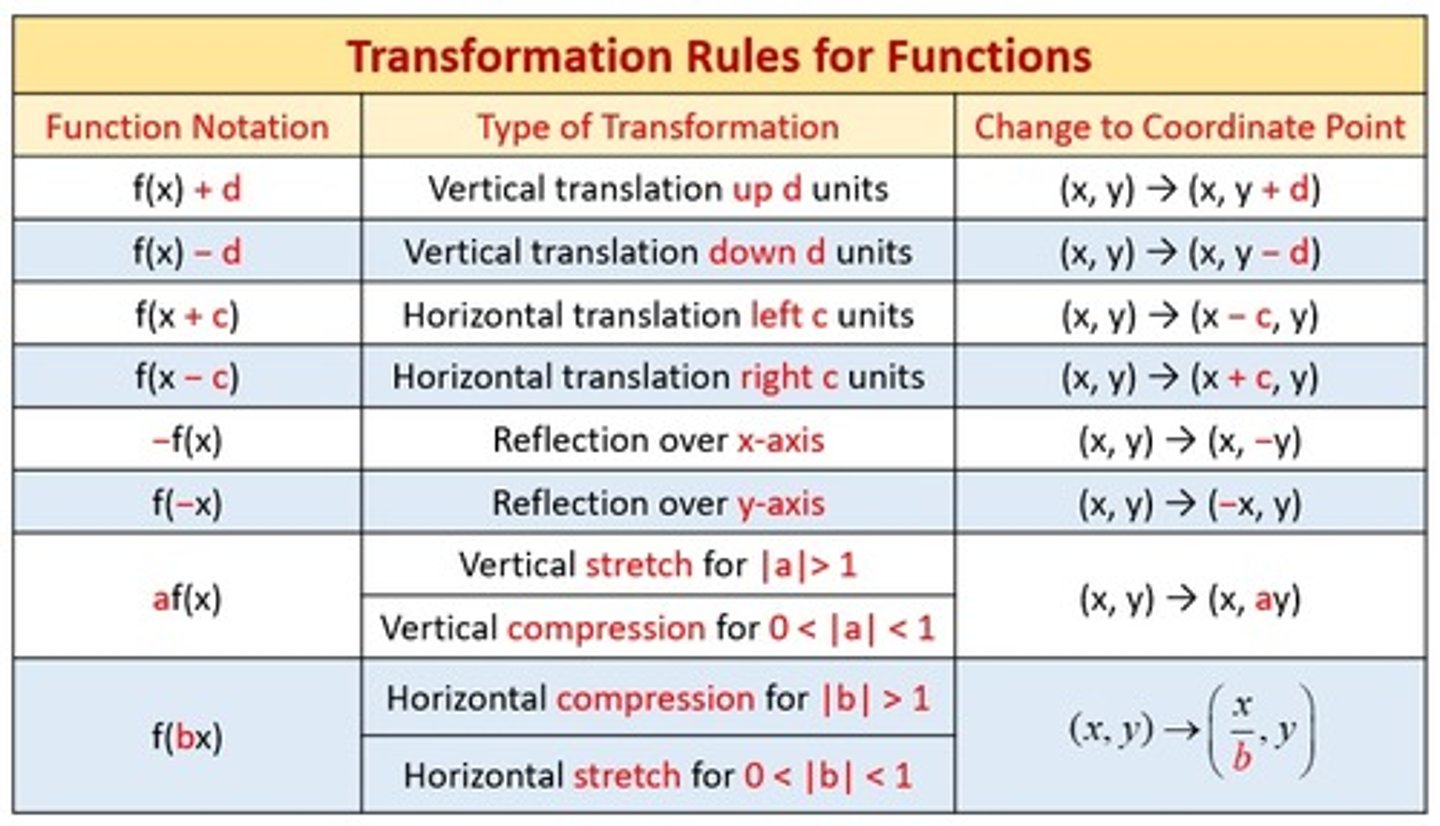
Translating graphs
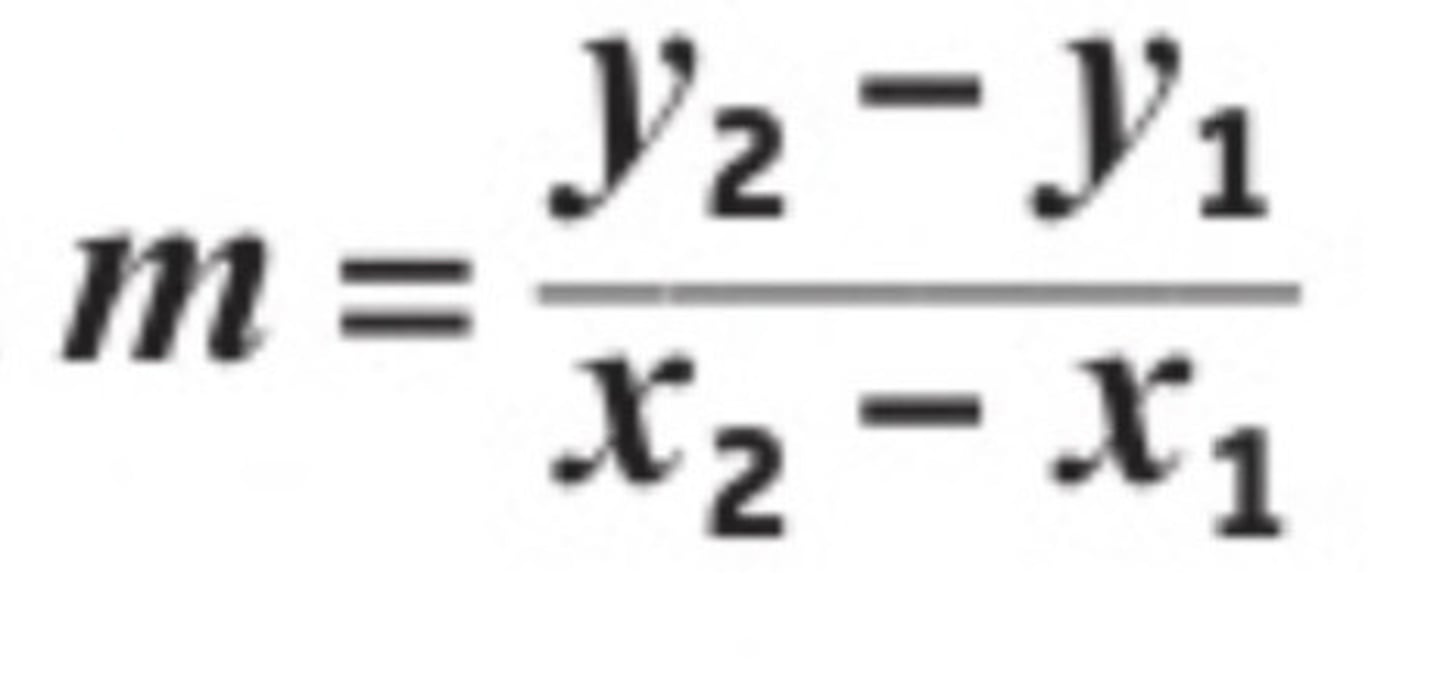
Gradient formula
Equation of a straight line

Gradient of parallel lines vs perpendicular lines
Parallel = the same
Perpendicular = m and -1/m
Distance between two points on a line

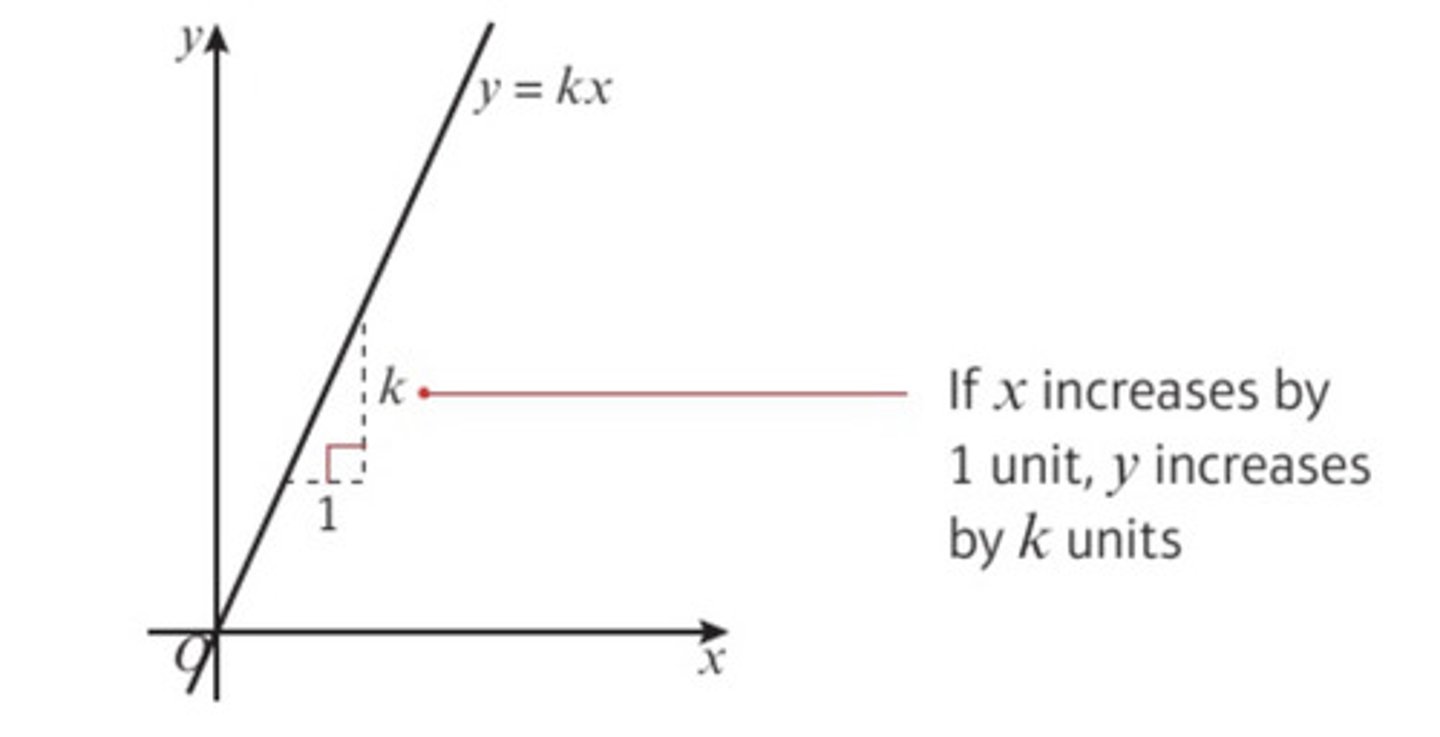
Modelling with straight lines - proportionality
Two quantities are in direct proportion when they increase at the same rate. The grapg of the quantites is a straight line through the origin
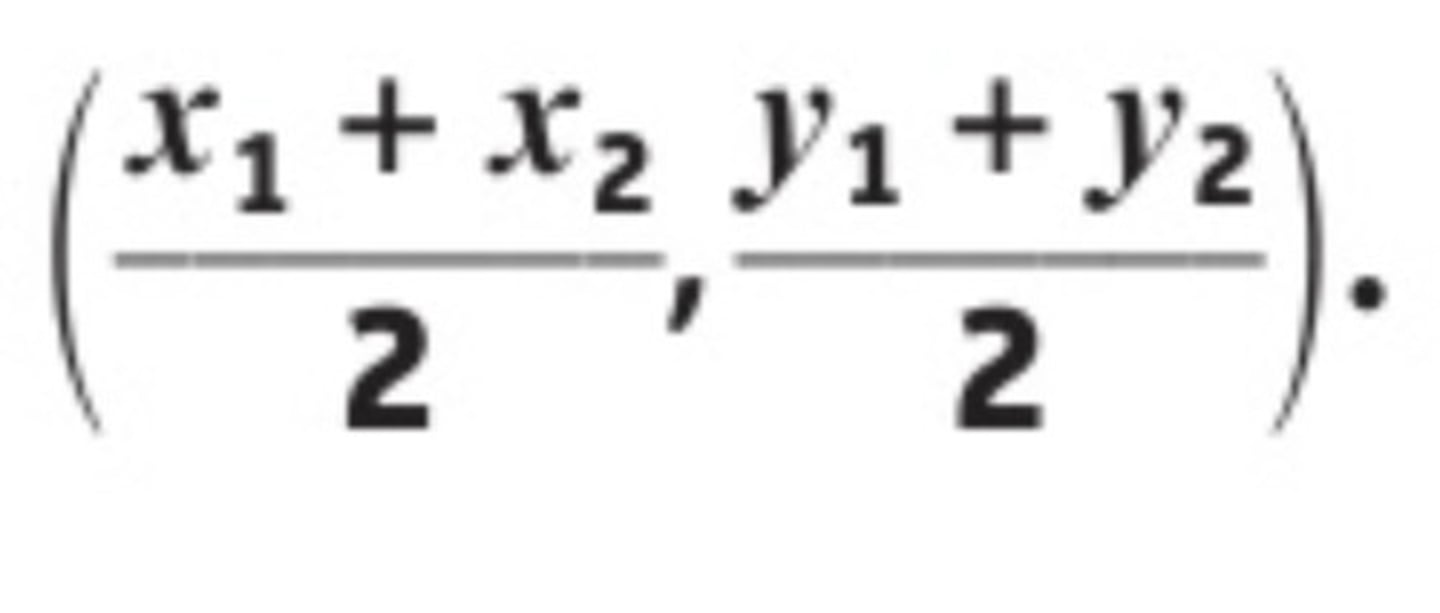
Midpoint of a line segment
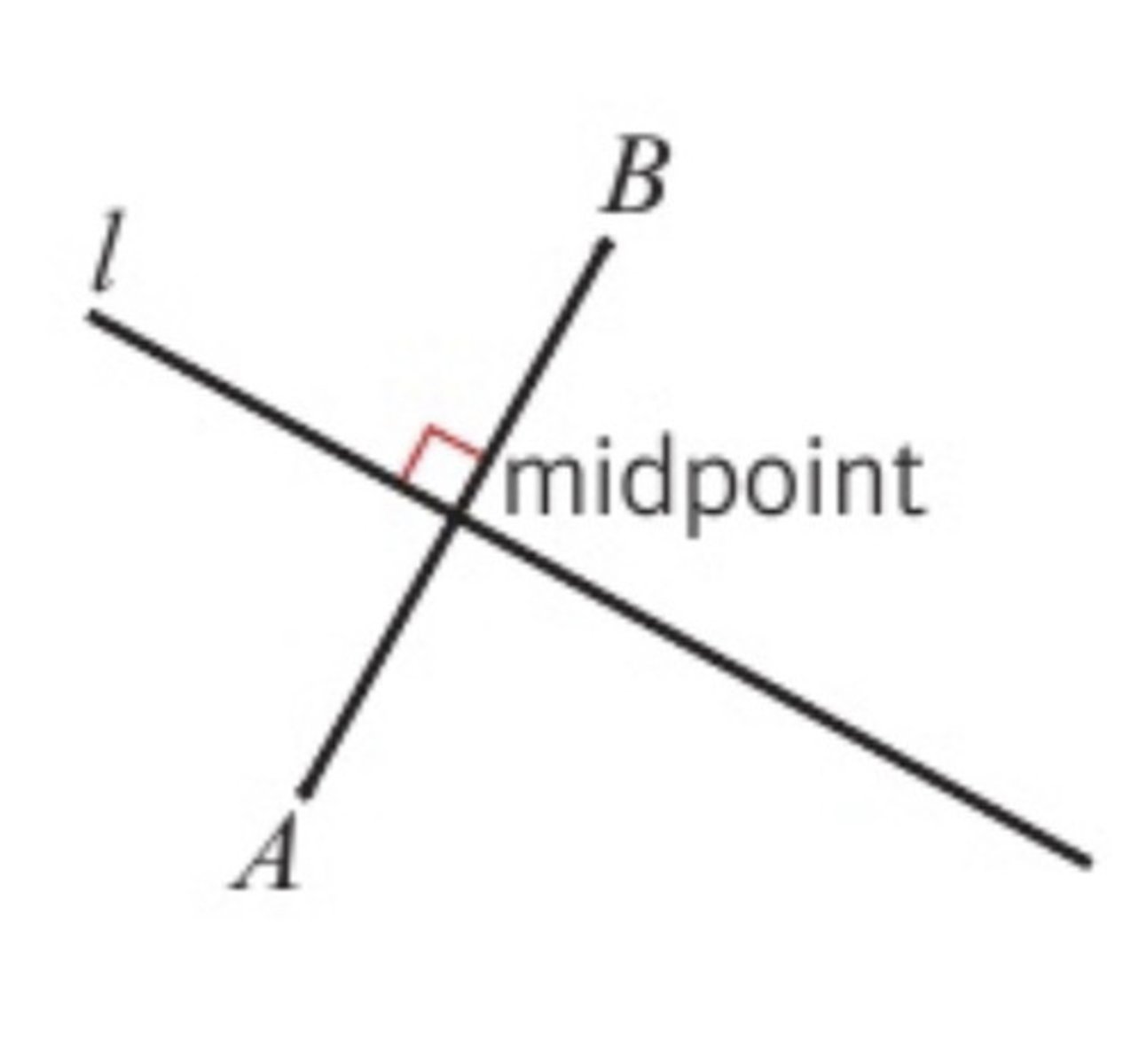
Perpendicular bisector
Perpenmdicular to AB and passes through the midpoint of AB
Equation of a circle with centre (a,b) and radius r

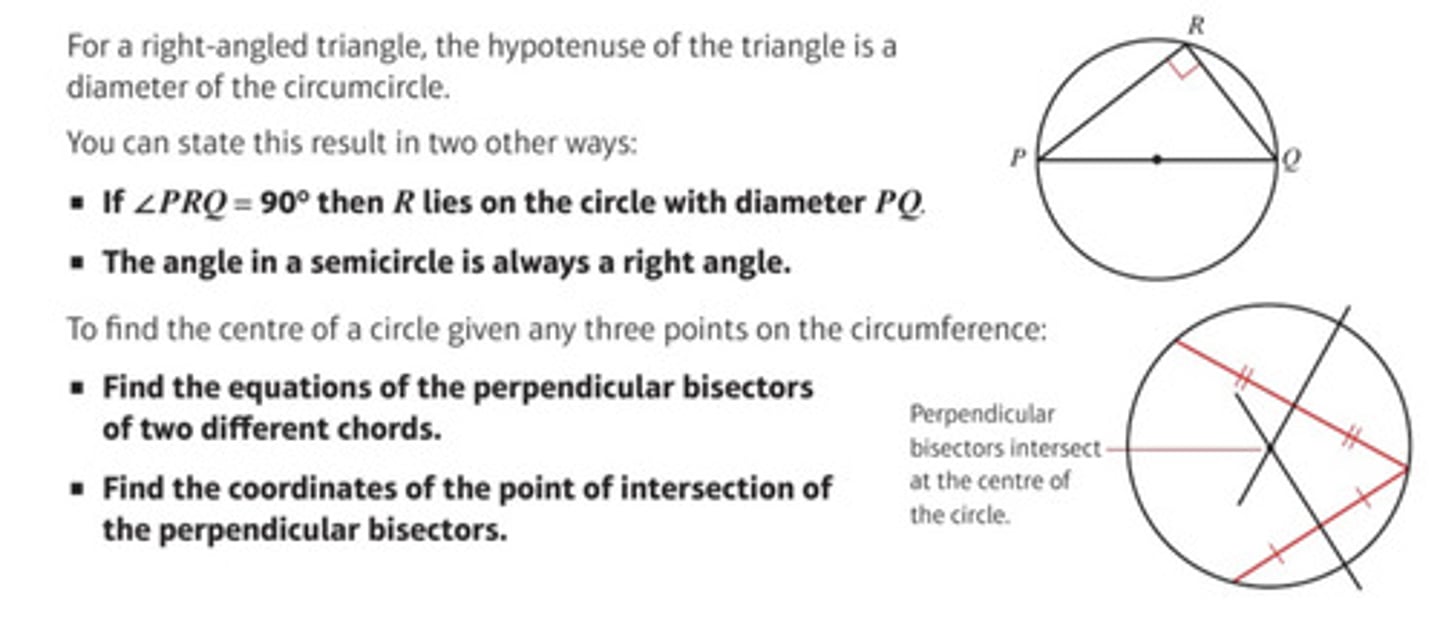
Perpendicular bisector of a chord
Always goes through the centre of the circle
Triangles in a circle
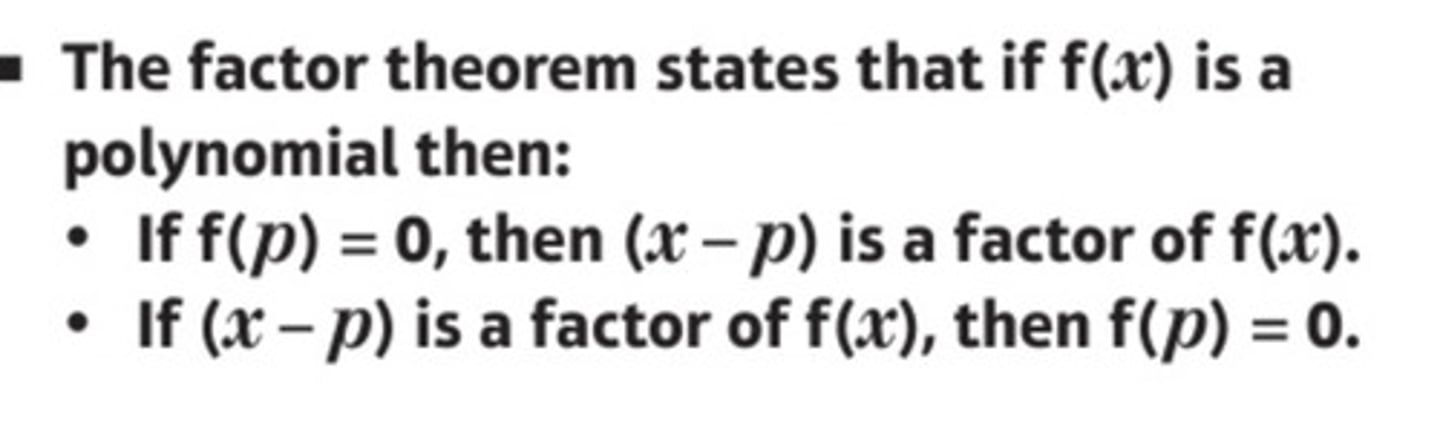
Factor theorem
Proof by deduction
Starting from knwon facts or defenitions, then using logical steps to reach the desired conclusion
Proof by exhaustion
Breaking the statement into smaller cases and proving each case seperately
Proof by counter-example
Using an example that does not work for the statement (just one example is adequate)
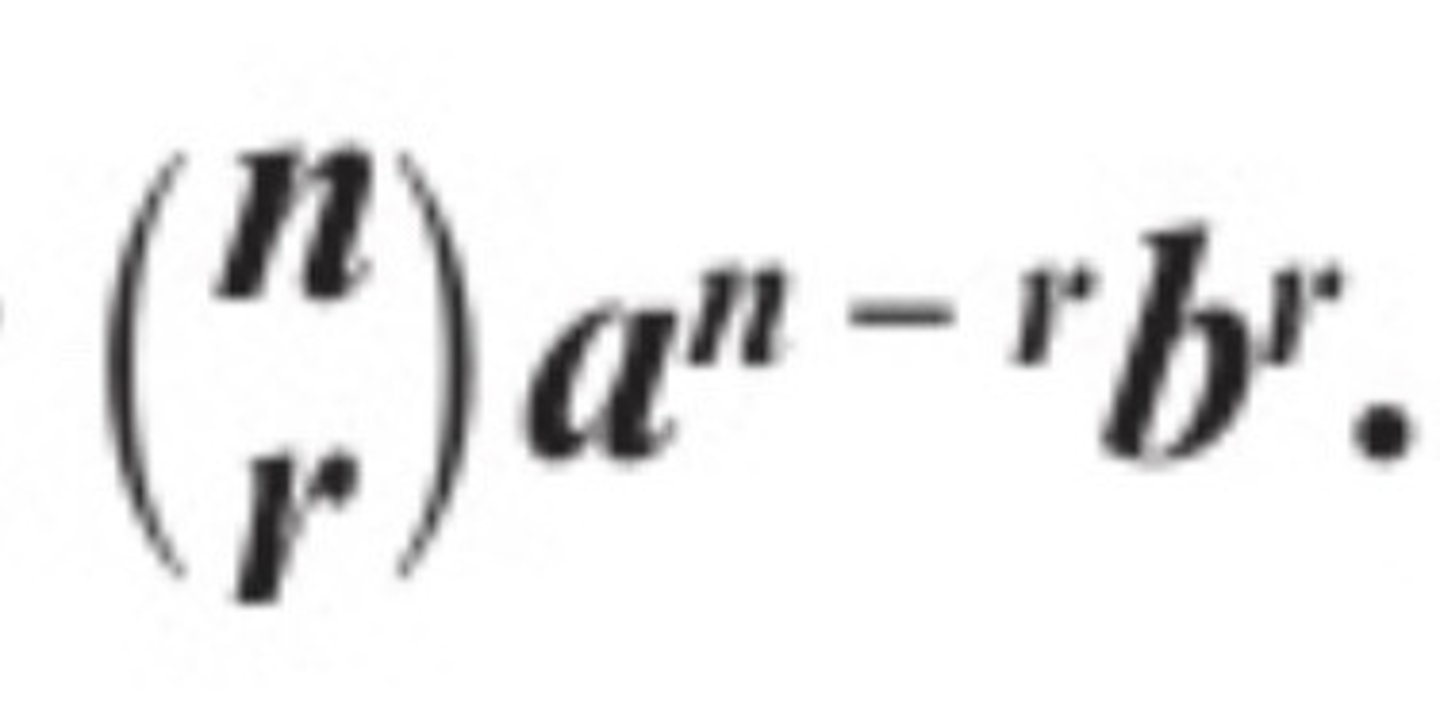
General term for the expansion of (a + b)^n
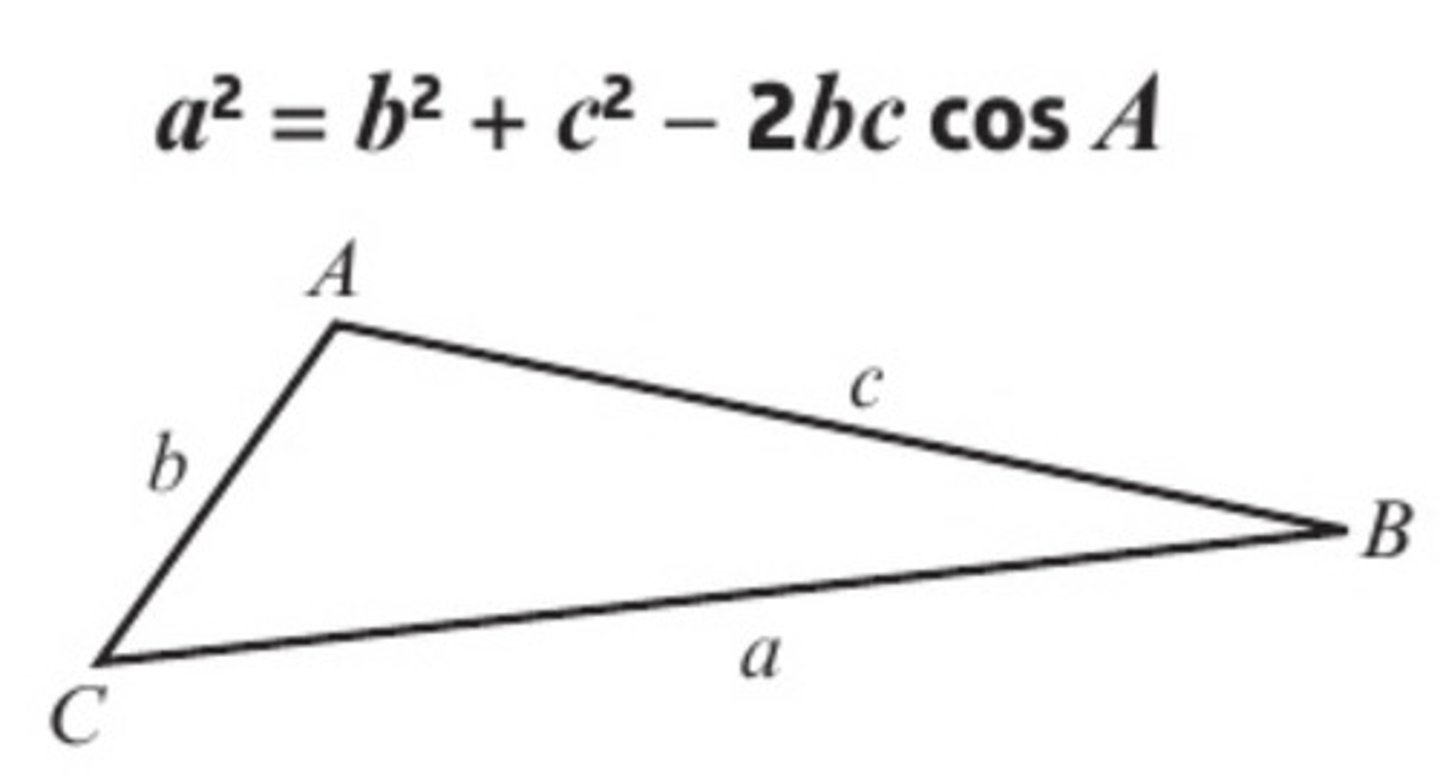
Cosine rule (when you have 2 sides and the angle between them)
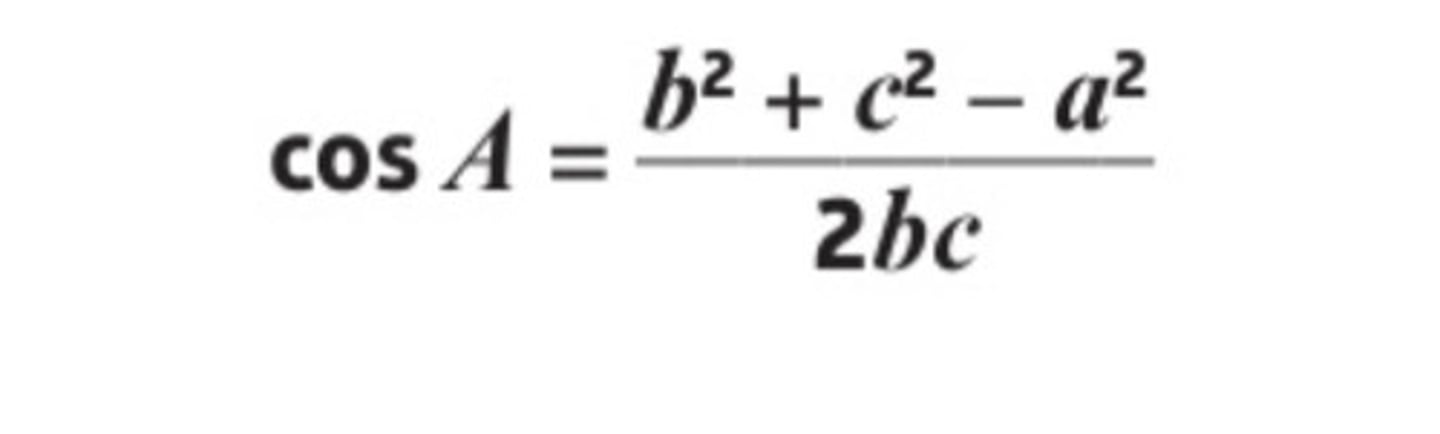
Cosine rule (when you know all 3 sides)
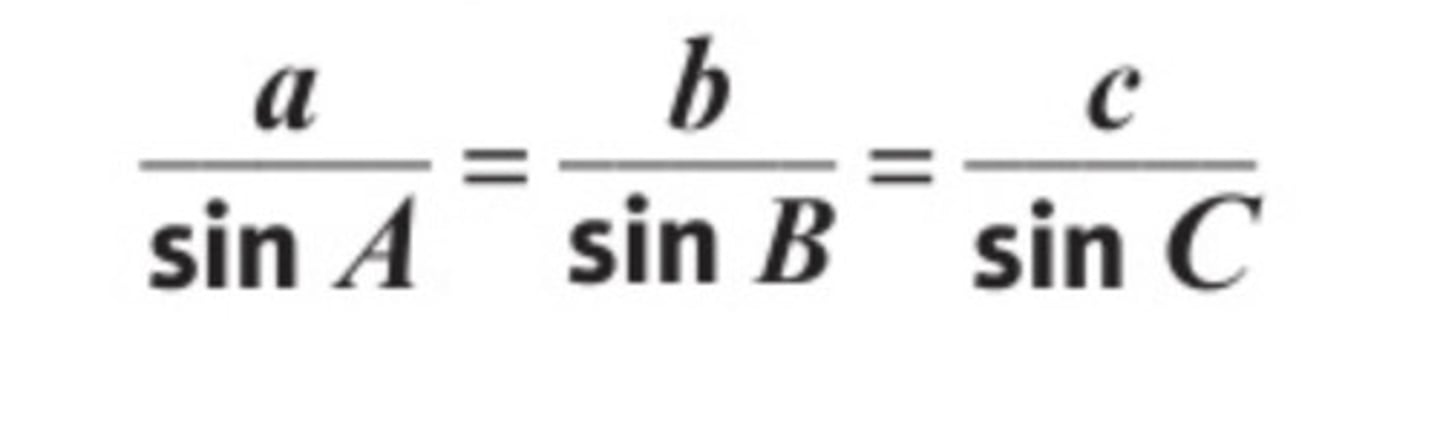
Sine rule
(Can also be used the other way round i.e. sinA/a = sinB/b etc)
Area of a triangle (using sine)
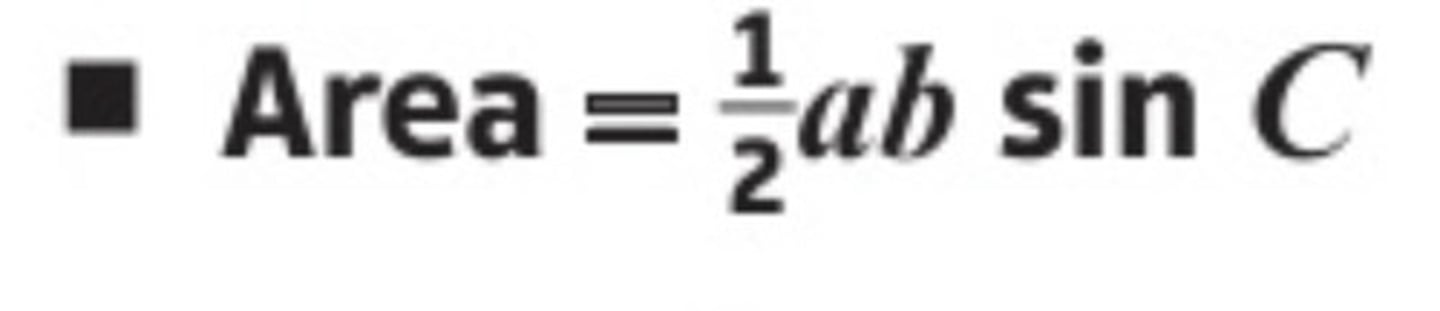
Area of a triangle
1/2 x base x height
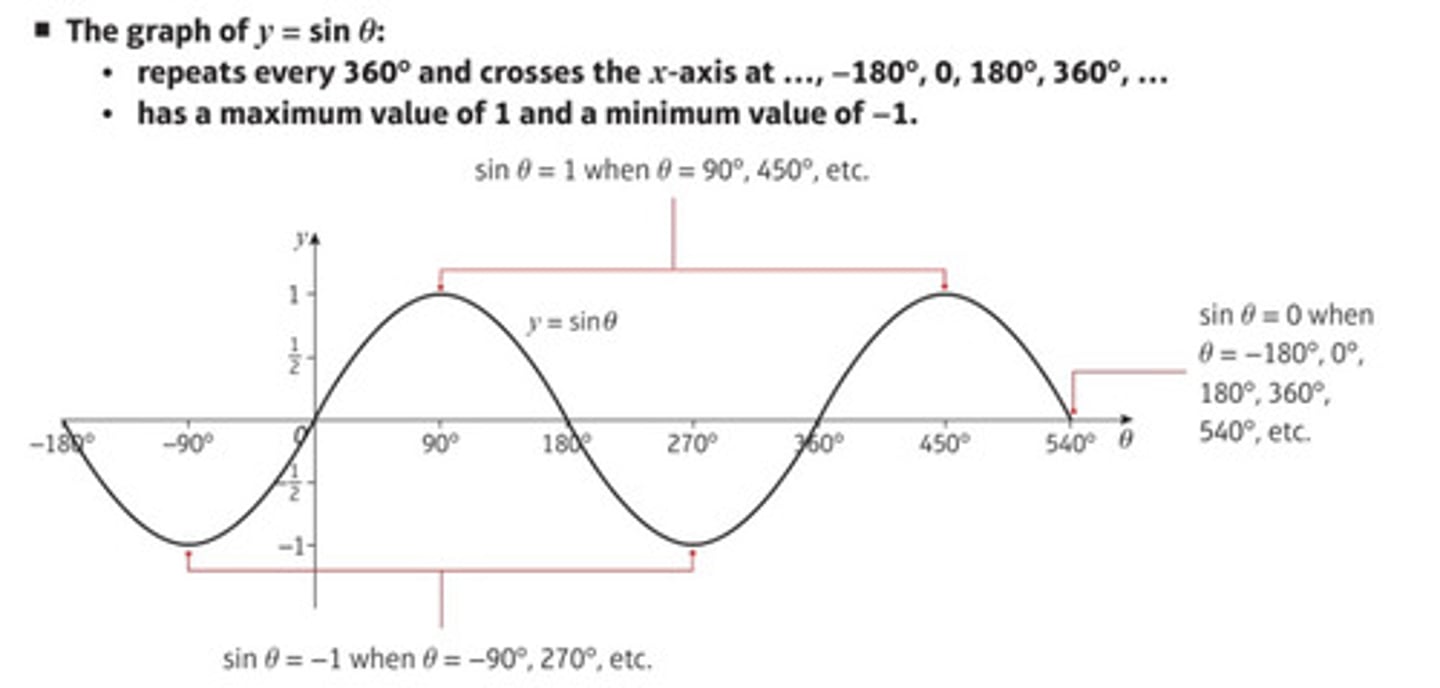
Graph of y = sinθ
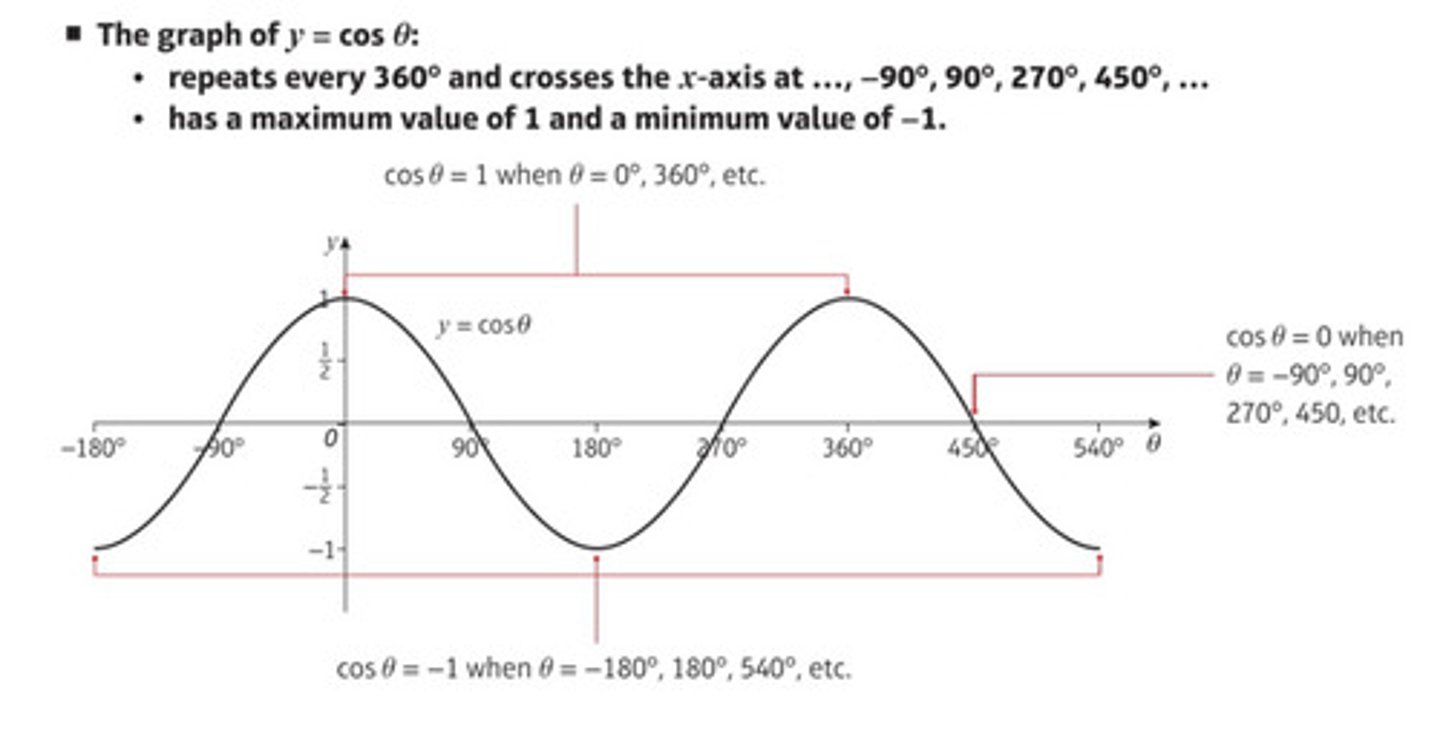
Graph of y = cosθ
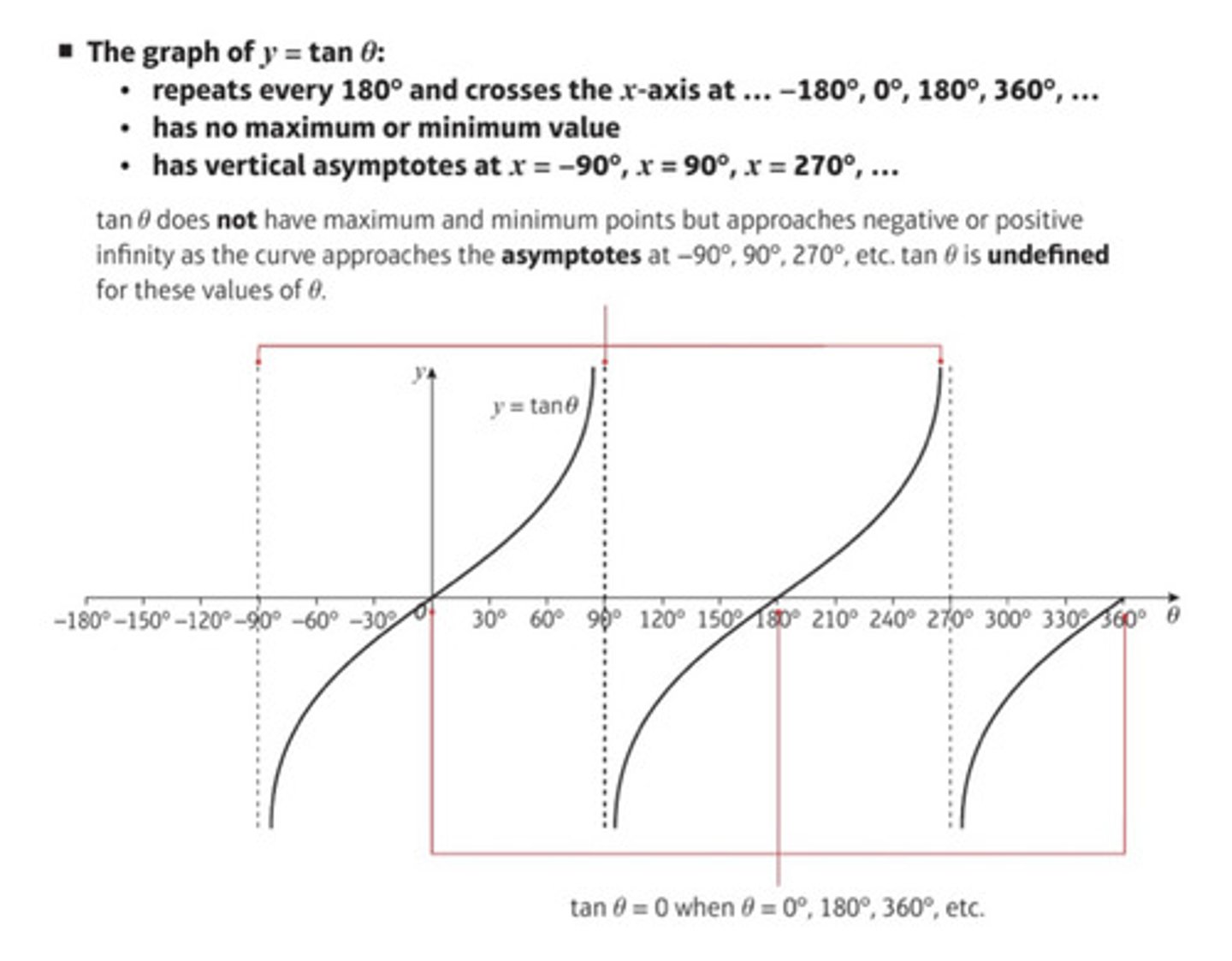
Graph of y = tanθ
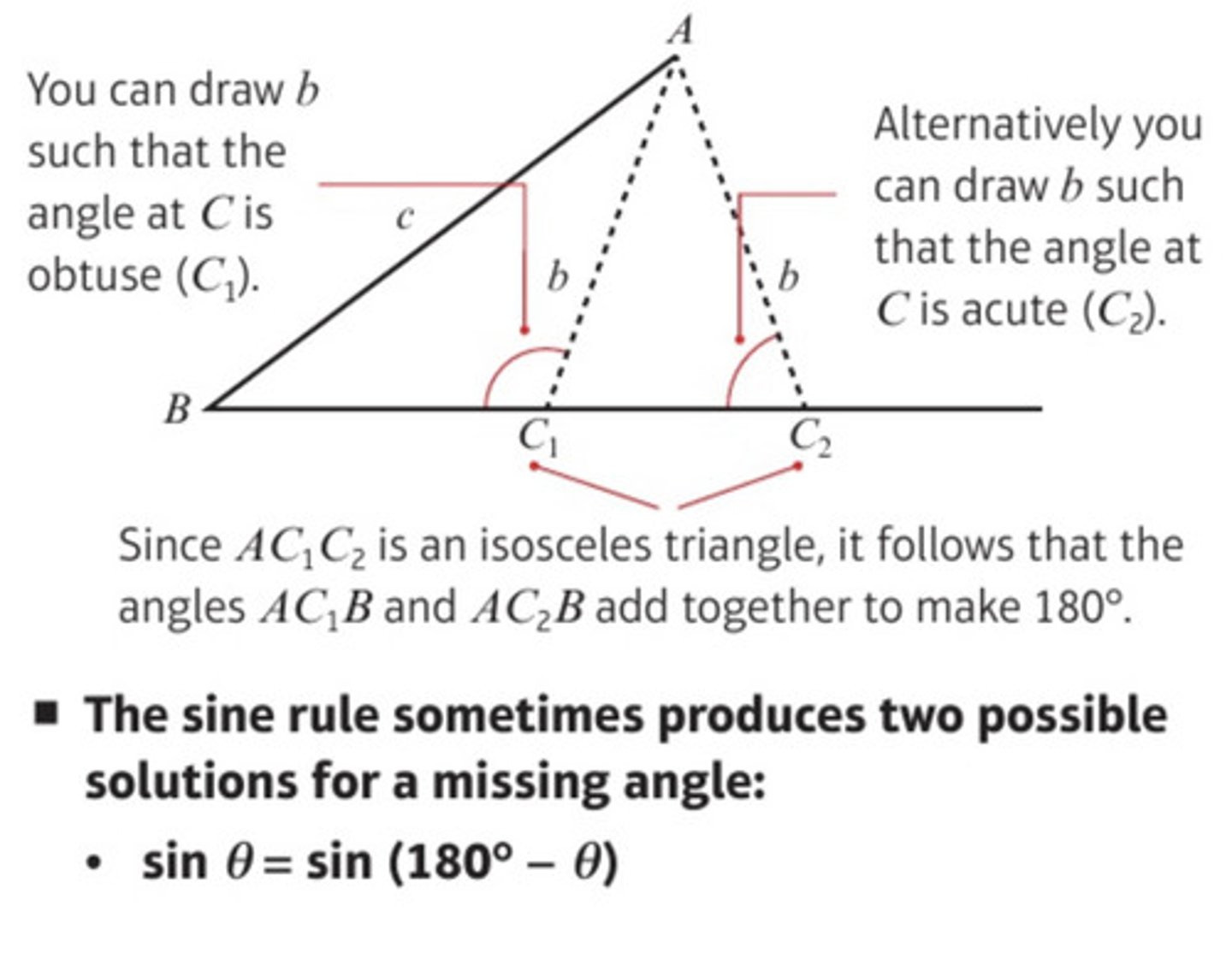
When the sine rule produces two possible solutions for a missing angle
Sinθ/ cosθ = ?
Tanθ
Sin (squared)θ + cos (squared)θ = ?
1
If PQ = RS (vectors)
The line segments are equal in length and are parallel
Multiplying and adding column vectors

Two dimensional vectors
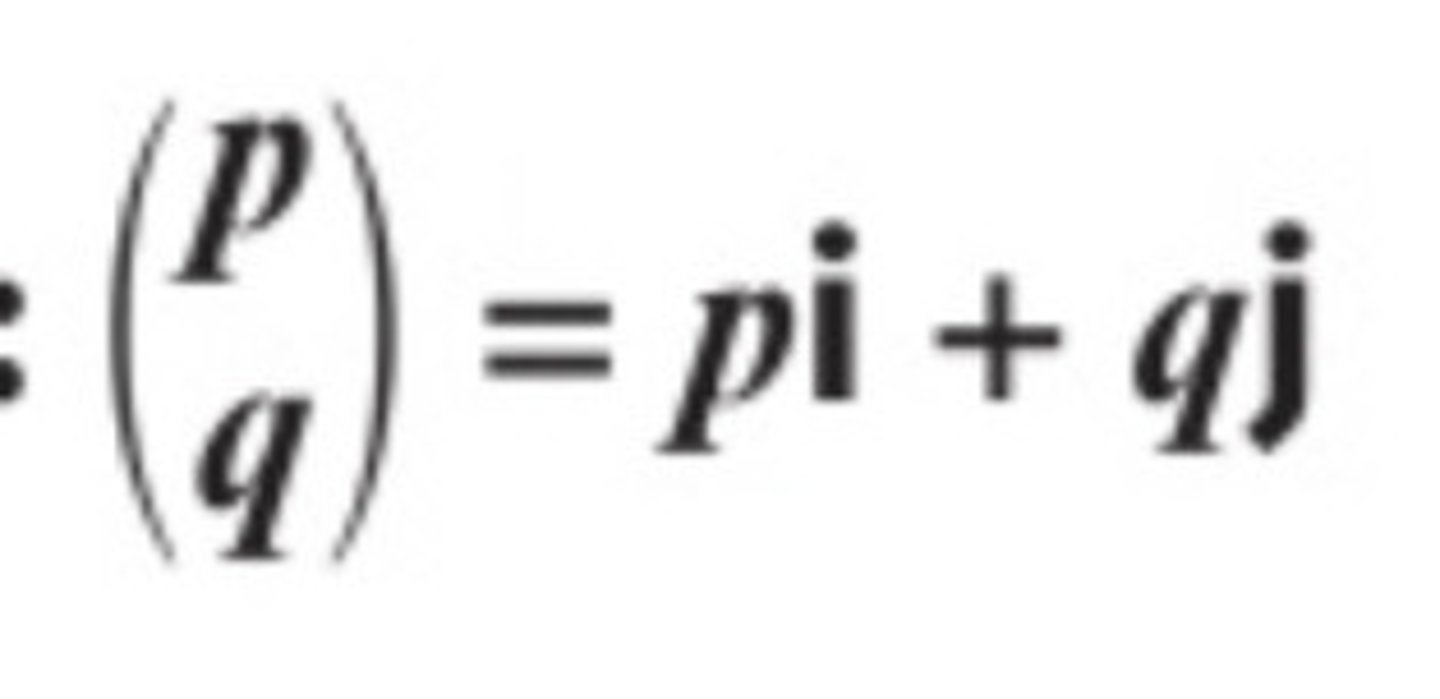
Magnitude of a vector
Unit vector

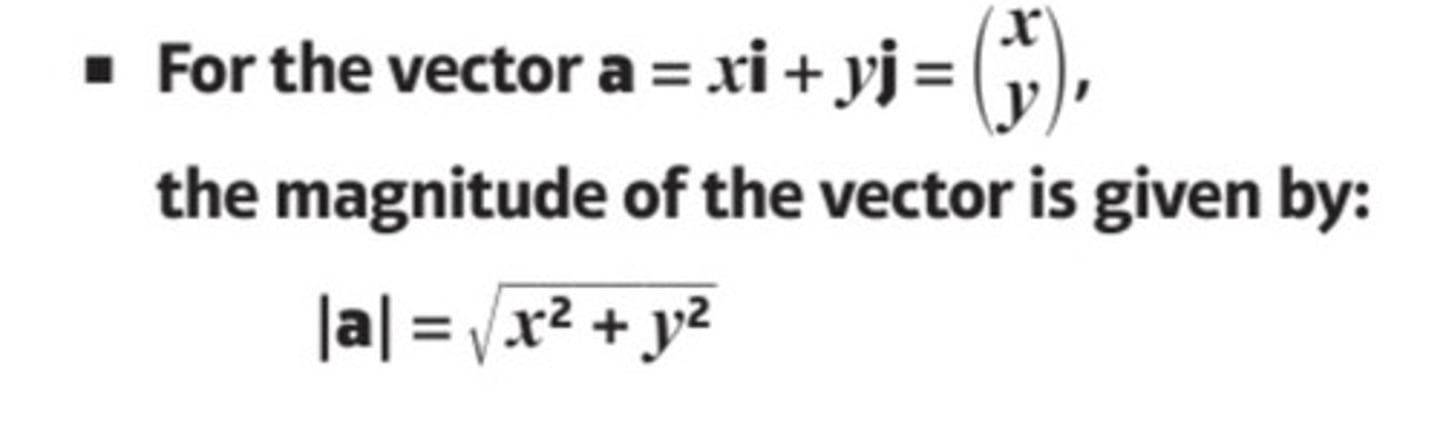
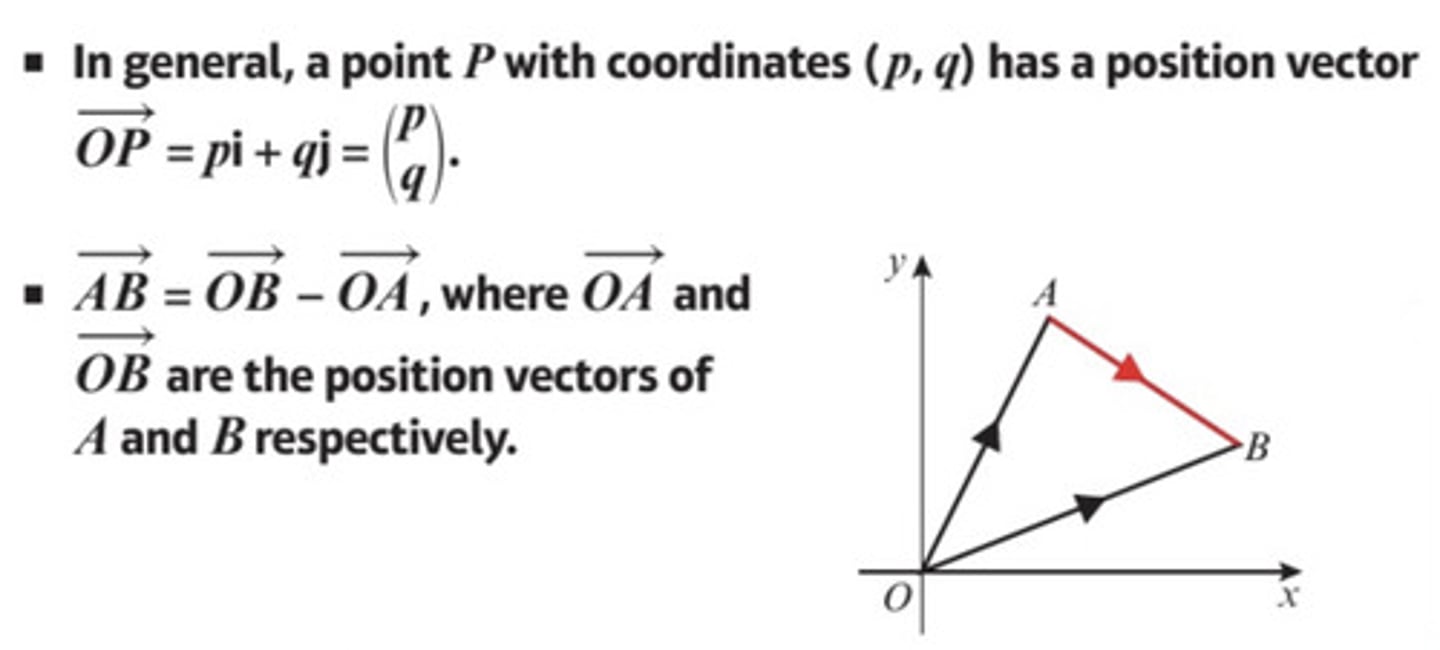
Position vectors
If a and b are two non-parallel vectors and pa + qb = ra + sb
P = r, q = s
Gradient of a curve at any given point is the equivalent to...
The gradient of the tangent
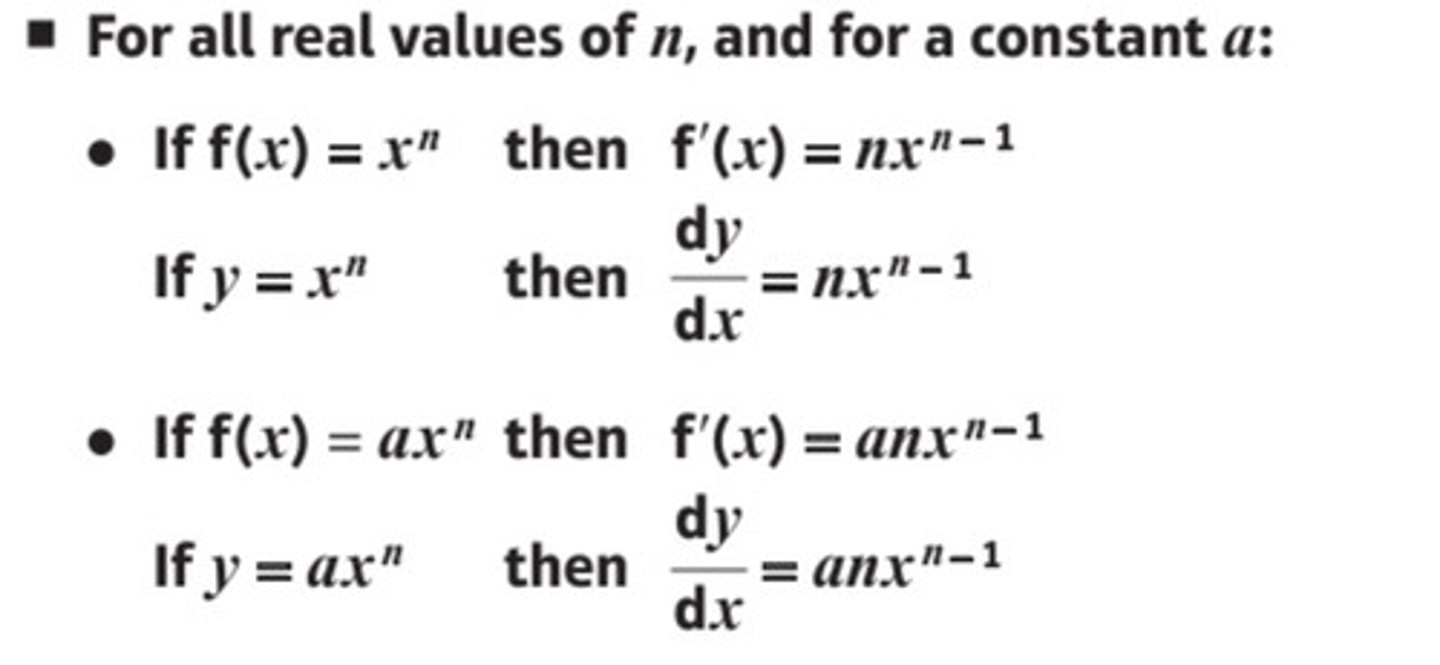
Basic differentiation formula
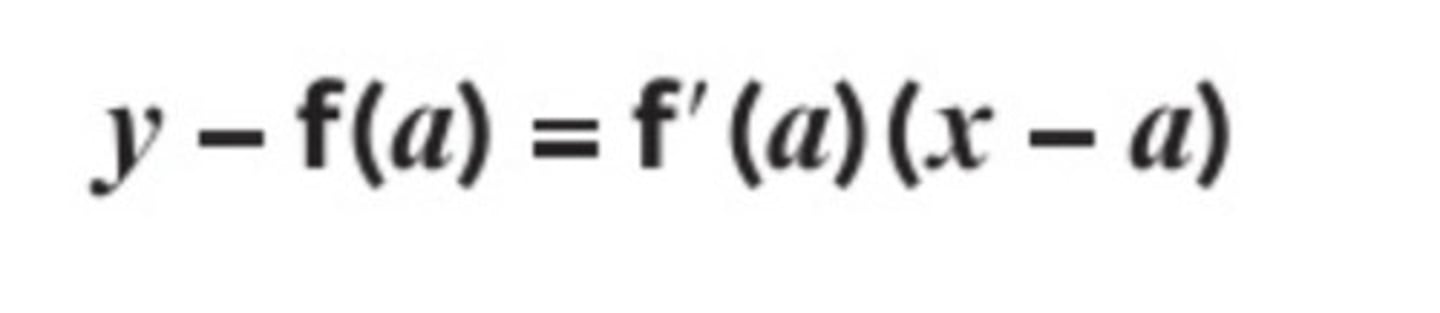
Tangent to the curve y = f(x) at point (a,f(a))
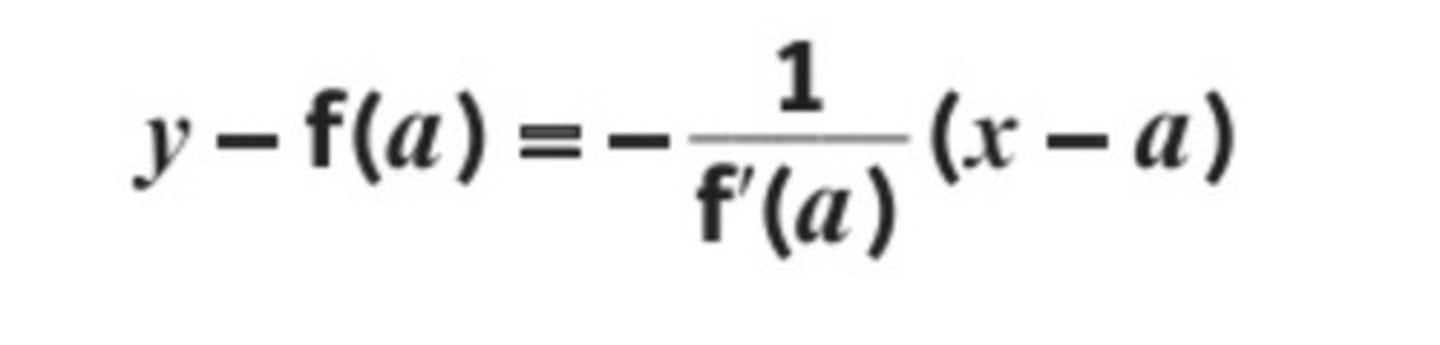
Normal to the curve y = f(x) at point (a,f(a))
The function f(x) is decreasing/ increasing when...
Decreasing = f'(x) < 0 (less than or equal to 0)
Increasing = f'(x) > 0 (larger than or equal to 0)
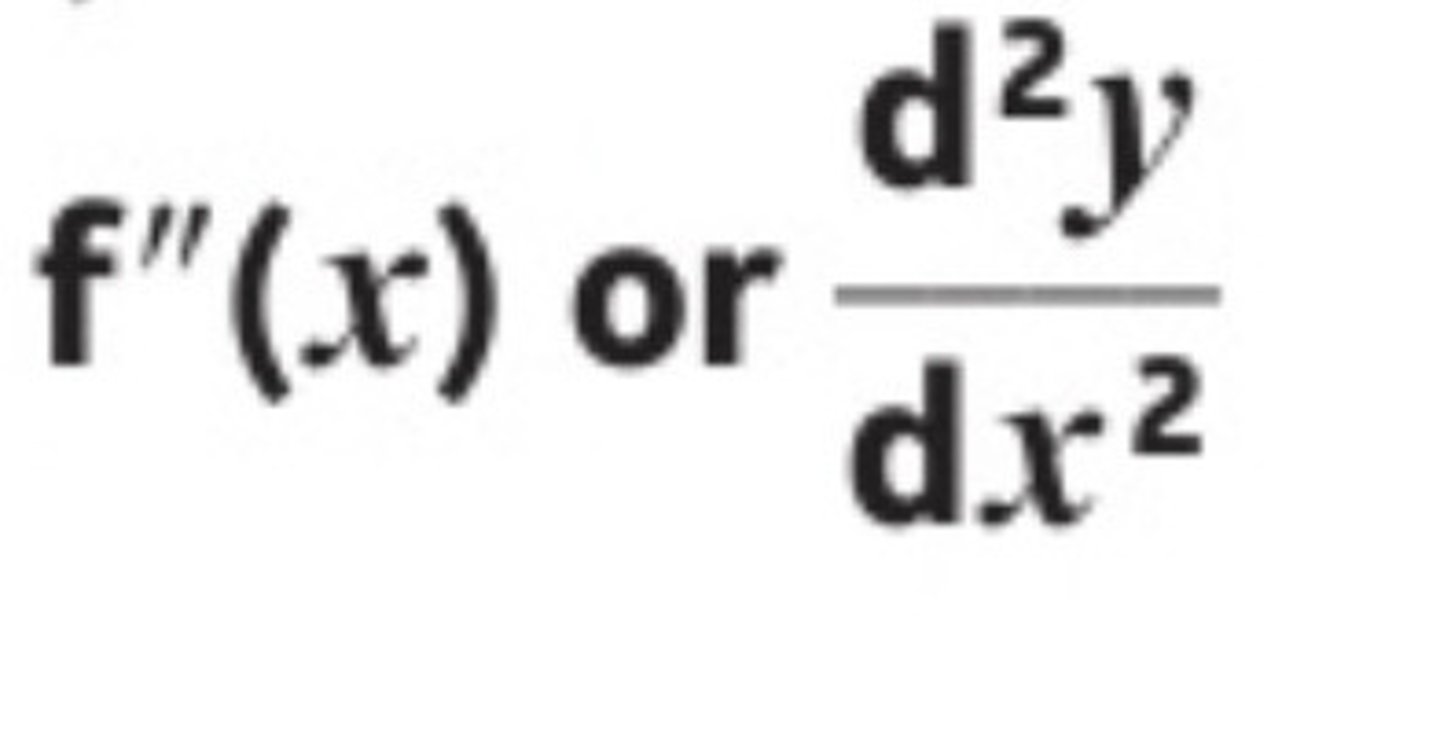
Second order derivative notation
Identifying types of stationary points
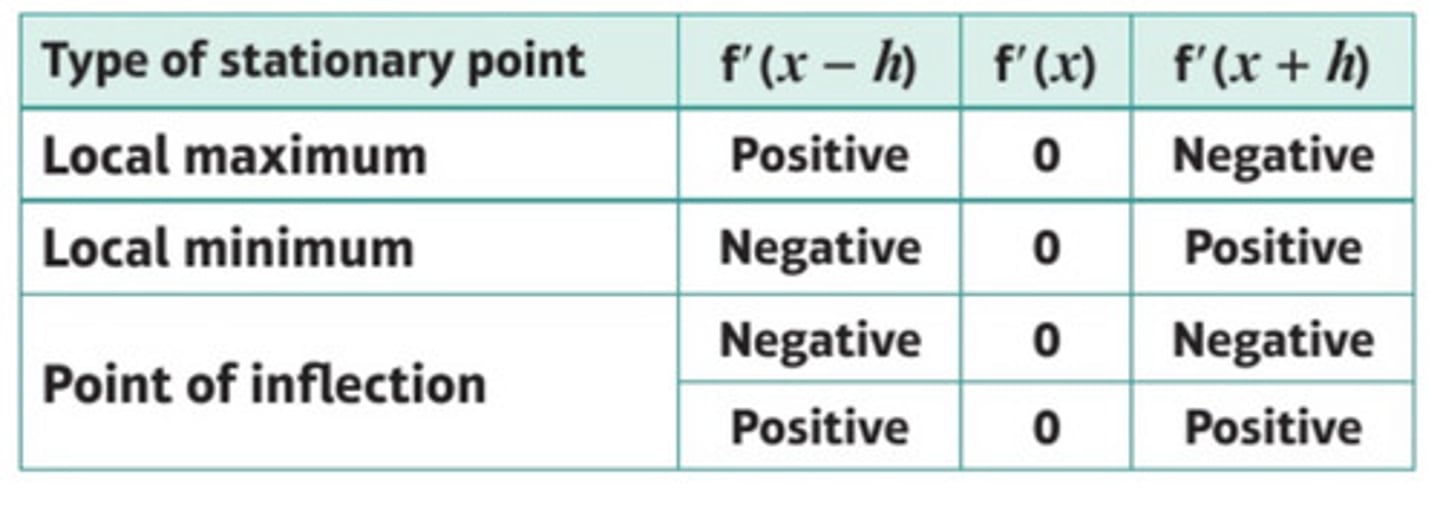
If a function f(x) has a stationary point when x = a, then...
If f''(a) > 0, the point is a local minimum
If f''(a) < 0, the point is a local maximum
If f''(a) = 0, the point could be a local min or local max or point of inflection - need to do other method
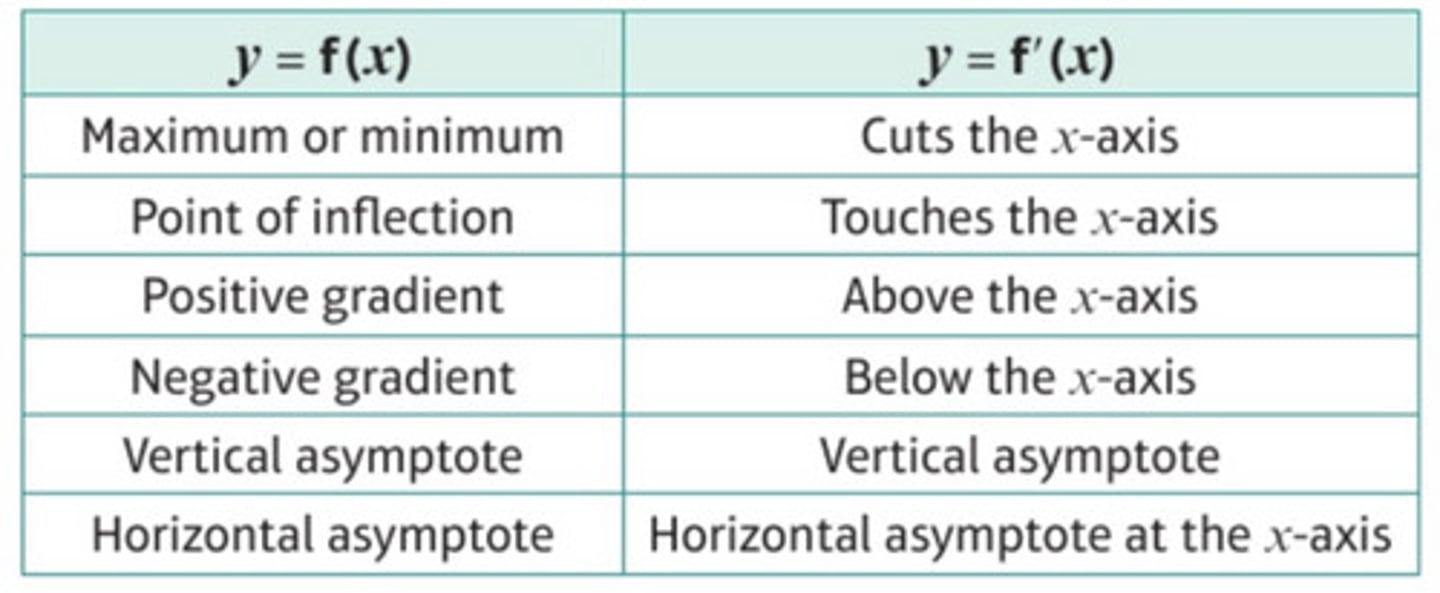
Sketching gradient functions
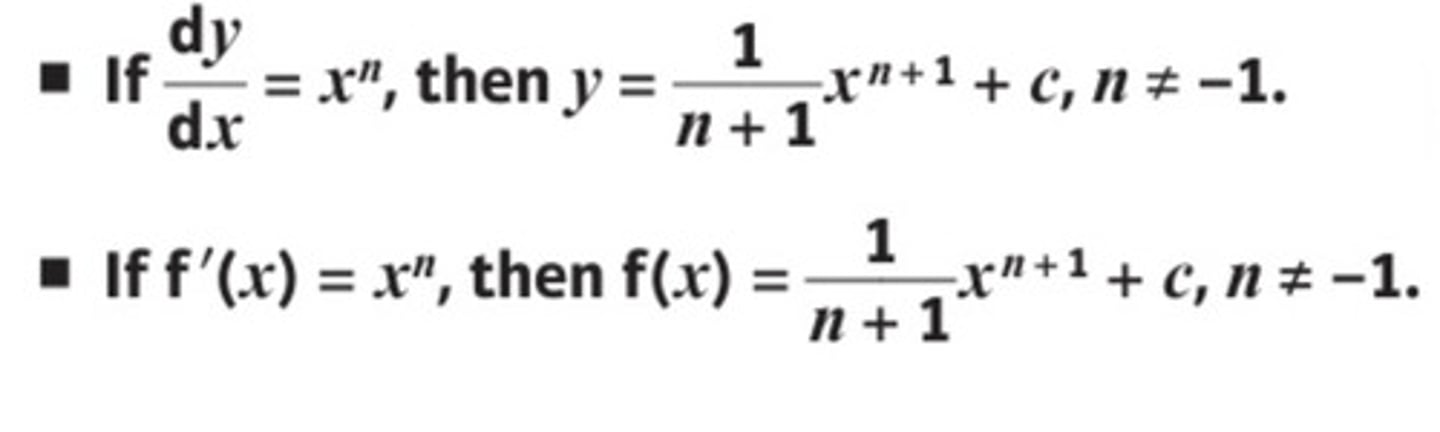
General integration formula
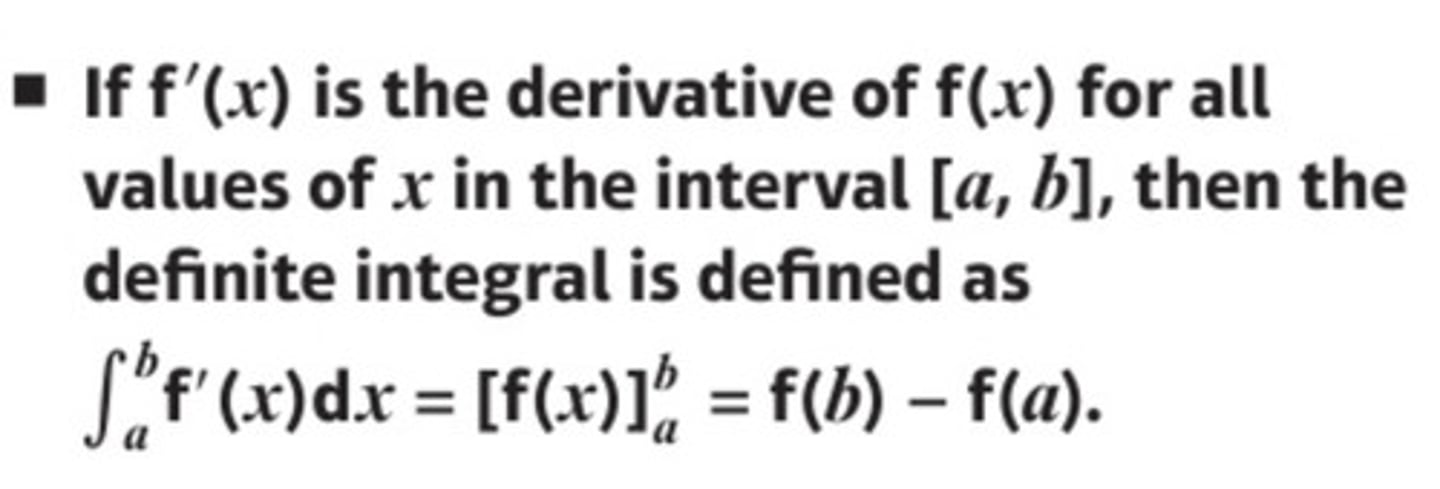
Definite integration
When the area bounded by a curve and the x-axis is below the x-axis
Integrated answer gived a negaitve answer - state the area as a positive quanity
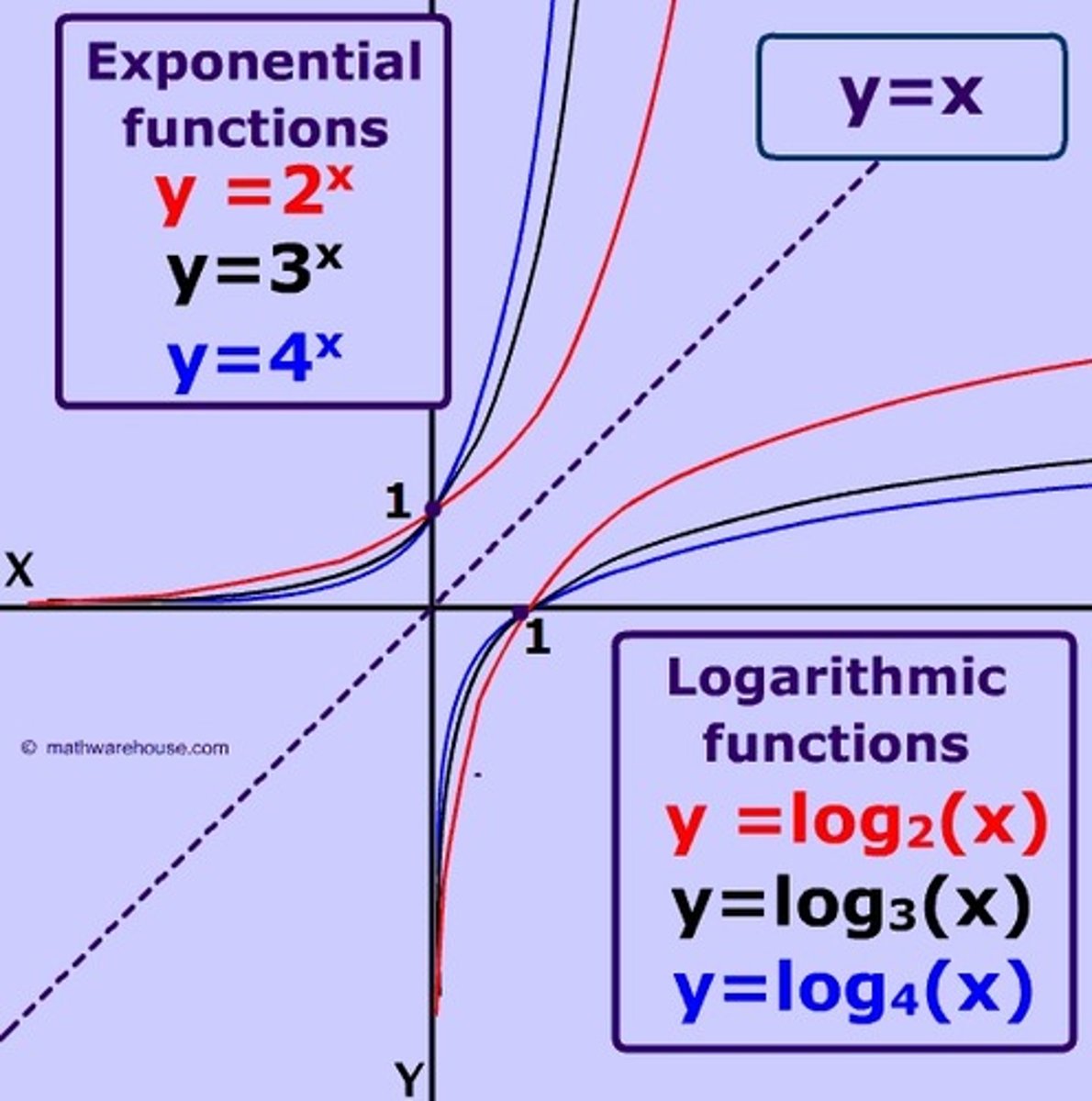
f(x) = a^x
Exponential function
Exponential and logarithmic graphs
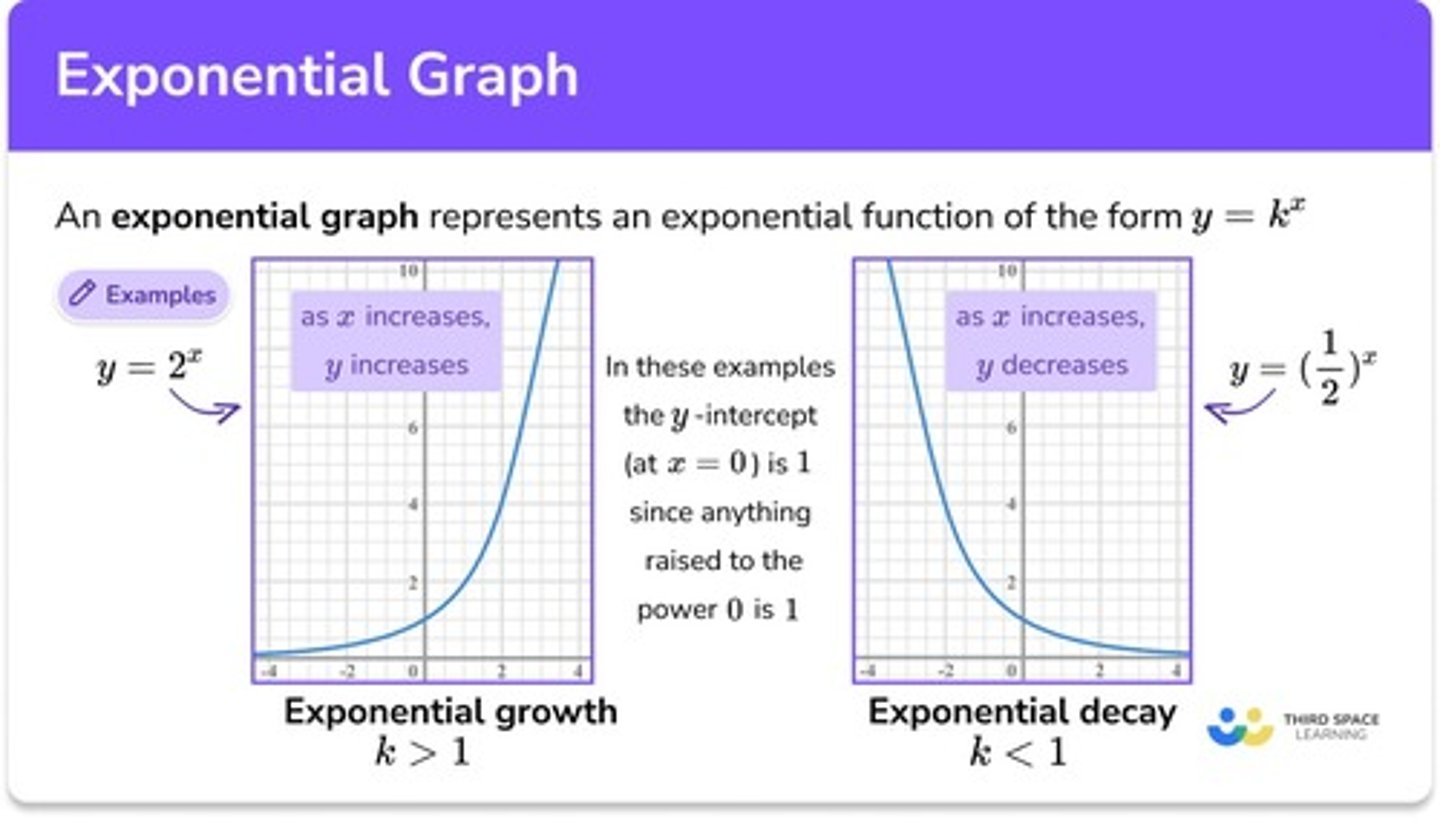
Exponential growth and decay
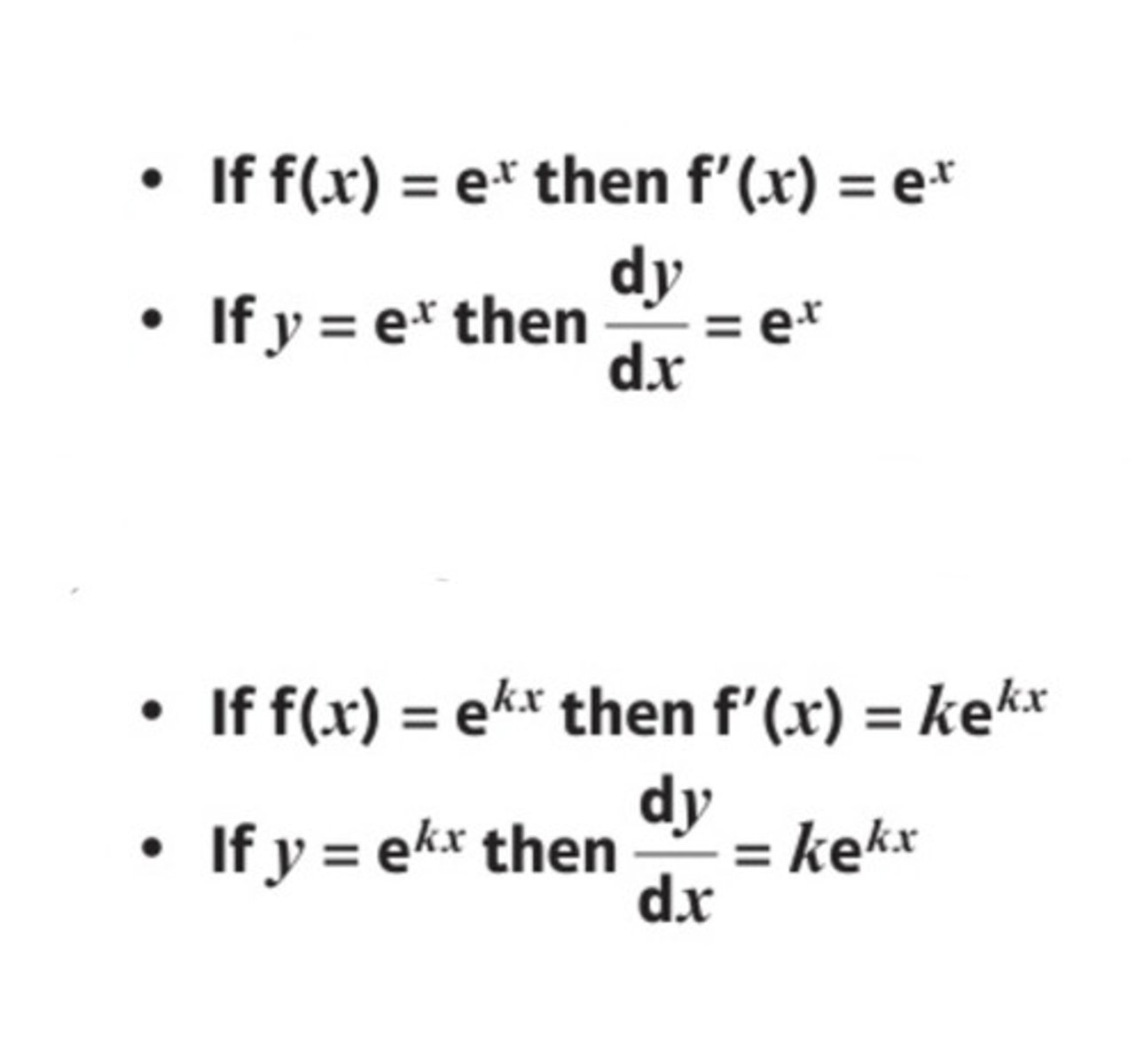
If f(x) = e^x / if f(x) = e^kx
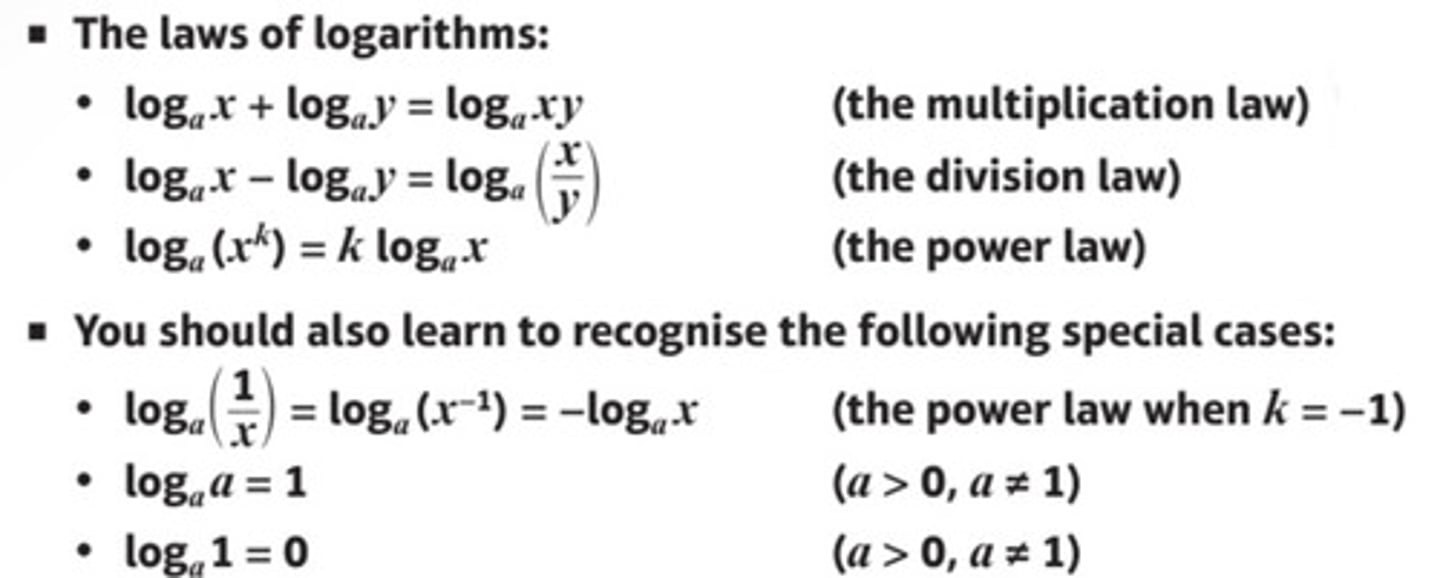
Logarithm general formula

Laws of logarithms
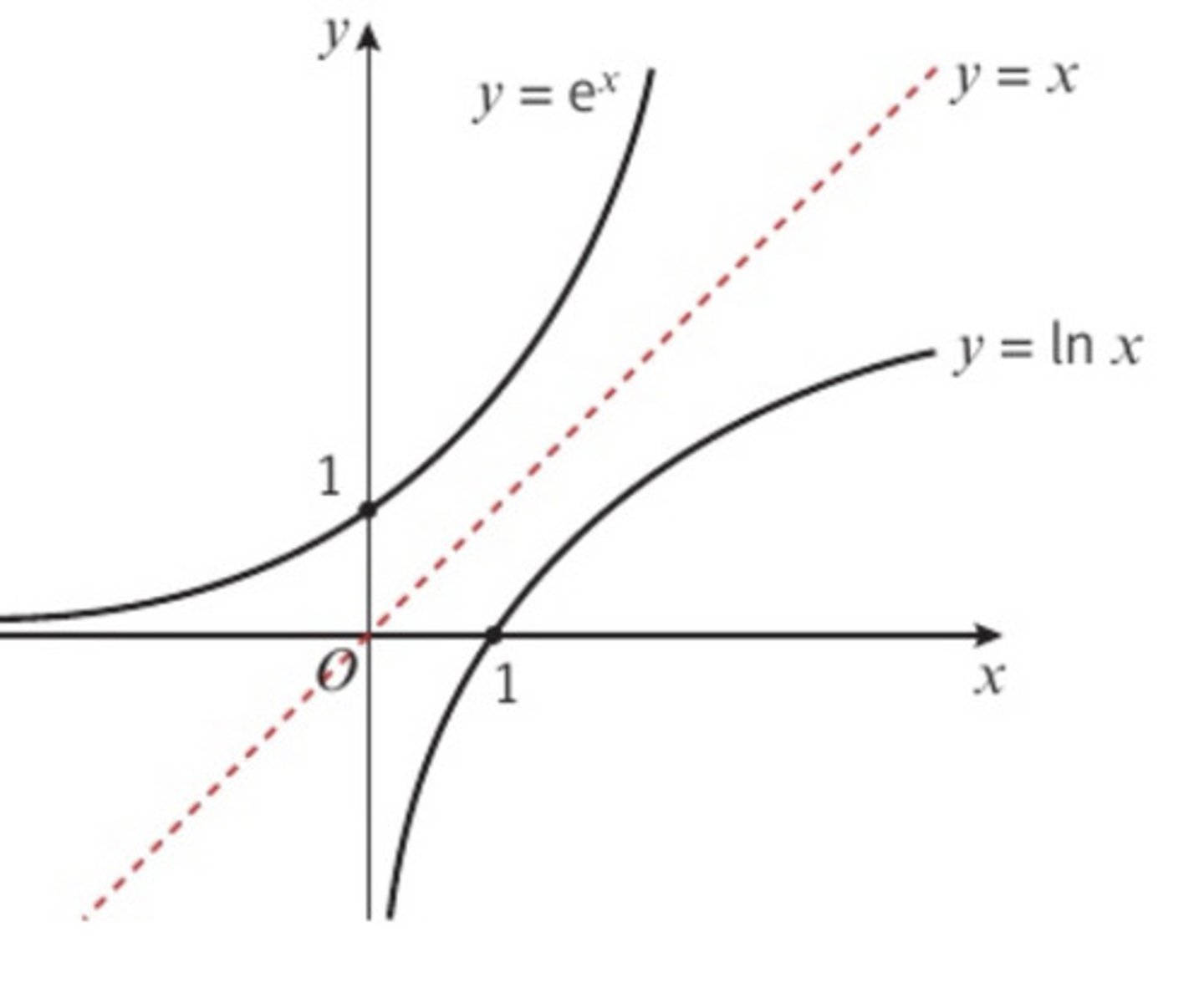
Graph of y = Inx and y = e^x
Proof by contradiction
Start by assuming the statement is not true
Rational number can be written as
A/b where a and b are integers
Mapping of a function
A mapping is a function if every input has a distinct output. Functions can either be one to one, or one to many
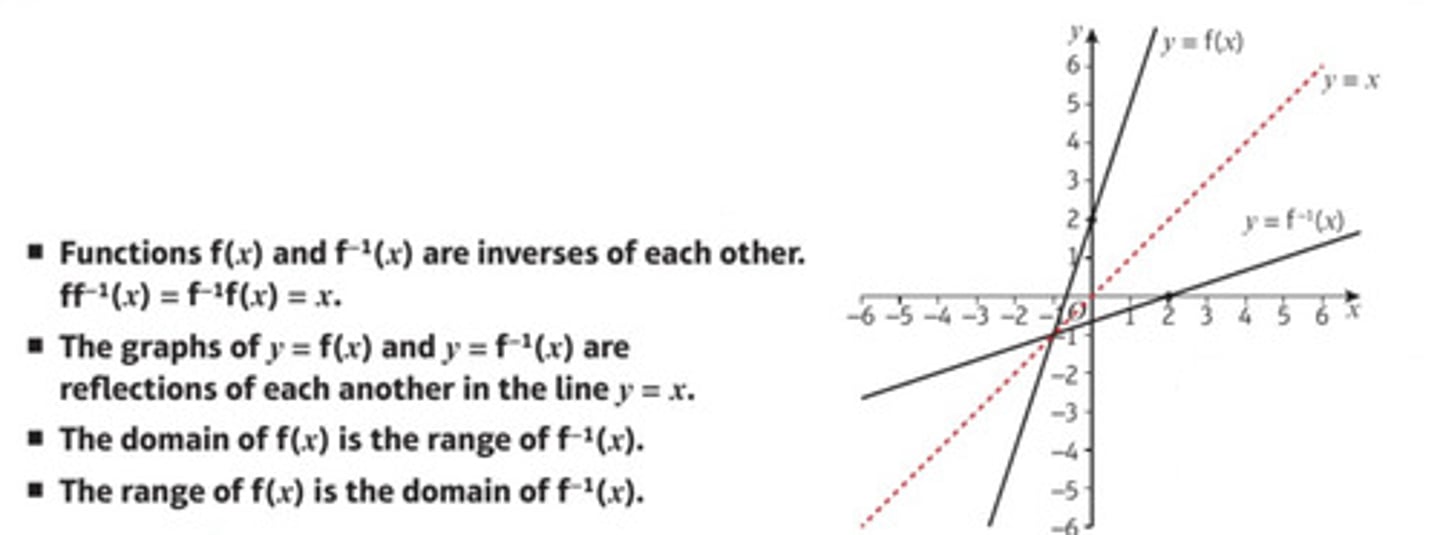
Inverse functions
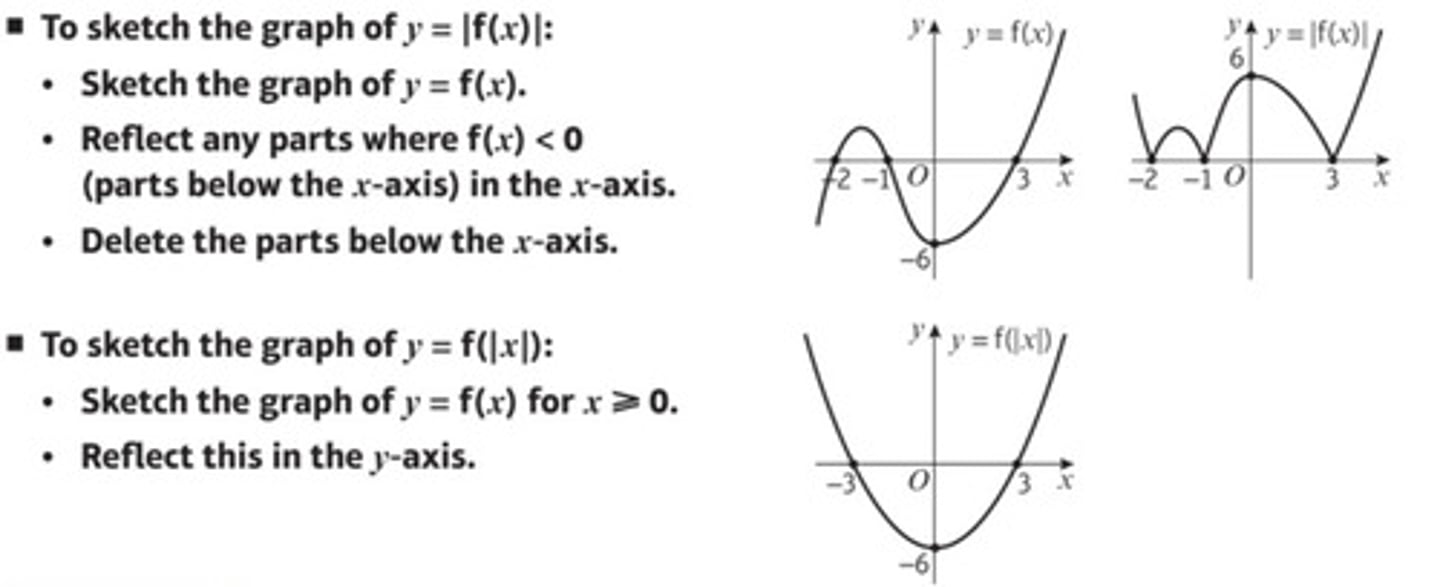
Sketching y = If(x)I and y = f(IxI)
Nth term arithmetic sequence
Un = a + (n-1)d
Sum of n terms arithmetic (one that isnt given)
Sn = n/2 (a+l)
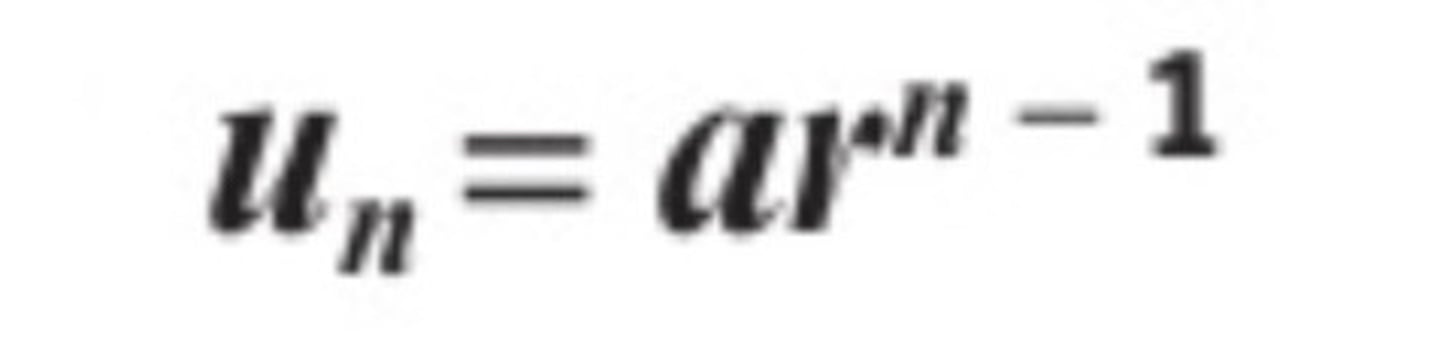
Nth term geometric sequence
A sequence is periodic when
Un+k = Un
1 radian =
180/π degrees
The expansion of (1+bx)^n is valid when...

The expansion of (a+bx)^n is valid when...

π radians =
180°
Arc length
L = rθ
Area of a sector
A = 1/2r^2θ
Area of a segment in a circle
A = (1/2)r²(θ - sinθ)
(θ given in radians)
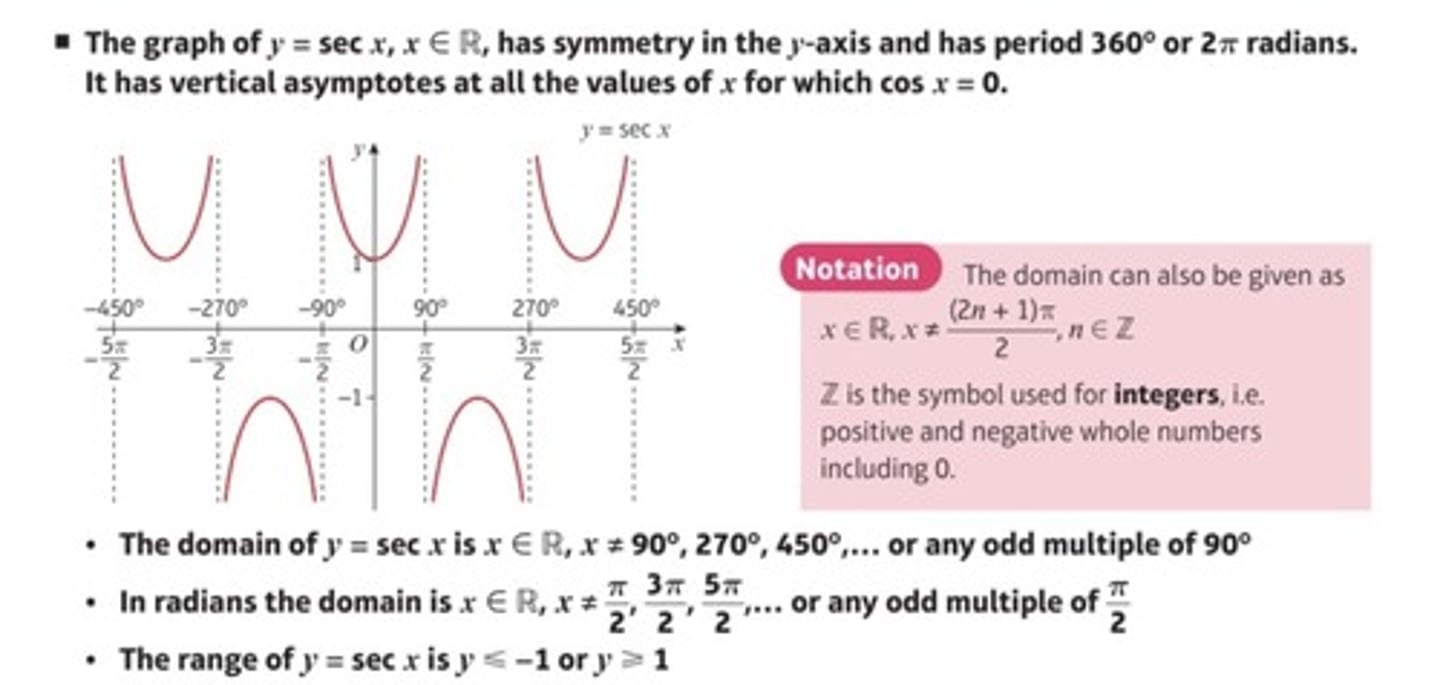
Sec x
1/cos x
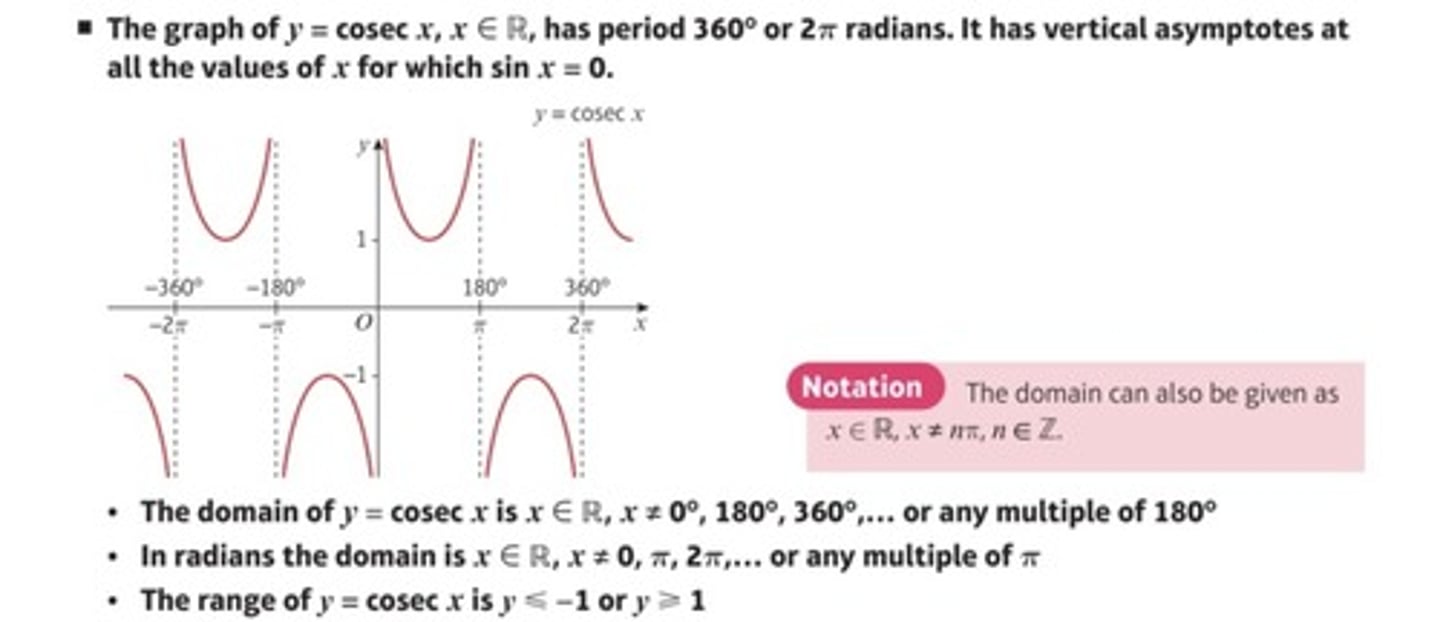
Cosec x
1/sin x
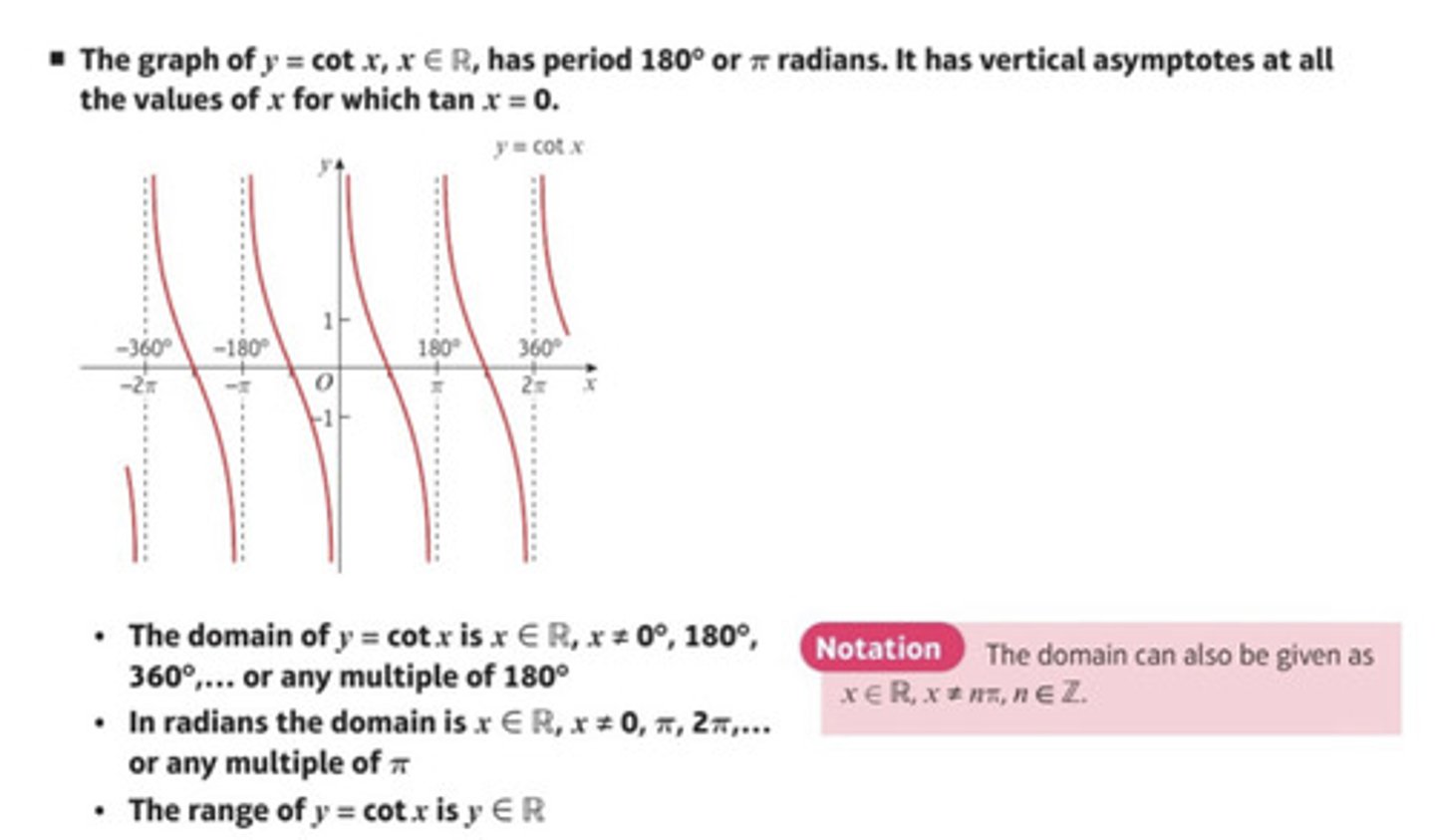
Cot x
1/tan x or cos x/ sin x
Sec graph
1 + tan^2x
sec^2x
Cosec graph
Sin 2A
2sinAcosA
Cot graph
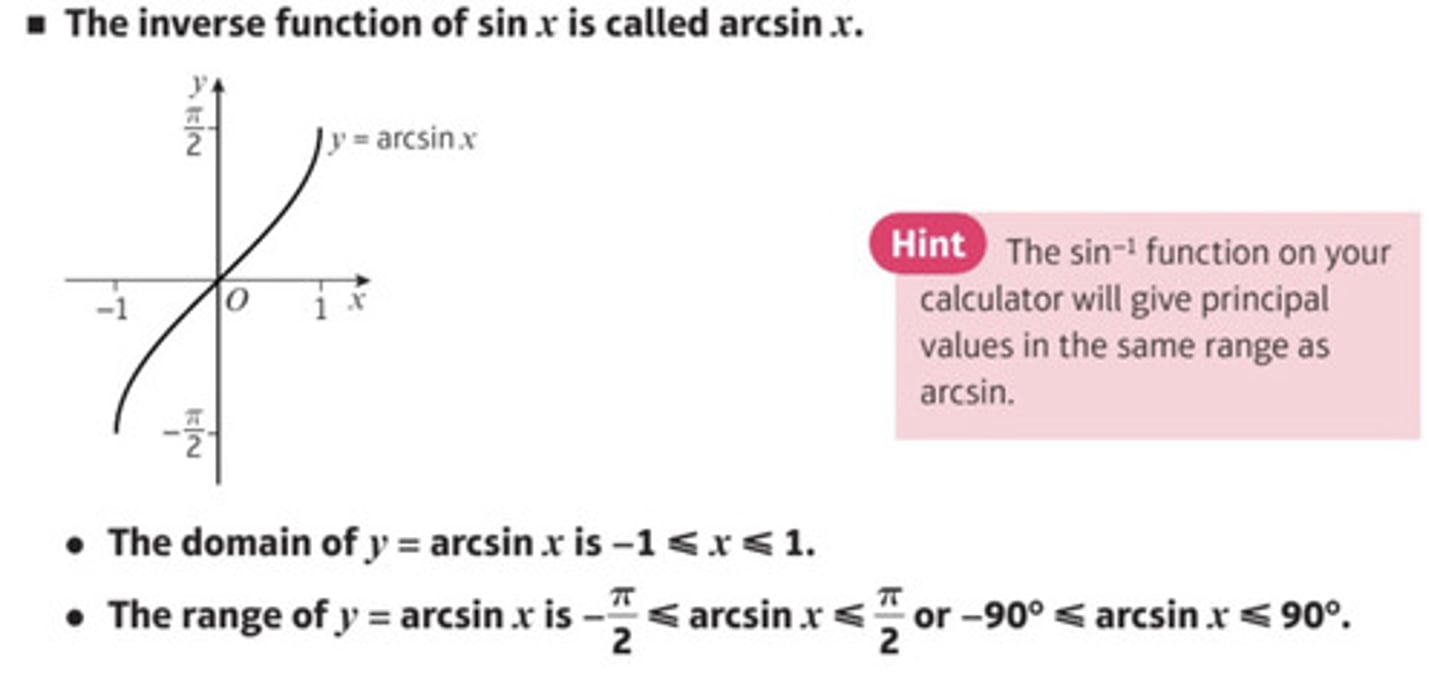
Arcsin x
Tan 2A
(2 tan A) / (1 - tan² A)
Cos 2A
cos^2 A - sin^2 A // 2cos^2 A - 1 // 1 - 2sin^2 A
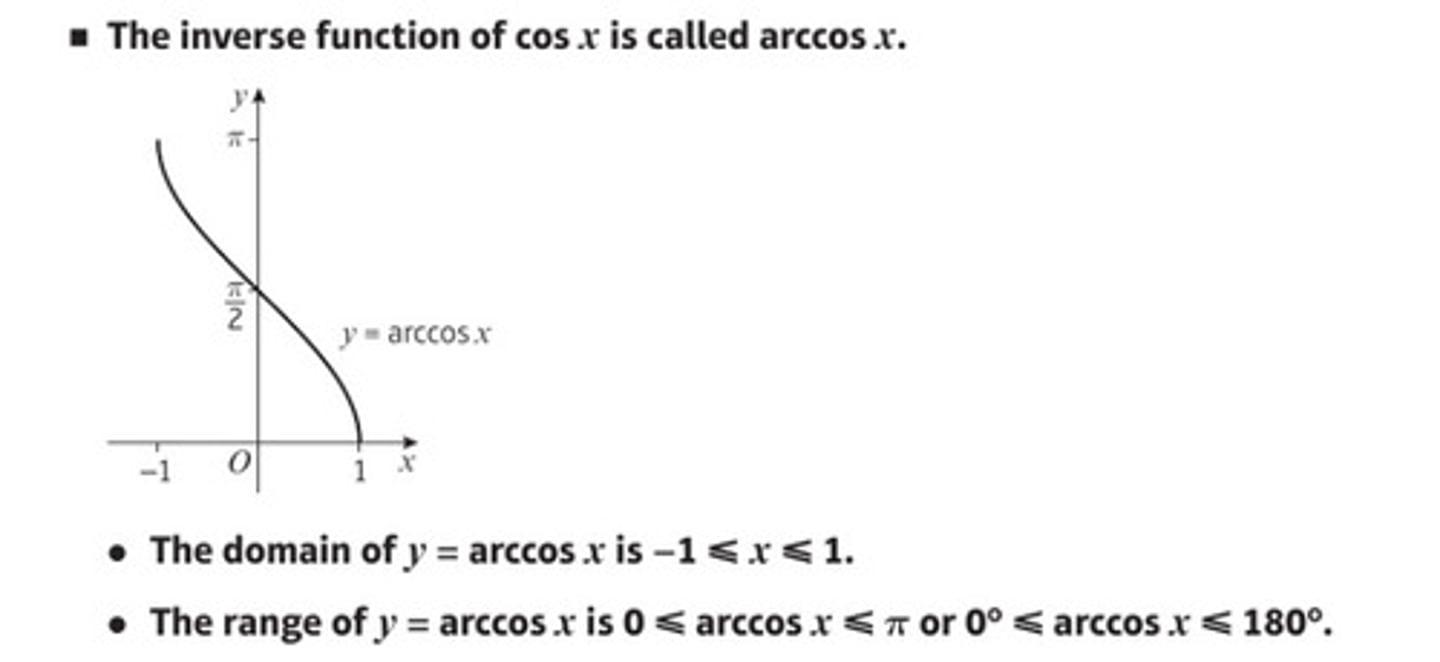
Arccos x
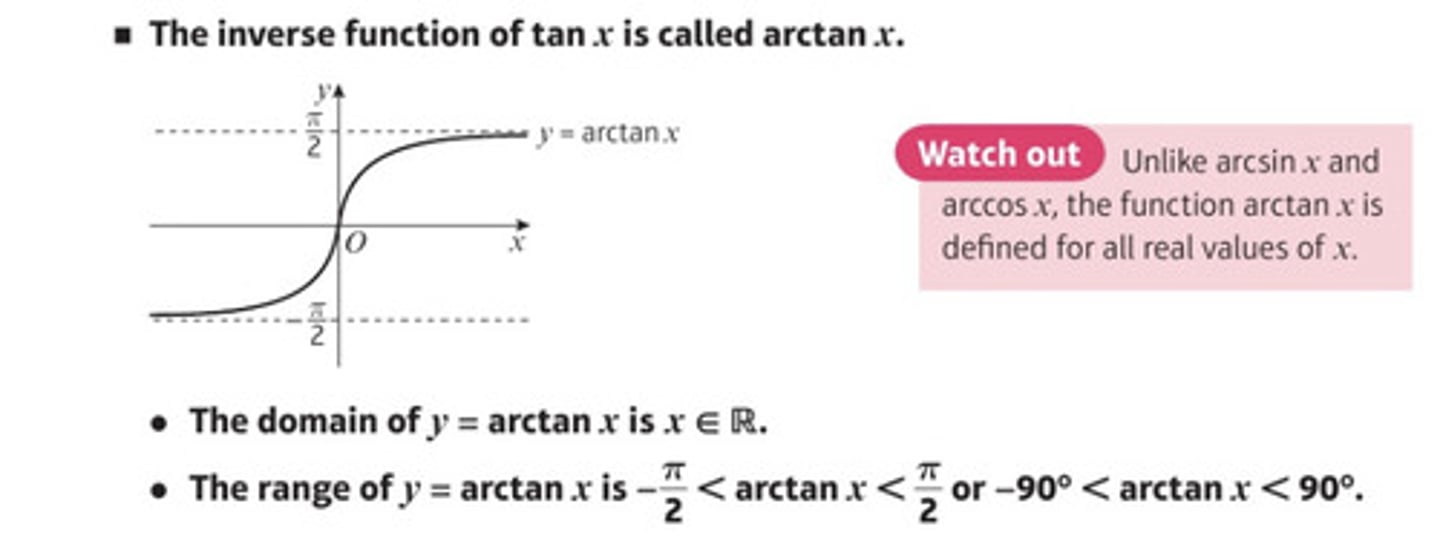
Arctan x
Differentiate sin x // sinkx
Cos x // k coskx
Differentiate cos x // coskx
- sin x // -k sinkx
Differentiate e^kx
Ke^kx
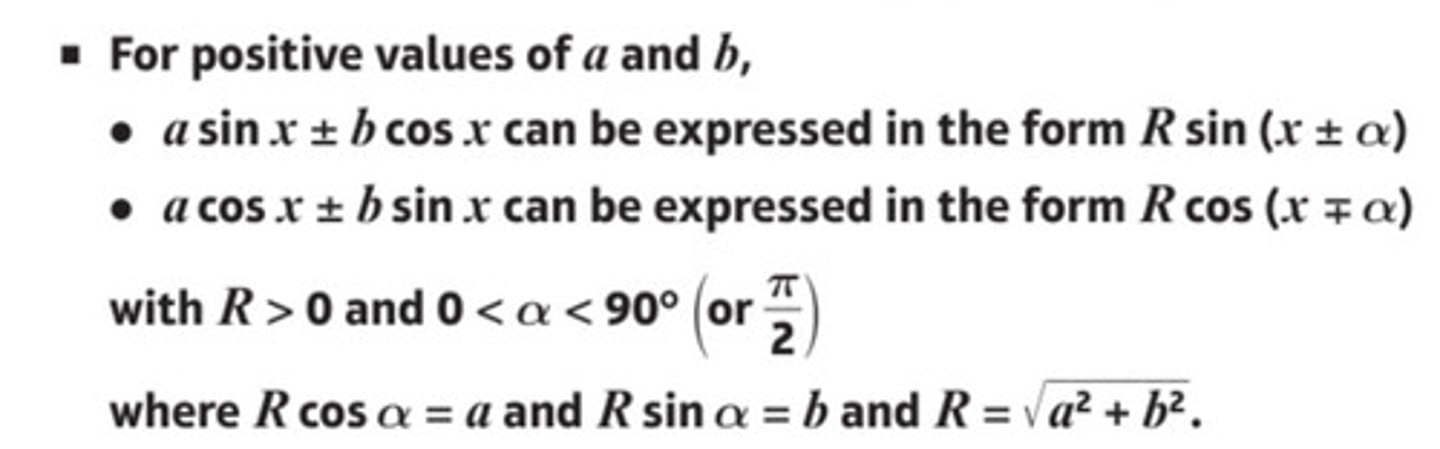
Simplifying asin x +/- bcos x
Differentiate In x
1/ x
Differentiate a ^kx
A^(kx) x k In a
Dy/ dx can be written as
1 / (dx/dy)