ICU Lines and Leads Identificaiton
 Call Kai
 Learn
Learn Practice Test
 Spaced Repetition
 Match
Match Flashcards
 Knowt Play
1/23

There's no tags or description
Looks like no tags are added yet.
Name | Mastery | Learn | Test | Matching | Spaced | Call with Kai |
|---|
No analytics yet
Send a link to your students to track their progress
24 Terms
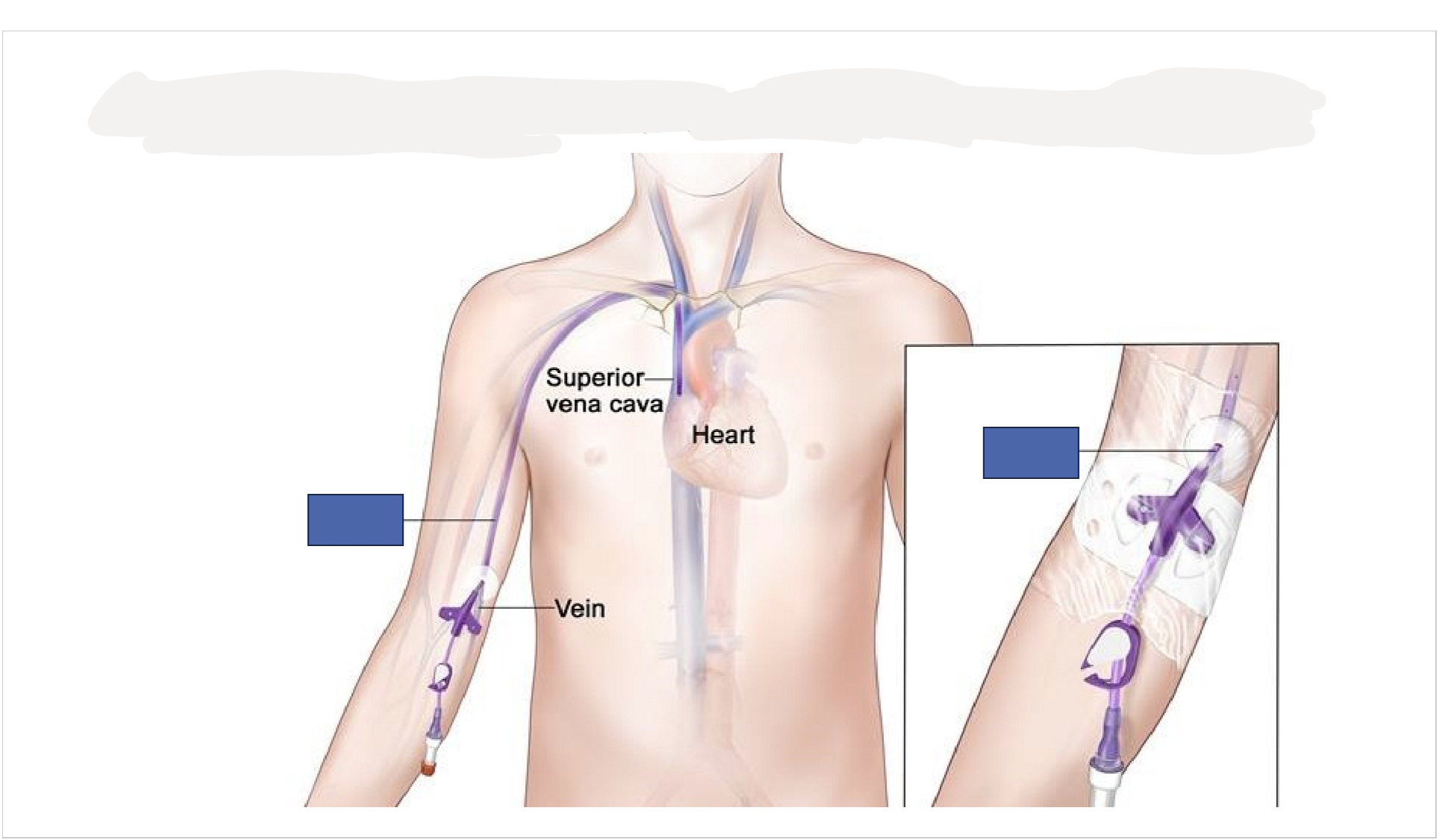
What is this line and what is it used for?
PICC Line: Used for longer term central line placement. Used to administer fluid, medication and for blood sampling.
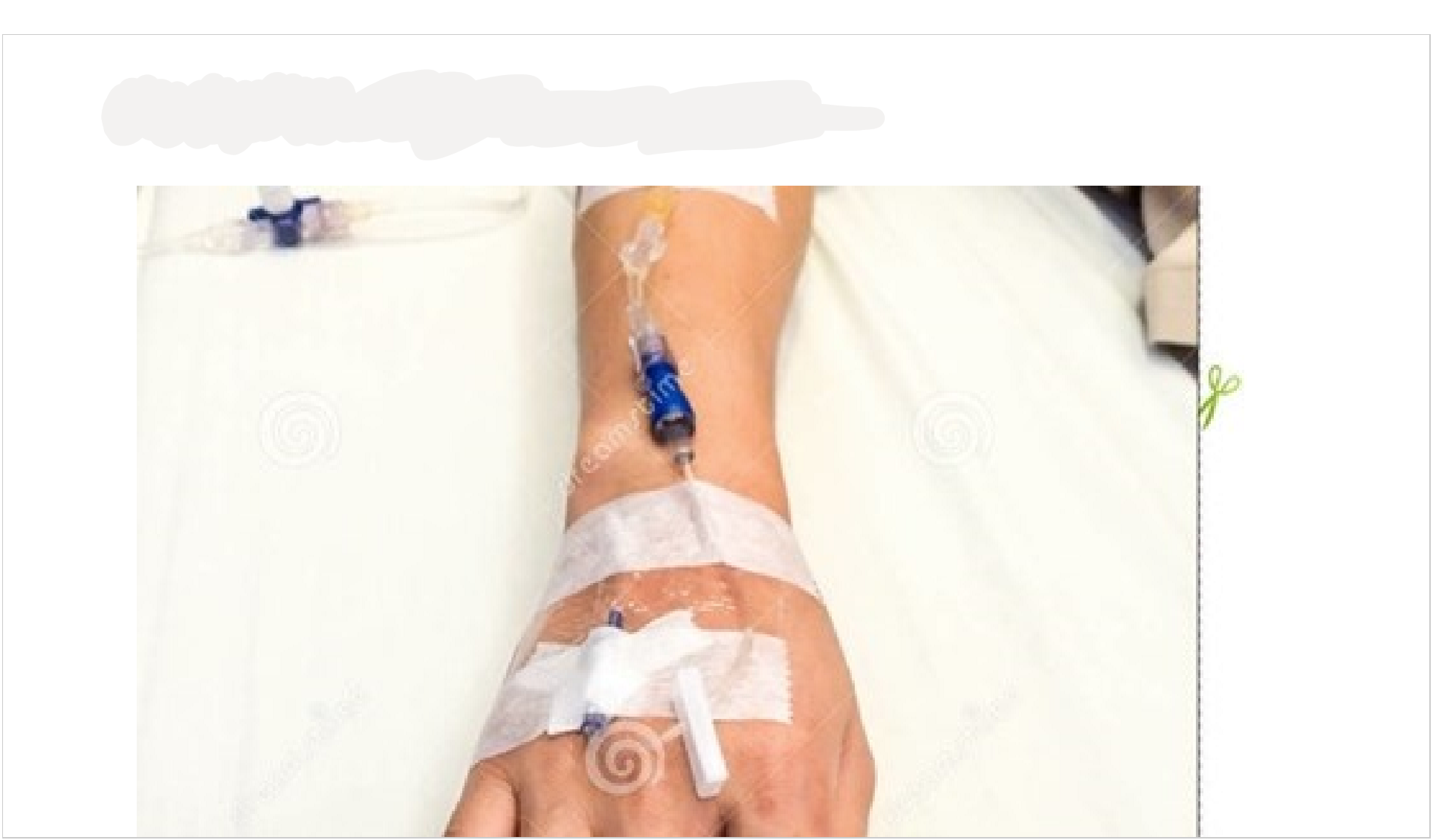
Peripheral IV line: Line directly into the peripheral vein, injections or infusions of fluids electrolytes nutrients or medications
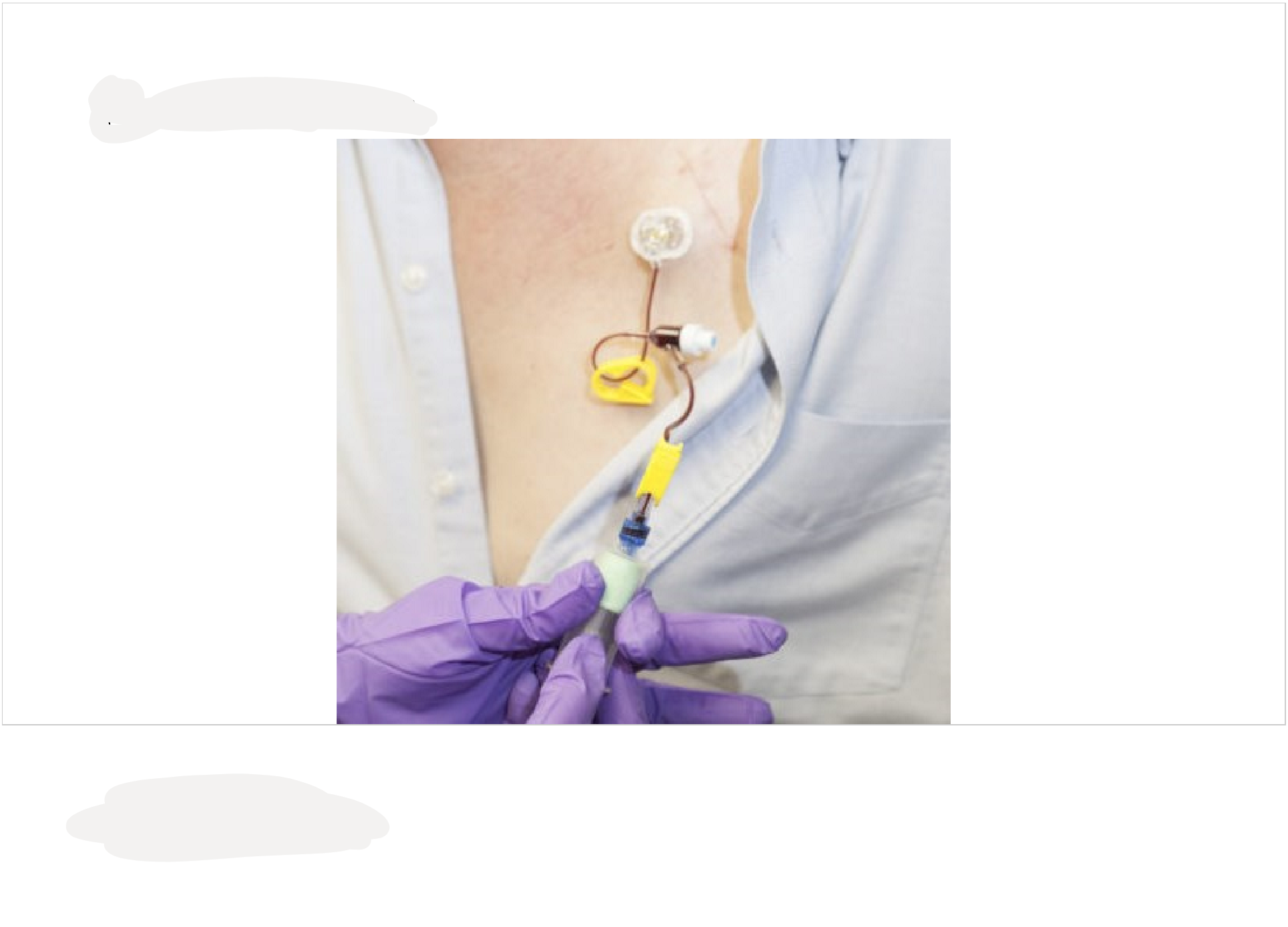
Port Catheter: Catheter that connects to a vein and placed under the skin (tight below the clavicle). Used to deliver medicaiton or draw blood samples, typically seen in hematology/ oncology
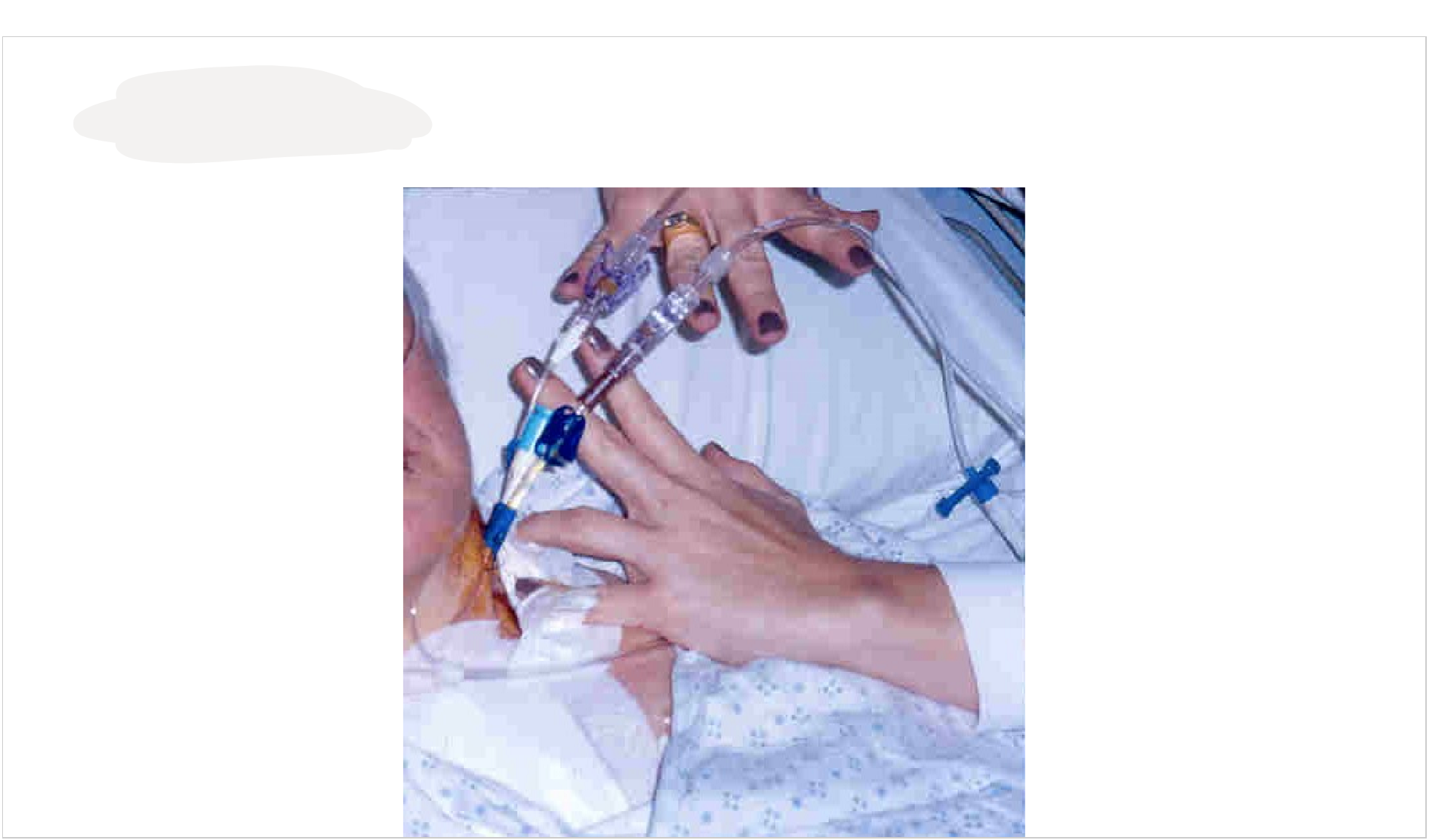
Central Venous Catheter: Assess central venous pressure and right aterial pressure
can also be used to administer fluid, medication, sample blood or emergency placement of temporary pacemaker
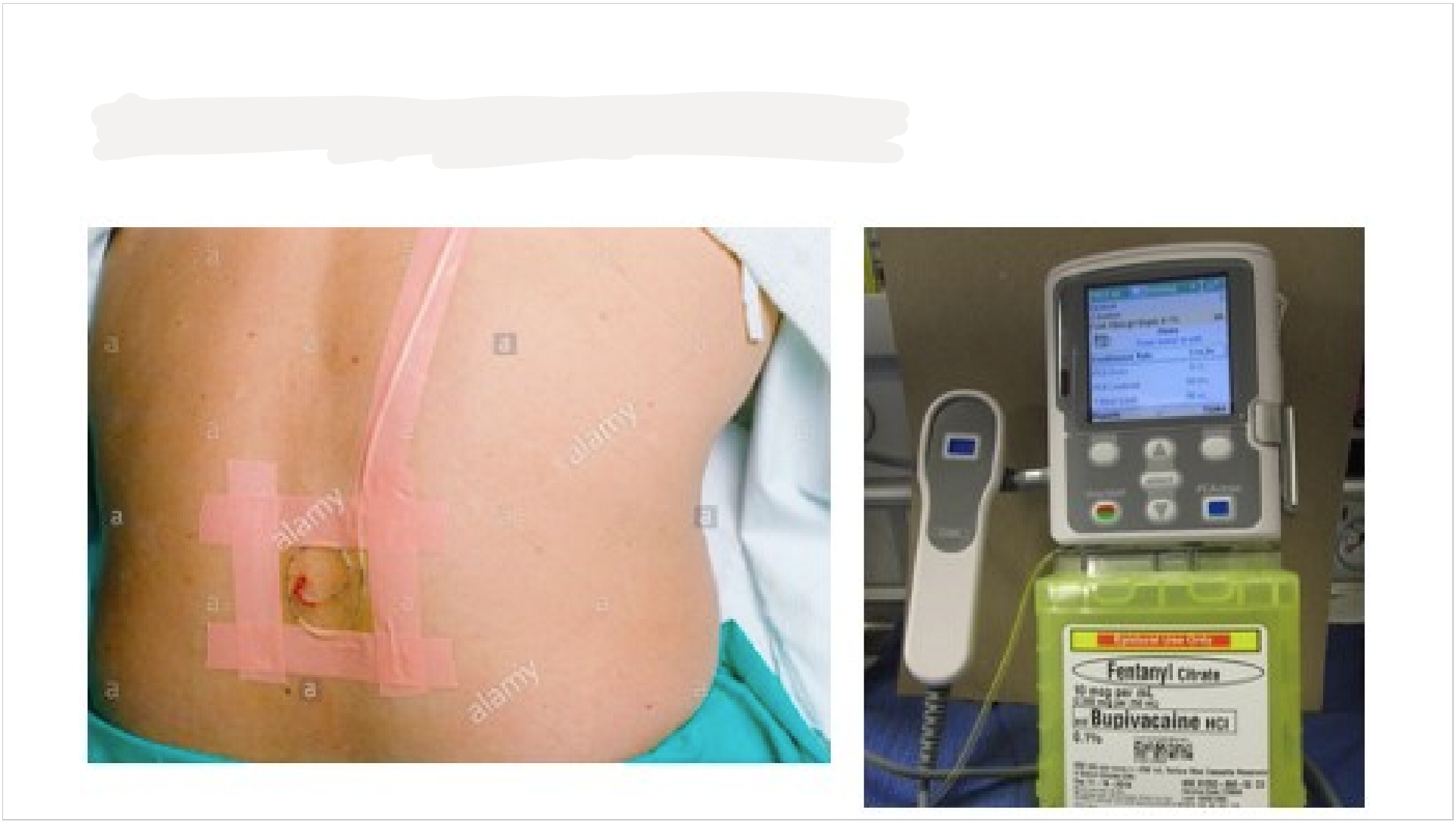
Patient Controlled Analgesia
Epidural PCA: Catheter in epidural or subarachnoid space of the spinal cord, connected to a pump
Regional PCA: Catheter directed into a specific regional site
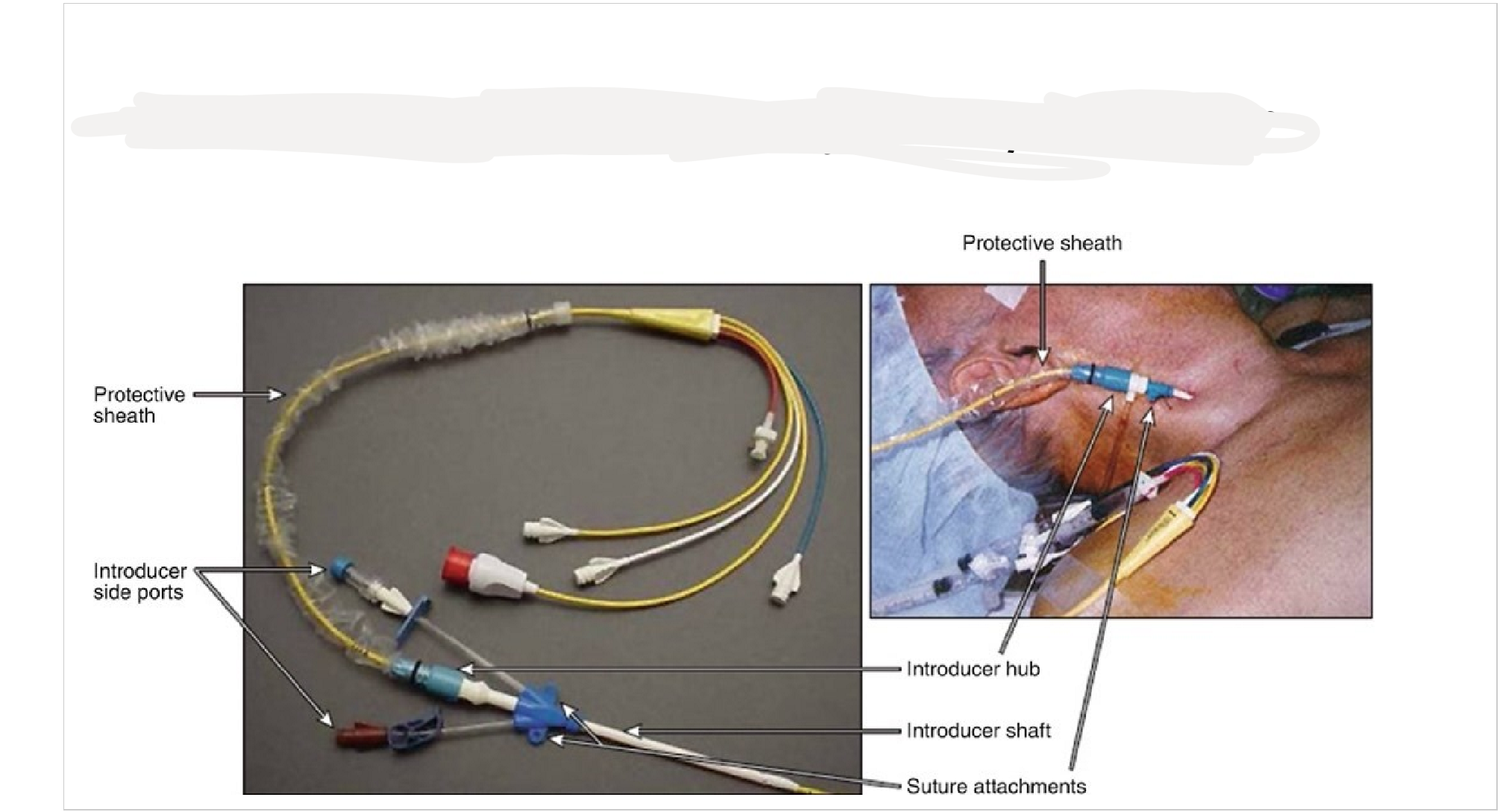
Swan-Gaez/ Pulmonary Artery Catheter: Pressure sensory to assess pressures in TA, RV, pulmonary artery and calculate cardiac output. Hemodynamic monitoring in carcinogenic shock/ mixed shock, Pulmonary HTN, Cardiac tamponade, complicated MI
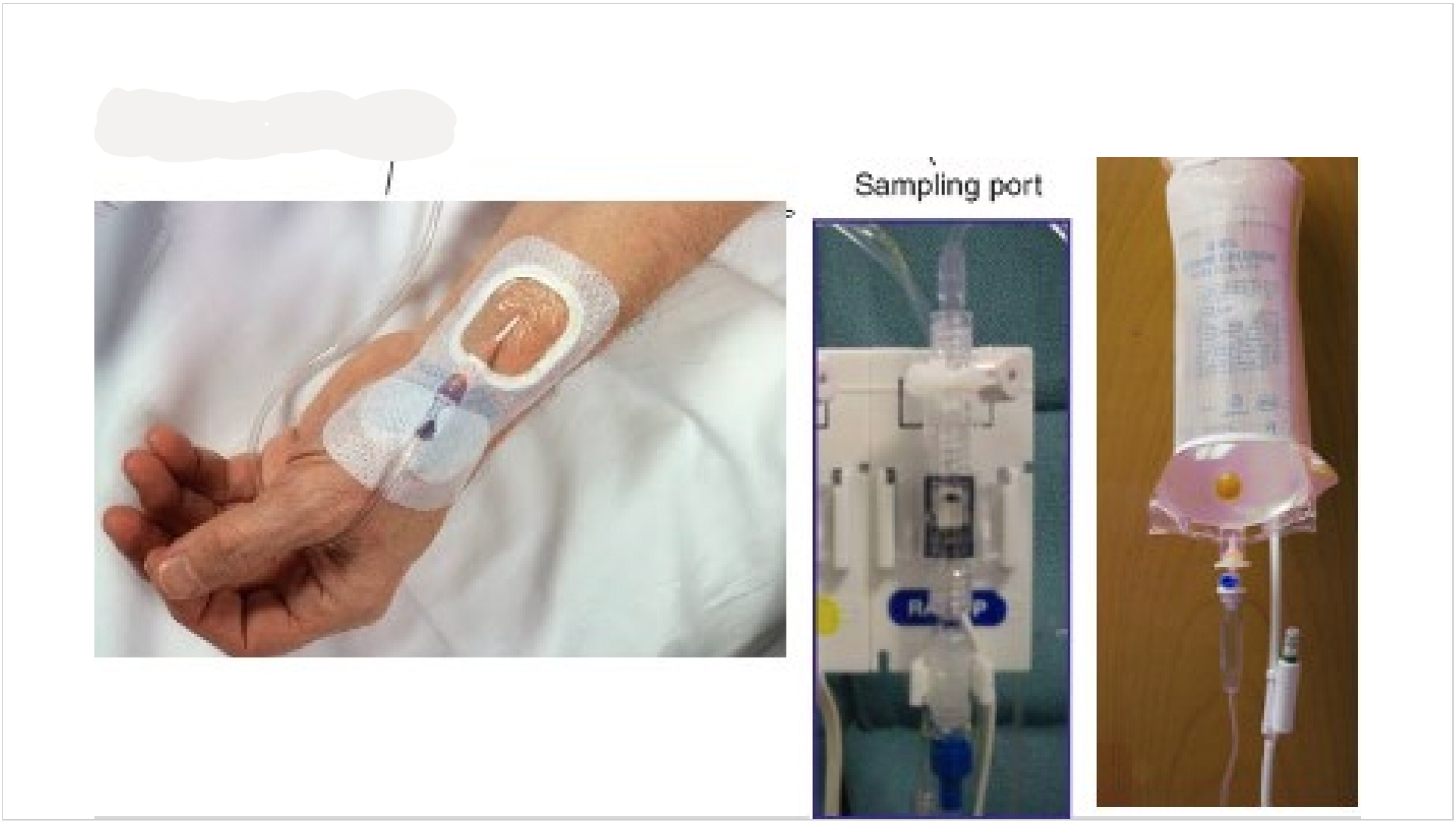
Atrial Line: Invasive, indewelling catheter connected to a transducer and pressurized fluid device
Accurate real time measurement of BP including MAP
Transducer must be at heart level
Limit WB and repetitive movement
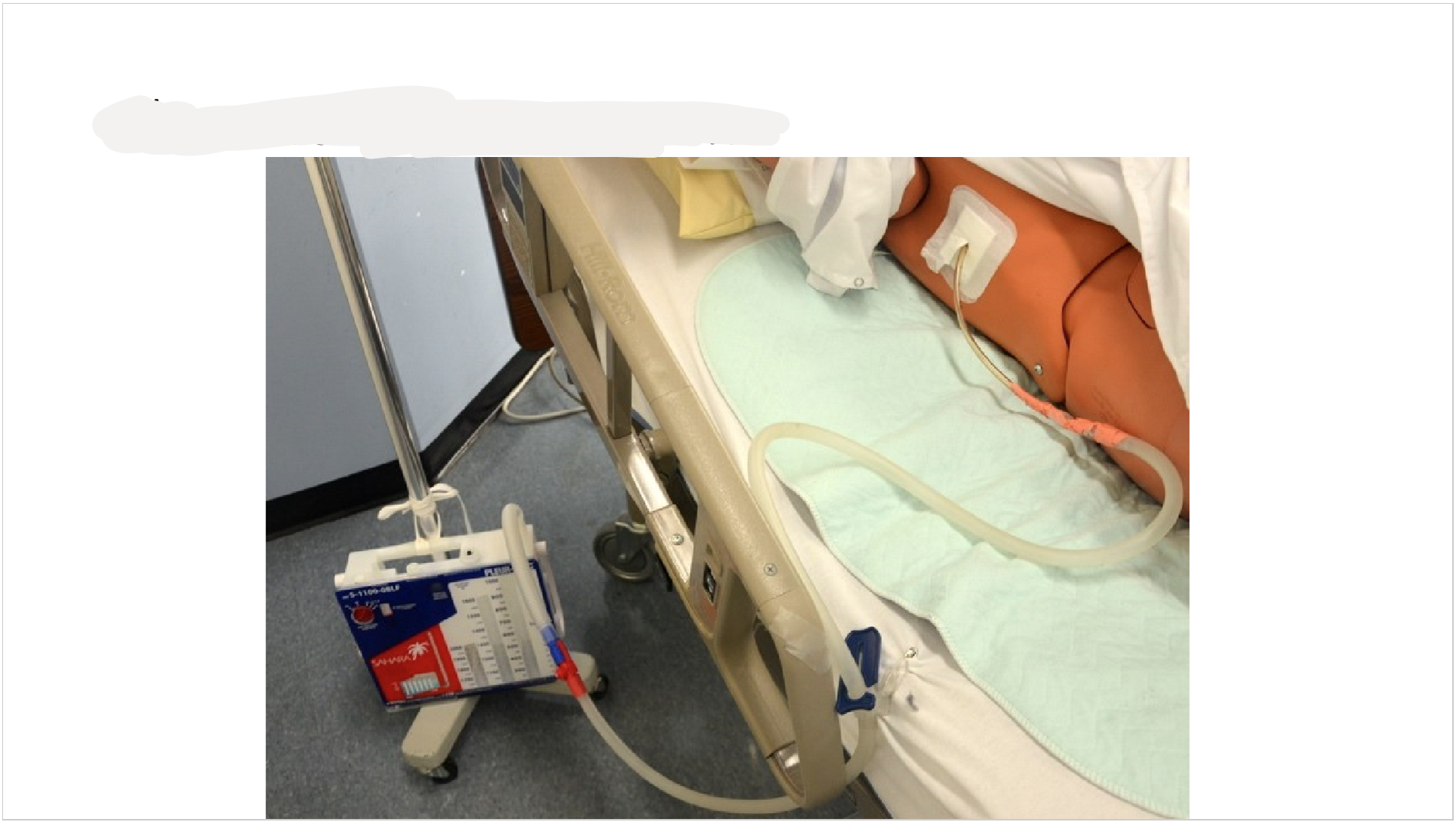
Chest Tube to Atrium: Closed system due to a water reservoir in atrium, acts as a one way valve to allow air and fluid to escape. Suction can be applied to pull off additional fluid
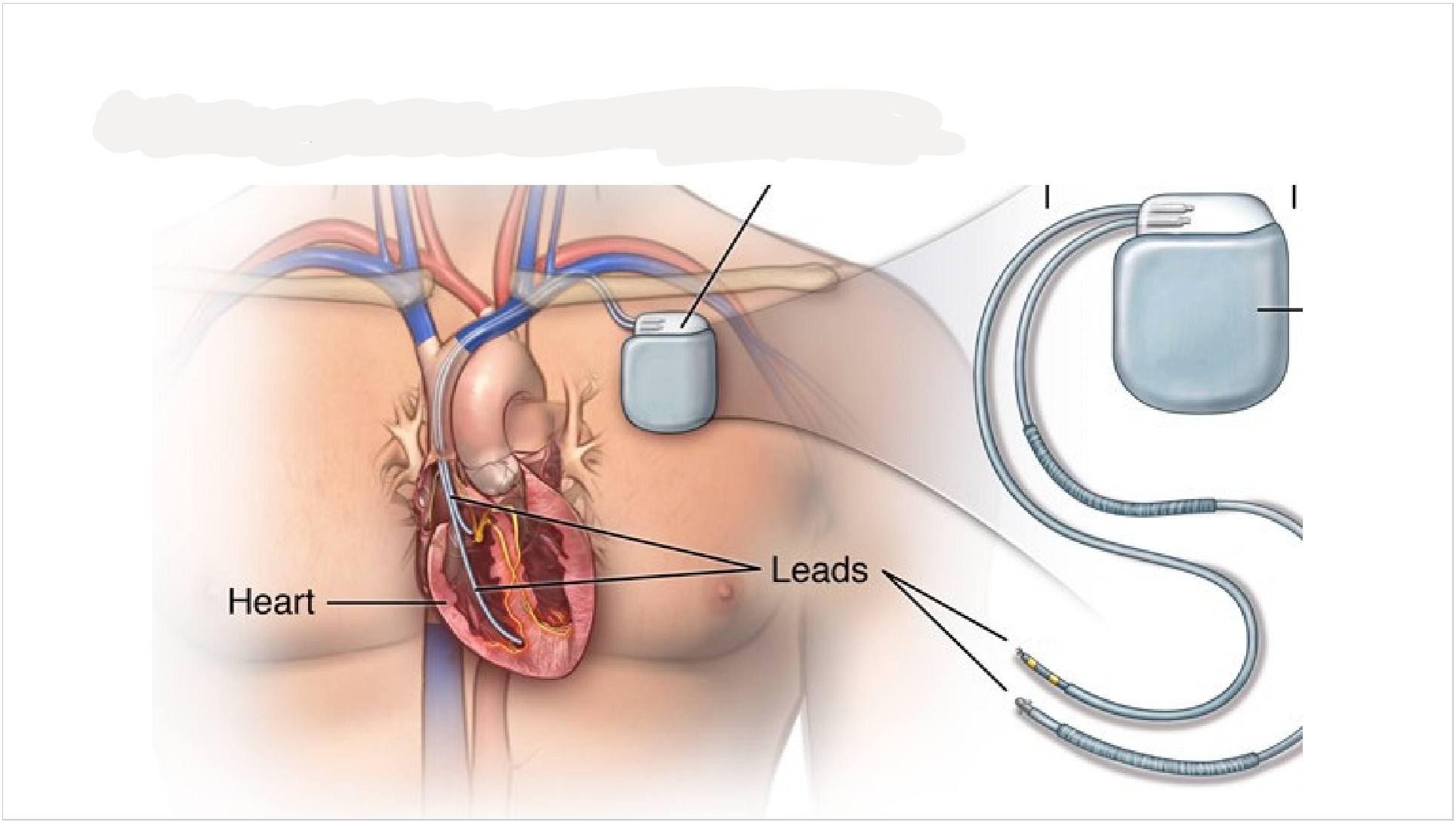
Permanent Pacemaker (PPM)
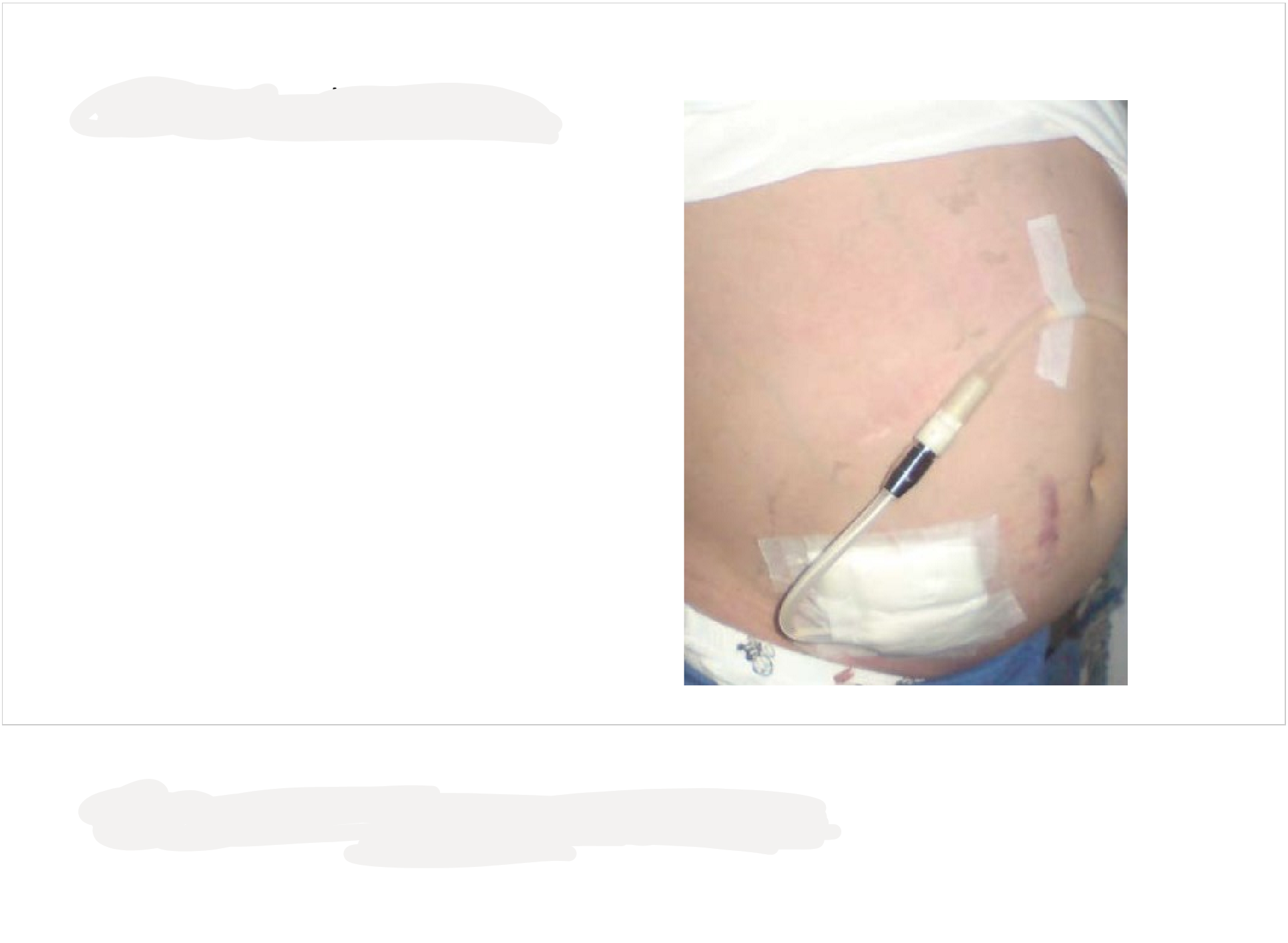
Peritoneal Dialysis

Nasogastric (NG) Tube: Nose into the stomach, can be used for feeding or medications
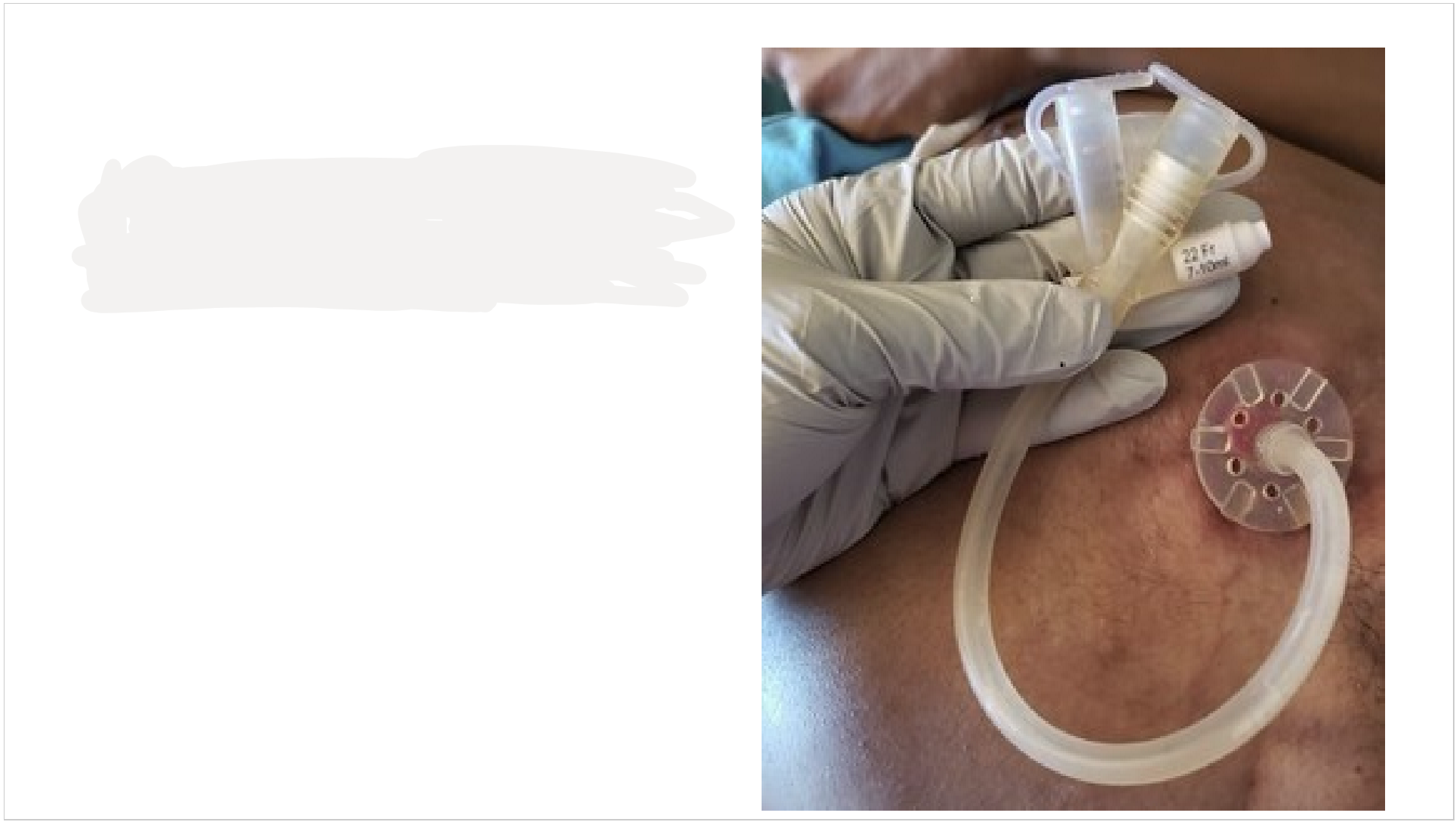
Gastrojejunum (GJ) Tube: A feeding tube that is inserted through the abdominal wall into the jejunum, used for patients who cannot eat by mouth.
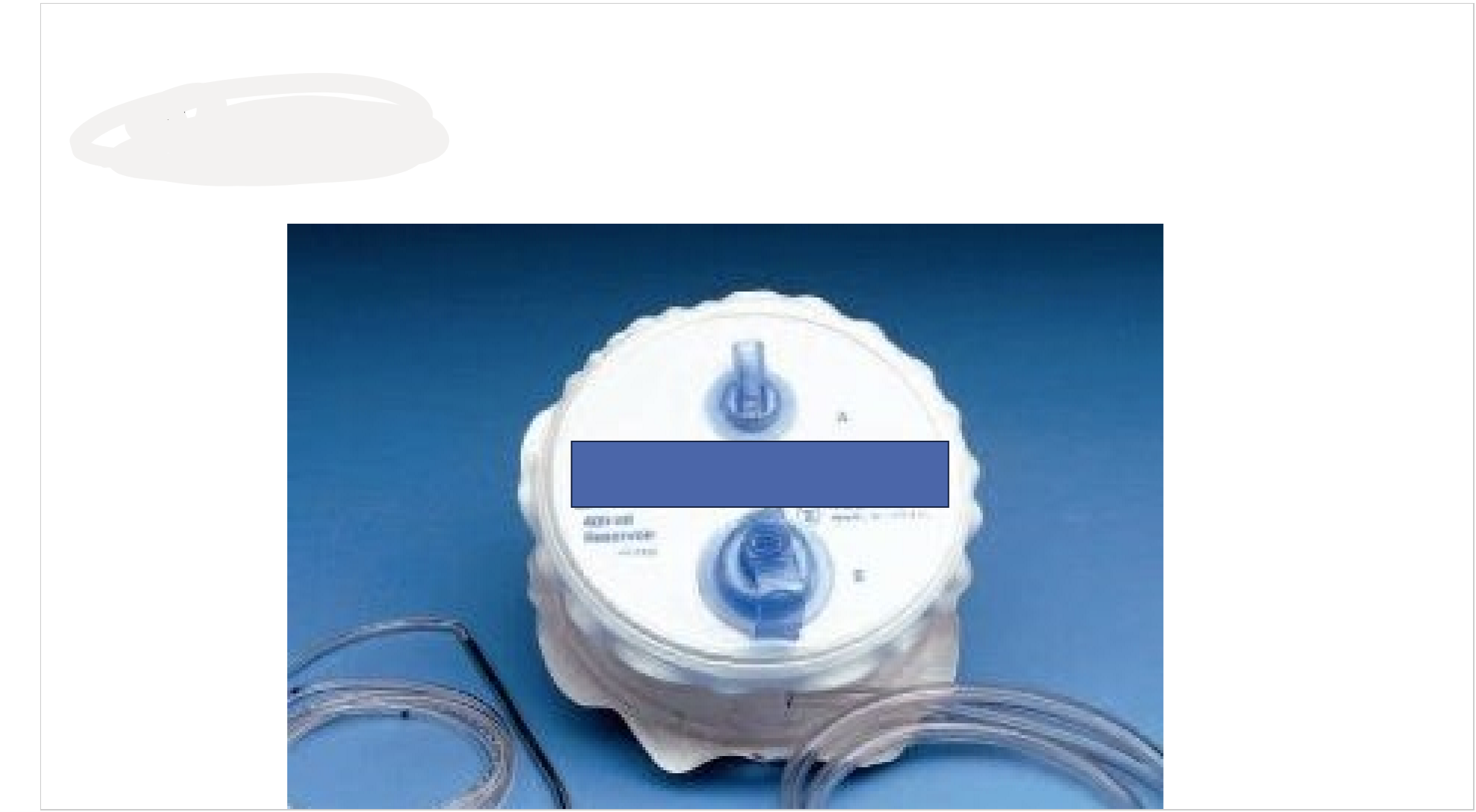
Hemo Vac
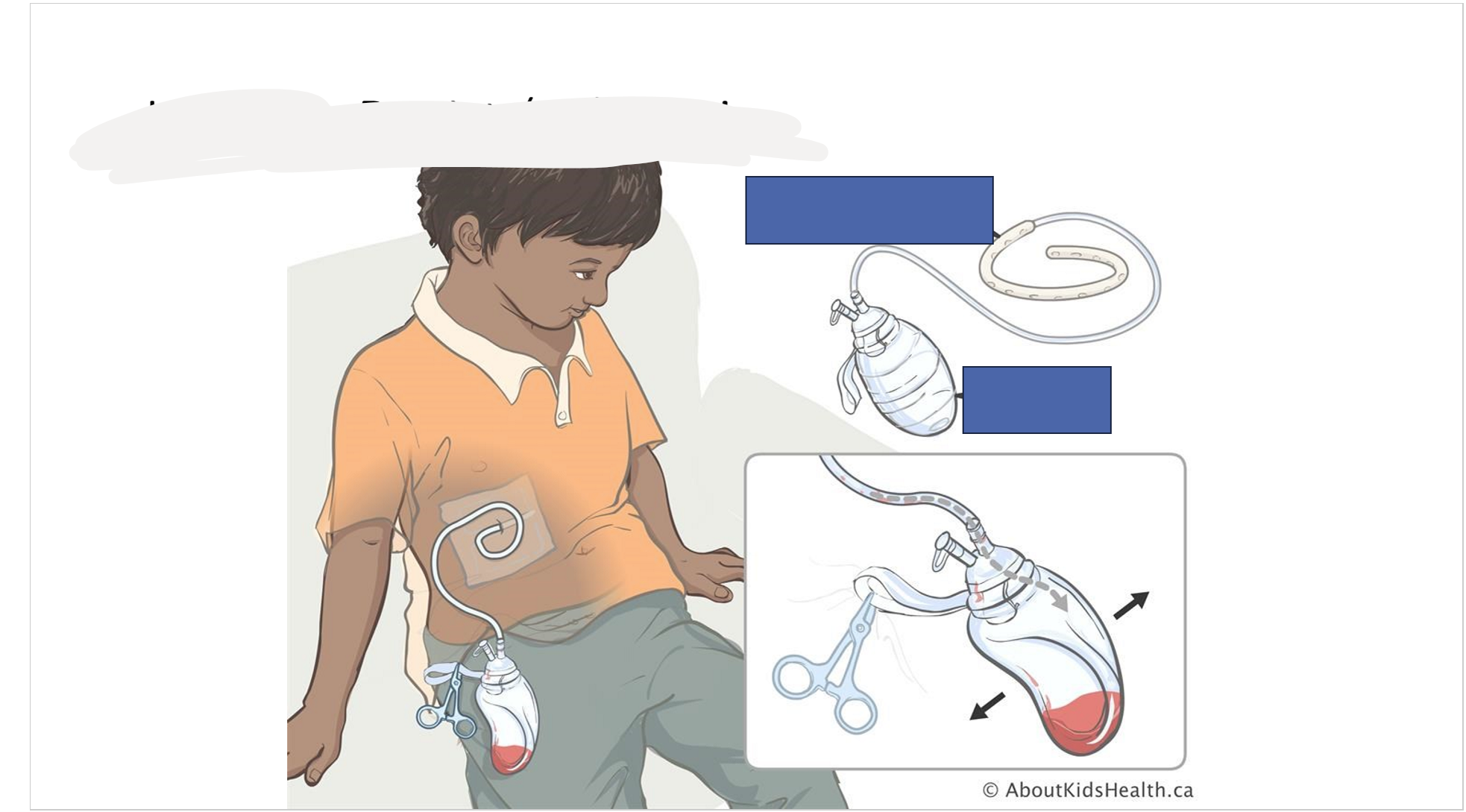
Jackson-Pruitt Drain: a type of wound drainage system that uses suction to remove fluid from a surgical site or wound, promoting healing and reducing infection risk.
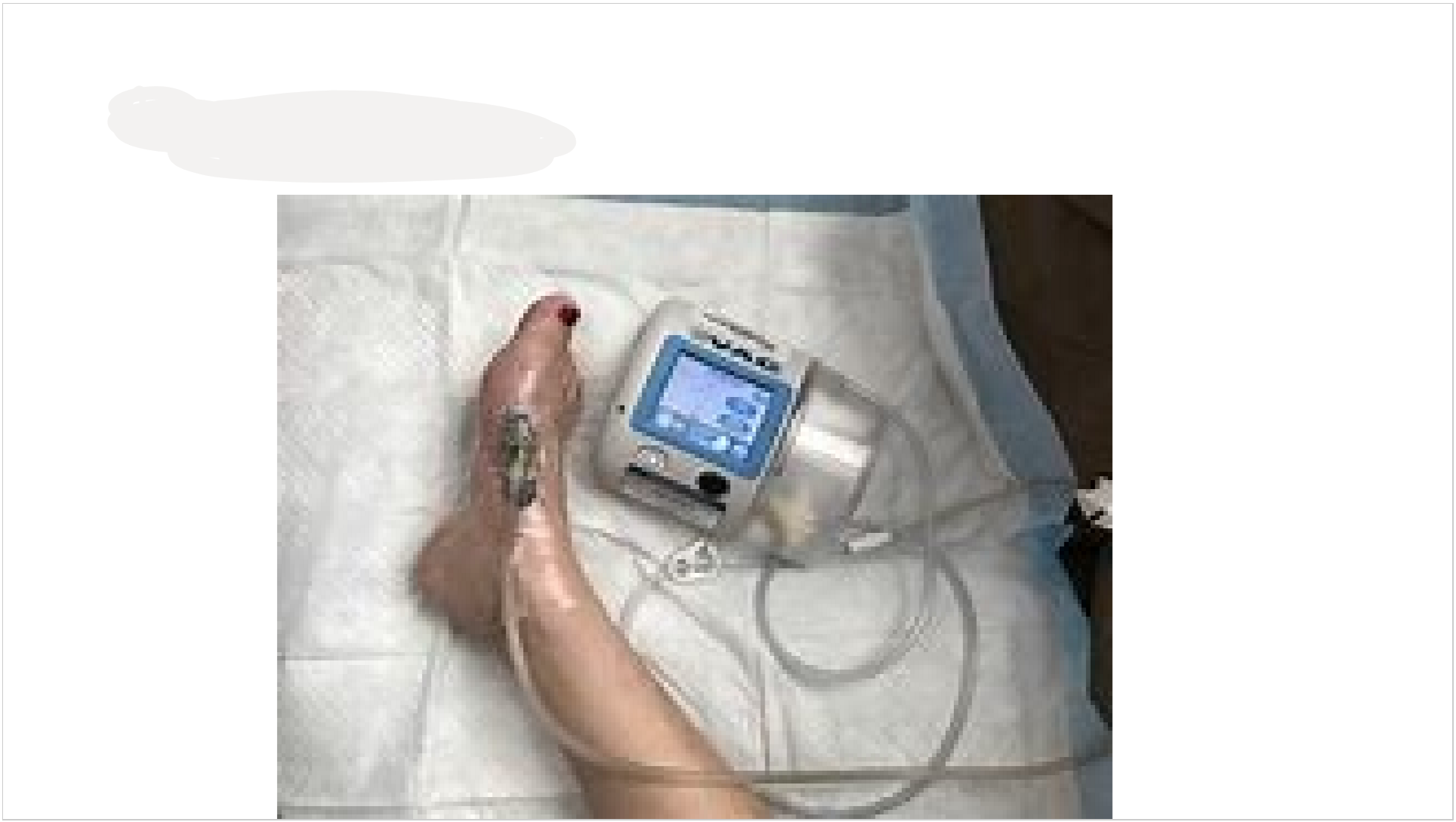
Wound Vacuum
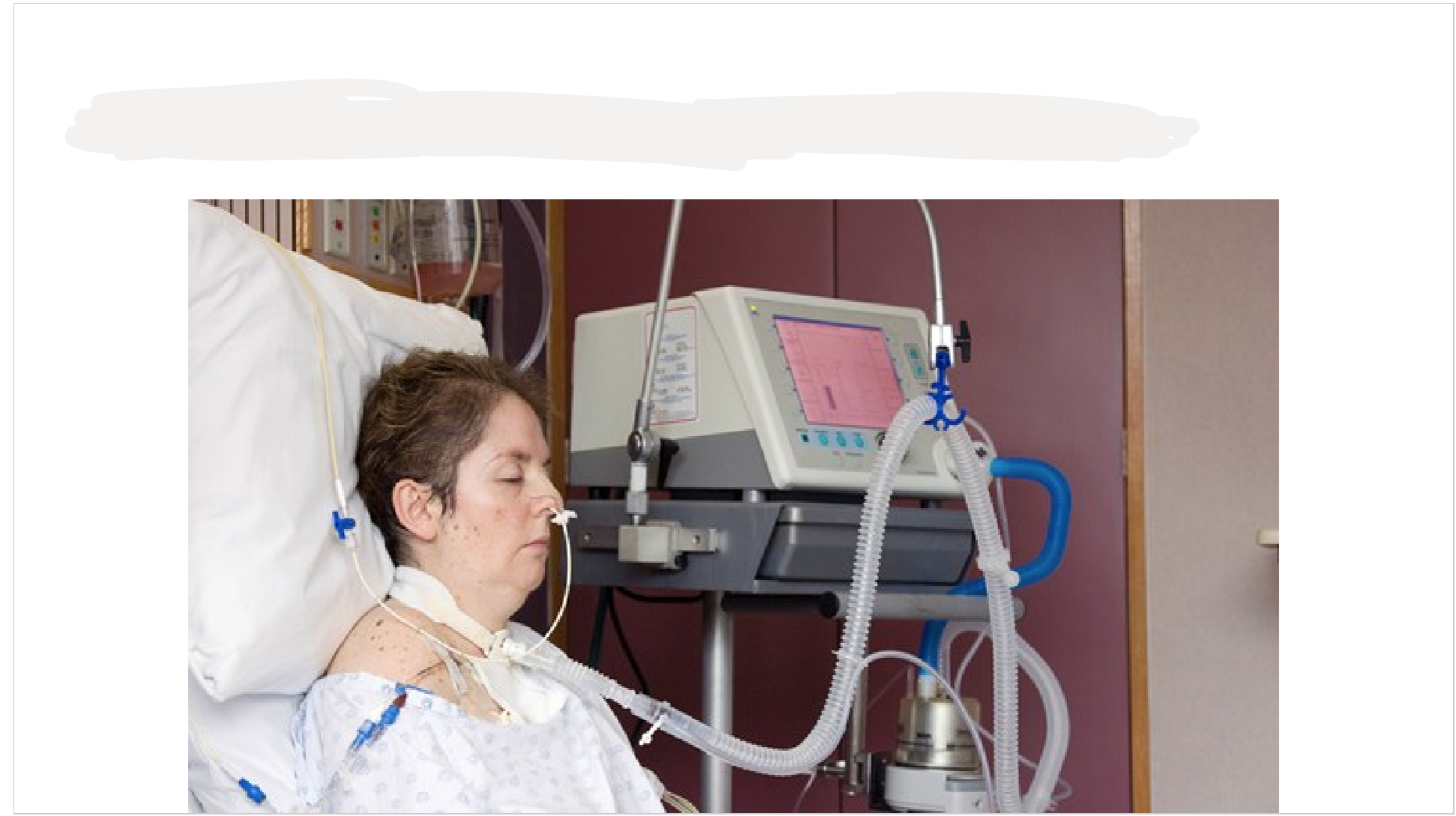
Mechanical Ventilation: Tracheotomy
Intended for patients who have
Inadequate alveolar ventilation
Inadequate lung expansion
Inadequate respiratory muscle Strength
Excessive work of breathing
Insufficient or unstable respiratory drive
Severe hypoxemia
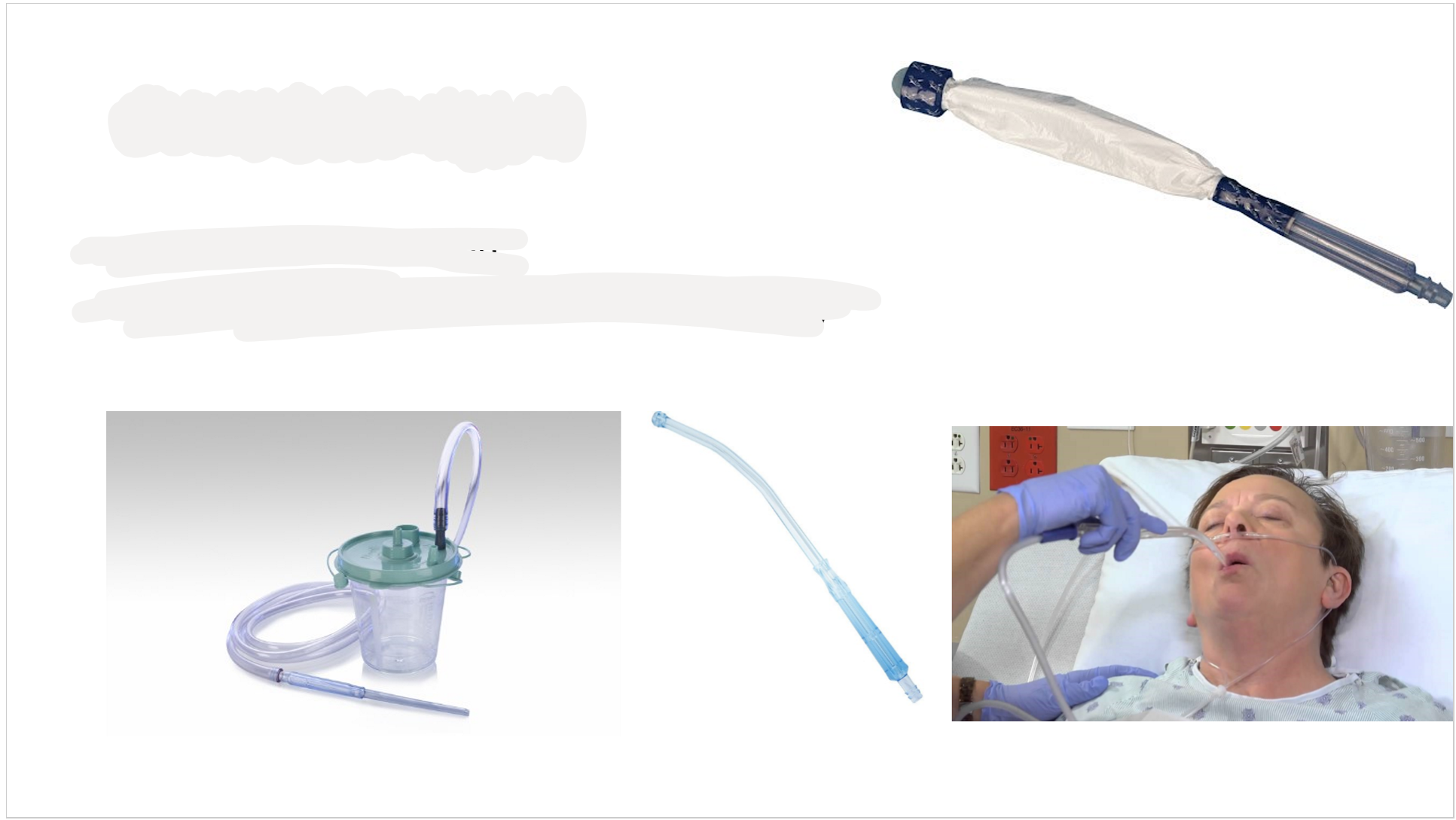
Yaunkuer Suction: Used for oral suction, may be used for trach suction externally
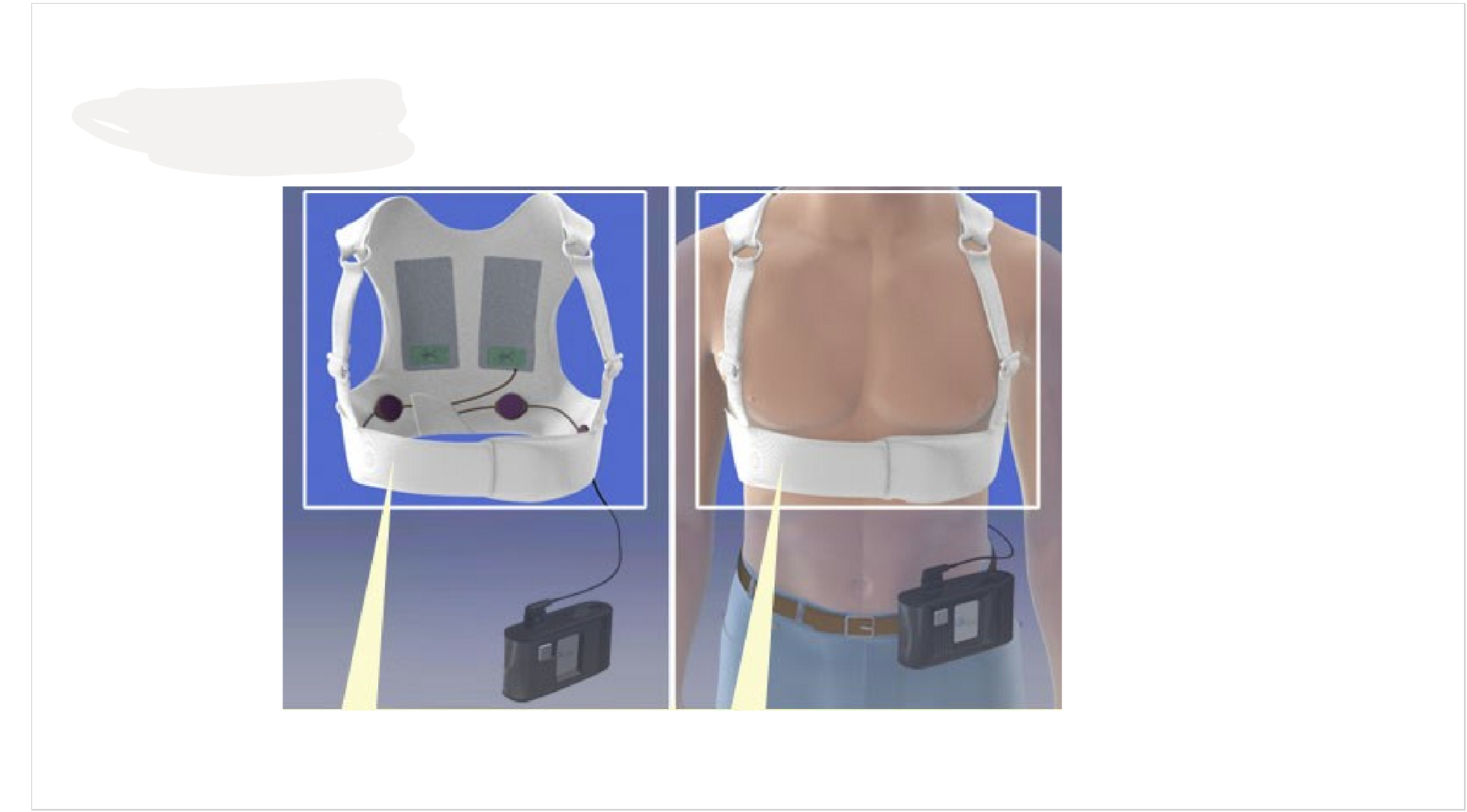
Life Vest
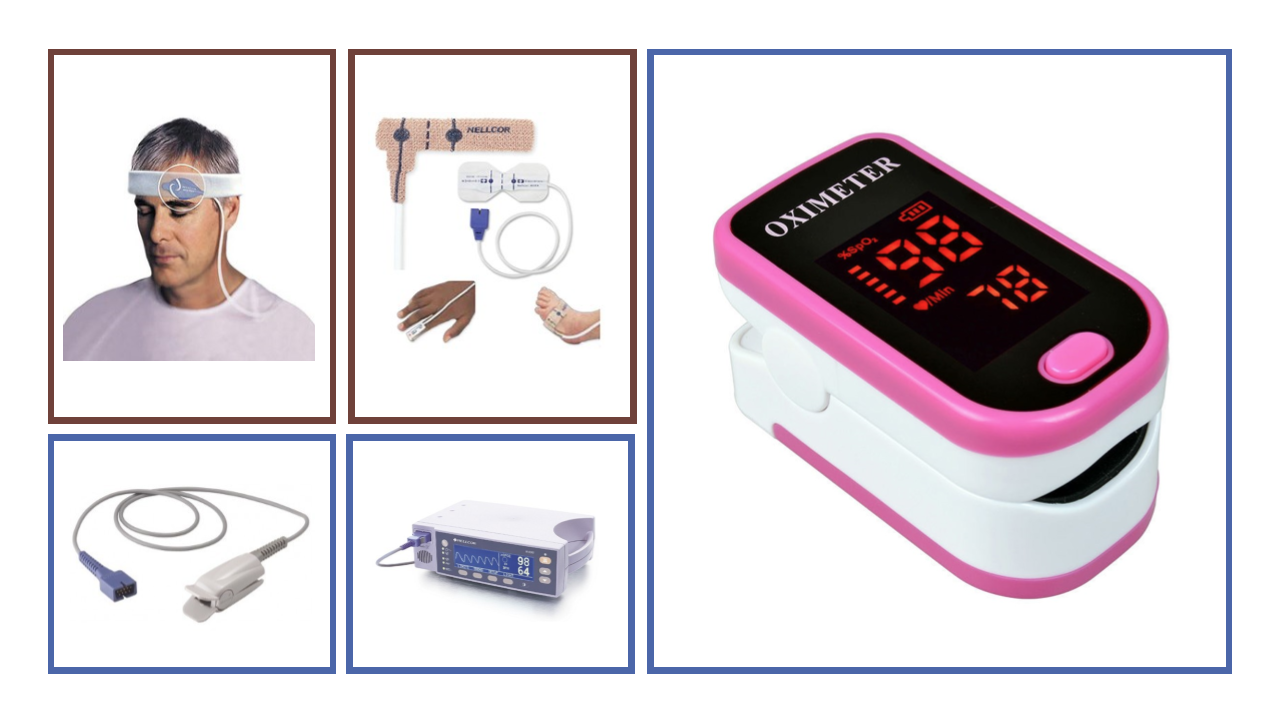
Pulse Oximetry
non invasive, peripheral measurement of oxygen bound to available hemoglobin
ABG has saturation at atrial level bound to hemoglobin (SAO2)
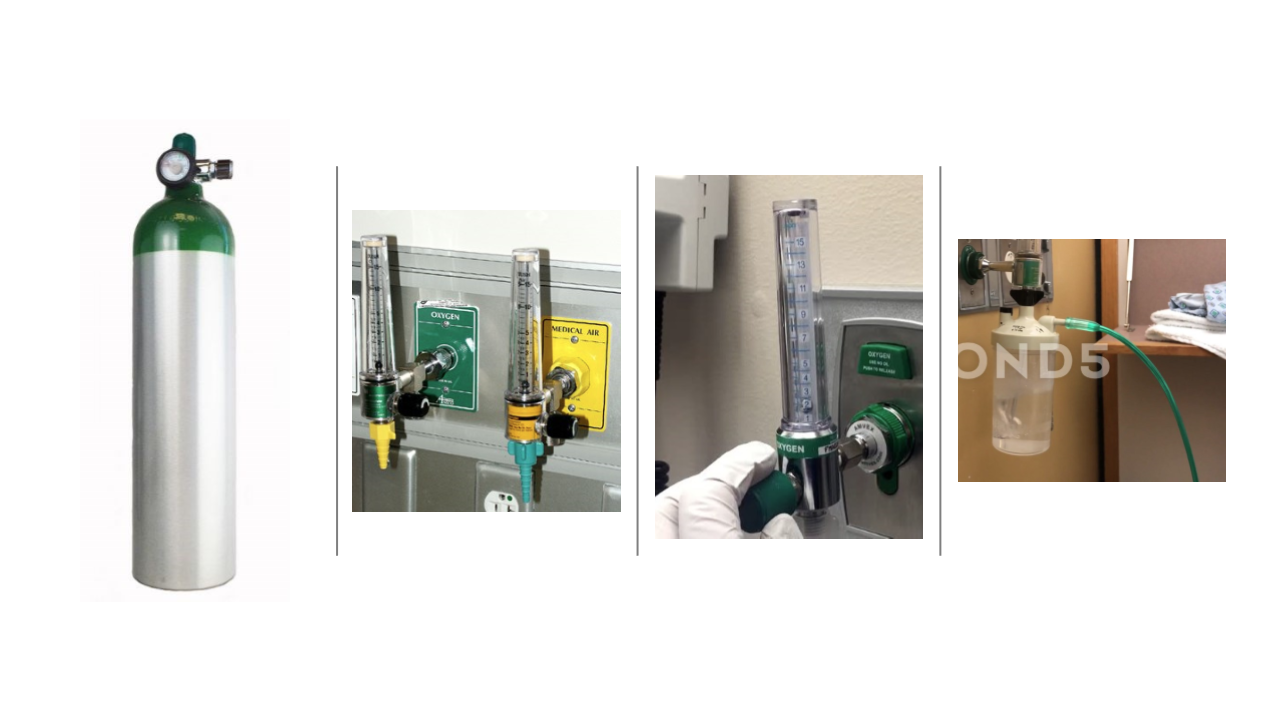
Oxygen
as PTs we can titrate the O2
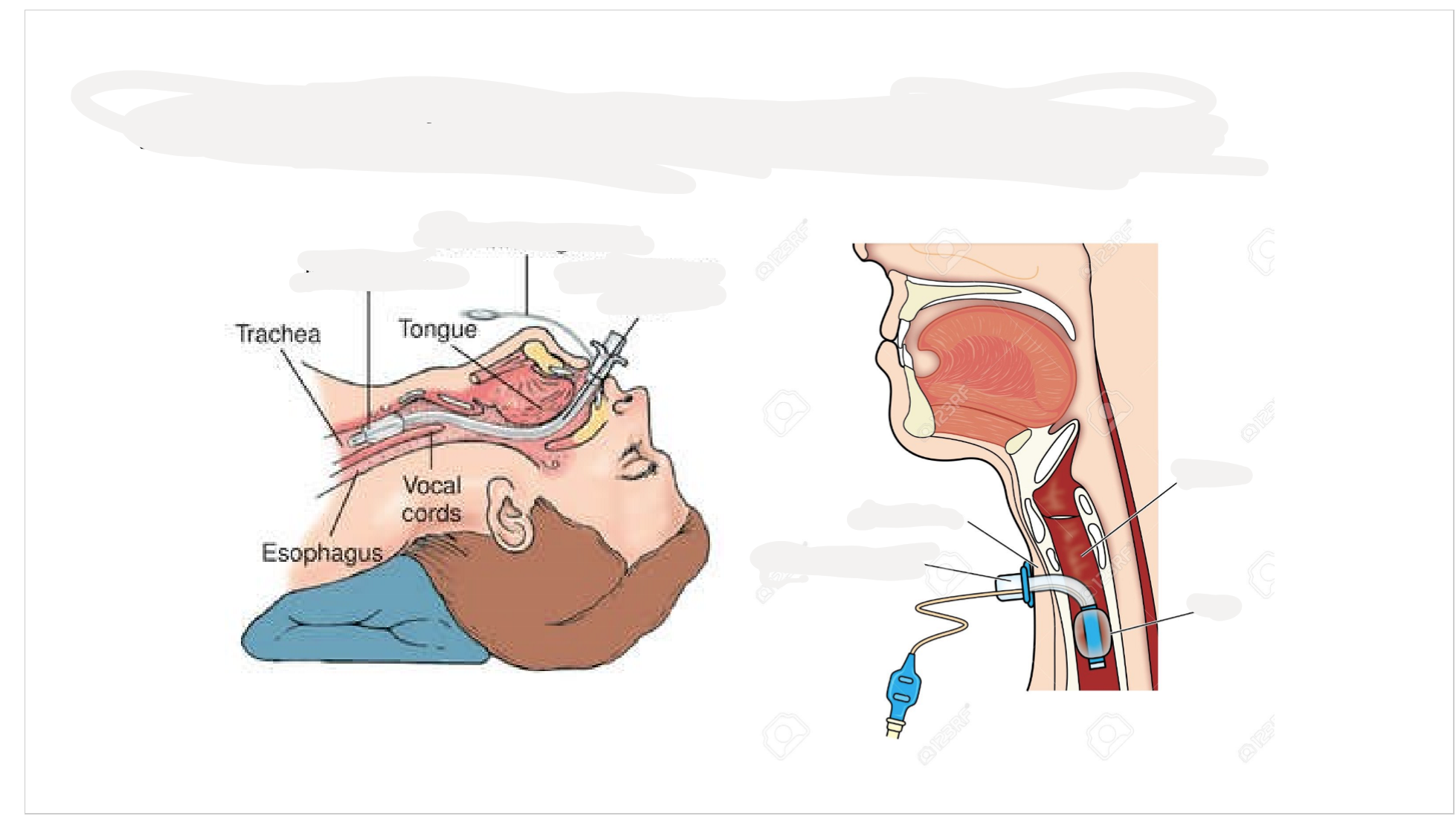
Endotracheal Tube/ Tracheotomy
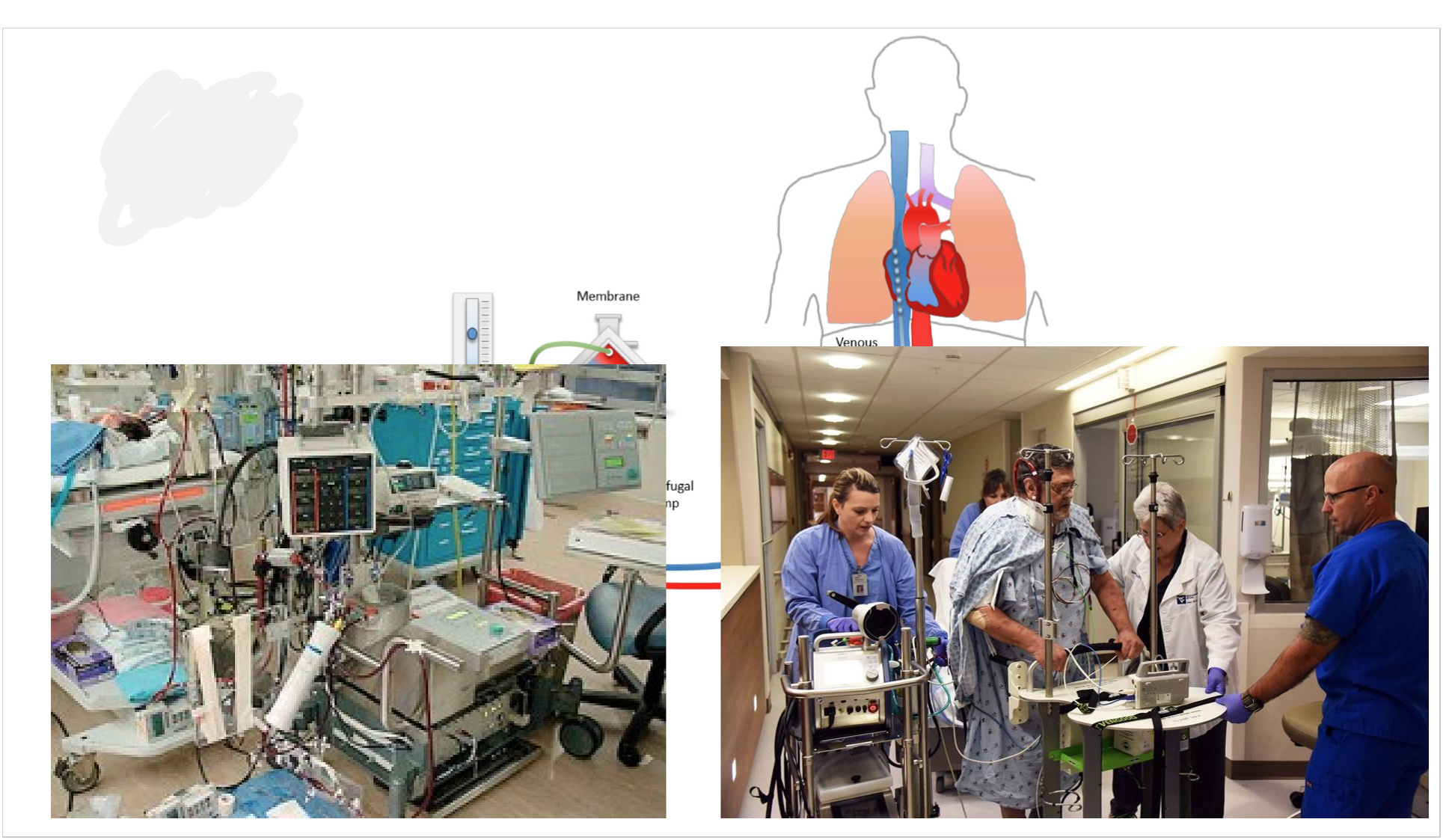
ECMO
used to maintain adequate gas exchange in patients with severe respiratory failure
provides maximal mechanical ventilatory support
Blood drained from venous system and oxygenated outside the body
Most pts are sedated and on bedrest since intended for short term support
**NEEDS A TEAM APPROACH FOR MOBILITY**
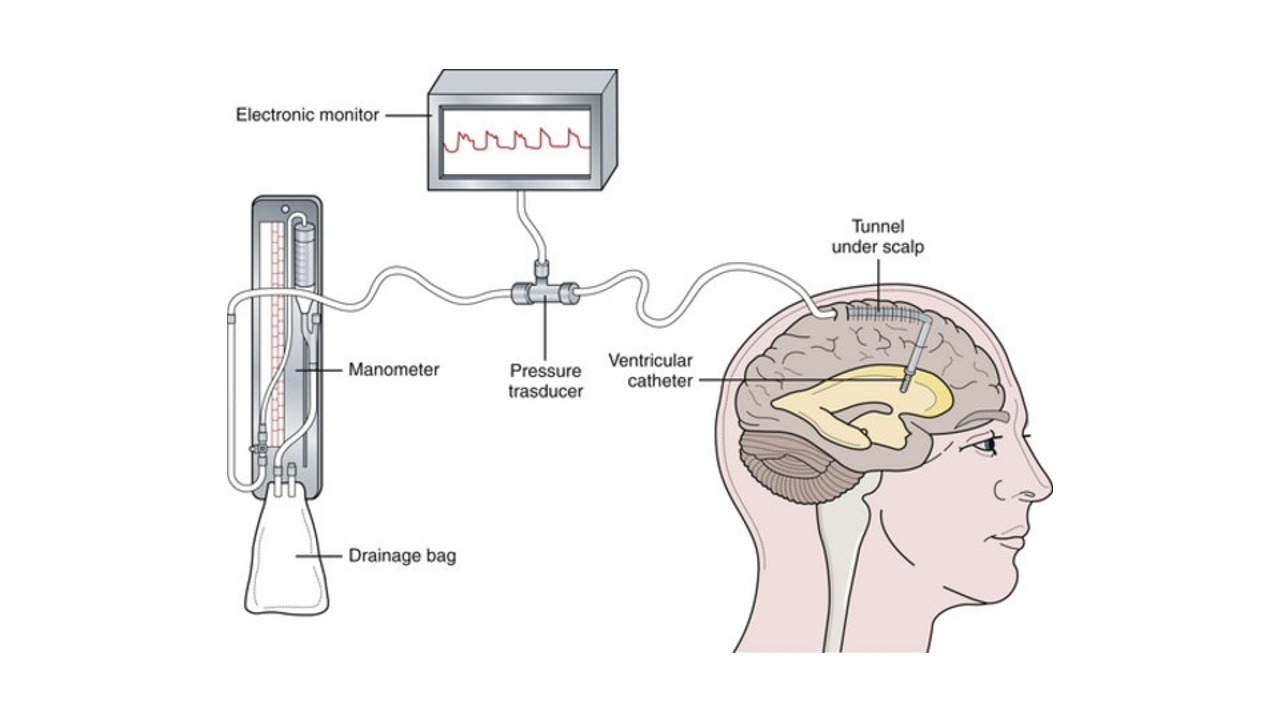
Intraventricular Catheter (IVC): connected to a external ventricular drain: direct monitoring of ICP and access for sampling and drainage of CSF and intraventricular blood via placement into the third ventricle
**TRANSDUCER MUST BE LEVELED WITH THE EAM (EXTERNAL AUDITORY MEATUS) AND RE-POSITIONED WITH POSITION CHANGES
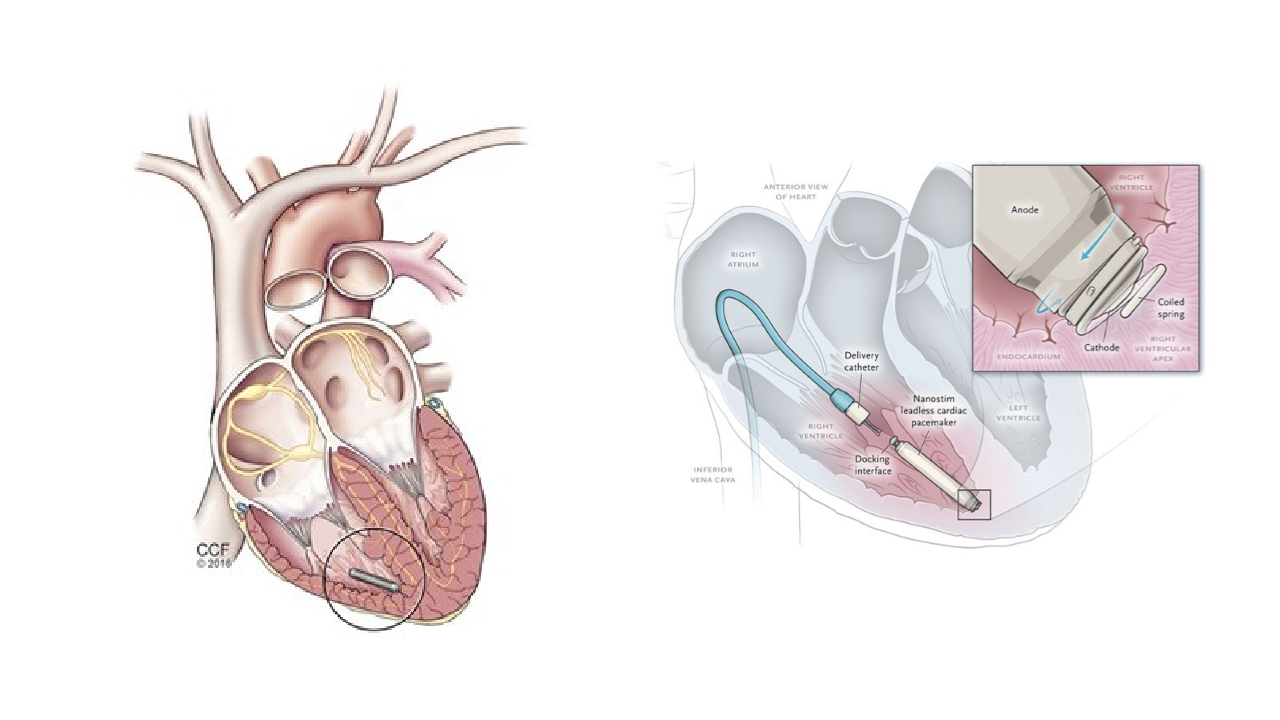
Pacemaker