Early Christian, Late Antique, Byzantine
 Call Kai
 Learn
Learn Practice Test
 Spaced Repetition
 Match
Match Flashcards
 Knowt Play
1/45

There's no tags or description
Looks like no tags are added yet.
Name | Mastery | Learn | Test | Matching | Spaced | Call with Kai |
|---|
No analytics yet
Send a link to your students to track their progress
46 Terms
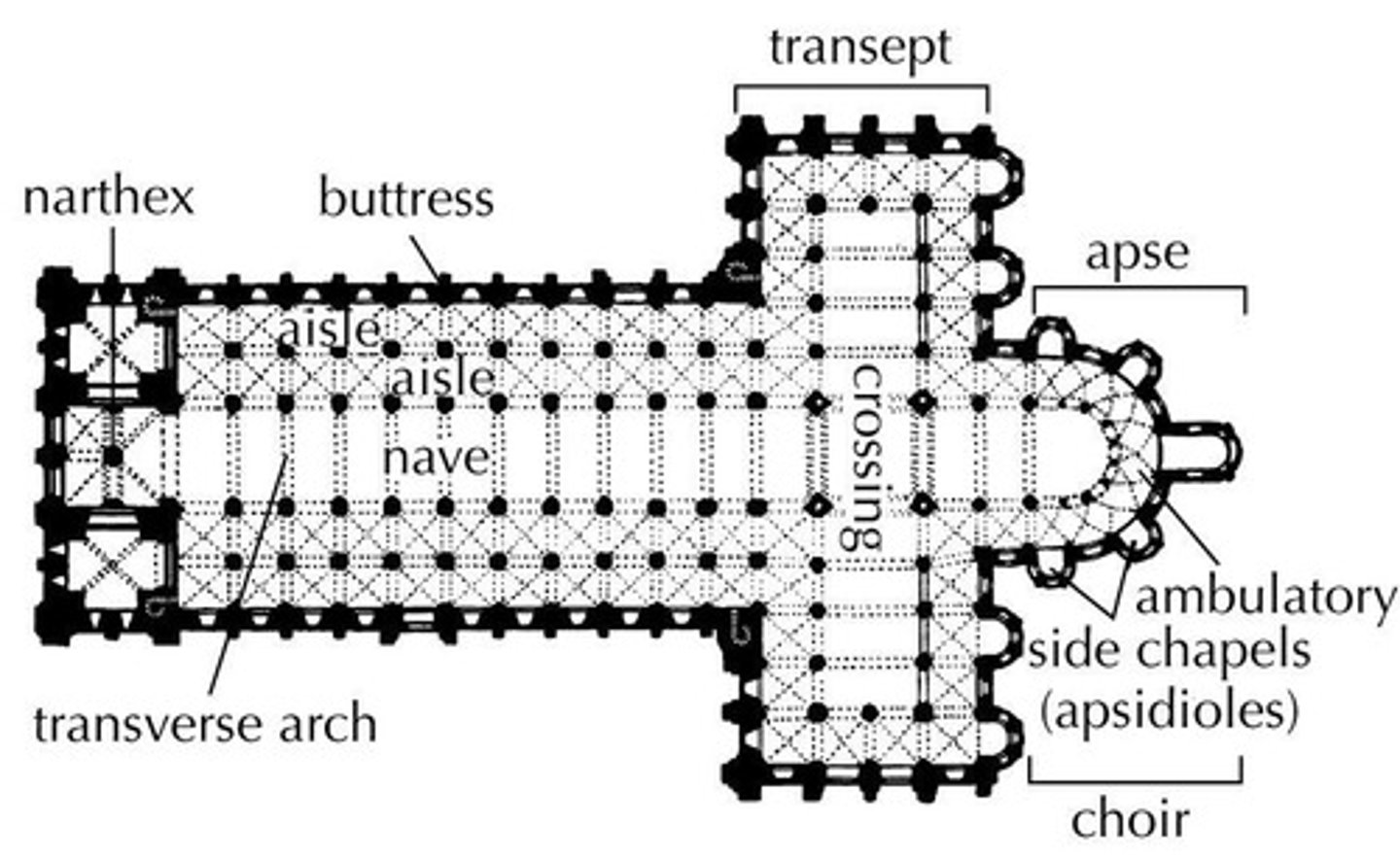
ambulatory
a place for walking, especially an aisle around the apse or a cloister in a church or monastery.
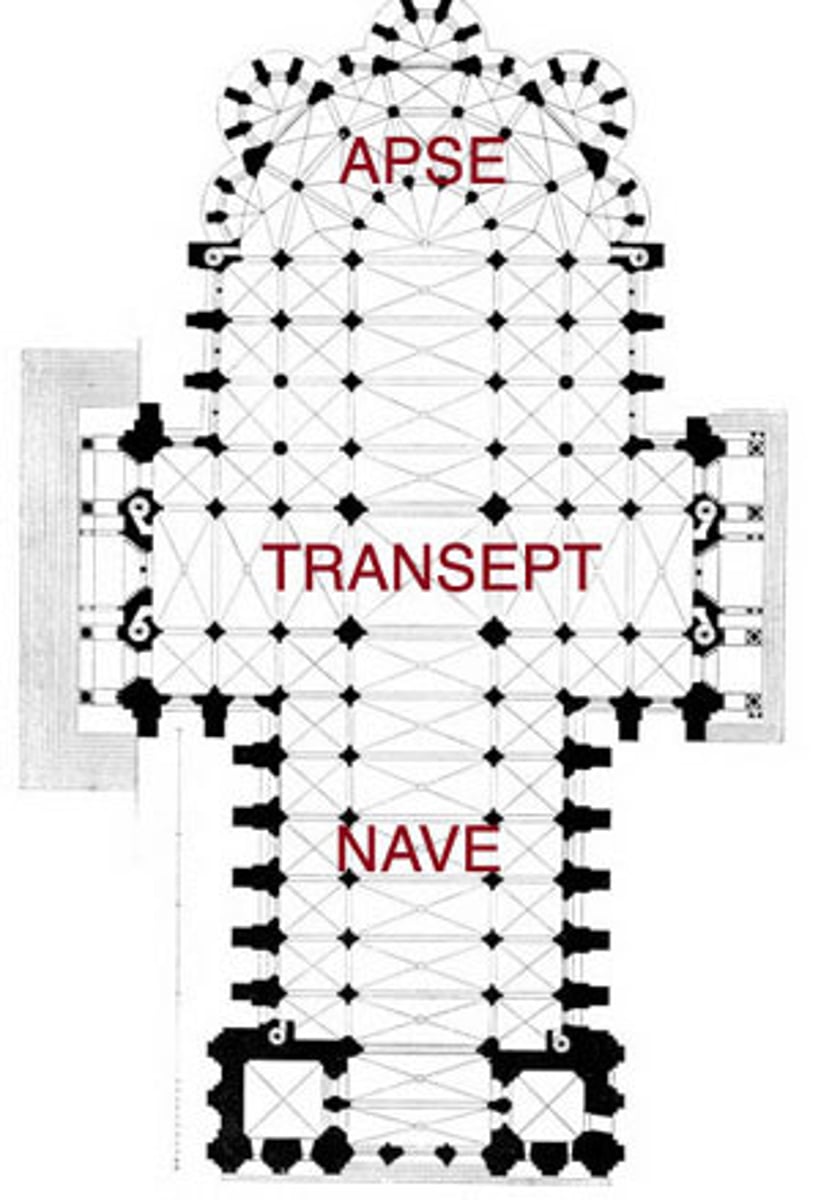
Apse
A recess, usually semicircular, in the wall of a Roman basilica or at the east end of a church.
Basilica
In Roman architecture, a civic building for legal and other civic proceedings, rectangular in plan with an entrance usually on a long side. In Christian architecture, a church somewhat resembling the Roman basilica, usually entered from one end and with an apse at the other.
Catacombs
An underground cemetery
Central Plan Church
a ring shaped aisle around a circular nave
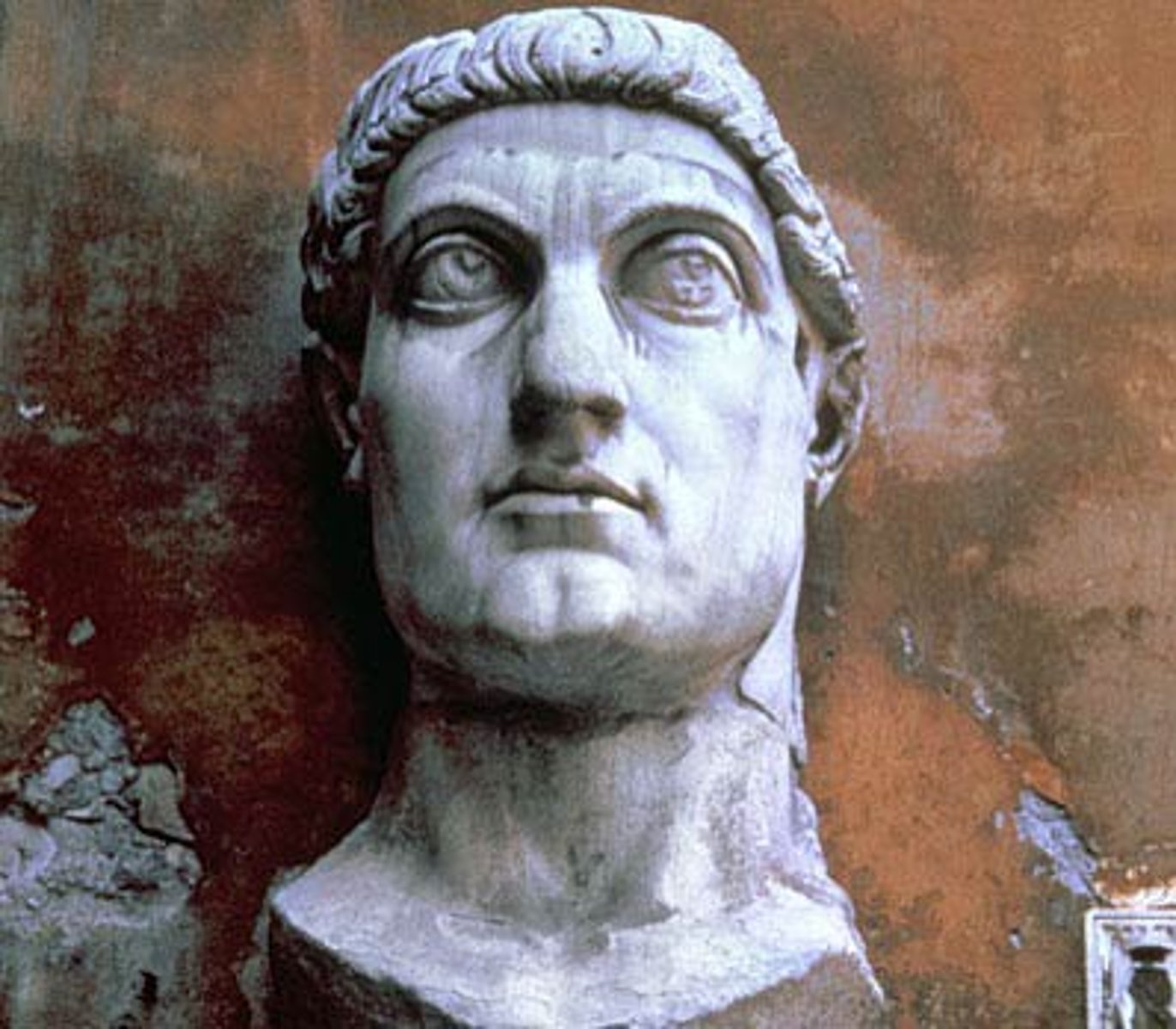
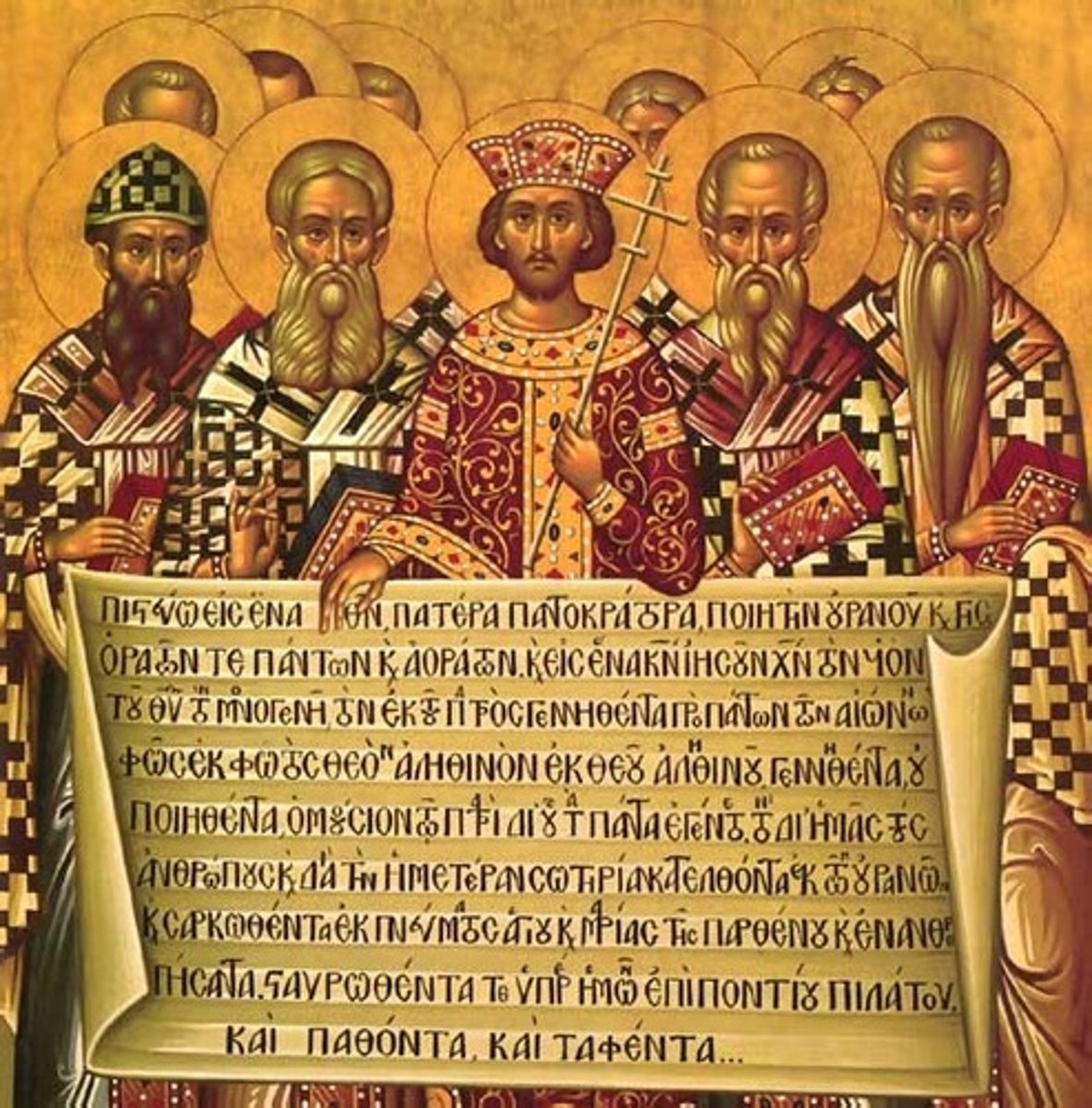
Constantine
(274 CE - 337 CE) Roman Emperor between 306 CE and 337 CE. He issued the Edict of Milan which outlawed the persecution of Christians. He also founded the city of Constantinople, the future capital of the Byzantine Empire.
crossing square
The area in a church formed by the intersection (crossing) of a nave and a transept of equal width
Edict of Milan (313)
issued by Constantine in 313, ended the "great persecution" and legalized Christianity in the Roman Empire
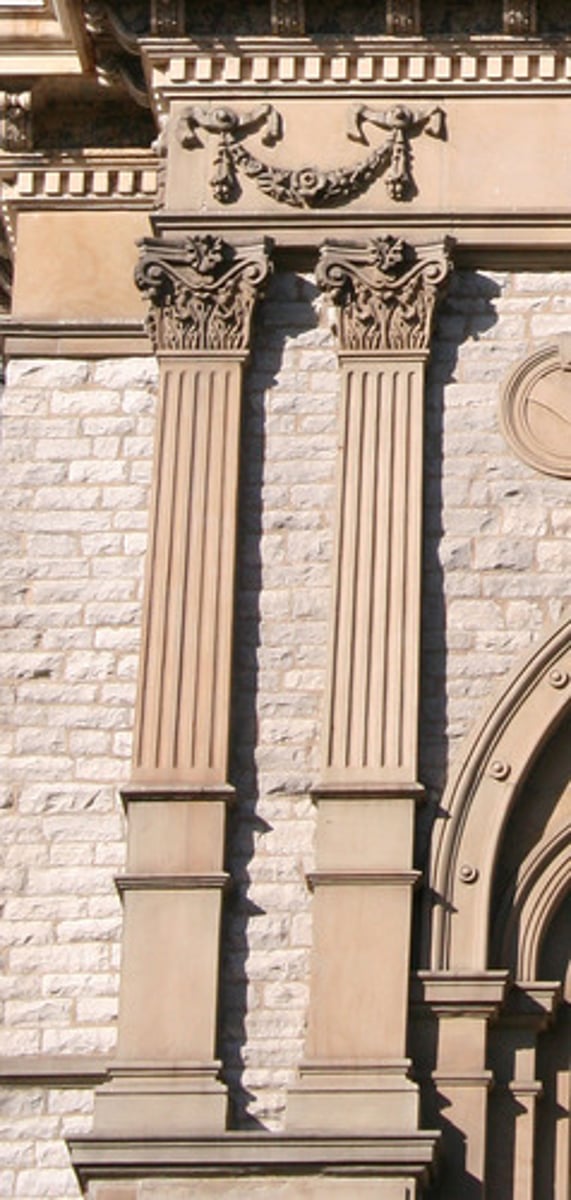
engaged column/pilaster
a rounded column attached to the wall / a square column attached to the wall
Eucharist
A Christian sacrament commemorating the Last Supper by consecrating bread and wine.
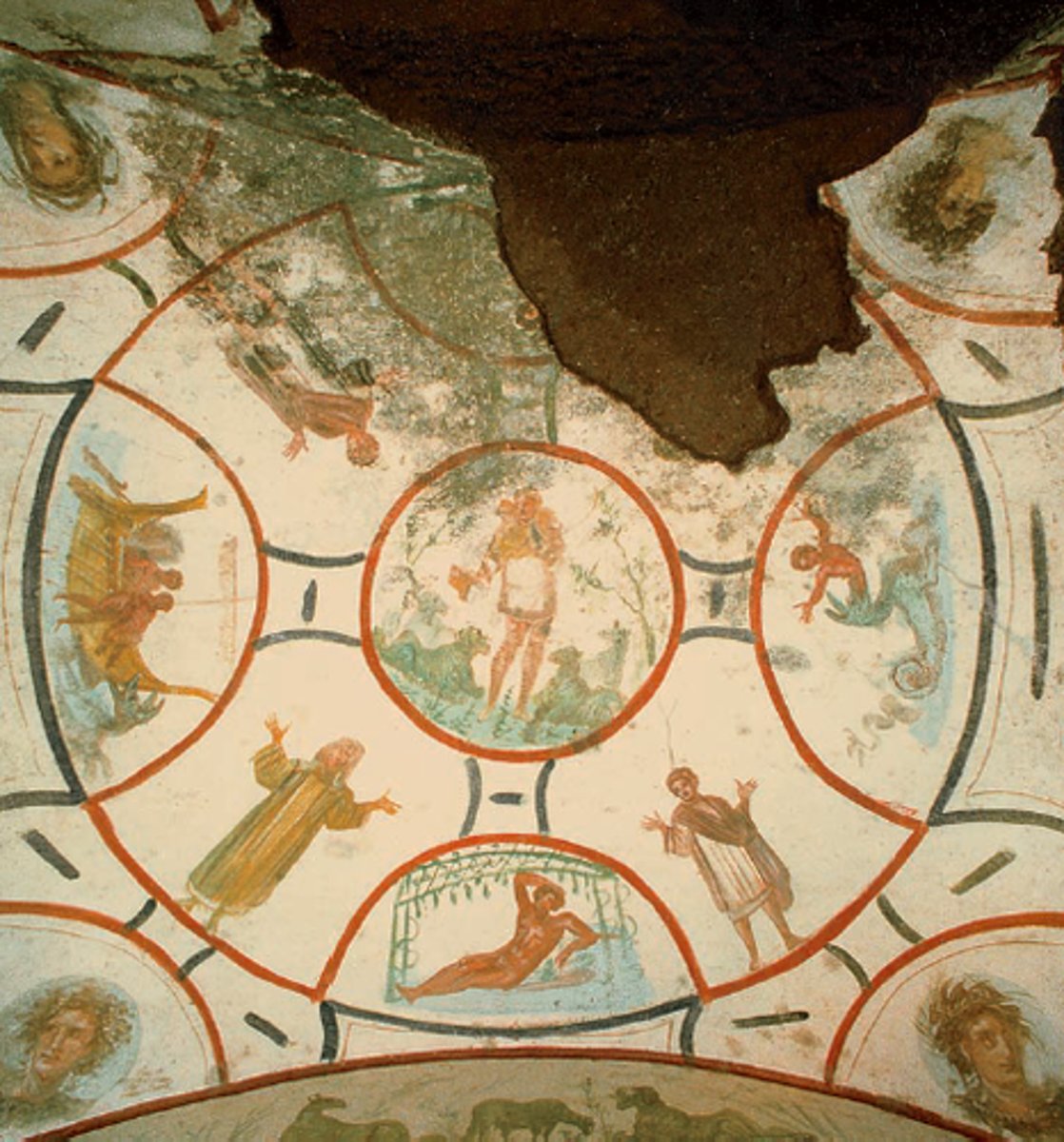
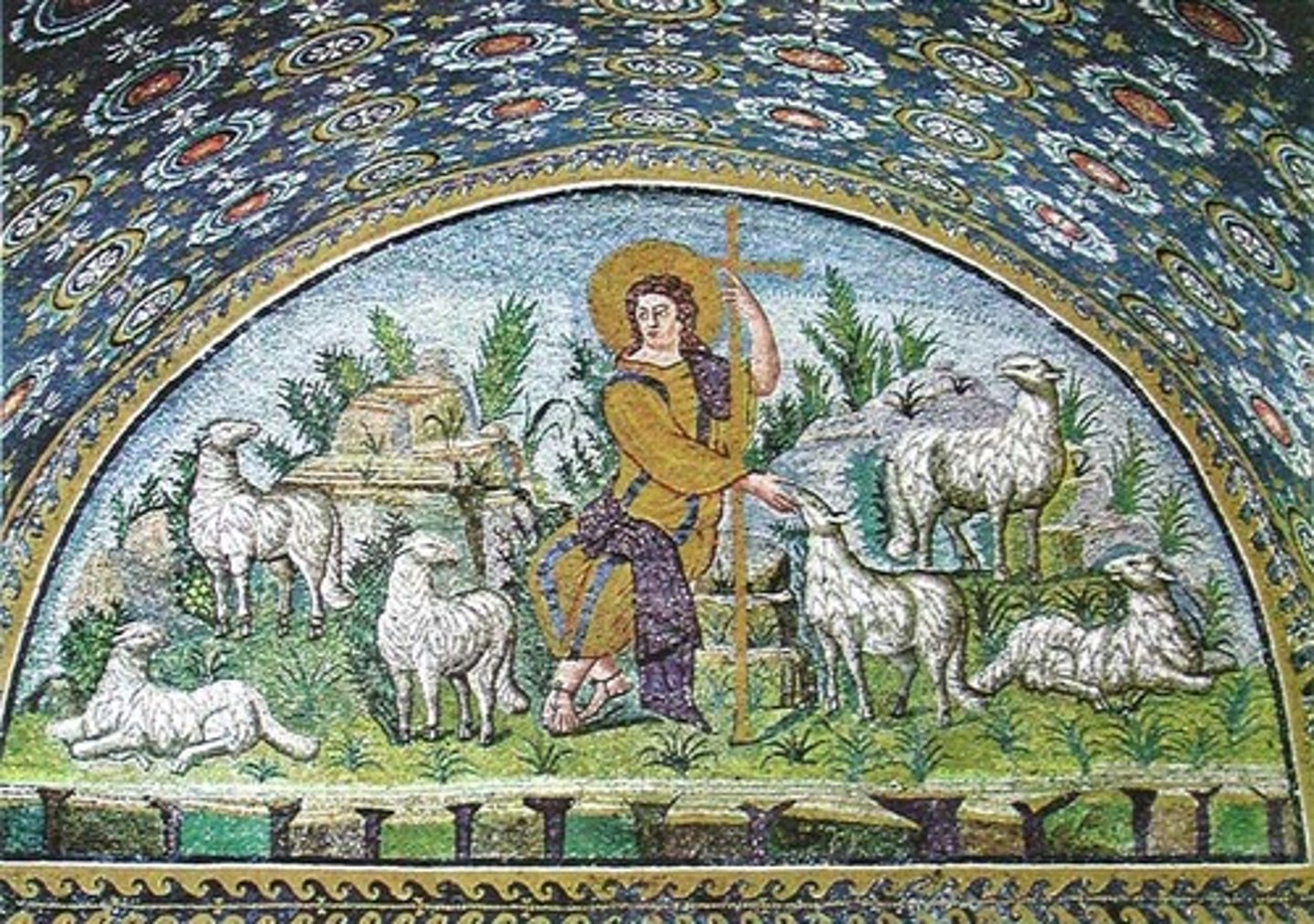
Good Shepherd
Most common depiction of Jesus in the first centuries of Christianity. used to show Jesus' guidance for Christians and his love for those who follow him.
iconoclasm
A belief that the practice of worshiping and honoring objects such as icons was sinful.
illuminated manuscript
a manuscript in which the text is supplemented with such decoration as initials, borders (marginalia) and miniature illustrations.
Lunette
A semicircular area (with the flat side down) in a wall over a door, niche, or window
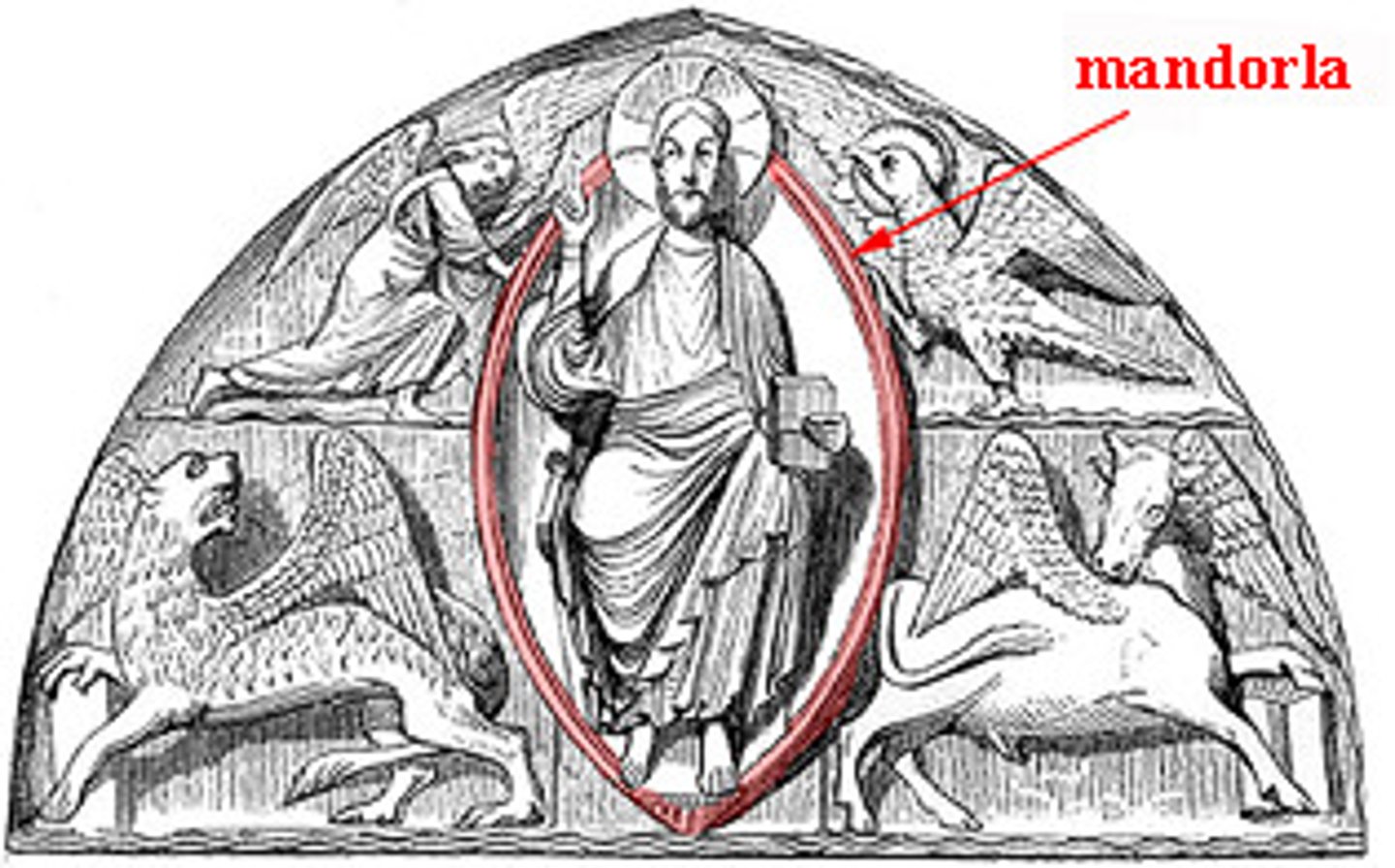
mandorla
an almond-shaped nimbus surrounding the figure of christ or other sacred figure
Martyr
A person who is killed because of their religious or other beliefs
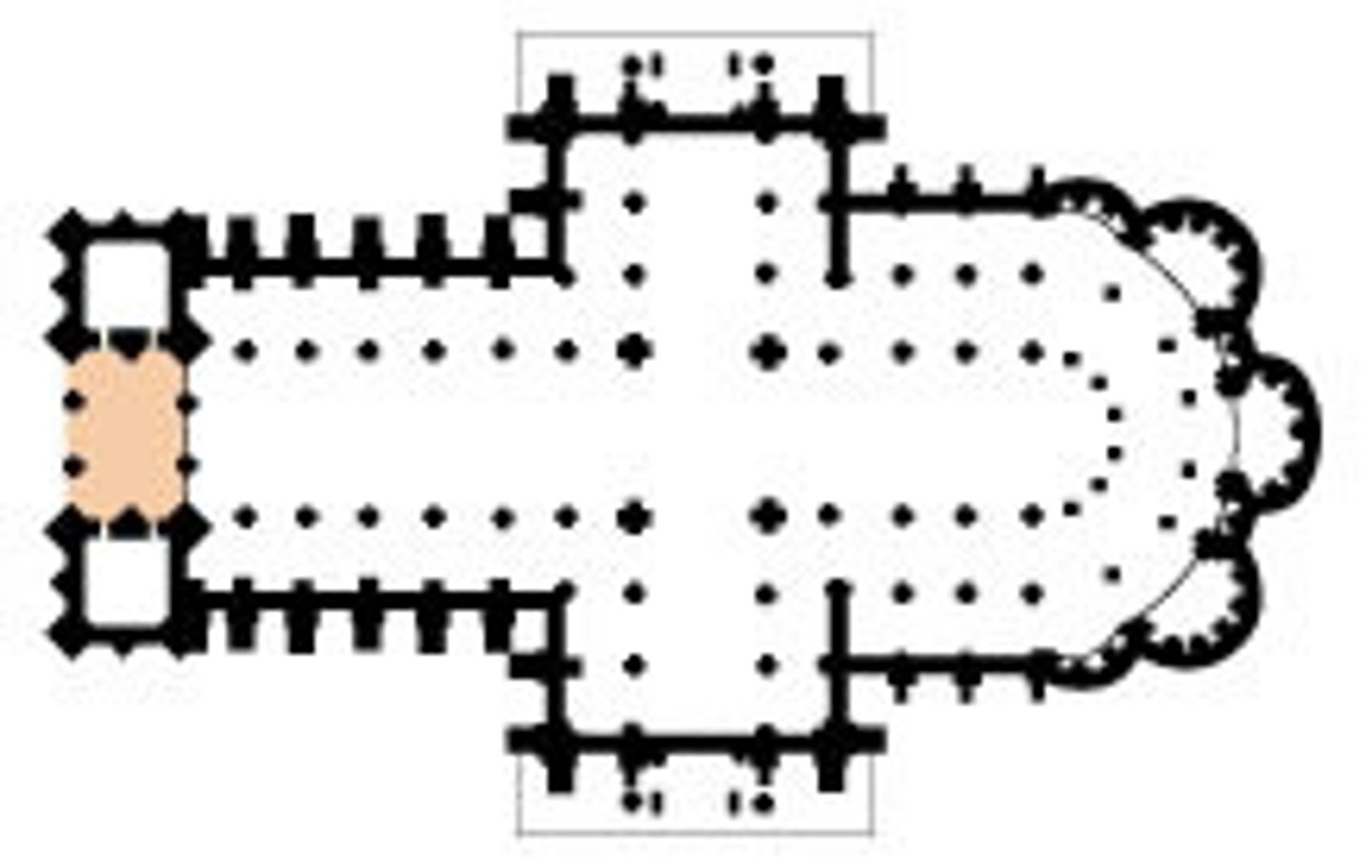
Narthex
A porch or vestibule of a church, generally colonnaded or arcaded and preceding the nave
nave
the central part of a church building, intended to accommodate most of the congregation
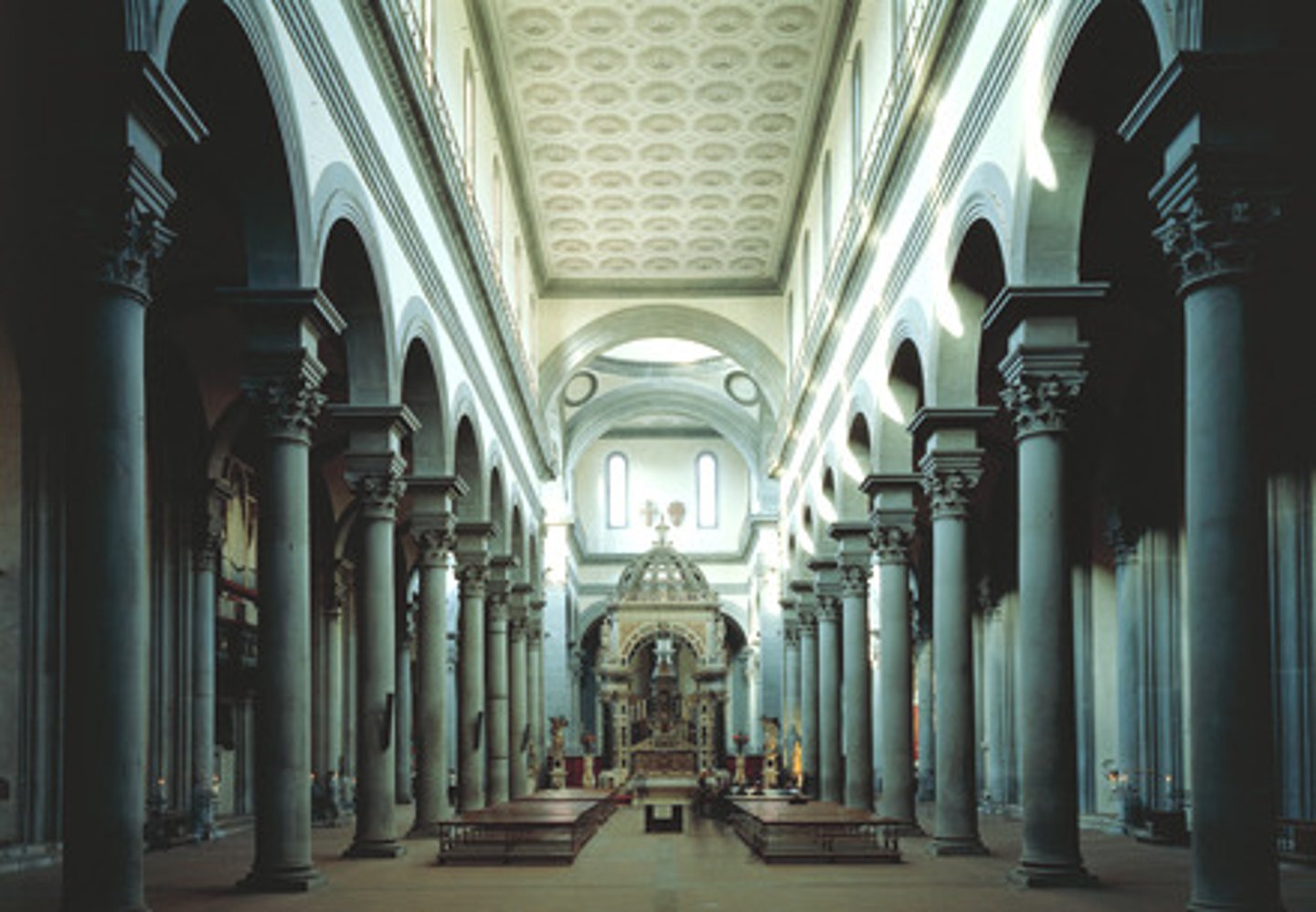
Nave Arcade/Colonnade
the series of arches supported by piers or columns separating the nave from the side aisles
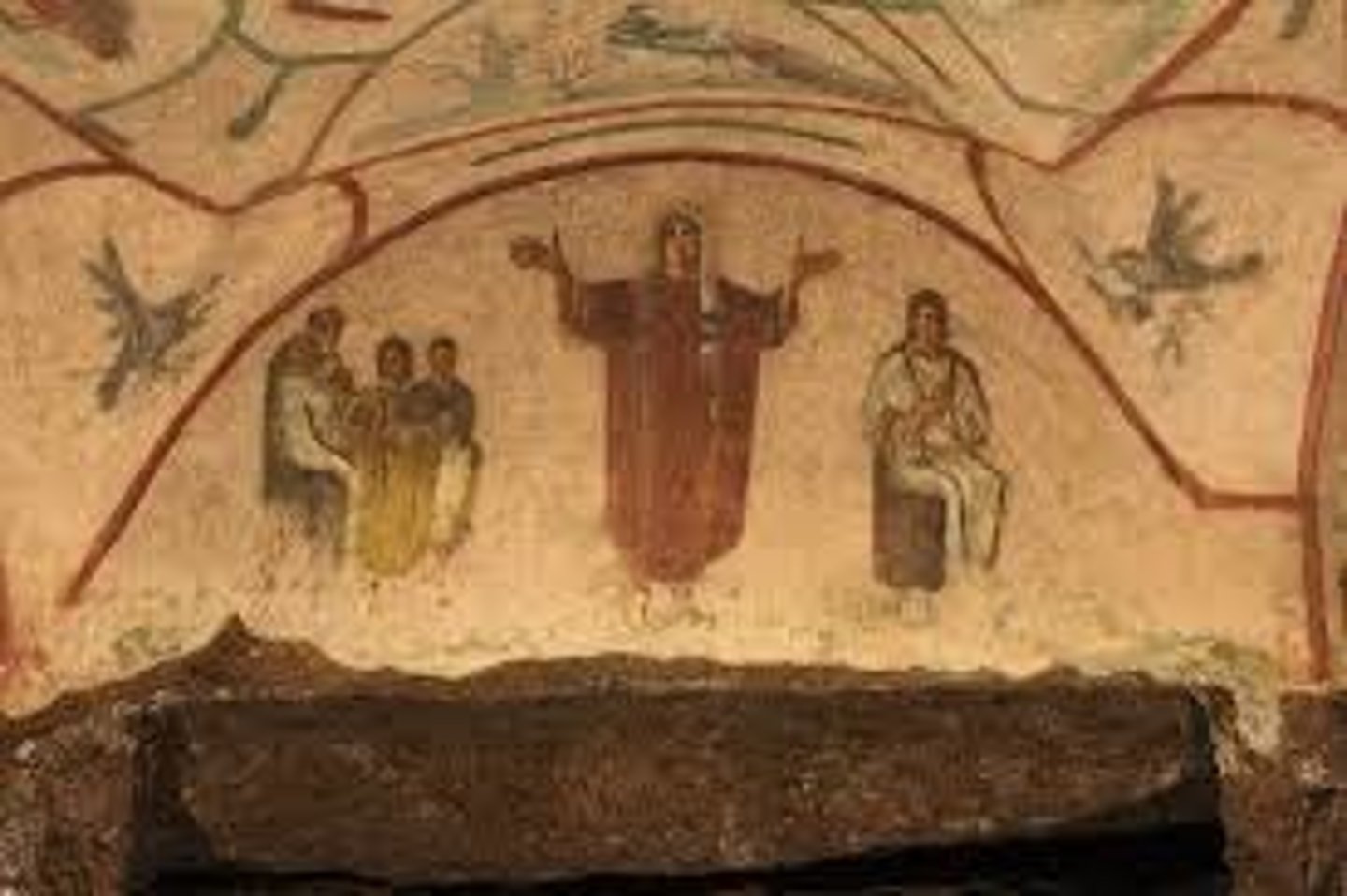
orant
In Early Christian art, a figure with both arms raised in the ancient gesture of prayer.
parchment
a stiff, flat, thin material made from the prepared skin of an animal and used as a durable writing surface in ancient and medieval times.
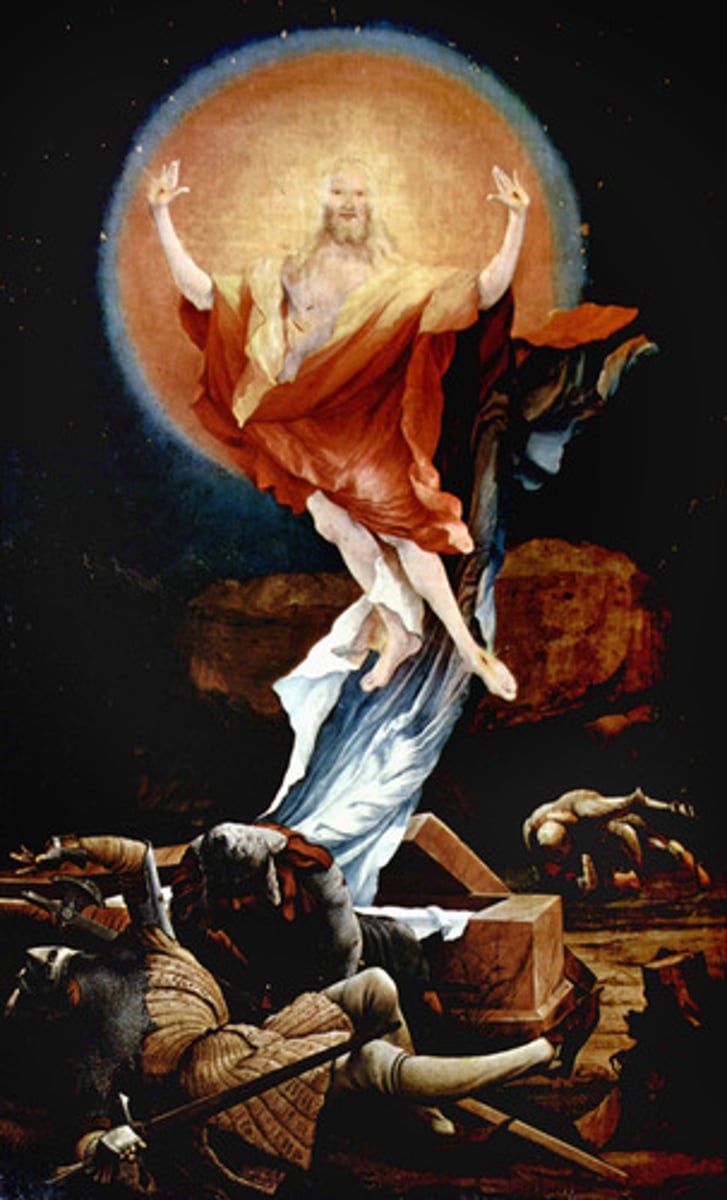
Resurrection
The act of rising from the dead
Spolia
in art history, the reuse of architectural or sculptural pieces in buildings generally different from their original contexts
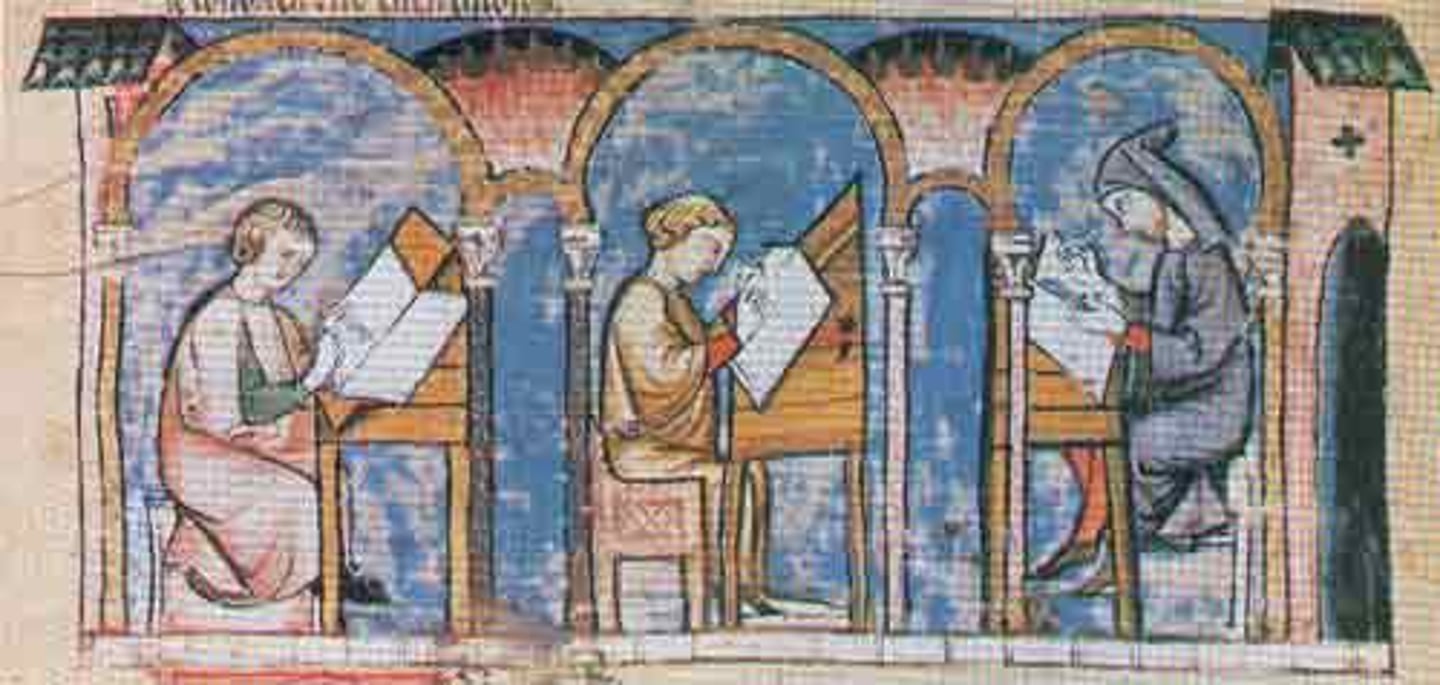
Scriptorium
A room in a monastery for writing or copying manuscripts
Syncretism
a blending of beliefs and practices from different religions into one faith
Tempura Paint
A paint in which the pigments are mixed with egg yolk and water
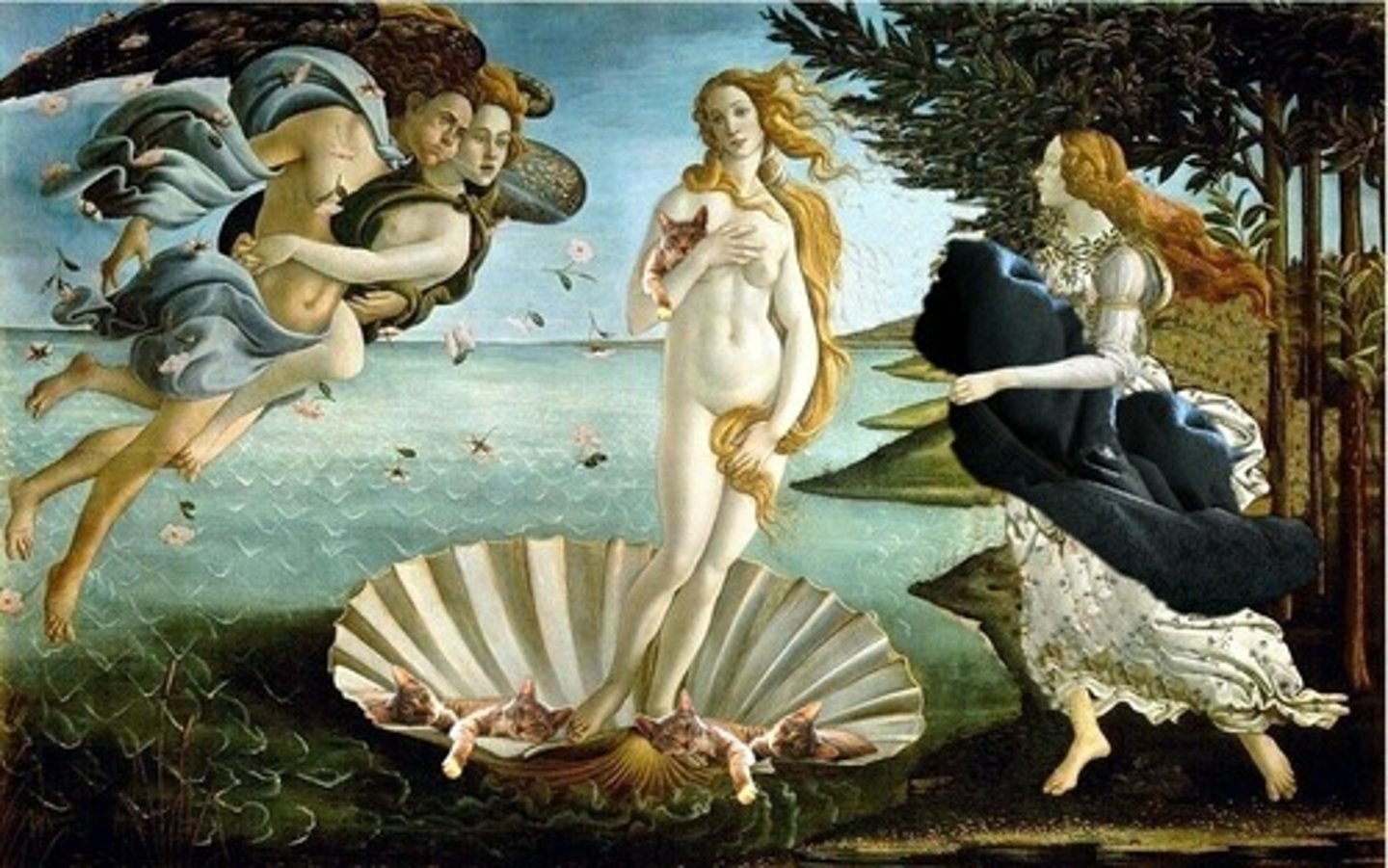
tesserae
the small piece of stone, glass, or other object that is pieced together with many others to create a mosaic
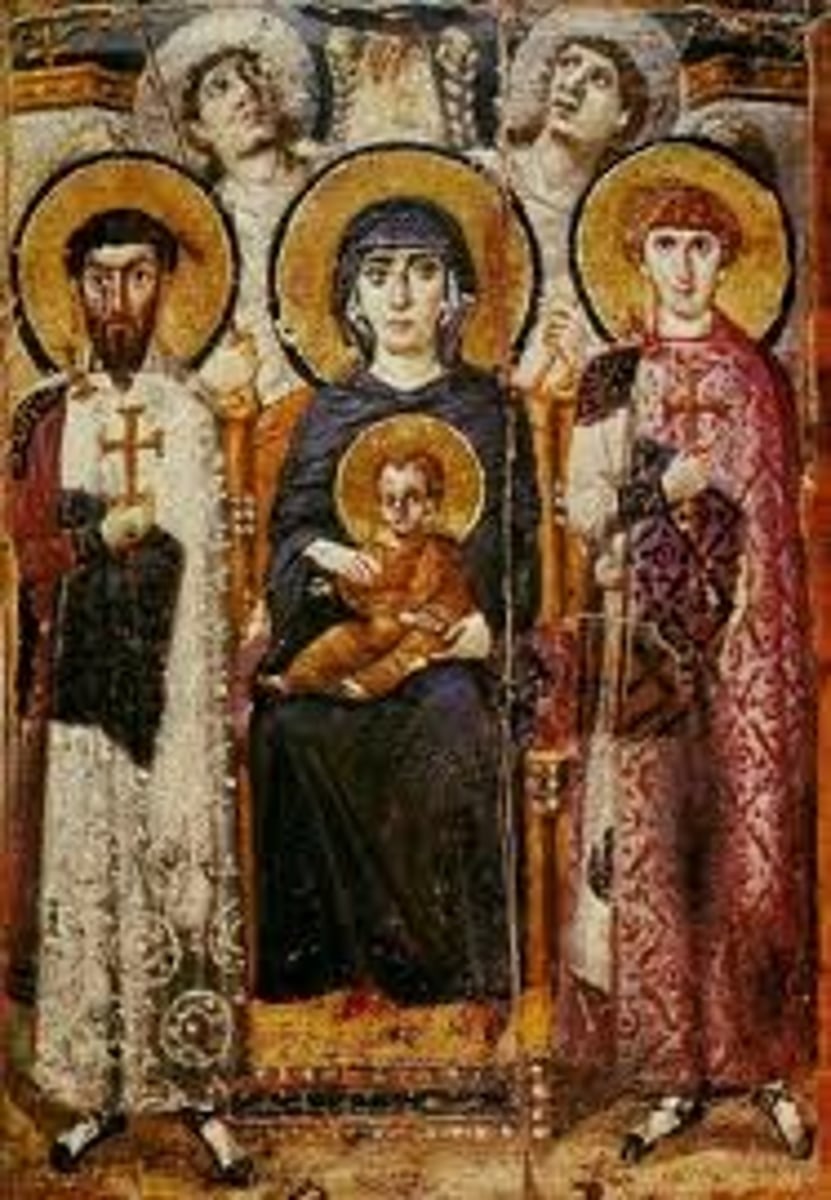
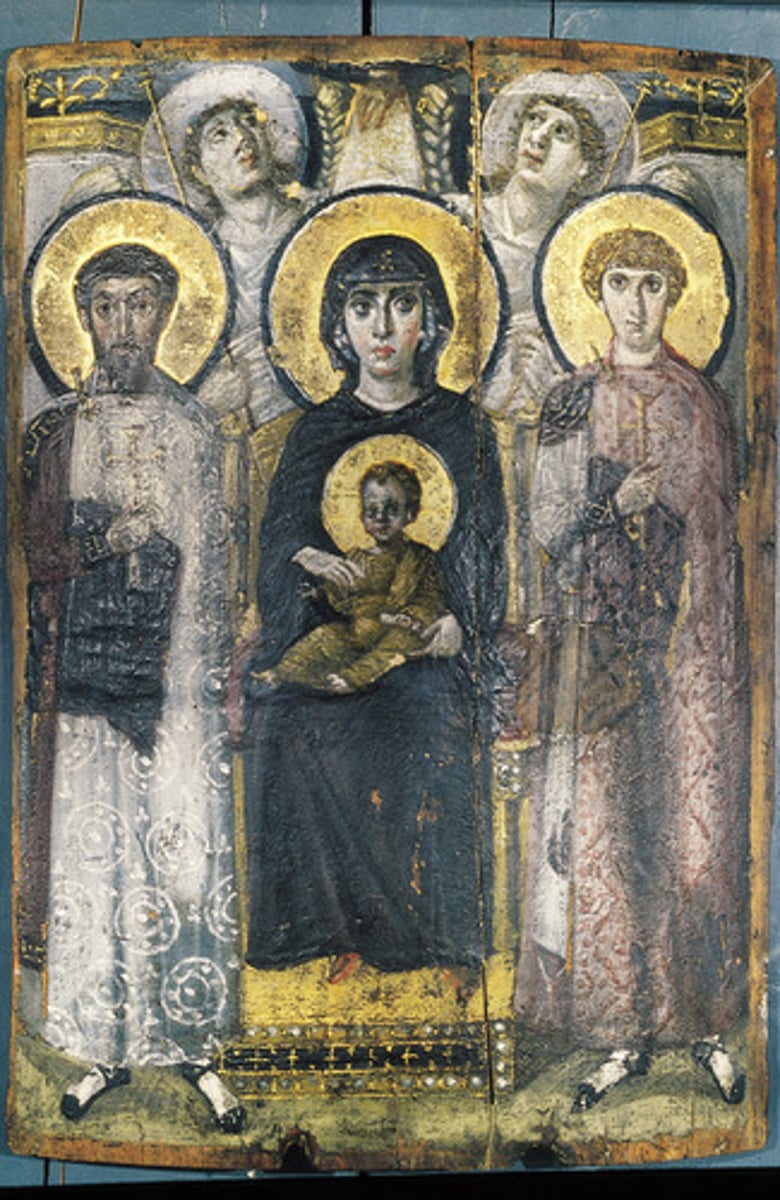
Theotokos
A Greek title for Mary meaning "God bearer"
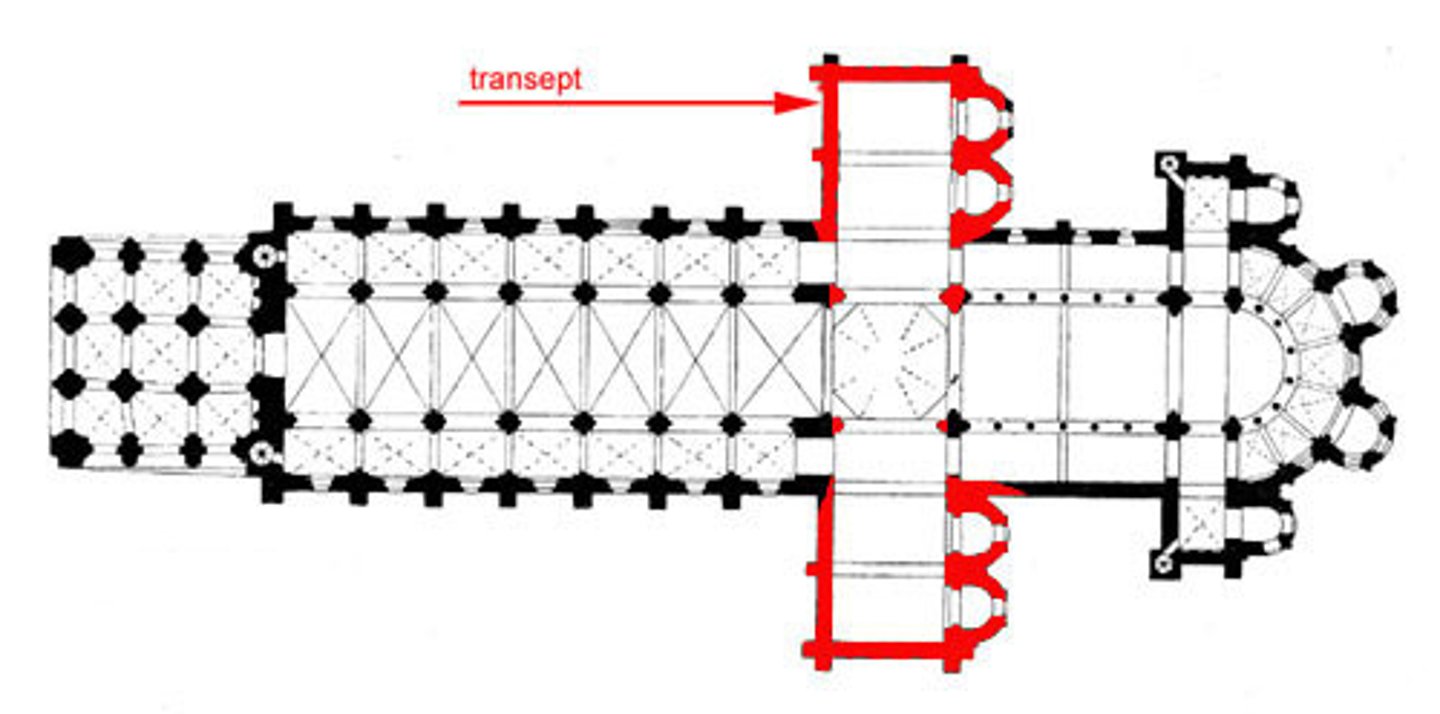
Transept
The part of a church with an axis that crosses the nave at a right angle.
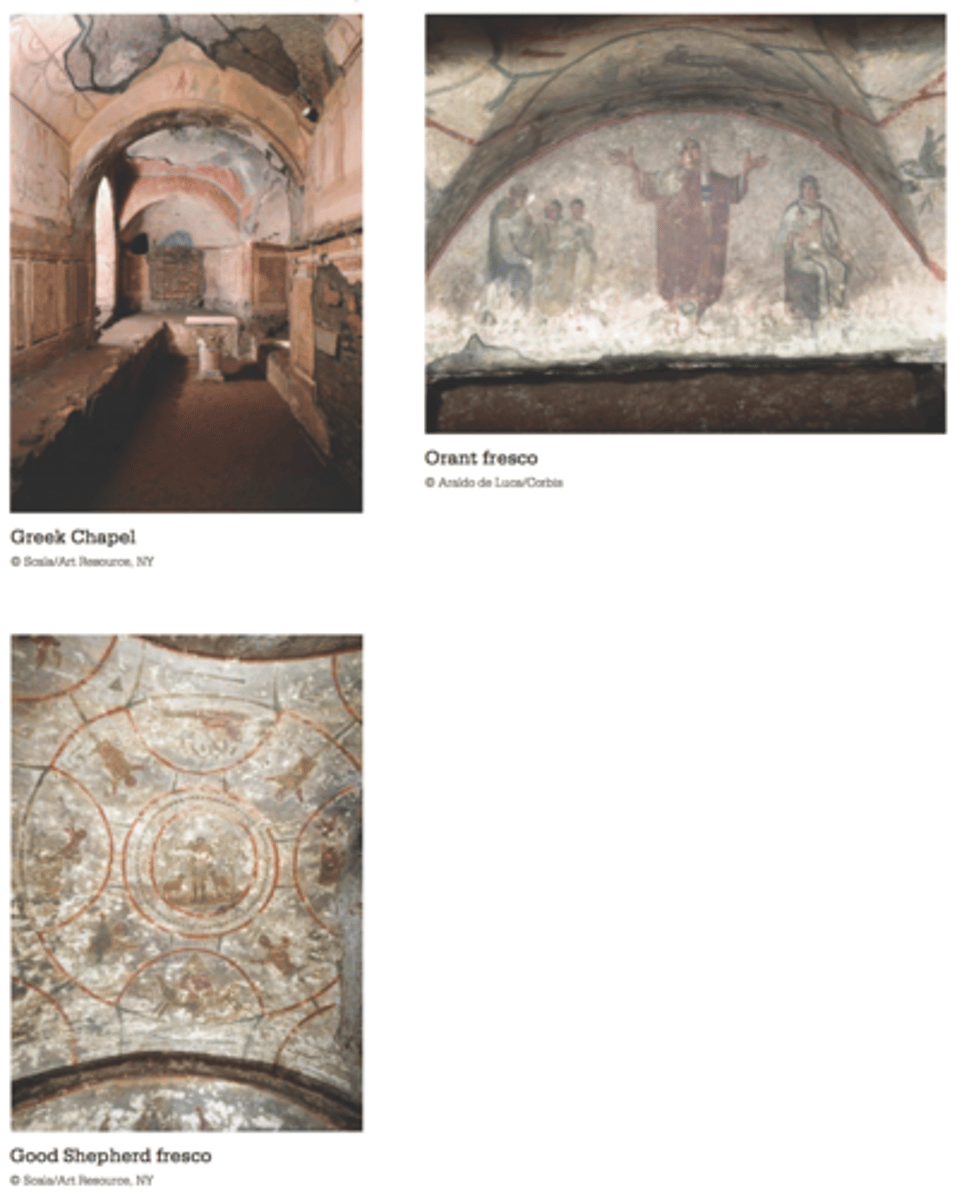
Catacomb of Priscilla
Rome, Italy. Late Antique Europe. c. 200-400 C.E. Excavated tufa and fresco.
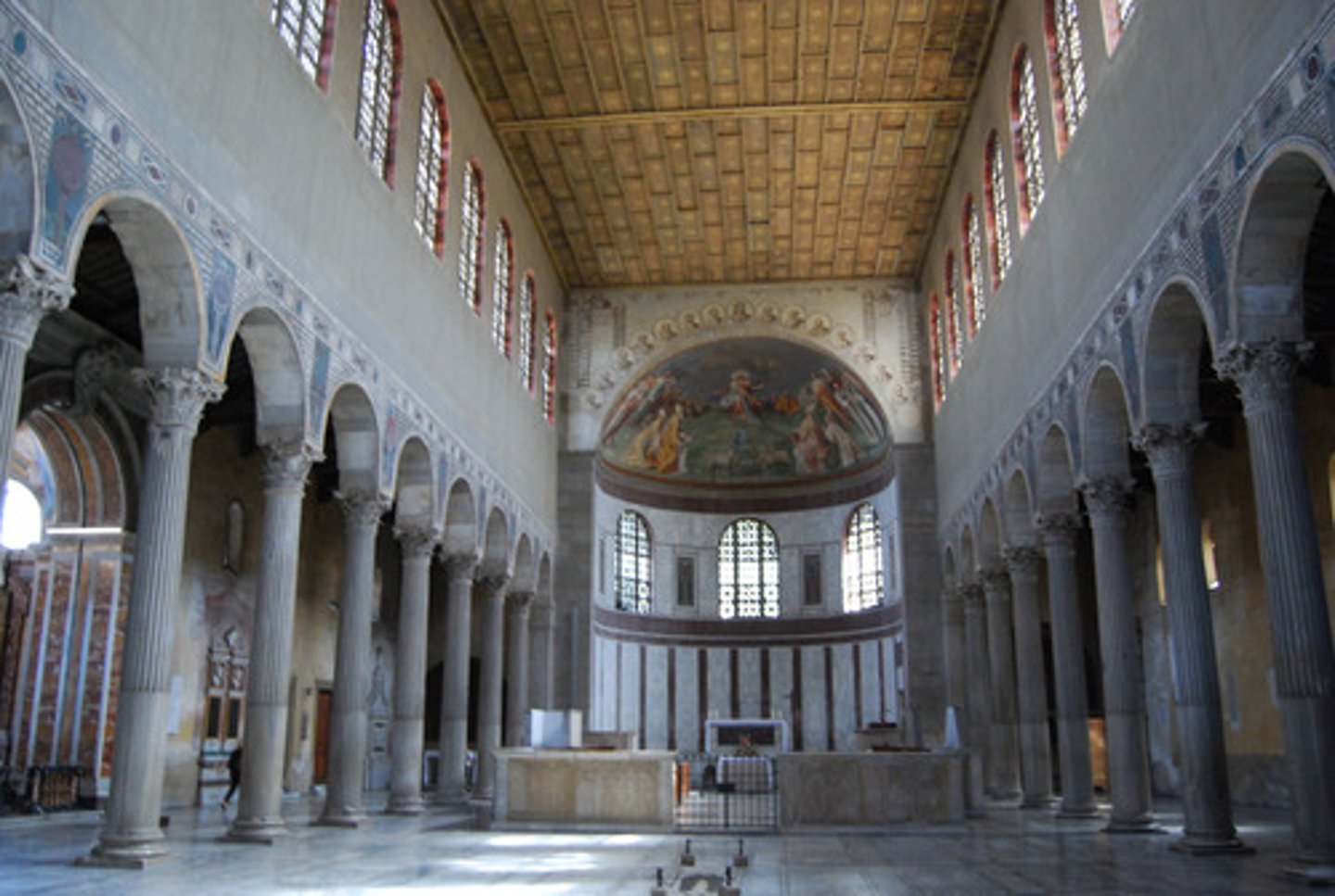
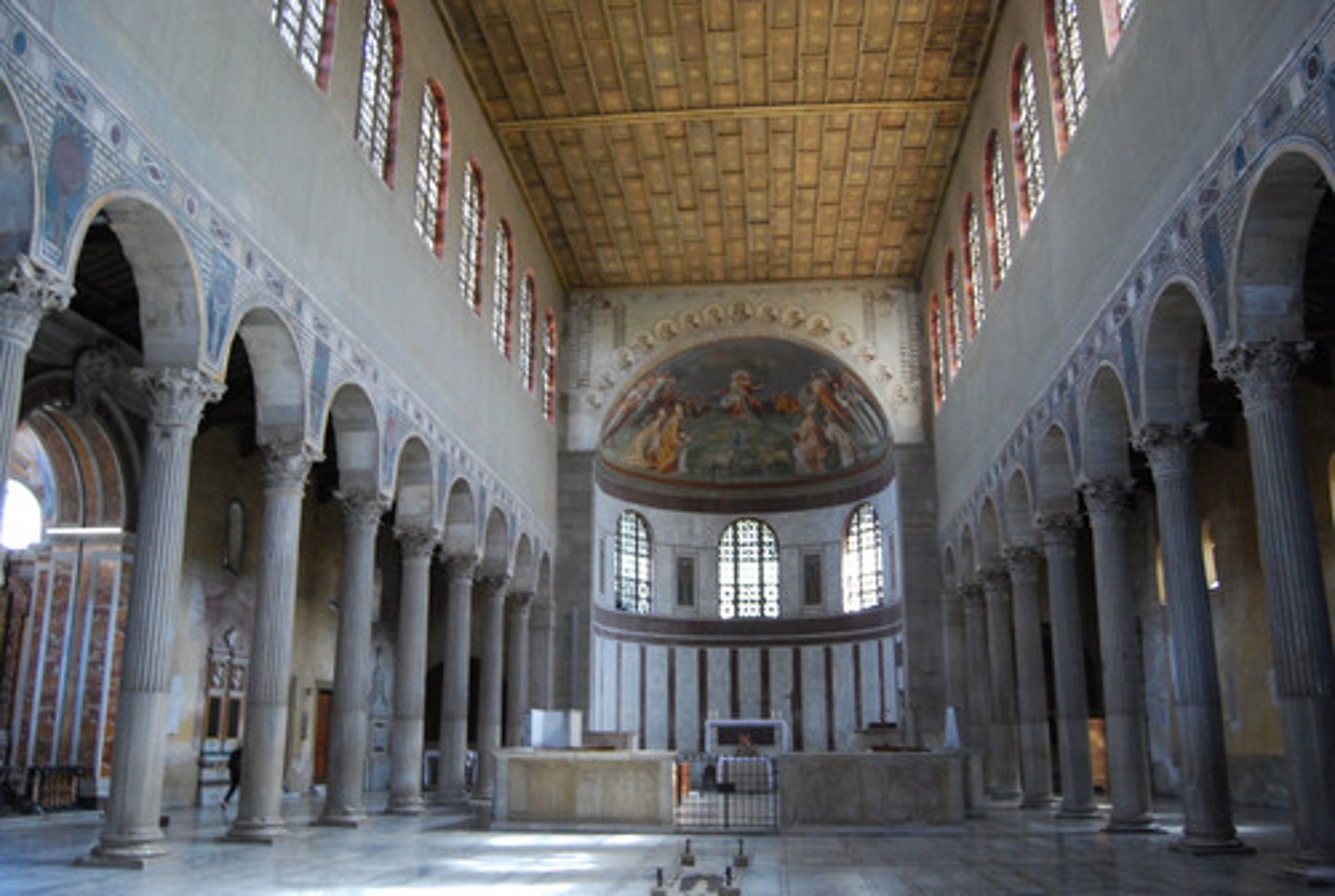
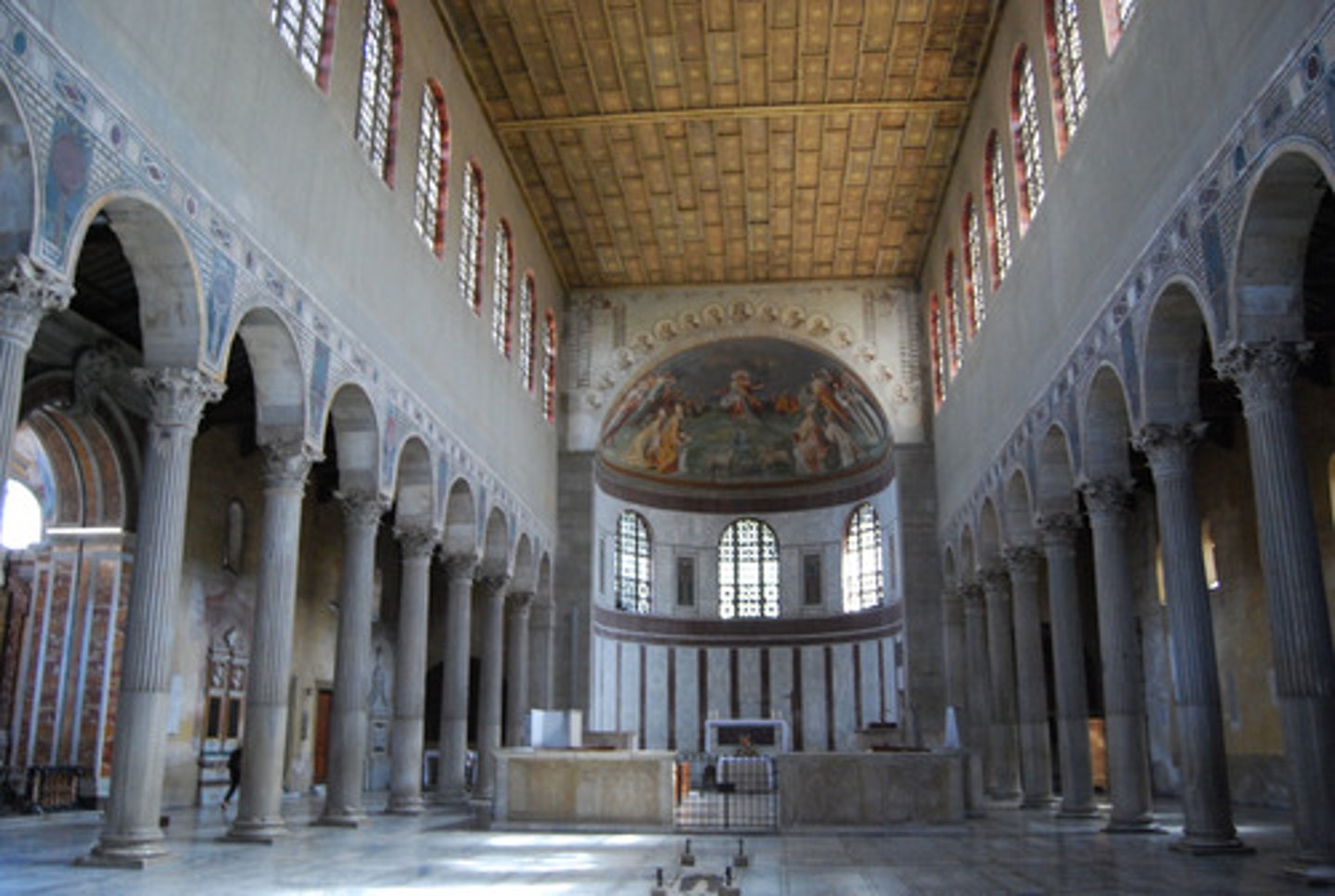
Santa Sabina
Rome, Italy. Late Antique Europe. c. 422-432 C.E. Brick and stone, wooden roof.
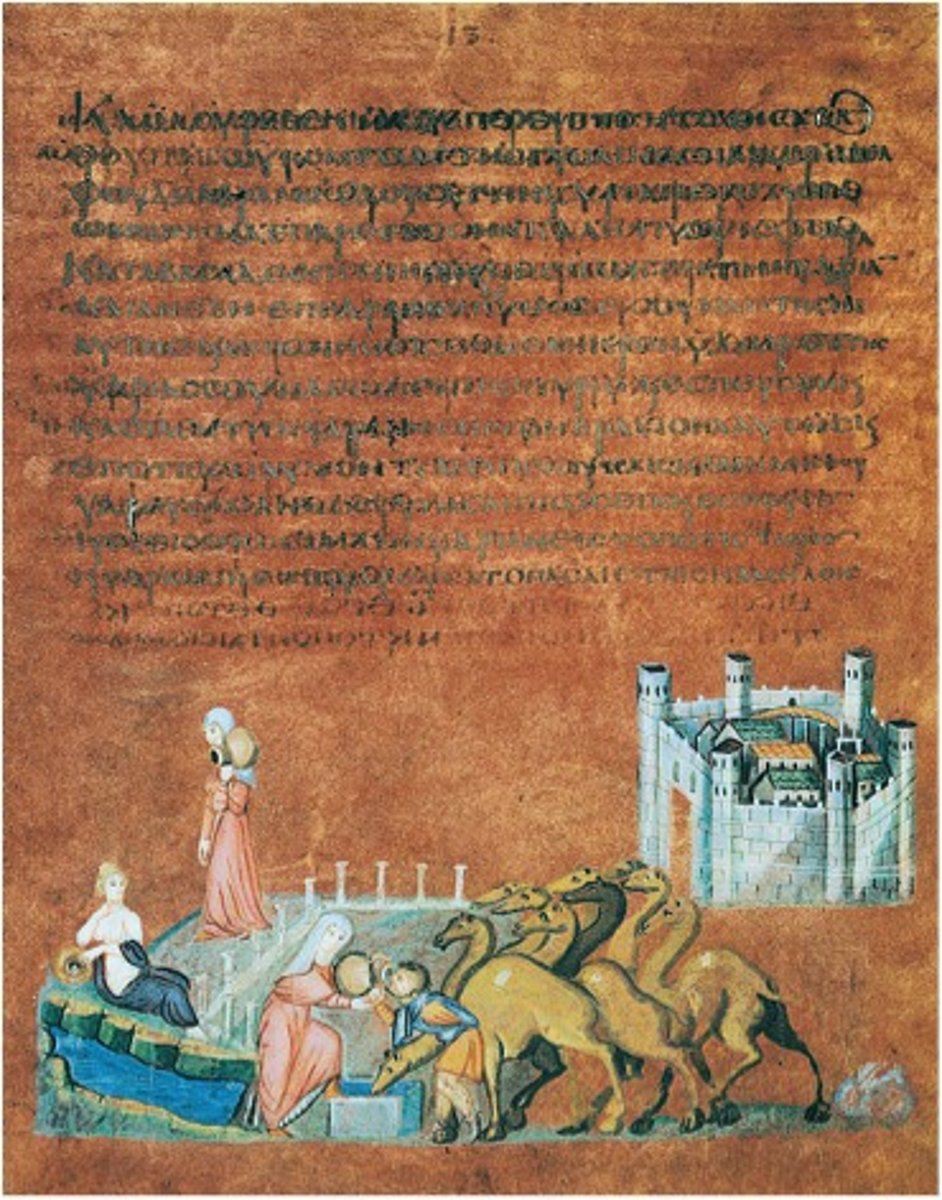
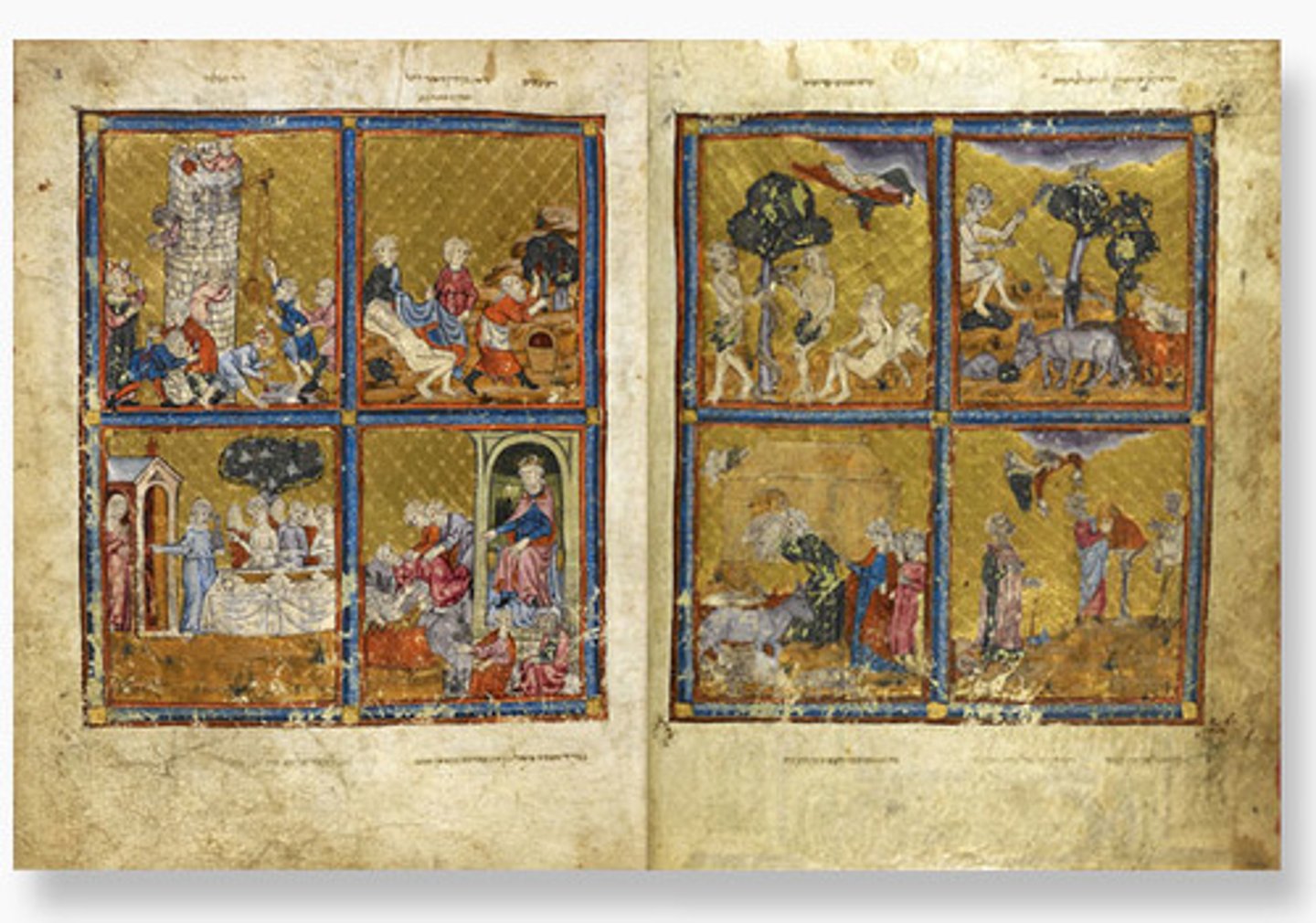
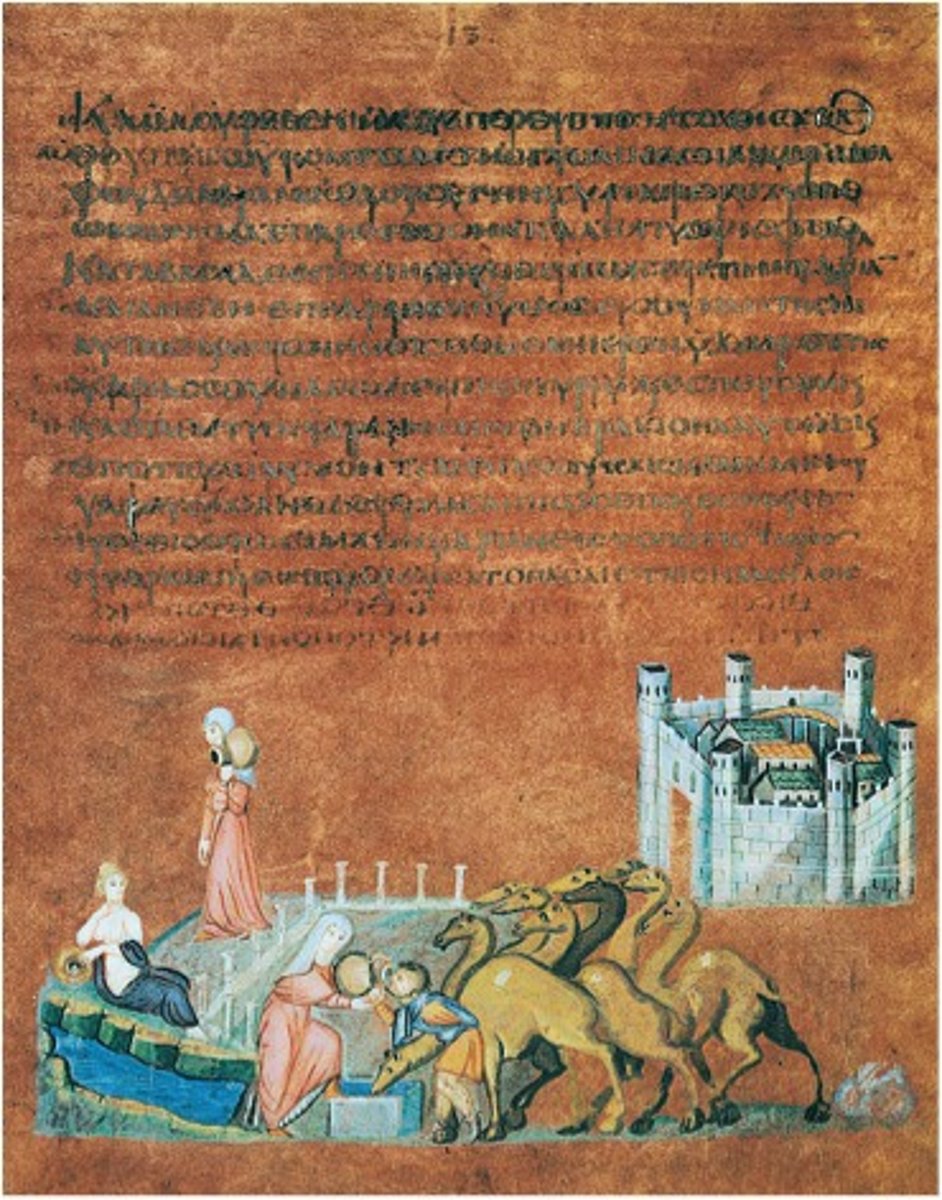
Rebecca and Eliezer at the Well and Jacob Wrestling the Angel, from the Vienna Genesis
Artist: Unknown (Written in Greek)
Period: Early Byzantine Europe
Dates: Early 6th Century C.E.
Culture: MAYBE present day Syria or Israel
Material: Illuminated manuscript, tempera, gold and silver on purple vellum
Vellum/Parchment
A fine animal skin prepared for writing and painting.
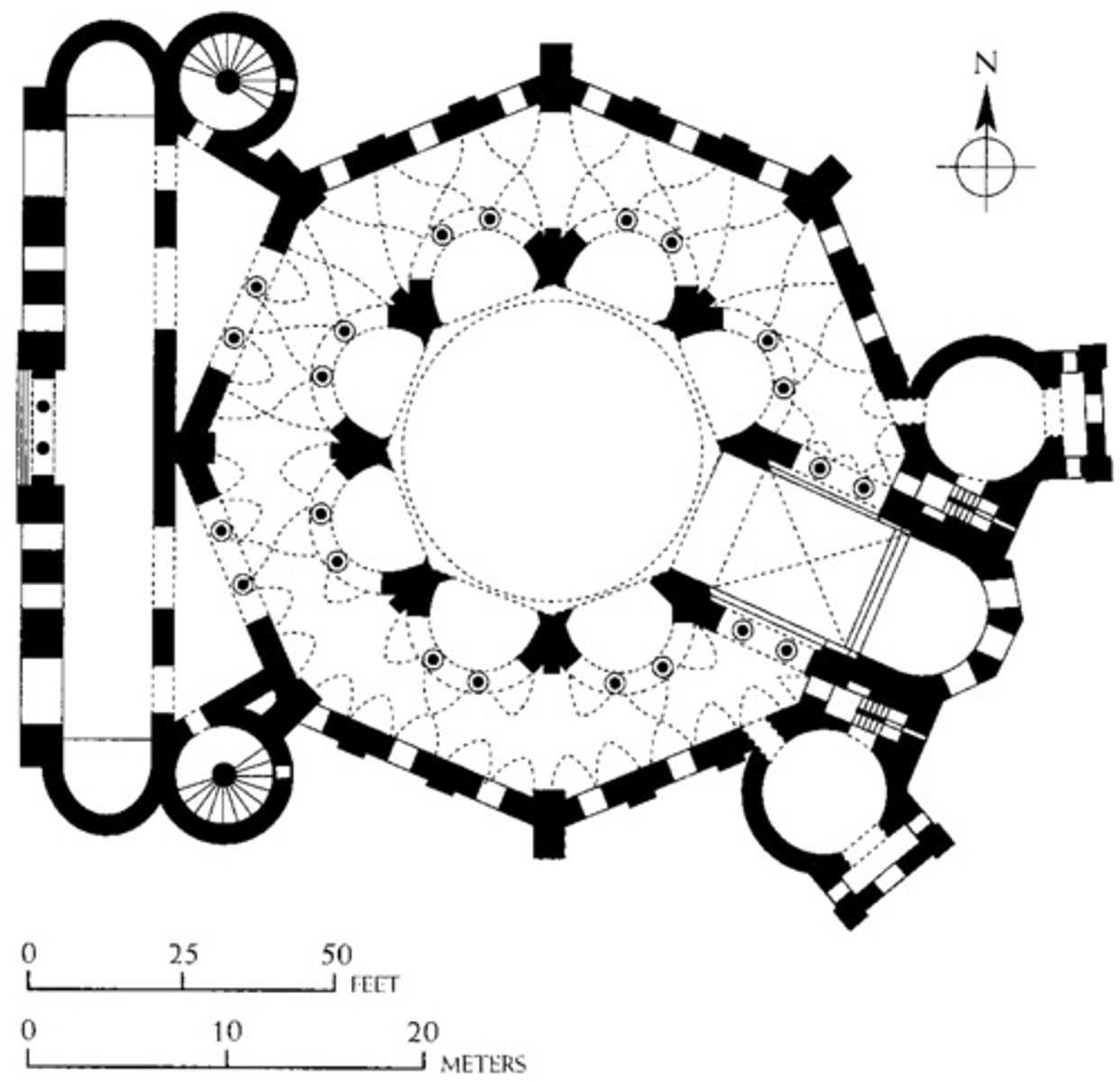
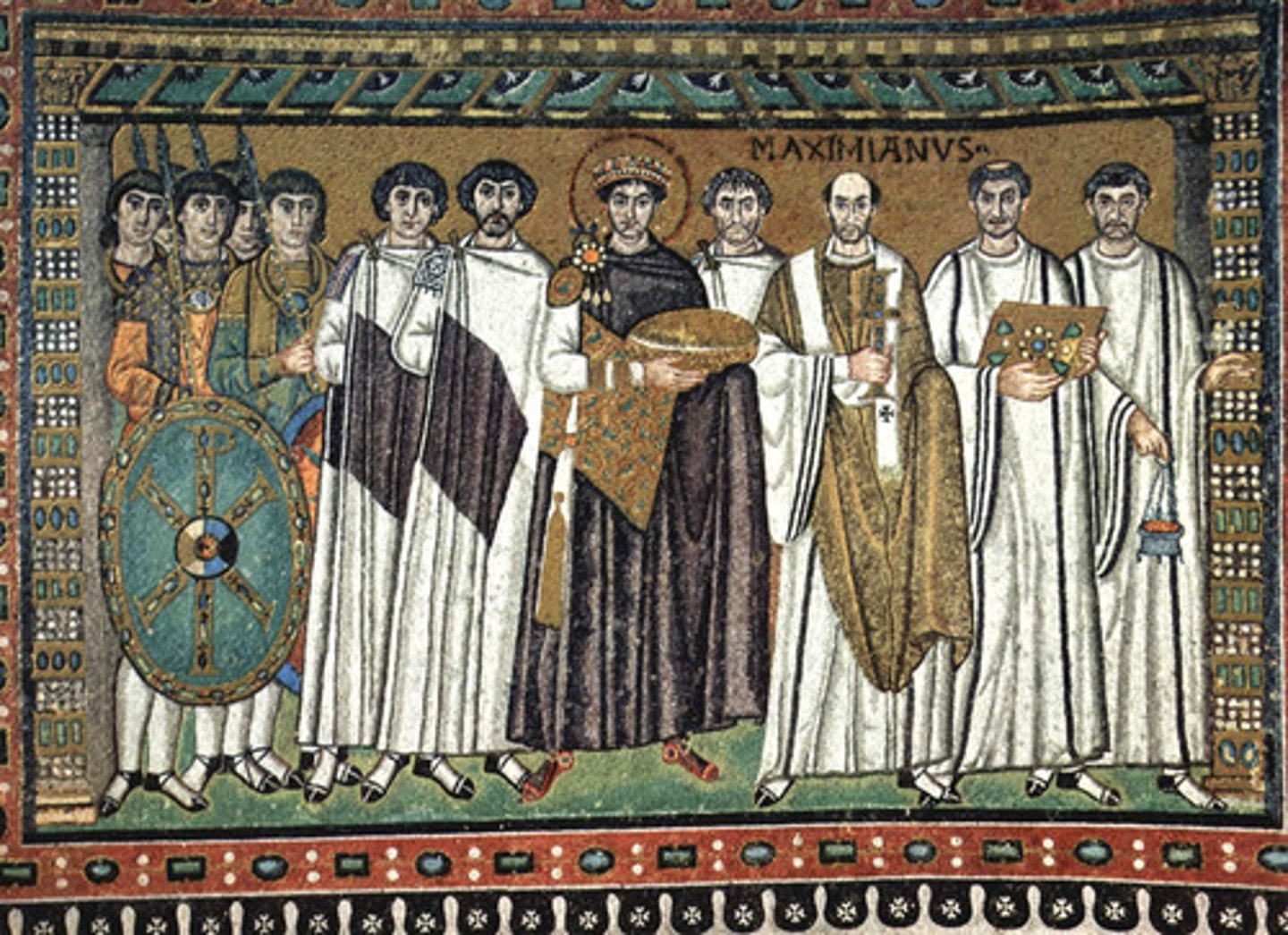
San Vitale
Ravenna, Italy. Early Byzantine Europe. c. 526-547 C.E. Brick, marble, and stone veneer; mosaic.
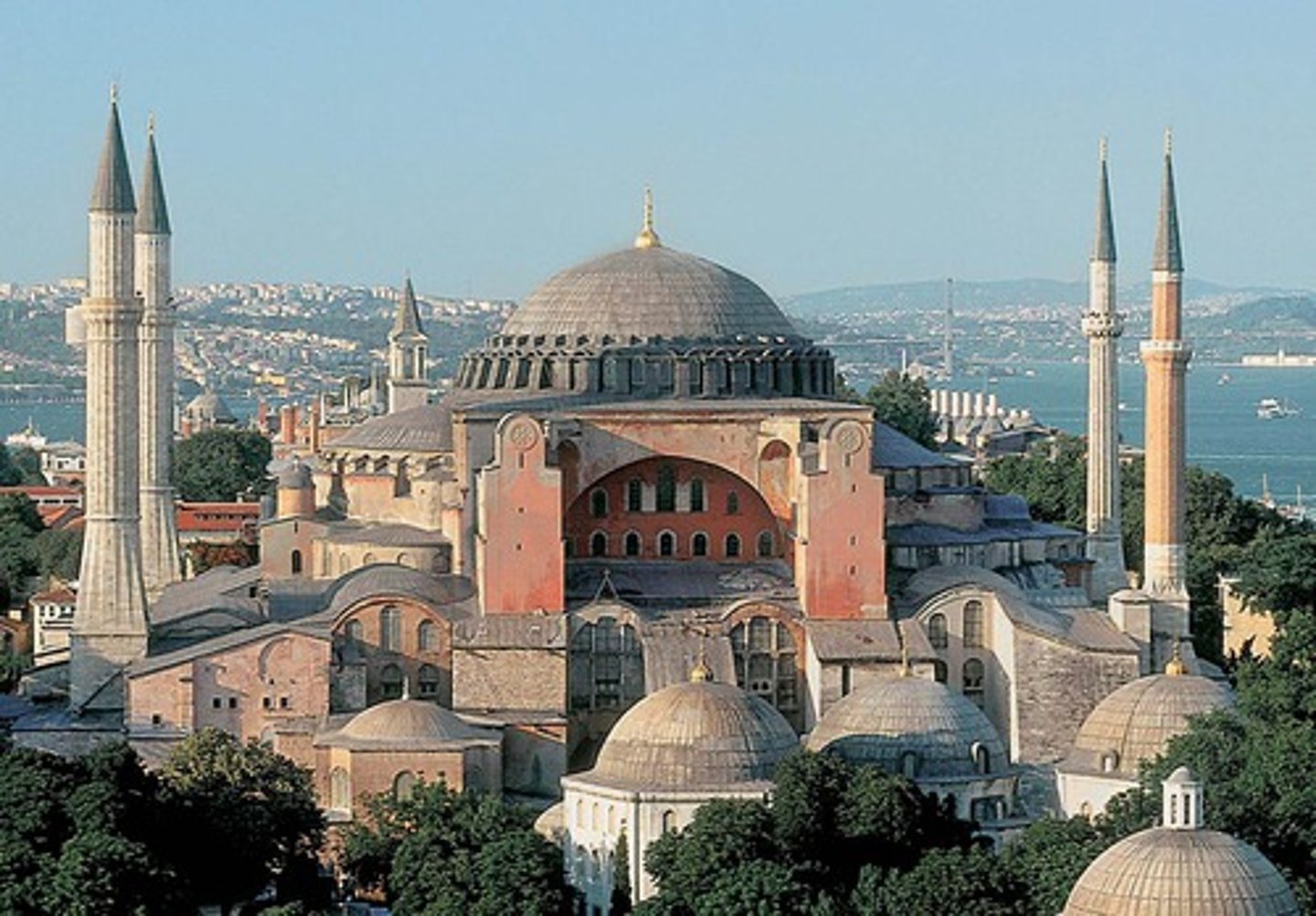
Hagia Sophia
Artist: Anthemius of Tralles & Isidorus of Miletus
Period: Early Byzantine Europe
Dates: 532-537 C.E.
Culture: Constantinople (Istanbul)
Material: Brick and ceramic elements with stone and mosaic veneer
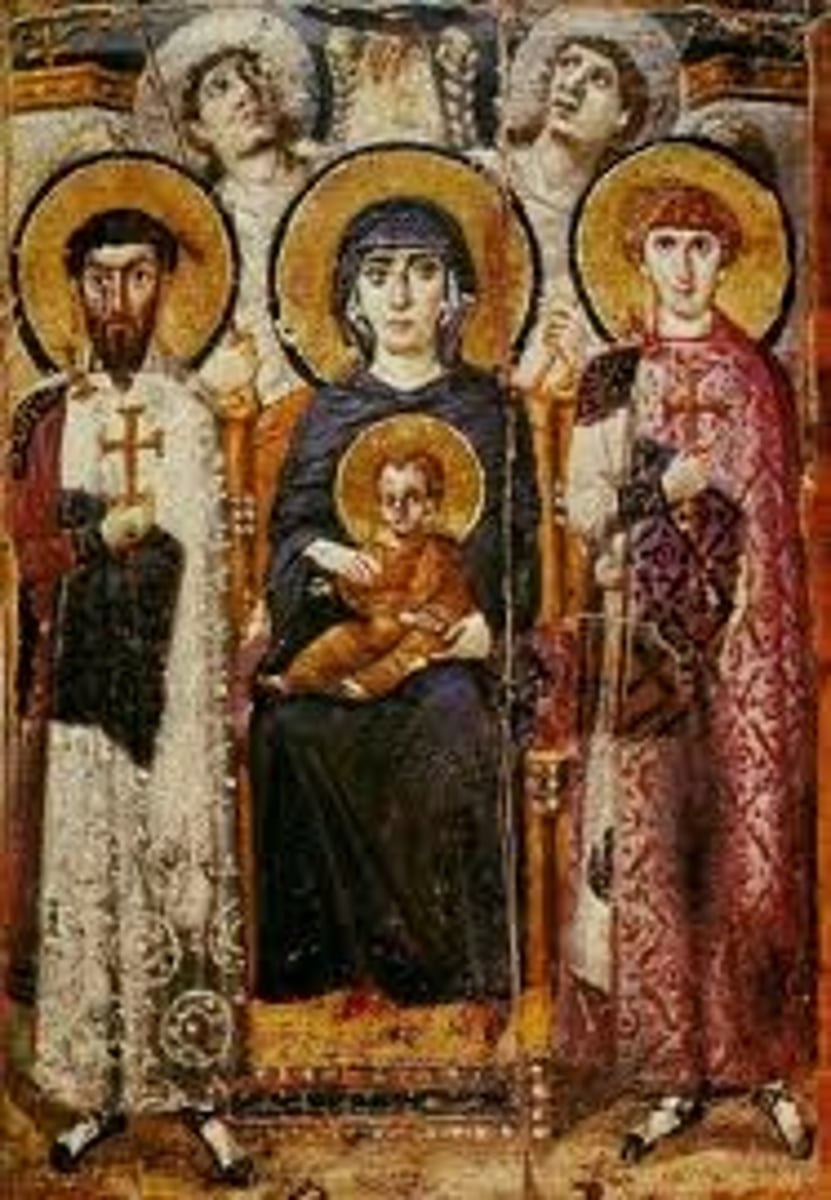
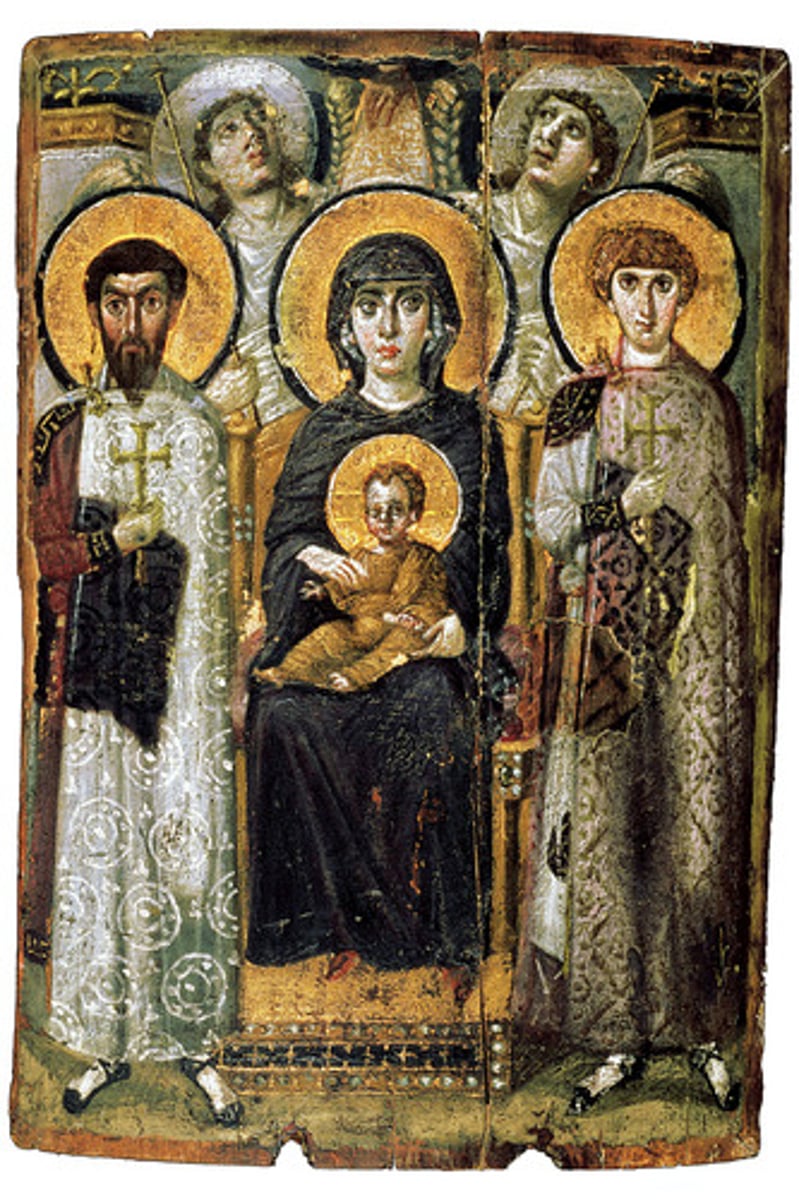
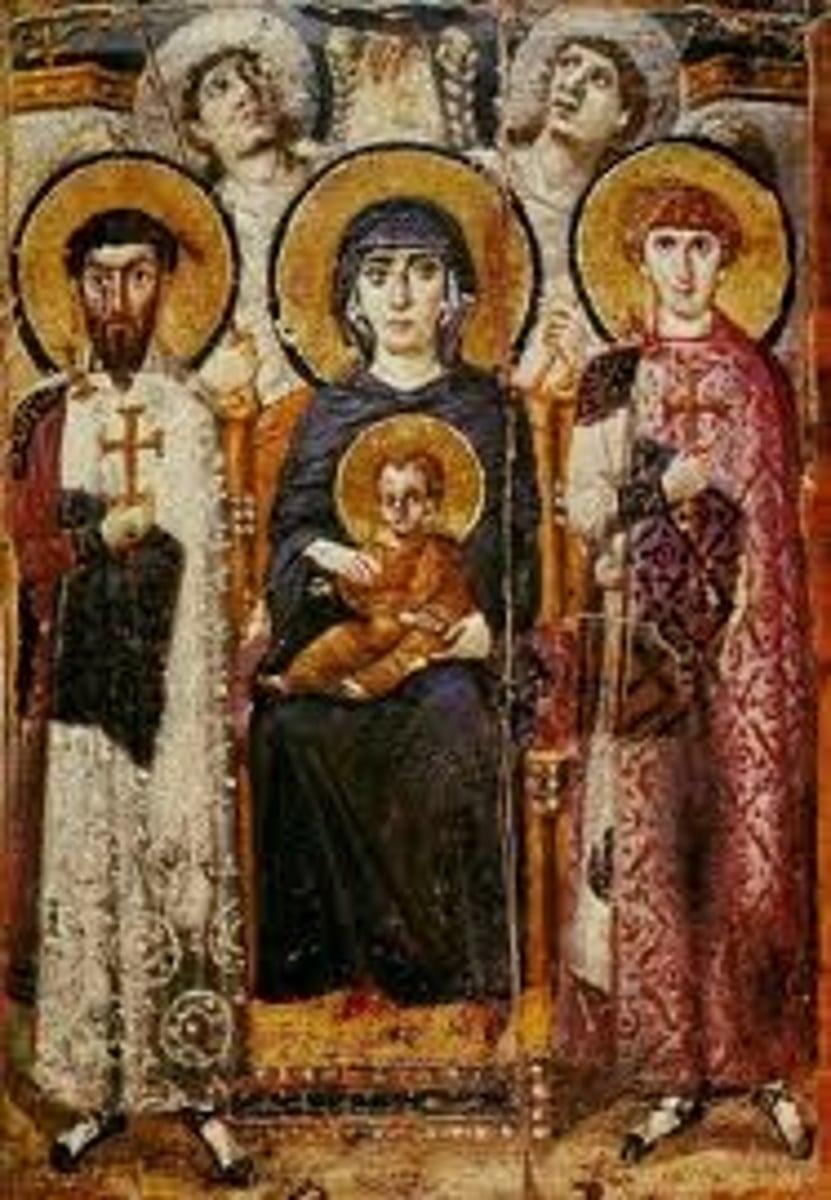
Virgin (Theotokos [God Bearer]) and Child between Saints Theodore and George
Artist: Unknown
Period: Early Byzantine Europe
Dates: 6th or early 7th Century C.E.
Culture: Egypt
Material: Encaustic on wood
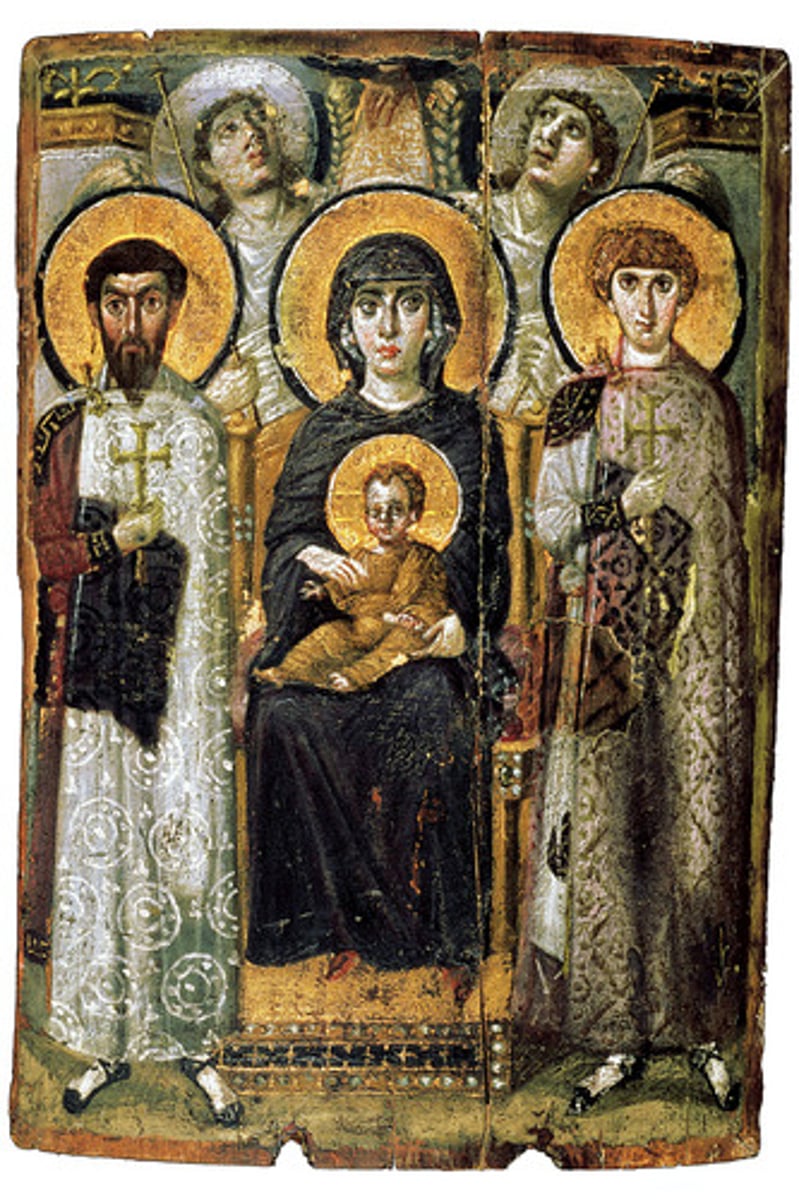
Encaustic Painting
a technique of painting in which pigment is mixed with wax and applied to the surface while hot
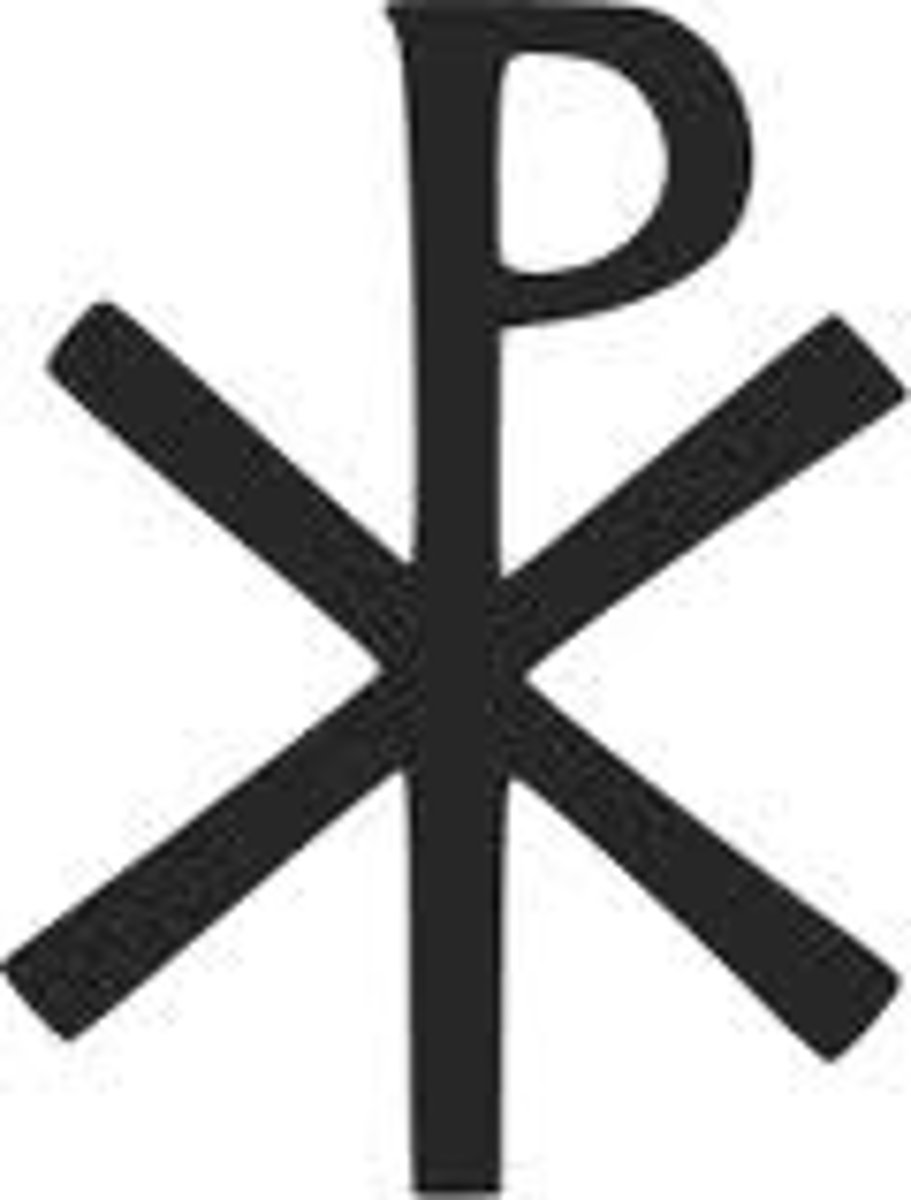
Chi-Rho
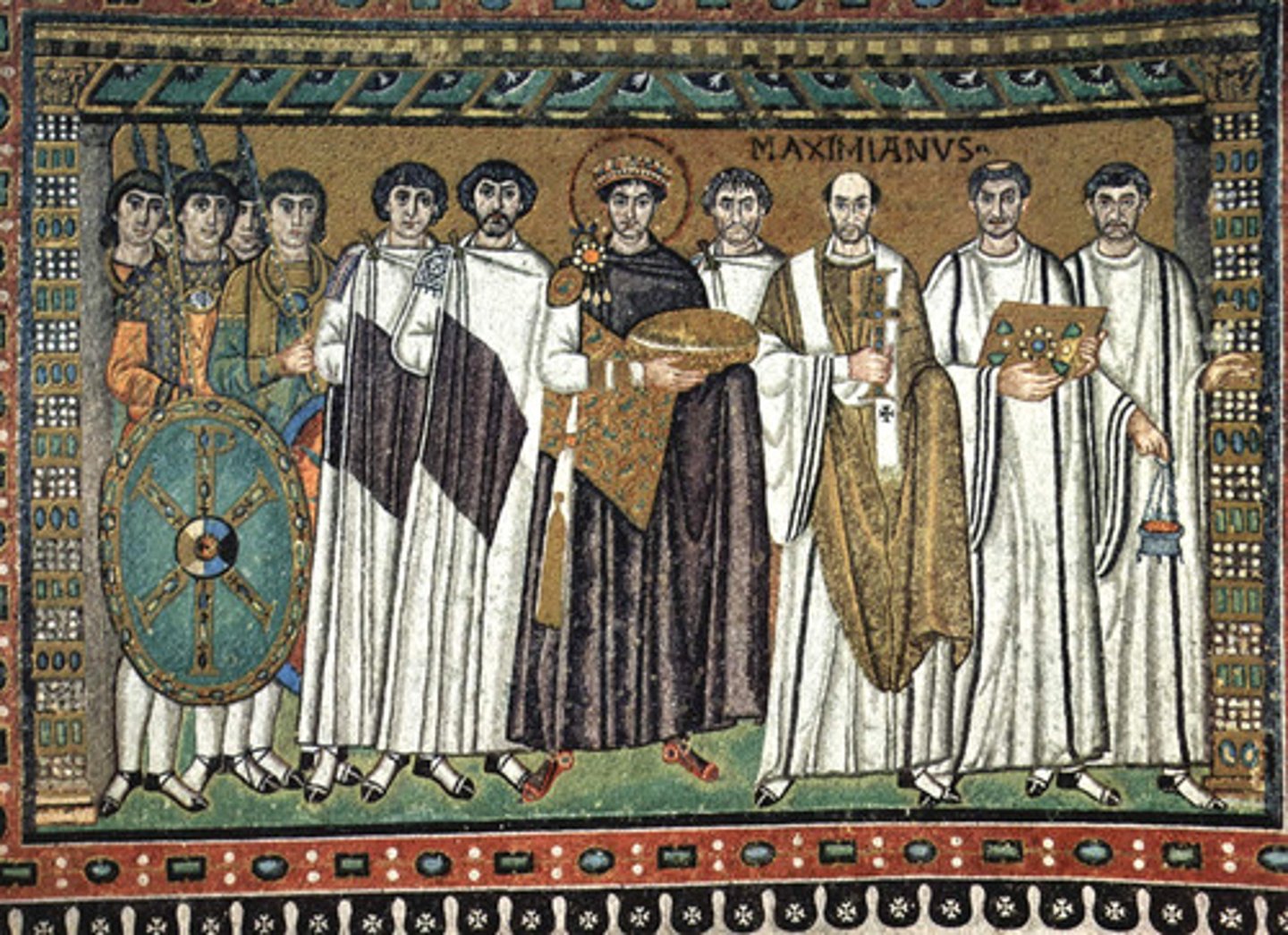
a monogram of chi (Χ) and rho (Ρ) as the first two letters of Greek Khristos Christ, used as a Christian symbol; image is part of the Justinian mosaic in San Vitale
icon
(n.) a representation or image of a sacred personage, often considered sacred itself
iconoclasm/iconoclast
the social belief in the importance of the destruction of icons and other images or monuments, most frequently for religious or political reasons
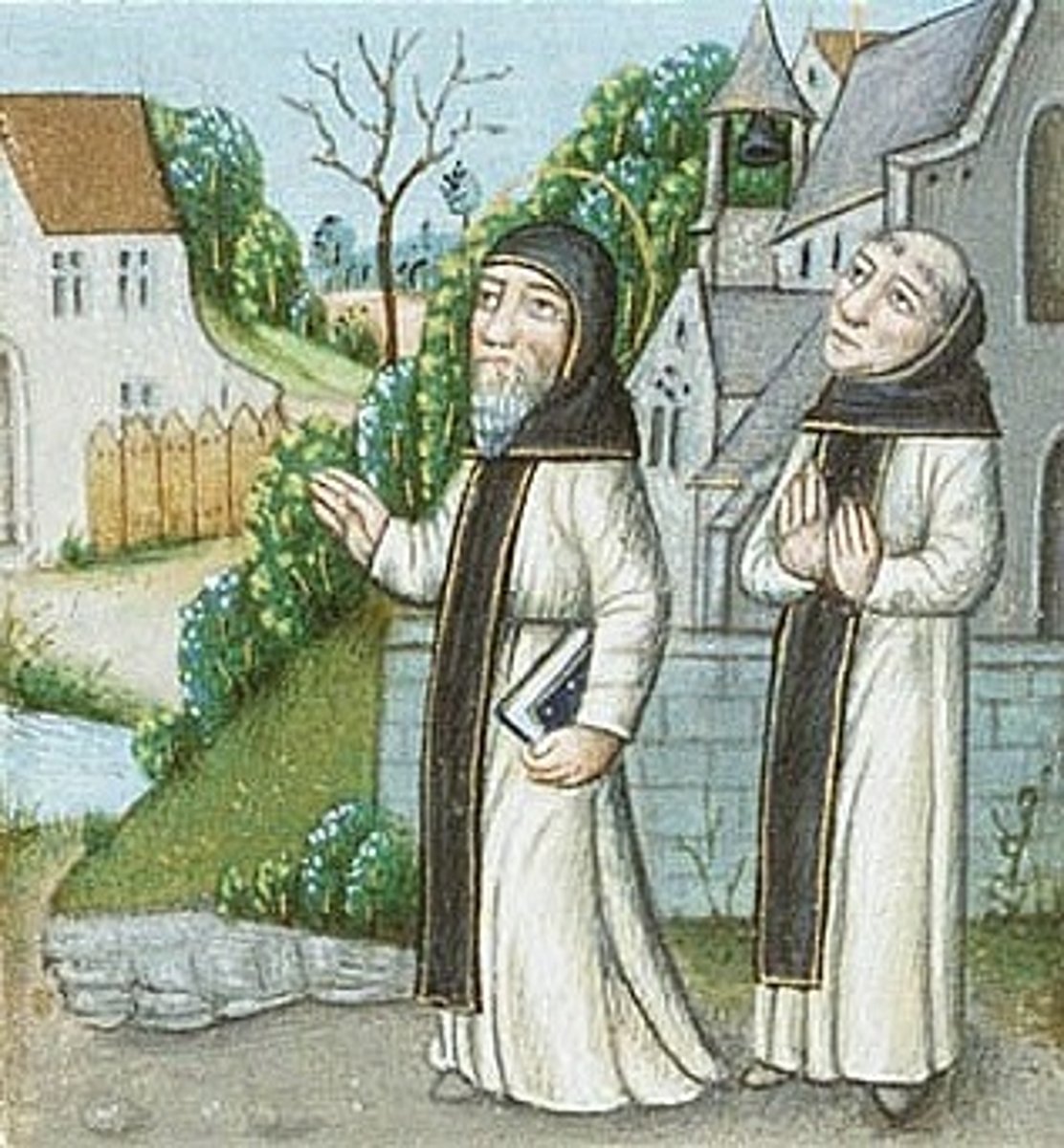
monastery
a building or buildings occupied by a community of monks living under religious vows.
Nika Revolt
a popular uprising crushed by Justinian early in his reign; the turning point of Justinian's reign
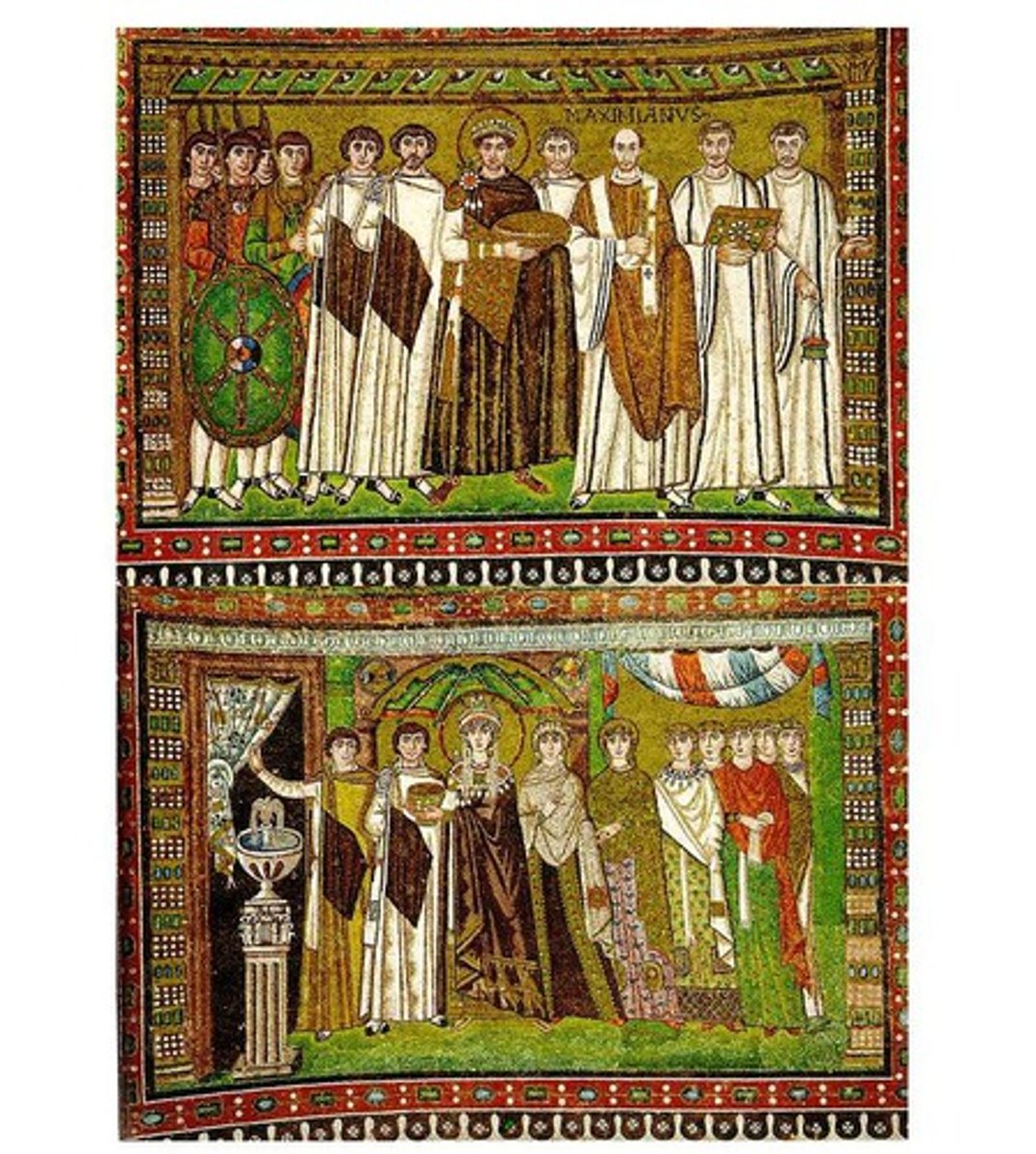
Justinian and Theodora
Ruler of Byzantine Empire (527-565) and his wife, known for Golden Age achievements in Constantinople and the expansion of the empire
Nimbus (halo)
a radiant circle or disk surrounding the head of a holy person
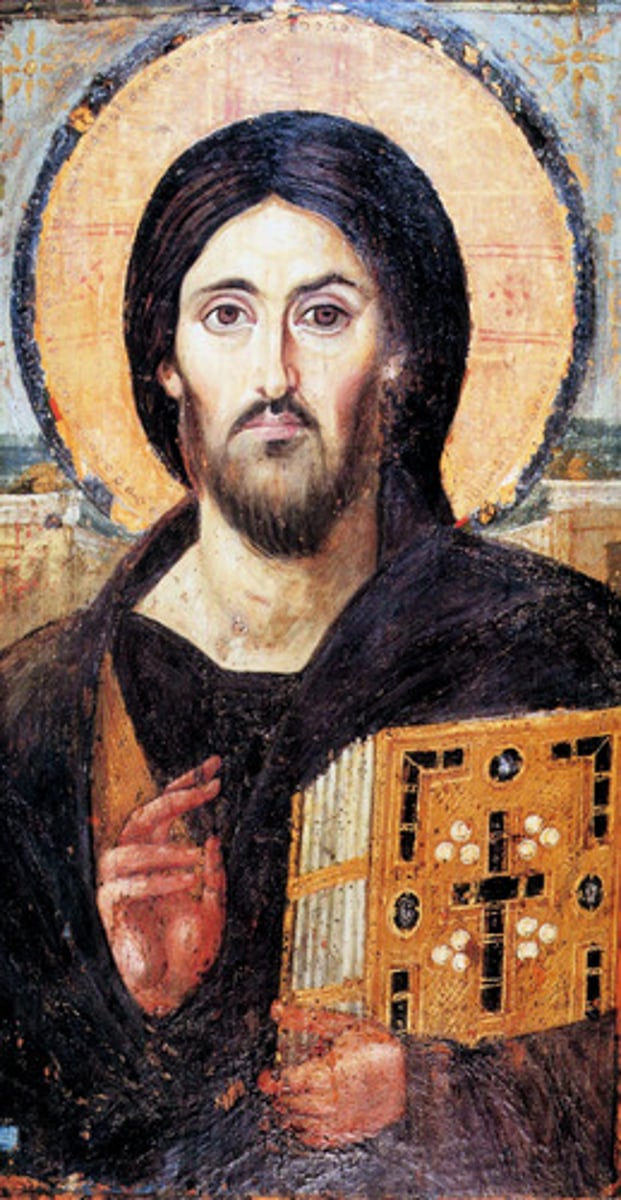
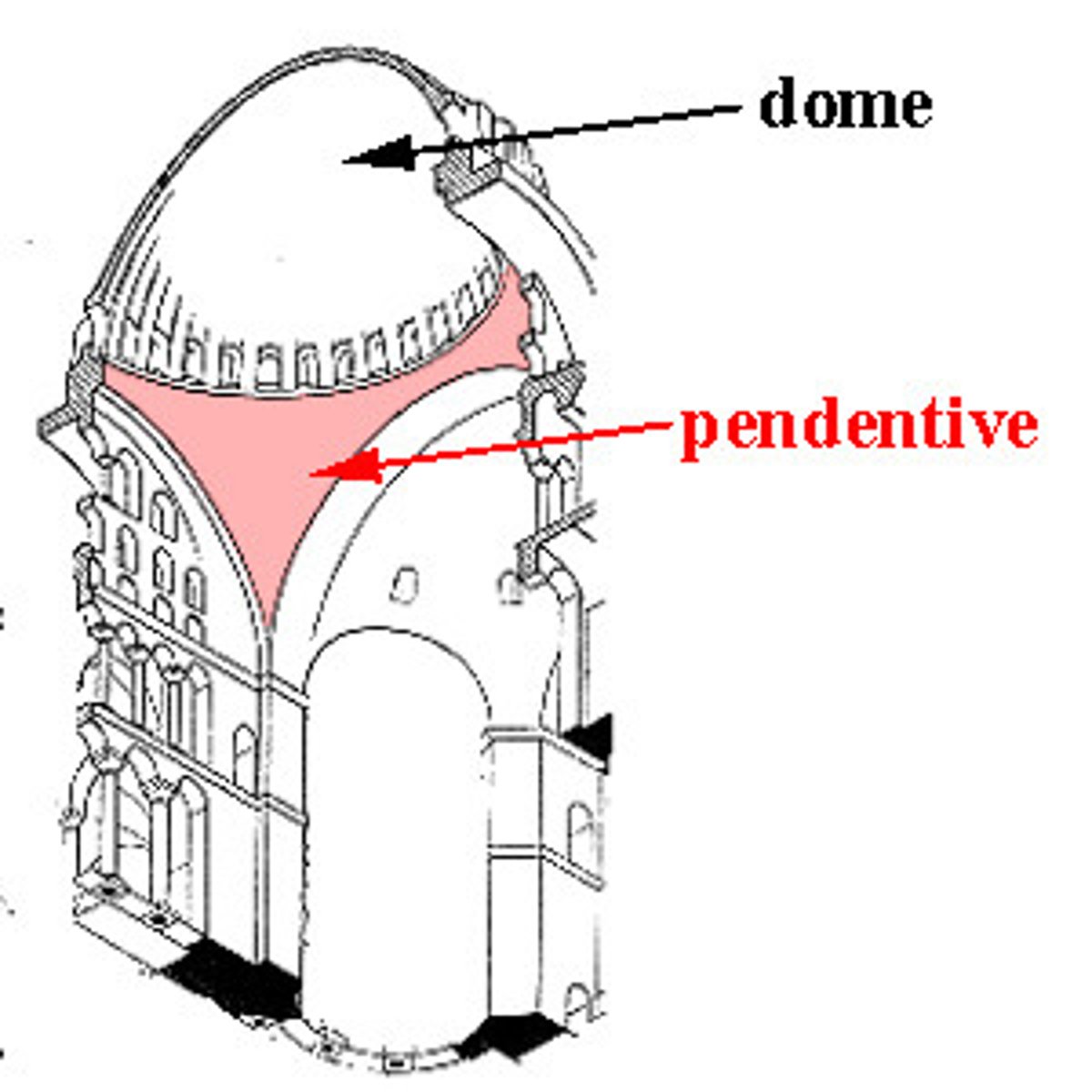
Pendentives/squinches
a curved triangle of vaulting formed by the intersection of a dome with its supporting arches.
Anthemius of Tralles and Isidorus of Miletus
the architects who built Hagia Sophia in Constantinople