CHM2045L Final Exam UF
 Call Kai
 Learn
Learn Practice Test
 Spaced Repetition
 Match
Match Flashcards
 Knowt Play
1/30

There's no tags or description
Looks like no tags are added yet.
Name | Mastery | Learn | Test | Matching | Spaced | Call with Kai |
|---|
No analytics yet
Send a link to your students to track their progress
31 Terms
Flammable materials, like alcohol, should never be dispensed or used near
an open flame
If a laboratory fire erupts, immediately
notify your instructor
Approved eye protection devices (such as goggles) are worn in the laboratory
at all times
If you wear contact lenses in the school laboratory
take them out before starting the lab and wear glasses under lab goggles
If you do not understand a direction or part of a lab procedure, you should
ask the TA before proceeding
After completing an experiment, all chemical wastes should be
disposed of according to your TA's directions
If a lab experiment is not completed, you should
discuss the issue with your instructor/TA
You are heating a substance in a test tube. Always point the open end of the tube
away from all people
You are heating a piece of glass and now want to pick it up. You should
use tongs
You have been injured in the laboratory (cut, burn,etc.). First you should
notify your TA/instructor immediately
When gathering glassware and equipment for an experiment, you should
all of the above
(examine all glassware for chips or cracks;
clean any glassware that appears dirty;
read all directions carefully to know what equipment is necessary)
Personal eyeglasses provide as much protection as
none of the above (face shield; safety glasses; splashproof chemical goggles)
Long hair in the laboratory must be
tied back or kept securely out of the way with a hair band, hairpins, or other device
In a laboratory, the following should not be worn
all of the above
(sandals; dangling jewelry; leggings)
The following footwear is best in the laboratory.
closed-toed shoes
Horseplay or practical jokes in the laboratory are
always against the rules
If a piece of equipment is not working properly, stop, turn it off, and tell
your TA/lab staff
If an acid is splashed on your skin, wash at once with
plenty of water
When you finish working with chemicals, biological specimens, and other lab substances, always
wash your hands thoroughly with soap and water
When working in a lab it is important to orient yourself and identify locations of a fire blanket, fire extinguisher, the exits, eyewash stations, emergency showers, fire alarms, and waste containers
True
Carcinogen
Mutagenicity
Reproductive Toxicity
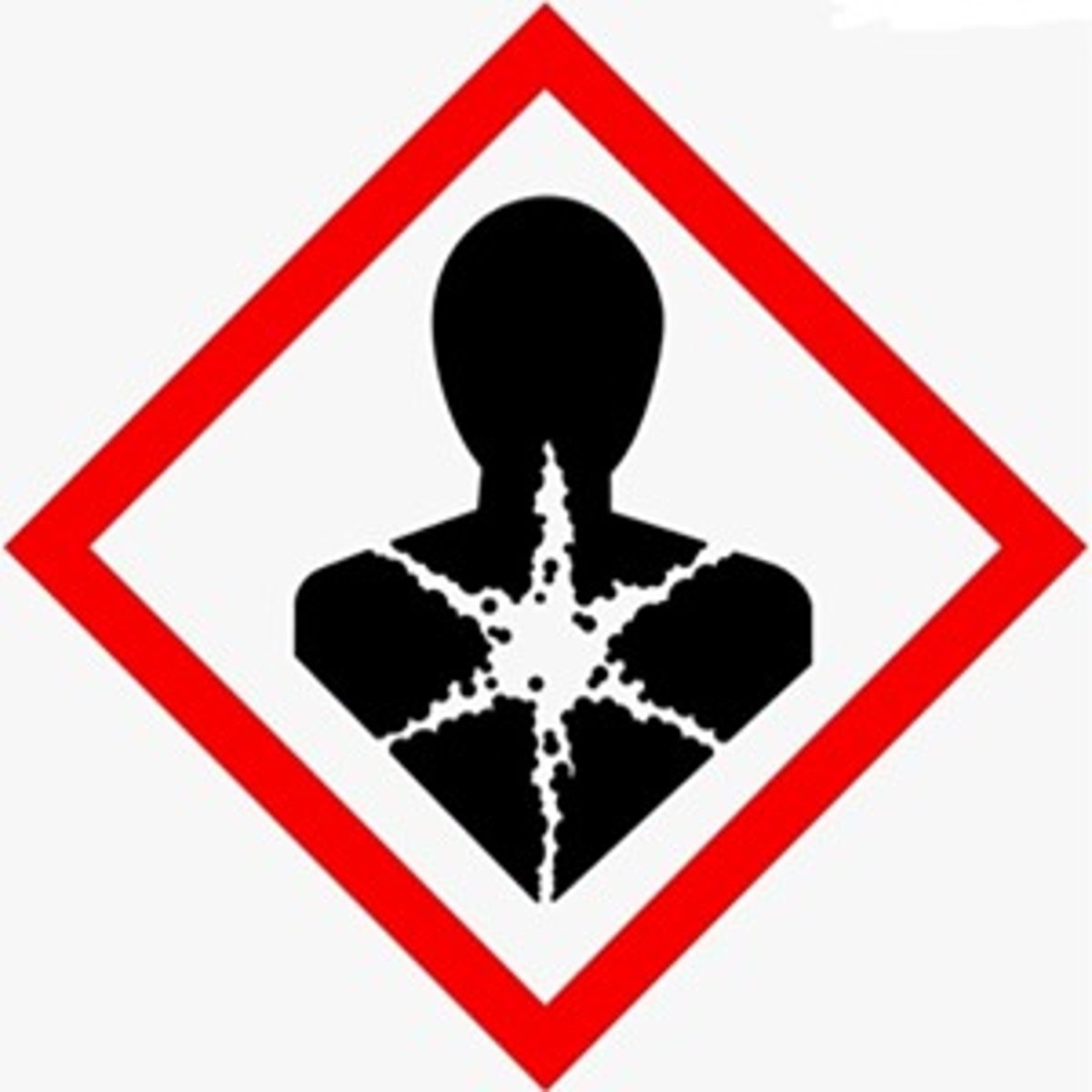
Flammables
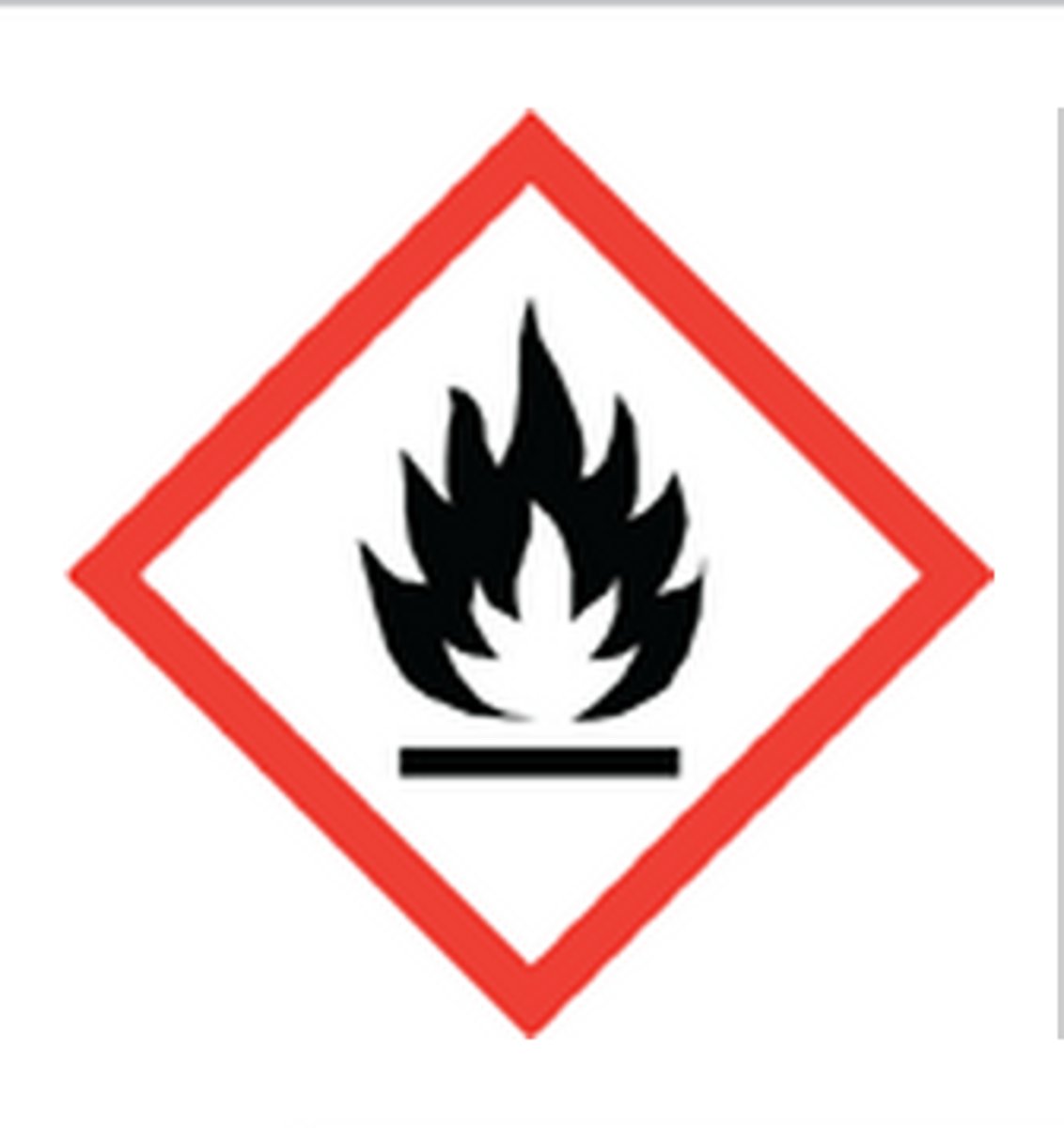
Skin and Eye Irritant
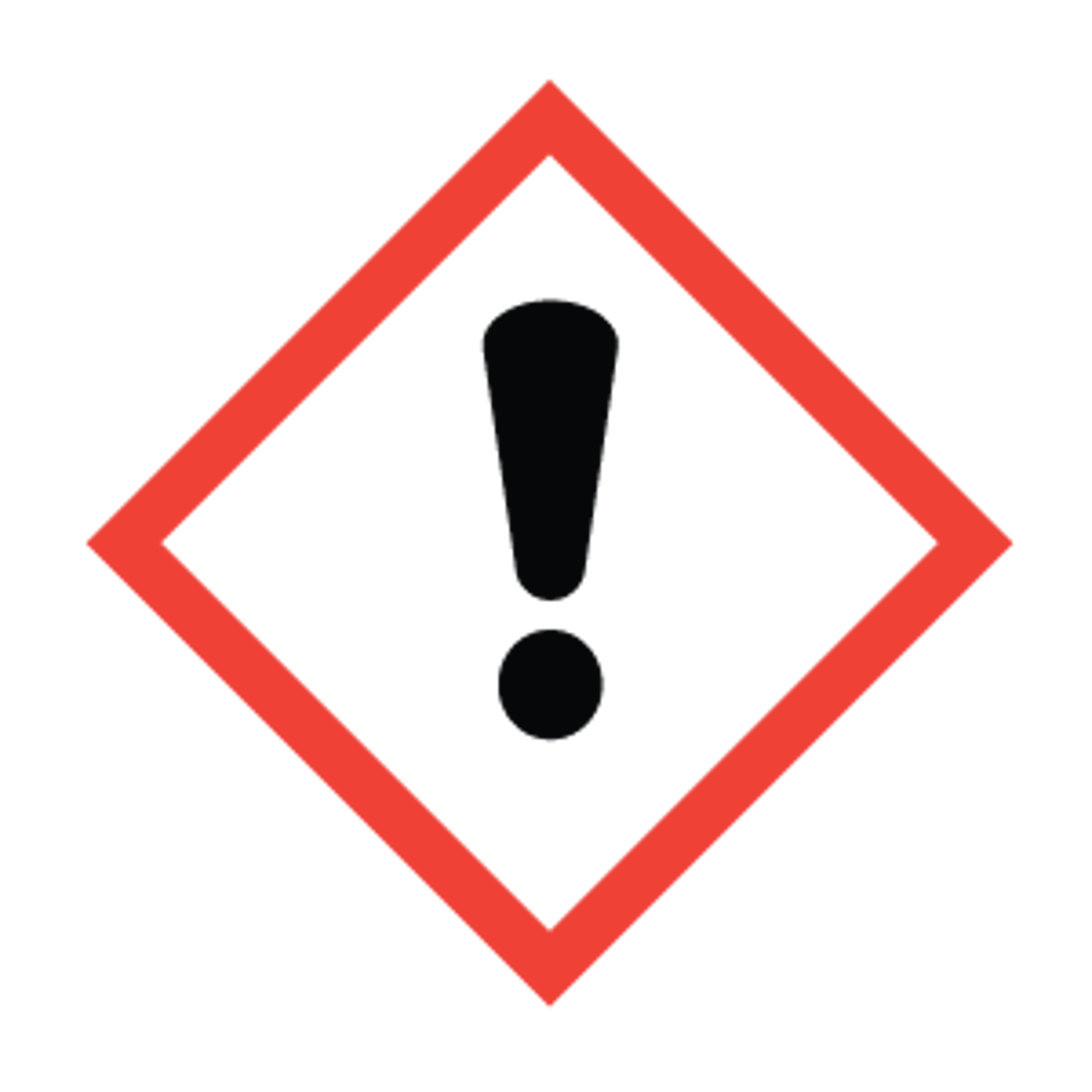
Gas Under Pressure
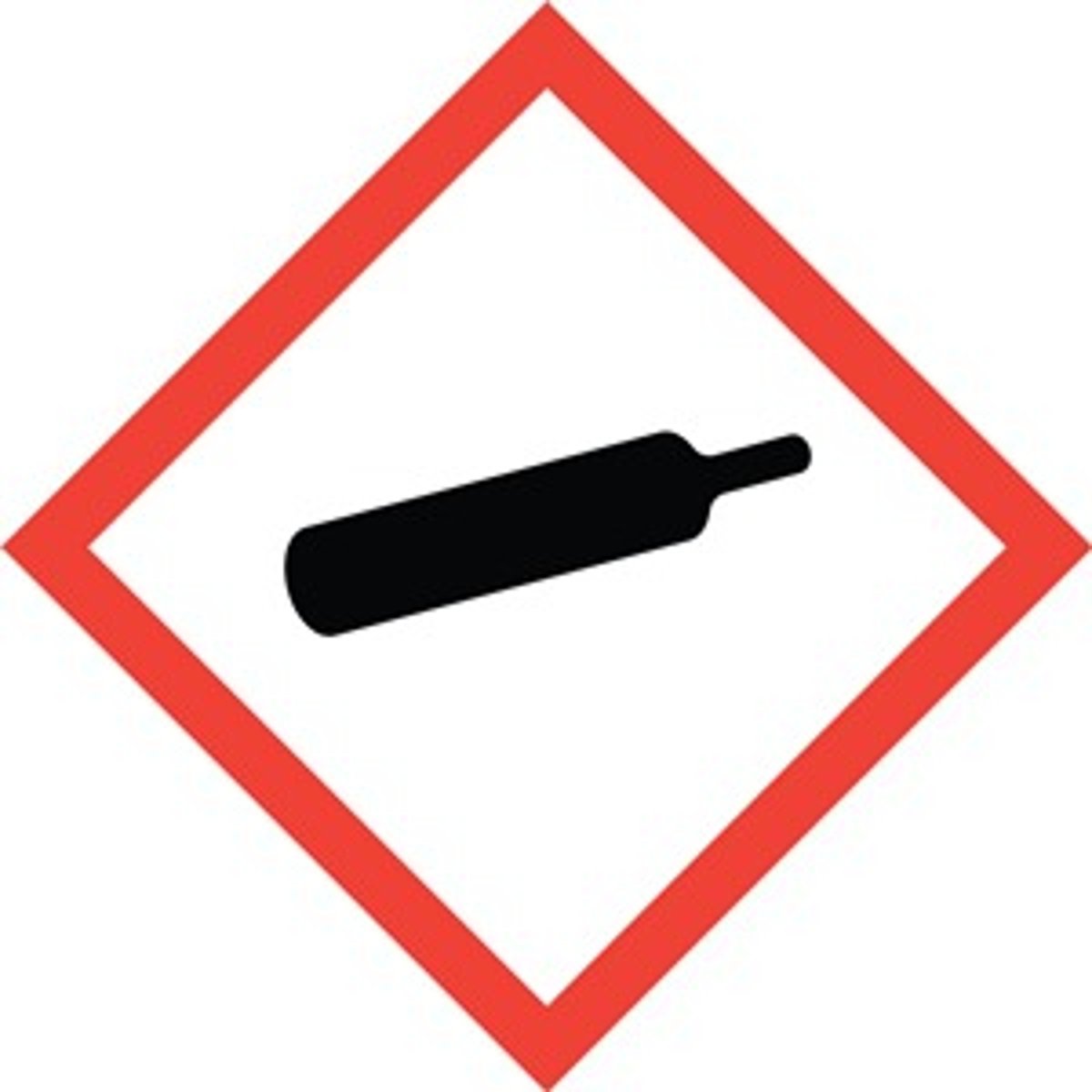
Corrosion
Eye Damage
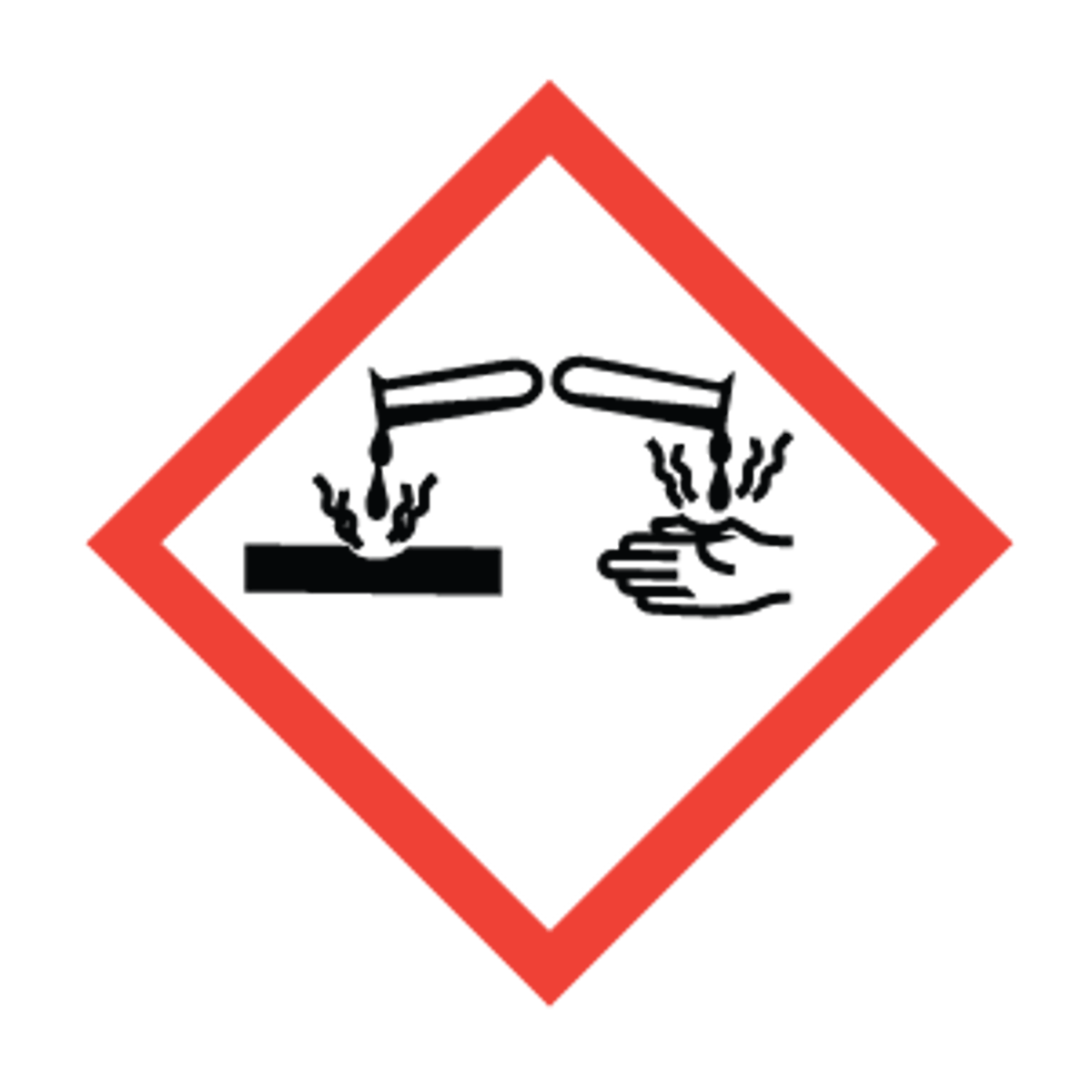
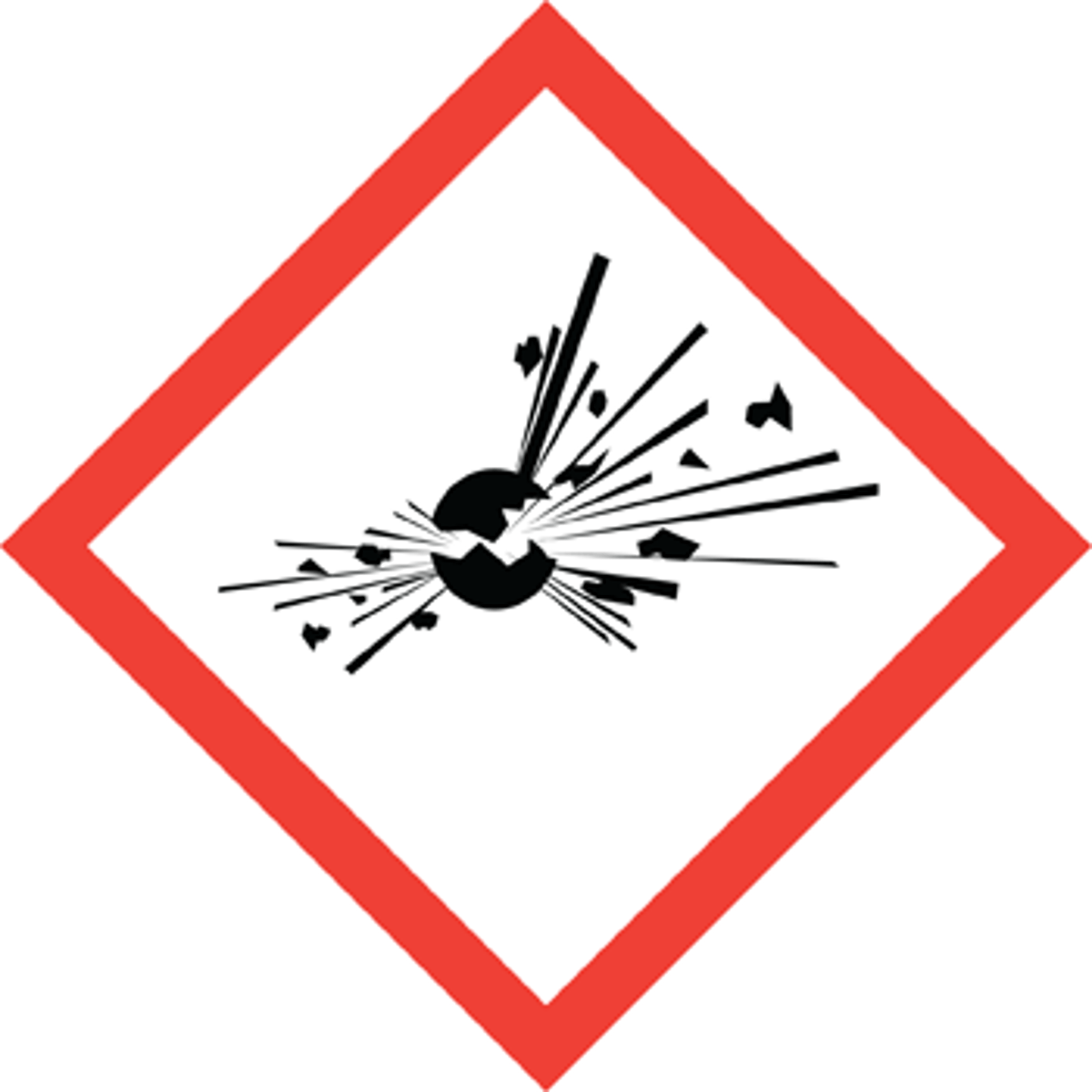
Explosives
Self-Reactives
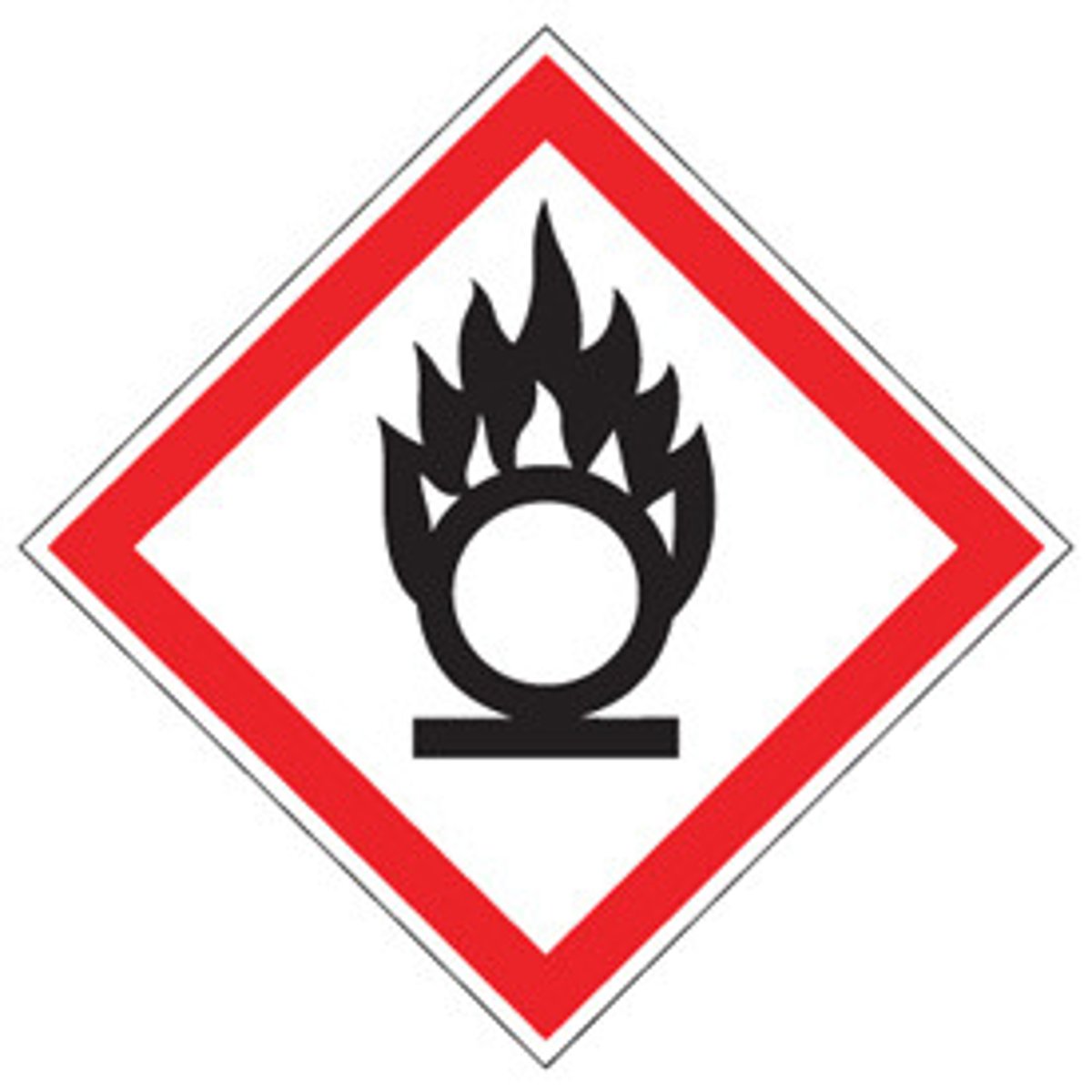
Oxidizers
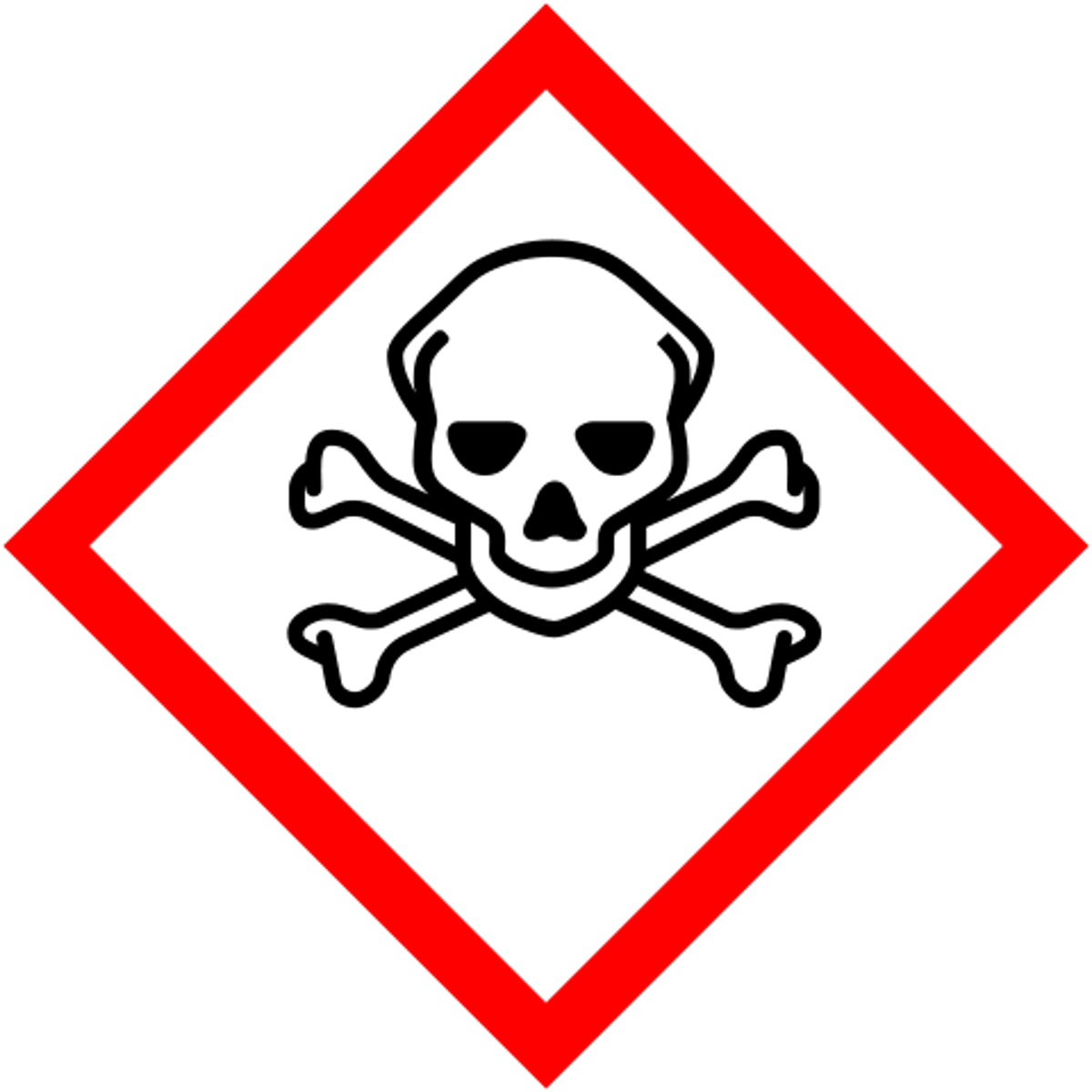
Acute toxicity (fatal or toxic)
How long should you rinse your eyes in the eyewash station?
15 minutes
Accuracy vs Precision
Accuracy: how close experimental value is to accepted valuePrecision: how closely measured values agree with each other
Percent Error Formula
|measured value - accepted| / accepted value x100