AP Biology Unit 3 A: Energy, Metabolism & Enzymes
 Call Kai
 Learn
Learn Practice Test
 Spaced Repetition
 Match
Match Flashcards
 Knowt Play
1/29

There's no tags or description
Looks like no tags are added yet.
Name | Mastery | Learn | Test | Matching | Spaced | Call with Kai |
|---|
No analytics yet
Send a link to your students to track their progress
30 Terms
Energy
the capacity to do work
Enzymes
proteins that act as biological catalysts
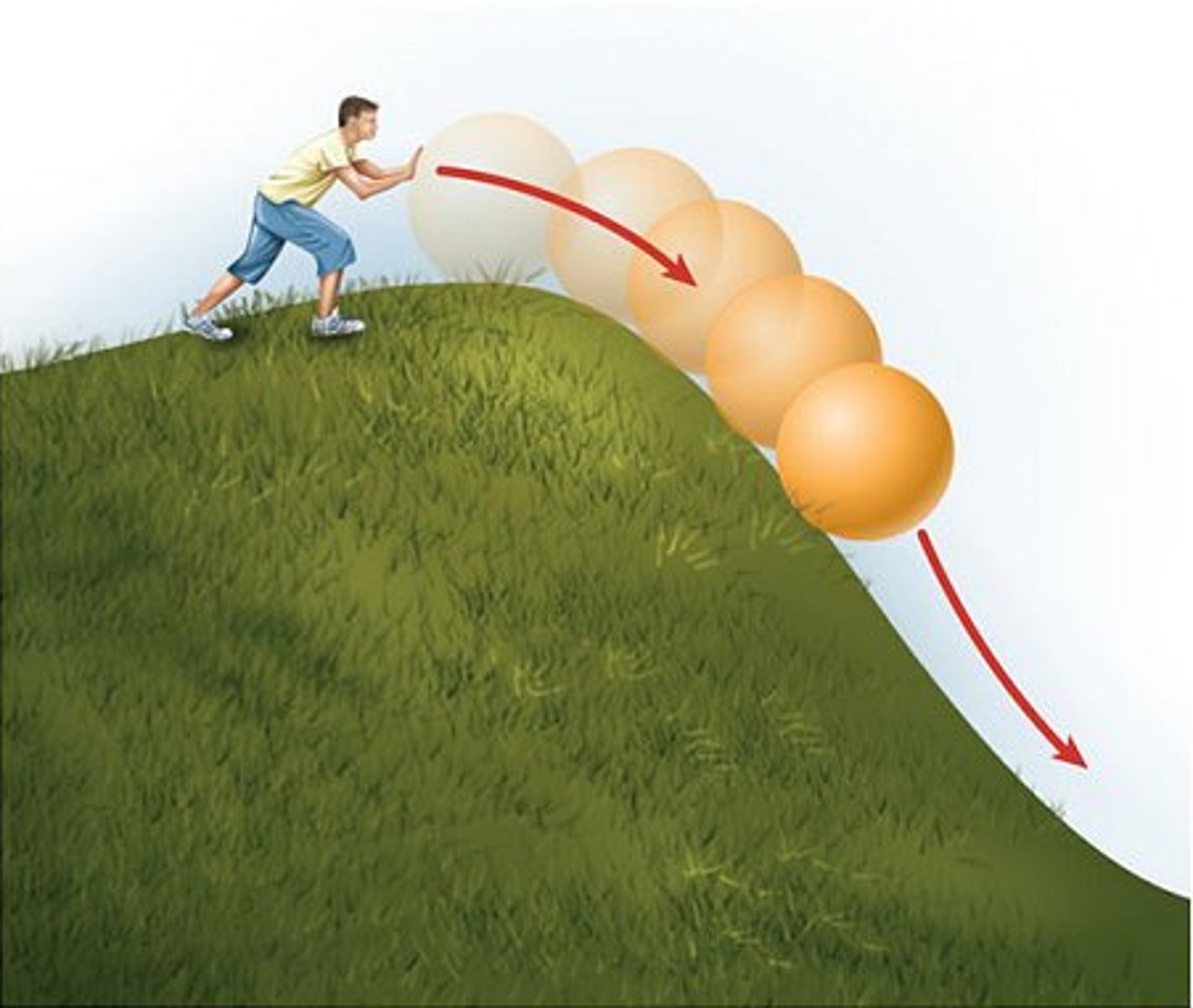
potential energy
stored energy that results from the position or shape of an object

chemical energy
A form of potential energy that is stored in chemical bonds between atoms.

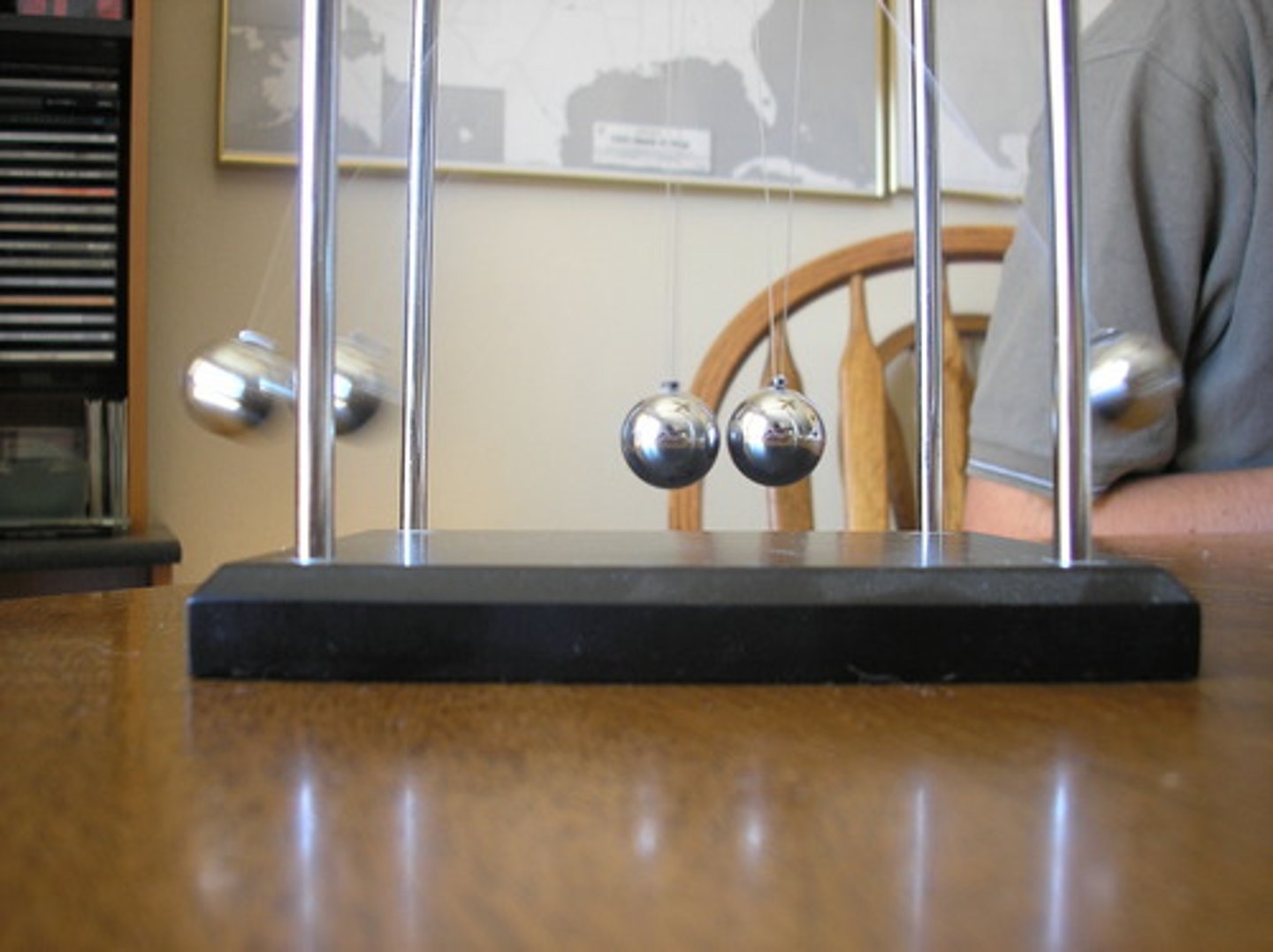
kinetic energy
the energy an object has due to its motion
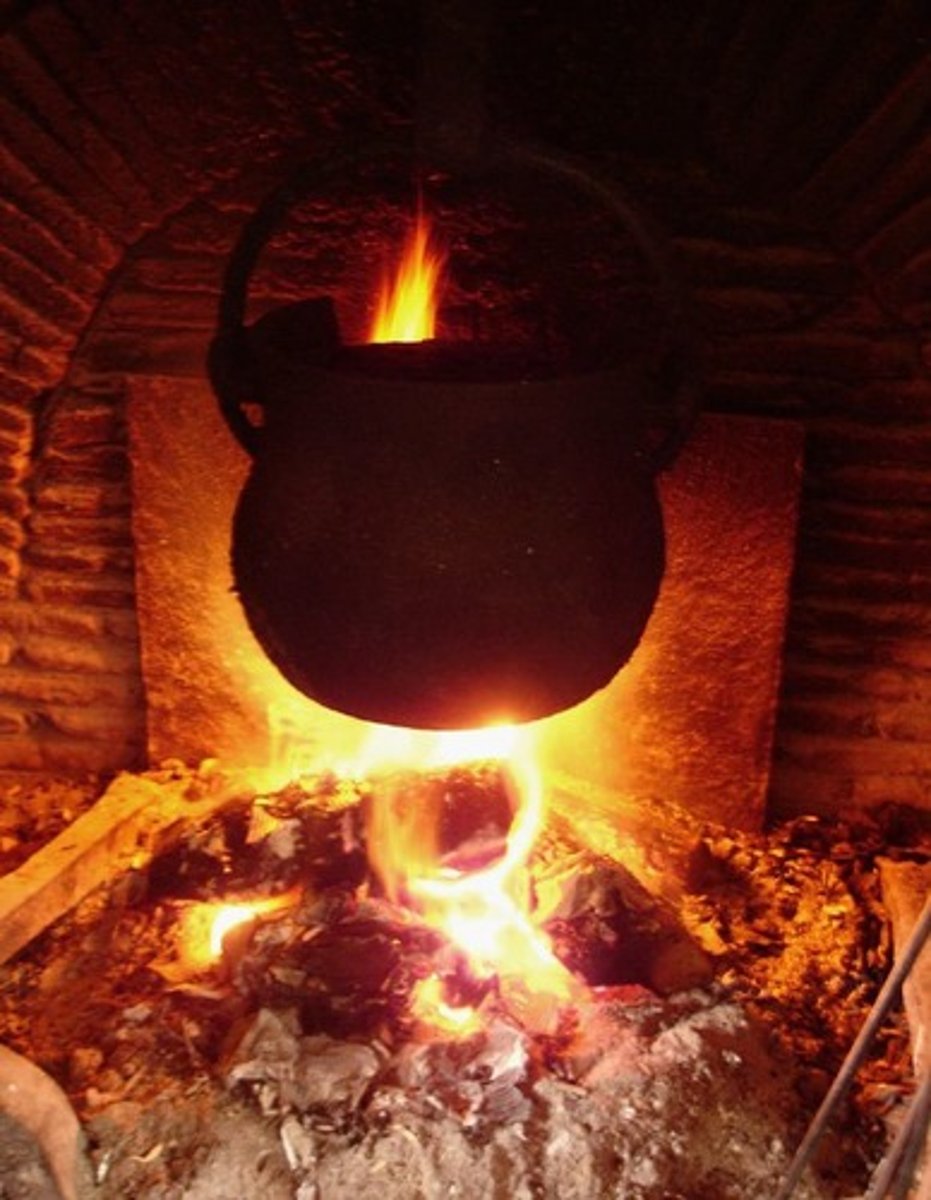
thermal energy
The total energy of motion in the particles of a substance
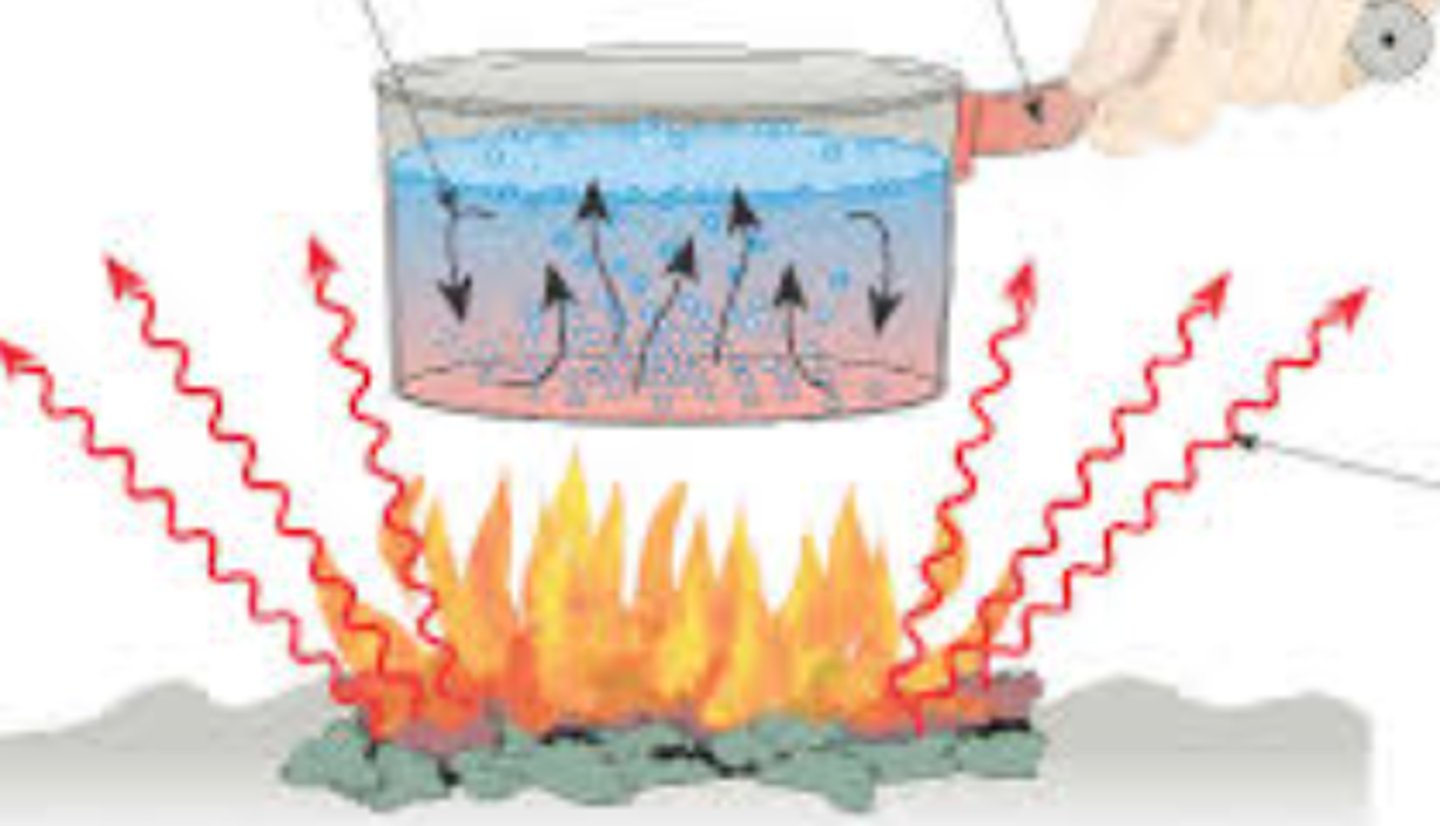
heat
thermal energy in transfer from one body of matter to another
light
a form of energy that travels in waves and can move through empty space where there is no air

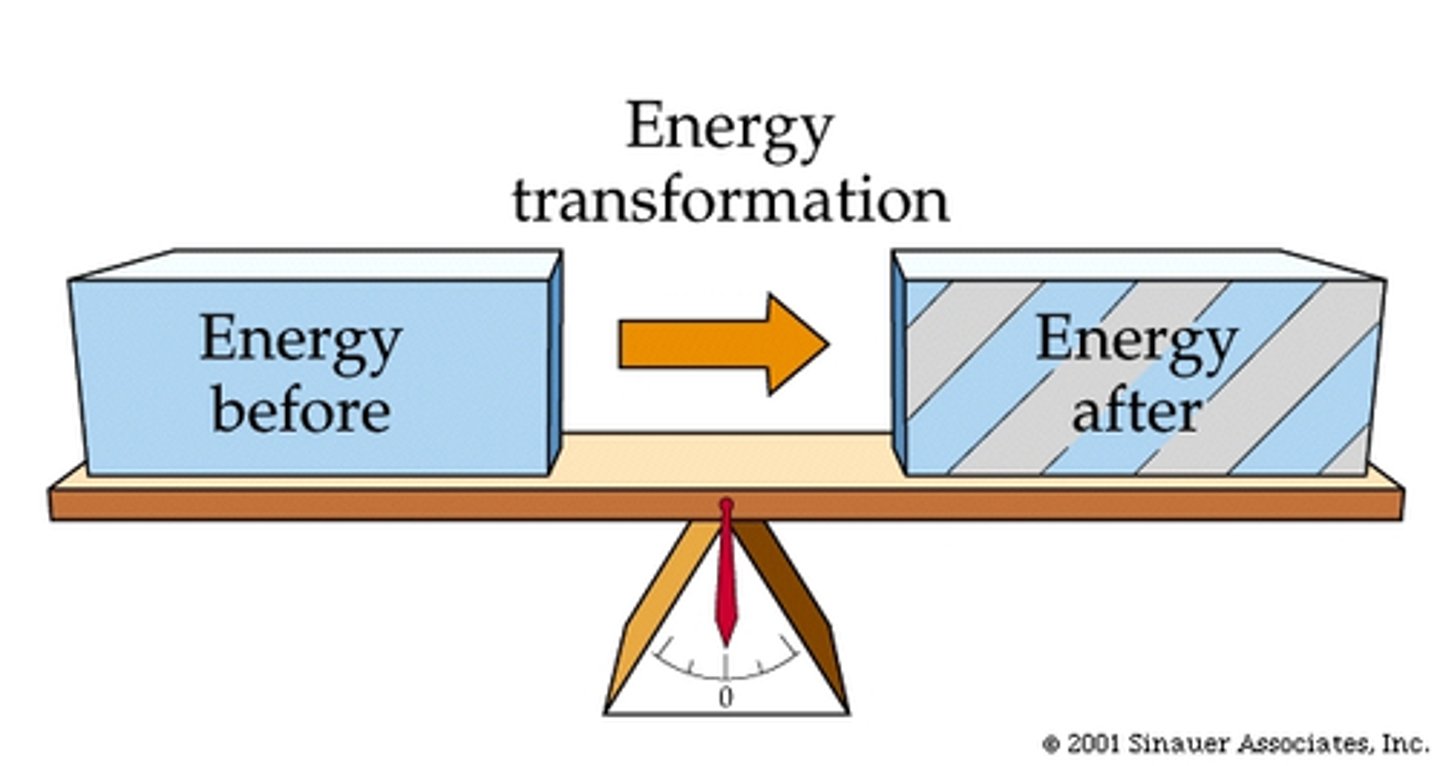
first law of thermodynamics
Energy can be transferred and transformed, but it cannot be created or destroyed.
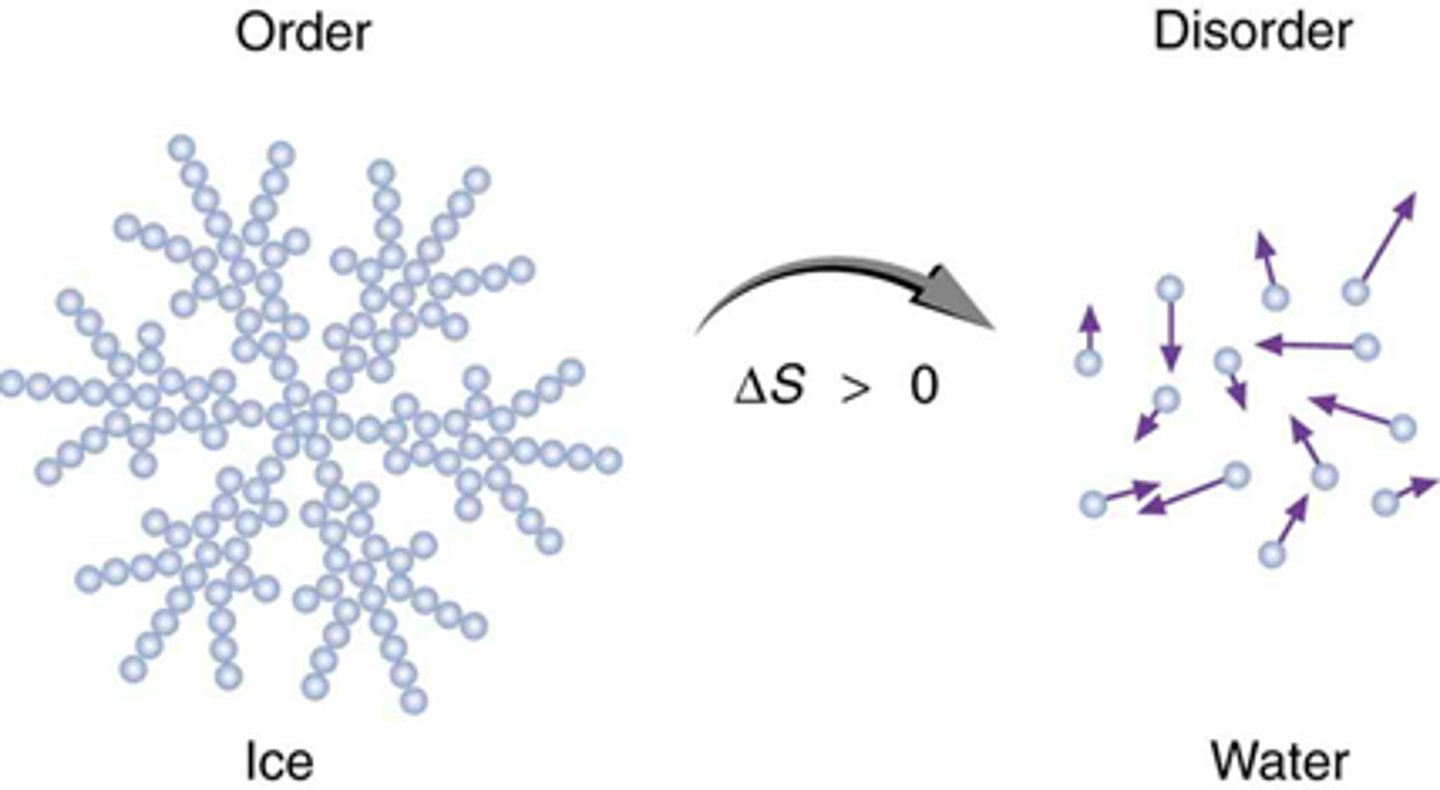
second law of thermodynamics
when energy is changed from one form to another, some useful energy is always degraded into lower quality energy (usually heat) entropy
Law of Conservation of Energy
the law that states that energy cannot be created or destroyed but can be changed from one form to another
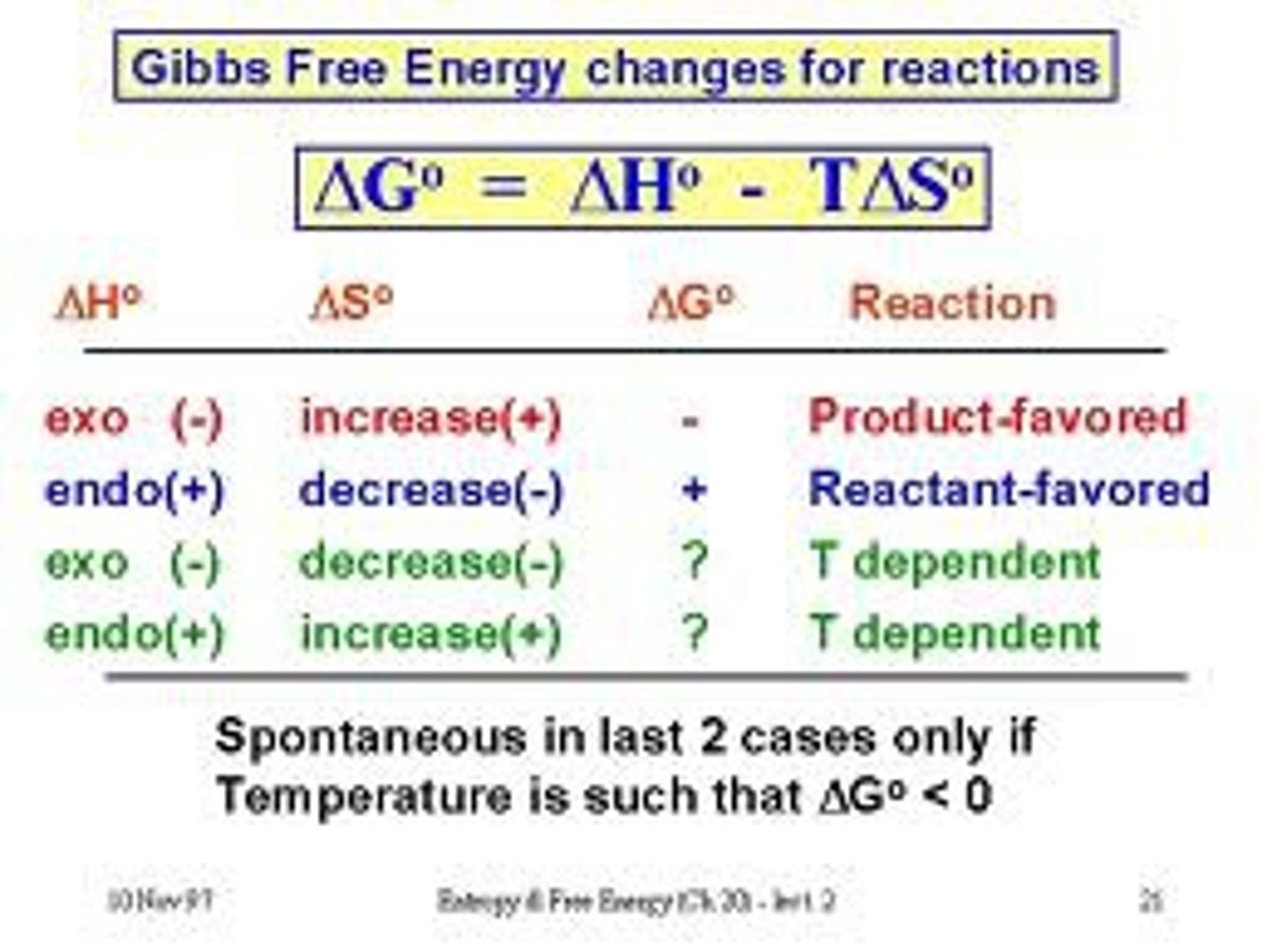
Gibbs free energy
the energy of a system that is available to do work at a constant temperature and pressure
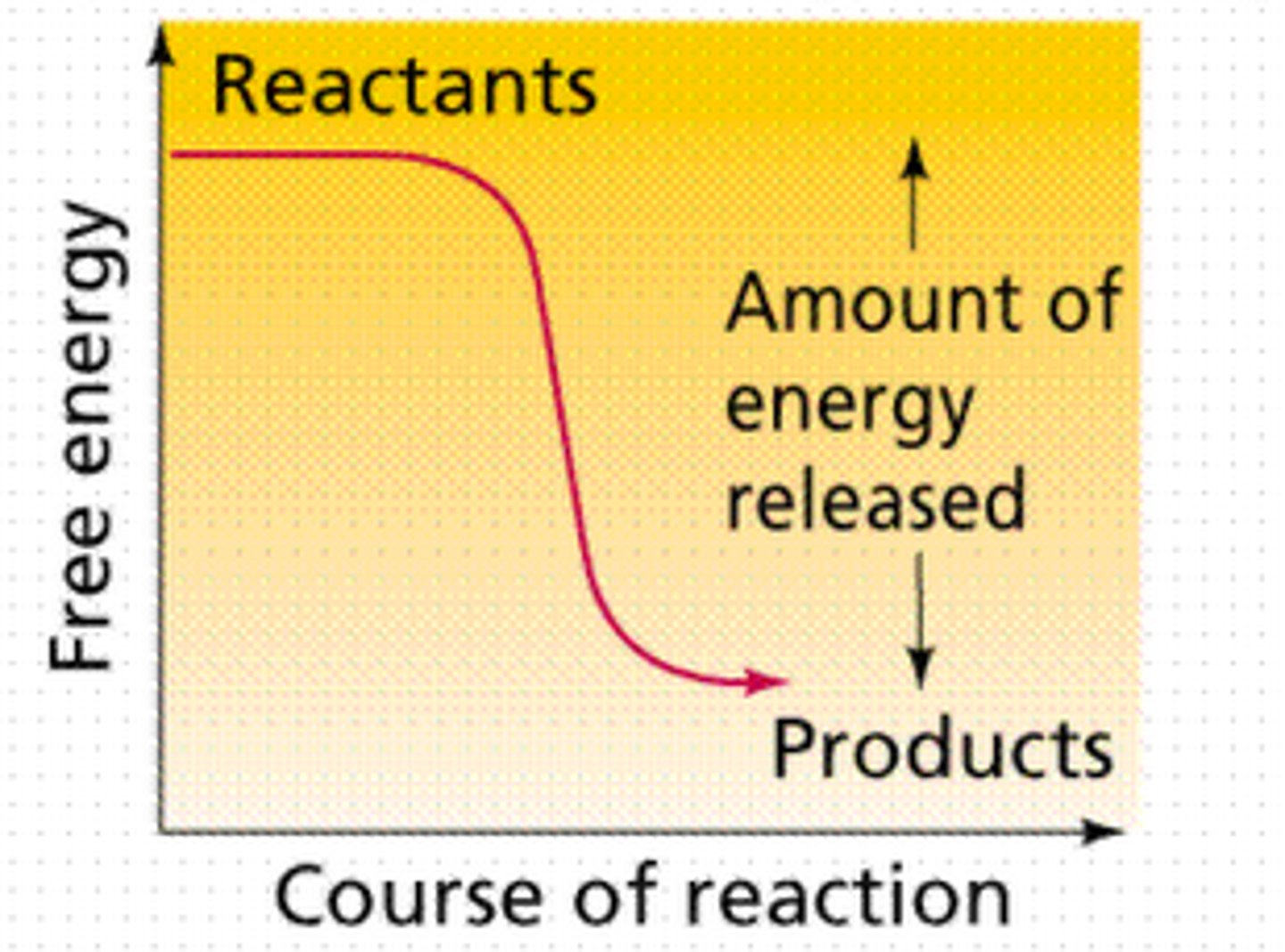
Exergonic
Chemical reactions that release energy
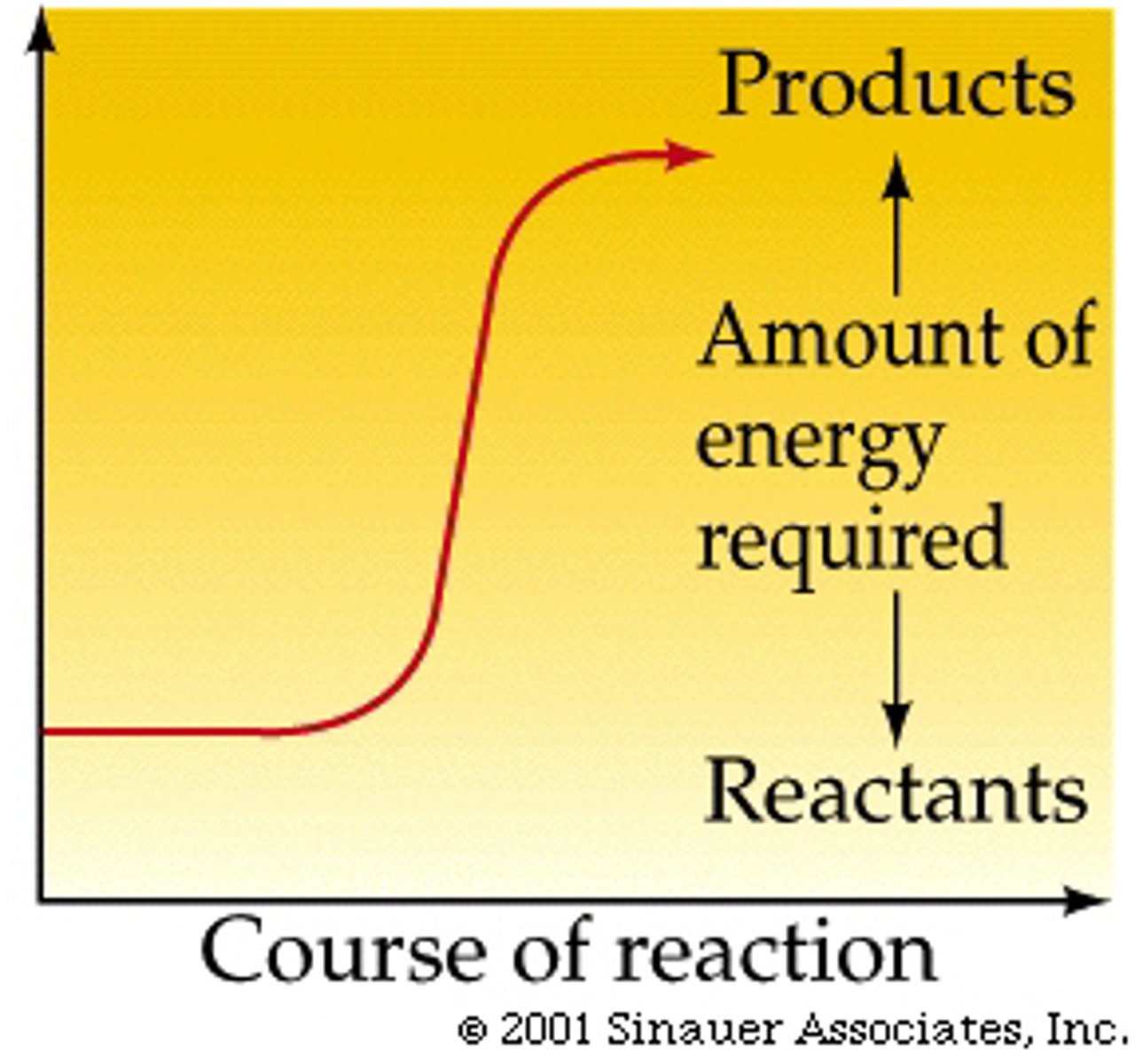
Endergonic
A chemical reaction that requires the input of energy in order to proceed.
Metabolism
the combination of chemical reactions through which an organism builds up or breaks down materials
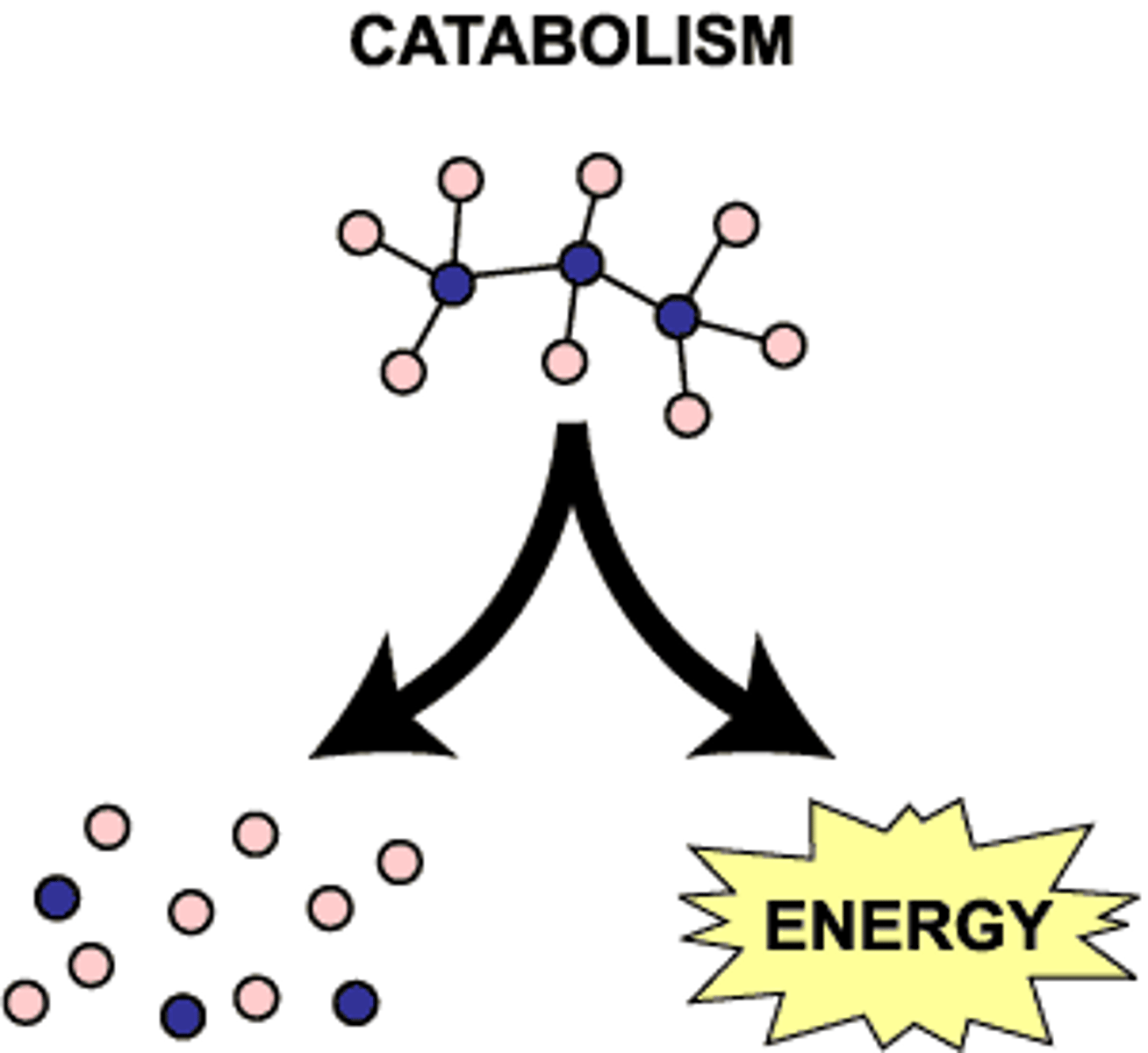
Catabolism
Metabolic pathways that break down molecules, releasing energy.
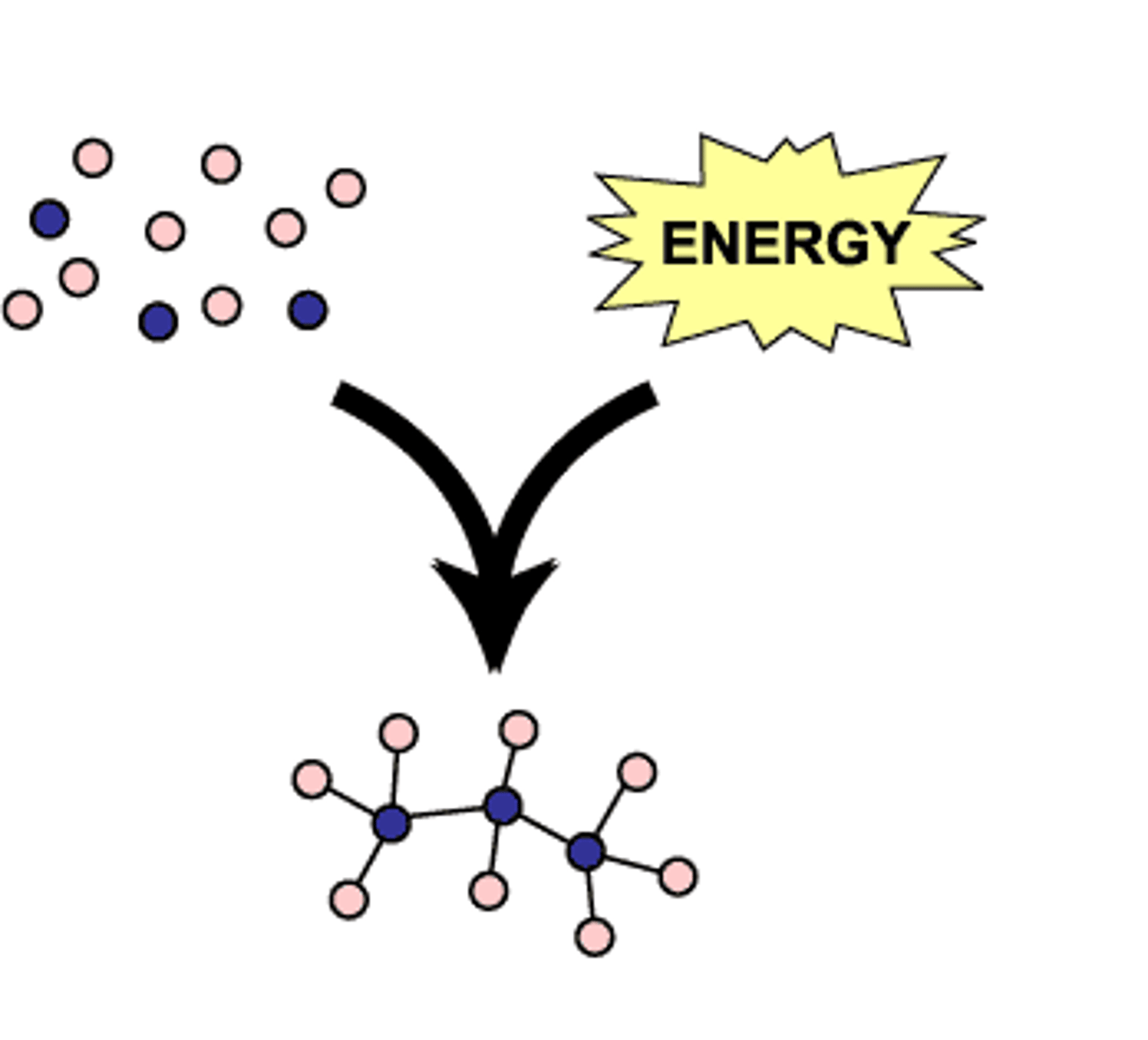
Anabolism
Metabolic pathways that construct molecules, requiring energy.
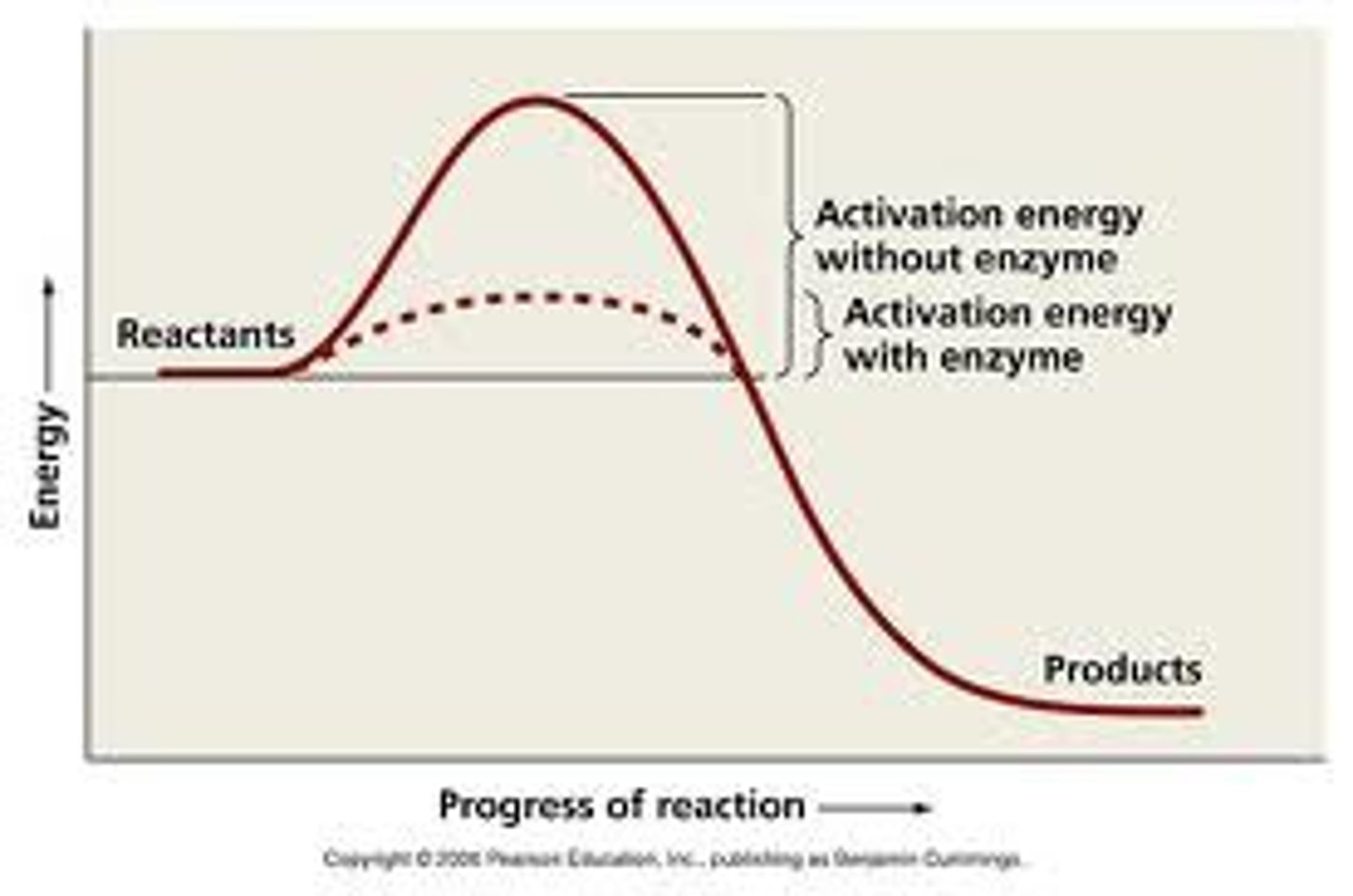
Catalytic proteins (enzymes)
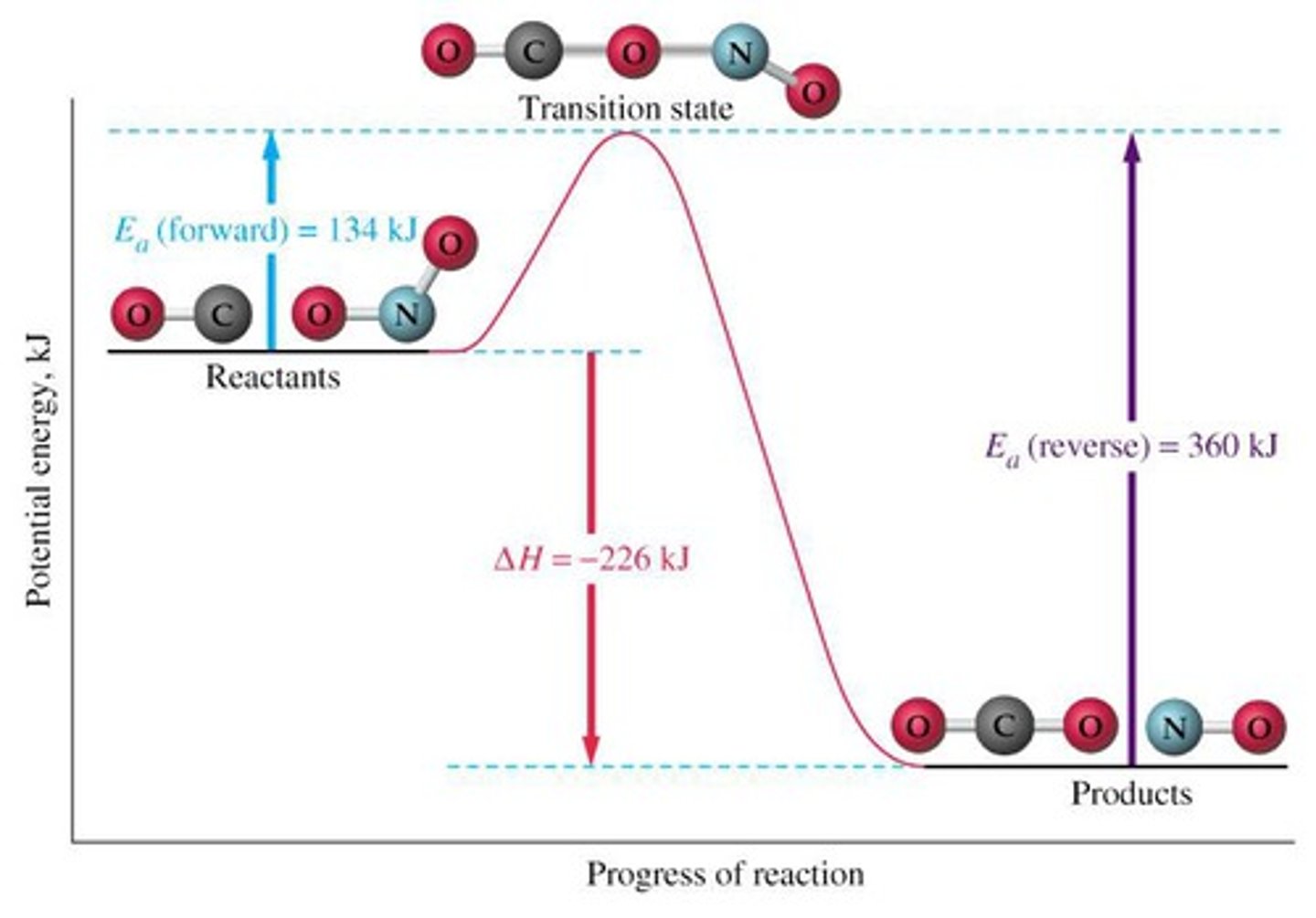
speed up chemical reactions without being consumed themselves. work by decreasing the activation energy required.
energy of activation
The amount of energy that reactants must absorb before a chemical reaction will start
transition state
a high-energy intermediate state of the reactants during a chemical reaction that must be achieved for the reaction to proceed
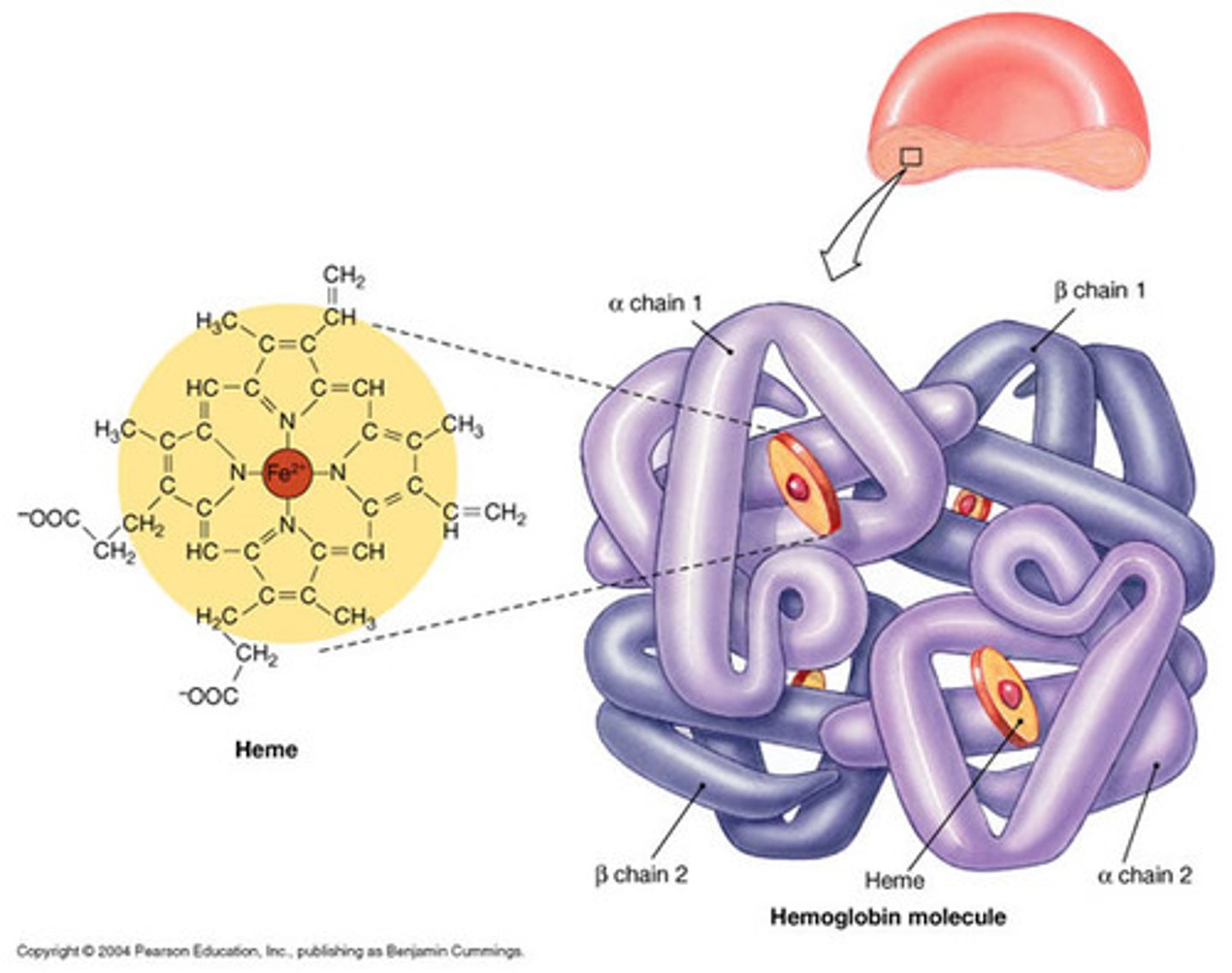
globular proteins
spherical, water-soluble proteins.
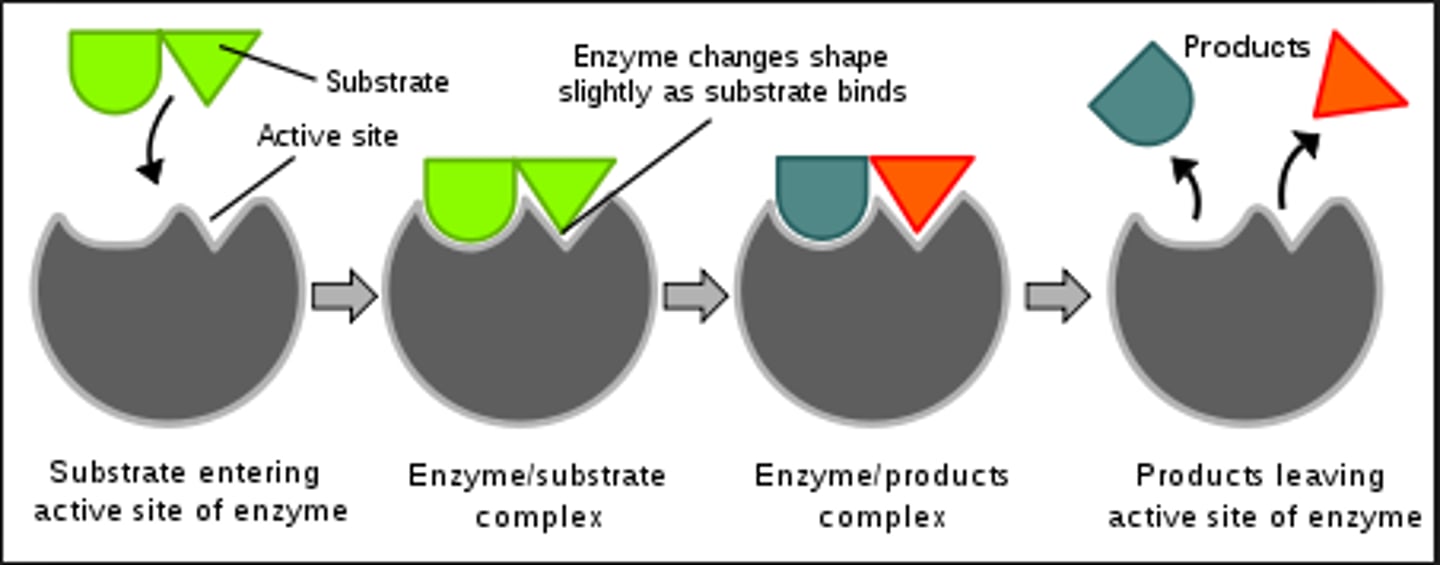
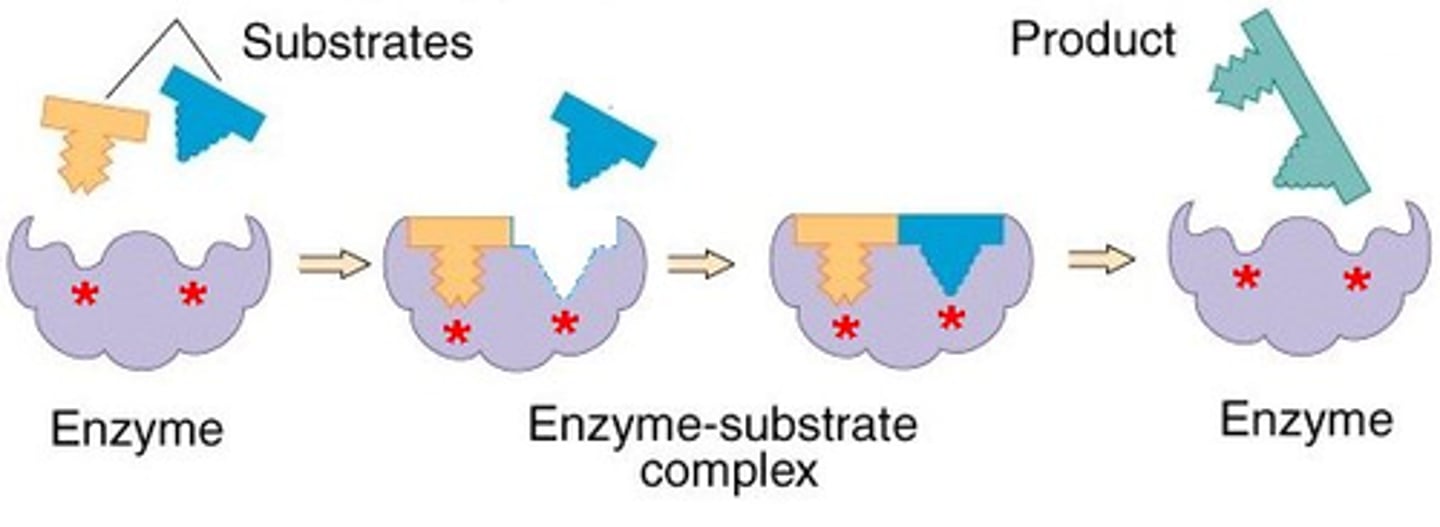
induced-fit model
Change in the shape of an enzyme's active site that enhances the fit between the active site and its substrate(s)
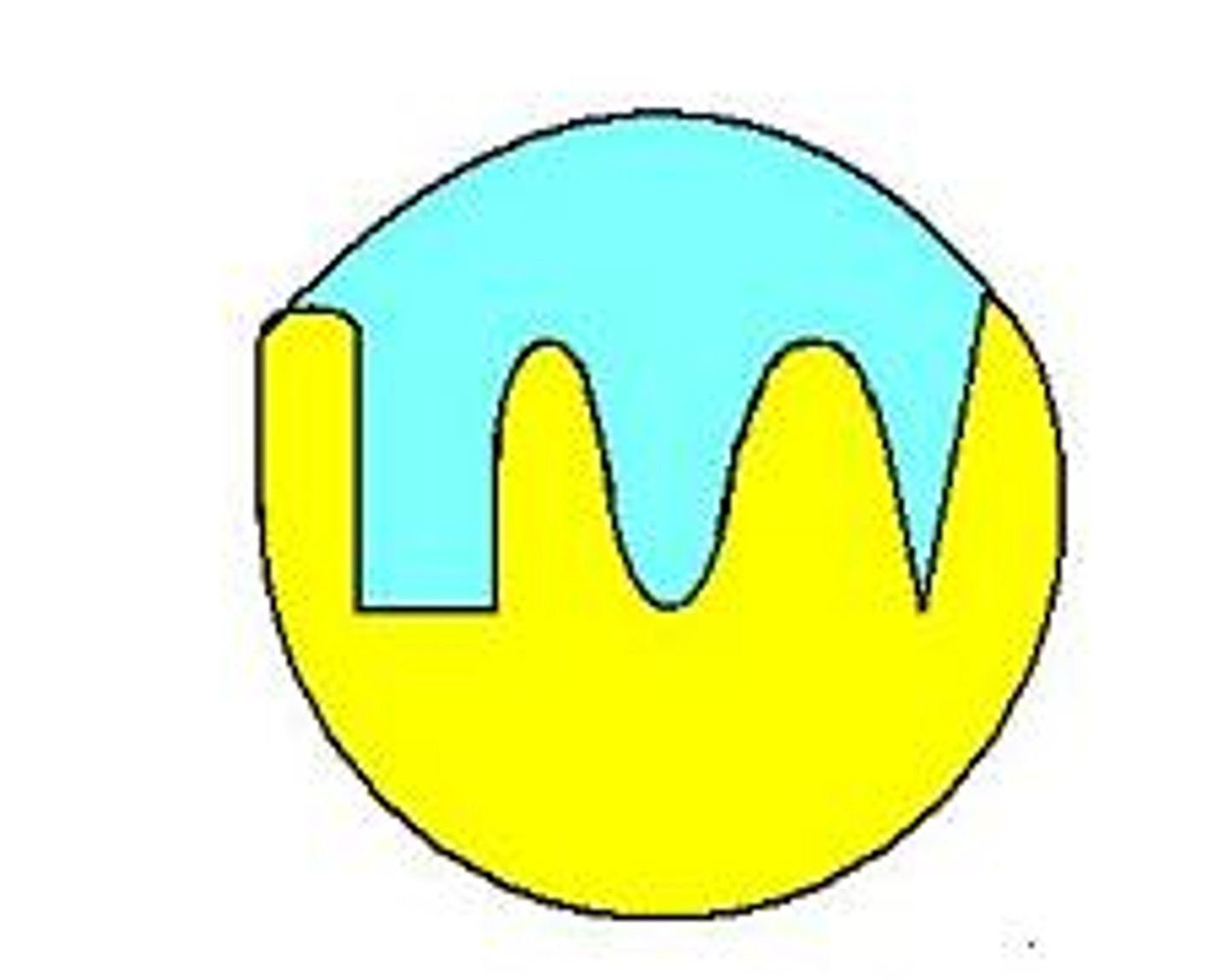
enzyme-substrate complex
A temporary complex formed when an enzyme binds to its substrate molecule(s).
-ase
suffix of enzymes
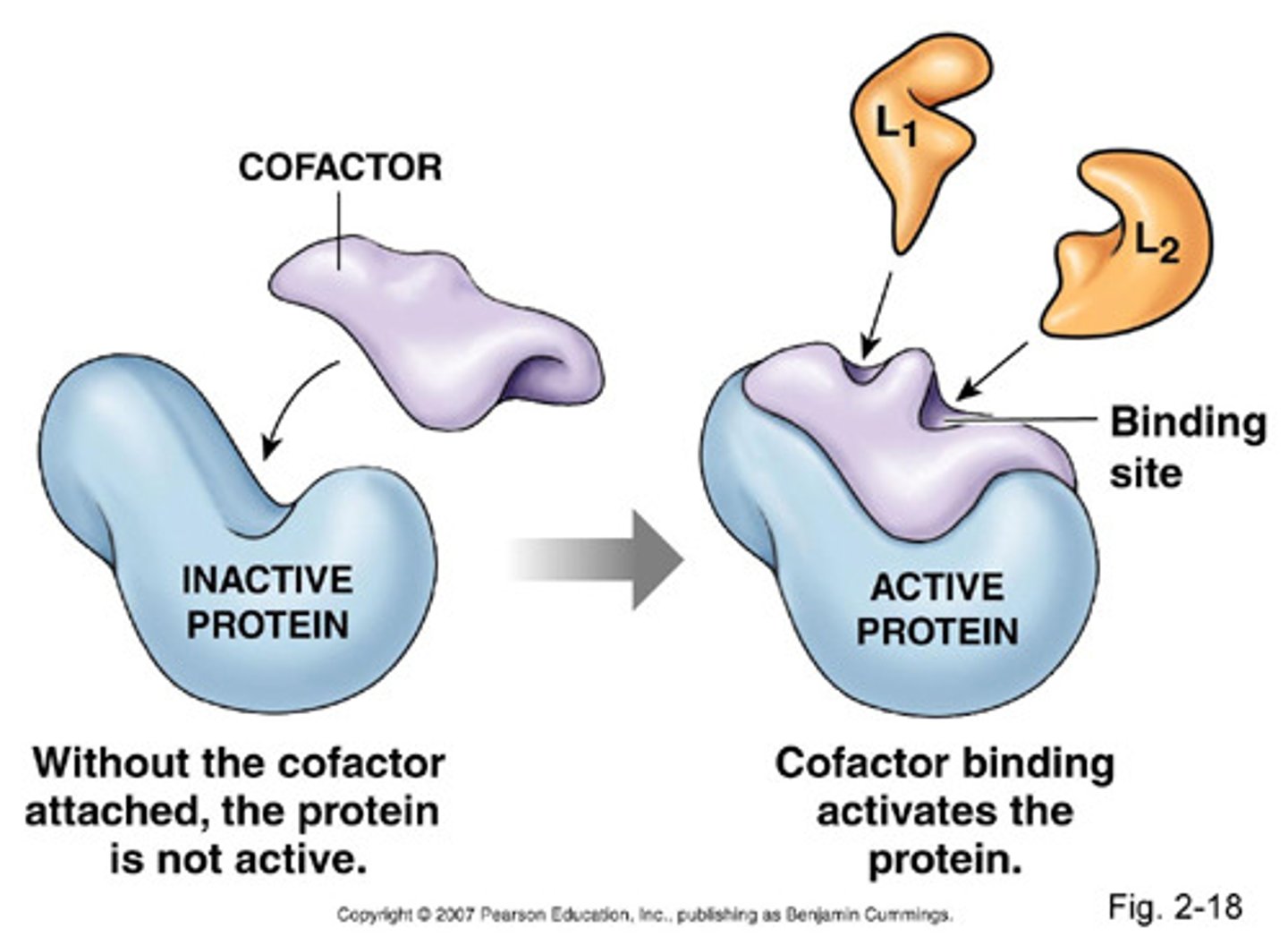
cofactors and coenzymes
-non protein, small molecules that can bind to the active site of an enzyme and participate in catalyzing the reaction (use ionization, protonation, deprotonation)
-cofactors: usually inorganic molecules or metal ions
-coenzymes: small organic groups such as vitamins or NAD, FAD, CoA
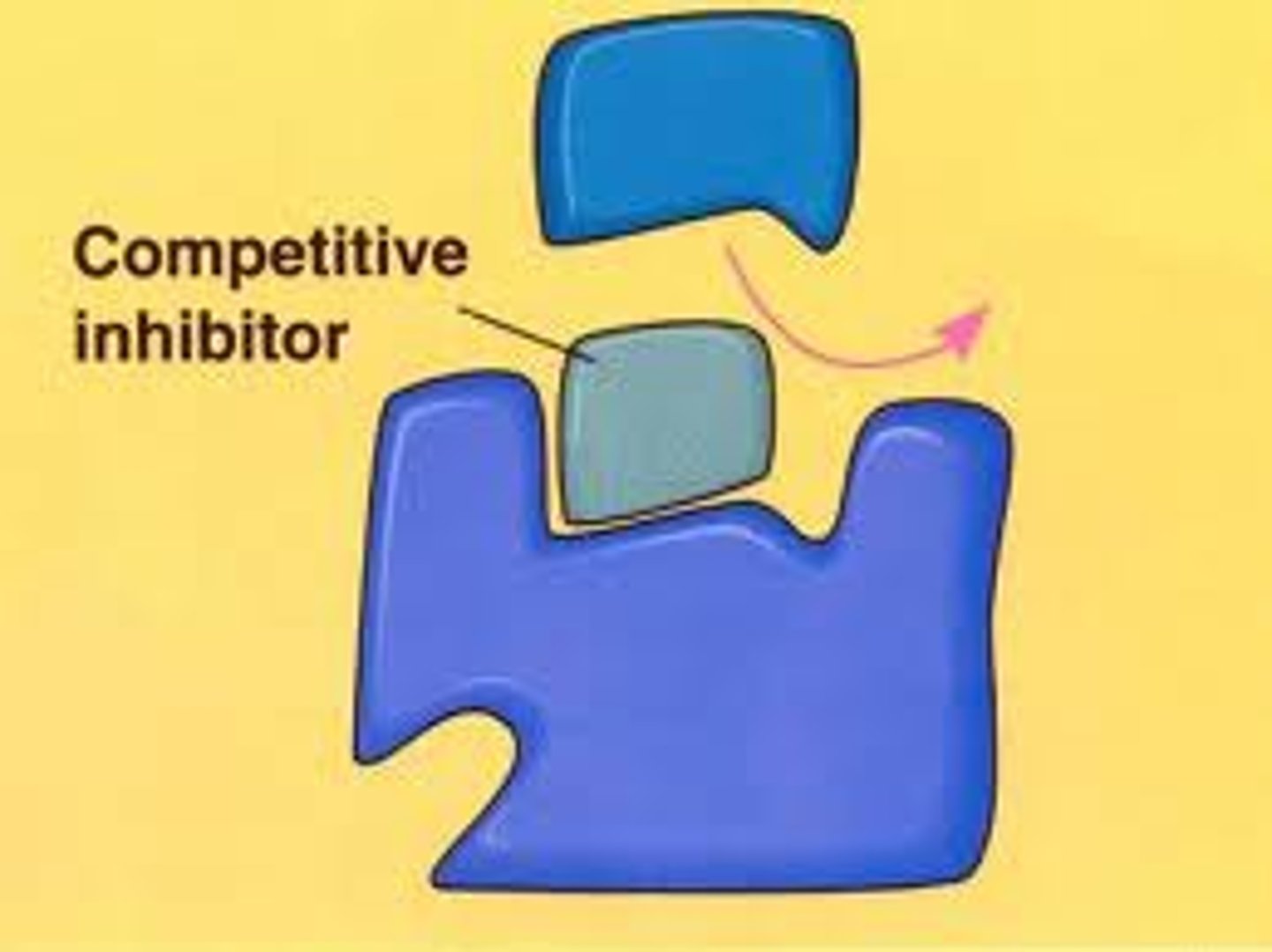
competitive inhibition
substance that resembles the normal substrate competes with the substrate for the active site
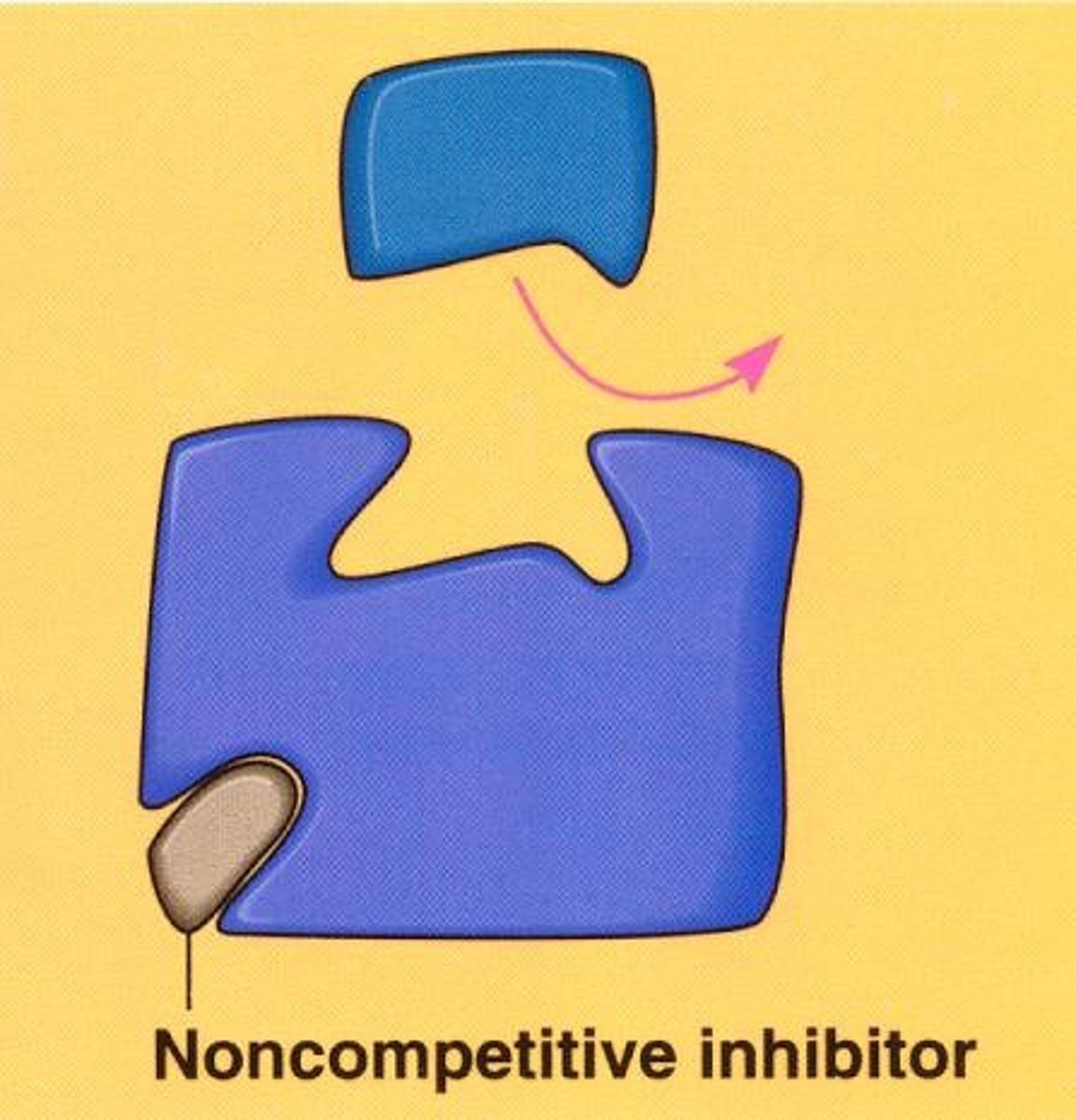
noncompetitive inhibitors or allosteric regulators
A substance that reduces the activity of an enzyme by binding to a location remote from the active site, changing its conformation so that it no longer binds to the substrate.
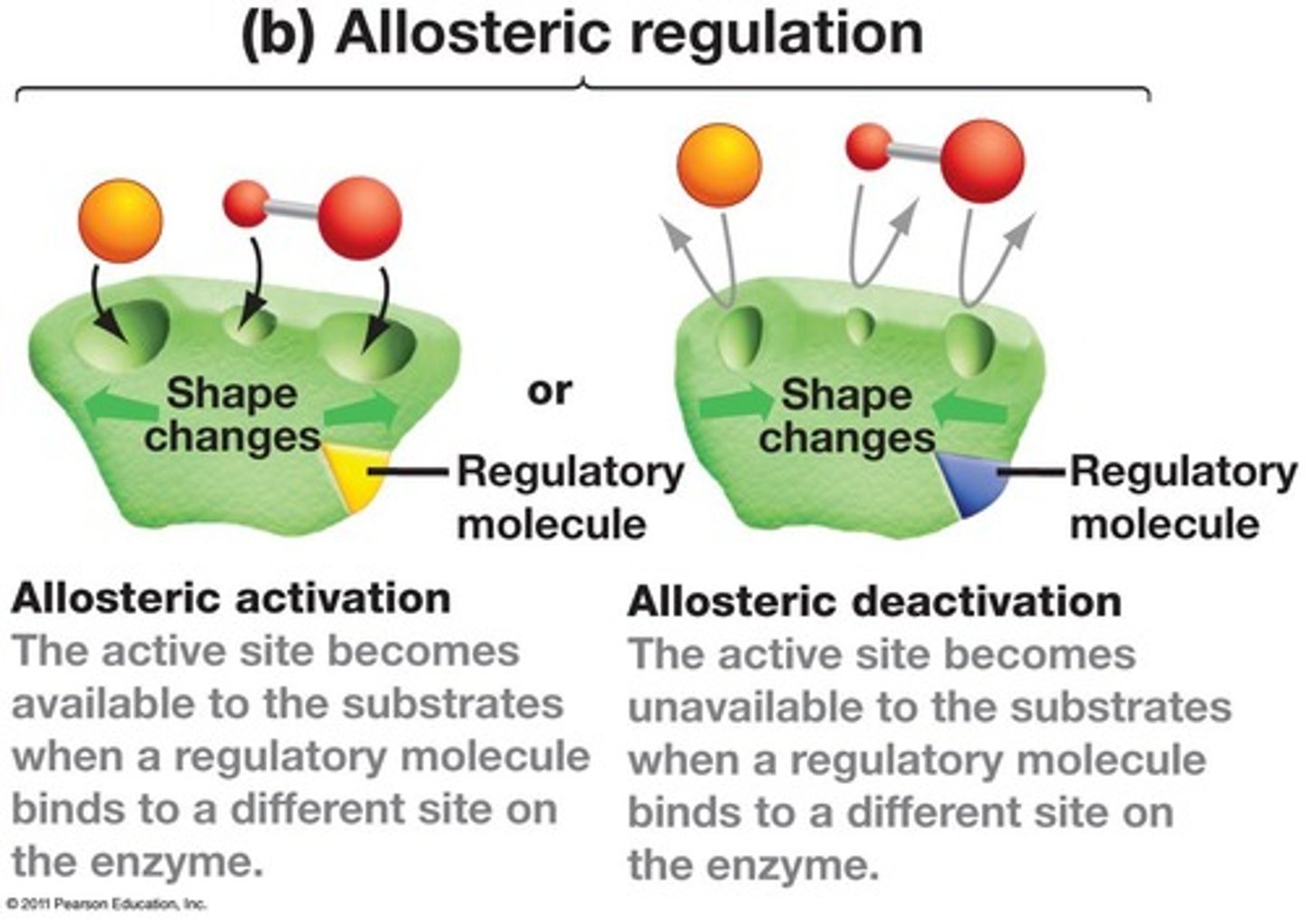
allosteric
describes a region of an enzyme that can bind a regulatory molecule and is not the active site
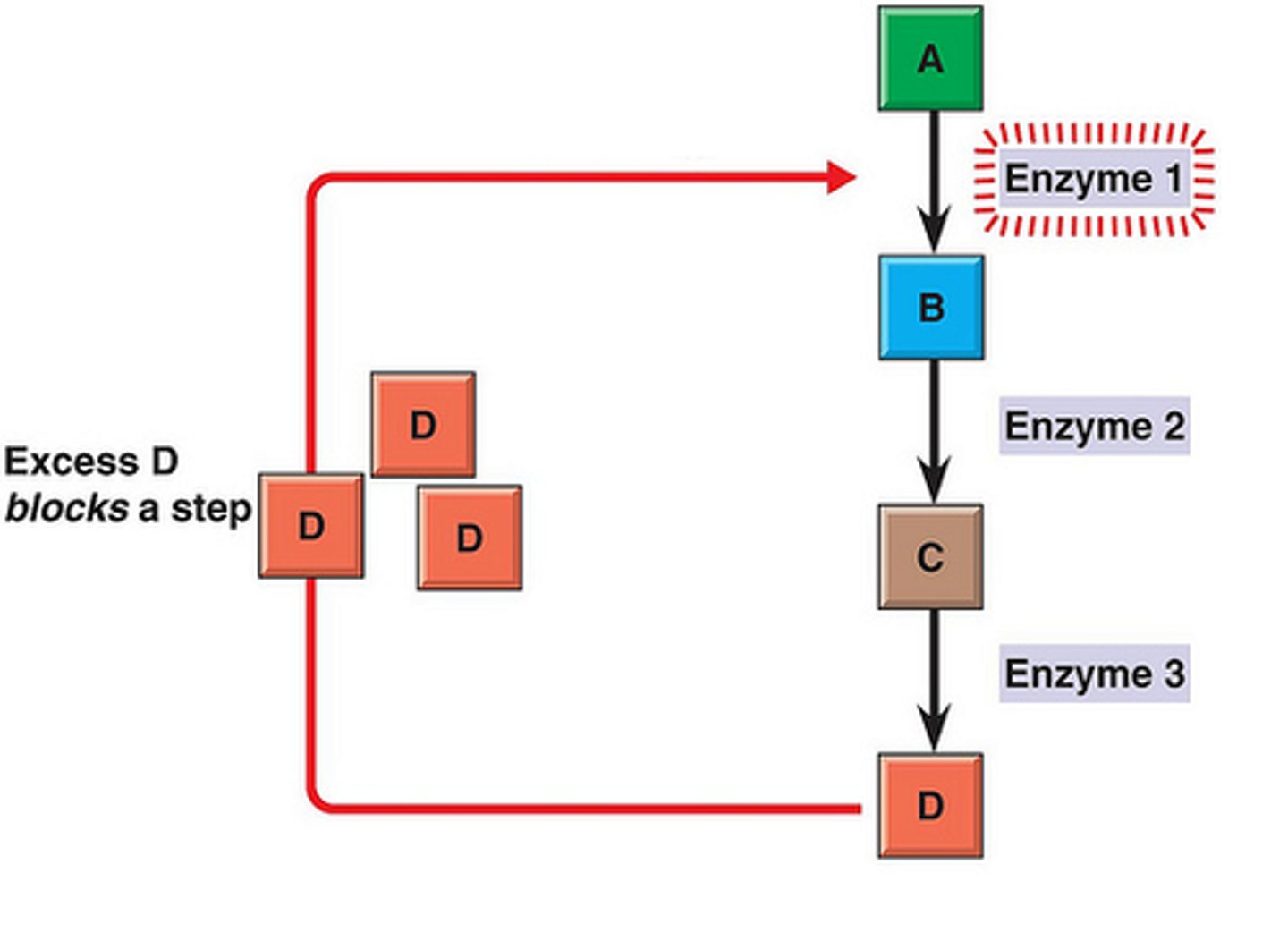
feedback inhibition (negative feedback)
A metabolic pathway is switched off by the inhibitory binding of its end product to an enzyme that acts early in the pathway.
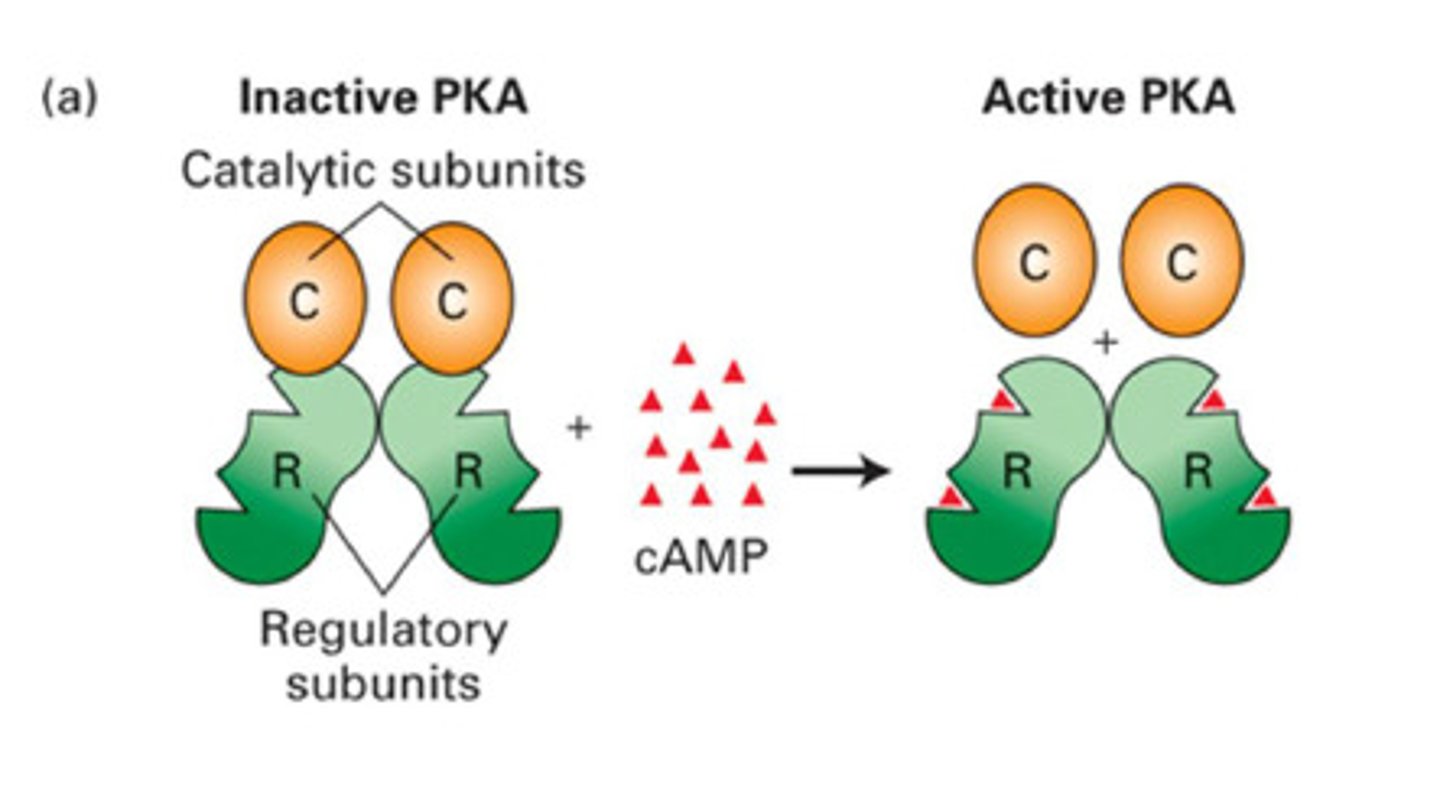
cooperativity & allosteric activation
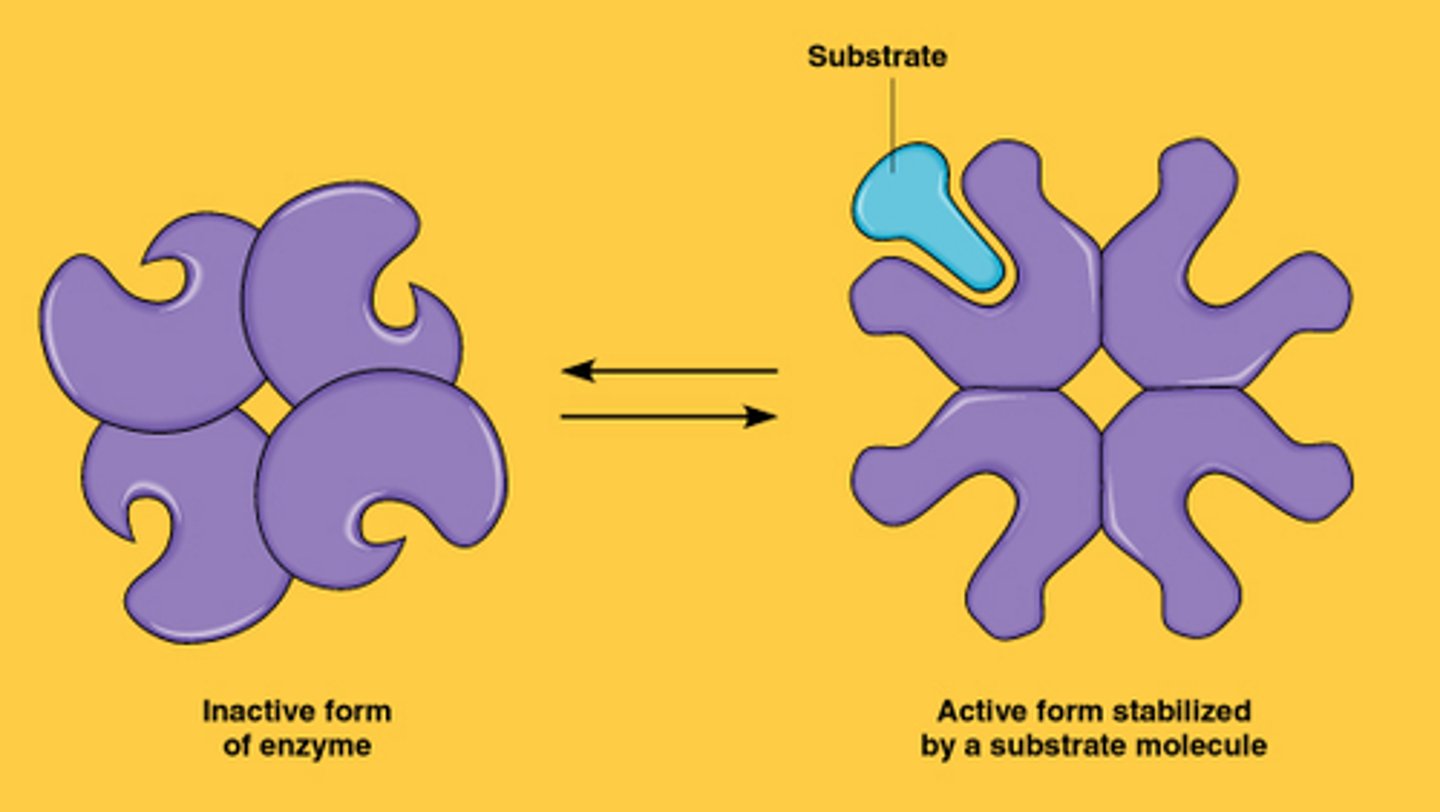
A kind of allosteric regulation whereby a shape change in one subunit of a protein caused by substrate binding is transmitted to all the other subunits, facilitating binding of additional substrate molecules to those subunits.