8.3 + 8.4 History Vocab
 Call Kai
 Learn
Learn Practice Test
 Spaced Repetition
 Match
Match Flashcards
 Knowt Play
1/25

There's no tags or description
Looks like no tags are added yet.
Name | Mastery | Learn | Test | Matching | Spaced | Call with Kai |
|---|
No analytics yet
Send a link to your students to track their progress
26 Terms
Henry Bessermer
A British inventor who developed a new process for making steel from iron called the Bessemer process, which significantly lowered the cost and increased the efficiency of steel production.
Alfred Nobel
invented dynamite, an explosive that was much safer at the time
Michael Faraday
created the first simple electronic motor and the first dynamo
Dynamo
a machine that generates electricity
Thomas Edison
Created the first electric light bulb
Interchangeable Parts
identical components that could be used in place of one another
Assembly Line
workers added parts to a product that moves along a belt from one work station to another
Orville & Wilbur Wright
Designed and flew a flimsy airplane for a couple seconds
Germ Theory
Theory that certain microbes might cause specific infectious diseases
Louis Pasteur
French chemist who showed the link between microbes and disease. He contributed to medicine
Florence Nightingale
Founded the first school of nursing, and insisted on better hygiene.
Joseph Lister
Discovered how antiseptics prevented infection. Insisted that surgeons sterilize their instruments and wash their hands before operating
Urban Renewal
Rebuilding of the poor areas of a city, took place in Paris, during the 1850’s.
Cult of Domesticity
Idealized women and “home sweet home.” The ideal woman was seen as tender, self sacrificing, a caregiver who provided for her husband and children.
Temperance Movement
A campaign to limit or ban the use of Alcoholic beverages
Women’s suffrage
women’s right to vote
Sojourner Truth
(1797–1883) was one of the most well-known African American women during the 19th century. She was born a slave, and when she earned her freedom in 1826, she began travelling the country to spread the truth about injustice and to preach for human rights.
Social Gospel
a movement that urged Christians to do social services such as reforms in housing, healthcare, and education
Romanticism
a cultural movement that emphasized imagination, freedom, and emotion from the 1700s to the 1850s.
William Wordsworth
wrote Lyrical Ballads in 1789. He rejected formal styles and conventions
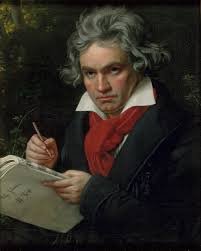
Ludwig Van Beethoven
Conveyed emotions through his music such as love, loss, death, joy, and fear.
Charles Dickens
Portrayed the lives of slum dwellers and factory workers, including children through his writing. One of the most popular novelists in the world.
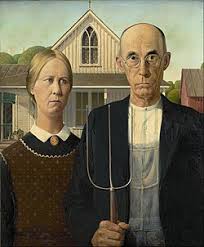
Realism
an attempt to represent the world as it was. They stressed the harsh side of life in urban slums or peasant villages.
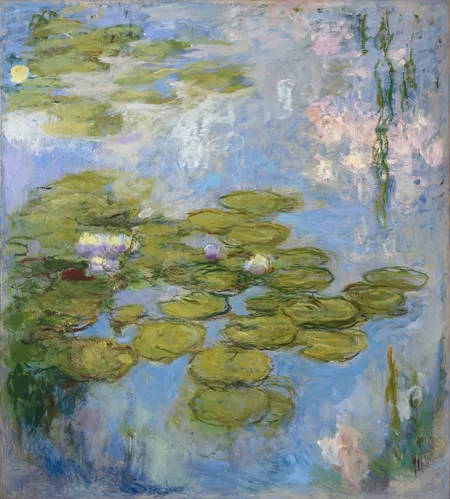
Impressionism
Brush strokes of side by side with out any blending
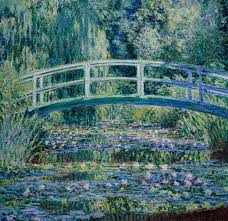
Claude Monet
impressionist artist who was one of the leading figures in the French Impressionist movement. Sought to create an accurate depiction of nature through his use of color, tones, texture, and brush strokes. He often painted the same object or scene at different times of day to see how light and shadow changed its appearance. Two of his most famous series are the grain stacks and water lily pond.
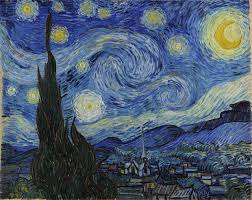
Vincent Van Gogh
Used sharp lines and bright colors in his artwork. Lent a dreamlike quality to everyday subjects. He was poor and unhappy and he sold his paintings. Most famous work is Starry Night