Chapter 9: Developing a Brand Equity Measurement & Management System
 Call Kai
 Learn
Learn Practice Test
 Spaced Repetition
 Match
Match Flashcards
 Knowt Play
1/16

There's no tags or description
Looks like no tags are added yet.
Name | Mastery | Learn | Test | Matching | Spaced | Call with Kai |
|---|
No analytics yet
Send a link to your students to track their progress
17 Terms
The New Accountability
Marketing spend must be justified as effective and efficient
Return on marketing investment (ROMI)
Increased accountability has forced marketers to:
Address tough challenges
Develop new measurement approaches
Conducting Brand Audits
Brand audit: comprehensive examination of a brand to discover its sources of brand equity
1. Brand inventory
2. Brand exploratory
Marketing audit
independent examination of a company’s marketing environment, objectives, strategies, and activities
1. Agreement on objectives, scope, and approach
2. Data collection
3. Report preparation and presentation
Brand Inventory
Current, comprehensive profile of how all products and services are marketed and branded
Requires marketers to catalogue:
Visual and written form for each product or service
Product attributes or characteristics of the brand
Pricing, communications, and distribution policies
A digital inventory of brand assets may uncover:
• Outdated brand accounts that have fallen into disuse
• Overlapping brand assets which can be merged or deleted
• Brand accounts with information that is incorrect or out of date
• Channels where the brand does not have a presence
Brand Exploratory
• Helps identify sources of brand equity and possible barriers
• Research directed toward what consumers actually think and feel about a brand, and act toward it.
Three criteria to judge qualitative research techniques (Levy)
– Direction
– Depth
– Diversity
Digital marketing review - part of the brand audit
– Brand’s digital efforts in online channels, relative to competitors
– Important customer-level insights and industry trends
– Clearer picture of brand image and personality in digital channels
– Input to brand strategy development and brand positioning
– Health check and corrections if online strategy is inconsistent
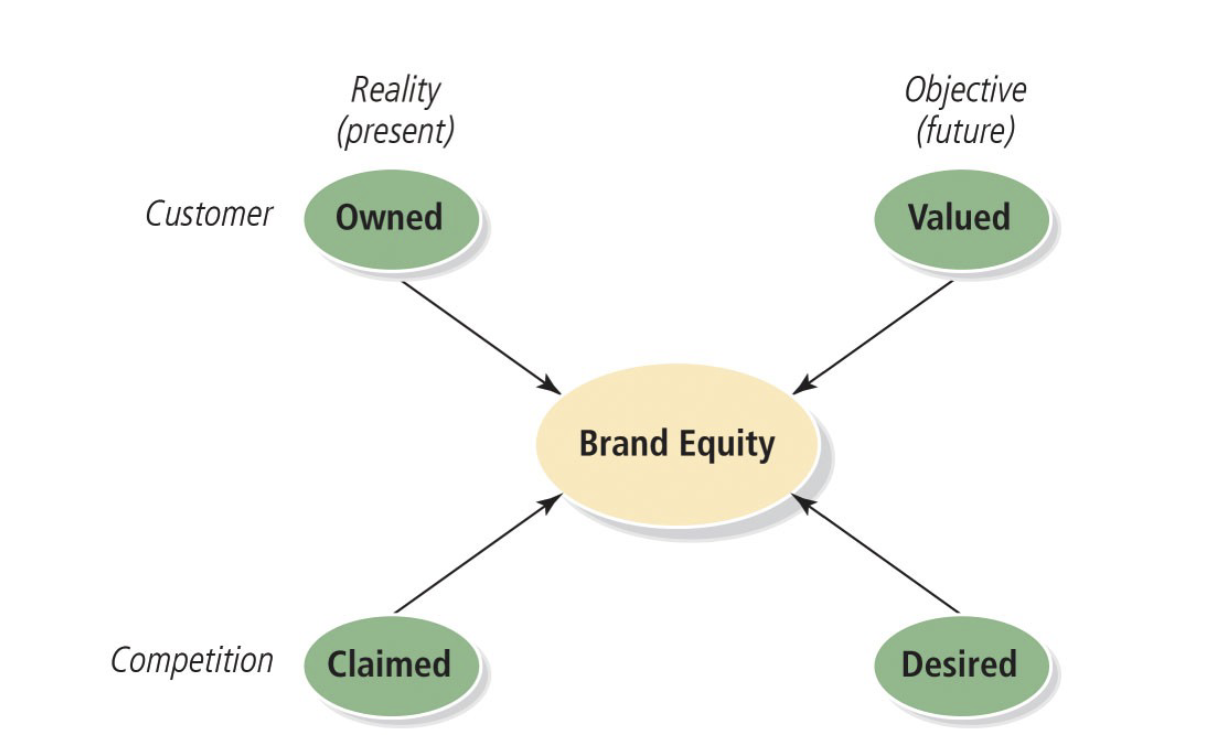
John Roberts’s Brand Positioning Considerations
Designing Brand Tracking Studies
Brand tracking studies collect information from consumers:
On a routine basis
Usually quantitative
On several key dimensions marketers identify in the brand audit
Brand extensions or additional communication methods:
Make it difficult and expensive to research;
But necessary
What to Track
• Product-Brand Tracking
• Corporate or Family Brand Tracking
• Global Tracking
Big Data and Marketing Analytic Dashboards
Big data enables continuous tracking of customers
Marketing analytic dashboards
Systems and processes within an organization to communicate important metrics; and
Make them available throughout an organization
Establishing a Brand Equity Management System
1. Brand Charter or Bible
2. Brand Equity Report
3. Brand Equity Responsibilities
Brand Charter or Bible
• Formalizes the company view of brand equity in a document
• Provides relevant guidelines to marketing managers and key marketing partners
• Should be updated annually
Brand Equity Report
Results of the tracking survey, other performance measures.
Create a brand equity report or scorecard:
What is happening with the brand?
Why is it happening?
Includes more descriptive market-level information
Share with management regularly
Brand Equity Responsibilities
Define organization responsibilities for the brand
– Overseeing Brand Equity
– Organizational Design and Structures
– Managing Marketing Partners