lec2. Microbial Cultivation
 Call Kai
 Learn
Learn Practice Test
 Spaced Repetition
 Match
Match Flashcards
 Knowt Play
1/24

Earn XP
Description and Tags
Flashcards covering microbial cultivation media, isolation techniques, growth measurement methods, staining procedures, and antibiotic susceptibility testing based on the lecture notes.
Name | Mastery | Learn | Test | Matching | Spaced | Call with Kai |
|---|
No analytics yet
Send a link to your students to track their progress
25 Terms
Defined (Synthetic) Media
Media in which all chemical components and their exact concentrations are known.
Complex Media
Media containing some ingredients of unknown chemical composition and/or concentration, such as peptone or beef extract.
Media components
peptones (protein hydrolysates), extracts (usually beef or yeast), agar (used to solidify liquid media, cannot be degraded)
Supportive (General Purpose) Media
Media designed to support the growth of many different microorganisms, such as tryptic soy agar.
Enriched Media
General purpose media supplemented by blood or other special nutrients to support the growth of fastidious organisms, such as blood agar.
Selective Media
Media that favor the growth of some microorganisms while inhibiting the growth of others; for example, MacConkey agar selects for gram-negative bacteria.
Differential Media
Media that distinguish between different groups of microorganisms based on their biological characteristics, such as lactose fermenters versus nonfermenters on MacConkey agar.
Pure Culture
A population of cells arising from a single cell, a concept developed by Robert Koch to allow for the study of a single type of microorganism.
Streak Plate
An isolation technique involving the spreading of a mixture of cells on an agar surface using a bacteriological loop so that individual cells are well separated.
Spread Plate
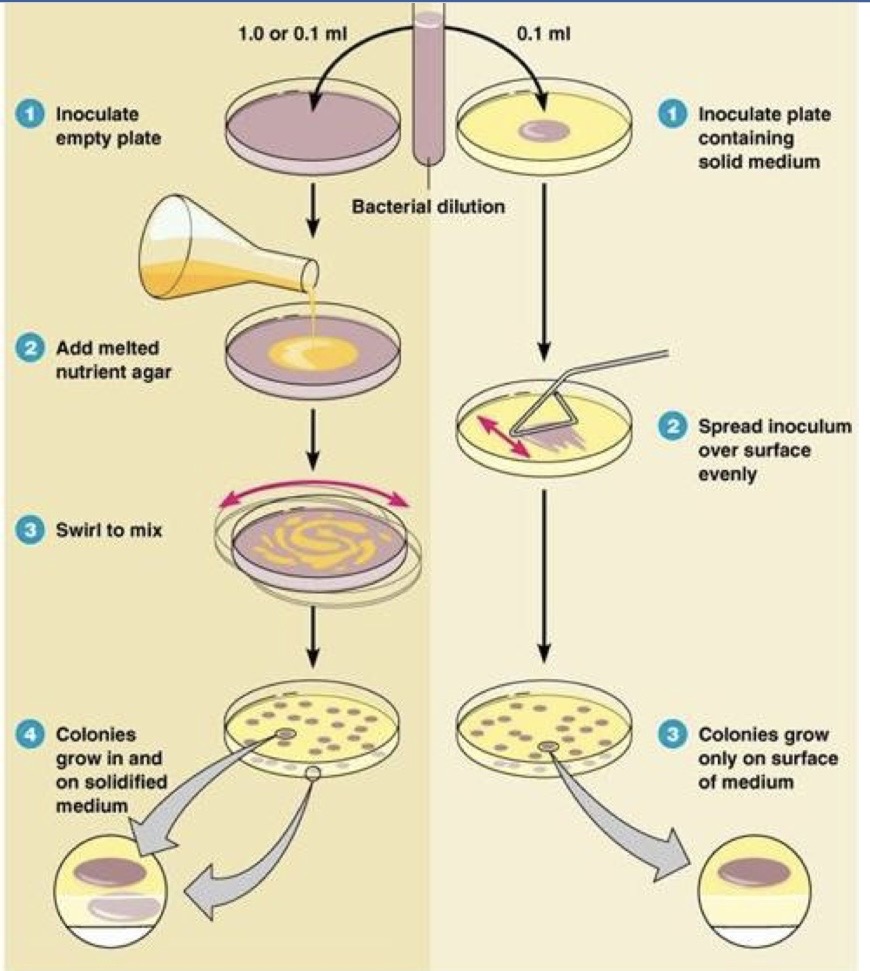
An isolation technique where a small volume (30−300 cells) of diluted mixture is transferred and spread evenly over the agar surface with a sterile bent rod.
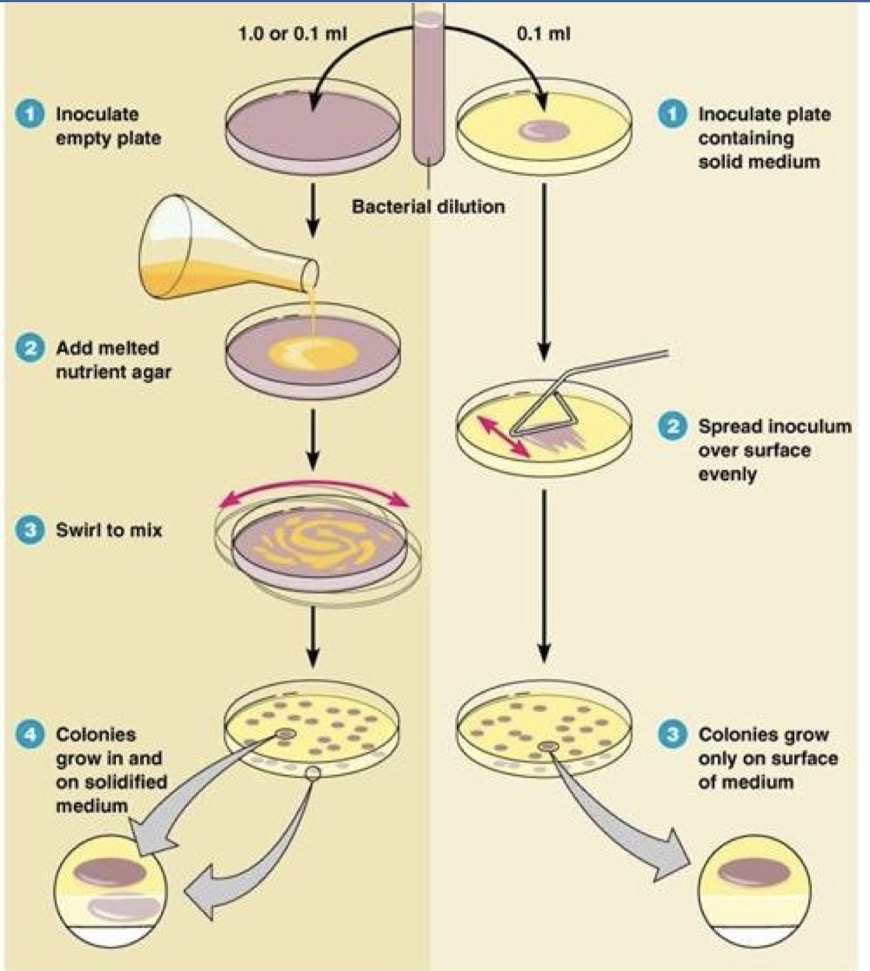
Pour Plate
An isolation technique where a sample is serially diluted, mixed with liquid agar, and then poured into sterile culture dishes.
Counting Chambers
An inexpensive and quick method for direct measurement of cell numbers for both eukaryotes and prokaryotes, though it cannot distinguish living from dead cells.
Flow Cytometry
Microbial suspension is forced through a small orifice with a laser beam; the instrument measures physical characteristics like size and granularity as cells pass in single file.
Colony Forming Units (CFU)
A unit of measurement for viable organisms used because a colony may arise from more than one cell rather than a single individual cell.
Most Probable Number (MPN)
A viable counting method used if a microbe cannot be cultured on plate media, involving the determination of turbidity in a series of dilutions.
Measurement of cell mass
Dry weight - time consuming, not very sensitive
Quantity of particular constituent - ex. DNA, chlorophyll
Turbidometric measures (light scattering) - quick, easy, most routinely used
Optical Density
A turbidometric measure where high absorbance indicates more bacteria are scattering light, while low absorbance suggests less bacteria.
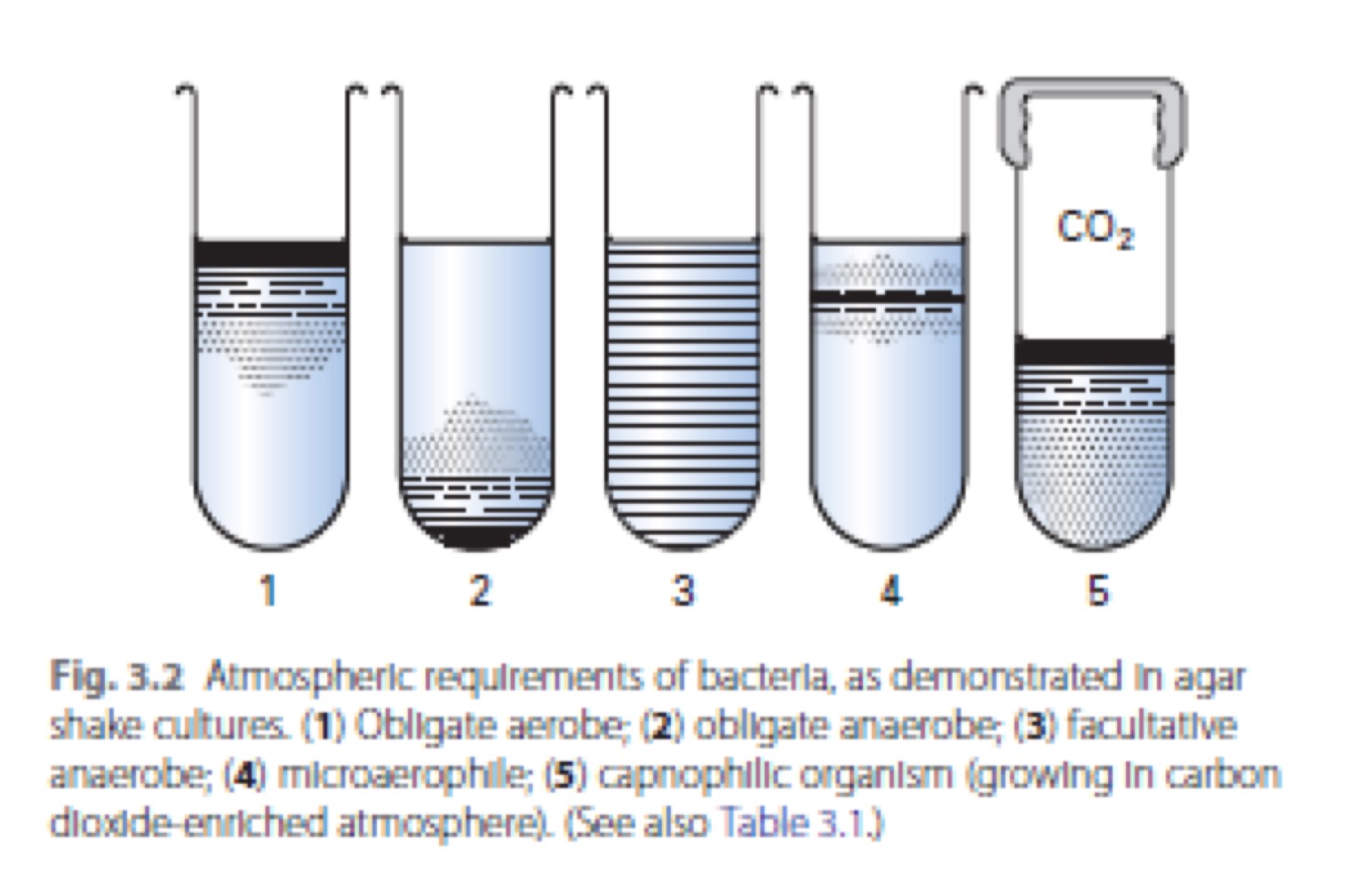
Obligate Aerobe
An organism for which oxygen is essential for growth, such as Pseudomonas aeruginosa.
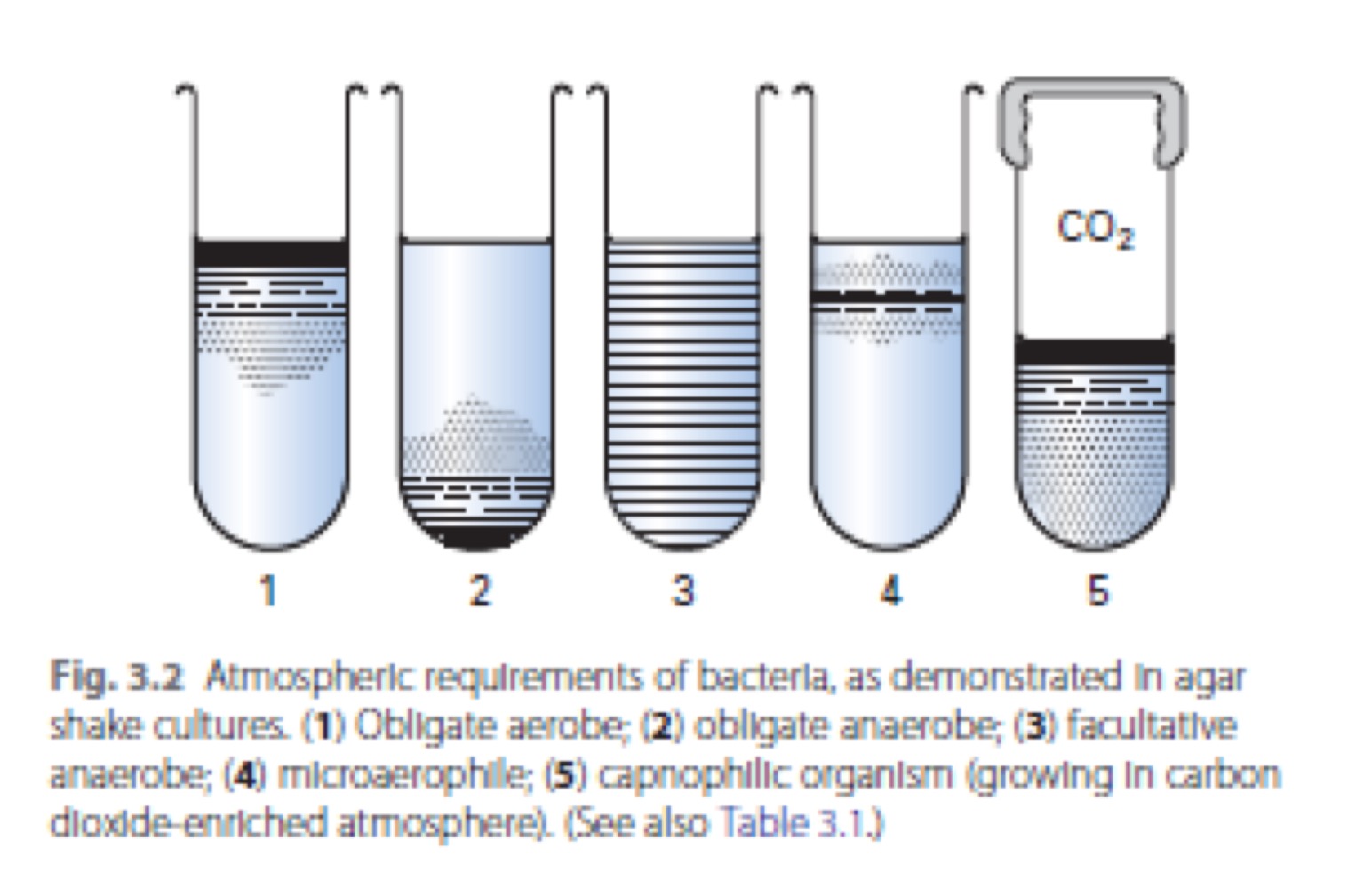
Microaerophile
An organism that grows well under low oxygen concentrations, specifically around 5%, such as Campylobacter fetus.
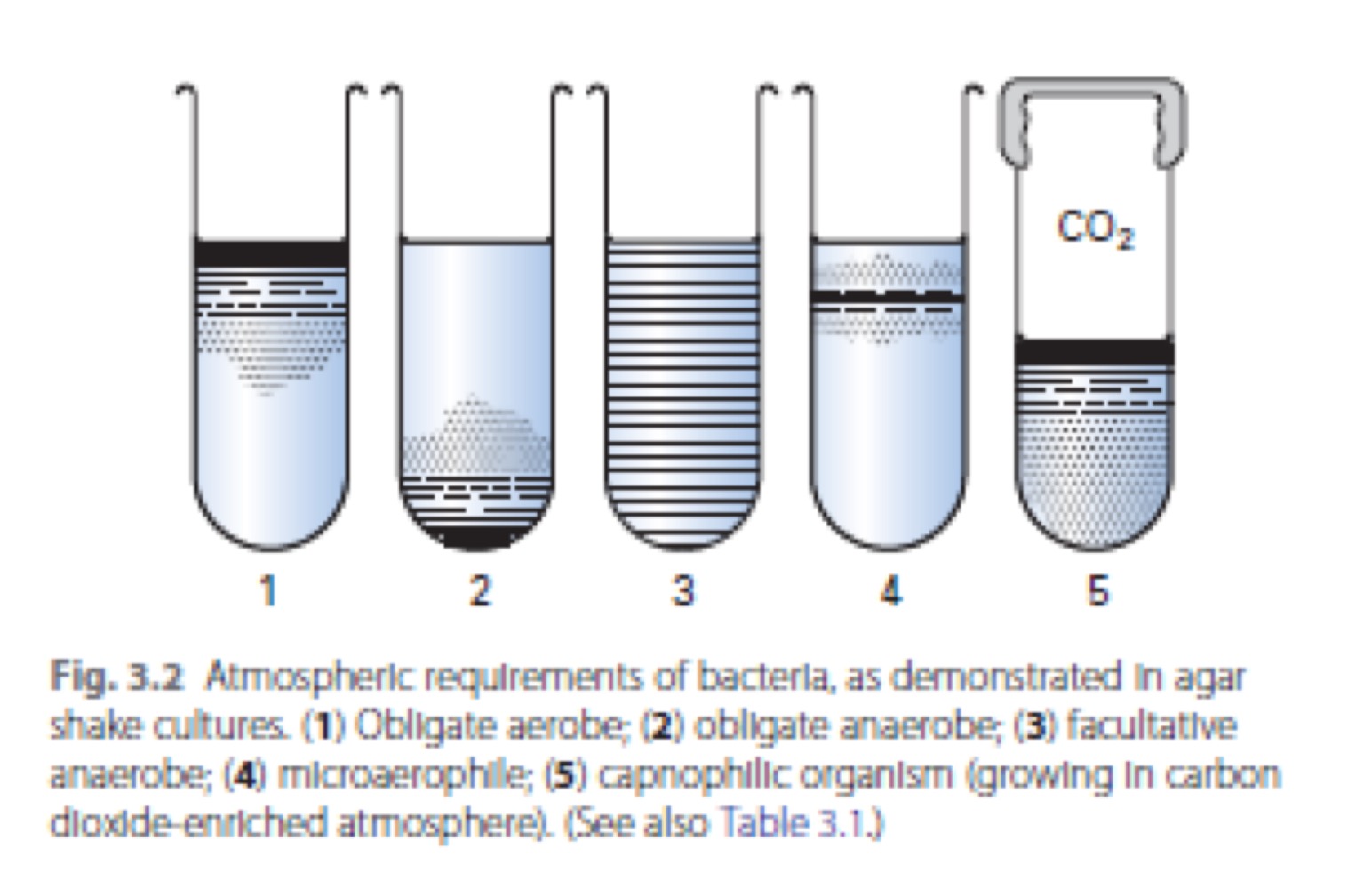
Facultative Anaerobe
An organism that grows in either the presence or absence of oxygen.
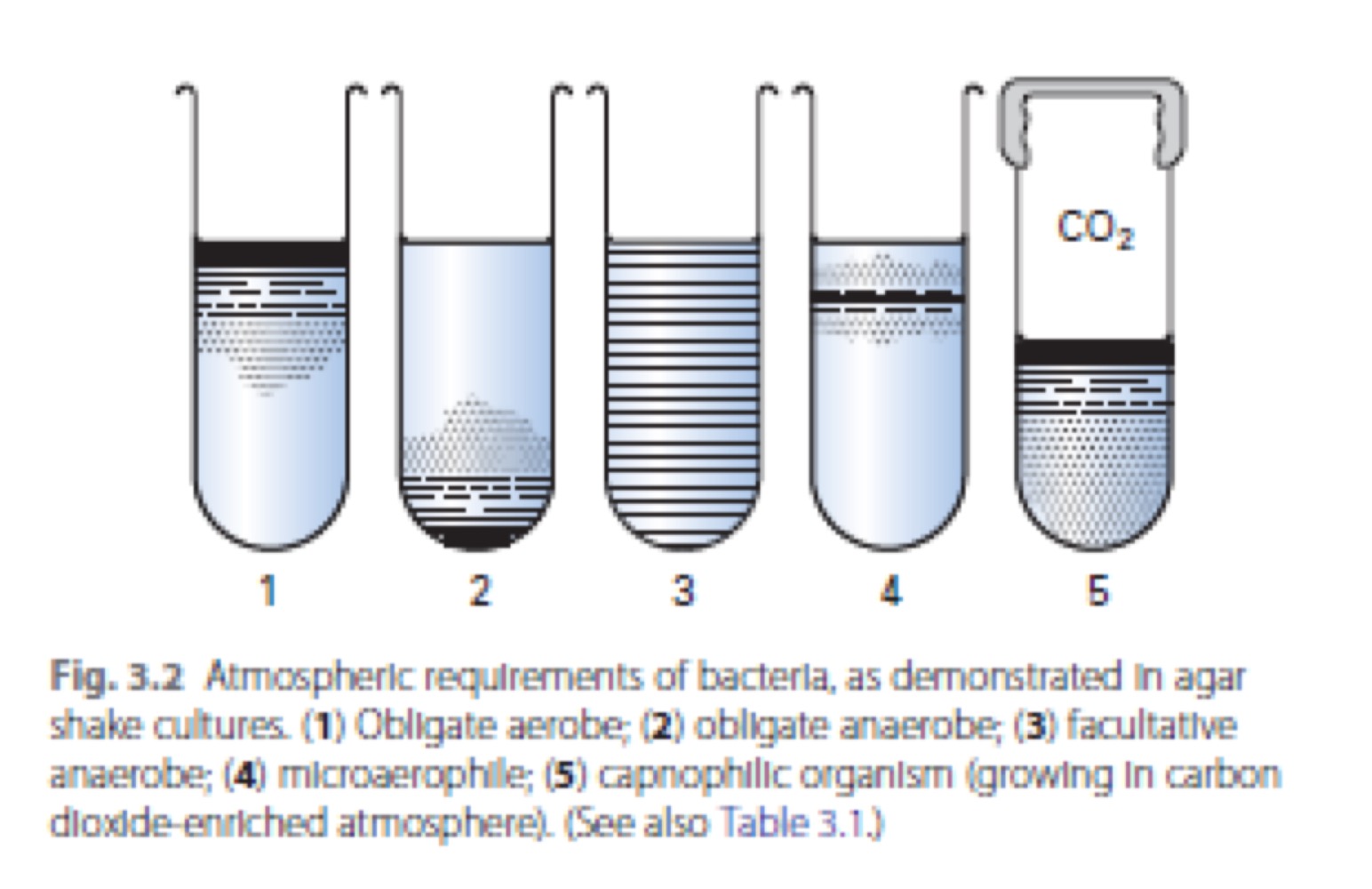
Obligate Anaerobe
An organism that only grows in the absence of oxygen, such as Porphyromonas gingivalis.
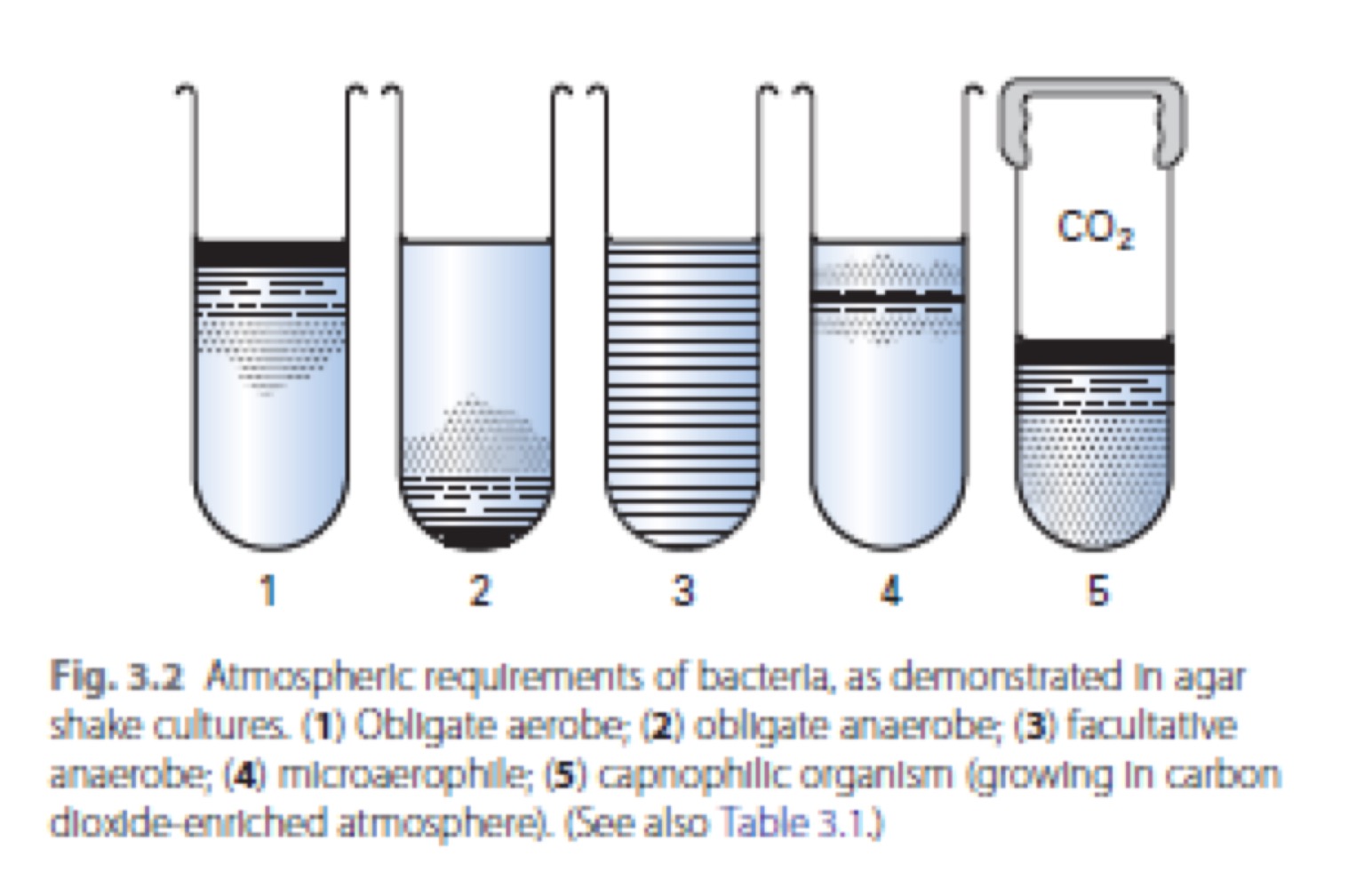
Capnophile
Organisms, often facultative anaerobes, that grow well in the presence of 8−10% carbon dioxide.
Disk Diffusion Test
A qualitative susceptibility test where antibiotic-impregnated discs are placed on an inoculated agar surface to observe zones of inhibition. Larger halo = more bacteria killed.
Minimal Inhibitory Concentration (MIC)
The least concentration of an antimicrobial drug that visually inhibits the growth of the bacteria in a serial dilution series.
Minimal Bactericidal Concentration (MBC)
The least concentration of a drug that kills 99.9% of the test organism in the original inoculum, determined by subculturing MIC tubes with no visible growth.