PIC W5 L1 why social and cultural geography
 Call Kai
 Learn
Learn Practice Test
 Spaced Repetition
 Match
Match Flashcards
 Knowt Play
1/13

There's no tags or description
Looks like no tags are added yet.
Name | Mastery | Learn | Test | Matching | Spaced | Call with Kai |
|---|
No analytics yet
Send a link to your students to track their progress
14 Terms
- Social and Cultural geographies as ‘sub-disciplines’
o People are presenting certain types of commitments to forms of knowledge
o Organising ideas and debates
o In some sense having some power over them
o sometimes problematise this power
- Social and cultural geographies as ways of asking questions
History: 1
- Geography in general doesn’t really have a canon (n literature refers to a core set of texts which have a coherent genre/ view of world)
- With the breadth of geography comes messiness – the canon doesn’t really exist for geography, although there are several key well known texts
- Two of they key people related to early 20th c geography aren’t British – Karl Sauer and Richard Hartshorne
- Dennis Cosgrove key in thinking about landscape
History 2- Social geography vs. sociology
- In 19th c we get first mention of social geography and way of imaging spaces of people
- The problem of history and ratzles’ liebensraum’
o In book anthropology – lay out pseudo anthropological story about history of the world in relation to the human
o Influenced by Darwin
o Adopts a full throated social darwinsim where some people are superior to others – based on fittest survive narrative
o Ideas are coopted by hitler and national socialism 50 years later
- Humanistic geography – Johnston
o Came with importing of French philosophy
o Scale. Body, emotions, difference – not how to scientifically study but with discourse, debate and imagination
Landscape:
- Essentially that landscape painting soften depict the strength of a man/ whit eman
- In shows, posh white men are talking about the paintings
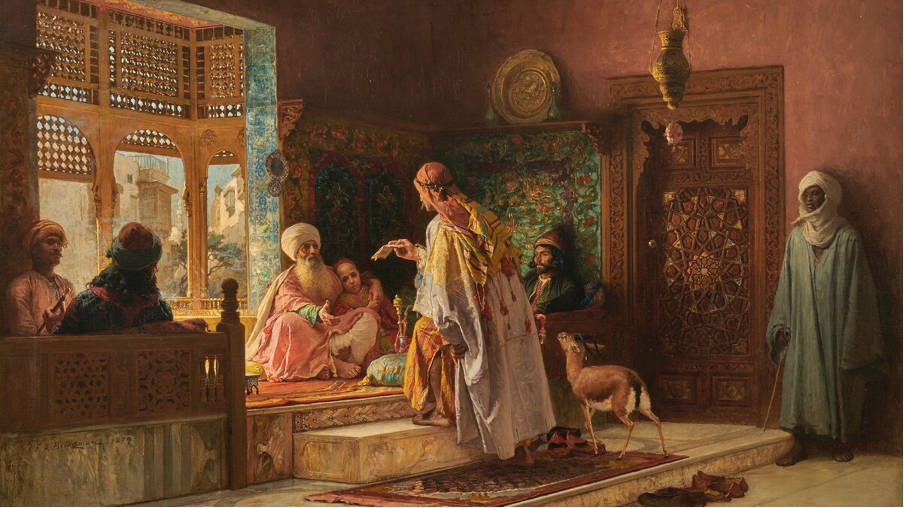
Imaginative geographies:
- Orientalises part of the world
- It is ‘othered’ something ‘other than us’
- Reality of that other place, whether middle east, north africa, south america, Japan is secondary to the imagination of them.
o We prioritise the imagined version of these worlds over the existing ones
o Less interested in telling ‘factual, true, authentic’ stories about these places than we ar einterested in telling stories that are ‘compelling, romantic, make us feel confident in our own superiority’
o This practice hasn’t gone away – I many regards similar stories are told today in relation to other pople- non=white people by anglophone media outlets.
o Bbc pulled up on it many time – critiques of white people going to none-white countries and presented knowledgeably about them rather than getting a local
o Usa government does this too – gaza
Issues 1
- Social geography deals with the ways in which particular kinds of spaces become delineated by the virtues of practices that happen in them that make people feel things
o Vary at different times of day/ week
- Space gets divided by all of us by virtue of the kinds of things we don in it – produces kinds of tension etc
Issues 2
- Many ways were encouraged to reflect and understand ourselves in media
- Forms of imaginations are not just about groups of people somewhere else byt also you, here and now
- Through which we are all mediating the world around us
- Contested forms of meaning – ways in which we are perhaps faking it
- All of us are involved in forms of imagination of our world
Issues 3
- social, cultural capital, political and mony as currency – in housing market
- what happens when people are evicted from hones – from gentrification, marco – economic policies
- social geography used to explore this
- the personal experiences of people effected
- kinds of places