Cestode life cycles
 Call Kai
 Learn
Learn Practice Test
 Spaced Repetition
 Match
Match Flashcards
 Knowt Play
1/12

There's no tags or description
Looks like no tags are added yet.
Name | Mastery | Learn | Test | Matching | Spaced | Call with Kai |
|---|
No analytics yet
Send a link to your students to track their progress
13 Terms
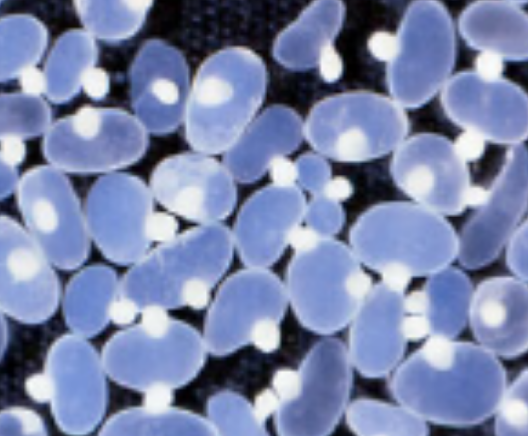
Characteristics of taeniid type eggs
Radial striated
Hexacanth larvae within
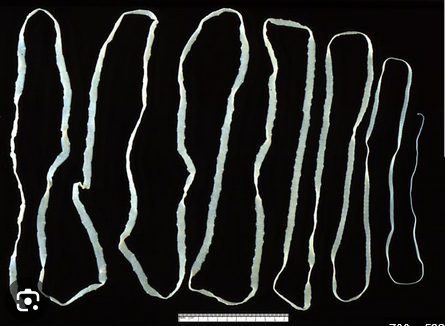
General cyclophyllidean cestode life cycle
Eggs shed in feces
Hexacanth embryo infects IH
Travels to final site in the IH for development to an infective larva
The IH is preyed upon by the DH and the larva is transmitted
The scolex attaches to the small intestine of the DH matures to produce eggs
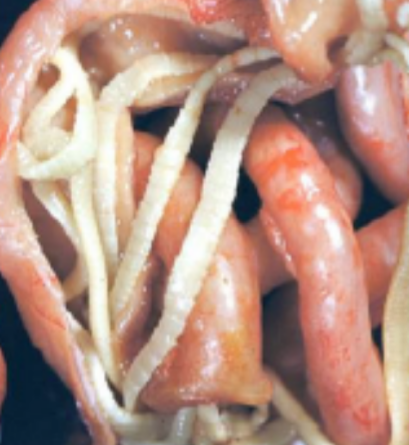
Taenia pisiformis (rabbit tapeworm) life cycle
Egg shed in feces
Hexacanth embryo infects the IH (rabbits)
Travels to final site for the IH for development (peritoneal cavity or liver) to an infective cystercercus
The IH is preyed upon by the DH (dogs) and the cystercercus is transmitted
The scolex everts and attaches to the small intestine of the DH, matures and produces eggs.
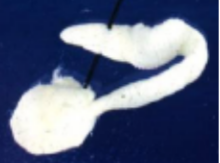
Taenia taeniaformis (rat tapeworm) life cycle
Egg shed in feces
Hexacanth embryo infects the IH (rats)
Travels to final site for development (peritoneal cavity or liver) to an infective cystercercus
The IH is preyed upon by the DH (cats) and the cystercercus is transmitted
The scolex everts and attaches to the small intesting of the DH matures and produces eggs.
Taenia crassiceps life cycle
Eggs shed in feces
Hexacanth embryo infects the IH (groundhogs)
Travels to site in IH for development (brain or ocular cavity - adjusts host behaviour) to an infective cystercercus
The IH is preyed upon by DH (cats) and the cystercercus is transmitted
The scolex everts and attaches to small intestine of DH where it matures and produces eggs.
Taenia solinum (pork tapeworm) life cycle
Eggs shed in feces
Hexacanth embryo infecgts the IH (pigs or humans)
Travels to the final site in the IH for development (muscle) to an infective cystercercus
The IH is preyed upon by the DH (humans ingest undercooked meat) and the cystercercus is transmitted.
Taenia saginata (pork tapeworm) life cycle
Eggs shed in feces
Hexacanth embryo hatches and infects the IH (beef)
Travels to the site in IH for development (muscle) to an infective cystercercus
The IH is preyed upon by the DH (humans ingest the undercooked meat) and cystercercus is transmitted
The scolex everts and the small intestine. Matures to produce eggs.
Echinococcus granulosus life cycle
Eggs shed in feces
Hexacanth embryo infects IH (moose)
Travels to final site for development (liver and other organs) to infective hydatid cyst
Formation of space occupying hydatid cysts containing proroscoleces (cystercercus without the bladder)
The IH is preyed upon by the DH (wolf) and the protoscoleces in the hydatid cyst are transmitted
The scolex everts to attach ti small intestine. Matures and produces eggs.
Echinococcus granulosus life cycle
Eggs shed in feces
Hexacanth embryo infects the IH (rodent)
Travels to the final site in the IH for development (liver and other organs) to an infective alveolar hydatid
Formation of alveolar hydatid cyst containing high numbers of protoscoloces (cystercercus without the bladder)
The IH is preyed upon by the DH (canids, felines) and protoscoleces in the alveolar hydatid cyst is transmitted
The scolex everts and attaches to the small intestine of the DH, matures and produces eggs.
Dipylidium caninum (double pored tapeworm of dogs) life cycle
eggs shed in feces
Hexacanth larva infects IH (flea larvae)
Larvae moults to an adult developing an infective cystercercoid
The IH is accidentally ingested by the DH (dogs, cats, humans) and the cystercercoid is transmitted
The scolex emerges already right site out and attaches to the small intestine of the DH matures to produce eggs.
Anoplocephala perfoliata (equine tapeworm) life cycle
Eggs shedd in feces
Hexacanth embryo infects the IH (free-living mites)
Develops to an infective cystercercoid
The IH is accidentally ingested by the DH (horses, ponies, equids) and the cystercercoid is transmitted
The scolex emerges and attaches to the small intestine of the DH, matures and produces eggs.
Monezia life cycle
Eggs shed in feces
Hexacanth larva infects IH (free-living mites)
Develops to an infective cystercercoid
The IH is accidentally ingested by the DH (cattle, sheep, goats) and the cystercercoid is transmitted
The scolex emerges and attaches to small intestine of DH, matures to produce eggs.
Pseudophyllidean cestodes life cycle (diphyllobothrium latum)
Eggs shed in feces
Hexacanth embryo infects 1st IH (copepods)
Infects the 2nd IH (fish)
Travels to the final site in the 2nd IH for develops to an infective procercoid
The IH is preyed upon by the DH (fish eating mammal) and the pleurocercoid is transmitted
The immature scolex attaches to the small intestine of the DH, matures and produces eggs.