Internal Systems
 Call Kai
 Learn
Learn Practice Test
 Spaced Repetition
 Match
Match Flashcards
 Knowt Play
1/87

There's no tags or description
Looks like no tags are added yet.
Name | Mastery | Learn | Test | Matching | Spaced | Call with Kai |
|---|
No analytics yet
Send a link to your students to track their progress
88 Terms
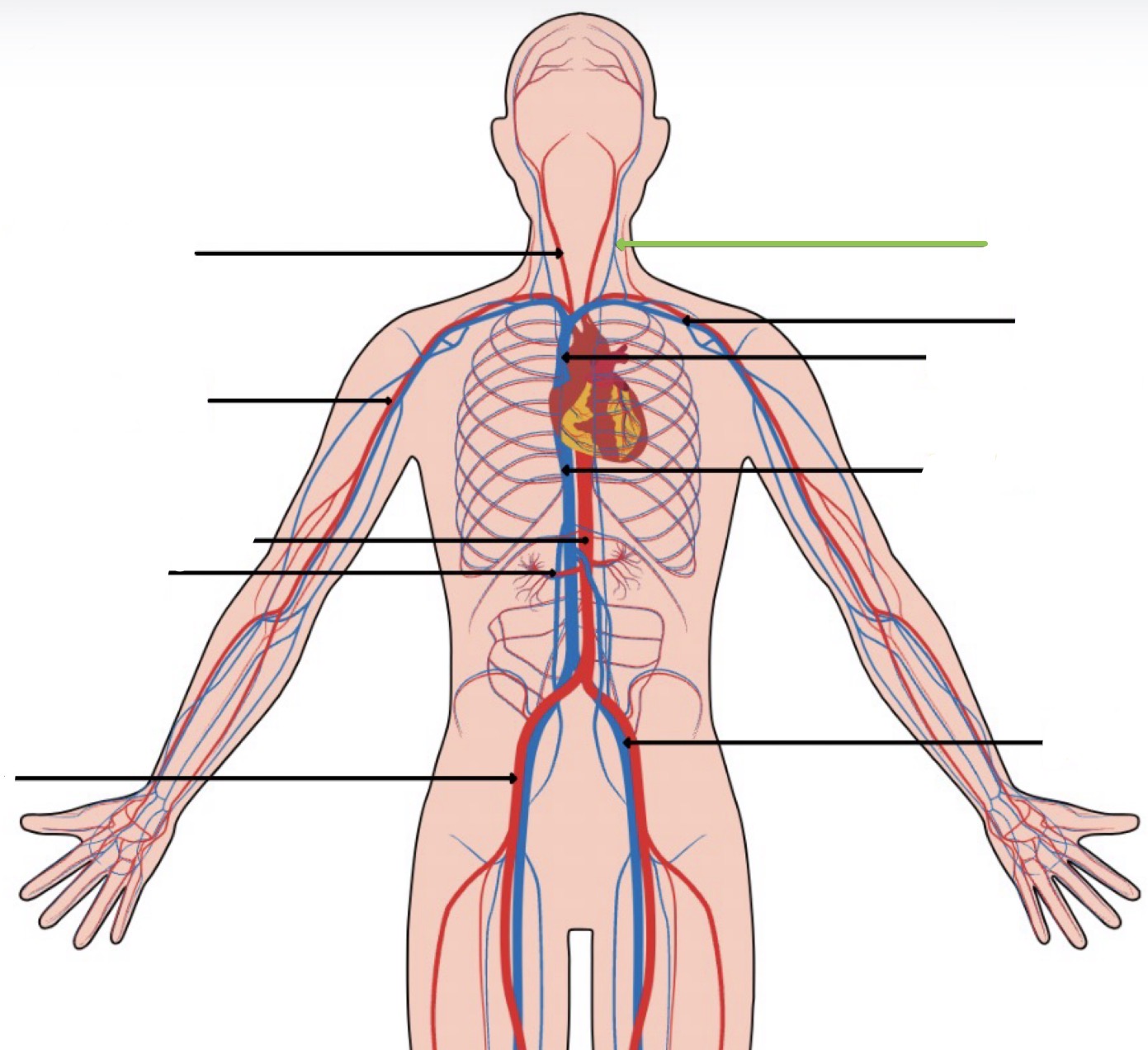
Jugular vein
What is this?
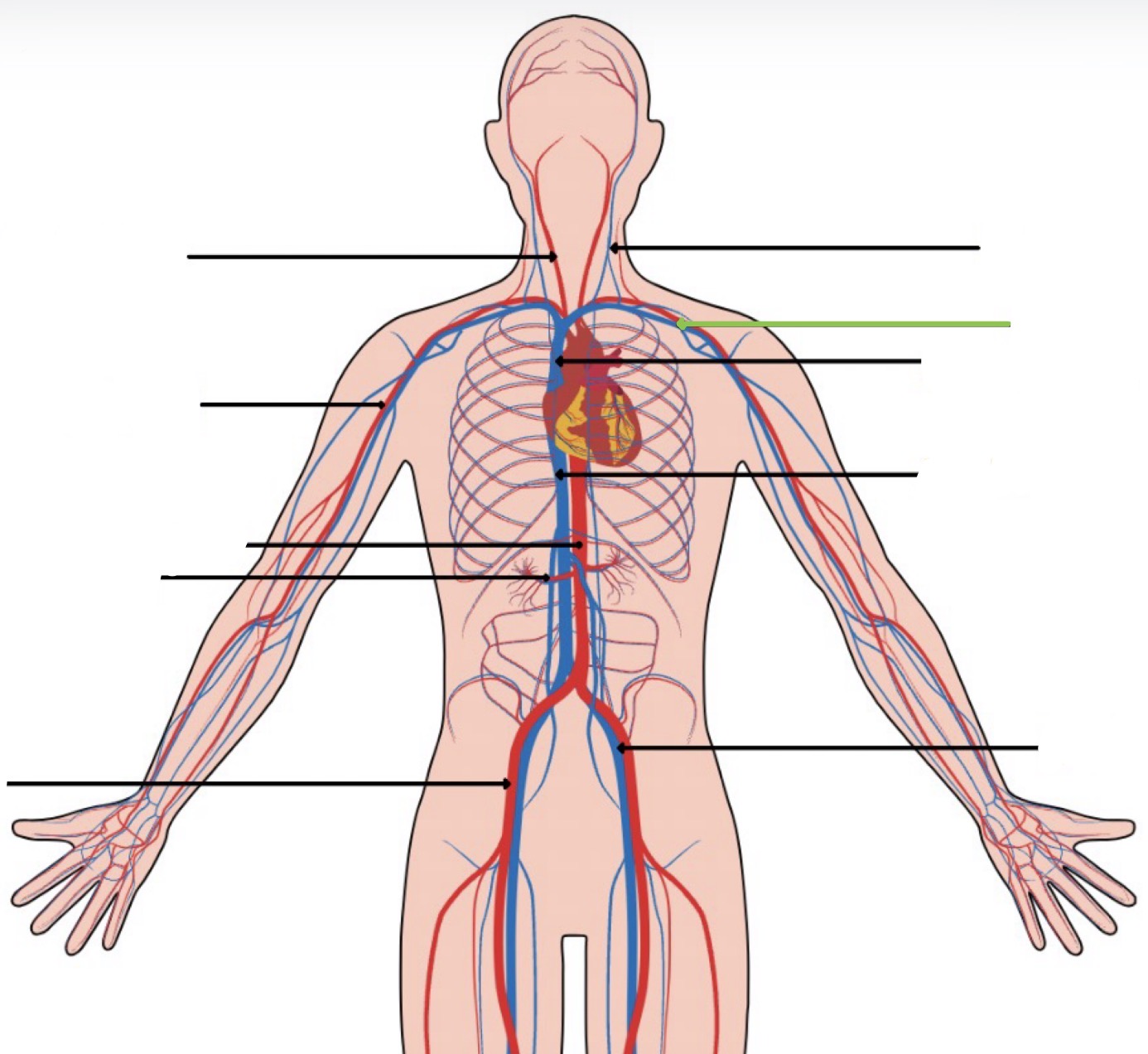
Subclavian vein
What is this?
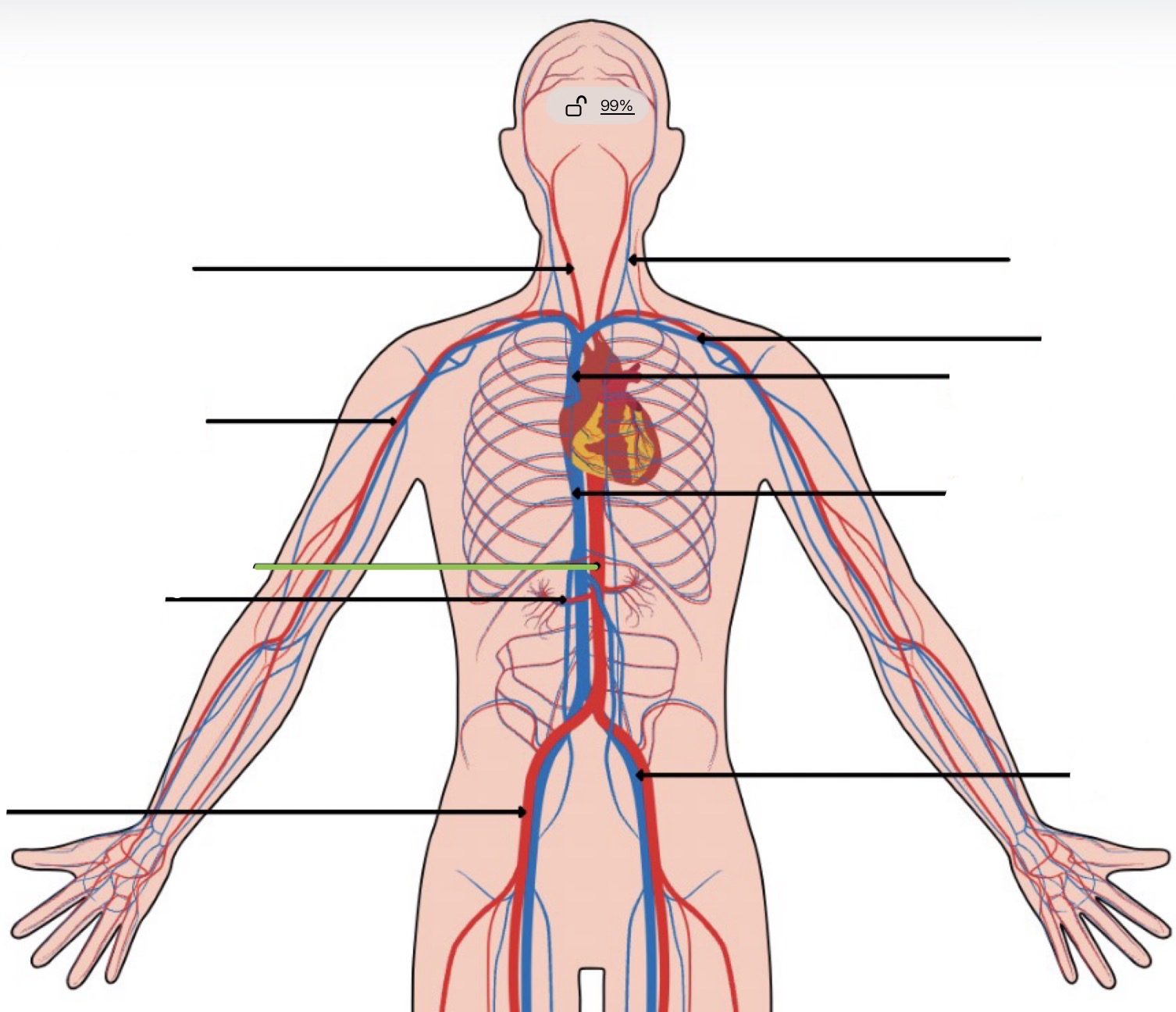
Descending Aorta
What is this?
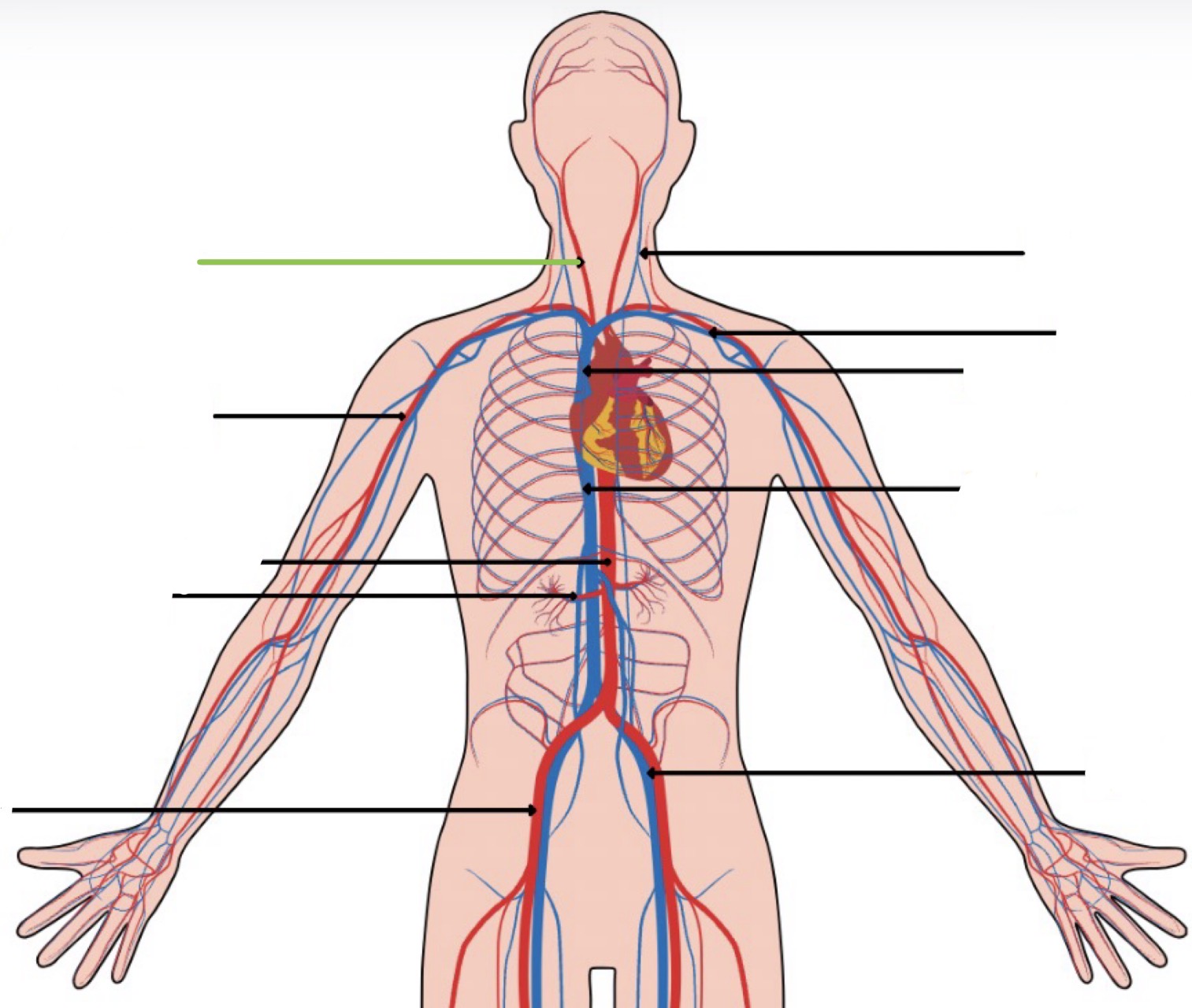
carotid artery
What is this?
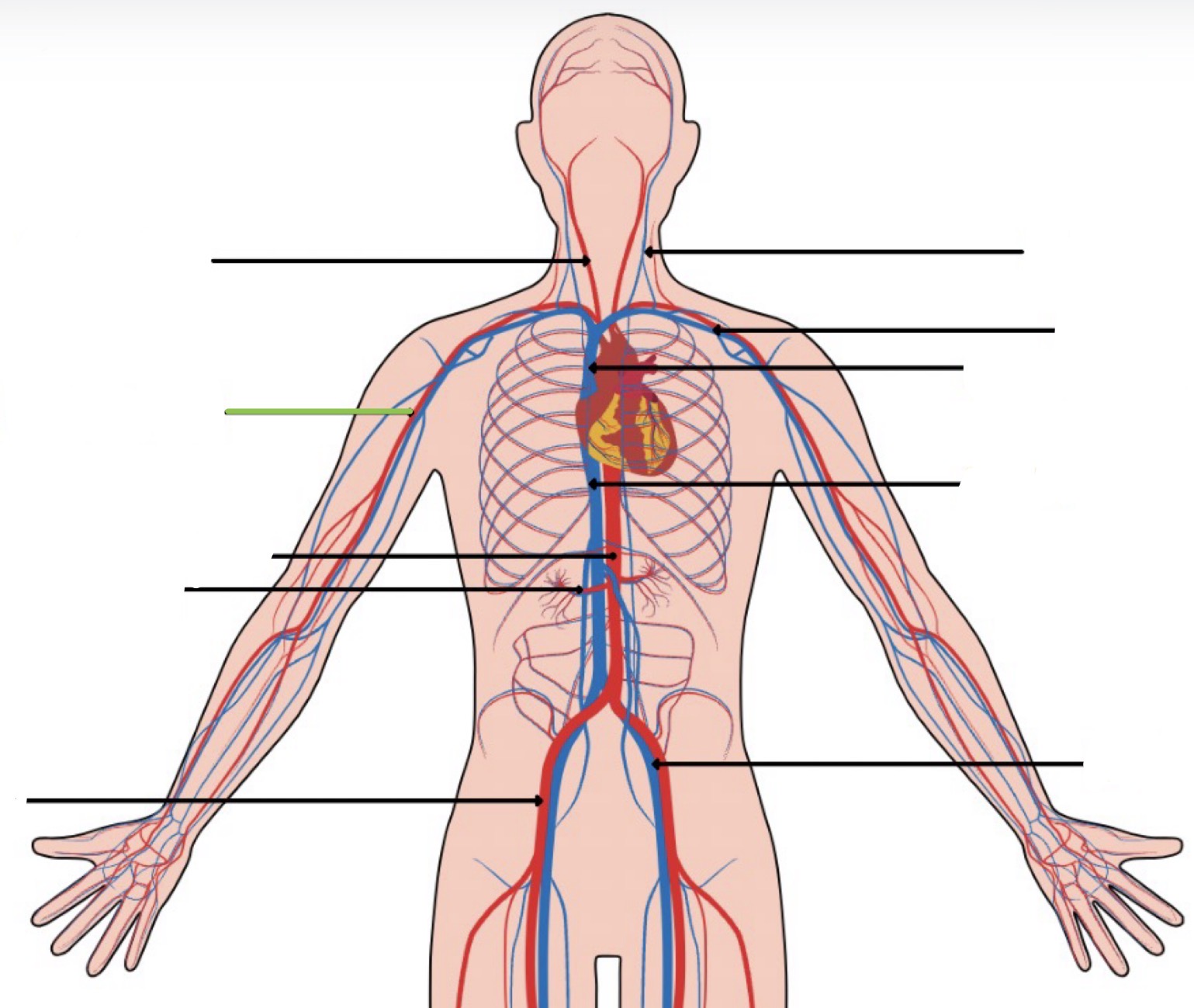
subclavian artery
What is this?
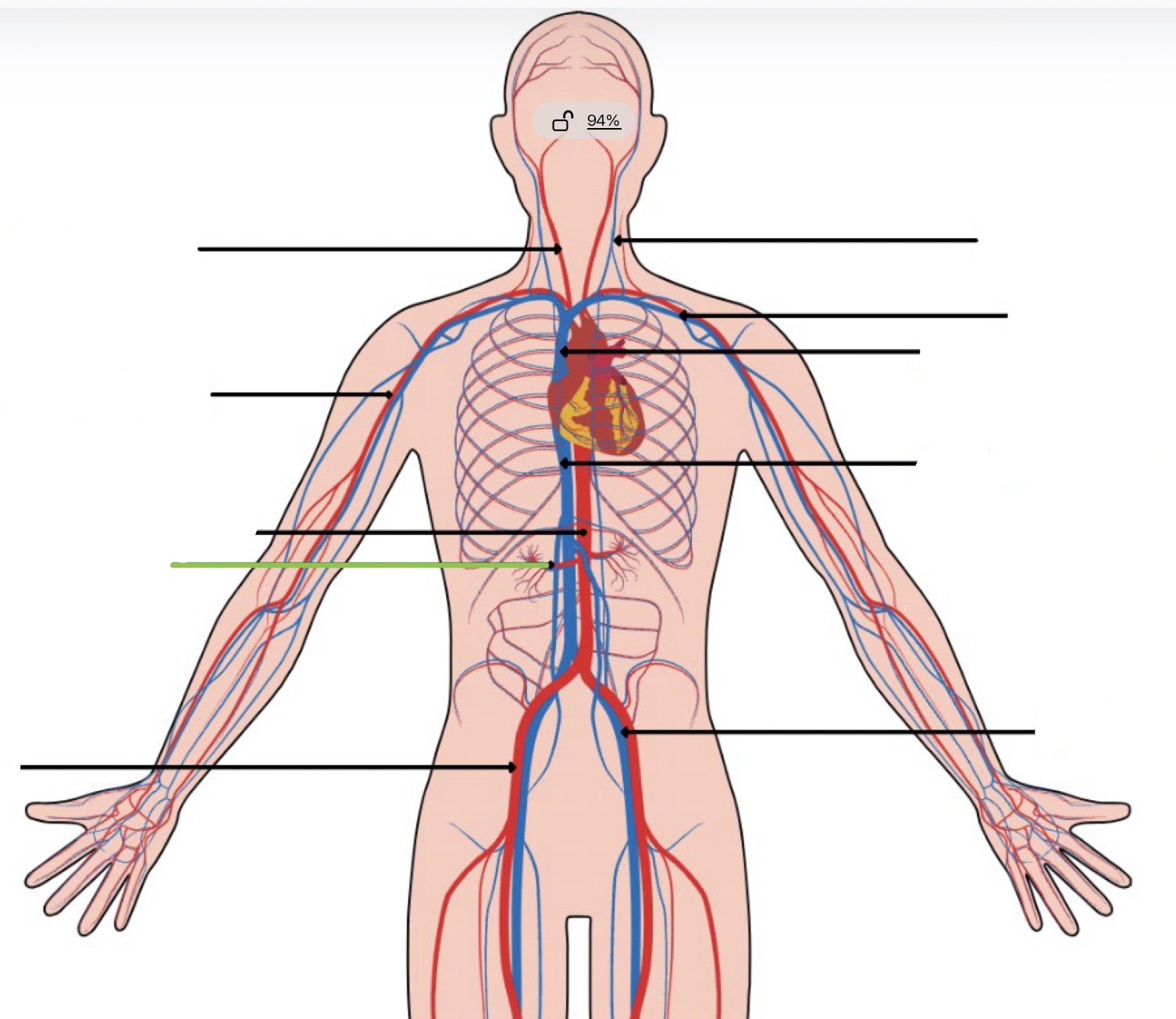
renel artery
What is this?
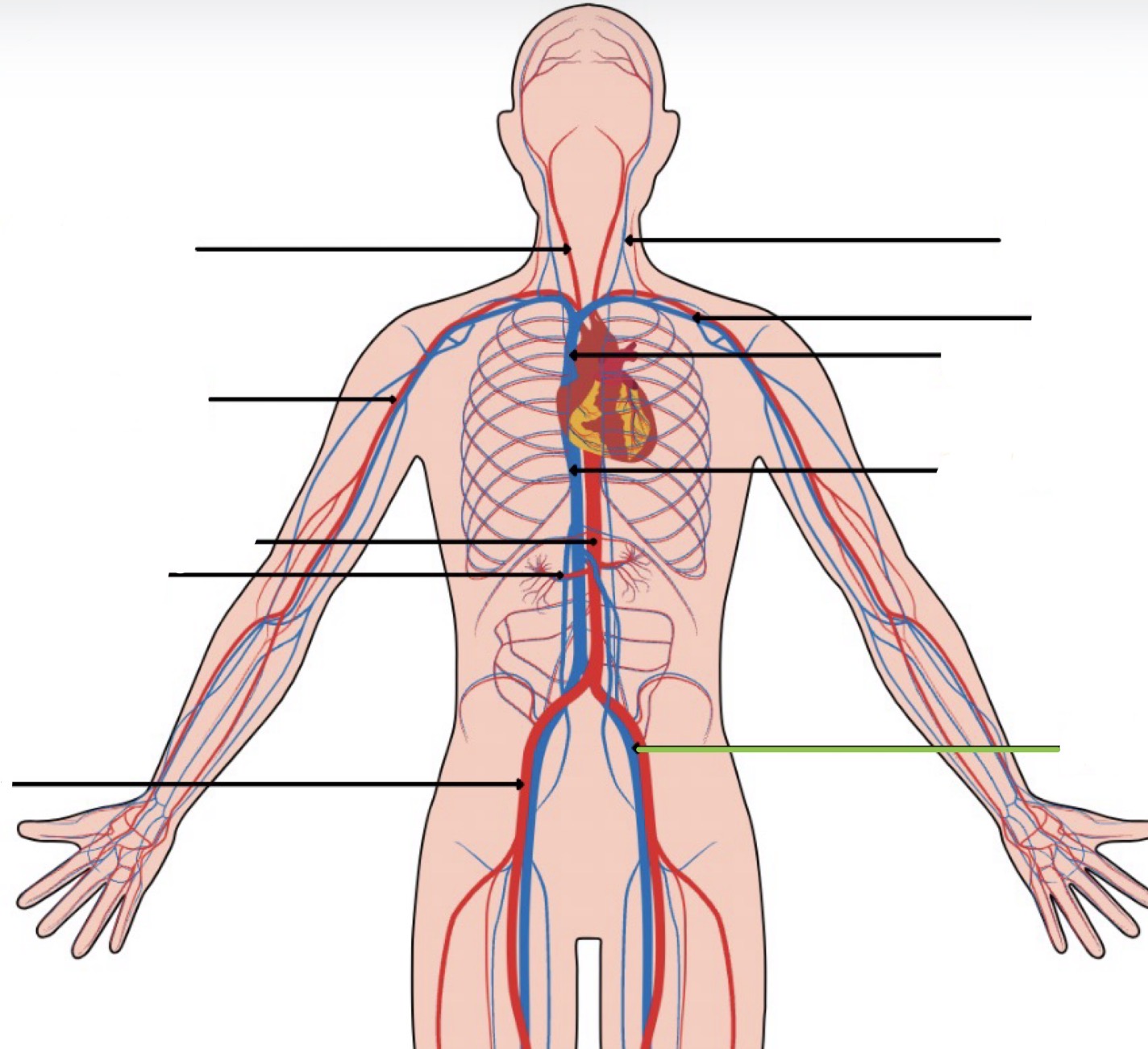
iliac vein
What is this?
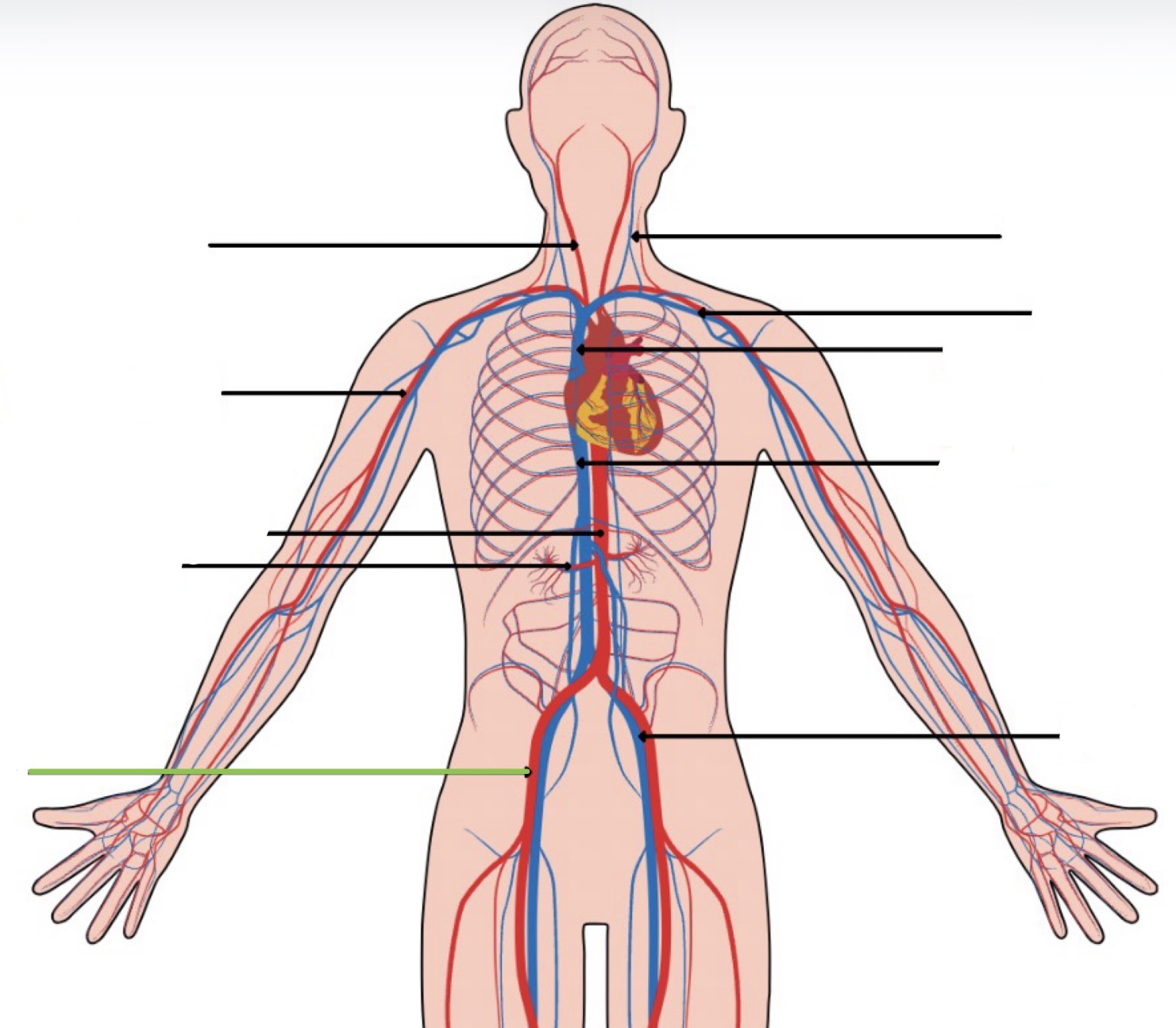
iliac artery
What is this?
Tonsillitis
Inflammation of tonsils caused by a viral or bacterial infection
Laryngitis
Inflammation of the larynx causing vocal cords to swell
Pneumonia
Infection that inflames one or both air sacs(lungs) and can fill with liquid or pus. Caused by bacteria, virus, or fungi
Bronchitis
Inflammation in the bronchial tubes causing swelling and mucus buildup. Caused by virus or bacteria
Asthma
A condition where your airways narrow and swell, which may cause you to produce extra mucus.
Emphysema
A progressive lung disease where the alveoli in the lungs are damaged
Cystic fibrosis
A genetic disease that causes the body to produce unusually thick and sticky mucus
Arteriosclerosis
The thickening hardening and loss of elasticity in the walls of your arteries. It restricts blood to flow to your organs and tissues.
Aneurysm
A weak spot in a blood vessel that bulges and may burst
Heart valve disease
When the valves in the heart do not work properly and affect blood flow.
Arrhythmia
An irregular heartbeat that may be too fast, too slow, or uneven.
Heart murmur
An unusual sound made by blood flowing through the heart.
Stroke
When blood flow to the brain is blocked or a blood vessel bursts.
Hemophilia
A disorder where blood does not clot properly, causing extra bleeding.
Heart Attack
When blood flow to part of the heart is blocked, damaging the heart muscle.
Atrial Septal Defect
A hole in the wall between the upper chambers of the heart.
Leukemia
A cancer of the blood and bone marrow that affects white blood cells.
Peptic ulcer
A sore in the lining of the stomach or small intestine.
Crohn’s disease
A disease that causes swelling and irritation in the digestive system.
Ulcerative colitis
A disease that causes sores and inflammation in the large intestine.
Hepatitis
Inflammation of the liver, often caused by a virus.
Cirrhosis
Scarring of the liver that makes it hard for the liver to work.
Diabetes
A disease where the body cannot properly control blood sugar levels.
Nasal Cavity
Hollow space inside the nose lined with mucus and tiny hairs that warms, moistens, and filters air before it enters the lungs
Pharynx
Muscular tube at the back of the throat that is a passageway for air from the nose/mouth to the larynx
Epiglottis
Small flap of cartilage above the larynx that prevents food and liquid from entering the trachea when swallowing
Larynx
Cartilage structure containing the vocal cords and produces sound and directs air into the trachea
Trachea
Tube supported by C-shaped cartilage rings and carries air to and from the lungs
bronchus
Two large branches coming off the trachea that carry air into each lung
Bronchioles
Smaller branching tubes inside the lungs that distribute air throughout the lungs
Alveoli
Tiny air sacs with thin walls where gas exchange between air and blood happens
Capillaries
Very small blood vessels surrounding alveoli that exchange oxygen and carbon dioxide with alveoli
Diaphragm
Dome-shaped muscle below the lungs and is the main muscle used for breathing, it contracts to draw air in
Rib Cage
Bones surrounding the chest and protect the lungs and heart and helps with breathing
Intercostal Muscles
Muscles located between the ribs and help expand and contract the chest during breathing
Pleura
Double-layered membrane around the lungs that reduces friction and protects the lungs during breathing
Inhalation
the process of breathing air into the lungs. It happens when the diaphragm contracts and the chest cavity expands, lowering pressure inside the lungs so air flows in.
Exhalation
the process of breathing air out of the lungs. It happens when the diaphragm relaxes and the chest cavity becomes smaller, increasing pressure inside the lungs so air is pushed out.
Cellular respiration
gases are exchanged to bring oxygen to your cells and to get rid of waste carbon dioxide
alveoli
Gas is exchanged in the_______
Internal respiration
gas exchange in capillary bed throughout body tissues
external respiration
gas exchange in lungs
Pons, Medulla
Breathing control centers stimulated by ____ and _________
regulate
Most of the time automatic mechanisms _______ our breathing
medulla oblongata
Our breathing control center is the ____________
carbohydrates, lipids, nucleic acids, proteins
What are the 4 groups of macromolecules?
monosaccharides
what are the smallest unit of carbohydrates?
water and enzymes
what 2 things are needed to breakdown macromolecules?
amino acids
what do peptides break down into?
dipeptide
what is this molecule?
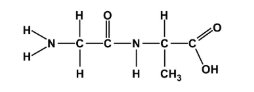
Tidal Volume
The volume of air that is inhaled or exhaled during normal breathing
Inspiratory Reserve Volume
The additional volume of air that can be inhaled
Expiratory Reserve Volume
The additional volume of air that can be exhaled
Inspiratory Capacity
Inspiratory Reserve Volume + Tidal Volume
Vital Capacity
The total volume of gas that can be moved in or out of the lungs
Bottom
Glucose has the OH on the _______
top
Galactose has the OH on the ________
sucrose
glucose + fructose
lactose
glucose + galactose
maltose
glucose + glucose
Starch
what is this
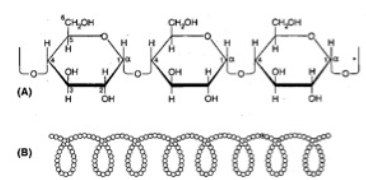
glycogen
what is this?
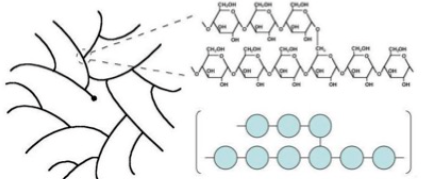
cellulose
what is this?
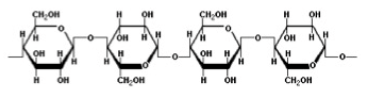
monounsaturated
a fatty acid contains one double bond
polyunsaturated
a fatty acid contains more than one double bond
hydrolysis
what reaction digests carbohydrates, lipids, and proteins
dehydration synthesis
reaction that attaches 2 carbohydrates, lipids, and proteins together by removing water
monosaccharides
benedicts solution tests for _____________
polysaccharides
iodine tests for ___________
proteins
biuret tests for _________