AHI 1C Final Study Guide
 Call Kai
 Learn
Learn Practice Test
 Spaced Repetition
 Match
Match Flashcards
 Knowt Play
1/47

There's no tags or description
Looks like no tags are added yet.
Name | Mastery | Learn | Test | Matching | Spaced | Call with Kai |
|---|
No analytics yet
Send a link to your students to track their progress
48 Terms
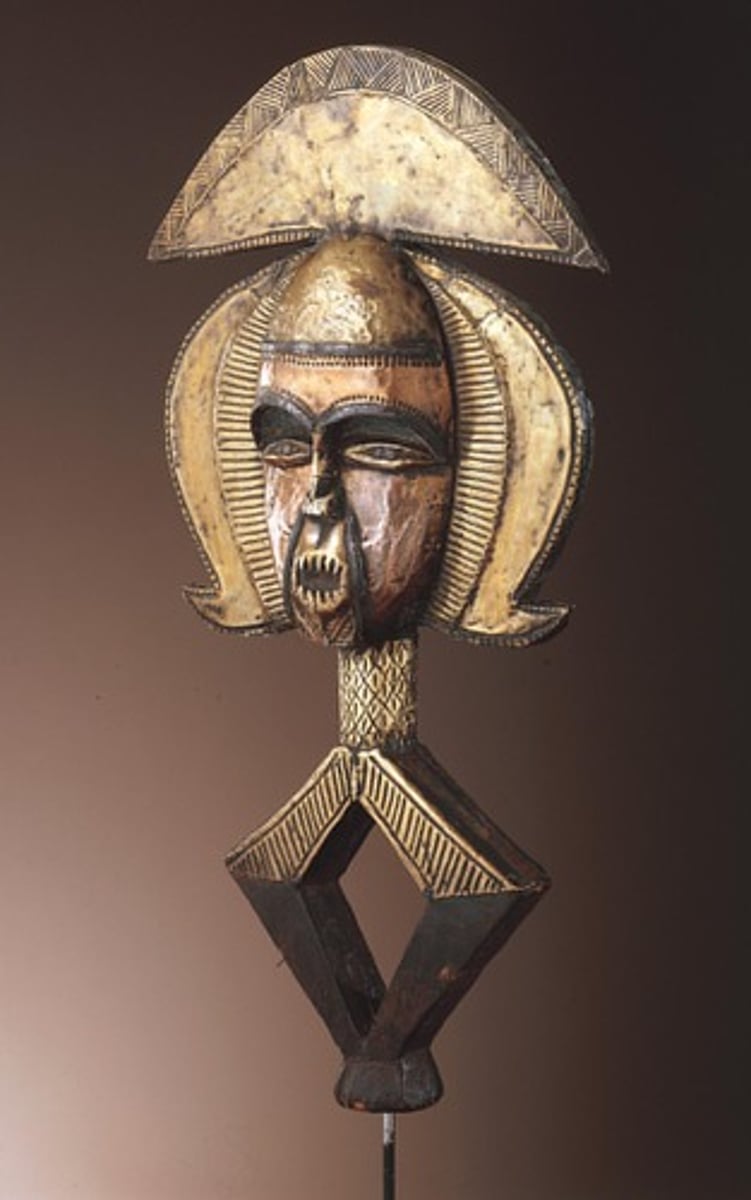
Reliquary guardian figure, Kota Peoples, Gabon, late 19C/early 20C
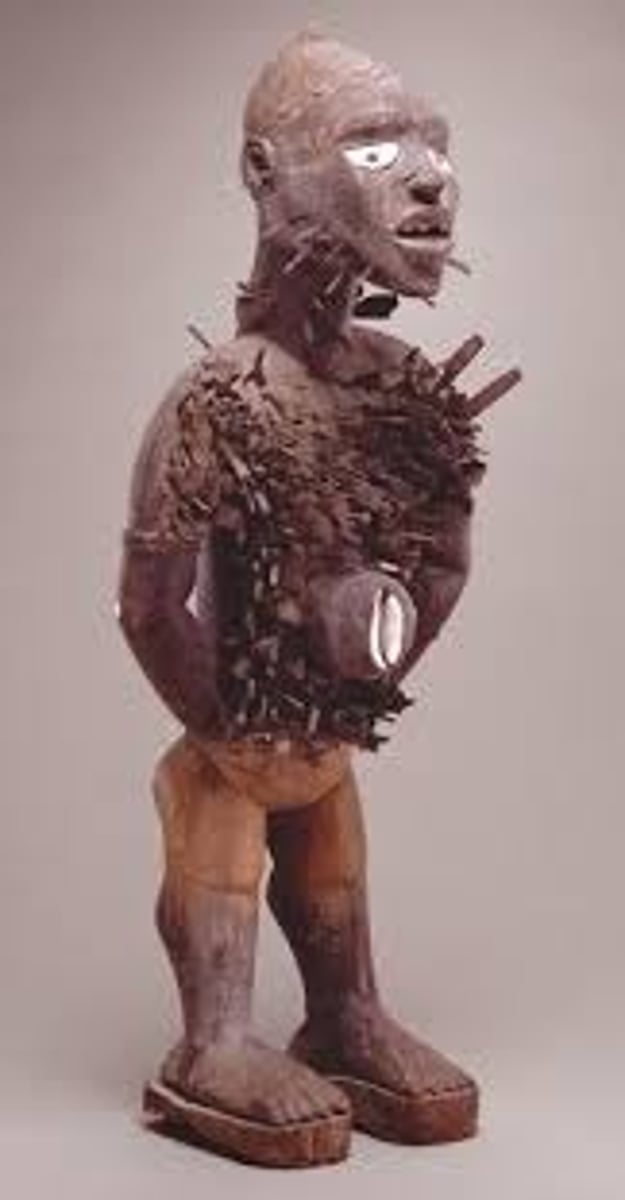
Nkisi n'kondi, Shiloango River Area, Democratic Republic of Congo, c. 1875-1900
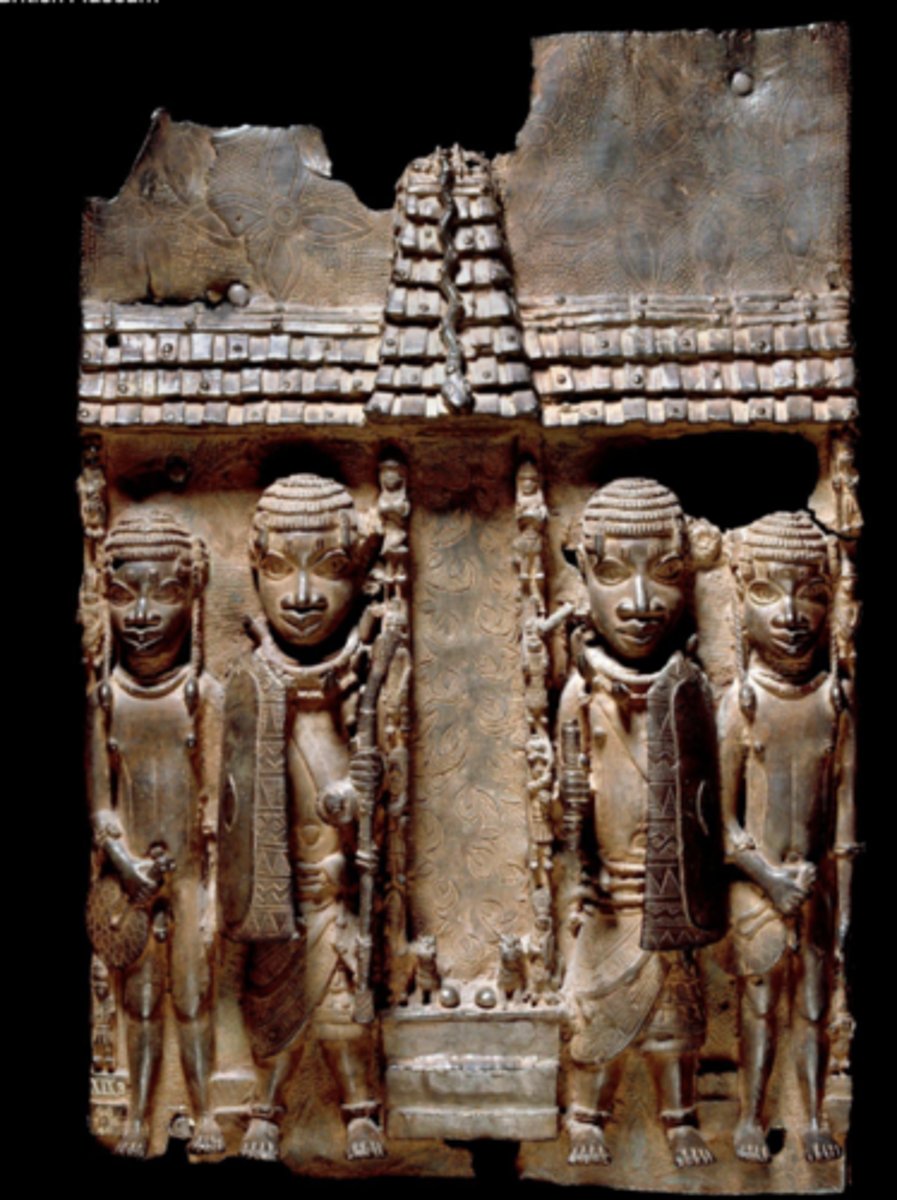
Four Pages before a Palace Compound, Benin City, Nigeria, 16C/17C (one of the Benin Bronzes)
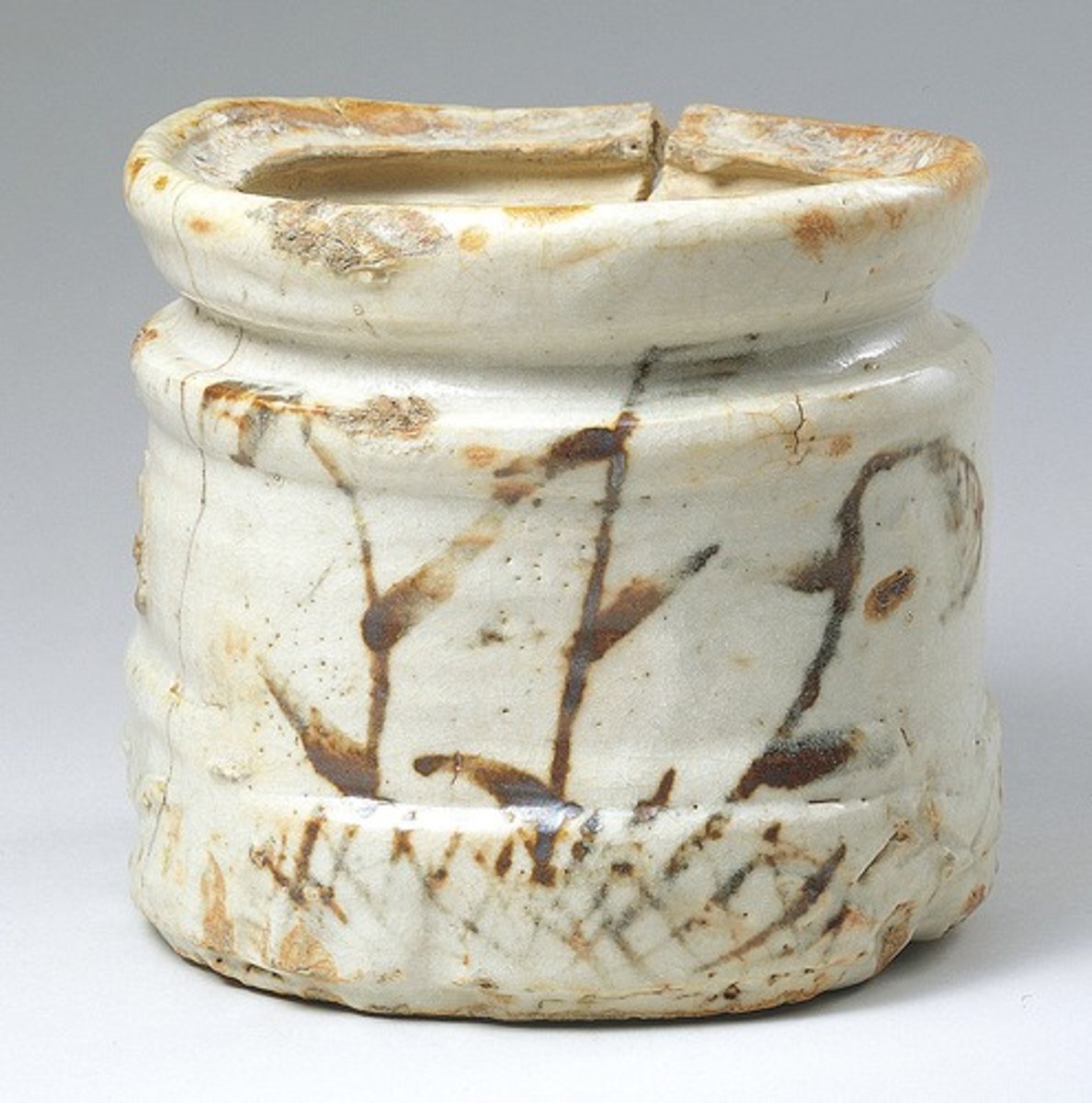
Kogan (tea ceremony water jar), Japan, late 16th century
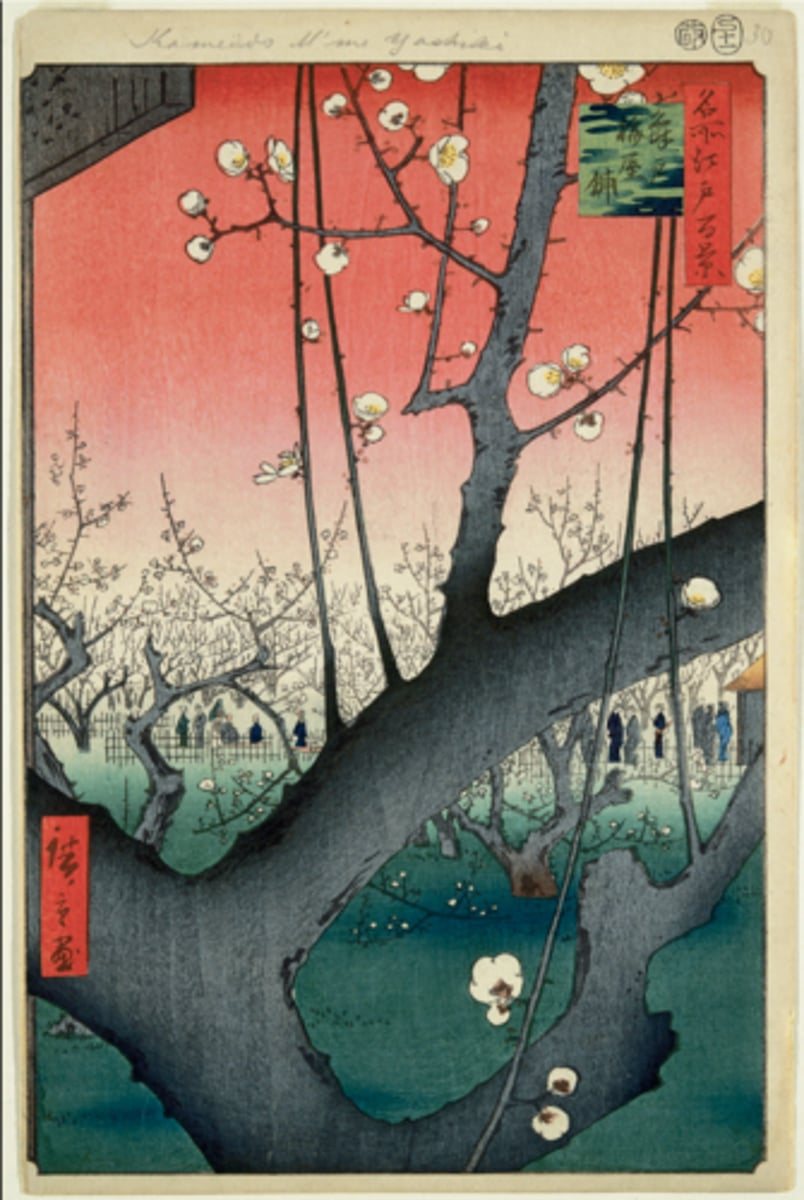
Andō Hiroshige: Plum Estate, Kameido, 1857
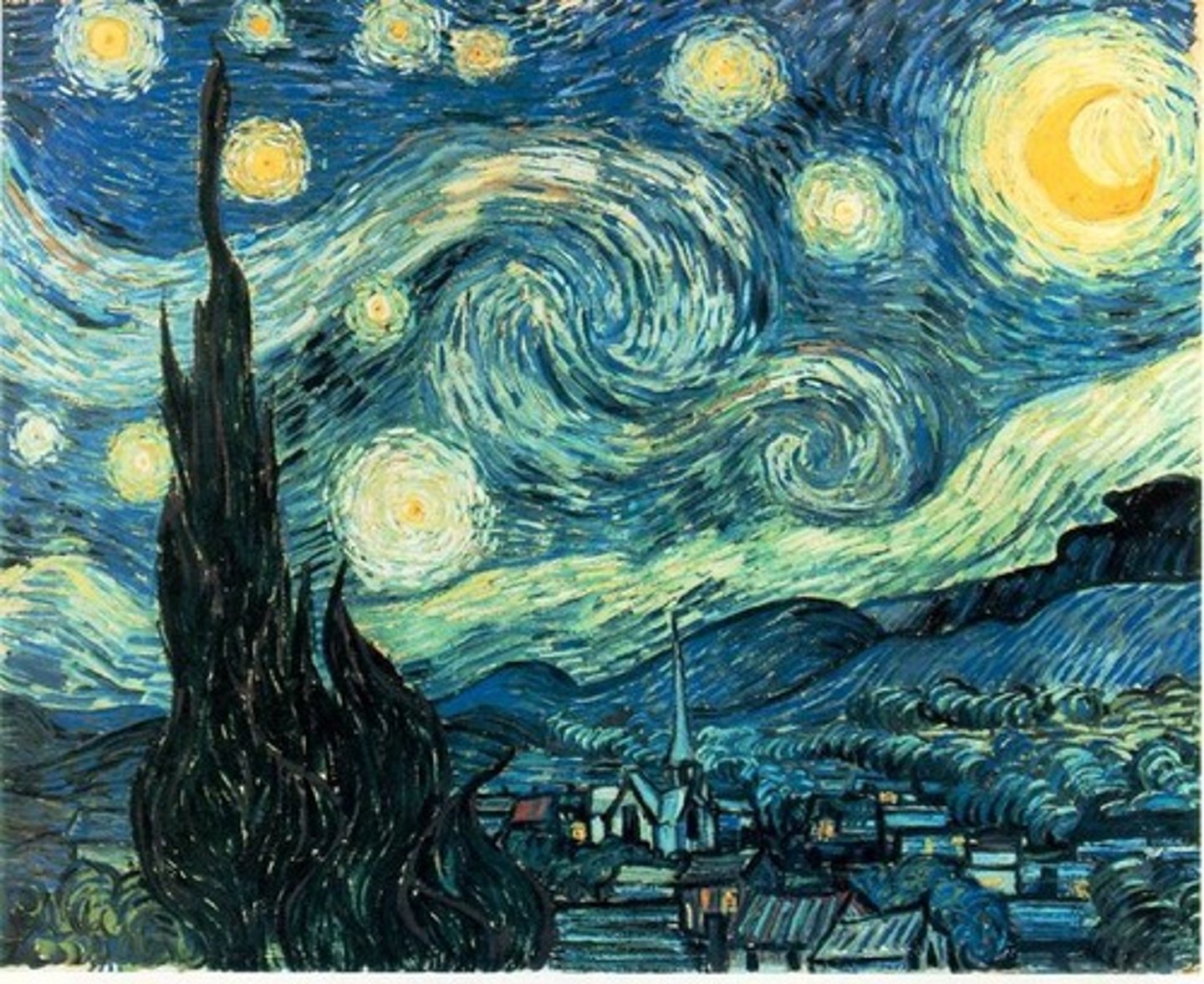
Vincent van Gogh: Starry Night, 1889
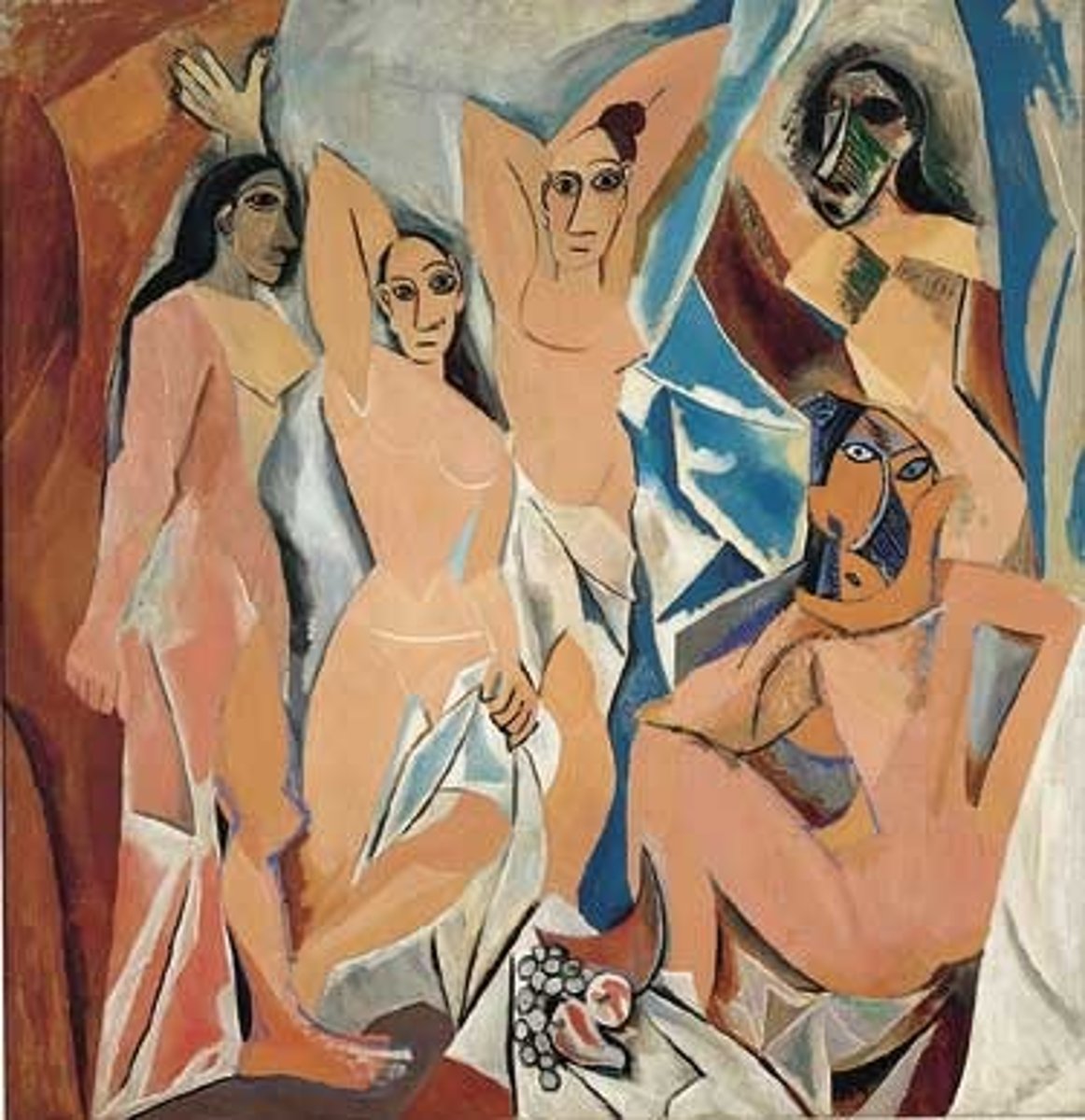
Pablo Picasso: Les Demoiselles d'Avignon, 1907
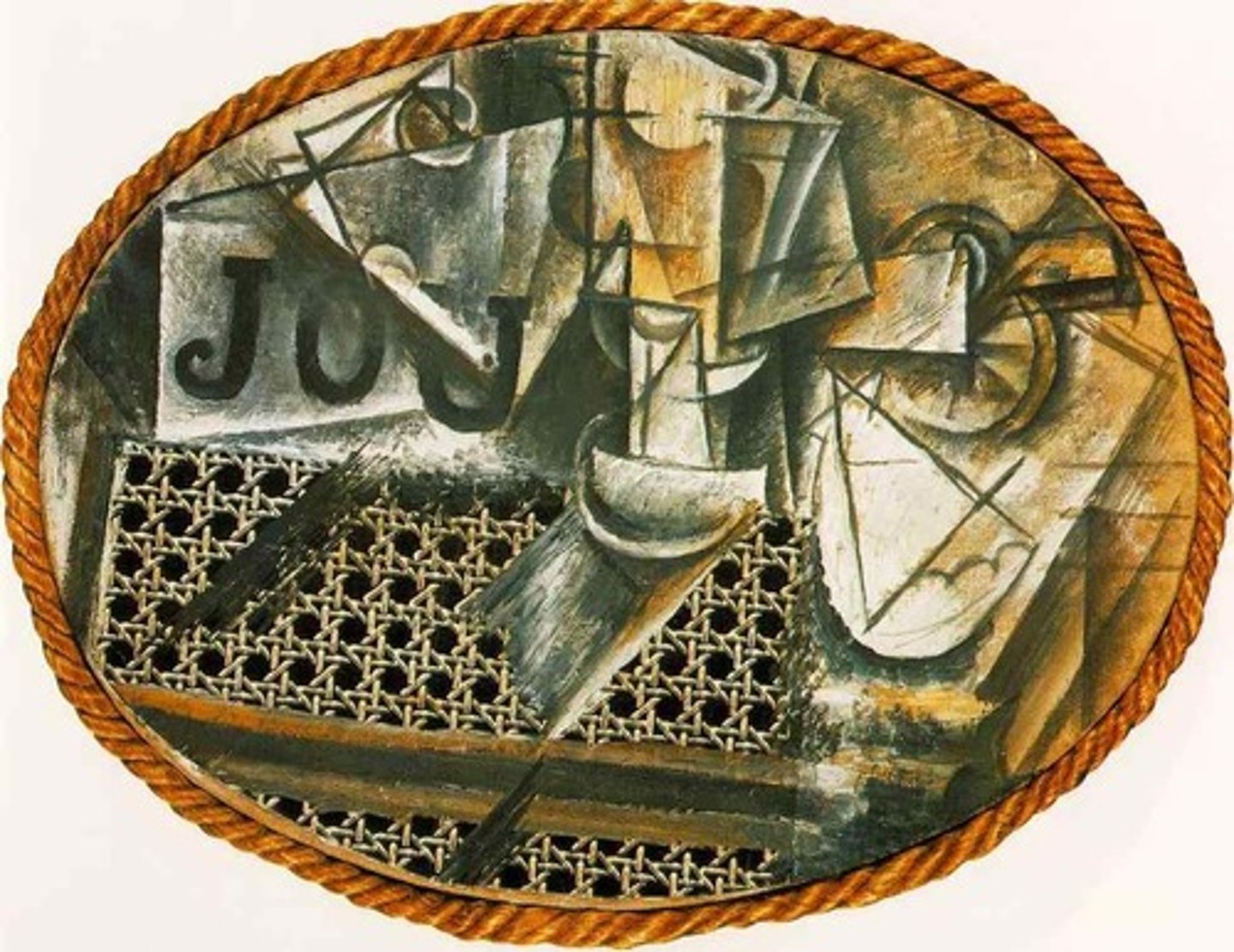
Pablo Picasso, Still Life with Chair Caning, 1912
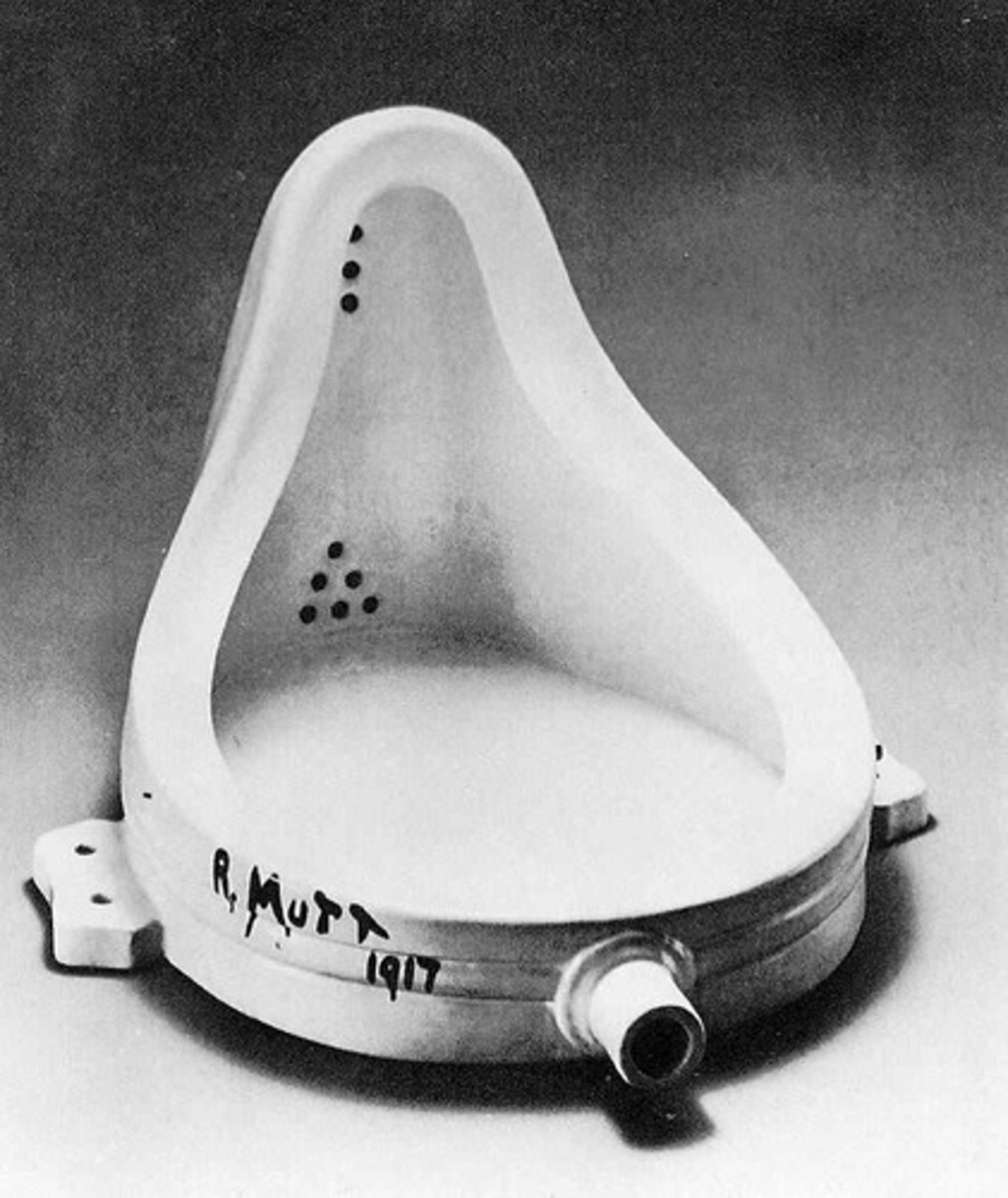
Marcel Duchamp: Fountain, 1917
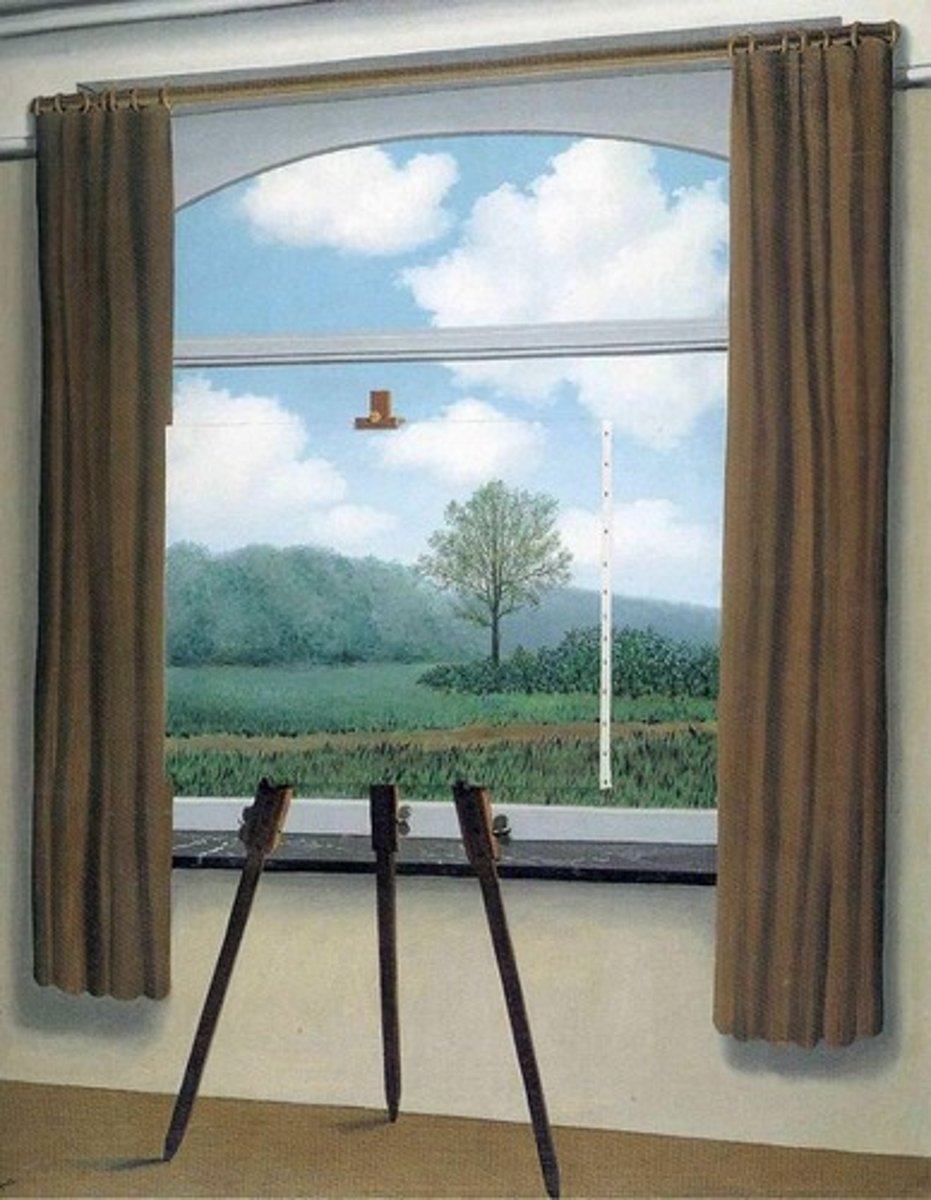
René Magritte: The Human Condition, 1933
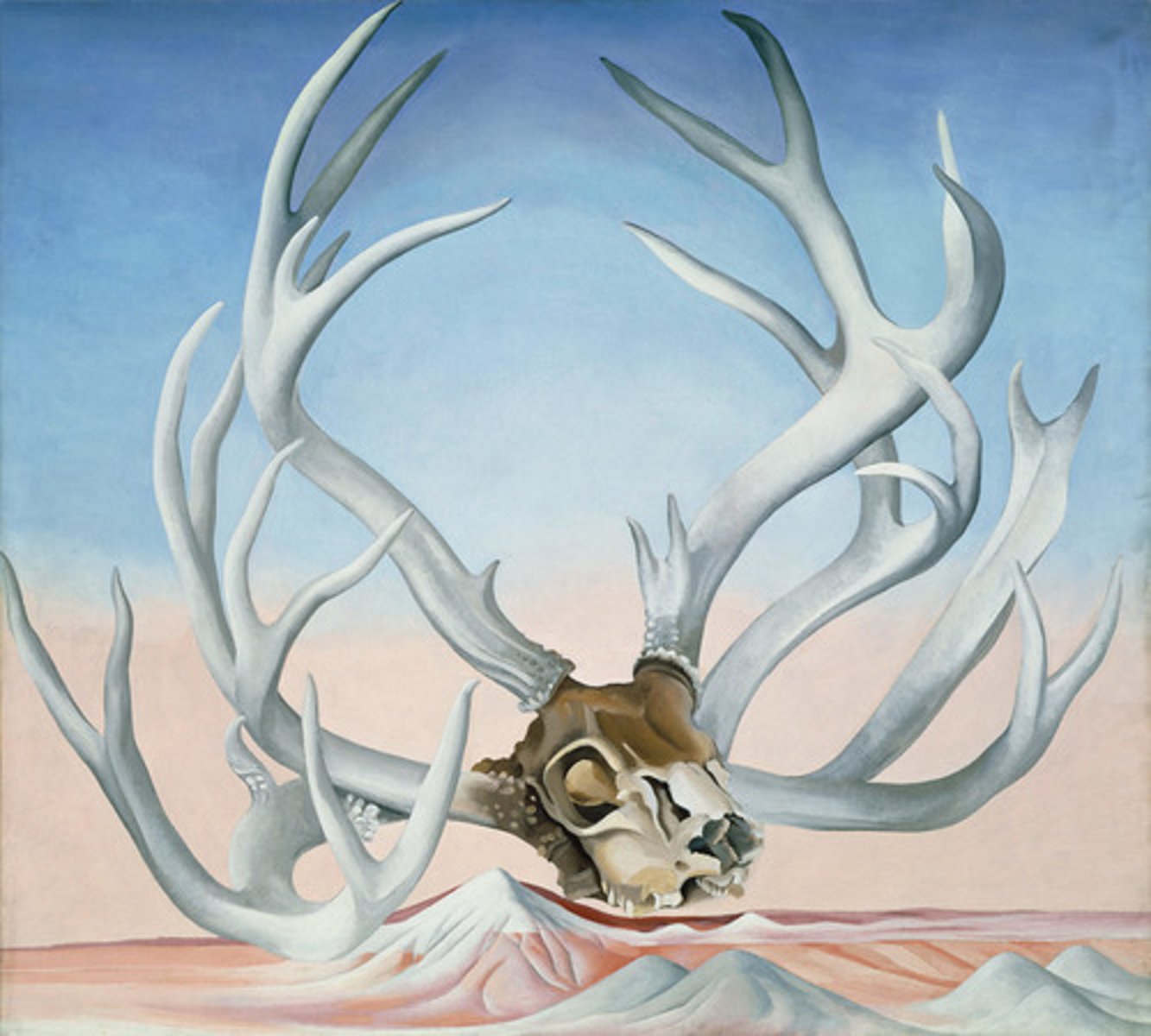
Georgia O'Keeffe: From the Faraway, Nearby, 1937
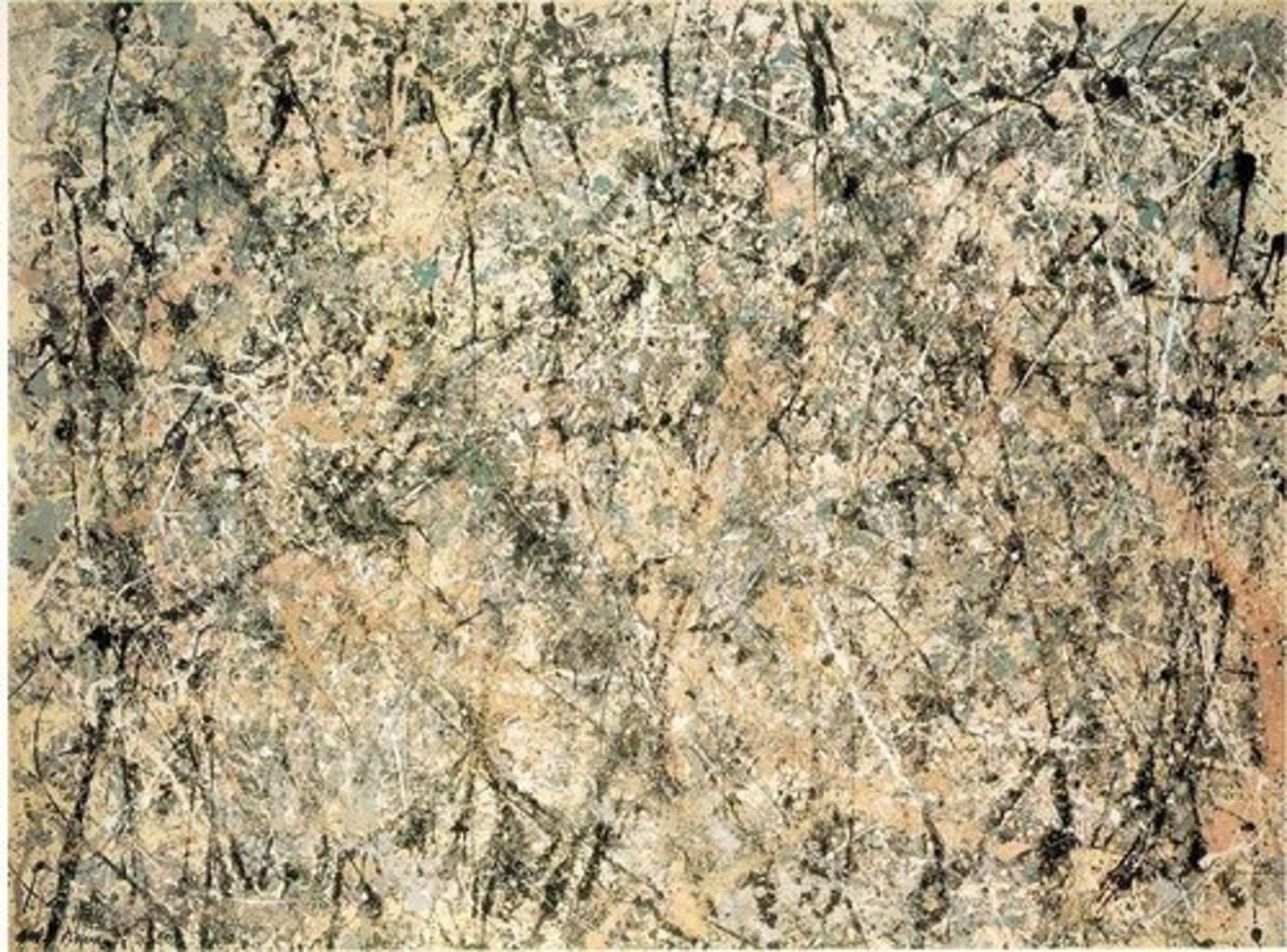
Jackson Pollock: Number I 1950 (Lavender Mist), 1950
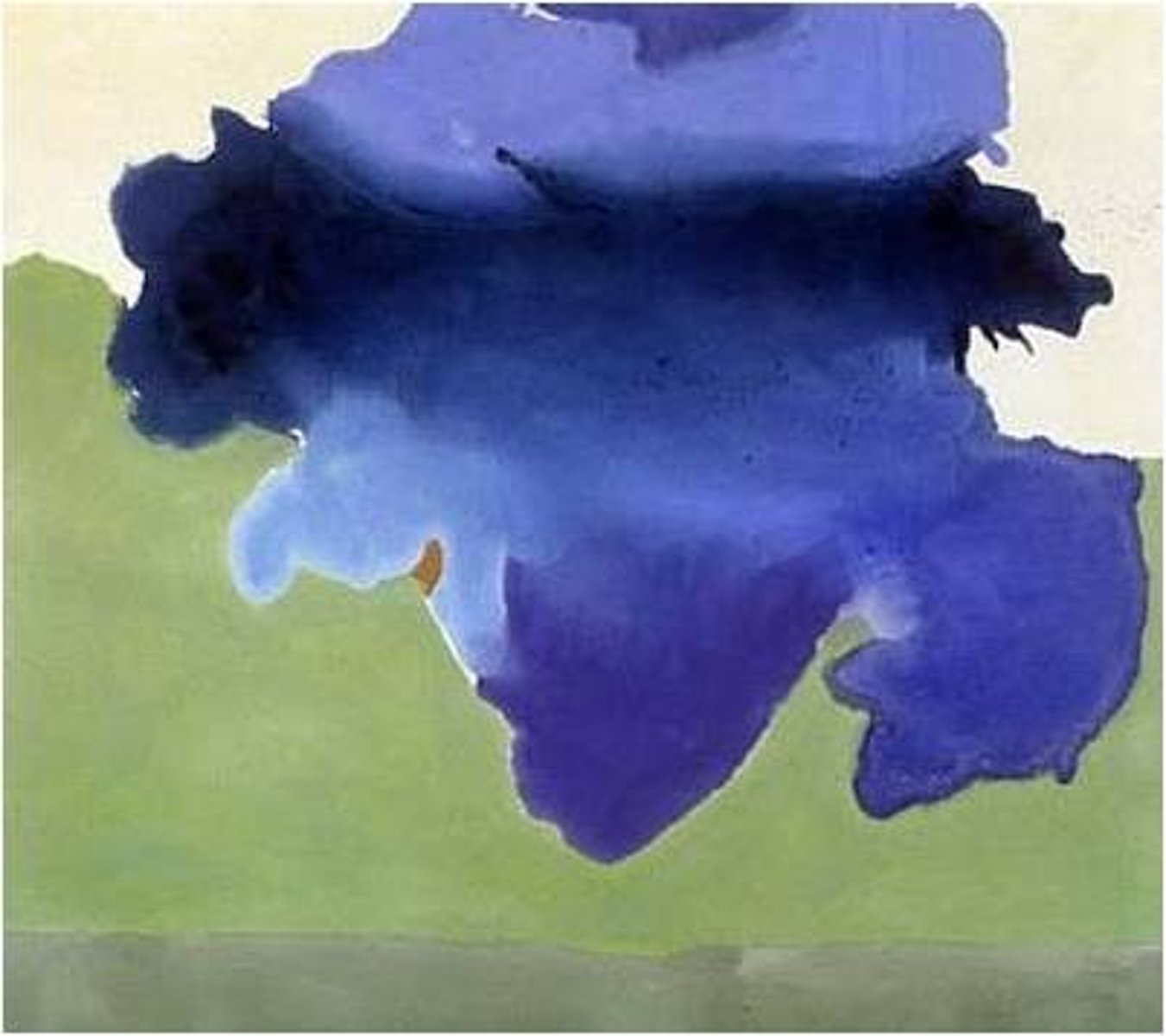
Helen Frankenthaler: The Bay, 1953
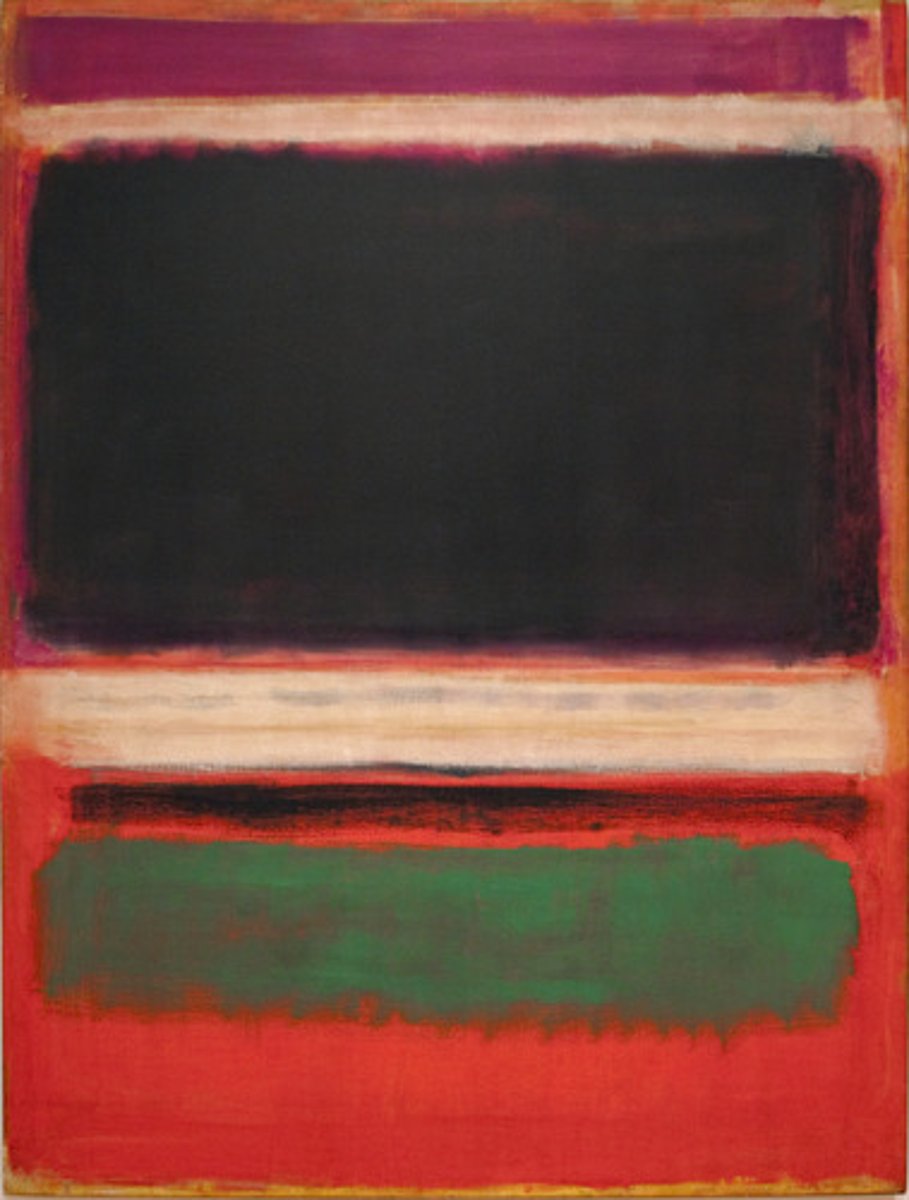
Mark Rothko: No. 3/No. 13, 1949
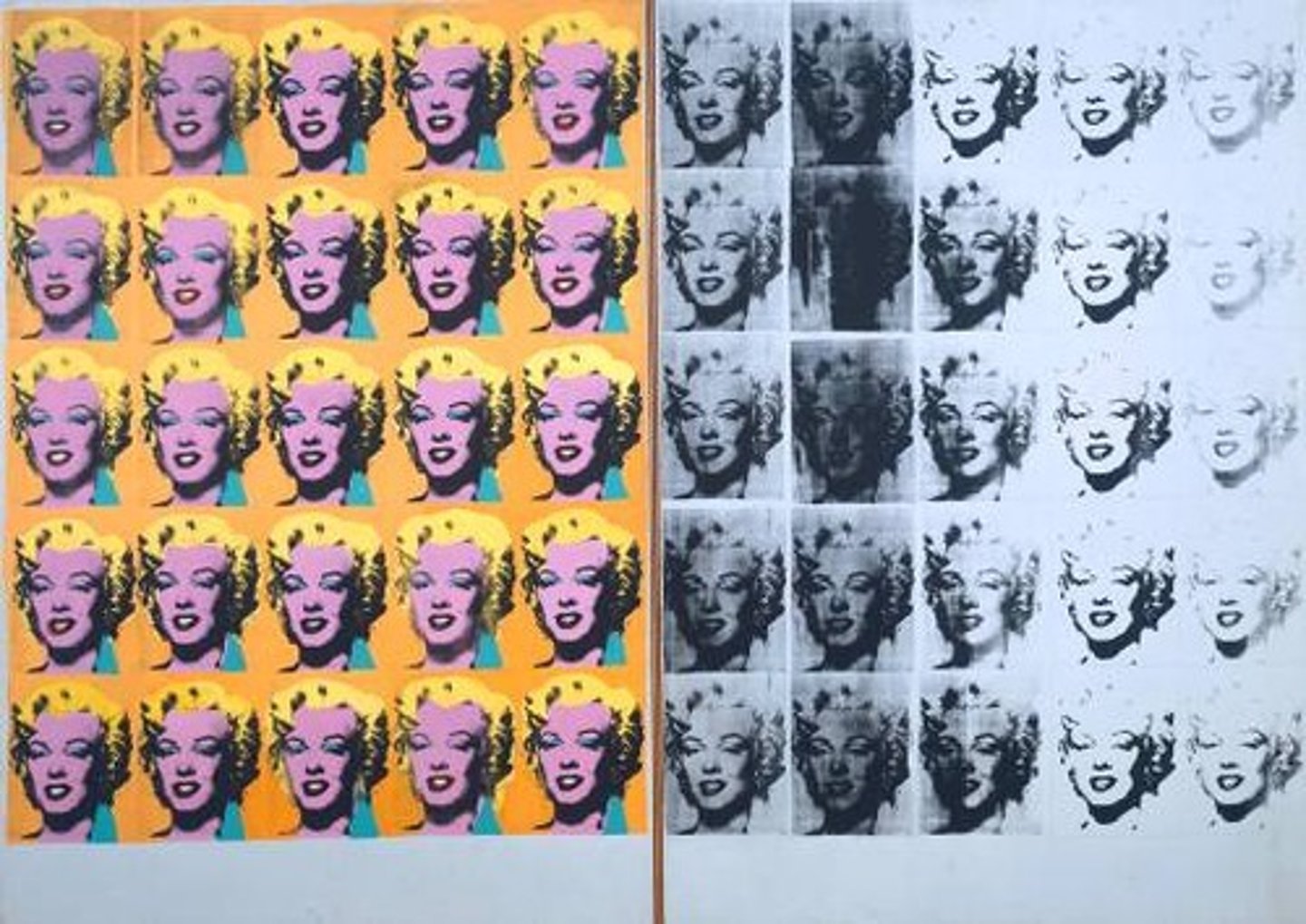
Andy Warhol: Marilyn Diptych, 1962
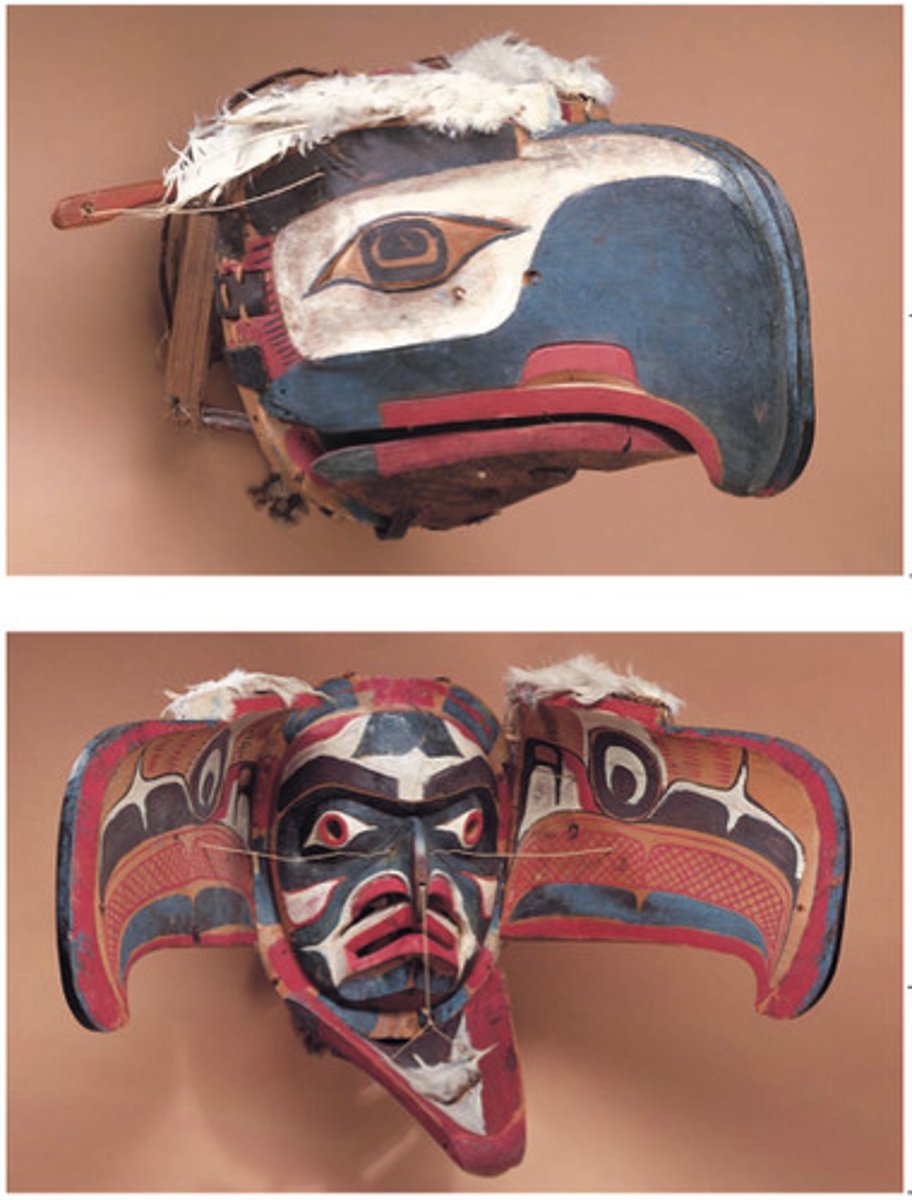
Kwakwaka'wakw Culture (Pacific Northwest), Transformation Mask, late 19C
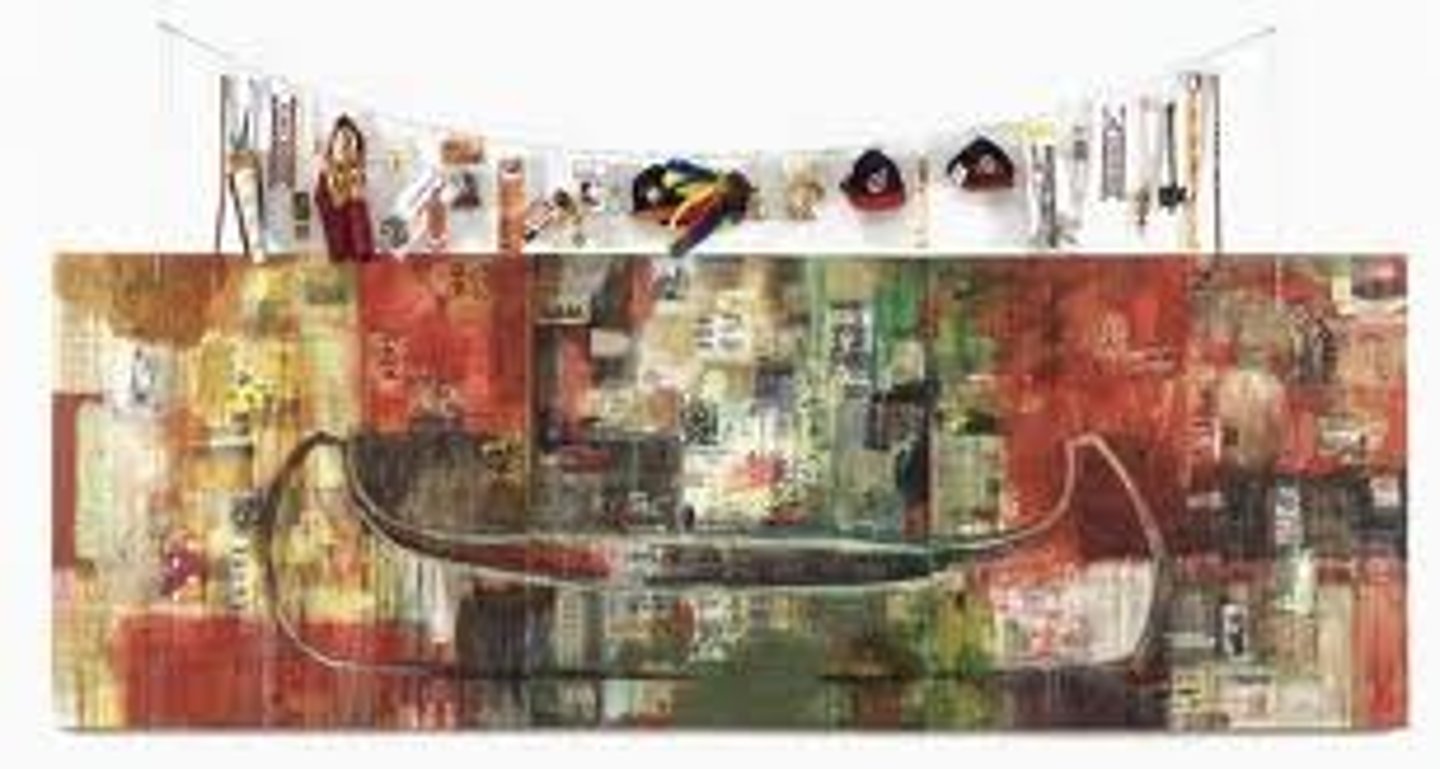
Jaune Quick-to-See Smith (Salish/Kootenai), Trade (Gifts for Trading Land with White People), 1992
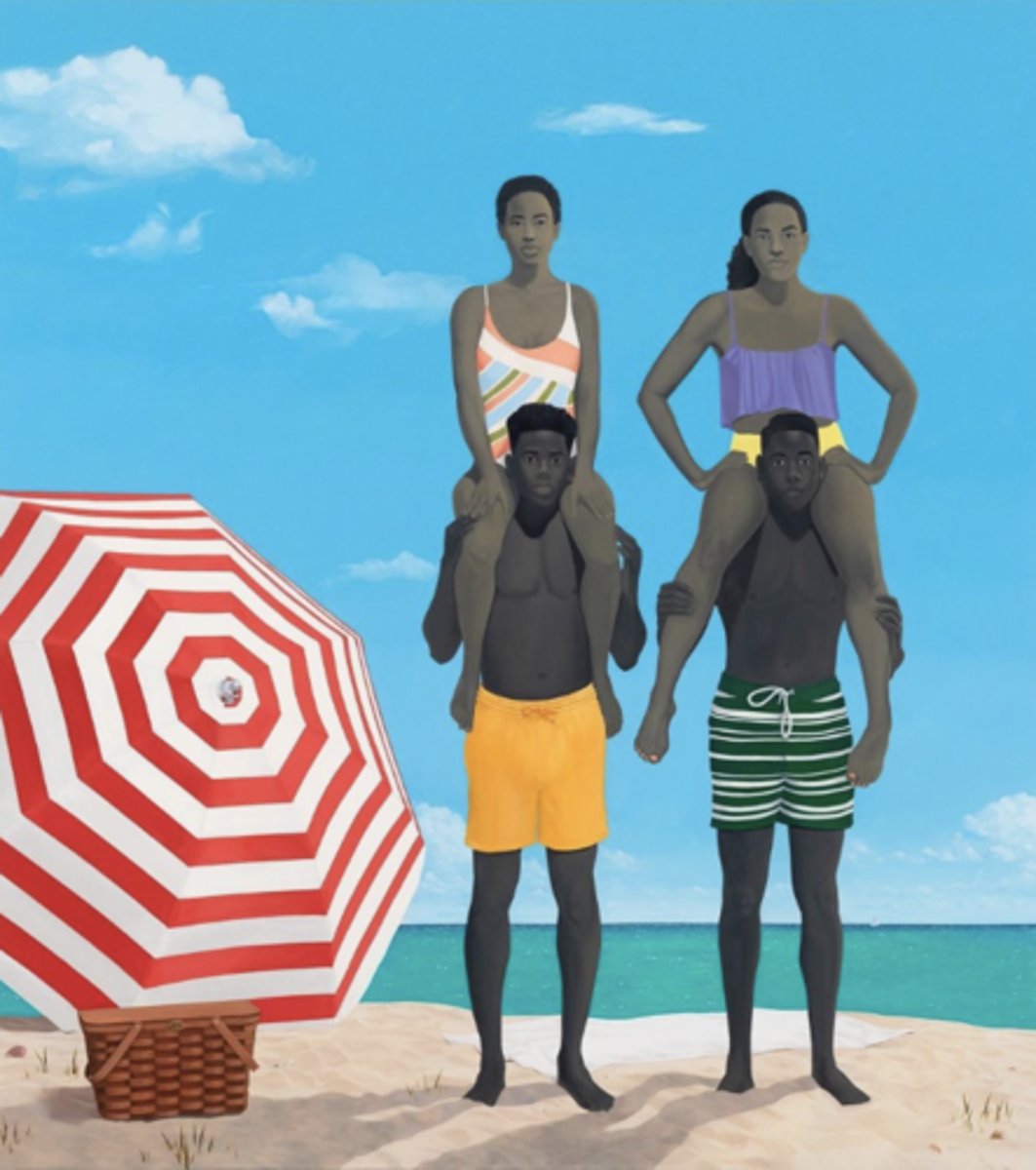
Amy Sherald: Precious Jewels by the Sea, 2019
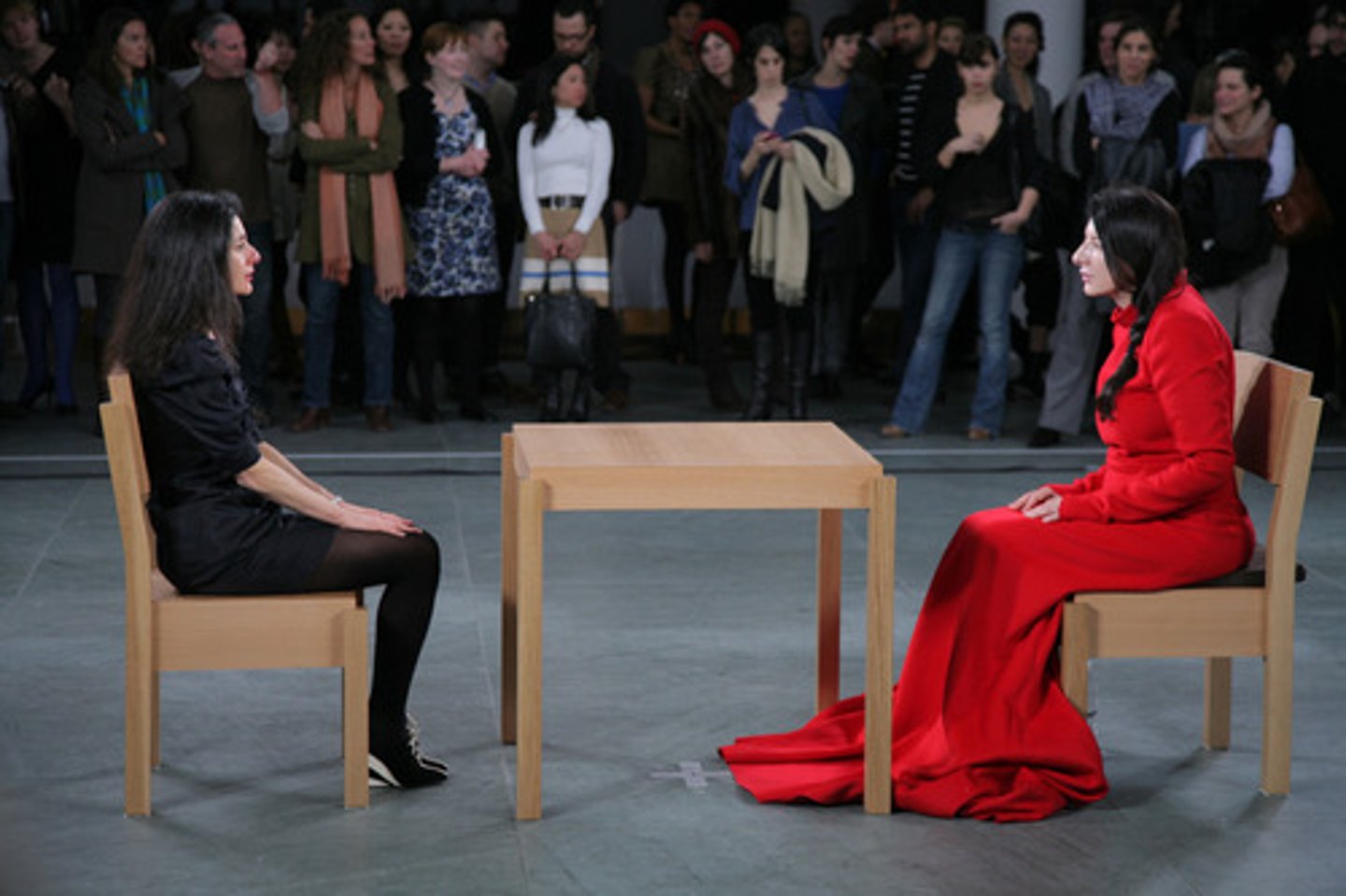
Marina Abramović: The Artist is Present, 2010
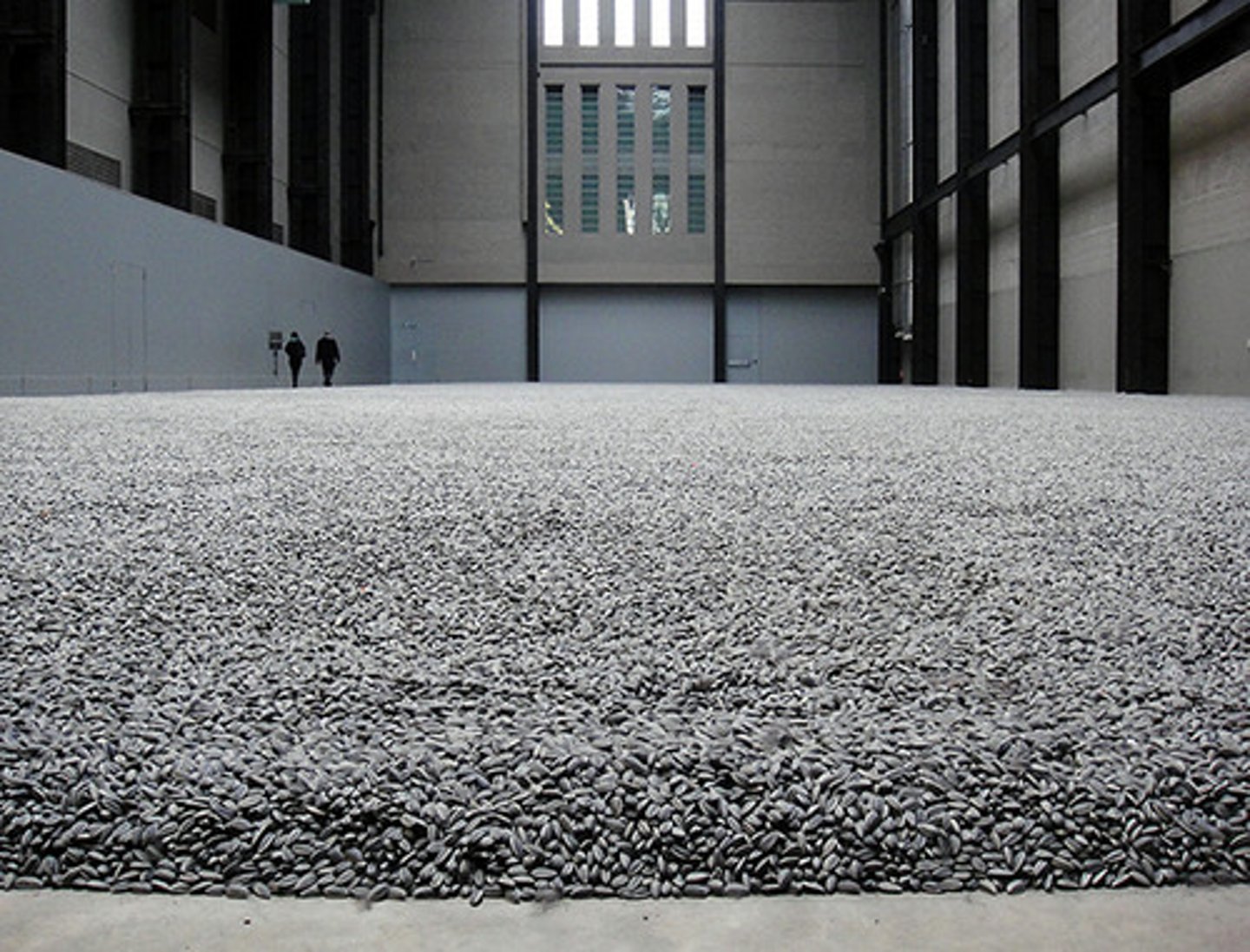
Ai Wei Wei (艾未未): Kui Hua Zhi / Sunflower Seeds, 2010
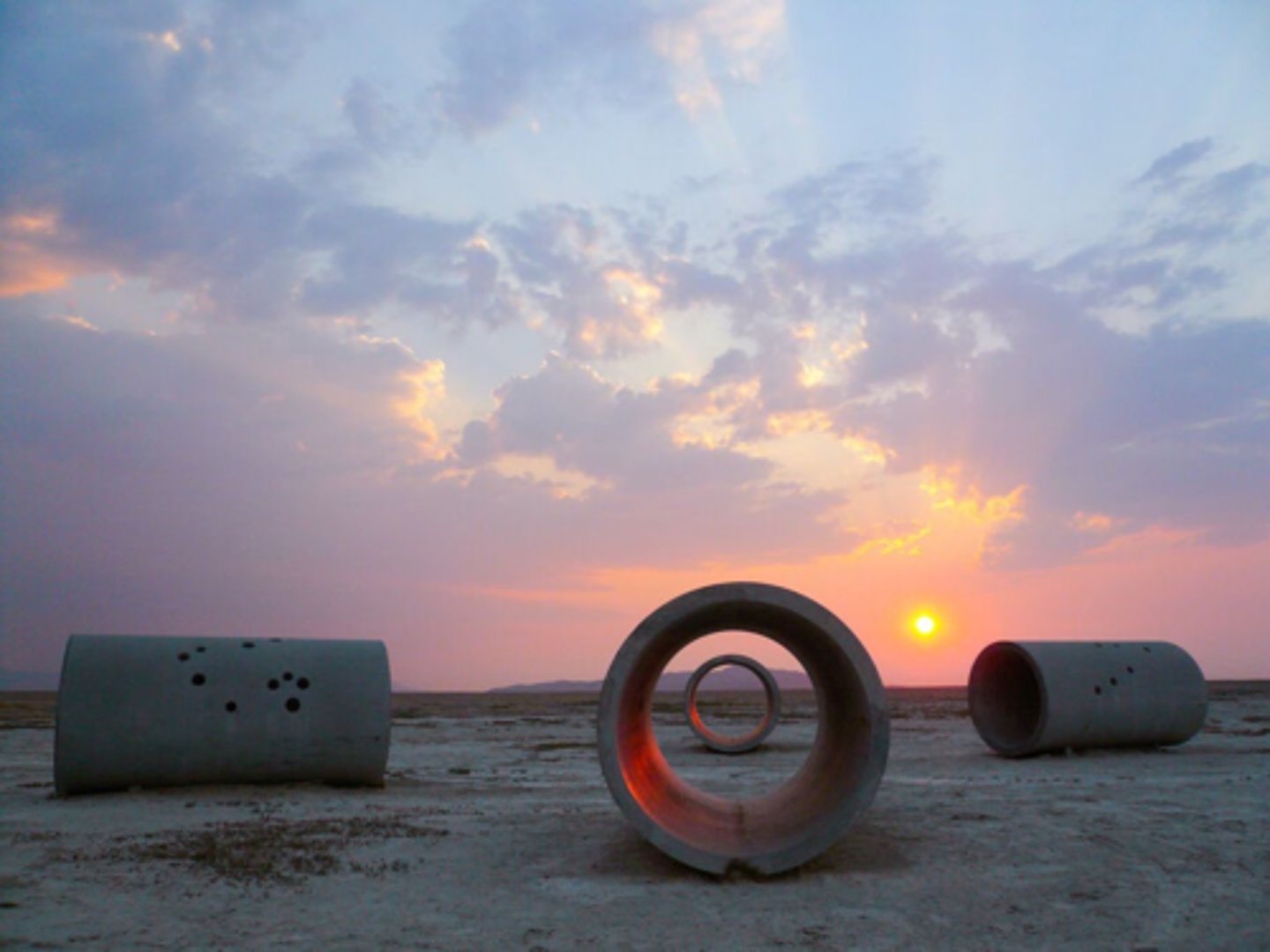
Nancy Holt: Sun Tunnels, 1973-1976
Nkisi n'kondi
powerful spiritual sculpture created by the Kongo peoples of Central Africa
"Primitivism"
a Western cultural and artistic movement, prominent from the late 19th to the mid-20th century. It involved European and American artists borrowing aesthetic forms, motifs, and techniques from non-Western (e.g., African, Oceanic, Indigenous) or pre-industrial cultures, idealizing them as simpler, more authentic, and closer to "raw" human emotion. [1, 2, 3]
Cultural exchange
Interaction between different cultures through trade.
Restitution
(n.) the act of restoring someone or something to the rightful owner or to a former state or position; making good on a loss or damage
Repatriation
the act of returning to the country of origin
Provenance
place or source of origin
Chanoyu
a traditional Japanese tea ceremony that is rooted in Zen Buddhism
Wabi sabi
A comprehensive Japanese world view or aesthetic centered on the acceptance of transience and imperfection. The aesthetic is sometimes described as one of beauty that is "imperfect, impermanent, and incomplete."
Kintsugi
Japanese art of repairing broken pottery by mending the areas of breakage with lacquer dusted or mixed with powdered gold, silver, or platinum
Ukiyo-e
genre of Japanese woodblock prints and paintings that flourished from the 17th to the 19th centuries.
Japonisme
a French term coined in the late 19th century that defines the profound craze and influence of Japanese art and design on Western European and American artists
Fauvism
the first avant-garde art movement of the 20th century, flourishing in France from 1905 to 1908
intensely non-naturalistic colors, bold brushstrokes, and simplified forms, prioritizing the emotional expression of the artist over realistic representation.
Cubism (Analytic and Synthetic)
where artists "analyzed" or dissected objects into a fragmentary network of overlapping planes and sharp facets
where artists "synthesized" or built up their subjects from simple, bold, and flat shapes rather than breaking them down
Collage
work of art put together from fragments
Abstraction
a simplified representation of something more complex. Abstractions allow you to hide details to help you manage complexity, focus on relevant concepts, and reason about problems at a higher level.
Expressionism
a style of painting, music, or drama in which the artist or writer seeks to express emotional experience rather than impressions of the external world.
Dada (Dadaism)
An art movement that originated during WWI in a number of world capitals, including New York, Paris, Berlin, and Zurich, which was so antagonistic to traditional styles and materials of art that was considered by many to be "anti-war".
Readymade (Found Object)
an object from popular or material culture taken out of its ordinary environment and presented without further manipulation as an artwork
Surrealism
An artistic movement that displayed vivid dream worlds and fantastic, unreal images
Abstract Expressionism
An artistic movement that focused on expressing emotion and feelings through abstract images and colors, lines and shapes.
Drip Painting
a form of abstract art in which paint is dripped or poured onto the canvas
Color-field painting
A technique in abstract painting developed in the 1950s. It focuses on the lyrical effects of large areas of color, often poured or stained onto the canvas. Newman, Rothko, and Frankenthaler painted in this manner.
Curation
professional practice of researching, selecting, organizing, and interpreting artworks for public exhibition
Installation Art
a three-dimensional, immersive art form designed to transform the perception of a specific space
Video Art
a contemporary art genre that relies on moving images and audio as its primary medium
Performance Art
time-based visual art form in which the artist's live actions and physical presence serve as the primary medium.
Earth Art / Environmental Art
American art movement of the 1960s using the land itself as medium; monuments of great scale and simplicity of form; permanent or impermanent; especially Michael Heizer (Double Negative) and Robert Smithson (Spiral Jetty) See text pp. 1100-1101