3.1 General classification of dental prosthesis
 Call Kai
 Learn
Learn Practice Test
 Spaced Repetition
 Match
Match Flashcards
 Knowt Play
1/54

There's no tags or description
Looks like no tags are added yet.
Name | Mastery | Learn | Test | Matching | Spaced | Call with Kai | Chat |
|---|
No analytics yet
Send a link to your students to track their progress
55 Terms
What is prosthodontics?
restoration and maintenance of oral function, comfort, appearance and health of the patient by restoration of natural teeth or the replacement of missing teeth and the contiguous oral and maxillofacial tissues with artificial substitution
what are the classifications of prosthetic restorations?
inlays
onlays
overlays
Dowel cores/ post-and-core restorations
crowns
veneers
bridges
implant-supported restorations
removable partial dentures
removable full dentures
facial prostheses and obturators
epitheses
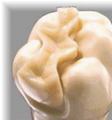
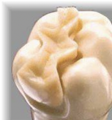
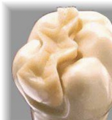
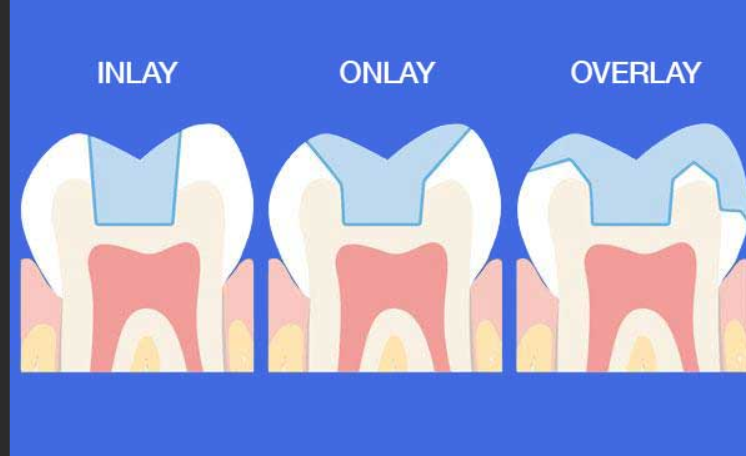
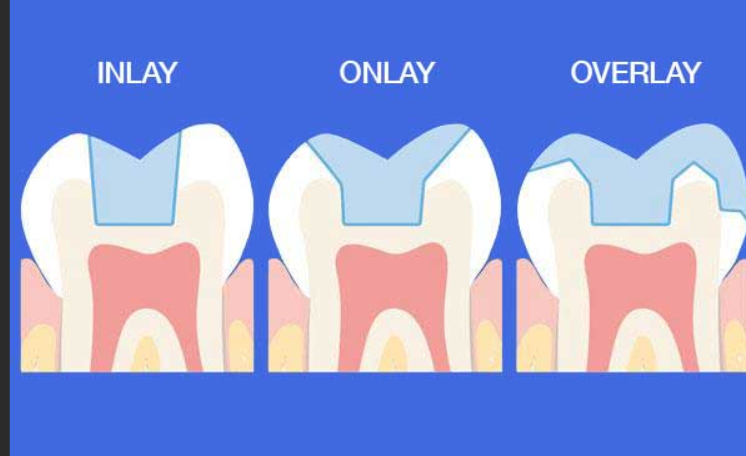
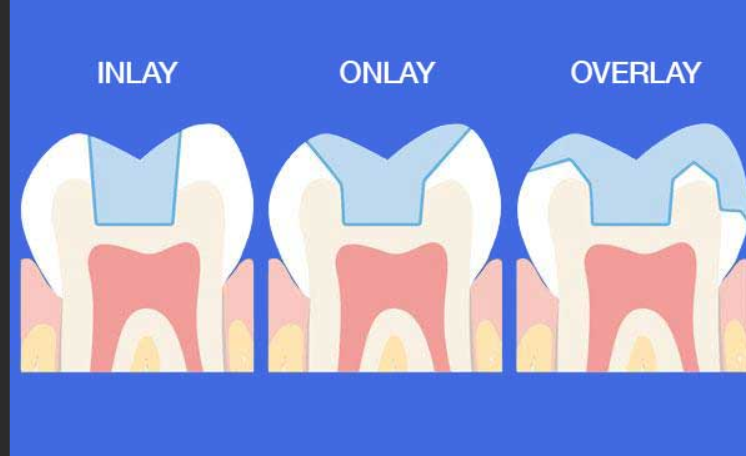
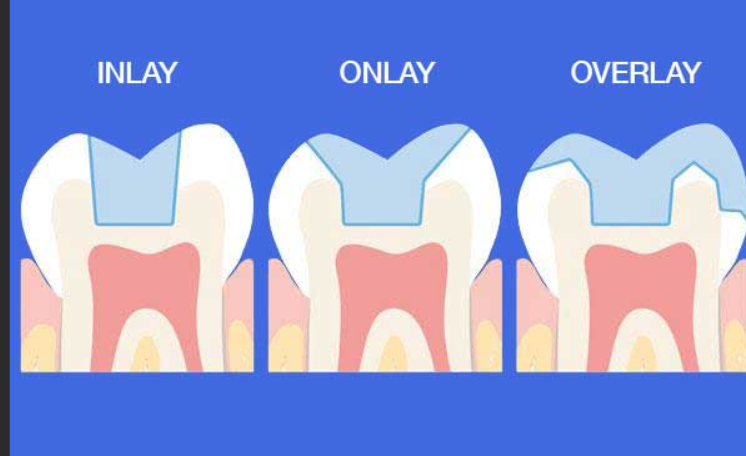
what is an inlay?
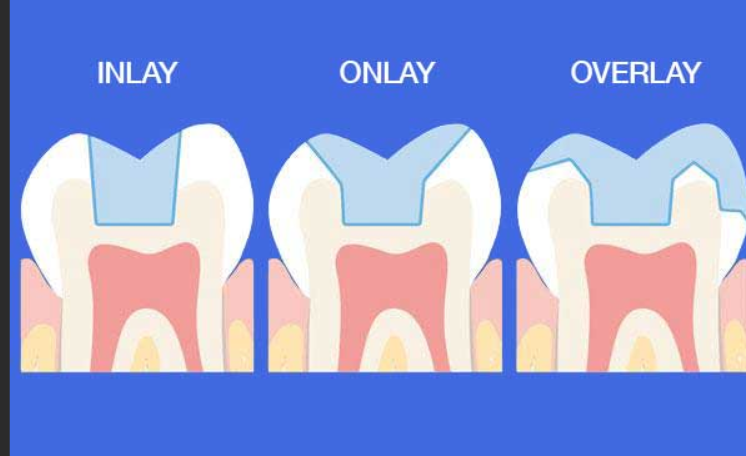
type of indirect restoration used in similar situations as fillings. Pre-made piece of solid material that is bonded into the teeth
What is fixed intracoronal restoration?
It’s an inlay, it is a dental restoration made outside of a tooth to correspond to the form of the prepared cavity, which is then luted into the tooth
what are the variations due to materials for inalys?
metal - gold, non-precious and precious alloys
Composites (laboratory, fiber-reinforced)
Ceramics
what are the variations due to the way of manufacturing inlays?
made by casting
made by sintering
made by polymerisation
made by CAD/CAM
what are the advantages of inlays?
prefabricated materials result in superior physical properties
Lifespan of 2 to 3 times longer than clinically made fillings
what are the disadvantages of inlays?
requires more invasive technique because they require the preparation of a “path of insertion”
What are onlays/overlays?
they are similar to inlays, except that they restore the entire or most of the occlusal surface.
what are overlays?
restorations that restore the entire occlusal surface and is retained by mechanical or adhesive means
In what situations are onlays/overlays used?
where the tooth is fractured or has been severely weakened
what are the variations due to the material for onlays/overlays?
metal - gold, non-precious and precious alloys
Composites (laboratory, fiber-reinforced)
Ceramics
what are the variations due to way of manufacturing of onlays/overlays?
made by casting
made by sintering
made by polymerisation
made by CAD/CAM
what are post-and-core restorations?
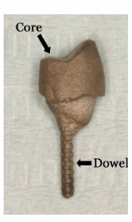
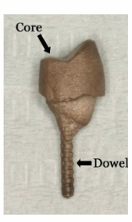
the core replaces the missing parts of the tooth crown and is attached to a dowel that anchors the entire restoration into the root canal
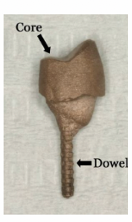
when is post-and-core restorations used?
used when part or the entire supragingival part of the tooth is missing or when the remaining hard dental tissues cannot provide sufficient support for the crown
what are the variations due to material of post-and-core restorations?
Metals: gold, non-precious and precious alloys
Composite-fiber reinforced
metal-ceramics or ceramics
what are the variations due to the way of manufacturing of post-and-core?
prefabricated
made by casting
made by sintering
made by polymerisation
made by CAD/CAM
what are the advantages of post-and-core restorations?
allows restoration of severely damaged teeth and provides support for the crown
can be used for certain corrections of improperly inclined teeth
what are the disadvantages of post-and-core restorations?
can only be used for endodontically treated (root canal treatment)
increases risk of root fractures
high risk of root perforation or root resorption
what is crown?
It is the largest tooth restoration that covers all the supragingival sides of the tooth
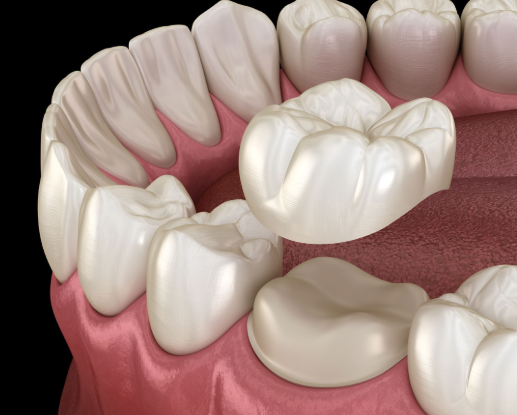
when is crowns used?
used when there is limited tooth structure left due to a caries lesion that cannot be restored with an onlay or when an existing crown needs to be replaced
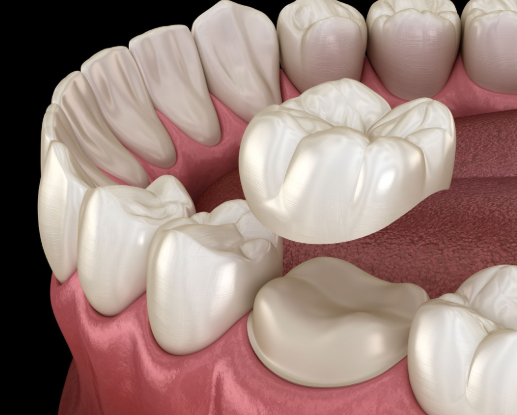
what are material variations due to the material of crown?
Metals - gold, non-precious and precious alloys
acrylic resin
composite-fiber reinforced
metal alloys, veneered by acrylic or composite (CBM)
metal ceramics
ceramics
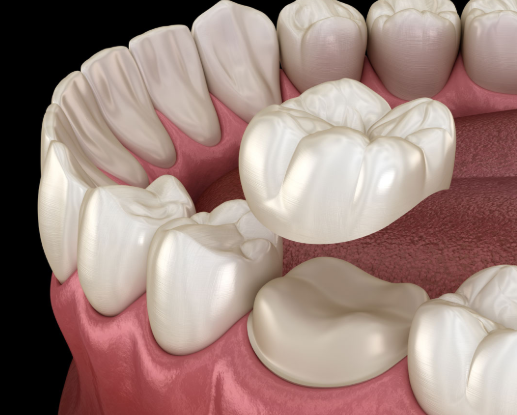
what are the variations due to manufacturing of crowns?
made by cold pressing or prefabricated
made by casting
made by sintering
made by polymerisation
made by CAD/CAM
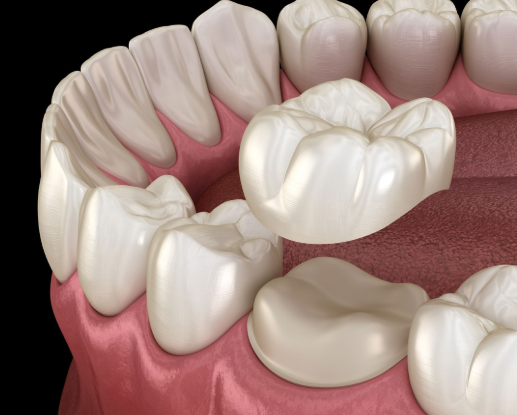
what are advantage of crowns?
laboratory fabrication allows for the restoration of the size, shape and colour of full missing or damaged crown of the tooth
can be used as part of a larger restoration, not just for the purpose of restoring a defect on a single dental crown
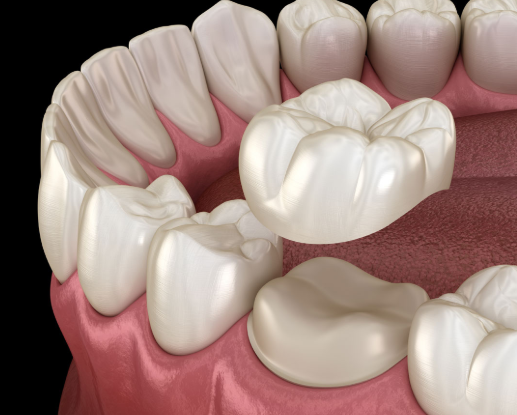
what are disadvantages of crowns?
most invasive technique requiring up to 35-45% reduction of the hard dental tissues and the preparation of all the walls of the tooth into a certain parallelism
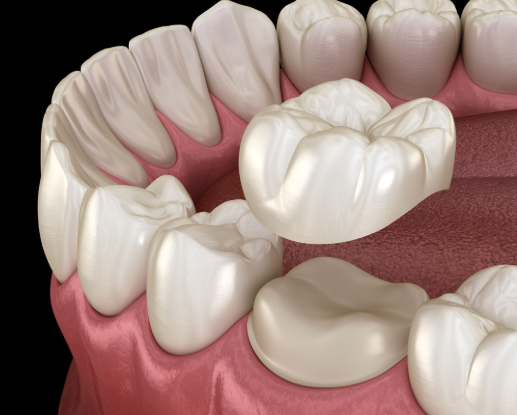
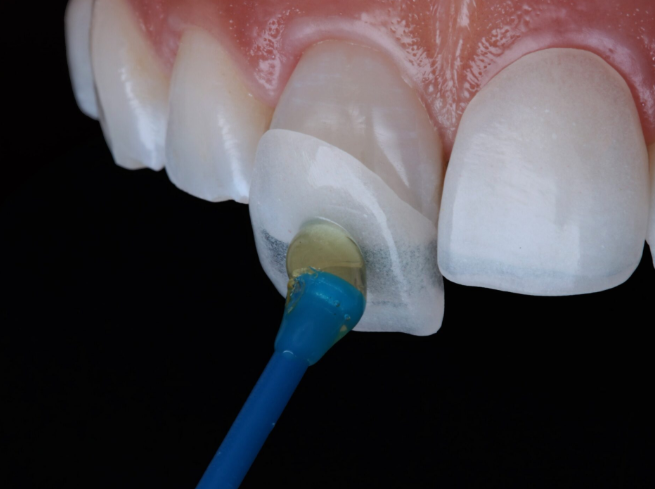
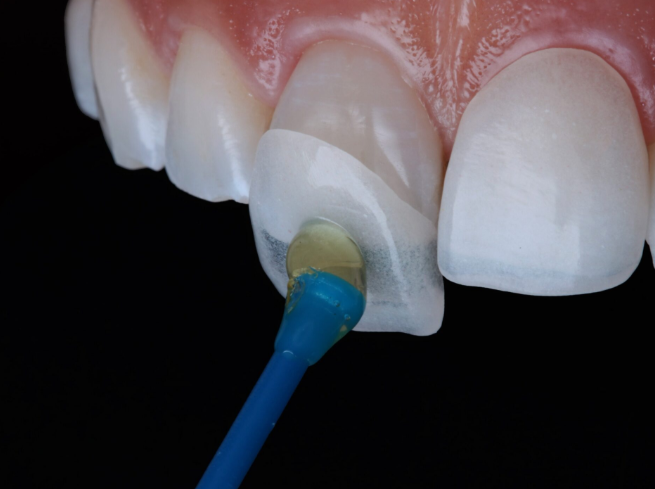
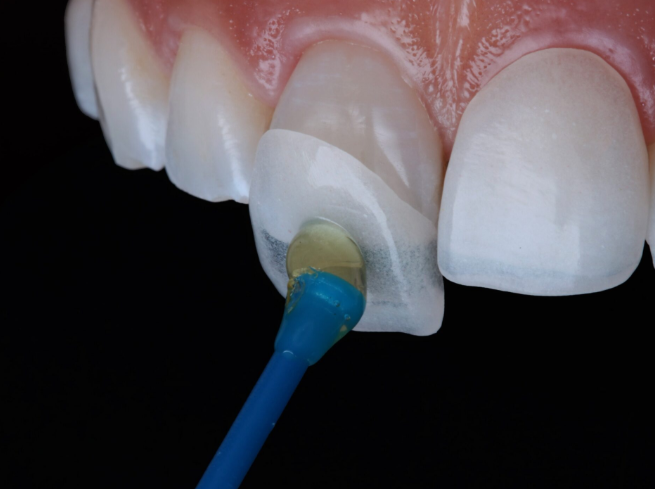
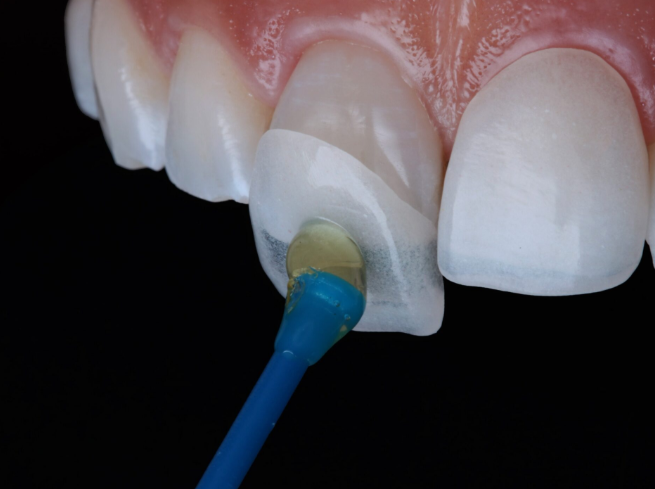
what are veeners?
thin porcelain facings that cover the buccal side of teeth and can be extended up to the approximate point of contact of the tooth
what are variation due to material for veneers?
composite
ceramics
what are variations due to way of manufacturing veneers?
prefabricated
made by polymerisation
made by sintering
made by pressing technique
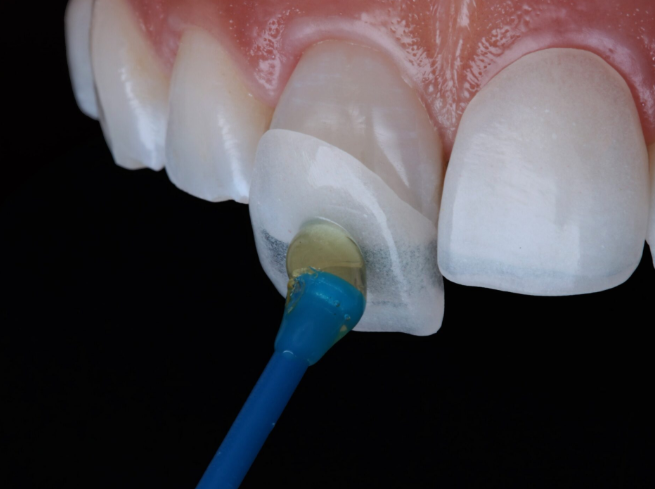
what is a laminate veneer?
thin ceramic composite facing that covers the vestibular surface of a frontal tooth to correct defects in shape, position, colour and size of its crown
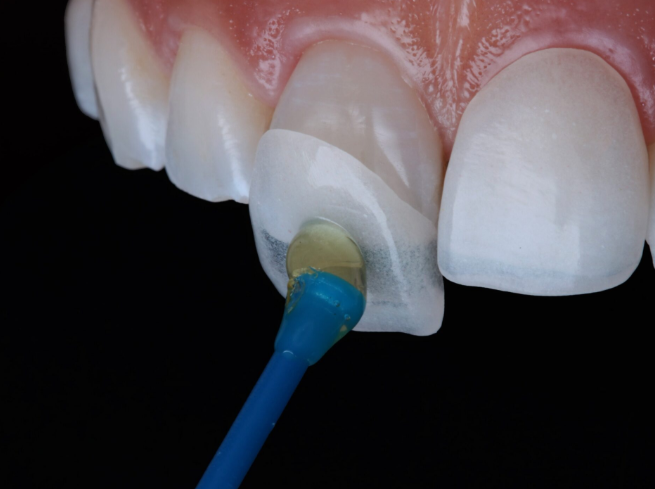
what are advantages of veneers?
minimal invasive
allows certain corrections of the size and the colour of teeth
can be considered as an alternative to orthodontic treatment
highly esthetic material
what are disadvantages of veneers?
can only be used over healthy teeth that have not been previously restored on approximal and lingual side
tend to fracture
have to be bonded
due to translucency, may not fully cover some discolouration
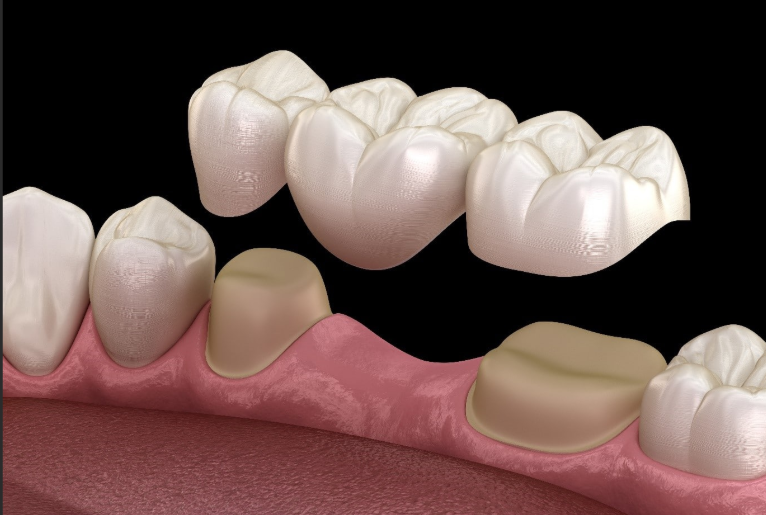
When are bridges or fixed partial dentures used?
they are used to replace missing teeth when there is a sufficient number of adjacent teeth sitting next to the missing tooth/teeth
what are variations due to the material of bridges?
metals - gold, non-precious and precious alloys
composite fibre reinforced
ceramics
combined materials
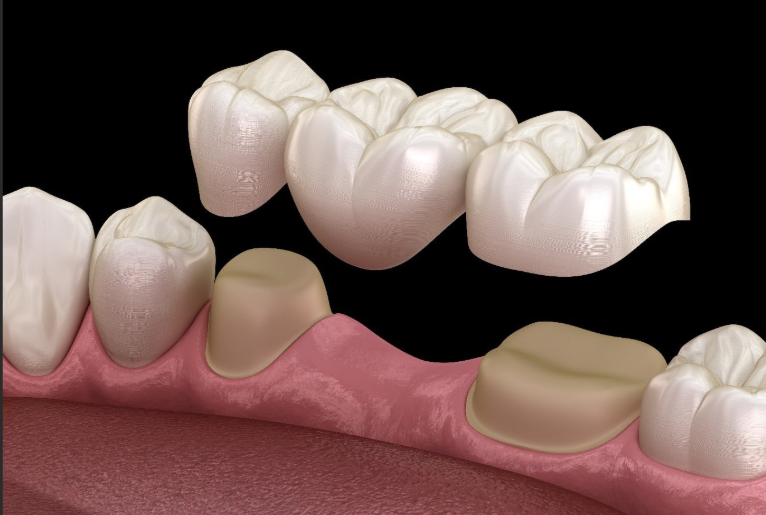
what are variations due to way of manufacturing of bidges?
made by casting
made by sintering
made by polymerisation
made by CAD/CAM
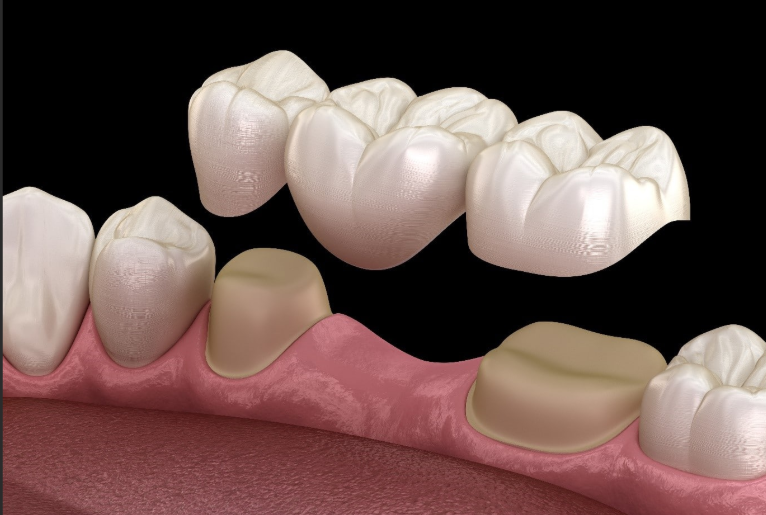
what are advantages of bridges?
fast and effective method for substituting missing teeth
can be used in areas with serious bone loss on the edentulous part
allows correction of size and colour of teeth
considered alternative to orthodontic treatment
highly esthetic
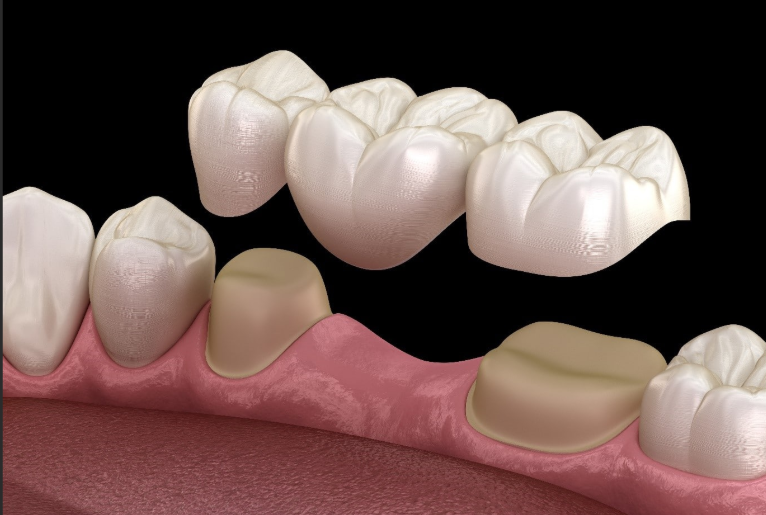
what are disadvantages of bridges?
can only be used for teeth with comparatively healthy periodontium
remaing dentition should provide a sufficient biological base
requires prep of healthy teeth up to 45% of their volume
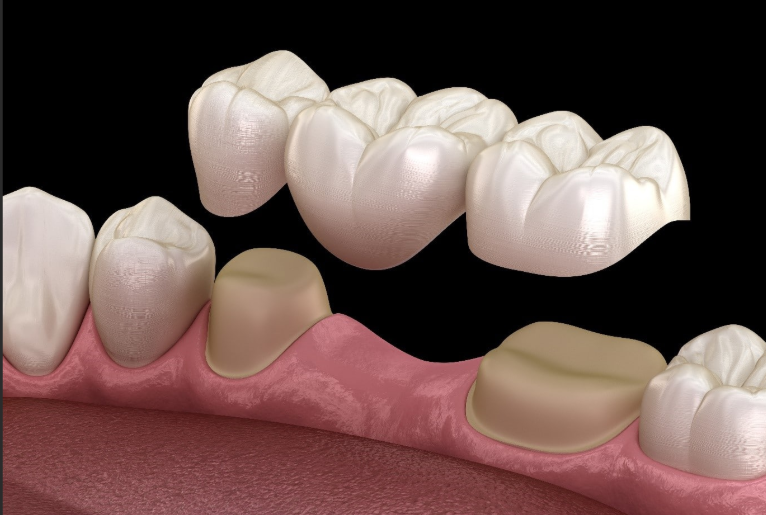
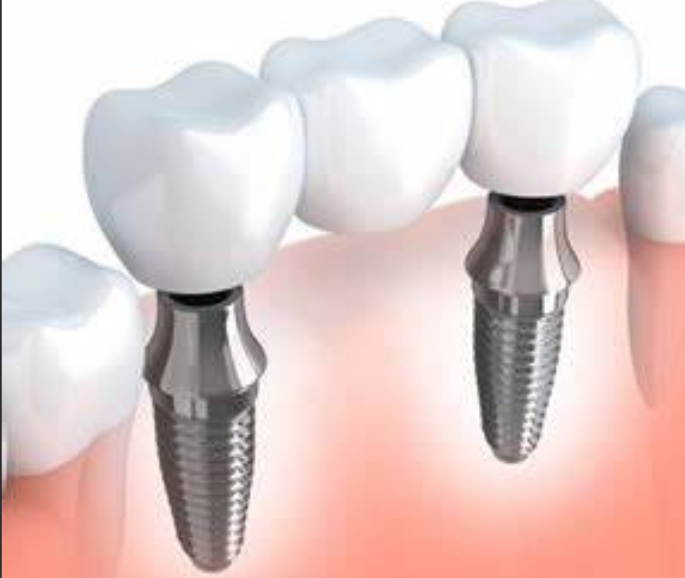
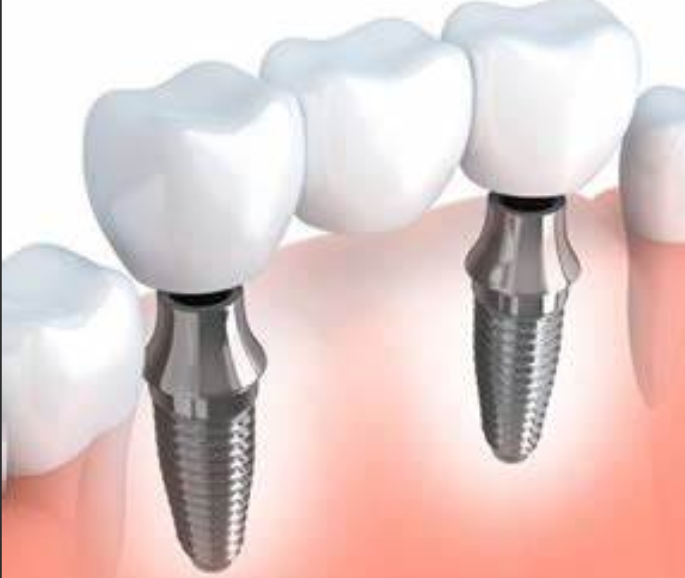
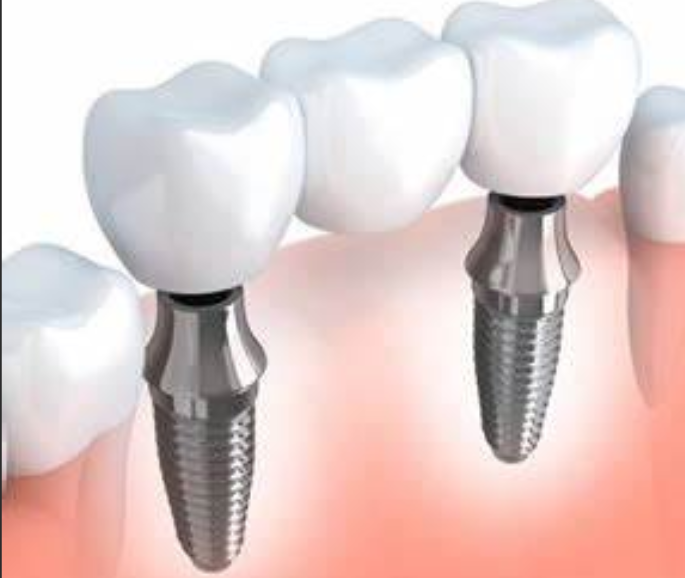
what are implant-supported restorations?
they are titanium posts surgically placed into jawbone. Used to dupport dental prosthesis, ranging from single crowns to full dentures, once the implant integrates with the bone (osseointegration)
what are advantages of implant supported restorations?
can be used without any need for preparation of adjacent dentition
considered as an alternative to tooth-supported fixed partial denture or removable dentures
used as an attachment for different types of restorations
Can be effectively used in areas with sufficient amount of 100% healthy bone
what are disadvantages of implant supported restorations?
treatment time is longer compared to treatment with fixed partial dentures or removable partial dentures
remaining dentition should not be affected by any chronic disease
requires meticulous patient hygiene and regular check-ups
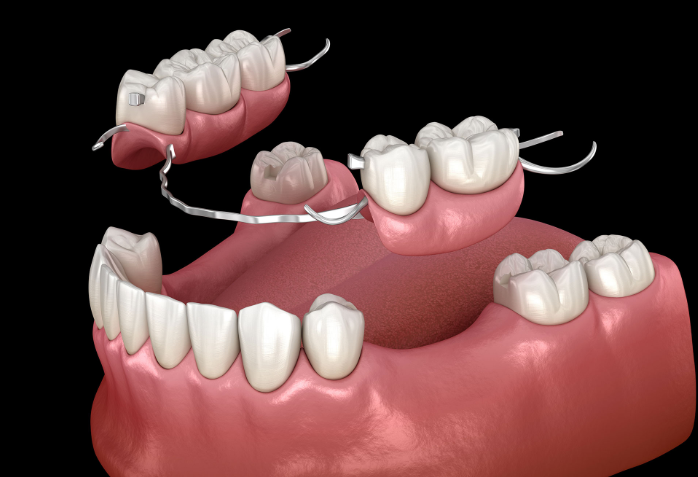
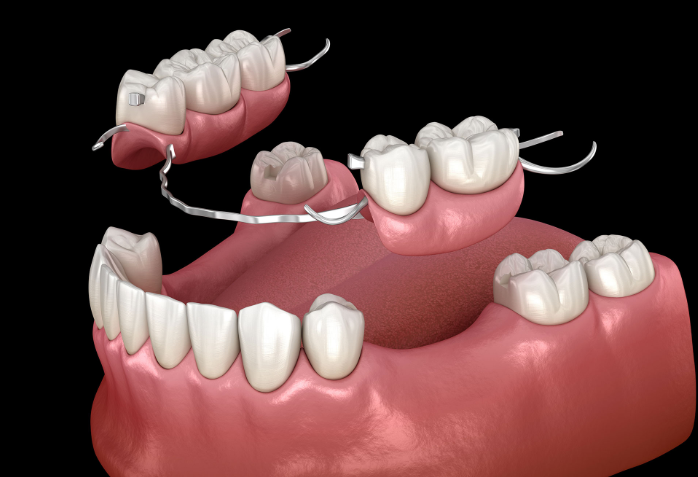
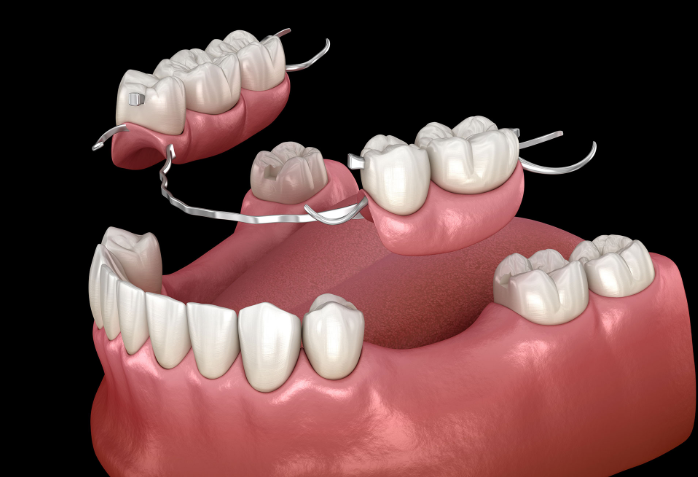
when is a removable partial denture used?
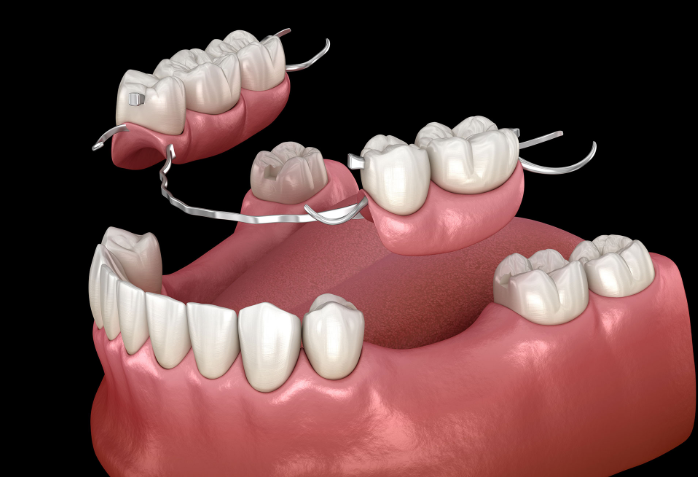
used for replacing missing teeth when there are insufficient teeth remaining or as an alternative to implants and fixed partial dentures
how is the removable partial dentures attached?
It is attached to the remaining dentition usuing metal precision attachments or metal clasps
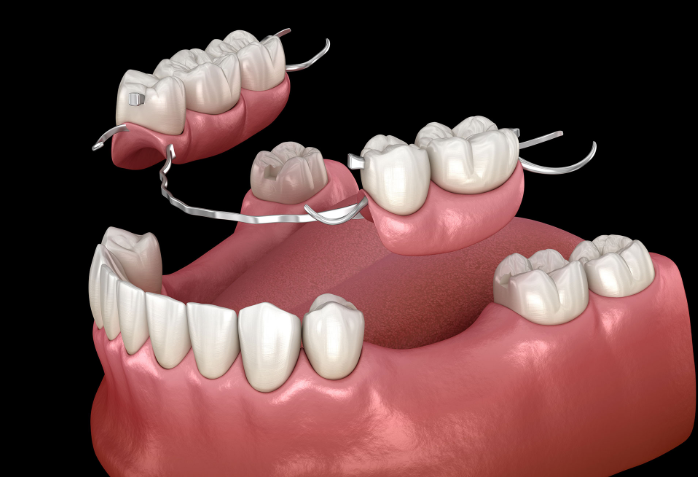
what are variations due to the materials of removable partial dentures?
acrylic
metal
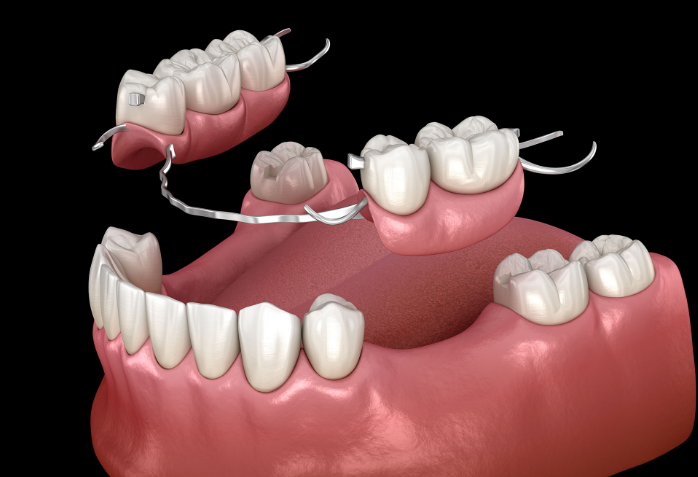
what are the variations due to the way of manufacturing in removable partial dentures?
polymerisation
made of model casting
made of CAD/CAM
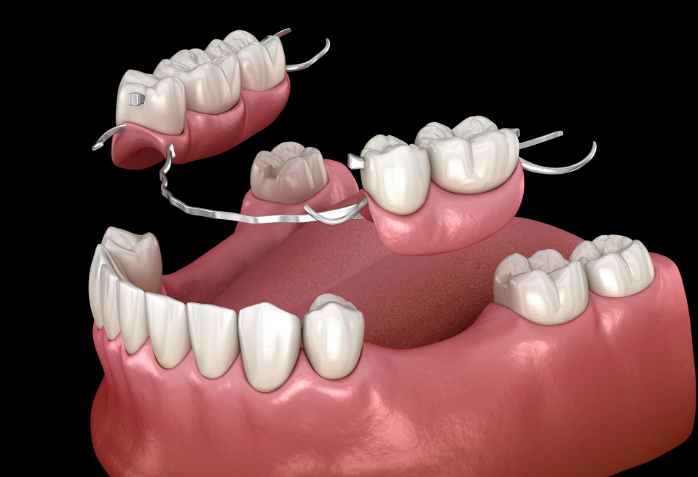
what are advantages of removable partial dentures?
can be used without the need for tooth preparation
less invasive treatment compared to others
existing removable partial dentures can be repaired in cases of addition tooth loss
suitable for cases with long span defects and no distal support
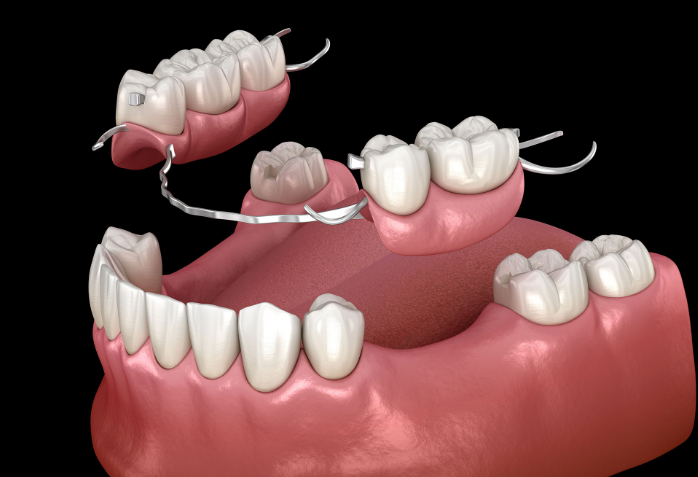
what are disadvantages of removable partial dentures?
non-hygienic as it needs to be removed and cleaned outside of the patients mouth
masticatory forces are transferred by the mucosa and bone, leading to bone resorption and the need for regular relining of the denture seats
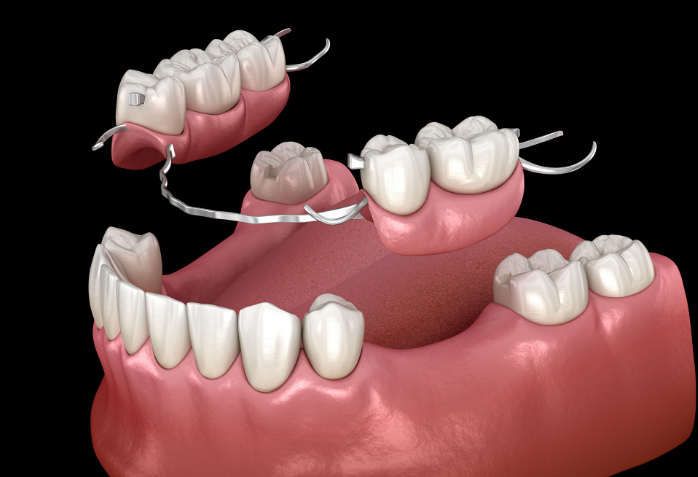
What is removable full dentures?
Aim to restore missing teeth, maintain the height of the lower face and provide a natural psoition for the mandible
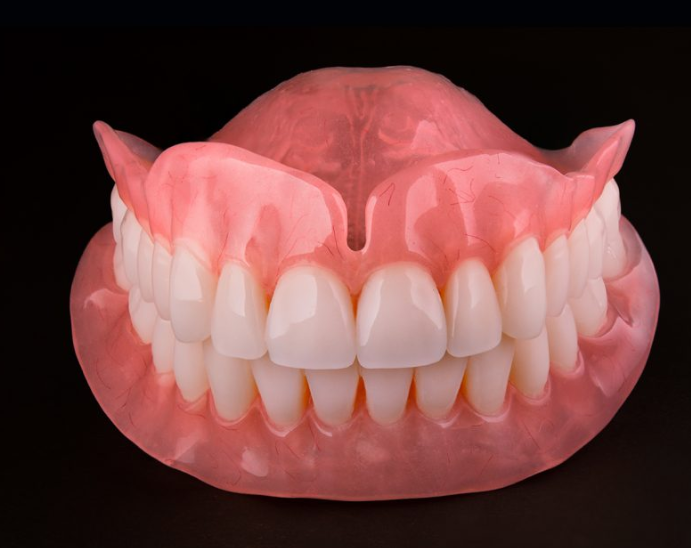
when is removable full dentures used?
when there are no teeth remaining
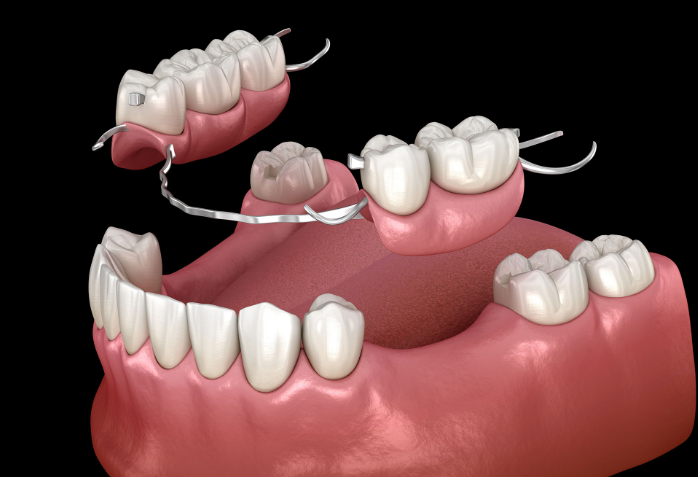
what are variations due to the material for removable full dentures?
acrylic resin
acrylic resin-fiber reinforced
metal alloys, veneered by acrylic
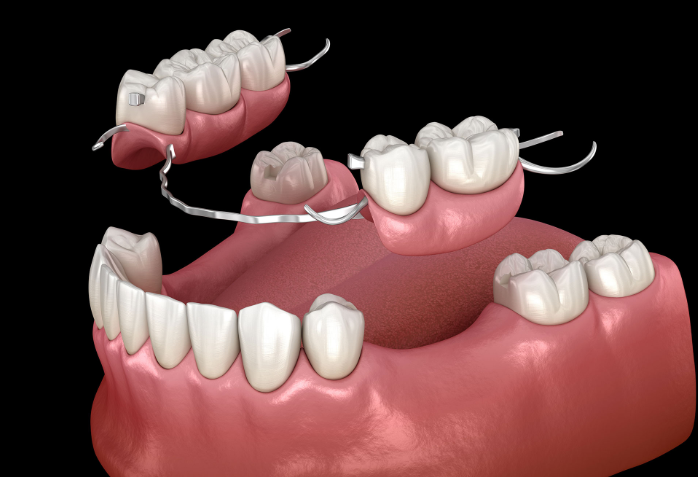
what are variations due to the way of manufacturing of removable full dentures?
made by heat polymerisation
made by CAD/CAM
what are advantages of removable full dentures?
less invasive
relatively fast restoration of missing teeth and compensation on for the lack of bone and soft tissues
can be used as an auxiliary restoration supported or retained by implants
what are disadvantages of removable full dentures?
non-hygienic as it needs to be removed and cleaned outside of the patients mouth
masticatory forces are transferred by the mucosa and bone
upper denture is retained by vacuum and covers the entire hard palate, which can lead to bone resorption (gradual loss of bone tissue)
regular relining of the denture seats may be required
stabilisation and retention may not always be sufficient
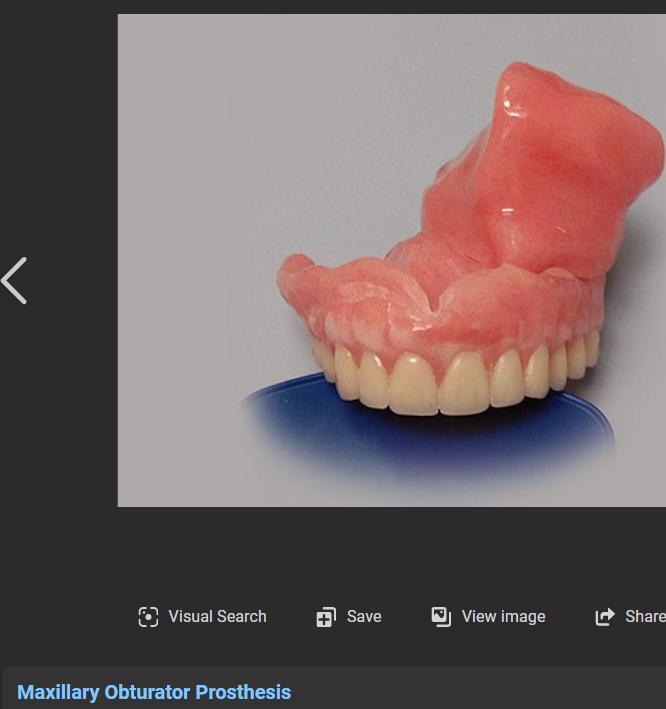
what are facial prostheses and obturators?
used after surgical treatment that leaves facial non repaired areas and scars
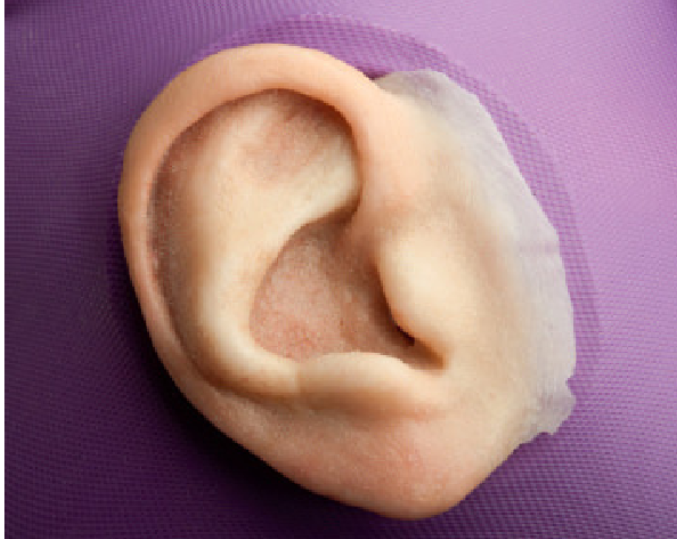
what are epitheses’?
used to prepair missing parts of the human body such as nose, ear, eye etc
usually have no communication with the jaw
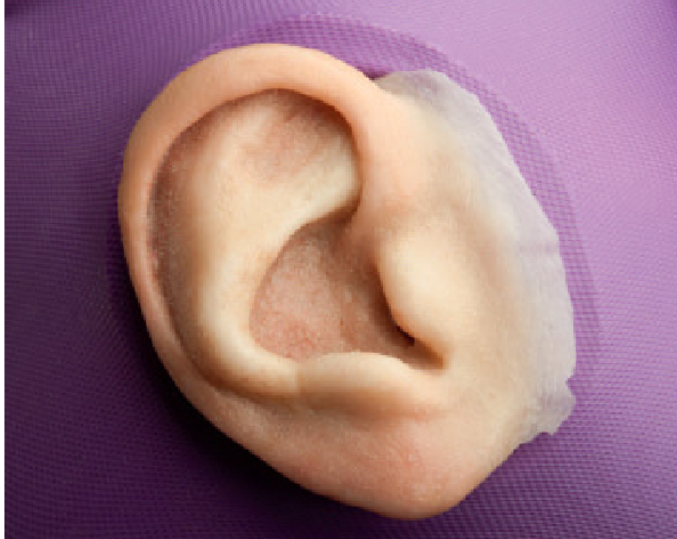
what are advantages of epitheses?
can mimic the presence of missing structures and provide personal and emotional comfort for the patient and gives them confidence not to be socially rejected because of the presence of his physical defect
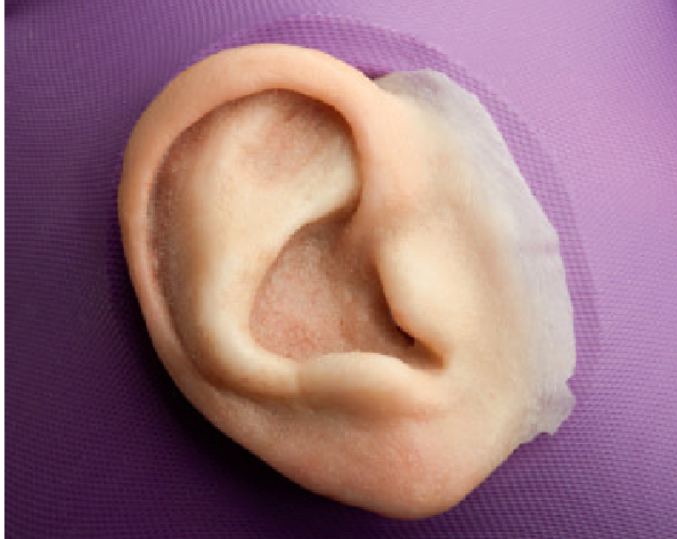
what are the disadvantages of epitheses’?
dentures cannot restore the functionality of the missing structures. it can only hide their physical absence.