NUR317: EXAM 4 -> Assessment of the Endocrine System
 Call Kai
 Learn
Learn Practice Test
 Spaced Repetition
 Match
Match Flashcards
 Knowt Play
1/43

There's no tags or description
Looks like no tags are added yet.
Name | Mastery | Learn | Test | Matching | Spaced | Call with Kai |
|---|
No analytics yet
Send a link to your students to track their progress
44 Terms
Hypothalamus, Pineal glands, Pituitary glands, Parathyroid, Thyroid, Thymus, Adrenal glands, Pancreas, Reproductive organs
What are the structures of the endocrine system?
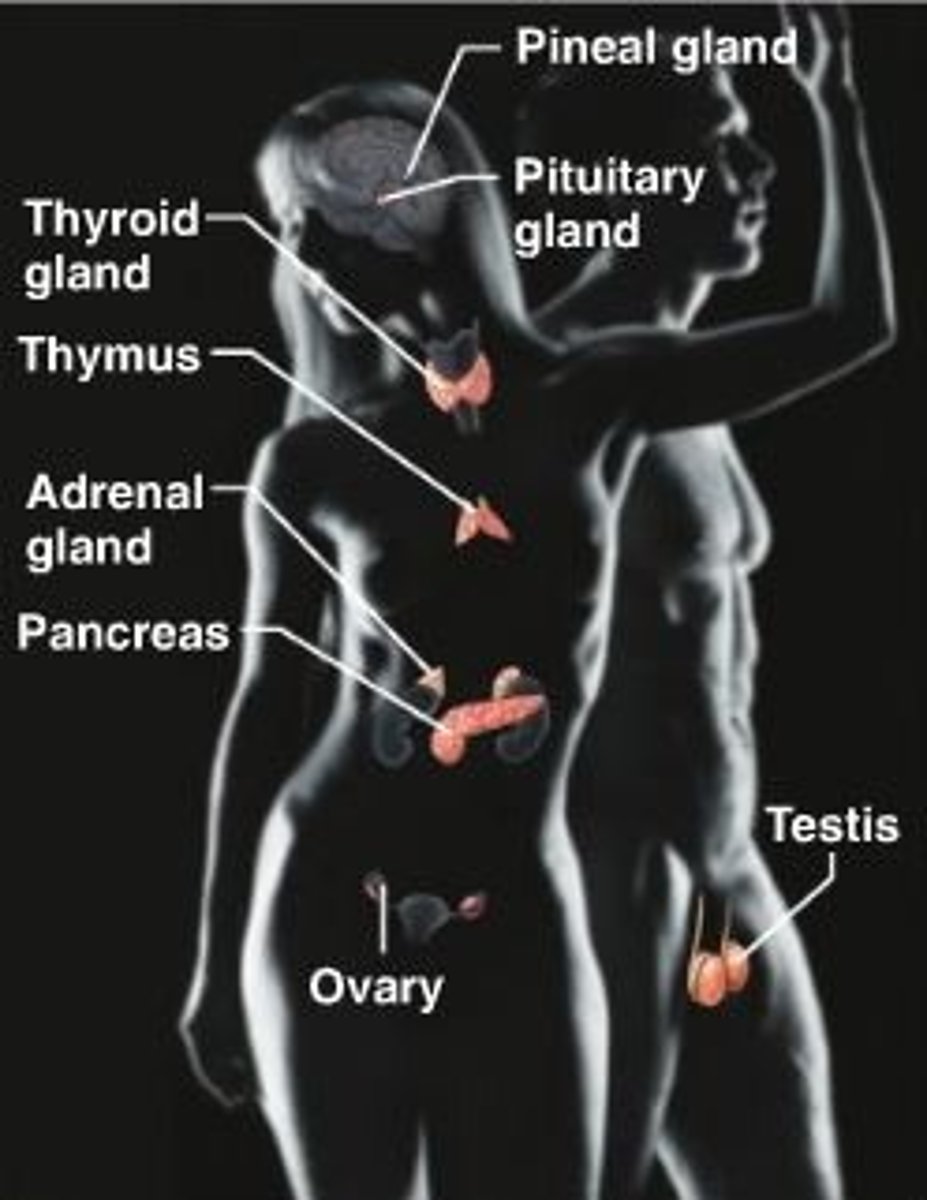
Role in reproductive and CNS development in fetus; Stimulate growth and development during childhood and adolescence
What are the 1st two functions of the endocrine system?
Sexual reproduction; Maintain homeostasis; Respond to emergencies
What are the 2nd three functions of the endocrine system?
Control and regulate target cells or organs
What is the 1st thing that hormones do?
Released directly into circulation or have local effect
What is the 2nd thing that hormones do?
Common characteristics = secreted in small amounts, regulated by feedback systems, bind to specific receptors
What is the 3rd thing that hormones do?
Thyroid hormones and steroids -> Bind to plasma proteins for transport; Cross cell membrane by simple diffusion
How do LIPID-soluble hormones function?
Insulin, growth hormone, prolactin -> Circulate freely in blood to target tissues
How do WATER-soluble hormones function?
Thermostat that self corrects -> High hormone levels, system reduces production; Low hormone levels, system increases production
In the simple feedback system, how does NEGATIVE feedback function?
System that continues to cause a rise in hormone levels unless there is a mechanism in place to stop their release
In the simple feedback system, how does POSITIVE feedback function?
Initiated by CNS and implemented by SNS; Directly affects some endocrine glands; Pain, fear, sexual excitement, and other stressors can stimulate the nervous system to modulate hormone secretion
How does the nervous system play a role in endocrine function?
Strongly influences pituitary gland function; Located adjacent to pituitary gland -> receives input from CNS, creates a circuit of influence on function and coordination of endocrine system and ANS
What does the hypothalamus do?
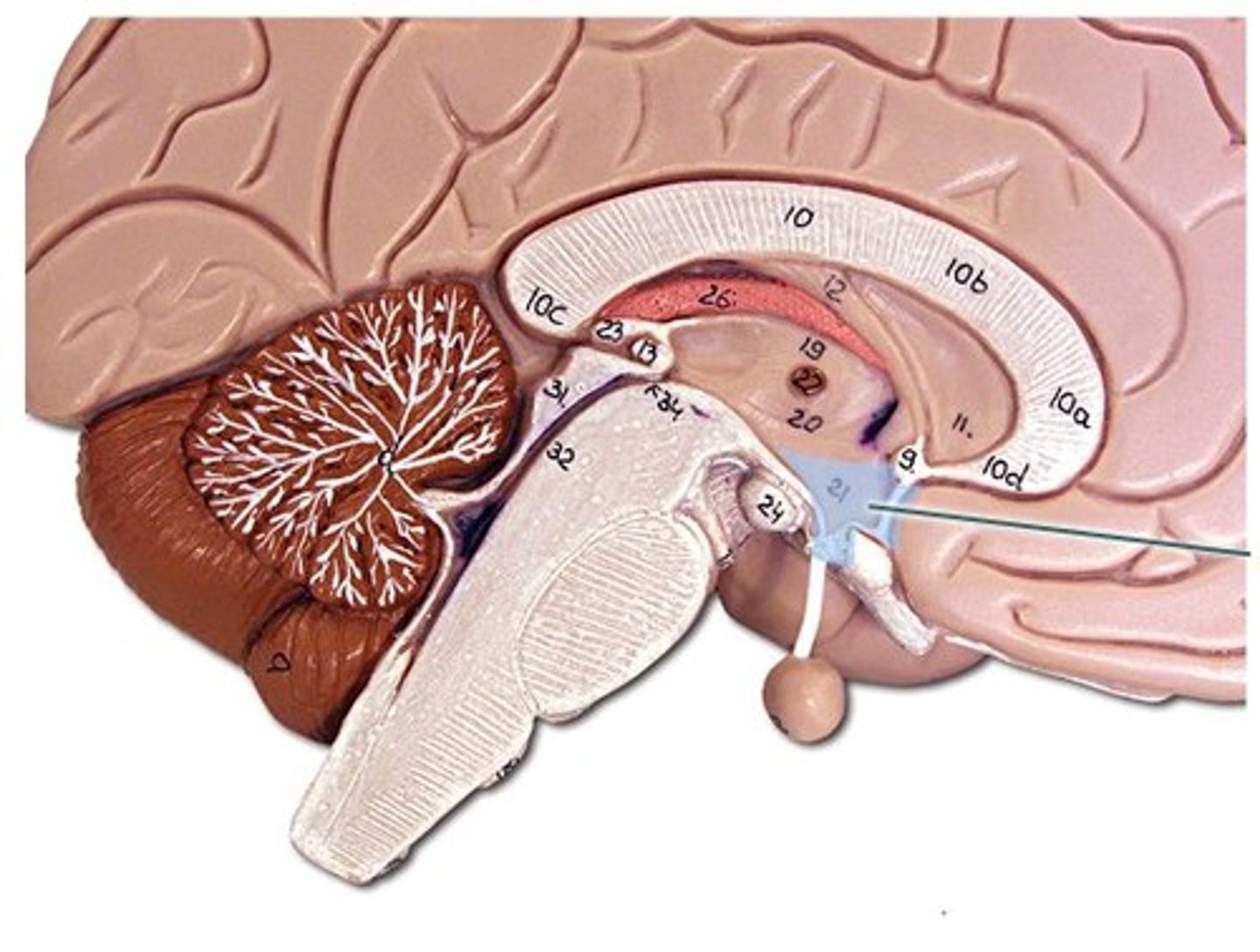
Regulated by hypothalamus; Tropic hormones -> TSH, ACTH, FSH, LH; Growth hormone; Prolactin
What does the ANTERIOR pituitary do?
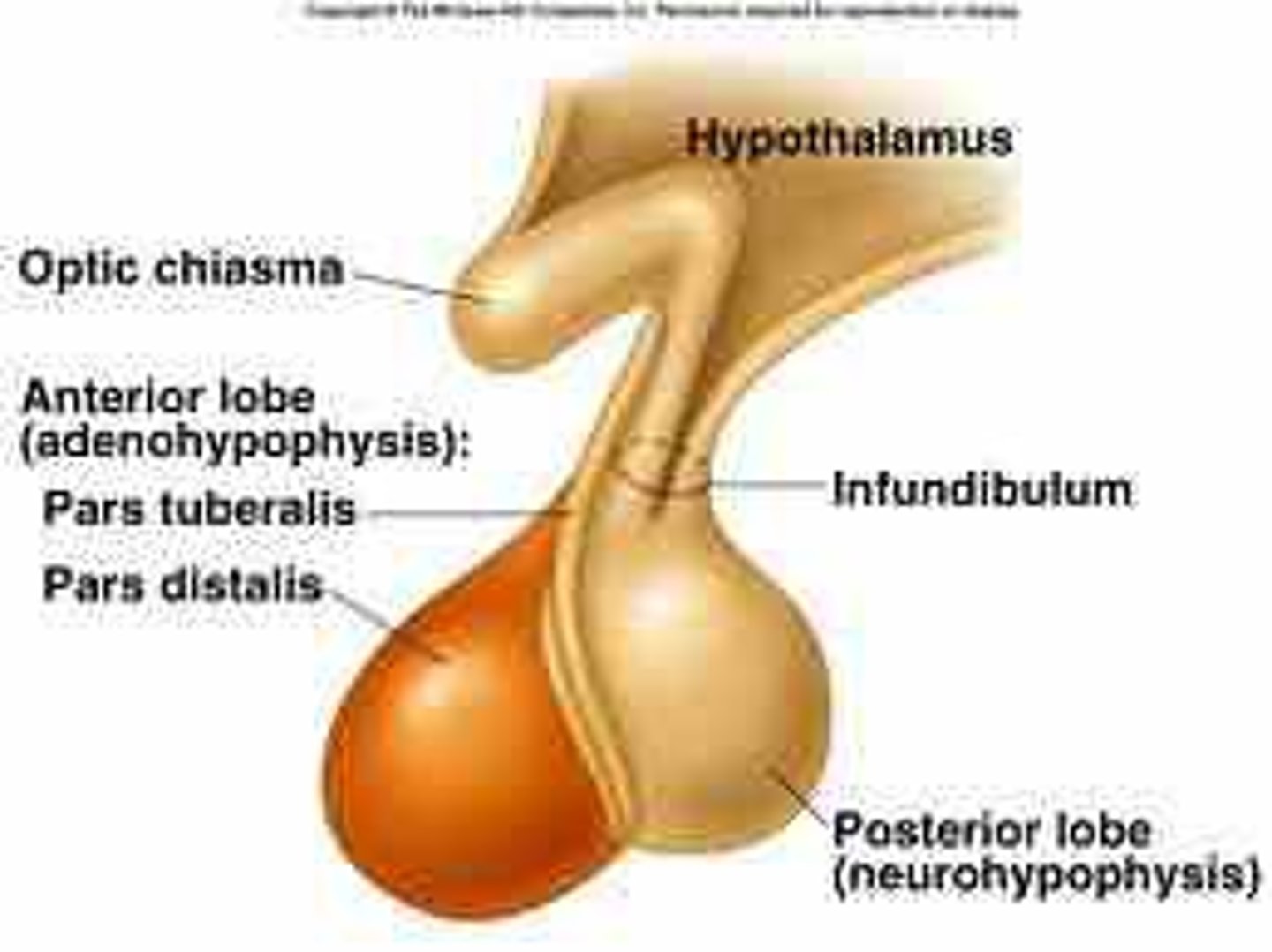
Connected to hypothalamus via median eminence; ADH -> regulates fluid volume, potent vasoconstrictor; Oxytocin
What does the POSTERIOR pituitary do?
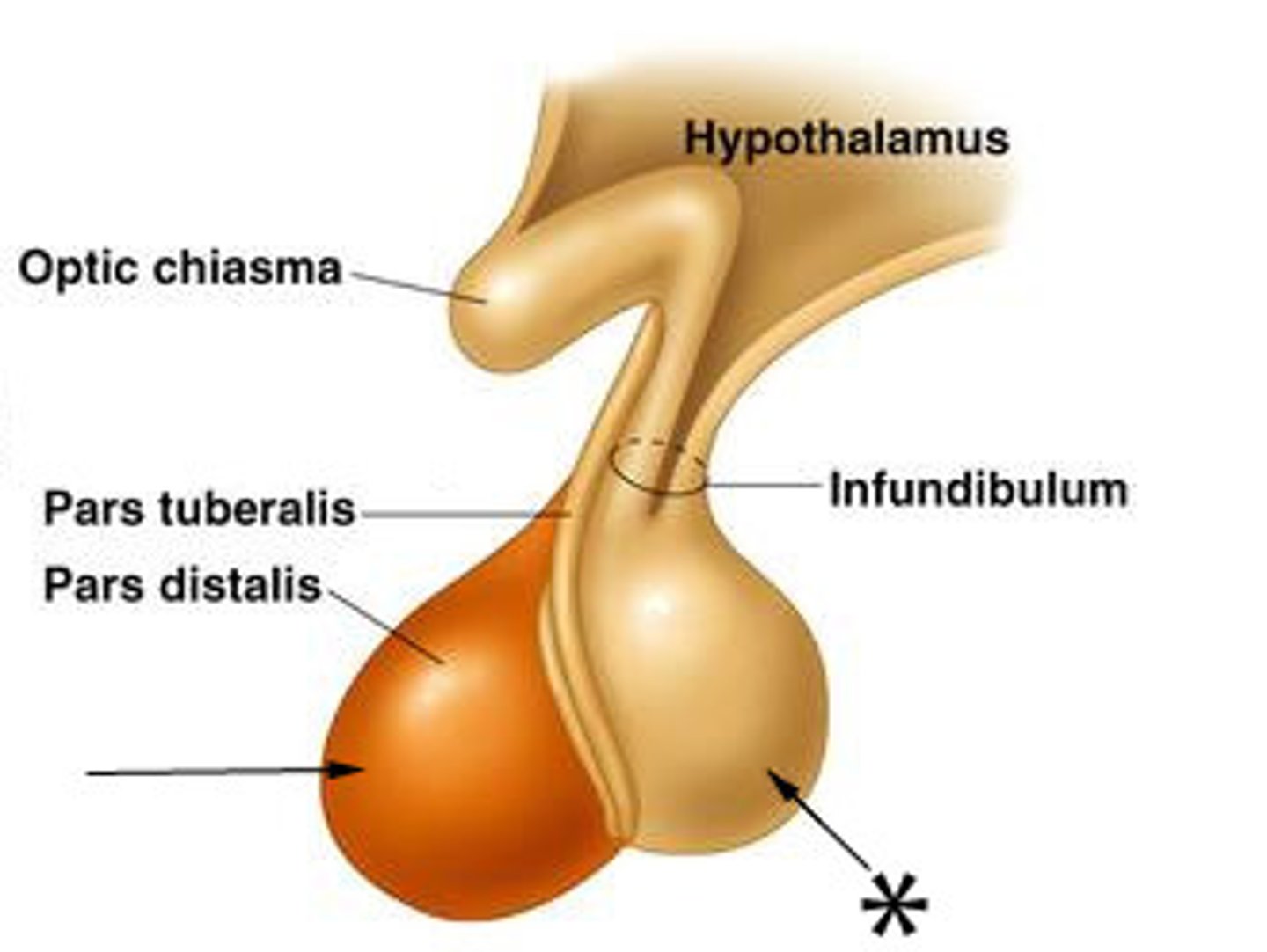
Composed of photoreceptive cells; Secretes melatonin
What does the pineal gland do?
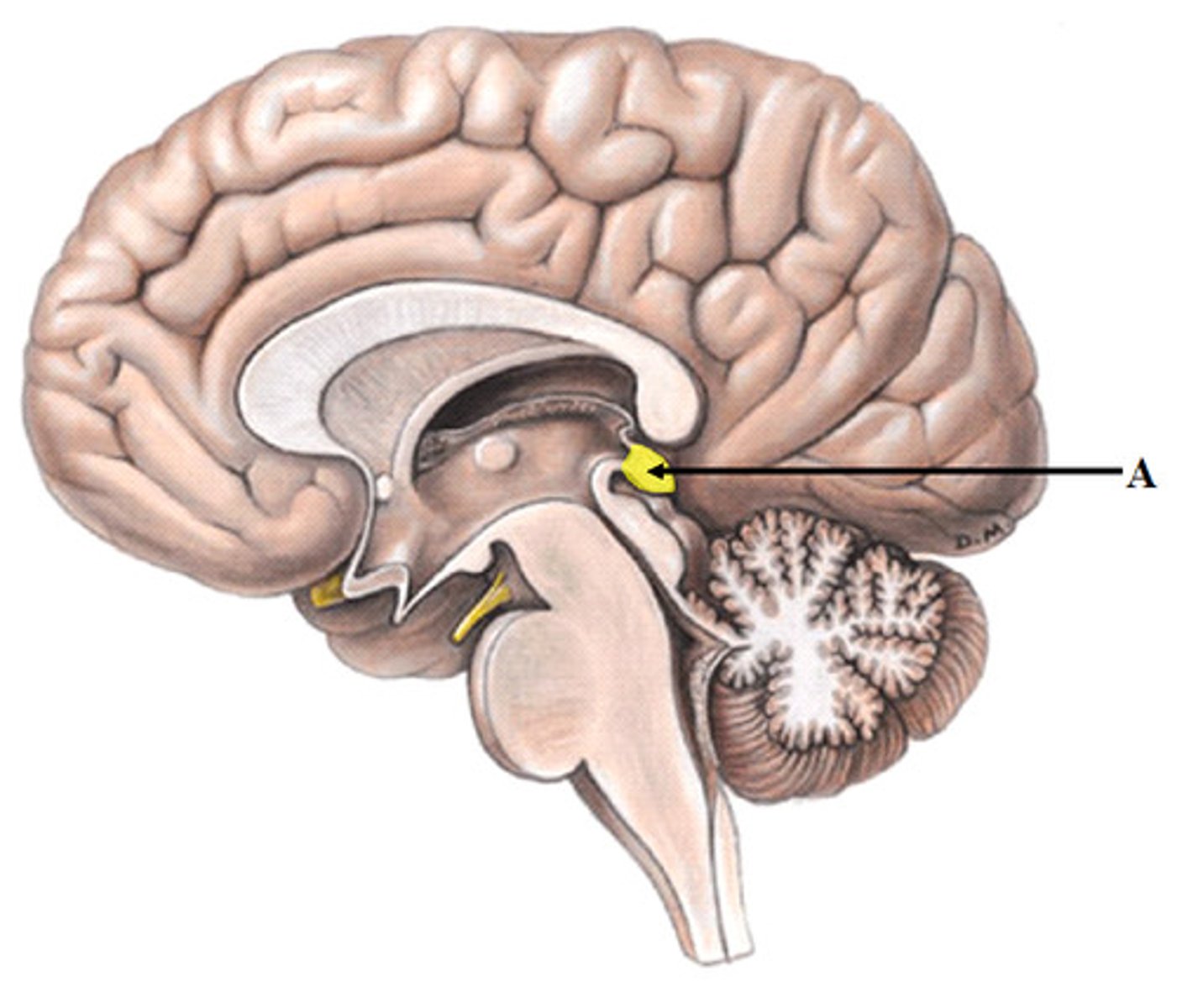
Affects metabolic rate, caloric requirements, oxygen consumption, carb and lipid metabolism, growth and development, brain function, other nervous system activities -> Need iodine for their synthesis
Thyroid Gland:
What is the function of Thyroxine/T4 and Triiodothyronine/T3?
Lowers serum calcium levels by -> inhibiting transfer of calcium from bone to blood, increasing calcium storage in bone, increasing renal excretion of calcium and phosphorus
Thyroid Gland:
What is the function of calcitonin?
Regulates serum calcium levels; Stimulates renal conversion of vitD to most active form; Regulated by negative feedback
What does parathyroid hormone do?
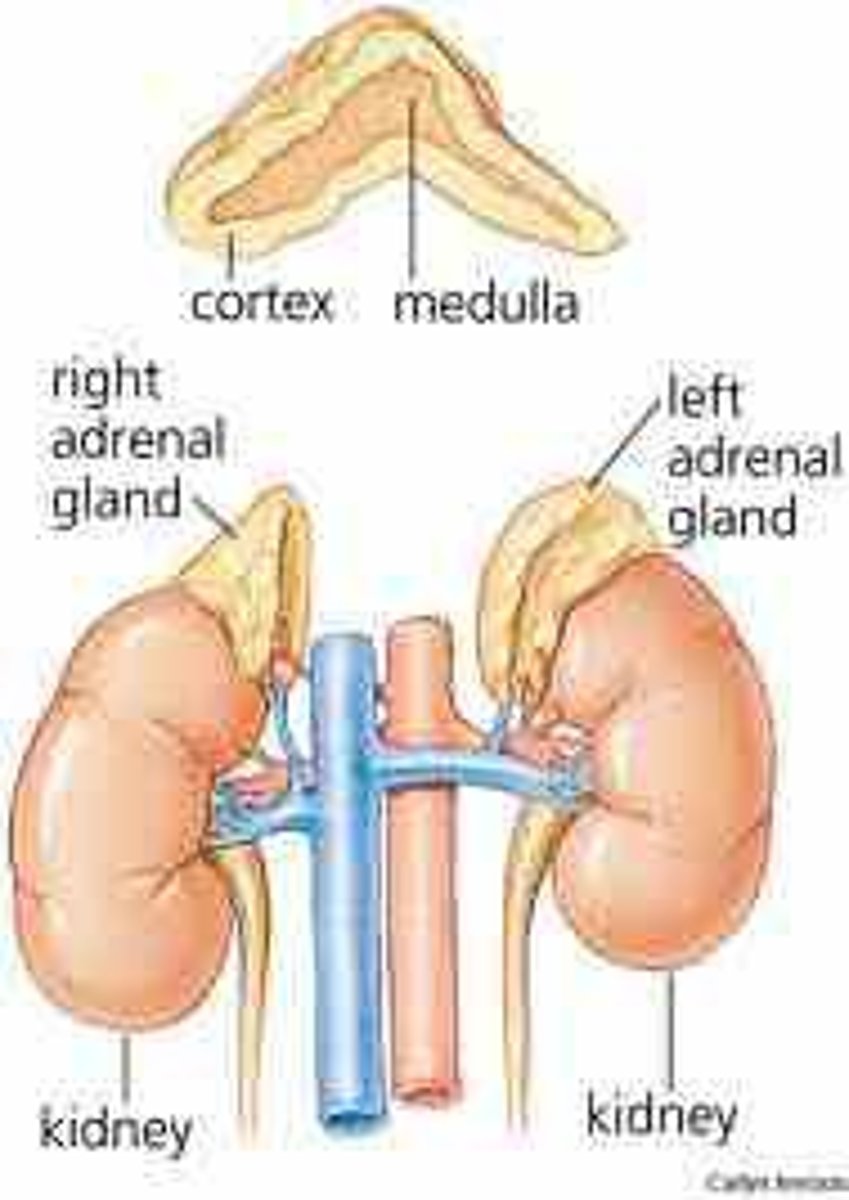
Catecholamines -> epinephrine, norepinephrine, dopamine; Neurotransmitters; Essential part of SNS's fight or flight response
Adrenal Gland:
What is the adrenal medulla responsible for?
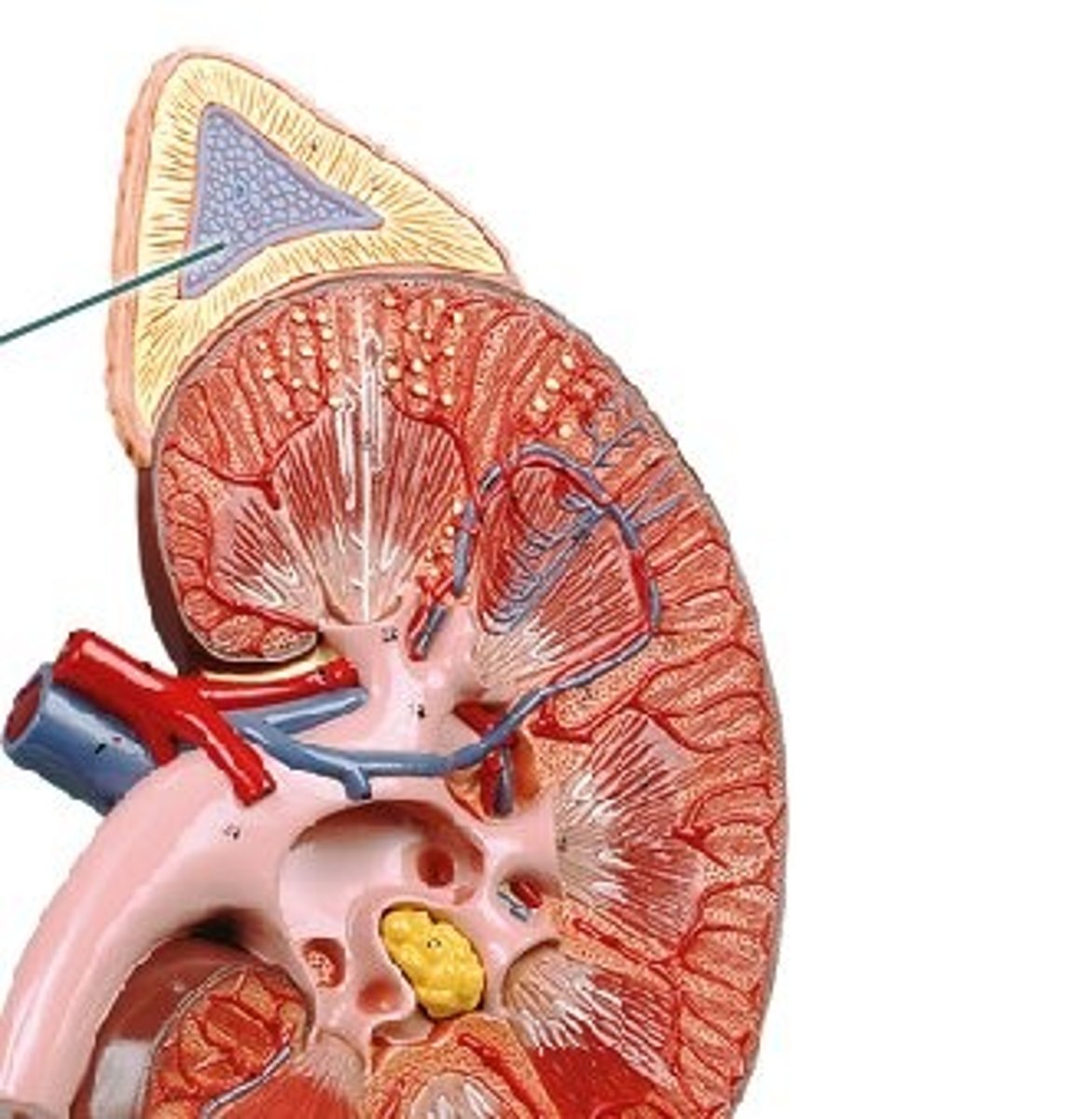
Glucocorticoids -> cortisol; anti-inflammation, effect on glucose metabolism; Mineralocorticoids -> aldosterone; influence fluid and electrolyte balance; Adrenal androgens
Adrenal Gland:
What is the adrenal cortex responsible for?
Maintains extracellular fluid volume; Acts on renal tubule to promote renal reabsorption of sodium and excretion of potassium and hydrogen ions
Adrenal Gland:
What does aldosterone do?
Converted to sex steroids in peripheral tissues -> testosterone in men, estrogen in women
Adrenal Gland:
What do adrenal androgens do?
Regulates BG concentration by stimulating hepatic glucose formation
Adrenal Gland:
What is the 1st thing that cortisol does?
Decreases inflammatory response by stabilizing membranes of cellular lysosomes and preventing increased capillary permeability
Adrenal Gland:
What is the 2nd thing that cortisol does?
Stress, burns, infection, fever, acute anxiety and hypoglycemia increase levels cortisol
Adrenal Gland:
What is the 3rd thing that cortisol does?
Exocrine and endocrine functions -> Islets of Langerhans have 4 types of hormone-secreting cells = alpha cells, beta cells, delta cells, F cells
What are the functions of the pancreas?
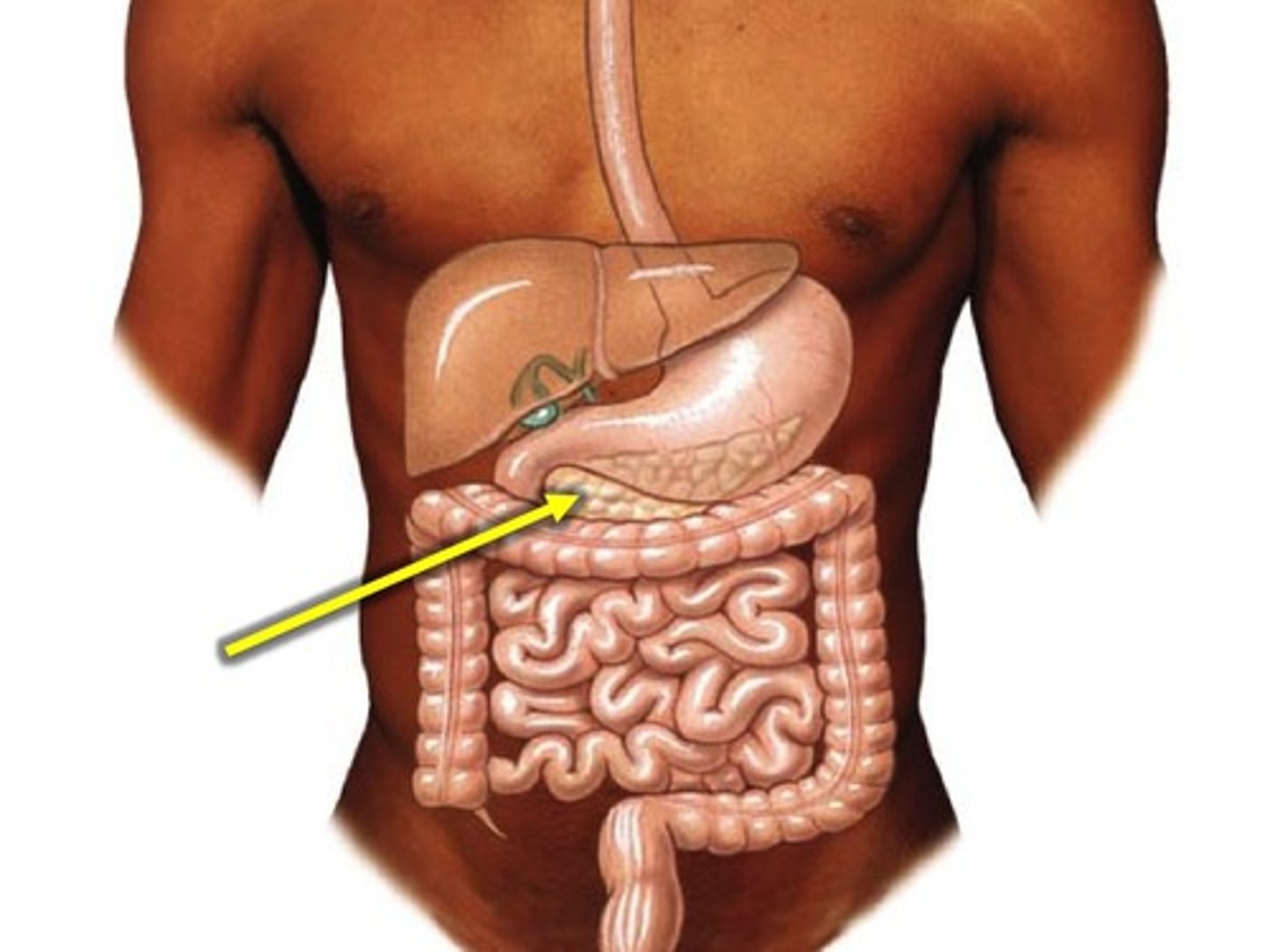
Released from pancreatic alpha cells and gut; Increases BG by stimulating glycogenolysis, gluconeogenesis, ketogenesis
Pancreas:
What does glucagon do?
Principal regulator of metabolism and storage of ingested carbs, fats, and proteins; Increased BG is a major stimulus for insulin synthesis and secretion; Low BG levels inhibit insulin secretion
Pancreas:
What does insulin do?
Decreased production and secretion; Altered metabolism and biologic activity; Decreased responsiveness; Alterations in circadian rhythms; Assessment is difficult; Co-morbid conditions and meds alter response
What are gerontologic considerations that effect the endocrine system?
Too much or too little of a hormone; Onset of symptoms is often gradual; Vague symptoms can be misinterpreted; Those who present with acute symptoms may need immediate intervention for life-threatening conditions
Assessment of the Endocrine System:
What does dysfunction mean?
Past health hx; Meds; Surgery or other treatments
Assessment of the Endocrine System:
What is important health information to gather during this assessment?
Pituitary and thyroid disorders; Multiple endocrine neoplasia; Diabetes mellitus
Assessment of the Endocrine System:
What is important HEREDITARY information to gather during this assessment?
Health perception -> health management pattern; Nutritional -> metabolic pattern; Elimination pattern
Assessment of the Endocrine System:
What are the 1st three components of this assessment?
Activity and exercise pattern; Sleep and rest pattern; Cognitive and perceptual pattern
Assessment of the Endocrine System:
What are the 2nd three components of this assessment?
Self-perception and self-concept pattern; Role-relationship pattern; Sexuality and reproductive pattern
Assessment of the Endocrine System:
What are the 3rd three components of this assessment?
Coping and stress tolerance pattern; Values and beliefs pattern
Assessment of the Endocrine System:
What are the 4th two components of this assessment?
VS; Growth and development patterns; Height and weight; Weight distribution; Mental-emotional status
Assessment of the Endocrine System:
What are important components of the OBJECTIVE assessment here?
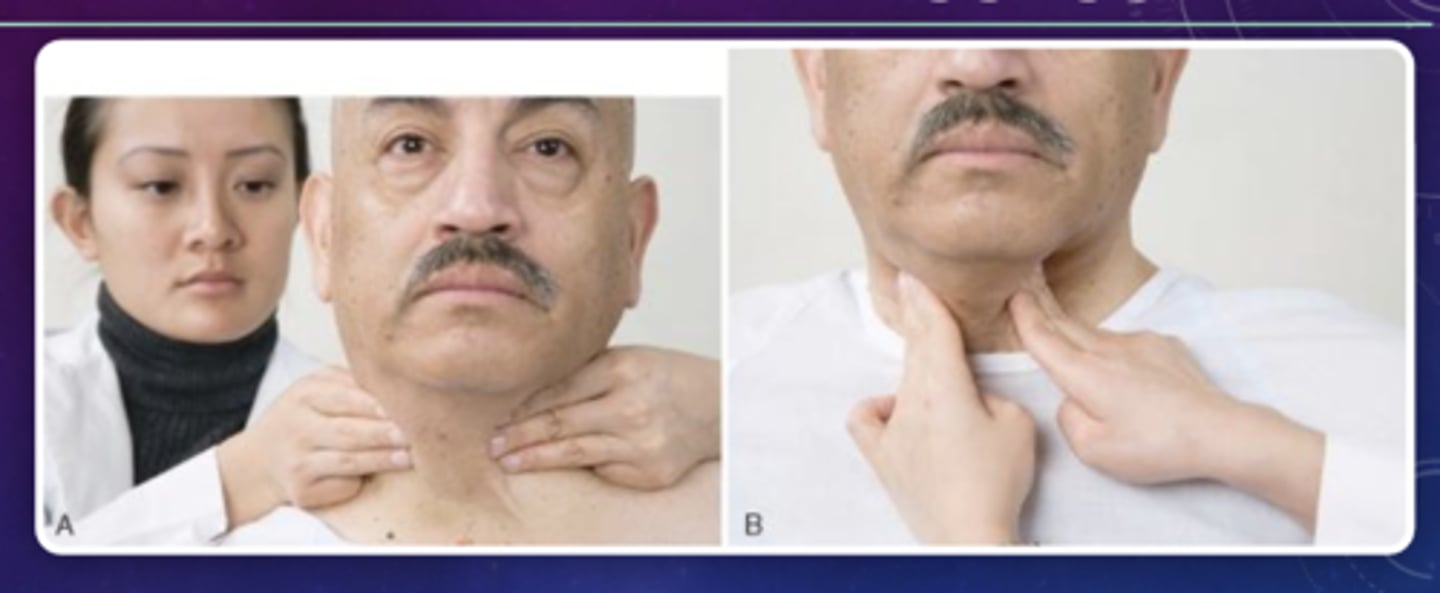
Integument; Head; Neck; Thorax; Abdomen; Extremities; Genitalia
Assessment of the Endocrine System:
What are important structures to assess during this?
Pertinent findings from hx and physical exam guide selection -> imaging studies, direct or indirect measurement of hormone levels, single or multiple blood samplings
What are the categories of diagnostic studies for the endocrine system?
TSH is most sensitive and accurate thyroid test; Additional tests = total T4, free T4, and total T3
Diagnostic Studies:
What are the details of THYROID studies?
Abnormal PTH levels are reflected in calcium and phosphate levels
Diagnostic Studies:
What are the details of PARATHYROID studies?
Blood plasma and urine levels of glucocorticoids, mineralocorticoids, & androgens
Diagnostic Studies:
What are the details of ADRENAL CORTEX studies?
d. Thyroid-stimulating hormone (TSH)
A patient is exhibiting signs of hypothyroidism. Which diagnostic test will the nurse expect to be done first?
a. Total thyroxine (T4)
b. Thyroid antibodies (Ab)
c. Free triiodothyronine (FT3)
d. Thyroid-stimulating hormone (TSH)
b. "It is important to drink at least 2 to 3 liters of liquids for the next 1 to 2 days."
A patient with thyroid nodules is to undergo a thyroid scan with oral radioactive isotopes. Which instructions, if given by the nurse, are appropriate?
a. "The test cannot be completed if you have an allergy to iodine or shellfish."
b. "It is important to drink at least 2 to 3 liters of liquids for the next 1 to 2 days."
c. "Isolation is required for 24 hours until the radioactive substance is eliminated from the body."
d. "Sedation is necessary to ensure that you do not move while the scanner movesover your neck."