Cell Transport
 Call Kai
 Learn
Learn Practice Test
 Spaced Repetition
 Match
Match Flashcards
1/18

There's no tags or description
Looks like no tags are added yet.
Name | Mastery | Learn | Test | Matching | Spaced | Call with Kai |
|---|
No analytics yet
Send a link to your students to track their progress
19 Terms
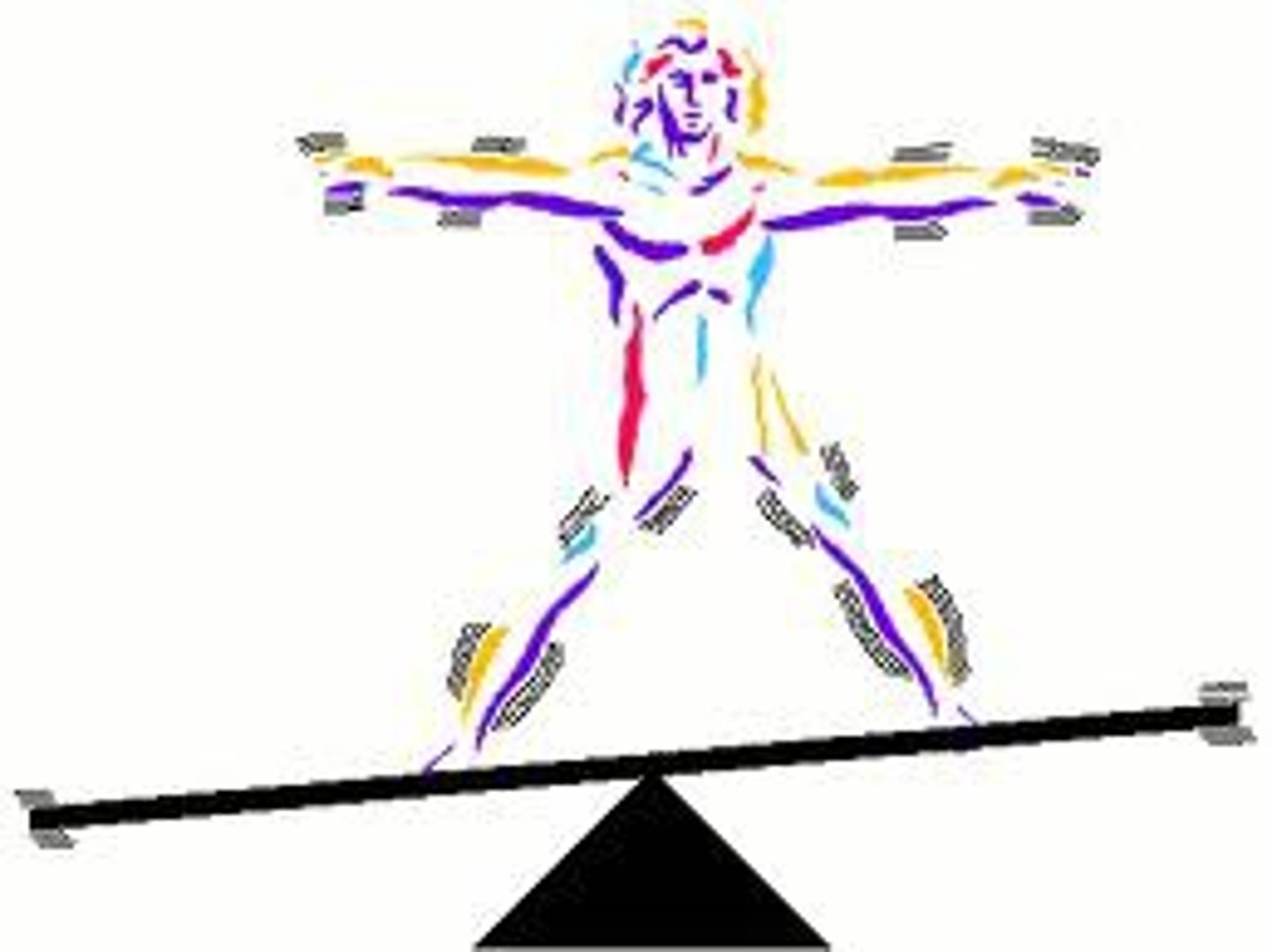
Homeostasis
Stable internal environment
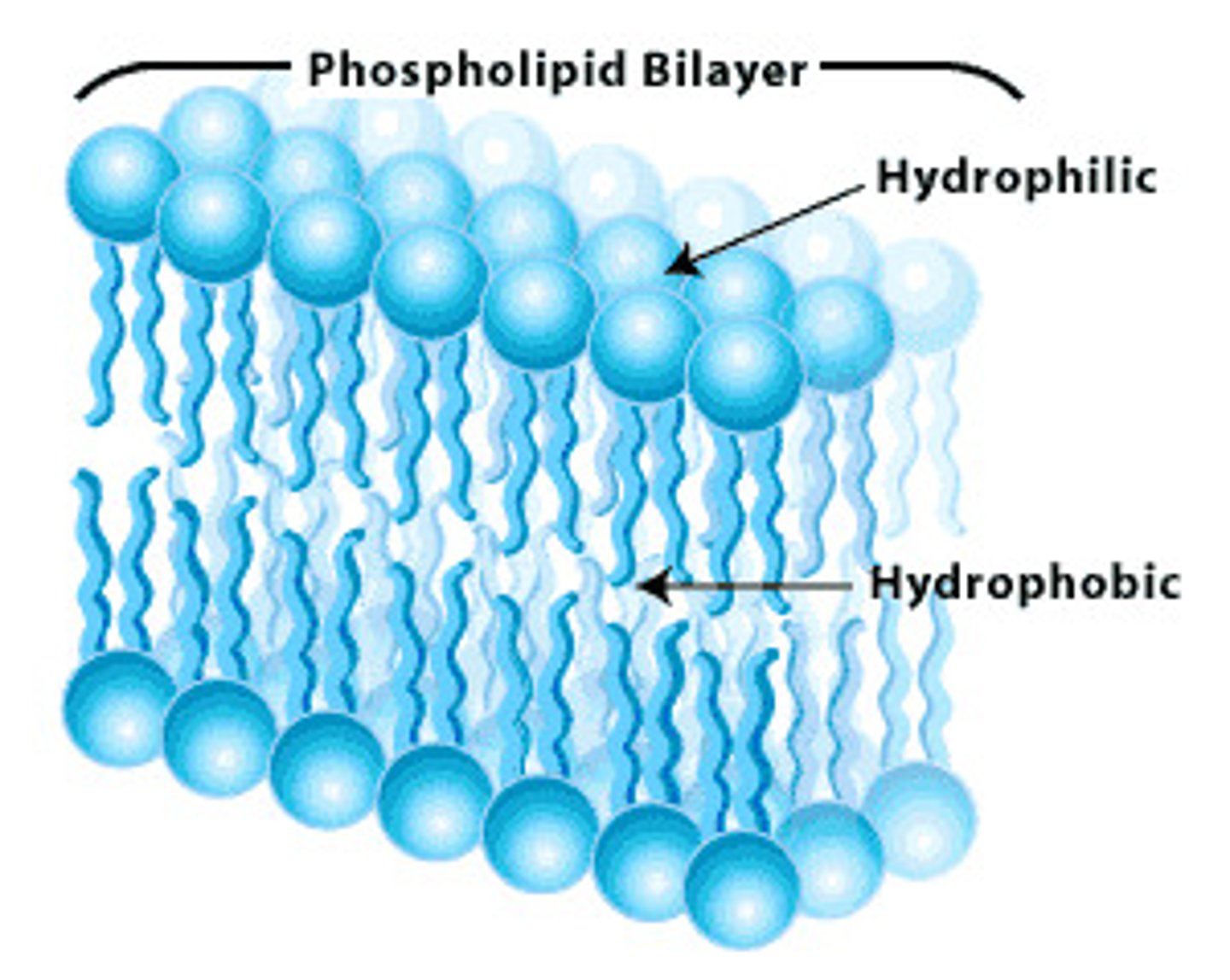
phosphate heads are
polar, hydrophilic
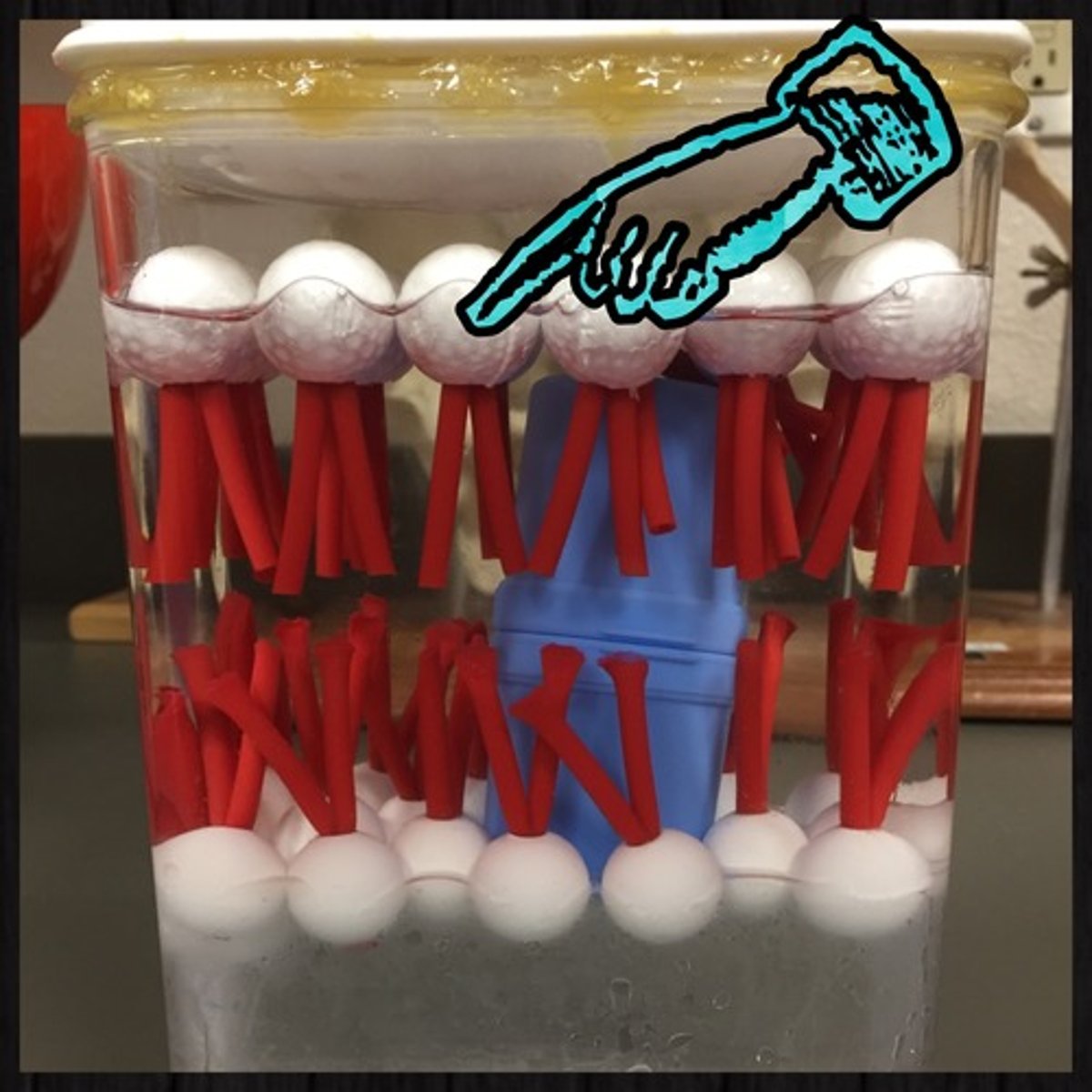
lipid tails are
nonpolar, hydrophobic
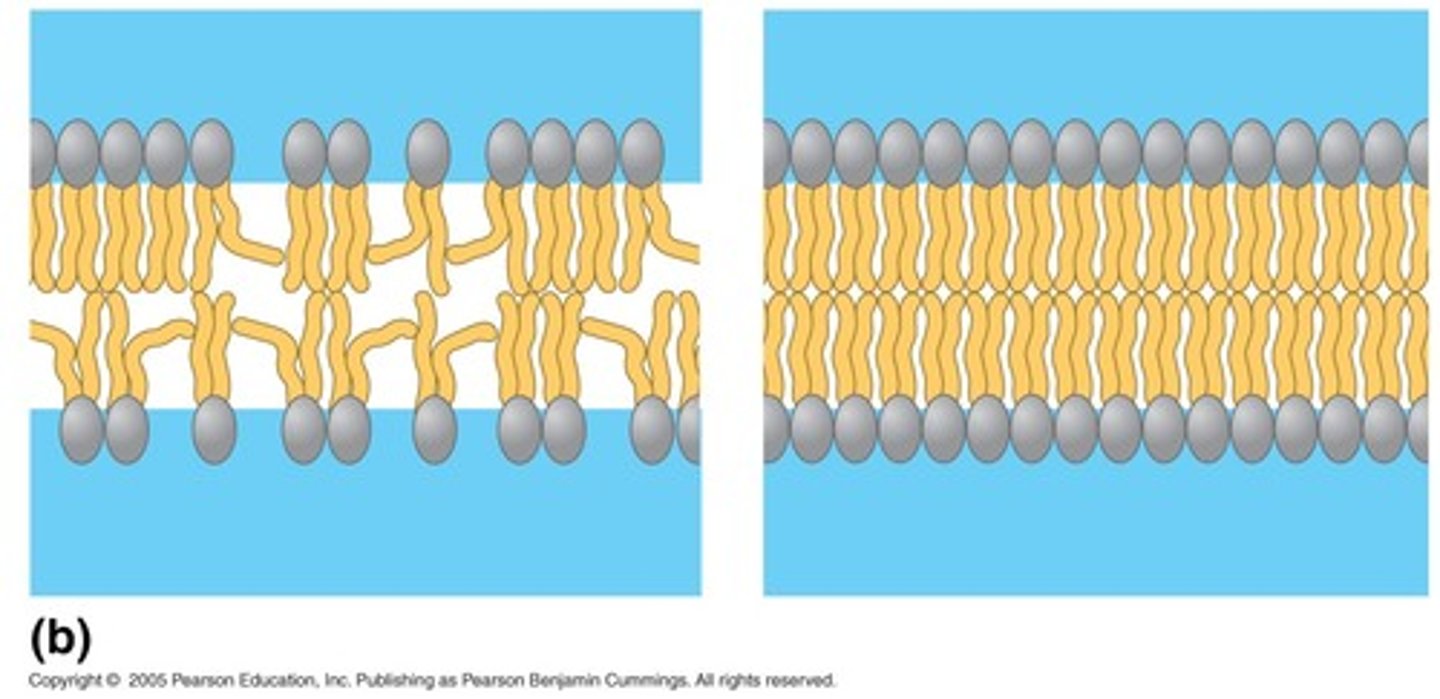
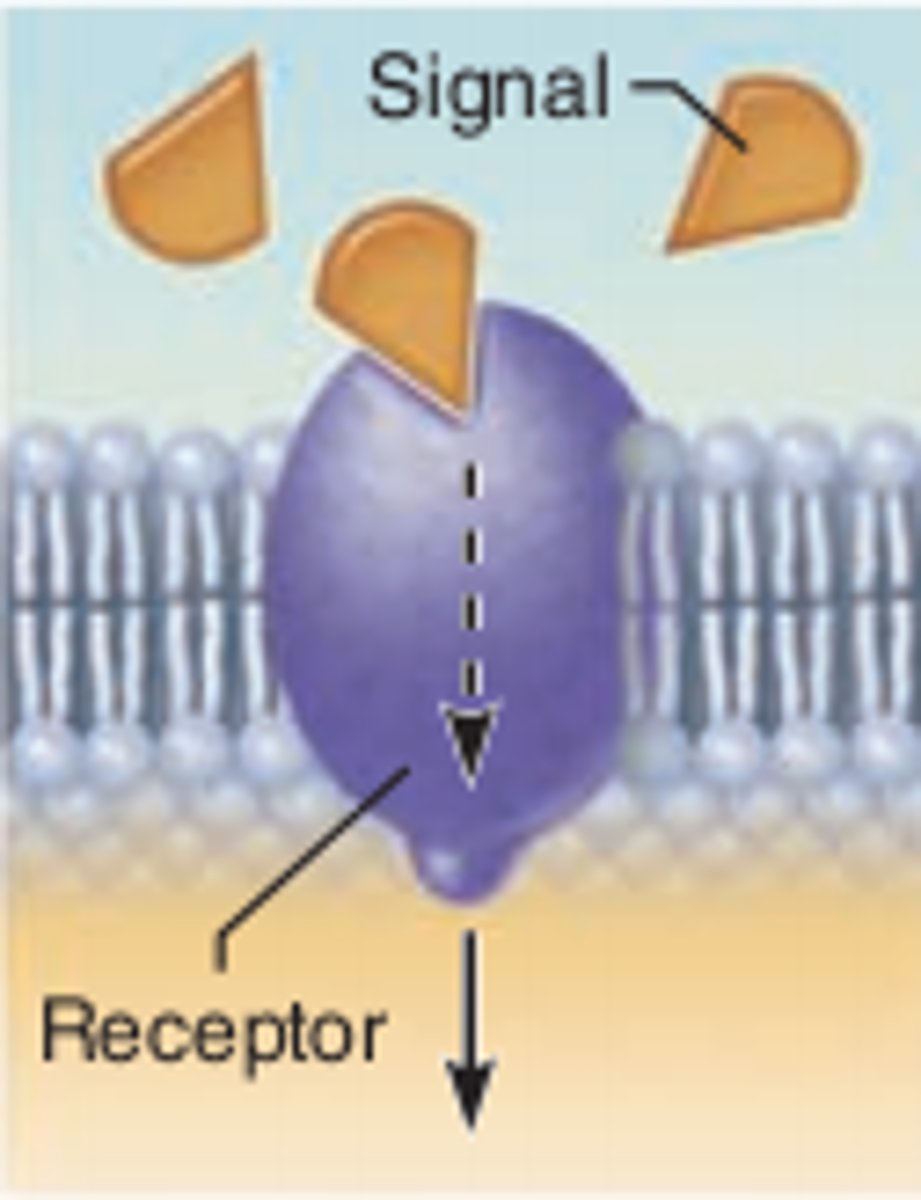
receptor proteins
help the cell sense its environment
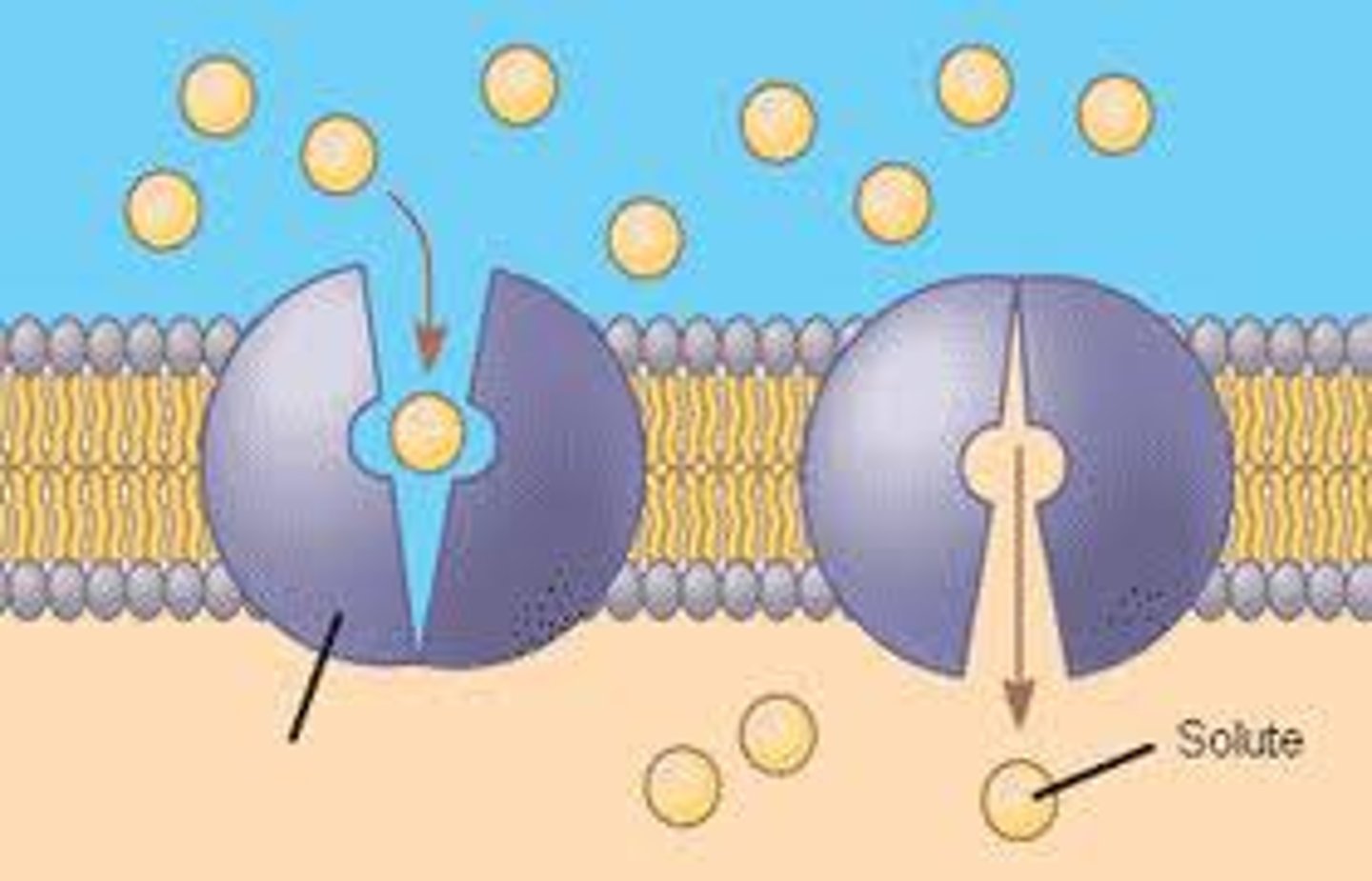
transport proteins
help move substances across the cell membrane
Enzymes
help with chemical reactions inside the cell

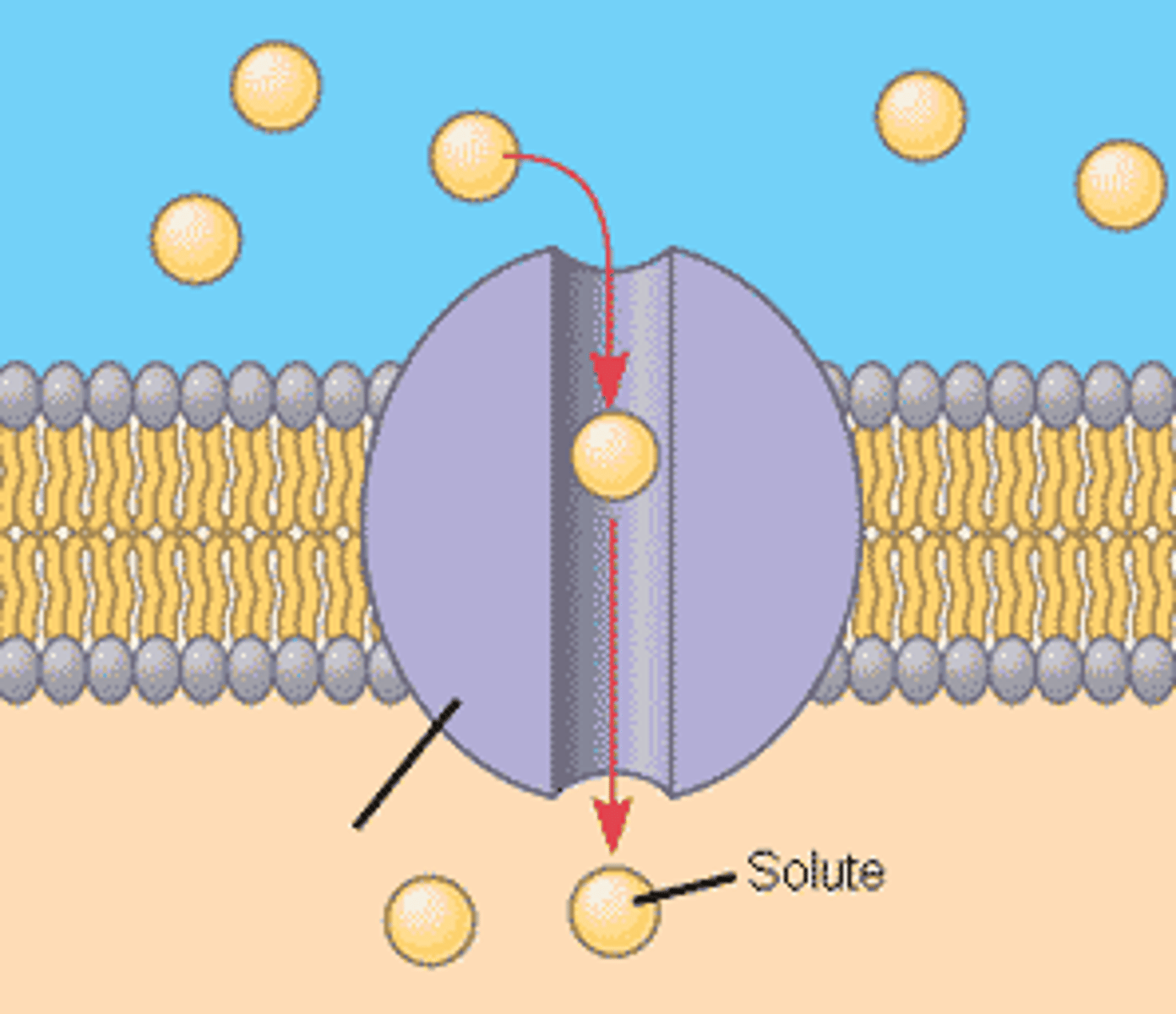
Protein Doorways
Large particles enter the cell through these
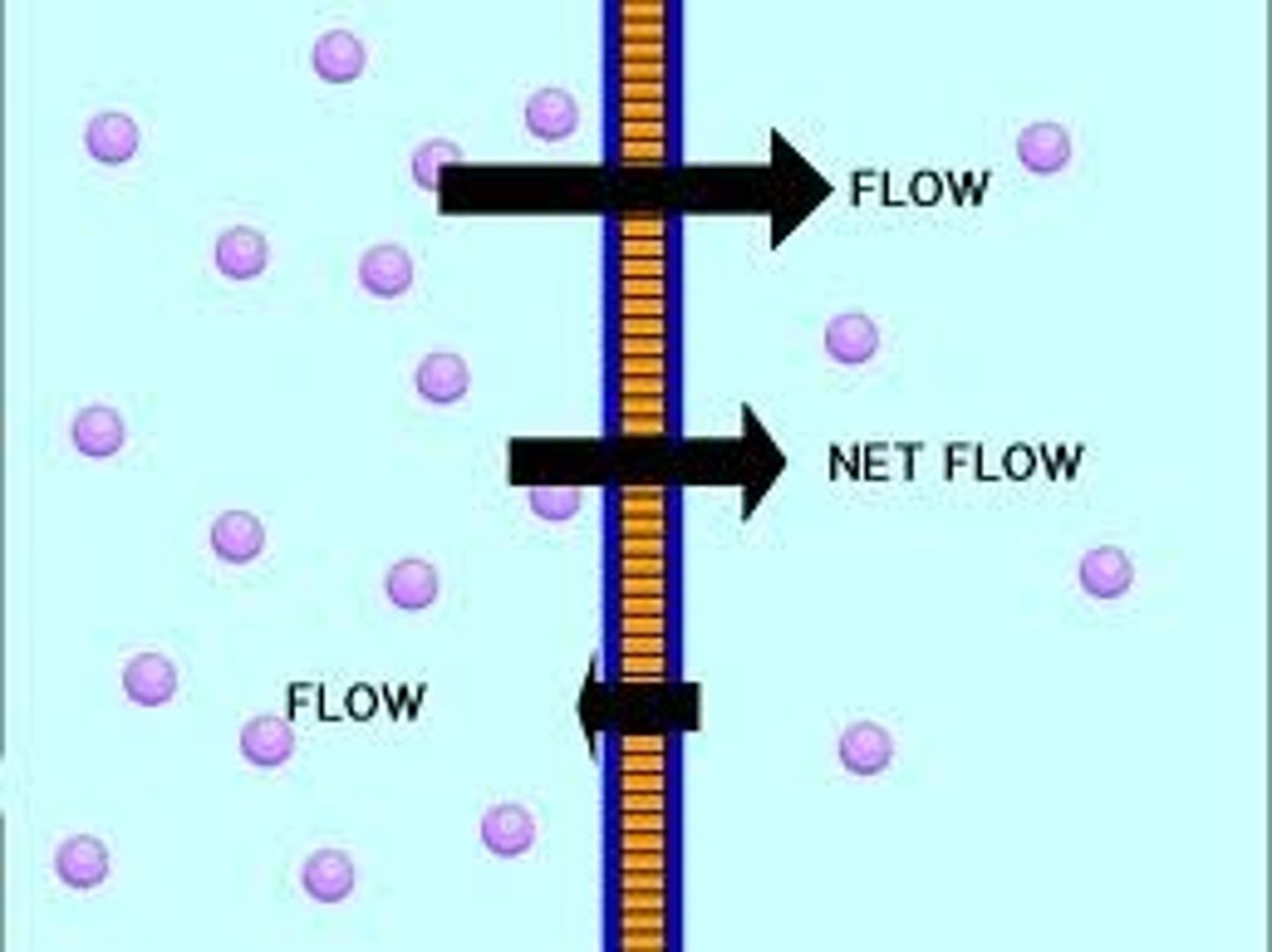
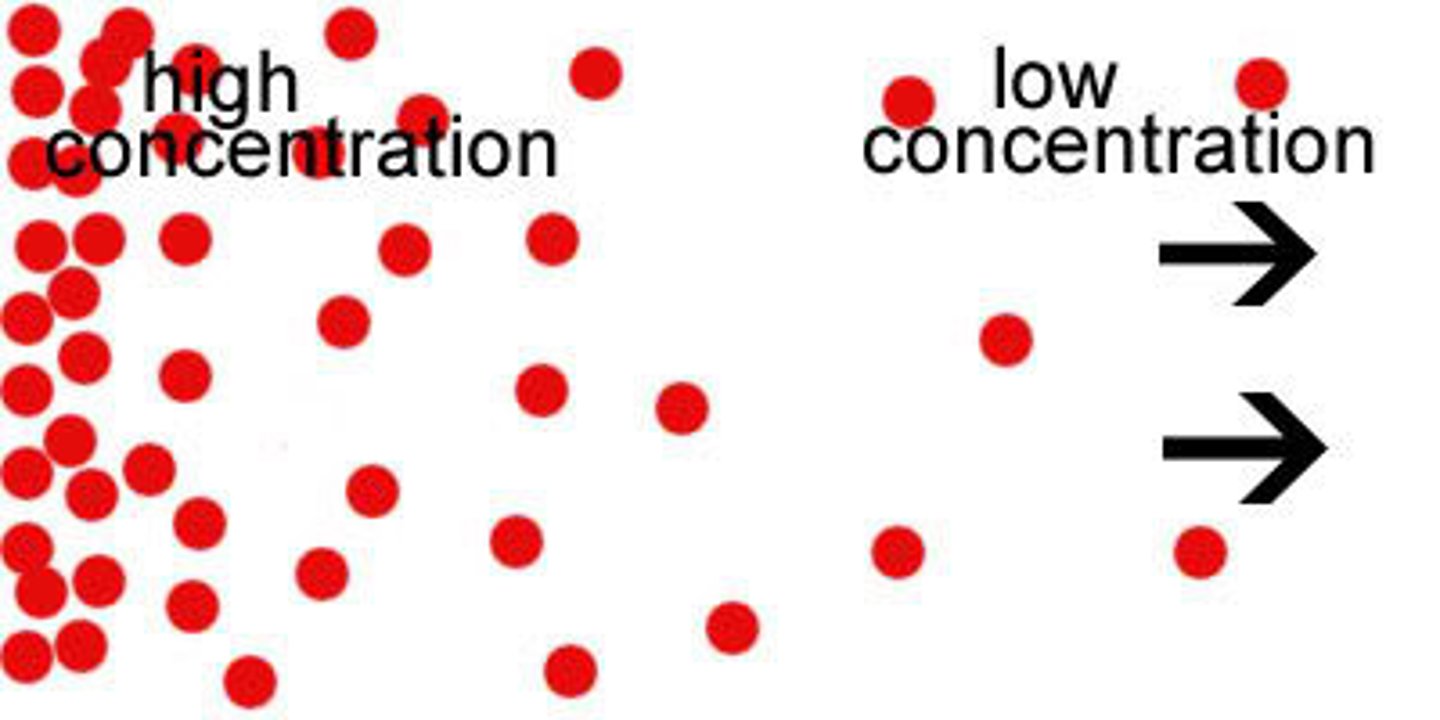
concentration gradient
difference in the concentration of a substance from one location to another
concentration
the amount of substance in a certain area
Equilibrium
molecules moving randomly to evenly fill a space
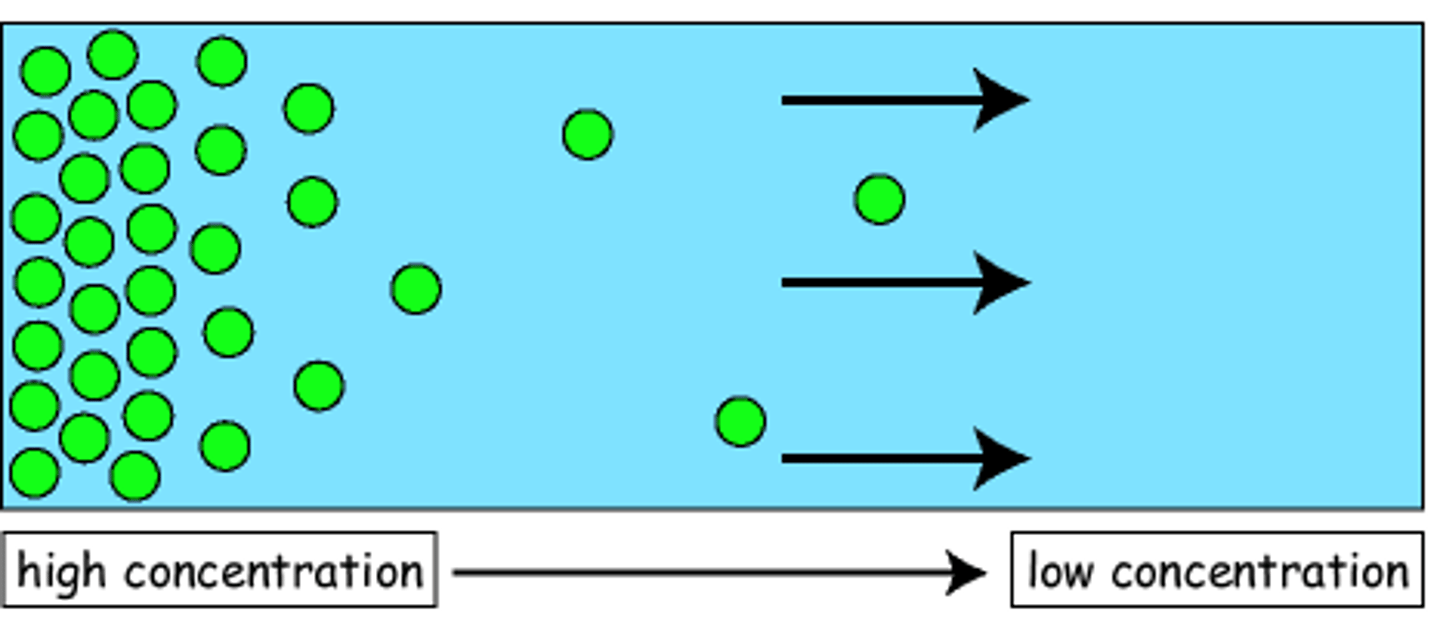
Diffusion
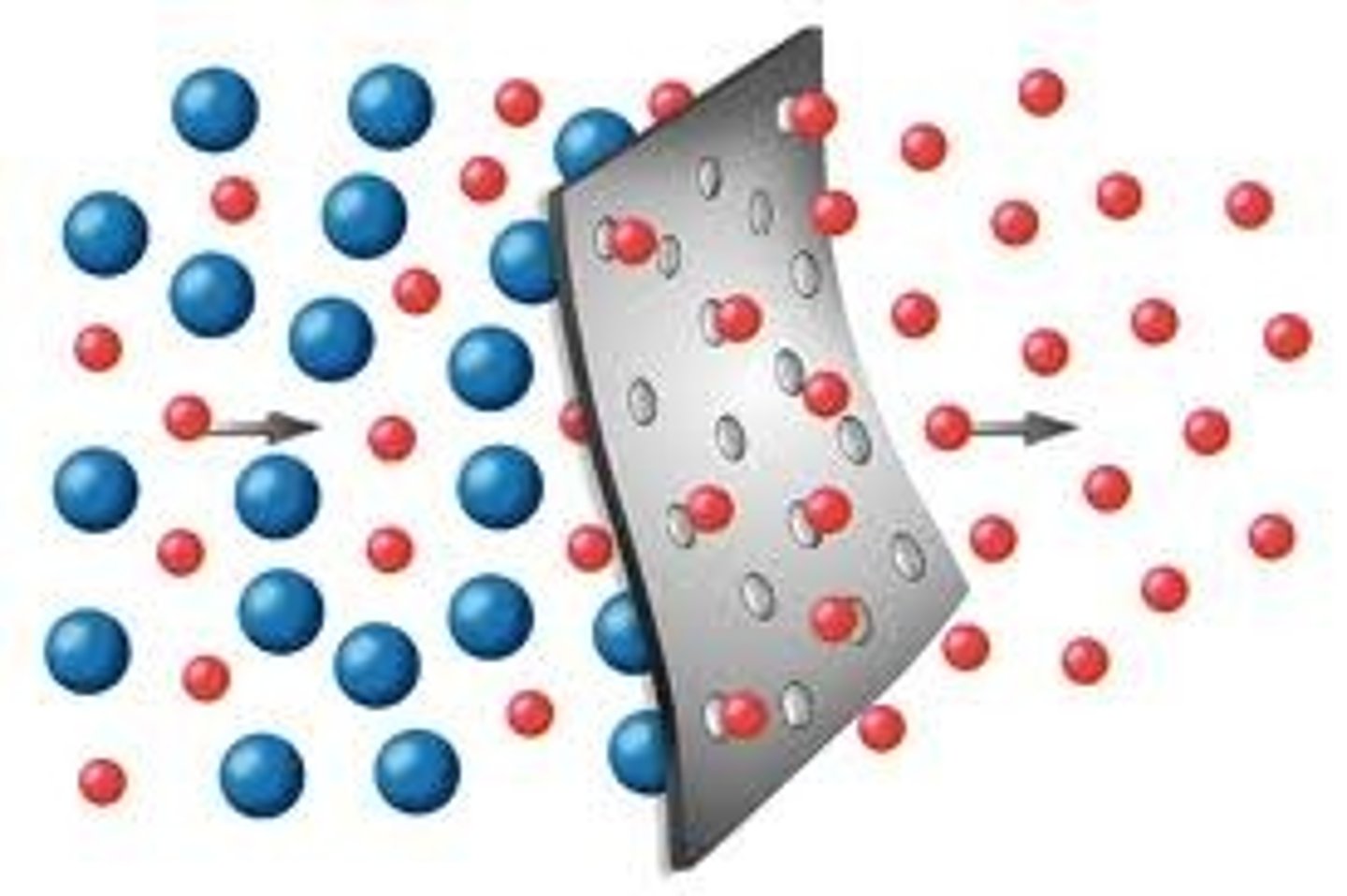
Movement of molecules from an area of higher concentration to an area of lower concentration.
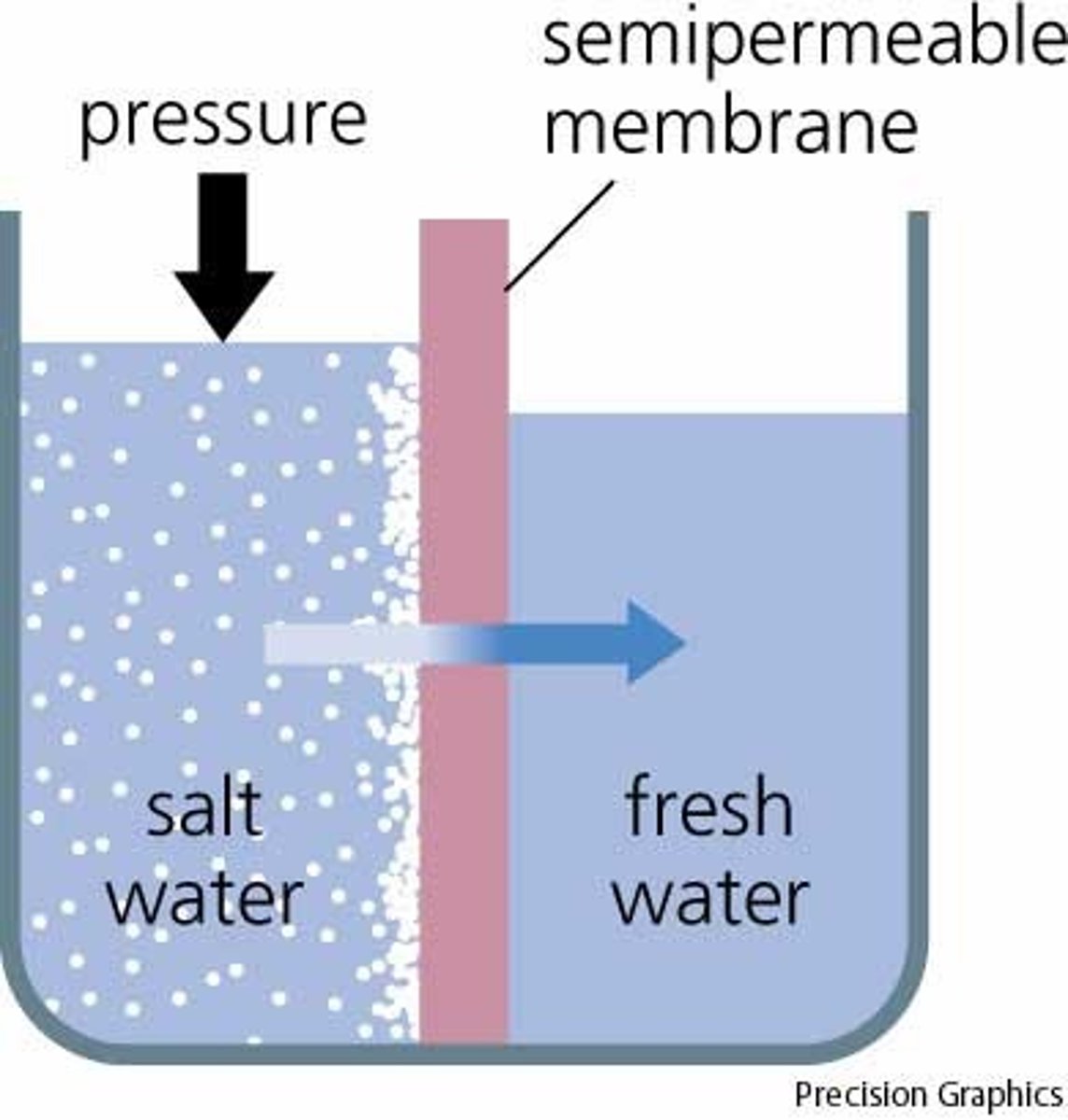
Osmosis
Diffusion of water through a selectively permeable membrane
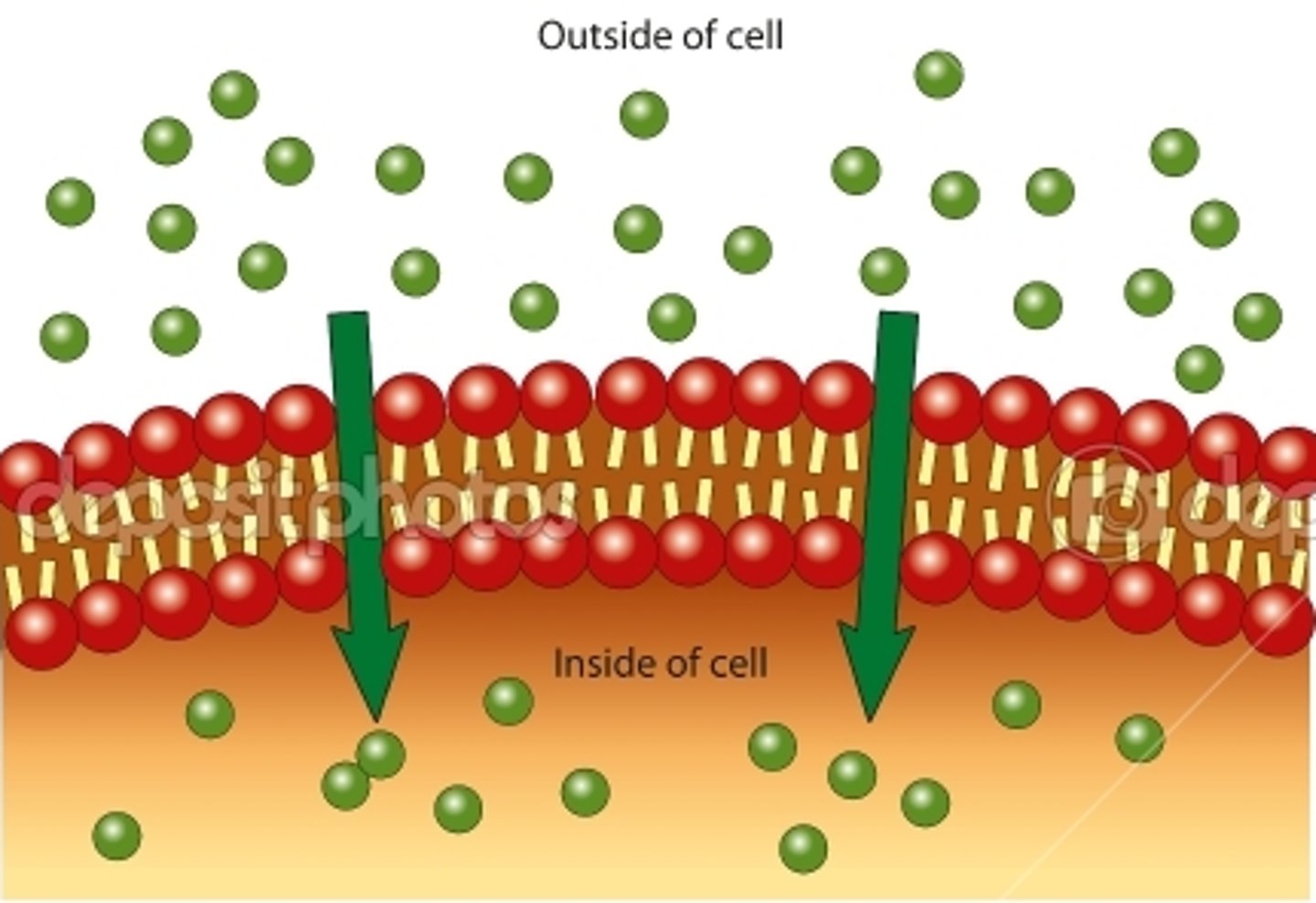
passive transport
the movement of substances across a cell membrane without the use of energy (ATP) by the cell
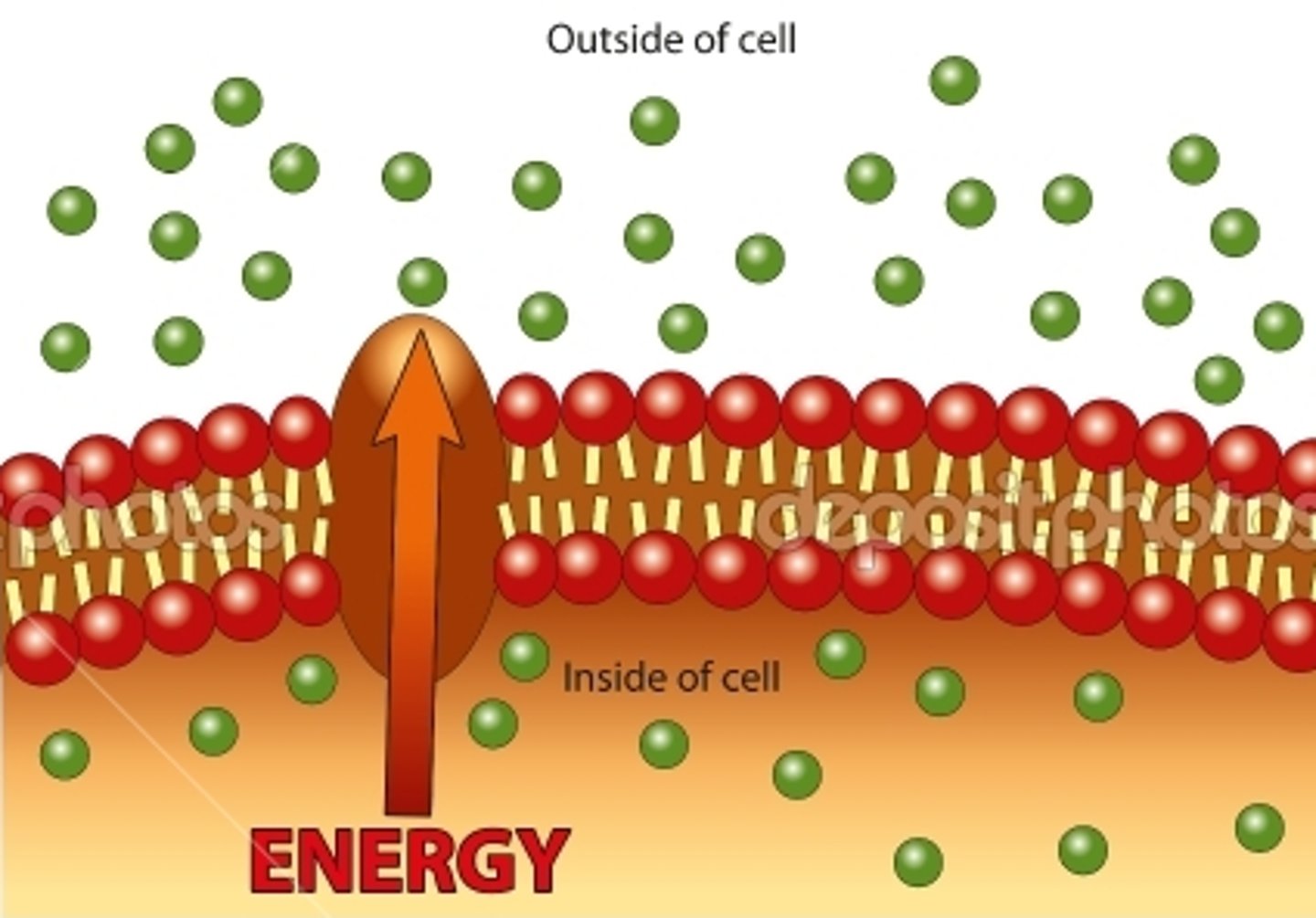
active transport
the movement of materials through a cell membrane using energy (ATP)
Diffusion is complete when particles reach
equilibrium
Bi-layer
two layers
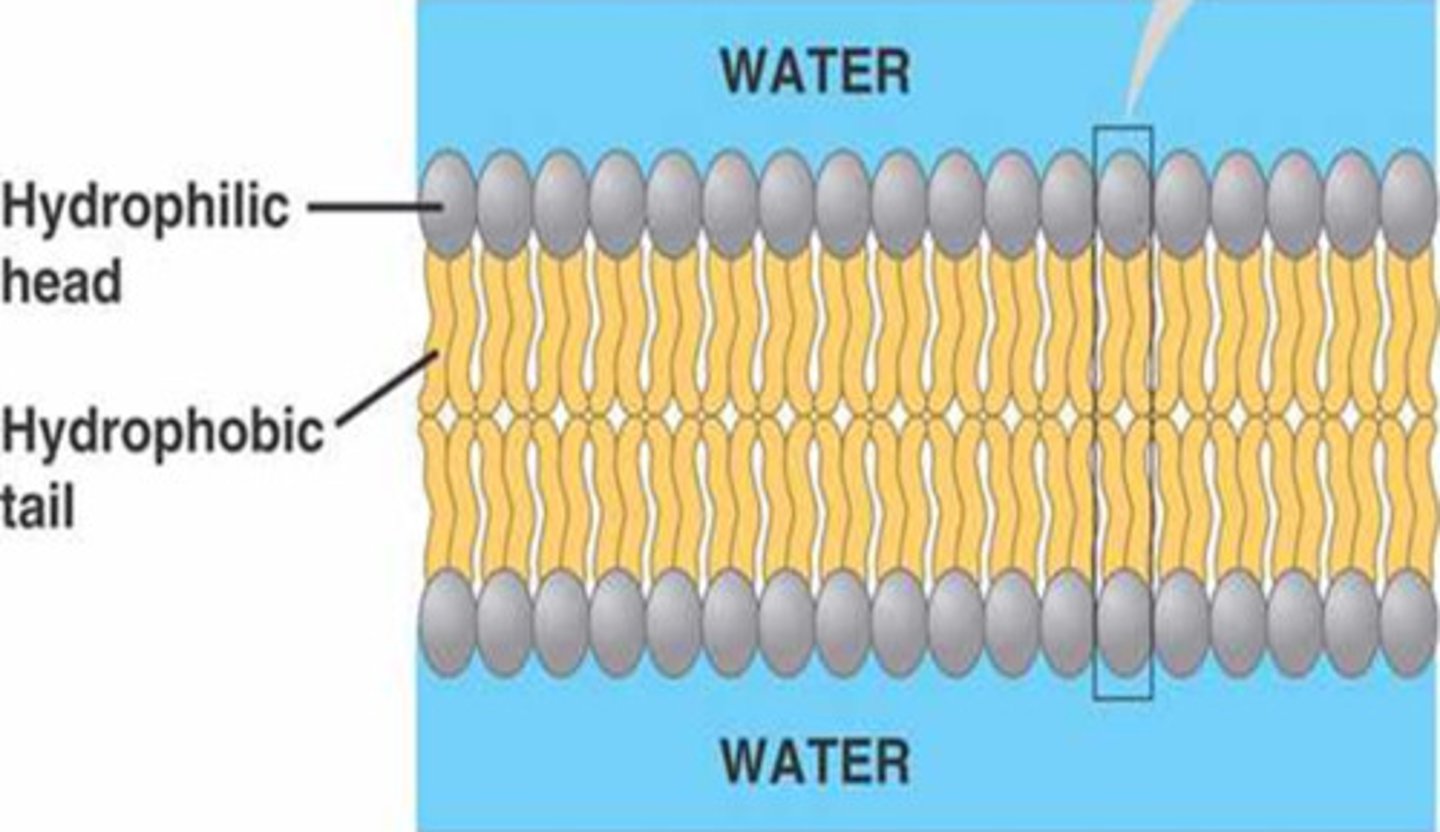
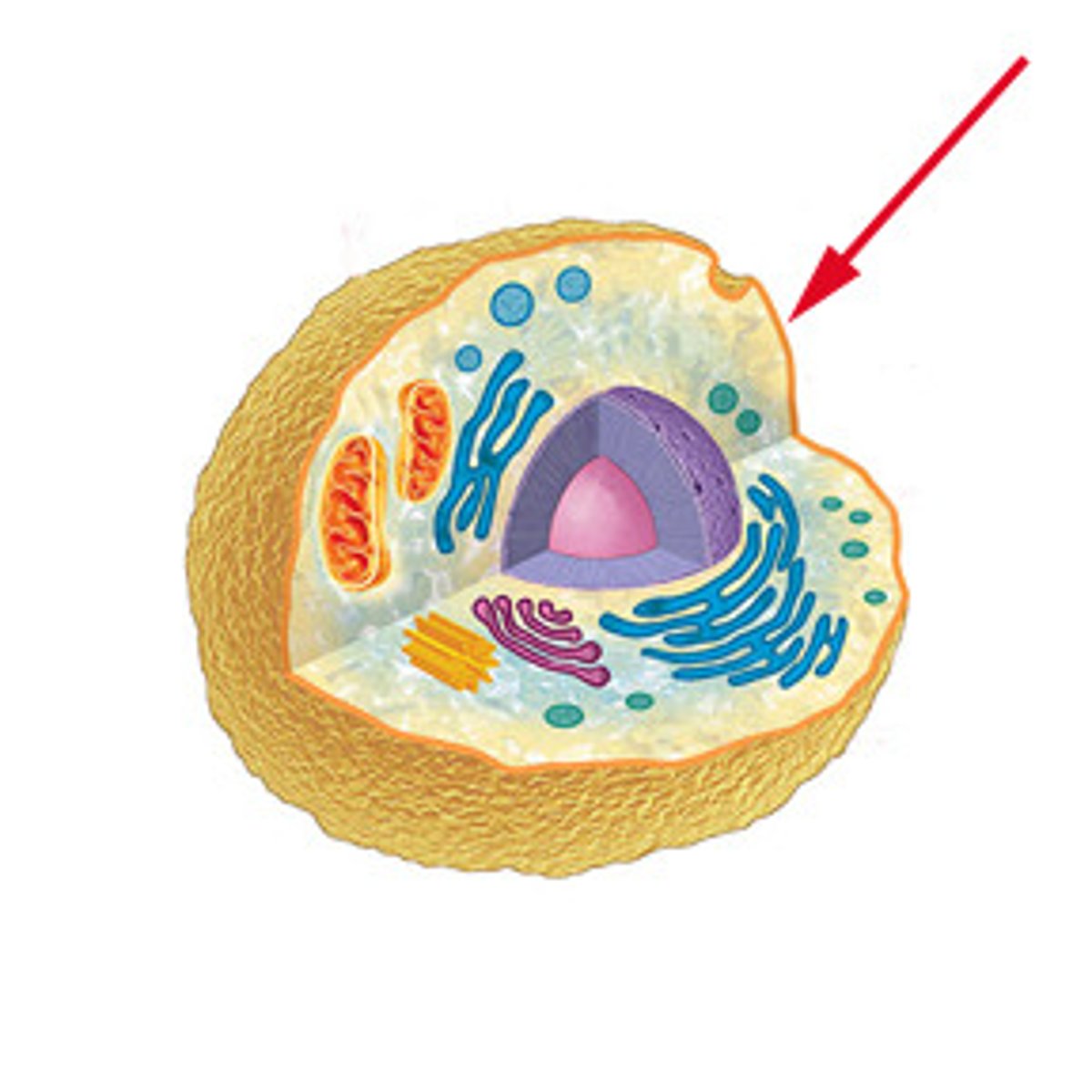
cell membrane
thin, flexible barrier around a cell; regulates what enters and leaves the cell
Semi-permeable
membranes that allow some substances through but not others
Phospholipids
Cell membrane is made of these.