Healthcare Management Unit 4 Review
 Call Kai
 Learn
Learn Practice Test
 Spaced Repetition
 Match
Match Flashcards
 Knowt Play
1/82

There's no tags or description
Looks like no tags are added yet.
Name | Mastery | Learn | Test | Matching | Spaced | Call with Kai |
|---|
No analytics yet
Send a link to your students to track their progress
83 Terms
the function of management documents
reflect trends, response to change, reflect the corporate culture, transparency, celebration of success, commitment to accountability, communication, historical record of the organization’s development, some plans are mandated by laws or regulations
why do management documents matter in healthcare?
they directly affect patient care and professional practice (determine what services are offered and who gets access, influence staffing levels, training, and workflows, required for licensure, accreditation, and funding, used to demonstrate quality, safety, and accountability to the public)
skills needed from the manager
planning, decision making, organizing, staffing, directing or actuating, controlling
types of management documents
strategic plan (SWOT analysis)
annual report (executive summary)
project proposal (request for project proposal (RFP))
business plan
due diligence report
plan of correction
strategic plan
a proactive response to change
combines idealism (mission and values) with realism (goals and objectives)
a long-range plan of desired outcomes to be accomplished over several years
usually prepared early in the life cycle of the organization (moving out of youth and into middle-age)
updated in intervals and/or when a major change occurs (ex: merger, change of ownership)
strategic vs operational thinking
strategic planning is long term (3+ years), sets direction and priorities, focuses on mission, vision, and future needs, led by executive leadership and boards
operational planning is short term (annual or daily), focuses on how work gets done, implements the strategic plan, led by managers and department staff
contents of strategic plans
vision and mission statement, core values and principles, a strategic overview of the current state, major strategic goals, an action plan or detailed objectives, the resources needed and their probable source, an evaluation process
step 1 of strategic planning process
define mission and vision, top management directives provided, team framework and timeline developed
step 2 of strategic planning process
in-depth assessment of current circumstances, attention to changes in conditions and clientele network, review of factors and constraints, analysis of strength, weaknesses, opportunities, and threats (SWOT)
SWOT analysis
strengths, weaknesses and challenges, opportunities, and threats. commonly associated with strategic planning
step 3 of strategic planning process
in light of the SWOT analysis: development or reaffirming of existing mission and core values
step 4 of the strategic planning phase
determine goals and objectives or reaffirm existing goals and objectives, identify in detail the resources needed to attain each goal and objective
step 5 of the strategic planning phase
implementation of the plan
year-to-year delineation of the objectives
emphasis on evaluation process each year
communication of the plan
the annual report
a detailed summary of the organization’s efforts throughout the designated fiscal year
reflects the annual plan, which was derived from the long-range master plan, part of the strategic plan
managers prepare portions of the report dealing with their specific department
an opportunity to present successes and challenges of each department
leadership compiles the department reports for an overall summary
includes information about goal achievement: full, partial, and non-achievement
part of the evaluation process
usual content of annual report
performance improvement and quality efforts
budget issues
staff development and training
interdepartmental coordination
patient and client education
special projects
licensure and accrediting agencies may request access as part of the review process
the executive summary
concise overview of a larger document
condensed version of the annual report
major topics are highlighted
short, to-the-point summary
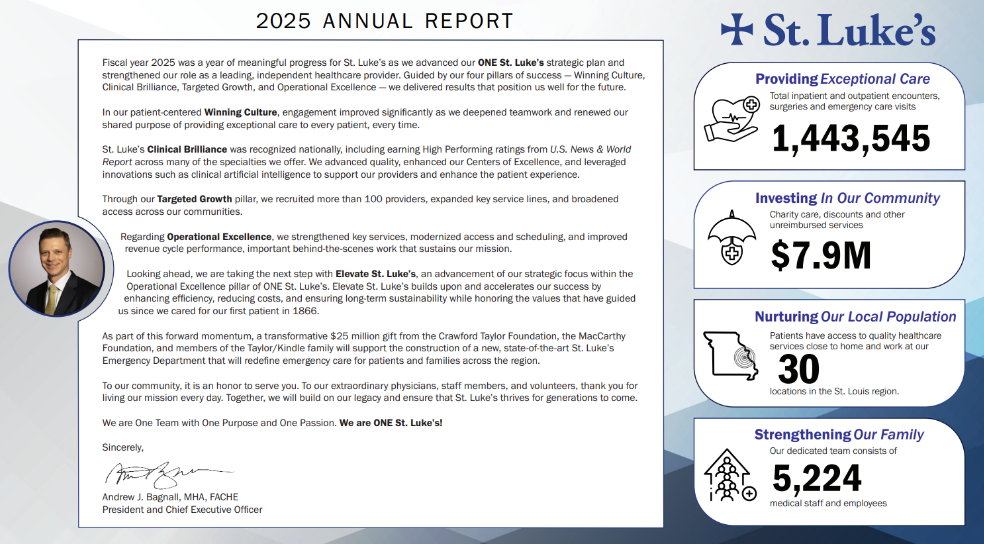
annual report example
how planning documents connect
strategic plan - sets the long-term goals
annual plan – define yearly objectives
3. implementation – puts plans into action
4. annual report – measures and communicates results
5. evaluation & correction – adjusts plans as needed
planning
a continuous cycle, not a one-time task
project proposal
project proposals may be developed from opportunities noted in the
strategic plan
precedes the project charter
includes both internal and external project proposals
may include a Request for Proposal (RFP)
announces a project, describes it, and solicits bids from qualified parties to complete it
as a manager, you may be involved with
responding to RFPs from external funding agencies, and / or
requesting another organization to respond to your organization’s RFP
project proposal content
statement of objectives
methods to achieve objectives
detailed timeline for project implementation
budget calculations
fundraising or other institutional support
evaluation process, including both internal and external review
the development officer
designated official within the organization who coordinates project proposals
different than a Project Manager (PM) or a Project Management Office (PMO)
monitors funding availability
initiate contacts with potential donors
provides assistance with critical issues such as: need for institutional review board or ethics committee review, organization’s eligibility to request certain funds, boilerplate information about the organization (e.g., its history)
business plan
a tool used in response to a professional opportunity
details: purpose of a proposed business, describing its products or services, potential clientele, and forecasts for revenue and expenses
used in the effort to secure funding for a venture
points of consideration for entreprenuers
may need to obtain clearance from top management if employed by an organization
attention to conflict of interest rules
confer with legal and accounting professionals about: self-employment taxes and income, zoning codes and business permits, incorporation
due diligence review (DDR)
an intense review of legal and financial matters intended to prevent undue
harm to either party considering involvement in an arrangement with
significant legal and financial implications
usually carried out when a merger or acquisition is being considered
focus is on both assets and liabilities
highly confidential
focus and content of DDR
licensure and accrediting reviews (plan of correction)
financial status and obligations
grants and special endowments
pending and recent lawsuits; risk management
patents, royalties, intellectual property
equipment inventory
human resource considerations
the plan of correction (POC)
formal document developed and submitted to accrediting or reviewing agencies
a response to specific citations given in the agency’s formal report
mandatory response
part of public record
when the manager is preparing it, it is generally recommended that they:
give particular attention to repeat citations/deficiencies
address only the specific citations
do not use defensive language
provide specific supporting evidence for corrective plan for each citation
plan of correction example and why it’s critical
scenario: infection control citation
accrediting agency identifies deficiency
organization must submit a formal response
plan of correction includes:
what went wrong
how it will be fixed
how improvement will be monitored
management commitment to excellence
an underlying philosophy
participative management style
active promotion of the concept
truly delegate authority and responsibility
employee empowerment
intra- and interdepartmental teamwork
management style: authoritarian / autocratic vs participative
autocratic focuses strongly on command by the leader, there’s a clear separation between leader and team members, work tends to be highly structured and very rigid
performance / quality improvement focus
continuous quality improvement: focus on standard operations
routine, periodic studies stemming from external mandates (ex: joint commission)
“debug” new processes (ex: joint commission tracer methodology implementation
critical areas of interest (ex: patient safety, revenue cycle, disaster preparation)
when improvement fails
during the early stages of implementation, the manager must:
remain attentive to feedback
make necessary adjustments
provide clients with assistance in adjusting to the change
when the data and feedback indicate that the hoped-for improvement has not occurred, the manager must be willing to make the necessary change, including withdrawal of the new process
controlling function of management
the management function in which performance is measured and corrective action is taken to ensure the accomplishment of organizational goals
the basic control process
establish standards
measure performance
correct deviations
the dmaic process
D: define the project goal and customers/clients
M: measure the process to determine current performance
A: analyze and determine root cause(s) of the defect
I: improve the process by eliminating the defect
C: control future process performance
who participates in the control process?
governing board: leadership role; adoption of philosophy of excellence
line managers: continuous process improvement of routine activities and periodic quality improvement initiatives
quality improvement teams and committees: interdepartmental cooperation (ex: patient safety studies)
employees: peer group activities through quality circles and teams
clients: response to invitation to give feedback (ex: patient satisfaction surveys)
characteristics of adequate controls
timely
economical
comprehensive
specific and appropriate
objective
responsible
understandable
six sigma (strategy for quality improvement)
based on statistical analysis of variations in performance measures
widely used in the 1990s
managers can get certified in six sigma training
waterfall or cascading impact review (strategy for quality improvement)
emphasizes early detection and correction so that one error is not repeated and compounded throughout the system
ex: an incorrect diagnosis which then cascades down to all other aspects of patient care
rapid improvement cycle (strategy for quality improvement)
emphasizes a short improvement window (a few months)
may be mandated by federal and state agencies in response to deficiencies
dashboard reporting (strategy for quality improvement)
timely, concise capture of data
real time updates
like the dashboard of a car, we don’t need data on the most minute details of function, but we need an immediate review of the key elements of function
benchmarking
select a standard of practice against which performance will be measured
standards may be internal (ex: a department’s best performance)
standards may be obtained from external sources (ex: a professional association, federal agencies, accrediting organizations)
commonly used tools of control
gantt chart
flowchart
TQM display charts (run chart, histogram, scattergram)
TQM display charts
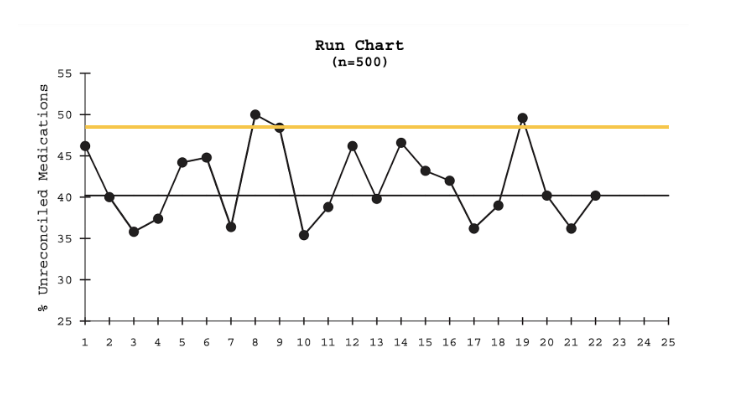
run chart: helps identify trends over time
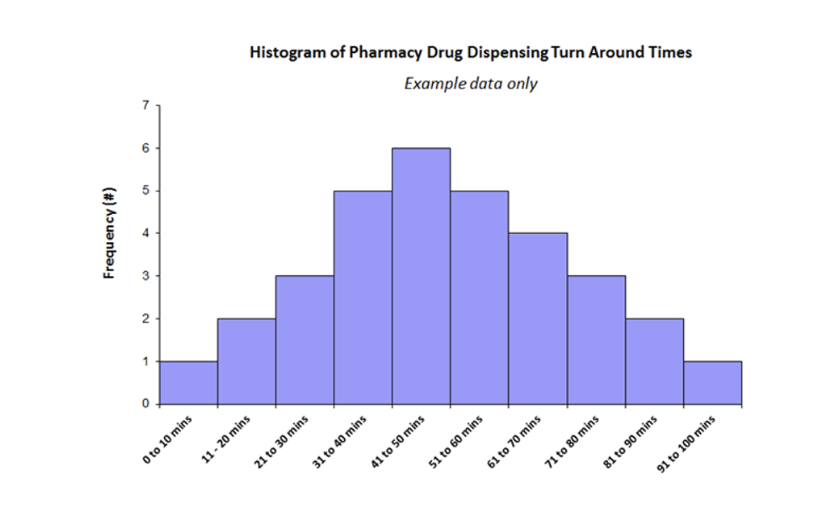
histogram: patterns; rates and frequency
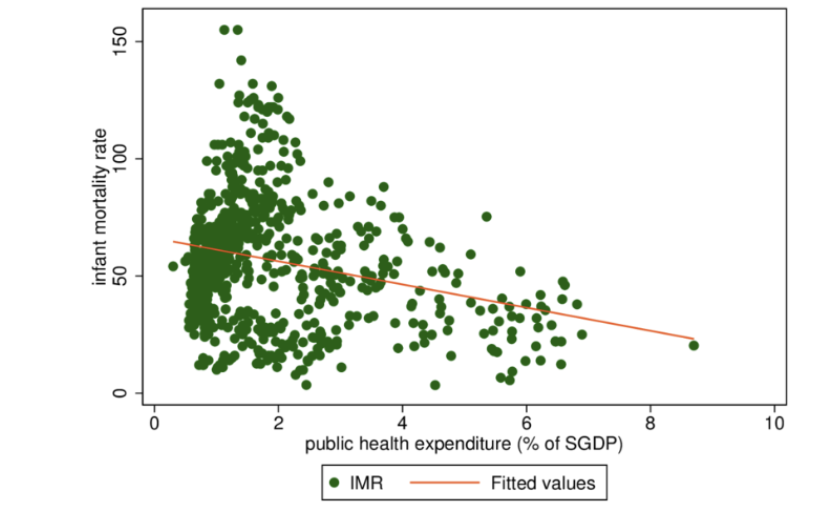
scattergram / scatterplot: visualize relationship between variables
cause-effect / ishikawa diagram / fishbone: problem identification (a form of root cause analysis)
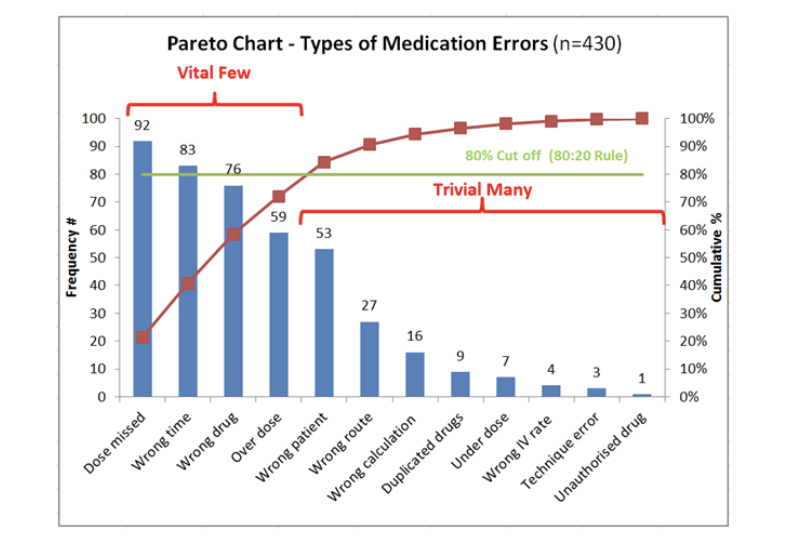
pareto chart: determining priorities
run chart
helps identify trends over time
histogram
histogram: patterns; rates and frequency
scatterplot
visualize relationship between variables
pareto chart
helps determine priorities
control process vs directing-coordinating-control
basic control process:
re-evaluation of standards
ensure accurate performance measures
positive steps to implement corrective action
charting the course (where do we want to go, how will we get there, how close are we?)
directing-coordinating-control process
progress is evaluated based on the standards set in the basic control process
new decisions are made as work progresses
actively “coaching” through it (are we doing the work appropriately?)
the importance of follow up
make new decisions, or re-enforce original decisions based on the findings of the various performance studies
use the findings to adjust work processes based on current information
human resources as a vital staff function
engages in acquiring, maintaining, and retaining employees so that the objectives of the organization may be fulfilled
offers a variety of support services including personnel policy and guidance
proactive assistance
primary functions of HR
employment (recruitment)
compensation (wage and salary administration)
benefits administration
employee relations
factors increasing the value of HR services
increase in employee related tasks
proliferation of laws pertaining to employment
effects of flattening the organization chart
flattening
compressing the organizational hierarchy by removing layers of management and moving the essential elements of the eliminated position to an adjoining management level (up or down)
employment as an HR function
advertising for applicants, screening, referring applicants, checking references, extending offers of employment, bringing employees into the organization (onboarding)
compensation as an HR function
process of creating and maintaining a wage structure and ensuring that this structure is administered fairly and consistently
benefits administration as an HR function
consists of maintaining the organization’s benefits structure and assisting employees in understanding and accessing their benefits (benefits are part of an employee’s total compensation)
employee relations as an HR function
dealing with employees and their problems, needs, and concerns (may include complaints and appeals, processing disciplinary actions, arranging employee recognition and recreation activities)
additional HR functions
labor relations (typically associated with unionization and unions)
employee health
training
payroll
security and parking
safety
childcare
employee evaluation / performance appraisal process
HR provides overall assistance through guidance about employee evaluation and performance appraisals so there is uniformity across the organization
as the manager, you perform the evaluation / performance appraisal
different reviews for different time frames (annual review, final review, etc)
HR can review patterns in the manager’s rating practices
HR can help, as the manager, avoid evaluation of inflation and deflation
review disciplinary actions and separation from the organization
in most situations the manager decides on disciplinary action
HR works with the manager to follow proper process and documentation
in most organizations its a requirement for the manager to take proposed disciplinary actions through HR before implementation of any separation
the manager works with HR and other departments to account for and turn in keys, passwords, IDs, invalidate passwords, freeze computer and file access, complete final evaluation of worker’s performance (the line managers responsibility)
documentation
the key to showing due process and following procedures (if it wasn’t documented, it wasn’t done)
exit interview
conducted by HR and is different than an evaluation/performance apparaisal
how managers help HR
reactions and comments on personnel policies
employee perceptions of pay and benefits
comments ons services (positive or negative)
employee feedback on benefits
suggested changes in recruiting or retention practices
HR is a balance
protective of employees
concerned for the rights of employees (micro)
equally concerned for the organization as a whole (macro)
aware of the necessity for proper documentation of procedural steps
protective of the organization against legal risks
national labor relations act (NRLA) of 1935 (Wagner act)
protected the rights of private sector employees to organize into trade unions, engage in collective bargaining, and take collective action such as strikes
in 1975, the health care amendment provided hospitals with certain legal protections (required 10 days’ notice before picketing, strike, or other concerted refusal to work)
if there is a union in place, a lot of the manager’s behavior will be governed by a collective bargaining agreement
the manager’s primary source of guidance needs to be the HR department
fair labor standards act (FLSA)
federal wage and hour law
wage and hour law spells out:
who is to be paid for what and how
who can be exempt (exempt from overtime provision)
who must be considered nonexempt
managers often need to answer employees’ wage and hour questions
the manager’s primary source of guidance needs to be the HR department
equal pay act (EPA) of 1963
amended the fair labor standards act
required FLSA covered employers to provide equal pay for men and women who are performing the same work
was extended beyond employees covered by FLSA
civil rights act of 1964
ended segregation in public places and prohibited discrimination on the basis of race, color, religion, sex or national origin in any term, condition, or privilege of employment
enforced through the Equal Employment Opportunity Commission (EEOC), title vii covers:
all private employers of 15 or more persons, all educational institutions, both public and private, state and local government, public and private employment agencies, labor unions with 15 or more members, joint labor-management committees for apprenticeship and training
civil rights act of 1991 increased the financial damages against organization found guilty of discriminatory practices
EEOC investigates job discrimination complaints (active employees and job applications)
the civil rights act has made the greatest impact on the workload of the HR department
the manager’s primary source of guidance needs to be the HR department and legal counsel
laws and regulations impacting employment
title vii of the civil rights act of 1964 includes protections against sexual harassment
in recent years, sexual harassment has been one of the 2 leading causes of legal complaints against employers (the other is age discrimination)
includes protections against sexual harassment, which may take the form of:
quid pro quo harassment (job benefits that are tied to sexual favors)
hostile work environment harassment
sexual harassment is not limited to the physical workplace and can occur through work-related events, business travel, emails, texts, or online communications related to work
americans with disabilities act (ADA) of 1990
affirmed the right of persons with disabilities to equal access to employment; services; and facilities available to the public including transportation and telecommunication
requires that employers provide reasonable accommodation for disabled individuals who are capable of performing the essential functions of the position for which they apply
court decisions have led to increasing the number of conditions that may be considered disabilities
family and medical leave act (FMLA) of 1993
made it possible for an eligible employee to take up to 12 weeks of unpaid leave in a 12 month period for certain specified reasons without loss of employment
qualifying reasons include:
birth of the employee’s child or the care of that child up to 12 months of age
placement of a child with the employee for adoption or foster care
employee to care for a spouse, child, or parent having a serious health condition
employees own serious health condition
law has expanded to include military caregiver considerations
an employee returning to work within their 12 week limit must be returned to his or her original position or to a fully equivalent position in terms of pay and benefits and overall working conditions