Therapeutic approaches to reversing sensory loss
 Call Kai
 Learn
Learn Practice Test
 Spaced Repetition
 Match
Match Flashcards
 Knowt Play
1/17

There's no tags or description
Looks like no tags are added yet.
Name | Mastery | Learn | Test | Matching | Spaced | Call with Kai |
|---|
No analytics yet
Send a link to your students to track their progress
18 Terms
Why is the eye a good target for therapy? ( 4 points)
2 eyes (test + control)
immune privileged ( eyes have reduced immune response)
visible through window
small area → small dose.
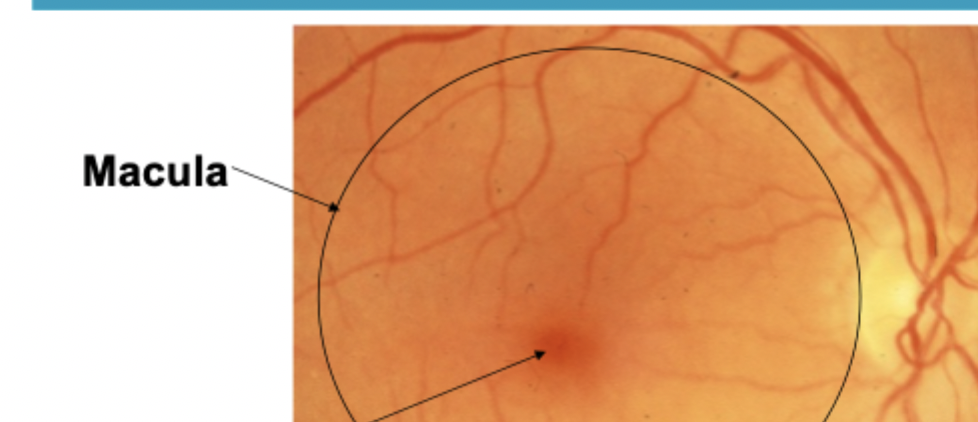
Macular degeneration
what is age related macular degeneration (AMD)
what does it do
Degeneration of the macula → loss of central vision.
High acuity central vision (cone-rich).
What is wet AMD?
is there a treatment? if so what is it
What is wet AMD?
Abnormal blood vessel growth + leakage → rapid vision loss.
treatment: anti-VEGF injections
( because VEGF stimulates new blood vessel growth )
What is dry AMD?
is there a treatment? if so what is it
Drusen deposits under retina → slow vision loss.
Treatment for dry AMD?
None.
what are the layers to the macula
retina
RPE ( retinal pigment epithelium)
choroid
retinal pigment epithelium
what is its role?
name 2 functions
What is the role of the RPE?
Supports photoreceptors and maintains retinal health.
Functions of RPE?
Blood-retina barrier
Transport (nutrients/ions/water)
Two experimental surgeries for AMD?
what are they
what is a problem with them ..
Macular translocation ( moving macular to healthier part of RPE)
Autologous transplantation (healthy RPE transplanted on from same patient)
but… this is complex and high risk , only for late stage disease
Stem cell therapy for AMD
What cells are used for AMD therapy?
2 Key properties of stem cells?
where does it come from
What cells are used for AMD therapy?
Human embryonic stem cells → RPE cells.
properties:
Self-renewal + ability to differentiate.
where does it come from
Inner cell mass of 5-day blastocyst.
Making RPE from stem cells
how are stem cells turned into RPE
what do they look like
How are stem cells turned into RPE?
Remove pluripotency (specialising) factors → differentiate.
What do stem-cell-derived RPE cells look like?
Pigmented cobblestone monolayer.
How do we confirm cells are RPE?(2 things)
pcr (polymerase chain reaction)→check express genes we expect
immunocytochemistry. → check express the proteins we expect
How do we test if the RPE cells work?
Check the phagocytose photoreceptor debris.
Two ways to deliver RPE cells?
Injection (of cell suspension)
Transplant (patch/monolayer)
note: cell suspension = celll floating in liquid
injection
advantage and disadvantage
Advantage
Simple procedure.
Disadvantage
Cells may not form monolayer.
transplant patch
advantage and disadvantage
Advantage
Mature organised monolayer.
Disadvantages
Immune response + complex logistics.
mature in this context = already fully formed cells
immune response = body make attack it
complex logistics = difficult to perform
describe the procedure for inserting graft into eye ( 5 steps)
slit cut in eye → flush vitreous body → create blister between choroid and retina → insert patch in blister→ remove fluid from blister to hold patch.
remember: Sexy Fish Can Ignore Ragebait
How do we check patch quality? ( 2 points)
80% coverage
Cobblestone morphology.
why did the clinical trial use wet amd patients
the degradation is fast so they have more intact photoreceptors ( that we can save).
note in AMD, retina/rpe damage = photoreceptors lose support and nutrients = die = central visual field loss)
What are inherited retinal diseases (IRDs)?
Two types of heterogeneity in inherited retinal disease?
What are inherited retinal diseases (IRDs)?
Genetic disorders causing retinal degeneration.
Two types of heterogeneity ( differences) in IRD?
Genetic heterogeneity → different genes cause same disease
Phenotypic heterogeneity → same gene causes different diseases.