anatomy: nose, sinus & ears
 Call Kai
 Learn
Learn Practice Test
 Spaced Repetition
 Match
Match Flashcards
 Knowt Play
1/29

There's no tags or description
Looks like no tags are added yet.
Name | Mastery | Learn | Test | Matching | Spaced | Call with Kai |
|---|
No analytics yet
Send a link to your students to track their progress
30 Terms
superior, middle, and inferior conchae (note: not on list)
superior and middle conchae part of ethmoid bone; inferior concha formed by its own bone
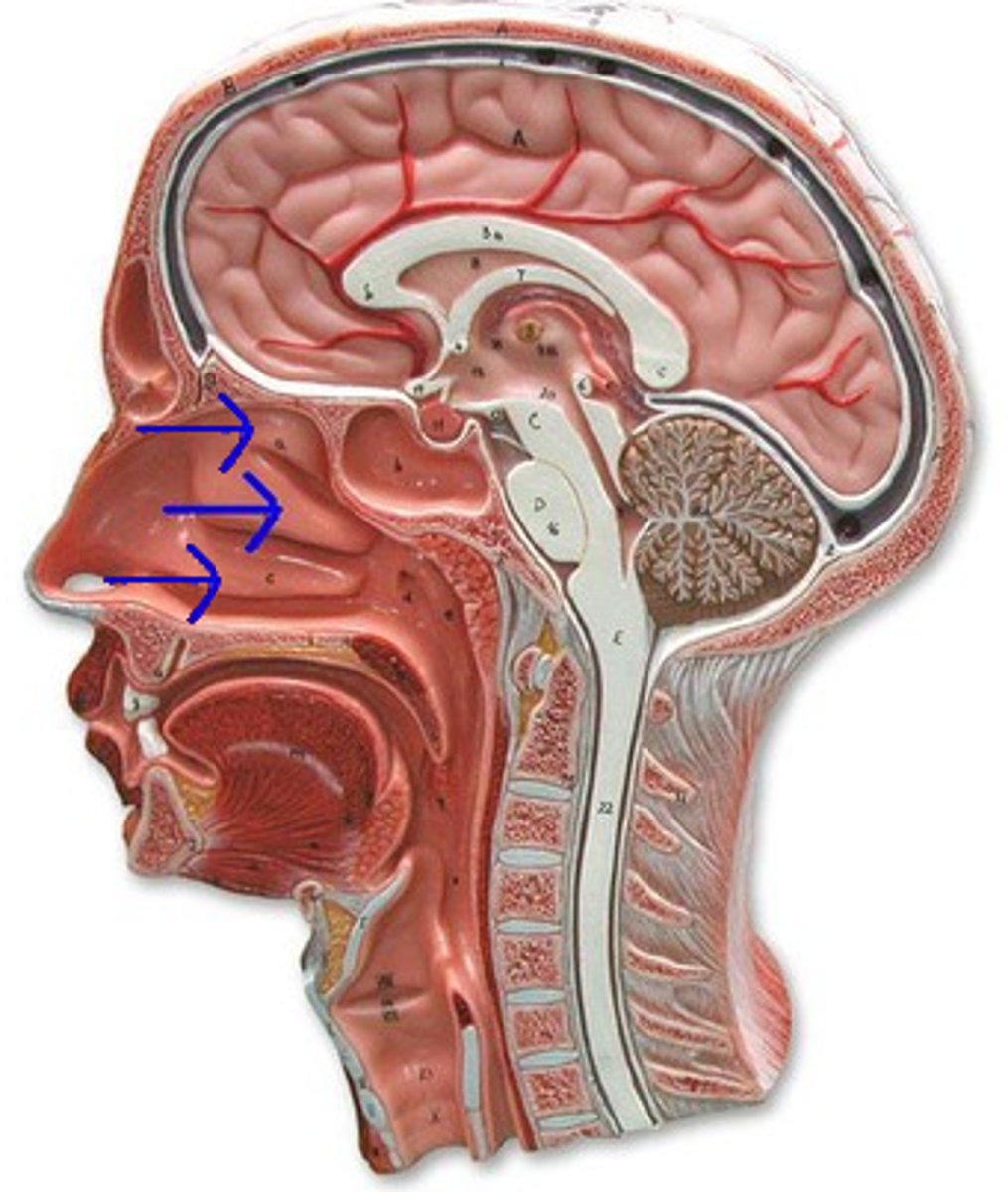
choanae
in nasopharynx; lined with nasal / respiratory mucosa
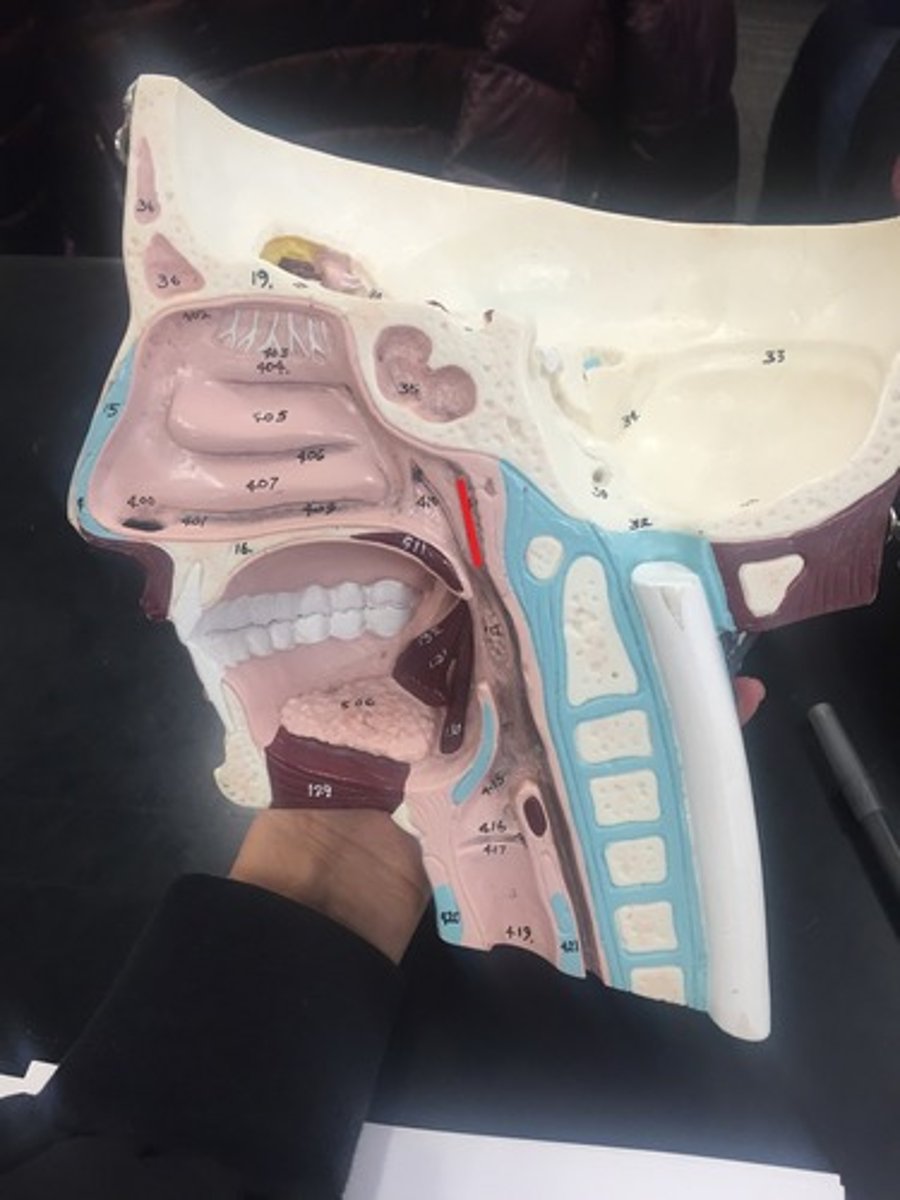
nasal / respiratory mucosa
in choanae; inferior 2/3 of nasal mucosa helps warm and moisten passing air and smell; superior 1/3 of nasal mucosa helps with olfaction
superior, middle, and inferior nasal meatuses
superior nasal meatus contains olfactory receptor cells
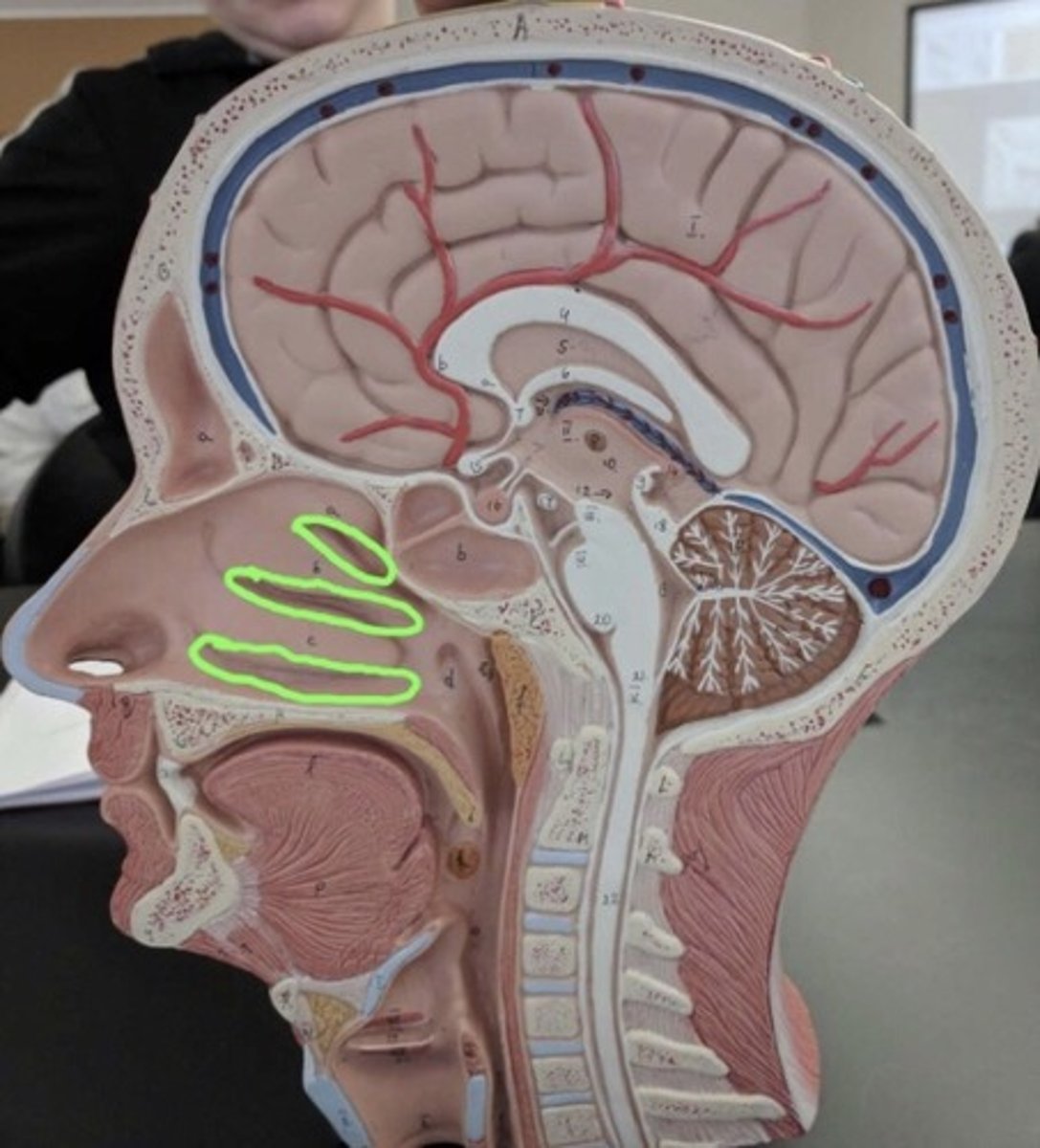
frontal sinus
drains into middle nasal meatus; not seen until 7 years old
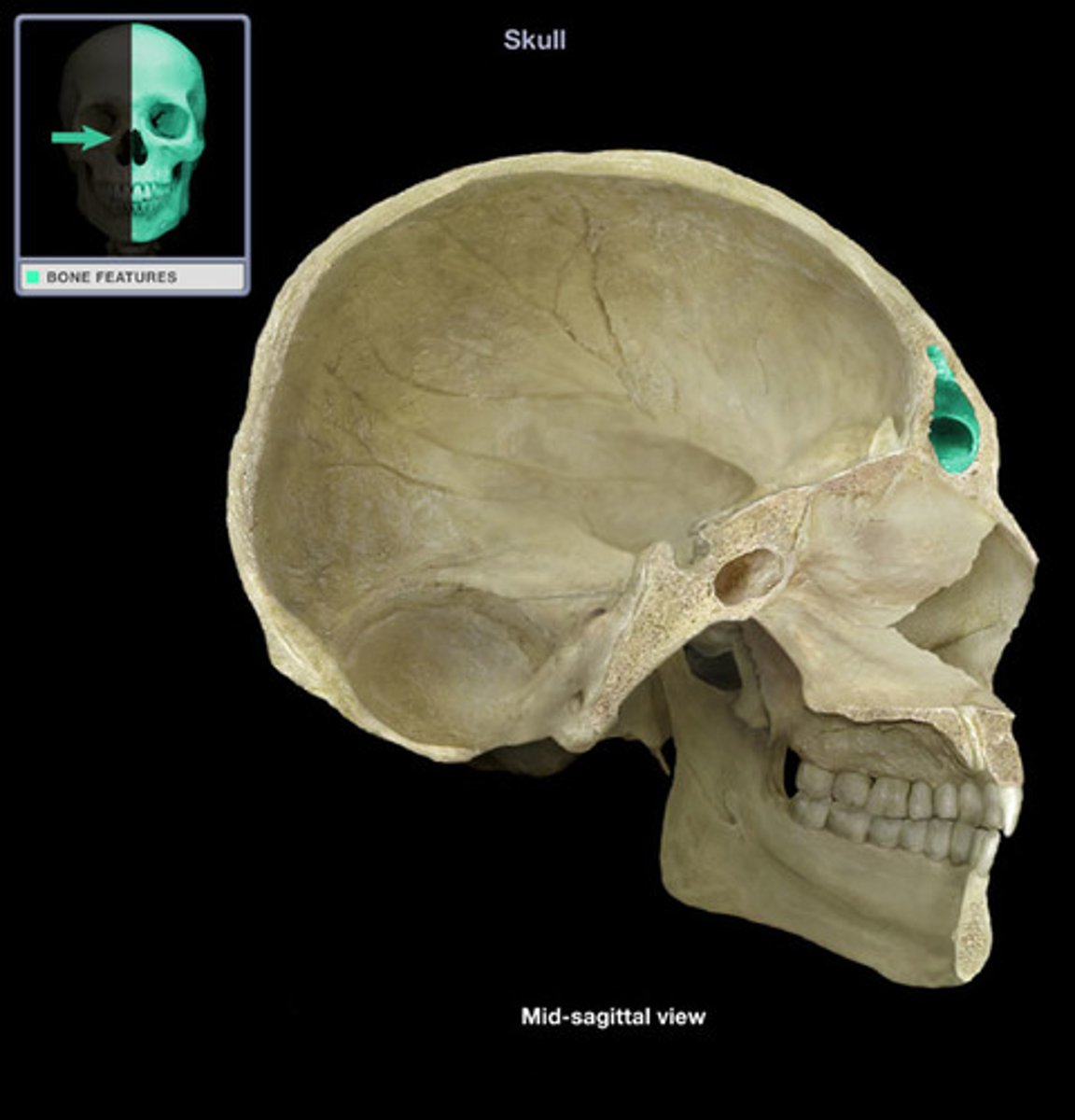
maxillary sinus
largest sinus and most commonly infected; drains into middle meatus; not seen until 3-5 years old
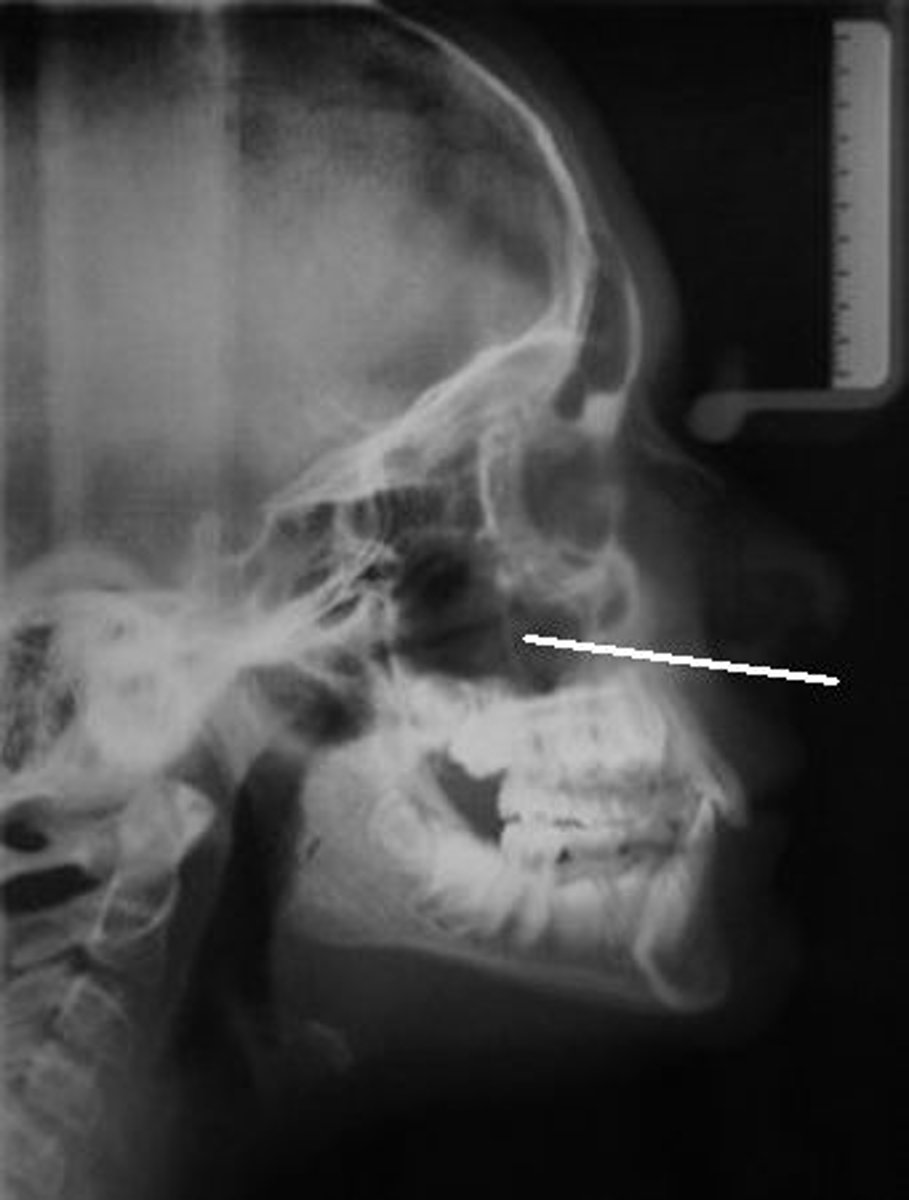
sphenoid sinus
only thin plates of bone separate it from many important structures; not seen until 2 years old
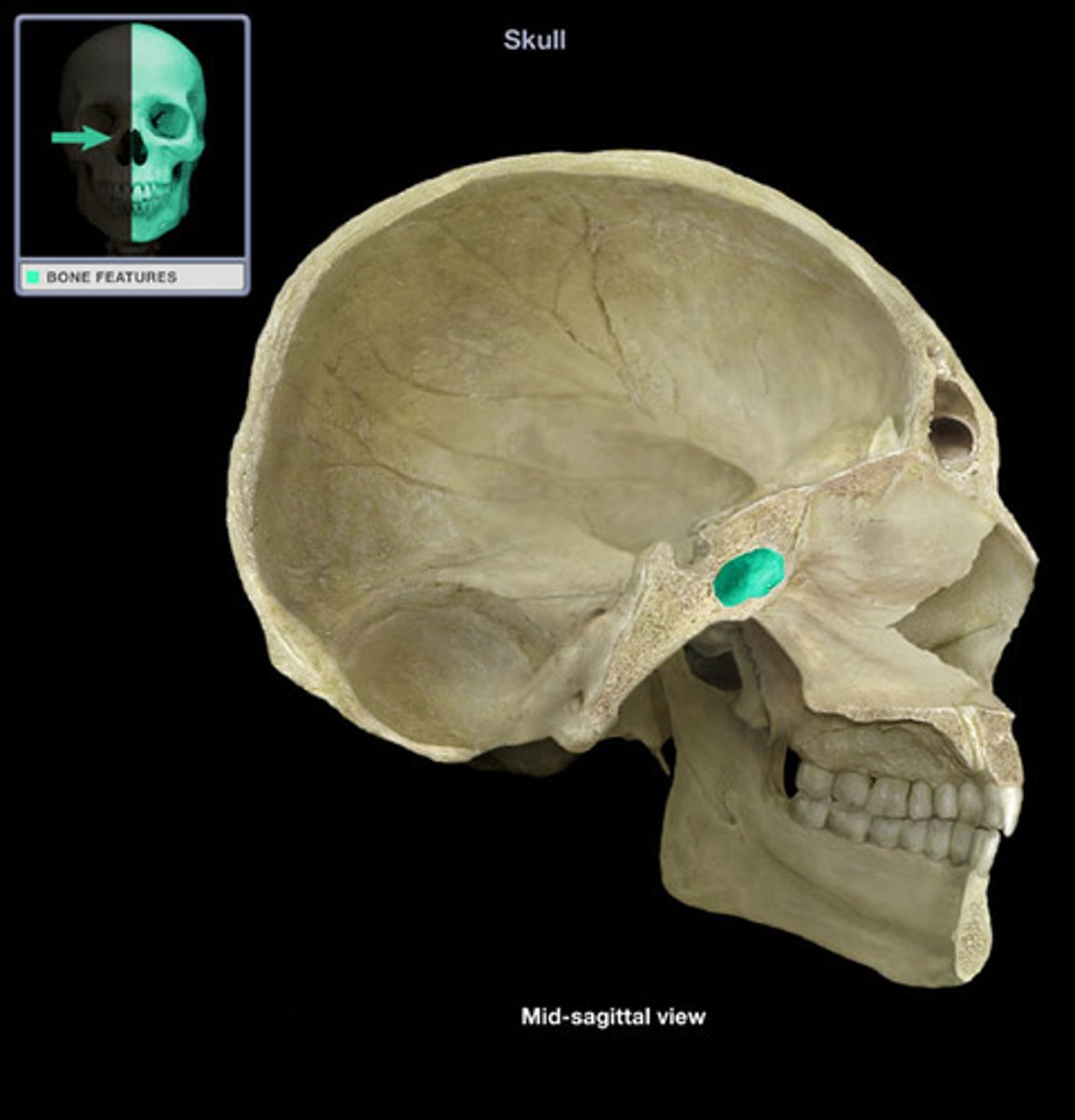
nasal vestibule
dilated portion of nose inside each aperture, lined with skin
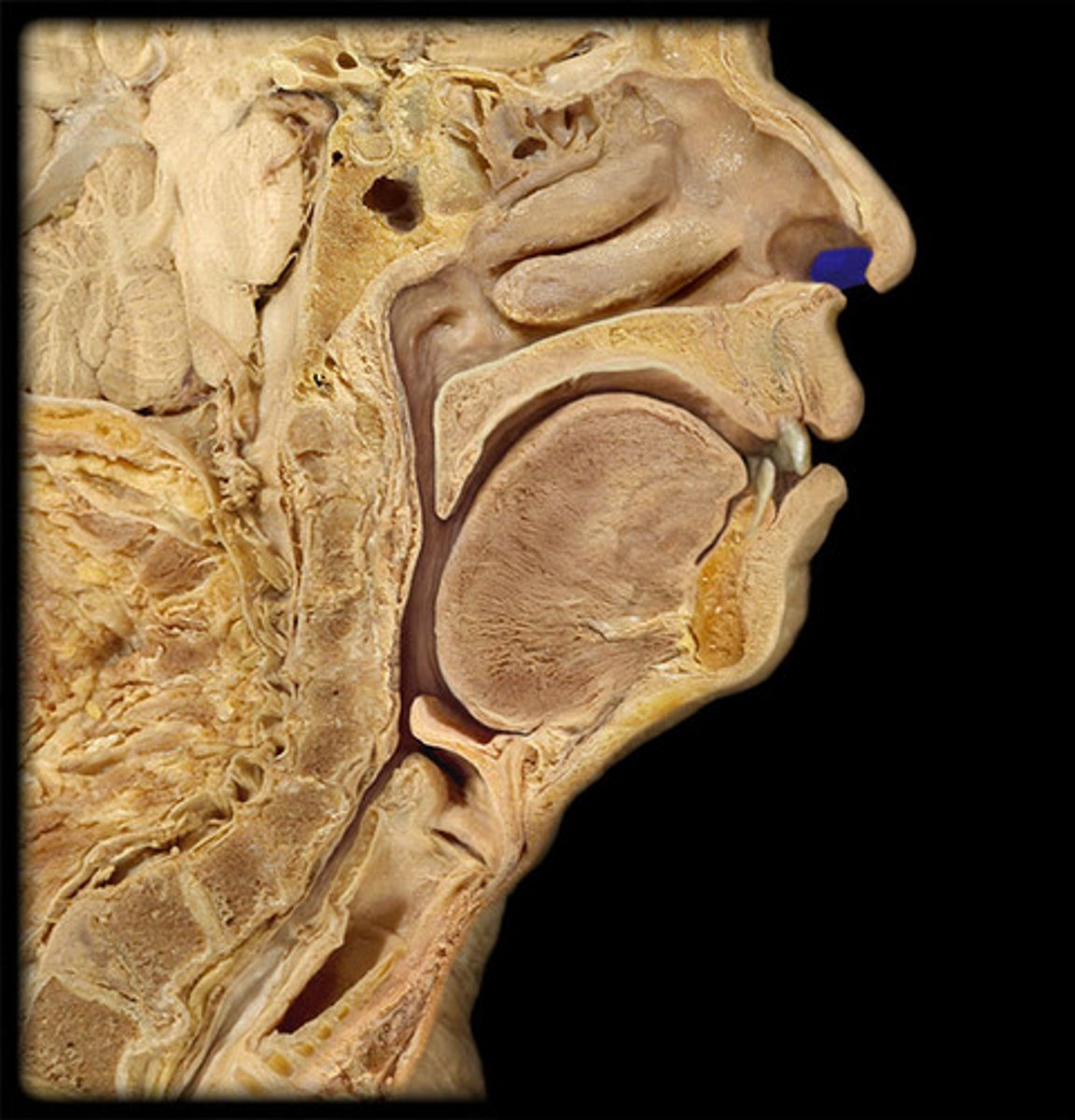
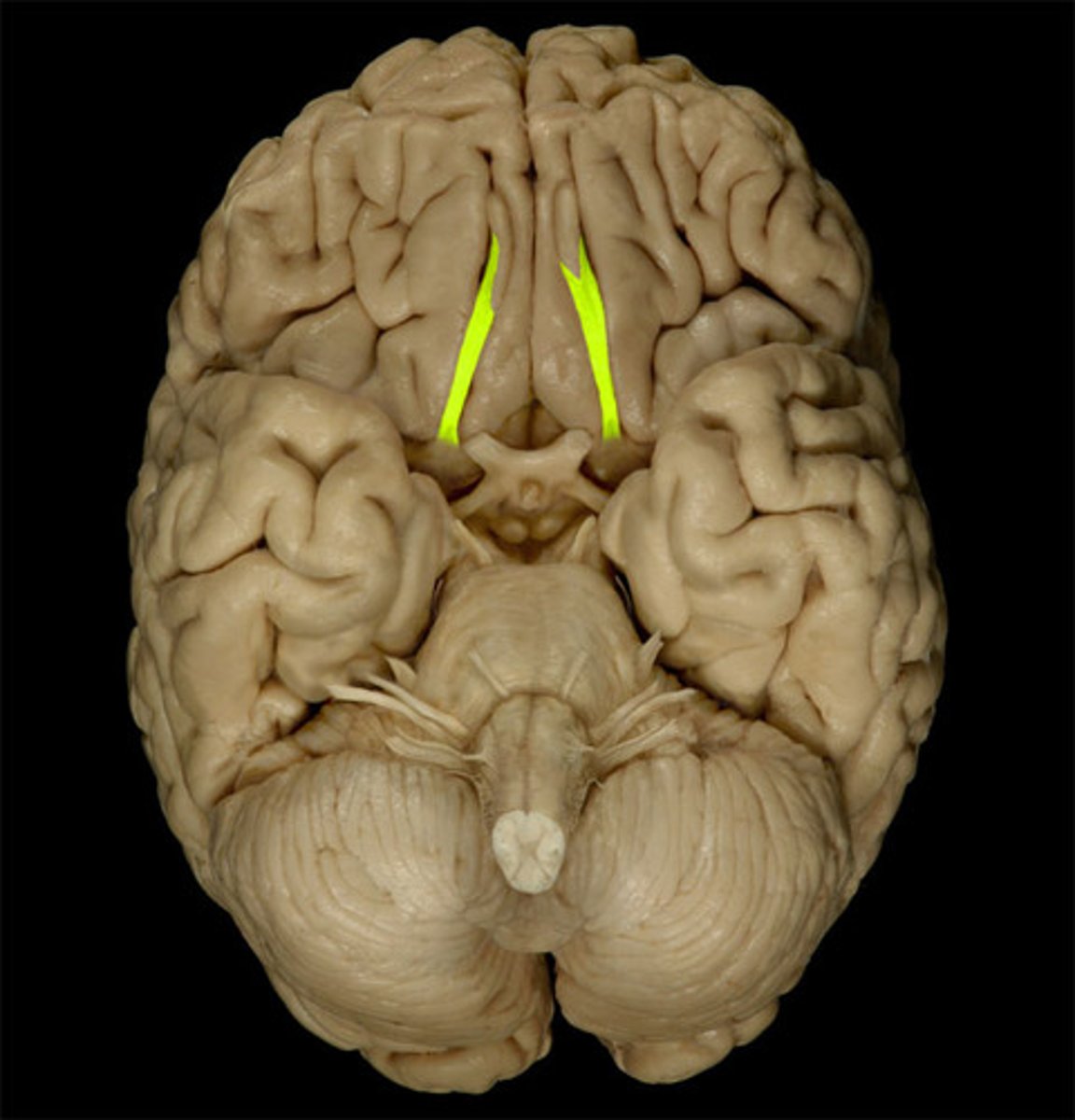
olfactory bulb
located above the nasal cavity beneath frontal lobes; receives olfactory information from nose and transmits to brain via olfactory tract
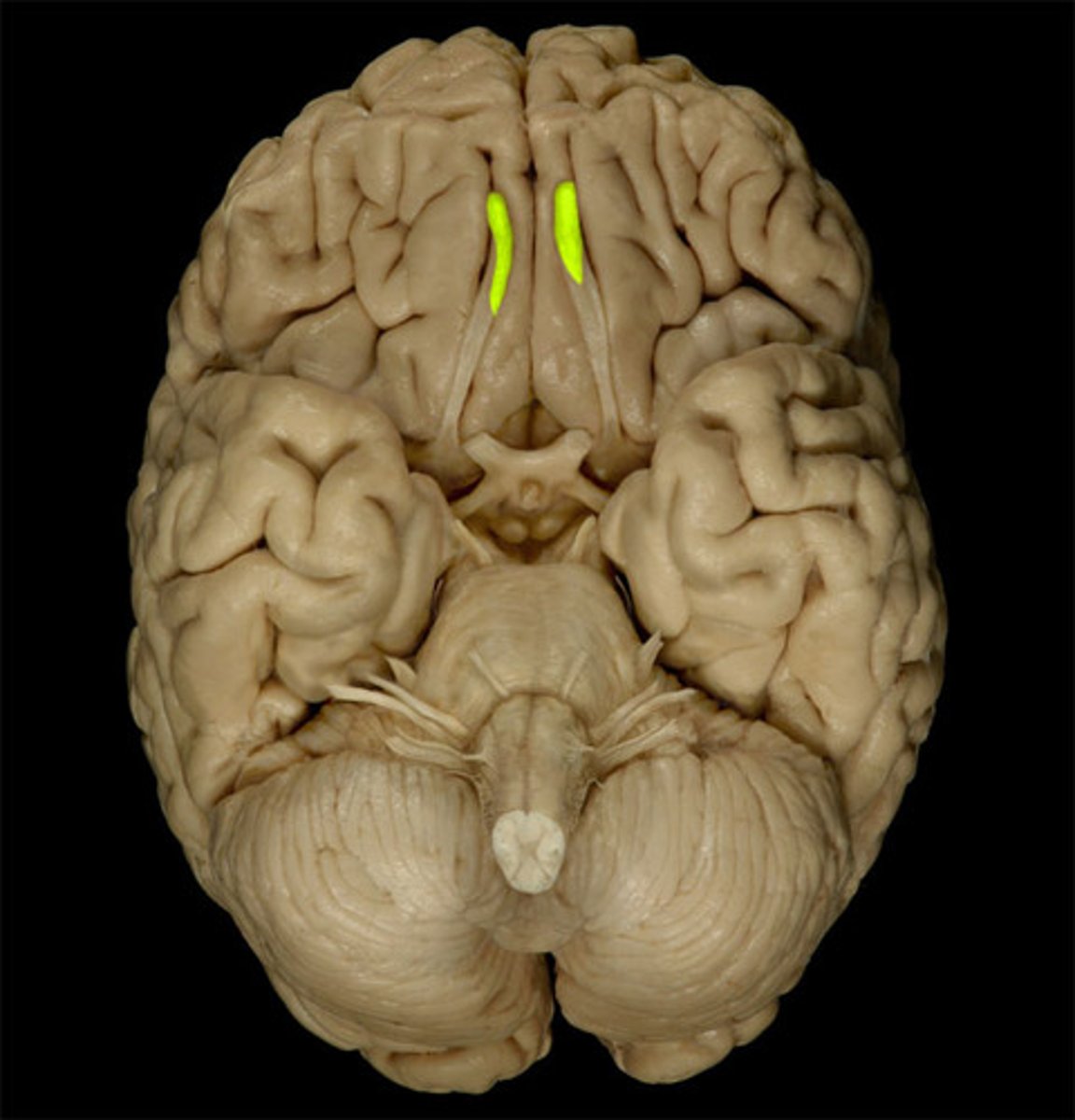
olfactory tract
path along which olfactory receptors send electrical messages from olfactory bulb to brain
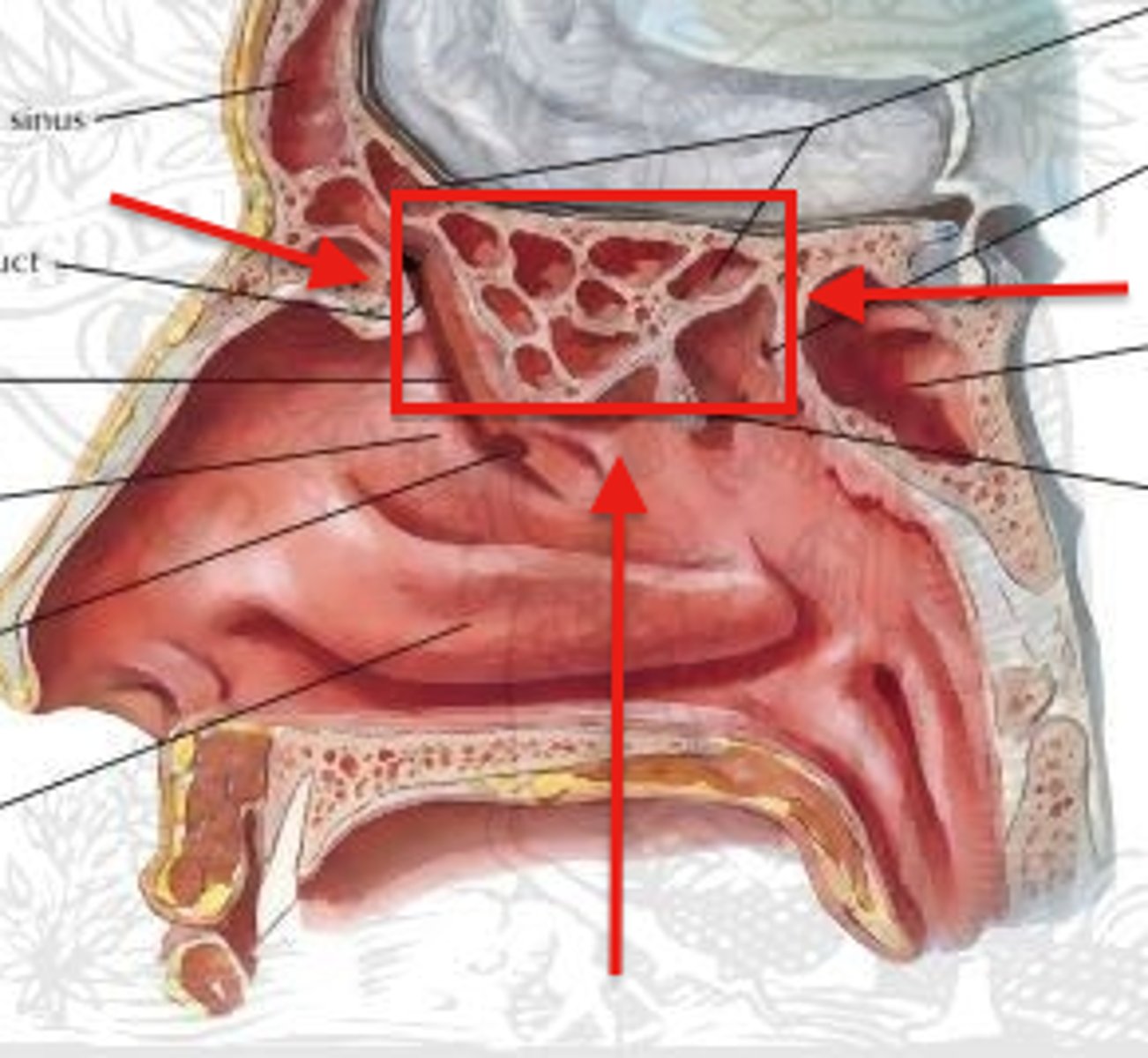
ethmoid sinuses
drains into nasal meatus; not seen in x-rays until 2 years old (unless in CT)
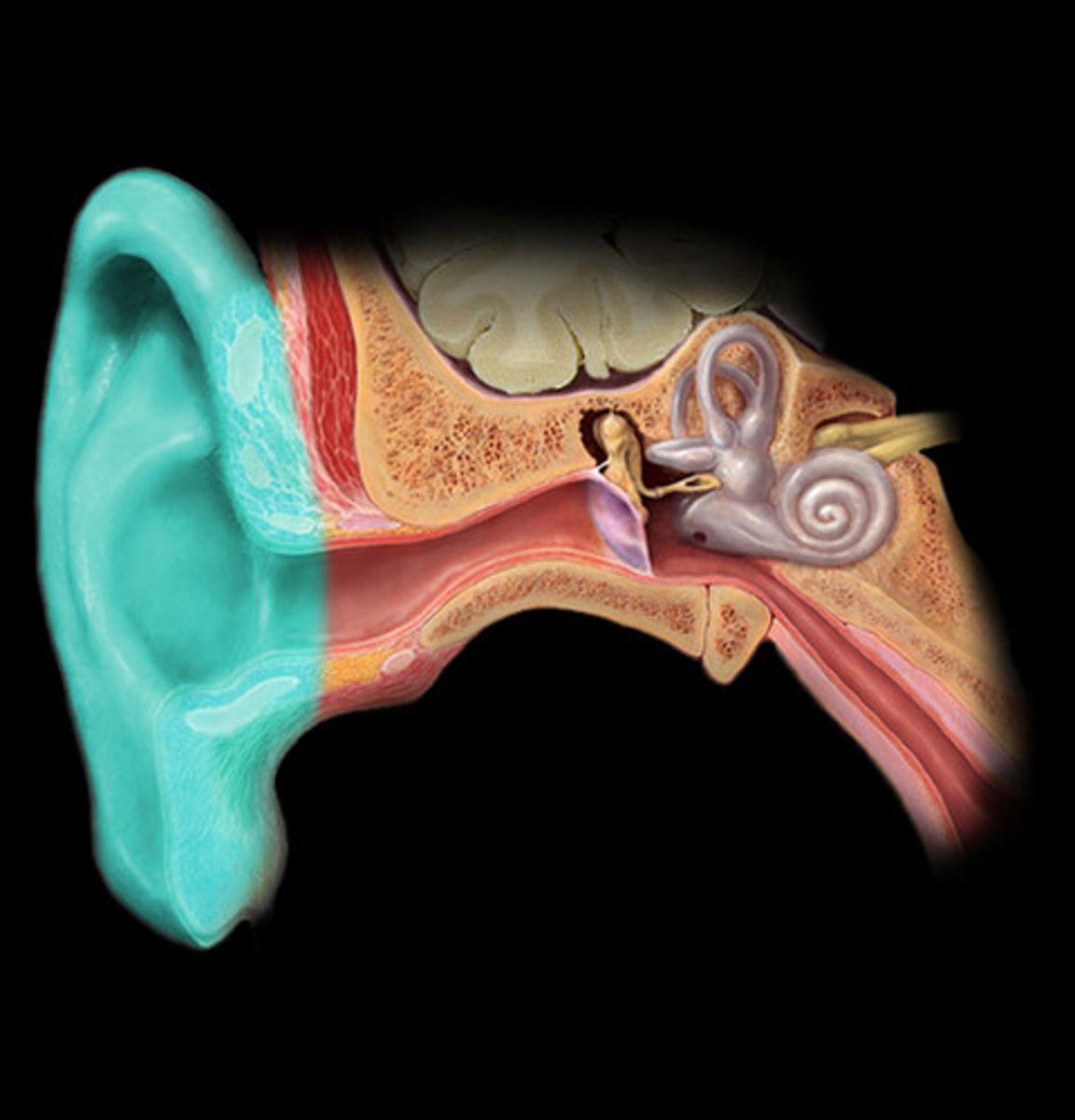
auricle
external ear; includes the helix, antihelix, tragus, and antitragus
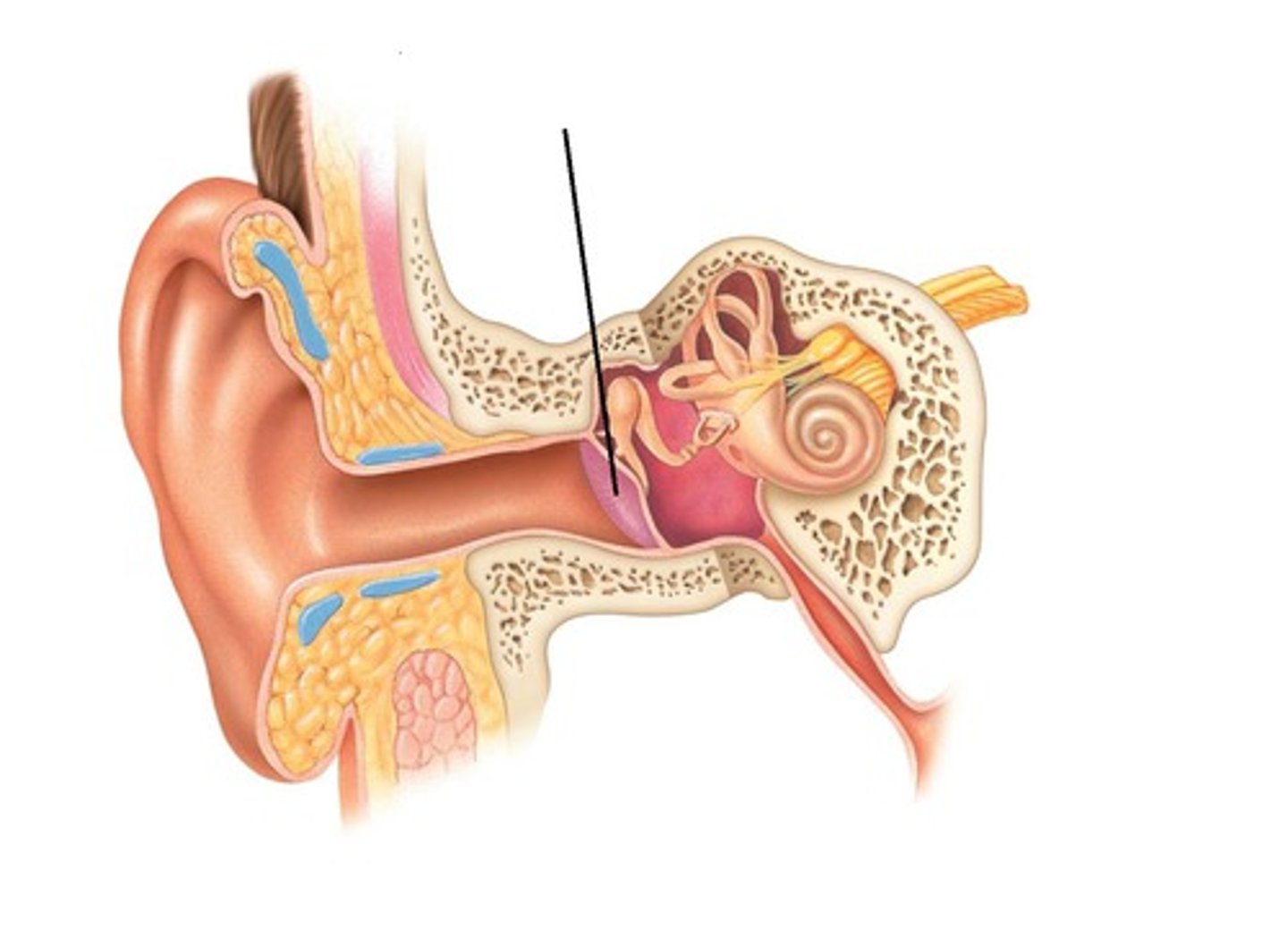
tympanic membrane
eardrum; thin oval semi-transparent membrane that divides external acoustic meatus and tympanic cavity; covered with skin externally and by mucous membrane internally
tympanic cavity
air-filled cavity of middle ear in petrous part of temporal bone and connects with nasopharynx through pharyngotympanic tube; contains the malleus, incus and stapes
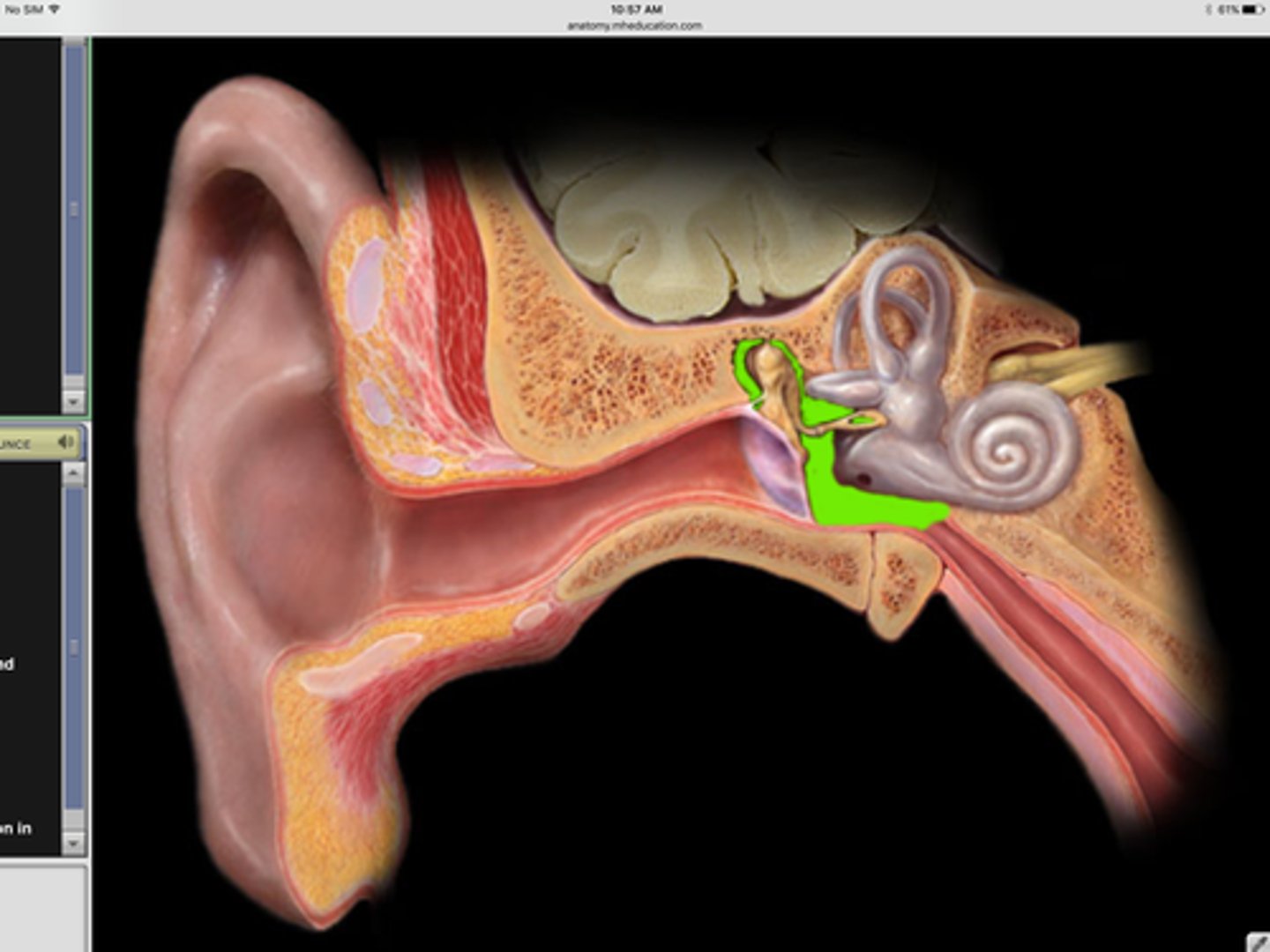
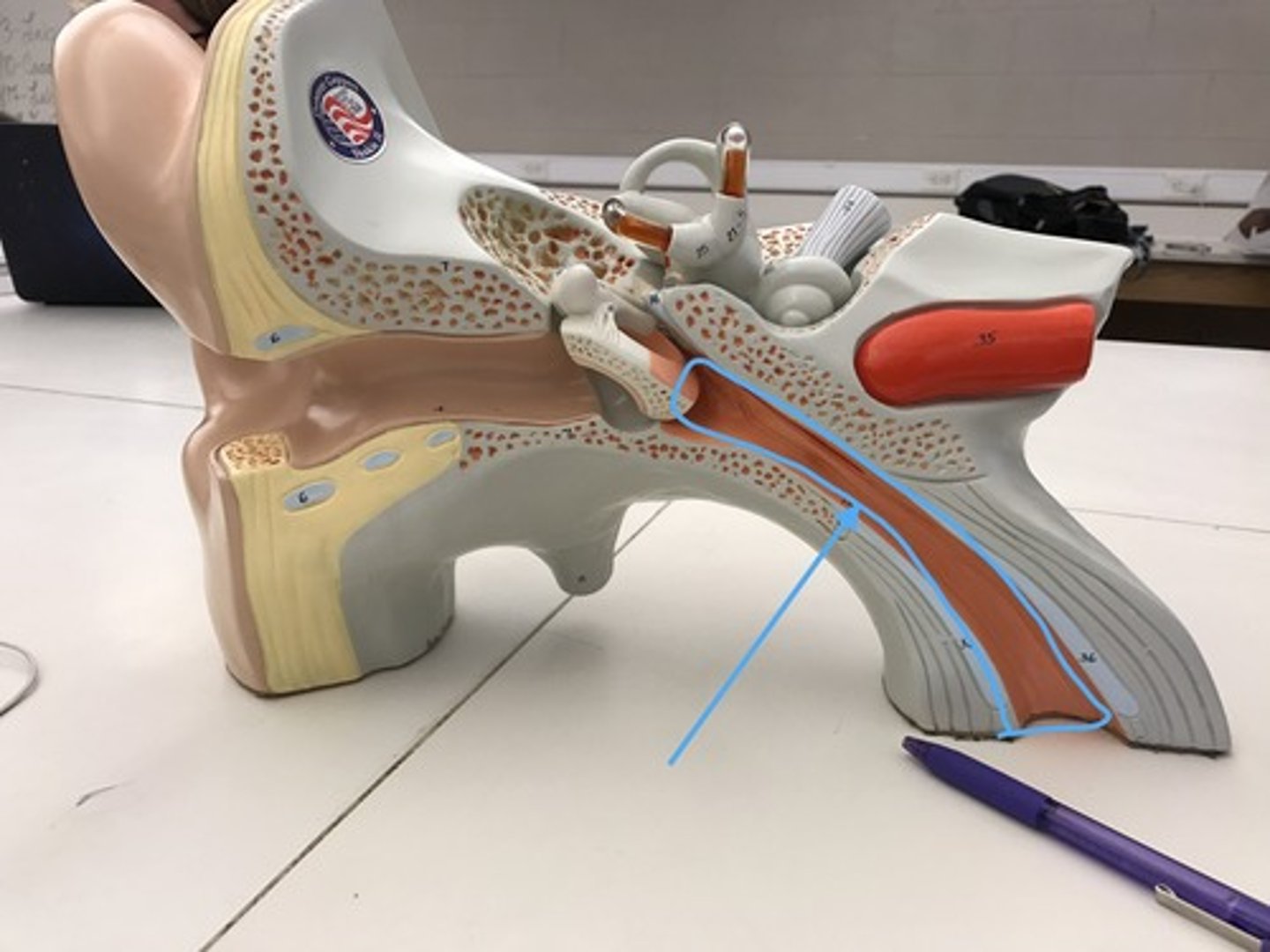
pharyngotympanic tube
equalized pressure in middle ear with atmospheric pressure
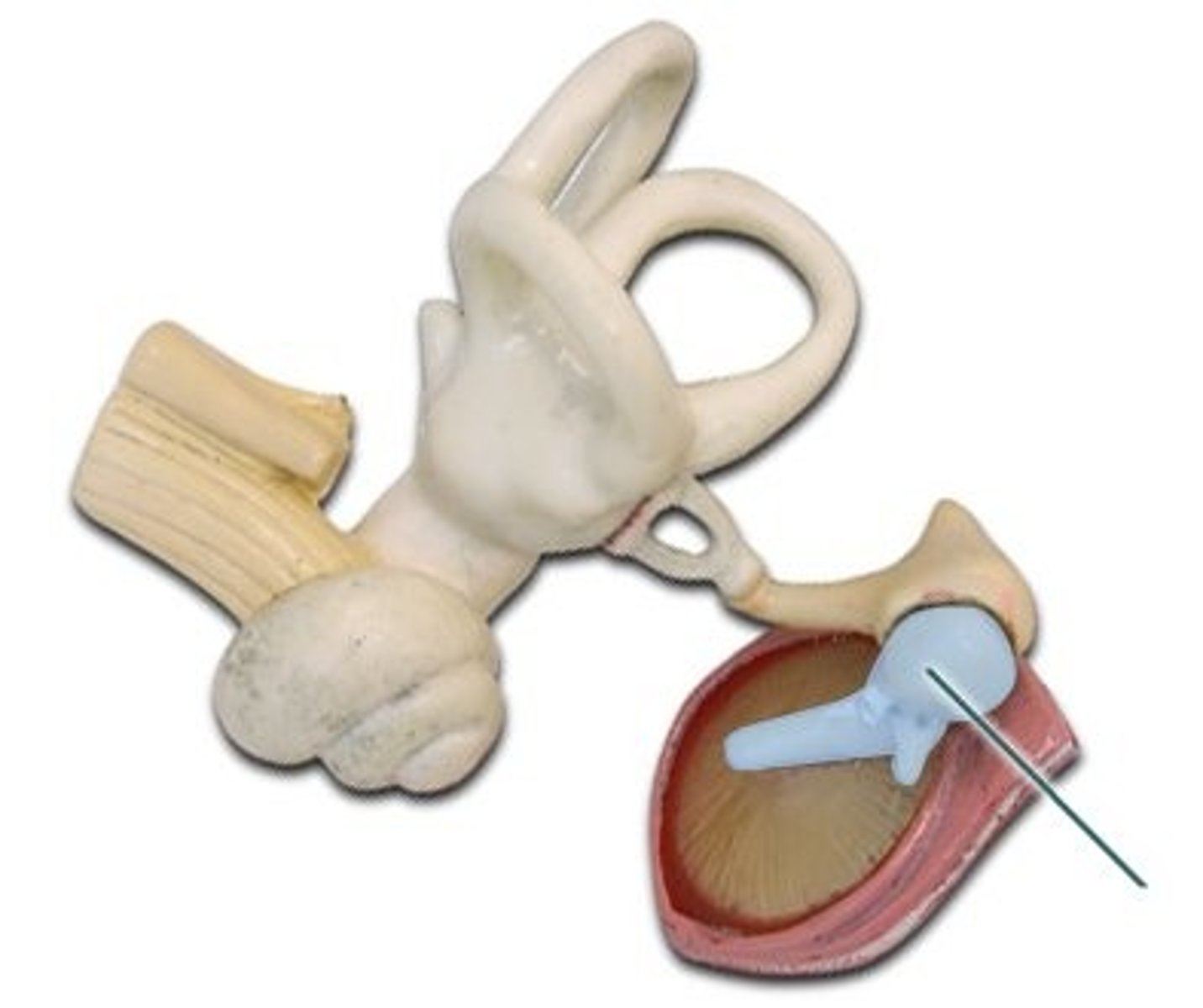
malleus
auditory ossicle in middle ear; small bone attached to tympanic membrane and connects to incus
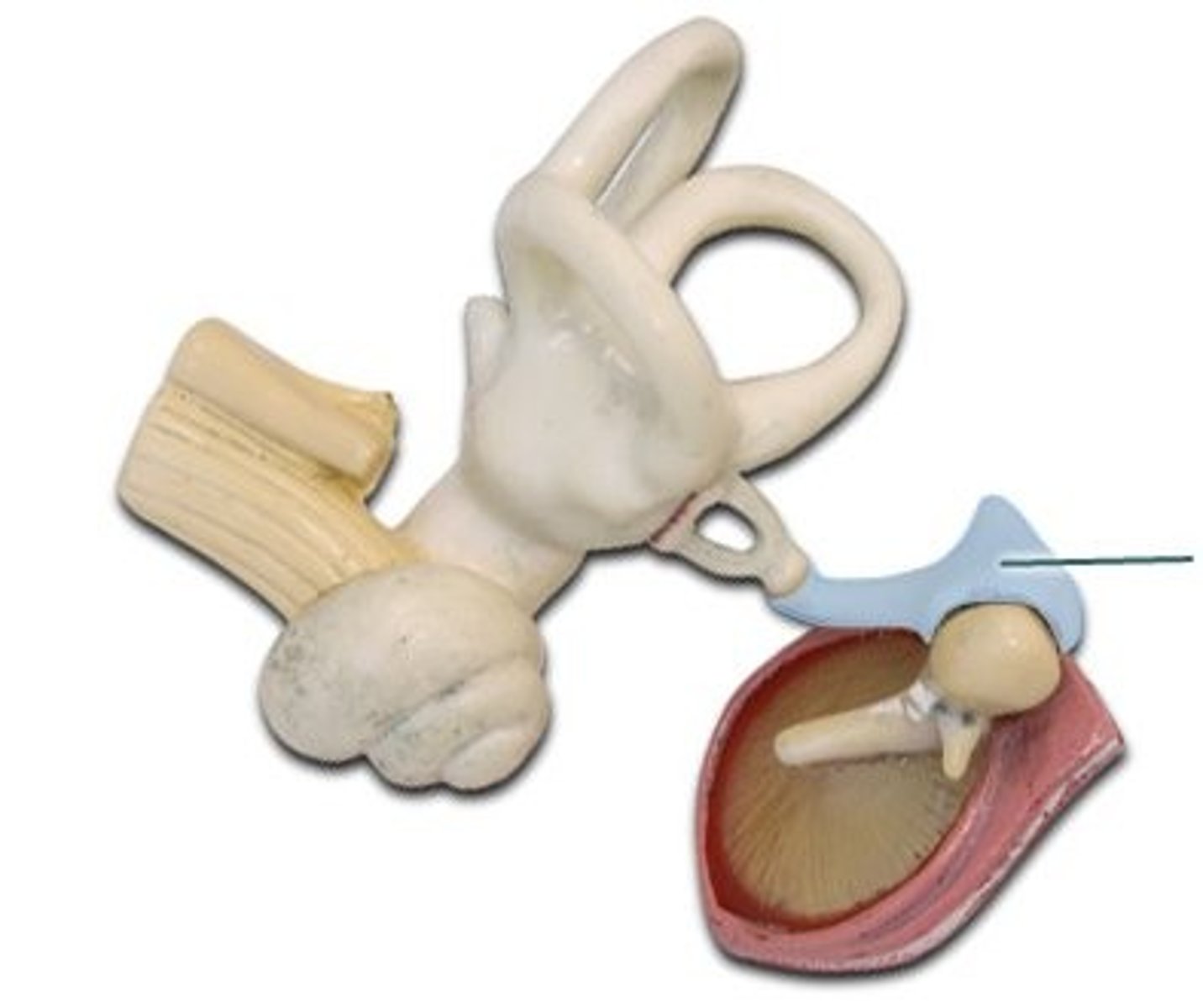
incus
auditory ossicle in middle ear; small bone in between malleus and stapes
stapes
auditory ossicle in middle ear; small bone connected to incus and attached to oval window
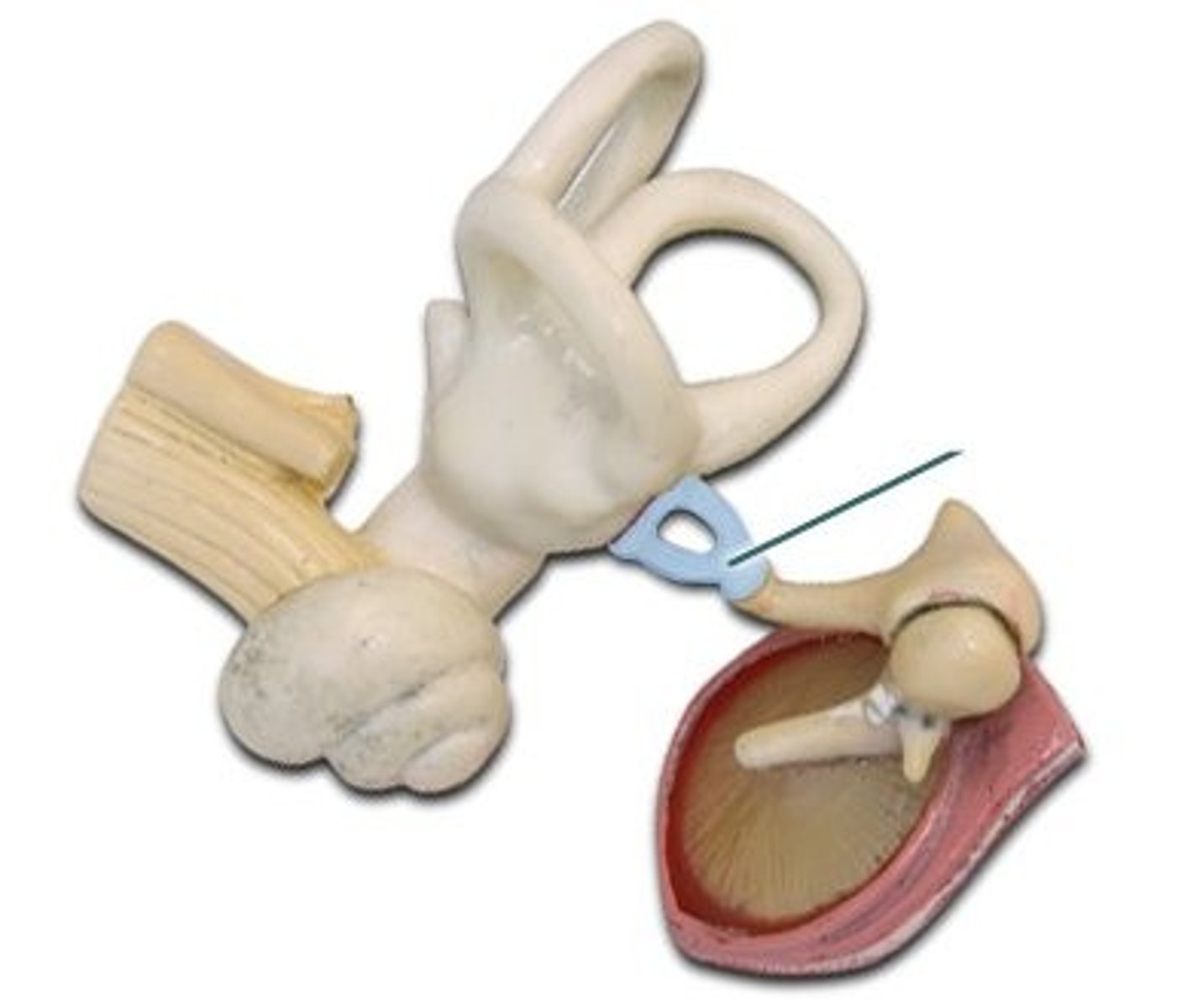
oval window
the membrane that separates the middle ear from the inner ear; connected to stapes
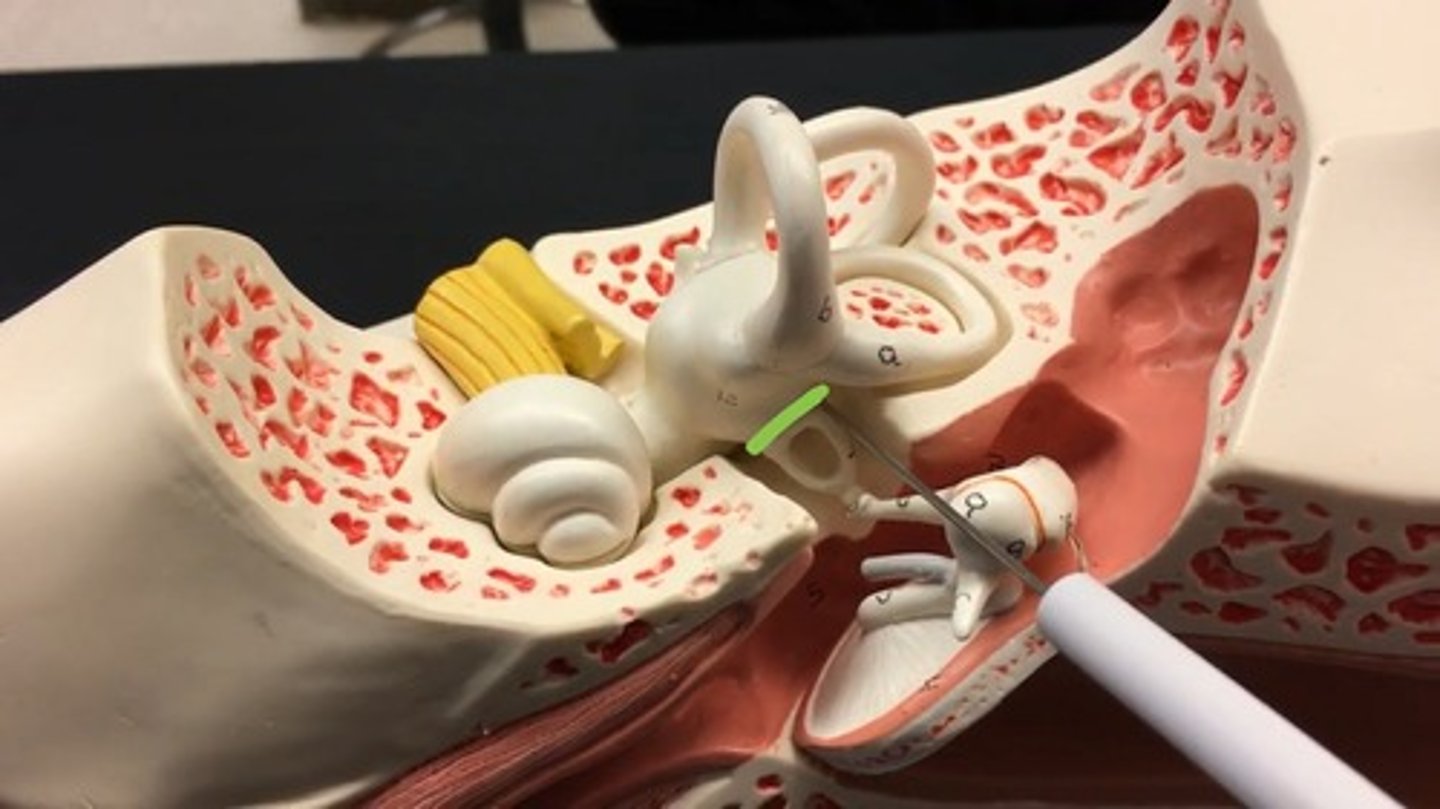
otitis media (note: not on list)
infection of middle ear due to cold or allergies; tympanic membrane red and bulges; inserted tube can help relieve pressure and should heal on its own
bony labyrinth (note: not on list)
series of cavities filled with endolymph (like ISF) inside otic capsule of petrous part of temporal bone; made up of the vestibule, cochlea and semicircular canals
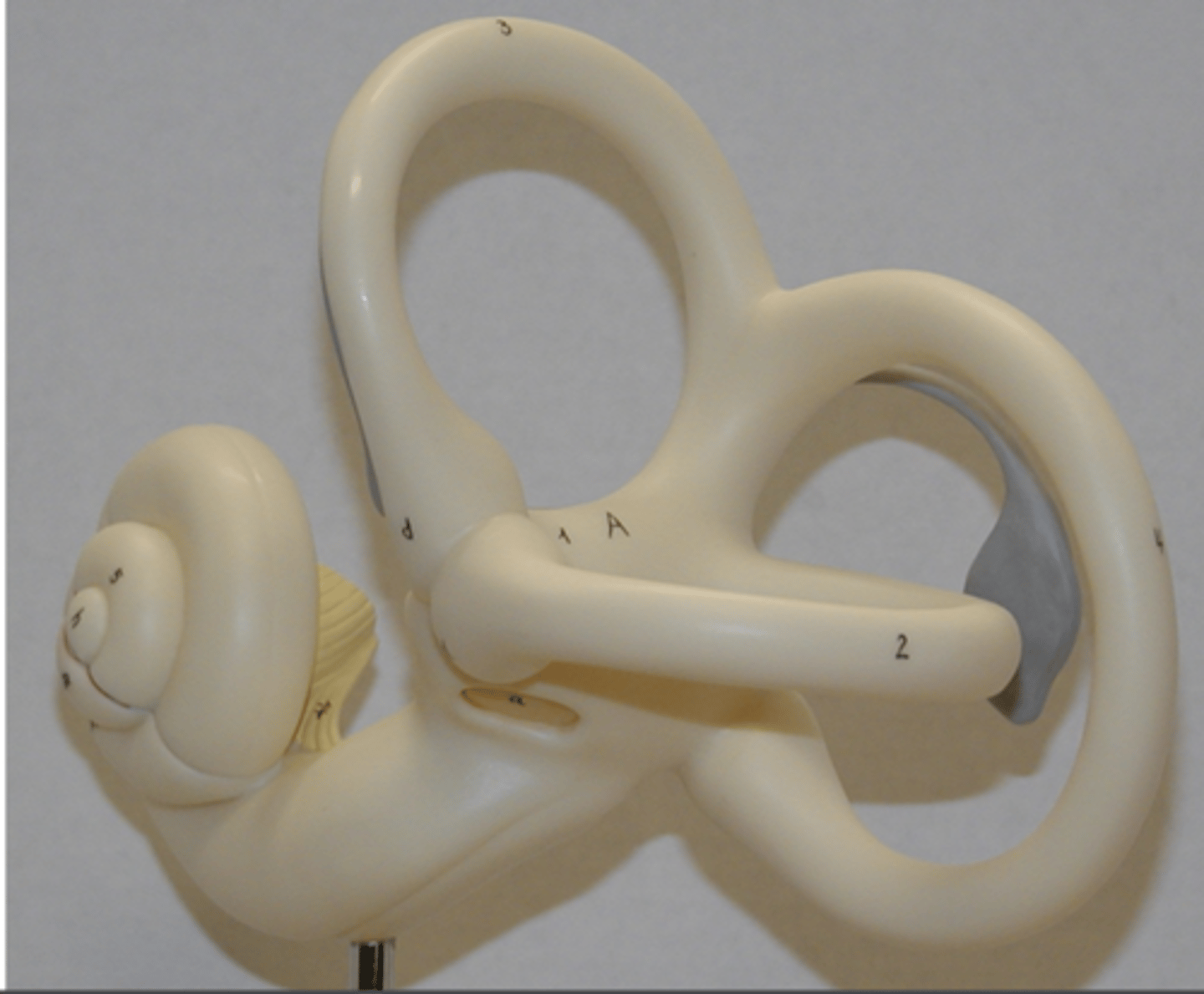
vestibule
area between cochlea and semicircular canals; consists of utricle and saccule inside to help maintain linear balance alongside semicircular ducts; innervated by vestibular nerve of CN VIII
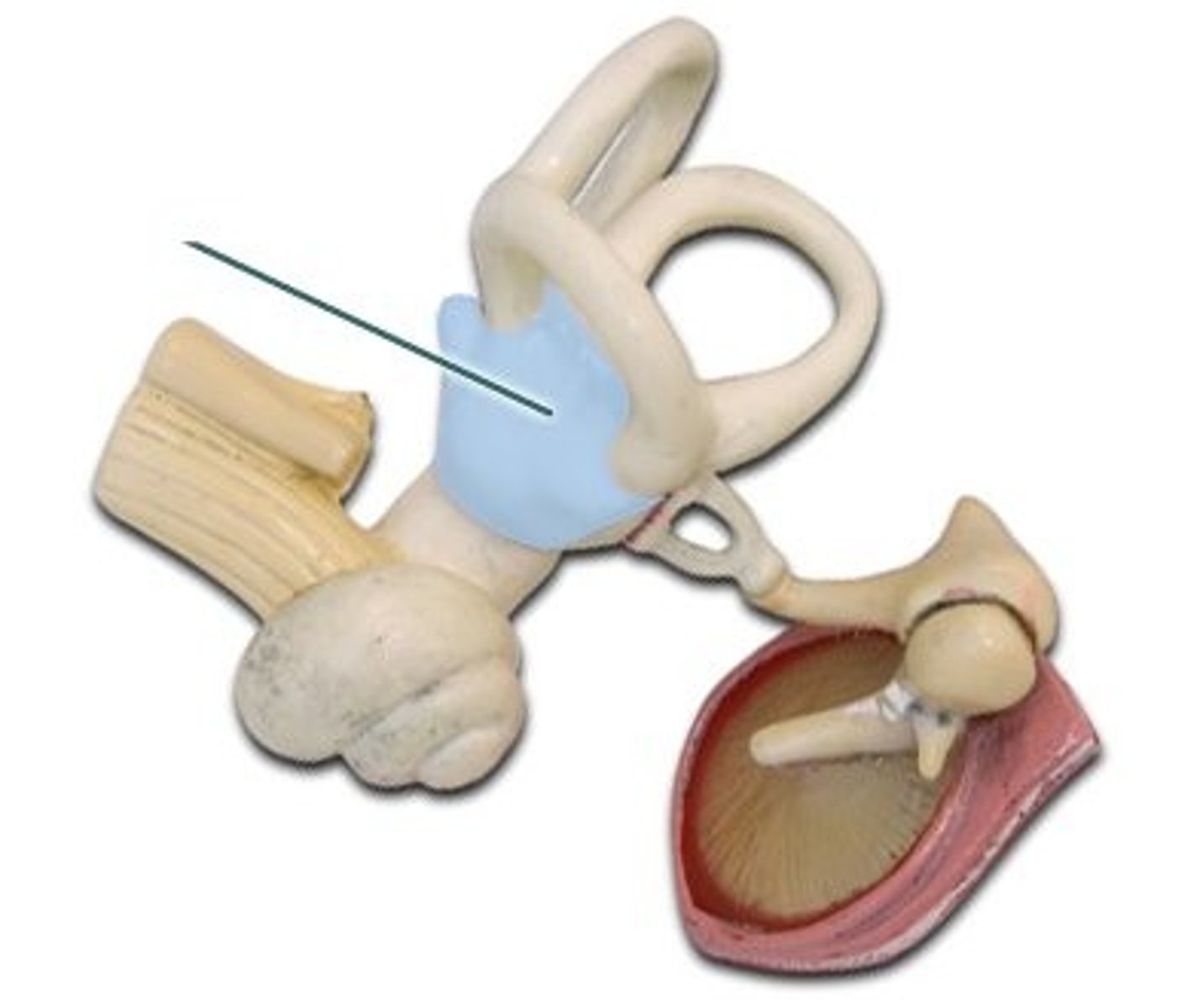
utricle
larger of two fluid-filled spaces in vestibule of the inner ear; helps maintain linear balance and orientation
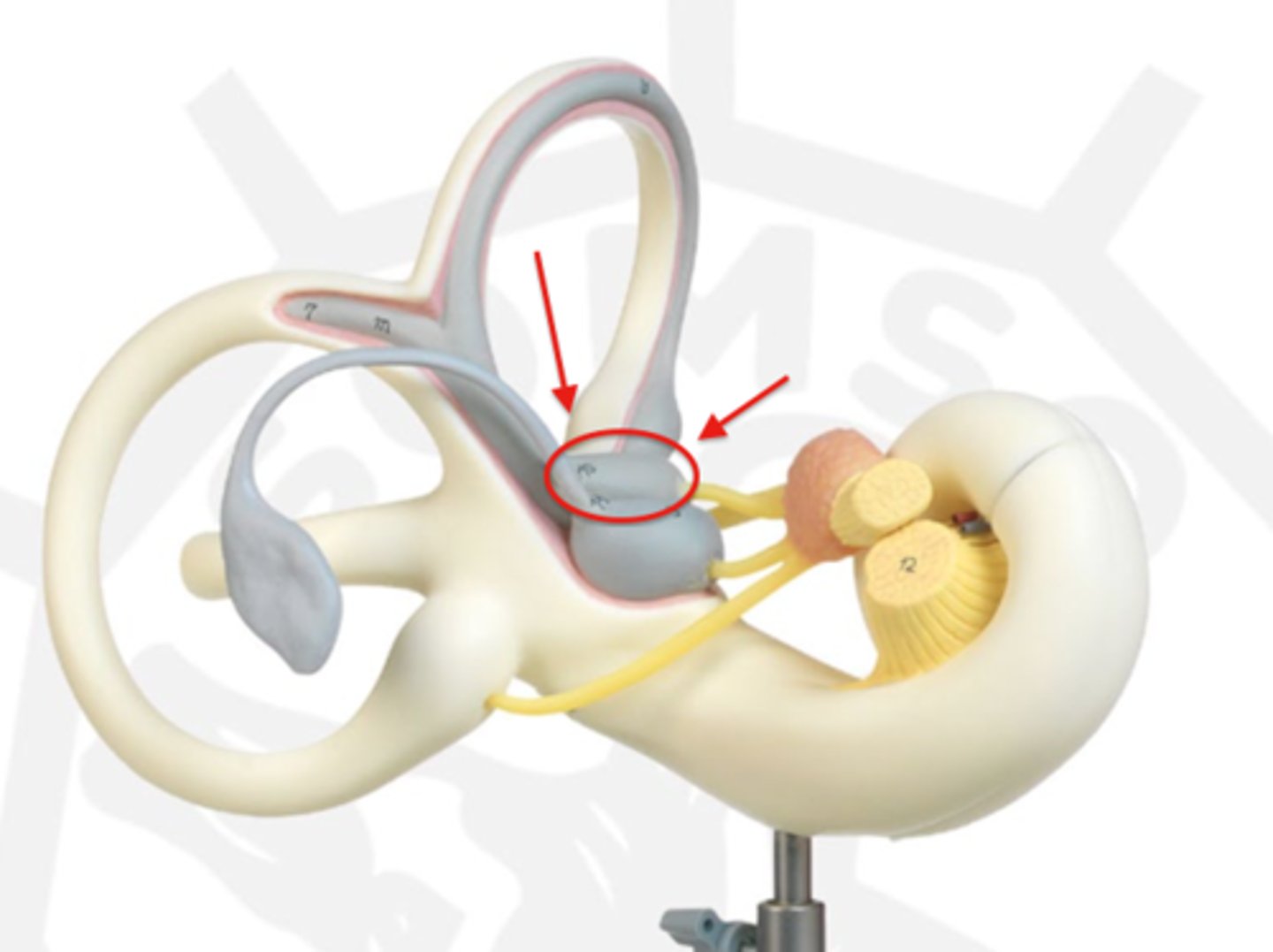
saccule
smaller of two fluid-filled spaces in vestibule of the inner ear; helps maintain linear balance and orientation
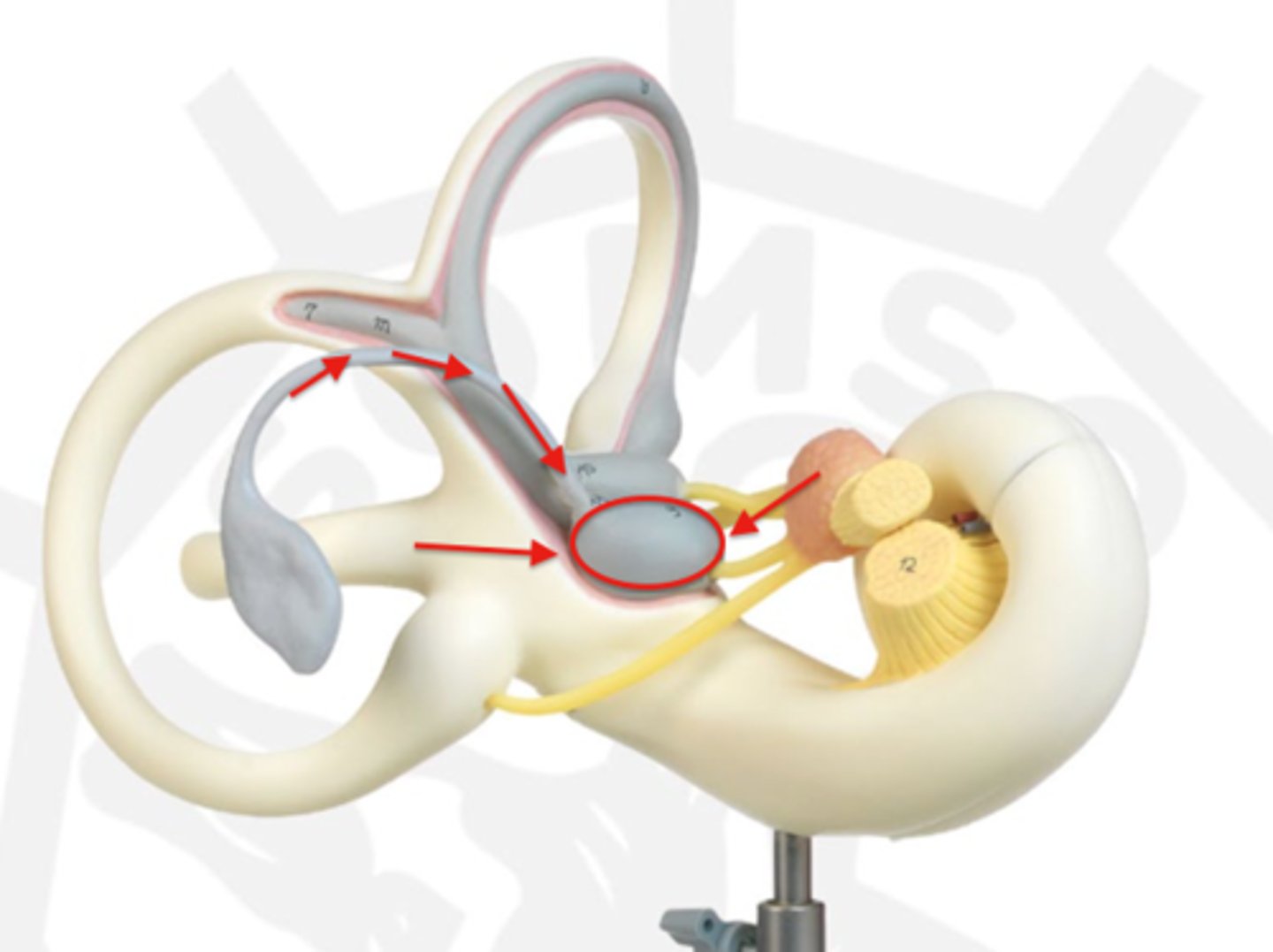
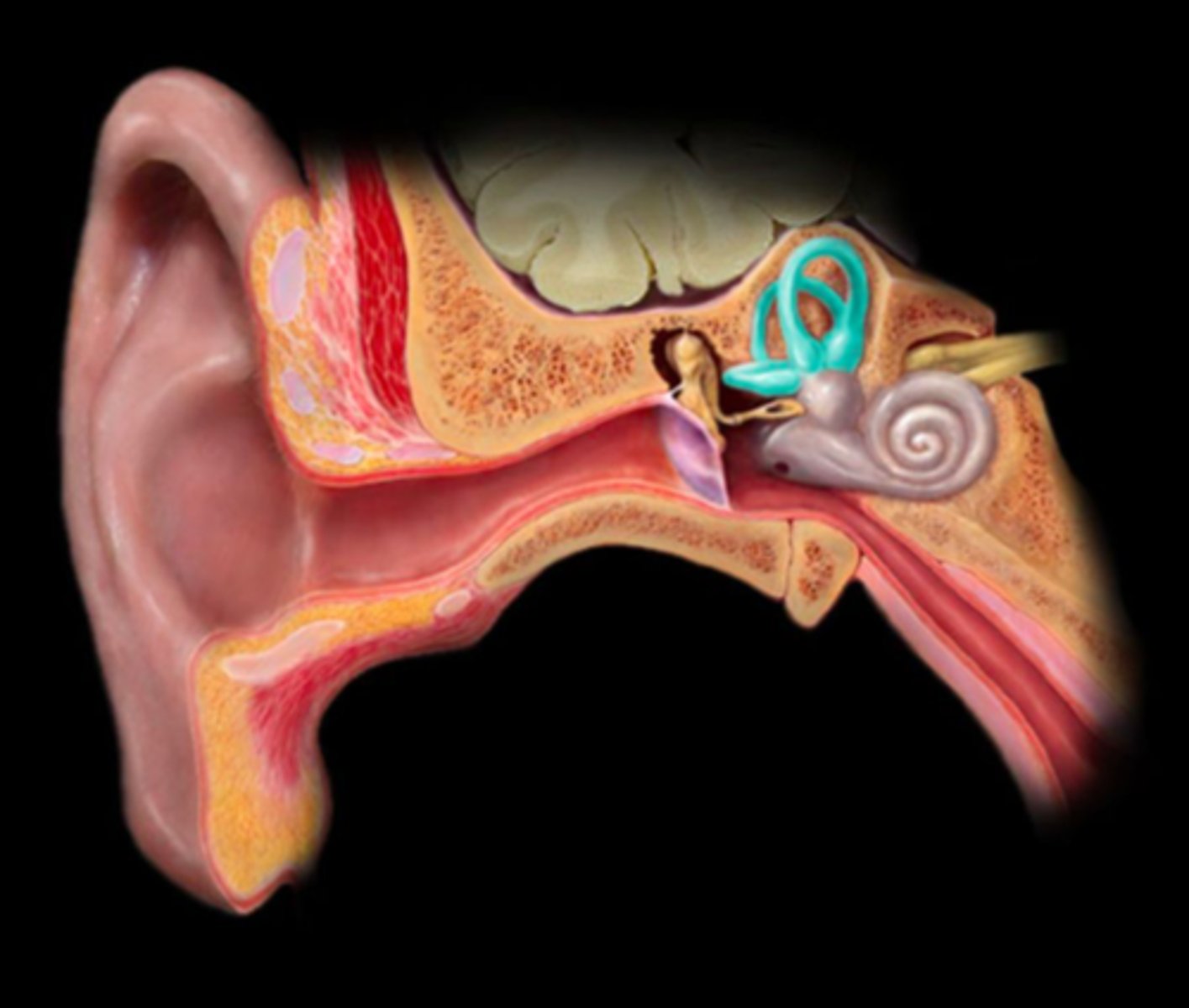
semicircular canals
communicates with vestibule of bony labyrinth; set at right angels from each other; houses semicircular ducts
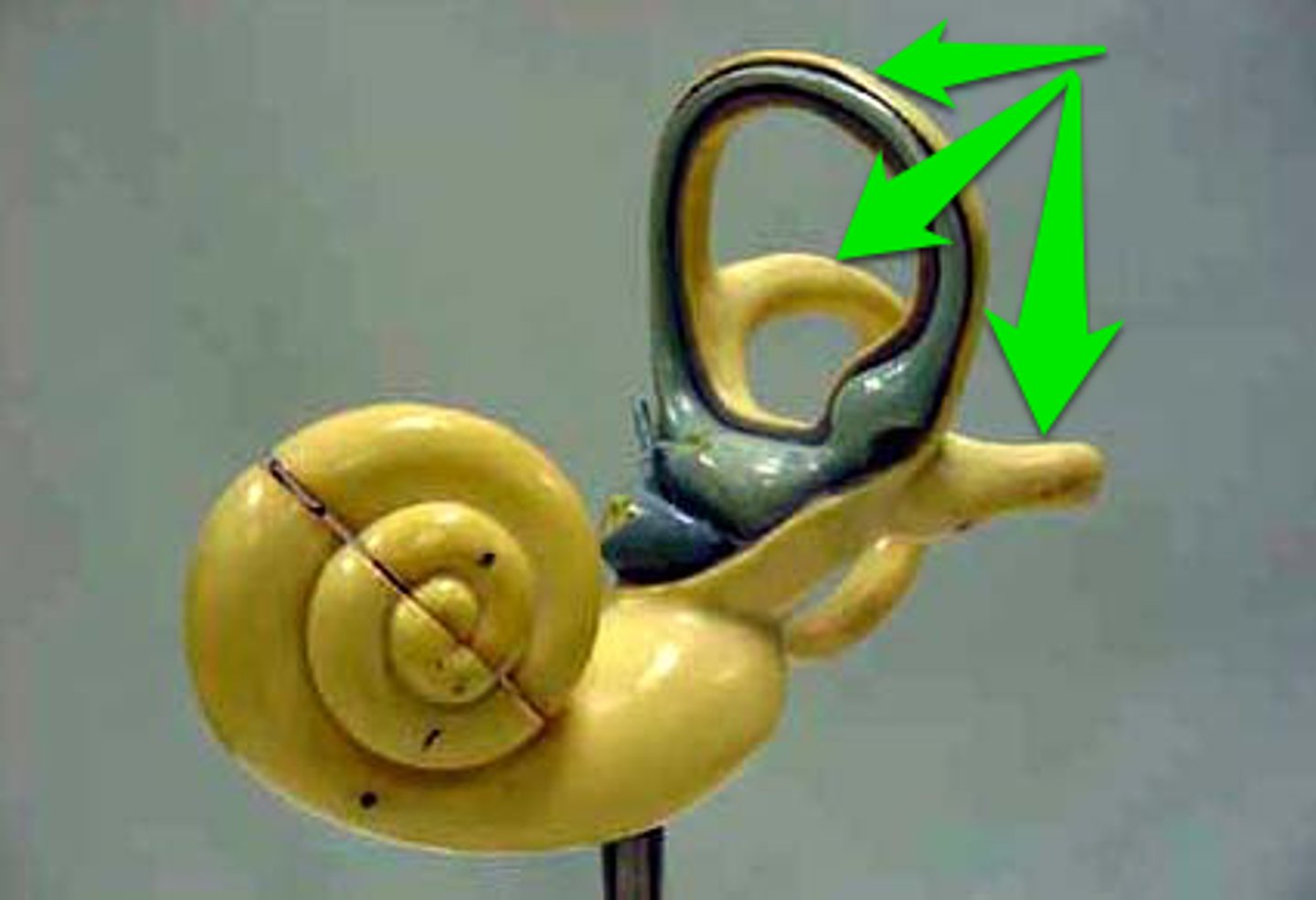
semicircular ducts
three small membranous tubes in semicircular canals of vestibule; helps with maintaining rotational balance and orientation
cochlea
shell-shaped part of bony labyrinth beginning at vestibule and spirals; contains canals for blood vessels and cochlear nerve branches; spits into scala vestibuli, scala tympani, and cochlear duct; ends at round window
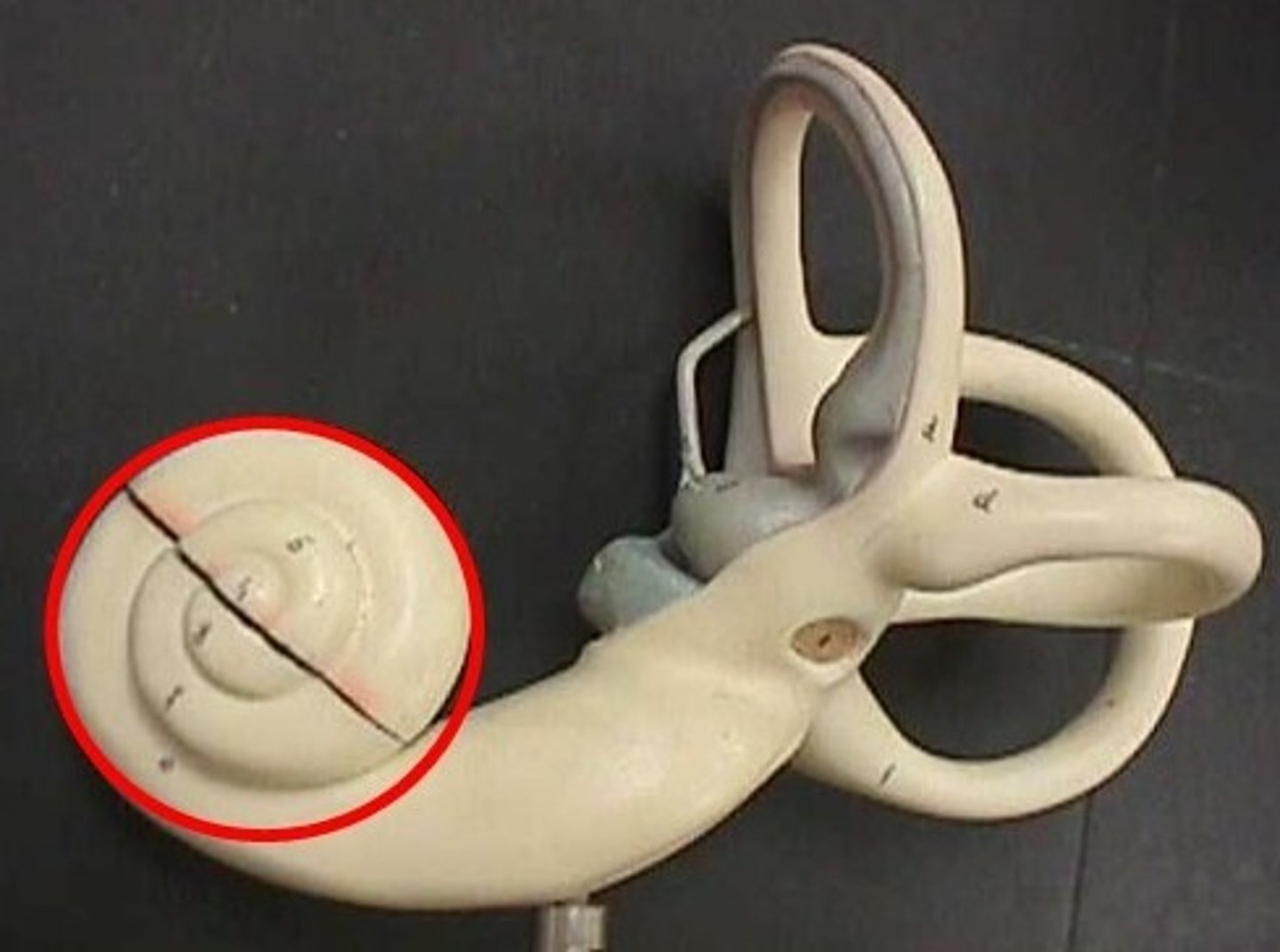
cochlear duct (note: not on list)
fluid-filled cavity in cochlea; helps with hearing; innervated by cochlear nerve of CN VIII
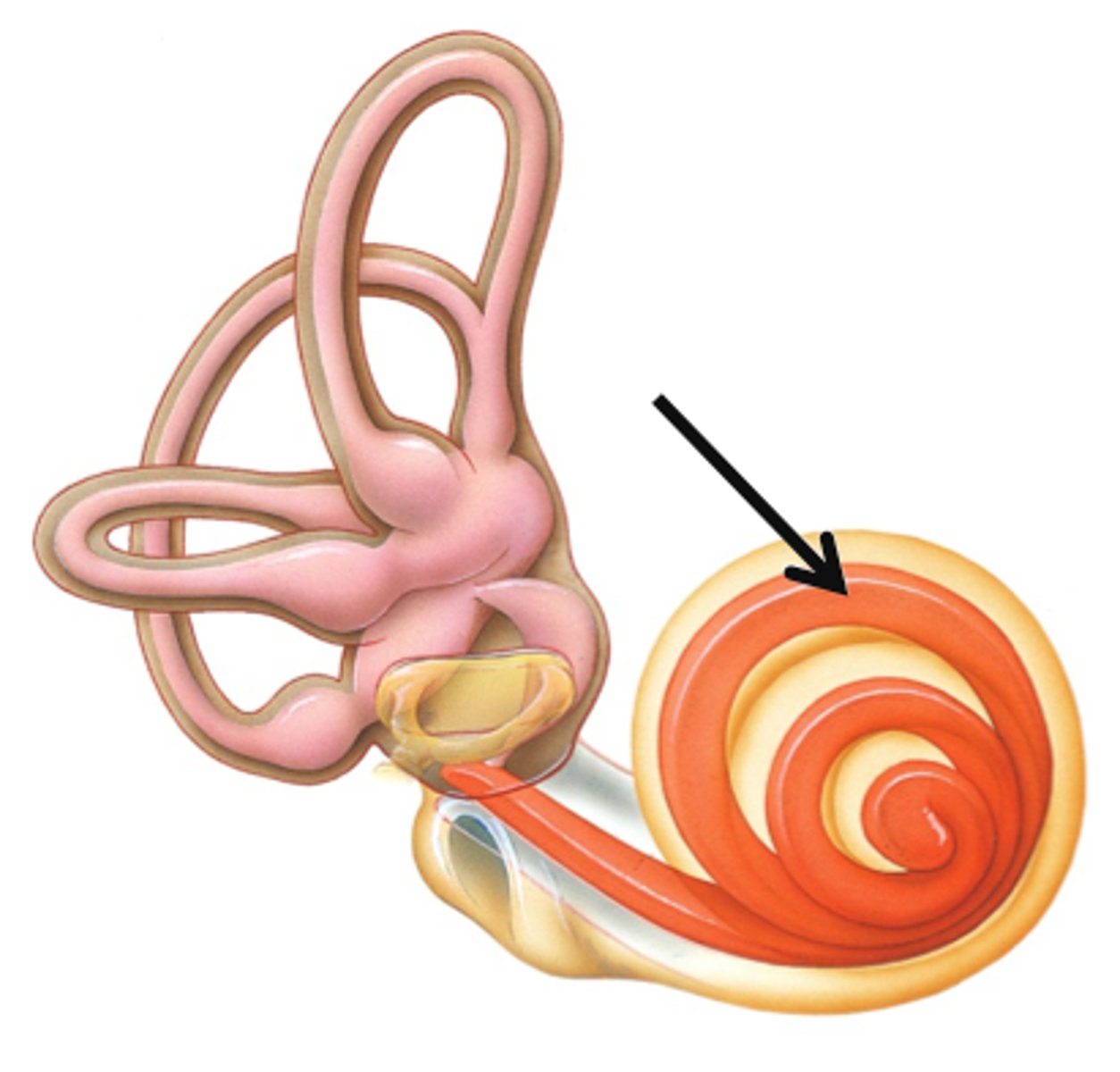
round window
opening to middle ear from cochlea closed by secondary tympanic membrane; transmission of sound through vibration ends here
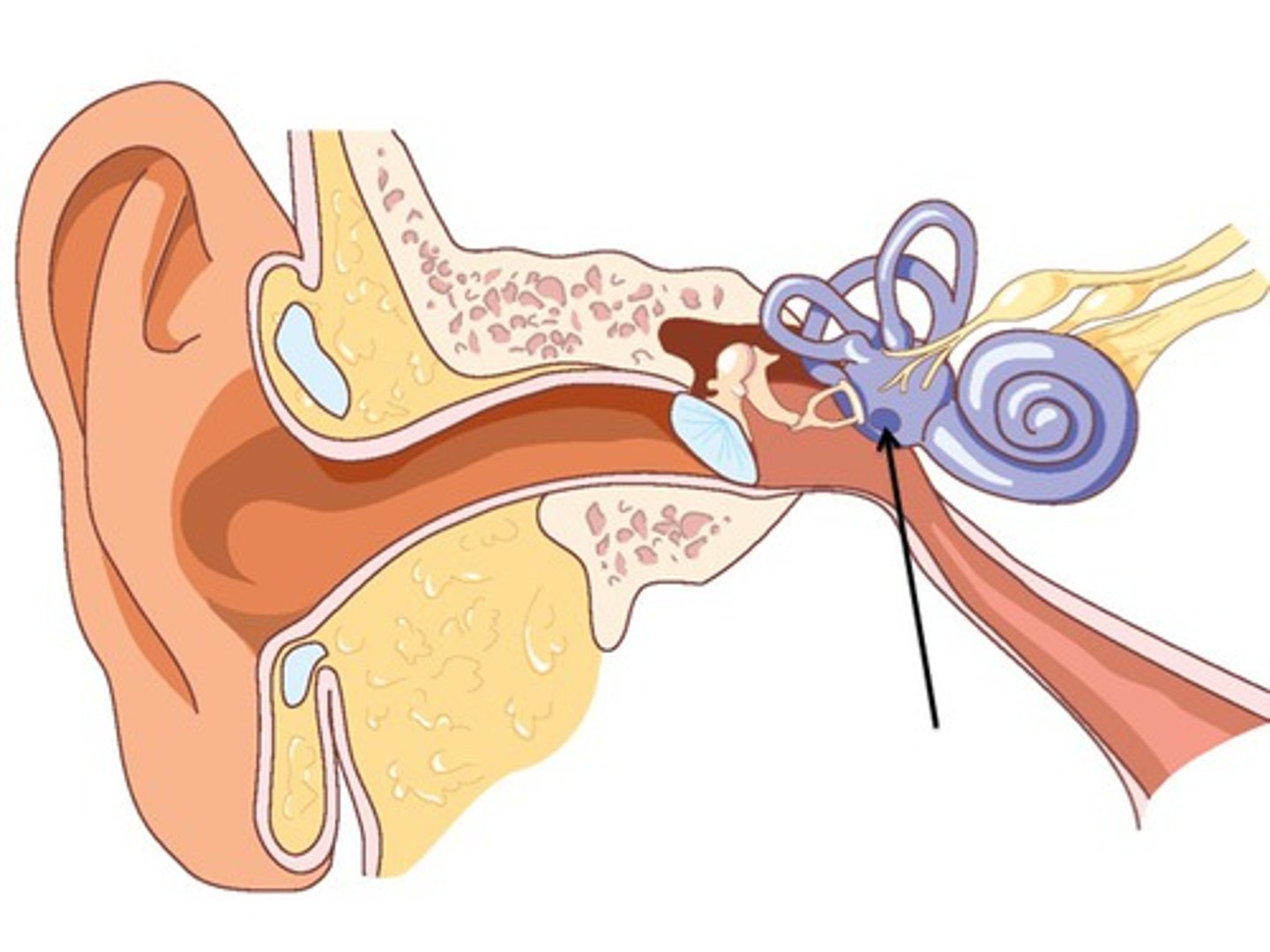
Still learning (7)
You've started learning these terms. Keep it up!