Biology final
 Call Kai
 Learn
Learn Practice Test
 Spaced Repetition
 Match
Match Flashcards
 Knowt Play
1/380

There's no tags or description
Looks like no tags are added yet.
Name | Mastery | Learn | Test | Matching | Spaced | Call with Kai |
|---|
No analytics yet
Send a link to your students to track their progress
381 Terms
1
eye piece tube
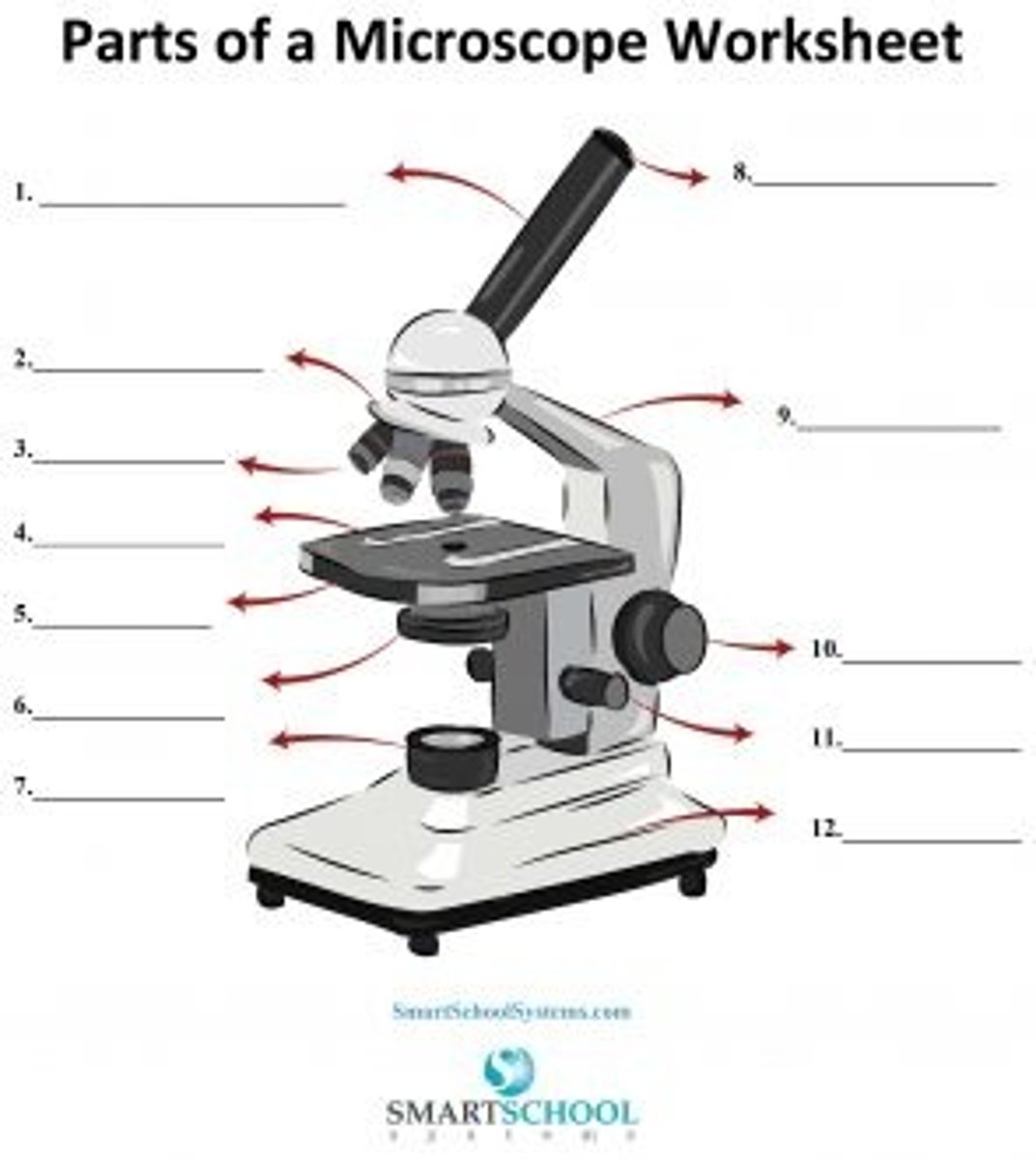
2
nose piece
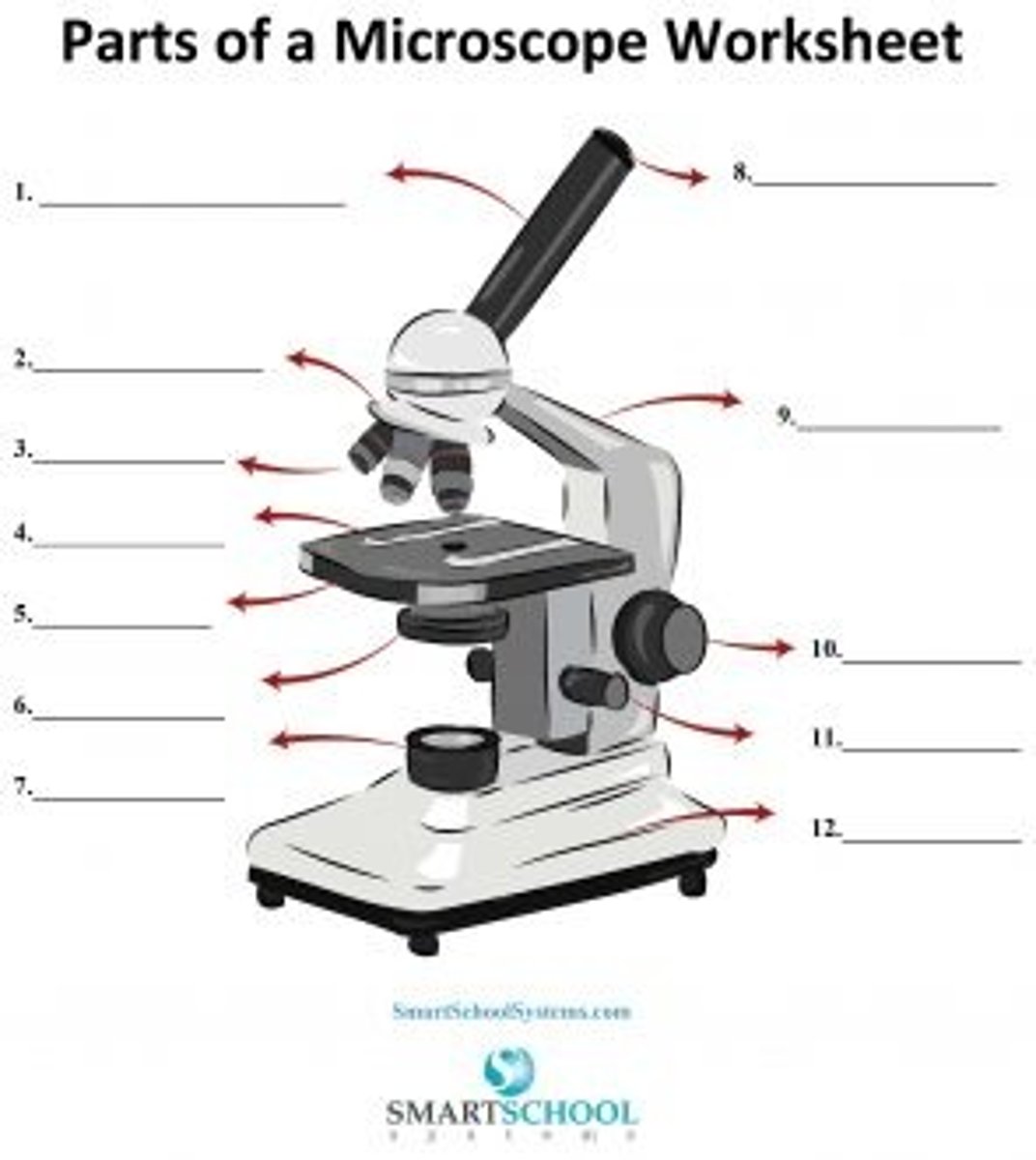
3
objective lens
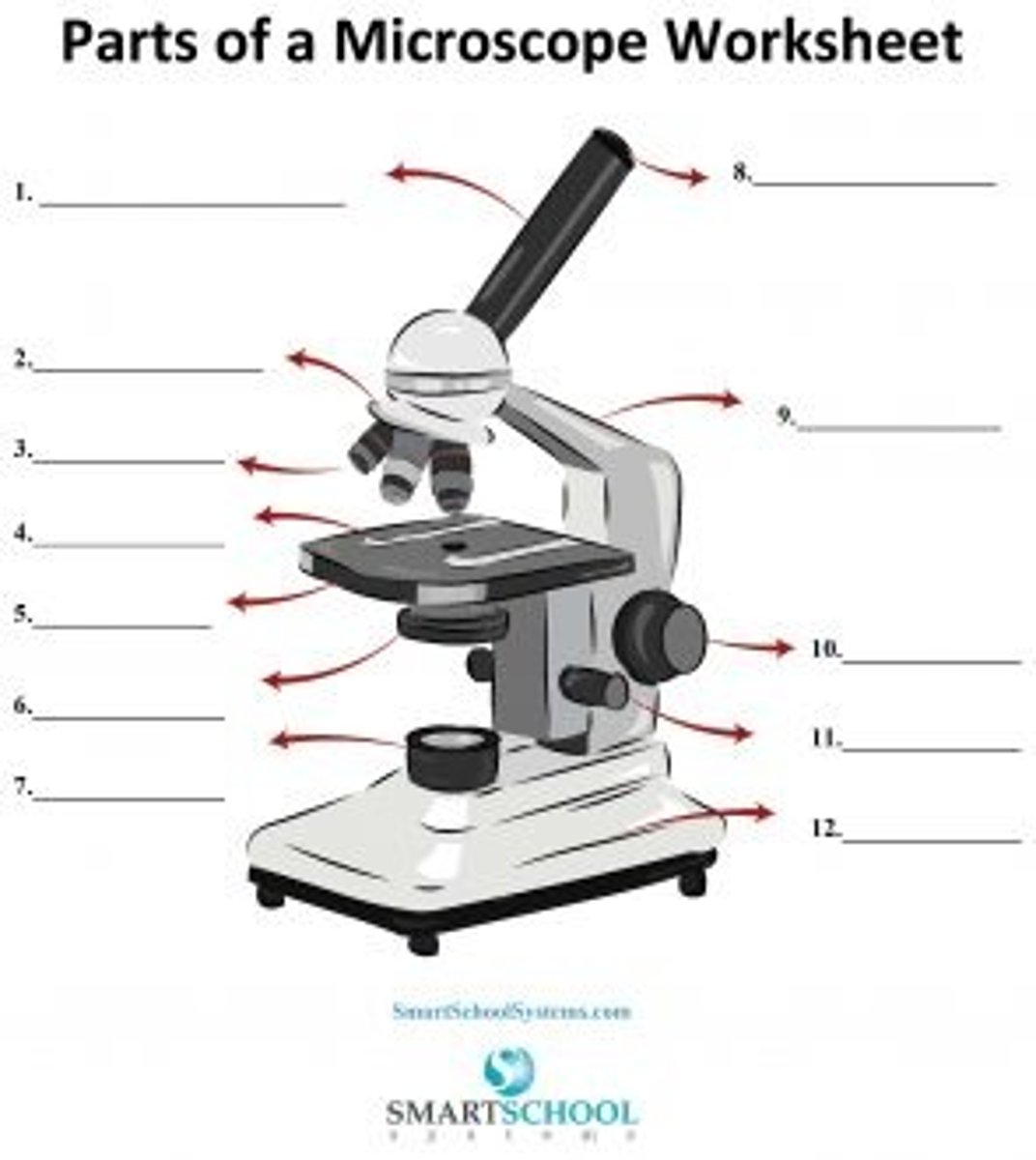
4
stage clips
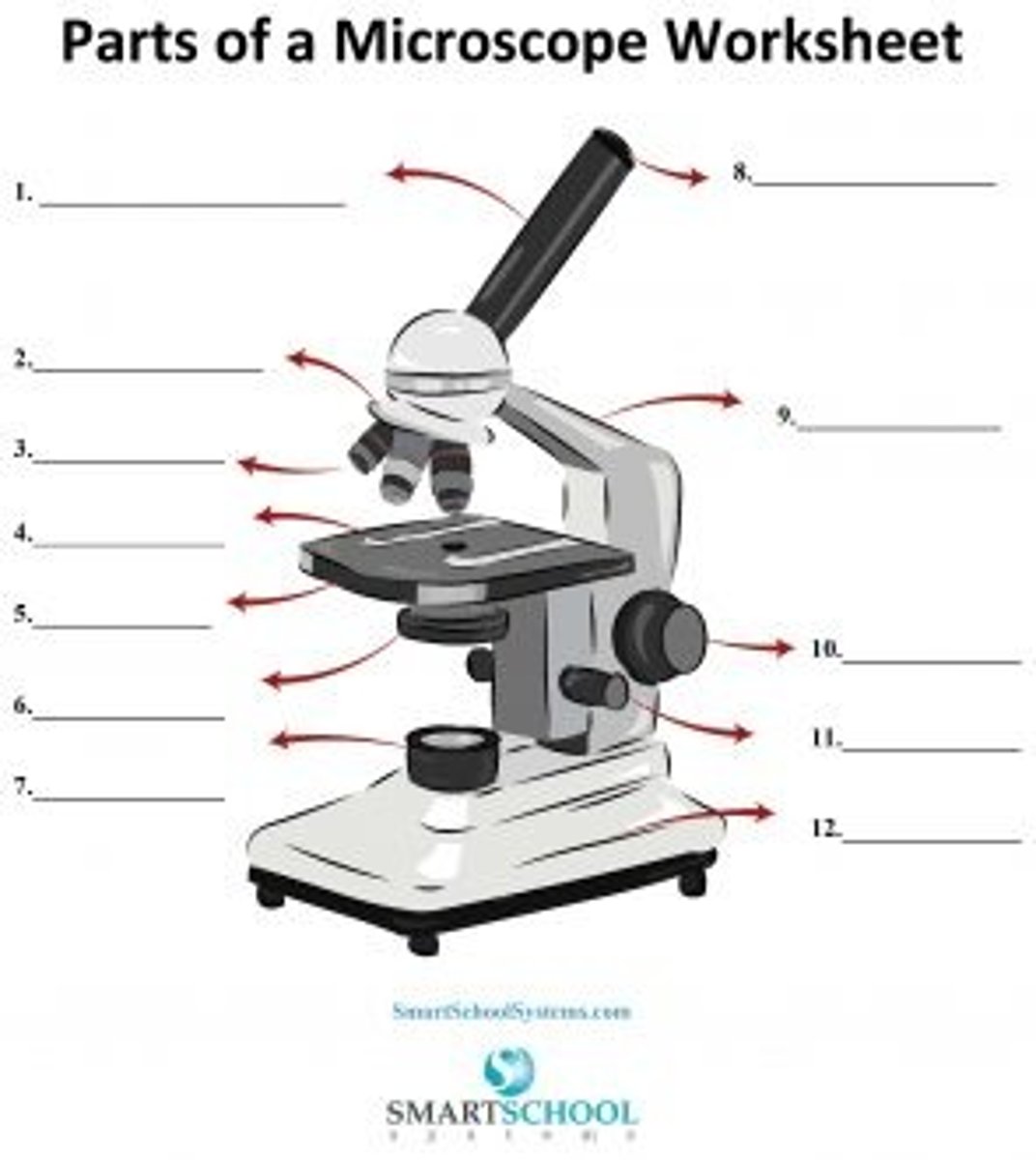
5
stage
6
diaphragm
7
light source/ illuminatior
8
eye piece lens (10x)
9
arm
10
coarse focus
11
fine focus
12
base
resolution
ability to distinguish 2 objects
total magnification
eyepiece lens* objective lens
mm = ? microns
1mm = 1000 micron(micrometers)
definition of a true cell
A membrane bound structure that is able to complete protein synthesis to produce enzymes necessary for DNA replication
central dogma
DNA --transcription--> RNA --translation--> Proteins
DNA --> DNA
replication
coacervate
hydrophobic membrane that separates cell from surroundings
coacervation
the process of creating a coacervation
jump from chem evolution to bio evolution
coacervation
LUCA
last universal common ancestor
chemicals in reducing atmostphere
CH4, NH3, H2, H20 (vapor)
OIL RIG - electrons
oxidation is losing and reduction is gaining
What are the layers of the atmosphere in order from the surface?
Troposphere, ozone (O3), stratosphere
What percentage of UVA does ozone block?
5%
What percentage of UVB does ozone block?
95%
What percentage of UVC does ozone block?
100%
What gases were present in early Earth?
CH4, NH3, H2, H2O (vapor)
What energy sources contributed to the formation of organic molecules on early Earth?
Lightning and UV radiation
What are the building blocks of carbohydrates?
Monosaccharides (CHO)
What are the building blocks of lipids?
Fatty acids (CHO)
What are the building blocks of proteins?
Amino acids (CHON)
What are the building blocks of nucleic acids?
Nucleotides (CHONP)
What process leads to the formation of complex organic molecules from simpler ones?
Dehydration synthesis
What is the term for the formation of organic molecules to early cell-like structures?
Coacervation
What is a protocell?
An early cell-like structure that may have led to the development of true cells
What are ribozymes?
RNA molecules that can catalyze chemical reactions
What is a true cell?
A fully functional and self-replicating cell
Stages of Evolution
1: organic monomer
2: organic polymer
3: protobionts
4: living cell
Miller-Urey Experiment
Experiment that found that organic molecules can form in a strongly reducing atmosphere - with the help of outside energy (electrodes)
why is RNA more accepted then protein as the first molecule?
because it can function as an enzyme and carry genetic code (ribozymes)
What is the first principle of cell theory?
All cells are composed of one or more cells.
What is the basic living unit of structure and function in organisms?
Cells.
Where do all cells come from?
Other cells.
tay sachs
A rare inherited disorder that destroys the nerve cells in the brain and spinal cord. Effects the lysosome so fatty acids do not get properly broken down
sickle cell
a genetic disorder that causes abnormal hemoglobin, resulting in some red blood cells assuming an abnormal sickle shape
e disease
SA:V ratio
as cells increase in volume the proportionate amount of surface area decreases - determines split
Archaea membrane
ether linked
Bacteria membrane
ester linked
Eukarya Membrane
phospholipid bilayer
AARRGHO
Adapt, acquire energy, reproduce, respond to stimuli, grow, homeostasis, organized
adaptation
either physical or behavioral
acquire energy
either an autotroph (photosynthetic or chemiosynthesis) or a heterotroph (consume other organisms)
reproduction
asexual (exact copy) or sexual (genetic recombination)
grow
either by volume or number of a cell(s)
homeostasis
retain optimum conditions
organized
prokaryotic (no nucleus) or eukaryotic (has a nucleus)
order of life system from small to big
atom, molecule, cell, tissue, organ, organ system, organism/species, population, community, ecosystem, biosphere
energy pyramid
producers --> primary consumers --> secondary consumers --> tertiary consumers --> , only 10% of energy transferred & 90% lost
archaea
domain, prokaryotic, unicellular, cell walls lack petidoglycan, extremophiles, asexual, genetically more like eukarya in variety of code
bacteria
domain, prokaryotic, unicellular, cell walls have petidoglycan, membrane --> fatty acids, prolific (found everywhere), lots of different species, asexual (binary fusion), sensitive to antibiotics
eukarya
domain, eukaryotic, uni or multicellular, includes diverse life forms, cell membrane --> contains phospholipids, sexual (meiosis/recombination) and asexual (mitosis/replacement)
prokaryotic
no nucleus, very small, always unicellular, no organelles, reproduce thru binary fusion (cell volume grows then splits - exact copy), circular DNA
eukaryotic
has a nucleus (DNA inside), has many membrane bound organelles (each have a specific function), mostly unicellular, bigger than prokaryotic, reproduce thru mitosis (replacement/growth) and meiosis (genetic recombination), linear DNA
Autotroph
mode of nutrition, ex: photosynthesis, chemiosmotic
heterotroph
mode of nutrition, consume other organisms
saprothroph/decomposer
breakdown and absorb other organisms
Protista
domain eukarya, complex single cell, some multicellular, absorb, photosynthesize, or ingest food
fungi
domain eukarya, some unicellular, most multicellular, absorb food
plantae
domain eukarya, multicellular, photosynthesize food
animalia
multicellular, ingest food
taxonomy order
domain, kingdom, phylum, class, order, family, genus, species
organic molecules
always contain carbon and hydrogen, have 4 valence electrons
inorganic molecules
molecule lacking carbon-hydrogen bonds
the "big four"
carbohydrates, lipids, proteins, nucleic acids
carbohydrates
contain carbon, hydrogen,(2:1 ratio) and oxygen, serve as primary energy source, provide structural support,
lipids
hydrophobic molecules, mainly carbon and hydrogen, fats oils phospholipids and steroids, functions include long term energy, form cell membranes, act as signaling molecules, monomer: fatty acid, triglyceride: 3 fatty acid + glycose, phospholipid: phosphate + glycerol + fatty acid
proteins
perform various cellular functions dependent on structure, functions: enzymes - regulate metabolic pathways, structural support, cell communication, defend against disease, structure: primary - peptide bond, secondary - hydrogen, tertiary - R group bond, quotientary - R group bond (20 R groups)
nucleic acids
chains of monomers (carbon, hydrogen, oxygen, nitrogen, phosphorus), genetic information (DNA & RNA) or energy (ATP)
function of carbon in big 4
forms the backbone of all organic molecules, 4 covalent bonds allow for complex and diverse molecules
function of hydrogen in big 4
contributes to energy transfer, molecular stability, hydrogen bonding (molecular shape: DNA or protein)
function of oxygen in big 4
6 valence electrons, essential for metabolism (bc its a part of water), critical function group (-OH, C=O, -COOH)
function of nitrogen
integral for proteins and nucleic acids, regulate metabolic pathways, genetic info, energy
function of phosphorus
central to energy transfer (ATP), forms the backbone of DNA, part of phospholipids (selectivity)
function of sulfur
found in some amino acids (proteins), forms disulfide bonds that stabilize 30 protein structures, part of certain coenzymes and vitamins (rate)
monosaccharides
carbohydrate, pentose: 5 C ring, hexose: 6 C ring, Isomers: glucose, galactose, fructose, quick energy
disaccharides
2 monosaccharides covalently linked, not as quick energy - have to hydrate & break the bonds, examples: glucose + glucose = maltose, glucose + frucose = sucrose, glucose + galactose = lactose
polysaccharides
many monosaccharides covalently linked together, "complex carbohydrates", examples: starch - chains of glucose (energy, arranged the same, in plants), glycogen - chains of glucose (energy, arranged the same, in animals) cellulose - chains of glucose (structure, alternate oxygen in each monomer, in plants)
glycogen
important polysaccharide, liver stores glucose as glycogen, in between meals the liver releases glycogen into the bloodstream where it is hydrolyzed into glucose = energy
starch
found in plants (mostly in leaves), longer term energy
cellulose
plant cell walls - alternating up down position of oxygen that prevents it from being digested by humans (can't break it down, fiber), mammalia - found in exoskeleton, structural polysaccharides (due to alternating location of CH2OH)
lipid characteristics
contain more energy per gram compared to other biomolecules (bc of carbon-hydrogen bonds), energy storage, cushioning, insulation
oils
originate in plants, liquid at room temperature, unsaturated
fats
originate in animals, solid at room temperature, saturated
triglycerides
1 glycerol + 3 fatty acids, nonpolar
emulsification
breaking down fats into tiny droplets to allow for mixing of a polar substance (water) with non-polar structure (lipid), mechanical: physical breakdown, mammalia --> chewing), chemical: enzymes - mammalia, (bile salts surround fat droplets allowing it to diffuse into cells of the digestive tract)
saturated fats
no double bonds, all carbons are "saturated" with H, animal source, solid at room temp
unsaturated fats
contain double bonds- "kinks", liquid at room temp, vegetable source