Bio sem 1 historyy 😍😍
 Call Kai
 Learn
Learn Practice Test
 Spaced Repetition
 Match
Match Flashcards
 Knowt Play
1/11

There's no tags or description
Looks like no tags are added yet.
Name | Mastery | Learn | Test | Matching | Spaced | Call with Kai |
|---|
No analytics yet
Send a link to your students to track their progress
12 Terms
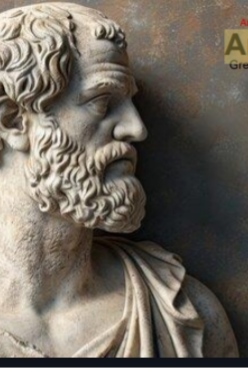
Aristotle, 384–322 BC
Father of Biology
Used empirical methods to study
natural history
Identified the known living
characteristics
E.g. reproduction
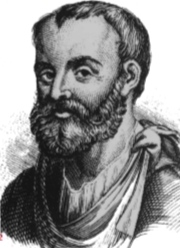
Claudius Galenus, 130
Performed dissection on Barbary
macaques, pigs, sheep, and goats
He distinguished;
• Seven pairs of cranial nerves
• Valves of the heart
• Structural differences for veins
and arteries
His accomplishments;
• Discover arteries carrying blood not air
• Tying off the recurrent laryngeal nerves (RLN),
showing brain controlling the voice
• Tying off the ureters, demonstrating kidney
and bladder functions
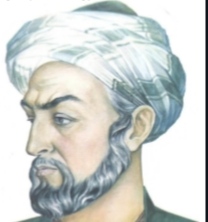
Ibn Sina, 102
He stated;
• Phthisis/Tuberculosis was contagious
• Diabetes symptoms
• Descriptions of the central and peripheral
facial paralysis (Bell’s Palsy)
Hisaccomplishments;
• Firstto describe carotid sinus hypersensitivity (CSH)
• Firstperson correct explanation bedside technique of pulsation
• Described several psychiatric disorders (anxiety, depression, bipolar,
PTSD,schizophrenia)
Published medical book;
“The Canon of Medicine”
(Al-Qanun fi al-tibb)
“Book of the Cure”
(Kitab al-shifa)
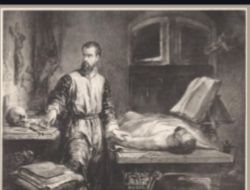
Andreas Vesalius, 1543
Performeddissectionon cadavers He
demonstrated;
• Muscle and bone structure, alsootherfeatures of
human anatomy
Correction forGalen’s claimed;
1. Thehuman breastbone are inthreesegments insteadof
seven
2. Thehumerus (theupperarmbone)was the longest bone inthe
body, butthe truthare the femur,tibia and fibulaofthe shin
pushed thehumerus tofourth
Hisaccomplishments;
• Produced anatomical charts of the blood and
nervous systemasa reference aid
Published medical book;
“TheSevenBooks on the Structure ofthe Human
Body”(DeHumaniCorporisFabrica)
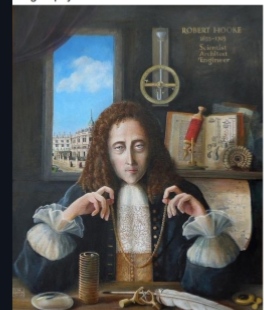
Robert Hooke, 1665
English physicist
He discovered;
• Firstused the term "cell" to name
the microscopic honeycomb
cavities in cork; protective water-
resistant tissue in the outer
covering of stems ortrunks
• Illustrationsof the crystal
structure of snowflakes(hexagonal crystalline)
Hisaccomplishments;
• BuiltGregorian reflecting telescope (supplying an upright images)
and invent modern microscope
Published book;
“Small Drawings” (Micrographia)
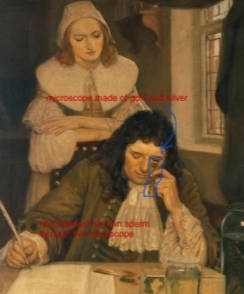
Anton Van Leeuwenhoek, 1675
Dutch Microscopist
He discovered;
• Bacteria and isolating ‘animalcules’ from different
sources; rainwater, pond, human mouth, and intestine
Hisaccomplishments;
• Firstto observe protozoa and bacteria
• Firstto describe the spermatozoa from insects,
dogs, rabbits and man
Sperm from rabbits (1-4)
and dogs (5-8), drawn by
draughtsman of Antonie
van Leeuwenhoek in 1677
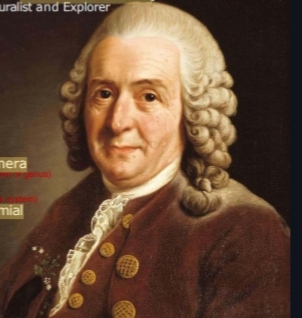
Carolus Linnaeus,1700
Father of Taxonomy
He;
• Systematized the plant and animal kingdoms
• Classified the mineral kingdoms
His accomplishments;
• Firstto frame principles for defining natural genera
and species of organisms
• Well-known example of two-part system (Binomial nomwnclature)
Published book Systema Naturae
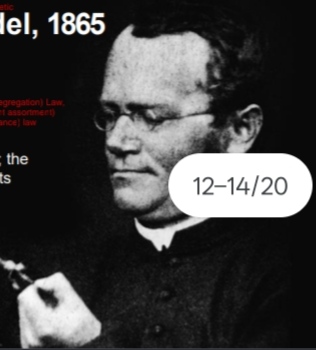
Gregor Mendel, 1865
Father of Genetics
He discovered;
• The basic principles of heredity; the
ability for pea plants to pass traits
His accomplishments;
• Firstperson to lay
mathematical
foundation in Science
• Mendel’s law of
Inheritance
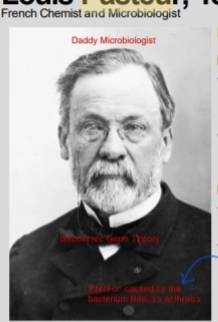
Louis Pasteur, 1854
Father of Microbiologist
He discovered;
• Microorganisms cause
fermentation; applied to
wine and beer industry
• Germ theory, the theory of
zoonotic diseases; chicken
cholera
Hisaccomplishments;
• Originated the process of
pasteurization
• Develop vaccines against
anthrax (sepsis
complications) and rabies
(affecting central nervous
system)
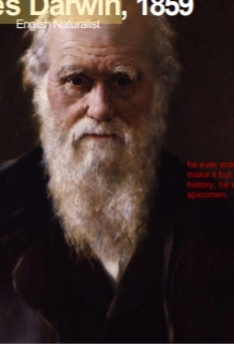
Charles Darwin, 1859
Pioneered the evolutionary
theory by natural selection
He discovered;
A species are more likely to
survive in their environment and
pass on their genes to the next
generation
Published book;
“On the Origin of the Specie
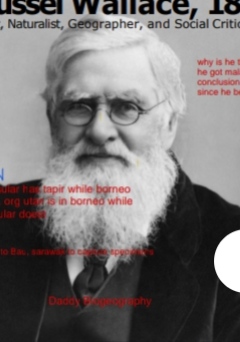
Alfred Russel Wallace, 1858
Co-founder of evolutionary theory by
natural selection
Father of biogeographic
Wallace Line; invisible
biogeographic boundary that
separates the fauna of Asia and
Australia
Published book;
“The Malay Archipelago”
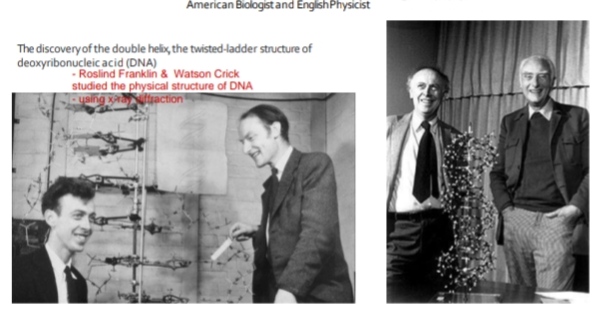
James Watson & Francis Crick, 1953
Thediscoveryofthe double helix, the twisted-ladder structure of
deoxyribonucleic acid (DNA)