Food hygiene - Part B (meat)
 Call Kai
 Learn
Learn Practice Test
 Spaced Repetition
 Match
Match Flashcards
 Knowt Play
1/8

There's no tags or description
Looks like no tags are added yet.
Name | Mastery | Learn | Test | Matching | Spaced | Call with Kai |
|---|
No analytics yet
Send a link to your students to track their progress
9 Terms
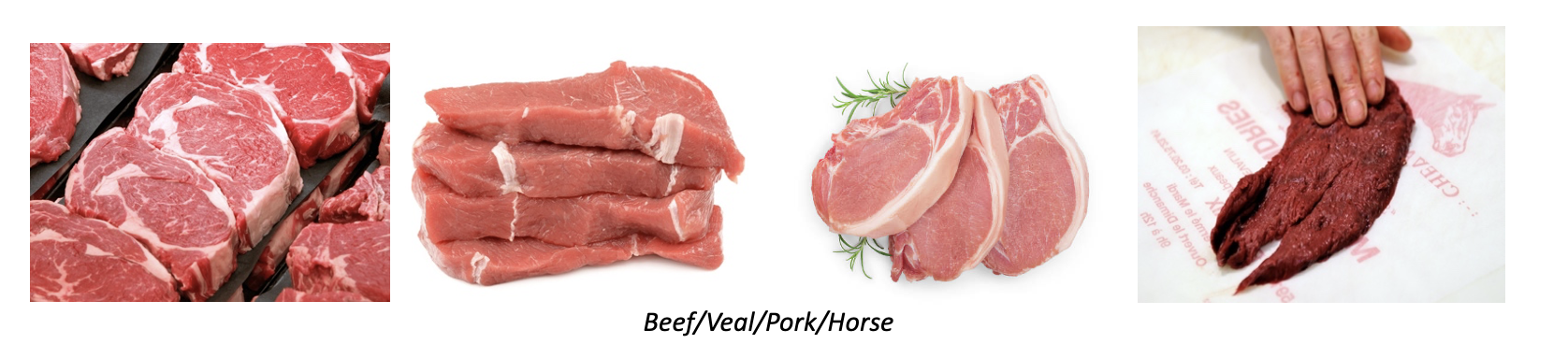
29. Chemical composition of meat and meat characteristics of individual animal species.
Meat = all body parts of animals suitable for human consumption, mainly striated muscles including connective tissue, fat, blood vessels, lymph nodes, nerves and bones.
🟨 CHEMICAL COMPOSITION OF MEAT
🔵 Water = ~75% (main component)
Highest: Calf = 76.3%
Lowest: Fat bull = 59.4%
High thawing temperatures → water loss → ↓ meat quality
🔴 Protein = 20–25%
Highest: Heifer = 23.5%
Lowest: Fat bull = 16.6%
More fat = less protein
Limiting amino acids: Lysine & Methionine (except fish)
🟠 Fat = ~3%
Triglycerides
Phospholipids
Cholesterol
Essential fatty acids (linoleic acid etc.)
Highest: Fat bull = 22.8%
Lowest: Calf = 1.1%
🟢 Carbohydrates = ~1%
Mainly glycogen
Meat is poor in carbohydrates
🟣 Vitamins
A, B1, B2, B3, B6, B12, C
Cattle and pig liver are richest in vitamins
🟤 Minerals
Na, K, Ca, Mg, Cl
Beef and pork rich in minerals
⭐ Easy memory:
75 → 25 → 3 → 1
(Water → Protein → Fat → Carbohydrates)
🟨 MEAT CHARACTERISTICS OF INDIVIDUAL SPECIES
🔴 Beef
General:
Red, Juicy, Marbled
Young cattle:
Bright red
Slightly fibrous
Firm
Little juice
Bull:
Dark red
Strongly fibrous
Dry
Little fat
Fattened ox/cow:
Reddish (terracotta after storage)
Thick fibrous
High fat content
Old dairy cows:
Bright when fresh
Grey-brown after cooking
🩷 Veal
Light red
Delicate
Soft consistency
Wet and sticky
Little fat
Sweet taste
🐷 Pork
Young/fat pigs:
Pale
Slightly fibrous
Soft consistency
Older pigs:
Dark red
Coarse fibres
Overgrown with fat
Heavily marbled
🟤 Mutton (>1 year old sheep)
Bright red or terracotta
Slightly fibrous
Subcutaneous fat
Not marbled
Ammonia smell ⭐
🟢 Goat
Lighter than mutton
Little subcutaneous fat
Highest fat around the kidney capsule ⭐
🟣 Horse
Bright red → dark red (depends on age)
Tender muscle fibres
Not marbled
Sweet taste ⭐ Why is horse meat so sweet? Higher glycogen levels than other species!
Stallion:
Lighter meat
Grey to bright tone
⭐ EXAM MEMORY LINE
75 Water → 25 Protein → 3 Fat → 1 Glycogen
Beef = red & marbled
Veal = pale & soft
Pork = marbled with age
Mutton = ammonia smell
Goat = kidney fat
Horse = sweet taste
30. The nutritional, biological and energy value of meat
🔵 Nutritional value
Highly nutritious food
High-value protein, easily absorbed by humans
Provides energy
Rich in protein, niacin (B3), thiamine (B1), vitamins B6 & B12, phosphorus, zinc and iron
Protein: 20–25%
~97% digestibility
Limiting AA: lysine & methionine
Fat: ~3%
Triglycerides
Phospholipids
Cholesterol
Essential FA (linoleic, linolenic, arachidonic acid)
Carbohydrates: ~1%
Mainly glycogen
Meat is poor in carbohydrates
🟢 Biological value (BV)
Measure of how efficiently absorbed protein is used for protein synthesis
Based on nitrogen balance
Proteins = major source of nitrogen
Reflects:
Digestibility
Availability
Amino acid composition
Higher BV = more protein retained and used by the body
🟣 Energy value
Carbohydrates = 17 kJ (4 kcal)/g
Protein = 17 kJ (4 kcal)/g
Fat = 37 kJ (9 kcal)/g
Alcohol = 29 kJ (7 kcal)/g
🟠 Nutritional labelling
Energy expressed as kJ or kcal
Protein, fat, carbohydrates = g
Fibre, sodium, cholesterol = mg
Values usually given per 100 g or 100 ml
Allows calculation of energy intake and calorie tracking
⭐ Remember
20–25% protein → 3% fat → 1% glycogen
Rich in Fe, Zn, P and B vitamins
BV = protein quality
4–4–9–7 rule = carbs, protein, fat, alcohol
Questions from comittee:
Protein calculation: proteins contain 16% nitrogen, therefore protein = nitrogen × 6.25 (kjeldahls factor - nitrogen conversion factor)
Linoleic/arachidonic acid: essential omega-6 fatty acids that cannot be synthesized sufficiently and must come from the diet.
Additional nutritional information: salt and saturated fat.
Why nutritional labelling? Primarily because of EU Regulation 1169/2011, and secondarily to inform consumers.
Post-mortem changes in meat, ageing of meat, autolytic changes and their evaluation
Post-mortem changes
Structural and biochemical changes occurring after death
Affected by: nutrition, stress, trauma, temperature, pre-slaughter handling and housing
Meat quality: composition (lean/fat), physical properties, eating quality
Carcass quality: conformation, fatness and weight
🟢 1. Anaerobic glycolysis
After death → no oxygen available
ATP maintained by creatine phosphate and glycolysis
Glycogen → lactic acid → ↓ pH
High glycogen stores → more lactic acid → firmer meat
Glycolysis rate measured by pH fall
Stress before slaughter → ↓ glycogen → abnormal pH fall → PSE meat
🟣 2. Rigor mortis (muscle stiffening)
ATP exhausted → myosin remains bound to actin
Muscles become rigid
Onset: 1 h to several hours
Cattle: 3–6 h onset, ~20 h duration, ends after 24–48 h
Muscle shortening may occur → tougher meat
During rigor:
↓ pH
↓ water-holding capacity
End of rigor:
Lactic acid → CO₂ + H₂O
↑ pH
Meat softens and binds water better
Factors affecting rigor:
Pre-slaughter stress → early rigor
Excessive chilling → cold shortening
Fast muscle fibres → more prone to PSE
Ageing of meat
Ageing is a controlled process in which natural proteolytic enzymes break down muscle proteins, improving tenderness, flavour and water-holding capacity of meat
:max_bytes(150000):strip_icc()/dry-aging-beef-331496_FINAL-12c5aae3a0ea4714a27d7911b77ae345.png)
Improves texture and flavour
Beef: 10–14 days
Pork: 5–7 days
Usually wet ageing (vacuum-packed plastic)
Changes during ageing:
Dissociation of actin-myosin complex
Myofibrillar proteins → peptides + amino acids
Lactic acid → CO₂ + H₂O → ↑ pH
↑ tenderness, ↑ water-binding capacity
Affected by:
Species
Temperature (0–5°C optimal)
Autolytic changes (spoilage)
Release of autolytic enzymes after death
Lactic acid → CO₂ + H₂O → ↑ pH (pH fresh meat = 6,4-6,6, Lactic acid = decrease pH)
Protein degradation → ammonia, sulphides, mercaptans
Fat hydrolysis and oxidation
Meat becomes:
Softened
Discoloured
Foul-smelling
Autolysis index = microbial contamination above 10⁷·⁵/cm², associated with visible spoilage of meat.
🟤 Microbial spoilage
Psychrotrophic bacteria during chilling:
Pseudomonas
Listeria
Flavobacterium
Gram-positive bacteria
Grow at 5–7°C
Produce proteolytic and lipolytic enzymes
Cause alkaline pH shift
Pseudomonas aeruginosa
Fruity/fishy odour
Soapy taste
Colour changes and spoilage
Regulation (EC) 2073/2005 sets limits for aerobic bacterial counts
⚫ Evaluation of autolytic changes
Conway test → ammonia content (indicator turns red)
Peroxide value & acid value → fat hydrolysis/oxidation
TBARS value → lipid oxidation
Sensory evaluation → freshness assessment
Qualitative derivations of meat – PSE, DFD, PSS (next Q)
⭐ Remember the sequence:
Anaerobic glycolysis → Rigor mortis → Ageing → Autolysis/spoilage
⭐ Key words:
Glycogen → Lactic acid → ↓ pH → Rigor → Tenderisation → Spoilage (ammonia, sulphides, bad odour).
questions form committee:
Describe the convey’s method: Meat sample is mixed with alkali → Ammonia is released from the sample → Ammonia diffuses into the central chamber of a Conway dish containing an indicator or boric acid → The amount of ammonia is measured by colour change/titration.
↑ Ammonia = ↑ protein degradation
↑ Ammonia = more advanced spoilage/autolysis
⭐ Conway's method measures ammonia produced during protein degradation and is used to assess freshness and autolytic spoilage of meat.
Describe the process of anaerobic glycogenolysis + rigor mortis: After death, absence of oxygen forces muscle cells to obtain ATP through anaerobic glycogenolysis. Glycogen is converted to lactic acid, causing pH to decrease until ATP reserves are depleted. Rigor mortis develops when ATP is depleted and actin-myosin cross bridges cannot dissociate, resulting in muscle stiffening.
The aim of ageing is to allow natural enzymes to break down muscle proteins after rigor mortis, producing more tender, flavourful meat with improved water-holding capacity.
32. Meat quality deviations - PSE/DFD meat.
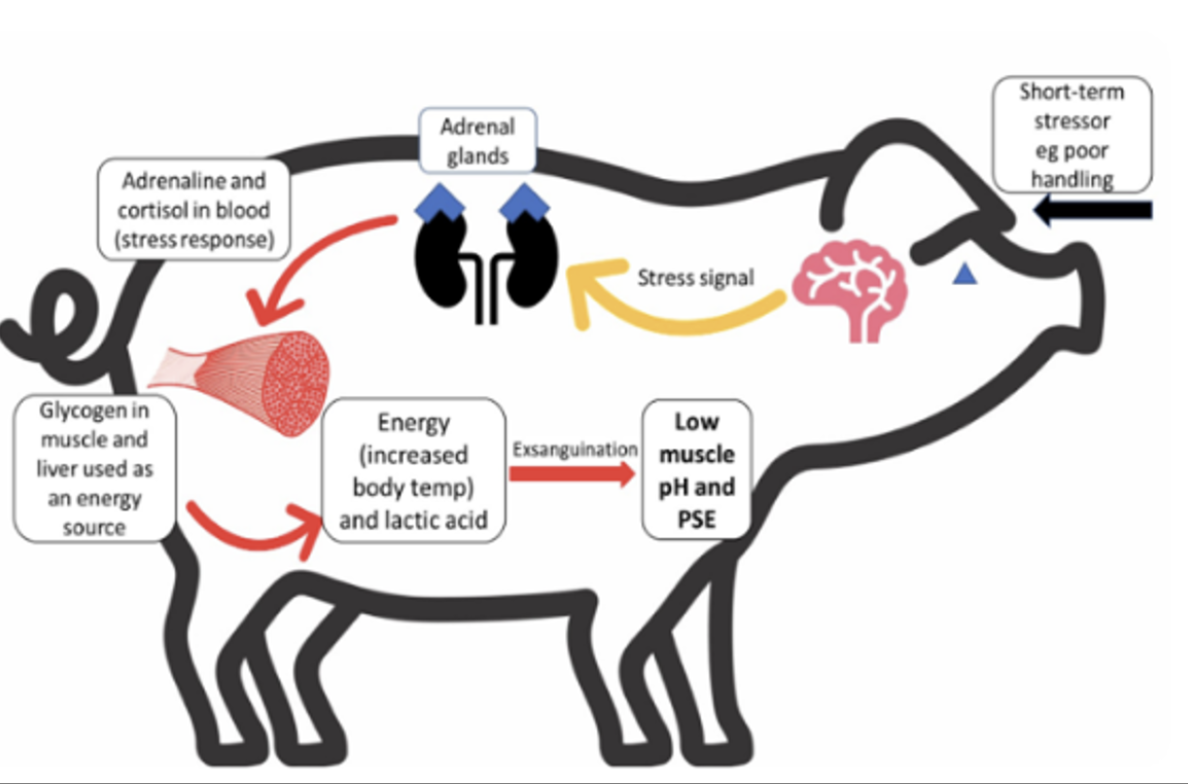
🔴 PSE (Pale Soft Exudative) meat
Mainly affects pork
Caused by accelerated glycolysis → rapid accumulation of lactic acid
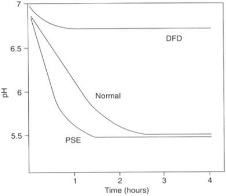
pH < 5.8 while meat temperature is still high (~35°C)
If pH < 6 after 45 min, PSE is likely
Rapid onset of rigor mortis!
Causes:
Primary: mutation in RYR1 (ryanodine receptor) → uncontrolled Ca²⁺ release → rapid glycolysis
Secondary: short-term stress before slaughter
Pathogenesis:
Pig is slaughtered while metabolism is still high (from stress response) → Lactic acid accumulates because circulation has stopped → ↓ pH damages muscle proteins → pale meat
Meat characteristics:
Pale (lack of myoglobin), Soft, Watery (exudative, caused by low water-holding capacity)
Most evident in the thigh, back, and fillet muscles
🟤 DFD (Dark Firm Dry) meat
Mainly affects pork
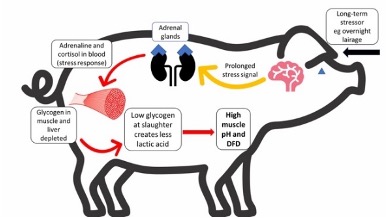
Caused by incomplete acidification
pH > 6 at 24 h
Cause:
Long-term stress (24–48 h before slaughter)
Glycogen depletion
Pathogenesis:
↓ Glycogen → ↓ lactic acid production → ↑ Muscle pH → ↑ muscle activity → ↑ Oxygen consumption → ↓ Oxymyoglobin → dark meat
Meat characteristics:
Dark, Firm, Dry appearance (High water-holding capacity)
More prone to microbial spoilage
🟢 Evaluation of PSE/DFD
pH measurement: electrode inserted directly into muscle
Colour: photometer
Hydraemia estimation: assessment of protein-water holding capacity
Compression test: meat placed on filter paper between glass plates with 1 kg weight for 5 min → evaluate compressed meat and moisture ring
extra:
🟣 PSS (Porcine Stress Syndrome)
Autosomal recessive genetic disease
Diagnosed by halothane test or PCR (~7 weeks)
Causes malignant hyperthermia (rapid rise in body temperature)
Triggered by:
Transport, Sudden movement, Vaccination
Signs:
Extreme nervousness, PSE meat, Back muscle necrosis, Muscle tremors, Sudden death
⭐ Remember:
PSE = Short stress → Rapid glycolysis → Low pH → Pale, Soft, Exudative
DFD = Long stress → Glycogen depletion → High pH → Dark, Firm, Dry
PSS = Genetic disease (RYR1 related) → Malignant hyperthermia + PSE meat
questions:
pH of PSE meat at 45 min (5.8), pH of meat at slaughter (6.4-6.7) - I walked myself into this question…
Can PSE meat be used for anything? Yes, fermented but DON’T say it’s good for it, it’s just usable so you dont HAVE to throw the carcass. (walked into these myself by mentioning it first)
Can DFD meat be used for anything? apparently yes, but only as ingredient and not for direct sale
When do we check the pH in PSE ? At 45 min and DFD ? 24h
most obvious sign of PSE? exudation and liquid
most common reason for DFD is lack of glycogen due to muscle activity
you can talk about other meat deviations in this question, or maybe just mention them
Intravital effects on meat quality (genetics, species, breed, sex, age, breeding, nutrition, substances, diseases)
🔵 Genetics & Species
Genetics influence productivity and meat quality within a breed
Breed selection used to obtain desirable meat traits
Meat quality differs between animal species (Q29)
Examples:
Kobe → fattier meat
Texas Longhorn → leaner meat
🟢 Sex
Affects fat deposition, growth rate, and carcass yield
Females: mature earlier, meat is usually more tender and juicy
Steers (castrated males): intermediate characteristics
🟣 Age
Greater weight usually means greater age
Young animals:
More muscle, Less internal fat, More tender meat
Older/heavier animals:
More fat, Darker meat, Higher carcass yield
🟠 Way of breeding
Social hierarchy can cause:
Stress, Bruises, Physical injuries
Adequate space, shade, feeding areas, and resting areas improve welfare and meat quality
🟤 Nutrition
Balanced nutrition affects meat:bone ratio, protein:fat ratio, fatty acids and energy content
Pasture feeding
Slower growth, Leaner meat, Darker colour
β-carotene → yellow fat
Tocopherol (Vit E) → better colour & shelf life
High-concentrate diet
Faster growth, Higher fat content, Juicier meat, Better palatability
High-fibre diet
Less fattening, More developed skeleton, Higher water/protein content, Lower energy
High-fat diet
Fatter carcass, Reduced length:circumference ratio
Supplements
Dietary supplements → heavier carcass, higher dressing %, more muscle
Niacin → improved ultimate pH and colour
Vitamin E → better colour, freshness, tenderness and juiciness
Se & Zn → reduce oxidative rancidity
Excess iron → metallic taste
Probiotics (Lactobacillus acidophilus) → improve intestinal microflora
🔴 Specific active substances & foreign substances
Strictly forbidden in EU:
Hormones
β-adrenergic agonists
Growth-promoting antibiotics
⚫ Diseases & other factors
Diseases alter muscle metabolism and physiology
Transport and pre-slaughter handling → stress → poorer meat quality
Cold season slaughter:
Higher pH after 24 h
Lower water-holding capacity
Tougher meat
Imperfect stunning → blood spots in meat
Ageing improves tenderness and odour through enzymatic myofibrillar degradation
⭐ Remember:
Genetics → Species → Breed → Sex → Age → Breeding → Nutrition → Substances → Diseases
questions:
how do genetics effect meat quality? Genetics influence muscle development, fat deposition, marbling, tenderness and growth performance. Certain genetic defects such as PSS may predispose to PSE meat.
🥩 Who has darker meat and why? Age (Older animals → darker meat, More myoglobin)
Species (Beef darker than pork, Horse darker than beef, Game animals often very dark)
Sex (Males generally darker than females, Especially intact males. Why? Higher myoglobin concentration. Myoglobin stores oxygen in muscle. More age/activity → more myoglobin → darker red meat.
Diseases mainly affect meat quality through emaciation, reduced carcass yield and altered muscle metabolism.
Females generally have a higher fat content and more tender, juicier meat because they deposit fat earlier than males. Bulls are usually leaner and more muscular, while steers have intermediate characteristics
34. Classification of slaughter animals and grading of carcasses.
🔵 Classification of slaughter animals
Carried out in slaughterhouse by legal persons certified by a competent authority
All animals must be dressed before classification
🐷 Pigs (60–120 kg are classified)
Weight: hot carcass weight after vet inspection, within 45 min after bleeding
With: head, feet, tail, ears, root, eyes
Without: all organs, nails
Muscle proportion: determine lean content of meat
Two-point method: average weekly slaughter up to 100 pigs
Instrumentation: average weekly slaughter over 100 pigs
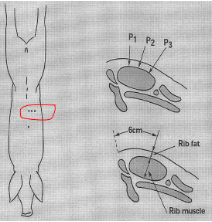
Optical probe (<100 pigs)
Measures back fat and rind thickness at P1, P2, P3
Inserted 4–5 cm (P1), 6.5 cm (P2), 8 cm (P3) from dorsal midline
HGP, FOM, UltraFOM
UltraFOM: non-invasive, automatic carcass grading system using 3D image
🐮 Cattle (calves <25 kg not classified)
Weight: hot carcass weight after vet inspection within 60 min after bleeding
Whole kg (cattle), 0.5 kg (sheep)
Without: head, feet, hide, tail, all organs, spinal cord, major blood vessels
Age and sex categories
T = calves >2 weeks and <150 kg
M = young cattle <12 months and >150 kg
A = young bulls (uncastrated male 1–2 years)
B = bulls
C = steers (castrated male)
D = cows
E = heifers (non-calved)
🐑 Sheep
Slaughterhouses with >1000 sheep/year
Based on weight and fatness
Lean carcass preferred
Assessed by palpation along spine and loin
🟢 Grading of carcasses
🐷 Pigs
S = best, P = worst
S = ≥60% lean meat ⭐
E, U, R, O = decrease by 5% lean meat each grade
P = ≤40% lean meat ⭐
Not classified pigs
N = carcass <59.9 kg
T = carcass >120 kg
Z = fleshy sow
H = poor sow
K = boars and cryptorchids
Marking: safe waterproof colour on hindfeet or front side of thigh of each half, at least 20 mm, plus identification stamp
🐮 Cattle
Conformation grades (S–P) = amount of meat present
S = all profiles extremely convex, exceptional muscle development ⭐
R = straight profile, very good muscle development
P = all profiles concave to very concave, poor muscle development ⭐
Fatness grades (1–5) = amount of fat present
1 = very low fat, thoracic cavity without fat cover
3 = moderate subcutaneous fat
5 = very thick layer of subcutaneous fat ⭐
Marking: safe waterproof colour on both forefeet or both shoulders and thighs, at least 20 mm, plus identification stamp
🐑 Sheep
Marking: safe waterproof colour on inside of both thighs, at least 15 mm, plus identification stamp at least 20 mm
⭐ Exam memory:
Pig = lean meat % (SEUROP)
Cattle = Conformation (S–P) + Fatness (1–5)
Sheep = Weight + Fatness
what is the duty of official vet in this process? The OV performs ante-mortem and post-mortem inspection and determines whether the carcass is fit for human consumption. After the veterinary inspection, the carcass can be classified and graded by certified classifiers. The OV supervises the process and ensures compliance with legislation, food safety and animal welfare requirements
35. Hygiene and technology of processing and storage of animal by-products in the meat industry, including SRM.
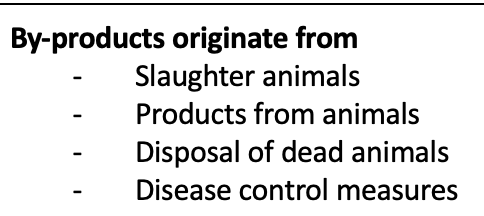
🔵 Animal by-products
Not intended for human consumption
Potential risk to public and animal health
Legislation:
Reg. (EC) 1069/2009 & 142/2011 → ABP health rules
Reg. (EC) 999/2001 → prevention, control and eradication of TSE
🟢 Hygiene and technology of processing
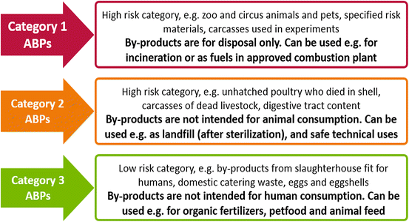
Category 1 & 2: methods 2–5 (unless authority requires Method 1)
Category 3: methods 1–5 or 7
Records kept for 2 years to document CCP values
ABP Categories
🔴 Category 1 (highest risk)
SRM, TSE animals, Zoo, circus and pet animals, Illegal treatment, Residues, Contact with wastewater treatment material
Use:
Disposal only, Incineration 1300C, Fuel production after processing
🟠 Category 2 (high risk)
Dead livestock, Digestive tract content, Unhatched poultry embryos, Material not suitable for animal consumption
Use:
Landfill (after sterilisation), Technical purposes
🟢 Category 3 (lowest risk)
By-products from healthy slaughtered animals fit for human consumption but not used
Hides, feathers, blood, fish by-products, eggshells
Use:
Organic fertiliser, Pet food, Animal feed, Biogas
⚠ Do NOT feed cattle-derived products back to cattle
⚠ Do NOT feed meat-and-bone meal because of TSE/BSE risk
🟣 Standard processing methods
Method 1 – Pressure sterilisation ⭐
Particle size ≤ 50 mm
133°C / 20 min / 3 bar ⭐
Method 2
Particle size ≤ 150 mm
100°C / 125 min
Method 3
Particle size ≤ 30 mm
120°C / 13 min
Method 4
Particle size ≤ 30 mm
Fat added
130°C / 3 min
Method 5
Particle size ≤ 20 mm
100°C / 60 min
Fat and water removed by pressing
Method 6 (Category 3 aquatic animals/invertebrates only)
Particle size 30–50 mm
Formic acid → pH ≤4
Stored 24 h
90°C / 60 min
Method 7
Alternative validated method
Must eliminate hazards:
Clostridium perfringens absent in 1 g after treatment
Salmonella absent in 25 g
Enterobacteriaceae controlled
🟠 Alternative processing methods
Alkaline hydrolysis
NaOH and/or KOH
150°C / 3 h / 4 bar
High-pressure hydrolysis biogas process
Method 1 sterilisation first
220°C / 20 min / 25 bar
Anaerobic fermentation in biogas reactor
Biogas combusted at 900°C
Biodiesel production
Fat fraction separated
Esterification: pH <1 with sulphuric acid, 72°C / 2 h
Transesterification: pH 14 with KOH
Vacuum distillation at 150°C
Final product = biodiesel
🟤 Storage of by-products
Must be stored appropriately to prevent risk to public and animal health
Governed by Regulation (EC) 1069/2009
🔴 Specific Risk Material (SRM) ⭐
Category 1 material
Includes:
TSE-risk material
Illegal treatment
Residues
Contact with wastewater treatment material
Must be stained immediately with:
Patent Blue V (0.5%) ⭐
Disposal routes
Incineration
Rendering + incineration
Rendering + landfill
⭐ High-yield exam facts
Method 1 = 133°C, 20 min, 3 bar
SRM = Category 1
Patent Blue V (0.5%)
3 disposal routes: incineration, rendering + incineration, rendering + landfill
ABP legislation = 1069/2009, 142/2011, 999/2001
Not interested in all the methods from 1-7 (committee 1), wanted to know about the categories 1-3 and how these were disposed of (as in question 36). By-products of category 3 can not be used for animal feed if from the same animal (cattle product for cattle feed). By-products of category 1 should be incinerated at 1300 degrees.
Committee 2 (2024): Only interested in methods 1, 6 and 7, wanted to know about category 3 by-products and their use. Not feed cattle to cattle and don't feed bone-meal because of TSE.
36. Categorization, disposal and use of animal by-products not intended for human consumption.
🔵 Animal by-products not intended for human consumption
Potential source of risk to public and animal health
Regulation (EC) 1069/2009 & 142/2011 → health rules for by-products and derived products not intended for human consumption
Regulation (EC) 999/2001 → prevention, control and eradication of TSE
⭐ If animal by-products of different categories are mixed → handled as the HIGHEST RISK category
🔴 Category 1 (highest level of hazard)
Entire bodies and all body parts, including hides and skins from:
Animal suspected for TSE
Pet/zoo/circus animals
Experiment animals
Wild animals suspected with infection of transmissible disease
Specified Risk Material (SRM) ⭐
Cattle: skull, brain, eyes, spinal cord, vertebral column (older cattle), tonsils, last 4m of small intestine, cecum, mesentery (all ages)
Small ruminants: skull, brain, eyes (older), spleen, ileum (all ages)
depending on species and age according to current EU legislation
Animals submitted for illegal treatment
Animals submitted with residues or environmental contaminants
Animals collected during treatment of wastewater
Disposal and use
Pressure sterilization: permanent marking and burial in authorized landfill (133°C, 20 min, 3 bar) ⭐
Incineration: directly or after pressure sterilization (TSE) ⭐
Transformed into biogas

🟠 Category 2
Manure and GIT content
Animal products collected during wastewater treatment
Animals with authorized residues (NSAIDs, sedatives, antibiotics)
Declared unfit for human consumption due to foreign bodies
Products imported/introduced from third countries failing EU veterinary legislation
Animals and parts of animals that died other than slaughter for human consumption:
Disease purpose, Foetus, Oocyte, Embryo, Semen, Dead-in-shell poultry
Disposal and use
Same methods as Category 1 (incineration, pressure sterilization, biogas)
After pressure sterilization and permanent marking it can be used as:
Organic fertilizers, Soil improvers, Compost, Biogas
Some by-products can be applied to land without processing:
Manure, GIT content, Egg by-products
Aquatic animals:
Ensiled, Composted, Transformed into biogas
Technical uses: Fuel for combustion, Manufacture of derived products: Cosmetics and Medical products

🟢 Category 3 (everything else from animals with NO signs of disease) ⭐
Carcass/parts fit for human consumption but not intended due to commercial reasons
Head and feathers of poultry, hides and skins, horns and feet, pig bristles
By-products from poultry and lagomorphs, day-old chicks, hatchery by-products, eggs and eggshells
Pet food and feeding stuff of animal origin no longer intended for feeding
Blood, placenta, wool, feathers, hair, horns, hoof cuts, raw milk
Aquatic animals (except sea mammals)
Catering waste
Disposal and use
Same methods as Category 1 and 2
Processed for the manufacturing of feed for:
Farm animals, Fur animals, Pet food (raw)
Manufacturing of organic fertilizer or soil improvers
Composted or transformed into biogas
Applied to land without processing:
Raw milk, Colostrum
Fuel for combustion
Manufacture of derived products:
Cosmetics, Medical products
⚠ Committee note: Category 3 can be used for feed, BUT not species-to-species feeding (e.g. cattle products → cattle feed). Meat-and-bone meal restrictions are due to TSE/BSE risk.

⭐ Committee favourites
Category 1 = highest risk = SRM = TSE
Method 1 = 133°C, 20 min, 3 bar
Category 1 → incineration (often mentioned as ~1300°C)
Category 3 → feed, pet food, fertilizer, biogas
Do NOT feed cattle-derived products back to cattle because of TSE/BSE risk.
Focus on how to destroy category 1 material and what you can use it all for
what is the colors associated with the risk category? 1 black, 2 yellow, 3 green.
37. Basic technological equipment and procedures in meat production
Basic technological equipment
🔪 Meat grinder (mincer)
Forces meat or meat trimmings through a barrel with rotating knives
Produces minced meat 1–13 mm thickness
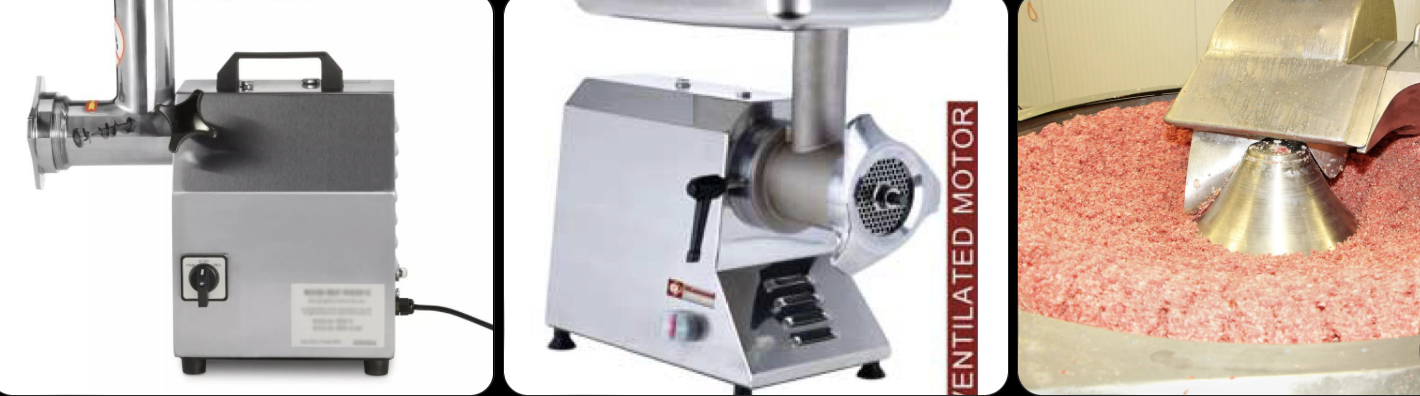
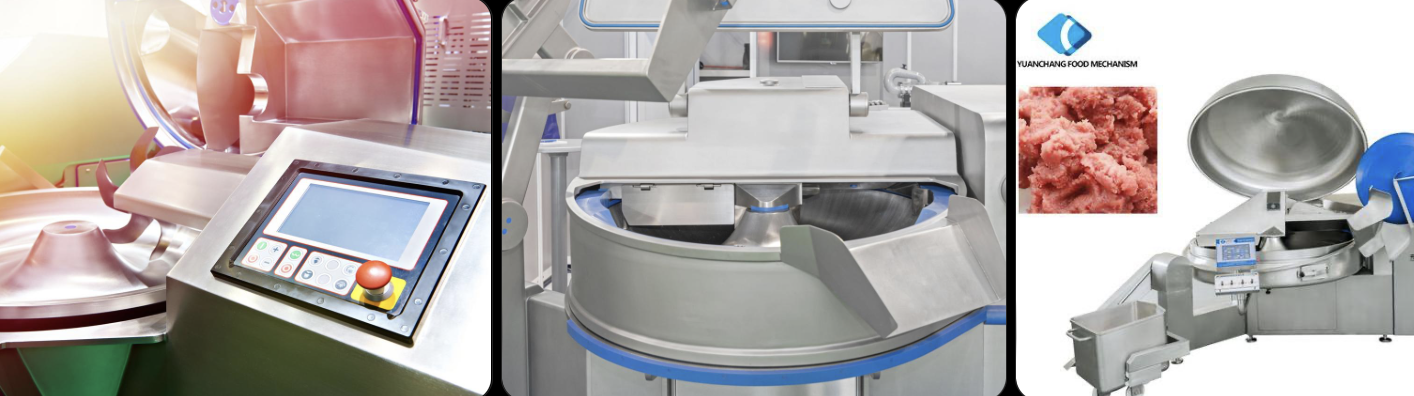
🥣 Bowl cutter
Horizontally revolving bowl + curved knives rotating vertically at high speed
Produces finely comminuted lean meat and fat particles
🌭 Filling machine
Fills meat batter into casings, glass jars, cans etc.
Small/medium operations: piston type (manual) → piston forces meat through filling nozzle
Large operations: continuous vacuum stuffers → remove more air ⭐

📎 Clipping machine
Applies aluminium sealing clips on sausages
Replaces manual tying
🧊 Ice flaker
Produces ice flakes from potable water
Keeps meat batter temperature low ⭐
🪓 Frozen meat cutter
Cuts frozen meat blocks into smaller pieces
Types:
Guillotine (vertical knives)
Rotating drum with knives
💉 Brine injector
Injects brine (salt, nitrite, additives) into meat
Used for ham, bacon etc.
2°C
🥁 Tumbler / Massager
Rotating drum with steel paddles
Ensures equal brine distribution
Liberates muscular proteins from meat tissue
10°C tumble room (microbial prevention)

Procedures in meat production
1⃣ Cutting (size reduction)
Forms meat batter
Meat particles evenly distributed
Lean meat method: prepared in two steps
All-in method: meat and fat together from start
2⃣ Mixing / Tumbling / Tenderisation
Mechanical rupture of muscle cells
Releases proteins → forms colloids
Enhances water-holding capacity ⭐
Tumbling more effective due to higher forces
Vacuum tumbling even more effective
Tenderisation = small cuts with rollers or blades
3⃣ Salting / Curing
Addressed separately in Q40
4⃣ Utilisation of spices / non-meat additives
Addressed separately in Q38
5⃣ Stuffing / Filling
Fillings placed into casings of different shapes and sizes
Followed by heat treatment ASAP
Vacuum prevents:
Air pockets, Poor firmness, Poor texture, Poor colour, Poor stability, Fat/water separation ⭐
6⃣ Smoking / Heat treatment
Addressed separately in Q40
Development of:
Colour, Flavour, Structure, Texture
Microbiological stabilisation
Limits overcooking effects
Stabilises product structure
7⃣ Drying
Addressed separately in Q40
⭐ High-yield exam points
Meat grinder = 1–13 mm minced meat
Vacuum stuffers remove air
Ice flaker keeps meat batter cold
Brine injector = salt + nitrite + additives
Tumbler = equal brine distribution + protein release
Mixing/tumbling increases water-holding capacity
Vacuum stuffing prevents air pockets and fat/water separation.