Introduction to Clinical Parasitology: Hay Infusion Procedure & Protozoan Observation
 Call Kai
 Learn
Learn Practice Test
 Spaced Repetition
 Match
Match Flashcards
 Knowt Play
1/19

There's no tags or description
Looks like no tags are added yet.
Name | Mastery | Learn | Test | Matching | Spaced | Call with Kai |
|---|
No analytics yet
Send a link to your students to track their progress
20 Terms
Hays Infusion Procedure
A microbiological culture technique used to cultivate a diverse community of microorganisms, primarily bacteria and protozoa, by soaking dried plant matter in water.
Materials for Hays Infusion
Clean bottle, hay (grasses with long leaves), tap water, canal water, Pasteur pipette, glass slide, coverslip, and microscope.
Steps in Hays Infusion Procedure
1. Boil 1 glass of tap water. 2. Add hay and simmer for 3 minutes. 3. Transfer to a clean bottle and cool without removing the hay. 4. Add canal water and cover half-closed for 2-3 days. 5. Draw a sample and observe under a microscope.
Purpose of Hays Infusion
To study population dynamics, nutrient cycling, and the morphology of freshwater microorganisms.
Initial Microbial Activity in Hays Infusion
Aerobic bacteria proliferate by decomposing the hay's carbohydrates, providing food for protists.
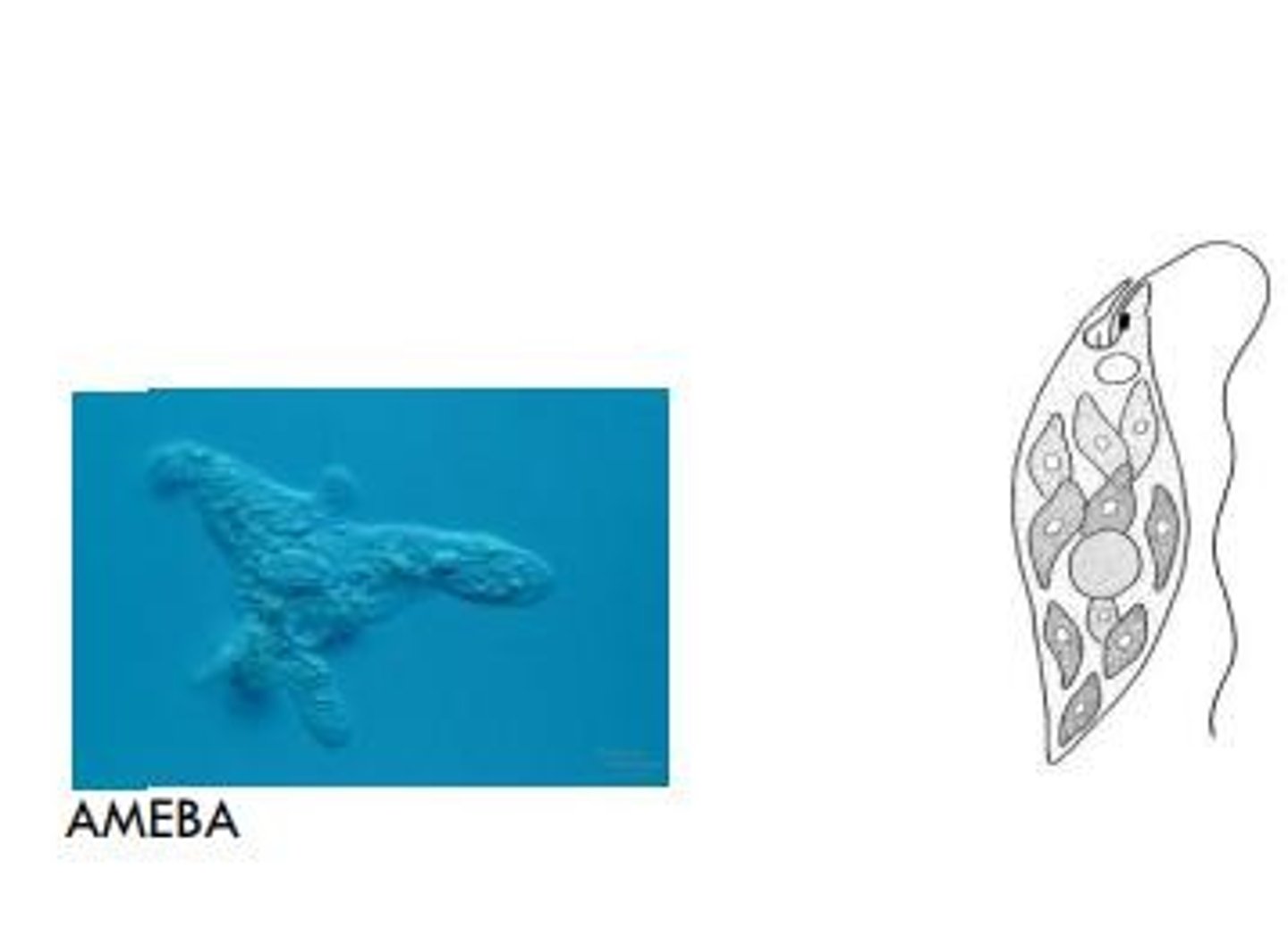
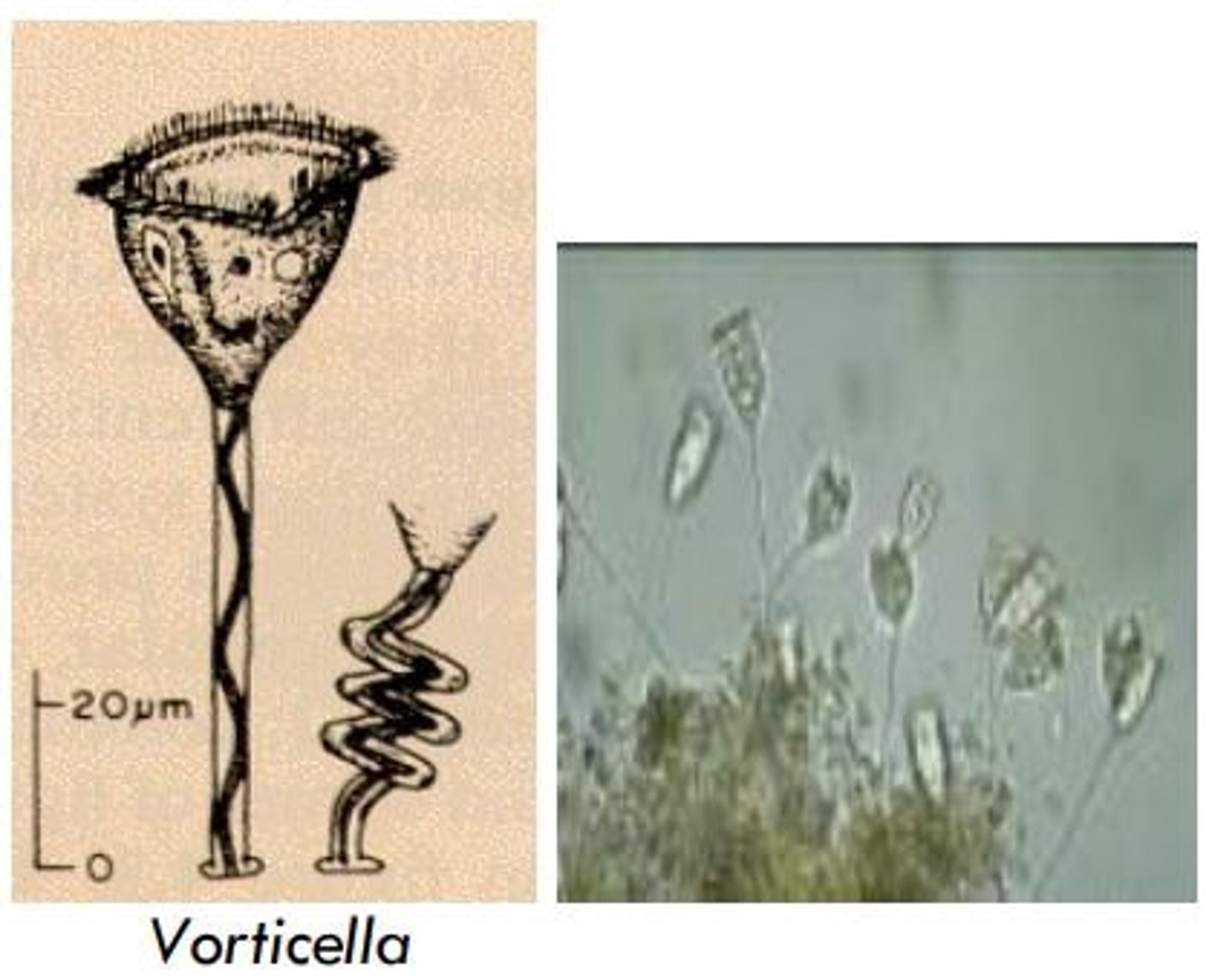
Common Protozoa in Hay Infusion
Paramecium, Amoeba, and Vorticella.
Ecological Succession in Hays Infusion
The process where organic nutrients released from soaked plant matter facilitate the growth of various microorganisms.
Observation in Hays Infusion
Using a microscope to examine the motility of protozoa and draw the observed parasites.
Role of Canal Water in Hays Infusion
Provides additional microorganisms and nutrients to the culture.
Importance of Hays Infusion in Laboratory
It is a standard procedure for studying microbial ecology and interactions in freshwater environments.
Cooling Phase in Hays Infusion
Allows the mixture to stabilize and encourages microbial growth without removing the hay.
Microscope Use in Hays Infusion
To observe and analyze the motility and morphology of protozoa present in the sample.
Duration of Hays Infusion Culture
The culture should stand at room temperature for 2-3 days.
Significance of Aerobic Bacteria in Hays Infusion
They decompose organic matter, which is essential for nutrient cycling in the culture.
Hay in Hays Infusion
Serves as a source of organic matter and nutrients for microbial growth.
Pipette Function in Hays Infusion
Used to draw samples from the culture for microscopic examination.
Coverslip Use in Microscopy
To cover the drop of sample on the glass slide, preventing contamination and allowing clear observation.
Observation Technique in Hays Infusion
Place a drop of the sample on a glass slide and cover with a coverslip before examining under a microscope.
Types of Microorganisms Cultivated in Hays Infusion
Primarily bacteria and protozoa.
Hays Infusion as a Teaching Tool
Used in laboratories to demonstrate ecological principles and microbial life cycles.