Biology Exam Questions SEM 1
 Call Kai
 Learn
Learn Practice Test
 Spaced Repetition
 Match
Match Flashcards
 Knowt Play
1/65

There's no tags or description
Looks like no tags are added yet.
Name | Mastery | Learn | Test | Matching | Spaced | Call with Kai |
|---|
No analytics yet
Send a link to your students to track their progress
66 Terms
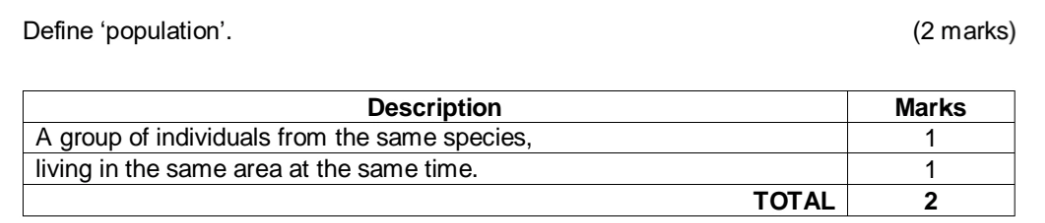
Define Population
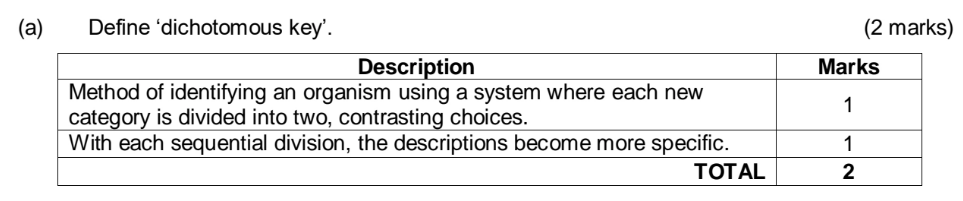
Dichotomous key
A key that offers two opposite statements (choices) of a trait or
characteristic of an organism.
1
Each statement/choice leads to another set of two statements. This
process continues until a final classification is determined.
1
Used to determine an organism's taxonomic group or particular
species.
1
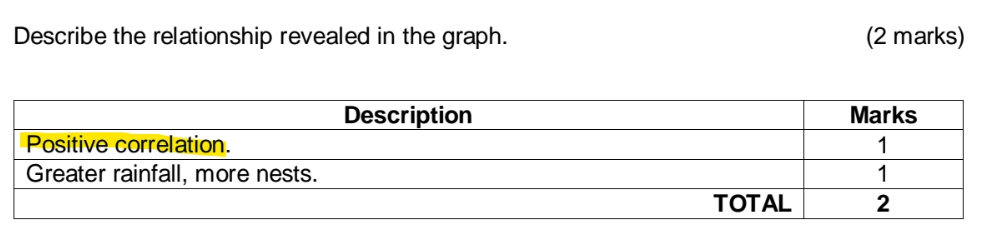
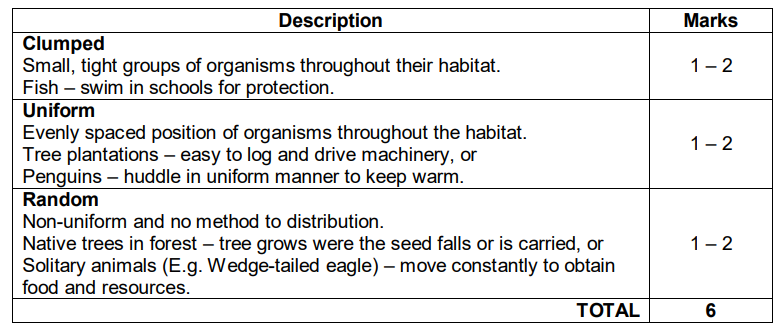
Describe relationship in graphs










Which sampling method would be most effective at monitoring the progress of newly released marsupials from a captive breeding program?
Monitoring newly released animals requires tracking individuals to observe their movements, survival, and adaptation to the wild.
Radio-tracking. (Allows for real-time or regular tracking of individual animals fitted with transmitters, making it ideal for monitoring their movements, dispersal, and survival after release.)
Agricultural ecosystems are more susceptible to disease and invasion by pests than natural ecosystems. The most likely reason for this is the
(c) lack of ecosystem stability due to low species diversity.
Explanation: Agricultural ecosystems, especially monocultures (growing a single crop over a large area), inherently have very low species diversity compared to natural ecosystems. This lack of diversity leads to:
Reduced natural controls: There are fewer natural predators or parasites to keep pest populations in check.
Widespread susceptibility: If a disease or pest is able to infect one plant in a monoculture, it can easily spread throughout the entire crop because all plants are genetically similar and susceptible. In a diverse natural ecosystem, different species would have varying resistance, slowing the spread.
Simplified food webs: The ecosystem is less resilient to disturbances as there are fewer alternative pathways for energy flow and nutrient cycling, making it less stable.
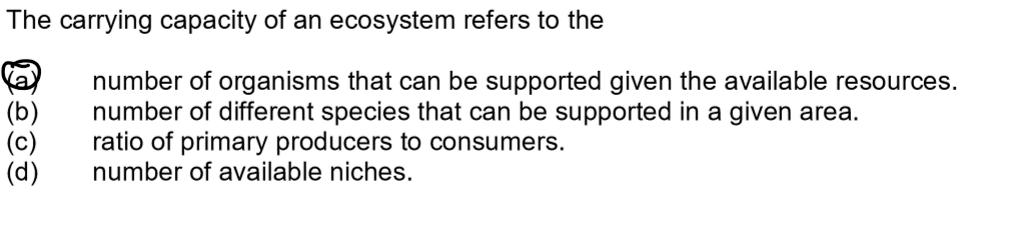
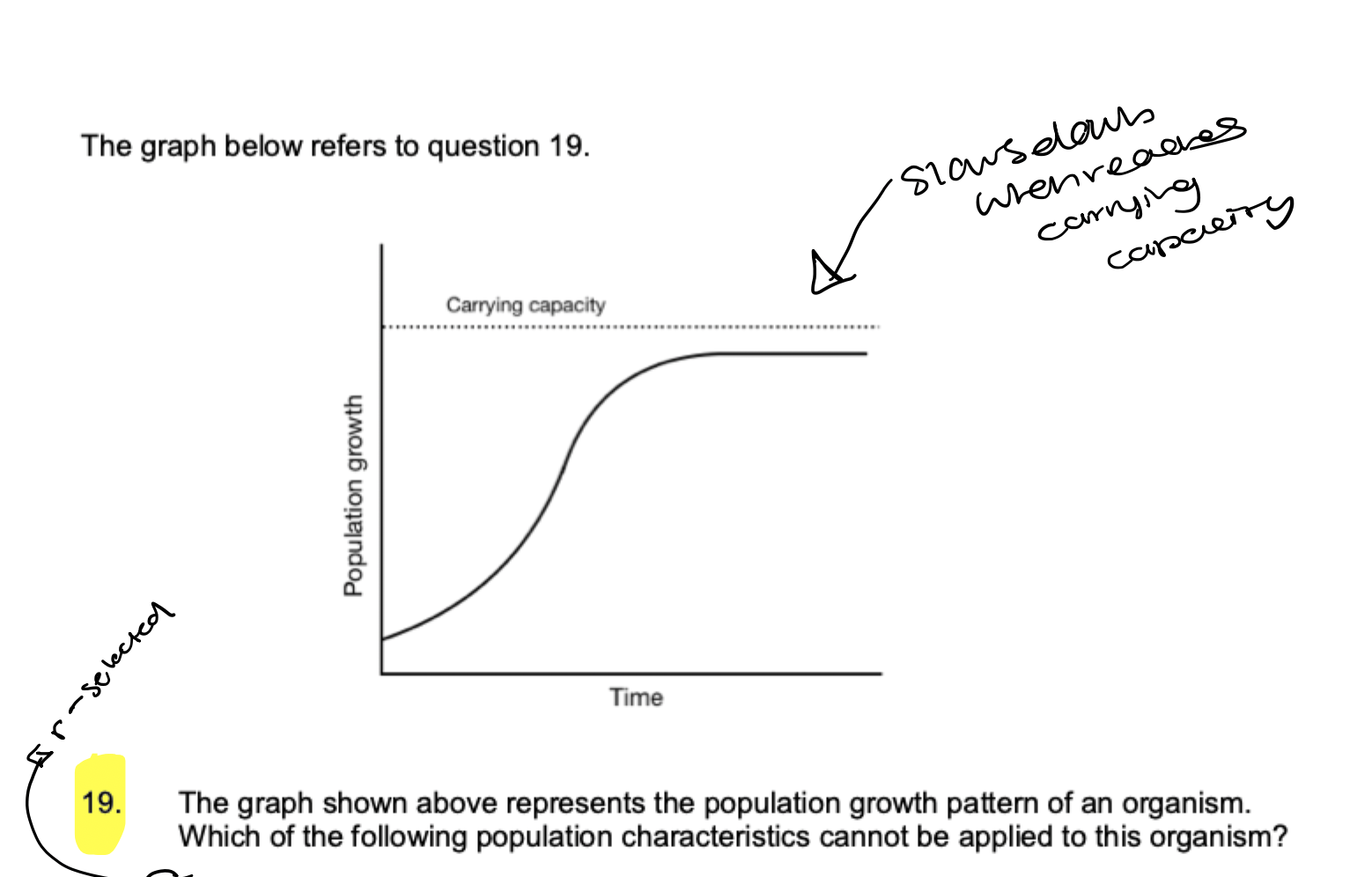
carrying capacity
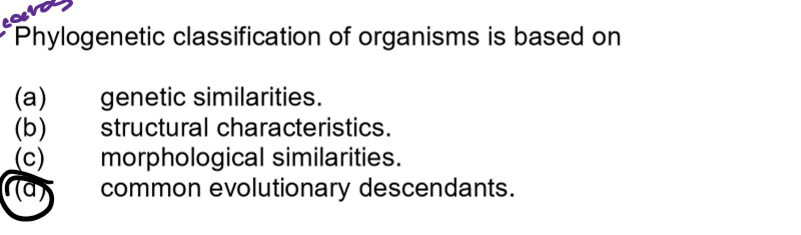
Phylogenatic classification
Describe the role of greenhouse gases in the greenhouse effect

Distinguish between food chain and food web

What effect does the migration of organisms have on the pathways of transfer of both energy and matter in ecosystems?




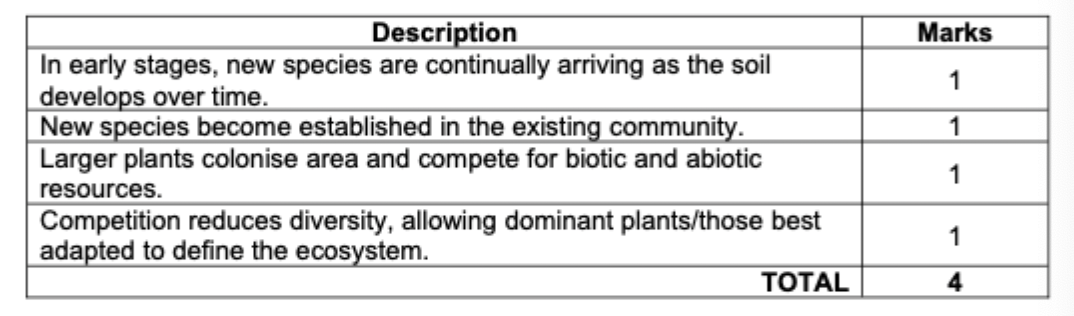

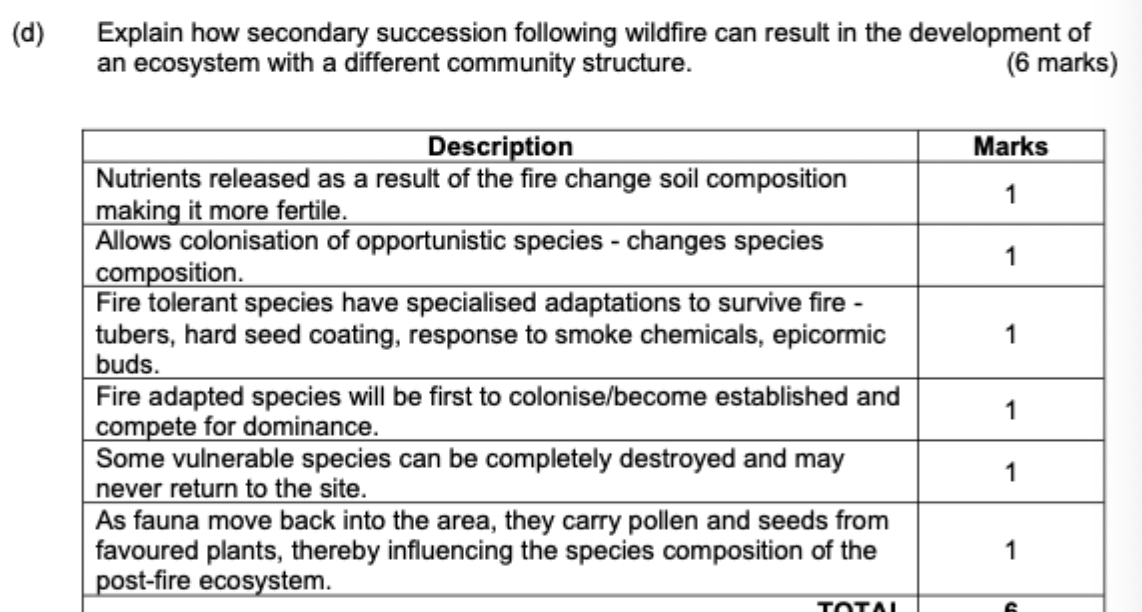

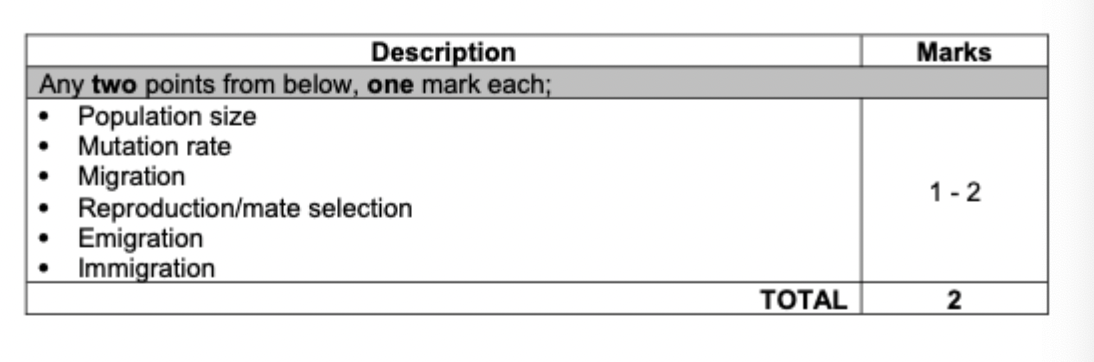

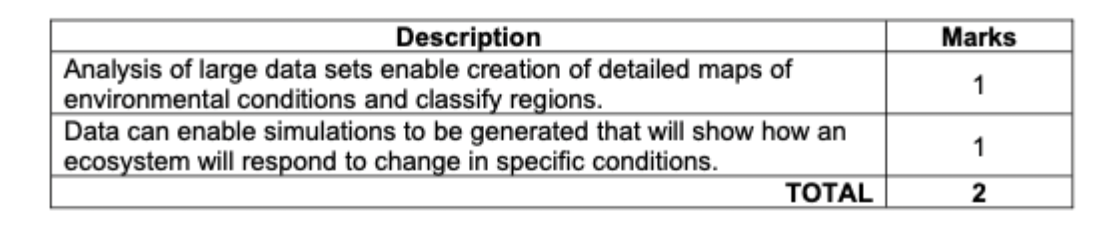






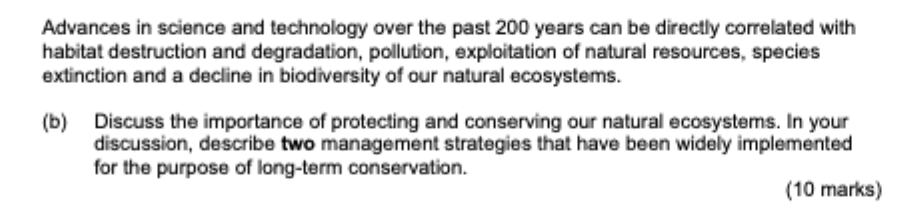
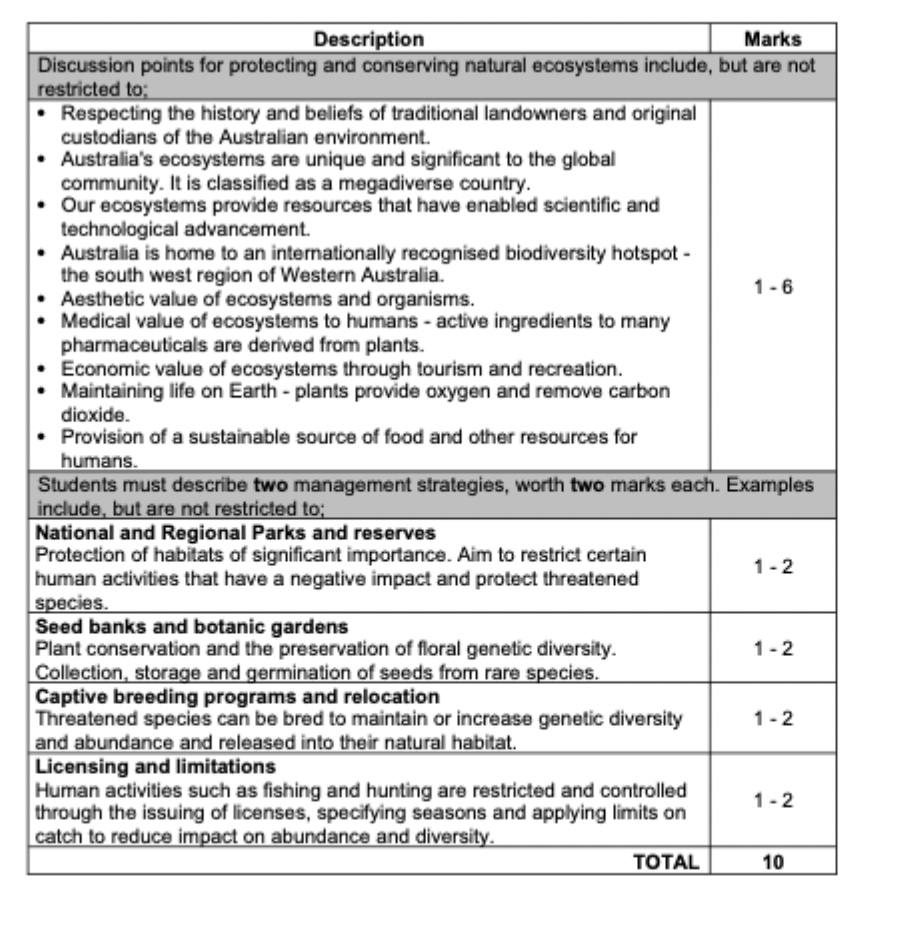
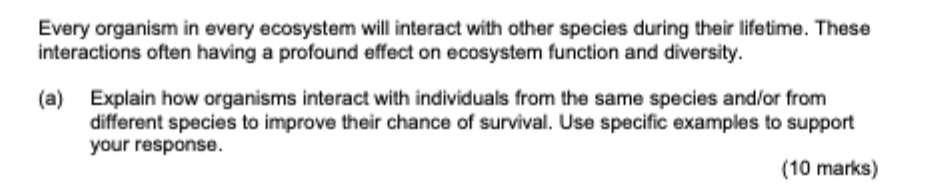
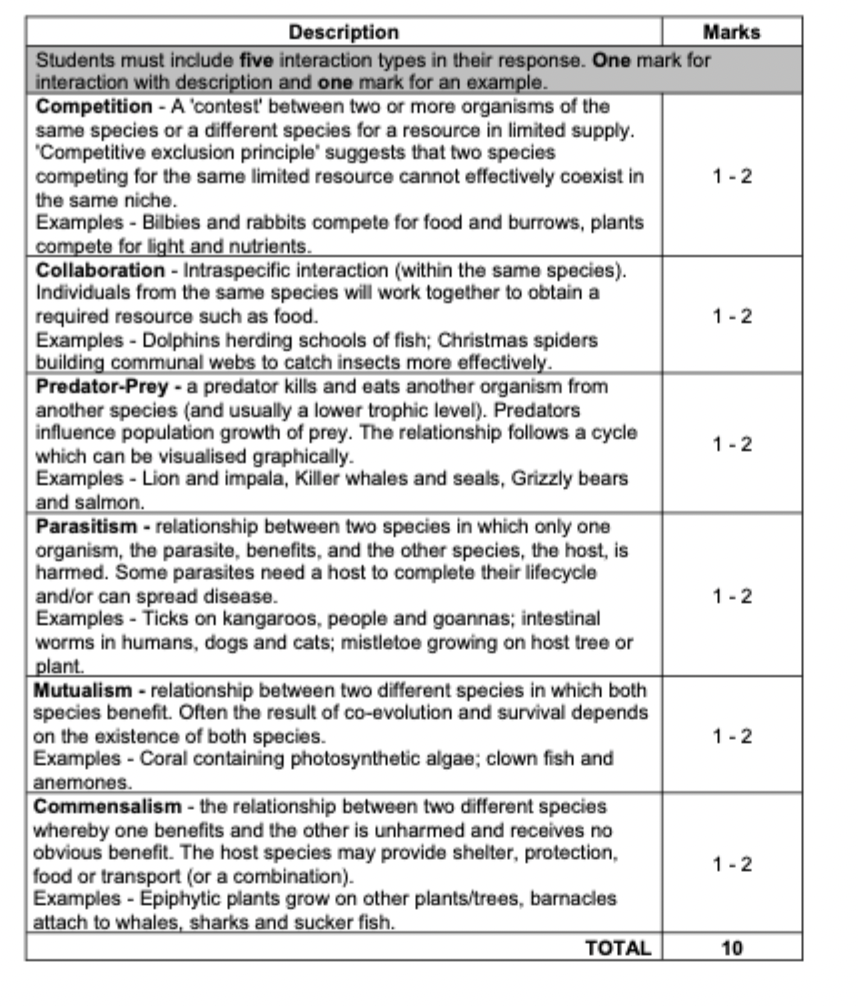

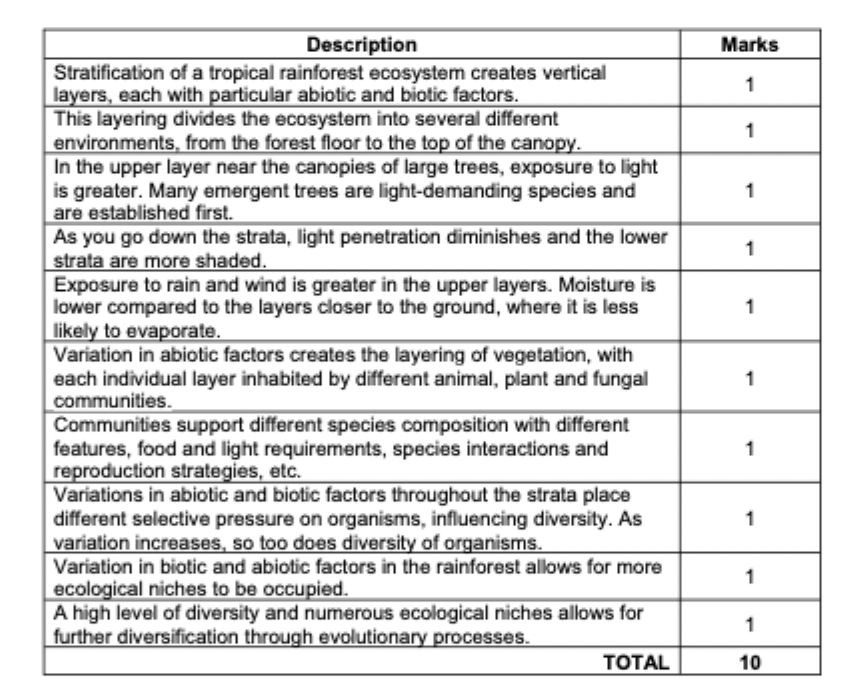

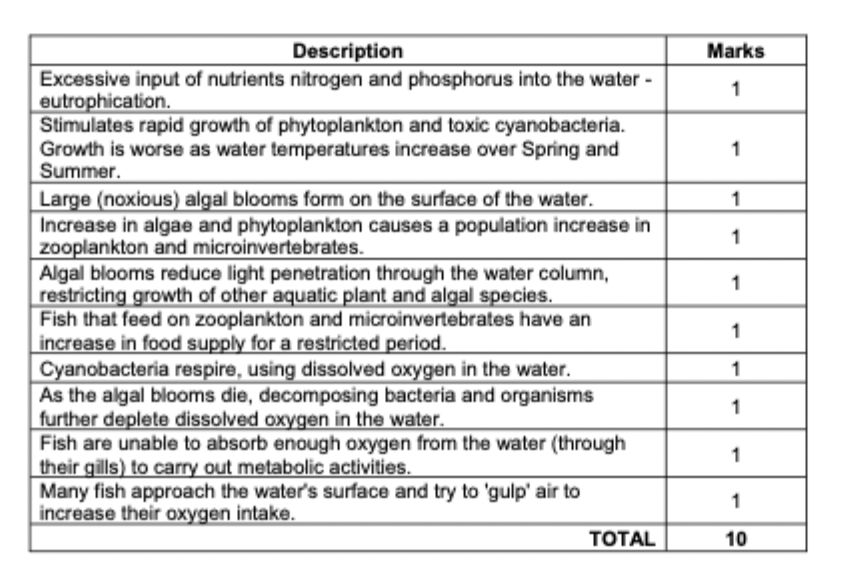

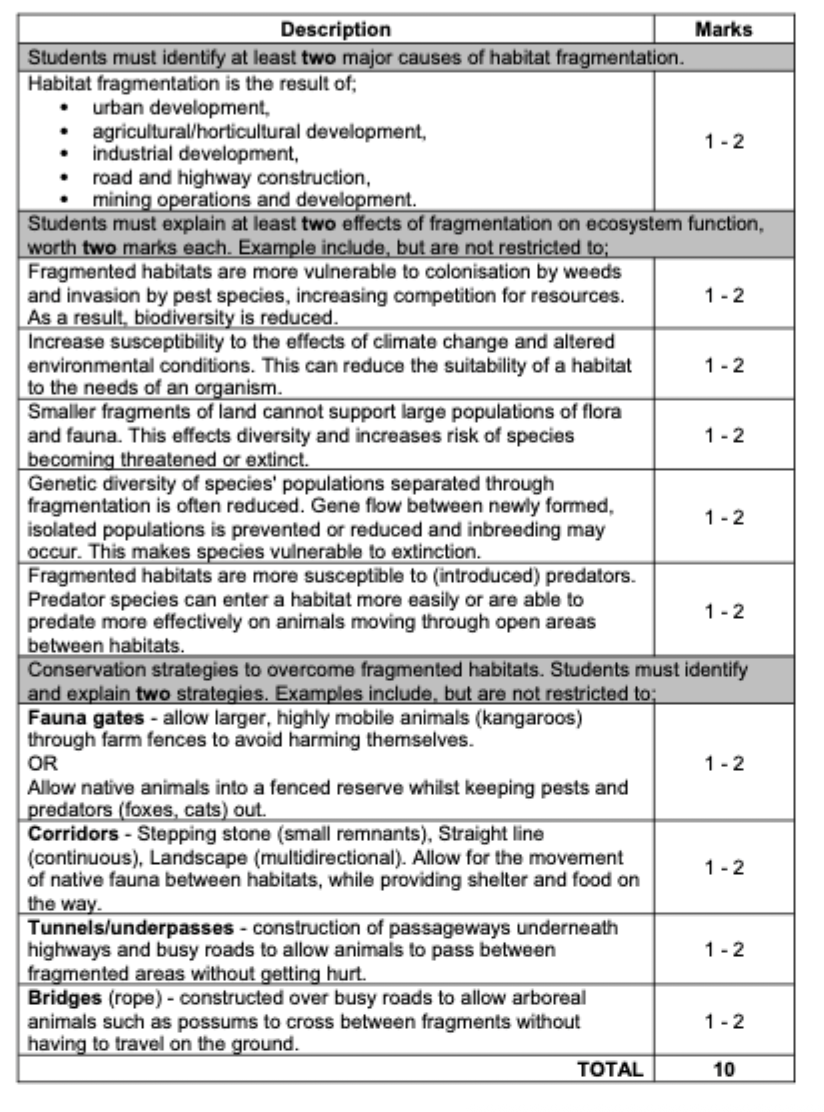

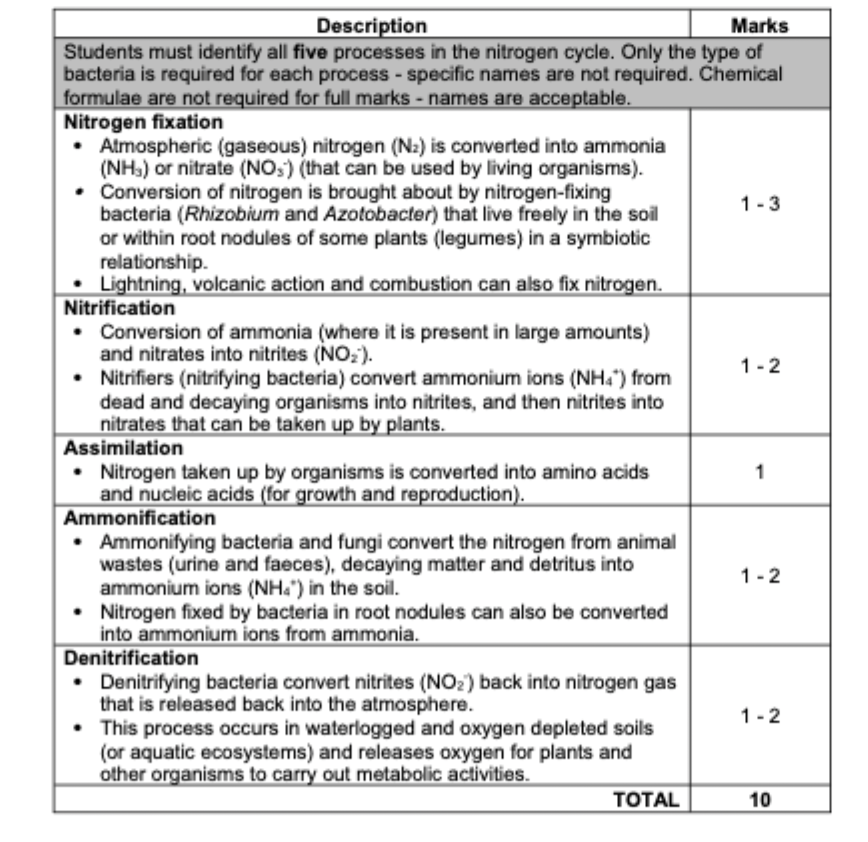

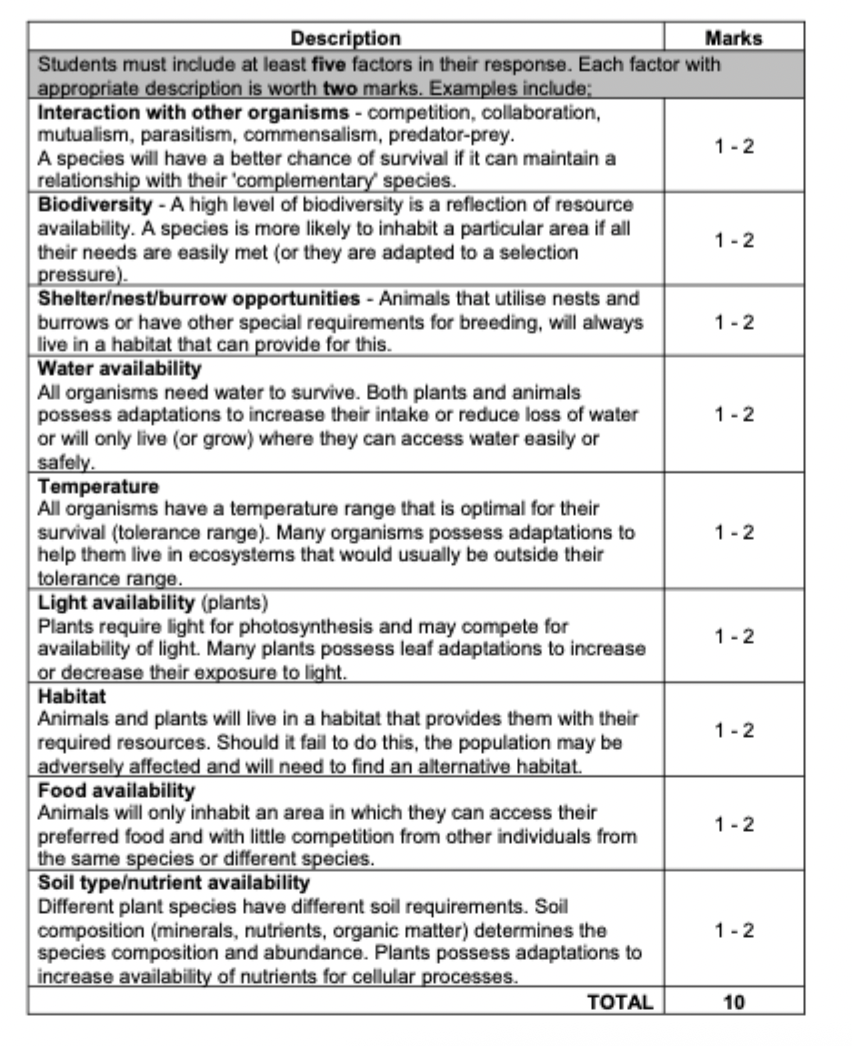









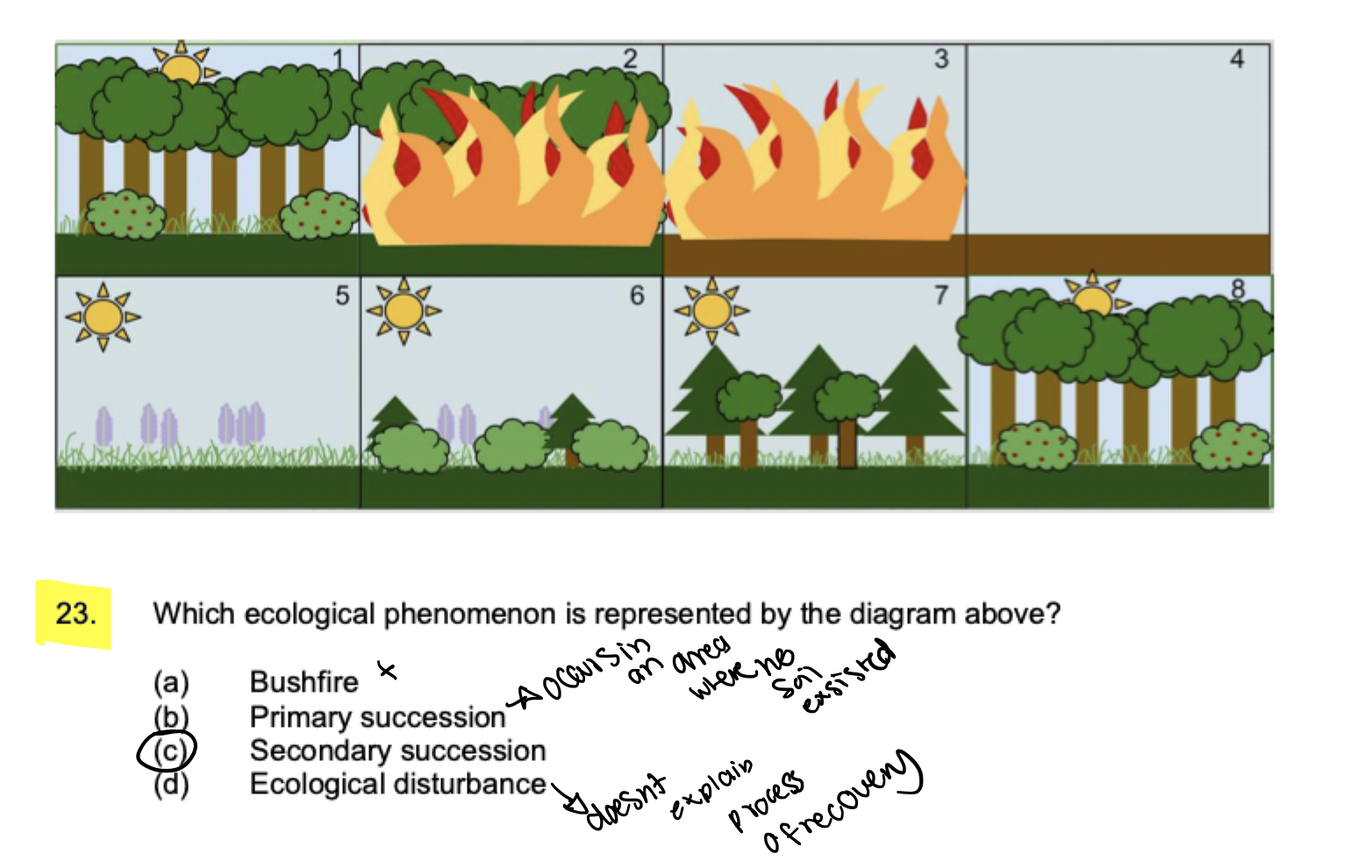
Identify the form and process through which carbon enters a food chain

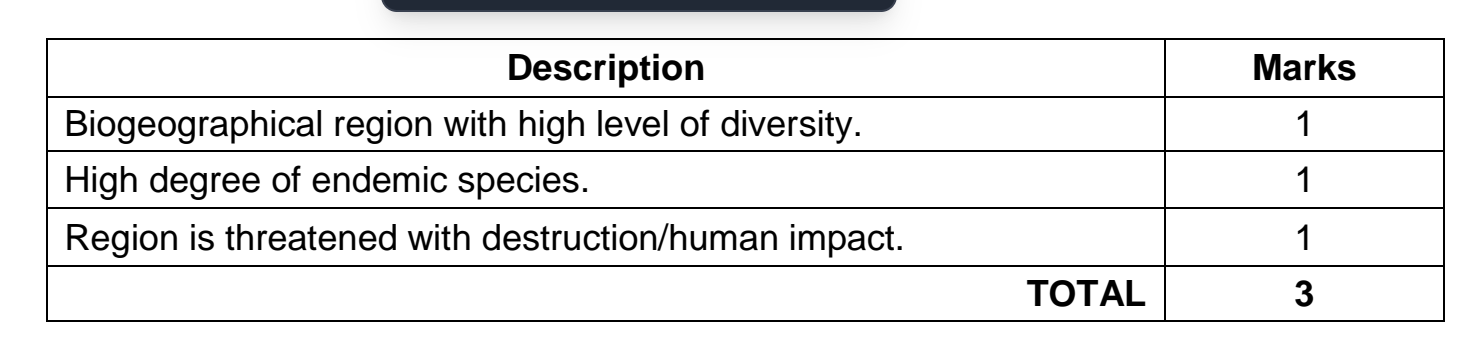
The southwest region of Western Australia is classified as a 'Biodiversity Hotspot'.
State the requirements for an ecosystem to be considered a Biodiversity Hotspot
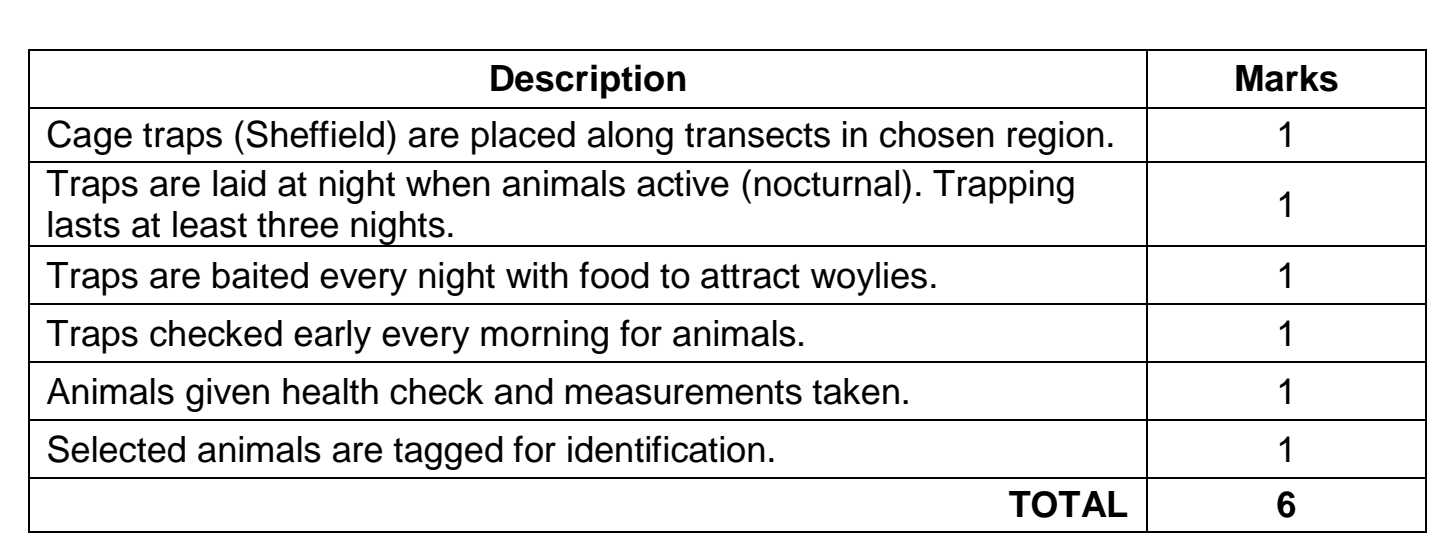
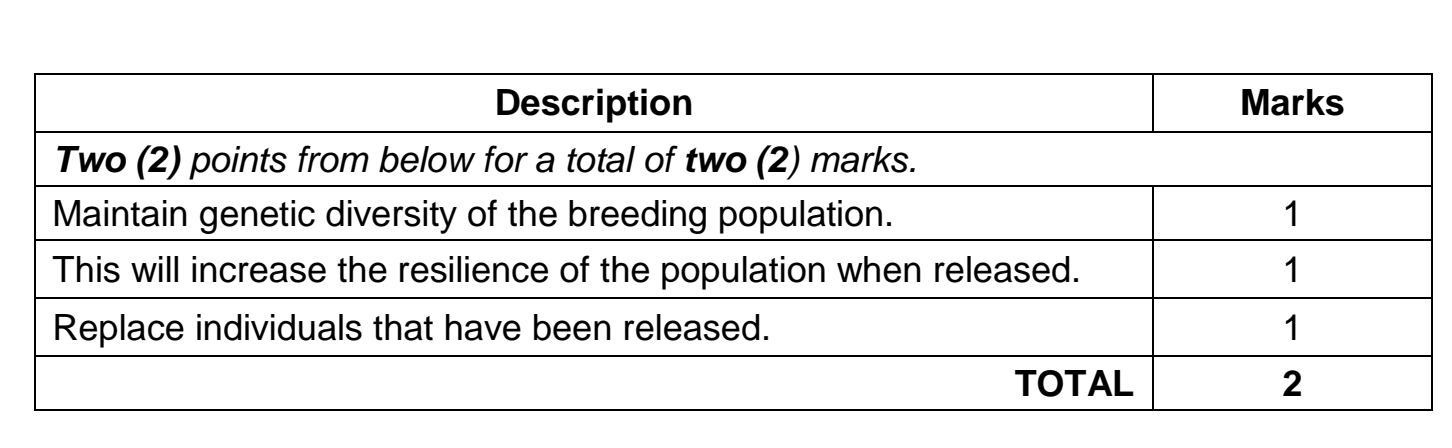
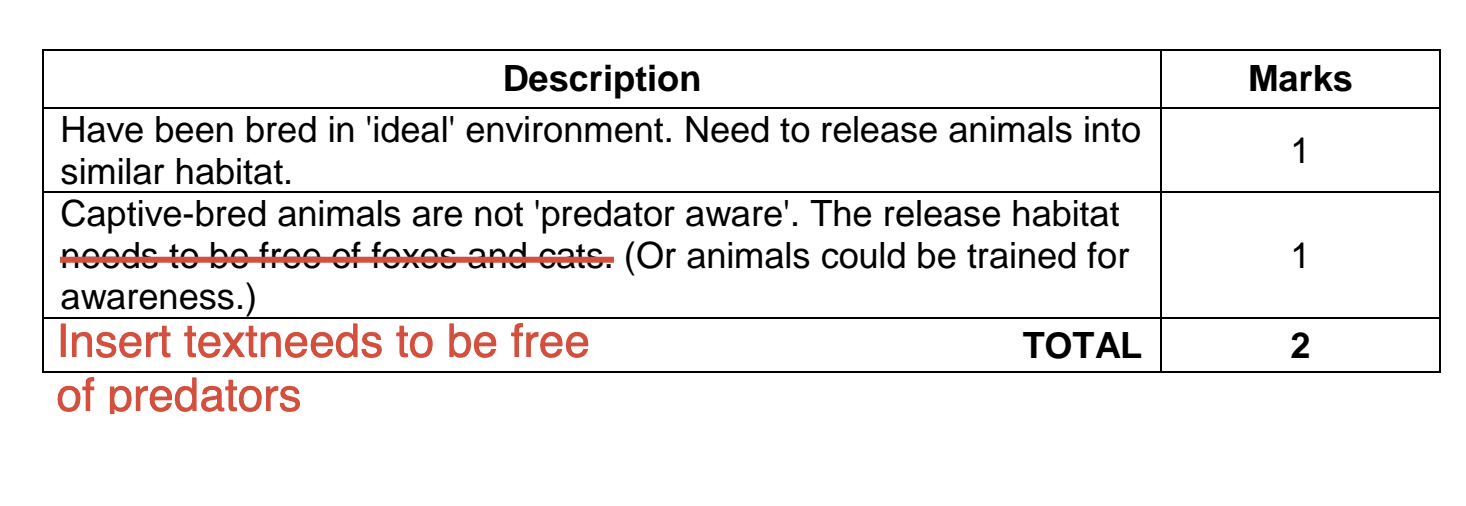
Explain the reasoning behind the removal of other native animals from Perup sanctuary



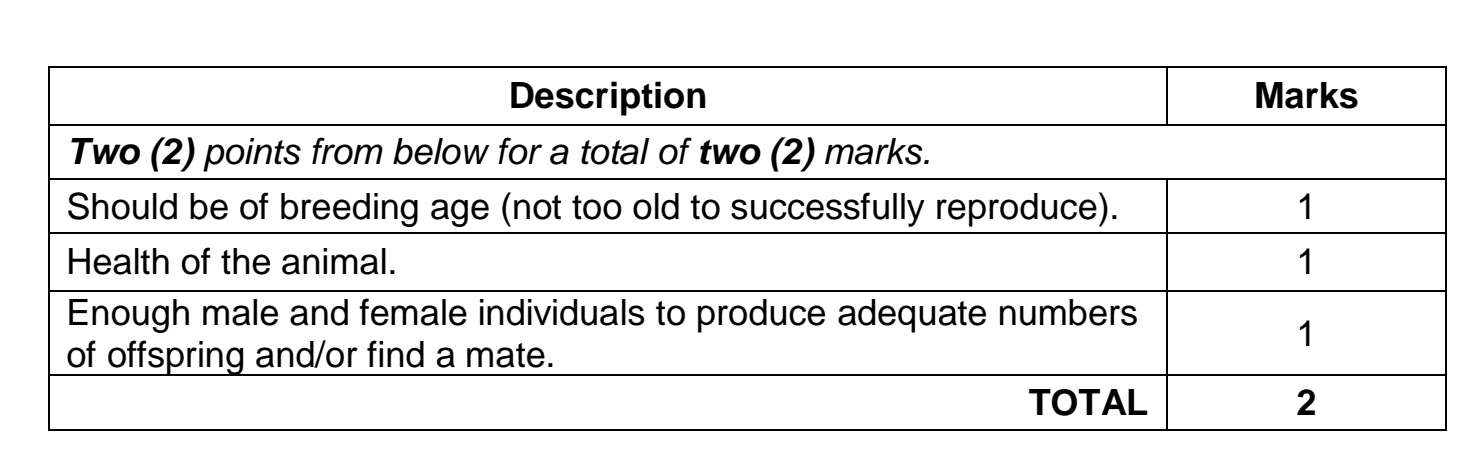


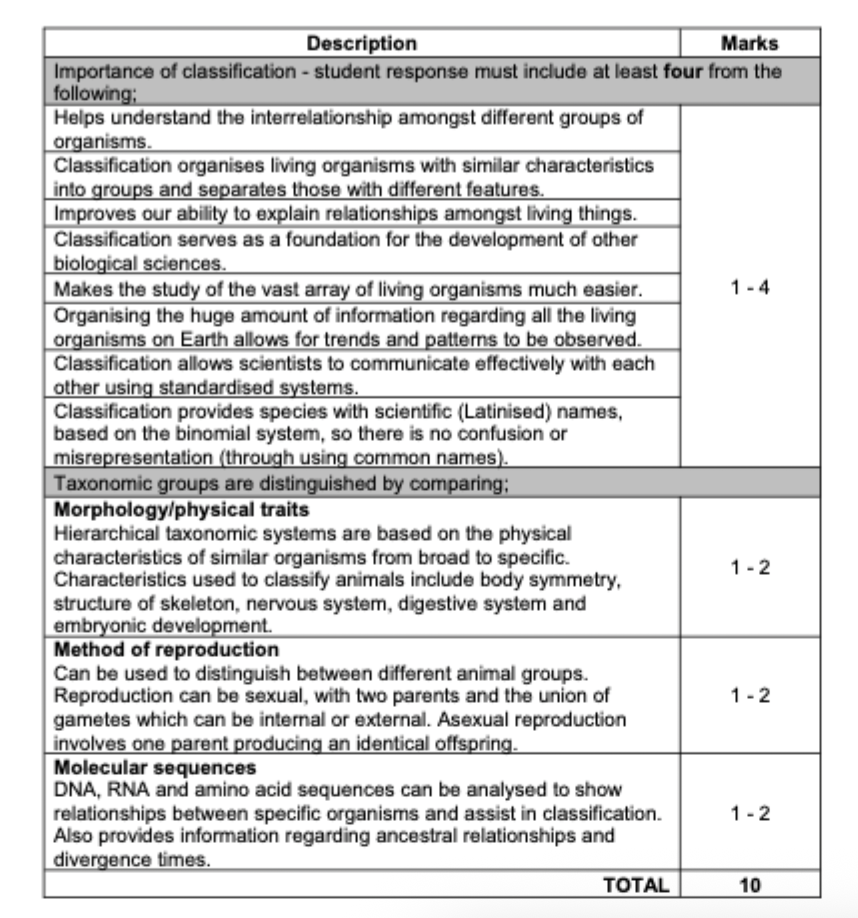
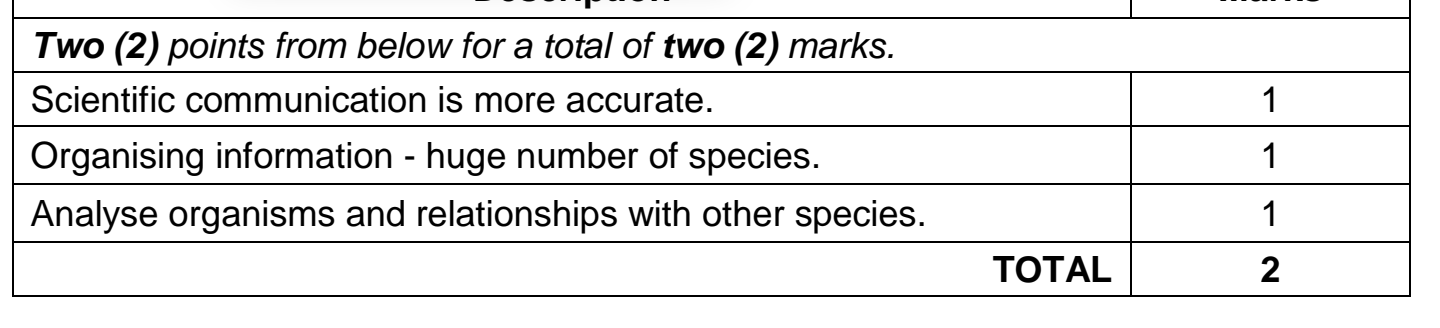
Outline two (2) reasons why scientists classify organisms.
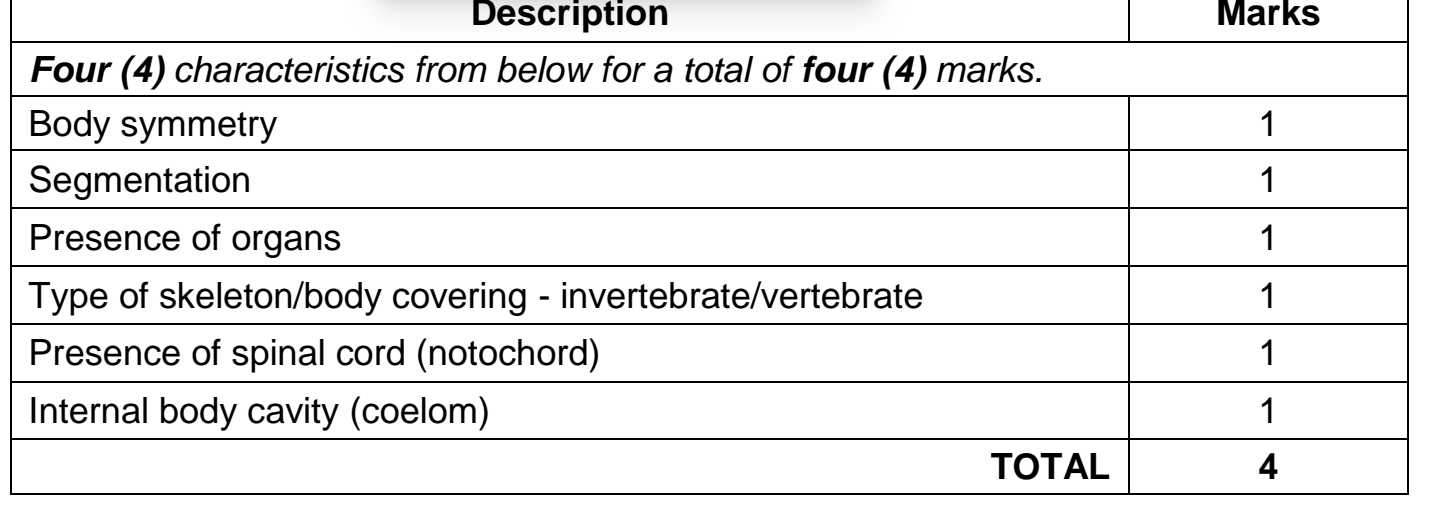
Identify four (4) major morphological characteristics that are used to classify animals
into their appropriate phylum.
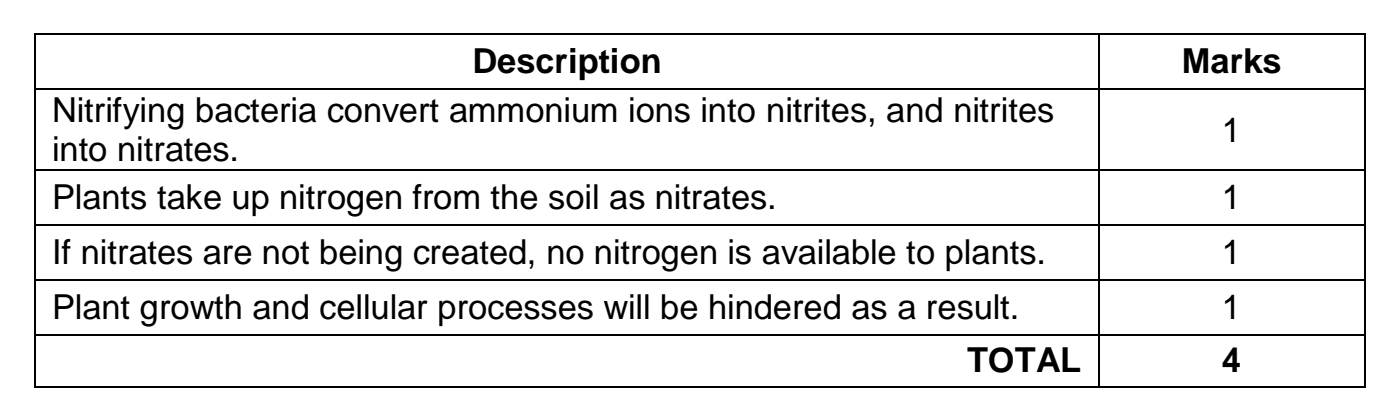
Explain how the loss of nitrifying bacteria has affected the cycling of nitrogen in the soil
and plant growth. Use the data in Table 2 to help formulate your response.
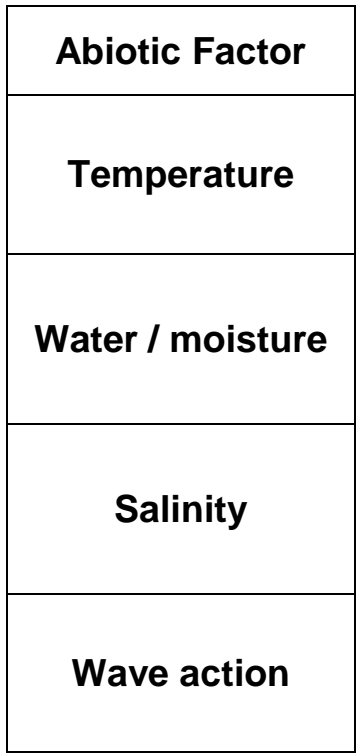
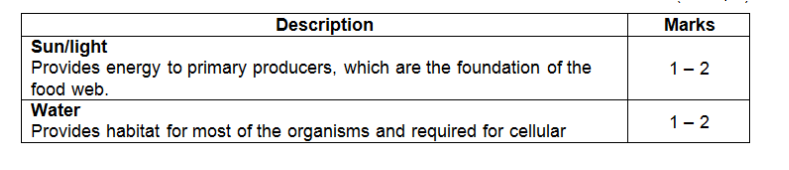
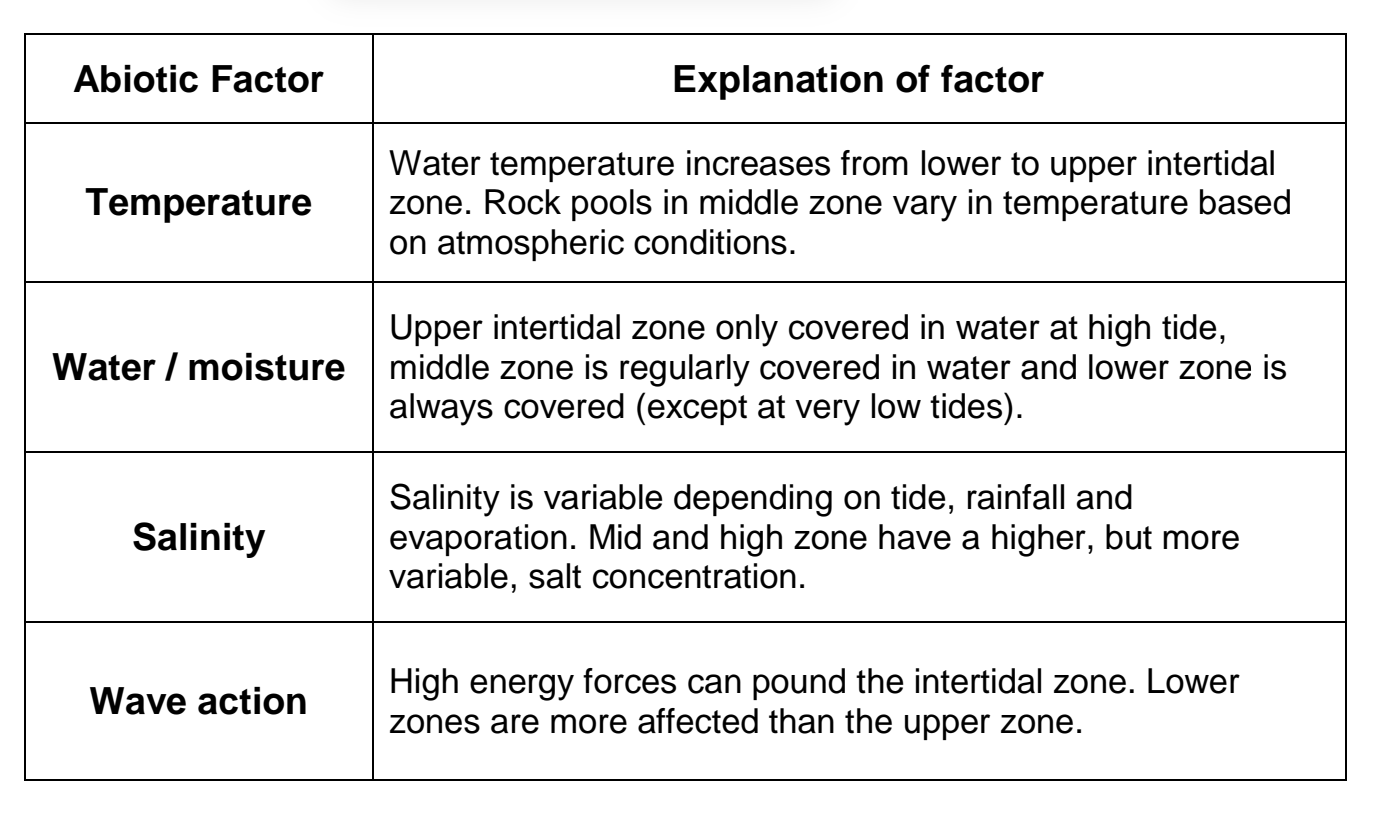
Complete the table below by explaining the dynamics of each abiotic factor in the
intertidal zone.
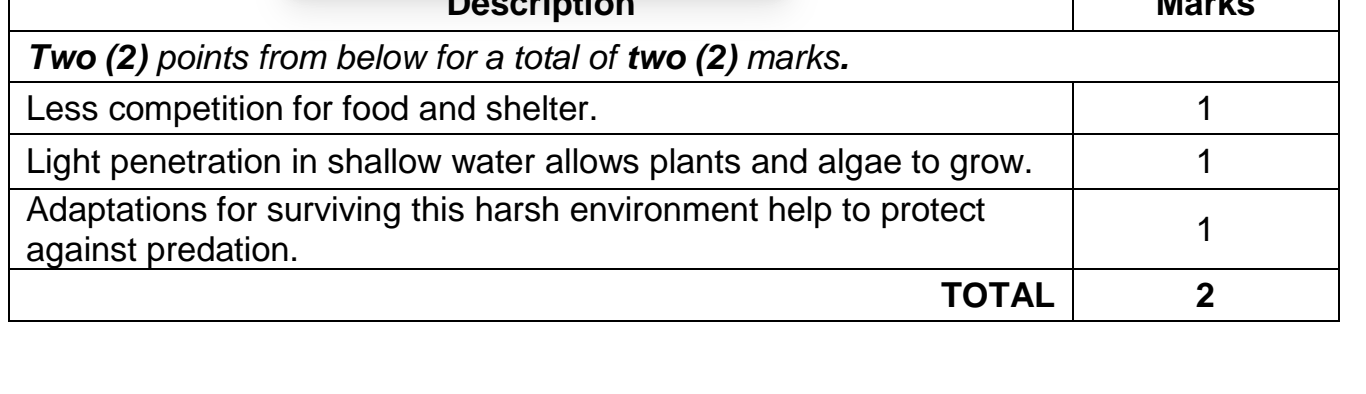
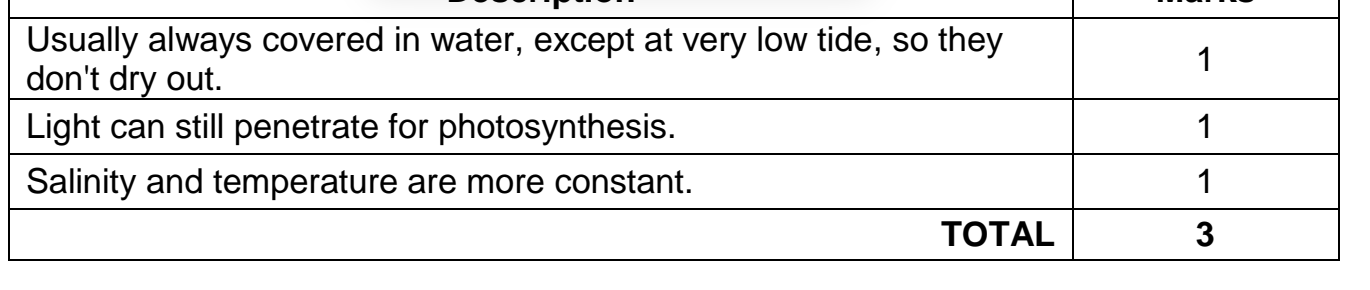
The intertidal zone is an incredibly harsh environment, yet it is highly diverse.
Suggest two (2) benefits (to an organism) of living in this ecosystem.
The abundance of primary producers is greatest in the lower-intertidal zone. Explain this
phenomenon.
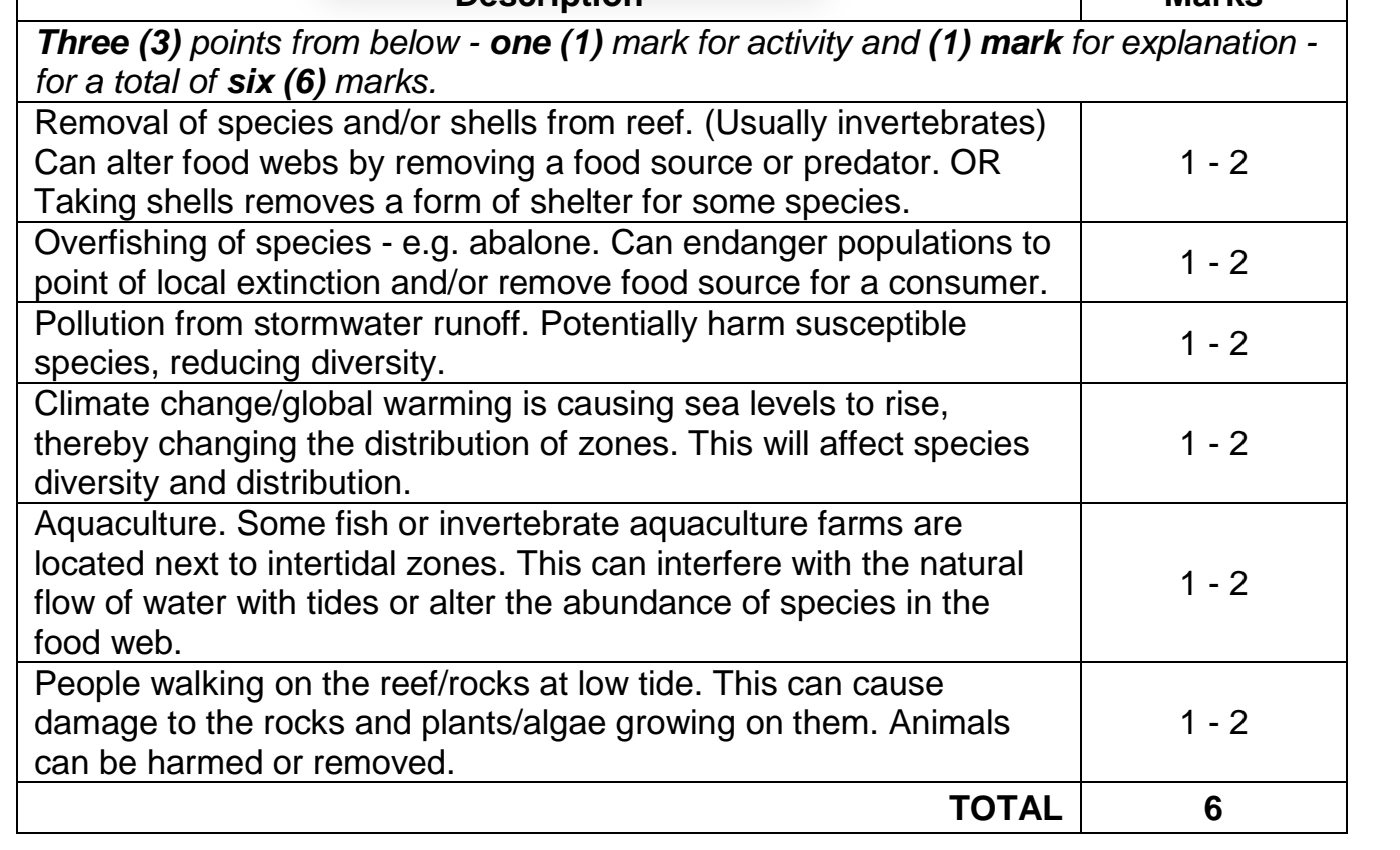
Humans pose the greatest threat to life in the intertidal zone. Discuss three (3)
human activities and/or environmental problems with the potential to threaten the
diversity, habitat and interactions between organisms of intertidal zones.
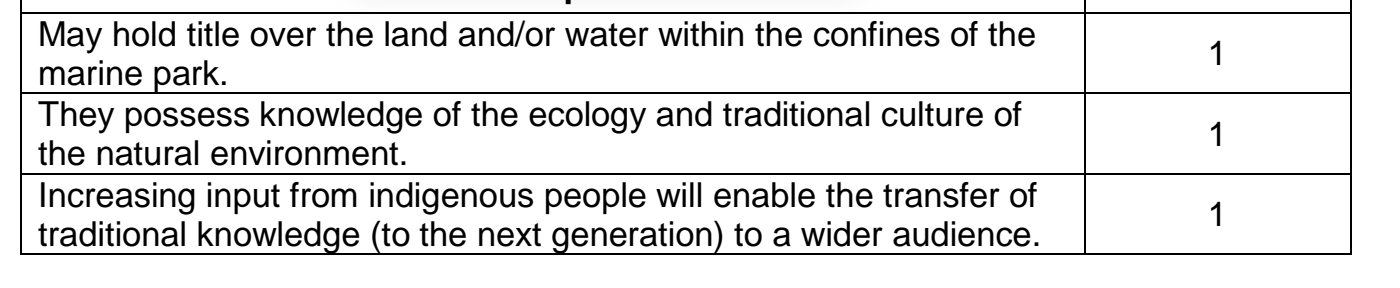
Suggest why marine park management should involve significant input from the local
Indigenous community.