History 1020 Final Exam- Bo Trisler
 Call Kai
 Learn
Learn Practice Test
 Spaced Repetition
 Match
Match Flashcards
 Knowt Play
1/89

There's no tags or description
Looks like no tags are added yet.
Name | Mastery | Learn | Test | Matching | Spaced | Call with Kai | Chat |
|---|
No analytics yet
Send a link to your students to track their progress
90 Terms
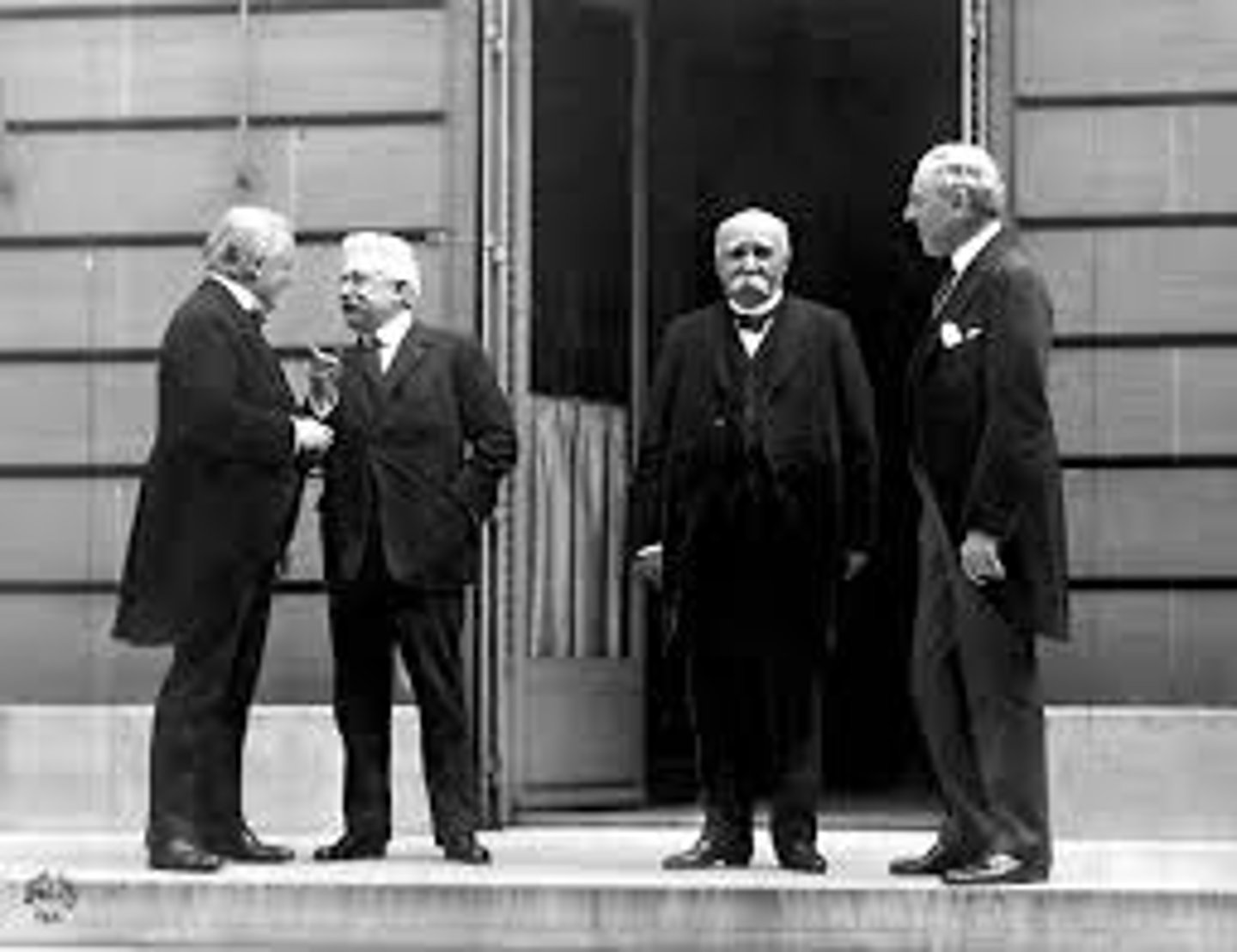
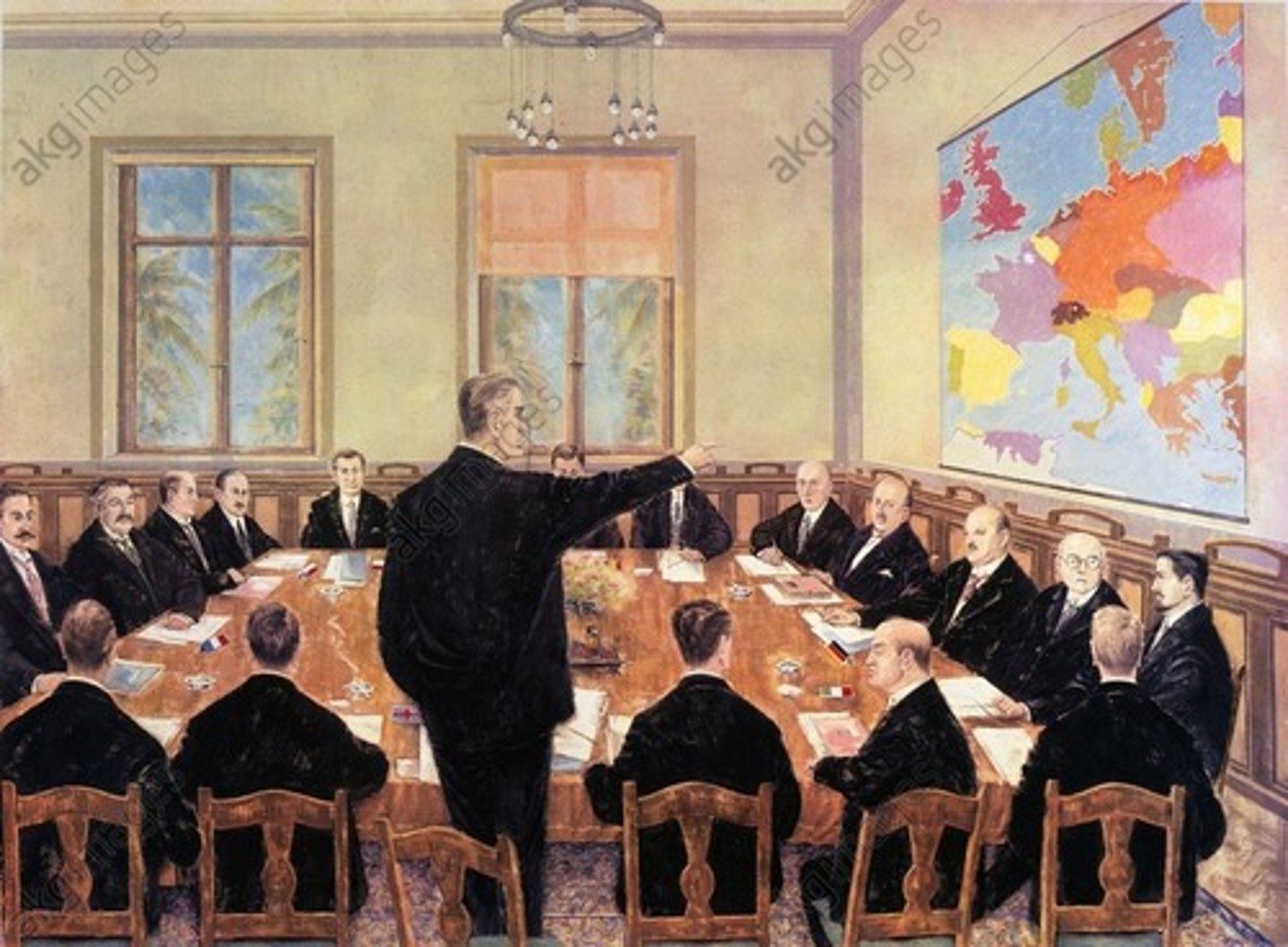
The Big Four
Woodrow Wilson, Vittorio Orlando, Georges Clemenceau, David Lloyd George
3 Key points of Wilson's 14 point plan for peace
1. Newly created states are democratic 2. Focus on Nationalism 3. Creation of League of Nations
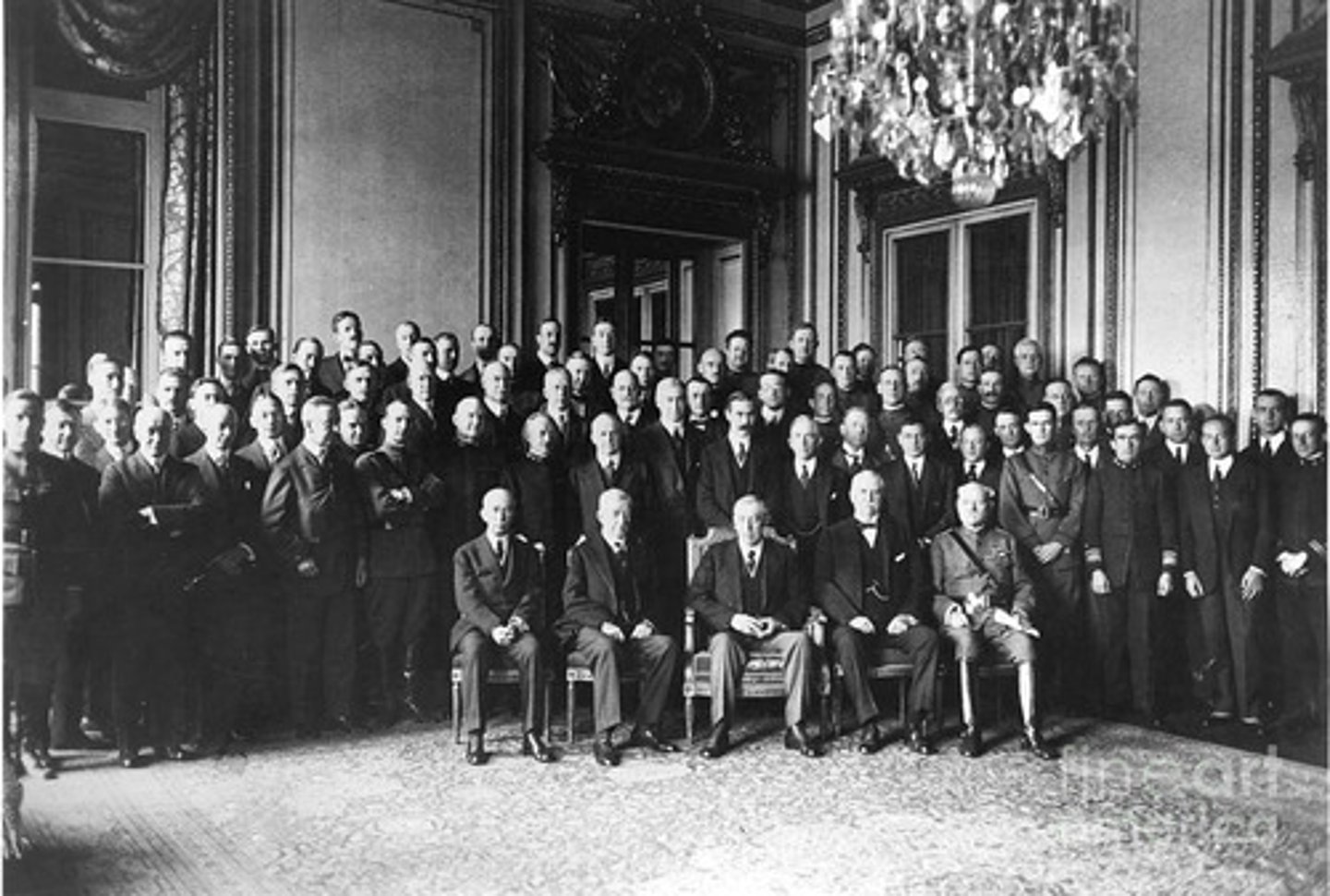
Paris Peace Conference 1919
Peace conference run by the allied powers to discuss terms of the Treaty of Versailles at end of WW1.
What happened as a result of the Paris Peace Conference? (3 Main points)
1. Treaty of Versailles signed 2. Germany indebted via the War Guilt Clause 3. League of Nations Created
Treaty of Versailles (1919)
Treaty that ended World War I - most important part was the forced blame on Germany and other allies
What new states did the Treaty of Versailles create? (Dismantling of Austro-Hungary, 5 states)
Austria, Hungary, Czechoslovakia, Yugoslavia, and Poland
What new states appear out of Russia after the Treaty of Versailles? (4 states)
Finland, Estonia, Lithuania, and Latvia
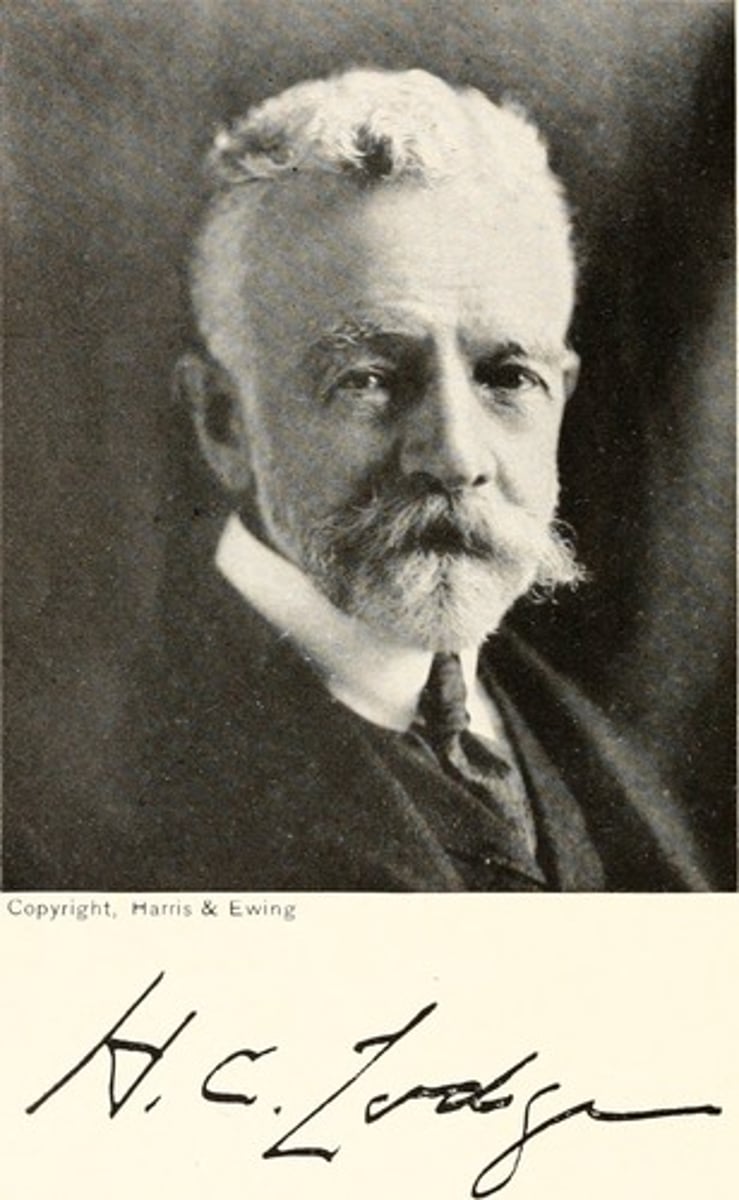
Who was the leading American Republican who denounced the League of Nations?
Henry Cabot Lodge
When did Germany join the League of Nations? Russia?
Germany- 1926; Russia- 1934
What is the name given by Germany to the area of great industrial significance that was demilitarized by the treaty of Versailles? (Hint: Confederation of the Rhine)
Rhineland
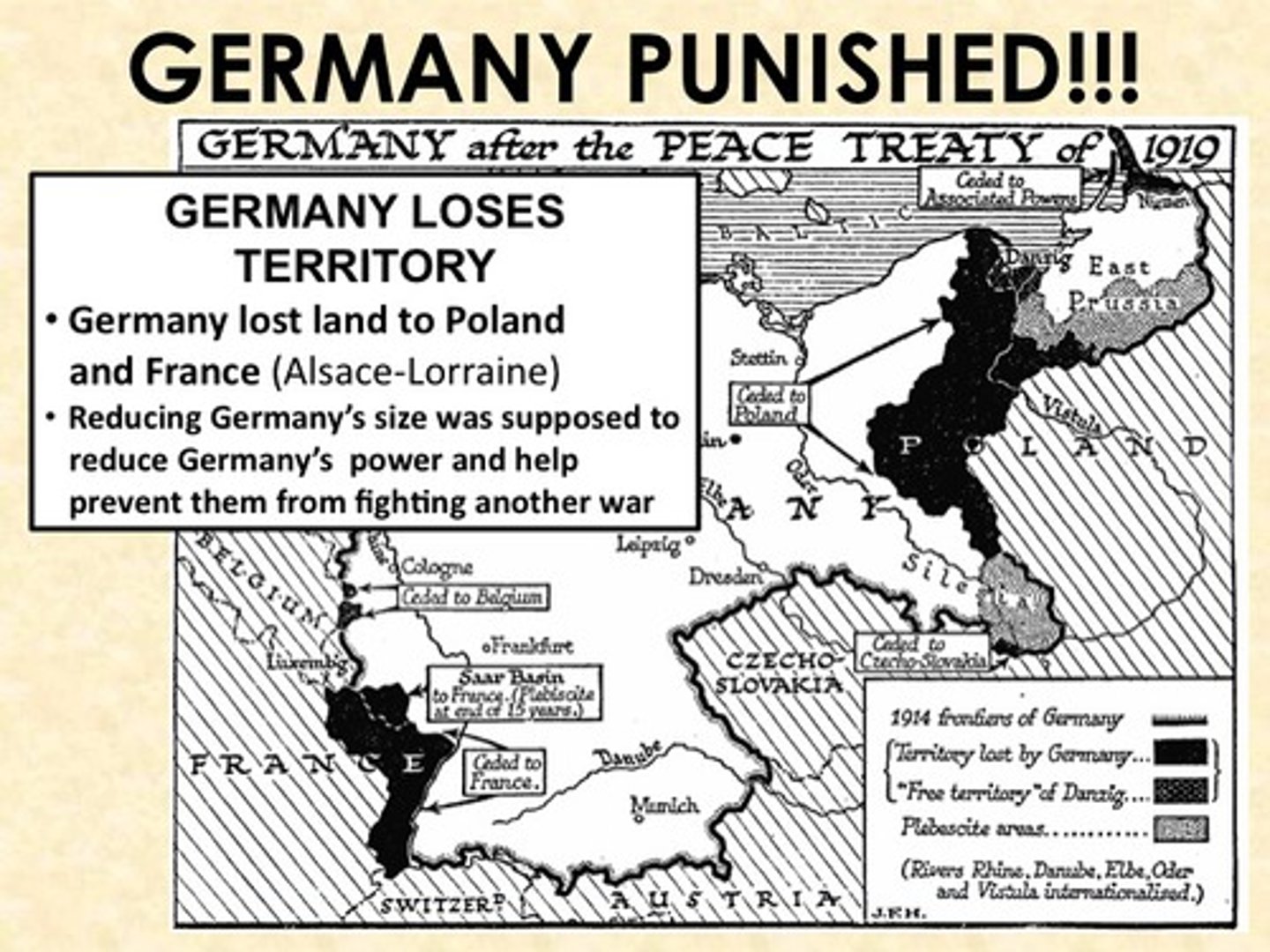
3 key ways the Treaty of Versailles affected Germany
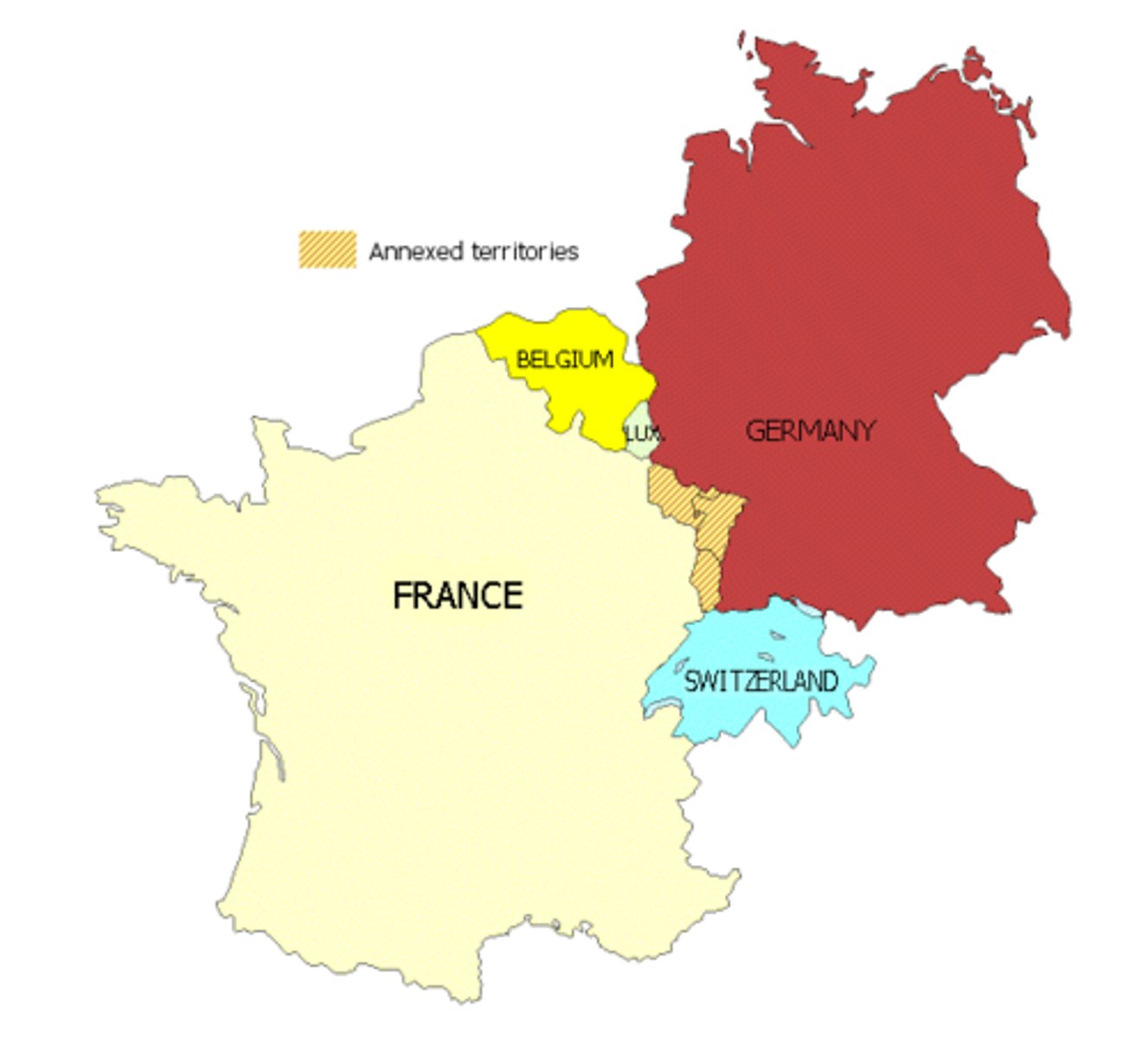
1. Loss of land (Alsace-Loraine, Poland, Belgium)
2. Demilitarization
3. Reparations (War Guilt Clause)
What is Article 231 of the Treaty of Versailles?
War Guilt Clause
What did WWI bring an end to in Europe?
Great European Power System
What were the estimated casualties for WWI?
37-38 million
WWI is also known as...?
The War of the Lost Generation
What is pacifism?
The belief of people who refuse to take part in war and any other form of violence
Kellogg-Briand Pact (1928)
A treaty based on pacifism and the renunciation of war. Signed by 62 nations across the world. Has little effect.
King Edward VIII
British Monarch from the House of Windsor; Abdicated the throne to be able to marry miss "Wallis Simpson".
King George VI
King Edward VIII's brother. Took the throne after Edward's abdication
Weimar Republic (1919-1933)
German republic founded after WWI and the revolution against Kaiser Wilhelm II
Lower, more important house in the Weimar Republic (Hint: Think Reich)
Reichstag
What happens to German Economy after the Treaty of Versailles? (Hint: Printing more money=?)
Hyper Inflation
Locarno Pact 1925
Agreement from Germany to recognize the status quo of European borders and not interfere.
February Revolution 1917
Revolution against the Czarist government. Established a provisional government.
October Revolution (Bolshevik Revolution)
Communist revolution led by Vladimir Lenin and the Bolsheviks. Led to creation of the USSR.
Great Depression (1929)
A collapse of the US economy, causing global economic crisis, especially in Europe
Totalitarianism
A form of government in which the ruler has absolute power over every aspect of governance.
Fascism
An authoritarian and nationalistic right-wing system of government and social organization.
Communism
An authoritarian form of governance centralized around destroying class and societal roles.
Militarism
The political and cultural belief that one's own nation needs to increase their military power and expansion over other countries.
Nationalism
A strong feeling of pride and devotion to one's country
What are some key aspects of Fascism? (5 points)
1. Social Darwinism
2. Militarism
3. Anti-Communism
4. Racism
5. Nationalism
Fascism in Germany is known as...?
Nazism
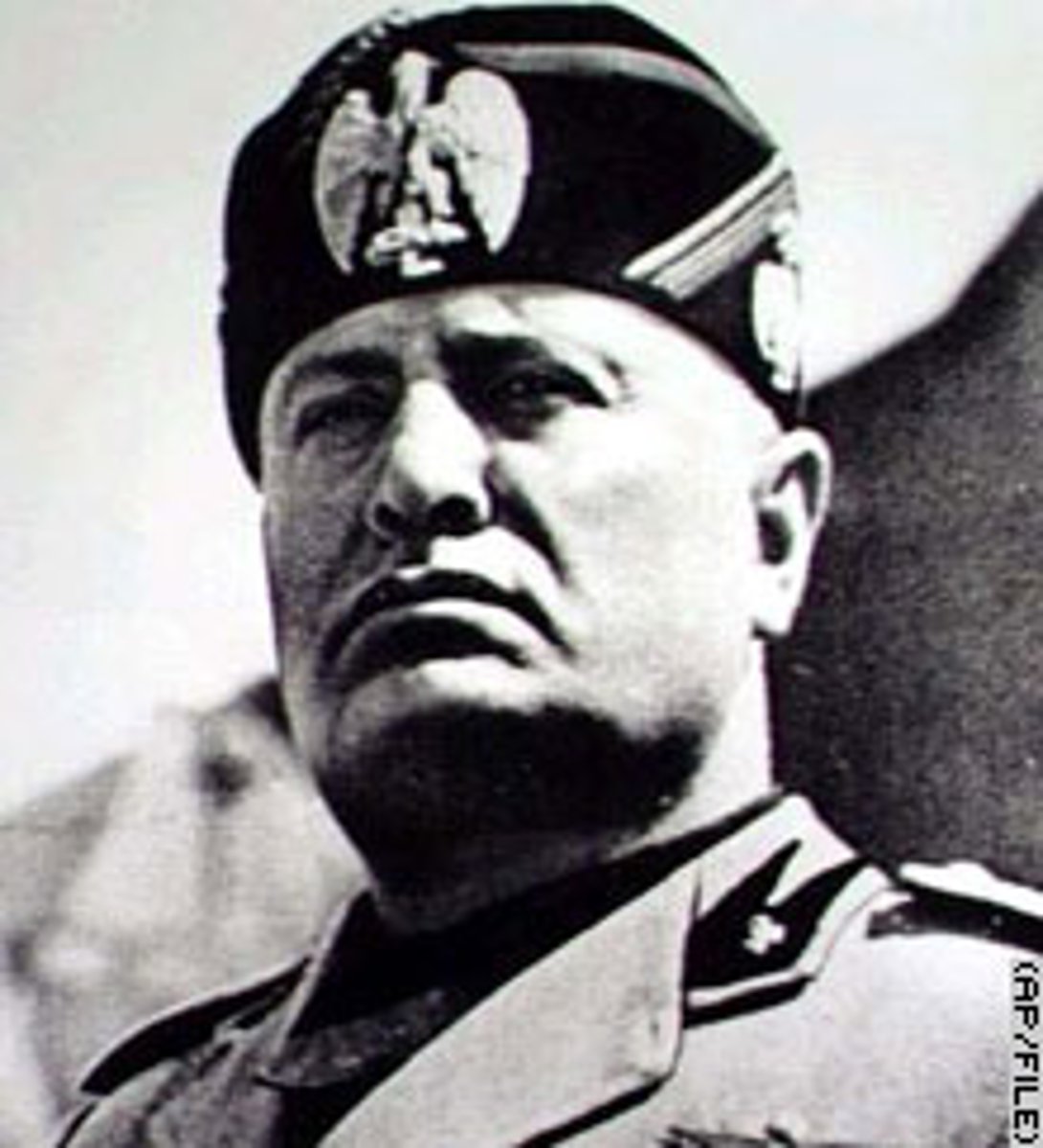
Benito Mussolini (Il Duce)
Dictatorial leader of fascist Italy
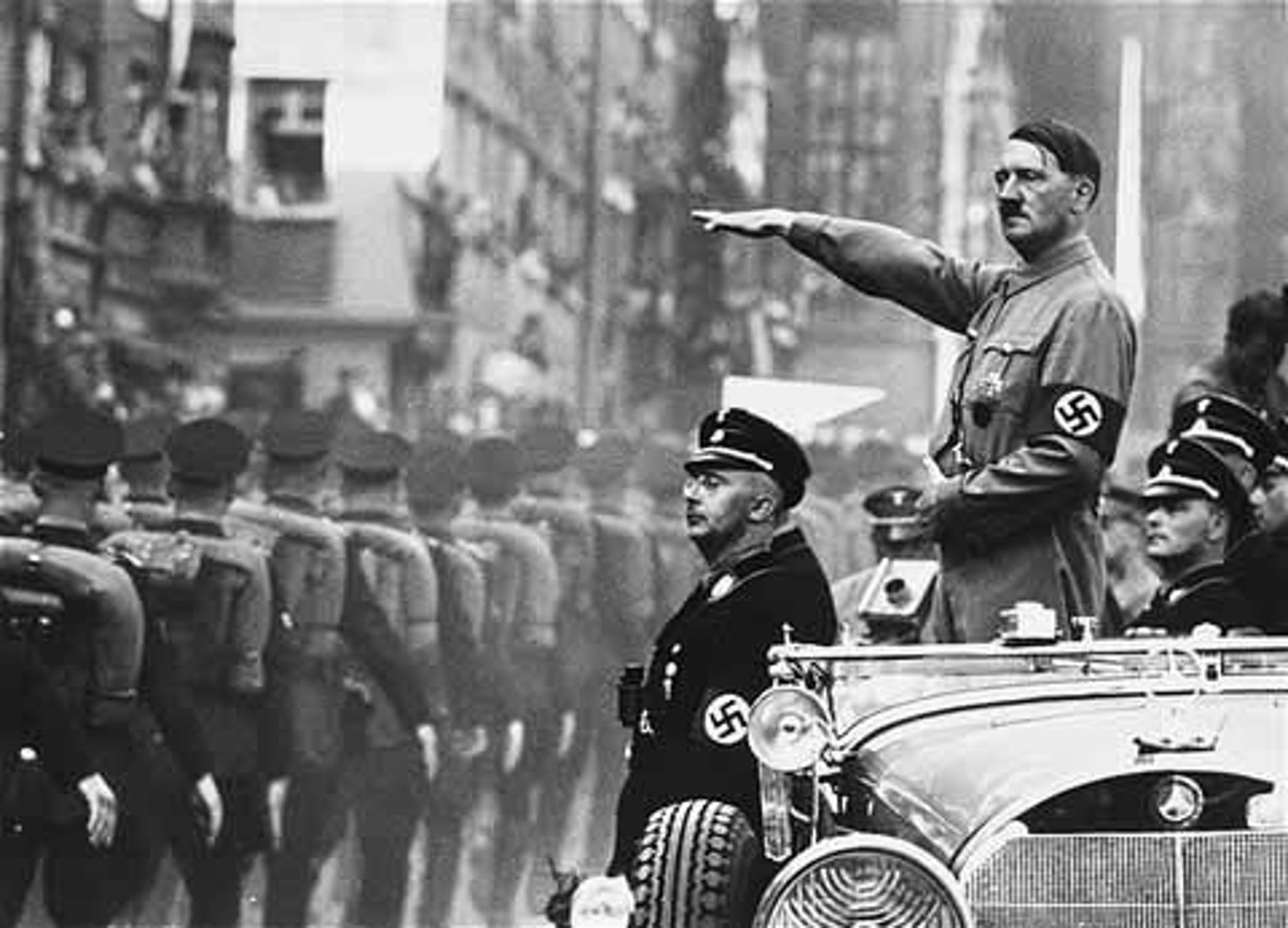
Adolph Hitler (Der Fuhrer)
Dictatorial leader of Nazi Germany, responsible for the Holocaust.
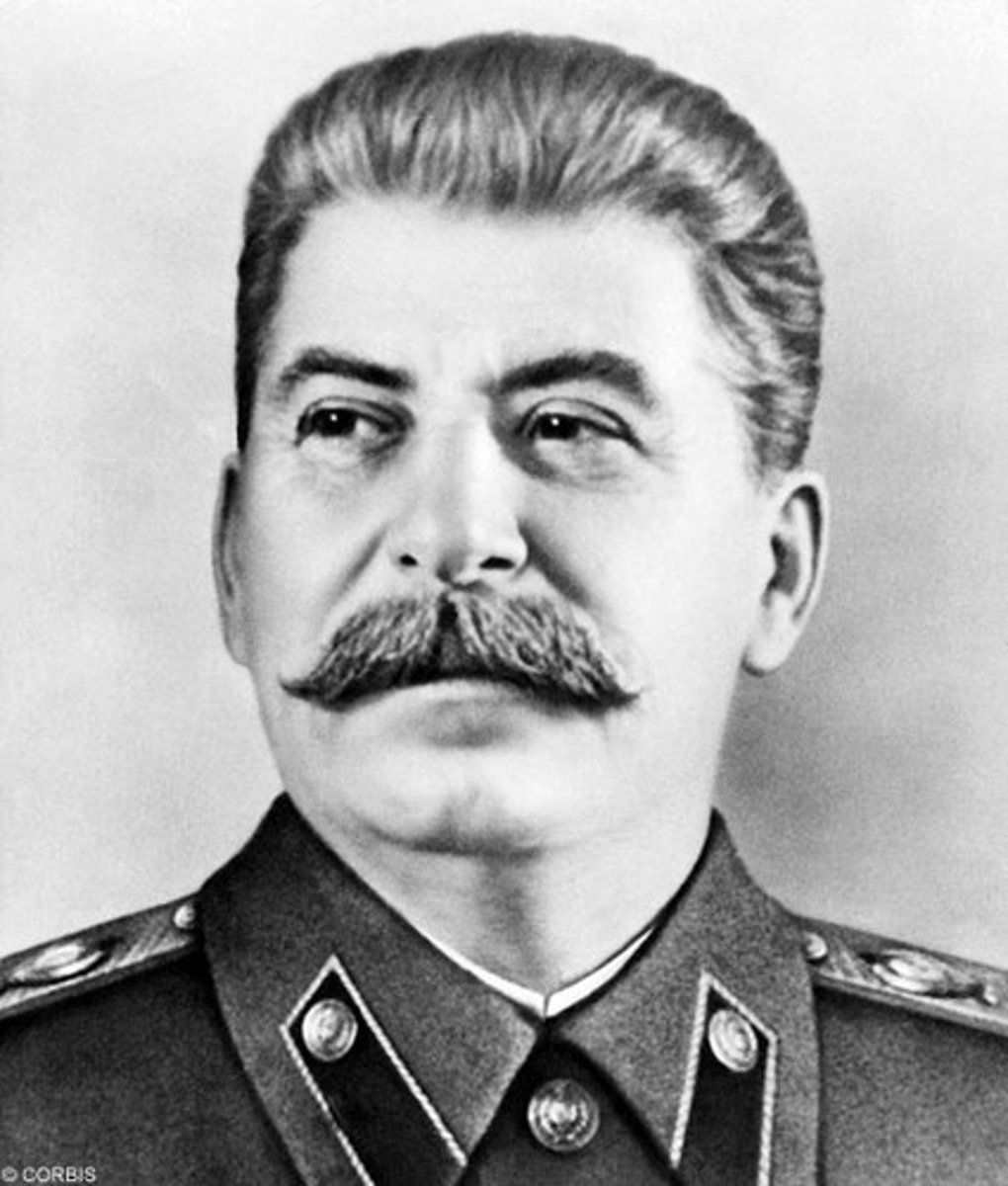
Joseph Stalin (1879-1953)
Totalitarian leader of the USSR (Soviet Union)
NKVD, KGB, Gestapo, OVRA are all examples of...?
Secret Police
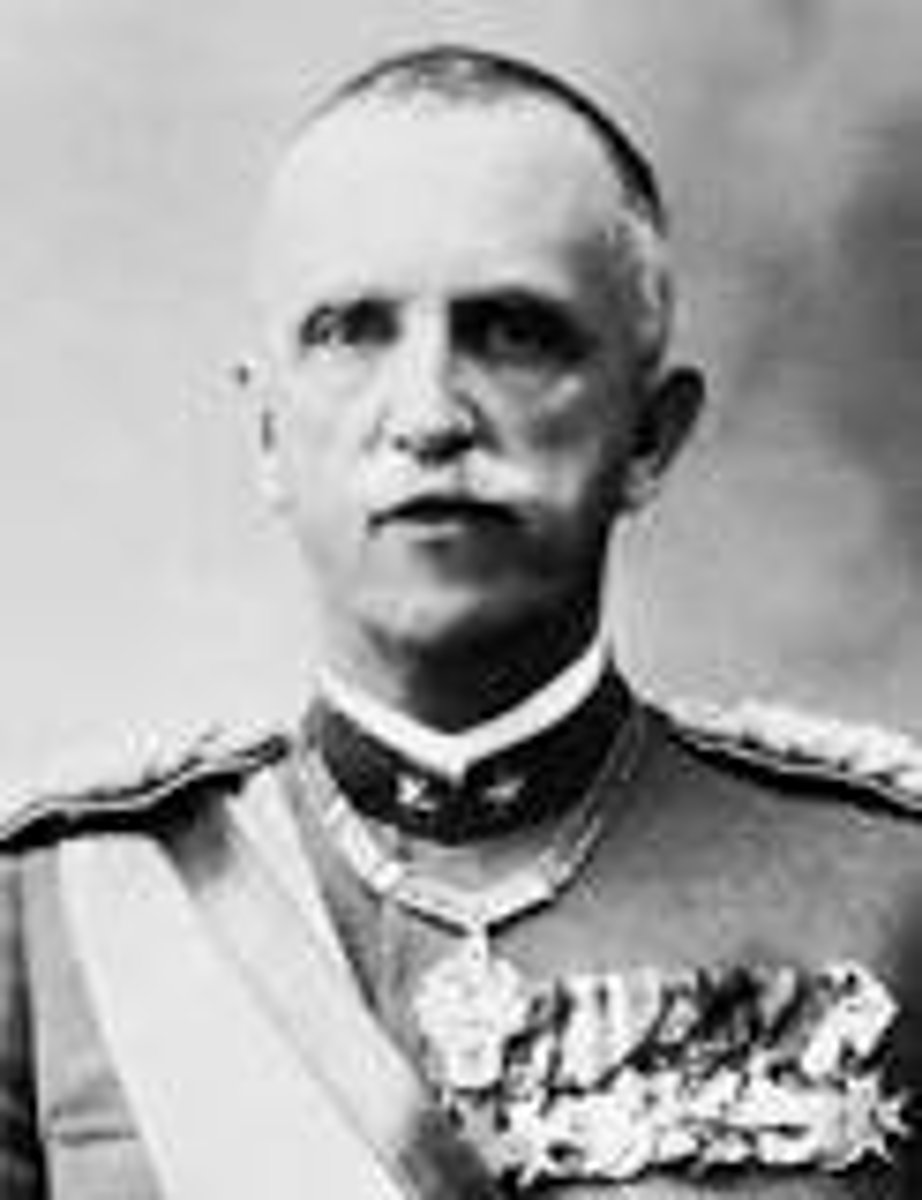
Victor Emmanuel III
King of Italy who gave Mussolini legitimacy as dictator
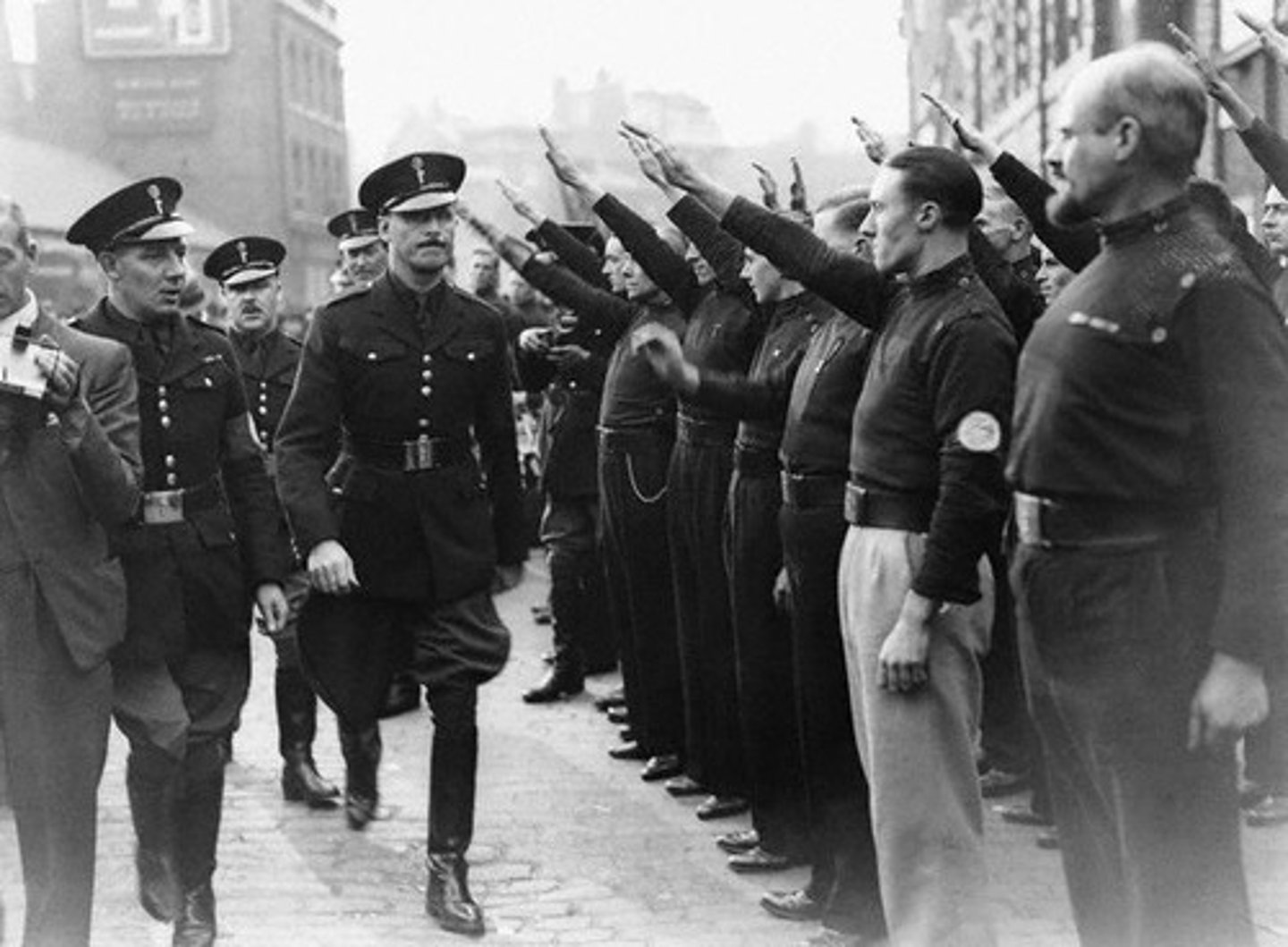
Black Shirts (Squadristi)
Mussolini's paramilitary army who used intimidation and violence to boost favor with the fascist party of Italy.
March on Rome (October 1922)
Mussolini's organized march on Rome to seize control of Italy
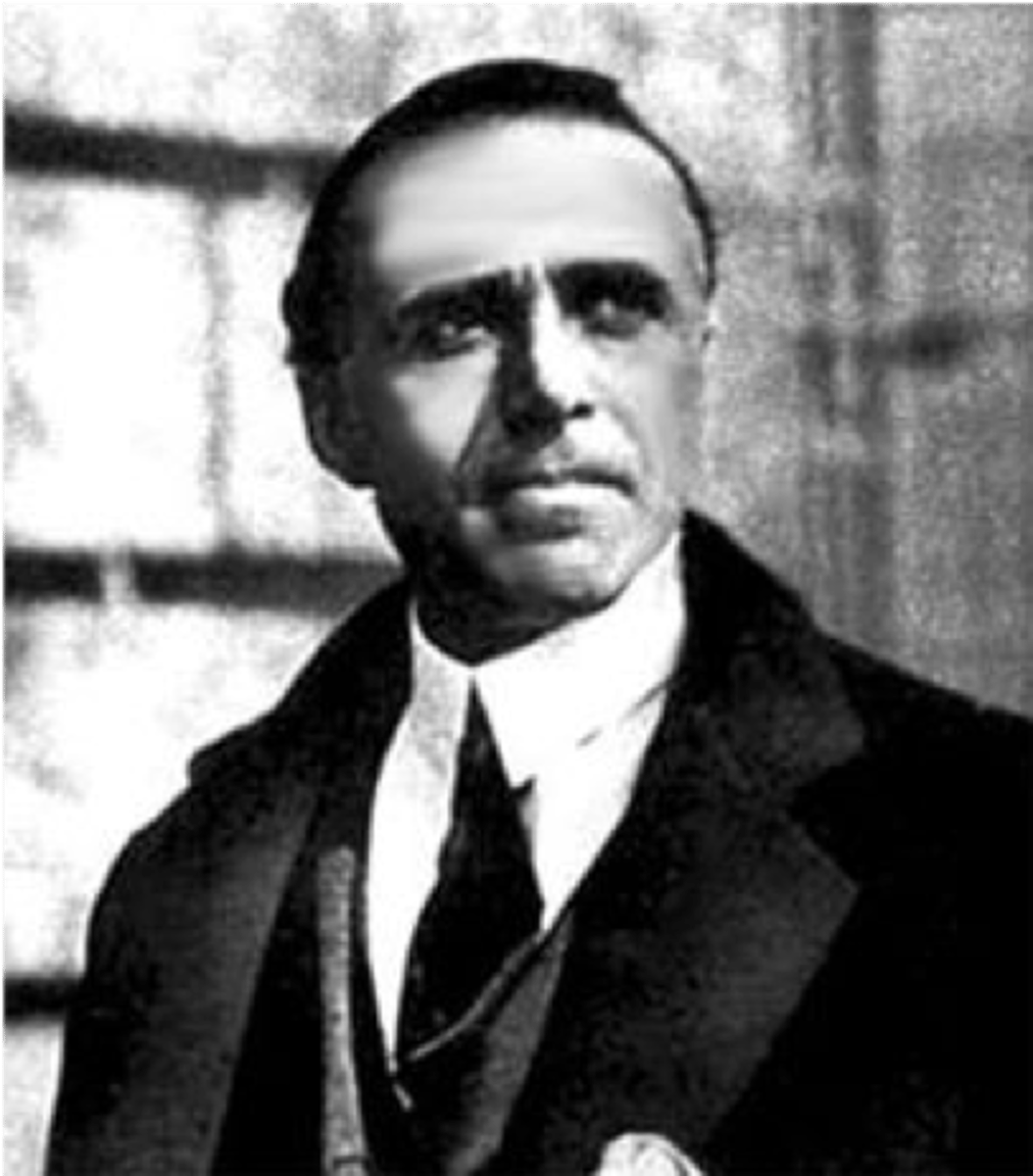
Giacomo Matteotti (1885-1924)
Italian socialist leader who discovered massive amounts of fraud and was assassinated by Mussolini
German Workers' Party (DAP)
German Political party that Hitler was tasked with investigating. He became a staunch supporter and quickly became president of the organization.
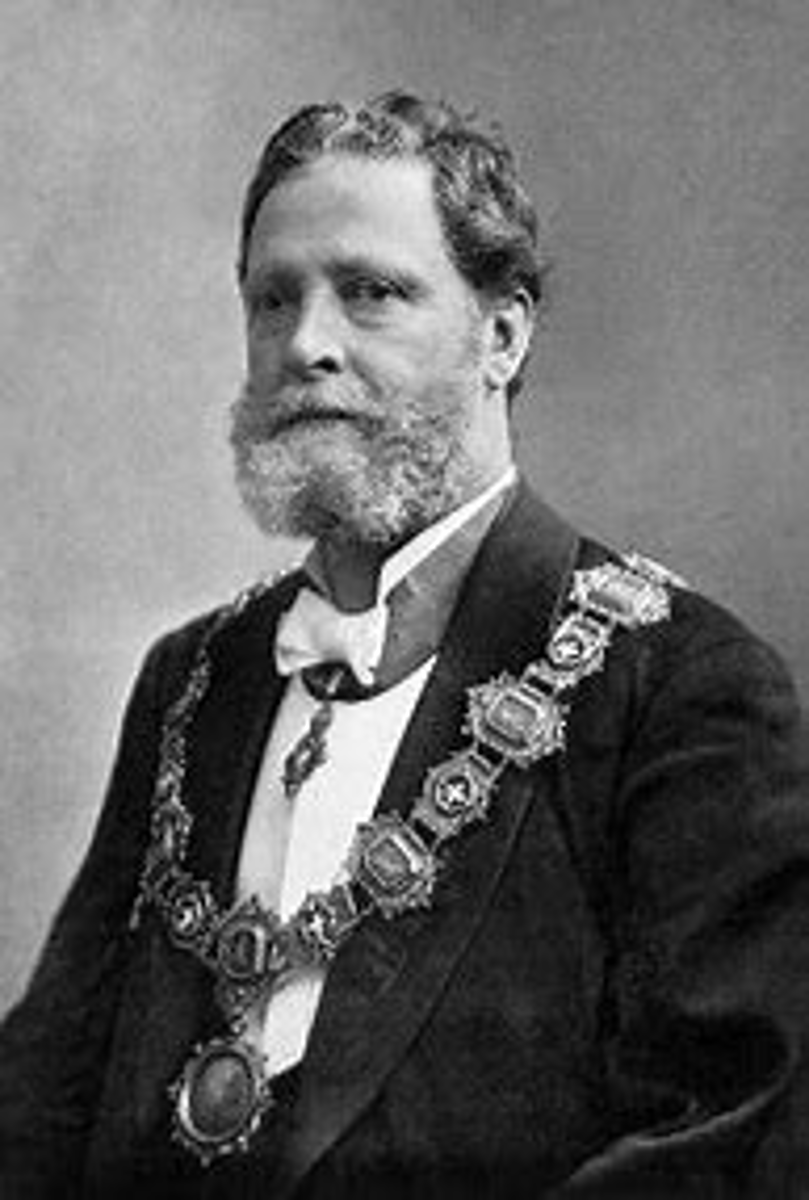
Karl Lueger
Mayor of Vienna whom Hitler idolized, preached anti-semitism
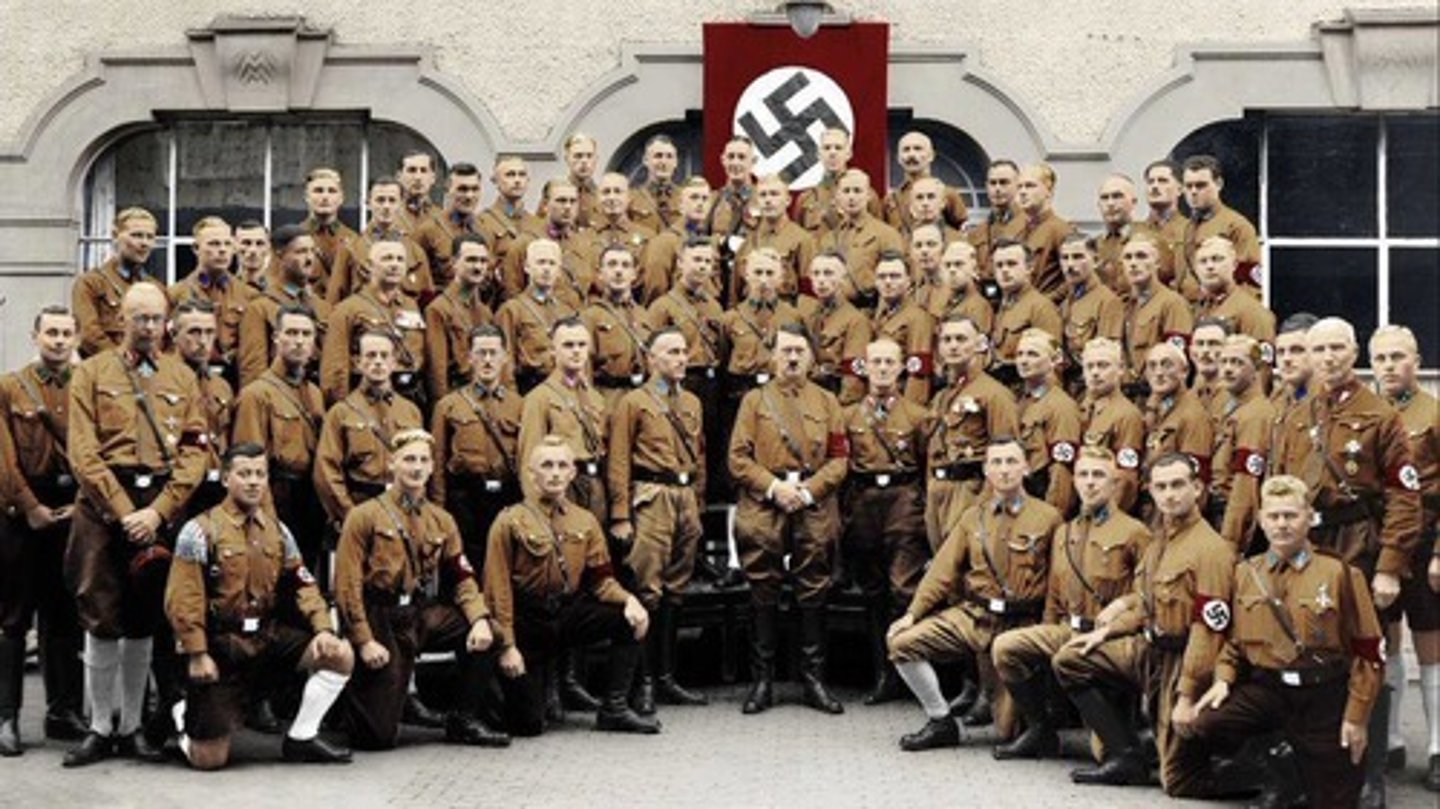
The Brown Shirts
Hitler's private paramilitary organization.
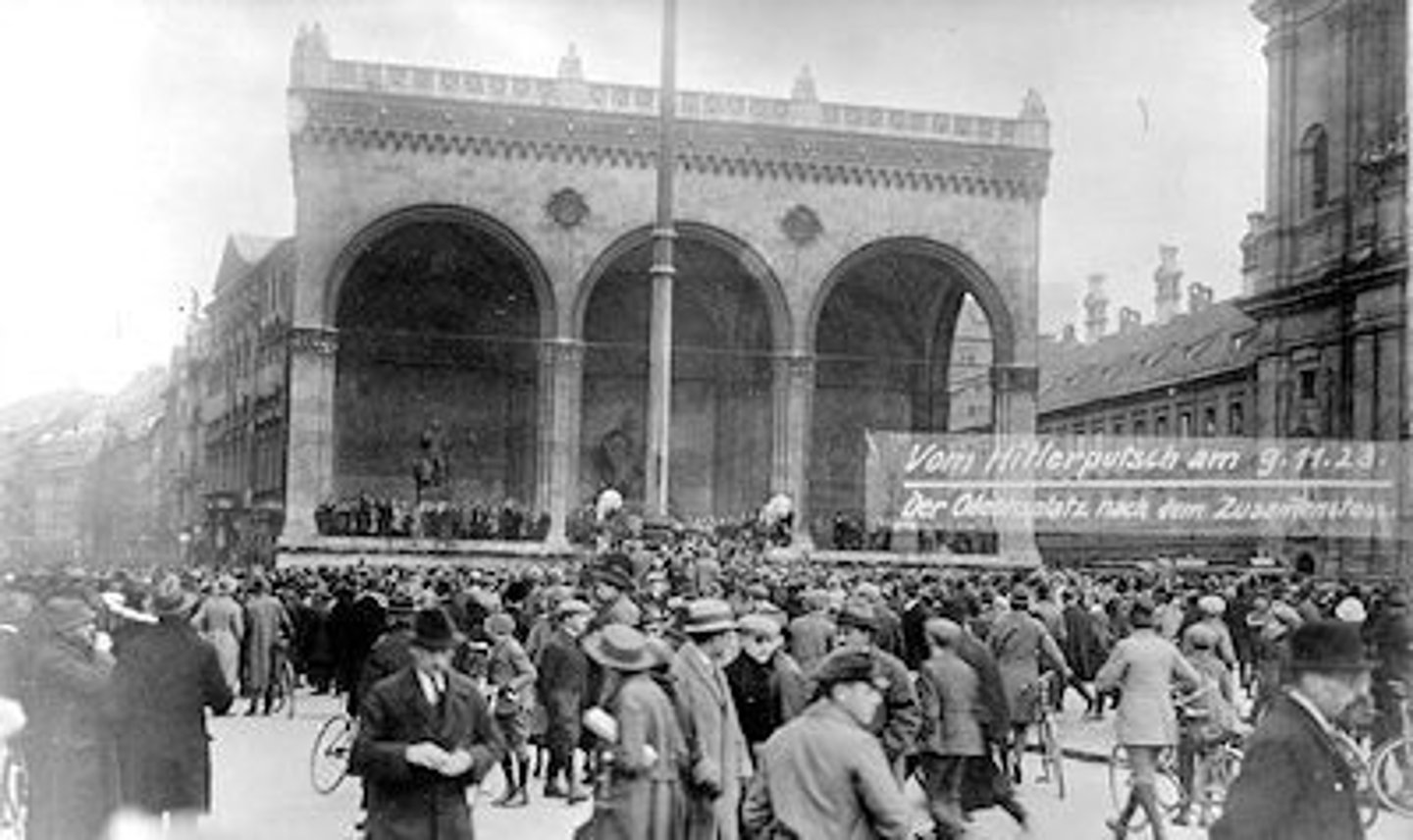
Beer Hall Putsch (1923)
Failed attempt by Hitler and the Nazi Party to overthrow the Weimar government. Hitler was arrested an imprisoned after the coup failed.
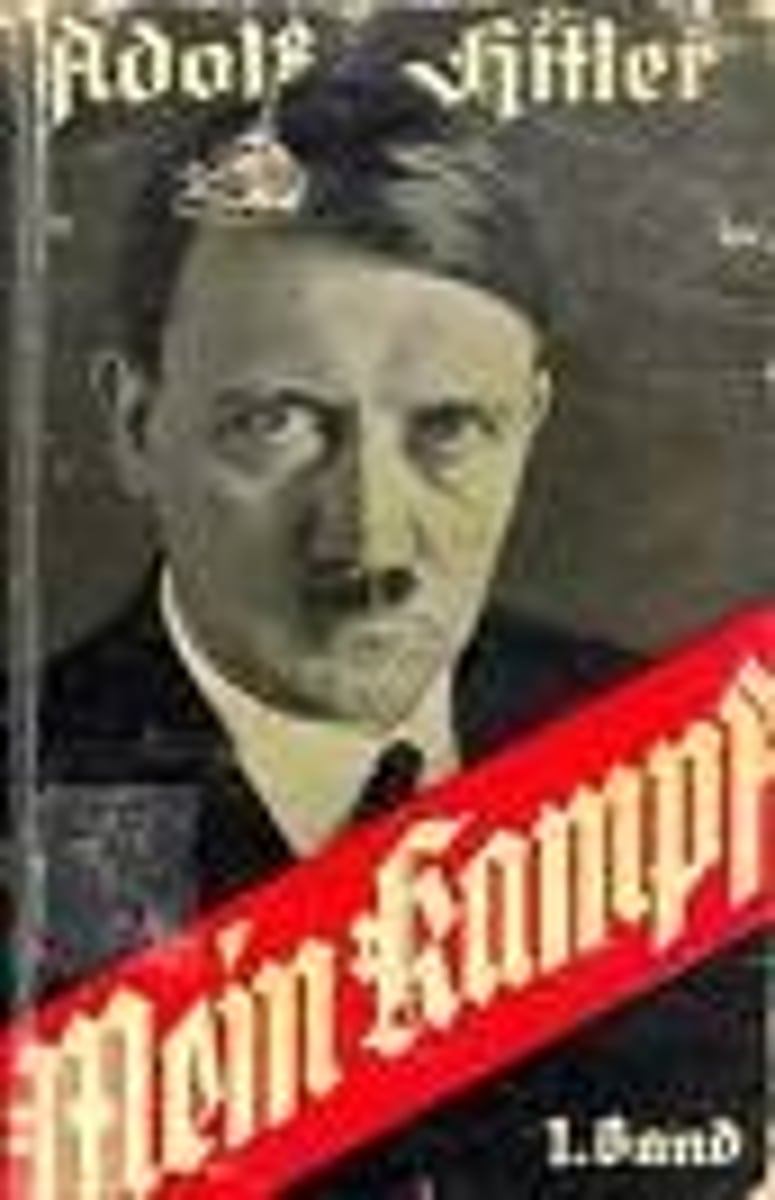
Mein Kampf (My Struggle)
Work written by Hitler while in prison- outlines his policies for German expansion, war, and elimination of non-Aryans
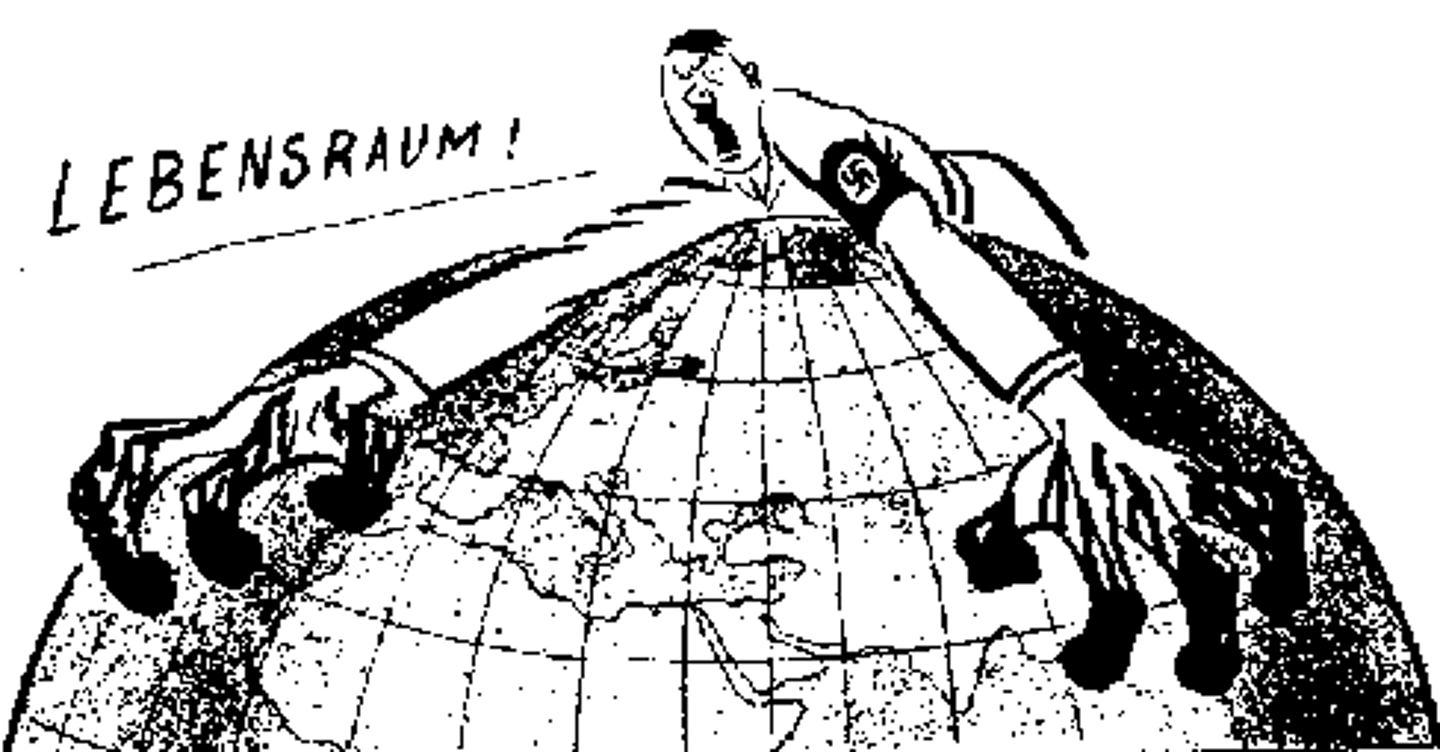
Lebensraum (Living Space)
A political and social belief that Germans needed more space to grow. It was used as an excuse to invade Germany's neighbors, mainly Ukraine and France
German Scapegoats
Jews, Communists, the Weimar Republic, and Treaty of Versailles
How many seats are needed to control the Reichstag?
281
Paul von Hindenburg
President of the Weimar Republic of Germany who appointed Hitler Chancellor in 1933
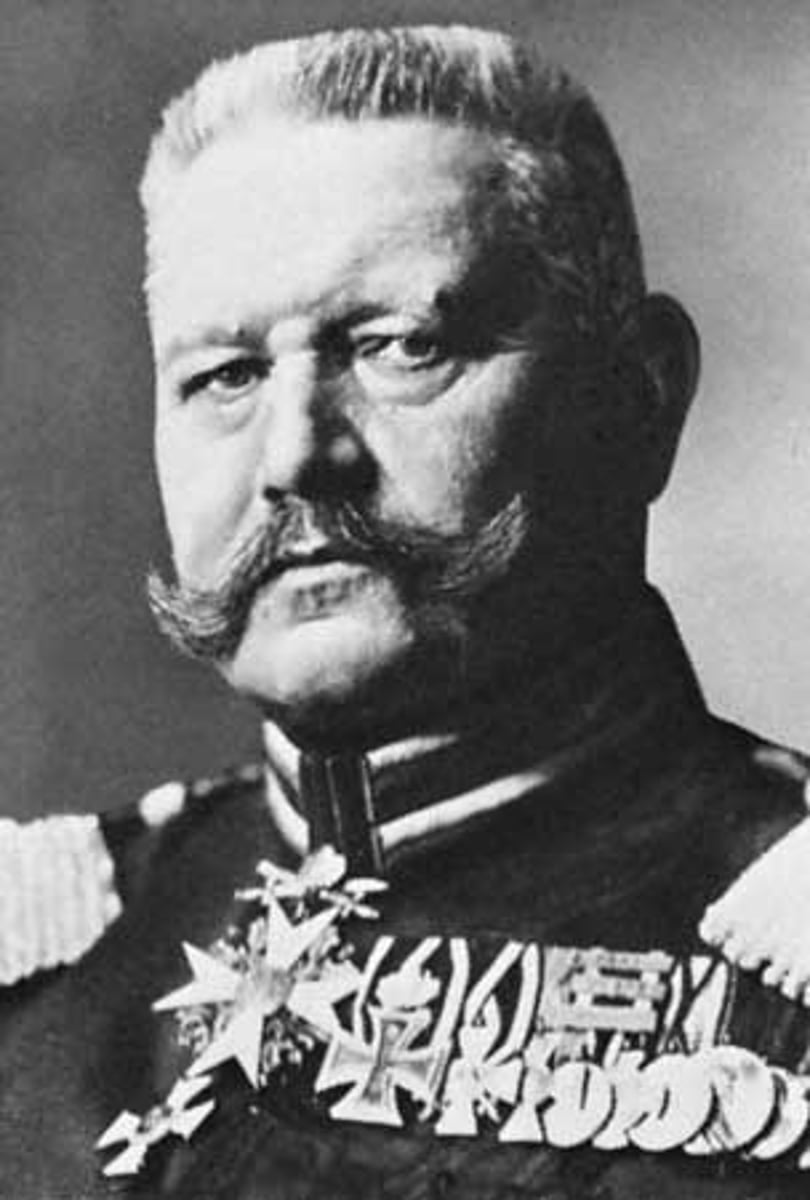
Enabling Act (1933)
Decree signed by Hindenburg that gave Hitler and the Nazi party full political control of Germany
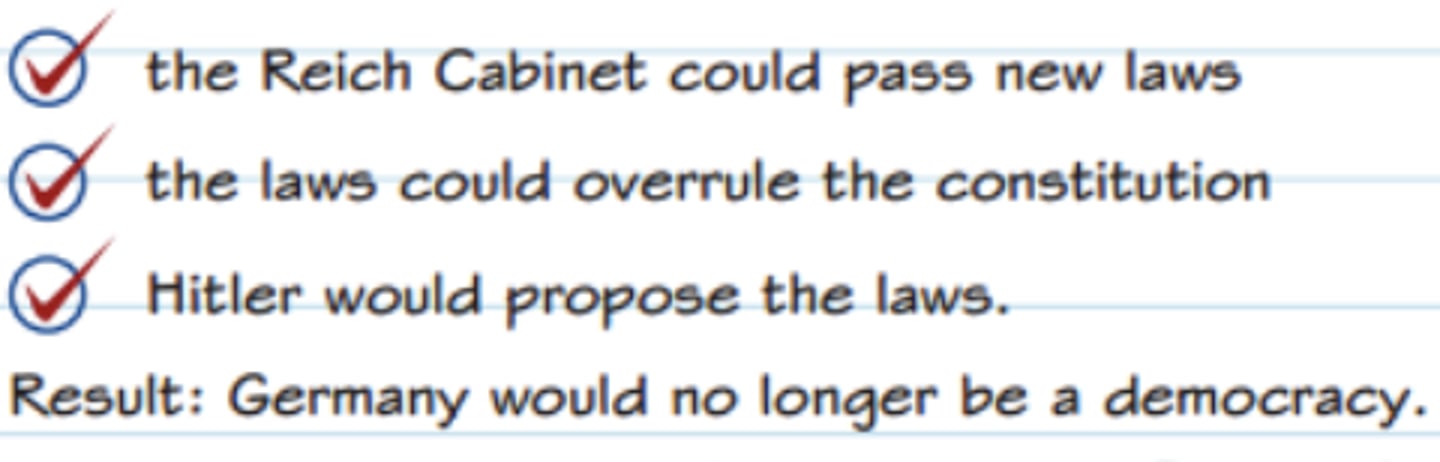
Night of the Long Knives (1934)
The arrest and murder of many of Hitler's political opponents
Nuremberg Laws
established legal basis in Nazi Germany for discrimination against Jews.
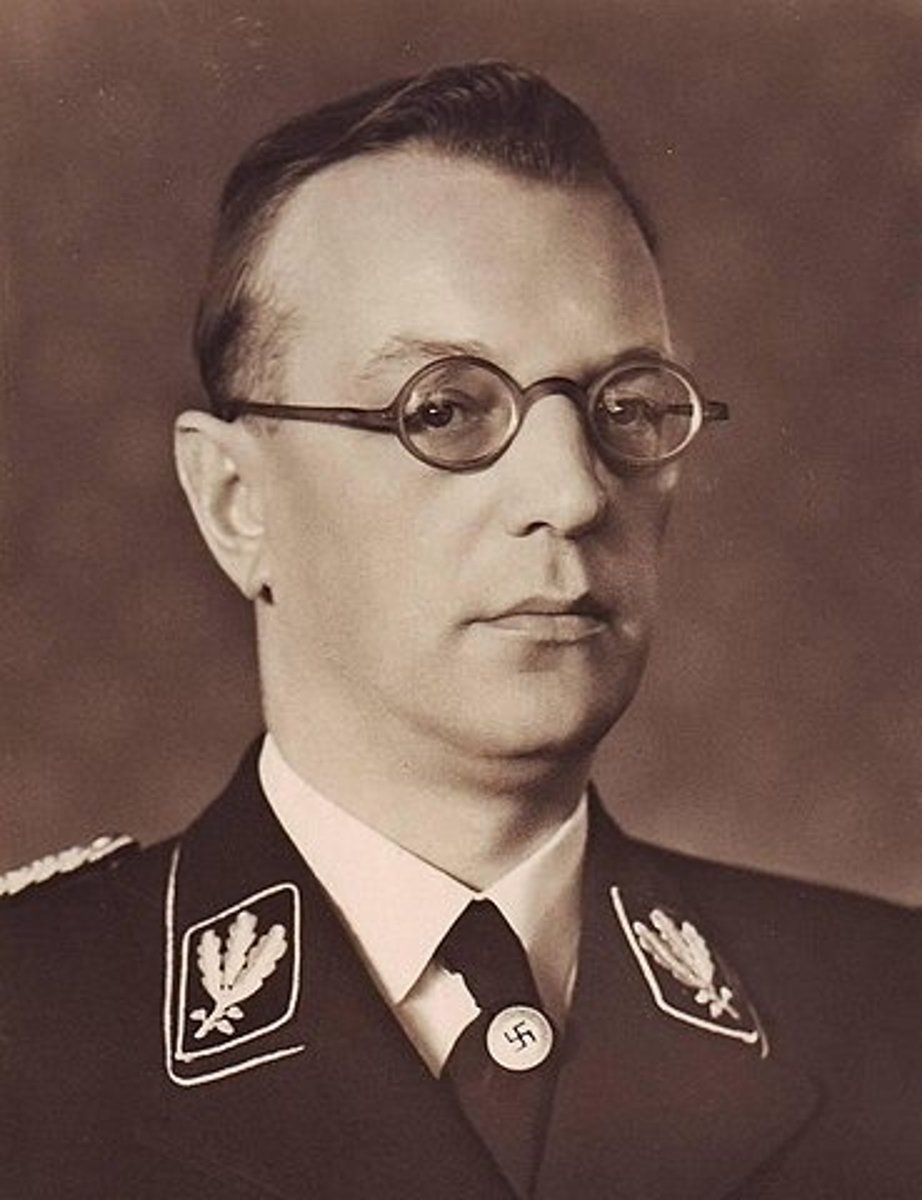
Arthur Seyss-Inquart
Austrian Nazi party leader
Kurt von Schuschnigg
Austrian Chancellor
Austrian Plebiscite
Referendum called in April 1938 by Schuschnigg on Austrian Independence. Schuschnigg is forced to resign and appoints Seyss-Inquart as ruler.
Austrian Anschluss
The forceful union of Austria into Germany by Hitler
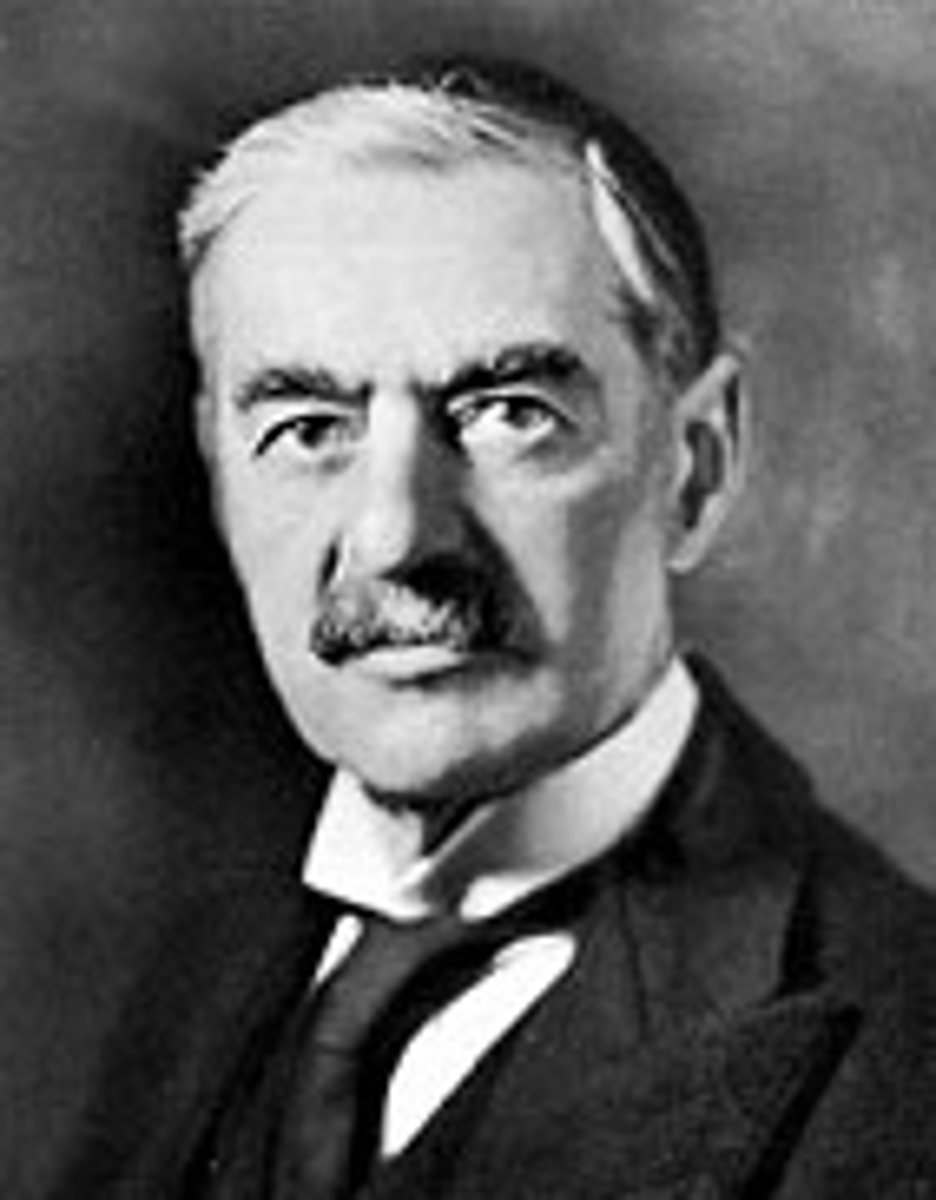
Neville Chamberlain
Great British prime minister who advocated peace and a policy of appeasement
Sudetenland
an area in western Czechoslovakia that was coveted by Hitler
Britain signs defense agreements with what 3 countries?
Poland, Romania, and Greece
Nazi-Soviet Non-Aggression Pact
Agreement between Germany and USSR to avoid conflict.
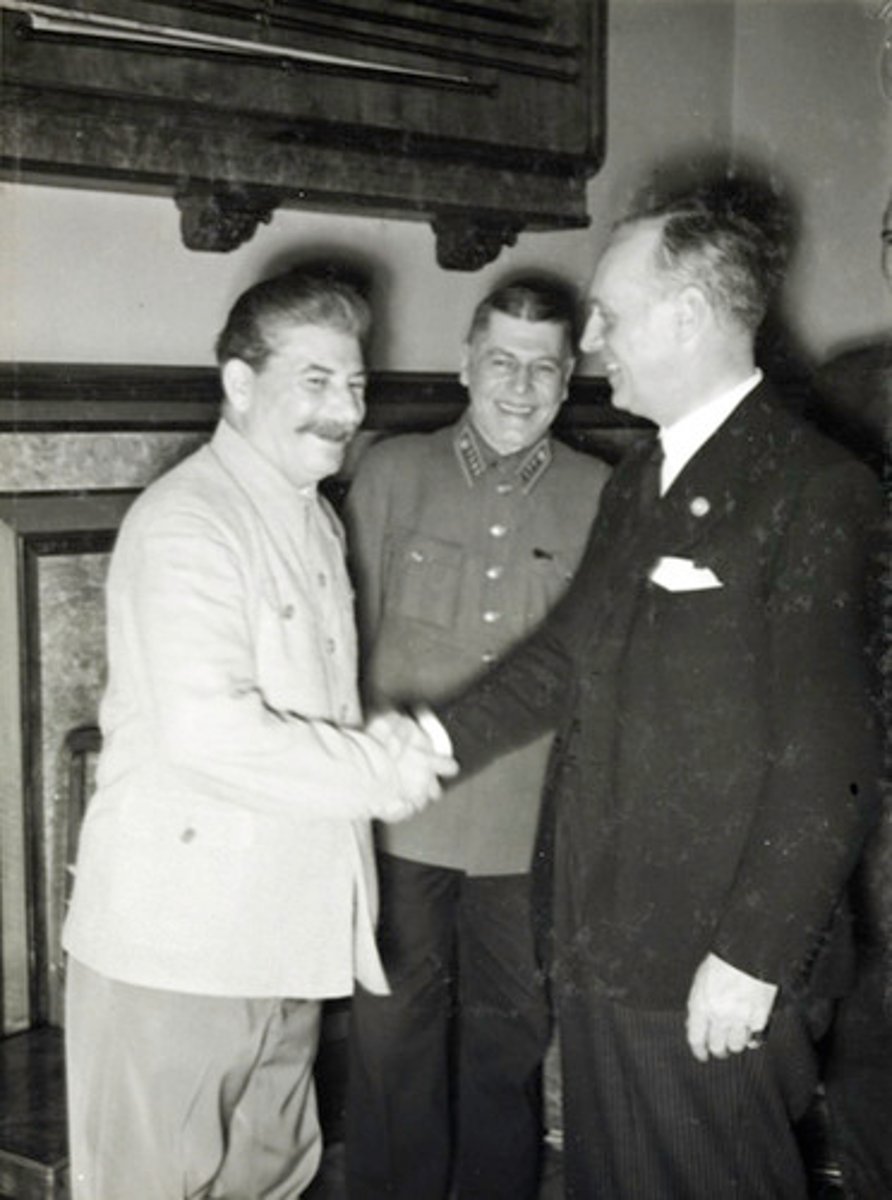
Joachim von Ribbentrop
German Diplomat responsible for nazi soviet non aggression pact
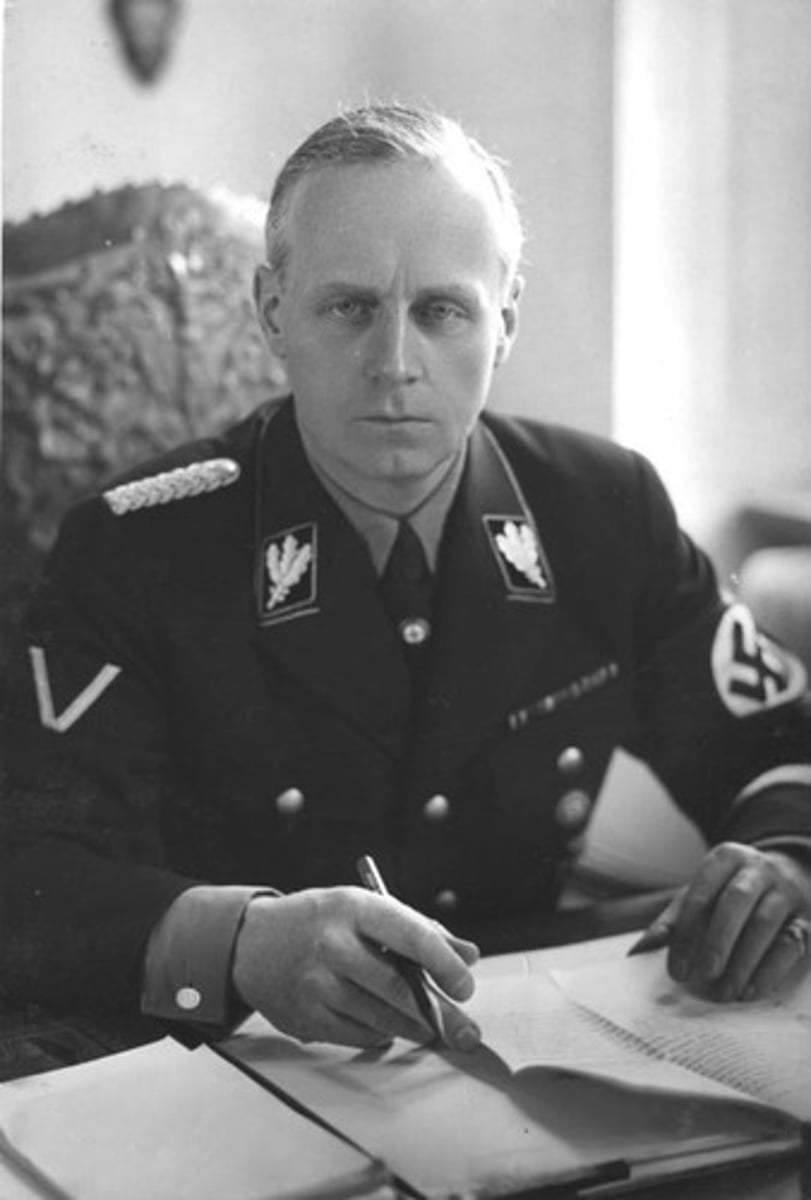
Hermann Goering
German politician in Nazi Germany who founded the Gestapo and mobilized Germany for war
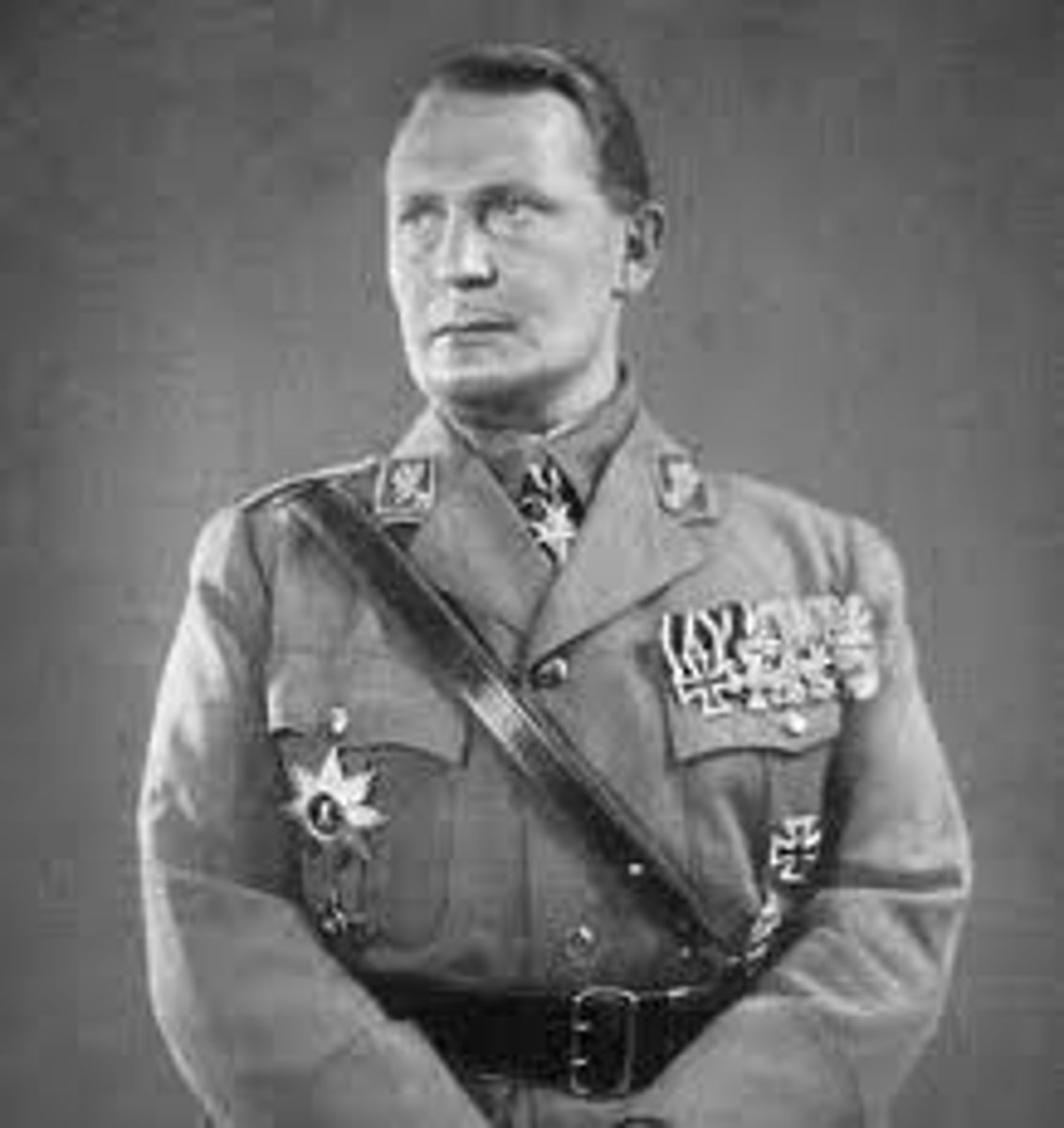
Winston Churchill
Prime Minister of Great Britain during WWII
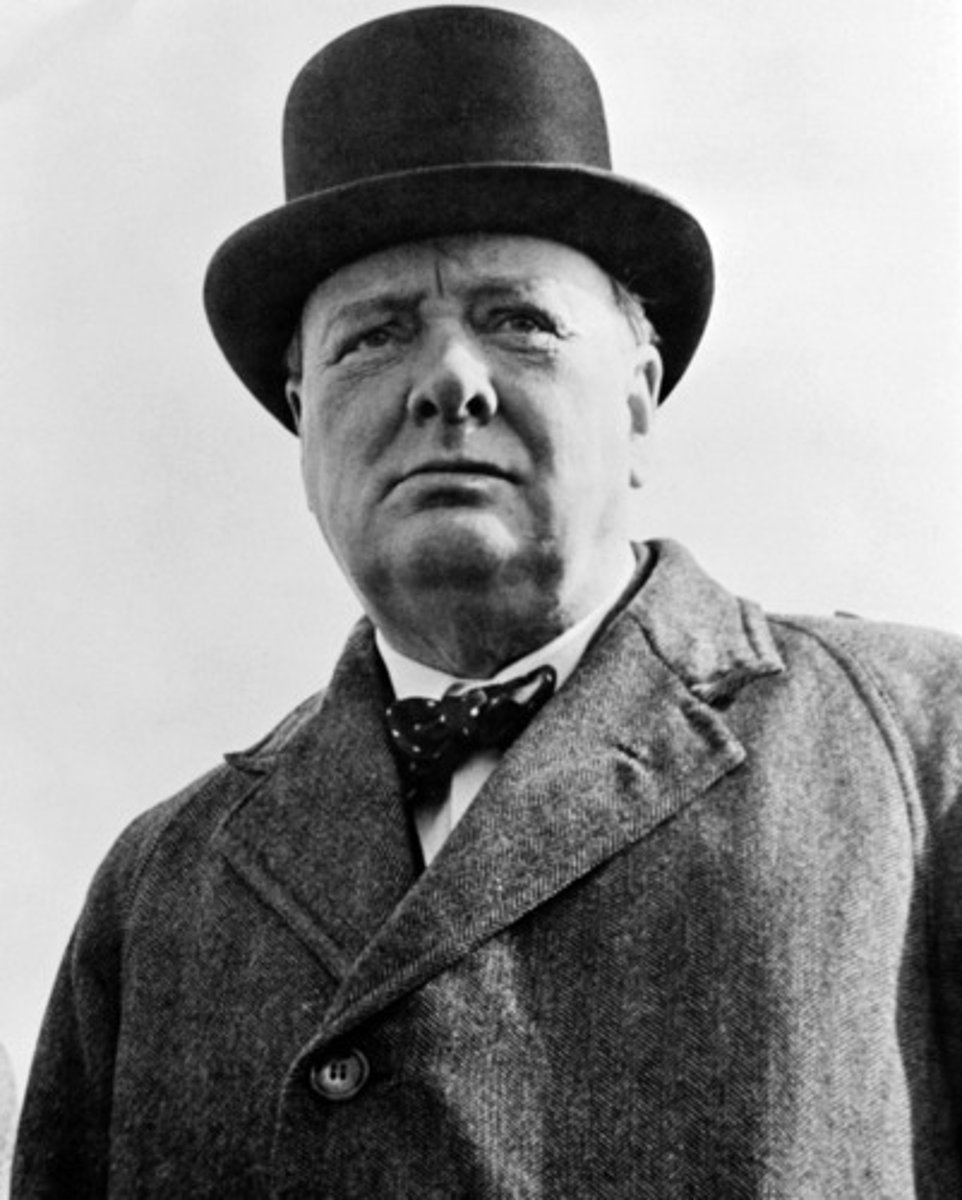
Operation Sea Lion
Germany's plan to invade Great Britain in 1940. It consisted of taking air superiority and failed.
Battle of Britain
An aerial battle fought in World War II in 1940 between the German Luftwaffe (air force) and the Royal Air Force, which carried out extensive bombing in Britain. Victory for Britain
2 Major blunders made by Hitler
1. Invading the Soviet Union (USSR)
2. Japanese bombing of Pearl Harbor
Operation Barbarossa (1941)
Hitler's secret plan to invade the Soviet Union
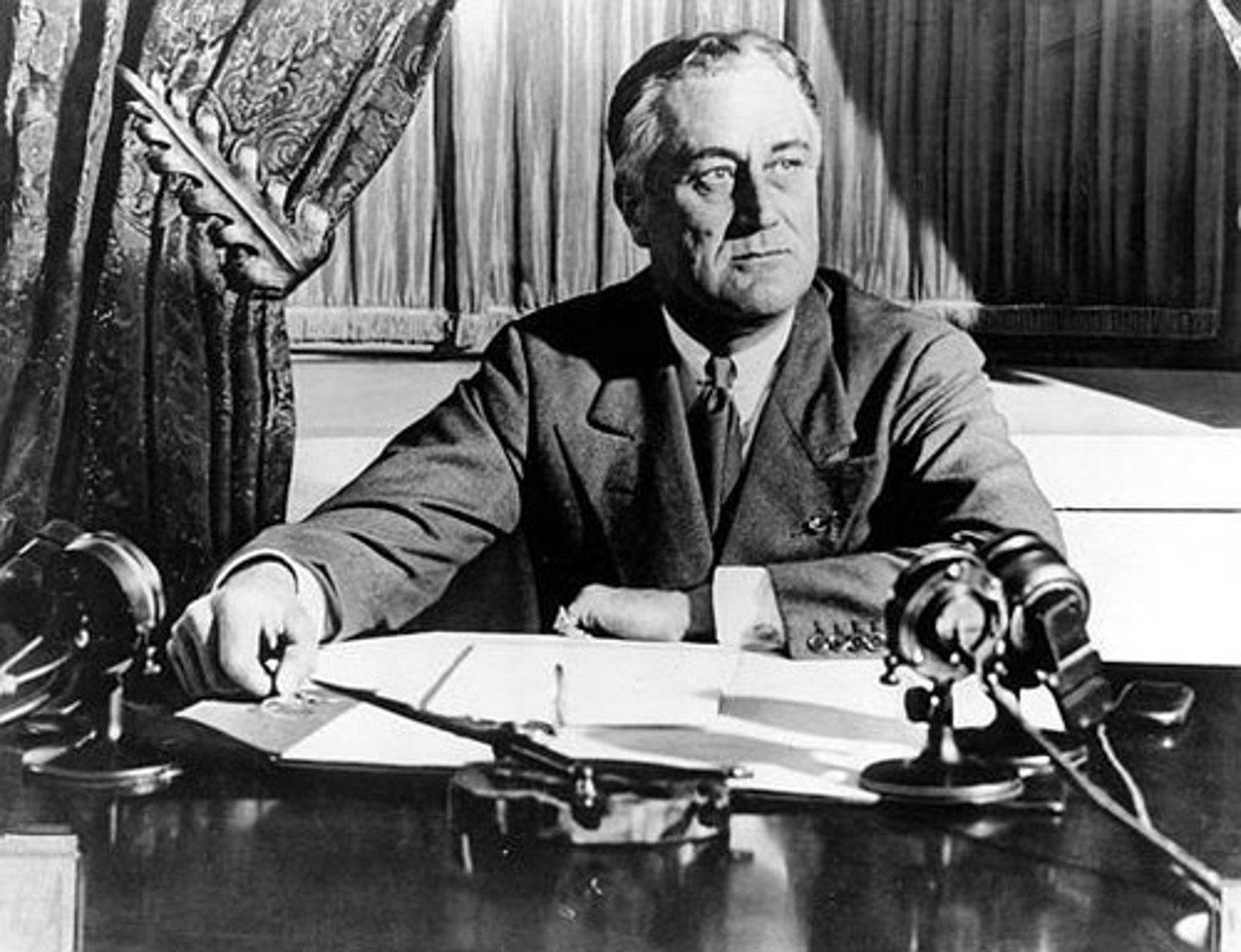
Franklin Delano Roosevelt
President of the United States during WWII
Cash and Carry Deal
Political act wherein the US could sell goods to warring countries provided they pay upfront and use their own ships as transport.
Destroyers for Bases Agreement
U.S. traded naval destroyers to Britain in exchange for the use of naval and air bases in British possessions
Lend-Lease Program
US policy to lend weapons to Allied nations during WWII
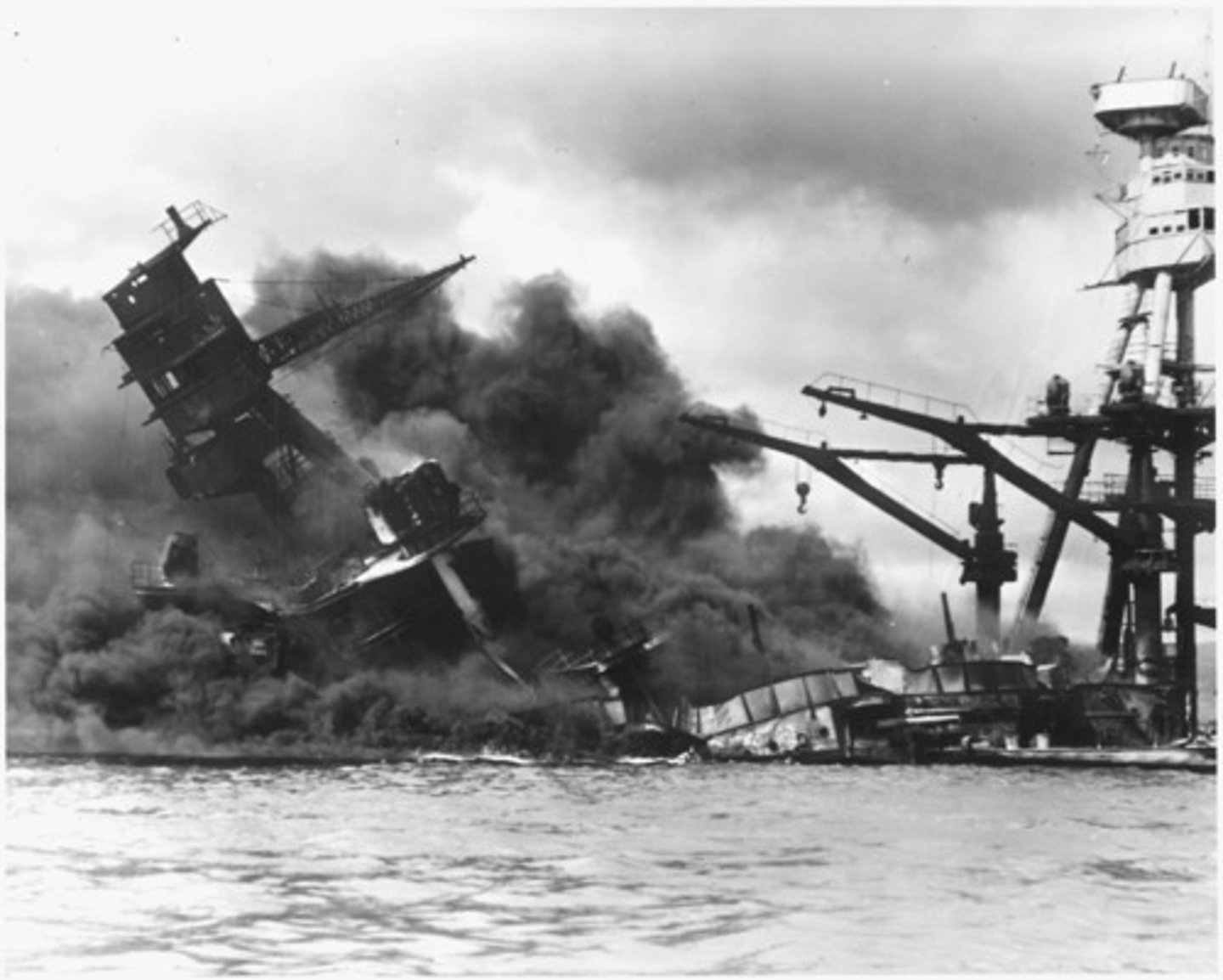
Pearl Harbor (1941)
Japanese attack on American air bases in Hawaii, led to US joining WWII
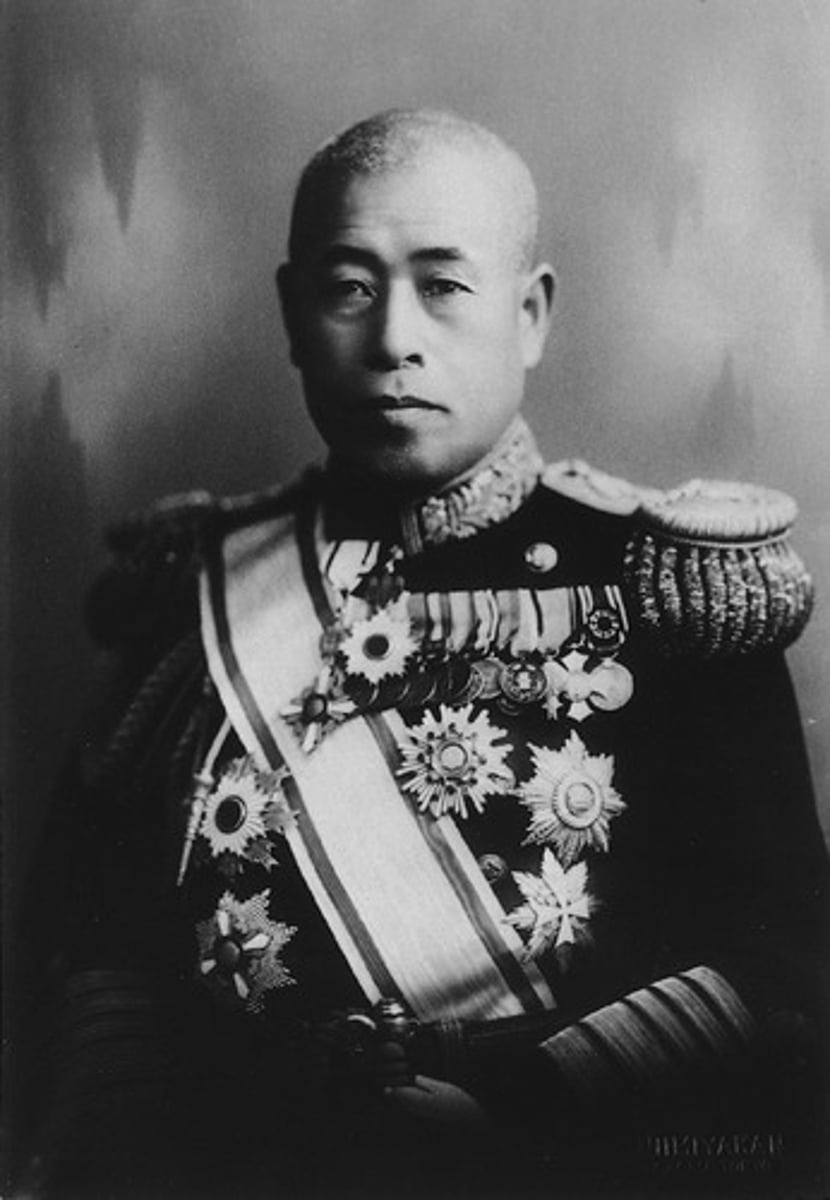
Admiral Yamamoto
Japanese admiral who planned the attack on Pearl Harbor
Appeasement
A policy of making concessions to an aggressor in the hopes of avoiding war. Associated with Neville Chamberlain's policy of making concessions to Adolf Hitler.
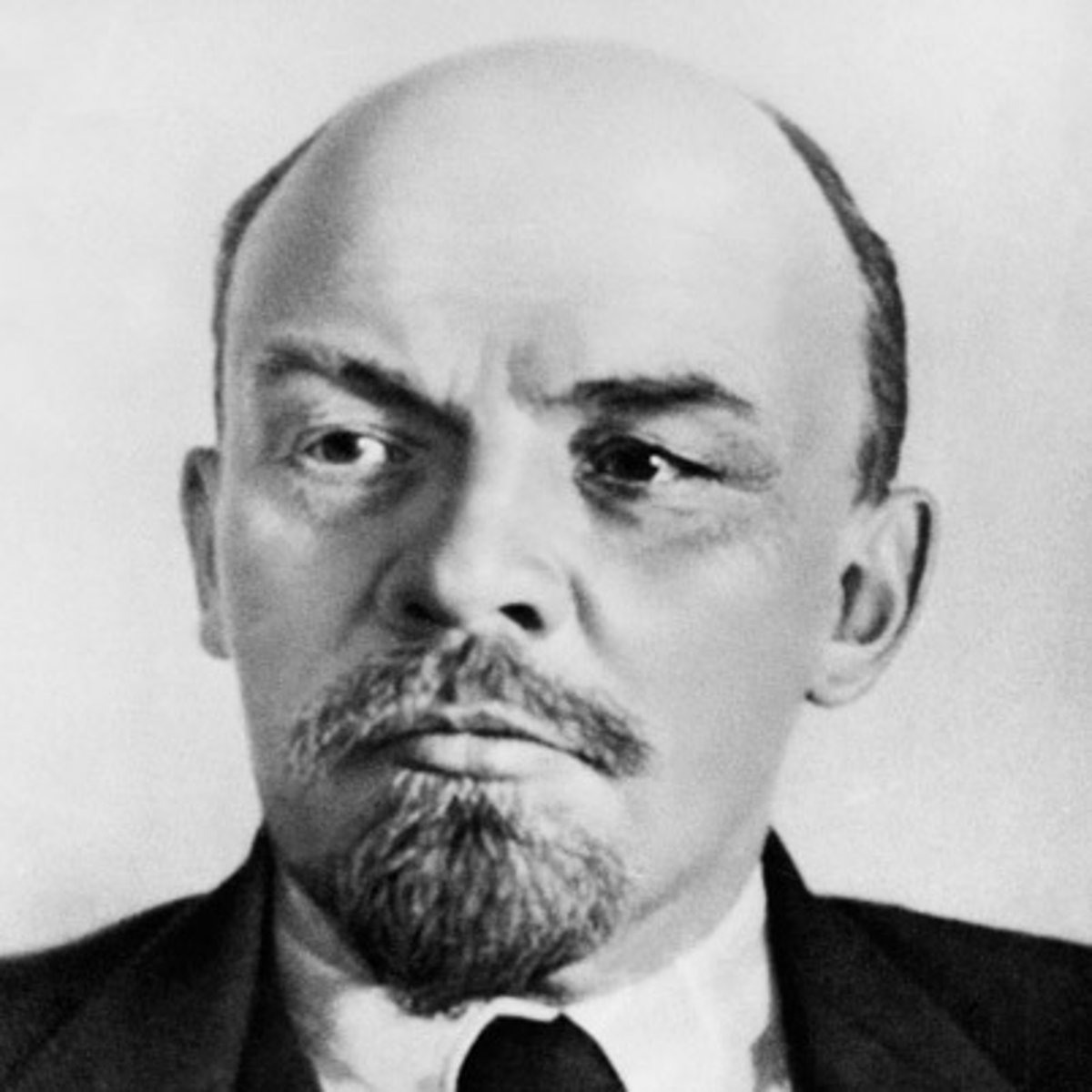
Vladimir Lenin
Russian founder of the Bolsheviks and leader of the Russian Revolution and first head of the USSR
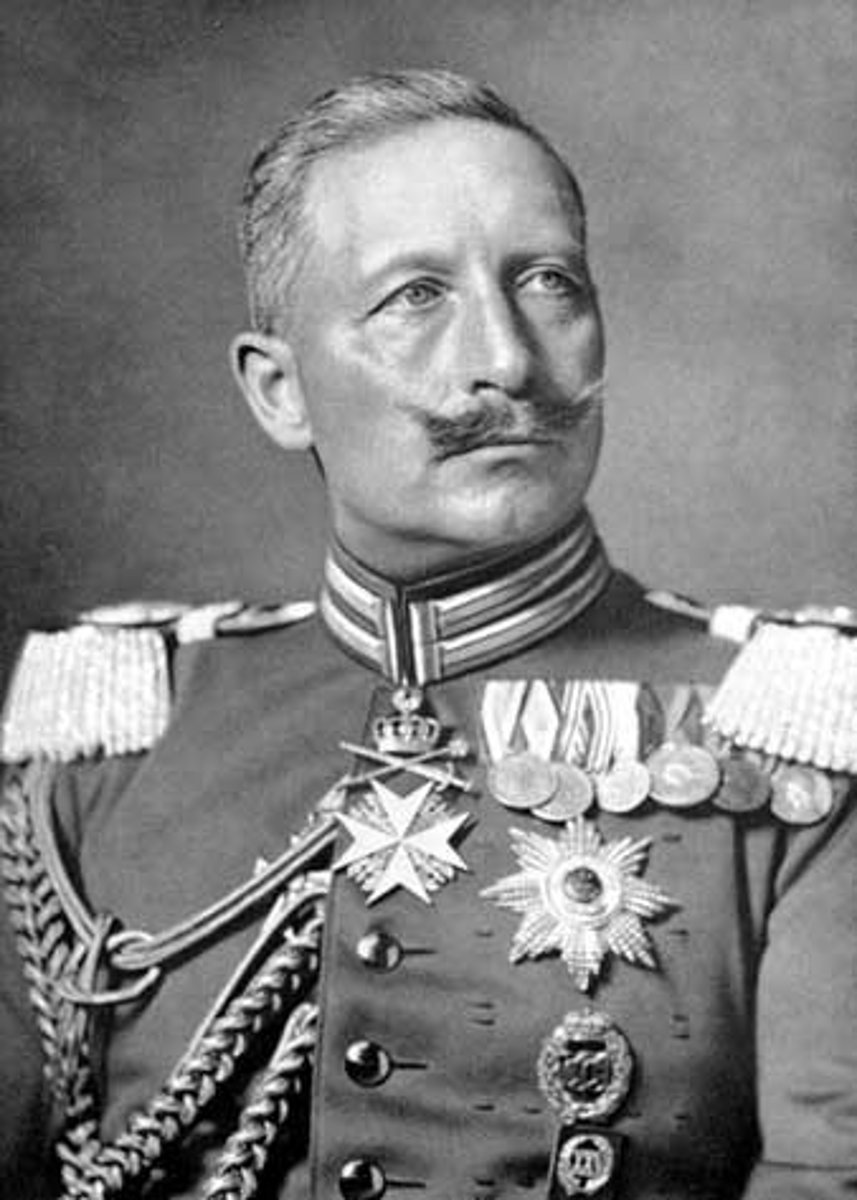
Kaiser Wilhelm II
Emperor of Germany during World War I
Munich Agreement (1938)
An agreement permitting the Nazi German annexation of Czechoslovakia's Sudetenland
Allies (WWII)
England, France, United States, and Russia after their pact with the Nazi Regime was violated.
Axis Powers
Germany, Italy, Japan
Disarmament
Reduction of armed forces and weapons- Germany forced to undergo this process following WWI
League of Nations
A world organization established in 1920 to promote international cooperation and peace.
Alsace-Loraine
These two french lands were lost in the Franco-Prussian war making the French more hostile towards Germany.
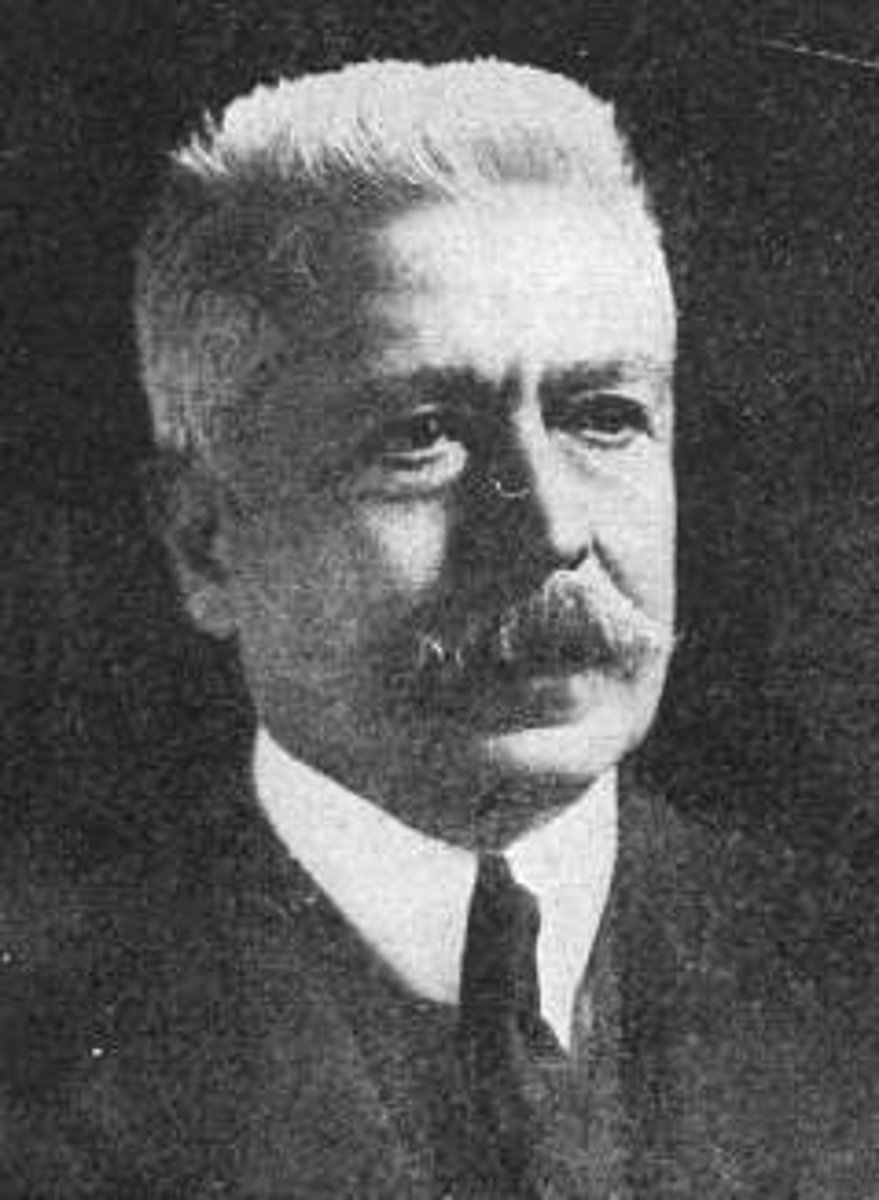
Vittorio Orlando
Italian prime minister, part of the "Big Four"
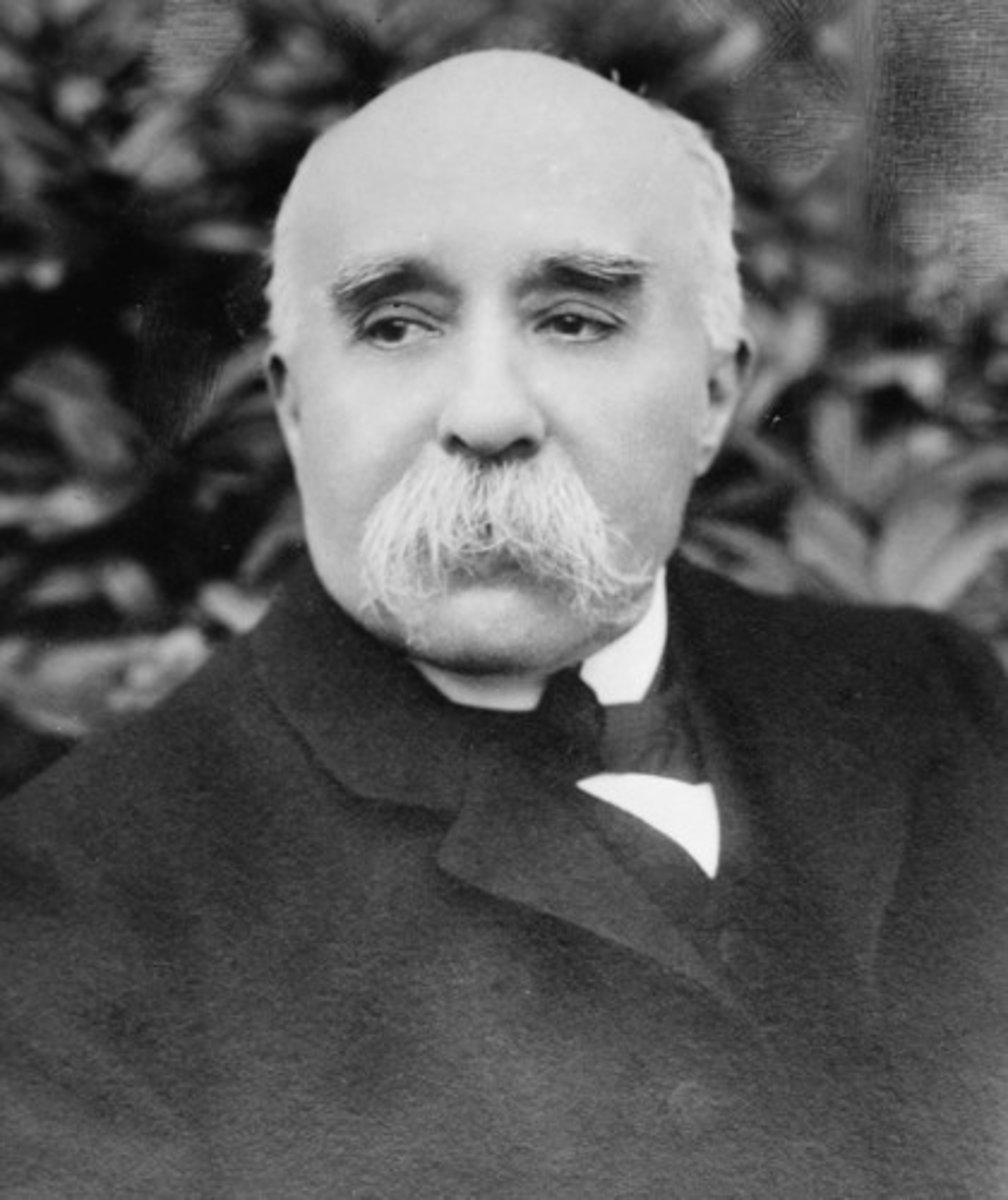
Georges Clemenceau
French Statesman and part of the "Big Four"
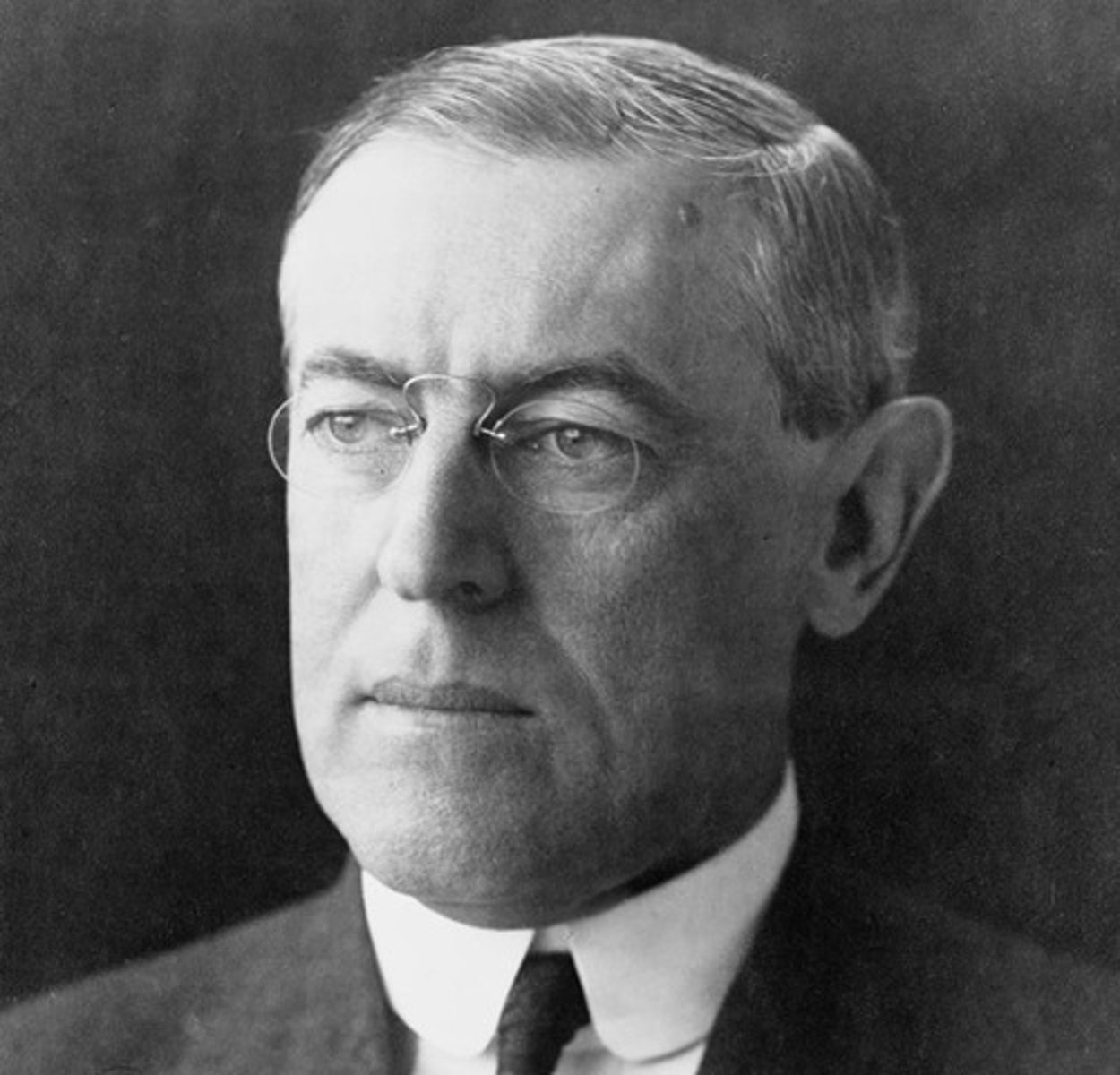
Woodrow Wilson
US president during WWI, part of the "Big Four"
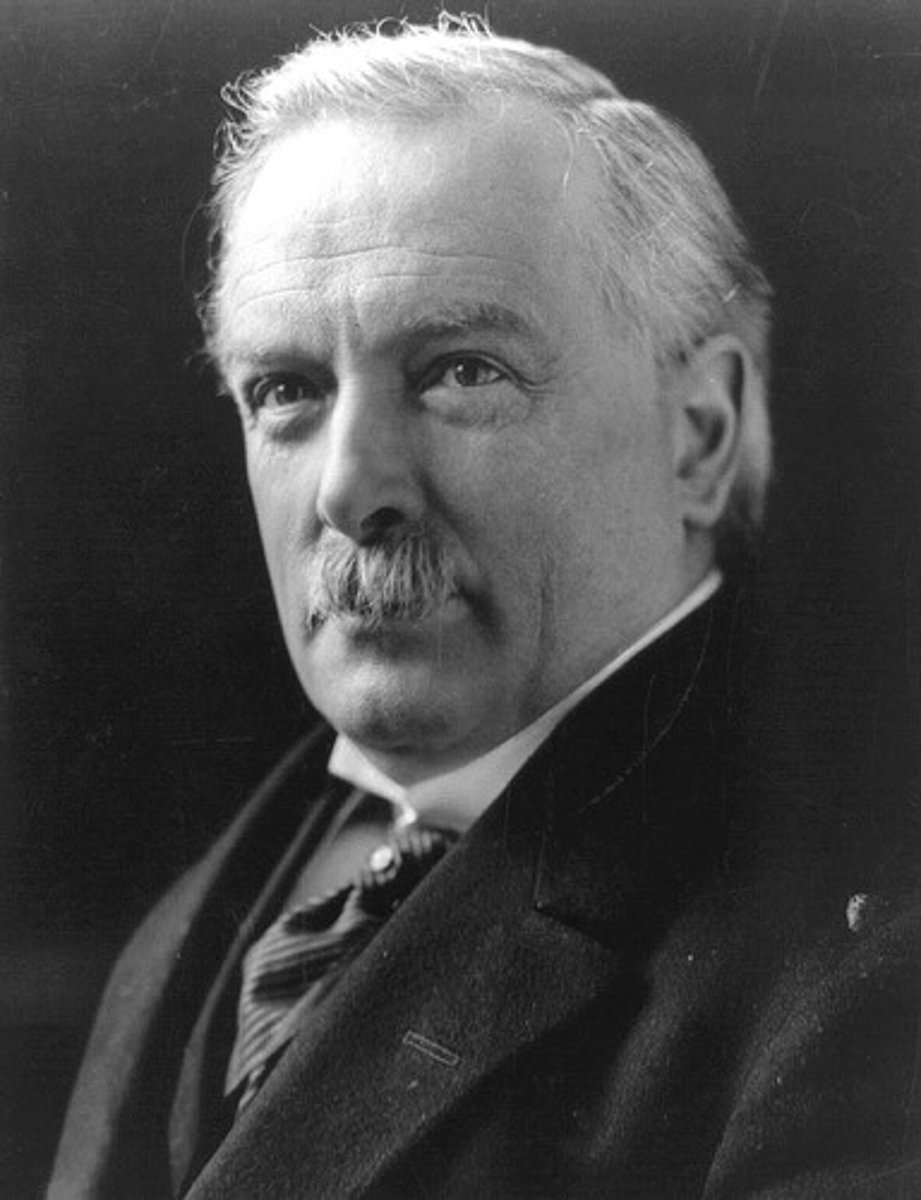
David Lloyd George
British Prime Minister during WWI, part of the "Big Four"
D-Day
Allied invasion of France on June 6, 1944 on the beaches of Normandy
Battle of the Bulge (1944)
German counterattack that pushed the Allies back into Belgium. Last stand of Hitler
Battle of Stalingrad
Decisive battle in German invasion of Russia, the Germans were surrounded and systemically destroyed