Study Guide: Quiz 1 - Mitosis and Meiosis

0.0(0)
Studied by 0 people
call kaiCall Kai
learnLearn
examPractice Test
spaced repetitionSpaced Repetition
heart puzzleMatch
flashcardsFlashcards
GameKnowt Play
Card Sorting

1/46

encourage image

There's no tags or description

Looks like no tags are added yet.

Last updated 2:21 AM on 3/14/25
Name
Mastery
Learn
Test
Matching
Spaced
Call with Kai

No analytics yet

Send a link to your students to track their progress

47 Terms

1
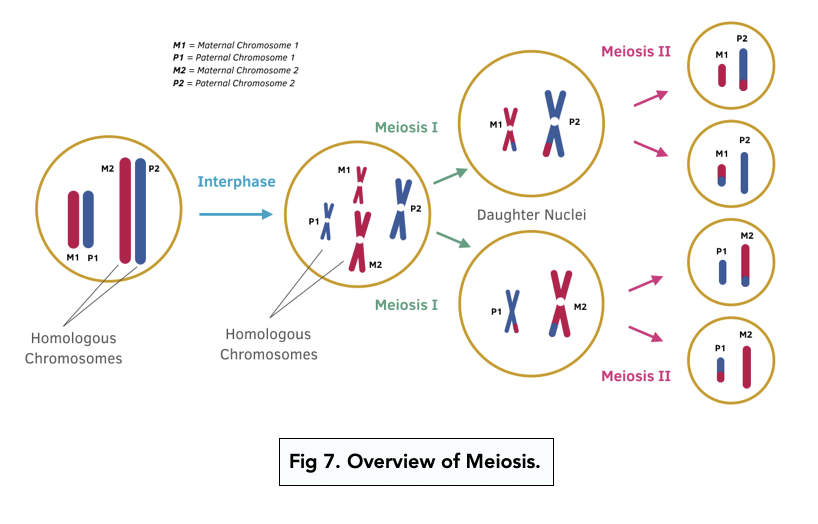
New cards

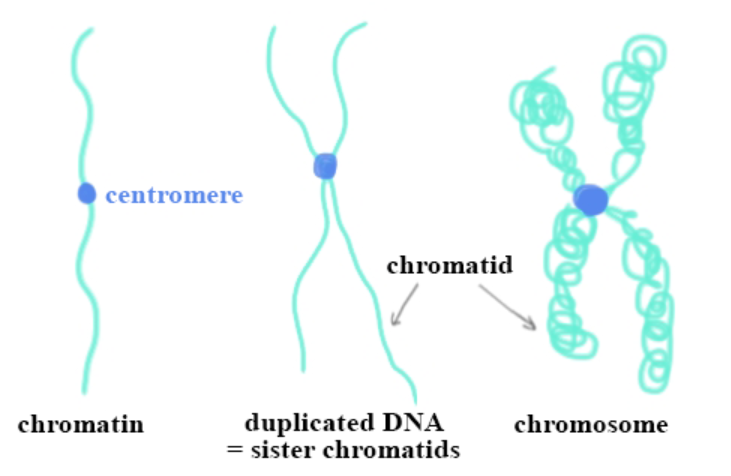
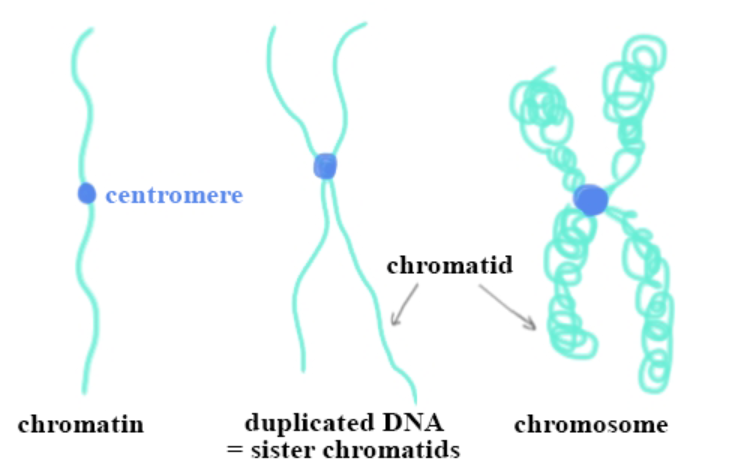
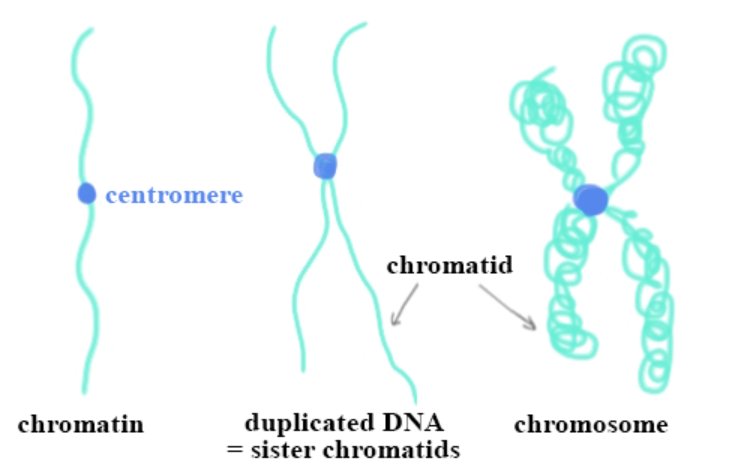
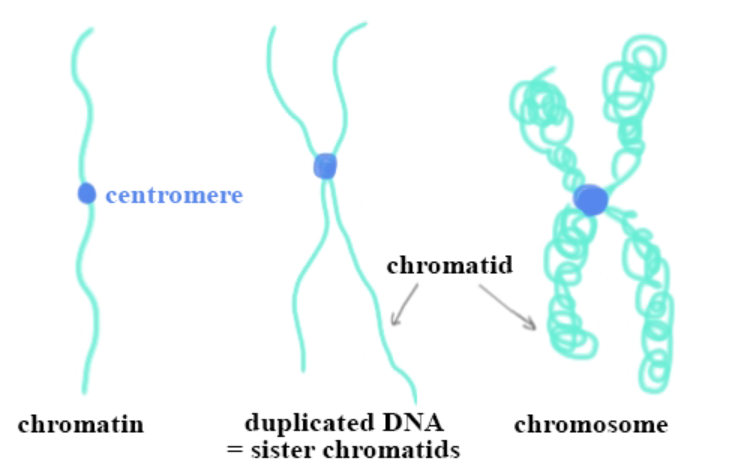
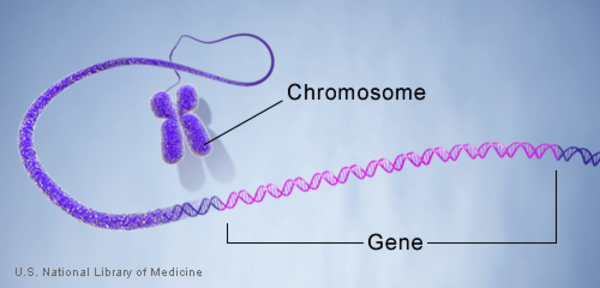
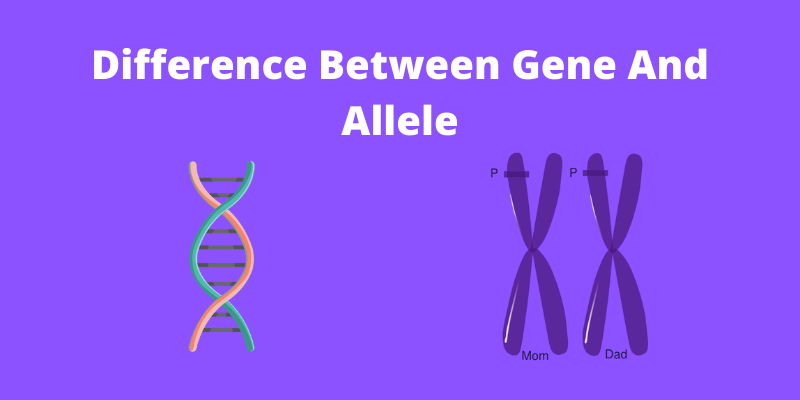
Chromatin

Loose, uncoiled DNA found in the nucleus during interphase.
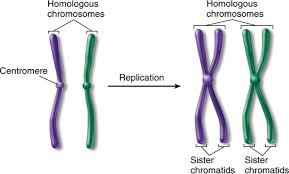
2
New cards

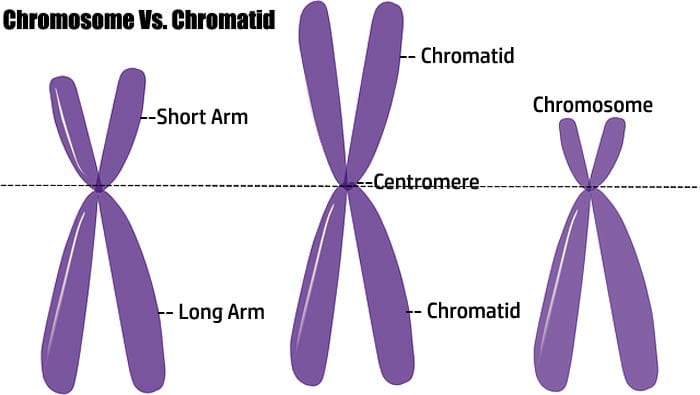
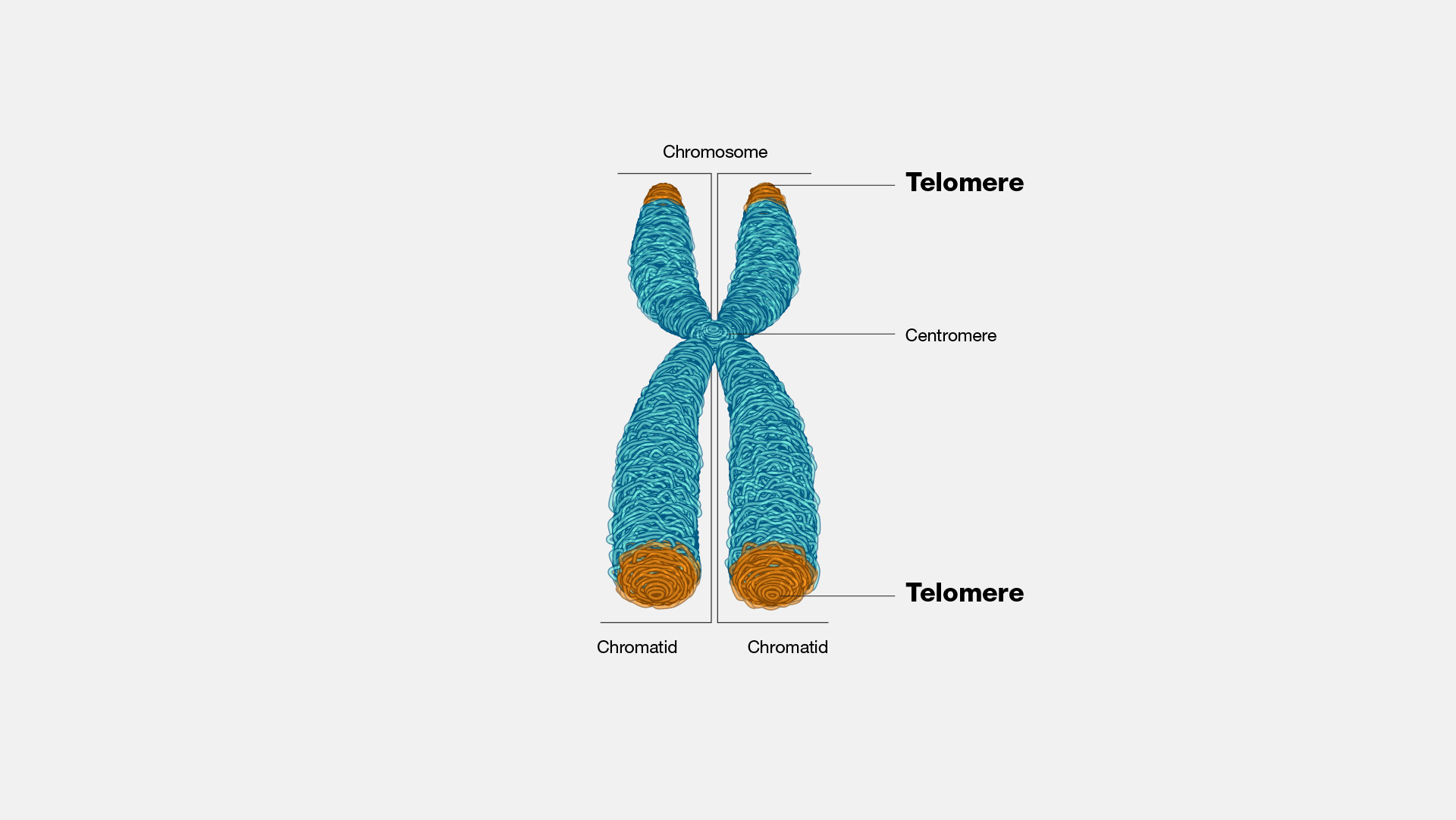
Chromatid

One of two identical halves of a duplicated chromosome.
3
New cards

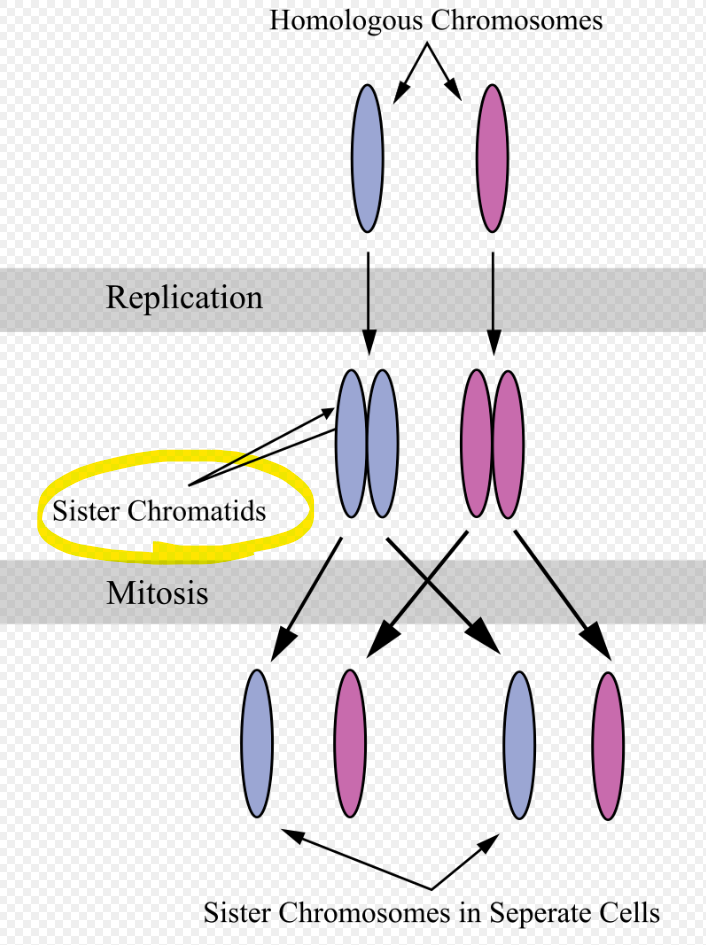
Sister Chromatids

Two identical chromatids joined together at a centromere.
4
New cards
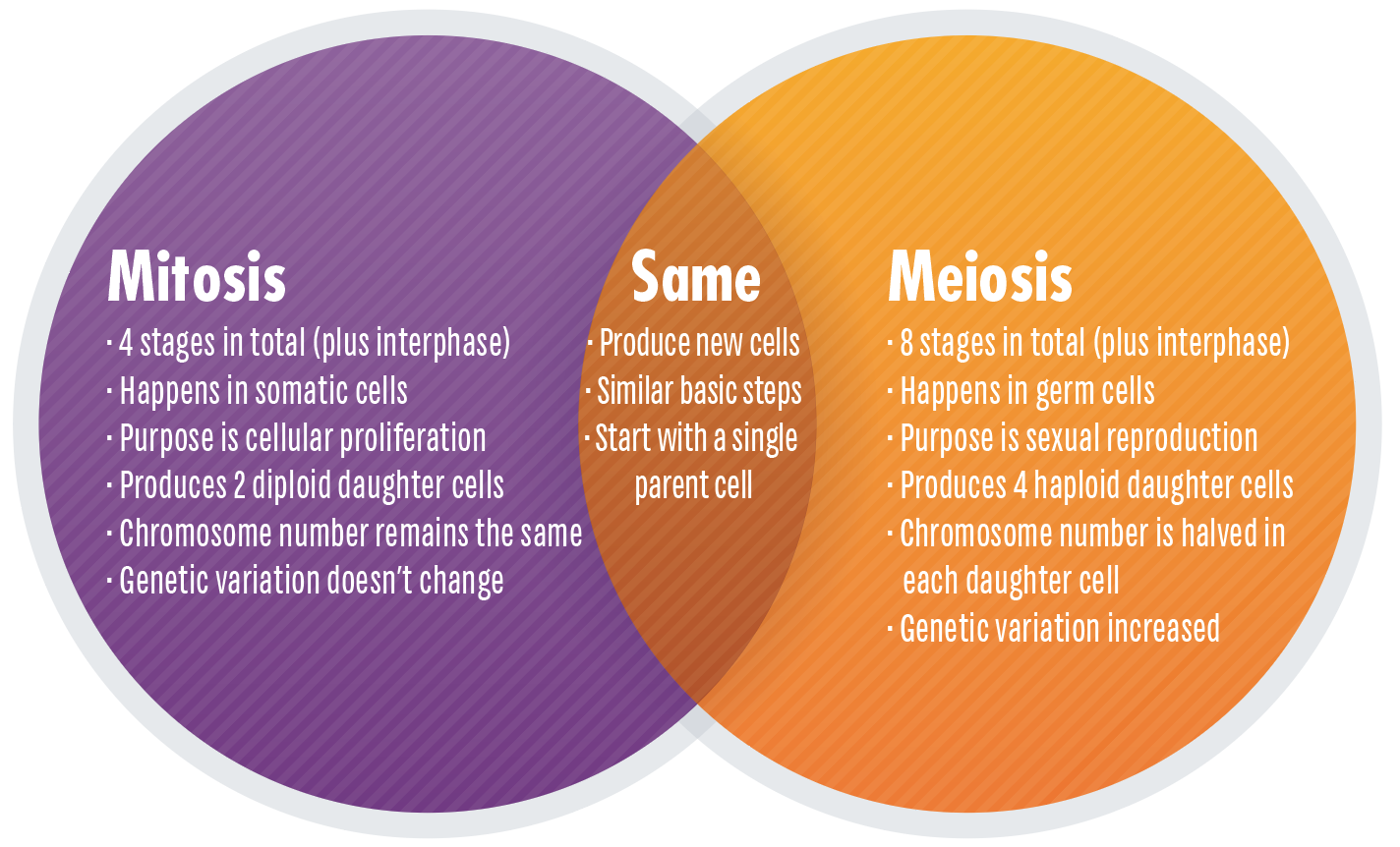
Chromosome
Condensed, coiled DNA that carries genetic information.
5
New cards
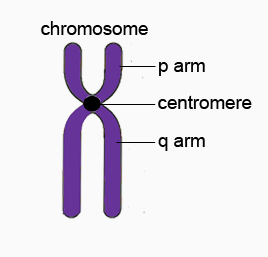
Centromere
The central region where sister chromatids are joined.
6
New cards
Telomere
Protective ends of chromosomes that prevent degradation.
7
New cards
q arm

The longer section of a chromosome.
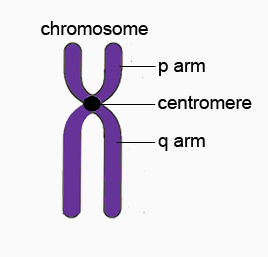
<p>The <strong>longer </strong>section of a chromosome.</p>
8
New cards
p arm

The shorter section of a chromosome.
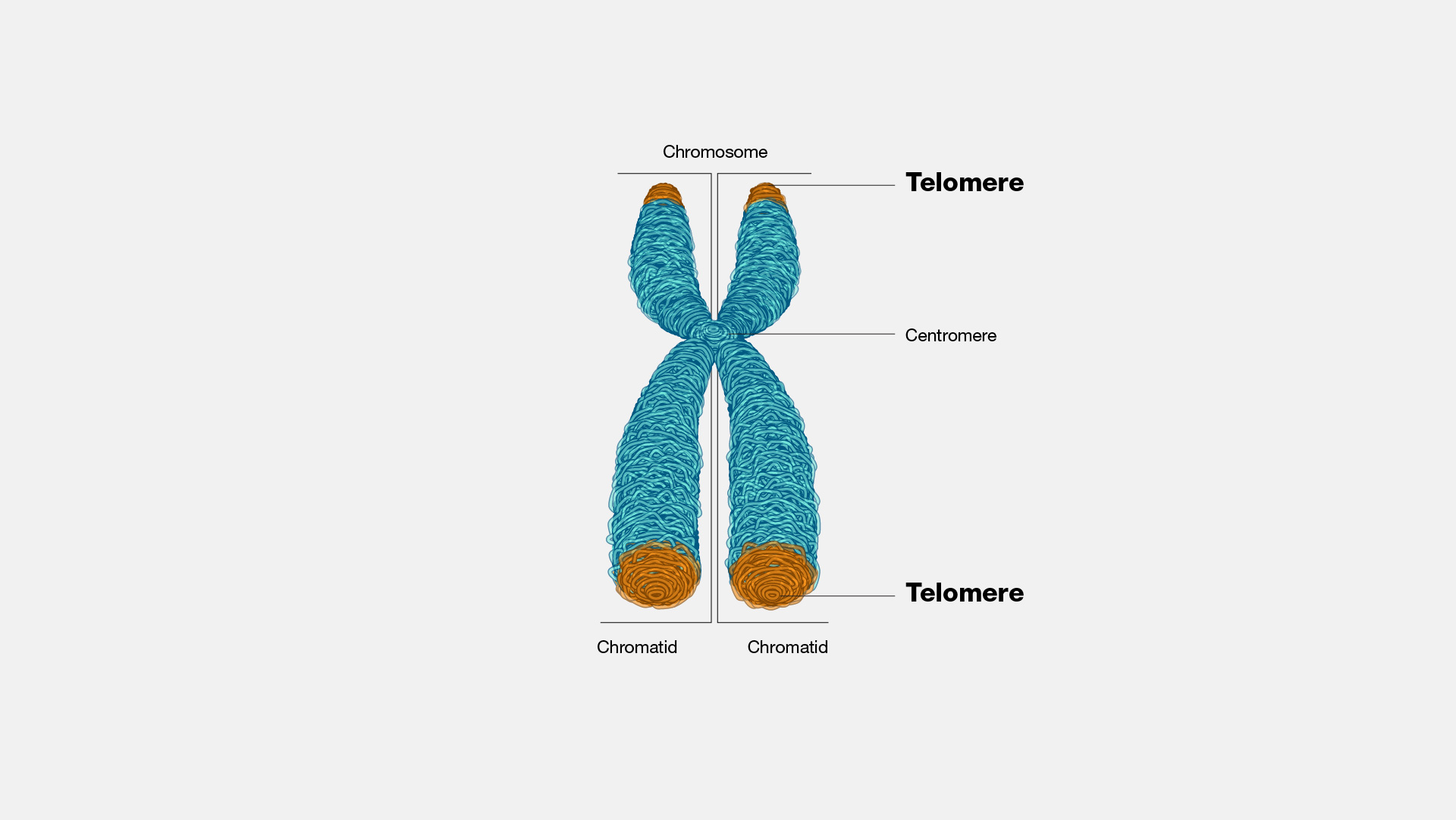
<p>The <strong>shorter </strong>section of a chromosome.</p>
9
New cards
Why are telomeres important?
They prevent the loss of genetic information during DNA replication and their shortening is linked to aging and cell death.
10
New cards
Sister chromatids relationship
Identical copies of the same chromosome, held together at the centromere.
11
New cards
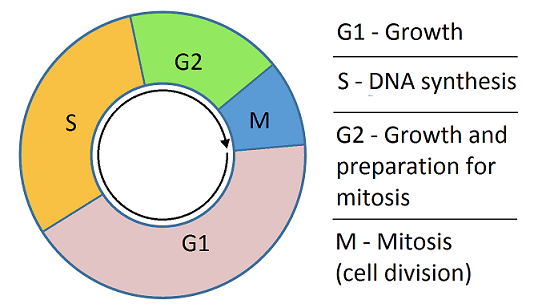
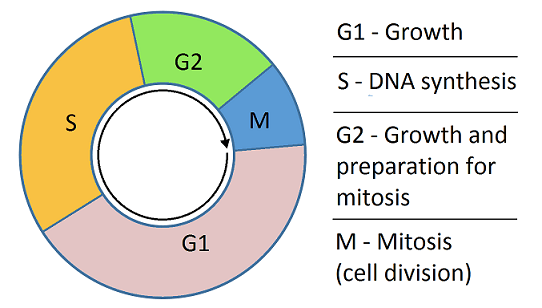
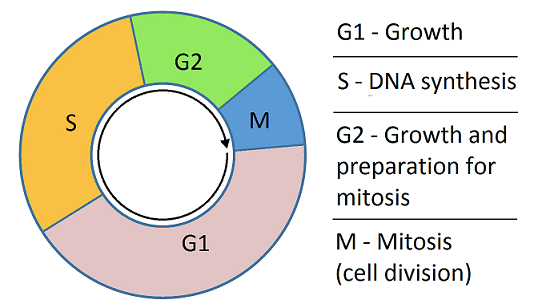
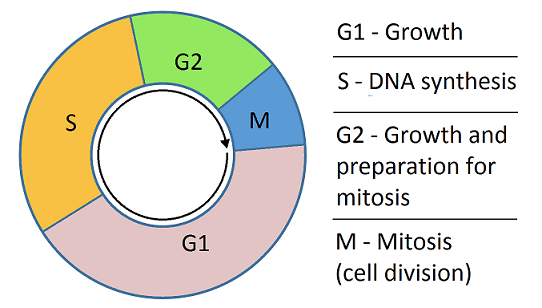
Interphase

Stage of the cell cycle that includes G1, S, and G2 phases. (meiosis).
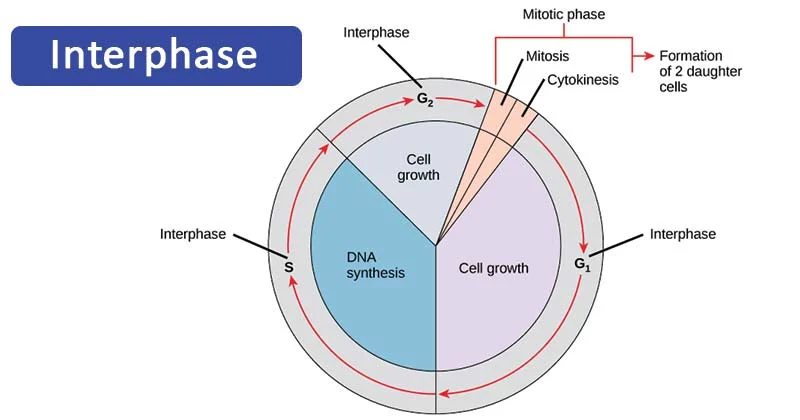
<p>Stage of the cell cycle that includes G1, S, and G2 phases. (meiosis).</p>
12
New cards
G1 Phase
Cell growth and preparation for DNA replication.
13
New cards
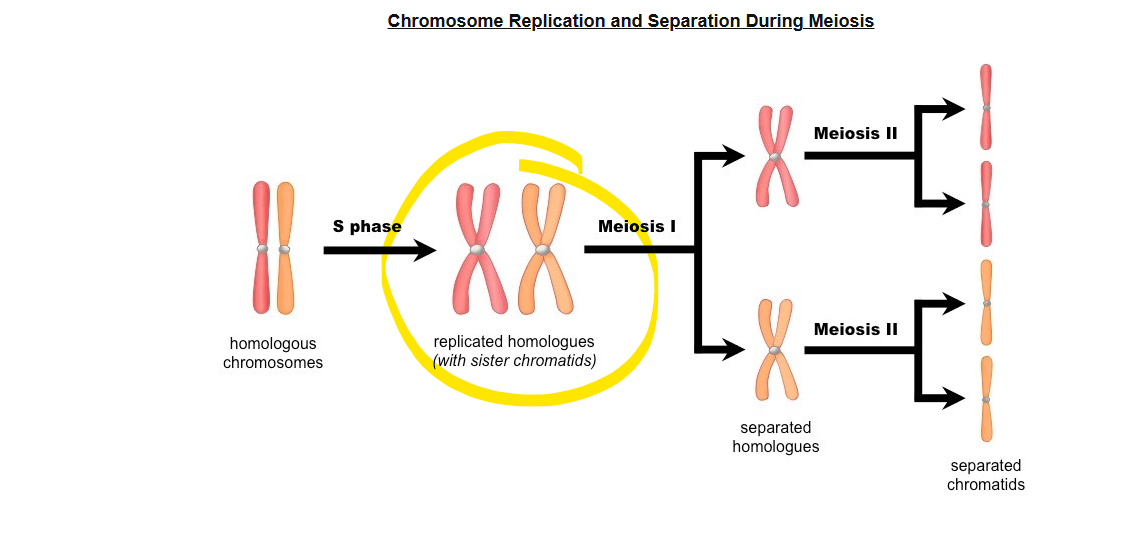
S Phase
DNA replication occurs.
14
New cards
G2 Phase
Final preparation for mitosis, organelles are duplicated.
15
New cards
Mitosis
Division of the nucleus.
16
New cards
Cytokinesis

Division of the cytoplasm, forming two daughter cells.
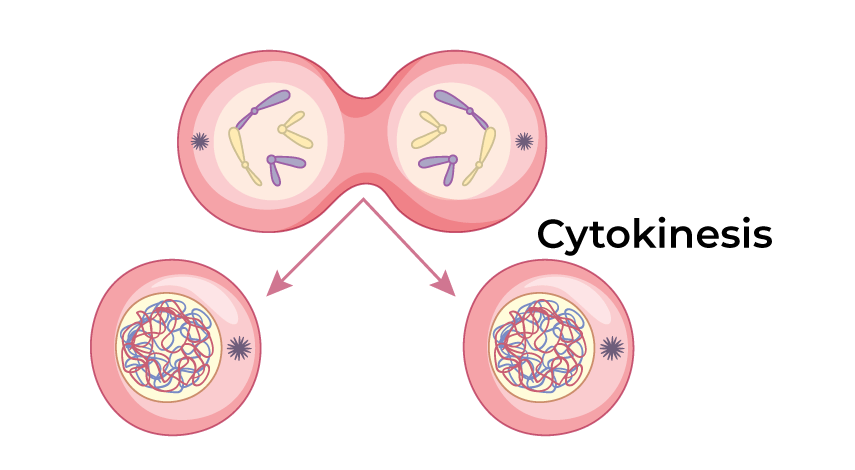
<p><strong>Division </strong>of the cytoplasm, forming two daughter cells.</p>
17
New cards
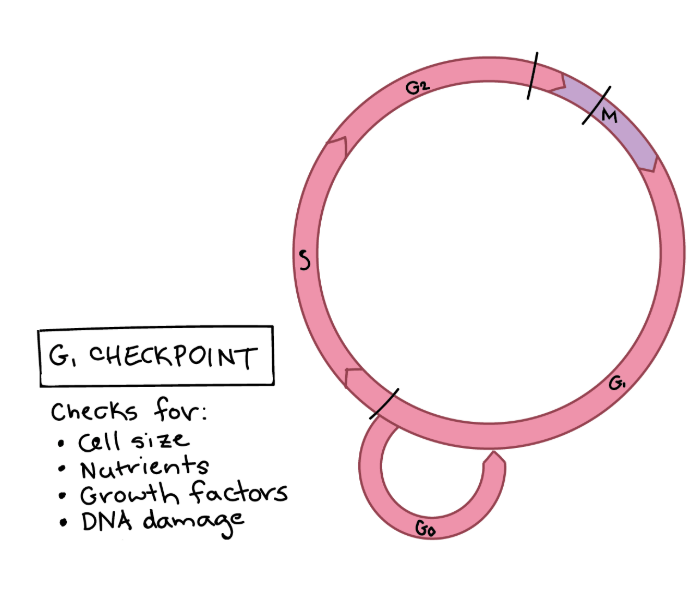
G1 Checkpoint
Checks cell size and DNA integrity.
18
New cards
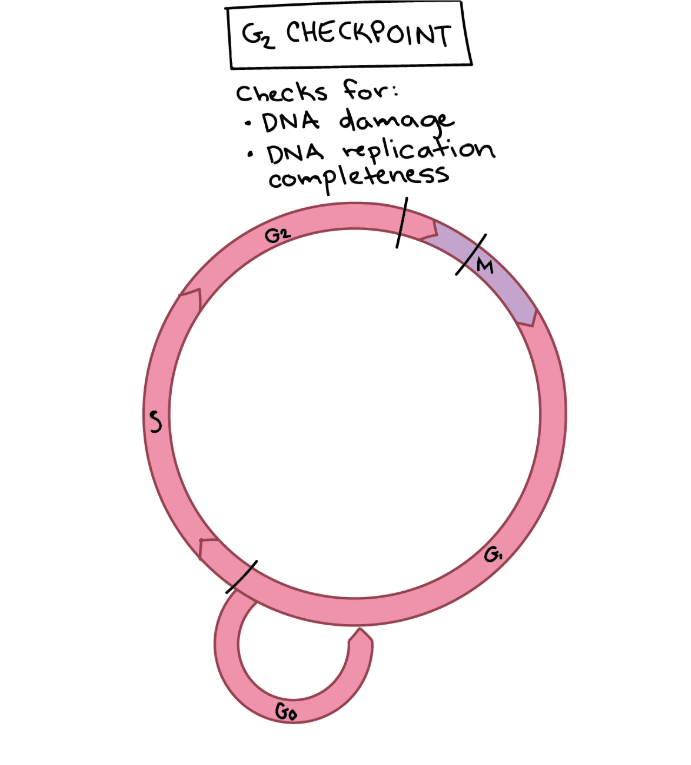
G2 Checkpoint
Ensures DNA replication was successful.
19
New cards
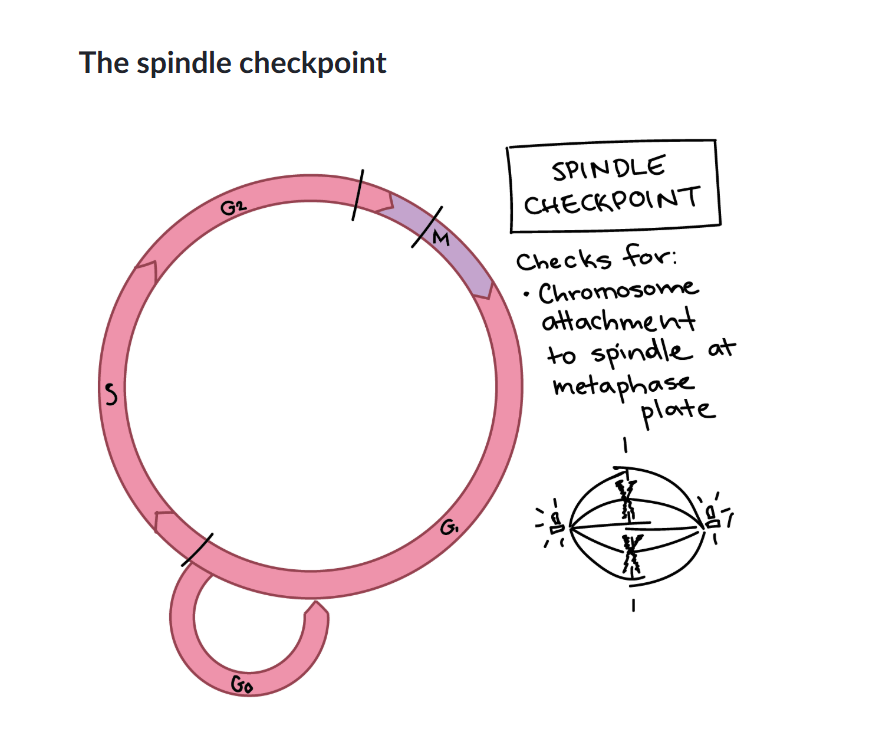
M Checkpoint
Verifies chromosome alignment during mitosis.
20
New cards
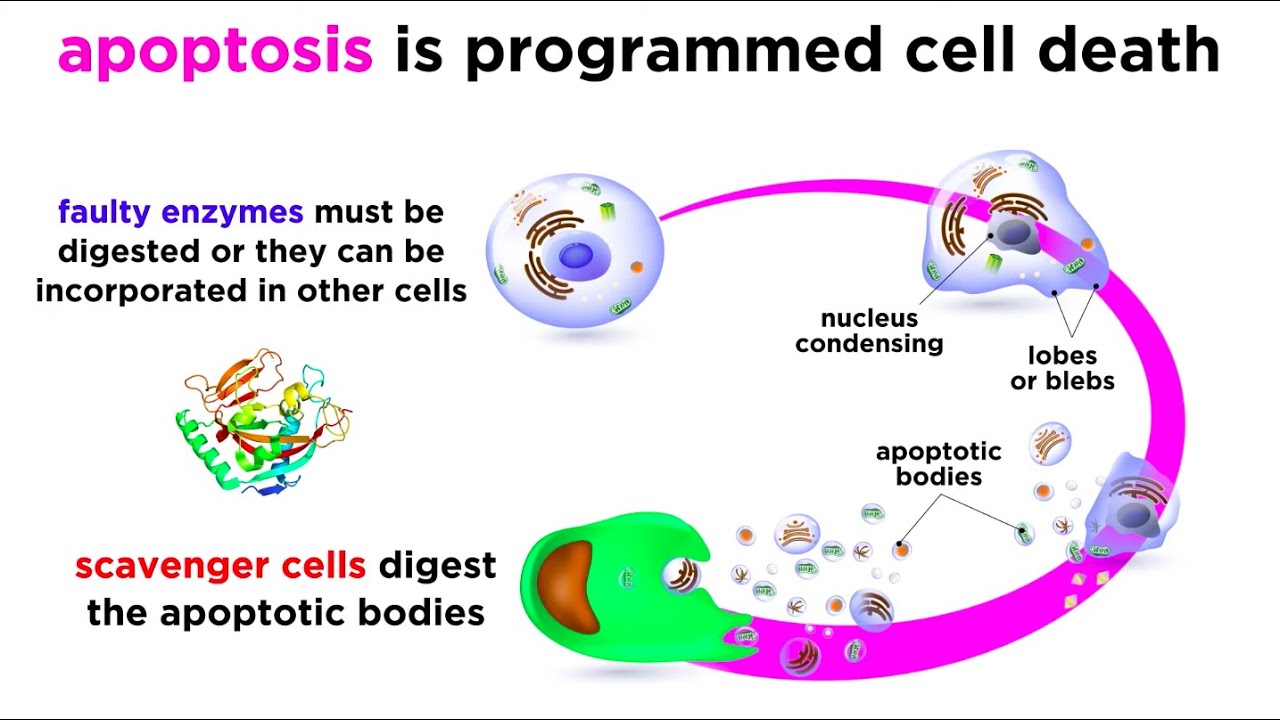
Apoptosis
Programmed cell death to remove damaged or unneeded cells.
21
New cards
Mitosis in Single-celled organisms

The process through which single-celled organisms replicate their nuclei and divide into daughter cells.
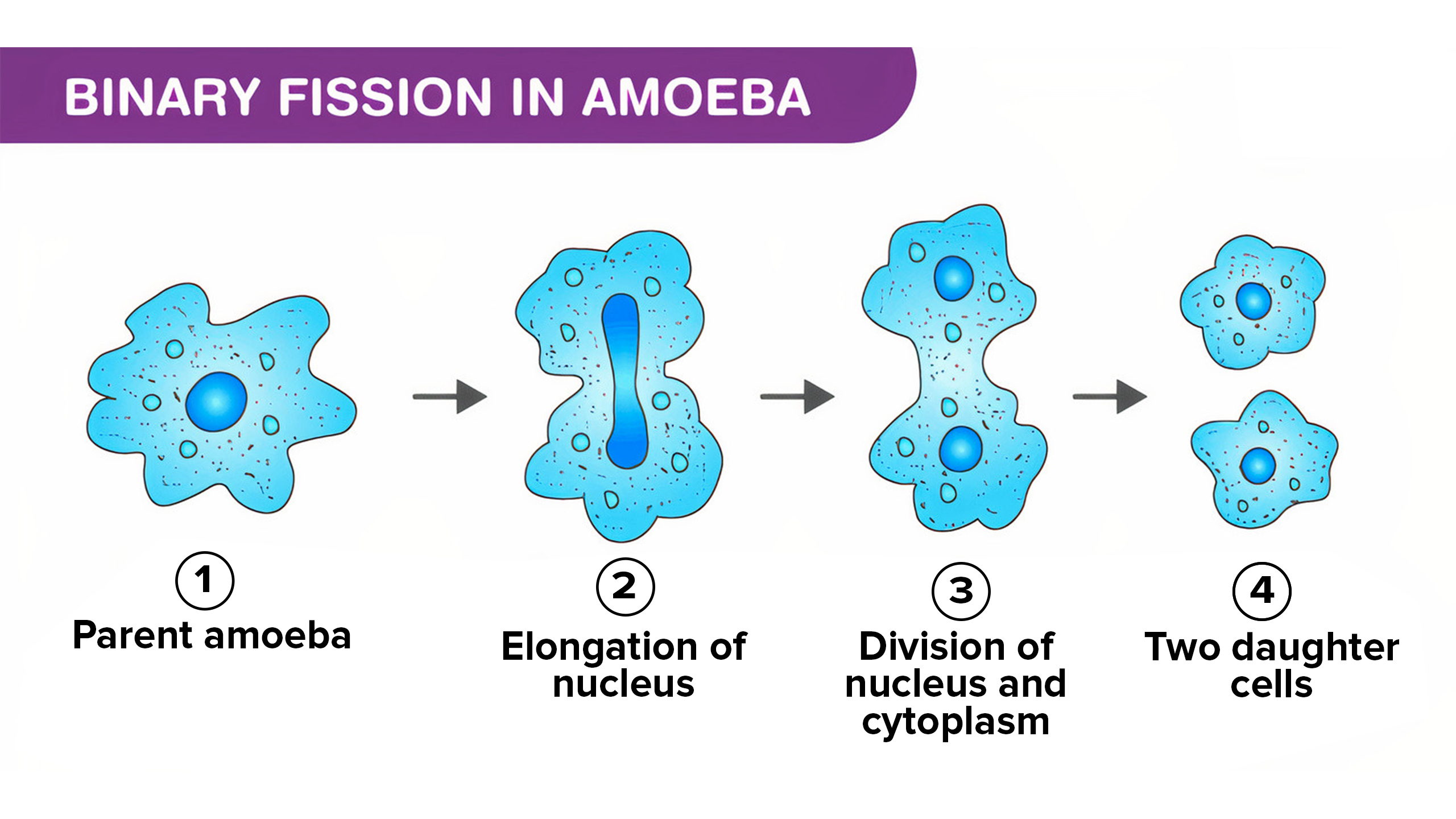
<p><span>The process through which single-celled organisms replicate their nuclei and divide into daughter cells.</span></p>
22
New cards
Mitosis in Multicellular organisms

Process by which somatic (body) cells divide to allow for growth, repair, and maintenance of tissues.

23
New cards

Prophase

1st phase where chromatin condences
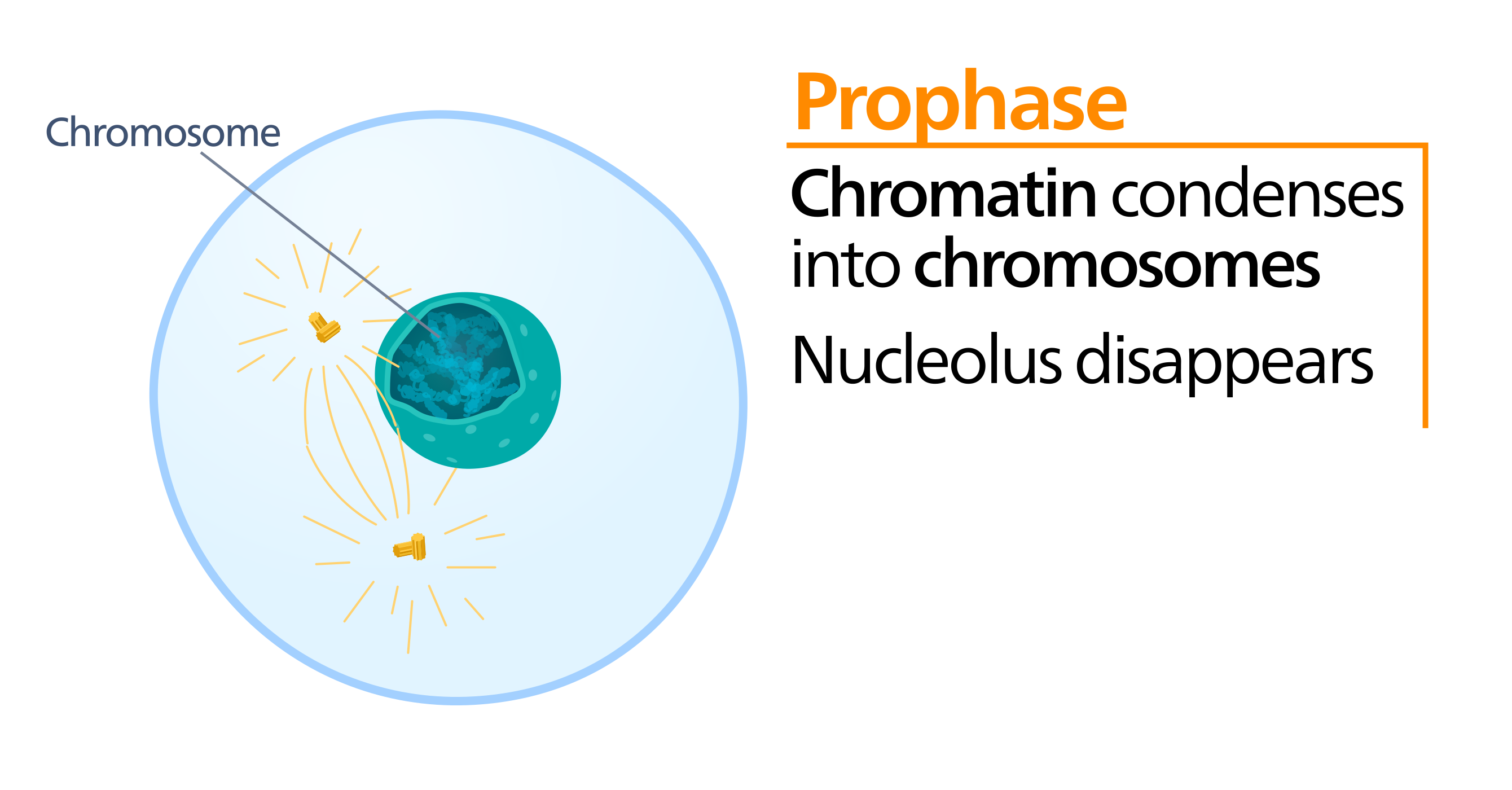
<p>1st phase where chromatin condences</p>
24
New cards
Metaphase

2nd phase Chromosomes align at the metaphase plate.
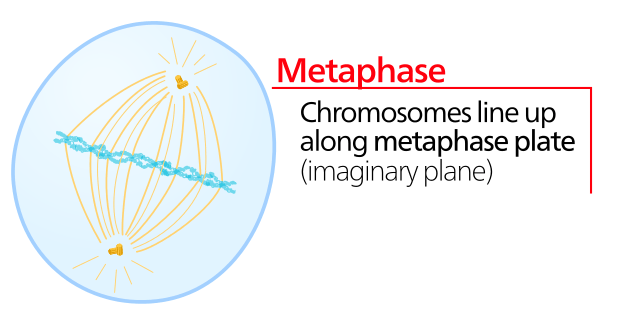
<p> 2nd phase Chromosomes align at the metaphase plate.</p>
25
New cards
Anaphase

3rd phase where Sister chromatids separate and move to opposite poles.
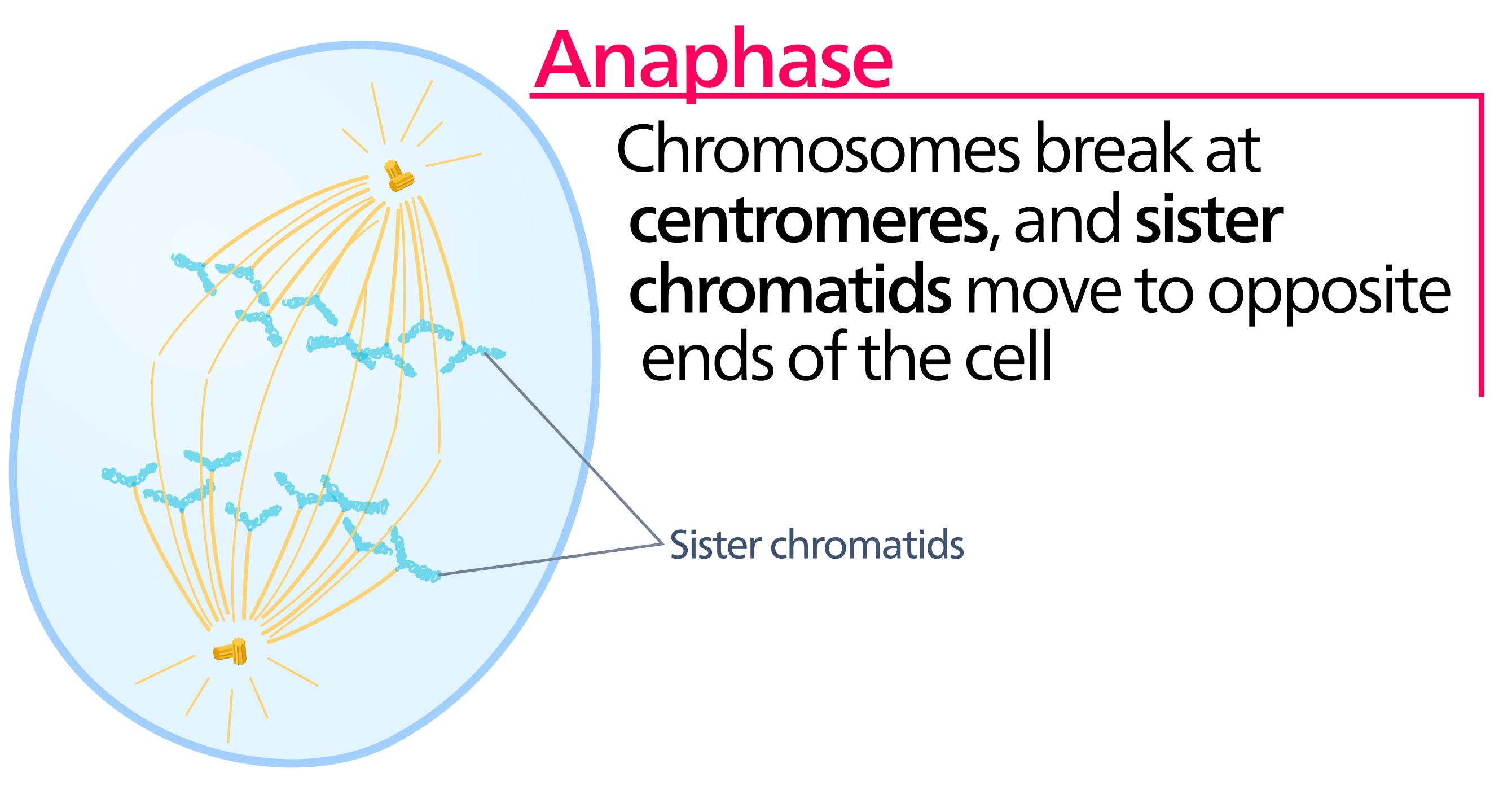
<p>3rd phase where Sister chromatids separate and move to opposite poles.</p>
26
New cards
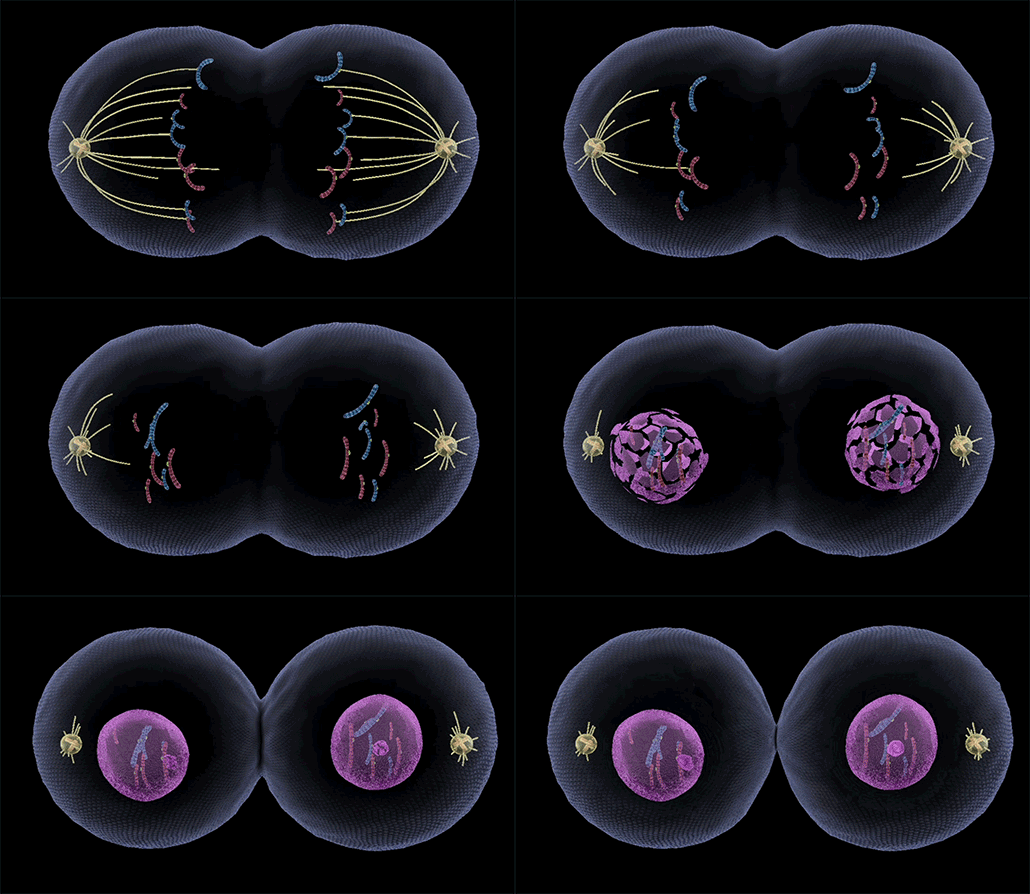
Telophase

4th phase, where the Nuclear envelope reforms and chromosomes decondense.
<p>4th phase, where the Nuclear envelope reforms and chromosomes decondense.</p>
27
New cards
Purpose of Meiosis
Creates gametes (sperm and egg) for sexual reproduction and introduces genetic variation.
28
New cards
Gene
A section of DNA that codes for a trait.
29
New cards
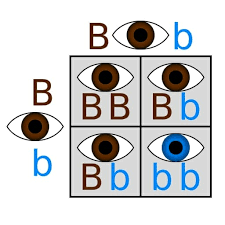
Allele
A variant of a gene (e.g., blue vs. brown eye color).
30
New cards
Homologous Chromosomes
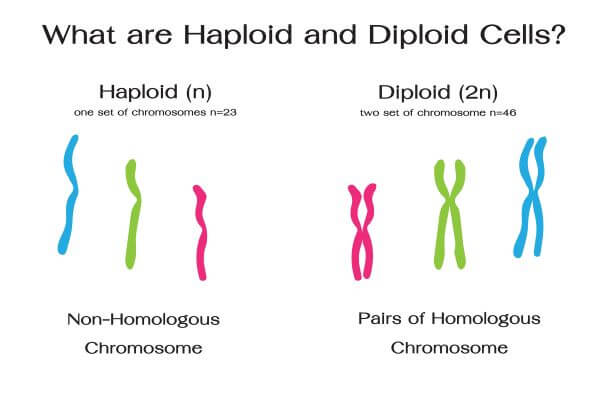
Chromosome pairs (one from each parent) with similar genes but possibly different alleles.
31
New cards
Human Chromosome Count
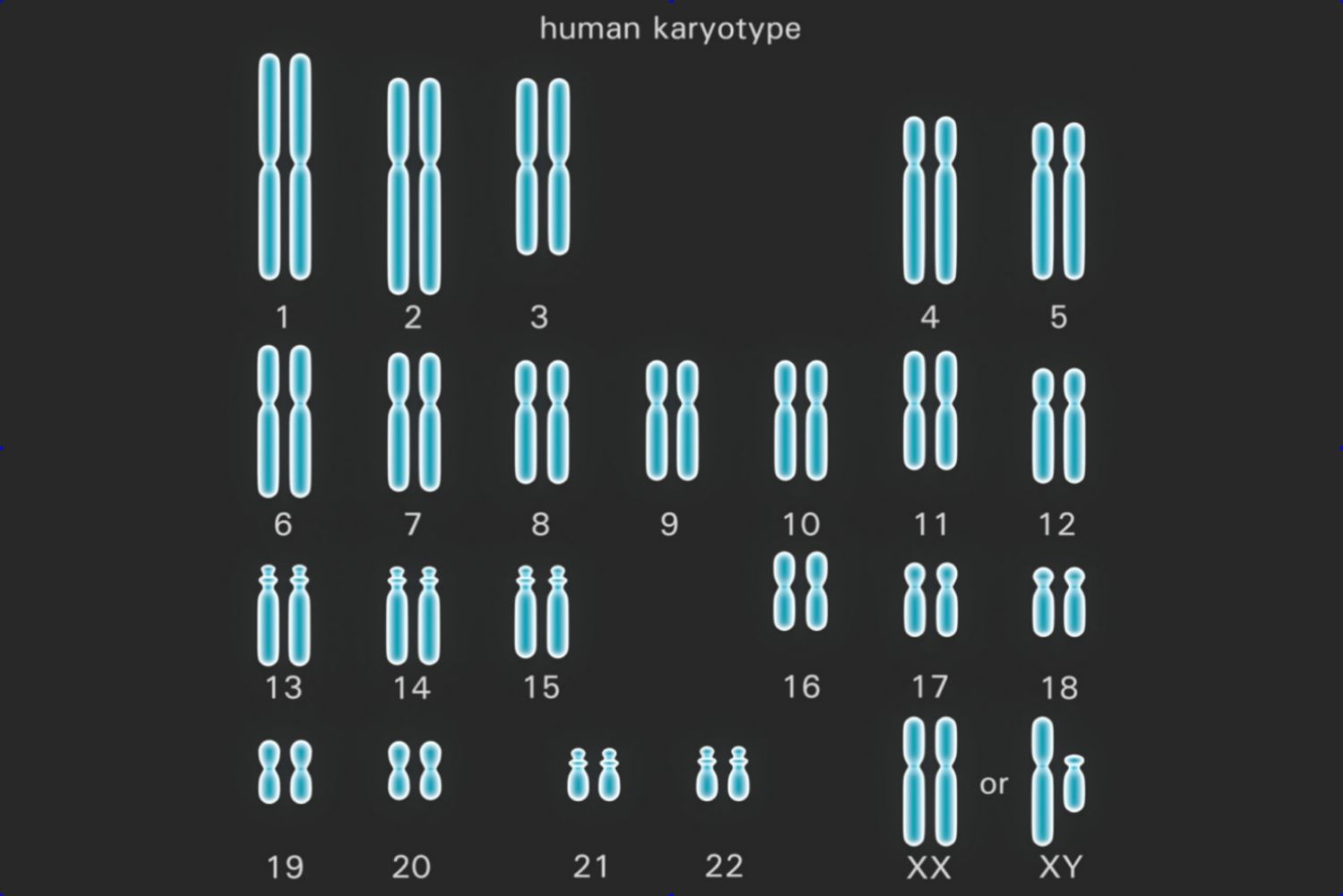
46 total chromosomes (23 pairs), inherited from both parents.
32
New cards
Diploid Cells
Cells that have two sets of chromosomes (body cells).
33
New cards
Haploid Cells
Cells that have one set of chromosomes (gametes).
34
New cards
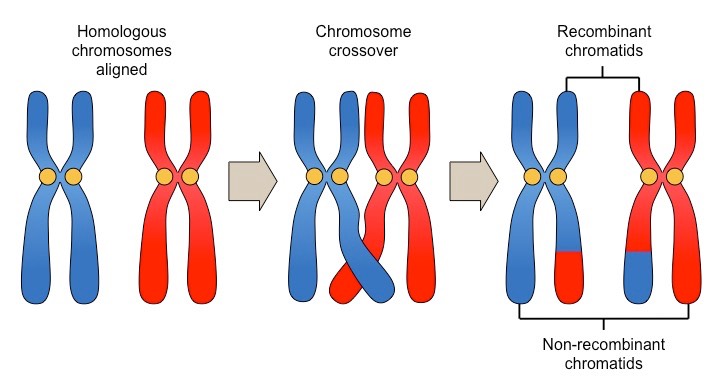
Crossing Over
Exchange of DNA between homologous chromosomes in Prophase I.
35
New cards
Independent Assortment
Random separation of chromosomes during Metaphase I.
36
New cards
Tetrad

pair of homologous chromosomes(4 chromatids)that forms during prophase I

<p>pair of homologous chromosomes(4 chromatids)that forms during prophase I</p>
37
New cards
DNA Duplication in Meiosis
DNA is duplicated once, but the cell divides twice.
38
New cards
Oogenesis

Process of egg cell production, resulting in 1 egg cell and 3 polar bodies.
39
New cards
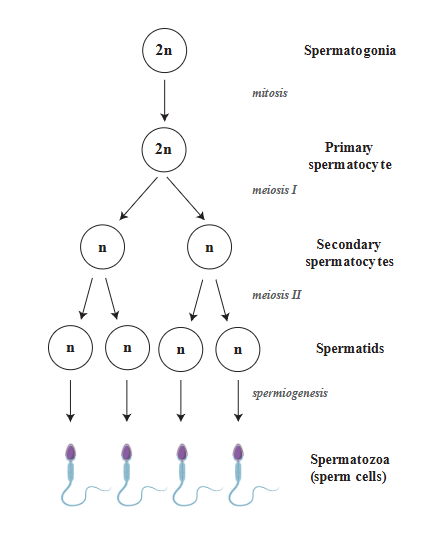
Spermatogenesis
Process of sperm cell production, resulting in 4 sperm cells.
40
New cards
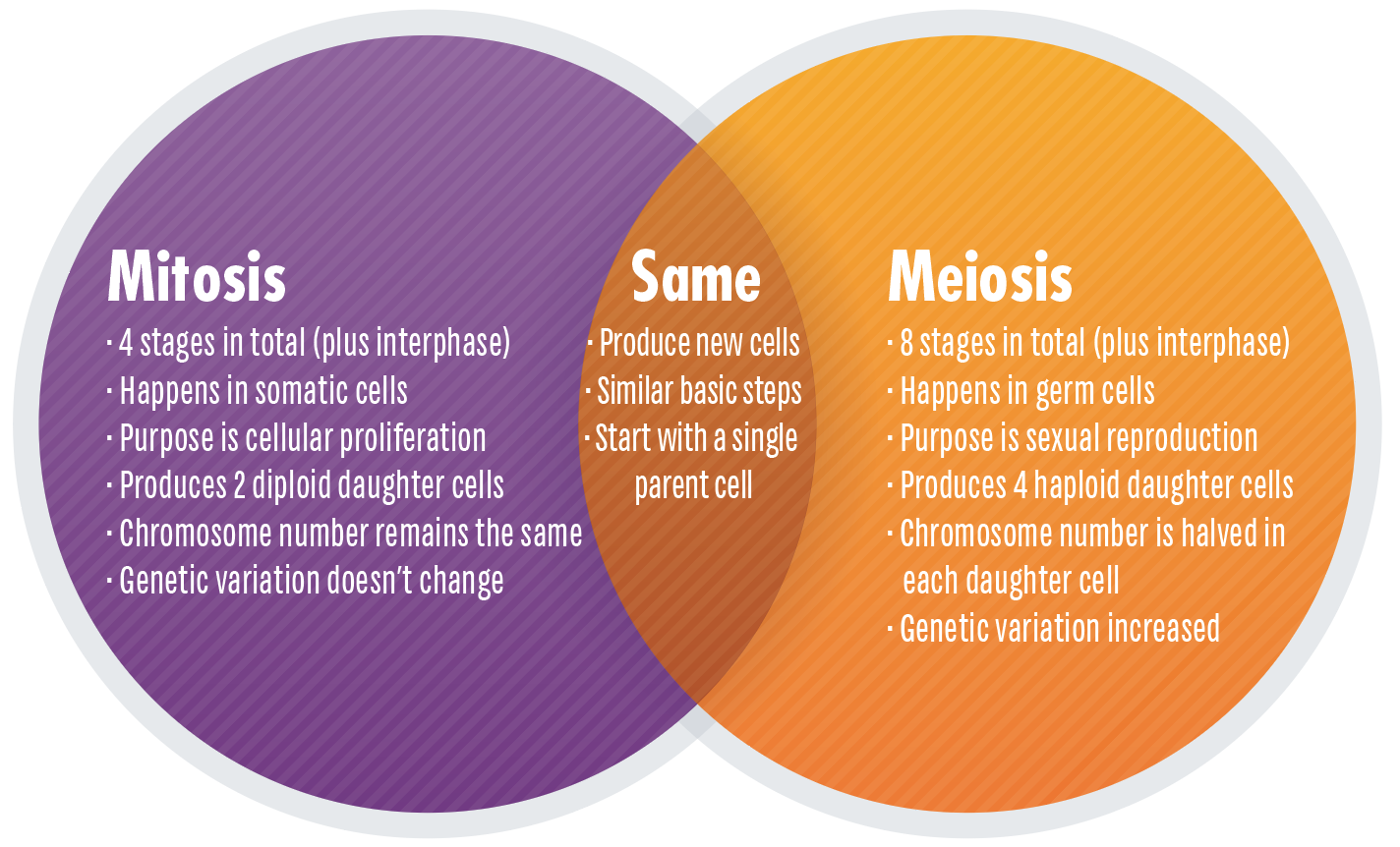
Mitosis Comparison: Produces gametes
Mitosis does not produce gametes; Meiosis does.
41
New cards
Mitosis Comparison: Growth & Repair
Mitosis is for growth & repair; Meiosis is not.
42
New cards
Mitosis Comparison: Genetic Variation
Mitosis does not introduce genetic variation; Meiosis does.
43
New cards
Mitosis Comparison: Divisions
Mitosis has one division; Meiosis has two divisions.
44
New cards
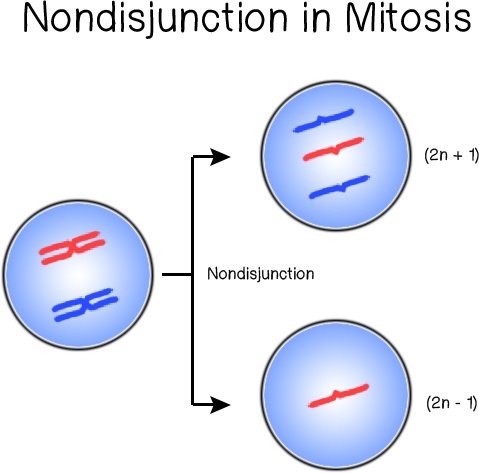
Nondisjunction
Failure of chromosomes to separate properly during cell division.
45
New cards
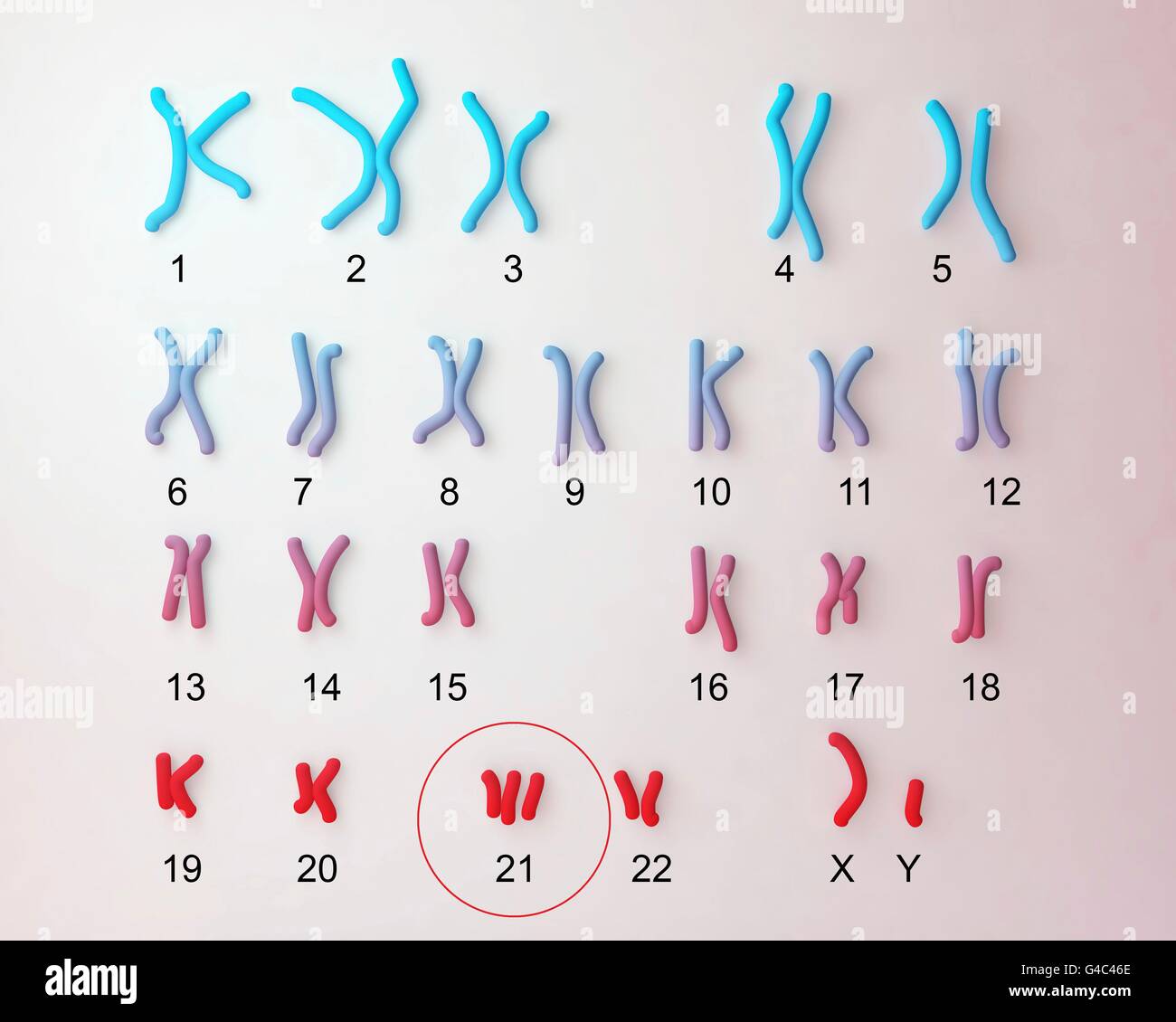
Karyotype
A visual representation of chromosomes used to detect abnormalities.
46
New cards
Autosomal Disorders

Chromosomal disorders like Down syndrome and Trisomy 18. -1 chromosome

<p>Chromosomal disorders like Down syndrome and Trisomy 18.                  -1 chromosome </p>
47
New cards
Sex Chromosome Disorders

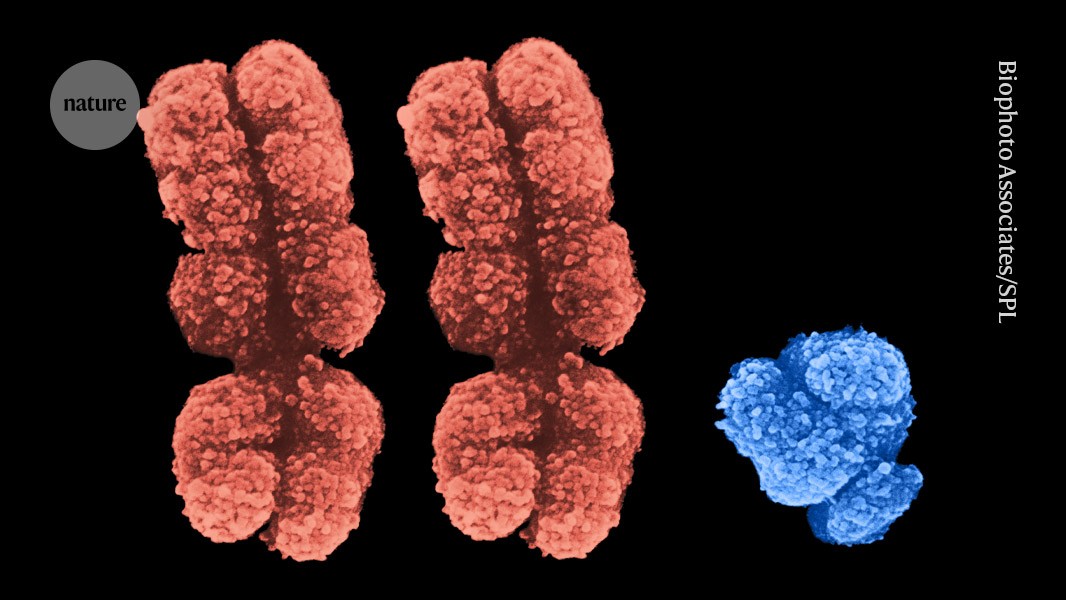
Disorders such as Turner syndrome (XO) and Klinefelter syndrome (XXY). (an extra chromosome) +1
<p>Disorders such as Turner syndrome (XO) and Klinefelter syndrome (XXY). (an extra chromosome) +1</p>